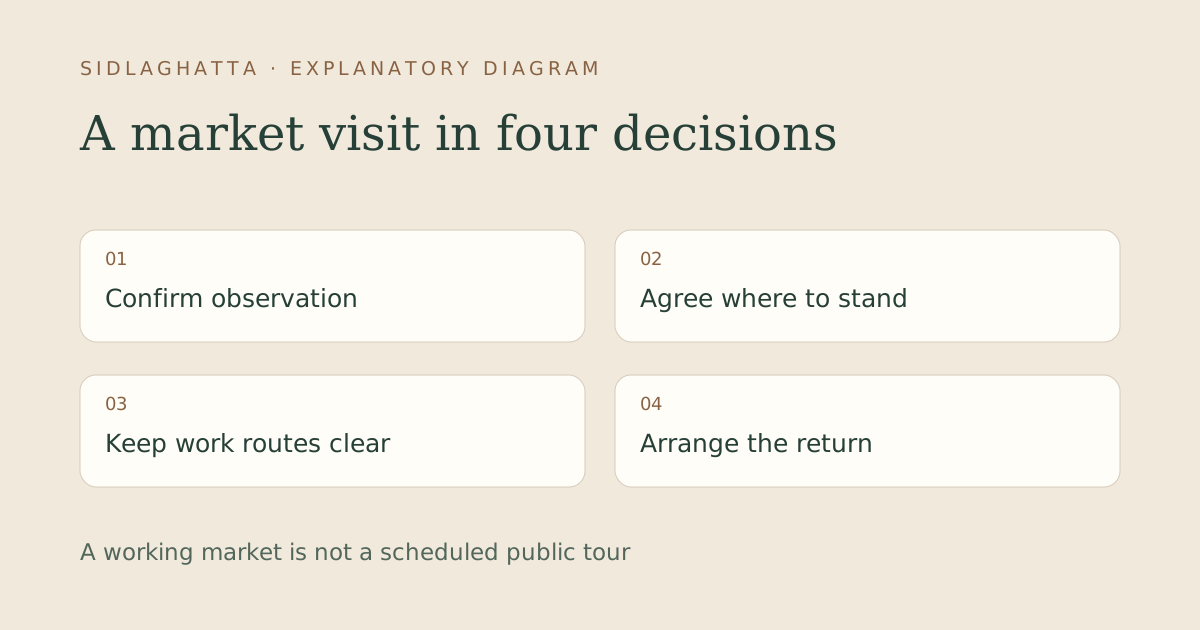
Permission is the first planning step
The government cocoon market is a workplace. Ask the market office whether visitors may observe, when that is least disruptive and where you should enter. The district’s sericulture page establishes the market’s role; it does not promise a public tour or a visitor timetable.
Travel with a fallback if observation cannot be arranged. A refusal or a closed gate means the visit cannot proceed inside. Do not follow traders through a working entrance to bypass that decision.
Watch from an agreed position
Keep bags small and leave loading lanes clear. Do not touch cocoons, trays, weighing equipment or documents. If someone is explaining a process, stand where they direct and let the work continue at its own pace.
Ask separately about photographs. Permission to stand in a market hall is not permission to photograph every worker, transaction or account. Put the camera away when requested, and avoid flash or equipment that obstructs movement.
Prepare for ordinary town conditions
Wear shoes with grip, carry water and plan a meal independently. Shade, seating, accessible toilets and a step-free observation route have not been confirmed as visitor facilities. Ask the office about the particular arrangements your group needs.
Agree the return with your driver or establish the next bus connection before beginning. Do not rely on a ride-hailing app to supply a car at a particular moment unless a pickup is actually confirmed. There is no boat leg in the town visit.
Keep prices out of the sightseeing promise
A wholesale cocoon price is tied to a date and category. It is not a retail price for cloth and should not be turned into a promise of cheap shopping. The explanatory diagrams in this guide are not photographs of the market hall. Start with the district sericulture department and the mapped market feature, then settle the visitor arrangements locally.