Heritage and pilgrimage
Temples, forts, palaces, churches, mosques, Buddhist sites and UNESCO routes need context, dress notes and crowd planning.
Plan India by state → district → destination base → famous place. Roampedia is expanding from Kerala into Tamil Nadu and Karnataka first, with a structure that can scale across India for web, iOS and Android.
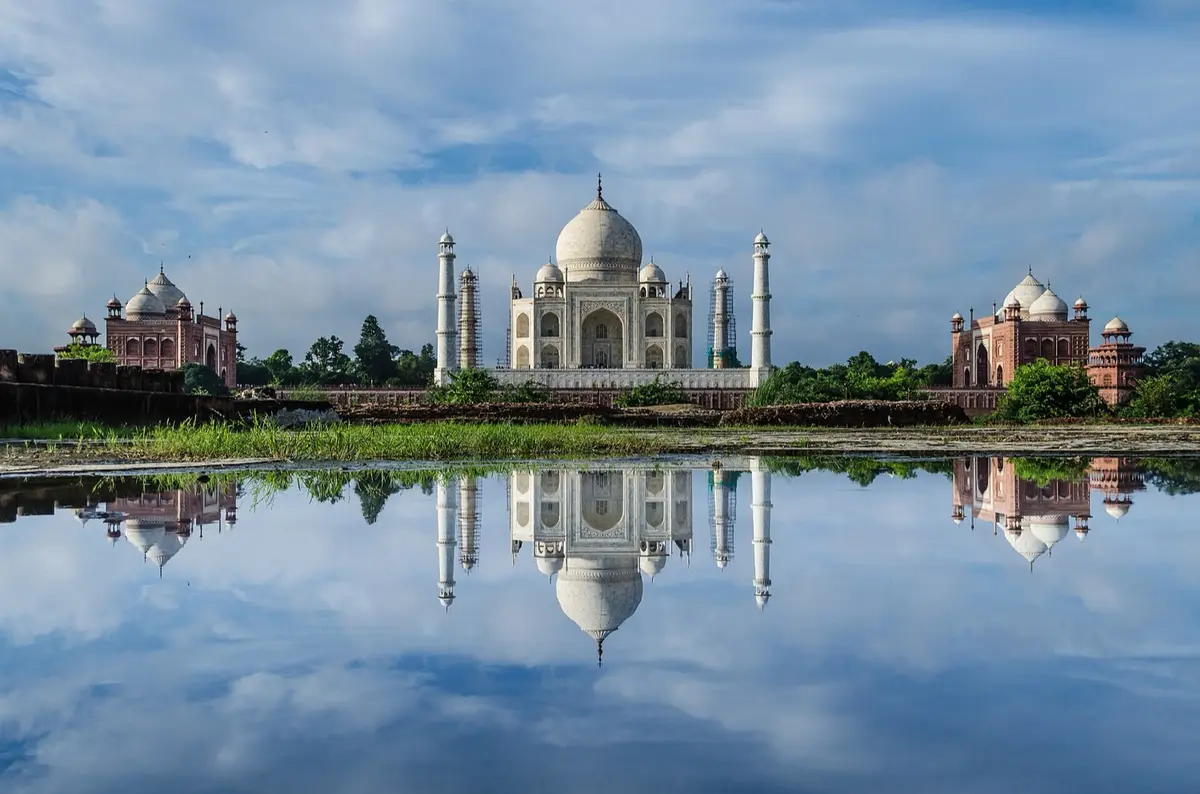
A subcontinent of 28 states and 8 union territories — Roampedia builds it one state at a time, deeply.
India is a subcontinent, not a single trip: the Taj Mahal and Rajasthan's forts in the north, Kerala's backwaters and tea hills in the south, the high Himalayas, a 7,500km coastline and a festival calendar that runs almost year-round. A first visit works best around a single region rather than a checklist — pair a classic north India route with Kerala for two weeks, or stay in the south for a slower, single-region trip. Most visitors need a visa (the online e-Tourist Visa is the simplest route), the best overall window is October to March, and a trip can run anywhere from roughly ₹1,200 a day backpacking to ₹20,000+ a day for luxury.
India runs on regional identity more than any single national picture: North India (Delhi, Agra, Rajasthan) is monuments and desert forts; South India (Kerala, Tamil Nadu, Karnataka) is backwaters, temples and food; the Himalayas and Ladakh are high-altitude and best in summer; the coasts (Goa, Kerala, the Andamans) are beaches and slow time; the Northeast is its own world of hills and tribal culture. Roampedia's deepest coverage today is Kerala, starting with Fort Kochi — the rest of the country is being built out state by state, and our itineraries are honest about which legs are fully mapped and which are editorial for now.
Trains (booked on IRCTC) are the backbone for medium and long distance, domestic flights make sense for the longest hops, and autos or app cabs cover cities — though Uber and Ola thin out fast once you leave the metros, so hill towns and small towns rely on a hired car with a driver instead. October to March suits most of the country; the Himalayas flip that and are best May to September; and the June–September monsoon, while wetter, is green, quiet, cheap, and Kerala's traditional Ayurveda season.
India suits every budget: backpackers get by on roughly ₹1,200–3,500 a day, mid-range travellers should plan for ₹3,000–5,000, and a luxury trip runs ₹12,000–20,000 or more per person per day, all excluding flights. Food, local transport and budget stays are all inexpensive by global standards — it is one of the reasons India works equally well for a shoestring backpacker and a comfortable first-timer.
Pick one region for your first trip, apply for the e-Tourist Visa online, travel October–March, and budget ₹1,200–20,000/day depending on style — Kerala is where Roampedia's coverage runs deepest today.
Heritage lanes, Chinese fishing nets and a dense cafe scene — Kerala's easiest first stop.
Rolling tea plantations across the Western Ghats, cool air and viewpoints.
Houseboats drifting through palm-lined canals and lagoons — classic Kerala.
Wildlife sanctuary and spice plantations in the Western Ghats.
A red-cliff beach town with cafes strung along the clifftop.
Forests, waterfalls and wildlife in Kerala's hill district.
Agra's white-marble icon — coming soon to Roampedia.
Rajasthan's Pink City — forts, palaces and bazaars, coming soon to Roampedia.
These are the first India state cards for the wider wiki. Kerala carries the deepest local business layer today; Tamil Nadu and Karnataka now provide the same guidebook architecture for districts, destination bases and famous places.
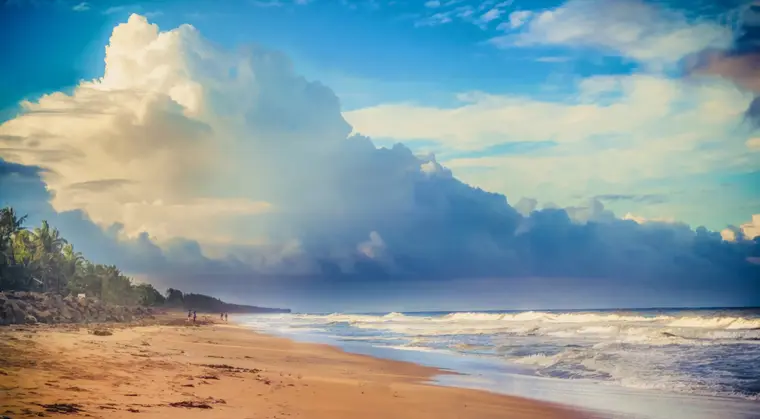 Available now
 Available now
 Available now
 Available now
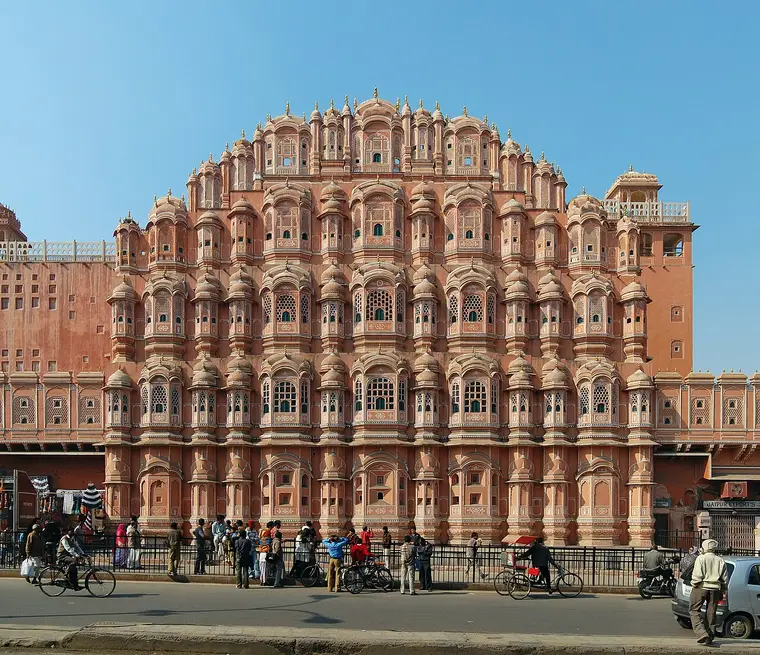 Available now
 Available now
 Available now
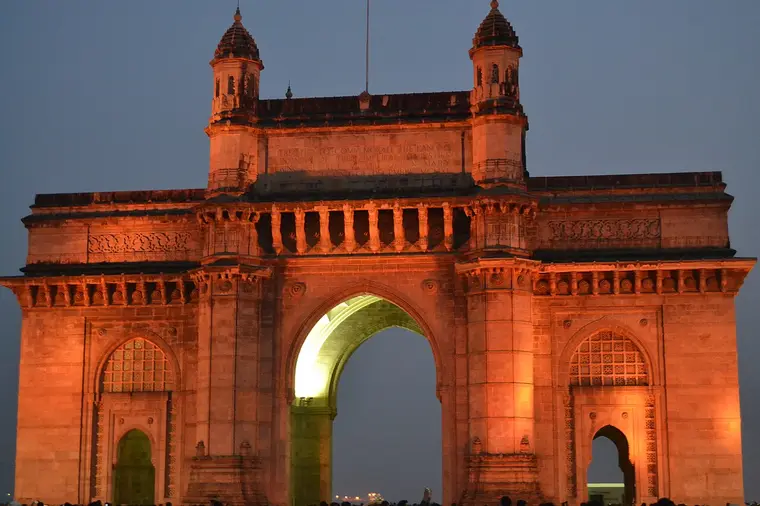 Available now
 Available now
 Available now
 Available now
The India landing page should help users choose the right kind of trip before drilling into a state. These modules can become app filters, saved-trip collections and local business discovery surfaces.
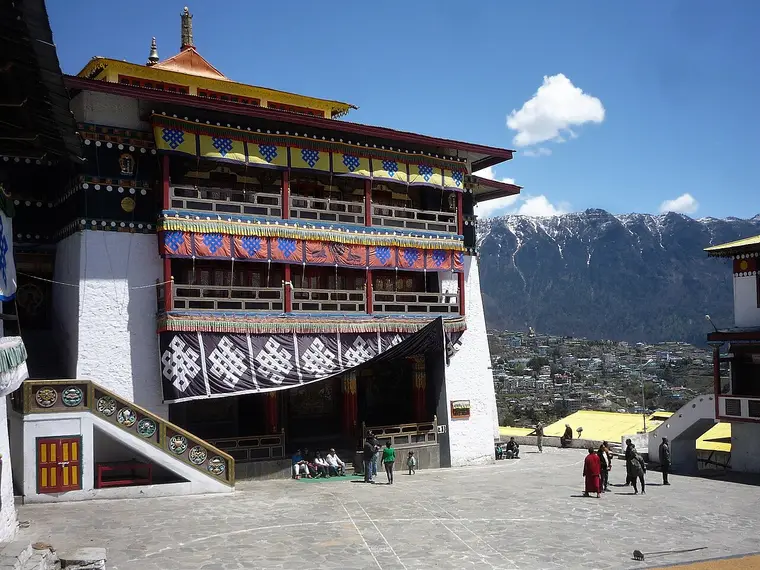
Temples, forts, palaces, churches, mosques, Buddhist sites and UNESCO routes need context, dress notes and crowd planning.
Hill stations, ghats, tiger reserves, waterfalls, forests and high-altitude roads need weather, permit and access guidance.
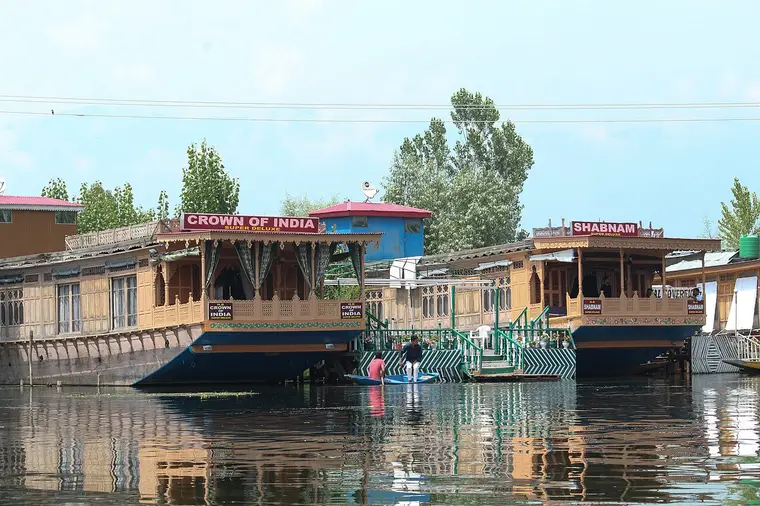
Beaches, islands, lagoons, houseboats and coastal cities need season, safety and local transport details.
Food streets, markets, coffee, filter coffee, thalis, seafood and regional cuisines should connect to verified local listings.
These cards keep the main India page useful even before every state is fully built. They explain the operating model: choose a geography, understand practical travel, then connect with verified local businesses where inventory exists.
Visa, SIM, UPI, cash, health, water safety, transport and arrival planning that apply before users pick a state.
Use essentials →IndiaA practical starter route across Kerala, Tamil Nadu and Karnataka: coast, temples, food, coffee hills, wildlife and heritage.
Start South India →IndiaCountry, state, district, destination base and famous-place pages are structured for app navigation, saved trips and business discovery.
Browse structure →IndiaHotels, homestays, restaurants, guides, rentals and local operators will be attached to places without commission markup.
Open live inventory →IndiaNew states can be added without changing the app model: publish the state hub, then districts, bases and famous places.
View roadmap →Every India page follows the same hierarchy so it can move cleanly into mobile: a state opens districts, a district opens destination bases, and a base opens famous places plus nearby businesses when they are verified.
The country page features every India state with a published guidebook hub, and leaves room for further expansion after research, media and page quality checks.
Most visitors need a visa. India offers an e-Visa (tourist: 30-day, 1-year or 5-year) for many nationalities, applied for online before travel on the official government portal. Always confirm current rules for your nationality on the official Indian government e-Visa site.
Most visitors do. India offers an online e-Tourist Visa in 30-day, 1-year and 5-year options; apply on the official government portal before you travel.
October to March suits most of the country; the Himalayas are best May to September; the June–September monsoon is green and cheap, and Kerala’s Ayurveda season.
Two weeks lets a first-timer pair the Golden Triangle in the north with a slower southern leg like Kerala; a single region such as Kerala works well in 7–10 days.
Broadly yes, with normal precautions. Save 112 (all-in-one) and, for women, 1091; book cabs through apps and dress with local norms in mind.
Roughly ₹1,200–3,500 a day backpacking, ₹3,000–5,000 mid-range, and ₹12,000–20,000+ for luxury, per person and excluding flights.
Yes — food, local transport and budget rooms are all inexpensive by global standards, which is why it suits both backpackers and comfortable travellers.
Trains are the backbone for distance, domestic flights for long hops, autos and app cabs in cities, and a hired car with driver in the hills.
No — Uber and Ola are reliable in metros and larger cities but thin out in hill and rural areas, where a pre-arranged car or auto is the norm.
Through IRCTC, the official site and app. Book early; foreign tourists should use the Foreign Tourist Quota, as Tatkal now needs an Aadhaar ID.
The Indian rupee (₹). Cards work in cities; carry small cash for autos and vendors. UPI is everywhere for locals but usually needs an Indian account.
A local Jio/Airtel SIM is cheap (₹300–500 for lots of data) but needs in-store paperwork; an eSIM installs before you fly with no documents.
Spice varies by region and you can ask for mild; India is one of the easiest countries in the world to travel as a vegetarian.
Yes, if you choose busy stalls with hot, freshly-cooked food and stick to bottled or filtered water — ease into it over your first few days.
Diwali (Oct/Nov) and Holi (March) are the biggest nationally, plus regional festivals like Onam in Kerala; most follow the lunar calendar, so verify dates yearly.
Yes — English is an official language and widely understood in cities, tourism and business, alongside Hindi and many regional languages.
Cover shoulders and knees and remove your shoes; some temples restrict non-Hindus or leather items, so check signage or ask locally.