Indicative entry fees and opening hours for the ticketed and timed places in Wayanad. These change — always confirm with the official operator before you go.
PlaceEntry feeTimingsBest time
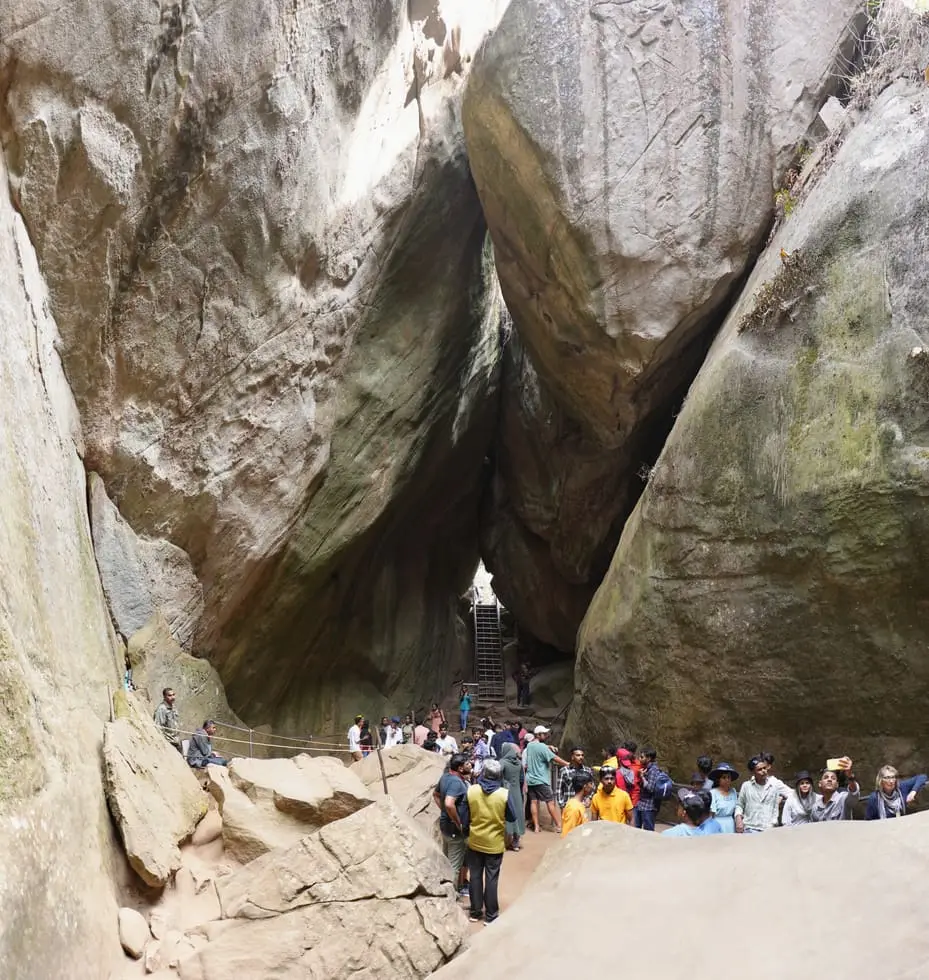
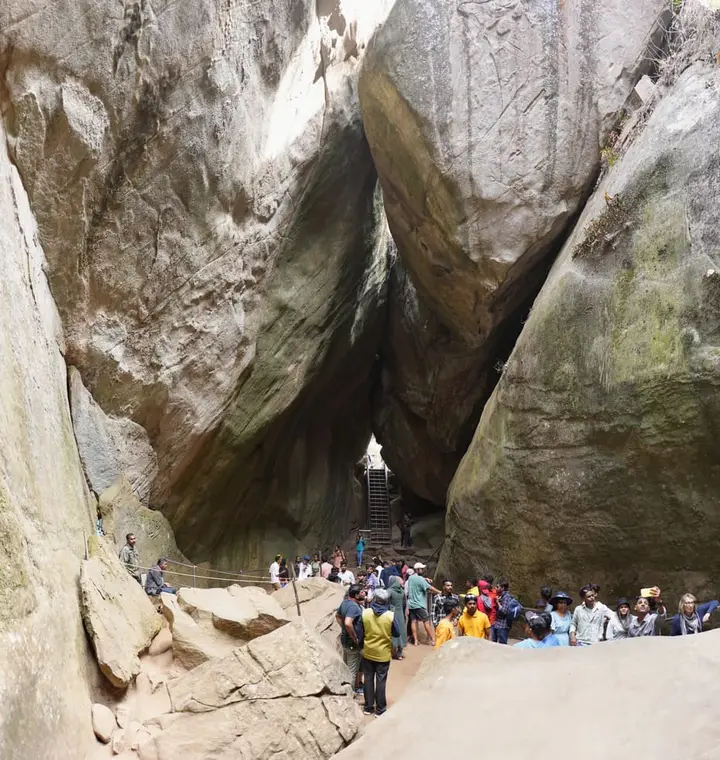
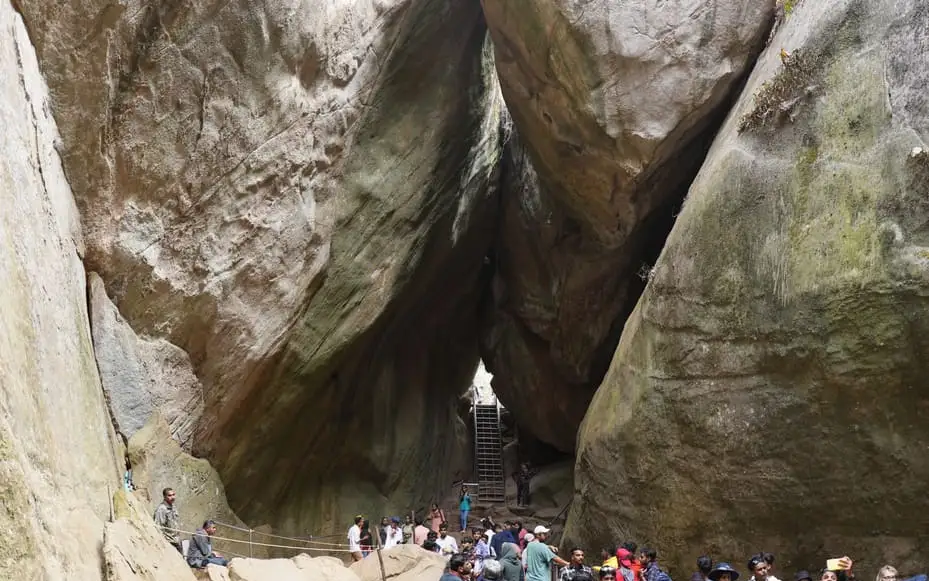
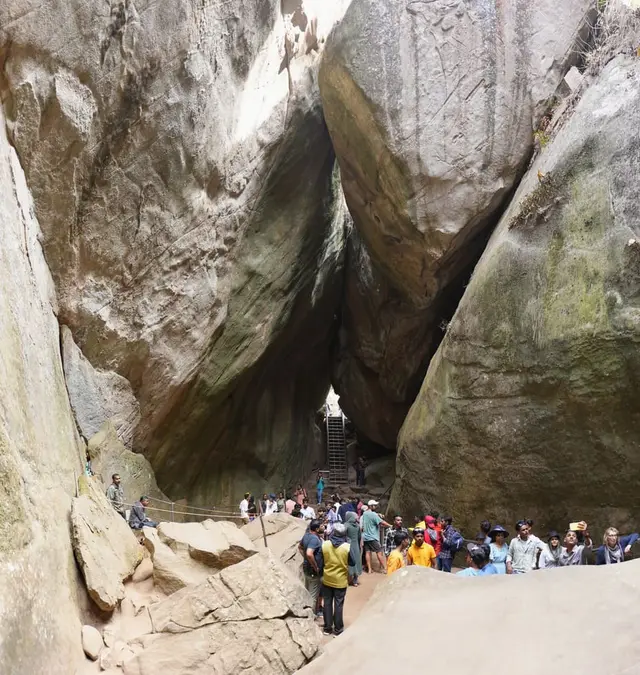
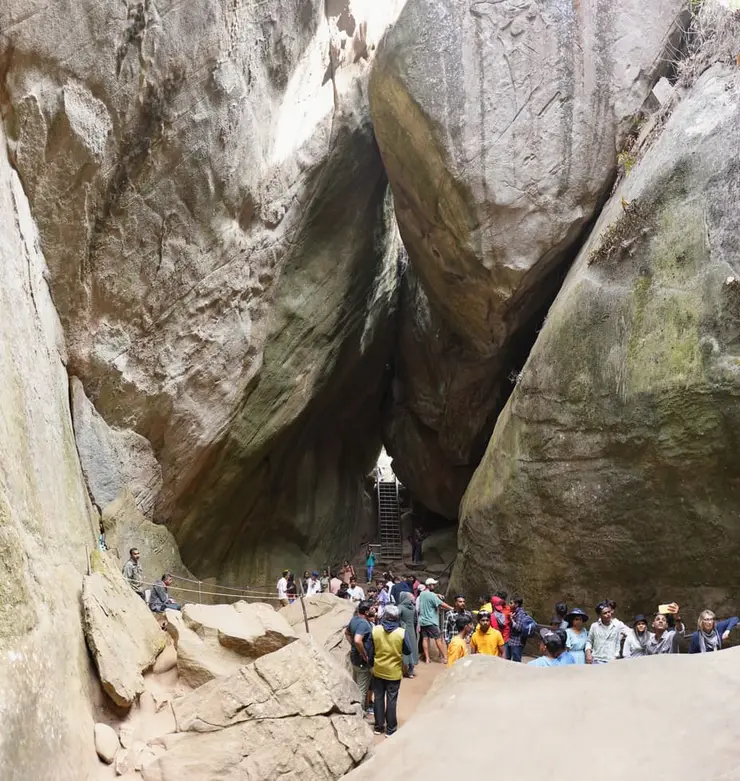
Edakkal Caves A small entry ticket, with reduced rates for children, plus a separate camera fee.Typically open around 9am to 4pm, usually closed one weekday (often Monday) and public holidays (the site has been closed at times since the Wayanad landslides).October to May, during Wayanad’s cooler, drier months, is ideal; early morning is best for light, cooler climbing and fewer crowds. Avoid heavy monsoon (roughly June to September) when the trail is slippery.
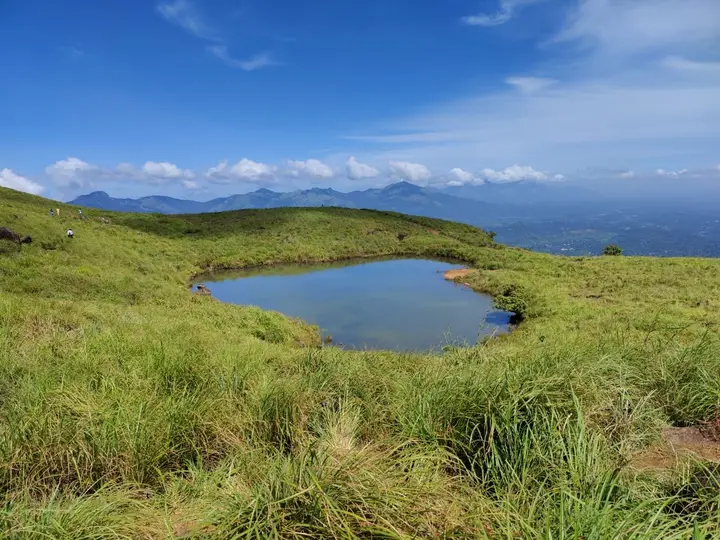
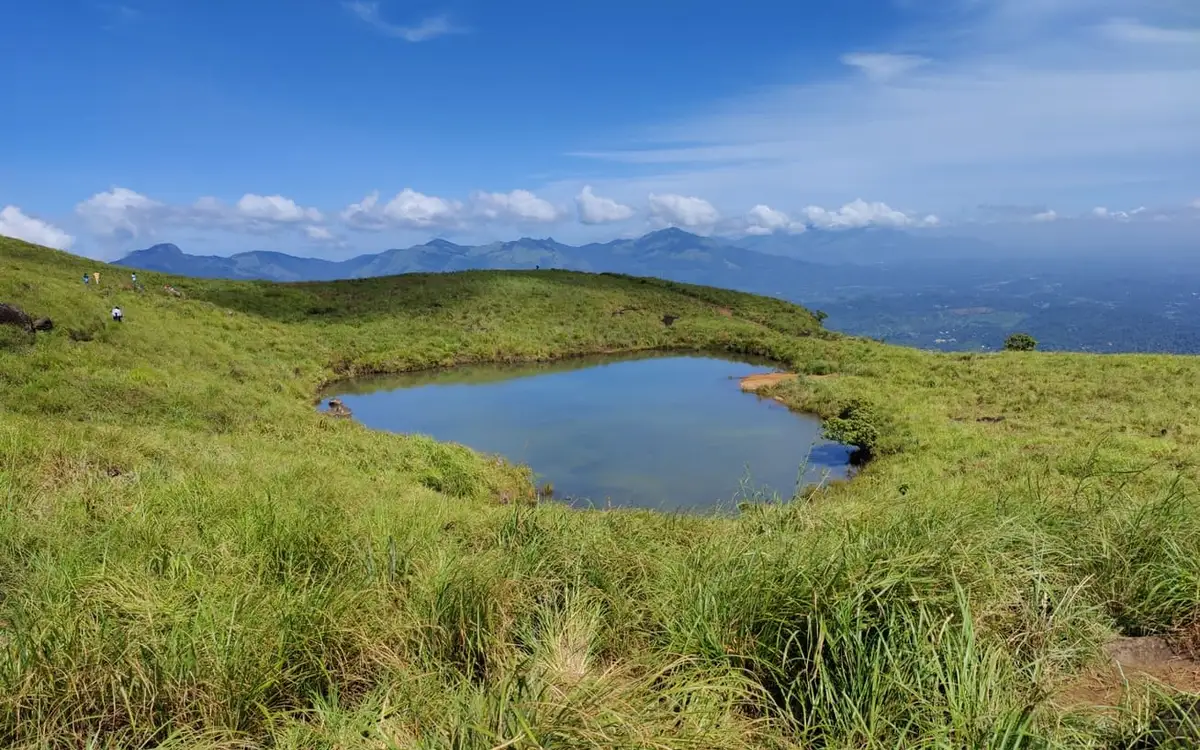
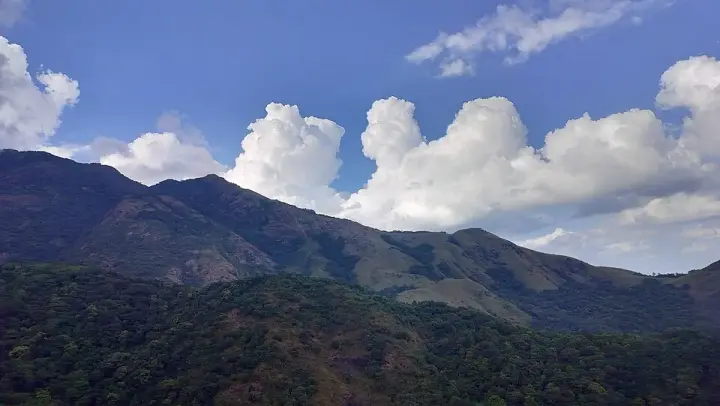
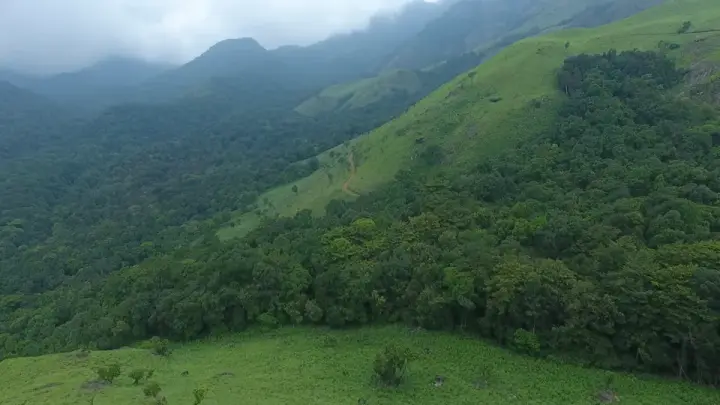
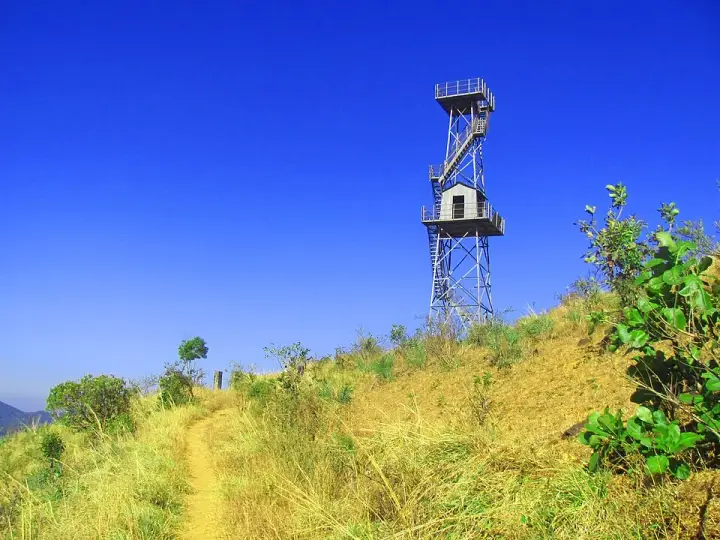
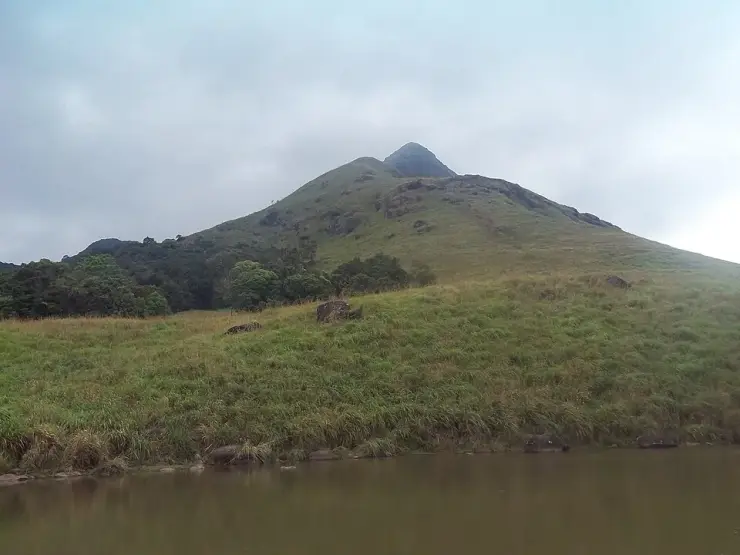
Chembra Peak trek A permit/entry fee plus a guided-trekking charge levied per group with a per-person add-on; figures widely quoted include around ₹4,000 for a group of about five plus roughly ₹800 per extra person, with small separate entry fees and higher rates for foreign nationals.Trekking generally starts from around 7:00 AM, with last entry commonly around 2:00 PM and trekkers required off the mountain by late afternoon (about 5:00 PM); no permits are issued after the cut-off.October to February (post-monsoon) is best — clear skies, green grassland and cool air. Avoid the monsoon (June–September) for slippery, leech-prone trails, and note the hot, dry pre-monsoon months carry a high forest-fire risk that can trigger closures.
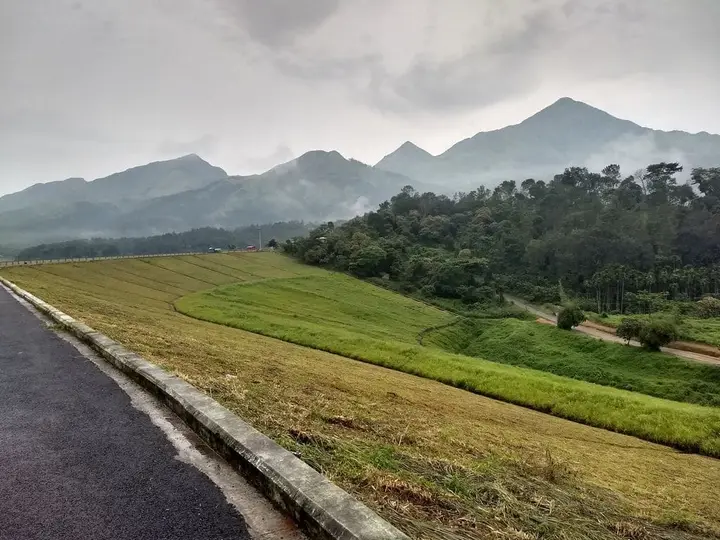
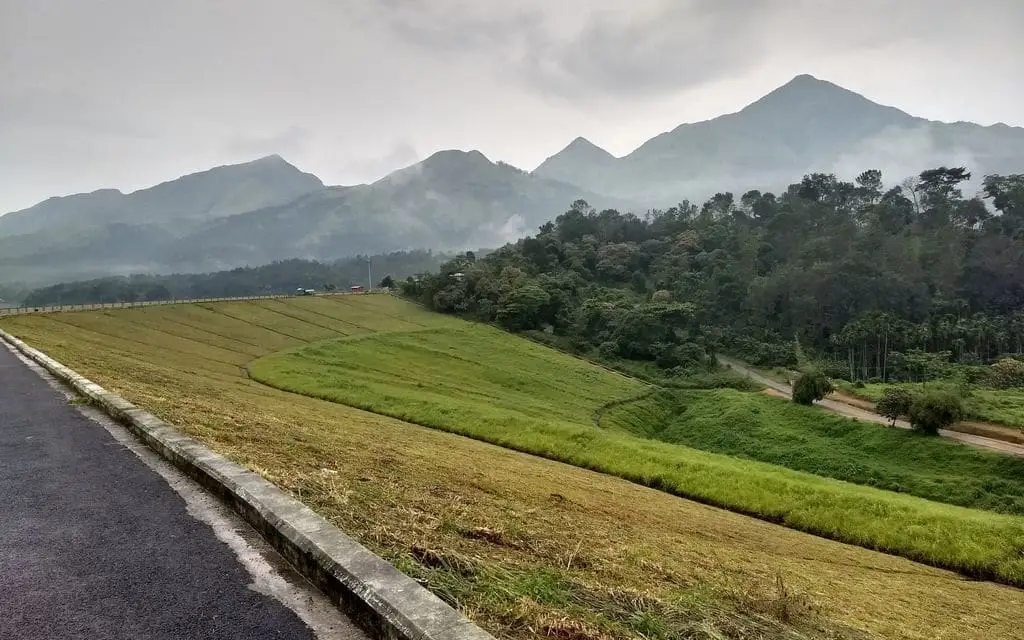
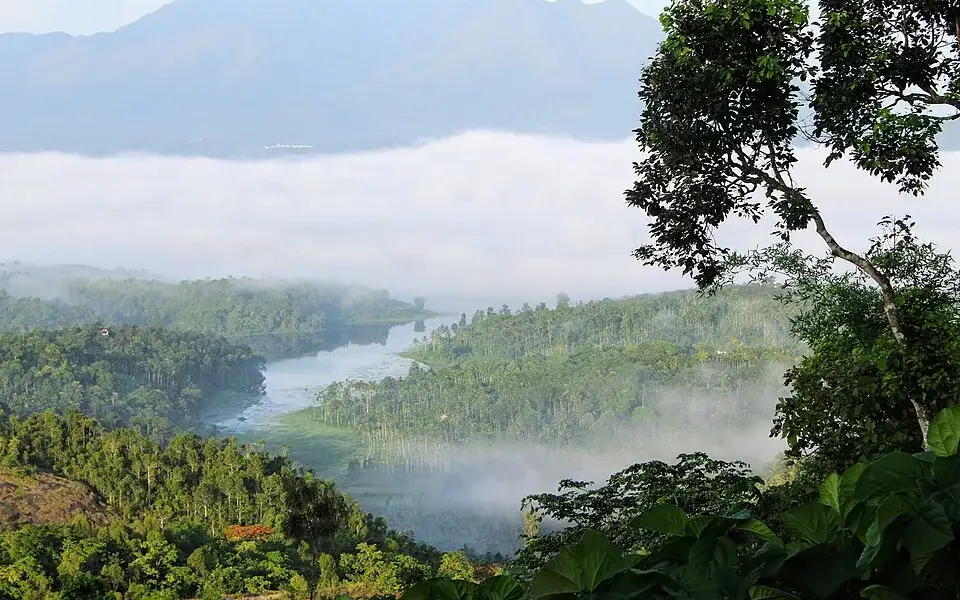
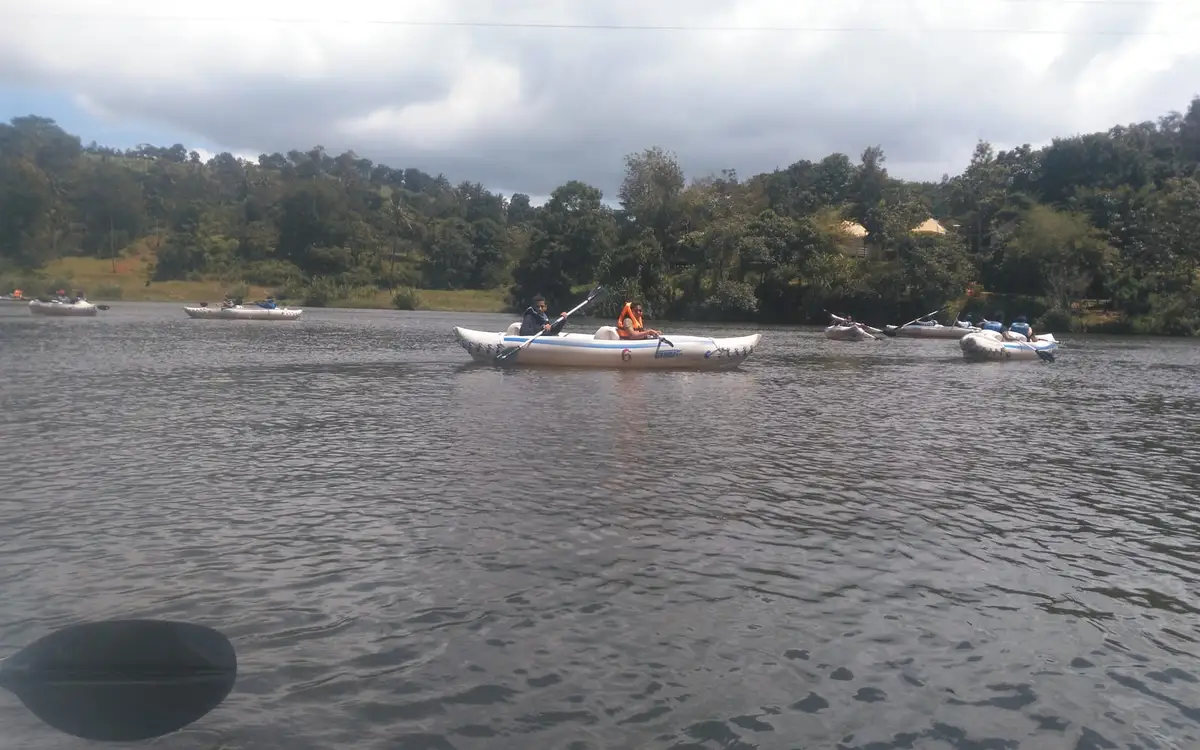
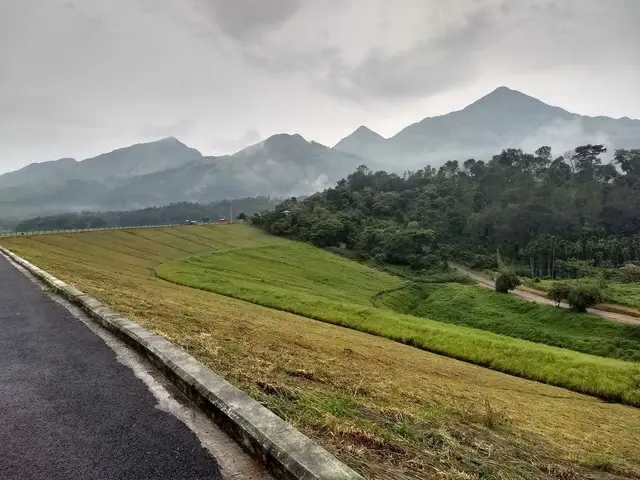
Banasura Sagar Dam A nominal entrance ticket per person, with boating charged separately (speed-boat rides cost more than pedal boats, and parking is usually extra).Generally open daily, roughly 9:00 am to 5:00 pm, with boating counters typically closing earlier in the afternoon.September to March (post-monsoon and winter) is the most pleasant, with a full, green, island-studded reservoir and comfortable weather; early morning offers the best light. Summer brings lower water levels and wider mudflats; heavy monsoon rain can disrupt boating.
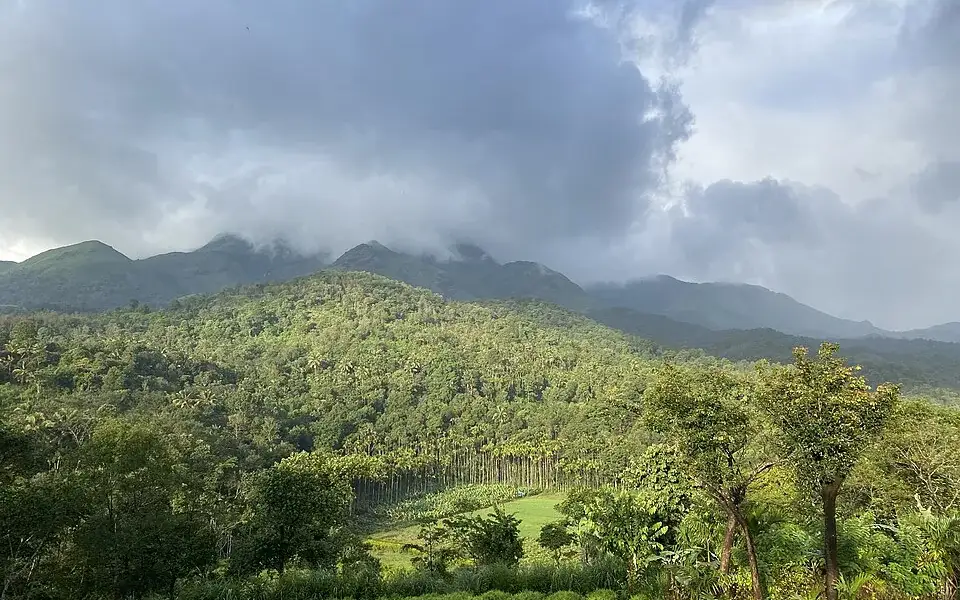
Banasura Hills A modest entry ticket typically applies at the dam, with separate charges for parking, the shuttle/jeep to the dam base and each boating ride; peak trekking carries its own permit and guide fees.The dam and boating area are generally open through the day, commonly cited as roughly 9 am to 5 pm. Peak trekking follows separate forest-department timings and slots.Roughly October to February is generally considered the finest window — cool, clear and green, with the reservoir often full and the islands at their most striking. The post-monsoon months are especially photogenic; peak summer is hazier and heavy monsoon can force closures.
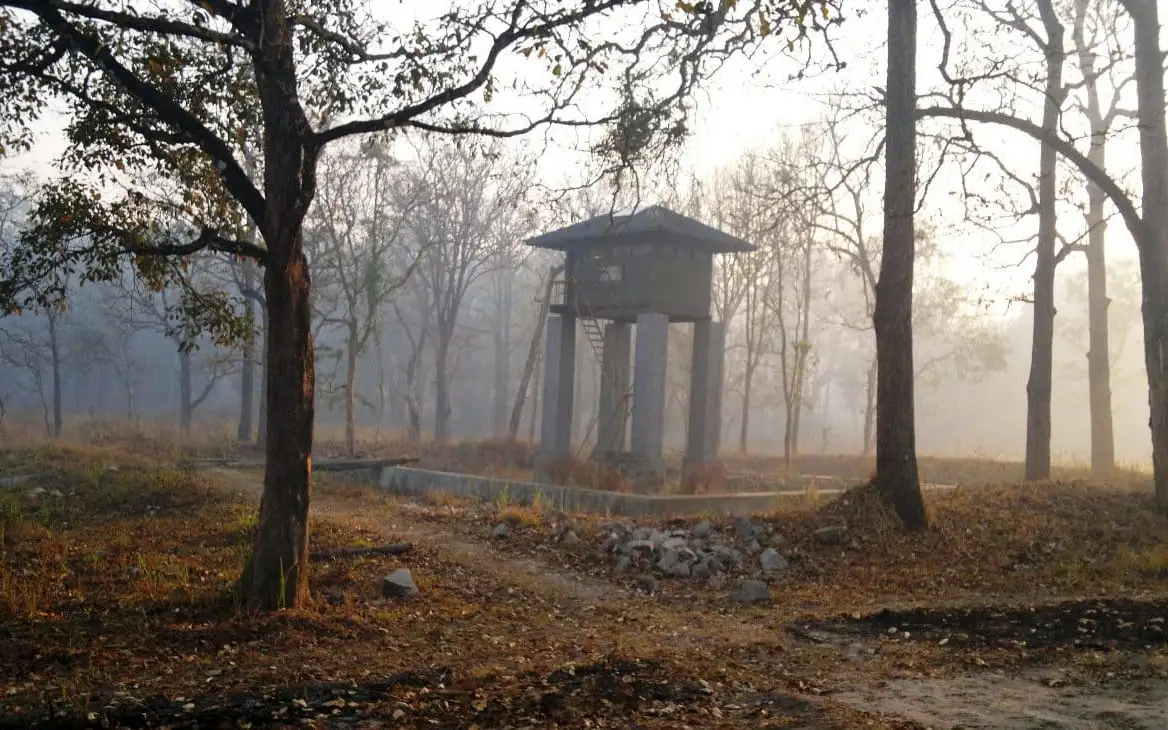
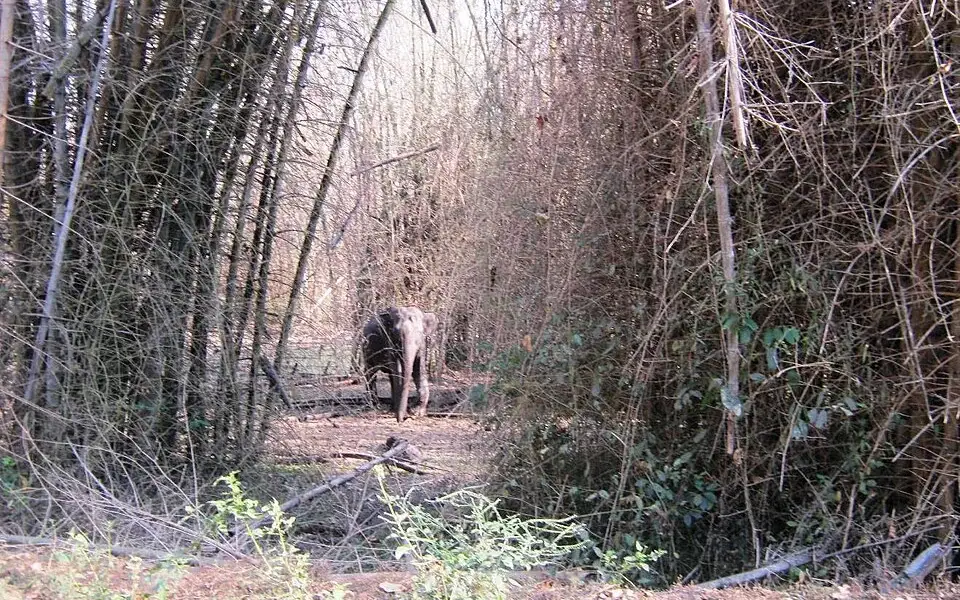
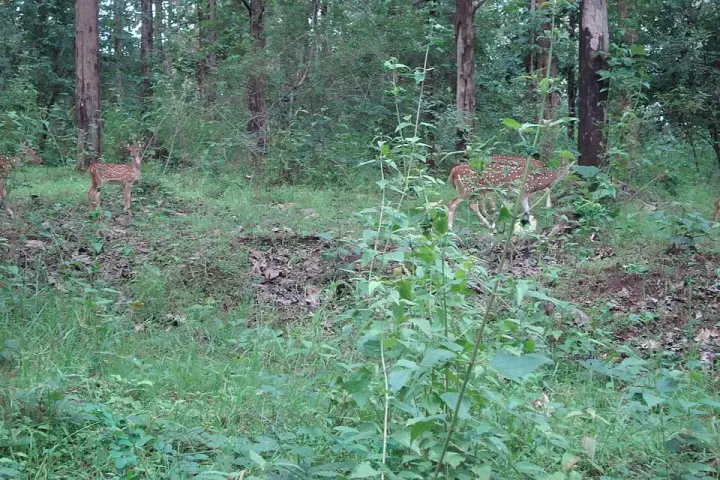
Wayanad Wildlife Sanctuary Sanctuary entry is modest — around ₹350 per adult and ₹175 per child for Indian visitors, with higher rates for foreign nationals; the open jeep safari (seating about four) is a separate charge of roughly ₹2,100 for Indians and about ₹4,200 for foreigners, plus a compulsory guide fee.Two safari sessions daily — an early-morning slot roughly 7 am–10 am and an afternoon slot roughly 3 pm–5 pm at Muthanga; Tholpetty often opens a little earlier in the morning.November to March is the most comfortable and popular window. The dry spring months (about March–May) can give better wildlife sightings near waterholes, though it is hot. The monsoon (roughly June–September) turns the forest lush but limits or suspends safaris.
Muthanga Wildlife Sanctuary Entry ~₹110 per adult, ₹40 per child and ₹300 per foreigner, plus a jeep safari fixed at ~₹600 for up to seven people; camera, guide (~₹100) and parking (~₹75) extra. Indicative — confirm at the forest office.Safari slots roughly 7:00–10:00 AM and 2:00–5:00 PM; a limited number of jeeps run each slot, so reach the gate early. Morning gives the best sightings.October–May; early morning in the dry months offers the best chance of wildlife.
Tholpetty Wildlife Sanctuary A modest per-person forest entry fee (higher for foreign nationals), plus separate jeep-safari, compulsory guide and vehicle charges paid at the check-post; camera/video fees may also apply. Exact rates change periodically — confirm current amounts locally.Guided safaris run in two fixed windows — roughly 7:00 am–10:00 am and about 3:00 pm–5:00 pm.November to March is ideal — cooler, drier and good for sightings as wildlife gathers near water. Avoid peak monsoon (June–August), when the range may close or restrict entry.
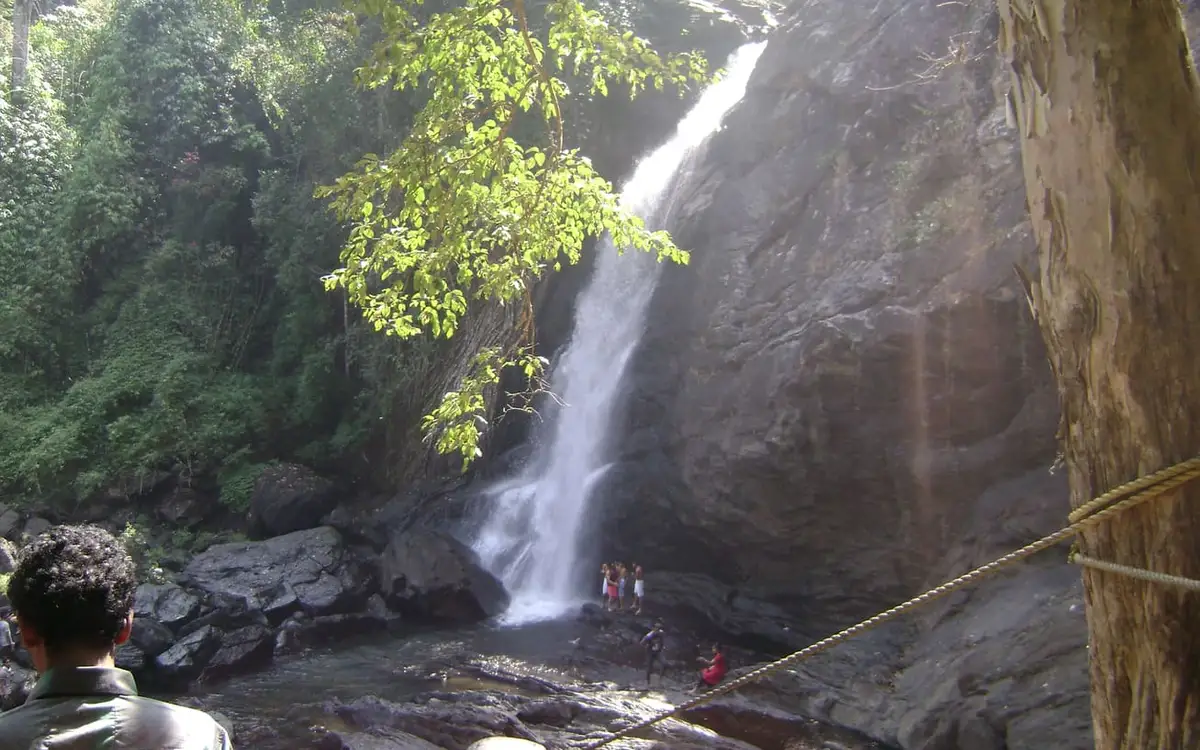
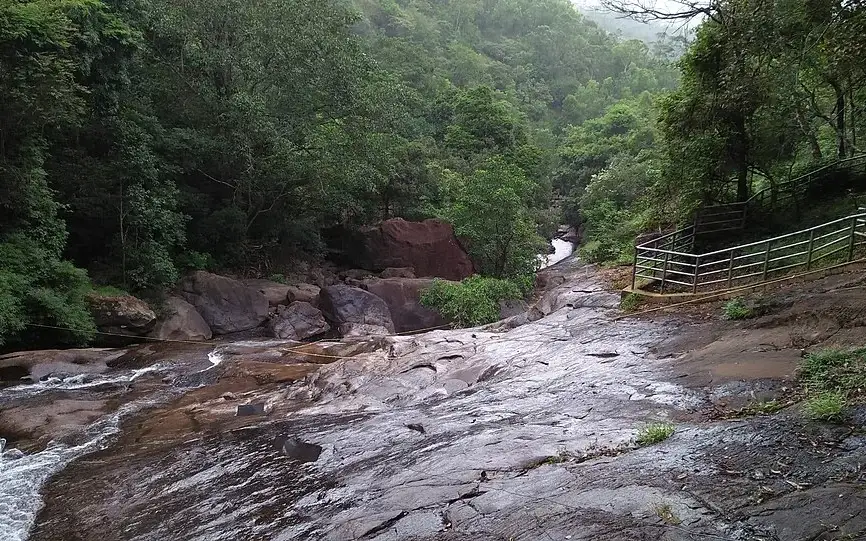
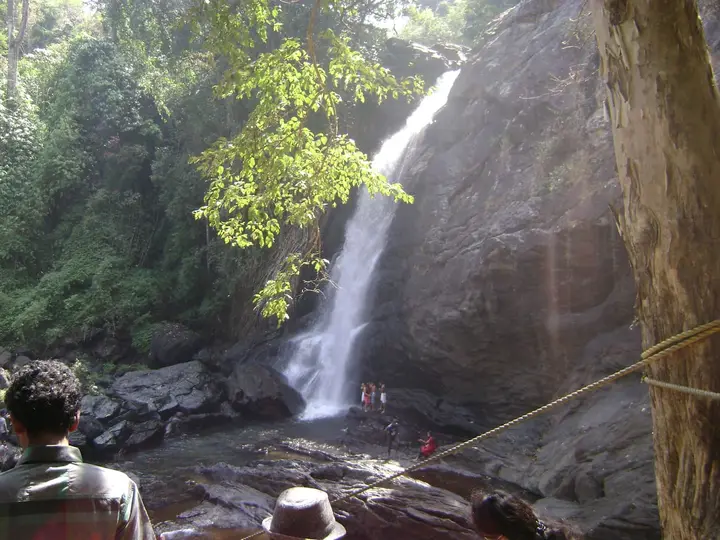
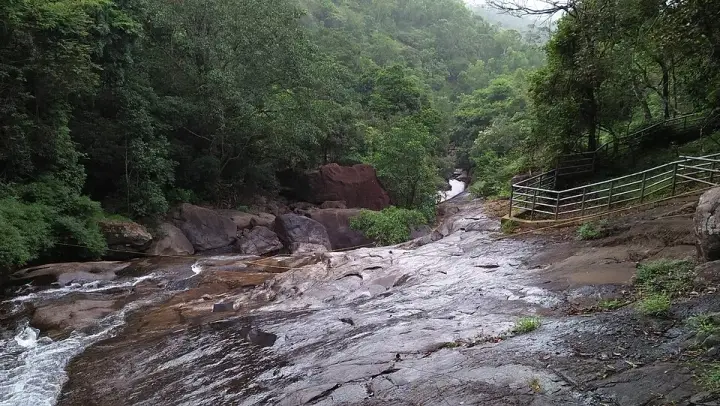
Soochipara Waterfalls Entry roughly ₹80 per person (some sources list up to ₹150); camera fee around ₹50; parking charged extra; zipline reported around ₹500 both ways and zip-cycling around ₹300.Generally open daily around 8:00 am to 5:00 pm, with last entry earlier (some sources list 9:00 am to 4:30 pm). Daytime visits only.October to February is the sweet spot — strong but safe flow, cooler air and good trekking conditions. The monsoon (June to September) delivers the falls at full force but with slippery paths and frequent swimming restrictions; March to June the flow thins considerably.
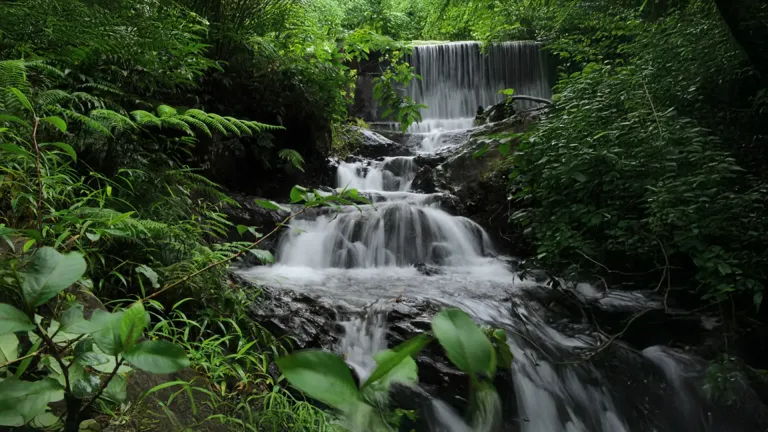
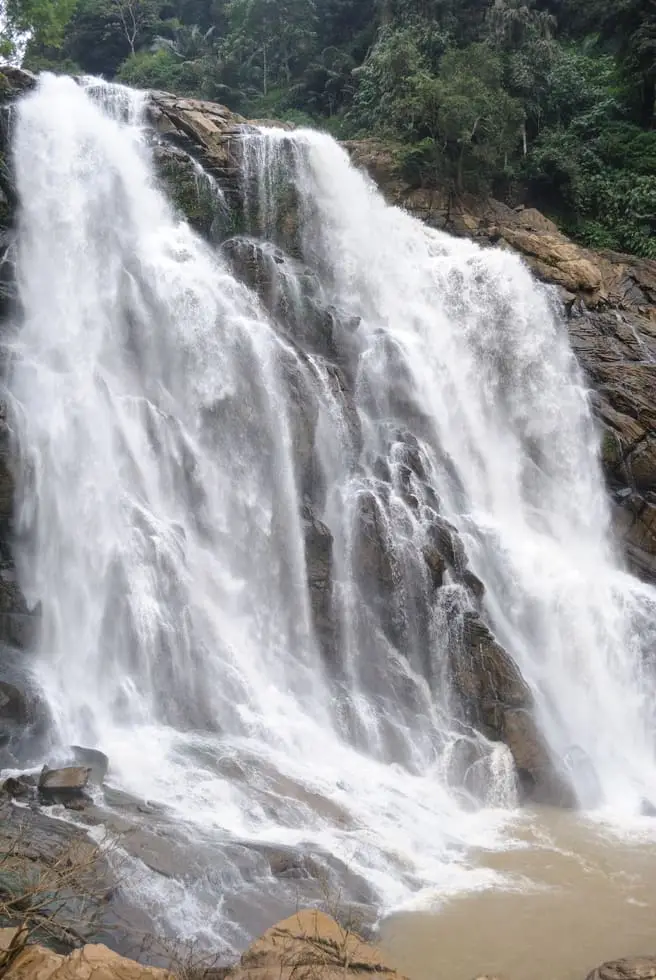
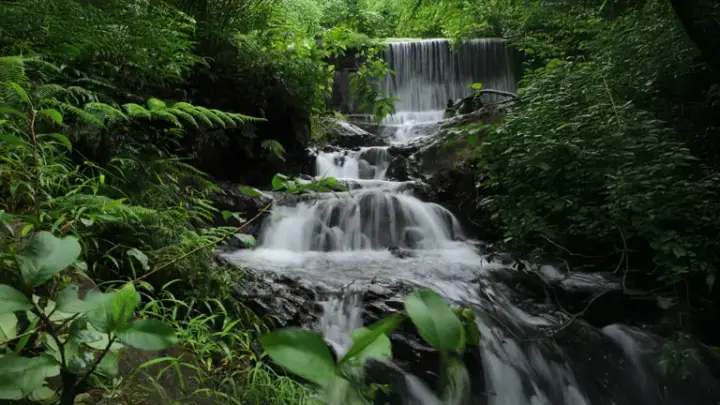
Meenmutty Waterfalls Nominal forest entry fee, commonly quoted around ₹30 for Indian adults and ₹15 for children, about ₹60 for foreign nationals, and roughly ₹75 for a still camera. Guide and any vehicle charges are extra.Roughly 9.00 am to 5.00–5.30 pm, when open; last entry is well before closing to allow time for the trek back, and the site is frequently closed during heavy rain.October to May is the recommended season, with the drier winter months easiest for trekking. Avoid the June–September monsoon, when the falls are dangerous and often closed; the immediate post-monsoon period has strong flow but slippery paths and leeches.
Banasura Meenmutty Waterfalls DTPC Wayanad currently publishes ₹100 for an adult, ₹50 for a student and ₹200 for a foreign visitor, with still camera ₹53 and video ₹301. A Forest Department table publishes lower amounts, so confirm the gate price before travel.DTPC Wayanad currently publishes 10:00–17:00. Ask at the counter which tiers are open and when the last ascent is allowed; a closing time does not make a late climb safe.Post-monsoon and winter balance visible flow with easier access. Heavy rain makes boulders, steps and the stream crossing dangerous and can close upper tiers; late dry season can reduce the waterfall.
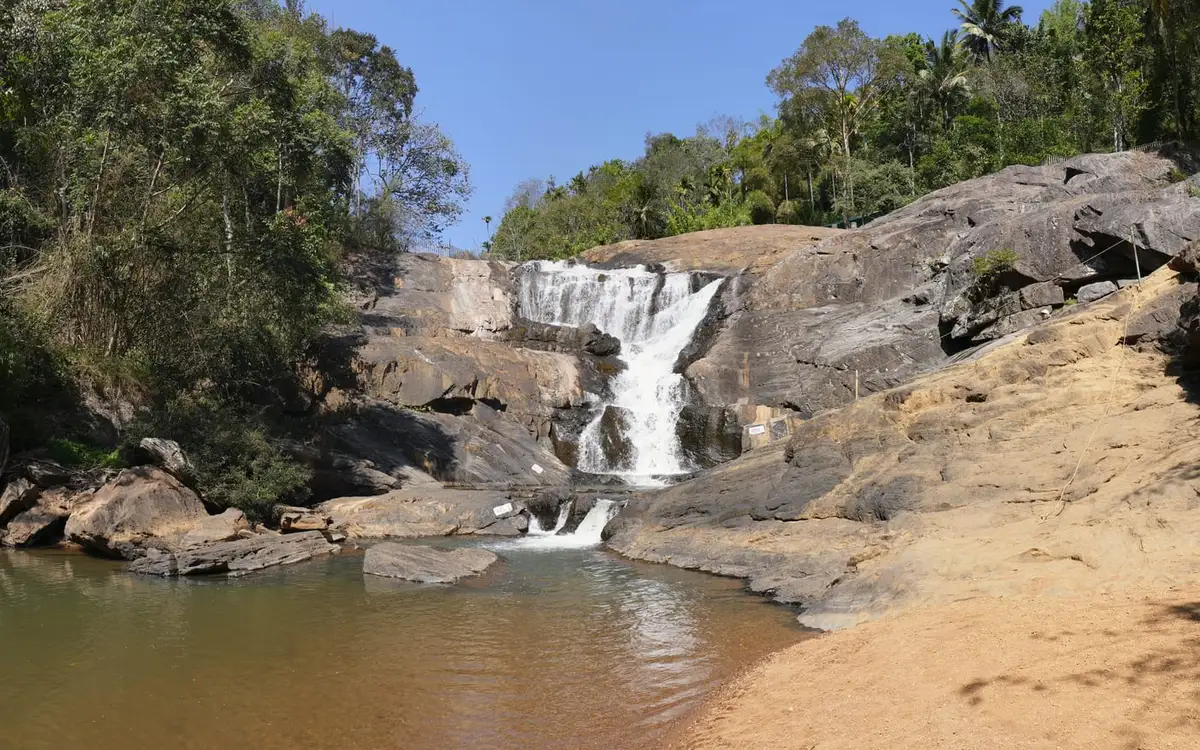
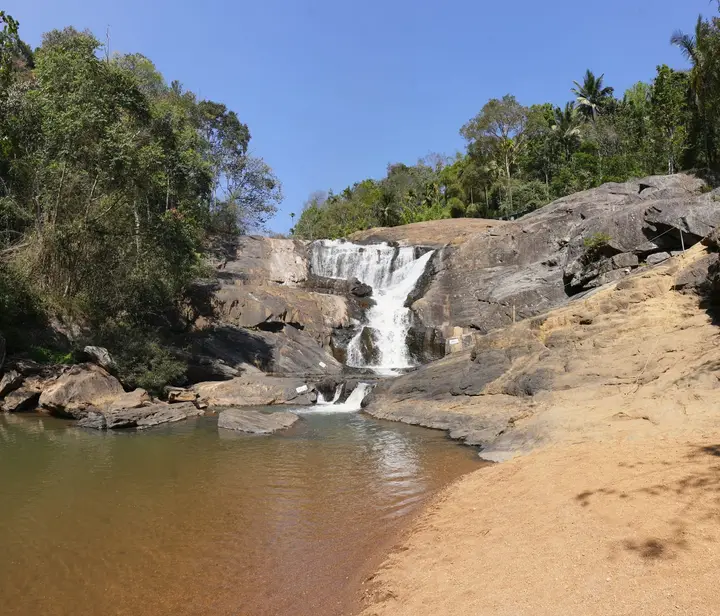
Kanthanpara Waterfalls Around ₹40 per adult, with reduced rates for children and senior citizens, plus an extra charge (about ₹1,000) for videography or wedding shoots; guided bird-watching and riverside trekking are priced separately and may require booking.Generally open around 9 am to 5 pm, with last entry near 4.30 pm; separate early-morning slots have at times been offered for guided bird-watching and trekking.October to May is ideal — a full-flowing but safe cascade with lush post-monsoon greenery and easy access. June to September brings the most powerful flow but also slippery paths and landslide risk.
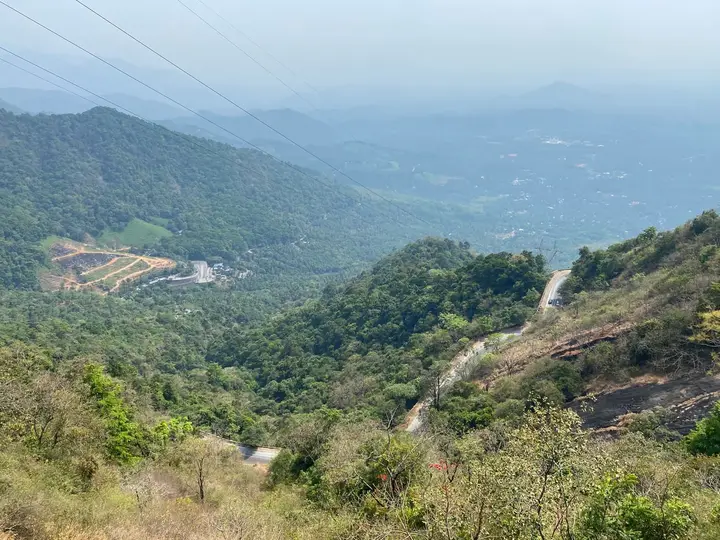
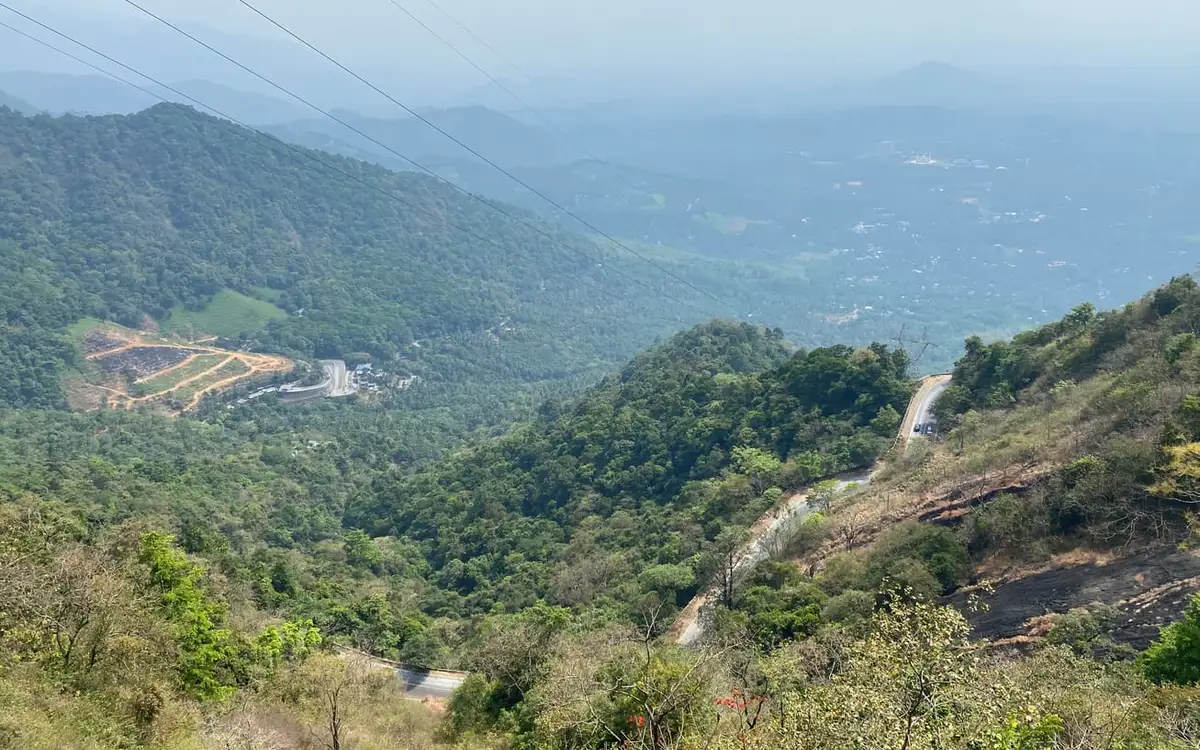
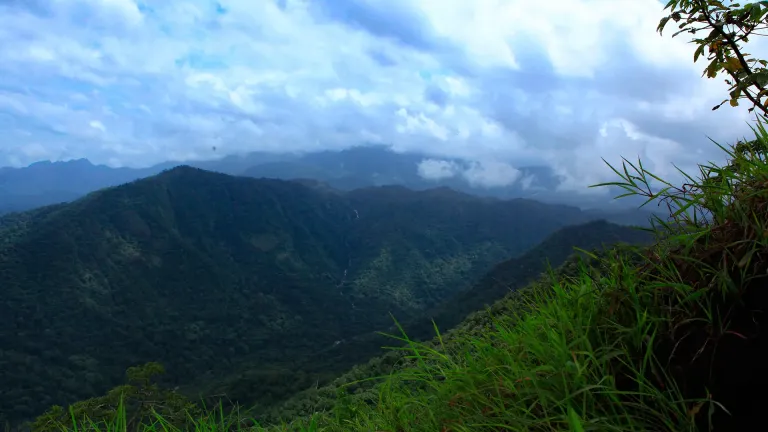
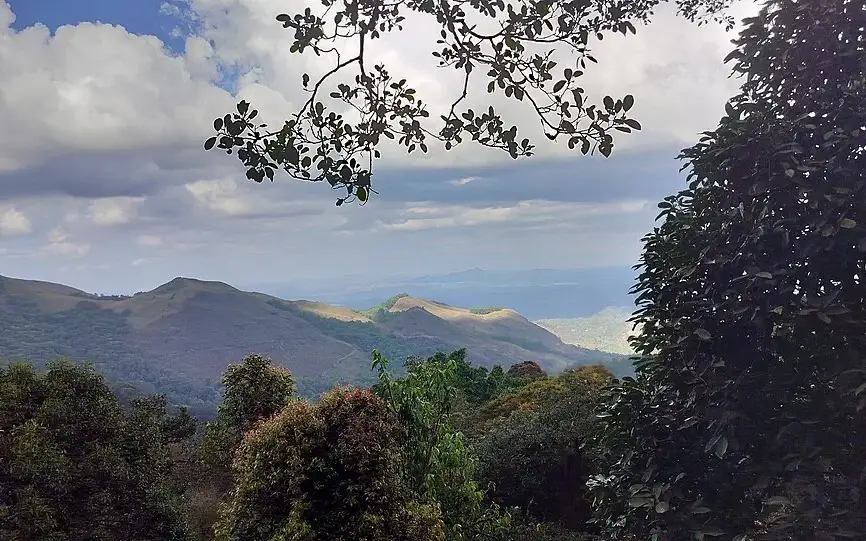
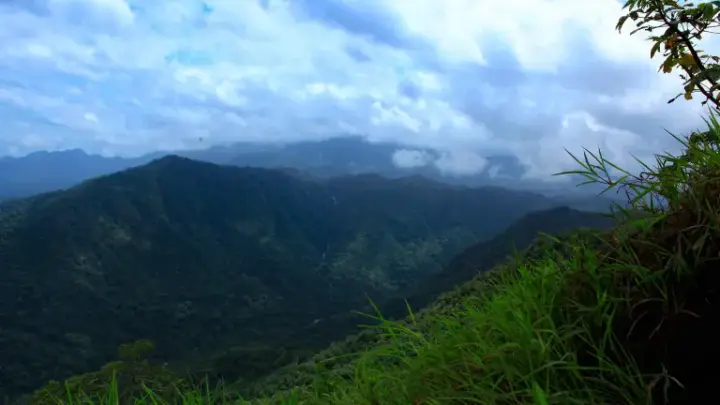
Lakkidi View Point No entry fee for the viewpoint itself; small charges may apply for parking or if you buy tea and local produce at the roadside stalls.Open through daylight hours as a public roadside viewpoint; there are no fixed gates, but early morning to late afternoon is best for clear views and safe driving on the ghat.October to May offers the clearest panoramas and the most comfortable weather; the southwest monsoon (roughly June to September) brings spectacular cloud and greenery but very heavy rain, mist and slippery roads. Early morning generally gives the best light and least haze.
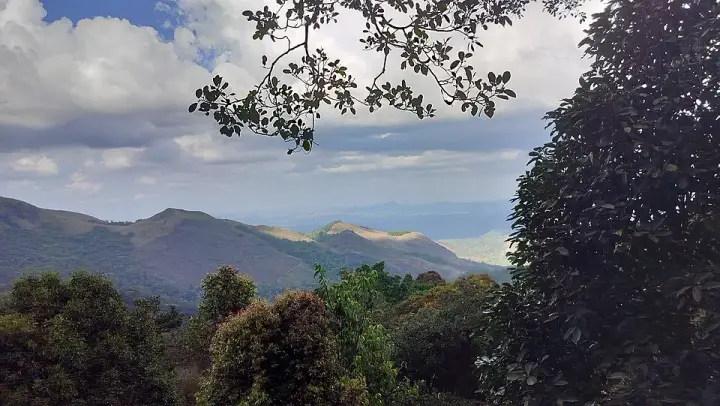
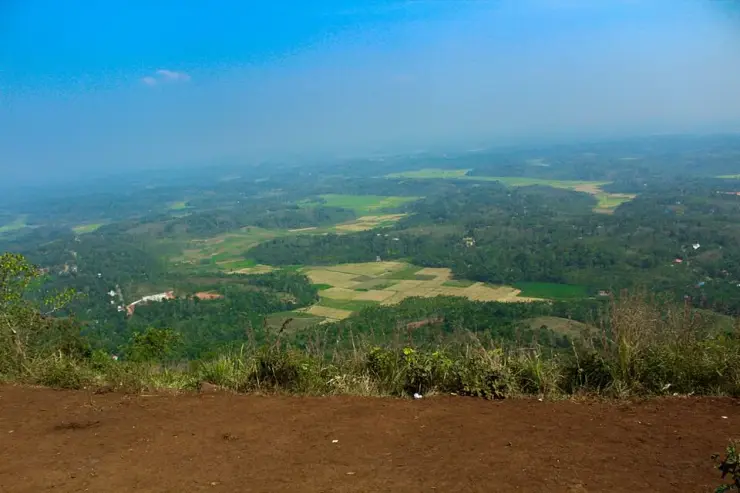
Neelimala View Point Entry to the viewpoint is generally free; a jeep to the trail base is commonly cited at about ₹500 per jeep for a small group, and a guide or local charge may apply.Daytime visiting only; commonly listed as around 9 AM to 5 PM. For sunrise, access is arranged privately with jeep operators and guides, so agree an early start in advance.Roughly September to May, with the post-monsoon and cooler months giving the clearest, greenest views. Avoid peak monsoon (June to August), when trails are muddy and slippery and the valley is often lost in cloud.
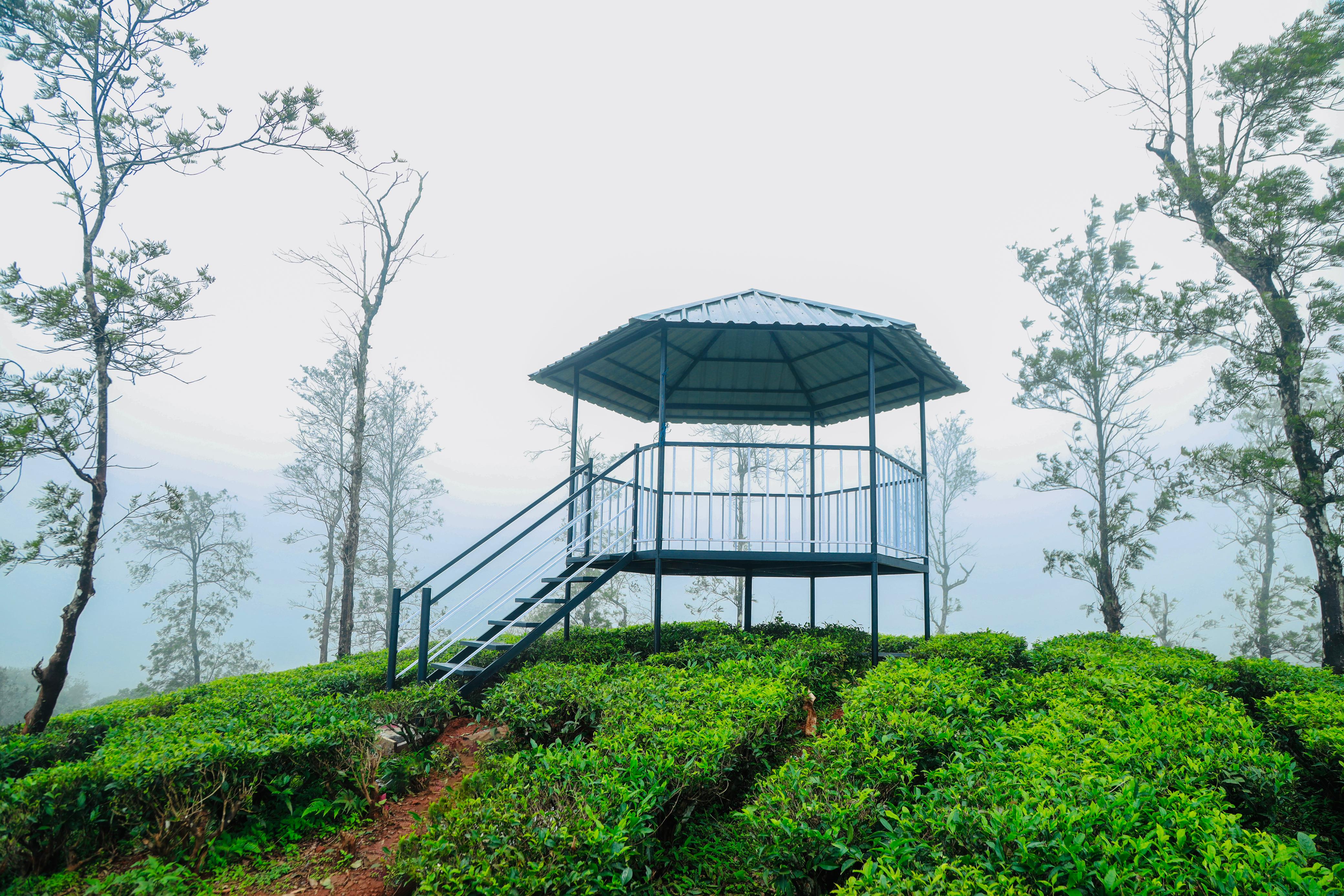
Sunrise Valley View Point No reliable authority publishes a current admission fee for this exact viewpoint.No dependable official opening hours are published; confirm access locally and avoid an unfamiliar last road in darkness.Clearer post-monsoon mornings improve the chance of a long view, but cloud and haze remain normal throughout the year.
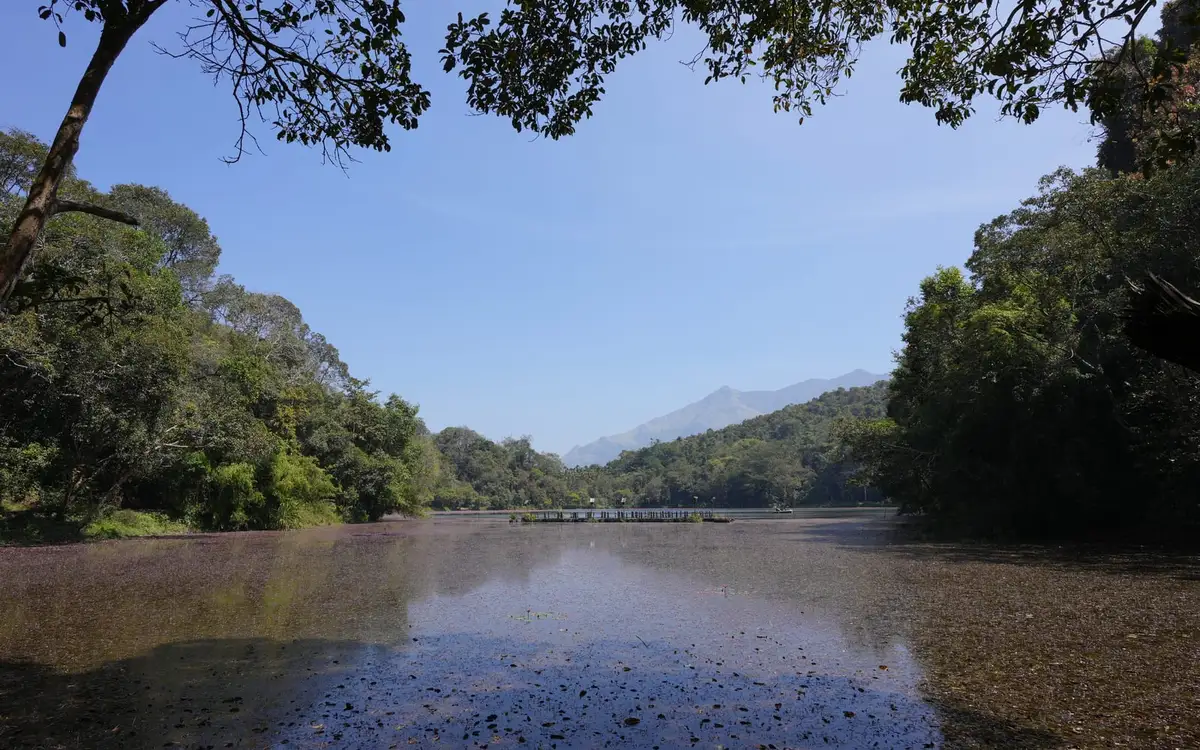
Pookode Lake Around ₹40 for adults and ₹30 for children for entry; boating is charged separately, commonly quoted at roughly ₹300 (two-seat), ₹450 (four-seat) and ₹700 (seven-seat rowing boat).Approximately 9.00 am to 6.00 pm daily, with the boating counter typically closing around 5.00 pm.October to February, in the cool post-monsoon and winter season, is the most comfortable and scenic time, with pleasant temperatures and a lush green forest. The monsoon (June to September) makes the surroundings dramatically green but can interrupt boating and brings leeches to the paths.
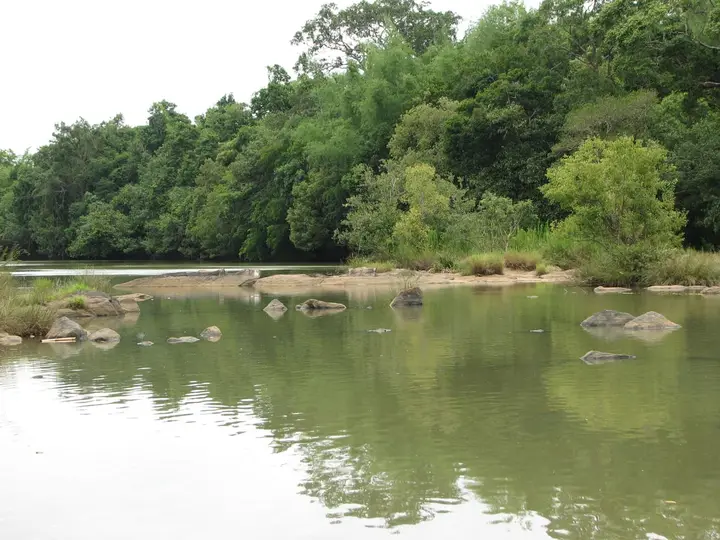
Kuruva Island Around ₹220 per adult for Indian visitors and about ₹440 for foreign nationals, with reduced rates for students and children; bamboo rafting, boating and any camera or parking charges are extra.Generally open around 9.00 am to 3.30 pm, with the water activities running a little later; entry and the raft crossings usually stop well before closing, and daily visitor numbers are capped.October to May is the accessible window, with roughly December to April the sweetest — post-monsoon greenery, clear shallow channels and pleasant, dry weather for walking and birdwatching. Avoid the monsoon months entirely, when the island is closed.
Karapuzha Dam A small entry ticket per person, with separate charges for boating, still and video cameras, and any adventure rides such as the zip line when operating.Generally open daily through the day, with dam and park access typically running from around 9:00 am and entry to the dam closing in the late afternoon (often cited around 6:00 pm closing, last entry mid-to-late afternoon).Late monsoon into early post-monsoon (around August to September) for the fullest reservoir and greenest surroundings; October to February for cool, pleasant, clear weather ideal for boating and walking. Morning and the hour before sunset give the best light.
Karlad Lake Expect a modest entry ticket to the lake and camp — roughly around INR 40 for adults and INR 10 for children — with adventure activities charged separately per person; the zip-line has commonly been priced around INR 250, with additional charges for boating, kayaking and camping.The adventure camp and its activities generally run through the day, commonly from around 9 am to about 6 pm.October to May is the comfortable window, with the post-monsoon months (roughly October to February) at their lushest and greenest; the monsoon can swell water levels and pause some activities.
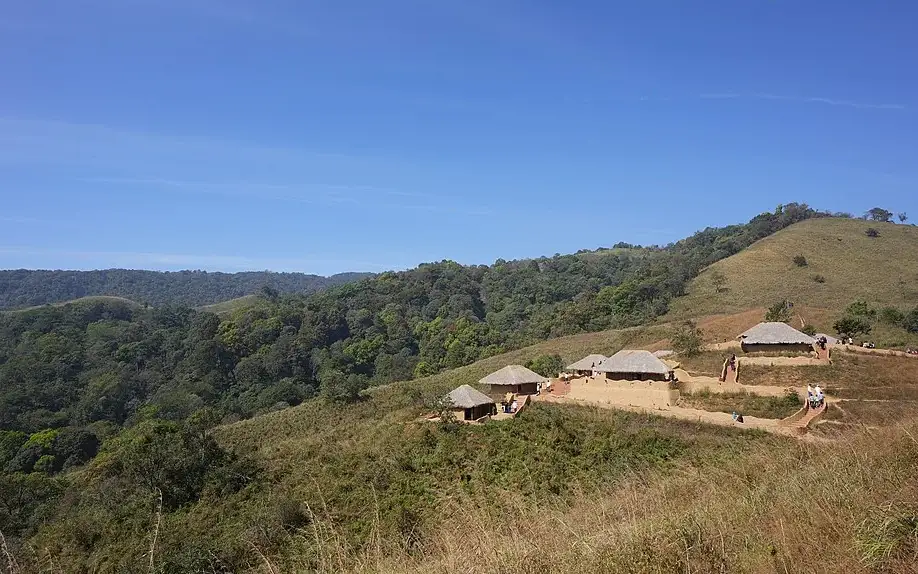
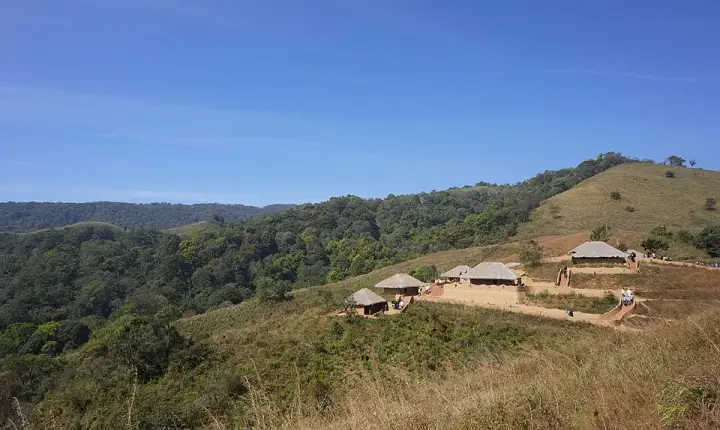
En Ooru Tribal Heritage Village ~₹50 per adult and ₹20 per child, plus a ~₹40 jeep shuttle to the hilltop and a ~₹150 camera fee. Tickets on site or via the official En Ooru website (enooru.co.in).Monday–Friday 9:00 AM to 5:00 PM; Saturdays, Sundays and public holidays 9:00 AM to 6:00 PM.October–March.
Skypark 900 Kandi DTPC Wayanad publishes operator pricing, but activity inclusions can change; confirm the current base ticket and every add-on directly.Use the current hours published by DTPC Wayanad and reconfirm before starting the last road; weather can pause individual activities.A dry, clear morning offers the best chance of ridge views. Mist is common and elevated activities may pause in rain or wind.
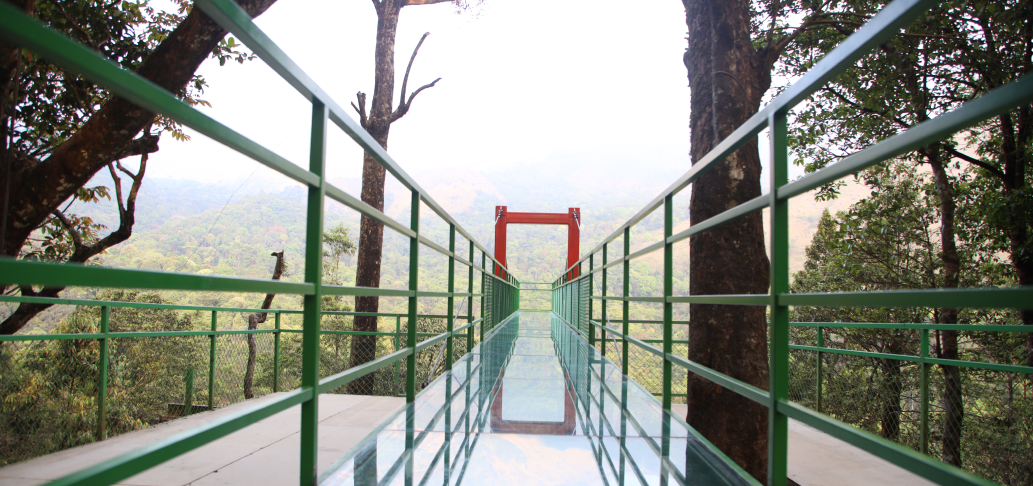
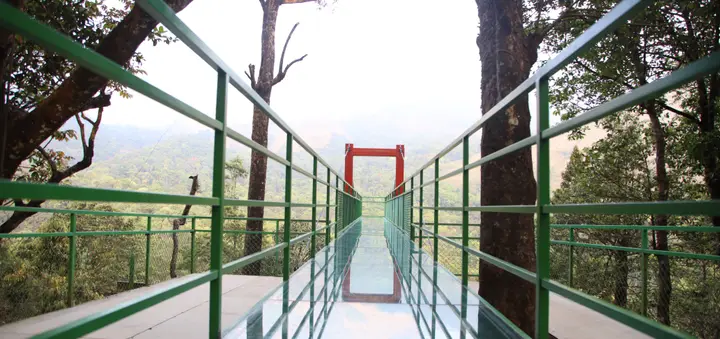
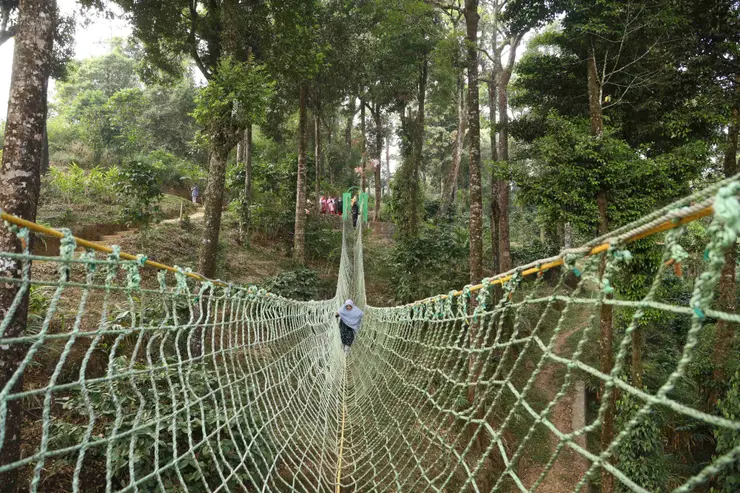
Glass Bridge 900 Kandi Choose the operator first. Eco Park's own ticket page lists ₹250 adult and ₹100 for ages 5–10. DTPC Wayanad separately lists Skypark at ₹250 adult and ₹100 child, with additional published prices for some activities. Neither ticket should be assumed valid at the other park.Eco Park publishes no opening hours on the current pages reviewed. DTPC Wayanad lists Skypark entry from 06:30 to 18:30. That Skypark window must not be applied to Eco Park; confirm the chosen operator directly.Allow half a day including the last-mile journey and queues. This is a comparison page, so no single duration can truthfully cover both operators and every activity.
900 Kandi Eco Park The operator's own current ticket page lists ₹250 for an adult and ₹100 for a child aged 5–10. It does not state a price for children below five on that page. These are Eco Park prices only; they are not Skypark admission.The operator's current website publishes no opening hours. Do not borrow Skypark's DTPC-listed 06:30–18:30 window: confirm Eco Park's operating time directly before leaving Meppadi.Allow half a day including the uncertain last-mile approach, ticket check and queues. The admission page does not promise that every listed activity will be running throughout a visit.
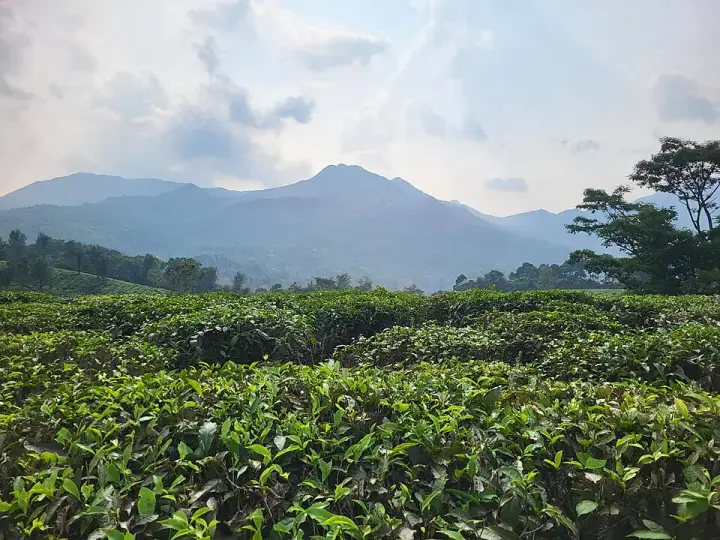
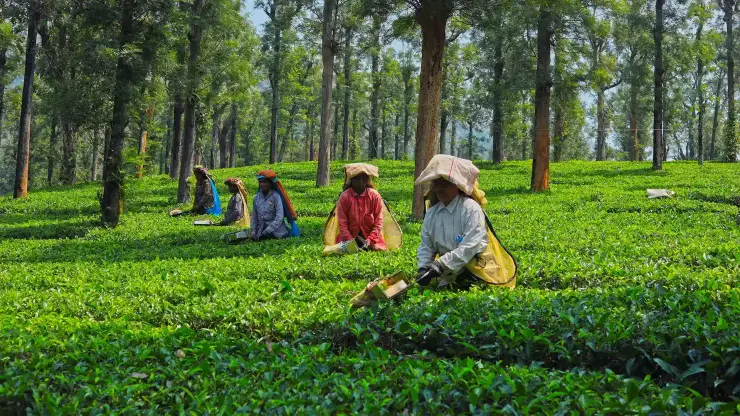
Priyadarshini Tea Environs Kerala Tourism currently publishes ₹100 for an adult and ₹50 for a child or senior citizen for the tea tour. DTPC Wayanad shows the same adult and child rates, but its page contains an older, conflicting ₹30 widget; use the ₹100/₹50 tariff and confirm before setting out.Plan around Kerala Tourism’s narrower published tour window, 09:00–16:00. DTPC Wayanad currently says 09:00–17:00 and also exposes an older 08:30–16:30 widget, so arrive well before 16:00 and confirm the day’s factory-tour schedule.October to May is DTPC Wayanad’s recommended period. Clearer dry-season days suit the estate tracks and viewpoint, while monsoon rain can obscure the hills and make working paths slick; the factory and crop continue to follow plantation operations rather than a sightseeing calendar.
Achoor Tea Museum The operator lists museum admission at ₹50 per adult with children under 12 free. The Kerala Plantation Directorate's prose gives ₹100, while its tariff table separates museum ₹50 and tea tasting ₹50; treat tasting as a separate possible ₹50 charge and confirm the combination before arrival. The live-factory tour is listed separately, while the tea-garden tour is ₹100.The operator lists the museum daily from 08:00 to 18:00; Kerala Tourism says 09:00 to 18:00. Arrive after 09:00 unless the operator confirms the earlier hour. The distinct live-factory visit is listed Tuesday–Sunday, 08:00–18:00, and the distinct tea-garden tour Monday–Saturday, 08:00–16:00.Allow roughly one to two hours at the site if combining the museum with tasting or an operating-factory visit, plus the road transfer from Vythiri.
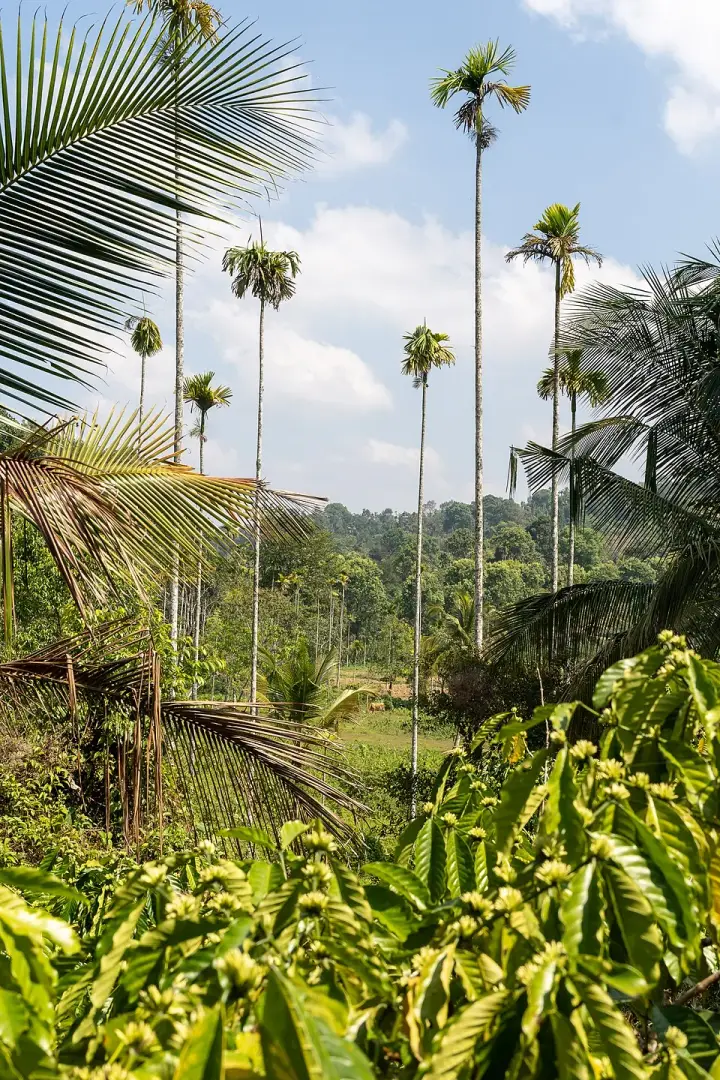
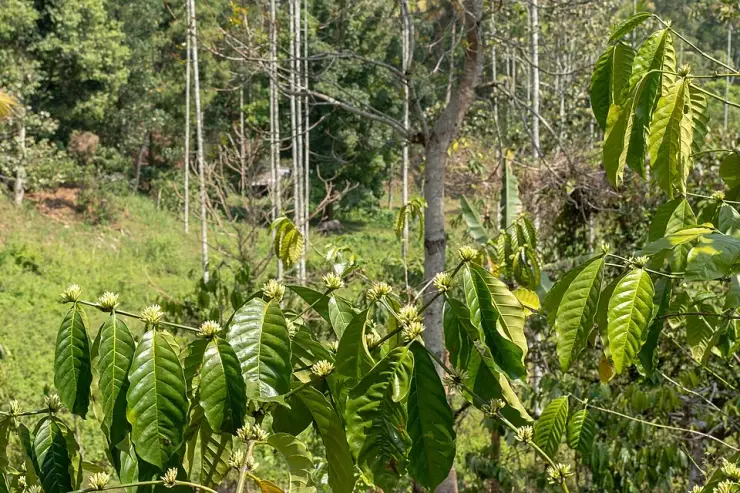
Coffee Plantations around Kalpetta There is no single public gate or standard ticket: these are working private farms. A hosted walk, tasting or stay is priced by its operator; agree the named experience and inclusions before arriving.No universal opening hours apply. Arrange a daylight visit in advance with the estate, homestay or accredited guide; do not enter a plantation because it appears unfenced.October to March is the most comfortable walking season. Flowering follows rain and can be brief; the main cherry-picking period varies by holding and year, so ask what can genuinely be seen on your date.
Aranamala Peak No standard published ticket. Costs are typically for a local guide, a shared four-wheel-drive jeep to the trailhead, and any forest permission or homestay package. As this is an offbeat, regulated area, always confirm current fees with a Meppadi-area guide or homestay.Daylight-only trekking; most guided treks start early morning and aim to be off the ridge/stream well before dusk. There is no formal “opening time” — timing is set by your guide and by forest-access rules.Roughly October to March for the most comfortable, safer conditions with streams still flowing. The southwest monsoon (about June–September) makes the stream trek far more adventurous and slippery, with heavy leeches — go only with an experienced guide.
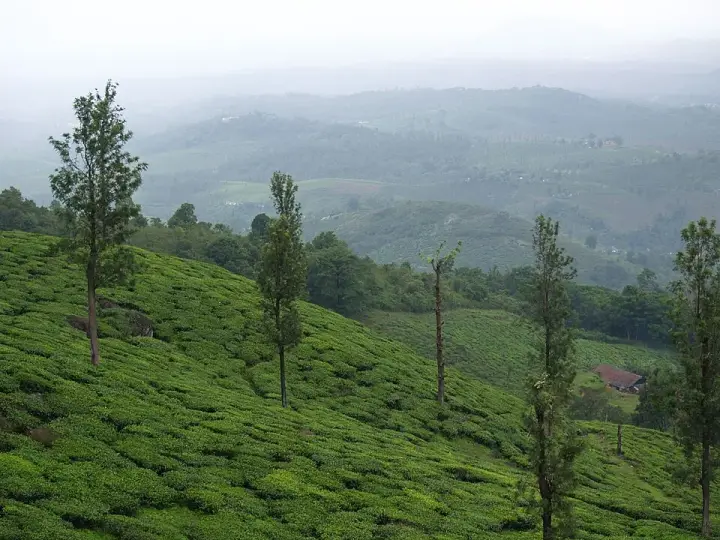
Ripon Tea Estate No general public estate ticket is published; private walks or tours may charge separately.No universal visitor hours are published for the working estate landscape.Morning gives softer light and a safer daylight margin. Expect mist and rain in any season; monsoon makes shoulders and field paths slippery.
Wayanad Heritage Museum ~₹50 per adult, ₹25 per child and ₹50 for a still camera.9:00 AM to 5:30 PM, generally open all week.Any time — it is indoors.
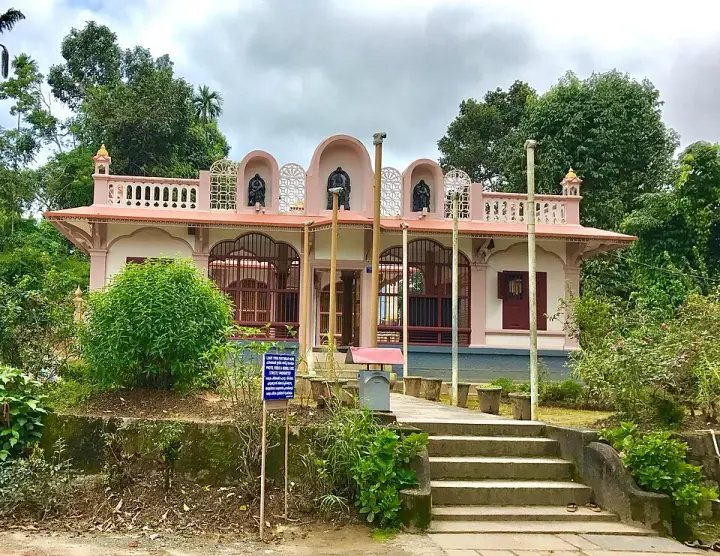
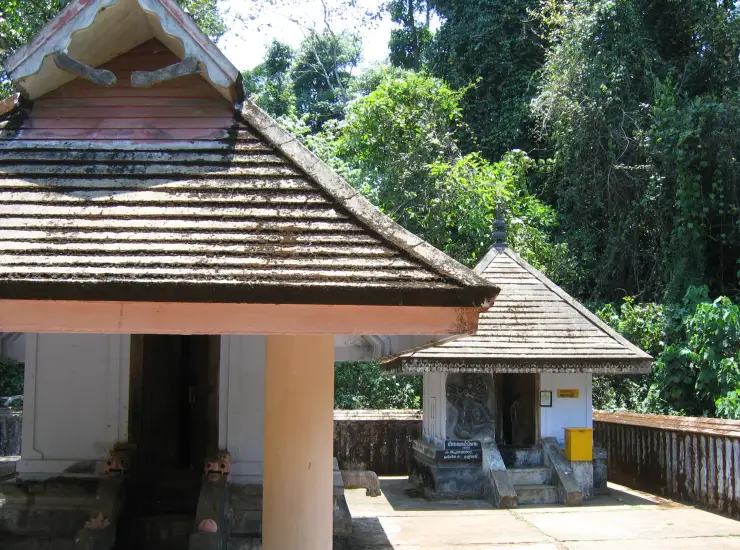
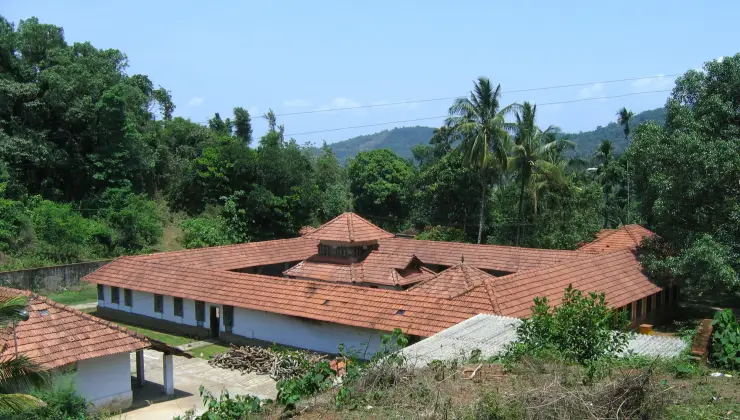
Puliyarmala Jain Temple There is generally no entry fee; the temple is free to visit, though any donation you leave is at your discretion.Generally open daily, with commonly quoted timings of about 8.30 am to 7.00 pm.The cooler, clearer months from roughly October to May are the most comfortable for a visit; the June–September monsoon brings lush green hills but heavy rain. Early morning or late afternoon light is loveliest for photography.
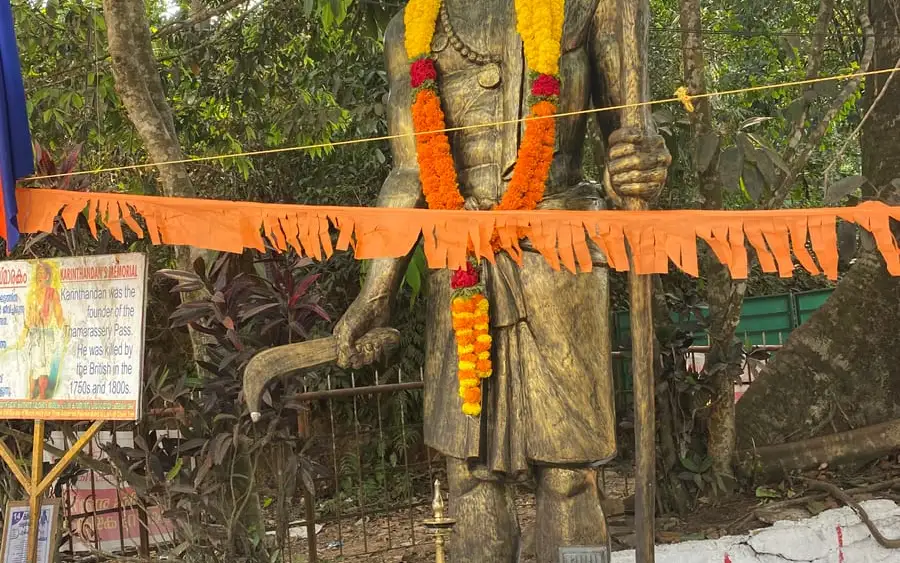
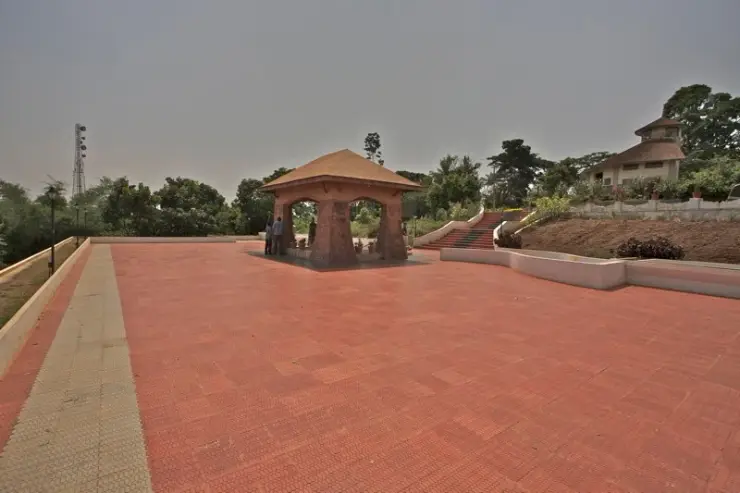
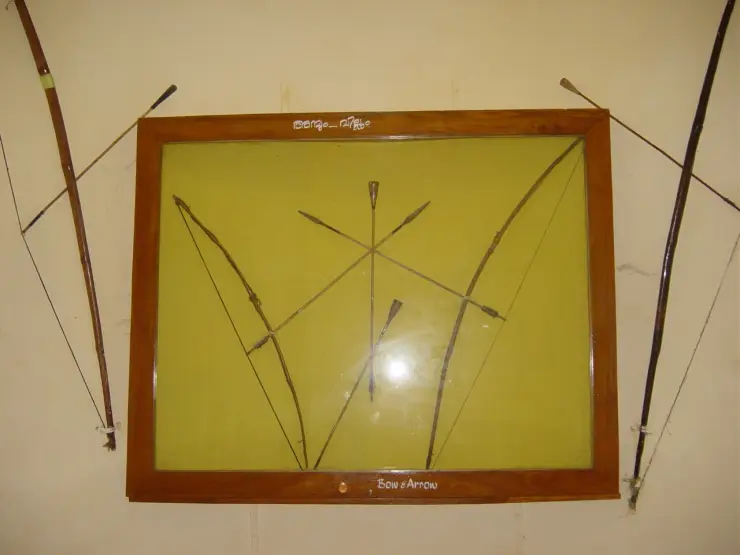
Pazhassi Smarakam Kerala Archaeology publishes adult admission of ₹15 and child admission of ₹5 for the museum.9am–5pm; tickets are issued until 4:45pm. Closed Mondays and national holidays, according to Kerala Archaeology.—
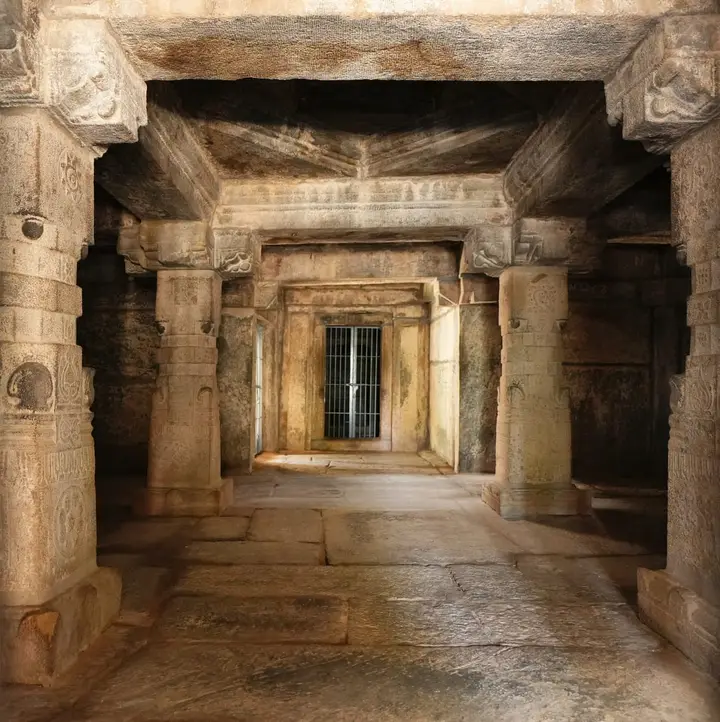
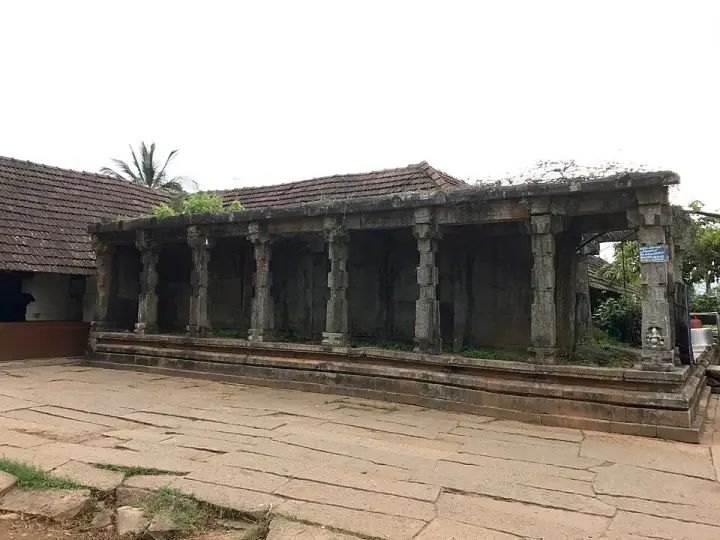
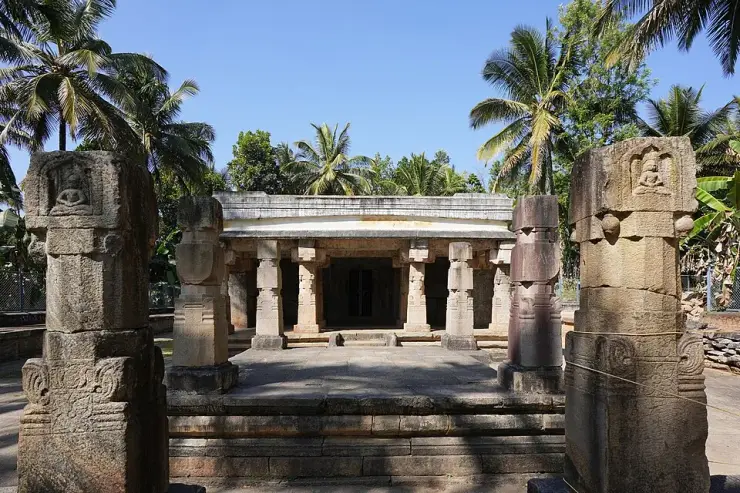
Jain Temple Commonly reported as free to enter, as an ASI-protected monument rather than a ticketed site. We have found no authoritative published rate, so treat this as unconfirmed.Generally open through daylight hours, on the usual pattern for a protected monument, with a caretaker on site. Exact timings are not centrally published.October to March for Wayanad generally. Morning light picks out the pillar carving best, and the site is quietest before the tour buses come through.
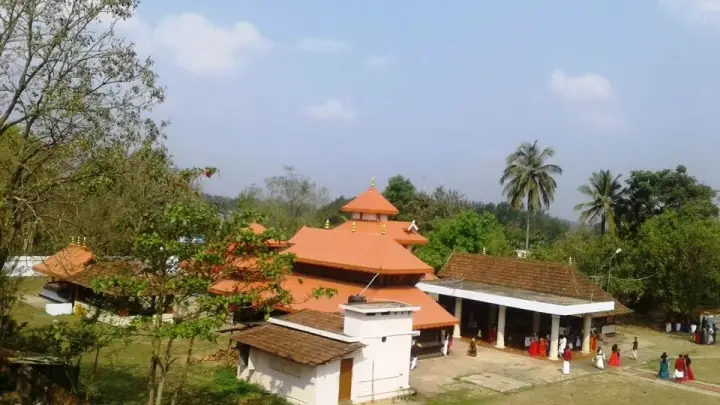
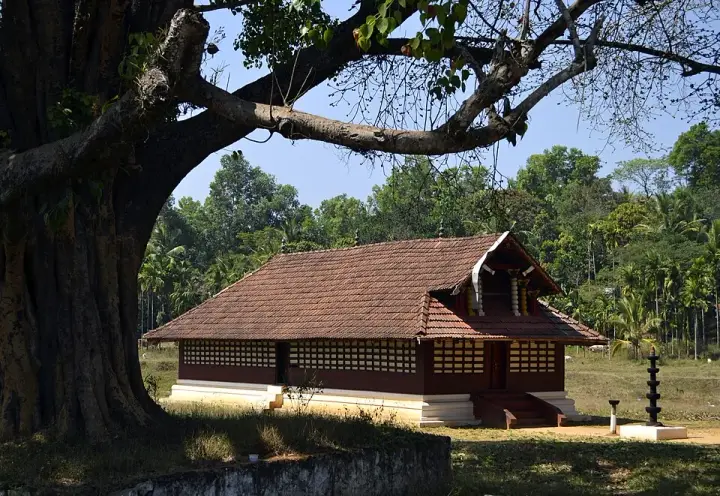
Thirunelli Temple No entry fee for temple darshan; charges apply only for specific poojas, offerings and bali rites.Generally open for darshan around 5.30 am–12.00 noon and 5.30 pm–8.00 pm, closed in the afternoon.October to May offers the most pleasant, drier weather; the surrounding hills are lush and misty just after the monsoon. New-moon (vavu) days in Karkidakam, Thulam and Kumbham are spiritually significant but extremely crowded.
Valliyoorkavu Bhagavathy Temple Darshan is generally free, as at most Kerala temples; any special rituals, offerings or vazhipadu are paid separately. Fees and arrangements are best confirmed on site.Typically open for morning and evening darshan, with hours that reportedly extend and shift considerably during the festival; specific timings are not consistently published, so confirm locally before visiting.The cooler, drier months from roughly October to March are generally the most comfortable for visiting Wayanad. For the full spectacle, aim for the Meenam festival period (around March–April), while quieter darshan is easier outside it.
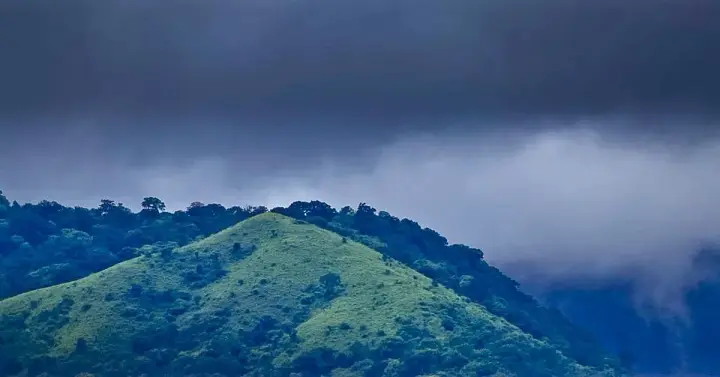
Brahmagiri Hills Regulated permit-plus-guide fees apply. Reported rates include roughly ₹2,400 (tax inclusive) for a group of up to 5 persons and about ₹315 per additional person for the guided programme; some sources quote a per-head entry of around ₹300 for Indians and ₹500 for foreign nationals.Trekking is by fixed morning slots on open days only — reported entry times are around 07.30, 08.00, 08.30 and 09.00 am, with last entry by about 10.00 am, and the routes are typically closed on Mondays and Fridays.October to February is generally the most rewarding window — cool, drier air and clearer ridge views. Avoid peak monsoon (roughly June–September), when trails are slippery, leeches thrive and treks may be suspended.
Pakshipathalam A Forest Department permit plus guide/vehicle charges apply; entry is commonly cited around ₹50 for Indian visitors and ₹200 for foreign nationals, with additional guide fees.Daytime only, on a guided trek — you must start early and return before the forest darkens; there is no overnight access.Roughly November to early February for clear skies and birding; usually closed around February to April/May for fire risk, and trails are slippery and leech-prone in the monsoon.
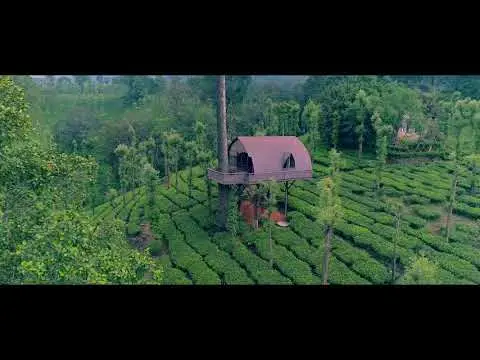
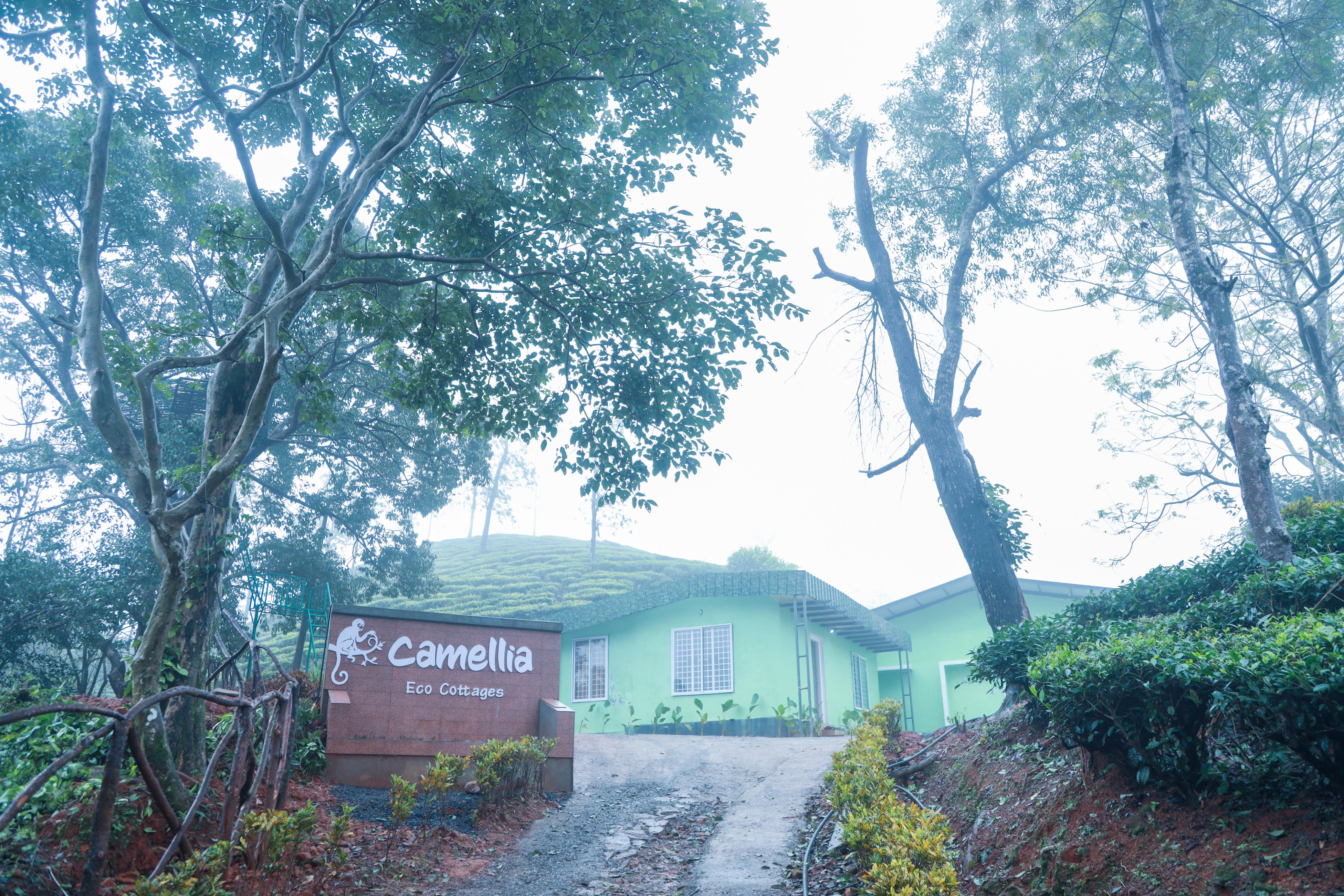
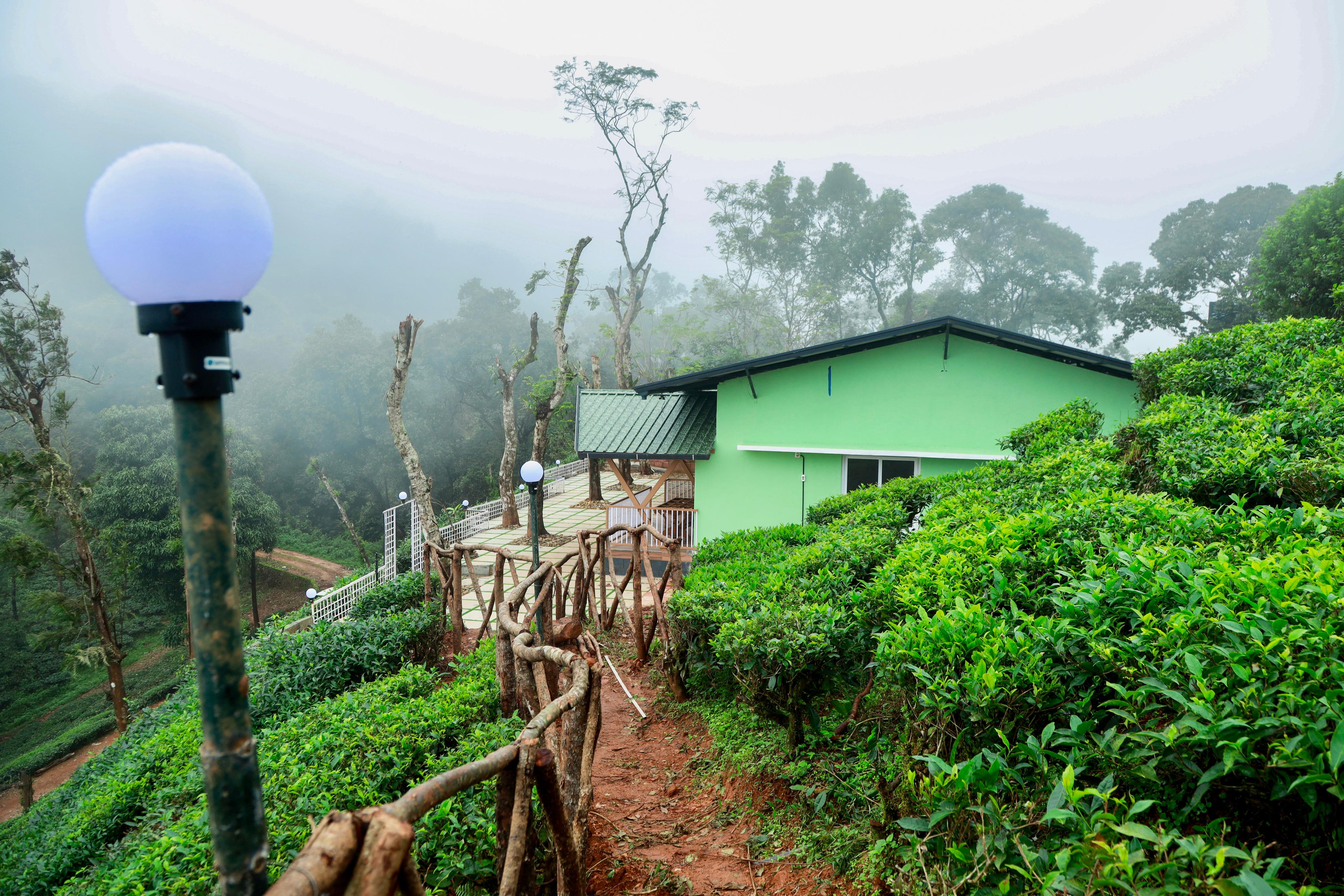
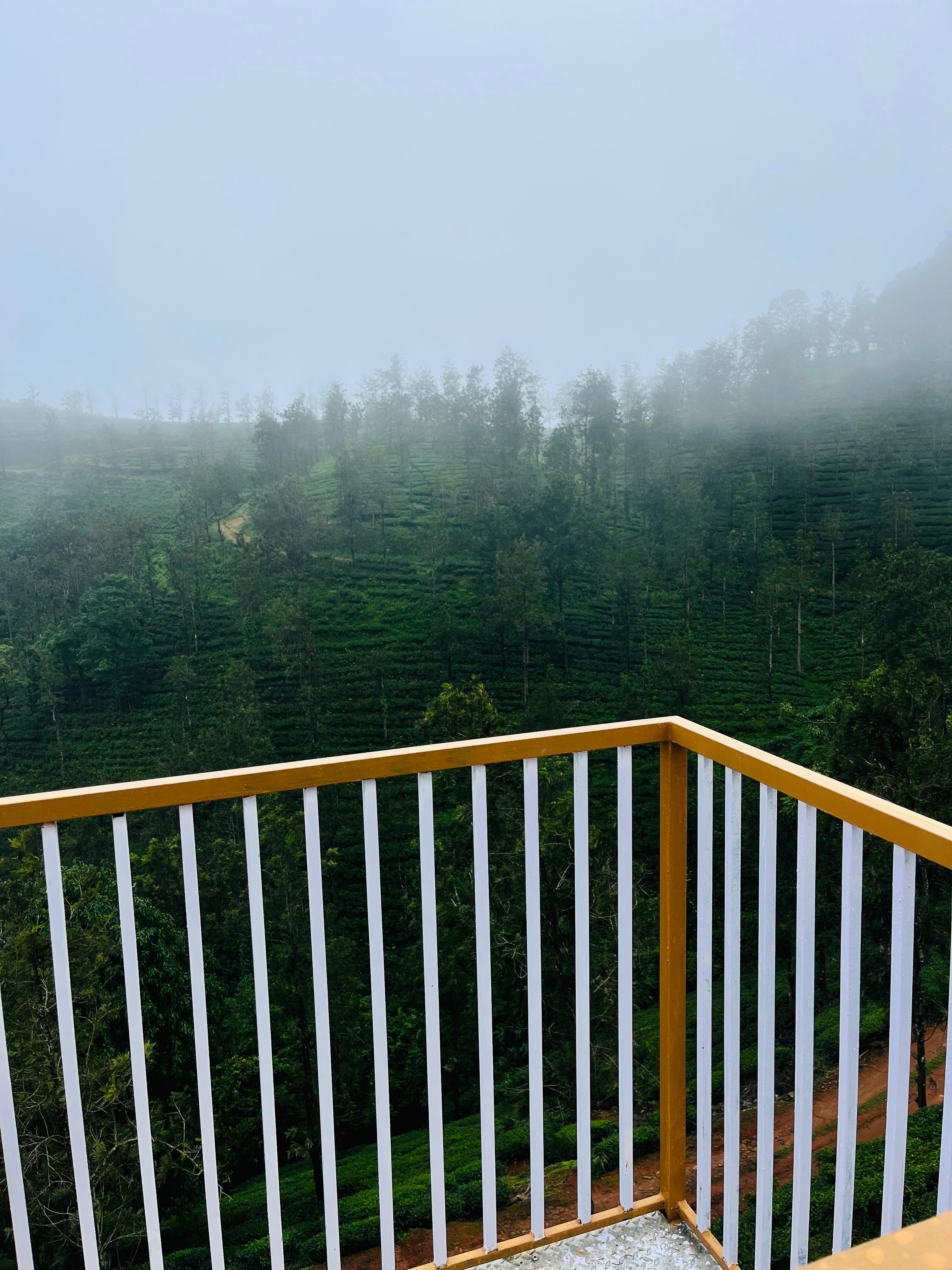
Kambamala Ecotourism There is no authoritative general day-entry fare. KFDC currently sells Kambamala as a date-, occupancy- and room-dependent stay at Camellia Eco Cottages or the dormitory; use the live booking result for the chosen dates rather than a fixed price copied from another party size.The current official stay schedule is check-in at 15:00 and check-out at 11:30. These are accommodation times, not proof of public day-visiting hours; confirm any non-resident access directly with KFDC.October to May usually gives easier hill-road travel and clearer intervals, while mist can occur in any season and is part of Kambamala’s character. Heavy monsoon rain can affect the final estate approach and guided outdoor activities.
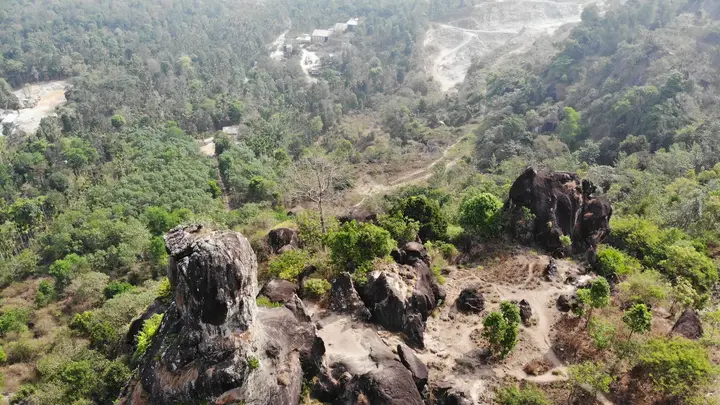
Phantom Rock The rock and viewpoint are frequently described as free; the DTPC-run Cheengeri adventure-trekking section typically charges a small fee, commonly cited around Rs 50 per adult. A far higher figure quoted on some sites appears to be an outlier.Commonly cited as open daylight hours, around 9 AM to 5 PM for the viewpoint; the organised Cheengeri adventure-trekking slots are often given as roughly 5–10 AM and 3–7 PM.October to May is best, with clear skies and firm trails; the post-monsoon months are greenest. Sunrise and late afternoon give the finest light. Avoid the heavy south-west monsoon (June–August), when the granite is slippery and views are often clouded.
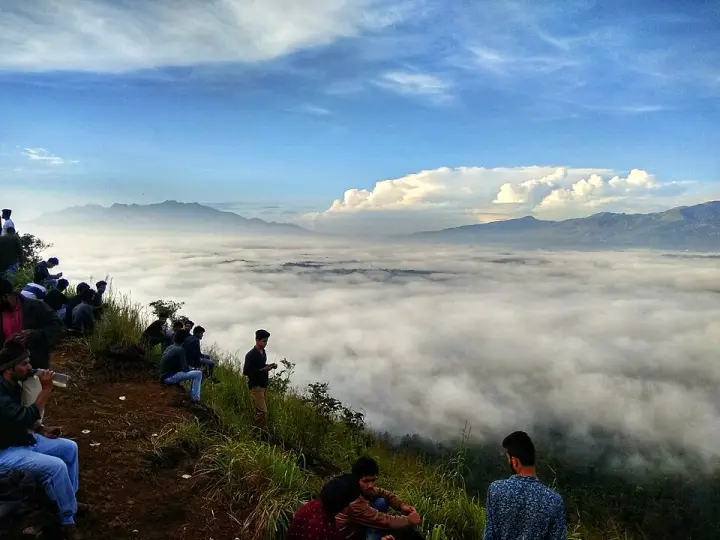
Kurumbalakotta A verified general hill-admission tariff is not available from the current official visitor descriptions. Confirm any charge for the chosen access, private parking or guide separately; do not assume a tent-stay price is an entrance fee.The panchayat recommends reaching the top around 5–6am for the early view; this is not a formal opening schedule. Ask the driver or local host about the usable approach before committing to a pre-dawn arrival.Dawn is the signature experience, but the cloud layer is weather-dependent and can obscure the viewpoint as well as lie below it. A clear daylight visit is useful for reading the fields and hills. Avoid an exposed climb during thunder, heavy rain or visibility too poor to follow the return.
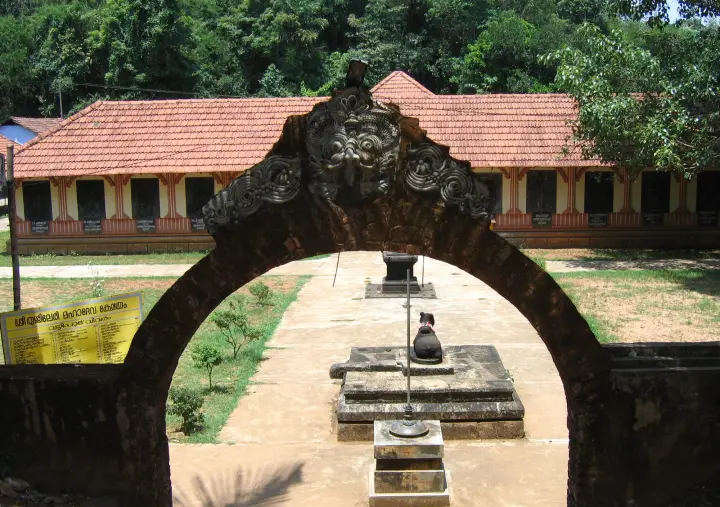
Thrissilery Shiva Temple —Kerala Tourism lists 6am–12:30pm and 5pm–7:30pm. Festival and special-ritual arrangements may differ from the ordinary sessions.—
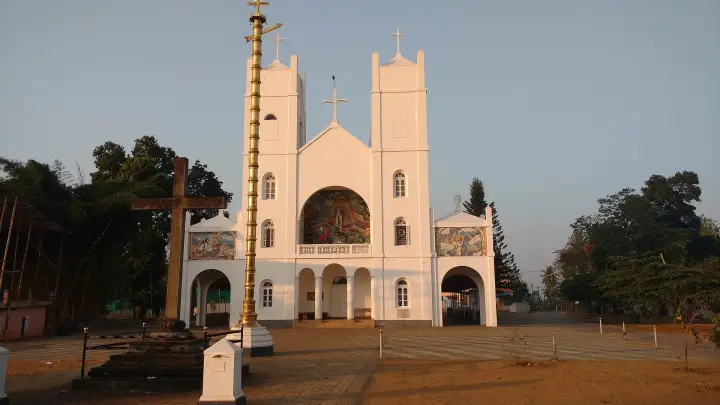
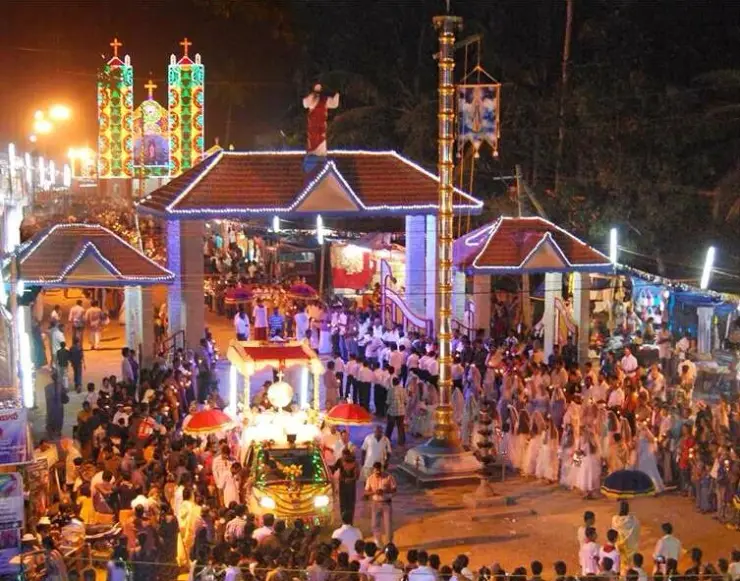
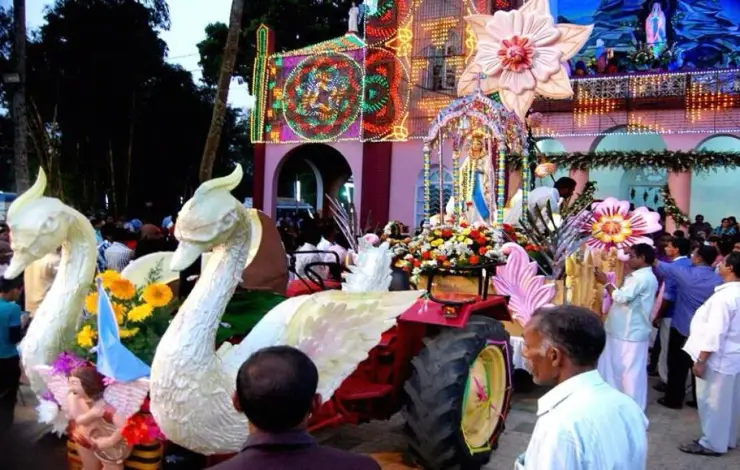
Pallikkunnu Church —The archdiocese publishes worship times: Sunday Mass at 6:30am, 8:15am and 10:30am; Monday–Thursday at 7am; Friday at 7am, with 5:30pm on first Fridays; Saturday at 7am, 10:30am and 5:30pm, with novena and adoration listed for the morning services. These are service times, not a verified all-day sightseeing schedule; feast programmes may vary.—