900 Kandi Eco Park is a named private adventure park beyond Meppadi, not shorthand for every glass bridge in Thollayiram Kandi. Its transparent deck is the headline, but the useful story is the collection around it: a rigid glass walk, a separate rope skywalk, small family activities and a viewpoint gathered inside one operator-controlled property.
The story of 900 Kandi Eco Park
The name needs to remain whole. “900 Kandi” describes the wider wooded upland; “Eco Park” identifies this particular business within it. Close by, Skypark runs its own adventure site and also advertises a glass-bridge walk. Search results often collapse the two, yet their official map markers, contacts, booking methods and activity lists are distinct. A ticket or photograph from one is not evidence about the other.
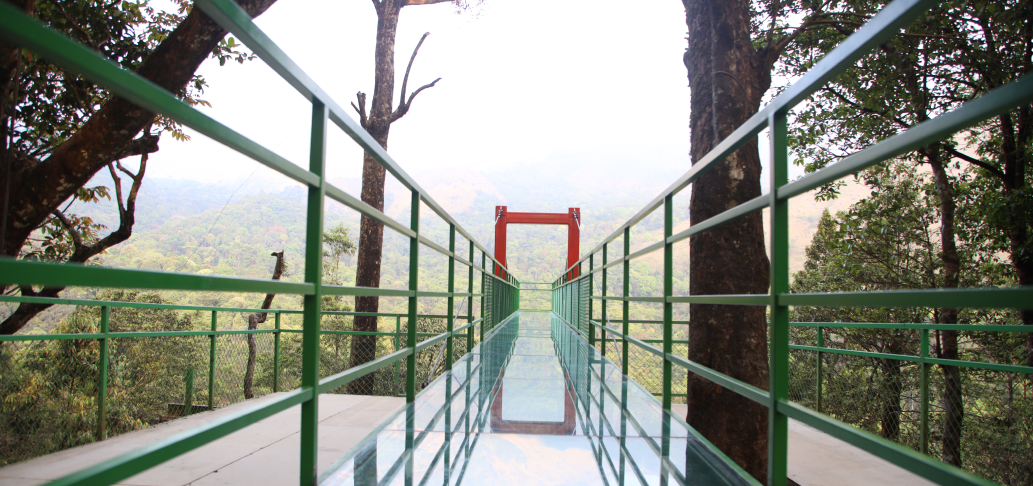
Eco Park’s own picture makes its principal structure legible. A level transparent deck runs away between green metal rails, held among large trees and aimed at a hazy, forested valley. It is not a bridge between villages and it is not an open public path. It is a short constructed encounter with height, managed by the park whose land and staff surround it.
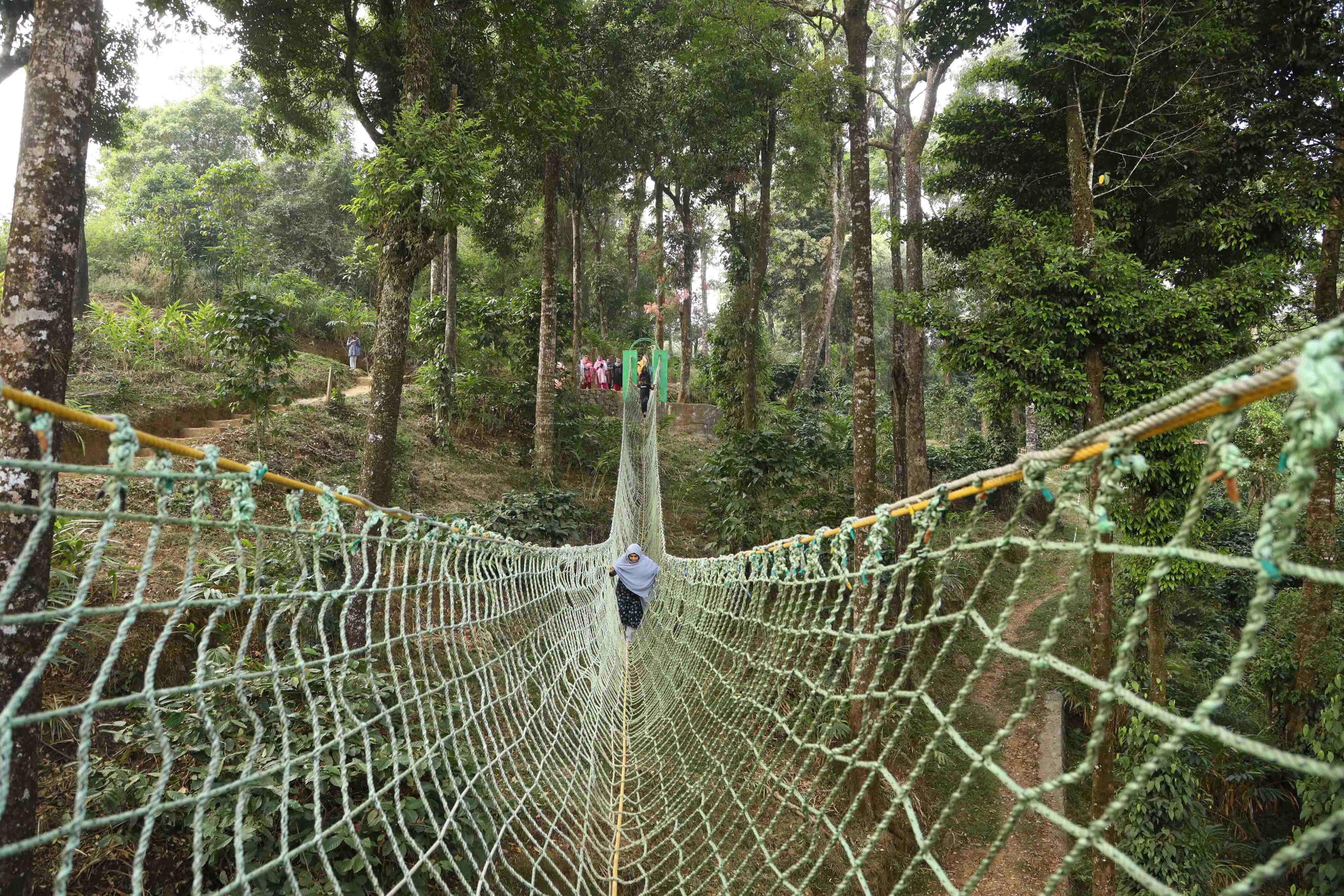
The same website shows a second elevated crossing that should not inherit the glass-bridge name. Its skywalk is a flexible rope-net walkway dipping between wooded banks, with net sides and a very different feel underfoot. One is rigid and transparent; the other moves and exposes the walker to the give of rope. Knowing that before arrival matters more than collecting every adventurous label on a list.
Around those crossings the operator advertises boating, a children’s park, trampoline, rifle shooting, archery, a cave and a viewpoint. The list makes Eco Park a compact commercial activity stop rather than a wilderness trek. Kerala Tourism’s accredited-adventure-operator directory separately records Thollayiram Kandi Eco Park for tent camping, trekking and ziplining, confirming the business while also showing why the current operating menu must come from the operator rather than an old summary.
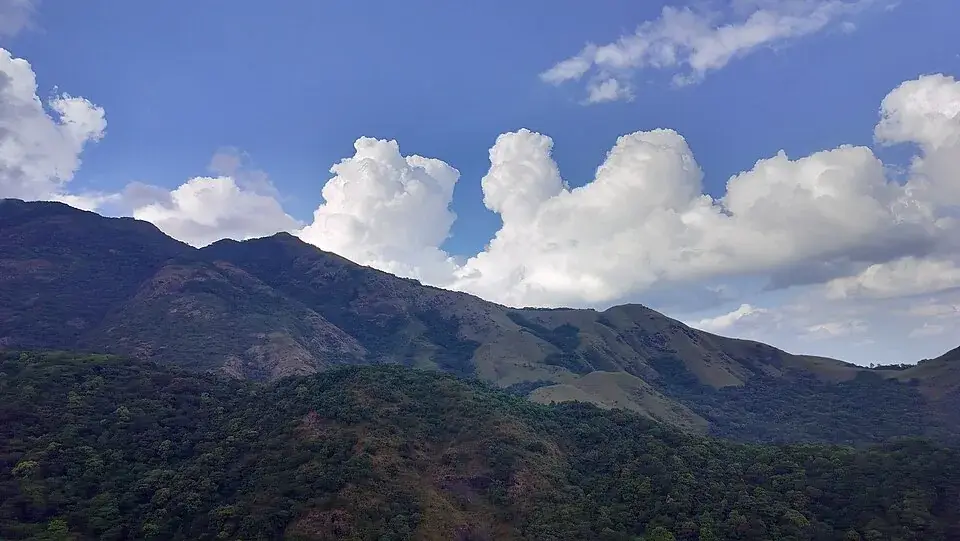
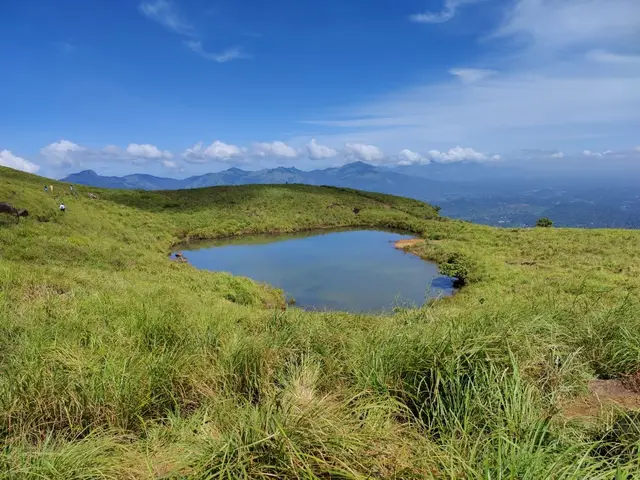
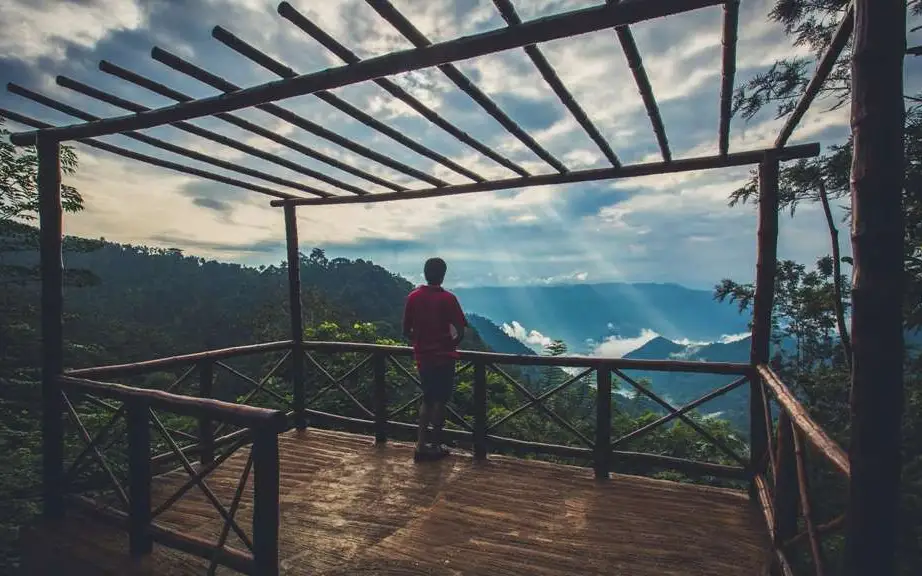
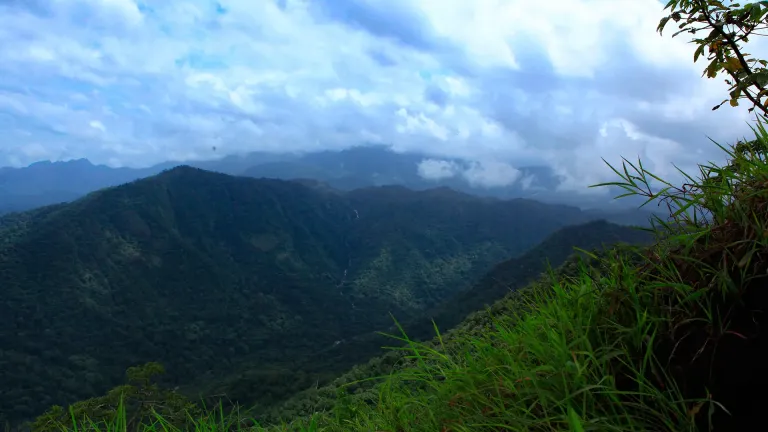
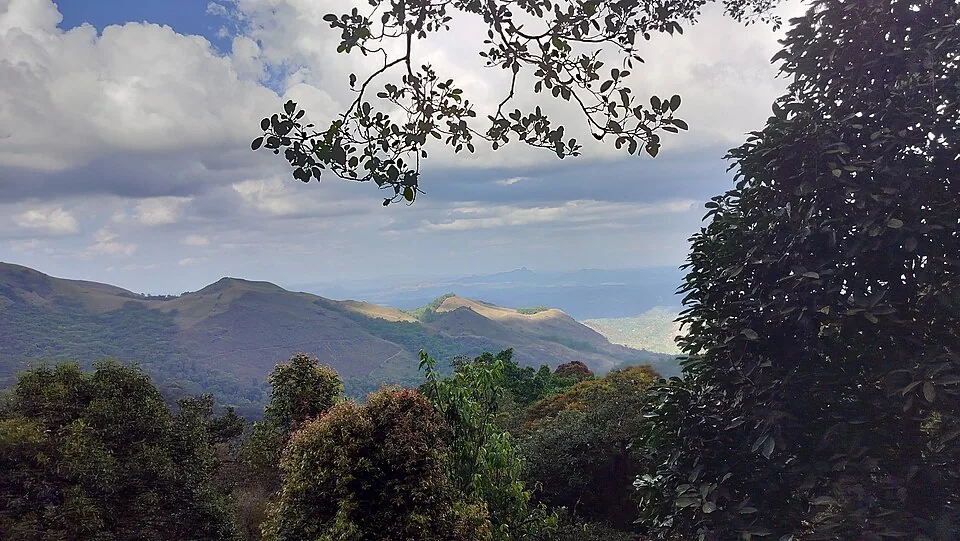
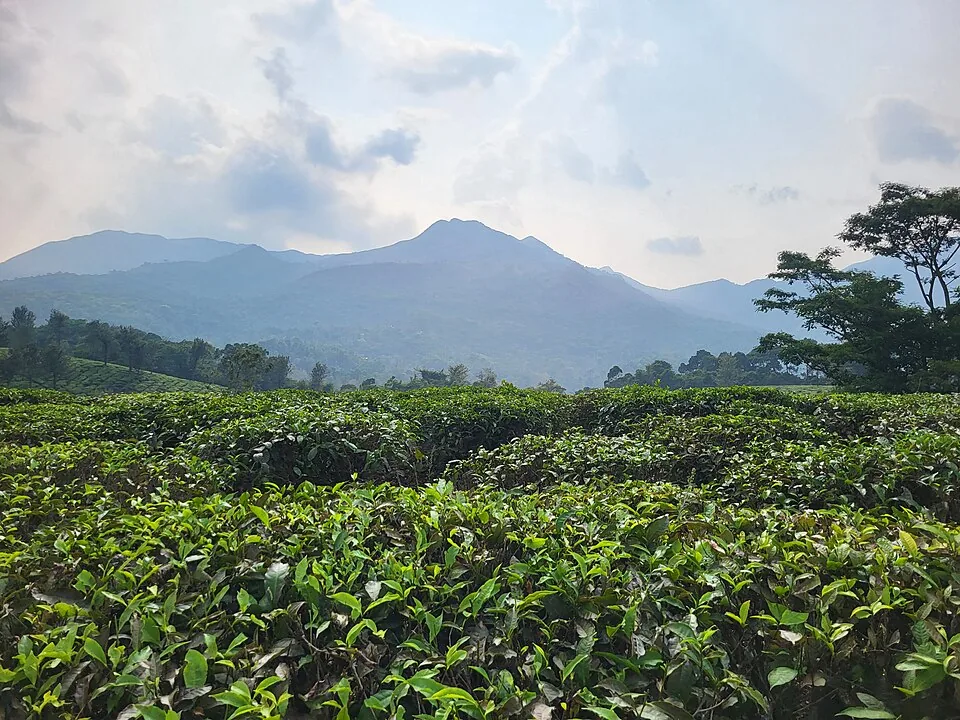
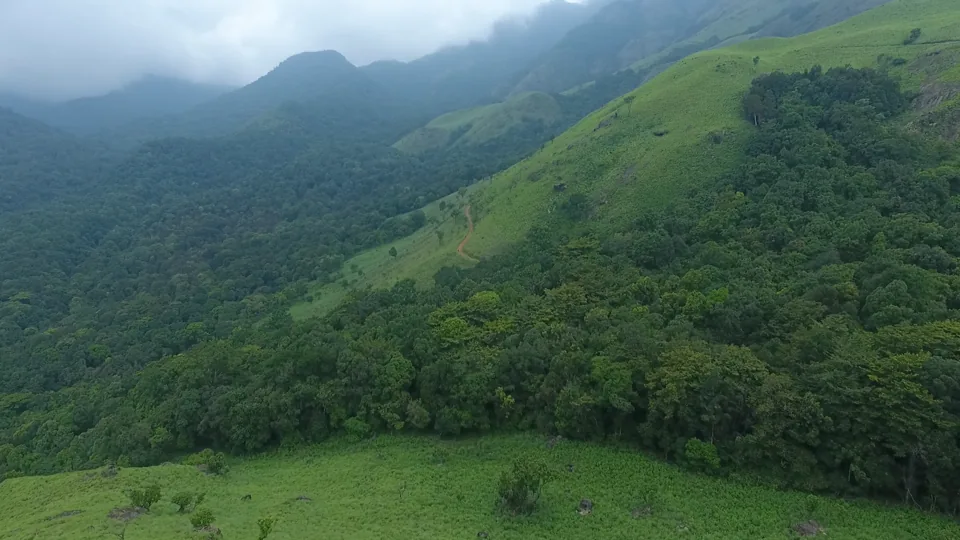
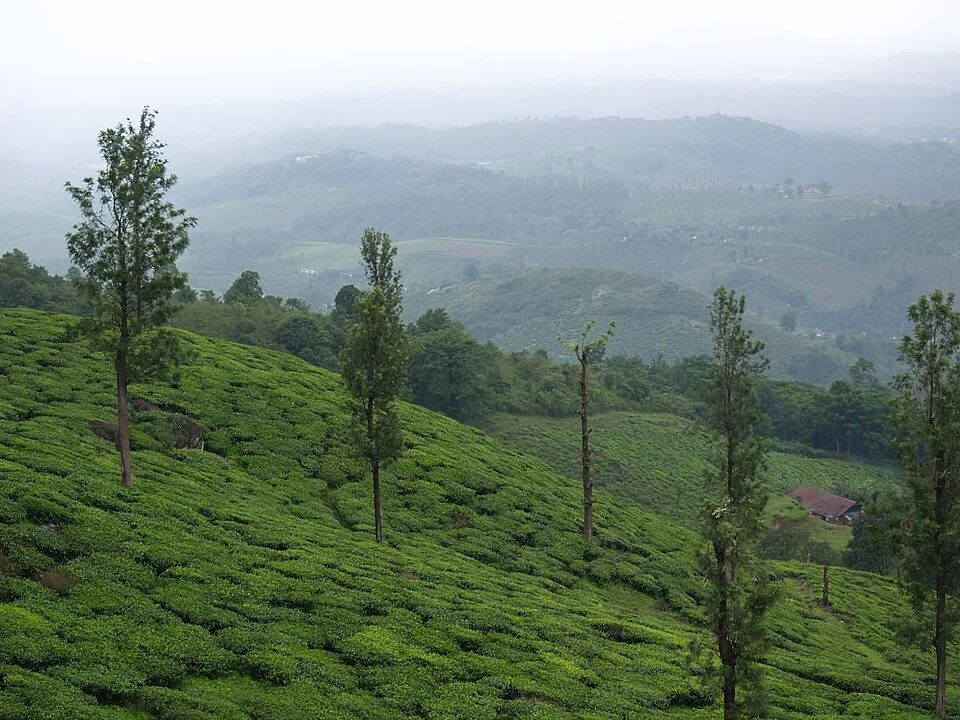
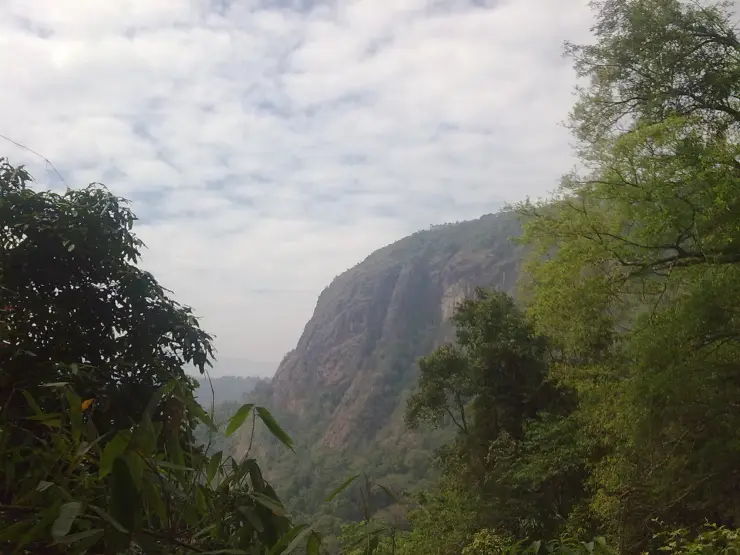
The setting supplies the drama that engineering alone cannot. The Western Ghats slope away through plantation and forest, and cloud can move across the view quickly. On a clear visit the rails focus the eye towards successive ridges; in mist the experience contracts to wet leaves, pale air and the transparent surface immediately below. Neither version is defective, but only one resembles a promotional panorama.
Reaching the property is part of the day. Meppadi is the last practical town, after which the journey narrows into plantation country where an unnamed pin for “glass bridge” is not enough. The park’s own marker, its current last-mile advice and a return arrangement belong together. Following the neighbouring operator’s directions merely because the businesses are close is how a visit begins at the wrong counter.
The private-park boundary should remain visible even where the scenery feels wild. Admission covers activities that Eco Park makes available under its supervision; it does not open the surrounding estates, settlement roads or forest for independent exploration. The restraint is especially important in the wider Meppadi landscape, where heavy rain, landslides and access suspensions have made old route descriptions unreliable.
Eco Park works best when a group chooses rather than accumulates. Someone comfortable on the glass deck may dislike the movement of the rope crossing. A child may value the ground-level park more than the viewpoint. A visitor with limited mobility needs an answer about the entire path from vehicle to deck, not merely a photograph of a level bridge. Asking those questions turns a generic attraction stop into a visit suited to the people making it.
The operator’s online ticket is valid for a stated period rather than a guaranteed activity slot. That distinction matters when weather closes an elevated element or when a group arrives near the end of a working day: validity does not establish opening hours, queue length or bridge operation. Confirm the day first, keep the purchased ticket and ask the same named park how a weather interruption is handled.
Photography is easiest when the party agrees on pace before entering a crossing. Stopping abruptly for a wide-angle frame can hold other visitors on a narrow deck, while leaning beyond a rail misrepresents both the safety boundary and the view. The best images retain enough structure—clear panels, green frame, rope sides or surrounding trees—to identify which Eco Park activity they actually show.
The last plantation road deserves a daylight margin. Distance from Meppadi understates slow bends, oncoming vehicles and the time lost when a driver follows a generic 900 Kandi result instead of Eco Park’s marker. A prearranged return is particularly useful because an online admission ticket does not include transport. Save the operator’s number, confirm the vehicle drop-off and agree where the driver will wait before the group enters the activity area.
Families should separate fear of height from physical access. A person may be able to walk the approach but decide against transparent flooring; another may want the deck yet struggle with steps or uneven ground before it. The operator, not a landscape photograph, can answer whether a companion may wait nearby and which ground-level activities remain available. That conversation is more useful than labelling the whole park either easy or inaccessible.
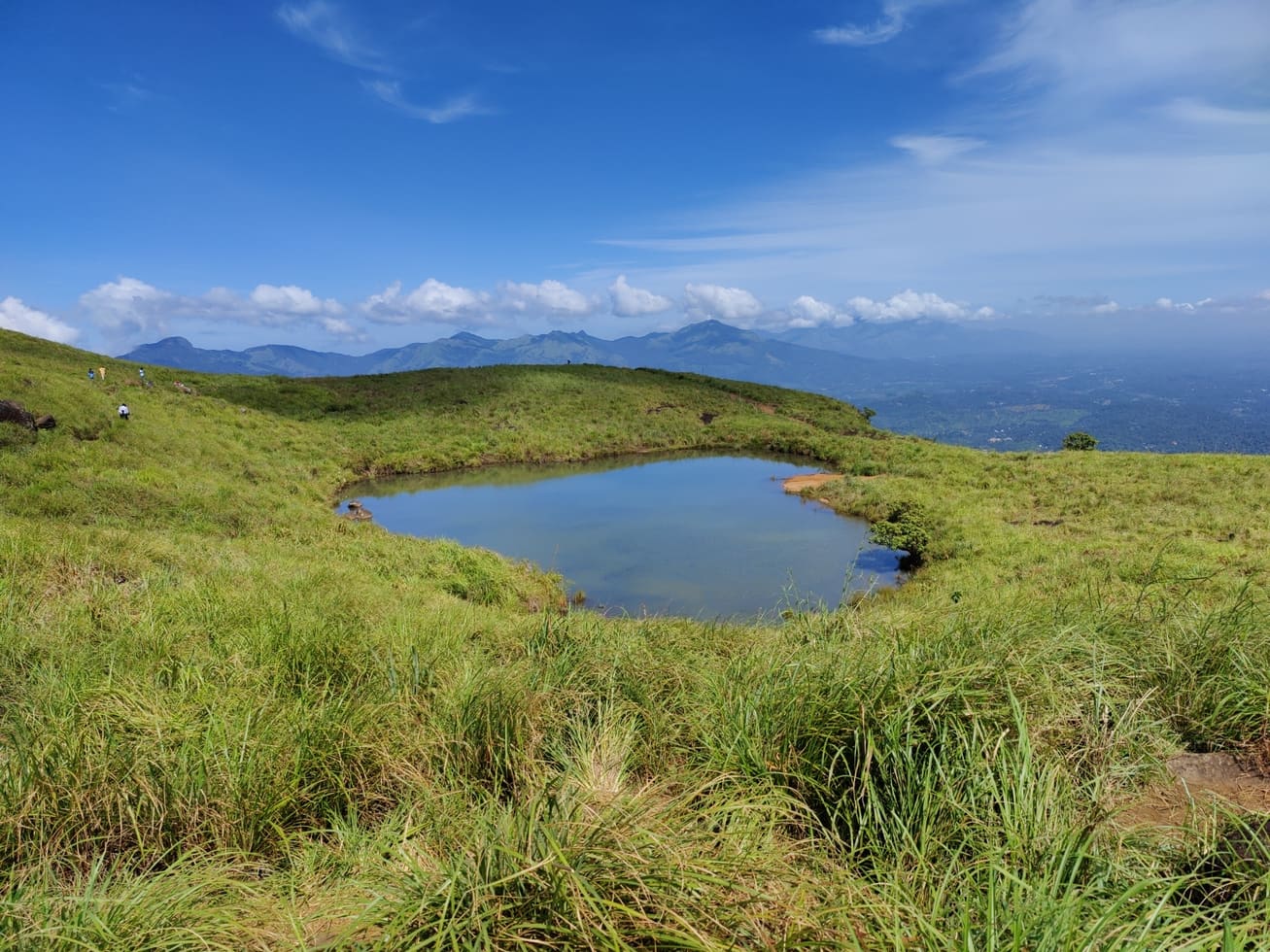
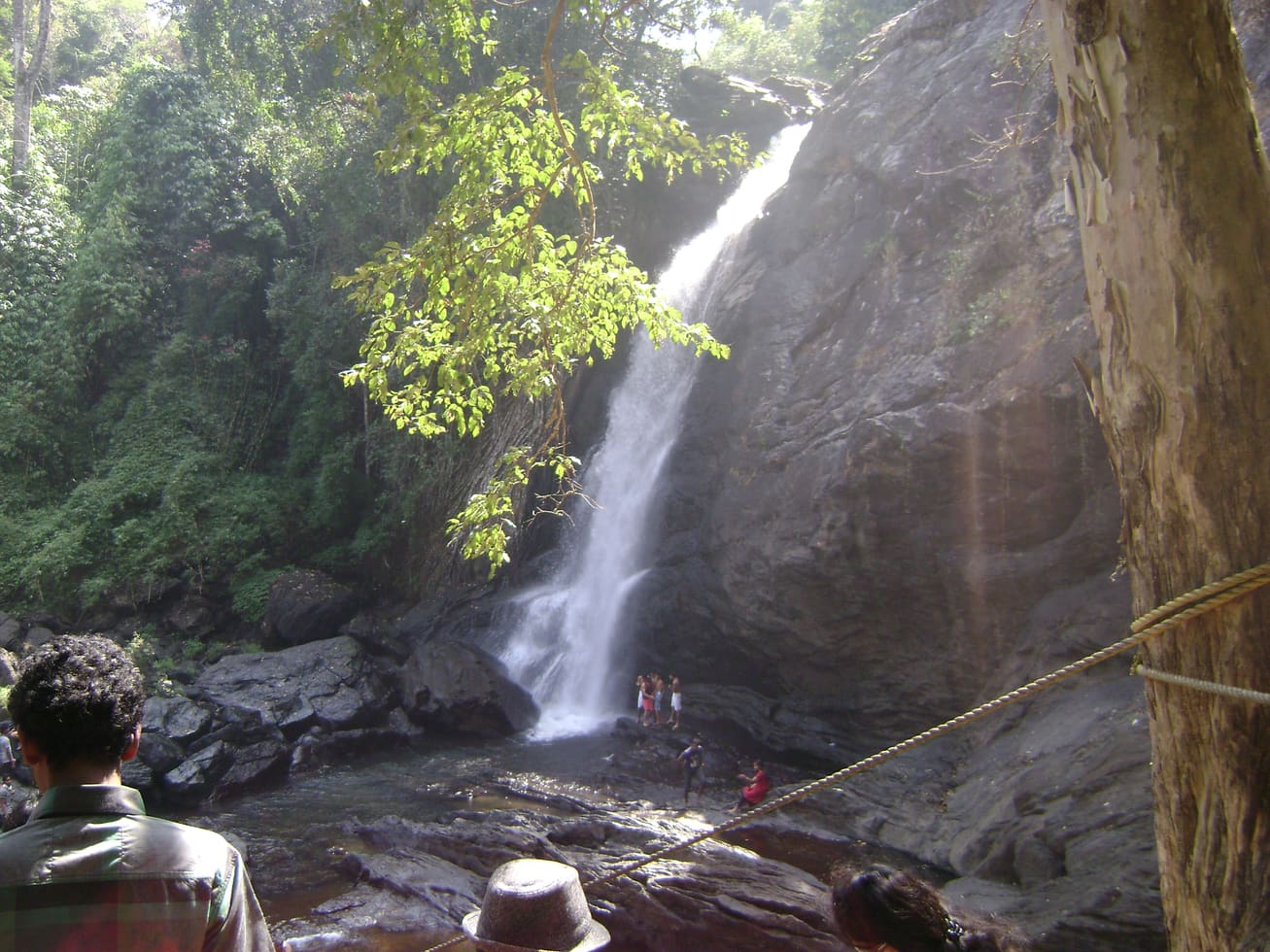
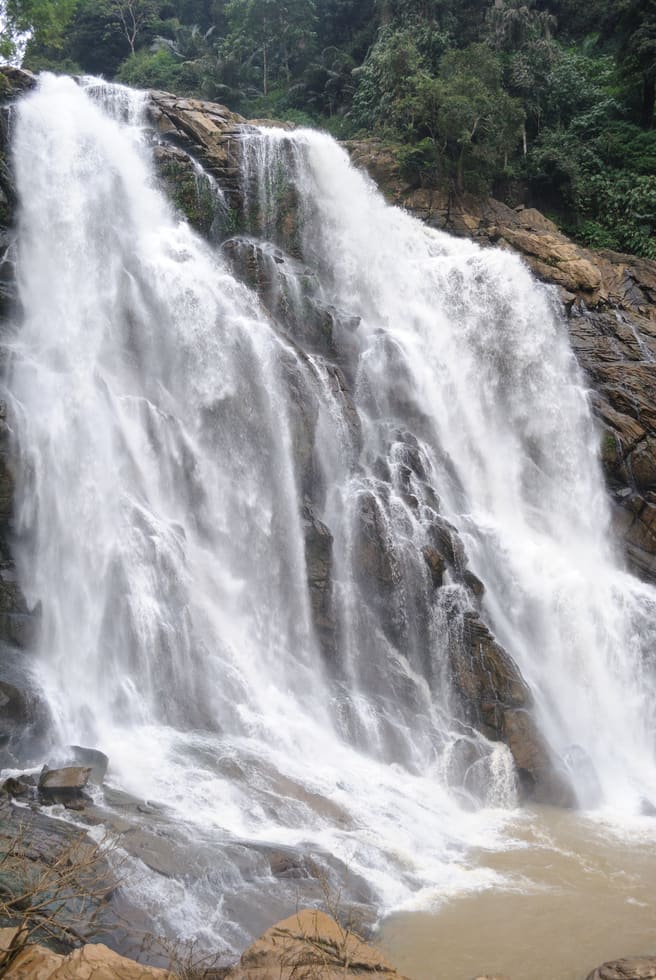
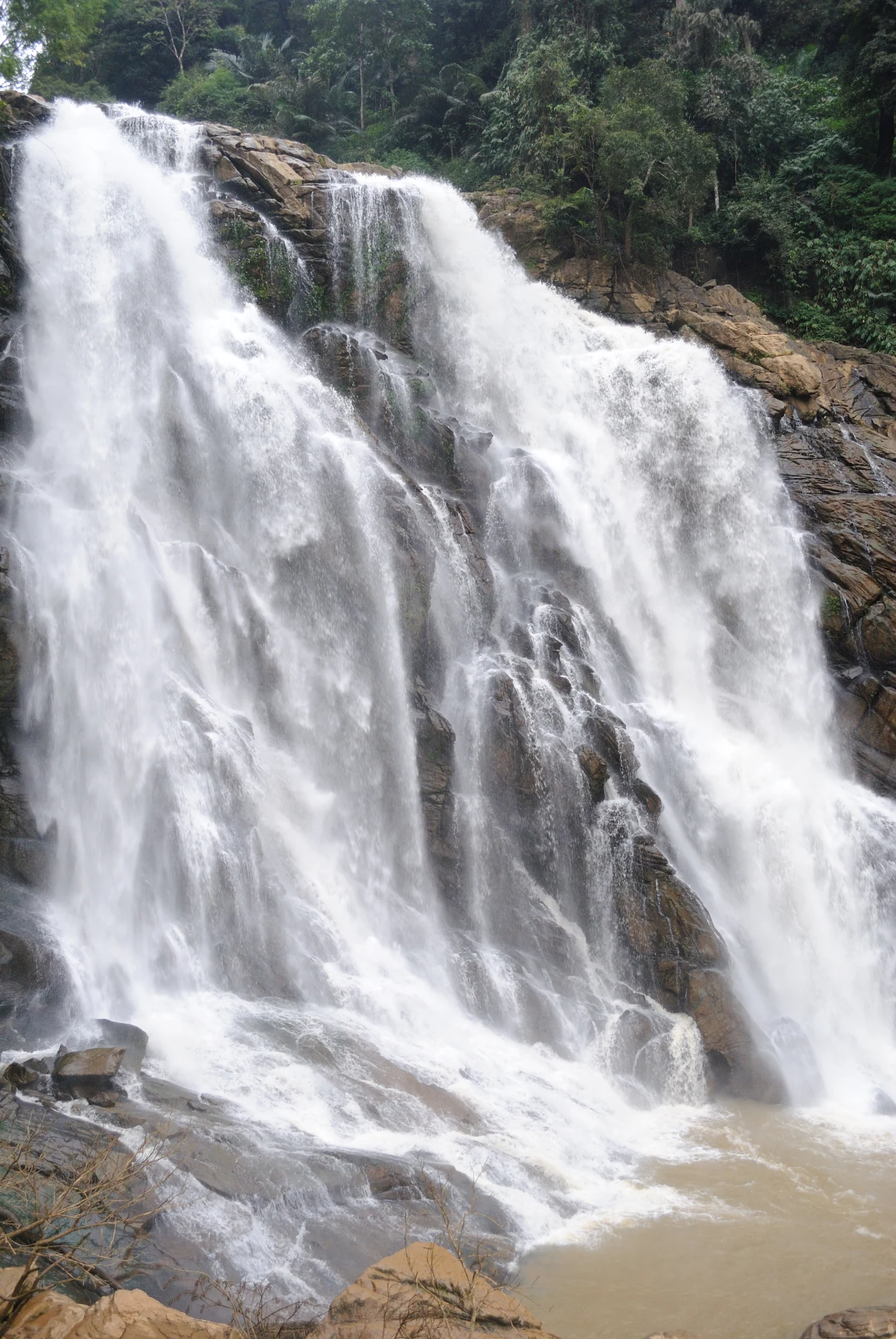
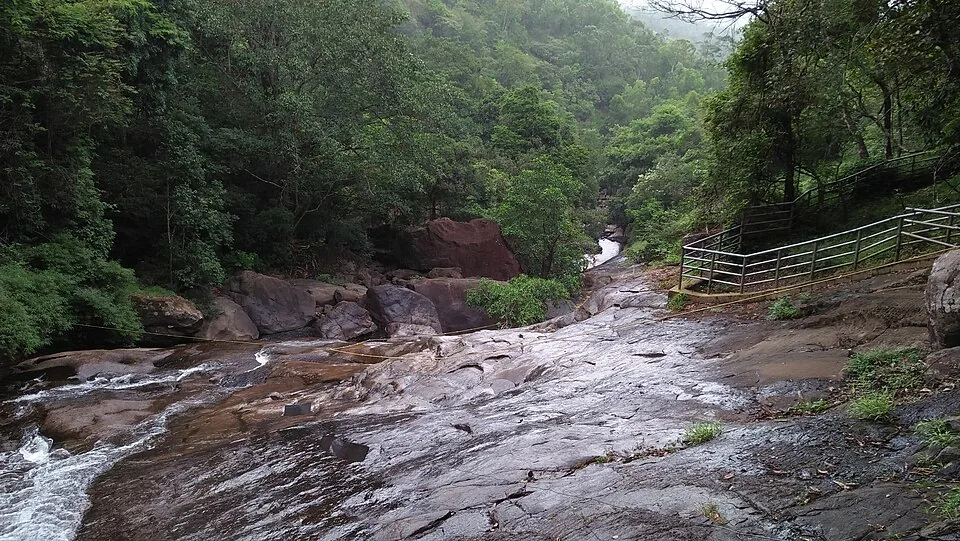
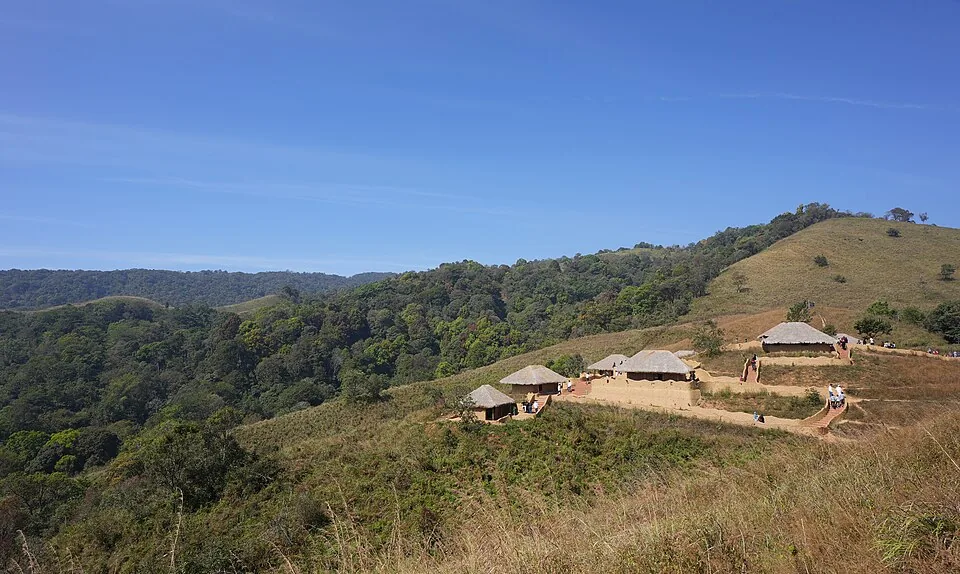
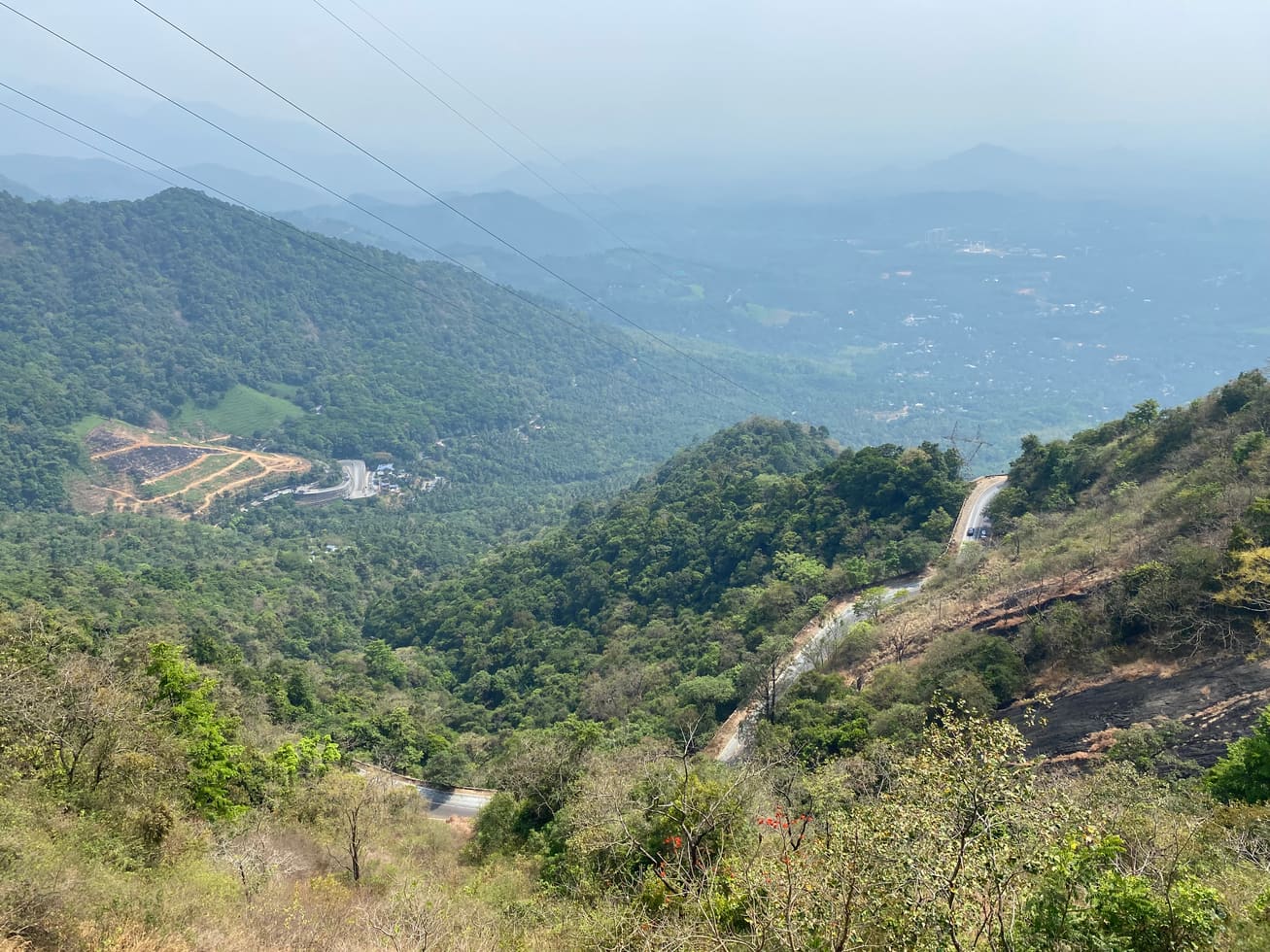
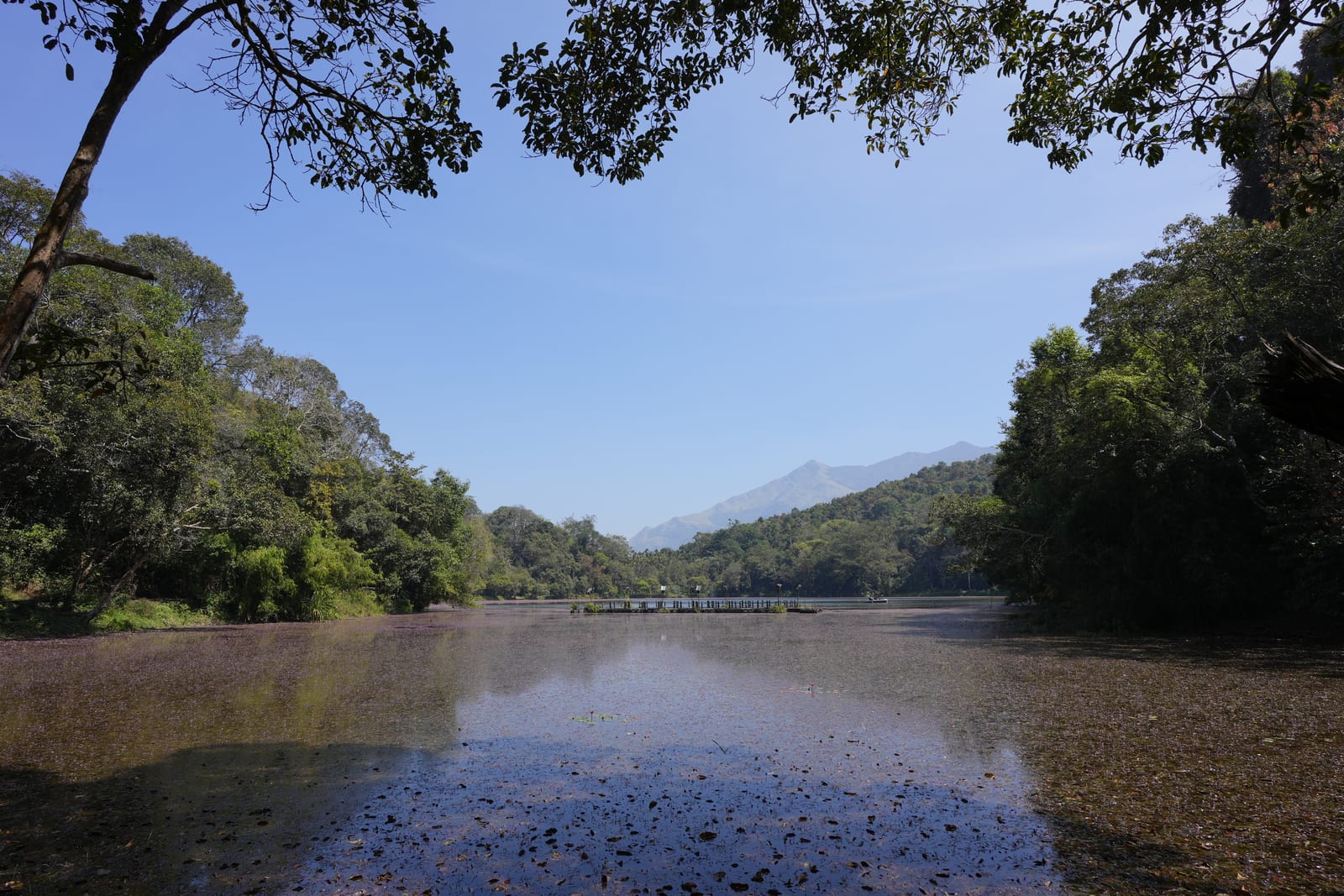
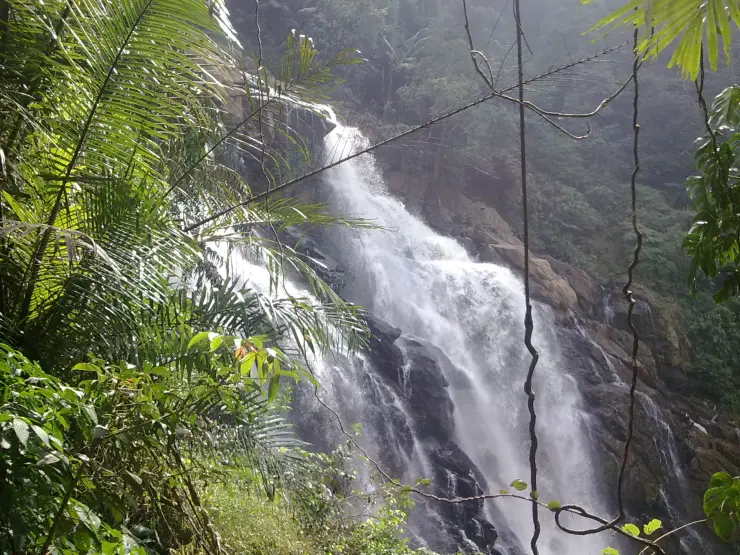
The ridge photographs on this page describe the scale of 900 Kandi without pretending to show a particular deck. Conversely, the operator’s bridge image identifies the constructed attraction but records only one clear-weather moment. Keeping those roles separate protects both claims: landscape pictures do not become proof of facilities, and a marketing frame does not become proof of an uninterrupted panorama, crowd level or current operating condition.