What to expect
Highlights
- Jain temple visit at Puliyarmala Jain Temple
- Marble work, carved pillars and Tirthankara figures in a Gujarati idiom
- The surrounding merchant quarter and its trading history
The Anantnath Swami temple at Puliyarmala near Kalpetta — the quieter, living Jain shrine of Wayanad, often paired with the conserved basti at Sulthan Bathery.
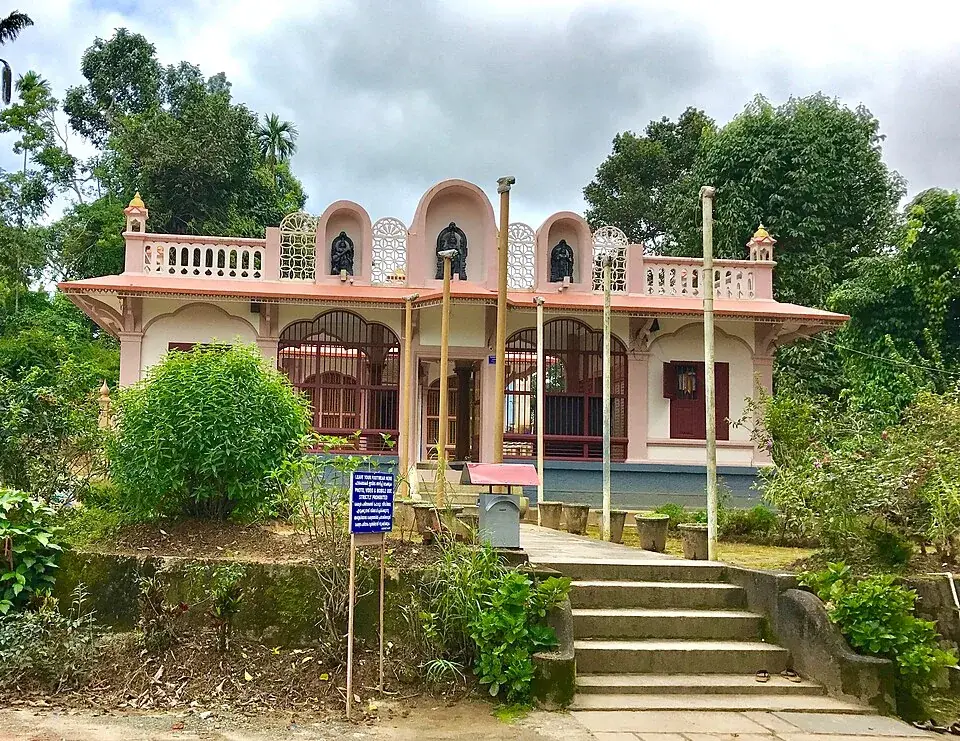
Check entry arrangements. Check footwear, leather-item and inner-shrine rules with temple staff before entering. Dress modestly and ask before photographing worship.
Dress respectfully and follow the institution’s admission and photography rules.
A weathered granite shrine standing quietly in the hills a few kilometres from Kalpetta, the Puliyarmala Jain Temple — properly the Ananthanatha Swami Temple — is one of the last living witnesses to Wayanad’s remarkable medieval Jain past. Dedicated to Ananthanatha, the fourteenth Tirthankara of the Jain faith, it is a place where austere Digambara spirituality, Dravidian stonecraft and the turbulent military history of eighteenth-century Malabar all meet under one low, brooding roof.
Long before Wayanad became a byword for coffee estates and monsoon mist, these highlands were part of a busy medieval trade world. Jain merchants and settlers — followers of the austere, sky-clad Digambara tradition — moved up from the Karnataka plateau and along the spice routes into the hills, and for several centuries they were among the most influential communities in the region. They built granite basadis (Jain temples), endowed them, and wove Jainism into the fabric of local life. The Puliyarmala temple is one of the finest survivors of that world, a rare place where you can still feel the presence of a faith that once shaped this whole plateau.
The temple is dedicated to Ananthanatha Swami, the fourteenth of the twenty-four Tirthankaras — the enlightened teacher-liberators whom Jains revere as guides who forded the ocean of worldly suffering. In the Digambara understanding, a Tirthankara is not a god to be petitioned so much as a supreme example of renunciation and self-conquest; the idol you approach here is a serene, meditative figure, utterly still, embodying the Jain ideals of non-violence (ahimsa), non-attachment and inner victory. That quiet, inward mood is exactly what the temple radiates.
For all its serenity today, the shrine sits at a genuine historical crossroads. Older accounts tie the site to the great southern kingdoms and to a period when the surrounding country moved through Jain, then Shaiva and Vaishnava, patronage — and you can still see that layered heritage in carvings that mingle Jain Tirthankaras with Hindu deities on the same walls. Wayanad’s Jain community gradually shrank over the centuries, and by the modern era many basadis fell silent; that Puliyarmala kept its lamp lit at all is part of its quiet drama.
The temple’s most talked-about chapter belongs to the eighteenth century and to Tipu Sultan of Mysore, whose armies swept repeatedly through Wayanad during the Anglo-Mysore campaigns. Local tradition — echoed at the far more famous Jain temple at Sultan Bathery to the east — holds that Tipu’s forces pressed this sturdy granite shrine into service as a garrison and a store for guns and ammunition, which is why villagers still sometimes call it “Tipu’s Fort”. Whatever the precise truth, the thick stone walls that made it useful to an army are the same walls that carried it, battered but standing, into our own time.
Do not confuse this shrine with its better-known cousin. Roughly two dozen kilometres east, at Sultan Bathery (Sulthan Bathery), stands Wayanad’s largest and most-photographed Jain temple — a grand, open pillared hall that draws the tour buses. Puliyarmala is the quieter, more intimate sister near Kalpetta: smaller, less commercial, and for many visitors all the more moving for it. Together the two temples are the twin anchors of any honest attempt to understand how deeply Jainism was once rooted in these hills.
Today the temple is a modest but active place of worship and a recognised heritage landmark, cared for and visited by a trickle of pilgrims, history-lovers and travellers who want something older and stiller than the usual Wayanad viewpoints. Stand in its cool granite shade, look at the meditating Tirthankara and the worn carvings, and it is easy to sense the long, patient continuity of a faith that has held to non-violence and simplicity here for many hundreds of years.
Wayanad’s Jain story is the essential backdrop. From the early medieval centuries, Jain merchants and settlers — largely of the Digambara tradition, with strong links to the Karnataka country to the north — established themselves across these hills, building a network of granite basadis and becoming a prosperous, literate trading community. Puliyarmala’s Ananthanatha Swami Temple is one of the enduring monuments of that era, when Jainism was a leading presence on the plateau (the precise chronology of Wayanad’s Jain settlement is debated).
Sources differ sharply on exactly when the temple was raised. Popular accounts variously place its construction in the medieval period and link it to the great southern dynasties, while others hint at far older roots; the honest position is that a firm, single founding date is not established, and figures you will see quoted online should be treated as approximate. What is clear is that it is genuinely old and that its fabric has seen the region pass through successive religious and political currents.
The eighteenth century brought Wayanad into the path of the Mysore rulers Hyder Ali and, especially, Tipu Sultan, whose forces campaigned through the district against local chieftains and the British. Wayanad’s solid granite Jain temples, built to last, are widely said to have been commandeered as military posts and magazines during this period — a tradition attached both to the Sultan Bathery temple and to Puliyarmala, which locals accordingly nickname “Tipu’s Fort”.
A commonly repeated detail is that the temple’s administration changed hands in the modern era, and that its custodianship passed to a local family who reorganised its upkeep and its links to nearby Kalpetta. Through such stewardship the shrine survived the long decline of Wayanad’s Jain population, when many other basadis were abandoned or lost.
In the present day the temple stands as both a working Jain shrine and a protected heritage site, valued as a tangible record of a community and a faith that shaped Wayanad far more than most visitors realise. Its very endurance — through dynastic change, war and demographic decline — is the reason it is treasured today.
It is one of the finest surviving windows into Wayanad’s medieval Jain heritage — a chapter of Kerala history that most travellers never encounter. Where else in the state can you stand inside a living Digambara Jain shrine set among the hills, dedicated to the fourteenth Tirthankara?
The granite architecture is genuinely striking. Cool stone pillars, carved doorways and a low, fortress-like solidity give the temple a character quite unlike Kerala’s more familiar wood-and-tile Hindu temples — a distinctly Dravidian, Jain-basadi feel.
The Tipu Sultan connection makes it a compact history lesson in stone. Knowing that these walls are said to have sheltered an eighteenth-century army’s guns and powder utterly changes how you read the space — the “Tipu’s Fort” nickname suddenly makes sense.
It is blessedly quiet. Unlike the crowd-drawing Jain temple at Sultan Bathery, Puliyarmala usually offers a still, contemplative atmosphere — ideal for travellers who want reflection and photography without a jostle of tour groups.
Its setting near Kalpetta makes it an easy, rewarding add-on to a Wayanad itinerary, pairing naturally with the town, nearby viewpoints and the wider highland scenery for a half-day that mixes culture with landscape.
For anyone interested in India’s religious plurality, the temple is a rare object lesson — carvings and traditions that layer Jain Tirthankaras alongside Hindu deities, telling a story of coexistence and change over many centuries.
Road km to Wayanad; ghat roads and traffic vary — allow extra.
Late morning to midday for the rituals; October to March for comfortable travel.
Live forecast loads in your browser.
Sun and moon are calculated for this location and shown in IST. Photography windows are the hour around sunrise and sunset; the sunset bearing is degrees clockwise from true north. Moon phase is accurate to about half a day.
Verified hotels, homestays, restaurants, experiences, sights, shops and rentals around Puliyarmala Jain Temple — commission-free, with direct contact. Filter by what you need.
Hotel Haritagiri Ayurveda treatment facility on Kalpetta Main Road with Kerala Tourism evidence. Ayurveda, Spa, Wellness.
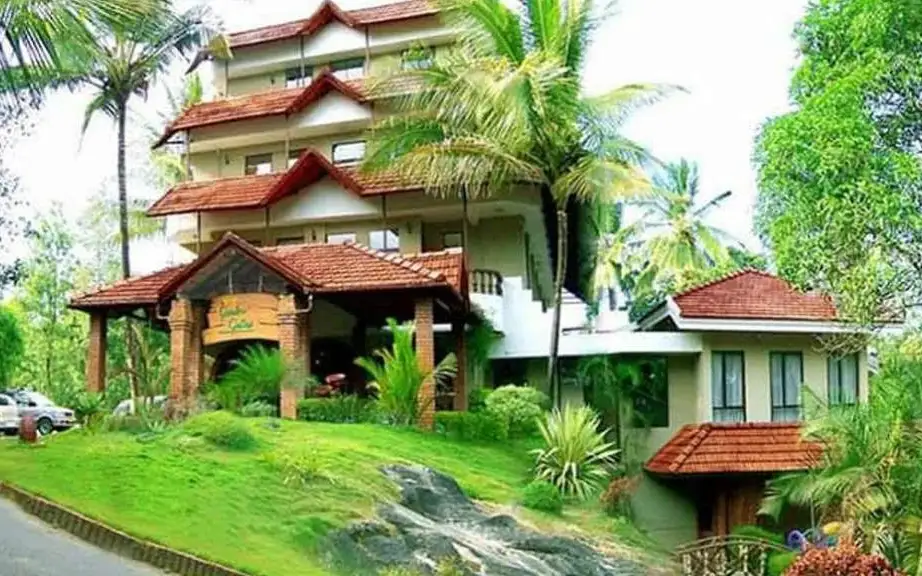
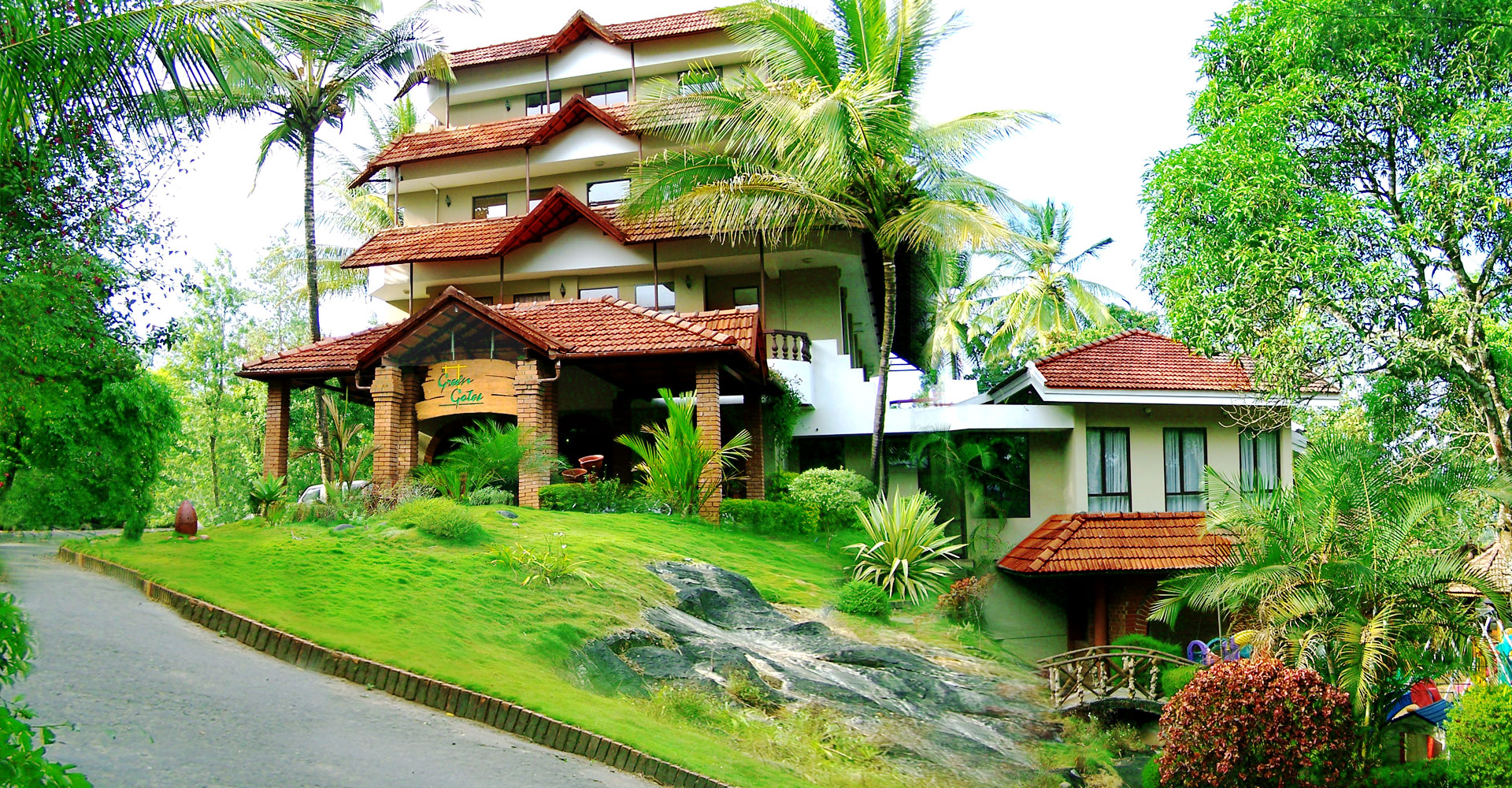
Kalpetta town Ayurveda/spa facility inside Green Gates Hotel with provider-page evidence. Ayurveda, Spa, Wellness.
Muttil Peak coffee-plantation resort near Kalpetta with Kerala Tourism provider evidence. Premium plantation resort · Resort, Coffee plantation, Premium stay.
Five-star luxury resort at Kuttiyamvayal, Padinjarathara, beside the Banasura-side landscape. Luxury resort, Five-star resort, Padinjarathara.
Homely Homestay is a Kerala Tourism-listed silver-classified homestay in Kalpetta, with homely Kerala food, Wi-Fi, transport and guide-service context for central Wayanad stays. Budget homestay · Homestay, Silver House, Budget stay.
Green Gates Hotel is a Kalpetta town hotel and resort on T. B. Road, useful for central Wayanad routes, Banasura/Pookode/Lakkidi days and travellers who want a town-base stay with pool and Ayurvedic-spa context. Mid-range hotel and resort · Hotel, Resort, Ayurvedic spa.
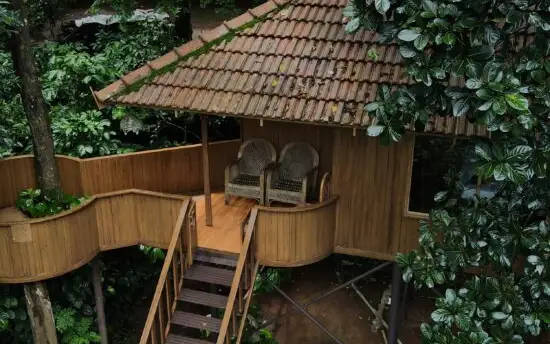
Kalpetta resort with a pillar-supported wooden treehouse, balcony and separate meal arrangements. Confirm the room, stairs, child-age policy and booking terms directly.
Hotel and resort in Kalpetta. Ground Floor, Georjoys Building, Pallithazhe Road, Subhash Nagar, Kalpetta, Kerala 673121 · Premium hotel · Hotel, Resort, Premium stay.
Kalpetta town hotel and Ayurvedic village on Padmaprabha Road. Budget to mid-range hotel · Hotel, Ayurveda, Kalpetta town.
Karapuzha Dam-side Wayanad resort with direct address and reservation evidence. Premium resort · Resort, Karapuzha, Vazhavatta.
Thariode/Pozhuthana luxury resort near Kalpetta and Banasura-side routes. 10th Mile, Thariode P.O., near St. Jude Church, Pozhuthana Via, Wayanad, Kerala 673575 · Luxury resort, Thariode, Banasura side.
Resort in Kalpetta. Near Juma Masjid, Arampattakunnu P.O., Padinjarathara, Kalpetta, Wayanad, Kerala 673575 · Premium resort · Resort, Padinjarathara, Banasura side.
Kerala Tourism source for DTPC-run Karlad Lake adventure activities. Karlad Lake, Adventure camp, DTPC Wayanad.
Kerala Tourism source for Wayanad village-life and responsible-tourism experiences. Responsible tourism, Village life, Tribal craft.
Cafe 41 by Alibaba is a Kalpetta cafe at Mazarine Hotel, useful as a sourced cafe stop for central Wayanad stays and town transfers. Cafe, Mazarine Hotel, Town food.
Homestay in Kalpetta. Padmabhavan(H), Thonduppali, Muttil P.O., Wayanad, Kerala 673122 · Homestay, Muttil, Kalpetta route.
Homestay in Kalpetta. Homestay, Kerala Tourism listed, Central Wayanad.
Kerala Tourism-listed Kalpetta resort at Edapatty, Muttil P.O. Kalpetta resort, Muttil, Edapatty.
Kalpetta hotel opposite Civil Station with direct contact and restaurant evidence. Kalpetta hotel, Civil Station, Restaurant.
Wayanad Cab is a Kalpetta-based taxi provider for airport pickups, railway transfers, sightseeing tours, local travel and outstation routes. Wayanad cab, Airport transfer, Sightseeing taxi.
Wayanad Auto Taxi is a Kalpetta-based local taxi and itinerary support provider for pickups, sightseeing and Wayanad road transfers. Kalpetta taxi, Wayanad transport, Sightseeing.
Banasura Sagar Dam is a major Kalpetta-side Wayanad reservoir attraction with official DTPC contact, entry-time and Kerala Tourism destination evidence. Banasura Sagar Dam, Padinjarathara, Reservoir.
Kalpetta resort with a pillar-supported wooden treehouse, balcony and separate meal arrangements. Confirm the room, stairs, child-age policy and booking terms directly.
A budget homestay on Mariamman Temple Road in Kalpetta town. Rooms sit among tea estates with home-style Kerala meals served to guests.
Book with the place itself. India’s cyber-crime coordination centre warned in April 2025 that convincing copies of hotel and pilgrimage booking sites are being pushed through sponsored search and social ads, taking payment for rooms the property never hears about. Every listing here links to the business’s own contact details and its own Google or Bing profile — we take no commission and sit in nobody’s payment path. If a booking page reached you through an ad, check the address bar against the property’s own site before you pay. Fraud can be reported on cybercrime.gov.in or on 1930.
Find food, accommodation and activities across Kalpetta. Browse the guides for places to eat, stay and explore along your route.
13 more places around Kalpetta. Open a guide to plan the visit and onward journey.
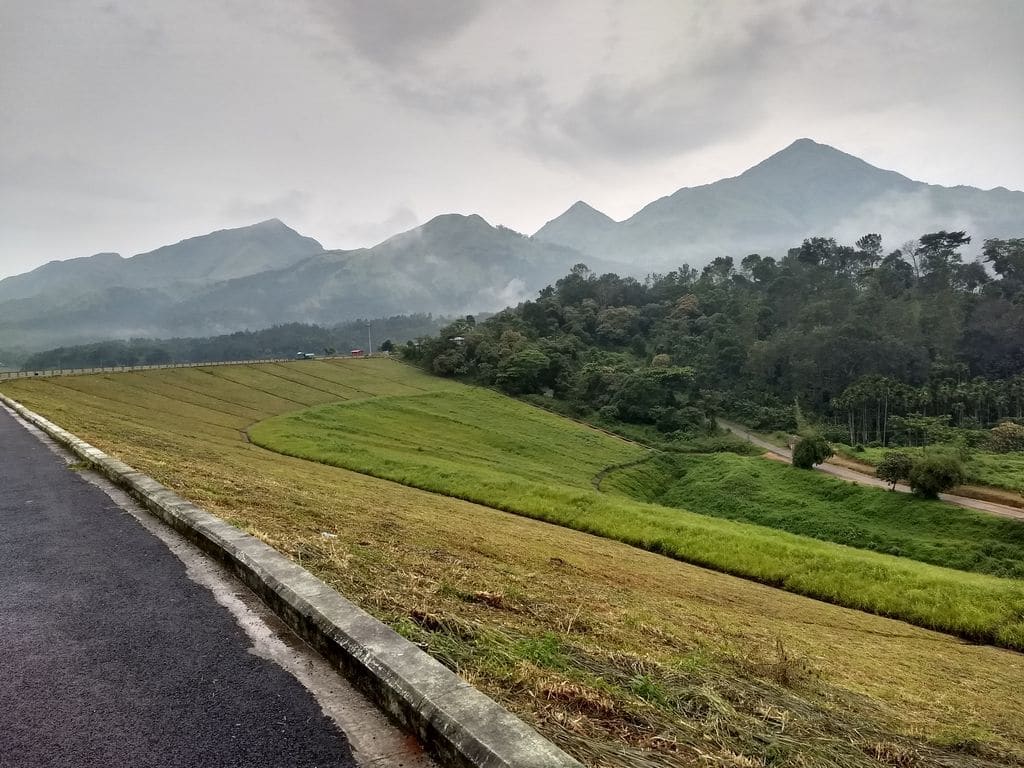
Large earth-fill dam with mountain views and reservoir activities, usually planned from Kalpetta or Vythiri with current activity checks.
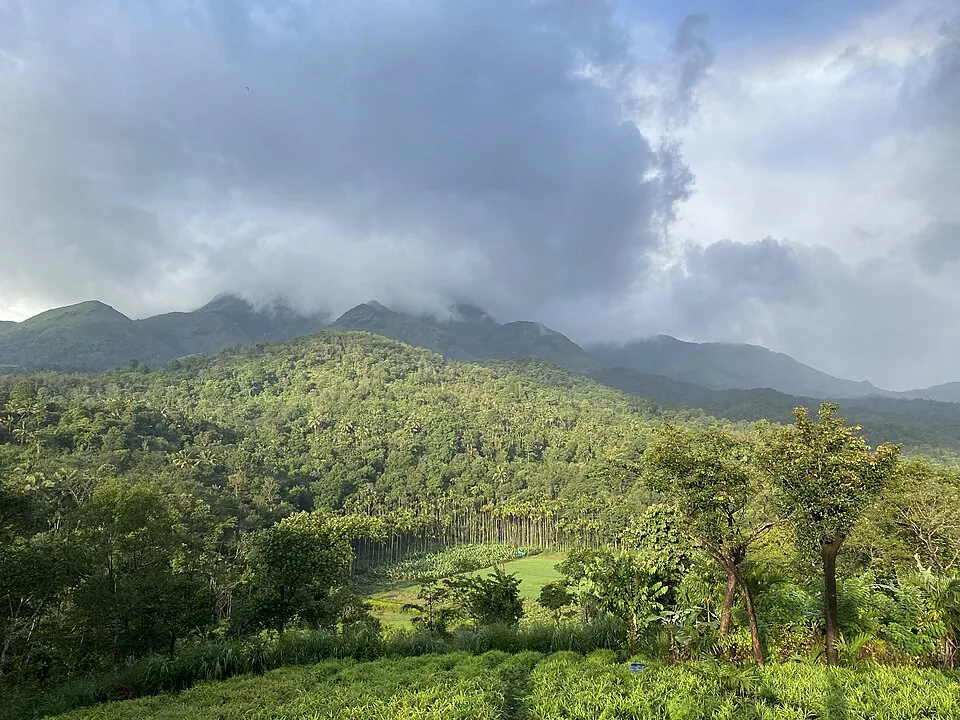
Highland trek and viewpoint landscape above the Banasura reservoir side; access and permissions should be checked locally.
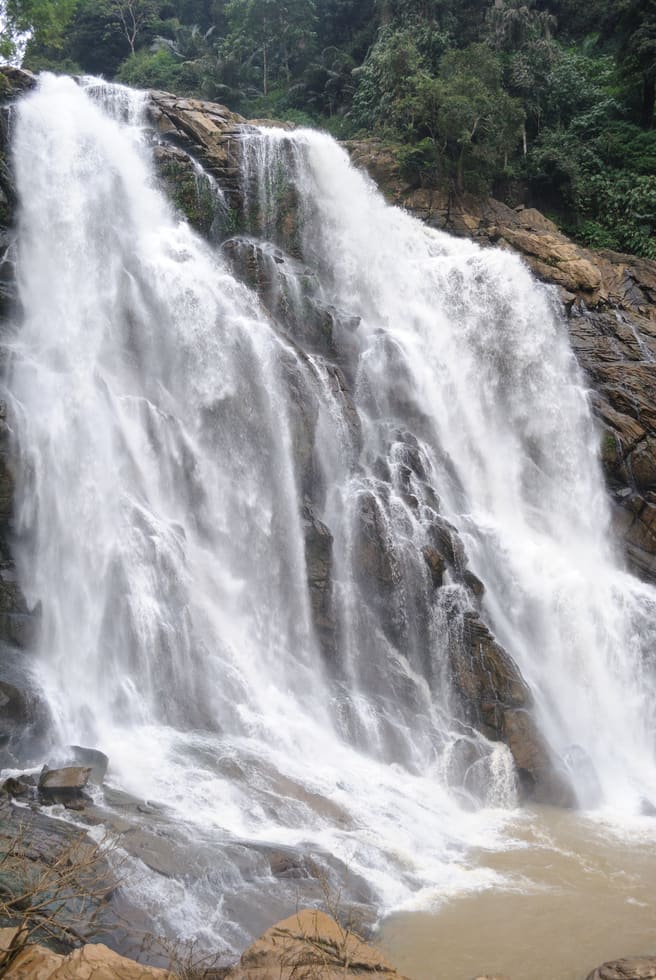
The closed Meppadi–Vaduvanchal waterfall, also listed as Meenmutty Falls trek. The map marks Vaduvanchal bus stand for town orientation, not an open waterfall entrance. Banasura Meenmutty is a different site.
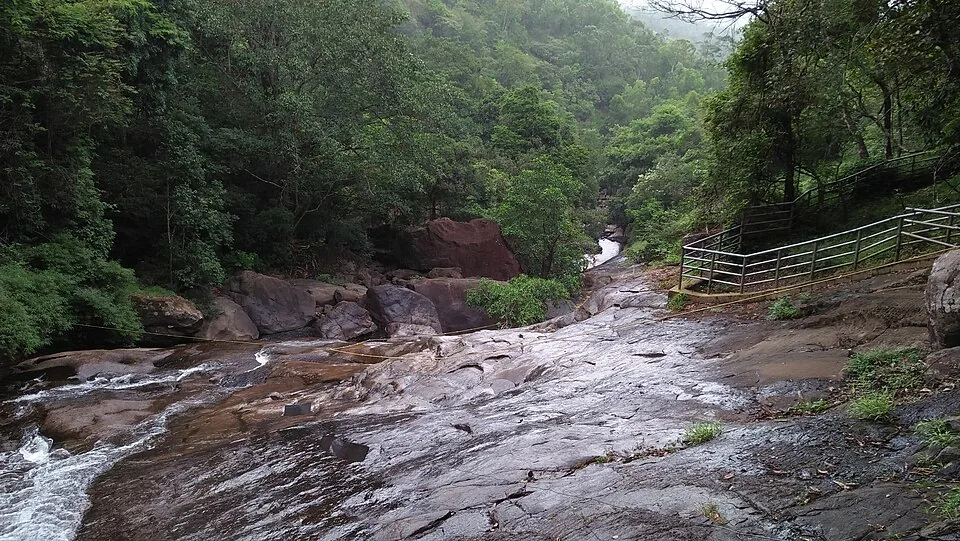
The Banasura-side Meenmutty at Kappikkalam, five kilometres from Banasura Sagar Dam—not the Meppadi or Makkiyad waterfalls with the same name.
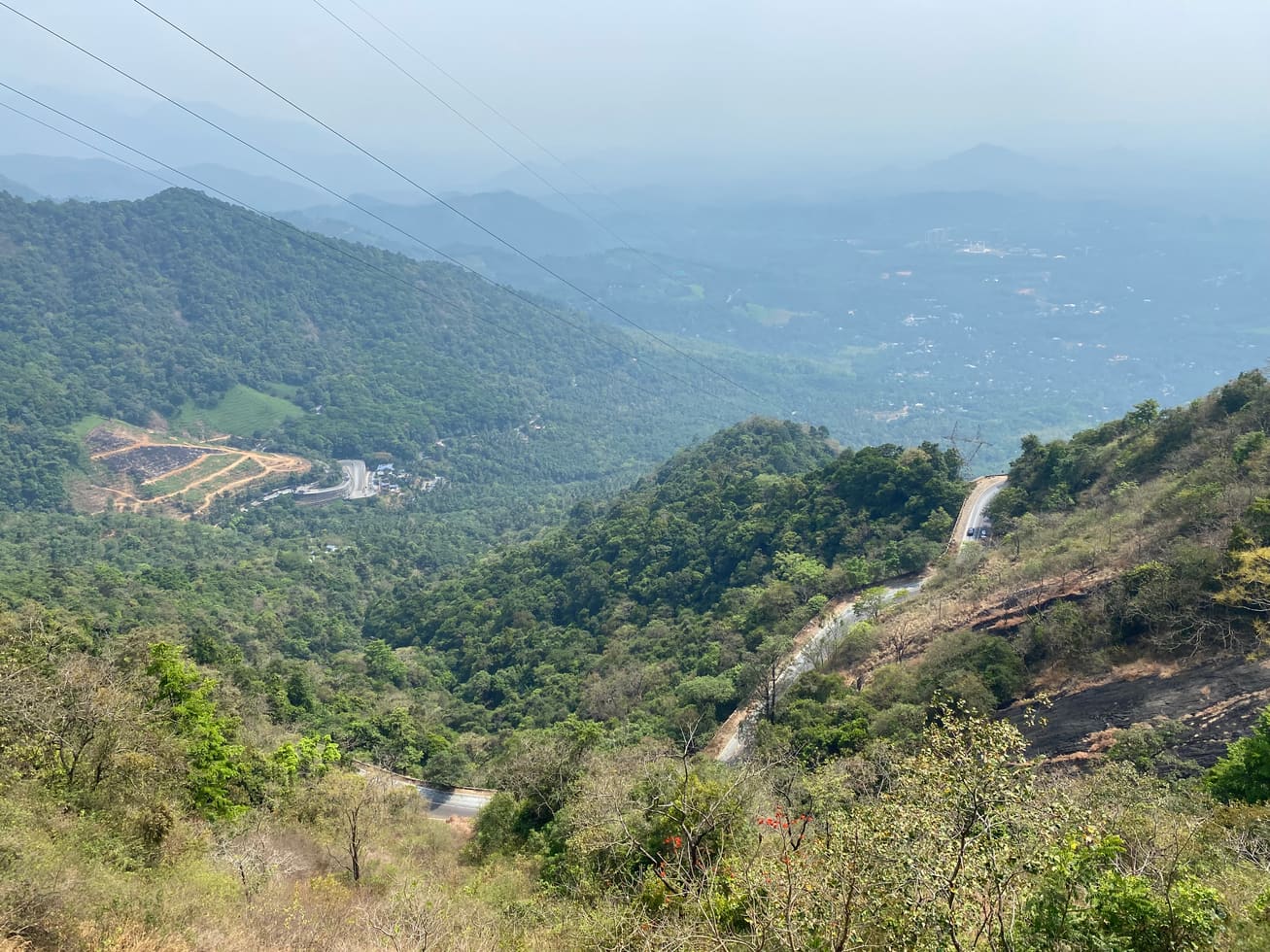
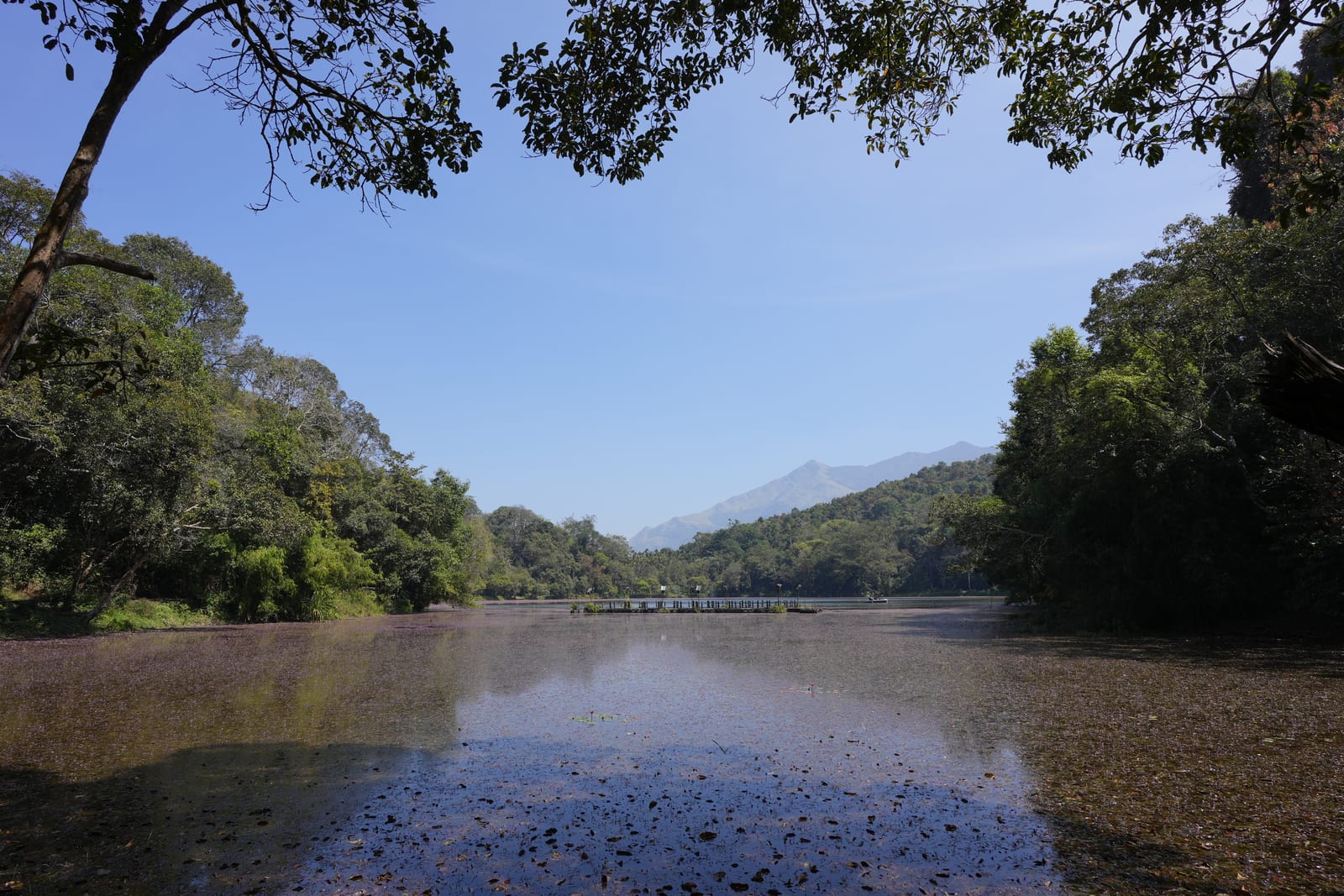
12.7 km · ~21 min by cab
Freshwater lake near Vythiri/Lakkidi, commonly paired with the ghat entrance and En Ooru side.
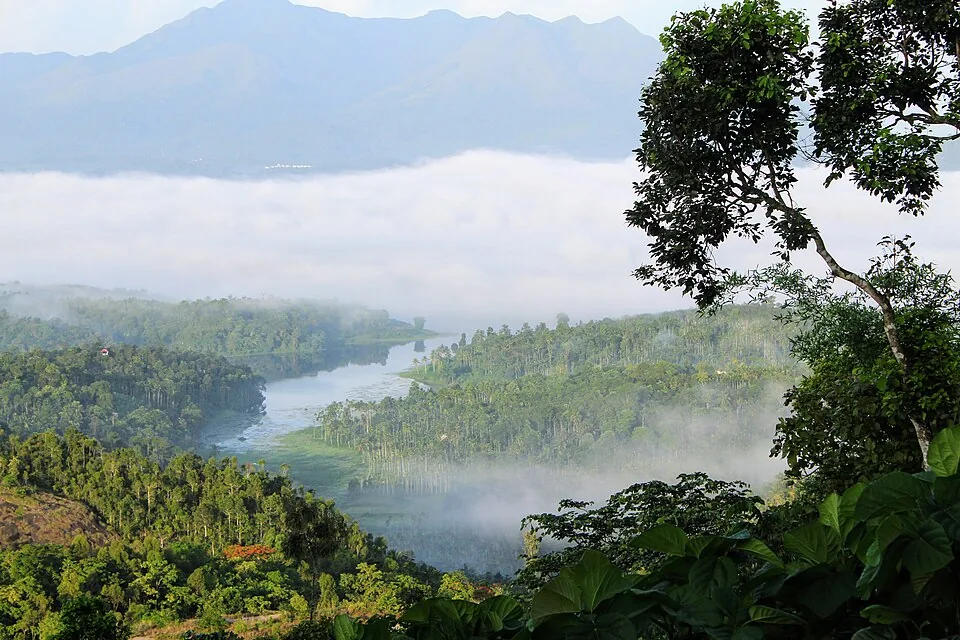
9.1 km · ~15 min by cab
Reservoir and garden-side attraction near the Ambalavayal/Kalpetta side of Wayanad.
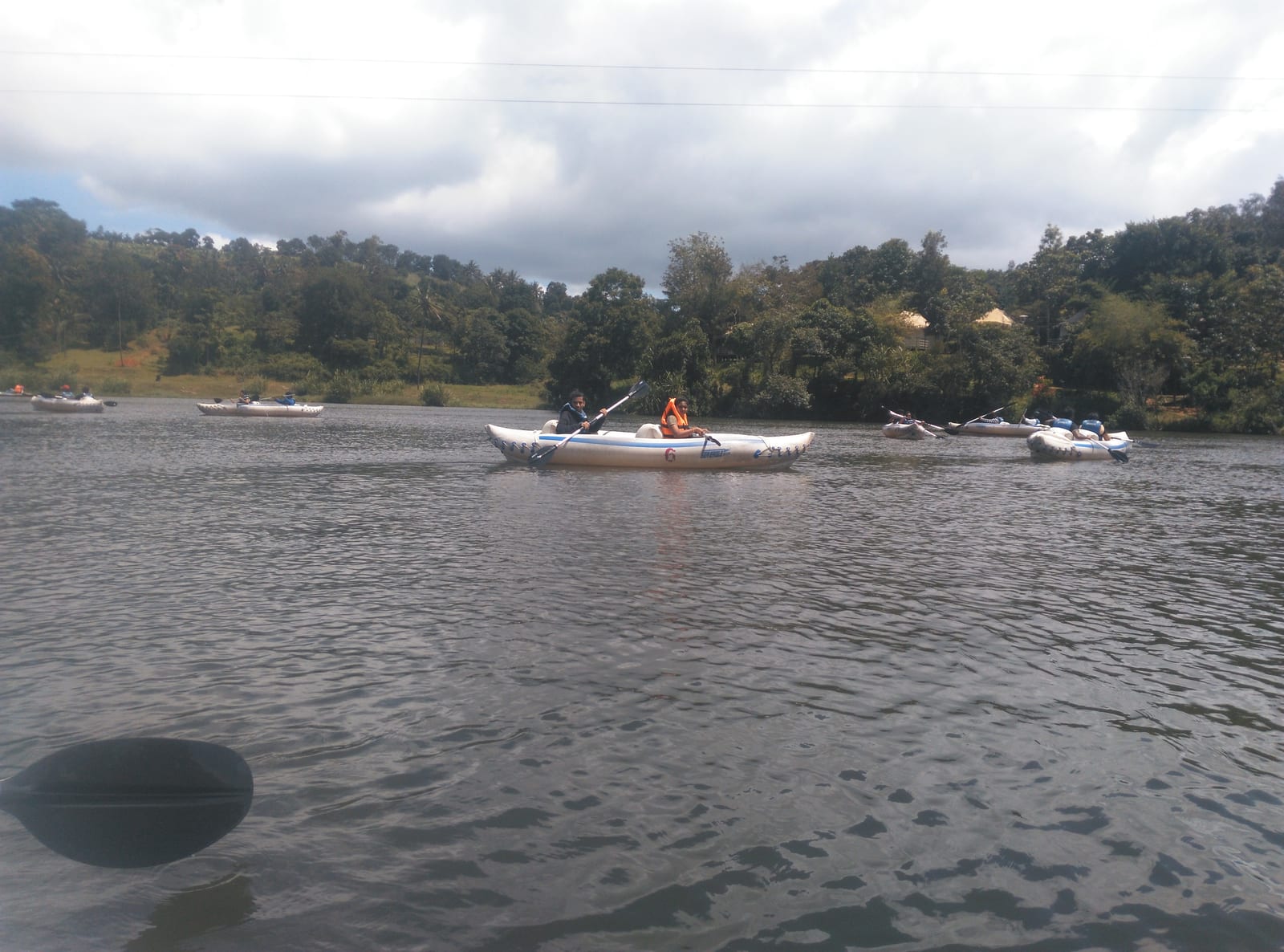
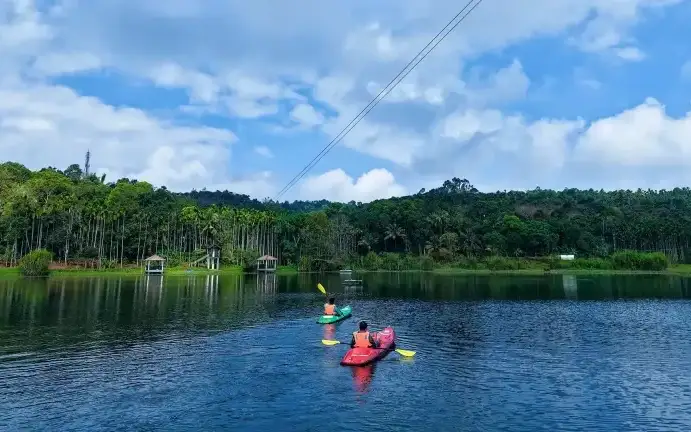
Banasura-side adventure lake used for kayaking, zipline and family activity planning when open.
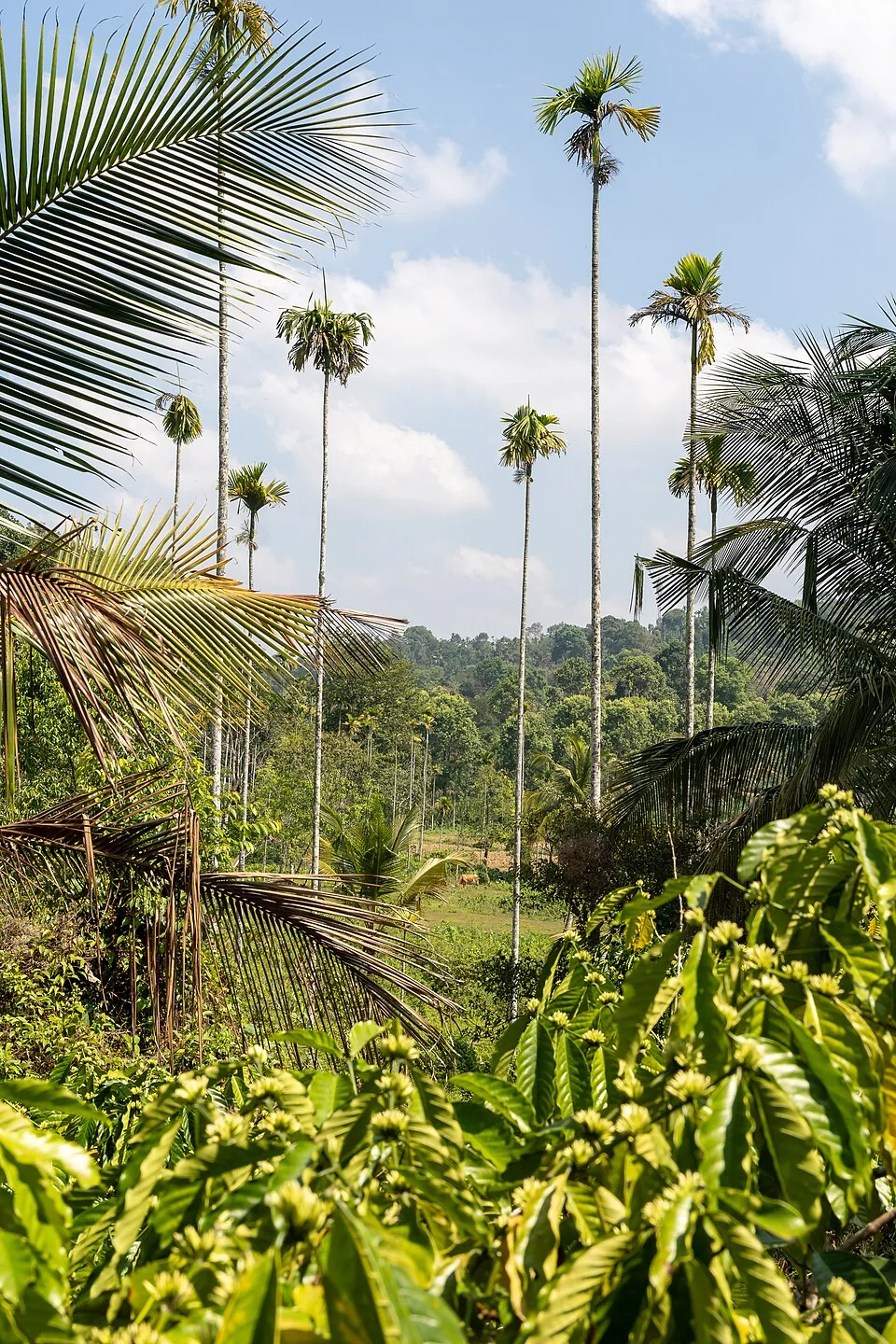
3.4 km · ~9 min by auto
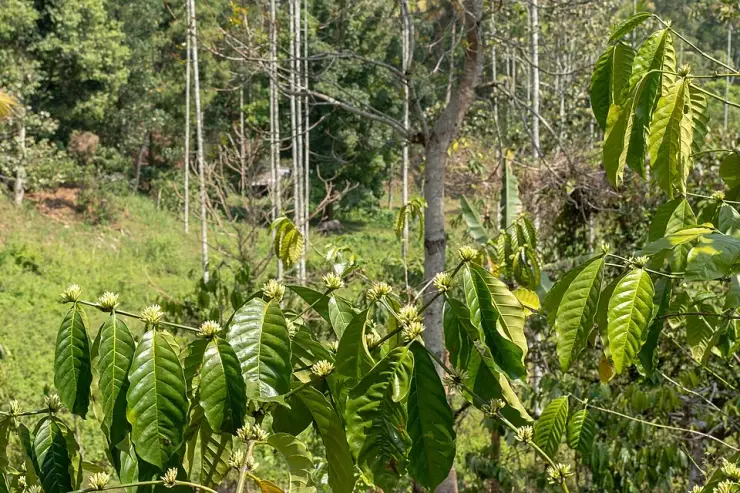
A distributed, working coffee landscape rather than one ticketed attraction: arrange an estate walk with a host, farm or accredited operator, and use Kalpetta town as the honest visitor base.
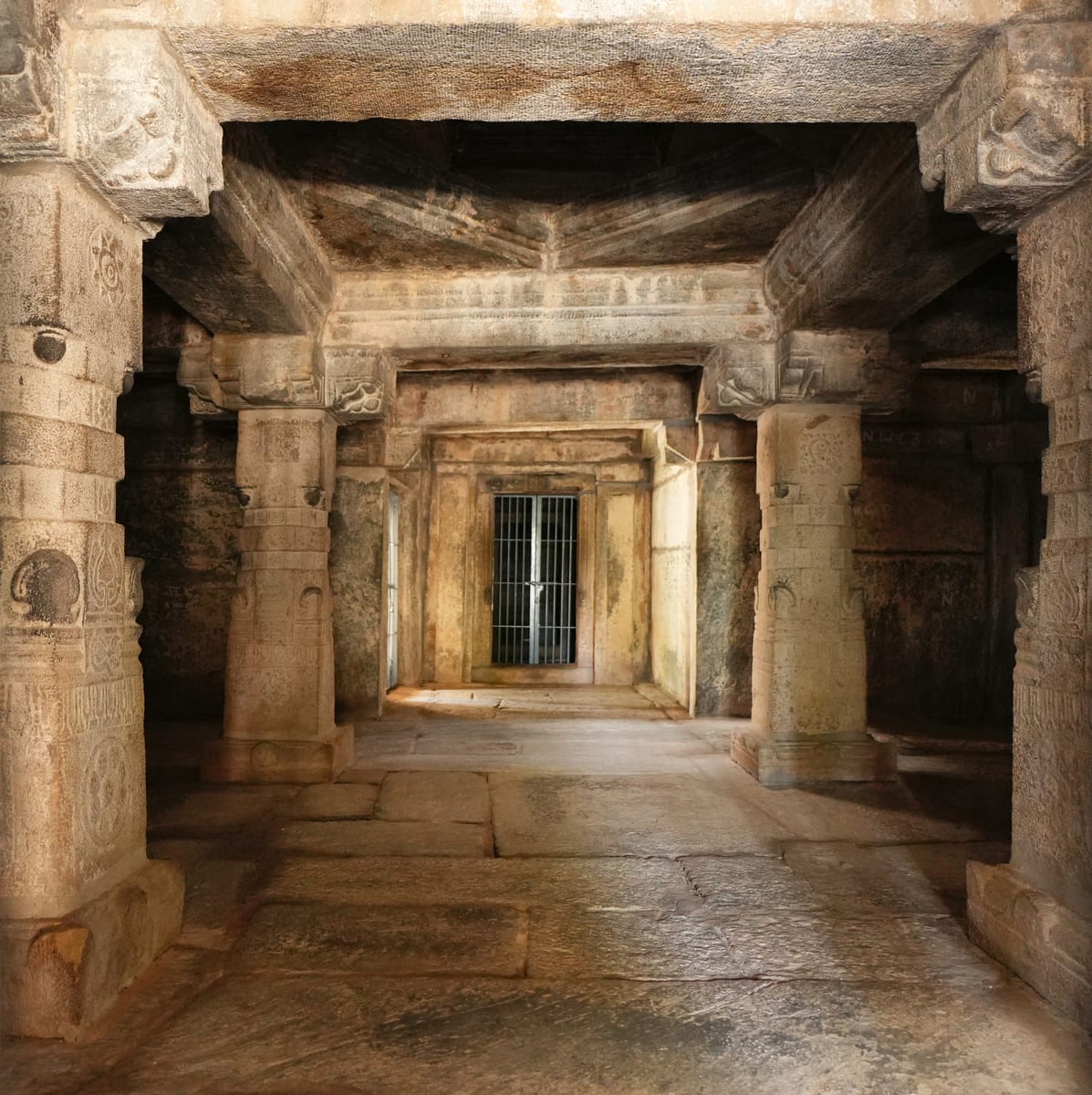
Sulthan Bathery Jain temple with old stone architecture and east-Wayanad heritage context.
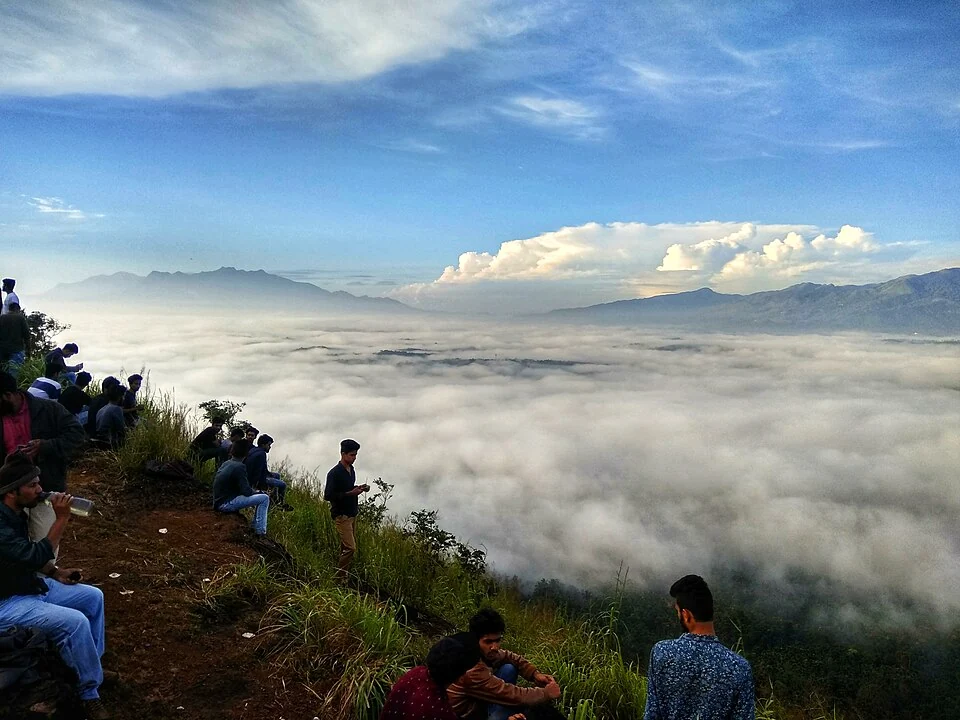
9.0 km · ~15 min by cab
A walked hill viewpoint in the Kottathara area of Wayanad, known for dawn cloud below the ridge and wide daylight views over fields and wooded hills.
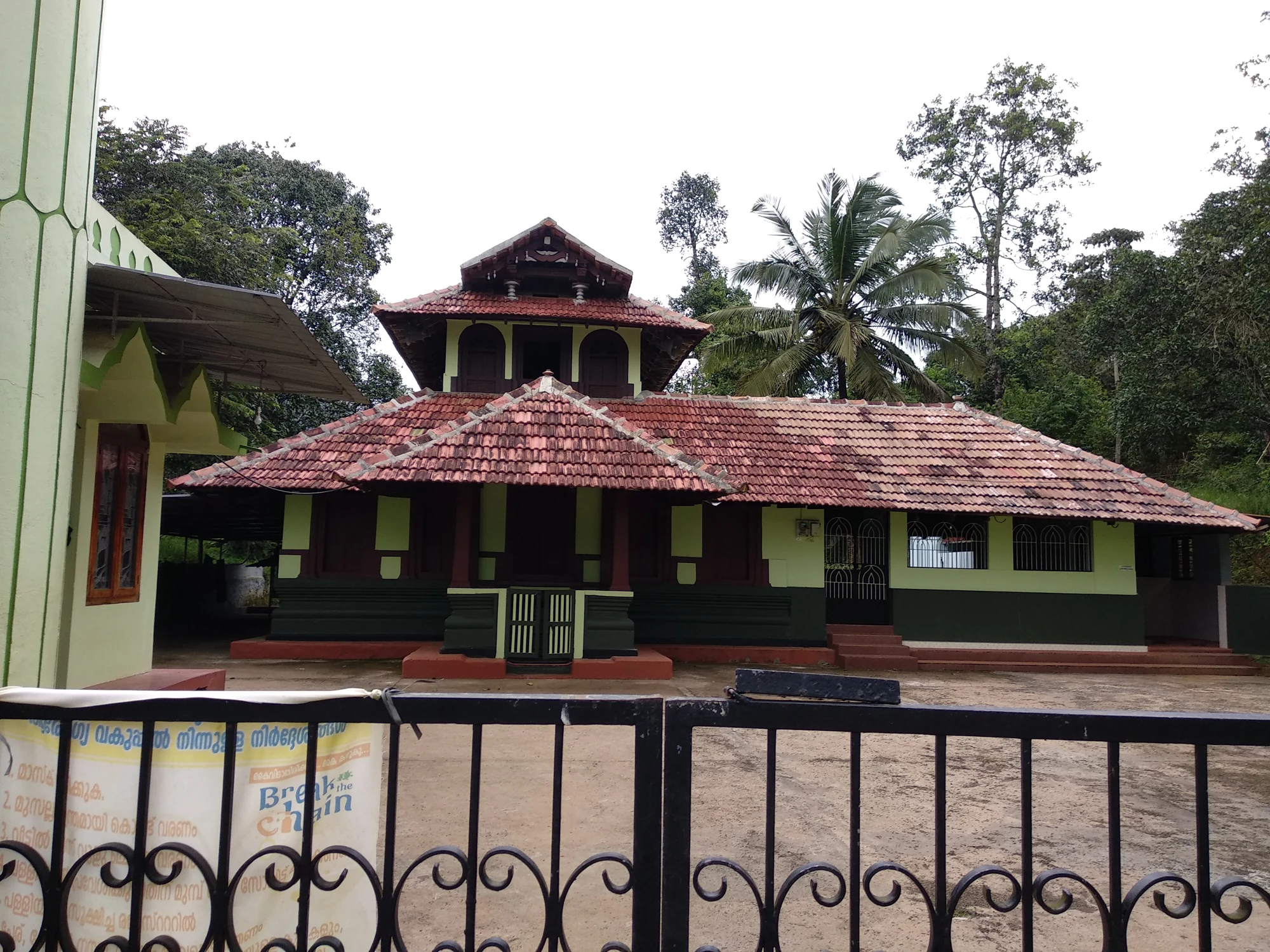
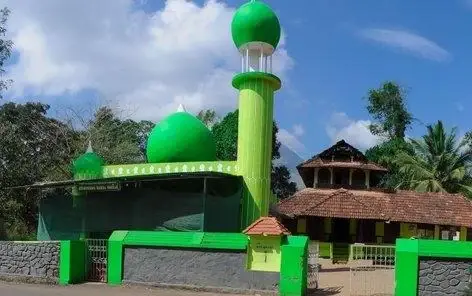
The Varambetta mosque and maqaam complex near Padinjarathara in Wayanad, with a tiled timber shrine, a neighbouring domed prayer building and a documented annual Nercha gathering.
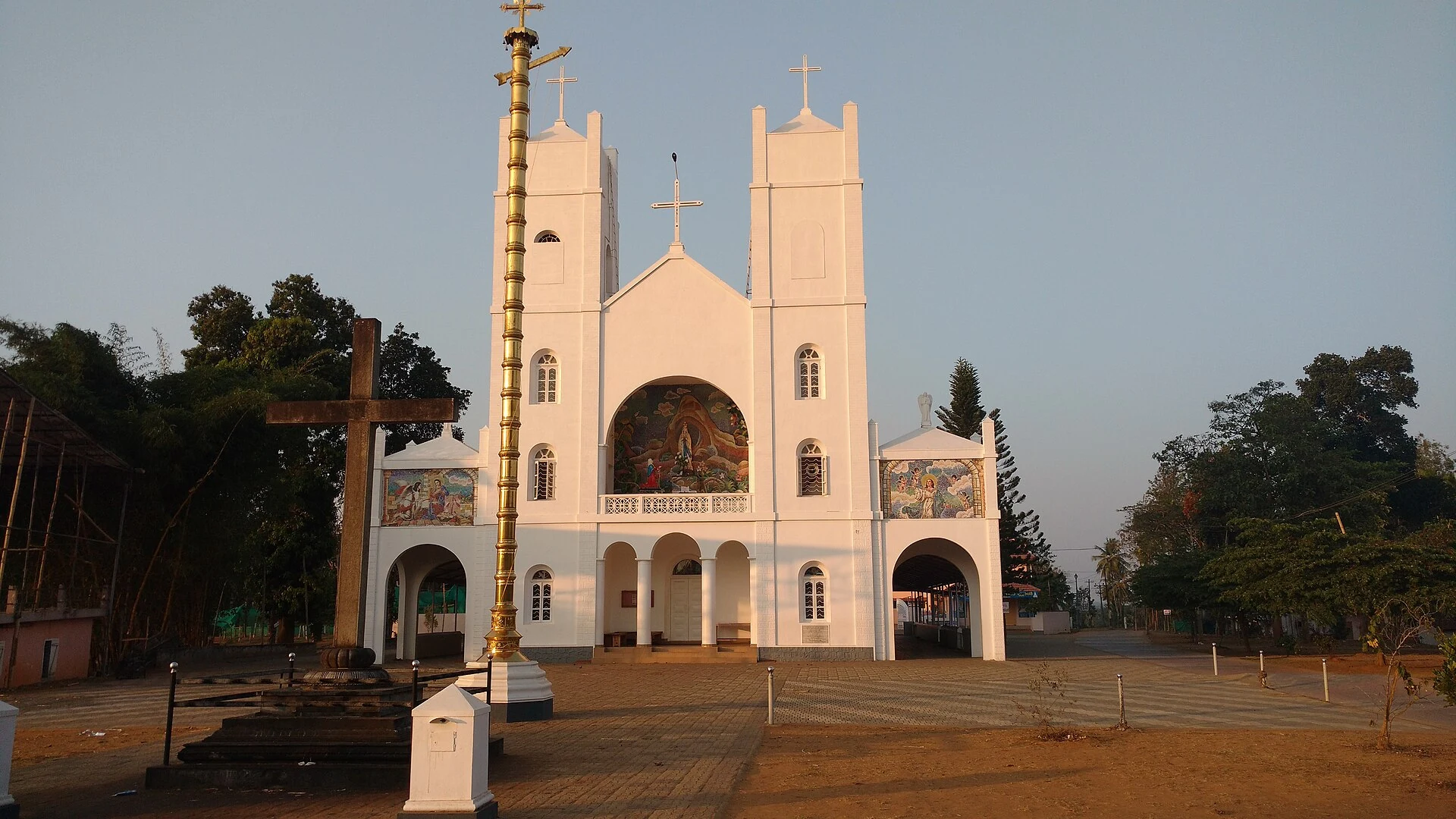
5.9 km · ~15 min by auto
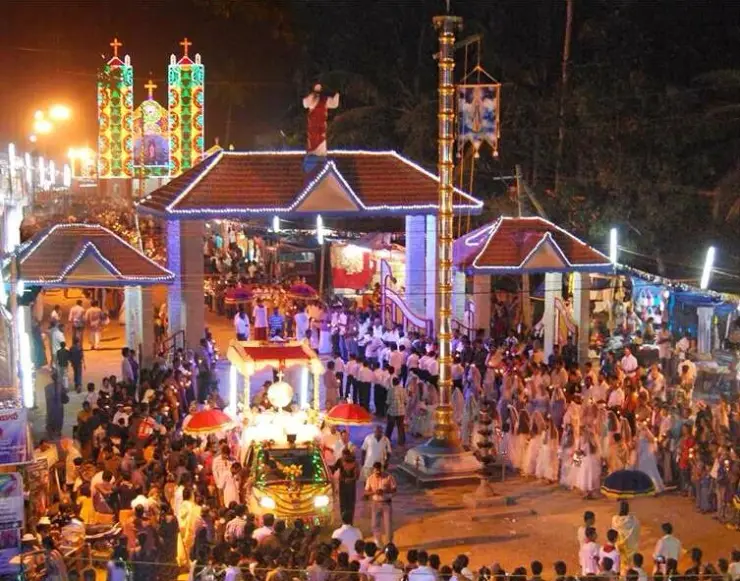
Our Lady of Lourdes shrine at Pallikkunnu in Wayanad, a Latin Catholic church of the Archdiocese of Calicut known for its twin-tower facade, February feast and local devotional customs.
Roampedia is commission-free — own or know a stay, eatery, guide or shop near Puliyarmala Jain Temple? List it and it appears here once verified.
Add a nearby businessEntry: There is generally no entry fee; the temple is free to visit, though any donation you leave is at your discretion.
Dress code: Modest, respectful dress suited to a place of worship — cover shoulders and knees. You will likely need to remove footwear before entering the shrine, so easy-off shoes help.
Festivals: As a Jain shrine, it observes the Jain religious calendar, including Mahavir Jayanti (the birth anniversary of Mahavira) and the Paryushana period; observances here tend to be quiet and devotional rather than large public spectacles.
Photography: Photography of the granite architecture and exterior is generally welcomed, but ask before photographing inside the shrine or during any worship, and always respect the caretakers’ wishes.
If you are travelling by bus or ferry, check the return service with the operator before setting out. Leave time to reach the stop or jetty after your visit.
Ask at the bus stand for the time of the last service back, not the next one. If you miss it, an auto or app cab is the fallback — agree the fare before you get in.
If you need step-free access, contact the site before travelling. Ask about a level entrance, steps along the route, the nearest drop-off point, seating and accessible toilets.
Charge cap and free-transaction limits: Reserve Bank of India, in force since 1 May 2025.
These services are listed within about 1.2 km of Puliyarmala Jain Temple. Walking distances follow mapped routes; access and opening hours can change. Other services may be closer but are not included here.
Emergency numbers are verified against official government and state tourism sources. 112 works anywhere in India.
A distributed, working coffee landscape rather than one ticketed attraction: arrange an estate walk with a host, farm or accredited operator, and use Kalpetta town as the honest visitor base.
3.4 km · ~9 min by auto · straight lineOur Lady of Lourdes shrine at Pallikkunnu in Wayanad, a Latin Catholic church of the Archdiocese of Calicut known for its twin-tower facade, February feast and local devotional customs.
5.9 km · ~15 min by auto · straight line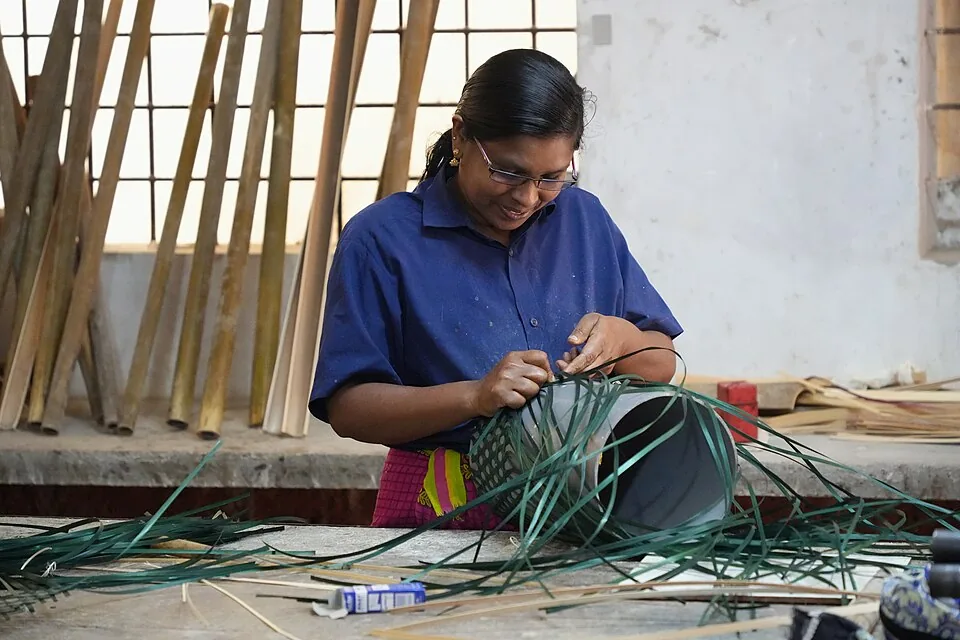
Thrikkaipatta bamboo craft and responsible-tourism village experience, useful from the Vythiri/Lakkidi side.
6.3 km · ~16 min by auto · straight lineA walked hill viewpoint in the Kottathara area of Wayanad, known for dawn cloud below the ridge and wide daylight views over fields and wooded hills.
9.0 km · ~15 min by cab · straight lineReservoir and garden-side attraction near the Ambalavayal/Kalpetta side of Wayanad.
9.1 km · ~15 min by cab · straight line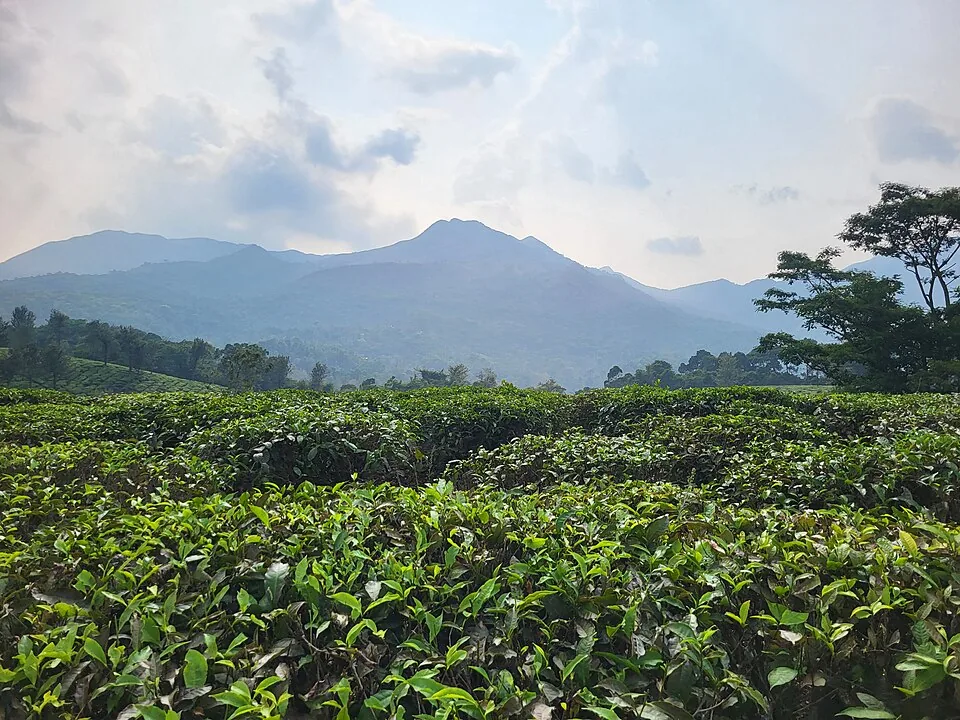
Harrisons Malayalam’s three-storey tea museum in its 1911 former factory at Achoor, with separately scheduled museum, tasting, working-factory and garden visits.
9.5 km · ~16 min by cab · straight line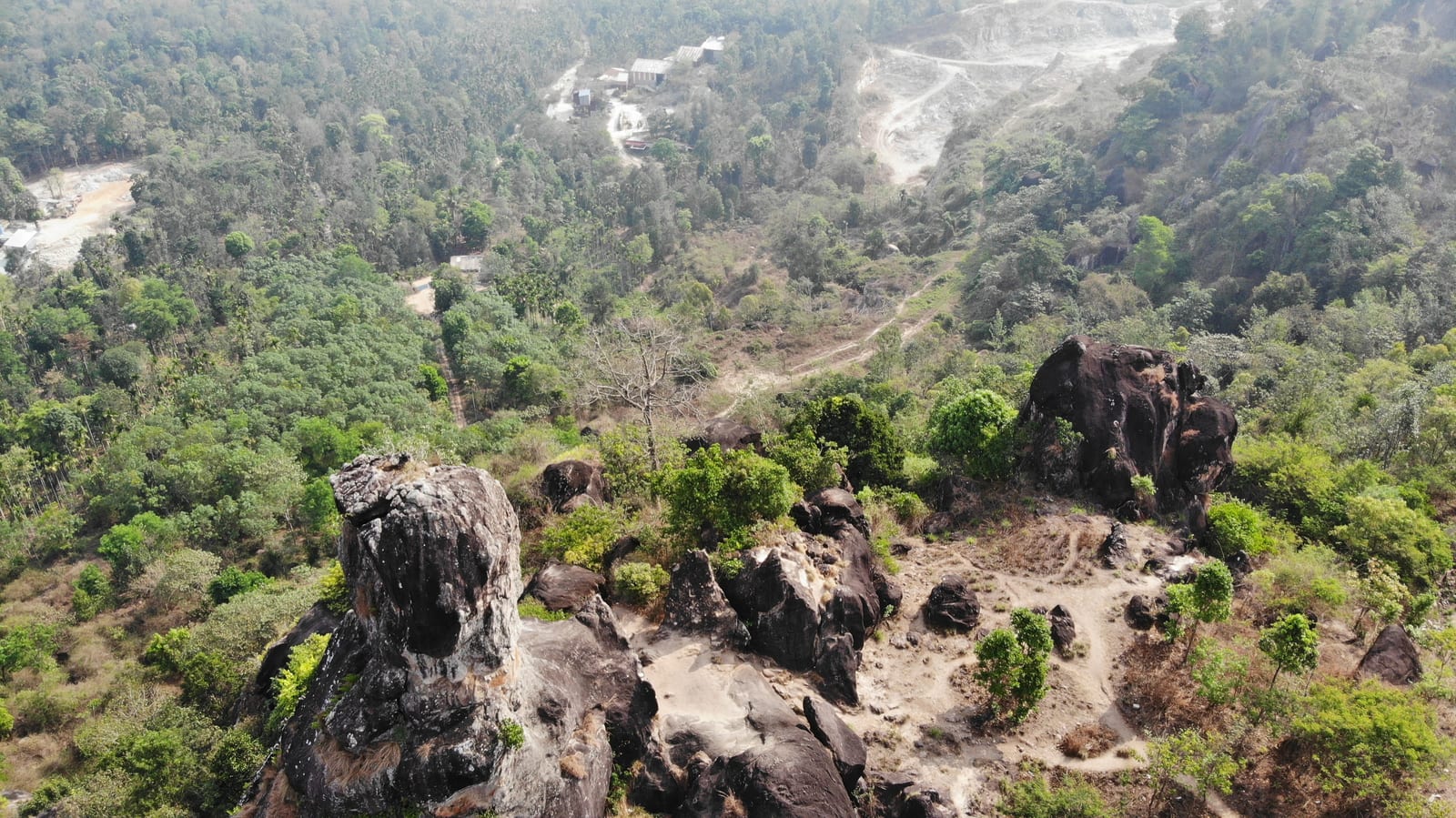
A natural rock formation near Ambalavayal that resembles a human skull, locally called Cheengeri Mala, reached by a short walk and popular as an eastern-Wayanad viewpoint stop.
12.7 km · ~21 min by cab · straight lineFreshwater lake near Vythiri/Lakkidi, commonly paired with the ghat entrance and En Ooru side.
12.7 km · ~21 min by cab · straight line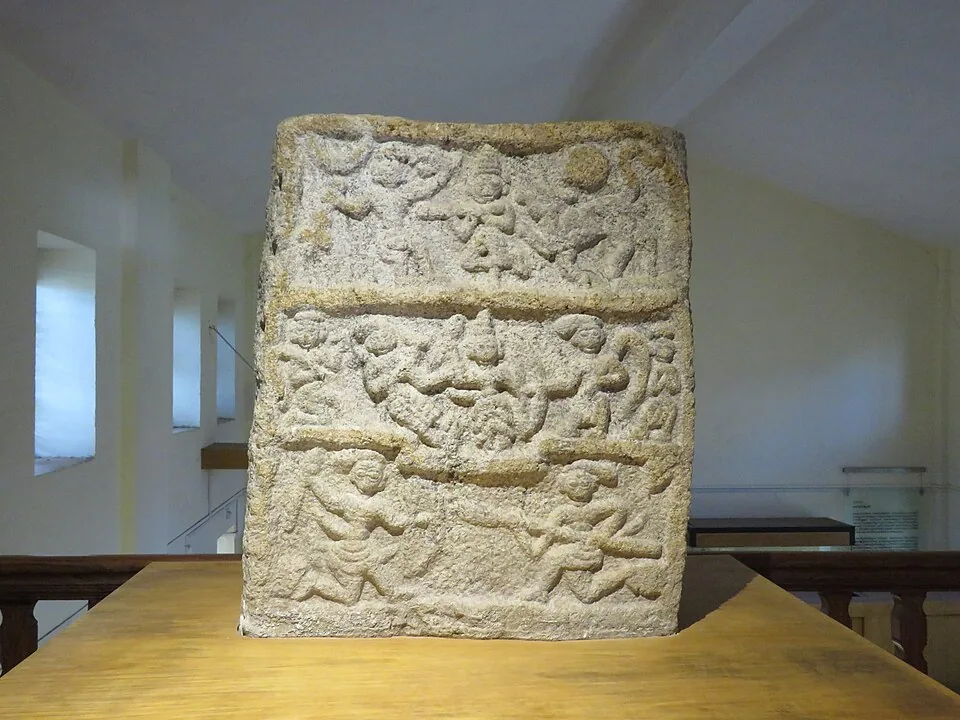
Ambalavayal museum focused on Wayanad archaeology, tribal history and heritage artefacts.
13.7 km · ~23 min by cab · straight line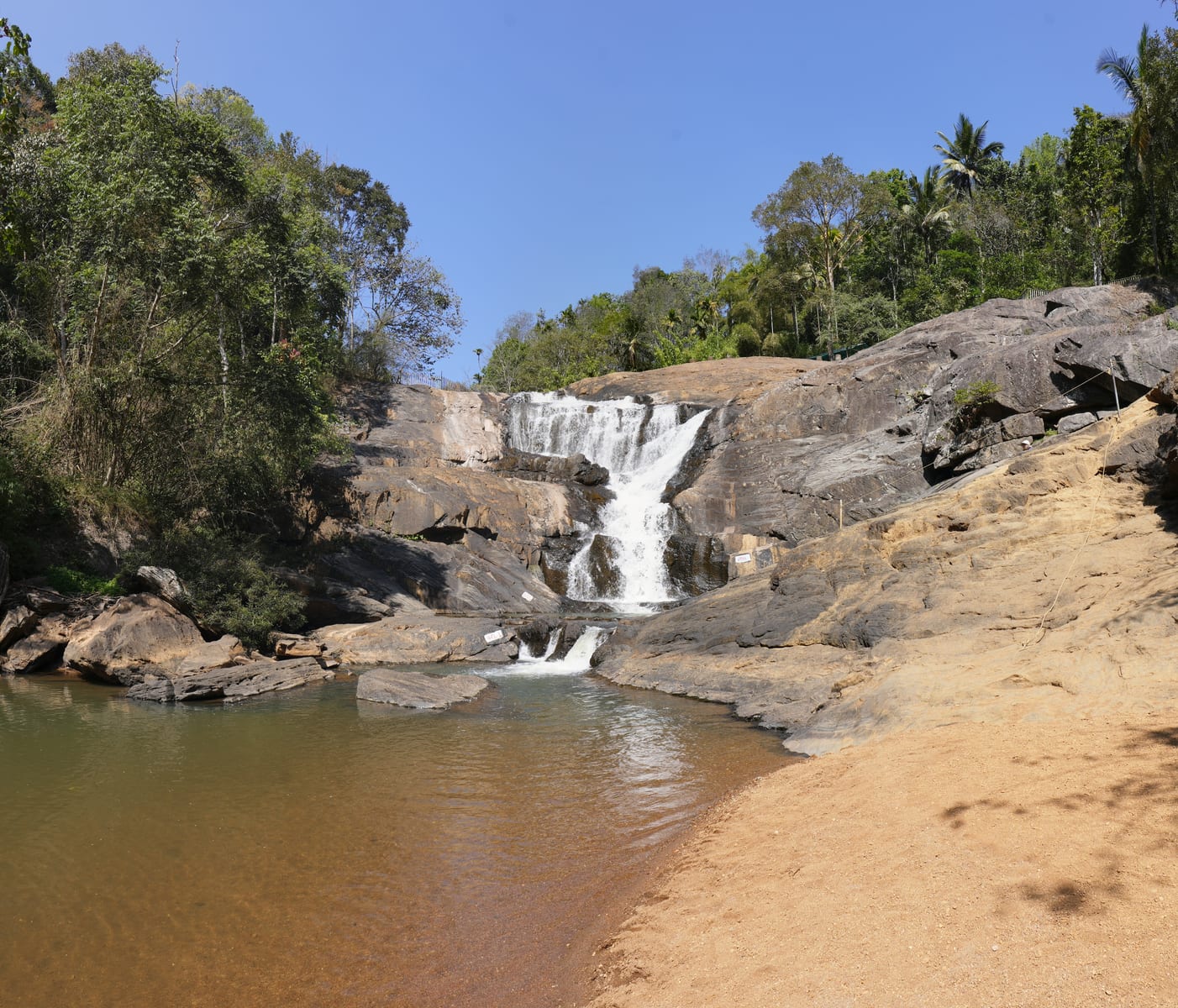
Meppadi-side waterfall with easier access than some larger Wayanad falls, still weather-sensitive in monsoon.
13.7 km · ~23 min by cab · straight line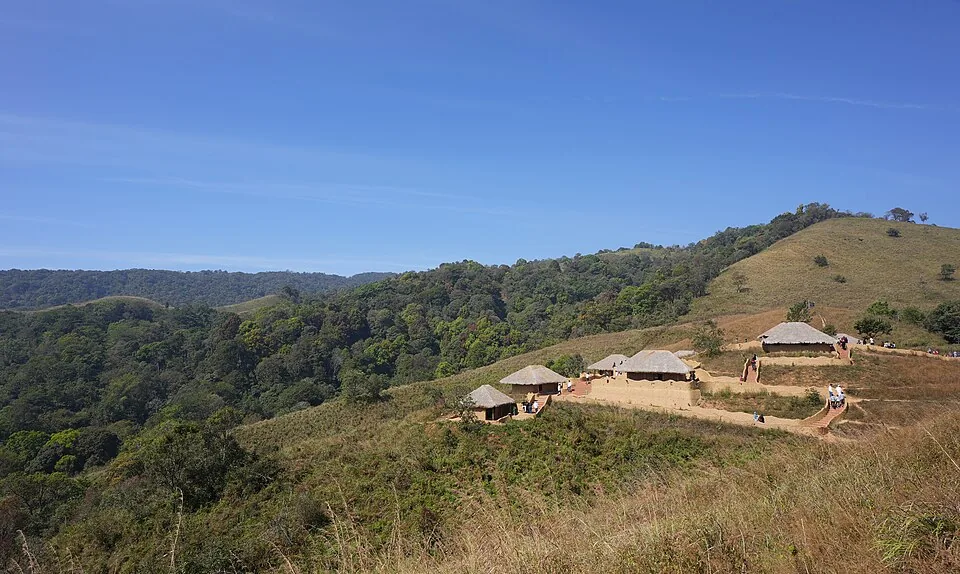
Tribal heritage village near Pookode/Vythiri with culture, craft and Wayanad community context.
13.8 km · ~23 min by cab · straight line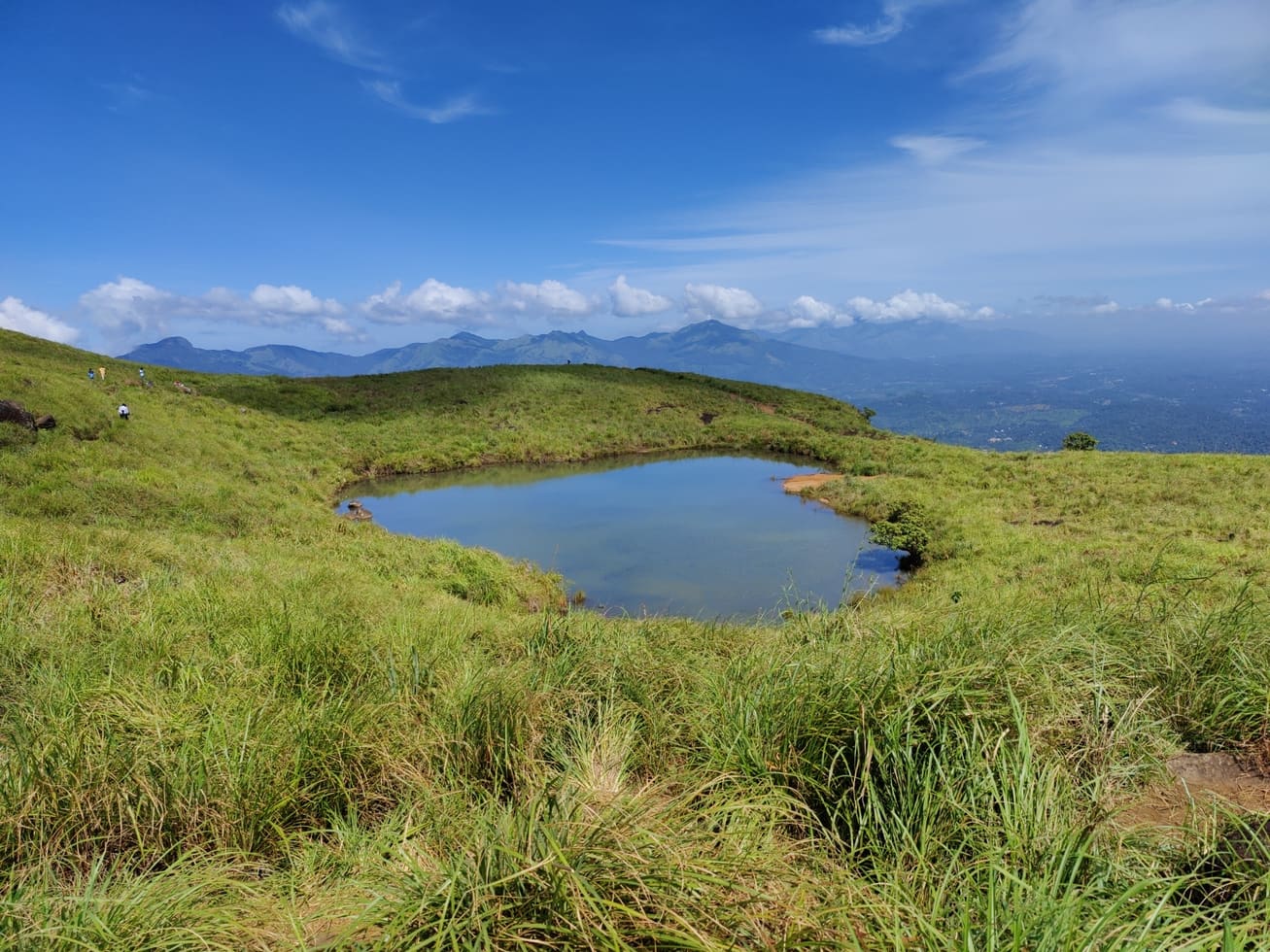
Famous highland trek area, known for the heart-shaped lake viewpoint; permits and access vary.
14.3 km · ~24 min by cab · straight lineNearby toilets, pharmacies, ATMs, seating and vets are community-mapped and may be incomplete or out of date. Map data © OpenStreetMap contributors | Walking times © openrouteservice.org by HeiGIT
It is dedicated to Ananthanatha Swami (Anantnath), the fourteenth Tirthankara of the Jain faith. In Jainism a Tirthankara is a supremely enlightened teacher and role model of renunciation and non-violence rather than a deity to be petitioned, and the idol here is a serene, meditative figure in that tradition.
No. That is a separate, larger and more famous temple at Sultan Bathery (Sulthan Bathery), roughly two dozen kilometres east. Puliyarmala’s Ananthanatha Swami Temple is the quieter shrine near Kalpetta. Both are Jain temples, both are linked in local tradition to Tipu Sultan, but they are different sites.
Local tradition holds that during the eighteenth-century Mysore campaigns, Tipu Sultan’s forces used the sturdy granite temple as a garrison and a store for guns and ammunition, earning it the nickname “Tipu’s Fort”.
It is genuinely old, dating to Wayanad’s medieval Jain era, but sources give conflicting founding dates and no single figure is firmly established — treat any specific year you see quoted as approximate.
Yes. It is both a working Jain shrine and a recognised heritage site open to respectful visitors of all backgrounds. Dress and behave modestly as you would at any place of worship, and follow any instructions from the caretakers.
It sits at Puliyarmala, roughly four kilometres from Kalpetta town, an easy short drive or auto-rickshaw ride.
Late morning to midday for the rituals; October to March for comfortable travel.
Entry: There is generally no entry fee; the temple is free to visit, though any donation you leave is at your discretion. Timings: Generally open daily, with commonly quoted timings of about 8.30 am to 7.00 pm.
Base yourself in Kalpetta or a nearby town in Wayanad, then confirm the last-mile route locally before leaving. Time the visit around the midday rituals — at several Kerala Jain temples that is the whole reason to come; check the door rules before you arrive. If the visit depends on forest, temple, boat, ferry, weather or seasonal access, check the official/local rule on the day before travel.
30 minutes to 1 hour.
Nearby you can pair Coffee Plantations around Kalpetta (3.4 km), Pallikkunnu Church (5.9 km), Uravu Bamboo Village (6.3 km), Kurumbalakotta (9.0 km).
Marble floors are slippery in bare feet, especially when wet. Keep footwear and valuables secure at the entrance counters.
We have not published a story about Puliyarmala Jain Temple itself yet. These cover Kalpetta and the wider district, with separate journeys between stops.
These guides explore Kalpetta and the surrounding area. Choose a visit that fits your interests, allowing separately for travel between stops.




Written about Kalpetta as a whole rather than about Puliyarmala Jain Temple — its history, its streets, and how to spend a day in it.

Route-level itineraries and practical guides for the rest of Kerala.
Photographs: Ms Sarah Welch (CC BY-SA 4.0). Wikimedia Commons.