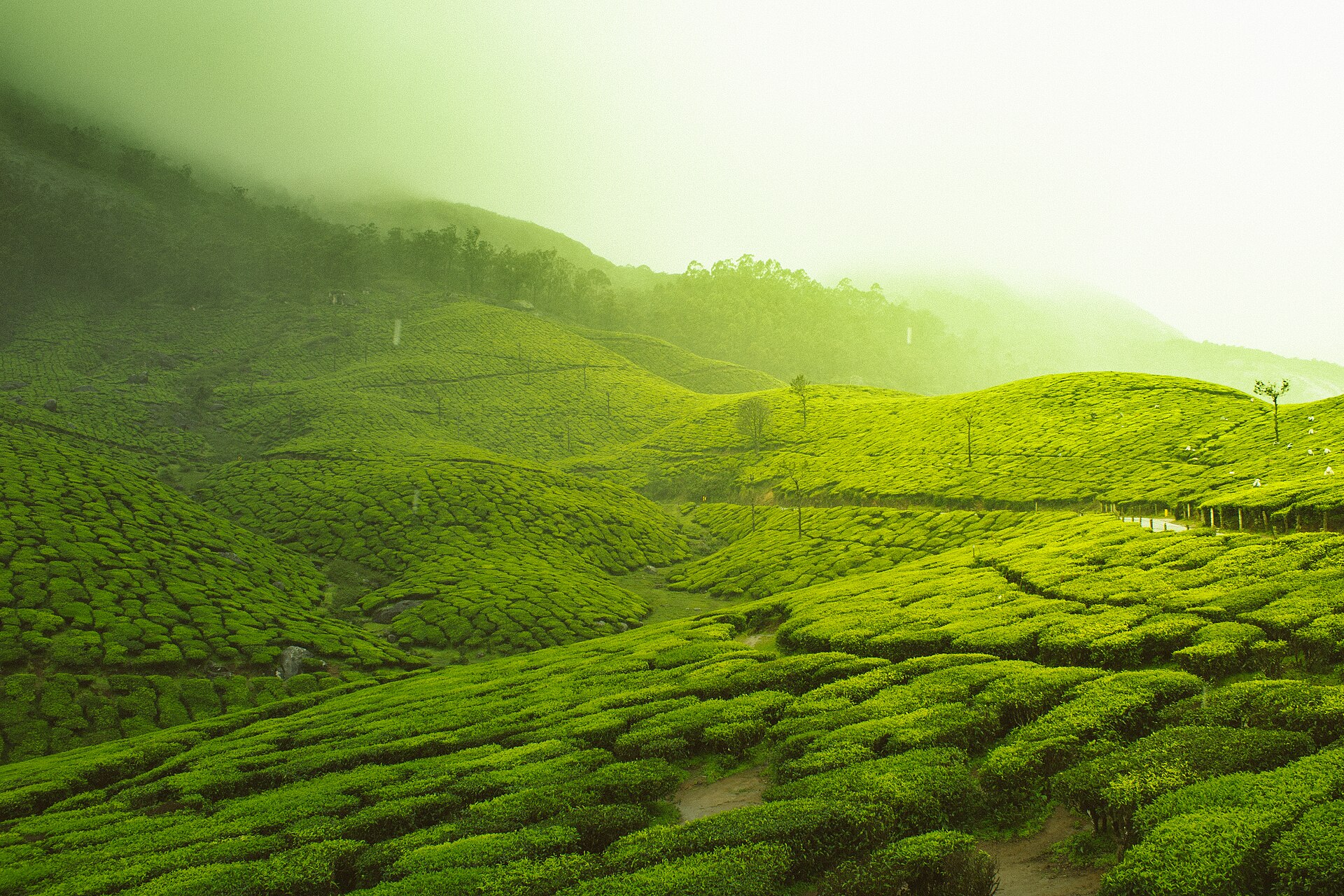
October to March suits most of India — dry, mild weather across the plains, Rajasthan and the south. The Himalayas and Ladakh flip that: they are best from roughly May to September, when the high passes are open and the plains below are baking. The June–September southwest monsoon is wet almost everywhere else, but it is also green, quiet and cheap — and in Kerala, it is the traditional Ayurveda season.
The three seasons
India runs on three broad seasons rather than four. Winter, October to March, is the dry season and the peak travel window for most of the country — warm days, cool nights, and the best visibility for the Taj Mahal, Rajasthan’s forts and South India’s temples. Summer, April to June, gets brutally hot on the plains (well above 40°C in places like Delhi and Rajasthan by May) but is exactly when the Himalayan hill stations and Ladakh come into their own. Monsoon, June to September, brings the southwest rains the whole subcontinent depends on — heaviest on the west coast and the Northeast, lighter and later in the interior.
By region
The north Indian plains and Rajasthan are best October to March, before the summer heat sets in. The Himalayas and Ladakh are the opposite: most treks, mountain passes and Ladakh’s Leh–Manali road only open May to September, once the winter snow clears. South India and Kerala are best October to March like the plains — but the monsoon months are worth it too; it is the season Kerala’s Ayurveda resorts consider ideal for treatment, see our Kerala hub. Goa and India’s beaches are at their best November to February — dry, warm and not yet uncomfortably hot. The Northeast states are best October to April, avoiding both the monsoon and the coldest winter month.
Festivals to plan around
Diwali (October or November) and Holi (March) are India’s two biggest festivals and both are worth planning a trip around — though hotel prices spike and some cities get very crowded. Onam (August–September) is Kerala’s harvest festival, with boat races and elaborate flower designs. The Pushkar Camel Fair in Rajasthan (usually November) is one of the most photographed events in the country. Exact dates shift every year with the lunar calendar, so always verify the dates for the year you are travelling.
India by season
| Months | Weather | Good for |
|---|---|---|
| Oct – Mar | Dry, mild, warm days & cool nights | Most of India: plains, Rajasthan, South, Kerala, beaches |
| Apr – Jun | Hot on the plains, pleasant in the hills | Himalayas, Ladakh, hill stations |
| Jun – Sep | Southwest monsoon: wet, green, quieter | Budget travel, Kerala Ayurveda, lush landscapes |
- May, in the plains and Rajasthan — peak heat, often 40°C+.
- Heavy monsoon weeks (Jul–Aug) in flood-prone parts of the west coast and Northeast — check local conditions before travelling.
Frequently asked questions
What is the best overall month to visit India?
November through February, when most of the country — the plains, Rajasthan, the south and the beaches — is dry, mild and easy to travel.
Is the monsoon a bad time to visit India?
Not necessarily — it is wetter and can disrupt travel, but it is also green, quiet and cheap, and in Kerala it is the traditional season for Ayurveda treatments.
When should I visit the Himalayas or Ladakh?
Roughly May to September, once the winter snow clears and the mountain roads and passes reopen.
Does the same season apply to the whole country?
No. India is large enough that winter suits most of it while summer is exactly when the Himalayas are at their best — check the region, not just the month.