Travelling India responsibly comes down to a few habits: cut single-use plastic, respect local and religious norms, support local businesses directly rather than through middlemen, and tread lightly in fragile hill and tribal areas.
Environment
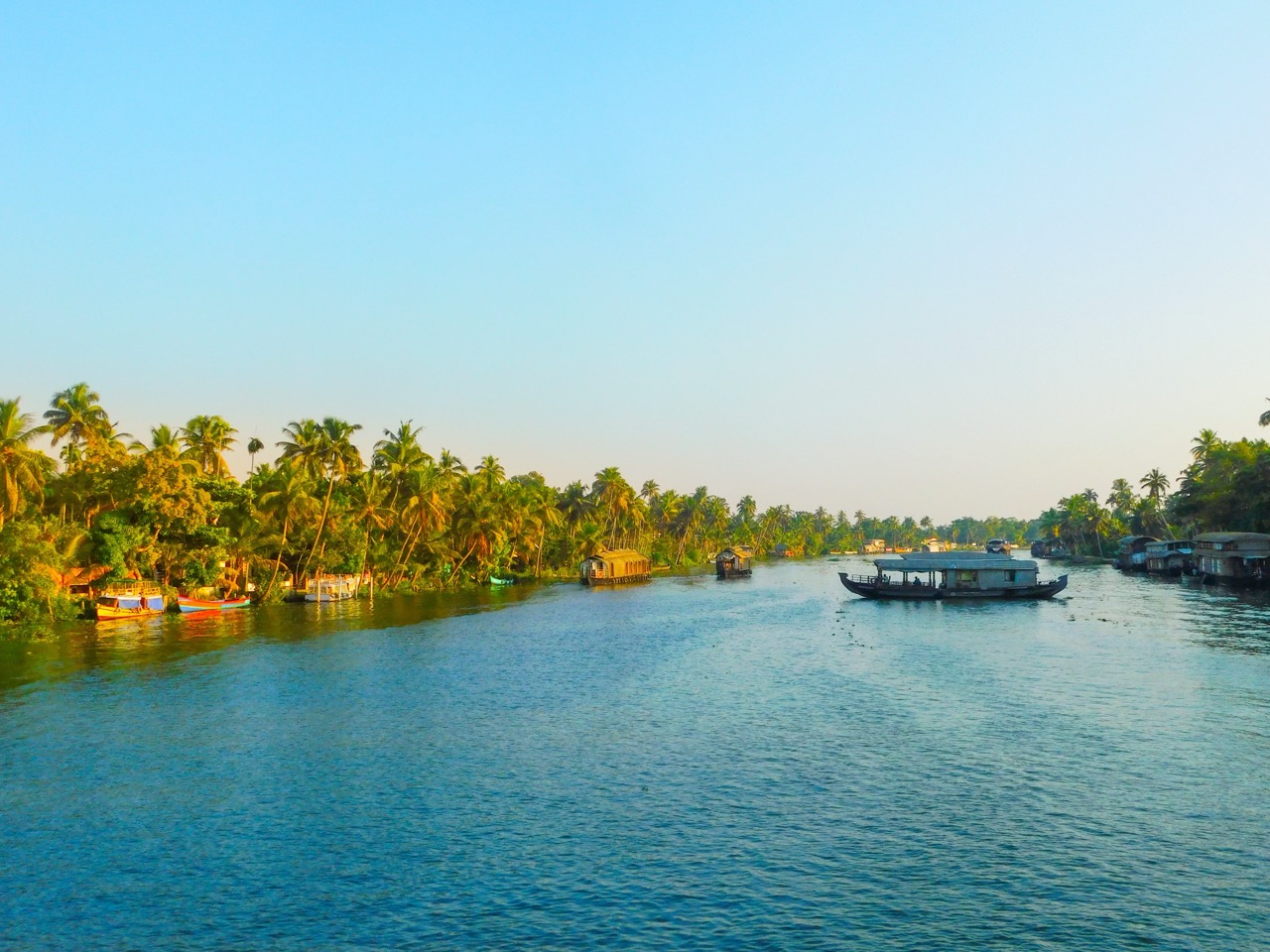
Carry a refillable bottle and use filtered-water refill points where they exist, rather than buying bottled water at every stop — plastic waste is a real and visible problem in many parts of India, from Himalayan trekking routes to backwater canals choked with discarded bottles. The Himalayas and Kerala’s backwaters are both ecologically fragile systems where litter does not simply disappear — carry out what you carry in, especially on treks and boat trips, and avoid single-use plastic bags and straws where you can. Several states run responsible-tourism schemes aimed at spreading tourism income to local communities and reducing environmental impact rather than concentrating both in a few well-known hotspots; Kerala’s is among the most established in the country — see our Kerala hub.
People & culture
Dress modestly at religious sites — covering shoulders and knees is the general rule, and some temples have additional restrictions on non-Hindu visitors or leather items, so check signage or ask locally rather than assuming. Always ask before photographing people, particularly in rural areas, at religious sites, and around tribal and indigenous communities, where a camera pointed without permission can feel genuinely intrusive rather than flattering. In tribal and protected eco-zones, permits and local guides are often required for good reason — these rules exist to limit disruption to communities and ecosystems that tourism can affect quickly, so follow them rather than looking for a way around them. Learning a few words of the local language, even just greetings and "thank you", goes a long way and is almost always warmly received. See our guide to Indian food and etiquette for the fuller picture on dress and cultural courtesies.
Spend well
Choosing homestays and locally run operators over large chains keeps more of your money in the community you are visiting. Roampedia is commission-free by design — our place pages link straight out to a business’s own Google or Bing profile rather than routing your booking (and a cut of it) through us, so the money reaches the business directly. The same logic applies to guides and drivers: agreeing fair pay upfront, rather than the lowest possible price, supports the people who make independent travel in India work.
Slow down
Visiting fewer places for longer generally beats a packed itinerary that rushes through everything — it reduces your transport footprint, gives you a deeper sense of a place, and puts less pressure on popular sites during peak season. See the best time to visit India for how to time a trip so you are not fighting both the crowds and the weather at once.
Frequently asked questions
How do I travel responsibly in India?
Cut single-use plastic, respect local and religious dress norms, and support local businesses directly — homestays, local guides and operators rather than large chains.
Is it okay to photograph people in India?
Always ask first, particularly in rural areas, at religious sites, and around tribal or indigenous communities.
How do I support local businesses directly?
Book homestays and local guides directly where you can, and use commission-free resources like Roampedia’s place pages, which link straight to a business’s own profile rather than routing bookings through a middleman.