India is broadly safe for solo women who take the same normal precautions they would in any large, diverse country — save the emergency number 112 and the women’s helpline 1091, dress with local norms in mind, and book transport through an app rather than hailing on the street. Millions of women travel India solo every year, and the sensible approach is preparation, not fear.
The honest picture
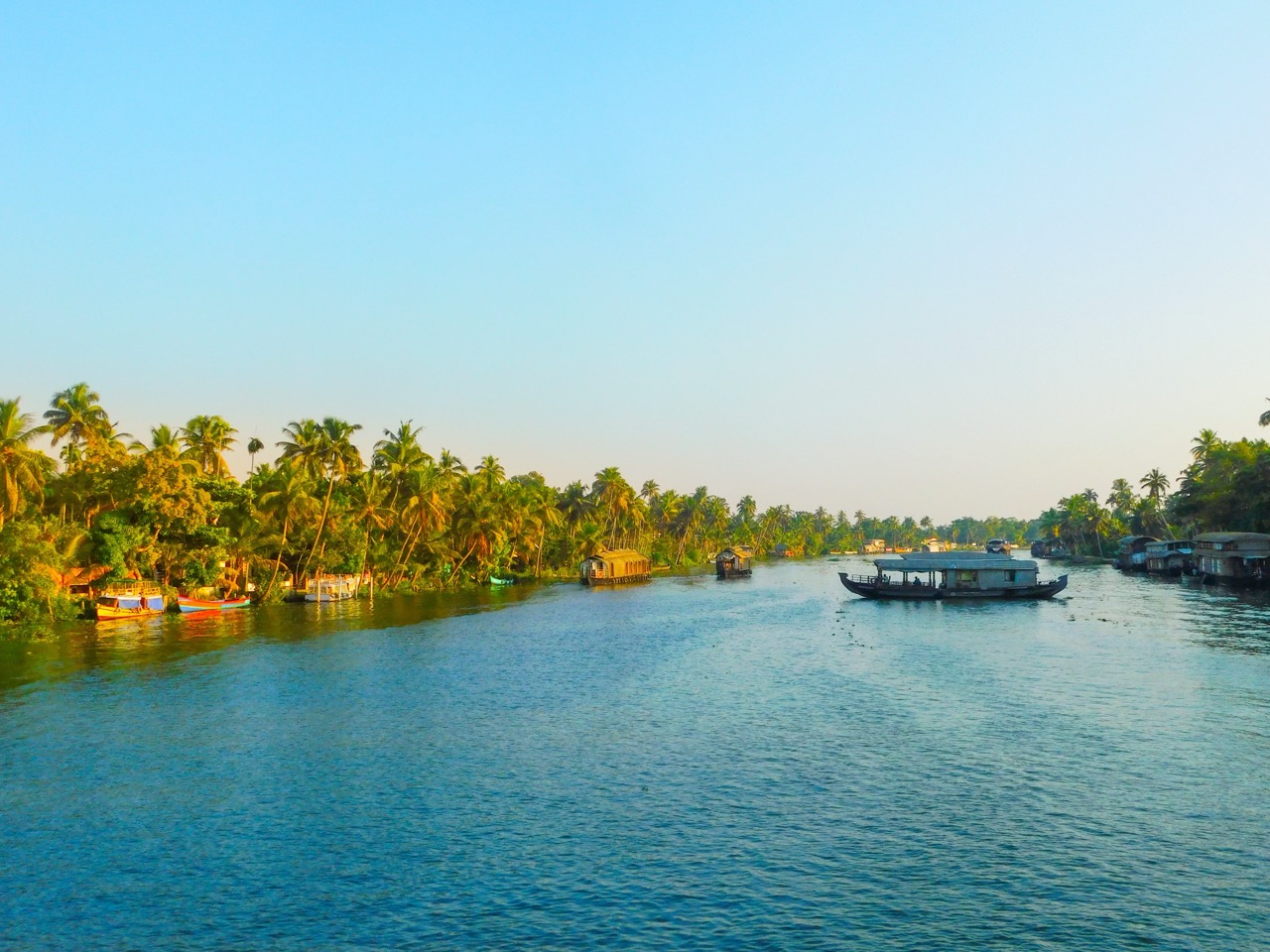
India is one of the world’s most widely travelled solo destinations for women, from backpackers in Kerala’s backwaters to long-term travellers touring the whole country. That does not mean every day is friction-free — unwanted staring and occasional harassment are realities in some places, more so in crowded transport hubs and less-touristed towns than in well-visited areas. The difference between a great trip and a stressful one usually comes down to preparation: knowing the numbers to call, picking safe transport, and reading local norms rather than reacting with fear to every stare.
Numbers & apps to save
Save these before you land. The universal emergency number is 112, covering police, fire and medical, and it is also how you reach the dedicated women’s helpline, 1091. The 112 India government app puts a single button on your phone that alerts police, fire or health services with your location. Most cities also run Women Help Desks inside police stations and dedicated Special Women Police Cells, and some major cities have women-only police stations (Mahila Thana) for a more comfortable place to report an issue. Personal-safety apps like bSafe and MySafetyPin are popular add-ons for live location-sharing and check-ins with someone back home.
Getting around safely
Book cabs through Uber or Ola rather than hailing one on the street, and share your live trip location with a trusted contact as a matter of routine, not just when something feels off. Delhi, Mumbai, Chennai, Kolkata, Bengaluru and Hyderabad all run women-only metro coaches, usually marked clearly on the platform and inside the train — a simple, free way to avoid crowded mixed coaches at rush hour. Avoid isolated late-night travel on foot or by unbooked transport; if you are arriving late, arrange a pickup in advance rather than figuring it out on arrival.
Dress & local norms
Dressing to cover shoulders and legs — a scarf is a useful multi-purpose layer — draws far less unwanted attention than clothing that reads as tourist-casual back home, especially outside beach towns and big-city nightlife districts. This matters more than any gadget or app: understanding local norms is consistently cited by experienced solo travellers as the single biggest factor in staying safe, ahead of self-defence training or location-sharing. Temple visits carry their own modesty rules — see our guide to Indian food and etiquette for the fuller picture on dress and cultural courtesies.
Where it is easiest
Well-touristed regions are, unsurprisingly, the easiest places to start — Kerala (see our Kerala hub) has a long-established backpacker and homestay circuit that is very comfortable for solo women. Jaipur has active tourist policing and the women-run Pink City Rickshaw service, a nice example of infrastructure built specifically for women travellers. Established hostels with women-only dorms, found in most major tourist cities, are also a reliable, social way to travel solo without travelling alone.
- Emergency number: 112 (police, fire, medical).
- Women’s helpline: 1091 (also reachable via 112).
- Install the 112 India app for a one-button alert with your location.
- Share your live location with one trusted contact whenever you travel, day or night.
Frequently asked questions
Is India safe for solo women?
Broadly yes, for those who take normal precautions — book transport through an app, dress with local norms in mind, and save the emergency numbers before you travel.
What number should I call in an emergency?
Dial 112 for any emergency (police, fire, medical); the dedicated women’s helpline 1091 is also reachable through 112.
What should I wear as a solo female traveller in India?
Modest clothing that covers shoulders and legs draws less unwanted attention, especially outside beach towns and nightlife areas; carry a scarf as an easy cover-up.
What is the safest way to get around at night?
A pre-booked Uber or Ola with your live location shared with a trusted contact; in Delhi, Mumbai, Chennai, Kolkata, Bengaluru and Hyderabad, women-only metro coaches are a safe daytime and evening option too.