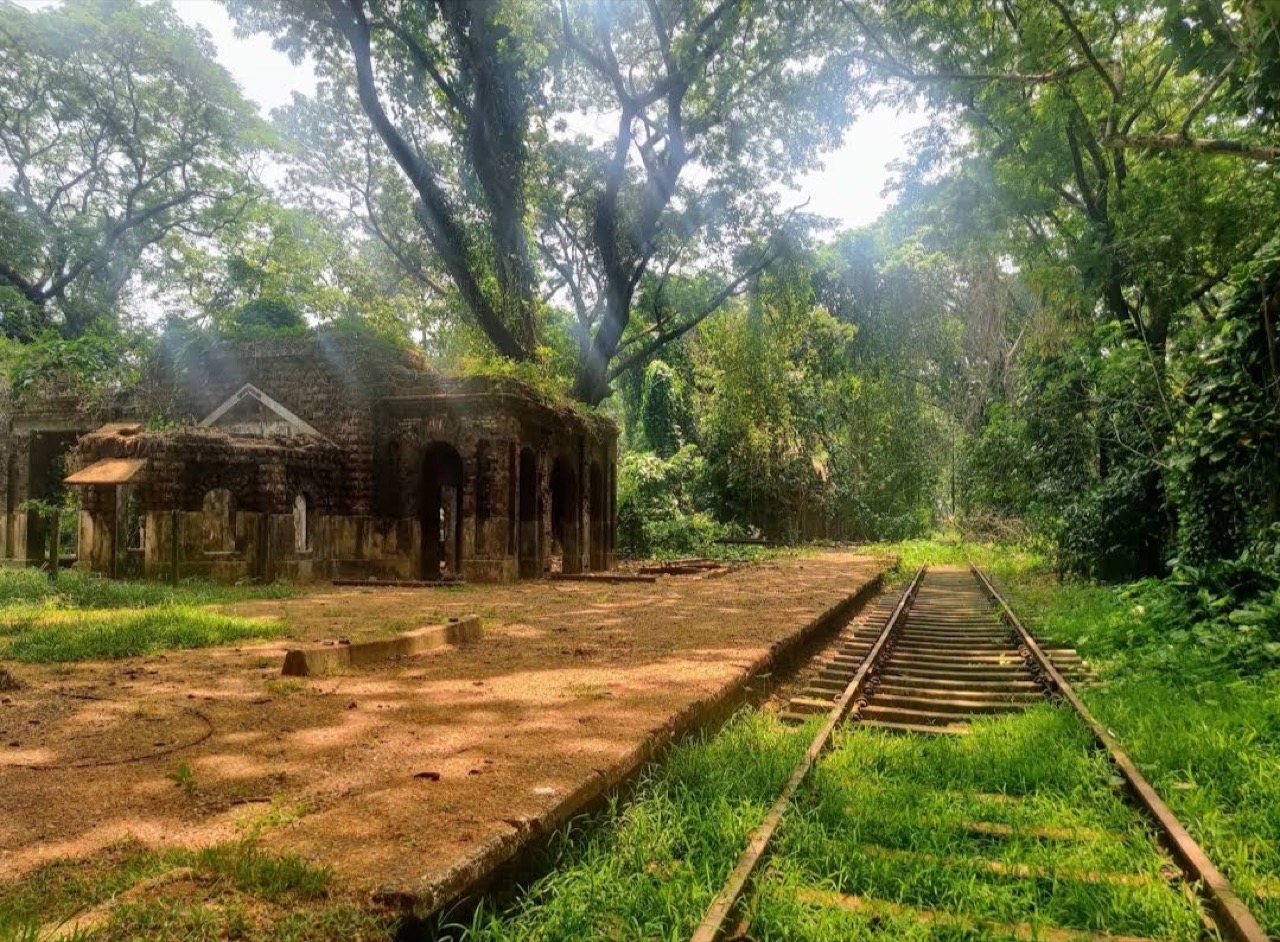
Trains are the backbone of long-distance travel in India, flights are worth it for very long hops, and within cities you will mostly use autos, cabs or a metro. In the hills and other spread-out regions, hiring a car with a driver for the day is the norm rather than the exception.
By train
Indian Railways is the cheapest and most reliable way to cover real distance, with everything from unreserved general seating to air-conditioned sleeper classes. Reserved tickets go through IRCTC, the official booking site and app; book as early as you can, since popular routes and the quick-release Tatkal quota can sell out in minutes. Foreign passport holders can also use the Foreign Tourist Quota, a small allocation held back on popular trains — worth knowing about if a route shows sold out on the general chart. See our guide to booking Indian trains for the class-by-class breakdown and how IRCTC registration works.
By air
For long hops — Delhi to Kerala, or Mumbai to the Northeast — a domestic flight beats two days on a train. IndiGo, Air India and Akasa Air are the main carriers, and fares are genuinely cheap if you book a few weeks ahead; last-minute domestic fares can be steep. Airports connect to city centres by metro, prepaid taxi or app cab in most major cities.
Buses
Where trains do not reach — especially hill towns — state-run buses (each state runs its own RTC) and private operators fill the gap. Overnight private sleeper or Volvo AC coaches are a comfortable, affordable way to cover a few hundred kilometres, and apps like RedBus and AbhiBus let you book a seat and check real reviews of the operator before you pay.
In cities
Autorickshaws are the default short-hop option almost everywhere — always ask for the meter or agree the fare before you get in. Uber and Ola cover most metros and larger cities reliably, but app-cab coverage thins out fast once you leave them — do not count on it in hill towns, small towns or rural areas. Delhi, Bengaluru, Kochi, Chennai, Hyderabad and several other cities also have metro systems, usually the fastest and cheapest way across a big city at rush hour.
Hills & spread-out regions
In the Himalayas, the Western Ghats and other hill or spread-out regions, hiring a car with a driver by the day is simply how sightseeing gets done — public transport is thin and the roads reward someone who knows them. Expect to pay roughly ₹2,500–3,500 a day for a car and driver on local sightseeing, plus fuel outside the city. For when to travel through the hills at all, see the best time to visit India.
Getting around, at a glance
| Mode | Typical cost | Best for |
|---|---|---|
| Train (sleeper/AC) | ₹300–2,000+ depending on class & distance | Medium–long distance, overnight travel |
| Domestic flight | ₹2,500–8,000+ if booked early | Long hops (1,000km+), saving time |
| State/private bus | ₹150–1,200 depending on distance & class | Hill towns and routes without trains |
| Auto-rickshaw | Short hops — always meter or agreed fare | Local, short city trips |
| App cab (Uber/Ola) | Metro fares, upfront in-app pricing | Cities and larger towns only |
| Car + driver (full day) | ~₹2,500–3,500/day | Hills and spread-out sightseeing |
- Book train tickets on IRCTC as early as you can — popular routes sell out days ahead.
- Keep small cash on hand for autos and small vendors, even in cities where UPI is everywhere.
- Download IRCTC, RedBus (or AbhiBus) and Uber/Ola before you land — a queue is not the time to set them up.
- Do not assume an app cab will show up in a hill station or small town — ask your hotel to arrange a car instead.
Frequently asked questions
Is Uber available everywhere in India?
No. It is reliable in Delhi, Mumbai, Bengaluru, Kochi and most metros and larger cities, but coverage drops off fast in hill towns, small towns and rural areas, where a pre-arranged car or local auto is the norm.
Should I take a train or a flight?
It comes down to distance and time: trains suit journeys up to about 600–800 km or where you want a scenic, comfortable overnight; flights make more sense for anything longer.
Do I need to hire a car in the hills?
Usually yes. Public transport is thin in hill regions, so hiring a car with a driver for the day — around ₹2,500–3,500 indicative — is the standard way to see places like Munnar or Ladakh.
How far ahead should I book trains?
As early as your travel dates are fixed. Berths on popular routes can sell out days or weeks ahead in peak season; the Tatkal quota (opens one day before travel) is a same-day fallback but goes fast.