Decide what you want to buy
Sidlaghatta’s documented industry includes raw and twisted silk. A traveller looking for a finished sari is asking for a different product from someone buying cocoons or yarn. Make that distinction before choosing a shop or travelling specifically to make a purchase.
The government cocoon market is not a promised retail textile showroom. A market price bulletin does not tell you what a finished garment should cost, and a silk-producing town is not a guarantee that every textile offered there was made locally.
Ask about material and origin
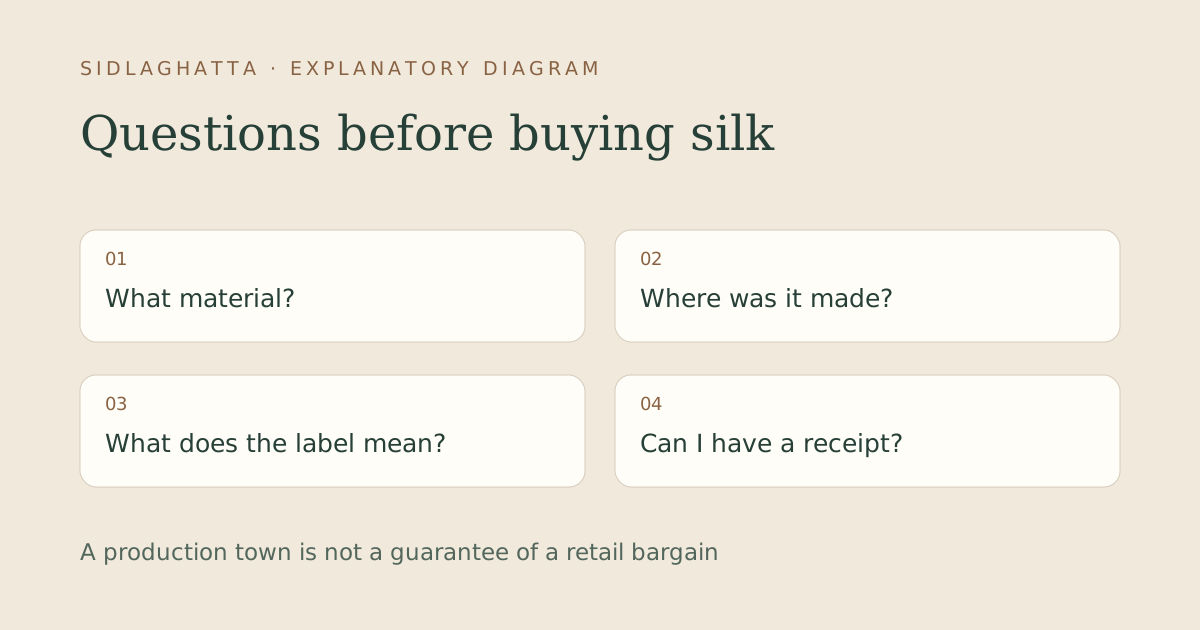
Ask the seller what the fabric contains, where it was woven and what work was done locally. If a label or certificate is offered, read what it actually certifies. Keep a written description and receipt for a substantial purchase instead of relying only on a verbal story.
The diagram sets out questions to ask about the product in front of you. A clear explanation from the seller is more useful than assuming that a label, a town name or a small image proves the material’s origin.
A workshop visit is a separate arrangement
Buying an item does not automatically include access to the workshop that produced it. Ask before entering production space or photographing tools and workers. Stay away from equipment and follow the person responsible for the site.
Do not accept an improvised demonstration as proof that every stage of an item’s manufacture happened there. Ask specific questions without demanding a performance or interrupting ongoing work.
Keep the trip practical
Check that the seller can provide the product you want before making a dedicated journey. Arrange transport, a meal and the return independently, and leave time to inspect goods without rushing for the last connection. For industry context, read the district overview alongside the sericulture department’s account. Neither is an endorsement of a particular retailer or a guarantee of tourist shopping facilities.