Where to Eat in Fort Kochi: 6 Places, Ranked
Looking for the best places to eat in Fort Kochi? We hold 6 verified places to eat and order them by how much we can actually tell you about each one — a photograph we are licensed to show, an encyclopaedia entry, a working website. Nobody pays to appear, and there are no affiliate links. Here are 6, led by Trouvaille.
Fort Kochi eats like a port, because that is what it has been for six hundred years. Before you pick a table, it helps to know why the food here tastes different from the rest of Kerala.
- 1
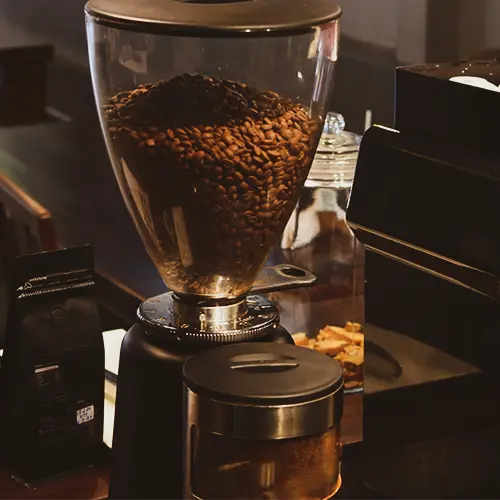 Café · Fort KochiTrouvaille
Café (coffee shop, italian, burger, pasta, dessert) on Princess St, Fort Nagar in Fort Kochi.
- 2
- 3TThe Lilly's StoriesWhere to eatCafé · Fort KochiThe Lilly's Stories
Neighbourhood café on Lilly Street, in the homestay lanes west of the parade ground.
- 4LLoving Earth Yoga Cafe veganWhere to eatCafé · Fort KochiLoving Earth Yoga Cafe vegan
Vegan café and yoga space in the quarter’s lanes — plant-based cooking, juices and classes.
- 5CCafé CraftersWhere to eatCafé · Fort KochiCafé Crafters
Café at VI/141 Jew Town, in the antiques lane near the synagogue — a coffee stop between the spice shops and the palace.
- 6LLila - Curated ExperiencesലിലWhere to eatCafé · Fort KochiLila - Curated Experiencesലില
Café in the heritage quarter — coffee, bakes and small plates between sight stops.
Why Fort Kochi tastes the way it does
Almost everything distinctive about cooking on this peninsula arrived by sea. Black pepper was the exception — it grew here, and it is the reason the ships came at all. Everything else is sediment left by the people who followed the pepper.
The Portuguese reached the Malabar coast in 1498 and held Cochin from 1503. They brought plants from their Atlantic crossings that are now so basic to Indian cooking it takes an effort to remember they are foreign: the chilli above all, and with it cashew, papaya, pineapple and the tomato. Kerala food was hot before the chilli — it had pepper and ginger — but it was not hot in the way it is now. They also left a taste for vinegar and for cured pork, which survives in the Anglo-Indian and Latin Catholic kitchens of the coast rather than in Hindu or Muslim ones.
The Dutch took the fort in 1663 and the British followed. Their mark on the food is lighter and mostly institutional — bakeries, tea, and the habit of a European-style breakfast that you can still order along Princess Street.
The older layers run deeper. Arab traders were working this coast centuries before any European arrived, and Malabar Muslim cooking — biryani made with short-grained kaima rice rather than basmati, the layered pathiri and the whole baked fish — comes from that contact. The Jewish community of Cochin, settled in Mattancherry for centuries and now almost entirely departed, left recipes more than restaurants; very little of that cooking is served commercially today, and a menu advertising "Jewish food" in Jew Town is usually a modern reconstruction rather than a surviving tradition.
Syrian Christian cooking is the one you are most likely to actually eat here: appam with a mild coconut-milk stew, duck roast, beef fry, and meen pollichathu — fish smeared with masala, wrapped in a banana leaf and cooked on a griddle so the leaf scorches and perfumes the fish.
What to order, and what the words on the menu mean
Karimeen (pearl spot) is the backwater fish everyone recommends and it is genuinely good, but it is a backwater fish — in Fort Kochi you are on the sea side, and the seer fish, prawns, squid and mussels coming off the boats are usually fresher than the karimeed trucked in.
Moilee means a mild, pale coconut-milk curry with turmeric and green chilli; it is the gentle option. Theeyal is dark, made with roasted coconut and tamarind, and is not gentle. Mappila or Malabar on a menu signals the Muslim tradition — expect biryani, pathiri and more meat.
Toddy shops (kallu shaap) serve the fiercest fish curry on the coast alongside fermented palm sap. They are a genuine local institution rather than a tourist one, and the food is often better than the setting suggests.
A note on the fish stalls by the Chinese fishing nets, where you buy a fish and pay a nearby stall to cook it: agree the cooking charge and the unit before you hand anything over. Published accounts quote that charge per kilo, per item and per meal, which are very different numbers. Nothing here displays a rate card, which is exactly why the price is asked rather than posted.
Sources: Kerala Tourism — cuisine of Kerala
FAQ
What is the best of the places to eat in Fort Kochi?
Trouvaille currently ranks highest on this page. That is a ranking by how well documented it is, not a verdict on how good it is — we do not carry traveller reviews.
How is this list of places to eat ranked?
By how much verifiable information we hold about each place — a photograph we are licensed to publish, an encyclopaedia entry, a working website, a written description. It is not a quality score and it is not a popularity score. We carry no traveller ratings at all: review scores belong to the platforms that collected them and we are not licensed to republish them, so we would rather show you nothing than show you somebody else's number. We don't take payment to rank places, and there are no affiliate links.