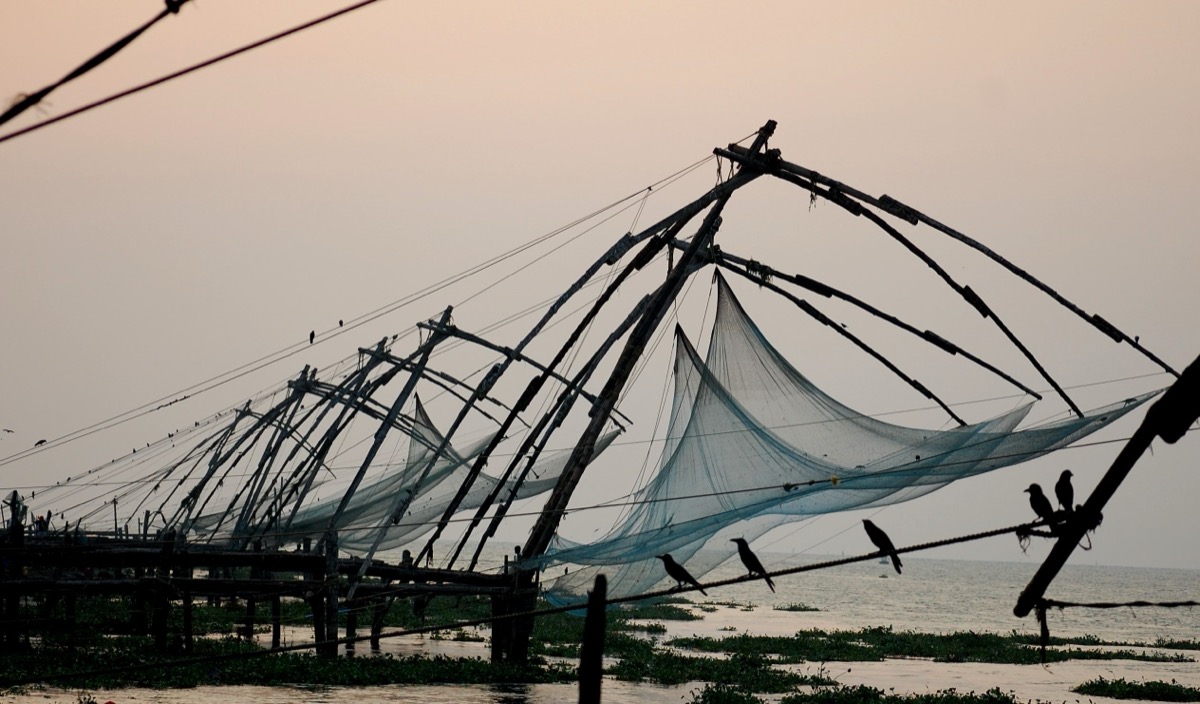
Fort Kochi — the colonial waterfront quarter of Kochi — is one of the easiest places in India to travel as a first-timer. It is compact, walkable, long used to international visitors, and patrolled by Kerala’s tourist police at the main sights. Government travel advisories place India at a normal-precautions level for general tourism, and what they flag for the south is overwhelmingly opportunistic, not violent. Below is an honest, sourced picture of what to actually expect.
How safe is Fort Kochi overall?
Very. Independent crime-perception data rates Kochi’s overall crime as low to moderate, with the most common issues being petty theft and scams rather than crimes against the person. On the heritage loop — the Chinese fishing nets, St Francis Church, the beach promenade and Mattancherry — you will see families, students and tour groups out late. Stick to lit main streets after about 10pm and you are in good shape.
Is Fort Kochi safe for solo and women travellers?
Kerala is repeatedly described by solo women travellers as one of the more relaxed parts of India: high literacy, a comparatively conservative social culture, women-run homestays, and visible tourism infrastructure. In Fort Kochi specifically, walking the markets and waterfront by day is comfortable, and the homestay scene means you are rarely far from a local host. Normal precautions still apply — dress in line with the conservative local norm at temples and churches, pre-book an auto or cab for late returns rather than walking unlit back-lanes, and trust your instincts in quiet areas after dark.
Scams to watch for
Scams, not theft, are the thing most visitors actually meet. The usual ones in tourist Kerala: auto-rickshaw and taxi drivers who “forget” the meter or quote a tourist price; a friendly stranger who says your chosen sight is “closed today” and steers you to a shop or a pricier alternative on commission; over-eager “guides” at the nets and palace; and high-pressure sales in spice, antique and textile shops. None of these are dangerous — they cost you money and time. Agree the fare before you get in (or use a metered app), buy tickets at the official counter, and a polite firm “no thank you” ends almost all of it.
Petty theft and your valuables
Pickpocketing and bag-snatching are uncommon but not unheard of in the busiest spots — around the fishing nets at sunset, on the Ernakulam ferry, and in crowded Jew Town and the spice market. Carry a cross-body bag worn to the front, keep your phone off restaurant tabletops, and split your cash and cards. Most homestays and hotels have a safe; use it for your passport.
The sea, the monsoon and getting around
Fort Kochi beach is for walking, not swimming — strong currents and shipping-channel traffic make entering the water genuinely unsafe, and there are no lifeguards. During the monsoon (roughly June–September) the net platforms and waterfront stones get slippery, so watch your footing and carry rain cover. Getting around is easy and safe: the government ferry to Ernakulam, the modern Water Metro, and short auto hops all work well; agree fares first.
Health basics
The most likely thing to disrupt a trip is your stomach, not crime. Drink sealed or filtered water, be sensible with ice and raw salads early in your trip, and carry rehydration salts. Good government and private hospitals are a short ride away in Ernakulam, and pharmacies are plentiful. Travel insurance with medical cover is strongly recommended for any India trip.
- 112 — all-in-one emergency (police, fire, ambulance).
- 108 — ambulance (Kerala, free GVK EMRI service).
- 1091 — women’s helpline · 1098 — child helpline.
- Kerala has a dedicated Tourist Police presence at major tourist points — ask any officer or your stay’s front desk for help.
Check the official advisories
Before any international trip, read your own government’s current advice — it is the authoritative, up-to-date source and it supersedes any guide, including this one. The UK FCDO and U.S. State Department pages below cover India in detail, and Kerala Tourism is the official state source.
Frequently asked questions
Is Fort Kochi safe for tourists in 2026?
Yes. It is one of Kerala’s safest tourist areas — walkable, used to visitors, and covered by tourist police. The realistic risks are scams and petty theft, not violent crime. Always check your government’s current travel advisory before you go.
Is Fort Kochi safe for solo female travellers?
It is widely reported as comfortable for solo women. Kerala’s conservative, high-literacy culture and women-run homestays help; stick to lit main streets late at night, pre-book transport after dark, and dress modestly at religious sites.
What are the most common scams in Fort Kochi?
Auto/taxi drivers avoiding the meter, “your sight is closed today” tricks that steer you to commission shops, pushy guides at the nets and palace, and high-pressure spice/antique sales. Agree fares first and buy tickets at official counters.
Can you swim at Fort Kochi beach?
No — it is for strolling, not swimming. Currents and shipping traffic make the water unsafe and there are no lifeguards. For a beach swim, travellers head to Cherai Beach on Vypin instead, taking the usual sea-safety care.