Bagalkot district
Bagalkot is a district of Karnataka. Browse its towns, famous tourist places, treks, beaches, temples, backwaters and local businesses. Hotels and homestays can list for free, and travellers contact them directly.

Bagalkot at a glance
Bagalkot is a district of Karnataka — North-Karnataka Deccan district on the Malaprabha and Krishna rivers, ~530 m, with its headquarters at Bagalkot. It is best known for The Chalukyan rock-cut caves and forts of Badami, the temple-architecture cradle of Aihole, the UNESCO royal temples of Pattadakal, the Mahakuta and Banashankari shrines, and the Kudalasangama Lingayat pilgrimage. Signature sights include Badami Cave Temples, Pattadakal, Aihole. The nearest airport is Hubballi (HBX), ~105 km from Badami; Belagavi (IXG), ~150 km; Bengaluru (BLR), ~460 km and the main rail gateway is Badami (BDM) and Bagalkot (BGK) on the Hubballi–Sholapur line, with trains from Hubballi, Vijayapura and Sholapur. October to February is the coolest, most comfortable season; March to May is hot on the plains, and the June–September southwest monsoon brings the main rains, heaviest along the coast and Western Ghats. Most travellers spend 1–2 days here, and while Kannada is the local language, English is widely understood.
Best time, weather & festivals in Bagalkot
October to February is the coolest, most comfortable season across Bagalkot; March to May is hot, and the June–September southwest monsoon brings the main rains. Live conditions below are for Bagalkot.
Live forecast loads in your browser.
Karnataka festivals worth timing your trip around
Celebrated across Karnataka, including Bagalkot. Dates shift with the Kannada calendar — confirm the year's exact dates before booking.
- Mysuru Dasara Sep – Oct — Karnataka's grand 10-day state festival — the lit Mysuru Palace and the Jumboo Savari elephant procession on Vijayadashami.
- Karaga Mar – Apr — Bengaluru’s centuries-old Thigala community festival, with a night procession from the Dharmaraya Swamy Temple.
- Kadalekai Parishe Nov – Dec — The groundnut fair around the Bull Temple in Basavanagudi, Bengaluru.
- Ugadi Mar – Apr — Kannada New Year, marked with bevu-bella and home celebrations across the state.
- Hampi Utsav (Vijaya Utsava) Nov — Hampi’s grand cultural festival among the Vijayanagara ruins, with music, dance and light-and-sound shows.
- Hasanamba Temple Utsava Oct – Nov — The Hasanamba temple in Hassan opens to devotees for only about a week each year around Deepavali, drawing enormous queues.
- Vairamudi Brahmotsava, Melukote Mar – Apr — Melukote’s grand festival when the deity of the Cheluvanarayana temple is adorned with the Vairamudi (diamond crown), brought under armed guard; huge crowds throng the hill town.
- Sharada Navaratri, Sringeri Sep – Oct — The nine-night Navaratri festival at the Sringeri Sharada Peetham, with processions, music and rituals for the goddess Sharadamba on the Tunga river.
- Mangaluru Dasara (Kudroli) Sep – Oct — Mangaluru’s grand Dasara centred on the Kudroli Gokarnath temple, with illuminated Navaratri tableaux and night processions through the city.
- Dharmasthala Laksha Deepotsava Nov – Dec — The festival of a hundred thousand lamps at the Dharmasthala Manjunatha temple, with cultural programmes and huge pilgrim crowds.
- Udupi Paryaya Jan (every 2 years) — The grand biennial handover of the management of the Udupi Sri Krishna Matha between the eight mathas, with processions filling Car Street.
- Udupi Krishna Janmashtami Aug – Sep — Krishna’s birthday at the Udupi Sri Krishna Matha, marked by the lively Vitla Pindi and Mosaru Kudike celebrations.
- Gokarna Maha Shivaratri Feb – Mar — Gokarna’s grand car festival at the Mahabaleshwara temple, when a huge temple chariot is drawn through the streets and pilgrims throng the town.
- Sirsi Marikamba Jatra Mar (every 2 years) — The biennial fair of the goddess Marikamba at Sirsi — one of the largest festivals in Karnataka, drawing lakhs of devotees.
- Basava Jayanti Apr – May — The birth anniversary of the 12th-century reformer Basavanna, marked across Karnataka and especially at his birthplace of Basavana Bagewadi in Vijayapura district.
- Banashankari Jatre Jan – Feb — The great fair of the goddess Banashankari at Cholachagudda near Badami, running for days around the Pushya full moon with a temple-car procession and a float on the Haridra Tirtha tank.
- Khwaja Bande Nawaz Urs Nov — The annual urs of the Sufi saint Gesu Daraz at the Khwaja Bande Nawaz dargah in Kalaburagi, with several days of qawwali, prayer and vast pilgrim crowds.
- Saundatti Yellamma Jatre Jan – Feb (full moon) — The great full-moon fairs of the Renuka-Yellamma temple on Yellammana Gudda hill near Saundatti in Belagavi district, when hundreds of thousands of pilgrims climb the hill, especially at the Bharata Hunnime.
- Gavisiddeshwara Jatre, Koppal Jan — The huge annual fair of the Gavisiddeshwara matha in Koppal — days of rituals, a cattle fair and mass free meals that fill the town, sometimes called a "Kumbha Mela of South India".
- Itagi Bhimambika Jatra Nov – Dec — The annual jatra of the goddess Bhimambika at Itagi in Ron taluk, Gadag district — days of rituals, a fair and a free kitchen that draw crowds of Shakta pilgrims.
Where to go in Bagalkot
 Featured: Badami Cave Temples
Badami
The red-sandstone town of ancient Vatapi cradled between two hills — the four rock-cut cave temples above Agastya Lake, the lakeside Bhutanatha shrines, the hilltop forts, and the Banashankari and Mahakuta temples in the country around it.
 UNESCO temple-group base
Pattadakal
The Chalukyan coronation town on the Malaprabha — the UNESCO World Heritage group of Nagara- and Dravida-style royal temples.
 Featured: Durga Temple, Aihole
Aihole
The riverside village where Chalukyan temple architecture was born — the apsidal Durga temple, the early Lad Khan hall and the ASI museum among more than a hundred experimental shrines.
 Sangama-pilgrimage base
Kudalasangama
The Krishna–Malaprabha confluence in Hungund taluk — the Sangameshwara temple and Basavanna’s Aikya Mantapa, the great pilgrimage centre of the Lingayat faith.
 Featured: Hipparagi Barrage
Jamkhandi
The northern taluk town on the Krishna — a base for the Hippargi barrage and the river backwaters of upper Bagalkot.
 Featured: Yadahalli Chinkara Wildlife Sanctuary
Bilagi
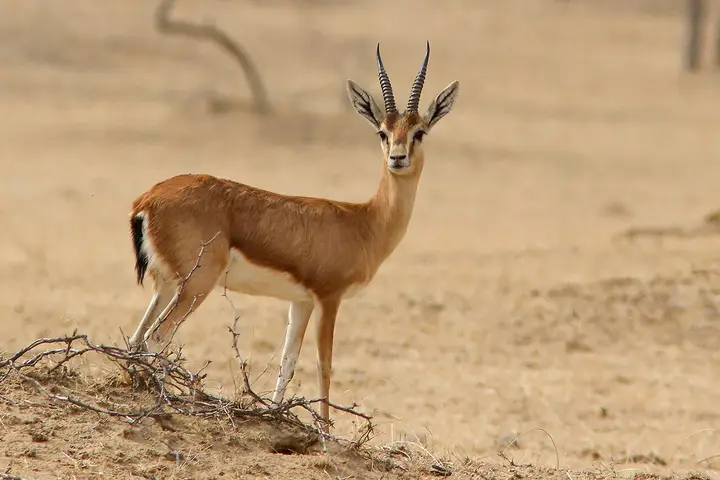
The Bilagi–Mudhol scrub country — Karnataka’s first chinkara (Indian gazelle) sanctuary at Yadahalli.
Map of Bagalkot
Every place on this guide with a verified location. Tap a pin for its name and guide link.
Places in Bagalkot
Every verified place across Bagalkot district — filter by what you’re after.

Four 6th-century rock-cut cave temples carved into the red sandstone cliff above Agastya Lake at Badami, the old Chalukyan capital of Vatapi — caves 1 to 3 are Hindu, with the great Nataraja, Trivikrama, Harihara and Narasimha reliefs and richly carved ceilings, while cave 4 is Jain. This cave guide belongs to the Badami planning base in Bagalkot, Karnataka, with route context, best-time notes and verified inventory categories for stays, food, operators, shops, wellness and transport as they are approved.

The green tank cradled between the two sandstone hills of Badami, ringed by steps and shrines and sacred to the sage Agastya; its water mirrors the cave temples on one cliff and the Bhutanatha temples on the far shore. This heritage guide belongs to the Badami planning base in Bagalkot, Karnataka, with route context, best-time notes and verified inventory categories for stays, food, operators, shops, wellness and transport as they are approved.

Two clusters of 7th- to 12th-century sandstone temples standing at the water’s edge of Agastya Lake — the main Bhutanatha group on the east bank and the Mallikarjuna group to the north — among the most photographed lakeside temple scenes in the Deccan. This temple guide belongs to the Badami planning base in Bagalkot, Karnataka, with route context, best-time notes and verified inventory categories for stays, food, operators, shops, wellness and transport as they are approved.

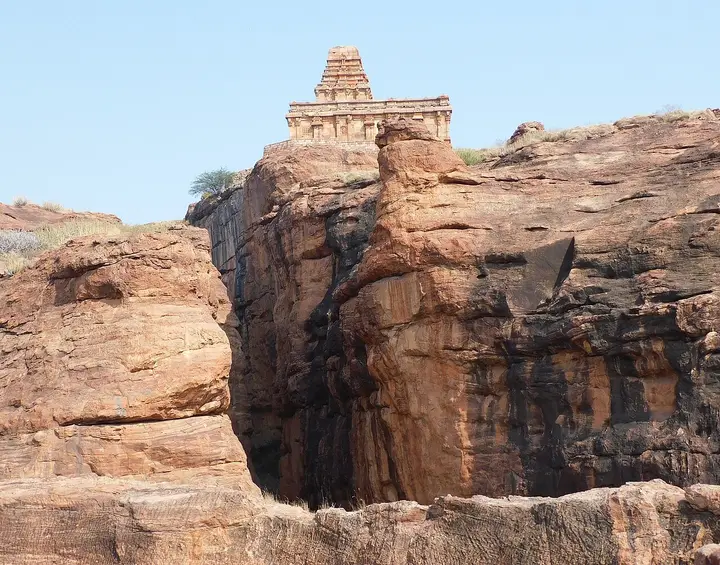
The Chalukyan hill forts crowning the sandstone bluffs on either side of Badami, reached by rock-cut stairways past bastions, granaries and the Upper and Lower Shivalaya temples, with wide views over the caves, the lake and the town. This fort guide belongs to the Badami planning base in Bagalkot, Karnataka, with route context, best-time notes and verified inventory categories for stays, food, operators, shops, wellness and transport as they are approved.

The temple of the goddess Banashankari (Shakambhari), tutelary deity of the Chalukyas, about 5 km from Badami at Cholachagudda; the present Vijayanagara-style shrine fronts a large stepped tank (Haridra Tirtha) and draws huge crowds at the Banashankari Jatre in the Hindu month of Pushya. This temple guide belongs to the Badami planning base in Bagalkot, Karnataka, with route context, best-time notes and verified inventory categories for stays, food, operators, shops, wellness and transport as they are approved.

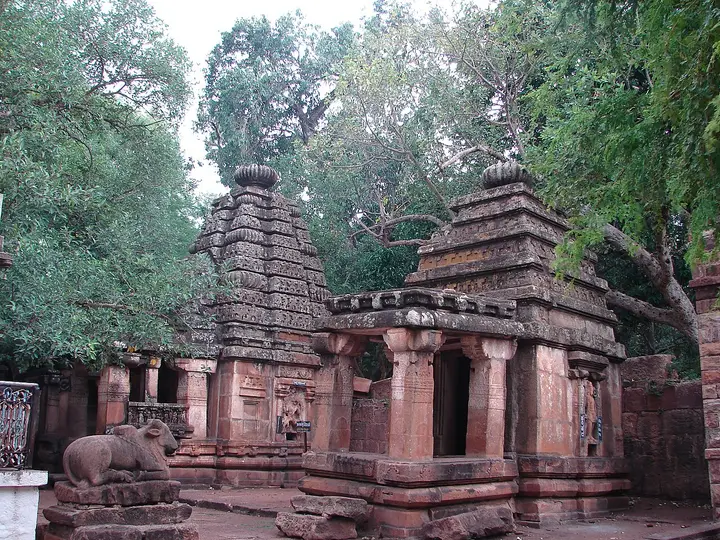
A walled grove of early Chalukyan Shiva temples set around the spring-fed Vishnu Pushkarni tank between Badami and Pattadakal, crowned by the Mahakuteshwara and Mallikarjuna shrines — a still-active pilgrimage cluster of the 6th and 7th centuries. This temple guide belongs to the Badami planning base in Bagalkot, Karnataka, with route context, best-time notes and verified inventory categories for stays, food, operators, shops, wellness and transport as they are approved.

The UNESCO-listed group of 8th-century royal temples on the Malaprabha where the Chalukya kings were consecrated — a showcase of both Nagara (north Indian) and Dravida (south Indian) styles, led by the great Virupaksha and Mallikarjuna temples with the Sangameshwara and the Jain Narayana temple. This heritage guide belongs to the Pattadakal planning base in Bagalkot, Karnataka, with route context, best-time notes and verified inventory categories for stays, food, operators, shops, wellness and transport as they are approved.

The most celebrated temple of Aihole — an apsidal, gallery-wrapped 7th- to 8th-century shrine (its name comes from the durga, or fort, beside it, not the goddess) whose carved niches of Durga, Vishnu, Shiva and Harihara are landmarks of early Chalukyan sculpture. This temple guide belongs to the Aihole planning base in Bagalkot, Karnataka, with route context, best-time notes and verified inventory categories for stays, food, operators, shops, wellness and transport as they are approved.
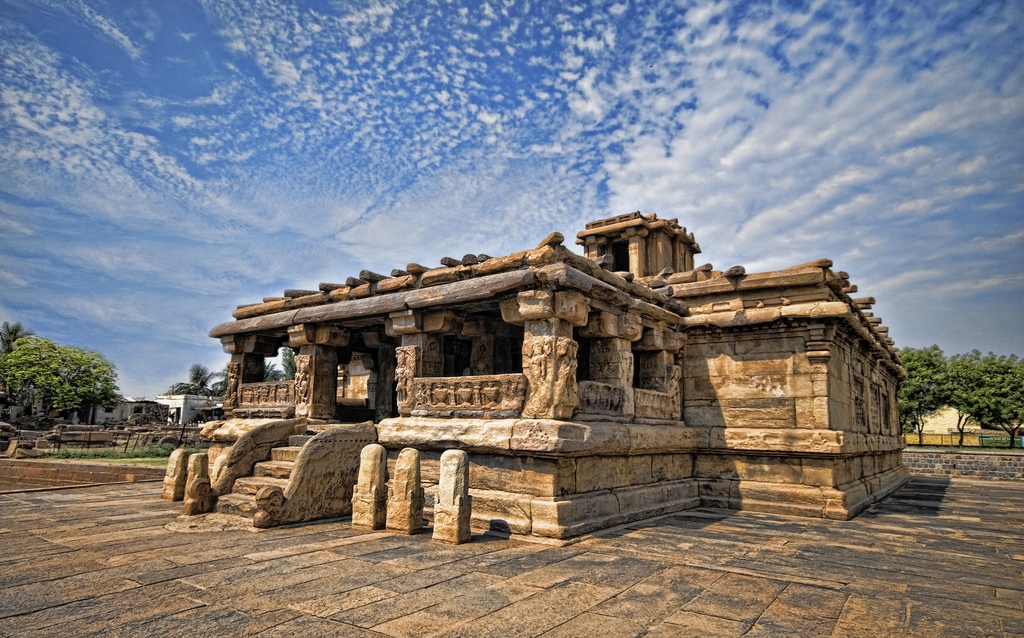
One of the earliest experimental temples at Aihole — a low, flat-roofed pillared hall of the 5th to 7th centuries that borrowed its plan from timber assembly-halls, later occupied by a Muslim named Lad Khan whose name stuck; a keystone in the study of how the Indian temple evolved. This temple guide belongs to the Aihole planning base in Bagalkot, Karnataka, with route context, best-time notes and verified inventory categories for stays, food, operators, shops, wellness and transport as they are approved.

The ASI museum beside the Durga temple complex, displaying Chalukyan sculpture, hero-stones and inscriptions gathered from Aihole’s 120-odd temples — a useful orientation to the "cradle of Indian temple architecture". This museum guide belongs to the Aihole planning base in Bagalkot, Karnataka, with route context, best-time notes and verified inventory categories for stays, food, operators, shops, wellness and transport as they are approved.

The sacred confluence (kudala-sangama) of the Krishna and Malaprabha rivers in Hungund taluk — the Sangameshwara temple and the Aikya Mantapa marking the samadhi of the 12th-century reformer Basavanna make it the foremost pilgrimage centre of the Lingayat (Sharana) faith. This heritage guide belongs to the Kudalasangama planning base in Bagalkot, Karnataka, with route context, best-time notes and verified inventory categories for stays, food, operators, shops, wellness and transport as they are approved.
A barrage across the Krishna near Hippargi in the Jamkhandi taluk, part of the Upper Krishna project — its broad backwater and sluice gates are a quiet spot in the district’s northern river country, busiest when the gates open after the monsoon. This dam guide belongs to the Jamkhandi planning base in Bagalkot, Karnataka, with route context, best-time notes and verified inventory categories for stays, food, operators, shops, wellness and transport as they are approved.

Karnataka’s first sanctuary set aside for the chinkara (Indian gazelle), notified in 2016 across the scrub and rocky hills of the Bilagi and Mudhol taluks; it also shelters Indian wolf, striped hyena, jackal and blackbuck in a dry-country habitat unlike the state’s Ghats reserves. This wildlife guide belongs to the Bilagi planning base in Bagalkot, Karnataka, with route context, best-time notes and verified inventory categories for stays, food, operators, shops, wellness and transport as they are approved.
Book with the place itself. India’s cyber-crime coordination centre warned in April 2025 that convincing copies of hotel and pilgrimage booking sites are being pushed through sponsored search and social ads, taking payment for rooms the property never hears about. Every listing here links to the business’s own contact details and its own Google or Bing profile — we take no commission and sit in nobody’s payment path. If a booking page reached you through an ad, check the address bar against the property’s own site before you pay. Fraud can be reported on cybercrime.gov.in or on 1930.
Famous tourist places and treks in Bagalkot
A practical tourist-guide list for the district. Full place pages, hotels, homestays, restaurants and local operators are added progressively under each town or attraction.
caveBadami Cave Temples
Four 6th-century rock-cut cave temples carved into the red sandstone cliff above Agastya Lake at Badami, the old Chalukyan capital of Vatapi — caves 1 to 3 are Hindu, with the great Nataraja, Trivikrama, Harihara and Narasimha reliefs and richly carved ceilings, while cave 4 is Jain. This cave guide belongs to the Badami planning base in Bagalkot, Karnataka, with route context, best-time notes and verified inventory categories for stays, food, operators, shops, wellness and transport as they are approved.
 heritage
Agastya Lake
The green tank cradled between the two sandstone hills of Badami, ringed by steps and shrines and sacred to the sage Agastya; its water mirrors the cave temples on one cliff and the Bhutanatha temples on the far shore. This heritage guide belongs to the Badami planning base in Bagalkot, Karnataka, with route context, best-time notes and verified inventory categories for stays, food, operators, shops, wellness and transport as they are approved.
 temple
Bhutanatha Temples
Two clusters of 7th- to 12th-century sandstone temples standing at the water’s edge of Agastya Lake — the main Bhutanatha group on the east bank and the Mallikarjuna group to the north — among the most photographed lakeside temple scenes in the Deccan. This temple guide belongs to the Badami planning base in Bagalkot, Karnataka, with route context, best-time notes and verified inventory categories for stays, food, operators, shops, wellness and transport as they are approved.
 fort
fortBadami Fort
The Chalukyan hill forts crowning the sandstone bluffs on either side of Badami, reached by rock-cut stairways past bastions, granaries and the Upper and Lower Shivalaya temples, with wide views over the caves, the lake and the town. This fort guide belongs to the Badami planning base in Bagalkot, Karnataka, with route context, best-time notes and verified inventory categories for stays, food, operators, shops, wellness and transport as they are approved.
 temple
Banashankari Amma Temple
The temple of the goddess Banashankari (Shakambhari), tutelary deity of the Chalukyas, about 5 km from Badami at Cholachagudda; the present Vijayanagara-style shrine fronts a large stepped tank (Haridra Tirtha) and draws huge crowds at the Banashankari Jatre in the Hindu month of Pushya. This temple guide belongs to the Badami planning base in Bagalkot, Karnataka, with route context, best-time notes and verified inventory categories for stays, food, operators, shops, wellness and transport as they are approved.
 temple
Mahakuta Temples
A walled grove of early Chalukyan Shiva temples set around the spring-fed Vishnu Pushkarni tank between Badami and Pattadakal, crowned by the Mahakuteshwara and Mallikarjuna shrines — a still-active pilgrimage cluster of the 6th and 7th centuries. This temple guide belongs to the Badami planning base in Bagalkot, Karnataka, with route context, best-time notes and verified inventory categories for stays, food, operators, shops, wellness and transport as they are approved.
heritagePattadakal
The UNESCO-listed group of 8th-century royal temples on the Malaprabha where the Chalukya kings were consecrated — a showcase of both Nagara (north Indian) and Dravida (south Indian) styles, led by the great Virupaksha and Mallikarjuna temples with the Sangameshwara and the Jain Narayana temple. This heritage guide belongs to the Pattadakal planning base in Bagalkot, Karnataka, with route context, best-time notes and verified inventory categories for stays, food, operators, shops, wellness and transport as they are approved.
templeDurga Temple, Aihole
The most celebrated temple of Aihole — an apsidal, gallery-wrapped 7th- to 8th-century shrine (its name comes from the durga, or fort, beside it, not the goddess) whose carved niches of Durga, Vishnu, Shiva and Harihara are landmarks of early Chalukyan sculpture. This temple guide belongs to the Aihole planning base in Bagalkot, Karnataka, with route context, best-time notes and verified inventory categories for stays, food, operators, shops, wellness and transport as they are approved.
 temple
Lad Khan Temple
One of the earliest experimental temples at Aihole — a low, flat-roofed pillared hall of the 5th to 7th centuries that borrowed its plan from timber assembly-halls, later occupied by a Muslim named Lad Khan whose name stuck; a keystone in the study of how the Indian temple evolved. This temple guide belongs to the Aihole planning base in Bagalkot, Karnataka, with route context, best-time notes and verified inventory categories for stays, food, operators, shops, wellness and transport as they are approved.
 museum
Aihole Archaeological Museum
The ASI museum beside the Durga temple complex, displaying Chalukyan sculpture, hero-stones and inscriptions gathered from Aihole’s 120-odd temples — a useful orientation to the "cradle of Indian temple architecture". This museum guide belongs to the Aihole planning base in Bagalkot, Karnataka, with route context, best-time notes and verified inventory categories for stays, food, operators, shops, wellness and transport as they are approved.
heritageKudalasangama
The sacred confluence (kudala-sangama) of the Krishna and Malaprabha rivers in Hungund taluk — the Sangameshwara temple and the Aikya Mantapa marking the samadhi of the 12th-century reformer Basavanna make it the foremost pilgrimage centre of the Lingayat (Sharana) faith. This heritage guide belongs to the Kudalasangama planning base in Bagalkot, Karnataka, with route context, best-time notes and verified inventory categories for stays, food, operators, shops, wellness and transport as they are approved.
damHipparagi Barrage
A barrage across the Krishna near Hippargi in the Jamkhandi taluk, part of the Upper Krishna project — its broad backwater and sluice gates are a quiet spot in the district’s northern river country, busiest when the gates open after the monsoon. This dam guide belongs to the Jamkhandi planning base in Bagalkot, Karnataka, with route context, best-time notes and verified inventory categories for stays, food, operators, shops, wellness and transport as they are approved.
wildlifeYadahalli Chinkara Wildlife Sanctuary
Karnataka’s first sanctuary set aside for the chinkara (Indian gazelle), notified in 2016 across the scrub and rocky hills of the Bilagi and Mudhol taluks; it also shelters Indian wolf, striped hyena, jackal and blackbuck in a dry-country habitat unlike the state’s Ghats reserves. This wildlife guide belongs to the Bilagi planning base in Bagalkot, Karnataka, with route context, best-time notes and verified inventory categories for stays, food, operators, shops, wellness and transport as they are approved.
Get listed in Bagalkot for free
Roampedia is commission-free. Travellers find your business and contact you directly. Basic listings stay free; optional Gold and Platinum monthly packages will vary by business type, with no booking commission.
Top things to do in Bagalkot
Our editors' pick of the standout experiences, ordered by what we'd prioritise on a first visit — an honest judgement call, not a rated ranking.
Badami Cave Temples
Climb the four rock-cut caves early, from Cave 1 up to the Jain Cave 4, for cool stone and the best light; carry water and mind the monkeys.
2Pattadakal
See the UNESCO temple group mid-morning and combine it with Aihole and Badami as one heritage circuit over a day or two; a guide helps read the styles.
3Aihole
Start at the Durga temple and the ASI museum, then wander the scattered shrines — the "cradle of Indian temple architecture".
4Kudalasangama
A calm Lingayat pilgrimage at the Krishna–Malaprabha confluence, about 2 hours from Badami; check road access when the rivers run high.
5Banashankari Amma Temple
An easy 5 km from Badami; busiest and most colourful during the Banashankari Jatre in Jan–Feb around the temple tank.
Entry fees & timings in Bagalkot
Indicative entry fees and opening hours for the ticketed and timed places in Bagalkot. These change — always confirm with the official operator before you go.
How to reach Bagalkot
Bagalkot is known for The Chalukyan rock-cut caves and forts of Badami, the temple-architecture cradle of Aihole, the UNESCO royal temples of Pattadakal, the Mahakuta and Banashankari shrines, and the Kudalasangama Lingayat pilgrimage.
By road from major cities
Approximate driving distance to Bagalkot. Ghat roads and traffic make real journey times vary a lot — allow extra, and confirm your route before travel.
Emergency numbers
Save these before you travel in Bagalkot. The national and Karnataka-wide lines work everywhere in the district.
Daily budget for Bagalkot
A starting estimate for your trip, excluding flights and separately priced experiences. Compare it with dated accommodation and transport quotes; seasonal savings vary.
Build your daily amount from accommodation, meals, local transport and sightseeing quotes. Add flights, houseboat packages and other separately priced experiences to your total separately.
Bagalkot — frequently asked questions
How do I reach Bagalkot?
For Bagalkot, the nearest airport is Hubballi (HBX), ~105 km from Badami; Belagavi (IXG), ~150 km; Bengaluru (BLR), ~460 km, and the rail gateway is Badami (BDM) and Bagalkot (BGK) on the Hubballi–Sholapur line, with trains from Hubballi, Vijayapura and Sholapur. NH-52 and state highways; KSRTC and private buses from Hubballi (~105 km), Vijayapura (~55 km) and Bengaluru; a car is best for the Badami–Aihole–Pattadakal circuit. The district headquarters is Bagalkot.
What is Bagalkot known for?
Bagalkot is known for The Chalukyan rock-cut caves and forts of Badami, the temple-architecture cradle of Aihole, the UNESCO royal temples of Pattadakal, the Mahakuta and Banashankari shrines, and the Kudalasangama Lingayat pilgrimage. Highlights include Badami Cave Temples, Pattadakal, Aihole.
What are the top places to visit in Bagalkot?
Popular places in Bagalkot include Badami Cave Temples, Agastya Lake, Bhutanatha Temples, Badami Fort, Banashankari Amma Temple, and more — see the full guidebook list on this page.
When is the best time to visit Bagalkot?
October to February is the coolest, most comfortable season across Karnataka, including Bagalkot. March to May is hot on the plains, and the June–September southwest monsoon brings the main rains, heaviest along the coast and Western Ghats.
Karnataka guides
Districts, destination bases, famous places and verified listing categories.
Hotels, homestays, food, guides, operators and rentals are added after verification.
Image credits
- Badami Cave Temples:Rajeshodayanchal, CC BY-SA 3.0, via Wikimedia CommonsCC BY-SA 3.0
- Pattadakal:rajeshodayanchal, CC BY 3.0, via Wikimedia CommonsCC BY 3.0
- Durga Temple, Aihole:AmlanTheTramp, CC BY-SA 4.0, via Wikimedia CommonsCC BY-SA 4.0
- Kudalasangama:Mankalmadhu at English Wikipedia, Public domain, via Wikimedia CommonsPublic domain
- Hipparagi Barrage:DineshkannambadiCC BY-SA 3.0
- Yadahalli Chinkara Wildlife Sanctuary:Mvshreeram, CC BY-SA 4.0, via Wikimedia CommonsCC BY-SA 4.0
- Agastya Lake:Photos Worldwide, CC0, via Wikimedia CommonsCC0
- Bhutanatha Temples:Dey.sandip, CC BY 3.0, via Wikimedia CommonsCC BY 3.0
- Badami Fort:VasuVR, CC BY-SA 4.0, via Wikimedia CommonsCC BY-SA 4.0
- Banashankari Amma Temple:Deepak Patil, CC BY-SA 3.0, via Wikimedia CommonsCC BY-SA 3.0
- Mahakuta Temples:Dineshkannambadi (talk) 03:19, 13 August 2008 (UTC), CC BY-SA 3.0, via Wikimedia CommonsCC BY-SA 3.0
- Lad Khan Temple:Mukul Banerjee, CC BY-SA 3.0, via Wikimedia CommonsCC BY-SA 3.0
- Aihole Archaeological Museum:Vinayaraj, CC BY-SA 4.0, via Wikimedia CommonsCC BY-SA 4.0