Manne (Manyapura)

Manne, recorded historically as Manyapura or Manayapura, was a Western Ganga royal centre in the eighth century. Today its evidence is dispersed through village fields, inscriptions, sculptures and several old temple sites rather than enclosed in a single fort or museum.

Manne (Manyapura), Nelamangala

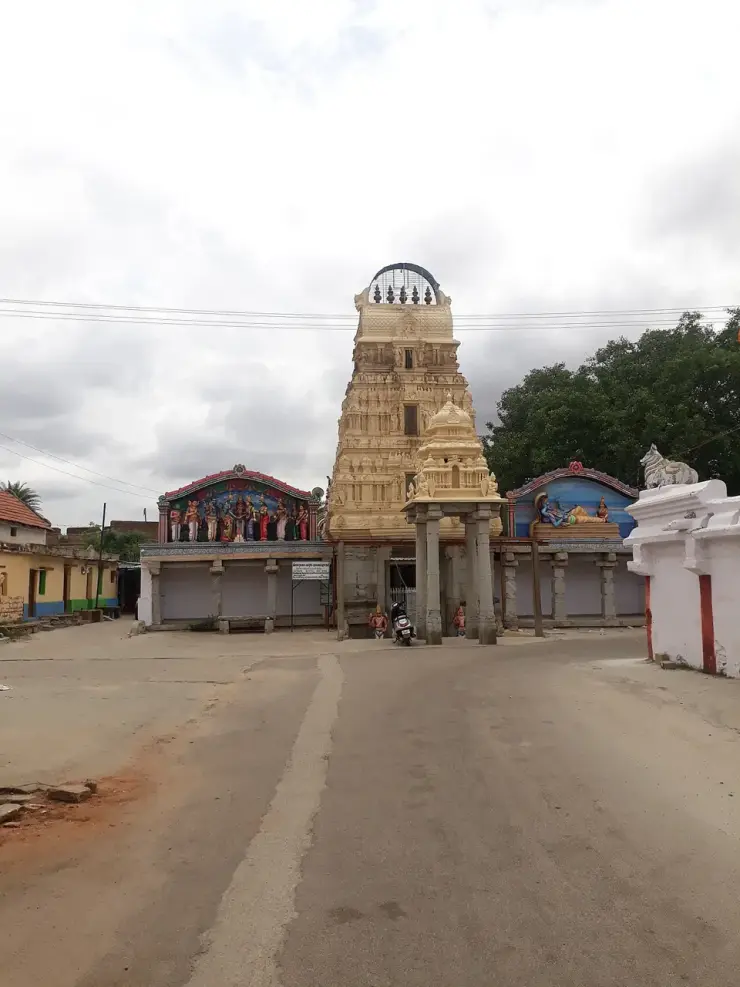
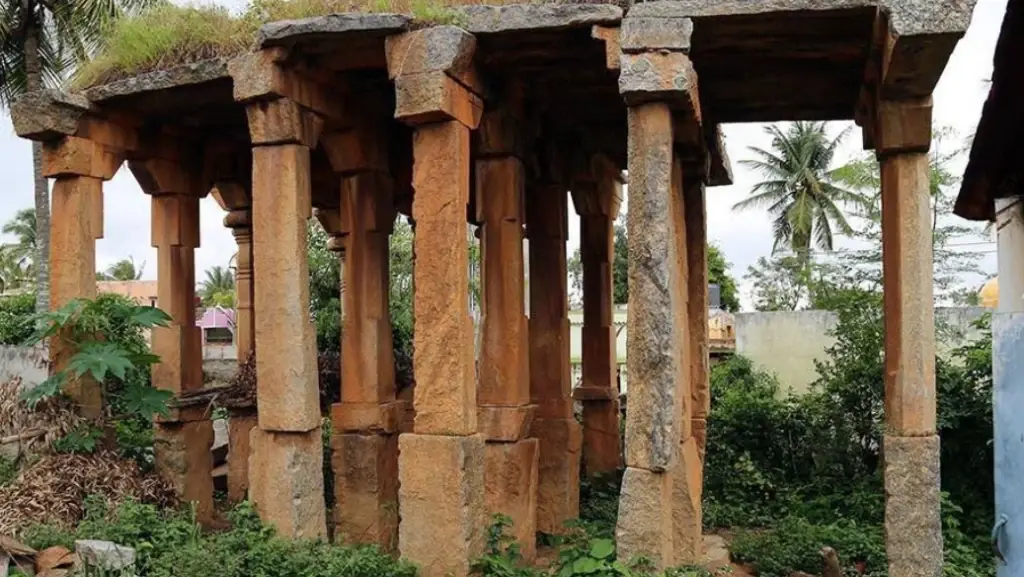
A surviving pillared temple structure in historic Manne, the former Manyapura.

Practical guide

Plan Manne (Manyapura)

Who's going?Tailor Manne (Manyapura) to your trip
Typeheritage
Nearest baseNelamangala
DistrictBengaluru Rural
Best timeOctober to February mornings
Time neededAllow 1–2 hours
EntryNo verified mandatory admission fee
Places to visit2Listed businesses5

The Bengaluru Rural district census handbook calls Manayapura a residence of Ganga kings during the eighth century and notes the name Mannikatakam in Chola inscriptions. It also records the later destruction of the settlement during the Chola period. The former urban area has largely returned to fields, which explains why visitors encounter fragments and shrines within a living village.

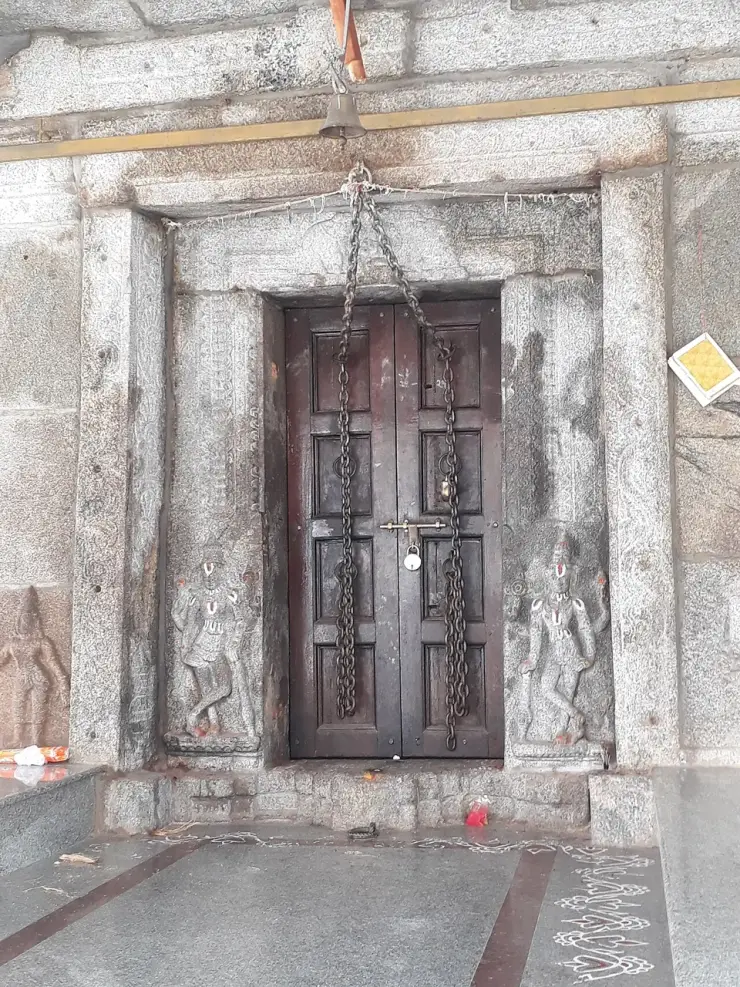
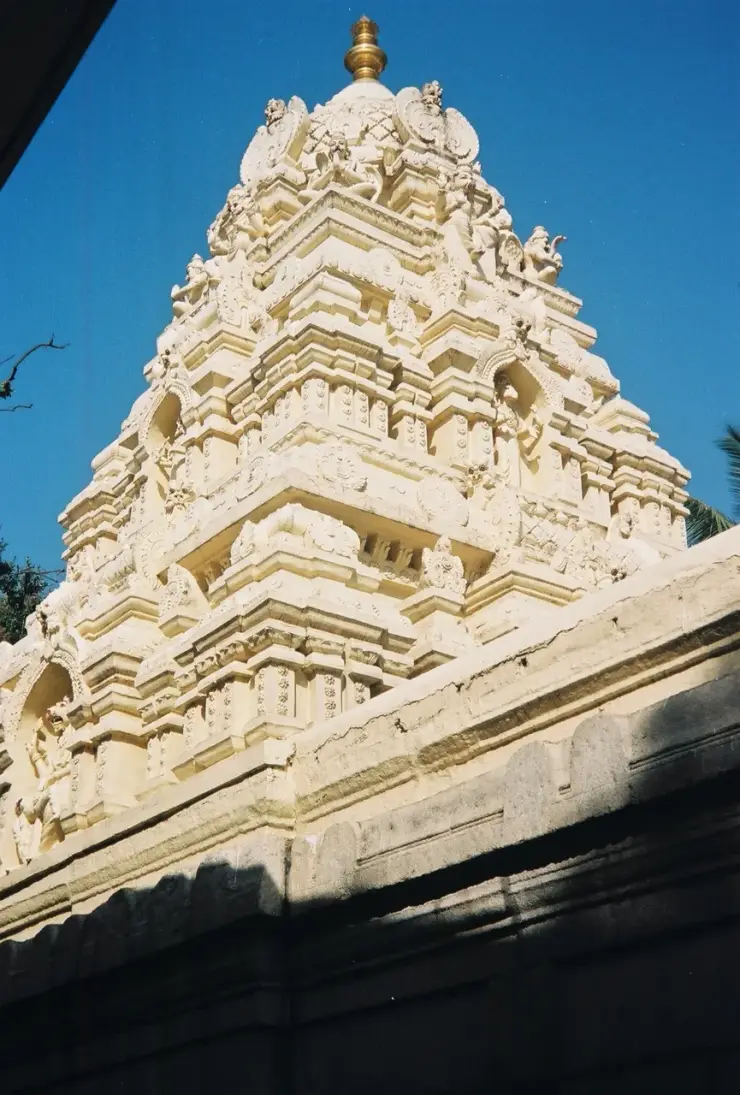
An Archaeological Survey of India review records four temples noticed at Manne: Akka Tangi, Kapileswara, Somesvara and Sulera, together with Ganga-period sculptures. The district handbook specifically notes brick-built sanctums at Someshvara and Kapileshvara and assigns them broadly to the ninth century. Those details make it vital to identify each building correctly.

Manne’s importance is political as well as architectural. It helps explain how the Western Gangas governed through more than one centre, with power expressed in inscriptions, temples and settled agricultural country. A ruined capital should not be imagined as a continuous stone city; what survives is a layered rural landscape.

The story

Manne, recorded historically as Manyapura or Manayapura, was a Western Ganga royal centre in the eighth century. Today its evidence is dispersed through village fields, inscriptions, sculptures and several old temple sites rather than enclosed in a single fort or museum.

The story of Manne (Manyapura)

The Bengaluru Rural district census handbook calls Manayapura a residence of Ganga kings during the eighth century and notes the name Mannikatakam in Chola inscriptions. It also records the later destruction of the settlement during the Chola period. The former urban area has largely returned to fields, which explains why visitors encounter fragments and shrines within a living village.

An Archaeological Survey of India review records four temples noticed at Manne: Akka Tangi, Kapileswara, Somesvara and Sulera, together with Ganga-period sculptures. The district handbook specifically notes brick-built sanctums at Someshvara and Kapileshvara and assigns them broadly to the ninth century. Those details make it vital to identify each building correctly.

Manne’s importance is political as well as architectural. It helps explain how the Western Gangas governed through more than one centre, with power expressed in inscriptions, temples and settled agricultural country. A ruined capital should not be imagined as a continuous stone city; what survives is a layered rural landscape.

Visit with a list of the named sites, daylight and a locally confirmed route. Ask before entering active shrine compounds or walking near cultivated land. Do not move loose sculpture, rub inscriptions or label every old-looking wall “Ganga”; later rebuilding is part of the visible history too.

Tradition and living practice

Some historic temple sites remain places of worship. Ask about access, footwear and photography rather than treating the village as an abandoned excavation.

Oral identifications can help locate dispersed remains, but dynastic dates should come from inscriptions and archaeological records.

History

Manyapura served as a Western Ganga royal residence during the eighth century according to the district census handbook.

The name Mannikatakam occurs in Chola records, and the handbook describes destruction during the eleventh-century Chola period.

ASI’s 1981–82 review records Akka Tangi, Kapileswara, Somesvara and Sulera temples and several Ganga-period sculptures at Manne.

The Someshvara and Kapileshvara sanctums contain brick construction that the district handbook places broadly in the ninth century.

Why visit

Walk through one of the Western Ganga dynasty’s documented political centres.

Compare the distinct Kapileshvara, Someshvara, Akka Tangi and Sulera sites.

See how old brick, stone, repairs and present village life overlap.

Understand why Manne’s history survives as a landscape rather than a single monument.
What to expect

Highlights

  • Walk through one of the Western Ganga dynasty’s documented political centres.
  • Compare the distinct Kapileshvara, Someshvara, Akka Tangi and Sulera sites.
  • See how old brick, stone, repairs and present village life overlap.
  • Understand why Manne’s history survives as a landscape rather than a single monument.
Getting there

How to visit

  • Retain a vehicle and arrive in the morning with the temple names written down.
  • Ask locally for each public approach and obtain permission before entering compounds or field edges.
  • Allow at least two hours, avoid midday heat and use Nelamangala for food, toilets and reliable onward transport.
Timing

Best time

October to February mornings.

Weather in Manne (Manyapura)Seasonal guide

Live forecast loads in your browser.

Today at Manne (Manyapura)
Sunrise6:12 am
Sunset5:59 pm
Golden hour best light4:59 pm–5:59 pm
Blue hour after sunset5:59 pm–6:24 pm
Sun sets toward compass bearingW · 260°
Moon tonight🌔 Waxing gibbous · 64%

Sun and moon are calculated for this location and shown in IST. Photography windows are the hour around sunrise and sunset; the sunset bearing is degrees clockwise from true north. Moon phase is accurate to about half a day.

Visitor notes

  • Check current access and local conditions before departure; a map pin does not establish an entrance or opening time.
  • Keep this destination distinct from nearby sites, businesses and private land.
Safety

Good to know

  • Watch uneven stone and village traffic.
  • Never climb, trace or remove architectural fragments.
Stay · eat · do · rent · see · shop

Stays, food & things to do near Manne (Manyapura)

Browse local stays, food, activities and useful shops. Confirm current service directly; rural options identify their own locality.

Top pick
Stay
Golden Palms Hotel & Spa
20.4 km · ~34 min by cab

Stay.

Directions Commission-freeView details
Top pick
Place of worship
Sri Karithimmaraya Swamy Temple
7.1 km · ~18 min by auto

Place of worship.

DirectionsView details
Top pick
Place of worship
Prasanna Gangadareswara Temple
7.2 km · ~18 min by auto

Place of worship.

DirectionsView details
Top pick
Shop
Sri Balaji Planet Supermarket
23.3 km · ~39 min by cab

Shop.

Directions Commission-freeView details
Top pick
Restaurant
Surabhi veg
6.5 km · ~16 min by auto

Restaurant.

Directions Commission-freeView details
Restaurant
Sambrama
10.9 km · ~18 min by cabindian

Restaurant. Indian.

Directions Commission-freeView details
Stay
Yatrik Comforts
14.1 km · ~23 min by cab

Stay.

Directions Commission-freeView details

Book with the place itself. India’s cyber-crime coordination centre warned in April 2025 that convincing copies of hotel and pilgrimage booking sites are being pushed through sponsored search and social ads, taking payment for rooms the property never hears about. Every listing here links to the business’s own contact details and its own Google or Bing profile — we take no commission and sit in nobody’s payment path. If a booking page reached you through an ad, check the address bar against the property’s own site before you pay. Fraud can be reported on cybercrime.gov.in or on 1930.

Ranked guides

Top experiences around Nelamangala

Choose a local circuit or a separate road outing. Check worship, market and forest access independently; these places do not share one admission or timetable.

Gavi Gangadhareshwara Temple at Shivagange.

Gavi Gangadhareshwara Temple at Shivagange.

hill pilgrimageShivagange Betta

A strenuous separate hill-temple climb near Nelamangala.

Devanahalli Fort.

Devanahalli Fort.

historic fortDevanahalli Fort

A separate Bengaluru Rural fort-town visit.

Gundamagere Lake.

Gundamagere Lake.

lakeGundamagere Lake

A separate public-edge water landscape around Doddaballapura.

Nandi Hills.

Nandi Hills.

hill destinationNandi Hills

A distant separate Chikkaballapur outing with managed entry.

Roampedia is commission-free — own or know a stay, eatery, guide or shop near Manne (Manyapura)? List it and it appears here once verified.

Add a nearby business
Before you go

Manne (Manyapura) — at a glance

TimingsVisit in daylight and confirm active temple hours.
Best timeOctober to February mornings.

Entry: No verified mandatory admission fee.

Dress code: Dress modestly, remove footwear where directed and keep worship routes clear.

Photography: Ask before interiors, worship and residents.

Parking: Park without blocking narrow village lanes.

Getting here

How to reach Manne (Manyapura)

  • ✈︎ By air Kempegowda International Airport is the regional gateway.
  • 🚆︎ By train Bengaluru and Tumakuru provide major rail connections.
  • 🚗︎ By road Use the public road to Manne and confirm each temple location locally.
  • 🚌︎ By bus Regional buses may serve nearby roads; confirm the last return.
  • ⛴︎ By boat No boat component is required for the visit.
Getting around

Getting around Manne (Manyapura)

Retain a vehicle from Nelamangala.

Online taxis: Do not depend on an app pickup at Manne (Manyapura); arrange the return in advance when leaving the town centre.

Getting back

If you are travelling by bus or ferry, check the return service with the operator before setting out. Leave time to reach the stop or jetty after your visit.

Ask at the jetty or stand for the time of the last service back, not the next one. If you miss it, an auto or app cab is the fallback — agree the fare before you get in.

Do

Things to do

  • Walk through one of the Western Ganga dynasty’s documented political centres.
  • Compare the distinct Kapileshvara, Someshvara, Akka Tangi and Sulera sites.
  • See how old brick, stone, repairs and present village life overlap.
  • Understand why Manne’s history survives as a landscape rather than a single monument.
Plan

Good to know

  • Retain a vehicle and arrive in the morning with the temple names written down.
  • Ask locally for each public approach and obtain permission before entering compounds or field edges.
  • Allow at least two hours, avoid midday heat and use Nelamangala for food, toilets and reliable onward transport.
Facilities

On site

  • No formal museum, guide desk or accessible toilet is promised.
  • Use Nelamangala for meals and services.
Stay safe

Safety

  • Watch uneven stone and village traffic.
  • Never climb, trace or remove architectural fragments.
Getting around Manne (Manyapura)
From the entrance
Village lanes may be firm, but thresholds and temple platforms are not verified step-free.
Step-free access
Village lanes may be firm, but thresholds and temple platforms are not verified step-free.
  • Watch uneven stone and village traffic.
  • Never climb, trace or remove architectural fragments.

Checked 6 September 2026 against source 1source 2. Conditions change and surfaces vary with weather — if step-free access is essential, confirm with the site before you travel.

Practical things near Manne (Manyapura)

For toilets, drinking water or a cash machine, ask at the site or a nearby business. No local service locations are available on this page.

If you need help at Manne (Manyapura)
112All emergencies (police · fire · medical)The single number to call in any emergency (ERSS).

Emergency numbers are verified against official government and state tourism sources. 112 works anywhere in India.

Eat nearby

What to eat in Nelamangala

Use nelamangala or the nearest town centre for dependable meals and drinking water; do not assume an unstaffed site has refreshments.

Explore food in Nelamangala →
01

Karnataka breakfast

Choose a busy current town restaurant for idli, dosa or other fresh tiffin before departure.

02

Local vegetarian meal

Plan lunch around the town rather than carrying uncovered food into a shrine, wetland or archaeological site.

Nearby

What’s near Manne (Manyapura)

Local stops come first, followed by separate district outings. Check each place’s own access and return journey; this is a choice of visits, not a single walking circuit.

Shivagange Betta

Shivagange Betta

trekShivagange Betta

A cone-shaped granite hill near Dabaspet, revered as "Dakshina Kashi" — a pilgrimage-and-trek climb to the Gangadhareshwara and Honnadevi cliff temples, past a Nandi statue, the Patalaganga spring and the ghee-that-turns-to-butter miracle.

The entrance tower and worship queue at Shanimahathma Temple, Chikka Madhure.

The entrance tower and worship queue at Shanimahathma Temple, Chikka Madhure.

templeShanimahathma Temple, Chikka Madhure

A regional Shani (Saturn) temple at Chikka Madhure in Doddaballapura taluk, drawing devotees on Saturdays for Shani pooja.

The granite crest and scrub slopes of Hullukudi Betta.

The granite crest and scrub slopes of Hullukudi Betta.

viewpointHullukudi Betta

A scenic hill near Sakkaregollahalli in Doddaballapura taluk, climbed for its rock outcrops and wide views — a lesser-known trek in the northern belt.

Makalidurga

Makalidurga

fortMakalidurga

A hill fort of about 1,100 m in Doddaballapura taluk with a summit Shiva temple, reached by a popular trek along the railway line — one of the best-known day-trek hills near Bengaluru.

Gundamagere Lake

Gundamagere Lake

lakeGundamagere Lake

A scenic tank near Doddaballapura, a quiet birding and picnic waterbody in the northern countryside.

Ghati Subramanya Temple

Ghati Subramanya Temple

templeGhati Subramanya Temple

A major pilgrimage temple in Doddaballapura taluk, unusual for its single idol showing Subramanya (Kartikeya) and Narasimha back to back — a serpent-and-Narasimha shrine that draws large crowds, especially at the Naga festivals.

Kote Venugopalaswamy Temple

Kote Venugopalaswamy Temple

templeKote Venugopalaswamy Temple

An ornate Vijayanagara-style Venugopala (Krishna) temple inside the Devanahalli fort walls, with finely carved pillars and a gopura — the principal temple of the old fort town.

Devanahalli Fort

Devanahalli Fort

fortDevanahalli Fort

A 16th-century oval stone fort at Devanahalli near the Bengaluru airport, the birthplace of Tipu Sultan — with bastioned ramparts, gateways and old temples inside the walls, the district’s flagship heritage site.

All 2 places to visit in Nelamangala →

Nearby toilets, pharmacies, ATMs, seating and vets are community-mapped and may be incomplete or out of date. Map data © OpenStreetMap contributors | Walking times © openrouteservice.org by HeiGIT

On the map

Where Manne (Manyapura) is

The locator identifies the temple precinct. Use the currently open worship entrance and follow any procession diversions.

Good to know

Manne (Manyapura) — frequently asked

What is Manne (Manyapura)?

Manne, recorded historically as Manyapura or Manayapura, was a Western Ganga royal centre in the eighth century. Today its evidence is dispersed through village fields, inscriptions, sculptures and several old temple sites rather than enclosed in a single fort or museum.

Why should I visit Manne (Manyapura)?

Walk through one of the Western Ganga dynasty’s documented political centres. Compare the distinct Kapileshvara, Someshvara, Akka Tangi and Sulera sites.

What history matters at Manne (Manyapura)?

Manyapura served as a Western Ganga royal residence during the eighth century according to the district census handbook. The name Mannikatakam occurs in Chola records, and the handbook describes destruction during the eleventh-century Chola period.

How should I plan Manne (Manyapura)?

Retain a vehicle and arrive in the morning with the temple names written down. Ask locally for each public approach and obtain permission before entering compounds or field edges.

What should I be careful about?

Watch uneven stone and village traffic. Never climb, trace or remove architectural fragments.

Is Manne (Manyapura) accessible?

Village lanes may be firm, but thresholds and temple platforms are not verified step-free.

When is the best time to visit Manne (Manyapura)?

October to February mornings.

What are the entry fee and timings at Manne (Manyapura)?

Entry: No verified mandatory admission fee. Timings: Visit in daylight and confirm active temple hours.

How do I reach Manne (Manyapura)?

Retain a vehicle and arrive in the morning with the temple names written down. Ask locally for each public approach and obtain permission before entering compounds or field edges. Allow at least two hours, avoid midday heat and use Nelamangala for food, toilets and reliable onward transport.

How much time do I need for Manne (Manyapura)?

Allow 1–2 hours.

What else is near Manne (Manyapura)?

Nearby you can pair Shivagange Betta, Shanimahathma Temple, Chikka Madhure, Hullukudi Betta, Makalidurga.

What should I know before visiting Manne (Manyapura)?

Watch uneven stone and village traffic. Never climb, trace or remove architectural fragments.