Manne, recorded historically as Manyapura or Manayapura, was a Western Ganga royal centre in the eighth century. Today its evidence is dispersed through village fields, inscriptions, sculptures and several old temple sites rather than enclosed in a single fort or museum.
The story of Manne (Manyapura)
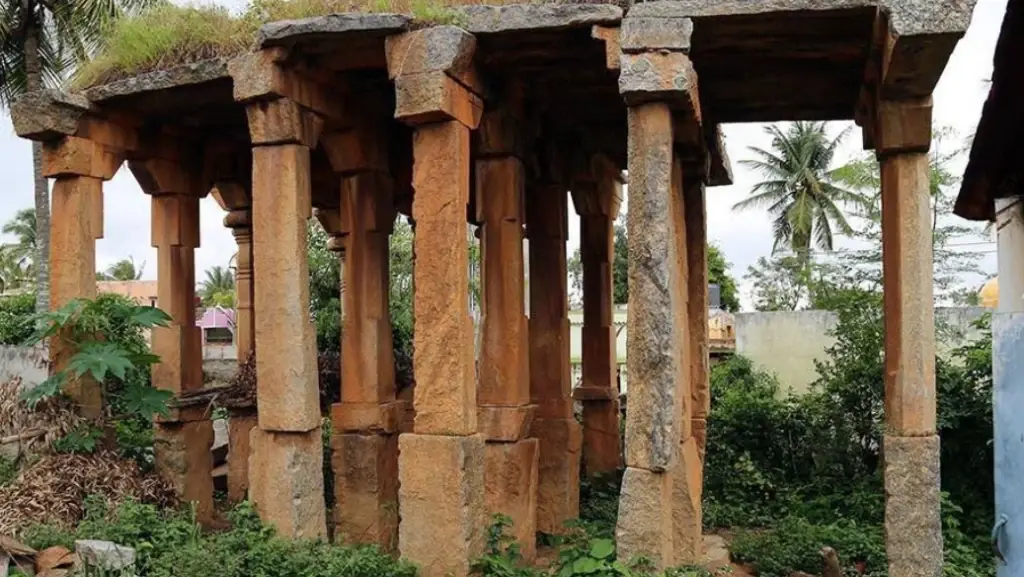
The Bengaluru Rural district census handbook calls Manayapura a residence of Ganga kings during the eighth century and notes the name Mannikatakam in Chola inscriptions. It also records the later destruction of the settlement during the Chola period. The former urban area has largely returned to fields, which explains why visitors encounter fragments and shrines within a living village.
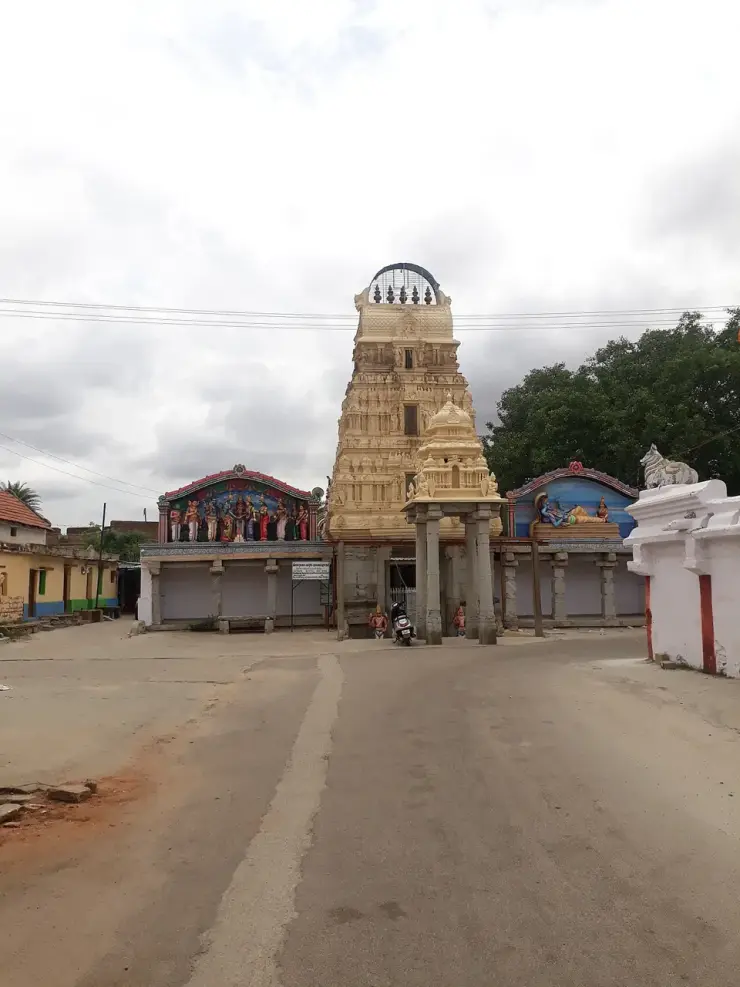
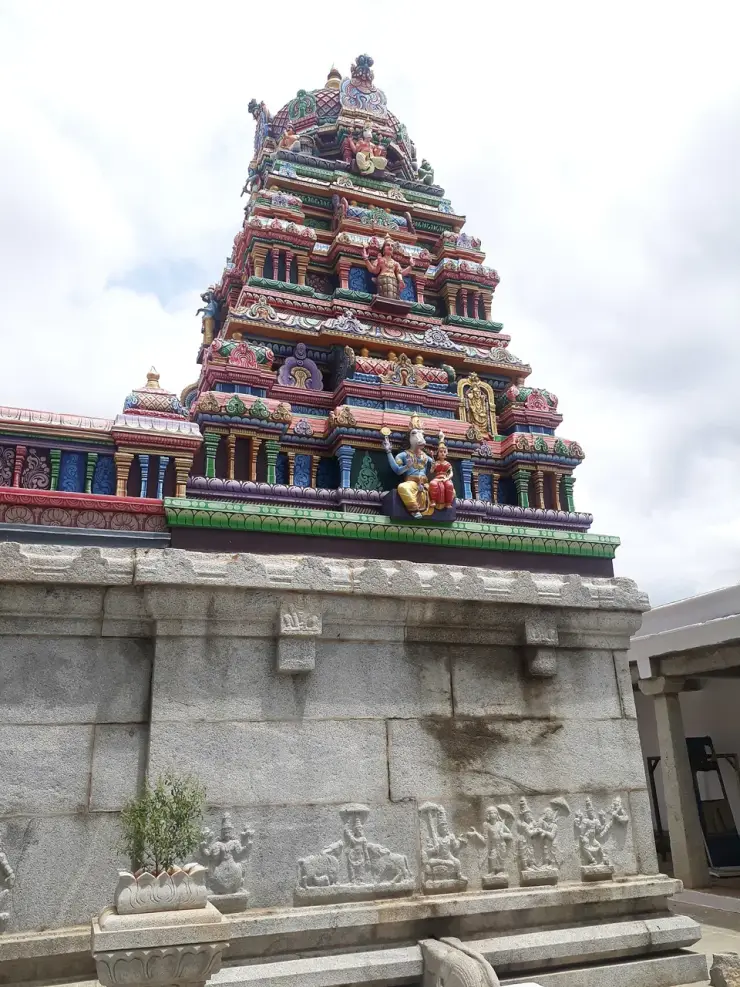
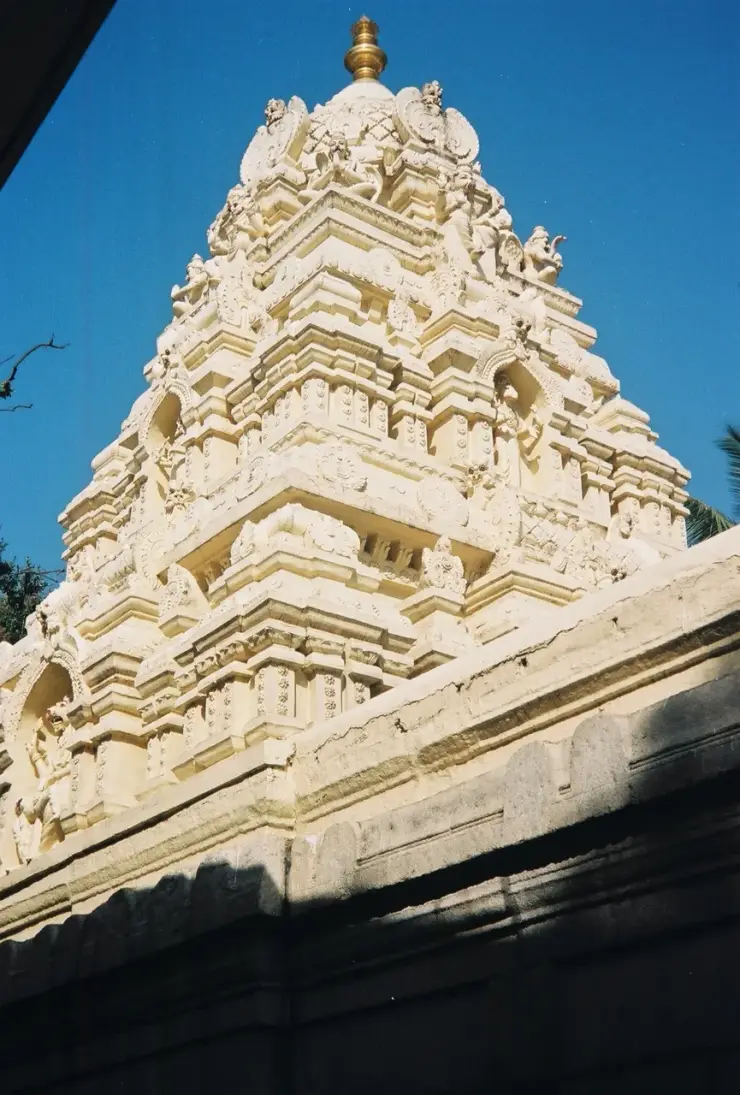
An Archaeological Survey of India review records four temples noticed at Manne: Akka Tangi, Kapileswara, Somesvara and Sulera, together with Ganga-period sculptures. The district handbook specifically notes brick-built sanctums at Someshvara and Kapileshvara and assigns them broadly to the ninth century. Those details make it vital to identify each building correctly.
Manne’s importance is political as well as architectural. It helps explain how the Western Gangas governed through more than one centre, with power expressed in inscriptions, temples and settled agricultural country. A ruined capital should not be imagined as a continuous stone city; what survives is a layered rural landscape.
Visit with a list of the named sites, daylight and a locally confirmed route. Ask before entering active shrine compounds or walking near cultivated land. Do not move loose sculpture, rub inscriptions or label every old-looking wall “Ganga”; later rebuilding is part of the visible history too.
Tradition and living practice
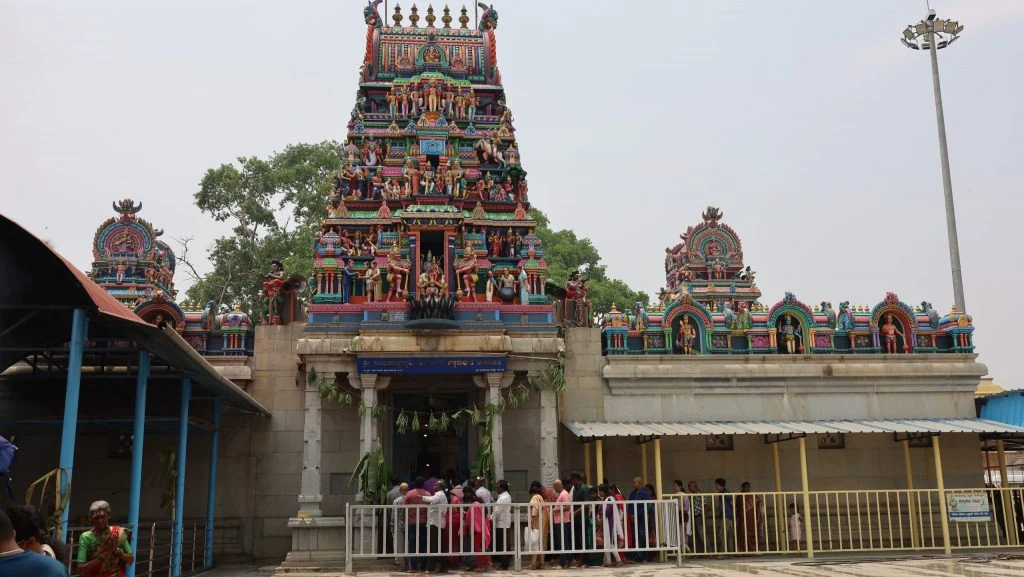
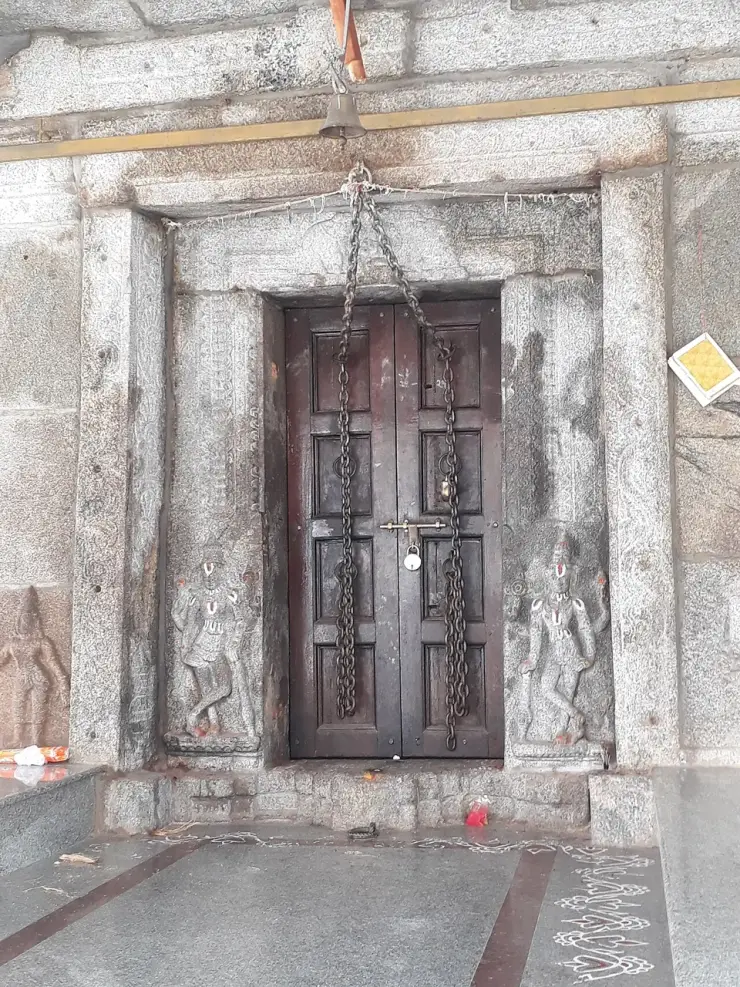
Some historic temple sites remain places of worship. Ask about access, footwear and photography rather than treating the village as an abandoned excavation.
Oral identifications can help locate dispersed remains, but dynastic dates should come from inscriptions and archaeological records.
History
Manyapura served as a Western Ganga royal residence during the eighth century according to the district census handbook.
The name Mannikatakam occurs in Chola records, and the handbook describes destruction during the eleventh-century Chola period.
ASI’s 1981–82 review records Akka Tangi, Kapileswara, Somesvara and Sulera temples and several Ganga-period sculptures at Manne.
The Someshvara and Kapileshvara sanctums contain brick construction that the district handbook places broadly in the ninth century.
Why visit
Walk through one of the Western Ganga dynasty’s documented political centres.
Compare the distinct Kapileshvara, Someshvara, Akka Tangi and Sulera sites.
See how old brick, stone, repairs and present village life overlap.
Understand why Manne’s history survives as a landscape rather than a single monument.