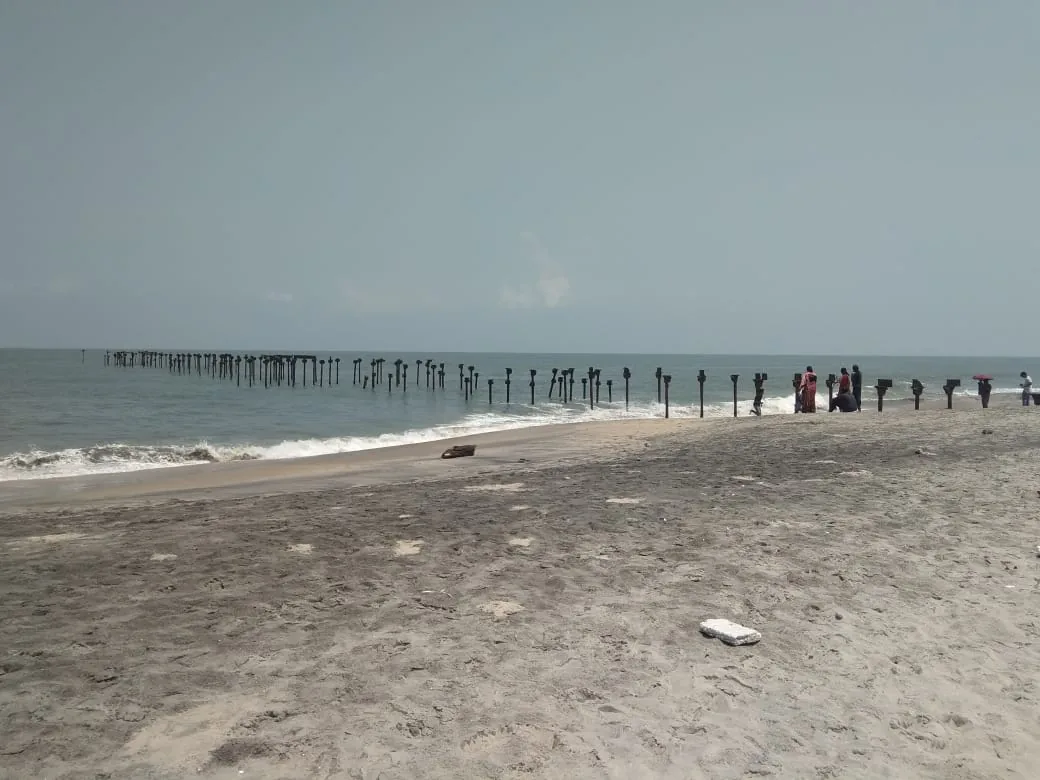
Alappuzha has an unusual problem for an Indian town: too much surviving industrial architecture and not enough industry. When Cochin port rose, this port lost its traffic; the pier, the port buildings and the rail tracks along Beach Road were left where they were, and the warehouses ran on as coir and copra factories until labour disputes closed most of them. What is left is a town centre full of large, handsome, empty nineteenth-century sheds.
What was announced
The Alappuzha Heritage Project is the response, and its scale is genuinely unusual: in the order of twenty museums, eleven memorials and five other public spaces, converting those buildings into a museum cluster its architects describe as the first of its kind in India. The conservation work is associated with the architect Benny Kuriakose. Among the named components are a Port Museum and a museum of the labour movement — reported in early 2021 as India’s first.
The Port Museum building was inaugurated by the Chief Minister on 3 November, as part of a first phase completed in 2020.
The tense problem
Here is the difficulty, and it is a documentation problem rather than an accusation. The project’s own published pages — and most of the coverage that draws on them — are written in the future and the continuous present: being restored, will soon house, is to display. A good deal of that material is dated 2021. Read in 2026, a sentence like "the museum will showcase" tells you what was intended five years ago and nothing at all about whether the door is open on the day you arrive.
We tried to establish, from public sources, which components are currently open to visitors on which days, and we could not do it reliably. That is our finding and we would rather print it than manufacture a list. A building being inaugurated is not the same as a museum being open, and neither is the same as a museum being open on a Tuesday in the monsoon.
- Do not build a day around the museums on the strength of a webpage. Call the DTPC office or the individual museum before you travel.
- Treat "inaugurated" as a date the building was handed over, not as opening hours.
- The International Coir Museum is a separate, long-established institution and is not part of this uncertainty.
- The buildings themselves are visible from the street and the canals whether or not anything inside is open, and they are the better half of the experience anyway.
Why it is still worth walking
Because the exteriors are the record. Along the canals the godown facades still carry the shapes and in places the names of the firms that used them — Volkart Brothers, the Bombay Company, Darragh Smail. The rail tracks are still set into Beach Road, running from the sea pier to the warehouses, which is the single most easily missed piece of industrial evidence in the town and takes two minutes to find once you know to look down.
Seeing a conservation project mid-transformation is also a legitimate thing to do. Some buildings are done, some are scaffolded, some are still shut and derelict, and walking the sequence tells you more about what this kind of work actually involves than a finished museum would.
The honest summary: come for the town and the buildings, and treat any museum you get into as a bonus rather than the plan. If the whole cluster is finished by the time you read this, nothing here will have cost you anything except a phone call.