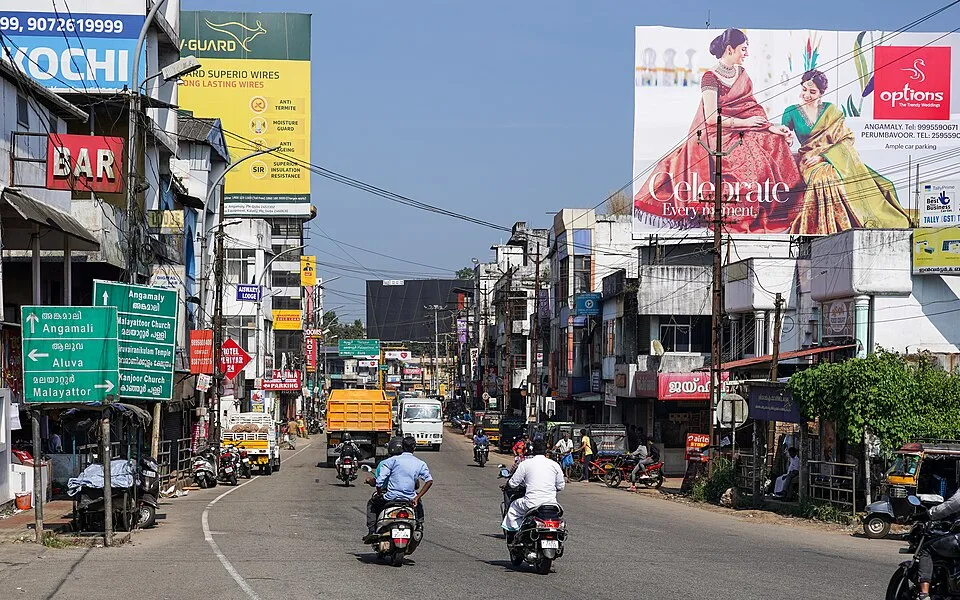
Kalady is introduced to most visitors as the traditional birthplace of Adi Shankara. That journey leads to shrines near the Periyar. A few kilometres away, at Mattoor, rice milling tells another story about the town’s daily work.
A cluster, not one giant mill
The Kalady Rice Millers Consortium says it was established in 2003 and now connects more than 54 units, with 41 consortium members. A Government of India cluster proposal from an earlier phase counted 33 modern mills joining the consortium and described a common facility for extracting value from rice bran. Those numbers refer to different dates and groups; they are not an audited count of every mill operating today.
The common-facility idea is the story’s turning point. Rice milling leaves bran and husk as well as the grain people buy. Pooling processing equipment can make those by-products useful to smaller mills that could not build a refinery alone. The government proposal describes the intended bran-oil facility, while the consortium describes its wider work on standards and technology. A proposal is not proof that every planned capacity was achieved.
What a visitor can actually see
The pilgrimage and industrial town share roads and a river setting, but working rice plants are not open museum tours. The earlier article promised specific lorry scenes, exact annual tonnage and a direct water-supply explanation that the sources reviewed here do not establish. The more useful insight is that Kalady has several economies at once: worship, education, road transport and food processing.
Give the town more than a shrine stop, but do it respectfully. Visit public places, use local shops and leave industrial premises to the people working there. Kalady’s rice story is not hidden; it simply sits outside the usual pilgrimage photograph.
- Kalady Rice Millers Consortium: members and history
- Government of India MSME: Kalady cluster proposal
- Counts refer to different dates and membership categories; current plant access is not established.