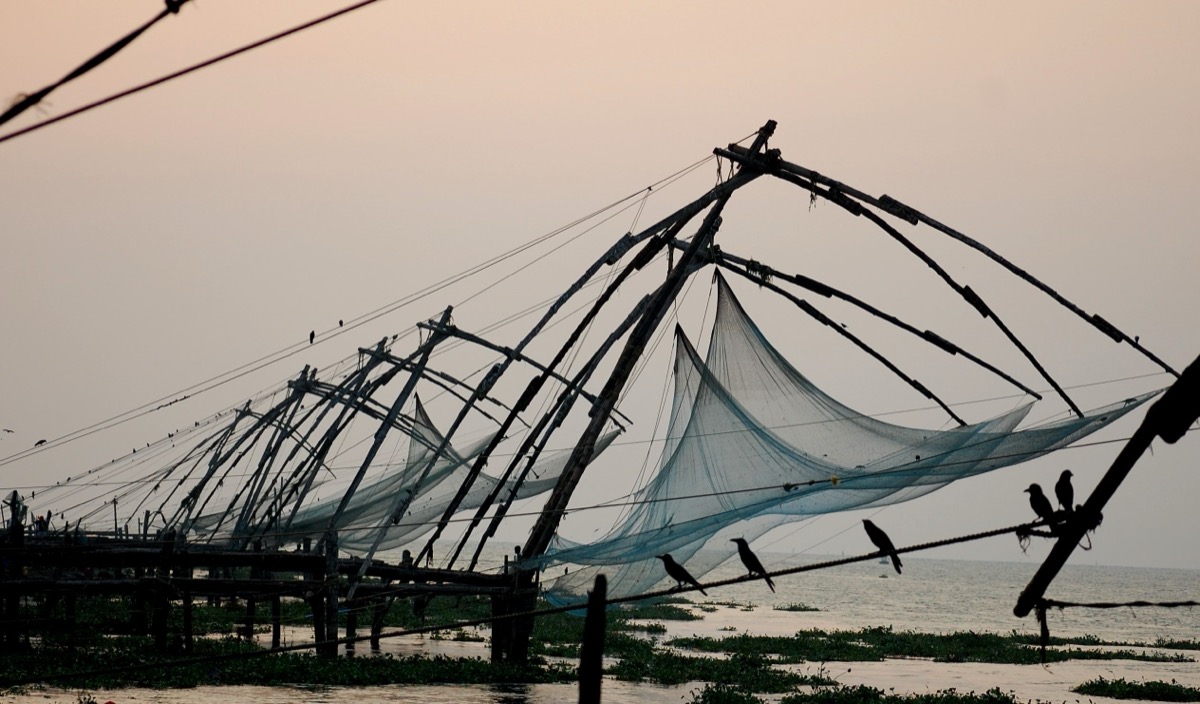
If you are travelling alone for the first time in India, Fort Kochi is a soft landing. It is small enough to learn in a day, walkable, full of homestays run by local families, and busy with other independent travellers in its cafés. This guide pulls together the solo-specific things — safety, where to stay, how to meet people and a sample day.
How solo-friendly is Fort Kochi?
Very. The heritage quarter is compact and walkable, locals are used to tourists, and Kerala’s comparatively conservative, high-literacy culture makes it relaxed for solo travellers — including solo women, who repeatedly describe Kerala as a place where they feel respected and unbothered. The realistic concerns are scams and petty theft, not personal danger; for the full picture, see our Fort Kochi safety guide (linked below).
Where to stay solo
Homestays are the solo traveller’s best friend here: a local host, a safe base, breakfast and local know-how, often for less than a hotel. Many are family- or women-run. Pick somewhere on or near the walkable heritage lanes so you are not relying on autos after dark, and message the host about an airport or station pickup for your first arrival.
Meeting people and beating the lonely hour
Fort Kochi’s café culture does the social work for you. Lingering over coffee, joining a cooking class, watching an evening Kathakali performance, or taking a small-group heritage or backwater tour are all easy ways to fall into conversation. The sunset crowd at the Chinese fishing nets is sociable too. Loneliness, when it comes, tends to hit before the trip — once you are wandering the lanes it usually lifts.
A suggested solo day
Start with coffee and the fishing nets while it is cool, walk the heritage loop (St Francis Church, the waterfront, Santa Cruz), break for a thali lunch, cross to Mattancherry for the palace and Jew Town in the afternoon, then circle back for sunset and an early Kathakali show. It is a full, safe, walkable day that never leaves you stranded.
Numbers worth having before you need them
India's single emergency number is 112, which reaches police, fire and ambulance and replaced the older separate numbers. 1091 is the women's helpline and 1098 is the child helpline. Kerala operates tourist-facing police in the main visitor areas, and Fort Kochi has a police presence in the heritage quarter. Save 112 in your phone before you land rather than looking it up in the moment, and keep your host's number saved separately from your hotel booking, so you can reach a person rather than a reservation system.
The evening, honestly
Fort Kochi is sociable until it abruptly is not. The seafront and the café lanes are busy through sunset and dinner, and then the quarter empties earlier than visitors expect — the residential lanes are quiet and poorly lit well before midnight, and the ferries stop. None of this makes it dangerous; it makes it dark and empty, which is a different problem for someone alone in an unfamiliar grid. Plan the walk back while it is still light, and if you are staying on the far side of the peninsula, know how you are getting home before you order the last drink.
The single supplement, and how to dodge it
Solo travel's real cost is the room, because a double room costs roughly the same whether one or two people sleep in it. Fort Kochi softens this better than most places: the homestay density means genuine single rooms exist, and the hostel cluster slightly inland puts a dorm bed within a five-minute walk of the seafront for a fraction of a seafront room. Booking direct rather than through an intermediary is also worth doing — every listing on Roampedia carries the property's own contact, and we take no commission either way.
If you are travelling alone in the monsoon
June to September is the cheapest and quietest time to be here, and for a solo traveller that cuts both ways. Rooms are a fraction of peak rates and the quarter is calm and green; equally, the café crowd that does the social work in December is thin, sudden heavy rain will strand you under an awning for half an hour at a time, and open-air plans need a fallback. It suits someone who wants to read, walk and talk to their hosts more than someone hoping to fall in with other travellers.
- Save 112 (all-India emergency) and 1091 (women's helpline) before you arrive.
- Stay on the walkable heritage lanes; pre-book transport after ~10pm.
- Homestays beat hotels for safety, value and local tips.
- A cooking class or small-group tour is the fastest way to meet people.
- Keep a host or hotel contact saved, and share your day’s plan with someone.
Frequently asked questions
Is Fort Kochi good for solo travellers?
Yes — it’s compact, walkable, used to tourists and full of homestays and cafés, which makes it one of the easiest places in India to travel alone. The main risks are scams and petty theft rather than personal danger.
Is Fort Kochi safe for solo female travellers?
It’s widely reported as comfortable for solo women, helped by Kerala’s conservative, high-literacy culture and many women-run homestays. Stick to lit main lanes late at night, pre-book transport after dark, and dress modestly at religious sites. See our safety guide for detail.
Where should a solo traveller stay in Fort Kochi?
A homestay on or near the walkable heritage lanes — you get a local host, a safe base and good tips, often cheaper than a hotel, without depending on autos after dark.
How do I meet people travelling solo in Fort Kochi?
Hang out in the cafés, join a cooking class or small-group heritage/backwater tour, and catch an evening Kathakali show or the sunset crowd at the fishing nets — all easy, low-pressure ways to strike up conversation.