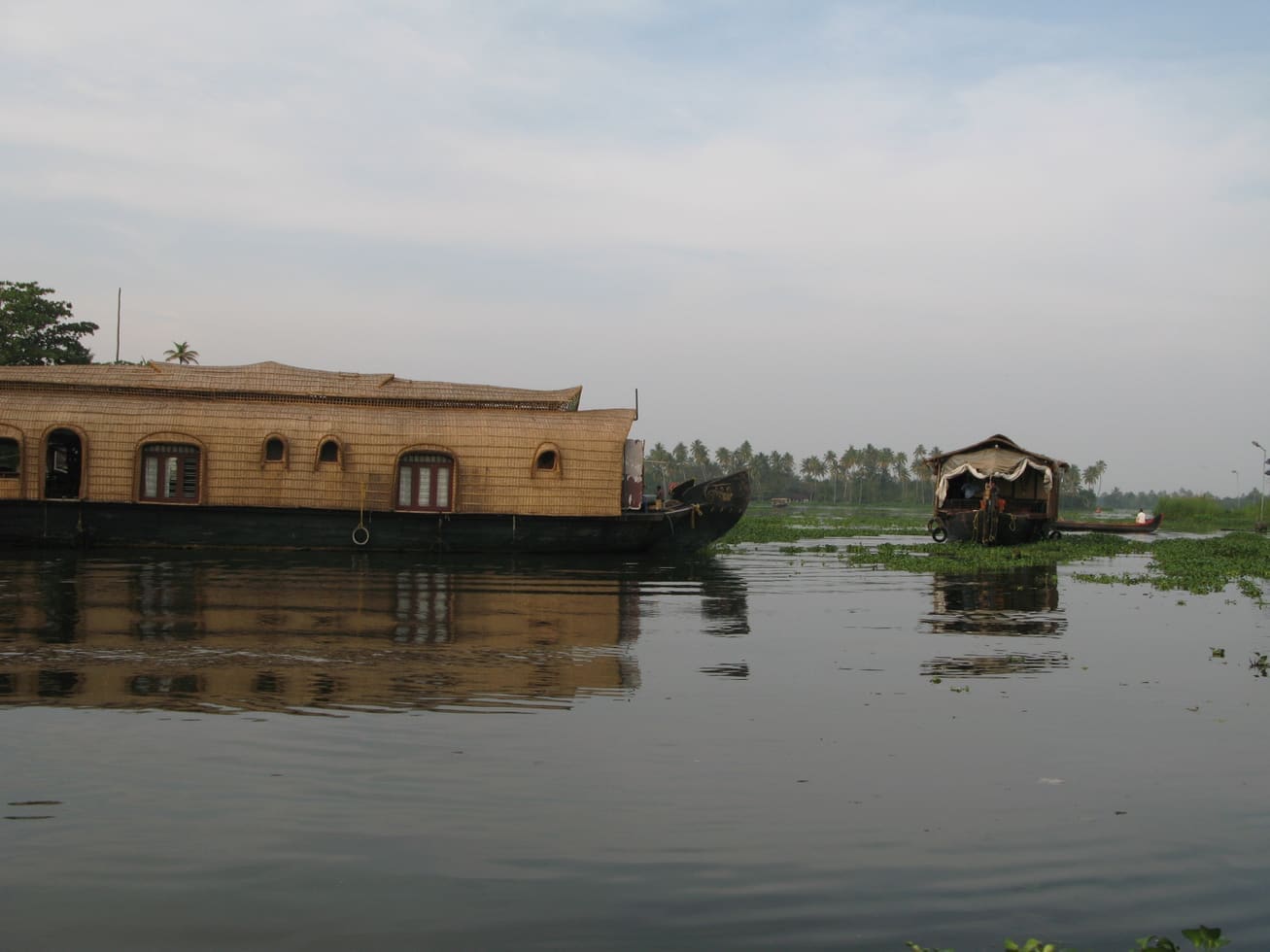
The photograph that sells an Alappuzha houseboat often shows it gliding past palms. The decision that matters comes later, when the engine is off and the boat is moored for the night. Where will it stop? Will the cabin be comfortable in still, humid air? Can you see the actual vessel before you pay? An overnight trip is a stay as well as a cruise, so ask both sets of questions.
First identify the boat, not just the fleet
Kerala Tourism lists houseboat providers, but a provider may have more than one vessel. Ask for the boat name, its KIV number, current cabin photographs and the number of other guests, if any. A shared boat and a private boat change the experience even when the route is the same. Record the named vessel in the quote so a later substitution is visible.
The state classification scheme uses Silver, Gold and Diamond Vessel classes and requires a displayed name, KIV number and classification certificate for classified boats. Classification helps you check a claim; it does not replace a current look at that boat. Ask the operator to show the certificate and the vessel’s current licensing details, then compare the cabin, toilet, deck and maintenance with the images sent to you.
Make the route and night halt part of the quote
“Alleppey backwaters” does not identify a boarding jetty, canal route or mooring point. Ask for all three and for the planned hours under way. The classification checklist itself requires the trip route, cruise time and night halt point to be displayed. Weather, navigation rules and local conditions can still change the plan, so ask how the operator handles a change before paying.
This is why the evening deserves its own question. A night halt may be peaceful, but it is not another sunset cruise. Ask what happens after mooring, when dinner is served and whether there is power or cooling in the booked cabin. If your main wish is to watch village life from a moving small boat, a day cruise and a room on land may suit you better. The Kerala backwaters guide compares that choice with other bases.
Compare meals and safety as carefully as the view
Get the menu, drinking-water arrangement, meal times and any dietary request confirmed in writing. The state scheme covers food storage, drinking water and kitchen conditions. It also specifies safety equipment, including lifebuoys, fire extinguishers and a first-aid kit, and requires information about life-jacket use. Ask the crew to show the jackets for your party when boarding; a brochure sentence is less useful than equipment you can locate.
If travelling with children or someone who needs step-free access, ask about the actual boarding steps, deck rails and cabin layout. The class label alone does not describe accessibility. Check the boarding pin and plan the luggage transfer from your hotel; the tourist part of town and the correct jetty need not be beside one another.
A booking checklist for the final call
Before sending a deposit, collect one written confirmation: vessel name and KIV number; whether it is private or shared; cabin type; boarding and return points; planned cruise and mooring route; meals; total price and taxes; cancellation and weather terms; and the direct contact for the day of travel. Then compare offers on the same terms. A cheaper quote that omits a cabin or meal is not the same product.
For accommodation on land, see the Alappuzha resort comparison. The overnight boat is a good choice when the slow evening afloat is what you want. Once the named vessel and its night plan are clear, the view from the deck can be a pleasure rather than a guess about what you bought.