At Beypore, where the Chaliyar river meets the Arabian Sea just south of Kozhikode, something remarkable still happens: giant wooden ships are built entirely by hand, as they have been for close to two thousand years. The ship is the uru, a broad-bellied wooden dhow, and Beypore is one of the last places on earth where the craft survives as a living trade rather than a museum piece.
Where the teak met the sea
Beypore’s long partnership with the Arab world made the uru possible. From the east came the finest timber — teak floated down the Chaliyar from the Nilambur forests of the Western Ghats, among the best teak in the world. To the west lay the Arabian Sea and the trade routes to the Gulf. Between the two sat Beypore, where wood could arrive by river and a finished ship could sail straight out to sea. For centuries the urus carried Malabar’s goods across the Indian Ocean, and to this day the great vessels are commissioned largely by buyers in the Gulf.
Built without a blueprint
The most extraordinary thing about the uru is how it is made. There are no detailed engineering drawings; the ship is shaped from the knowledge of the master carpenter and his team, carried in the eye and the hand and passed down through generations. A single large uru can take years to complete, its hull rising plank by carefully fitted plank. To watch it is to watch a kind of inherited memory take solid form.
- The boatyards are working sites — ask before entering, and before photographing the carpenters.
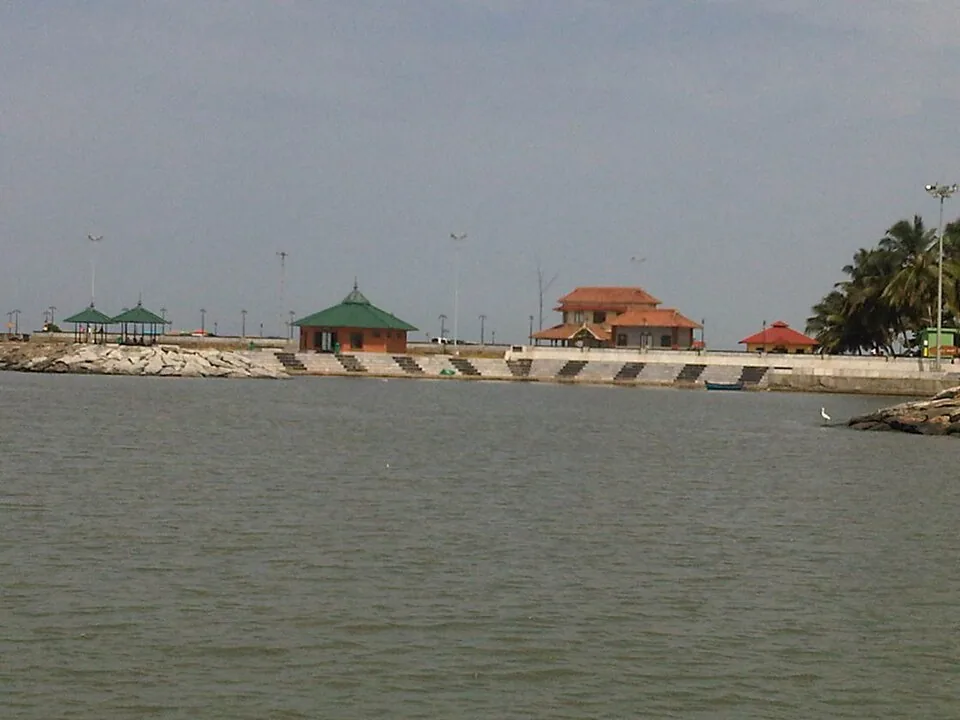
- Beypore is about 10 km south of Kozhikode; pair it with the beach and the pulimuttu sea-wall for sunset.
- There is no fixed “show” — you see whatever ship happens to be on the stocks, which is part of the appeal.
Frequently asked questions
What is the Beypore uru?
The uru is a large, hand-built wooden dhow made at Beypore near Kozhikode for the Arab trade. The craft is close to two thousand years old, and Beypore is among the last places it survives as a living tradition.
How is an uru built?
An uru is built almost entirely by hand, without detailed engineering drawings — shaped from the knowledge of a master carpenter and his team, passed down through generations. A large uru can take years to finish.
Why was Beypore a shipbuilding centre?
Beypore sits where the Chaliyar river meets the sea. Teak was floated down the river from the Nilambur forests, and finished ships could sail straight into the Arabian Sea toward the Gulf — an ideal meeting of timber and trade.