The signature experience at Ezhattumugham is a footbridge, and the reason it is the signature experience is that it moves.
A suspension bridge is strung across the Chalakudy here — reported at roughly 250 metres long and about 10 metres above the water, though you should confirm the figures locally. It sways laterally and bounces vertically as you walk, and it does both more enthusiastically the more people are on it. Half the visitors cross it giggling and half cross it gripping the cable, and everybody stops in the middle for the view up and down the braided river.
What is on the other side
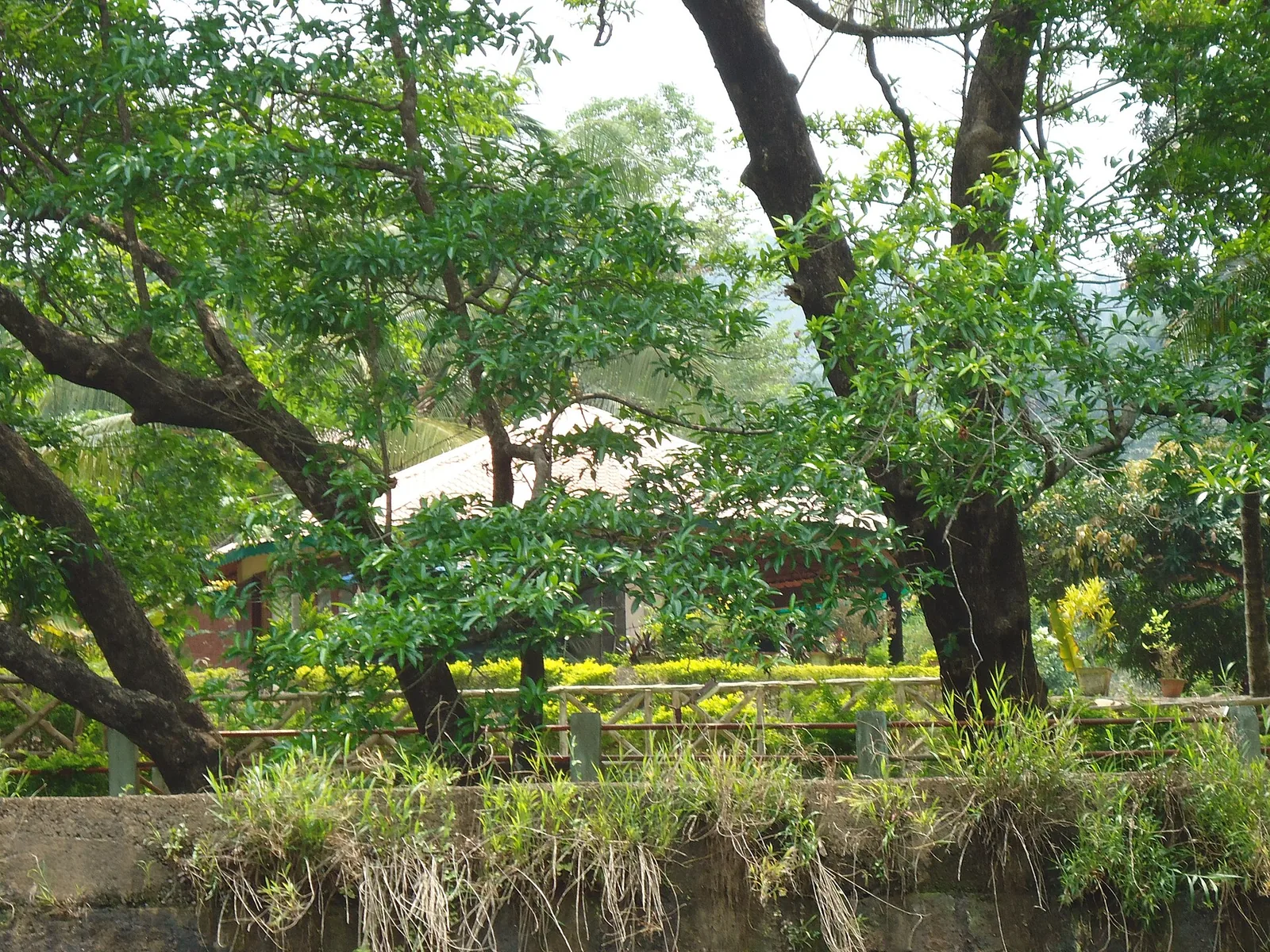
Prakriti Gramam — literally Nature Village — is the organised heart of the visit: an eco-tourism park laid out beside a check-dam across the channel. It is compact and easily walked, and it turns a short stop into a half-day of pottering.
Inside it: a butterfly garden said to host around 140 species, including the huge southern birdwing, the blue tiger and the common rose; a medicinal-herb garden explaining plants used in Ayurveda; a small tribal museum of indigenous artefacts and everyday objects; a children’s park; and beds of ornamental flowering plants. None of it is grand. All of it is pleasant, and it gives children something to do that is not standing in a river.
- The suspension footbridge is reported at roughly 250 m long and about 10 m above the water — confirm locally.
- It sways and bounces by design. If you have a real problem with heights or motion, the riverbank is just as good.
- Prakriti Gramam is a compact eco-park beside a check-dam: butterfly garden, herb garden, tribal museum, children’s park.
- The butterfly garden is reported at around 140 species — best in the morning, when butterflies are active.
- Allow two to three hours for the bridge, the park and time on the rocks. Confirm entry charges at the counter.
Why the check-dam matters more than it looks
The park sits on the flank of a check-dam across the Chalakudy, associated with the Thumboormuzhi scheme upstream, which steadies the flow and feeds irrigation for the surrounding farmland. That steadied, pooled water is a large part of why the dry-season river here is so approachable in the first place — the wadeable, rock-pool, spread-a-towel-on-a-boulder character of the place is partly engineered.
It is a small thing to notice and it changes the reading of the landscape. Ezhattumugham feels like untouched countryside. It is in fact a managed reach of a heavily managed river, and it is lovely anyway.
The countryside around it
Beyond the park the approach roads run through working land — rubber, banana and sweeping oil-palm plantations — and the village keeps the unhurried rhythm of rural Kerala rather than the polish of a resort town. That is the draw. Ezhattumugham stayed low-key while its neighbours upstream became famous, and it rewards people who want the smell of the river and the shade of the trees more than a list of attractions.
Fitting it into the day
It works best as the quiet end of an Athirappilly day. Do the waterfalls in the morning while you still have the energy for the stepped descent to the base, drive down the valley, and finish here on the rocks in the late afternoon light with a bridge to bounce on. The reverse order works too, but it wastes the best hours of the river.
Frequently asked questions
How long is the hanging bridge at Ezhattumugham?
It is reported at roughly 250 metres long and about 10 metres above the Chalakudy, though figures for it vary and are worth confirming locally. It sways and bounces as you cross, which is a large part of why people come.
What is Prakriti Gramam?
The Nature Village — a compact eco-tourism park beside a check-dam on the Chalakudy at Ezhattumugham, containing a butterfly garden, a medicinal-herb garden explaining Ayurvedic plants, a small tribal museum, a children’s park and ornamental plant beds. It is easily walked in an hour or so.
How many butterfly species are in the butterfly garden?
It is reported to host around 140 species, including the southern birdwing — one of India’s largest butterflies — along with the blue tiger and the common rose. Mornings are the best time, when butterflies are most active.
Is the bridge safe if I am afraid of heights?
It is a maintained suspension footbridge, but it genuinely sways and bounces, and more so the busier it is. If heights or motion are a real problem for you, skip it — the riverbank and the rocks on the near side are just as good and are the main reason to come.
How much time should I allow at Ezhattumugham?
Two to three hours covers the bridge, Prakriti Gramam and time on the rocks by the river. Confirm current entry charges at the counter, as rates change.
Can I combine Ezhattumugham with Athirappilly?
Yes, and it is the natural pairing — Ezhattumugham is downstream on the same river. Do the falls in the morning, including the stepped walk to the base, then come down the valley and finish here on the rocks in the late afternoon light.