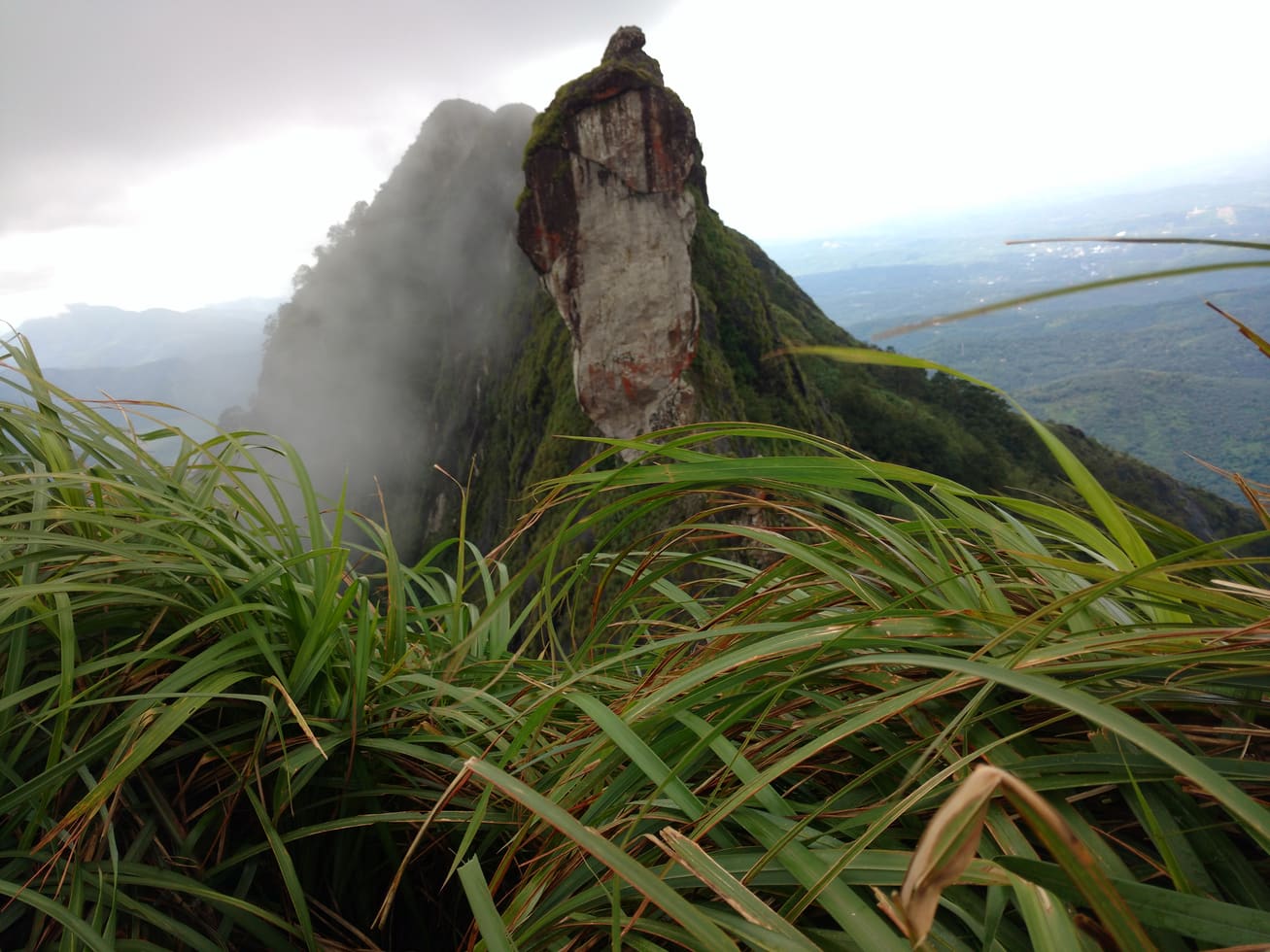
Some mountains are famous for their views. Illikkal Kallu, the blade of rock that rears over the Pala–Erattupetta highlands of Kottayam, is famous for a flower — one that, so the old stories insist, no honest map will ever mark. They call it Neelakoduveli, the blue bloom, and for generations the hill people have whispered that whoever holds it will never again know want.
It should be said plainly at the outset: this is legend, not botany. What follows is folklore gathered around a real and dramatic rock — beliefs that locals have carried, embellished and half-believed for a very long time. Take it in that spirit, the way you would a story told at dusk with the mist rolling in below.
The flower that draws gold
The Neelakoduveli is said to grow near the summit of Illikkal Kallu, on the highest of its rocky humps. In the telling, it is no ordinary plant. Its blue flower is credited with supernatural power — the ability to increase wealth, bring prosperity and guarantee a rich harvest to the household that keeps it. Some versions of the tale go further still, claiming the bloom can literally pull gold and coin towards it, as a magnet pulls iron.
Because of that promise, the flower has never wanted for seekers. Local tradition speaks of sages, alchemists and treasure-hunters climbing into these hills in search of it, and of ordinary villagers who set out quietly, telling no one, hoping to change their fortunes in a single season. That the plant is also described as a rare medicinal herb only deepened its mystique.
- The Neelakoduveli story is folklore — a belief handed down locally, not a verified fact.
- No wealth-granting flower is documented growing on Illikkal Kallu.
- Enjoy the tale for what it is: part of the hill’s cultural life, not a reason to climb.
Why the hunters go — and why they return empty-handed
Every good treasure has its guardian, and the Neelakoduveli is no exception. In the folklore, the flower is protected by supernatural beings said to haunt the crags, making it all but impossible to reach. The seeker who spots the bloom finds it slips from his grasp; the path that led him up seems to close behind him; a mist descends and turns the familiar ridge into a maze. So the hunters come back down with nothing — and the legend survives another generation intact, which is, of course, exactly what a good legend needs to do.
There is a shrewd truth folded inside the myth. Illikkal Kallu genuinely is a perilous place — a near-vertical rock with a notorious sliver of a ridge and drops that fall away into cloud. A story that says the summit hides a guarded prize is also, conveniently, a story that keeps the reckless from scrambling where they should not. The guardians of the flower and the dangers of the rock have long spoken with the same voice.
A rock woven into Kerala’s story-world
Illikkal Kallu does not tell its tale alone. It sits within Kerala’s wider landscape of highland folklore — the same misty ranges that gave rise to yakshi legends, sorcerer-priests and enchanted groves. Features of the rock carry their own names and lore: a wafer-thin natural span between the hills is called Narakapalam, the bridge to hell, a name that needs no explanation once you have stood beside it.
For the villages of Moonnilavu and Thalanadu below, the hill is landmark, weather-vane and story all at once. Elders point to it and recite the Neelakoduveli tale to children; trekkers arrive having heard it and scan the grass half-seriously for a flash of blue. Whether or not the flower is real, the belief in it is — and that belief is as much a part of Illikkal Kallu as its rock.
Frequently asked questions
Is the Neelakoduveli a real flower?
It is a creature of legend. Local tradition holds that a mythical blue medicinal bloom called Neelakoduveli grows on Illikkal Kallu and grants wealth, but no such wealth-granting plant is scientifically documented there. Treat it as folklore.
What is the Neelakoduveli said to do?
In the legend it brings prosperity, a rich harvest and even the power to draw gold to whoever possesses it. That promise is why sages, alchemists and villagers were said to hunt for it.
Why is the flower supposedly so hard to find?
Folklore says supernatural beings guard it, hiding the bloom from seekers with mist and misdirection. The tale doubles as a warning about the genuinely dangerous, near-vertical rock.
Is the legend connected to other Kerala myths?
It belongs to the broader tradition of highland folklore across Kerala’s misty ranges — stories of guarded treasures, spirits and enchanted heights — rather than to a single fixed narrative.