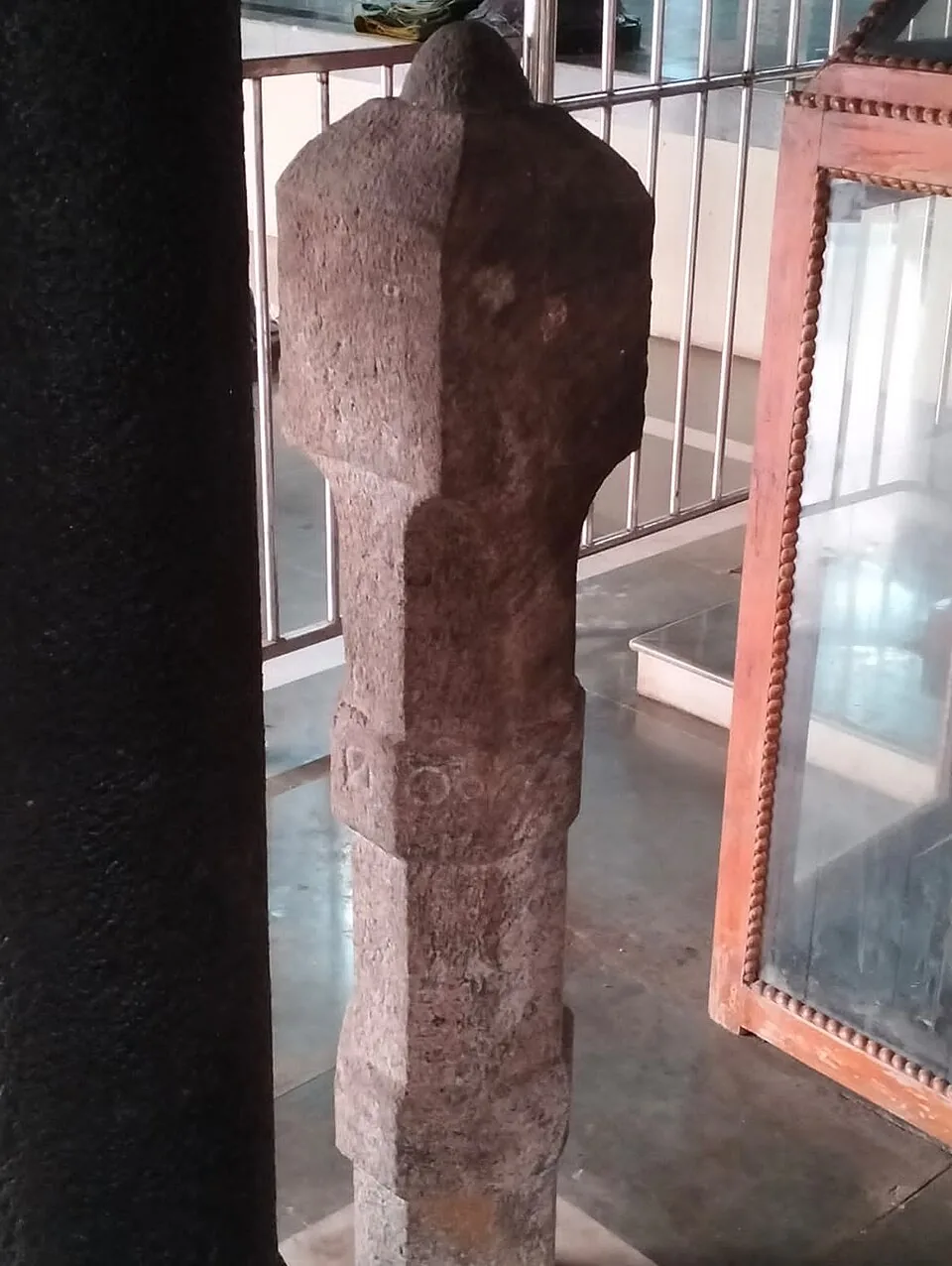
Behind the Sree Krishna temple complex at Kalady, inside the grounds of the Sringeri Math, is a ghat on the Periyar and a samadhi with a stone lamp beside it. This is where Adi Shankara is said to have cremated his mother, and the reason the story is still told is not that he did it. It is that he was not allowed to.
The promise
Shankara left Kalady as a boy to become a sannyasi — a renunciate — and the tradition is clear that his widowed mother Aryamba let him go only under duress, and only after extracting a promise: that whatever else he renounced, he would come back to perform her last rites.
That promise is a genuine problem in its own terms, and everybody involved knew it. Formal renunciation severs a man from his family, his lineage and his ritual obligations. A sannyasi has performed his own funeral rites; he is, in the terms of the tradition, already dead to the world of household duty. A sannyasi cremating his mother is a contradiction.
The refusal
He came back, as promised. And according to the tradition the community would not help him — the local Nambudiris are said to have refused to assist with the cremation on precisely those grounds, and to have denied him the use of the common cremation ground.
So he did it alone, in the courtyard of his own house. The samadhi you can stand beside is on that ground, now inside the Sringeri Math complex by the river.
- He kept a promise that his own philosophical position said he should not keep.
- His community enforced the rule against him, and he accepted the cost rather than the rule.
- He performed the rites without help, on family ground, because that was what was left.
- It is the most domestic episode in the life of a man whose philosophy is about the unreality of the domestic.
Take it as tradition rather than documented event — the biographical material on Shankara is hagiography written long after him, and his dates are argued over across centuries. But the episode has stayed at the centre of how he is remembered, and that is a fact about the tradition even if it is not a fact about the eighth century.
What is there now
A ghat on the Periyar, the samadhi, a stone lamp, and the river. It is a small, quiet, unspectacular place, and it is much the most affecting corner of Kalady. There is no ticket and nothing is staged.
The same ghat carries the other great Kalady legend — Muthala Kadavu, the crocodile ghat, where the young Shankara is said to have been seized in the water and to have told his mother he would die unless she permitted him to renounce the world. She consented; the crocodile released him. So the same few metres of riverbank hold both ends of the relationship: the permission that let him leave, and the rites that brought him back.
How to visit
It is inside the Sringeri Math complex at Kalady, alongside the birthplace temple, and reached on foot from the main entrance. Dress modestly, keep your voice down, and treat it as what it is rather than as a photo stop. Combine it with the Sree Krishna temple next door and the Keerthi Sthambha Mandapam.
And if you only have twenty minutes in Kalady, spend them here rather than in the tower. The tower explains Advaita Vedanta. The riverbank explains the man.
Frequently asked questions
Where is Aryamba’s cremation site at Kalady?
On the ghat by the Periyar inside the Sringeri Math complex, next to the birthplace temple. A samadhi and a stone lamp mark the spot, on ground traditionally identified as the courtyard of the family house.
Why was Adi Shankara refused help at his mother’s cremation?
Because he was a sannyasi. Formal renunciation severs a man from family ritual obligations — in the tradition’s terms he had already performed his own funeral rites. The local Nambudiri community is said to have refused assistance and the use of the common cremation ground on those grounds, so he performed the rites alone in his own courtyard.
Is the Aryamba story historically documented?
It is tradition rather than record. The biographical material on Adi Shankara is hagiography composed long after his lifetime, and even his dates are disputed across centuries. The episode is central to how he is remembered, which is a fact about the tradition rather than about the eighth century.
What is Muthala Kadavu?
The crocodile ghat on the Periyar at Kalady. Tradition holds that the young Shankara was seized by a crocodile while bathing and told his mother he would die unless she allowed him to become a renunciate; she consented and the crocodile released him. It is on the same stretch of riverbank as the cremation site.
Can anyone visit the samadhi?
The ghat and samadhi are within the Sringeri Math complex and reached on foot from the main entrance. Dress modestly and keep quiet — it is a memorial rather than an attraction, and it is treated as one locally.
What should I see first at Kalady if I am short of time?
The ghat and samadhi. The Keerthi Sthambha Mandapam explains Shankara’s philosophy in eight storeys of murals; the riverbank explains the person, and takes ten minutes.