At half past ten in the morning, a double-decker boat used to pull away from the jetty at Alappuzha with up to 75 passengers on board. By about five in the evening it reached Kollam, after a day spent crossing Vembanad, Kayamkulam and Ashtamudi lakes. That was the Kollam Alleppey ferry, a public boat run by the State Water Transport Department. For the travellers who rode it, it was the longest water route in Kerala.
Kerala Tourism had long promised visitors exactly that journey. Its 2012 newsletter described an eight-hour backwater cruise from Kollam to Alappuzha that winds through lakes, canals and villages surrounded by water. DTPC Kollam calls the route along the lake the best backwater cruise in Kerala. So the idea of one boat covering the whole stretch became part of how travellers pictured the backwaters.
Keeping that boat running proved harder than selling the idea. The SWTD first introduced its Alappuzha–Kollam service in June 2012, but it was stopped because it did not pay its way. The department brought it back on 9 October 2016 to draw tourists, and Deccan Chronicle reported that 40 passengers joined the first trip. The boat left Alappuzha at 10.30 am on alternate days and returned the next day, and in 2016 the fare was Rs 400.
What travellers paid for was a full day afloat. The boat master told Deccan Chronicle that passengers would get at least eight hours of cruising, with a short briefing on the places and history they passed along the way. Refreshments were served on the upper deck, which held 25 people, and a crew of a driver, a srank, a boat master and two lascars ran the boat. Domestic tourists from the Malabar coast were among the first to take it up.
Once people found it, the route became the department's most sought-after cruise. Onmanorama reported in 2024 that during peak tourist seasons the SWTD used to collect an average of Rs 60,000 a day from it. One passenger, a software worker from Cherthala, told the paper that travelling the longest water route in the state had been an unforgettable experience.
Then the pandemic halted the service, and the water itself kept it from coming back. Officials told Onmanorama that silt had piled up at Chavarthodu, Kanjippadam and Karumadithodu, forming sandbanks that made the route unnavigable. When the SWTD sent a trial boat out, it ran aground on the Ashtamudi lake bed near Thevally, and plans to restart were dropped.
Silt was only part of the problem, because the route also has to pass under the works of other departments. A footbridge at Kovilthottam blocks boats wider than four metres, which rules out bigger new vessels. Long-haul services also need a minimum speed of seven nautical miles an hour. Boats would have to crawl through several stretches, so the SWTD warned that the service would struggle to pay its way.
The department did put forward a fix. It recommended protection embankments, higher bridges and deeper river mouths such as Thottapally, but the National Inland Waterways Authority answered that the waterway was in good condition. An authority official in Kochi told Onmanorama that a revised tender would be floated to dredge the affected stretches of National Waterway 3, after an earlier tender drew no bidders.
The state had even larger plans for the same water. A night service from Alappuzha to Kollam and on to Ernakulam was proposed, but the uneven route, thin infrastructure for long trips and the speed rule held it back. So as of Onmanorama's report in March 2024, the longest water road in Kerala was waiting on a dredger rather than a timetable.
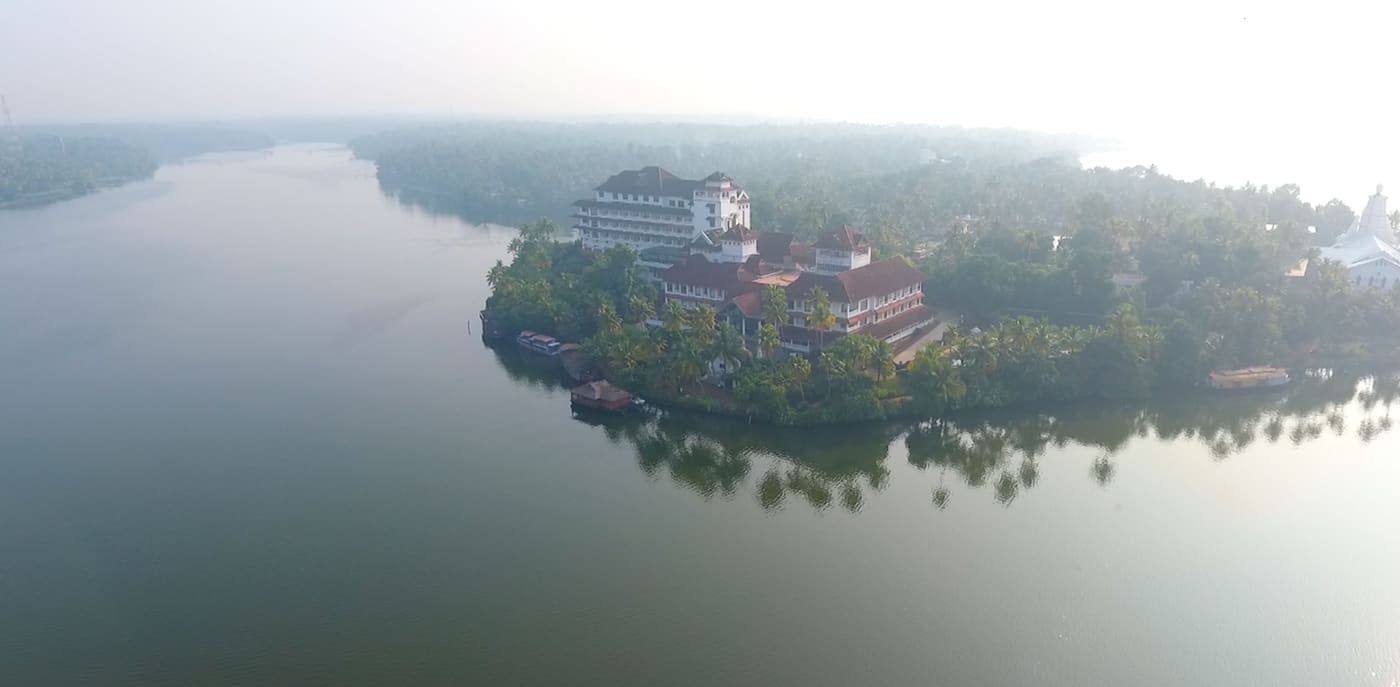
The Kollam end of the route is still the open water of Ashtamudi Lake, where houseboats and canoe trips run in the cool months. Canoes also slip into the narrow canals of Munroe Island. So a visitor in Kollam still meets the backwaters from the water, even while the long boat stays at the jetty.
Frequently asked questions
How long was the Kollam to Alleppey boat journey?
The SWTD boat left Alappuzha at 10.30 am and reached Kollam around 5 pm, giving about eight hours on the water.
Which lakes does the Alappuzha–Kollam route cross?
It crosses Vembanad, Kayamkulam and Ashtamudi lakes, linked by canals through waterside villages.
Why did the Kollam Alleppey ferry stop running?
It stopped during the pandemic, and silt at Chavarthodu, Kanjippadam and Karumadithodu kept it from restarting.
How much did the Alappuzha–Kollam boat cost?
Deccan Chronicle reported a fare of Rs 400 when the SWTD restarted the service in October 2016.