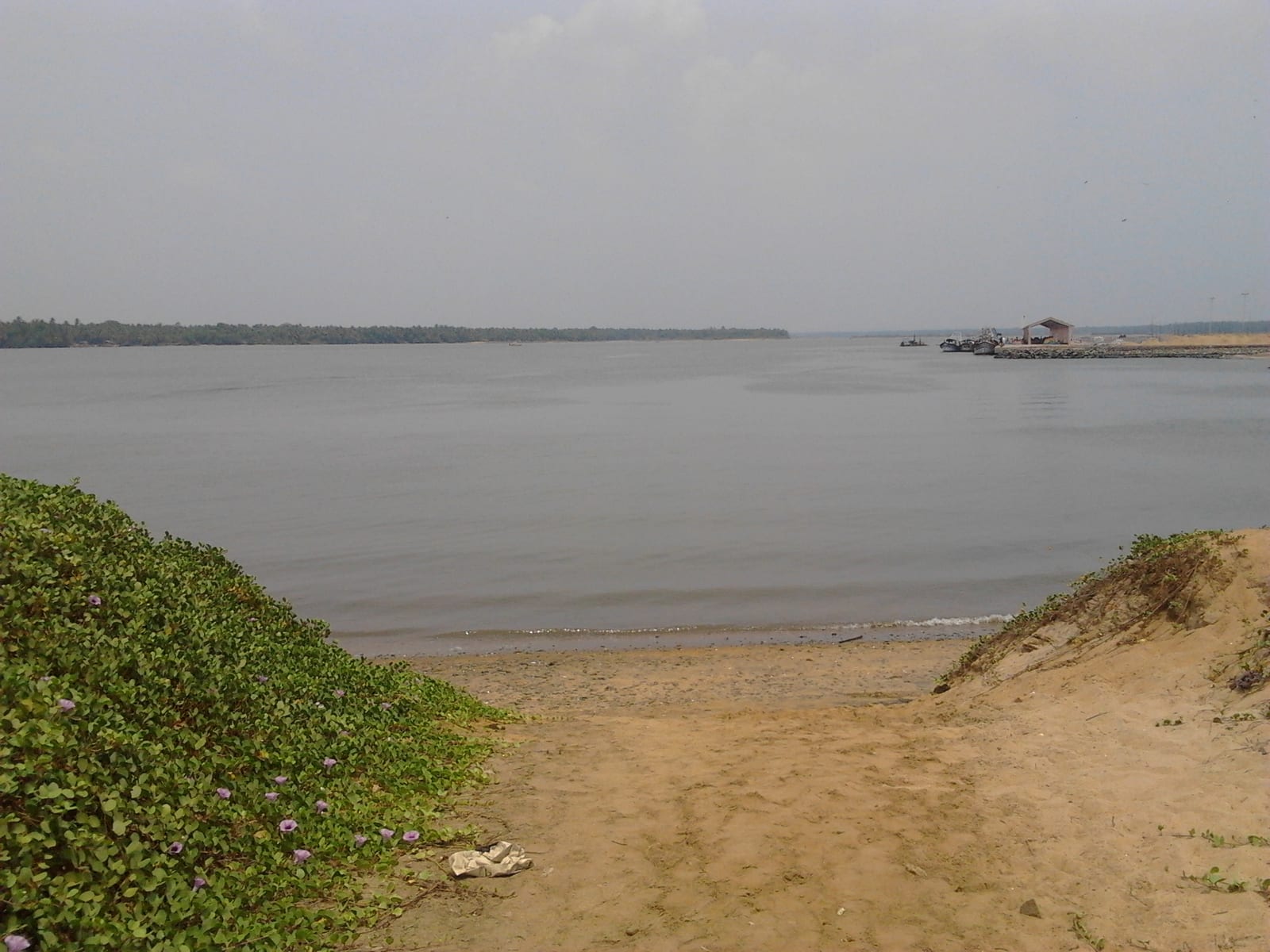
On the banks — and the dry season sands — of the Bharathapuzha at Tirunavaya, medieval Kerala once staged one of its grandest and most extraordinary events: the Mamankam. It was a duodecennial fair, held once every twelve years, drawing crowds, traders and rulers from across the region. Today Tirunavaya is a quiet riverside temple town, and almost nothing of the spectacle survives except the memory and the name.
A fair every twelve years
The Mamankam’s origins are lost in antiquity — it is dateable at least to before the era of the later Cheras — but it grew into a mass gathering on the Bharathapuzha (the Nila, or Perar) that combined trade, pilgrimage and a display of political power. After the Zamorin of Calicut seized control of Tirunavaya around 1486, the festival became the stage on which he displayed his supremacy over the region.
The chaver warriors
That supremacy was bitterly contested. The Valluvanad chief, whom the Zamorin had displaced, sent chaver — suicidal Nair warriors sworn to die — to try to cut their way through the Zamorin’s guards and kill him during the festival. They almost never succeeded, and almost always died in the attempt; wave after wave came across the twelve-year cycles. It is this shadow of ritual sacrifice that makes the Mamankam so haunting a piece of Kerala’s past.
The end of the Mamankam
The last Mamankam was held in 1755. Not long after, the conquest of Kozhikode by the Sultan of Mysore in the 1760s ended the Zamorin’s power and the festival with it. Visiting Tirunavaya now is an act of imagination — a peaceful river where an epic once played out.
- Tirunavaya is a quiet riverside temple town on the Bharathapuzha — come for the history and the river, not a re-enactment.
- It sits between Tirur and the highway, easy to fold into a heritage day with Thunchan Parambu.
- Be respectful at the Navamukunda temple and the riverside ghats, which are active places of worship and ritual.
Frequently asked questions
What was the Mamankam?
A medieval fair held once every twelve years at Tirunavaya on the Bharathapuzha river in Malappuram — a mass gathering of trade, pilgrimage and political display, presided over by the Zamorin of Calicut.
Who were the chaver warriors?
Suicidal Nair warriors from Valluvanad, sworn to die, who tried to assassinate the Zamorin of Calicut during the Mamankam to reclaim control of the festival. They almost always perished in the attempt.
When did the Mamankam end?
The last Mamankam was held in 1755; the festival ended soon after, as the Sultan of Mysore’s conquest of Kozhikode in the 1760s broke the Zamorin’s power.