The tea hills of Munnar are so much the image of Kerala’s high range that they seem to have always been there. In fact they are barely a century and a half old. Before the 1870s the high Kannan Devan hills were forest and grassland, home to hill communities and little else. The vast, manicured tea landscape that draws travellers today was made, estate by estate, by planters who saw what this cool, high country could grow.
Opening the high range
The story begins in the 1870s, when John Daniel Munro secured rights over the Kannan Devan hills and European planters began clearing forest around Devikulam. They tried coffee and other crops, but it was tea — suited to the altitude, the cool air and the slopes — that took hold and spread across the hills through the following decades.
The Kannan Devan estates and Tata
By the end of the 19th century the estates were consolidated under the Kannan Devan Hills company, and cultivation spread across thousands of hectares of the high range. In the 20th century the estates passed to Tata, whose long association with Munnar shaped the modern plantation town. Today the high-grown Munnar tea remains one of India’s most celebrated, and the plantations still define the landscape and the local economy.
Seeing the tea story
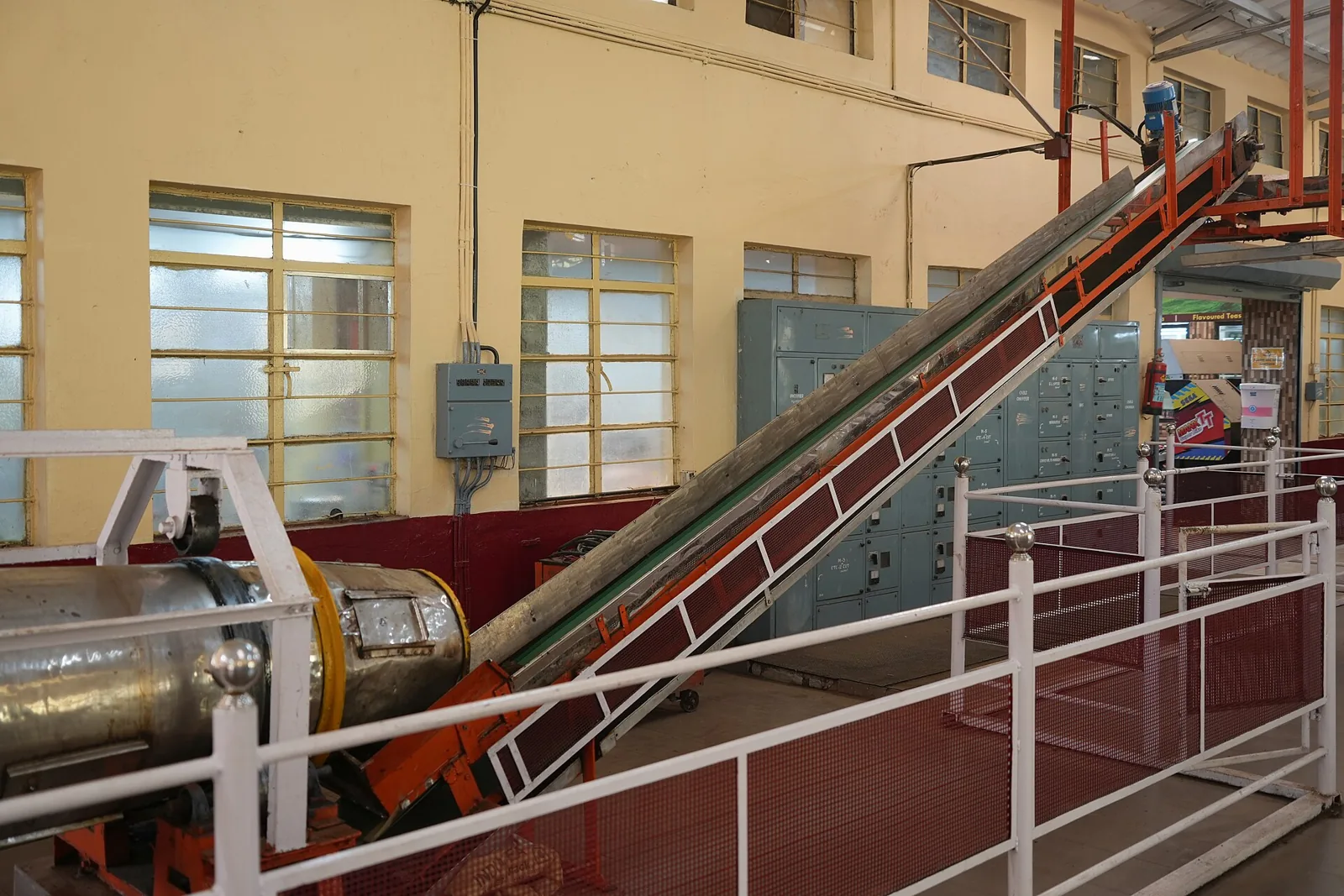
The best way to understand it all is at the Tata Tea Museum in Munnar, which lays out the history of the Kannan Devan estates and demonstrates how the leaf is processed, from plucking to the finished cup. Combine it with a drive or walk through the estates themselves — the rolling, hand-plucked slopes are the story made visible.
- The Tata Tea Museum is the best single place to grasp Munnar’s tea history and processing; check its opening days and hours.
- The estates are private working plantations — enjoy them from roads and marked paths, and don’t disturb the pluckers.
- Early morning light on the tea slopes is the loveliest for photos.
- Combine the tea story with Munnar’s viewpoints and the Eravikulam National Park nearby.
Frequently asked questions
When did tea cultivation begin in Munnar?
From the 1870s onward, after John Daniel Munro secured rights over the Kannan Devan hills and European planters began clearing the high forest around Devikulam. Tea proved best suited to the altitude and spread across the hills in the following decades.
Who owns the Munnar tea estates?
The estates were consolidated under the Kannan Devan Hills company in the late 19th century and later passed to Tata, whose long association shaped the modern plantation town. High-grown Munnar tea remains among India’s most celebrated.
Where can you learn about Munnar’s tea history?
At the Tata Tea Museum in Munnar, which tells the story of the Kannan Devan estates and demonstrates tea processing from leaf to cup — best combined with a walk or drive through the estates themselves.