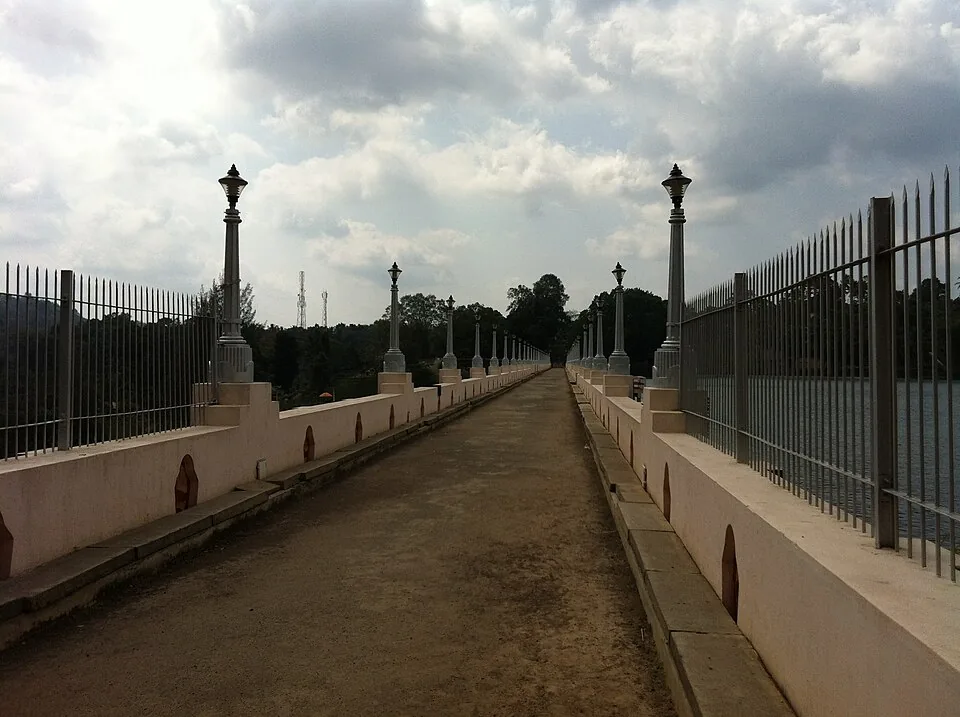
A visitor heading to Neyyar Dam may notice the ashram as another place beside the water. Someone staying at Sivananda Yoga Vedanta Dhanwantari Ashram encounters the same setting through a timetable. The lake remains nearby, but waking, practice, meals and evening gatherings shape the day. Understanding that change of rhythm is the beginning of choosing this stay well.
Before the yoga campus
Sivananda’s published history says the property belonged to Gopala Vaidya, an Ayurvedic physician, and operated as an Ayurveda retreat. It passed to Swami Vishnudevananda in 1978, the year of its first Sivananda teachers’ training course. The institution’s later name and programme therefore grew from an earlier place associated with care and practice.
The history, published in its 2020 YogaLife magazine, describes original halls and a temple remaining in use at that time, followed by expanding accommodation. That is a dated account of the campus, rather than a current room inventory. Its interesting contribution is the sequence: an earlier retreat, a new teaching institution, and a growing residential community sharing the Neyyar setting.
The timetable becomes the experience
The current Yoga Vacation page describes morning and evening satsang, yoga classes, a lecture, vegetarian meals and karma yoga, or service. These activities are the programme itself. A traveller looking only for a quiet room near the reservoir should read this structure before deciding that the ashram is the right kind of accommodation.
The schedule gives the day a shared shape. Your plans meet the community’s plans at the practice hall and dining area; free time sits between them. That can appeal to someone who wants an organised introduction to practice. It can feel restrictive to someone who wants every morning left open for sightseeing. Neither reaction needs a claim that the programme will transform everyone who attends.
What joining means in practice
The ashram’s guidelines make attendance part of the residential programme. They also set clothing, phone-use, silence and recording rules. Asana classes are described as open to resident guests. The institution is therefore not a drop-in activity included with a Neyyar Dam ticket, and a photograph of its yoga hall does not establish permission to enter or observe a class.
Read those guidelines with your travel companions before paying. If one person wants structured practice and another wants daily independent outings, discuss that difference first. Ask the ashram how your intended stay fits its programme and what arrangements apply to your group. A clear expectation is more useful than discovering the routine after check-in.
Book the programme, then the journey
When checked in September 2026, the Yoga Vacation page stated a minimum three-night stay. Its arrival announcement said that from October 16, 2026, check-in would be available only between 8 a.m. and 7:30 p.m. These are dated booking details, so reconfirm them for your own dates and allow for the final road journey before choosing a late flight arrival.
Request a written confirmation naming the room type, programme dates, meal arrangements and total charge. Ayurvedic therapies are listed separately from Yoga Vacation inclusions; do not assume a residential yoga rate covers a treatment programme. Anyone seeking treatment should discuss the proposed service directly with its clinical team rather than relying on a travel article’s general description.
Two different Neyyar visits
A dam-side outing and an ashram stay share a setting but involve different commitments. Use the Neyyar Dam place page to understand the surrounding location. Use the ashram’s own programme and admission information to decide whether you want to join its daily rhythm. Confirm any separate reservoir activity through that activity’s operator.
The earlier Ayurveda chapter makes this more than a yoga centre discovered beside a tourist lake. People used the property for another form of retreat before the present teaching institution developed. The continuing story is in that use of the place: a lakeside setting organised around a practice, and a visitor deciding whether to become a participant.