Fort Kochi's street plan is a history lesson. The name itself comes from Fort Emmanuel, the bastion the Portuguese raised here in 1503 — and almost every famous sight on the peninsula marks a turn in the same long story of spice, trade and empire. This is the short version.
- 14th c. — Chinese traders are credited with bringing the shore-operated fishing nets.
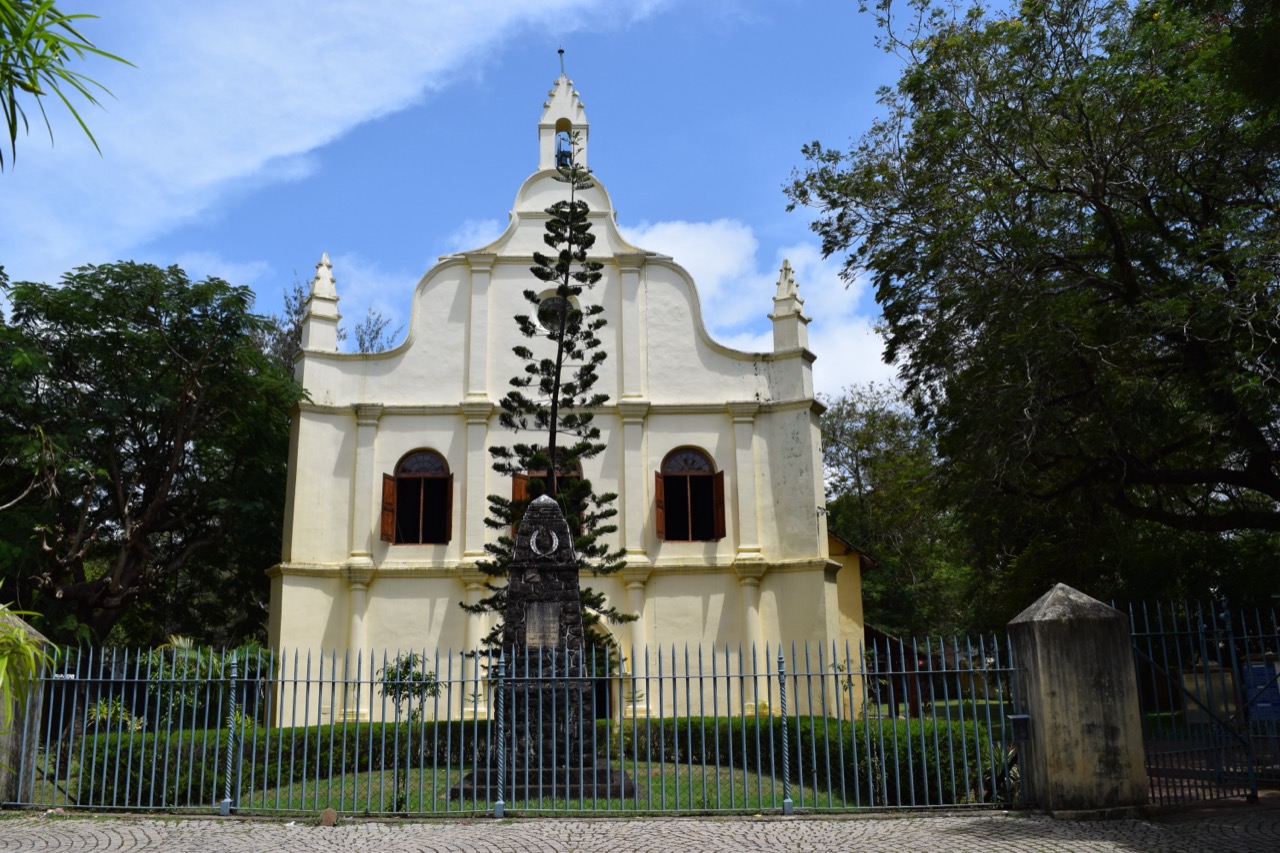
- 1503 — The Portuguese build St Francis Church and Fort Emmanuel.
- 1524 — Vasco da Gama dies in Kochi and is buried at St Francis Church.
- 1568 — The Paradesi Synagogue is built in Mattancherry Jew Town.
- 1663 — The Dutch take Cochin; the "Dutch Palace" gets its name.
- 1795 — The British take over, and Cochin becomes a colonial trading port.
Before the Europeans: a spice port
Long before any fort, Kochi was a natural harbour on the pepper-and-cardamom trade routes that drew Arab, Chinese and Jewish merchants to the Malabar Coast. One folk reading of the name "Cochin" is co-chin — "like China" — a nod to the Chinese traders who, by tradition, left behind the cantilevered fishing nets still worked along the shore.
The Portuguese century (1500s)
The Portuguese arrived with Vasco da Gama and made Cochin their first Indian foothold. In 1503 they built St Francis Church — now one of the oldest European churches in India — and Fort Emmanuel on the shore. When da Gama died here in 1524, he was buried at St Francis; his remains went to Lisbon fifteen years later, but the gravestone remains.
The Cochin Jews and Jew Town
Kochi's Jewish community — the older Malabari Jews and later Sephardic refugees fleeing Iberian persecution — settled in Mattancherry. In 1568 they built the Paradesi Synagogue, today the oldest active synagogue in the Commonwealth of Nations, its floor laid with hand-painted Cantonese tiles. The surrounding "Jew Town" became a spice-trading quarter that still trades today.
Dutch and British Cochin
The Dutch ousted the Portuguese in 1663 and refurbished the Portuguese-built palace in Mattancherry — which is why we still call it the Dutch Palace even though they neither built it nor lived in it. The British took control in 1795, and Cochin grew into a busy colonial port whose godowns, bungalows and the colonial-era Dhobi Khana laundry still line the streets.
Walk the history yourself
Where the history is still standing
Church in Fort Kochi.
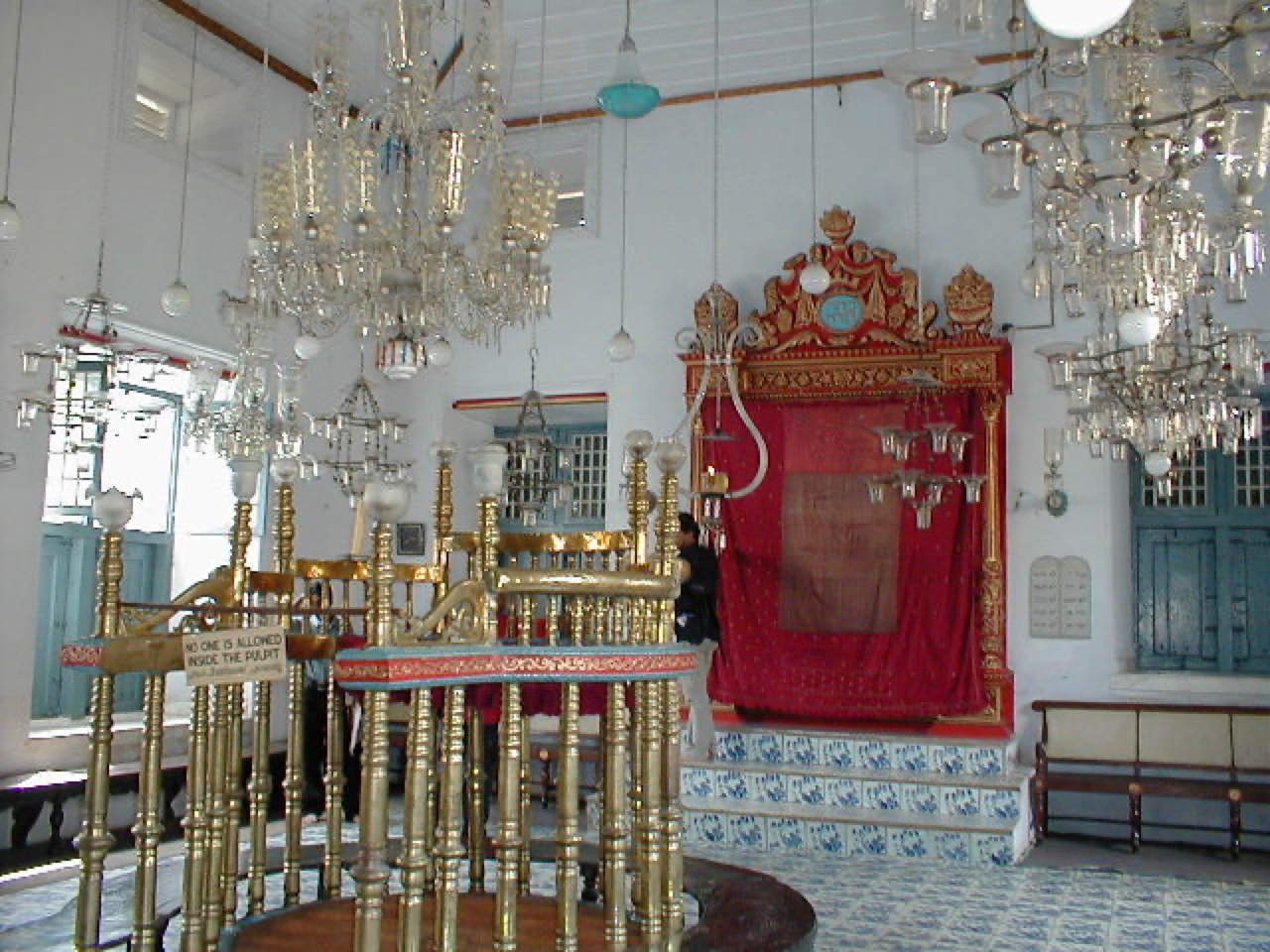
Synagogue on Palace Road in Fort Kochi.
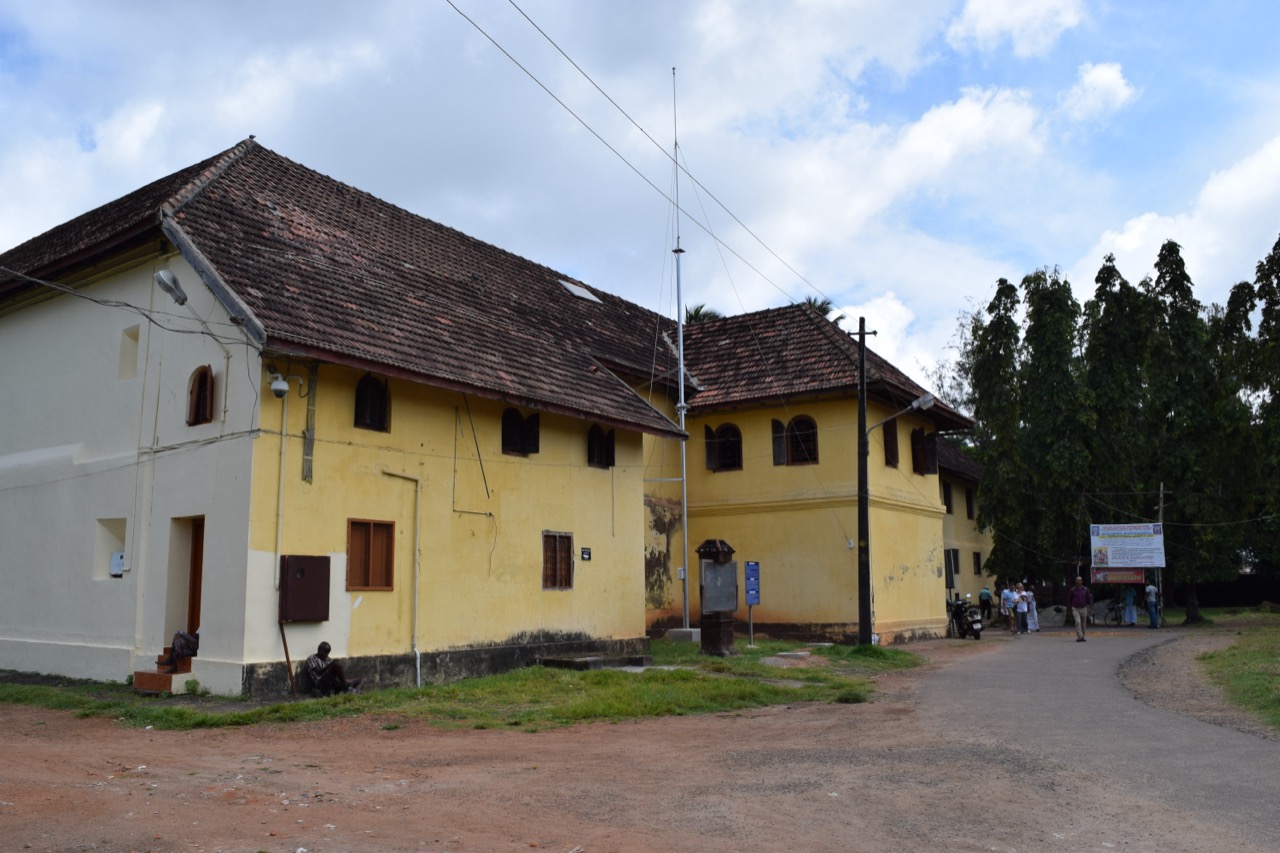
Museum in Fort Kochi.
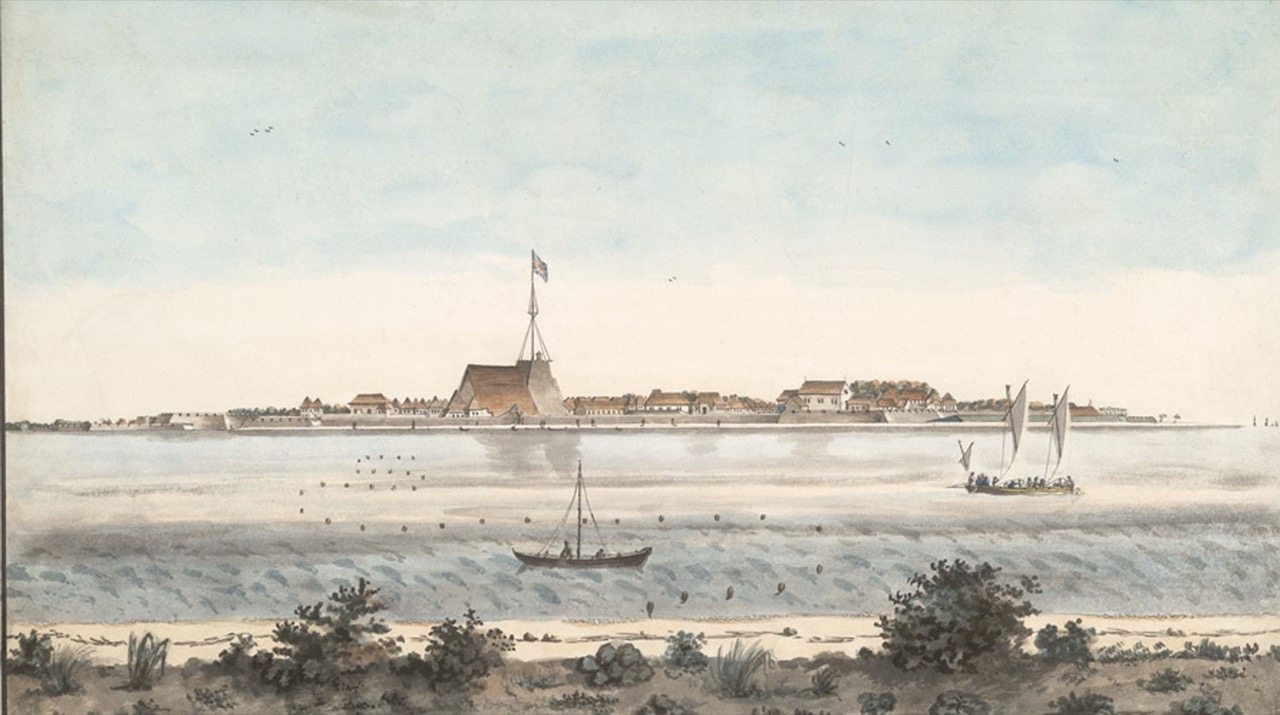
Heritage ruins in Fort Kochi.
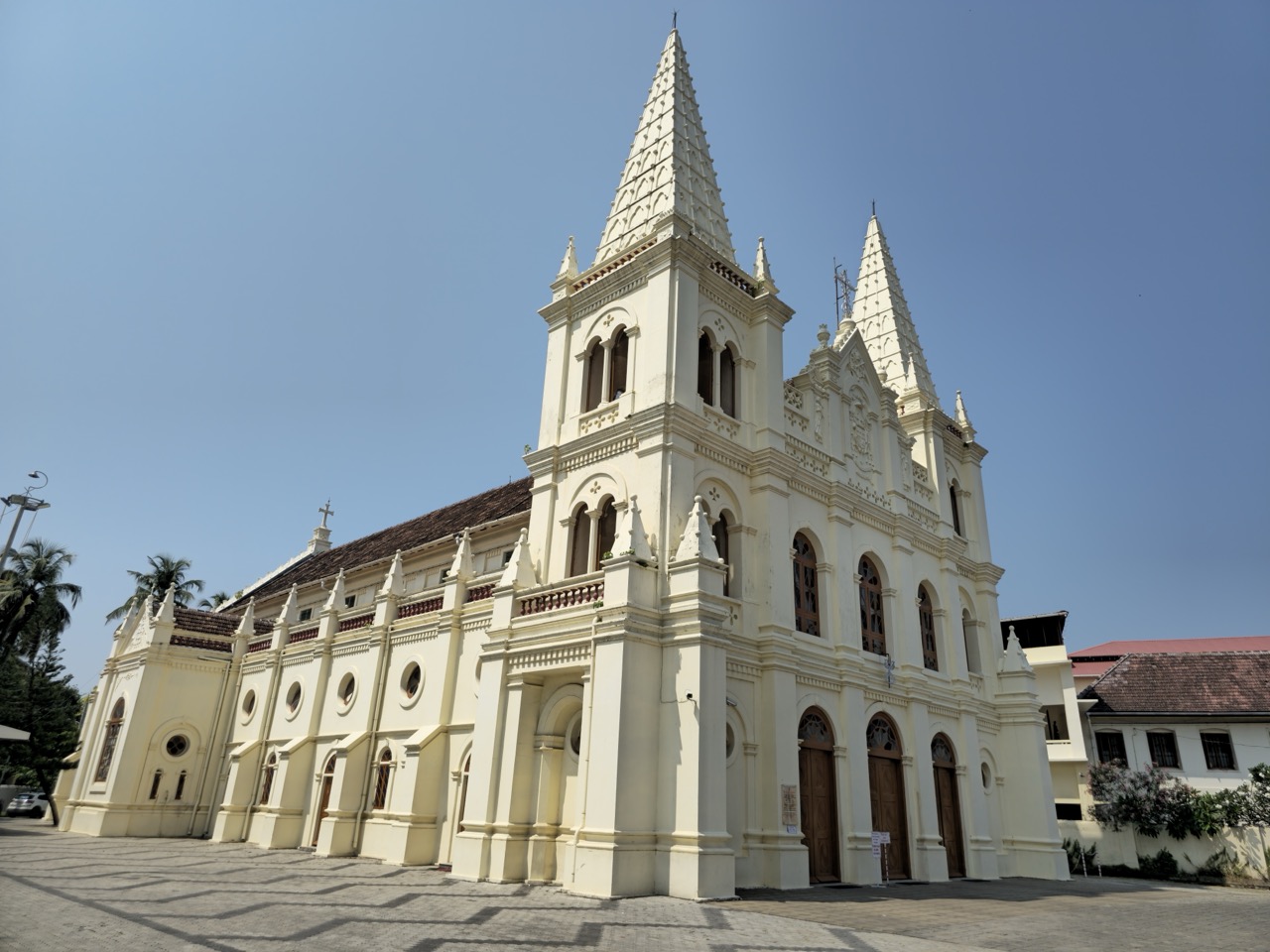
Church on KB Jacob Road in Fort Kochi.
Frequently asked questions
Why is it called Fort Kochi?
After Fort Emmanuel (Fort Immanuel), the fortification the Portuguese built on the peninsula in the early 1500s. The fort is largely ruined now, but it gave the district its name.
Who built the Dutch Palace in Kochi?
The Portuguese built it and gave it to the Raja of Cochin in the 16th century. The Dutch later renovated it after taking Cochin in 1663 — hence the popular name "Dutch Palace," though its formal name is Mattancherry Palace.
Is Vasco da Gama buried in Fort Kochi?
He was originally buried at St Francis Church in 1524 after dying in Kochi. His remains were moved to Lisbon about fifteen years later, but his original gravestone is still marked inside the church.
How old is the Paradesi Synagogue?
It was built in 1568, making it over 450 years old and the oldest active synagogue in the Commonwealth of Nations.