What to expect
Highlights
- Church visit at St. Francis Church
- Pilgrimage, architecture or local Christian heritage
- Nearby town food and stays
Believed to be the oldest European church in India (1503); Vasco da Gama was buried here before his remains were moved to Lisbon. This church guide is organized from Fort Kochi in Ernakulam district, with practical planning for routes, timing, nearby stays, food, operators and direct local inventory. Use it to compare what to see, how long to spend, when to go and which pilgrim stays, respectful local guides, food stops, shops, transport and verified visitor support should be verified around St. Francis Church.
Specific rules not verified for this site. Kerala churches generally welcome visitors of any faith outside service times. Dress modestly (shoulders and knees covered), keep quiet during Mass, and ask before photographing people or the altar. We have not verified this church's specific rules.
We report each site's own published rules neutrally, and only where we can source them.
St. Francis Church belongs under Fort Kochi, one of the practical travel bases in Ernakulam district. Use Fort Kochi for stays, food, local transport and operators, then plan this place as a focused stop rather than an isolated pin.
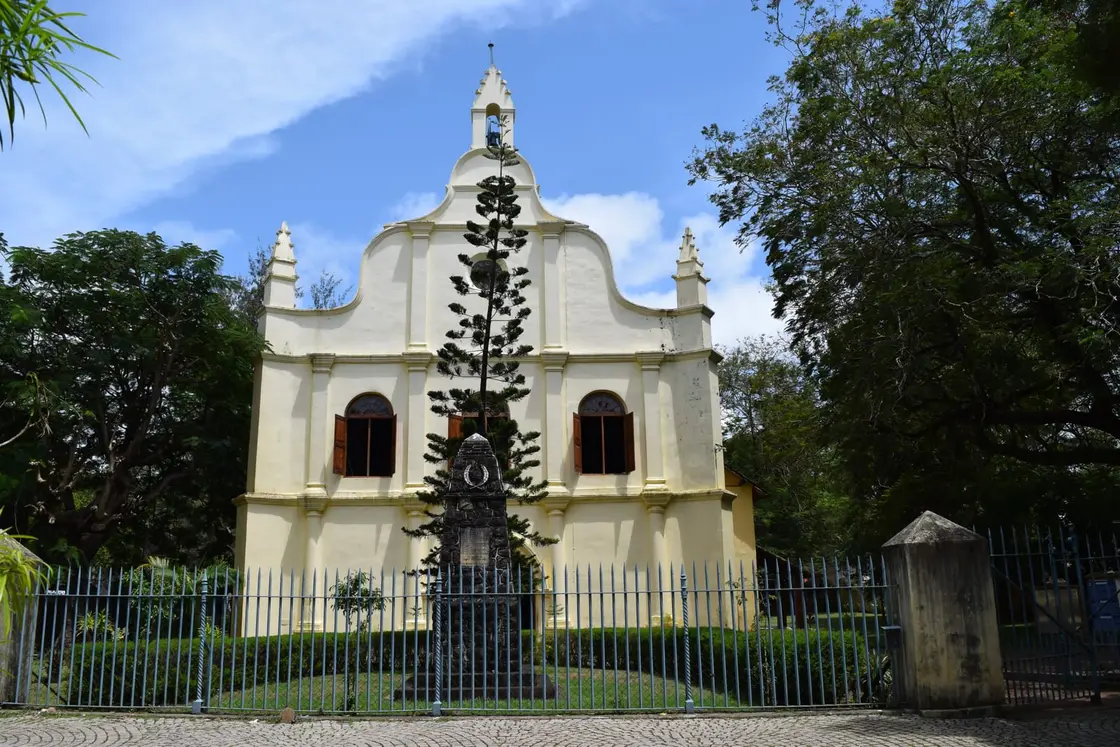
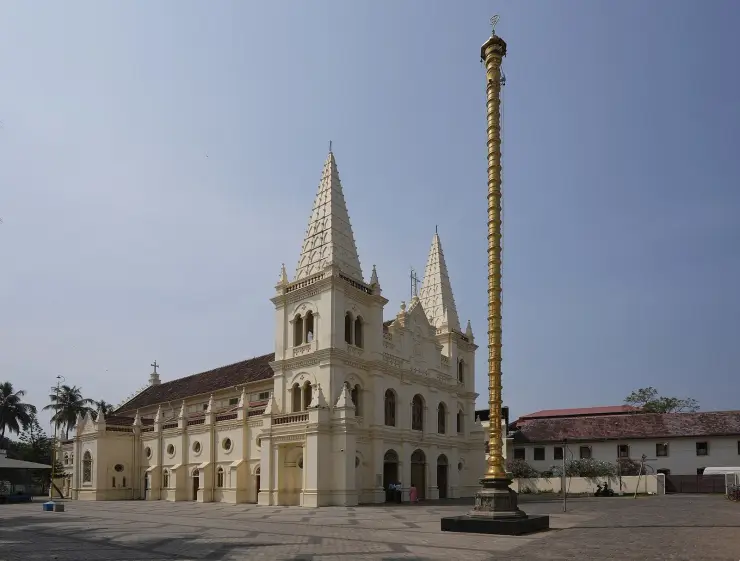
A plain, whitewashed gable rising from a shady Fort Kochi green — yet inside lies the empty grave where Vasco da Gama once rested, in what is widely called the oldest European-built church in India.
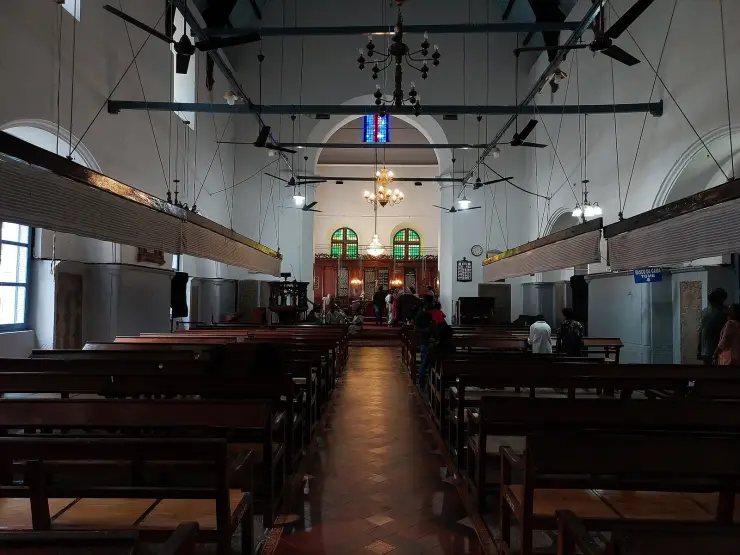
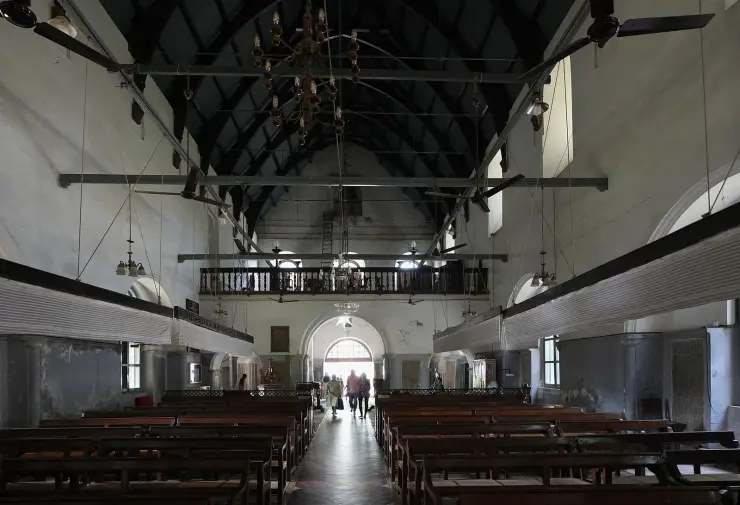
Walk in from the sun-glare of Fort Kochi and the first thing that reaches you is the cool hush of thick lime-washed walls and a bare, barn-simple nave. There are no soaring vaults or gilded altars here; St Francis Church is famous not for grandeur but for age and memory. It is very commonly described as the oldest surviving European-built church on Indian soil (a claim worth attributing rather than treating as gospel), and every stone underfoot seems to carry a date and a name from five centuries of colonial coming and going.
The building you see is the sum of many hands. The Portuguese raised it first, the Dutch made it their own, the British reshaped it again, and today it belongs to the Church of South India — a single roof that has answered to Roman Catholic, Protestant Reformed and Anglican worship in turn. That layered custodianship is the real story of the place: a small parish church that quietly mirrors the whole arc of European power along the Malabar coast.
Its greatest draw is a rectangle of stone set into the floor. Here, tradition holds, the explorer Vasco da Gama was buried after he died in Kochi in 1524 on his third voyage to India. His remains were later carried home to Portugal, but the gravestone site is still marked and railed off, and visitors drift towards it almost by instinct, standing a moment over the spot where the man who opened the sea route from Europe to India once lay.
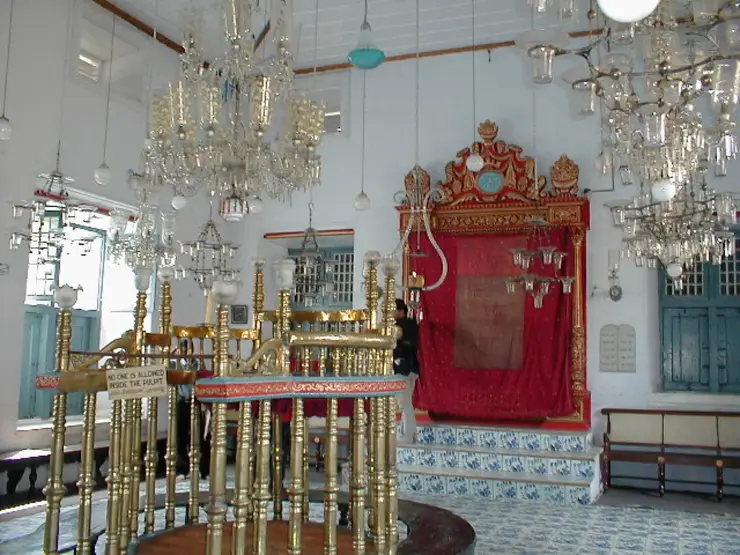
Look up and you will notice the punkahs — long horizontal cloth fans slung on wooden frames above the pews. In the days before electric fans, servants seated outside would pull ropes to swing these great flaps and keep the congregation cool through humid Kerala services. Several survive in place, a small, human detail of colonial church-going that most grand cathedrals cannot show you.
The walls themselves read like a stone ledger of the dead. Old Portuguese and Dutch tombstones and epitaphs, many lifted from the floor and fixed upright along the interior, record merchants, officials and their families in worn Latin and Dutch lettering, the earliest reaching back to the sixteenth and seventeenth centuries. On the lawn outside stands a cenotaph, and the whole ensemble sits under the protection of the Archaeological Survey of India, tended as a monument as much as a working church.
Read the wall slabs as a sequence rather than as decoration and the whole political history of the building falls out of them. The earliest Portuguese epitaph here is commonly cited from 1562, the earliest Dutch from 1664 — which is one year after the Dutch took Kochi. The changeover is legible in the lettering: Latin and Portuguese give way to Dutch almost immediately, and later the English memorials begin. Nobody planned this as an exhibit. It is simply what happens when three successive administrations bury their dead in the same room, and it is the most informative five minutes in the church.
For all its museum-like fame, St Francis is still a place of worship, so the atmosphere shifts with the hour — quietly touristic on a weekday morning, prayerful during a Sunday service. That double life is part of its charm: you come for da Gama and colonial history, and leave having sat, however briefly, inside a living congregation that has kept a candle lit here for roughly five hundred years.
The grave is empty, and it has been empty for nearly five hundred years.
Vasco da Gama died at Kochi on Christmas Eve 1524, on his third voyage to India, and was buried inside this church. Around fourteen years later — 1538 to 1539 in most accounts — his remains were exhumed and carried back to Portugal by his son, and he now lies in the Monastery of Jeronimos in Lisbon. The plaque on the stone says so plainly, in as many words.
It has made no difference at all. Travel articles, tour scripts and headlines still announce that Vasco da Gama's tomb lies in this church, and visitors still arrive believing they are standing over a body. What is under the railed rectangle is the site of a burial, not a burial — which is a stranger and better thing to stand over, if you let it be.
Out of that emptiness Fort Kochi has grown a second, much younger legend. A ghost story circulates in the quarter that da Gama's spirit walks these streets in search of rest and has been seen near the church, and elders living nearby will tell you about sightings. It is modern folklore rather than deep tradition, and it now feeds a small industry of night walks and ghost tours. We include it as what it is: a town's ordinary human response to a famous grave with nobody in it.
The third claim on this building is the one on every sign — that it is the oldest European church in India. That framing matters. European-built is doing real work in the sentence, since Kerala's Saint Thomas Christian communities are very much older than the Portuguese, and their churches are not in the comparison. Treat the claim as the commonly repeated tradition it is, in its narrow form, rather than as a settled fact about the oldest Christian worship on this coast.
And here is the one that catches everybody, including people who have visited three times. For the great majority of its life, this church was not called St Francis. The name is British and it is late — 1795, when the British took Kochi and the building became an Anglican church, at which point it was renamed after the patron saint of the congregation that had inherited it.
What it was called before that depends on which stage you mean, and the accounts differ. The first structure, a wooden church raised inside Fort Emmanuel in 1503 with the permission of the Raja of Cochin, is generally recorded as dedicated to St Bartholomew. The stone building that replaced it — the viceroy Francisco de Almeida obtained permission in 1506 to rebuild the fort's wooden structures in stone and masonry, and the work ran to about 1516 — is widely given as Santo Antonio. Either way, the dedication that the church has carried for two hundred and thirty years is the third or fourth name on the same walls, and it arrived with the last empire to hold the place rather than the first.
So when a guide says Vasco da Gama was buried in St Francis Church in 1524, the sentence is anachronistic by about two hundred and seventy years. He was buried in a Portuguese Catholic church of a different dedication, under a Portuguese floor, in a fort that no longer exists. The name on the gate is the newest thing about the building.
One more fact belongs with that, and it is the reason there is anything here at all. When the Dutch took Kochi in 1663 they demolished very nearly every church in the town. This one they kept, reconditioned, and turned into the government church of the settlement. Its survival is not a matter of reverence for the oldest European church in India — a claim nobody was making at the time — but of a Protestant administration needing one usable building and deciding this was it.
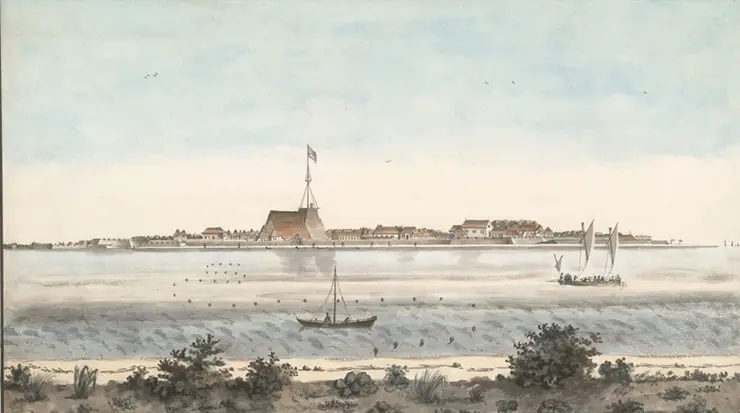
The church traces its origins to around 1503, when Portuguese Franciscan friars, arriving in the wake of Pedro Alvares Cabral, built a modest structure of timber and mud within the fort that the Portuguese had raised at Kochi with the permission of the Raja of Cochin. This first church is generally said to have been dedicated to St Bartholomew. A little over a decade later it was rebuilt in stone and masonry — commonly dated to around 1516 — and re-dedicated, most accounts say, to Santo Antonio (St Anthony/Antony), the exact dedication history being somewhat tangled across sources.
Its most celebrated chapter belongs to Vasco da Gama. The Portuguese navigator, who had pioneered the sea route from Europe to India, died at Kochi in 1524 during his third visit and was originally buried inside this church. About fourteen years later — around 1538 to 1539 — his remains were exhumed and shipped back to Portugal, eventually reinterred in Lisbon. The burial spot inside St Francis is still marked by a gravestone and remains the single most visited feature of the church.
Custodianship changed with the tides of empire. When the Dutch captured Kochi from the Portuguese in 1663 they took the church for Protestant (Dutch Reformed) worship, and are said to have demolished the other churches of the town while sparing and repairing this one; a notable restoration is dated to 1779. With the British ascendancy at the end of the eighteenth century — the hand-over is variously dated to the 1790s and early 1800s — the church passed into Anglican use, and further rebuilding and reshaping followed during the nineteenth century.
The interior became, over these centuries, a repository of colonial memory. Portuguese and Dutch tombstones were set into the floor and walls, the earliest Portuguese epitaph often cited from 1562 and the earliest Dutch from 1664. On the lawn a cenotaph was later added, commonly associated with remembrance of those who died in the First World War, and the swinging cloth punkahs preserved a vanished mode of tropical church-going.
In the early twentieth century the building was recognised as a protected monument — frequently dated to 1923 under the Ancient Monuments Preservation Act of 1904 — and it remains under the care of the Archaeological Survey of India. Since the reorganisation of Protestant churches in India, St Francis has been part of the Church of South India (CSI), under whose congregation it continues as an active place of worship today.
Stand at the marked gravestone where Vasco da Gama was first buried in 1524 — one of the most evocative colonial-era spots in India.
See what is widely regarded as the oldest European-built church in the country, roughly five centuries old.
Trace three colonial eras under one roof — Portuguese Catholic, Dutch Protestant and British Anglican, now Church of South India.
Look up at the rare surviving punkahs, the rope-pulled cloth fans of pre-electric tropical worship.
Read the old Portuguese and Dutch tombstones and epitaphs set into the walls, some dating to the 1500s and 1600s.
It sits at the heart of the Fort Kochi heritage quarter, an easy walk from the Chinese fishing nets, the Dutch Palace area and colonial streets.
Because the building quietly contradicts its own signage: the name on the gate is British and dates only from 1795, three centuries after the first church stood on this ground.
Road km to Ernakulam; ghat roads and traffic vary — allow extra.
Morning or late afternoon for quieter visits and better light.
Live forecast loads in your browser.
Sun and moon are calculated for this location and shown in IST. Photography windows are the hour around sunrise and sunset; the sunset bearing is degrees clockwise from true north. Moon phase is accurate to about half a day.
Verified hotels, homestays, restaurants, experiences, sights, shops and rentals around St. Francis Church — commission-free, with direct contact. Filter by what you need.
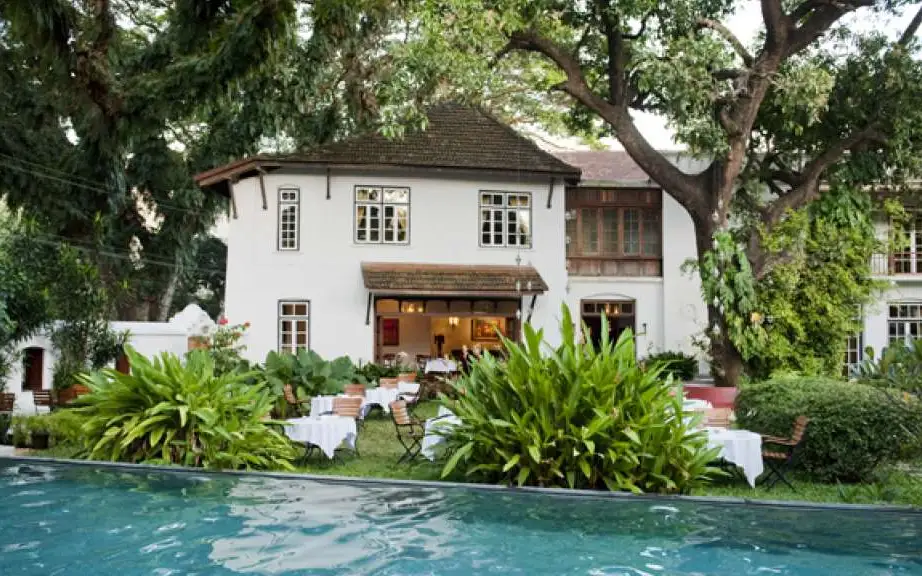
Heritage hotel on Tower Road in Fort Kochi with direct Kerala Tourism-listed contacts. Contact direct · Fort Kochi, Tower Road, Heritage hotel.
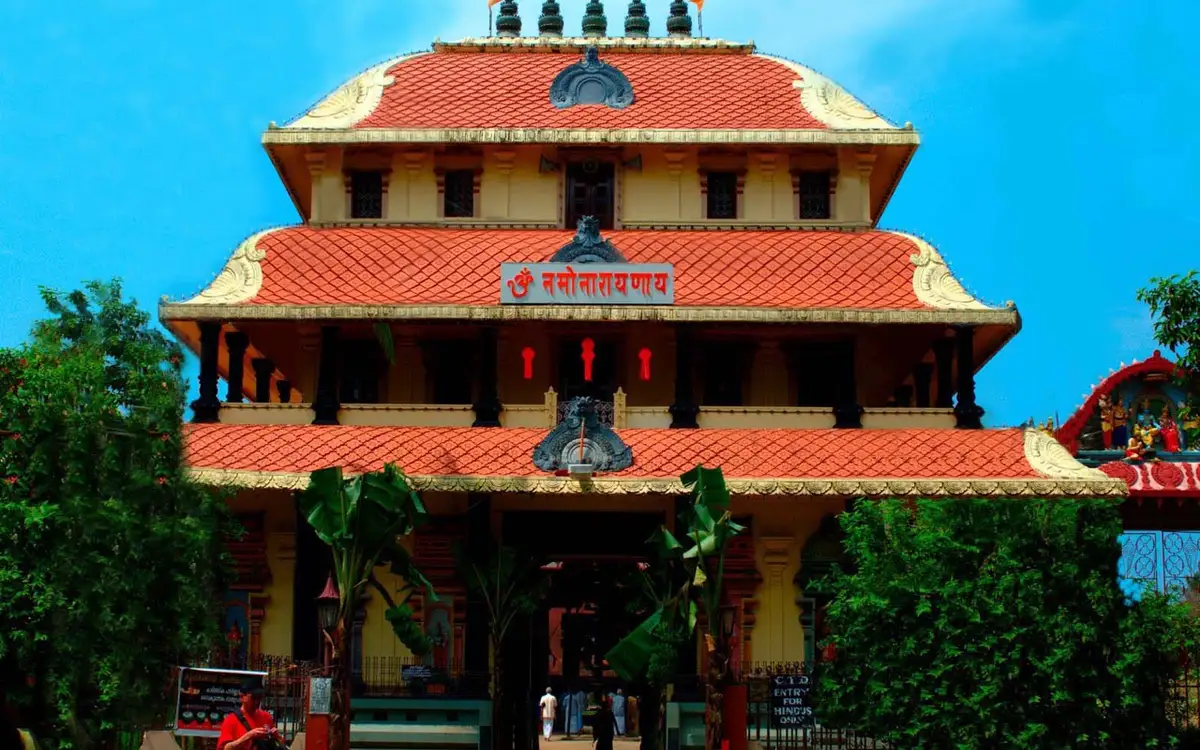
Gosripuram Thirumala Devaswom — the principal temple of Kochi’s Gowda Saraswat Brahmin community, in the Mattancherry lanes. An active shrine with its own dress and entry customs.
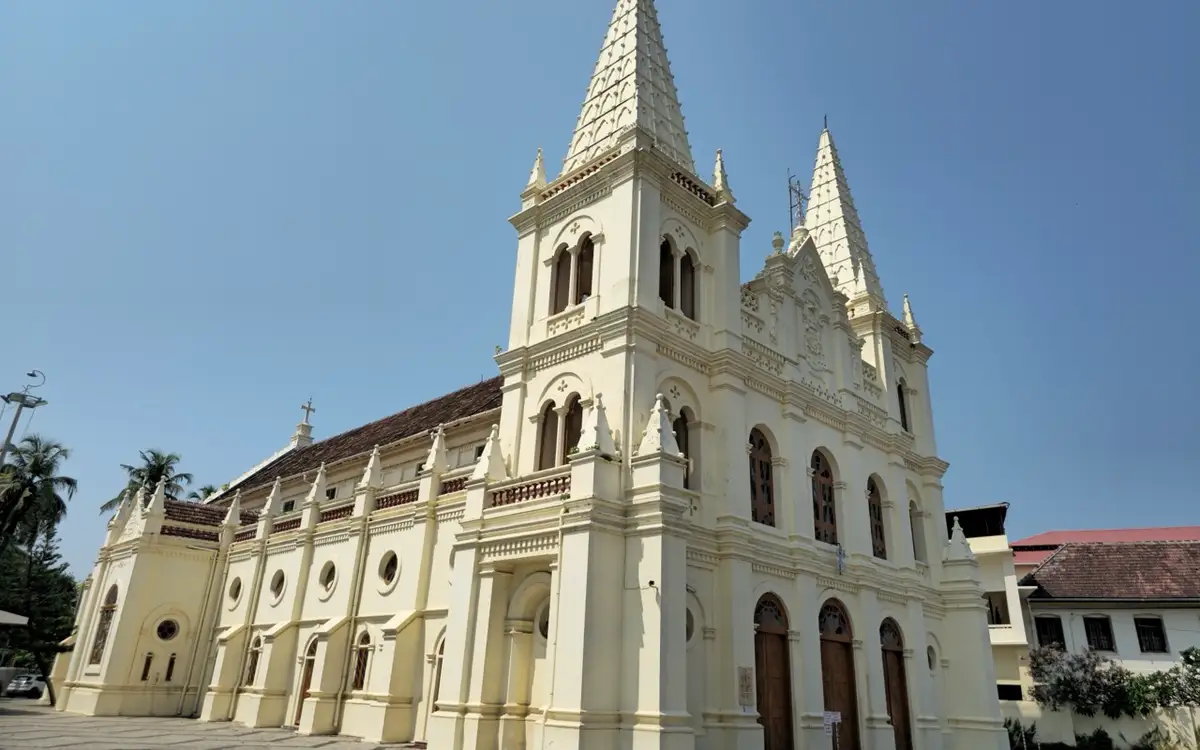
The basilica on KB Jacob Road with one of Kerala’s most richly painted church interiors — rebuilt grander after the British levelled its predecessor. A working cathedral; services take precedence.
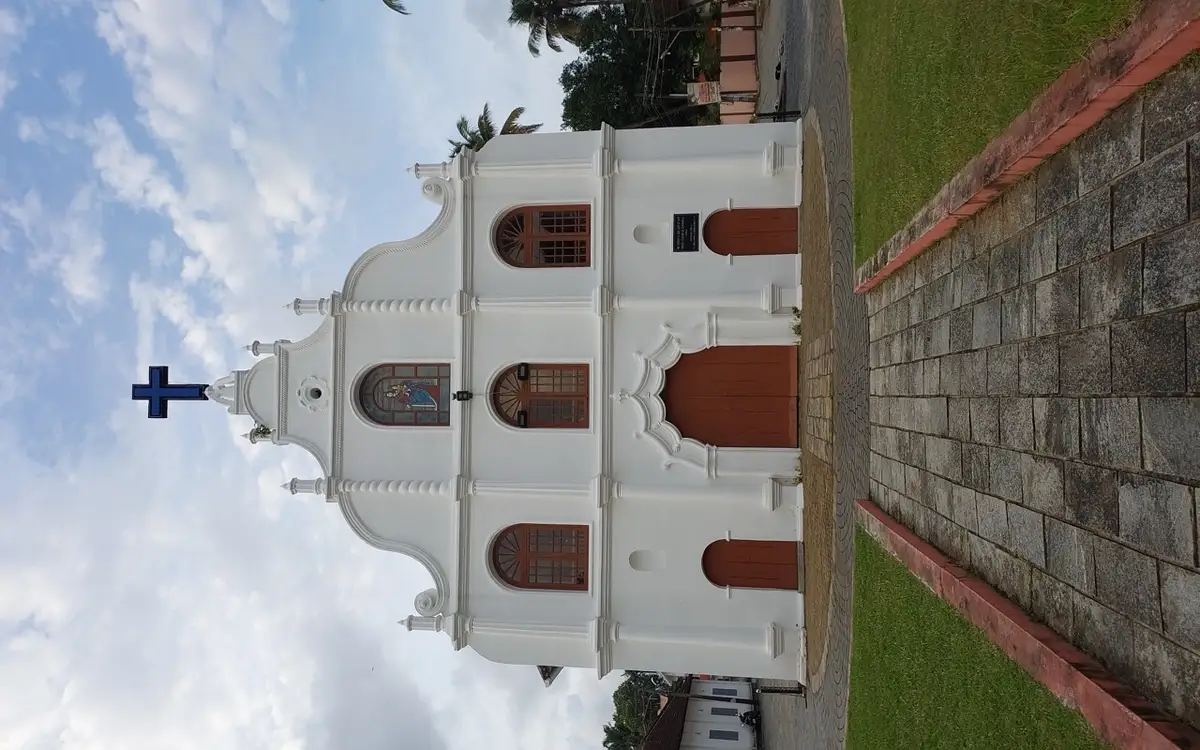
The Portuguese-founded Our Lady of Hope on Vypin island, across the ro-ro crossing from Fort Kochi — one of the oldest church foundations on this coast, and an active parish.
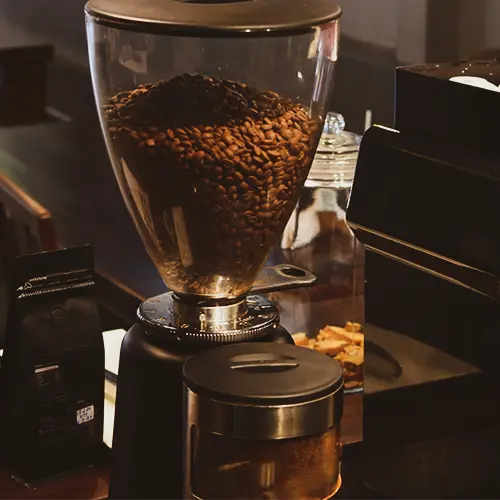
Café (coffee shop, italian, burger, pasta, dessert) on Princess St, Fort Nagar in Fort Kochi.
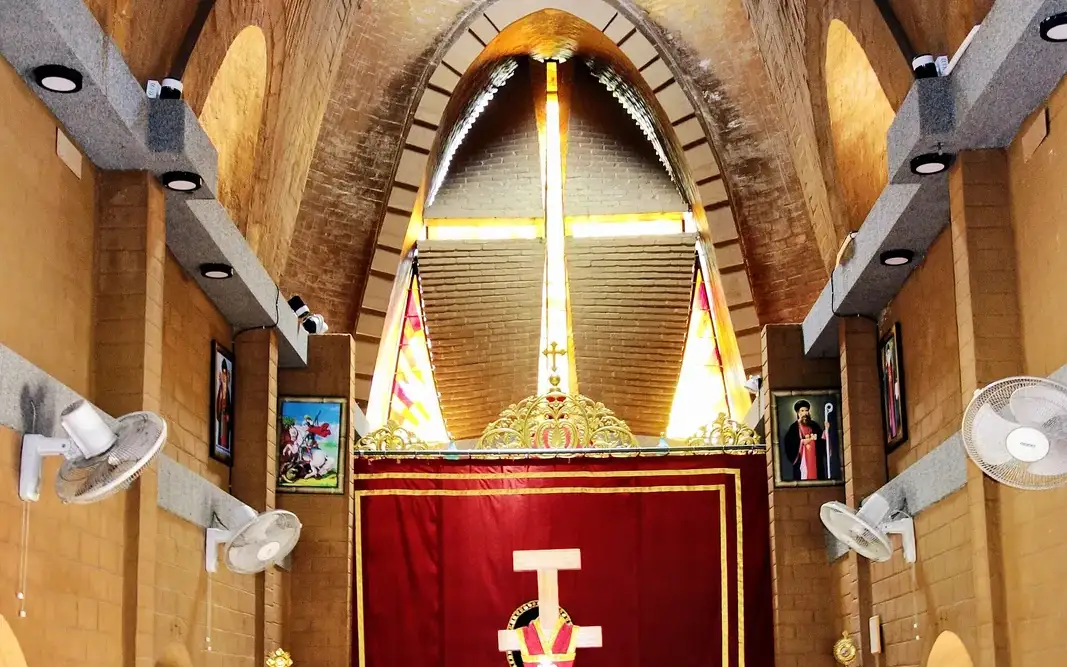
The Coonan Cross church at Mattancherry — heir to the 1653 oath in which Kerala’s St Thomas Christians renounced Portuguese control, a hinge moment in Indian church history.
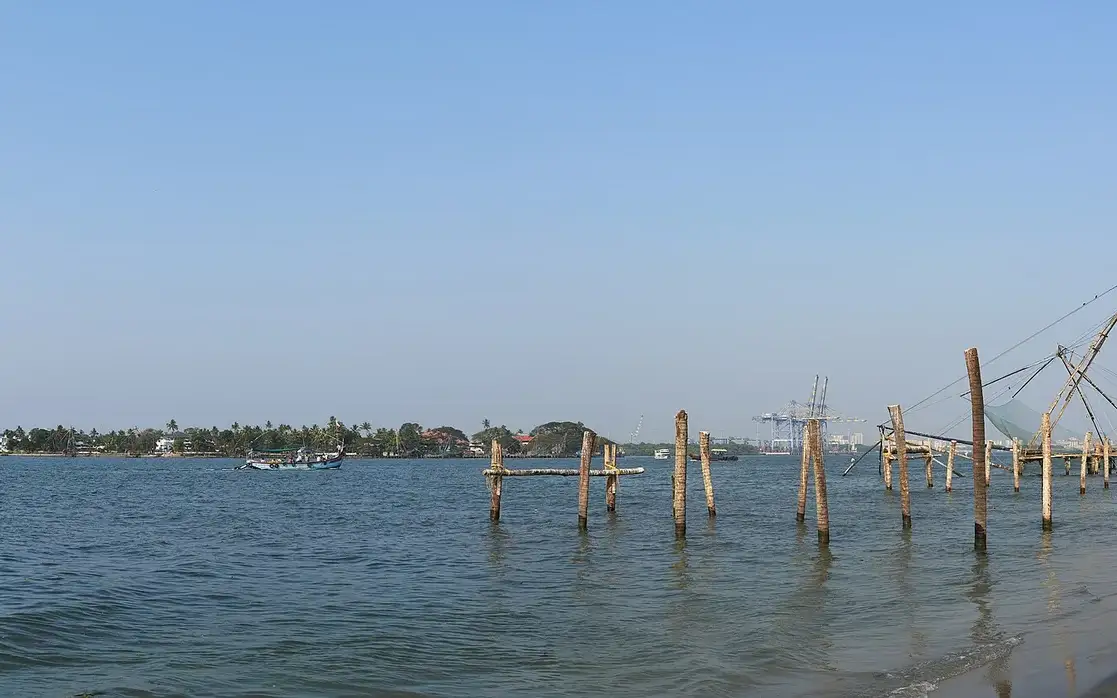
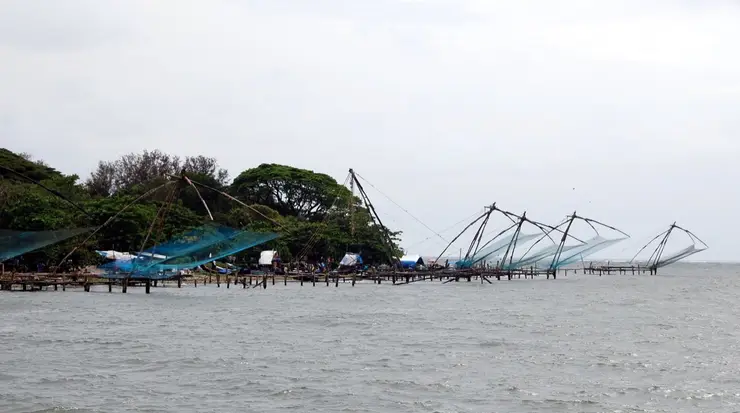
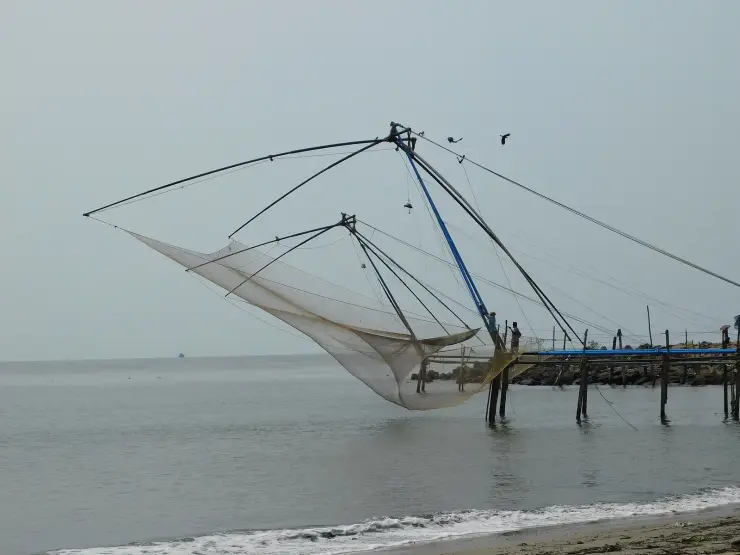
The cheena vala themselves — the counterweighted shore nets at Vasco da Gama Square, worked at dawn and toward sunset. Watch from the promenade: since the 2025 platform collapse, operators may not take visitors onto the nets.
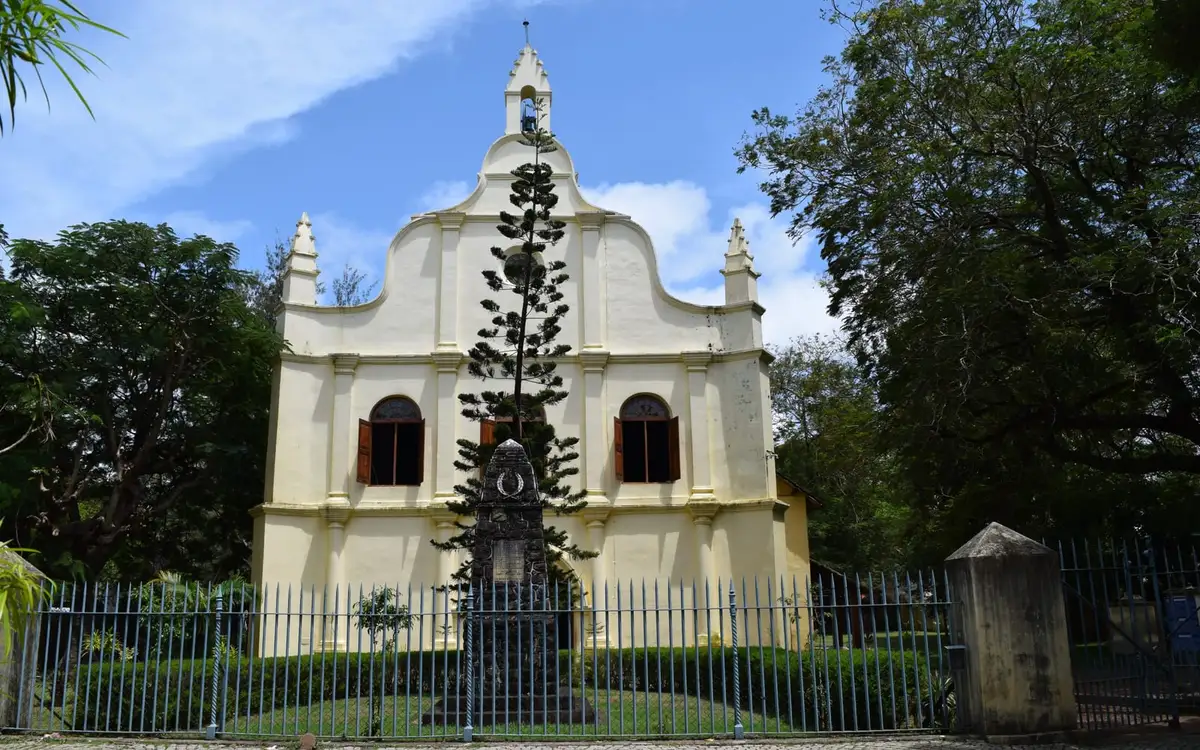
The oldest European church in India, begun in 1503 — Vasco da Gama was buried here for fourteen years before Lisbon reclaimed him. A working parish; services take precedence on Sundays.
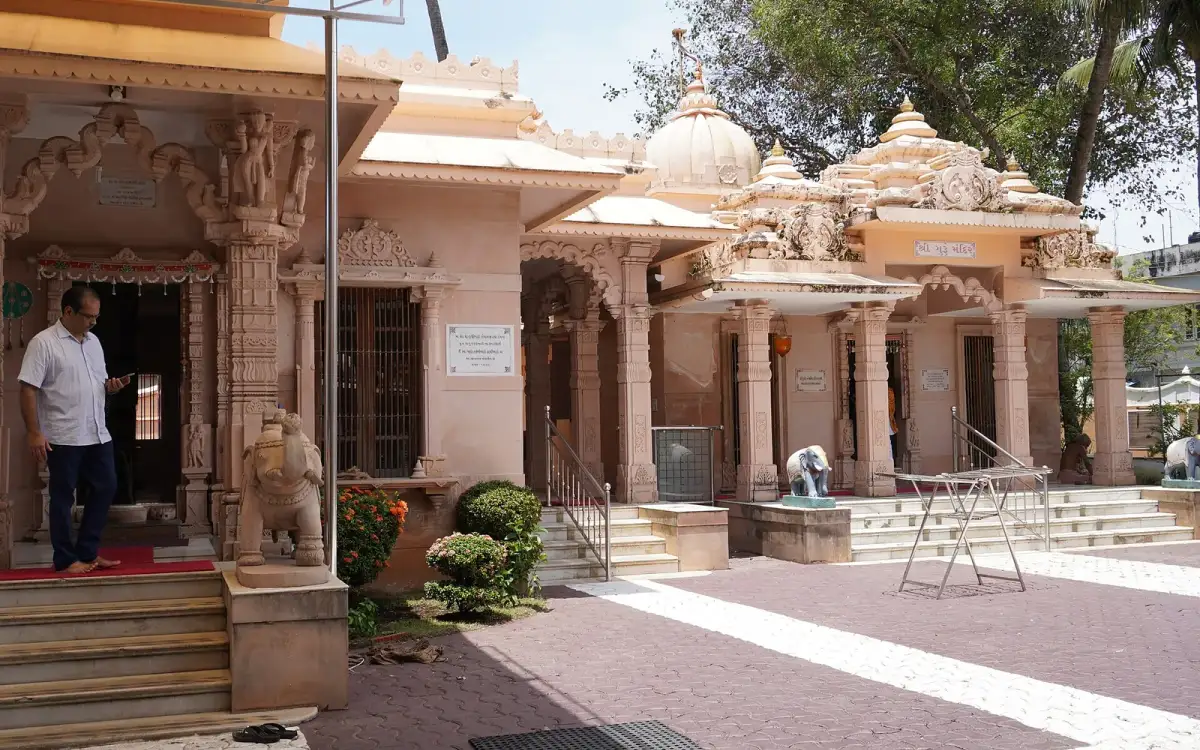
The Gujarati quarter’s Jain temple on Gujarathi Road, Mattancherry — a carved marble compound known for the midday pigeon feeding in its courtyard.

Ayurveda and wellness centre on Bishop Joseph Kureethara Road — massage and panchakarma programmes inside the quarter itself, and the page’s highest-rated wellness listing.
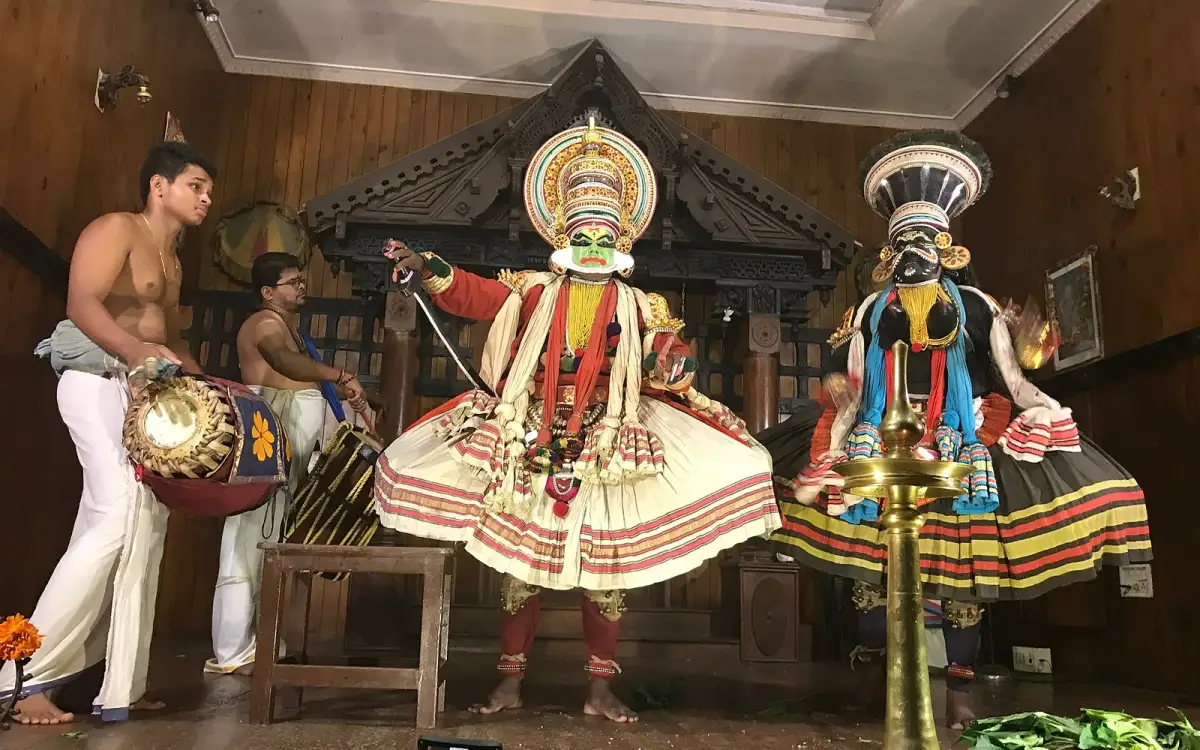
Fort Kochi cultural centre for Kathakali, Kalaripayattu, classical music and related performances. Published show prices; confirm direct · Fort Kochi, Kathakali, Kalaripayattu.
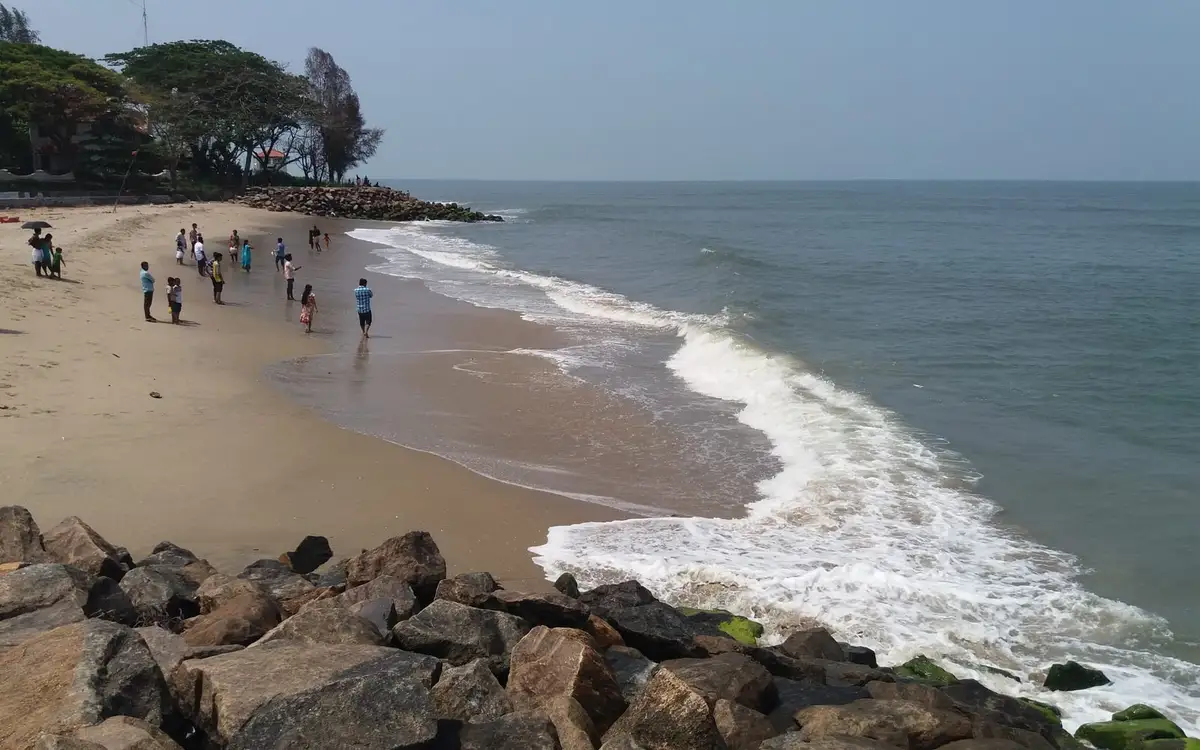
The town’s strolling beach beside the fishing nets — sunset is its hour. Currents make swimming unsafe; the sand, the promenade and the light are the point.
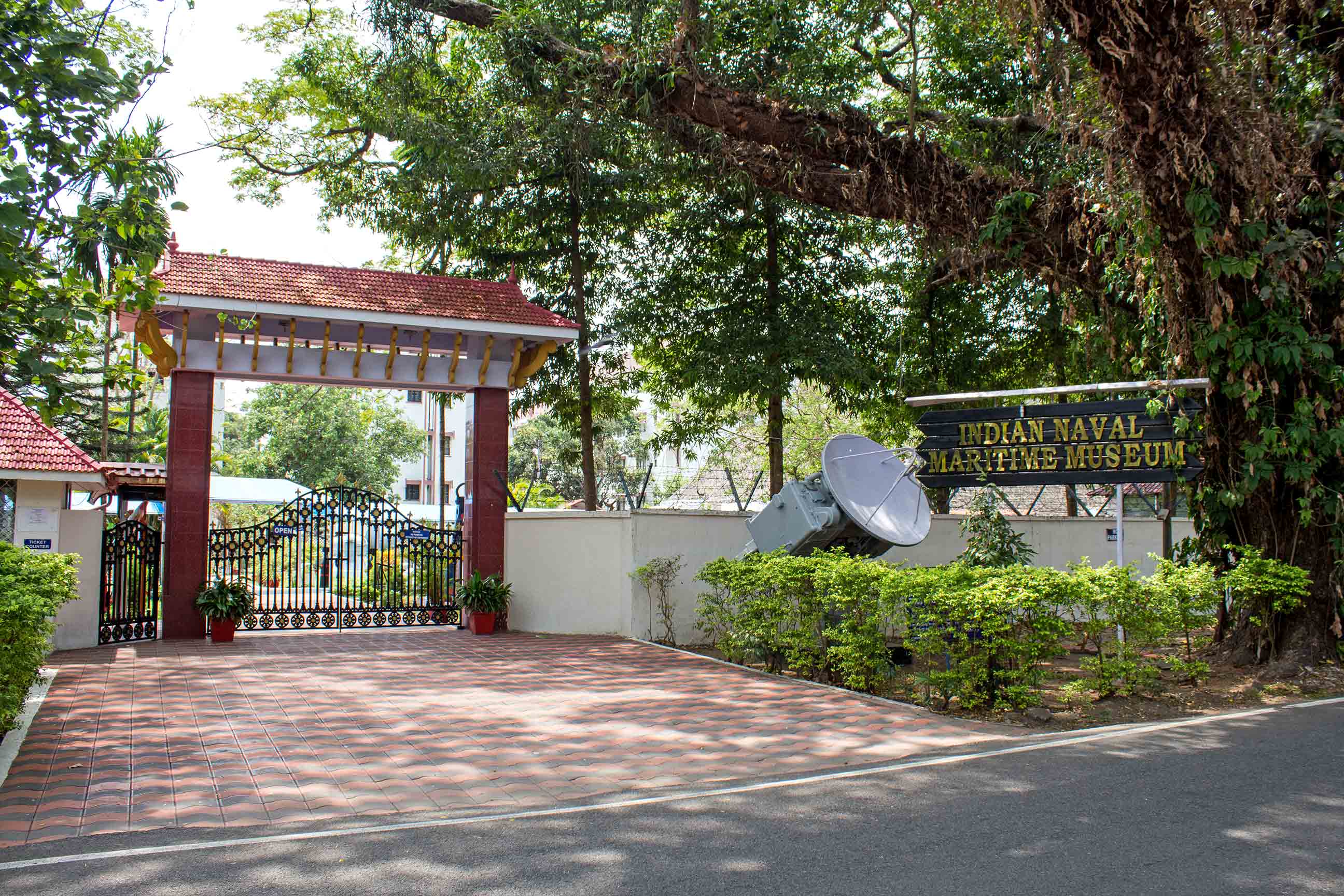
The Navy-run maritime museum off KJ Herschel Road — ship models and naval history in a walled compound south of the parade ground. Ticketed, and the hours are the Navy’s.
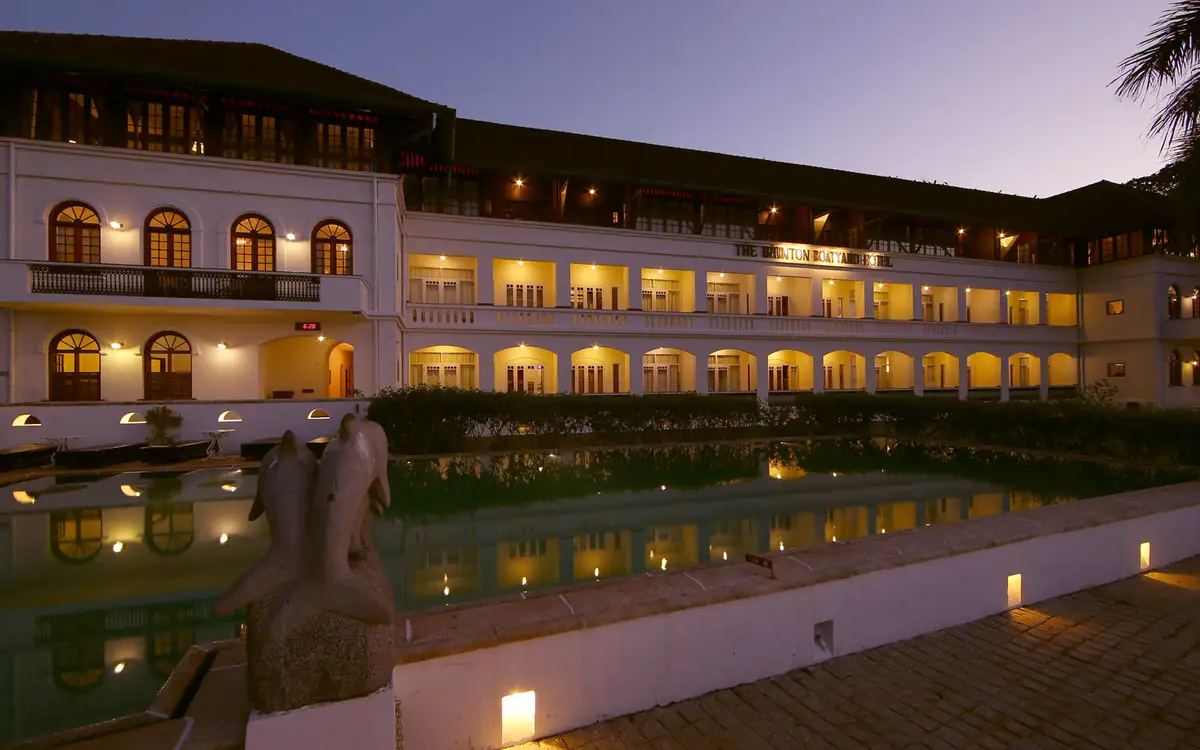
Heritage hotel on the site of George Brunton’s Victorian boatyard at Calvathy, rebuilt in trading-era style around a harbour-facing court — the rooms look onto the ship channel.
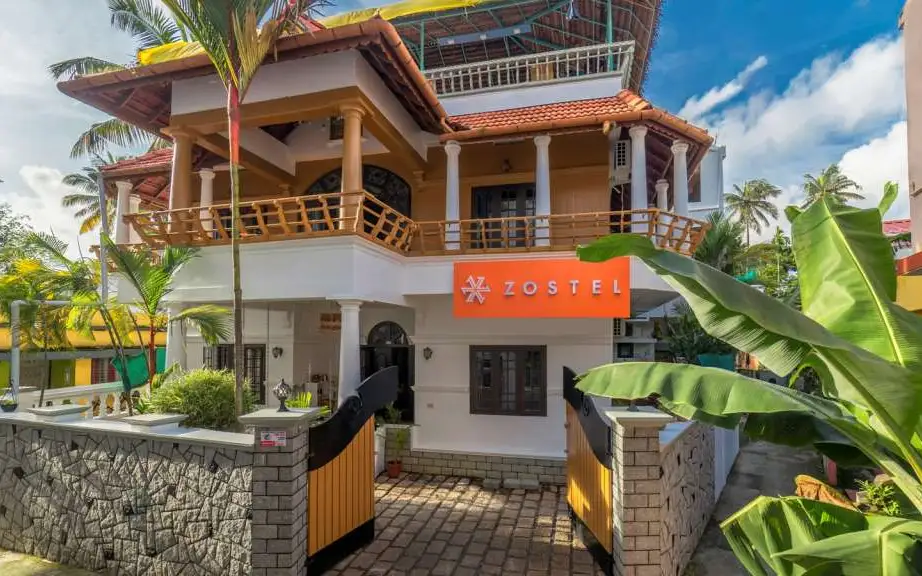
Fort Kochi branch of the Zostel backpacker chain — dorms and private rooms, the quarter’s main hostel option.
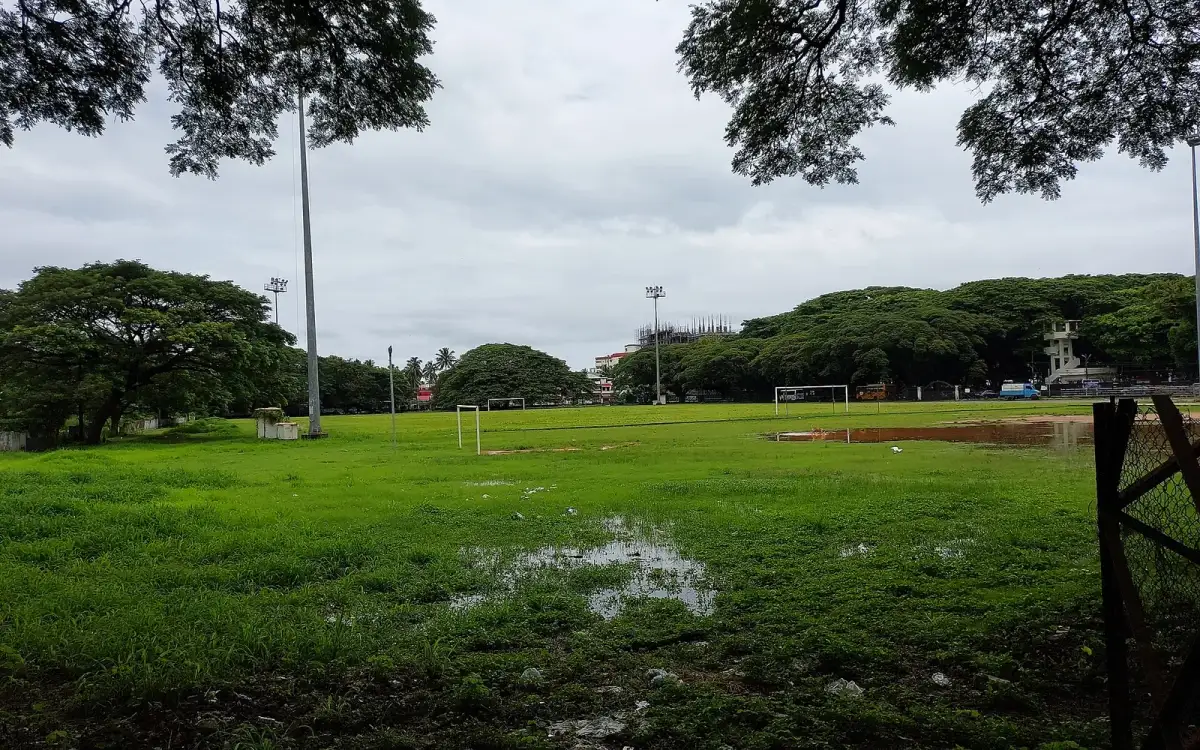
The green beside Veli Ground at the quarter’s southern edge — open ground for an evening walk rather than a destination in itself.
Fort Kochi’s big maidan — the football-and-cricket ground created on land the Vannar washer community gave up, the exchange that built the Dhobi Khana beside it.

Homestay on 1/1519, Chirattapalam Rd, behind Dr Abraham Dental Clinic, Amaravathy, Fort Kochi, Kochi, Kerala 682001, Indien in Fort Kochi.
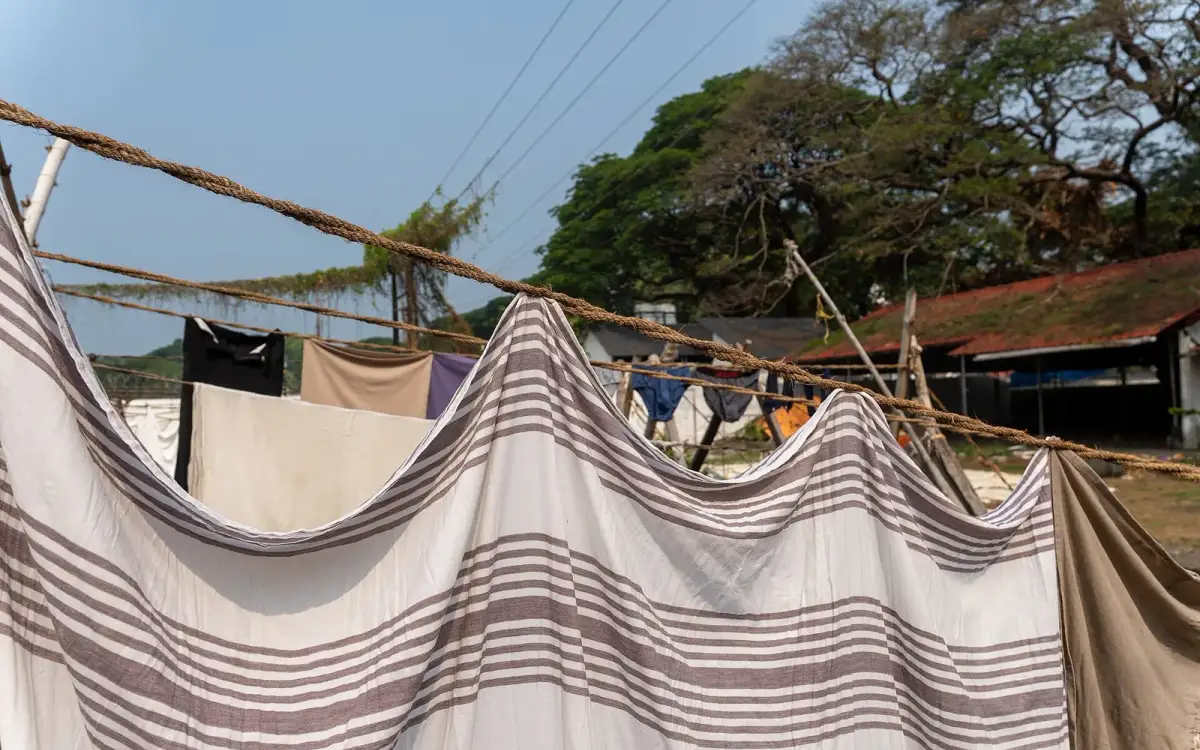
The Vannar community’s open-air laundry at Veli — wash pens, beating stones and drying lines still worked by hand. A workplace, not an exhibit: go in the morning, and ask before photographing.
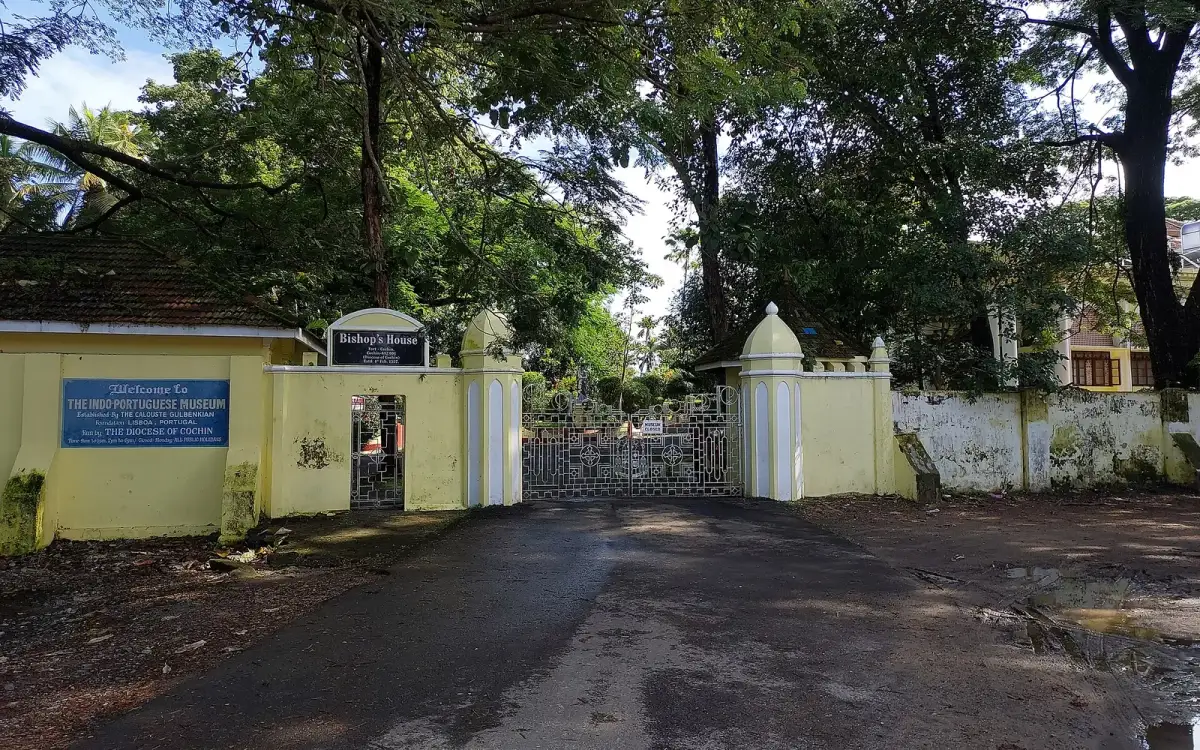
The Indo-Portuguese Museum in the Bishop’s House garden — five centuries of Catholic-era altarpieces, vestments and processional art, with a stretch of the old fort wall in the basement. Keeps a weekly closing day; check before walking over.
Portuguese-era parish of Our Lady of Life on the Mattancherry side — an active church of the old Latin Catholic quarter.
The Indo-Dutch bungalow of 1667 built on the old fort’s Stromberg bastion, at the head of Vasco da Gama Square — long an official residence, now a museum building.
Orthodox Syrian parish church in the eastern lanes of the quarter — an active congregation, and an interior for worshippers first.
Book with the place itself. India’s cyber-crime coordination centre warned in April 2025 that convincing copies of hotel and pilgrimage booking sites are being pushed through sponsored search and social ads, taking payment for rooms the property never hears about. Every listing here links to the business’s own contact details and its own Google or Bing profile — we take no commission and sit in nobody’s payment path. If a booking page reached you through an ad, check the address bar against the property’s own site before you pay. Fraud can be reported on cybercrime.gov.in or on 1930.
St. Francis Church sits in Fort Kochi, and these cover the whole quarter rather than this one spot — they are built from the same verified listings shown above, ordered by how much we can verify about each one. We carry no traveller ratings: review scores belong to the platform that collected them and we are not licensed to republish them. Nobody pays to appear.
10 more places around Fort Kochi, each worth a day of its own.
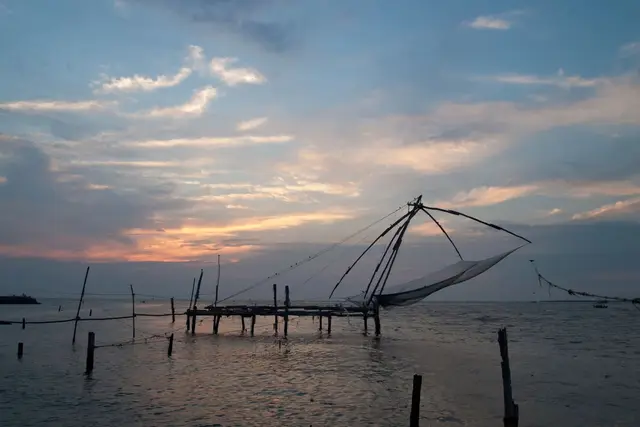
190 m · 2 min walk
Kerala’s most walkable heritage quarter, with Chinese fishing nets, colonial churches, art cafes and Mattancherry nearby.

330 m · 4 min walk
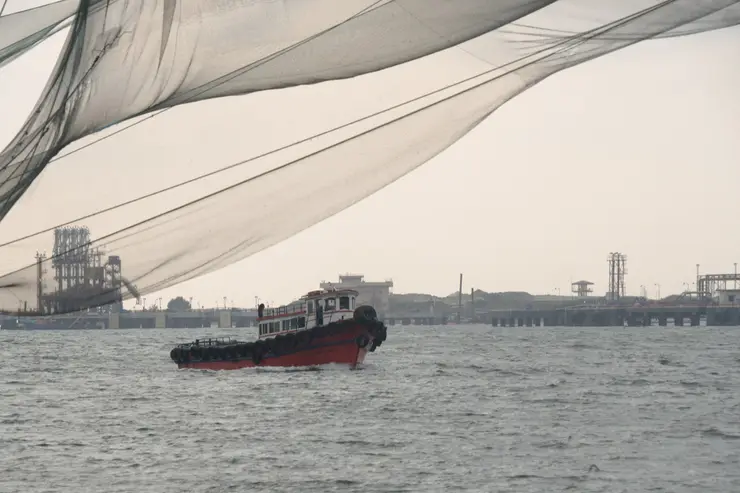
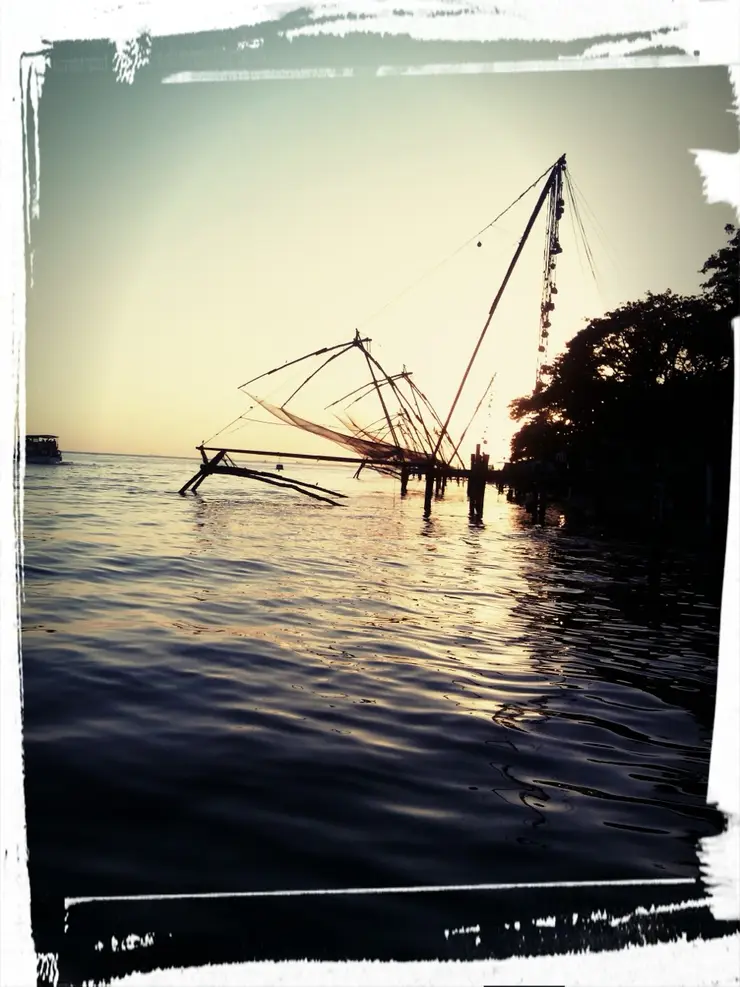
The giant cantilevered lift nets that are Fort Kochi’s emblem, strung along the shore at Vasco da Gama Square and still landing fish. Even their origin is argued — popular tradition credits Chinese traders of Zheng He’s era, some scholars later Portuguese settlers from Macau — and the argument is part of the attraction.
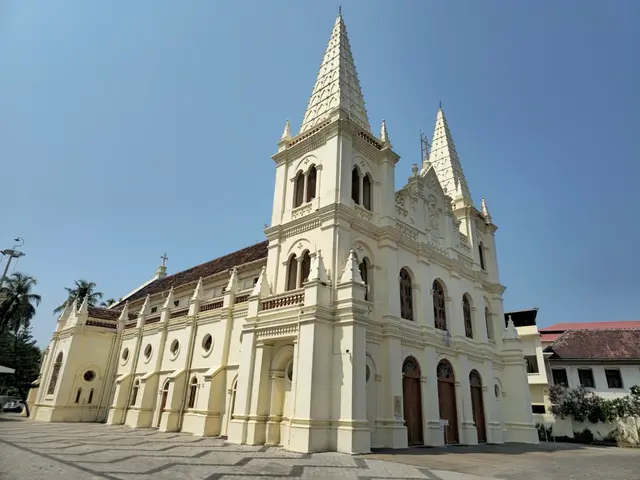
380 m · 5 min walk
One of the finest churches in Kerala, with a richly painted interior, beside the Kerala Kathakali Centre in Fort Kochi.
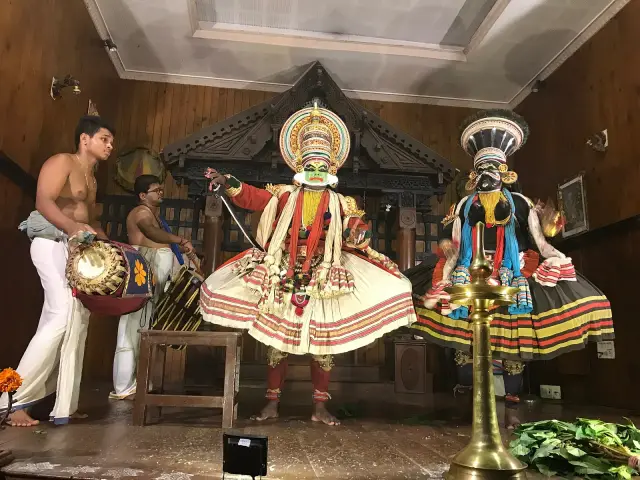
500 m · 6 min walk
Evening Kathakali and Kerala classical-art performances in Fort Kochi, with make-up shown before the show.
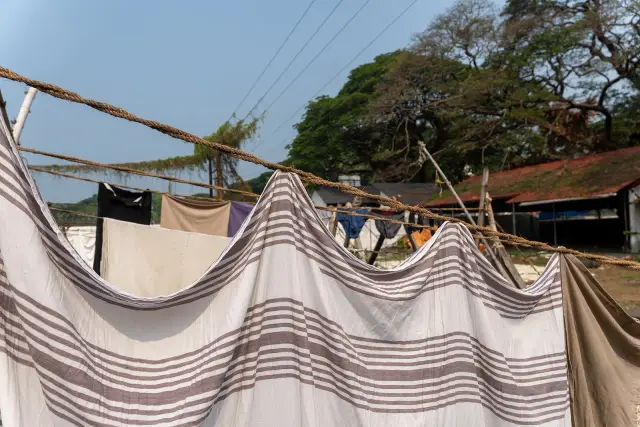
2.4 km · 28 min walk
A working colonial-era community open-air laundry in Fort Kochi, still used by traditional washermen families.
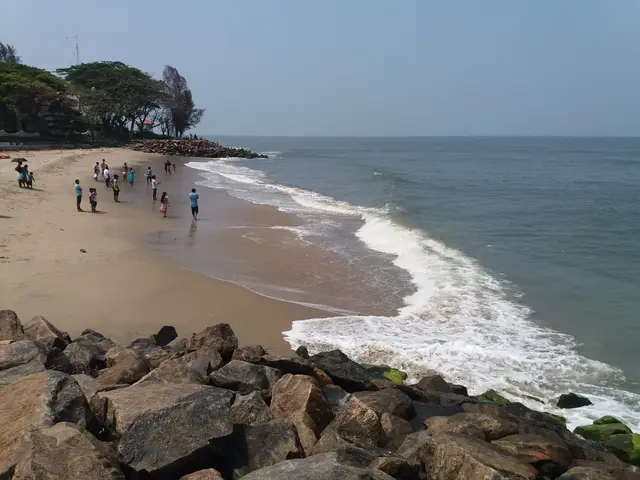
340 m · 4 min walk
Public seafront beside the Chinese fishing nets — a walking-and-sunset beach, not a swimming beach.

840 m · 10 min walk
A large 19th-century waterfront trading compound in Fort Kochi, the principal venue of the Kochi-Muziris Biennale.
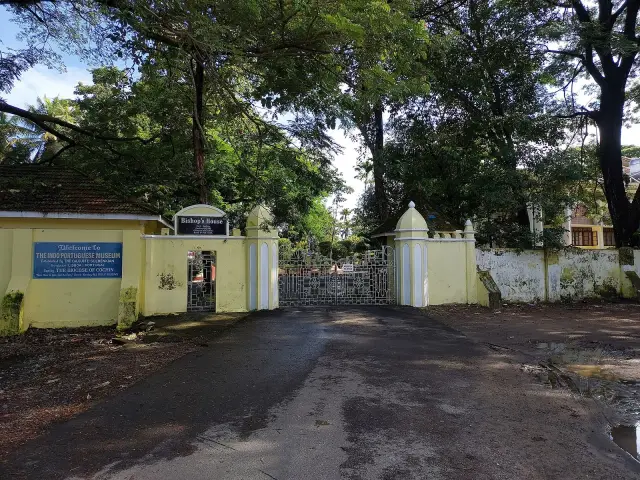
560 m · 7 min walk
Museum of Kerala’s Indo-Portuguese Catholic heritage in the Bishop’s House garden, Fort Kochi.
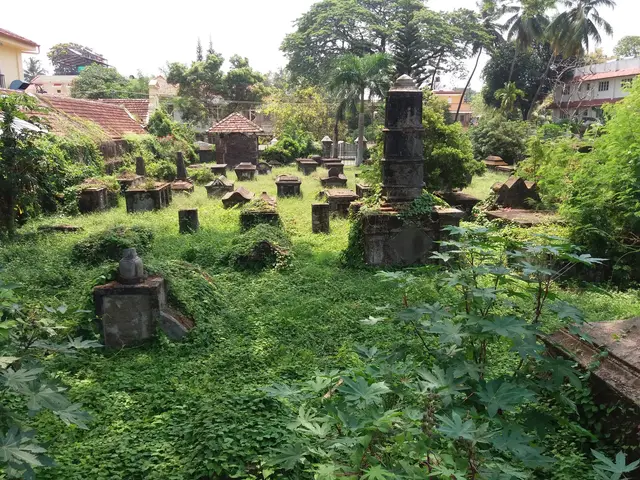
420 m · 5 min walk
The 1724 burial ground of Kochi’s Dutch colonial officials and merchants, beside St Francis Church — ASI-protected, and usually locked.
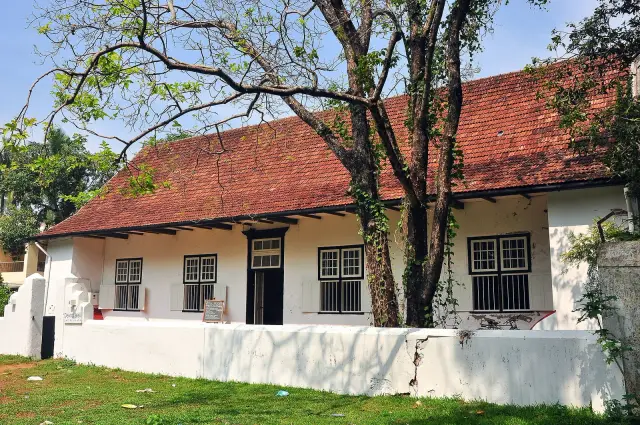
190 m · 2 min walk
A restored 17th-century Dutch bungalow on the Fort Kochi parade ground, now a contemporary art gallery and cafe.
Roampedia is commission-free — own or know a stay, eatery, guide or shop near St. Francis Church? List it and it appears here once verified.
Add a nearby businessEntry: Usually free; a donation box is typically available for those who wish to contribute.
Dress code: Modest dress is appreciated in this active place of worship — cover shoulders and knees, and keep noise low, particularly during any service.
Festivals: As a Church of South India congregation it observes the main Christian occasions such as Christmas and Easter with services; heritage and colonial-history interest peaks year round rather than around a single festival.
Photography: Photography of the interior is usually permitted, but avoid flash near old tombstones and refrain from filming during services; confirm on-site if signage indicates restrictions.
Work out your return before you settle in for the sunset. Public transport here thins out sharply in the evening, and St. Francis Church is easier to reach than to leave. We do not publish departure times: there is no official live feed we are permitted to republish, and a wrong time here would strand you. Check the operator directly on the day.
Ask at the bus stand for the time of the last service back, not the next one. If you miss it, an auto or app cab is the fallback — agree the fare before you get in.
We have not assessed physical access at this place yet. Across India, step-free routes, handrails and accessible toilets are the exception rather than the rule, and pavements are often interrupted — if step-free access matters to you, contact the site or a local operator before committing to the trip.
Charge cap and free-transaction limits: Reserve Bank of India, in force since 1 May 2025.
Mapped within about 1.2 km of St. Francis Church, with real walking routes rather than straight-line distances. Community-mapped data: opening hours are shown only where they are recorded, and this is not a complete list — something unmapped may well be closer. Please confirm on the ground.
Fort Kochi is one of Kerala’s safest and most walkable tourist quarters, comfortable by day and on the main lanes after dark. Violent crime against visitors is rare — the realistic risks are auto/guide scams, petty theft in crowds, and the sea, not personal danger.
Safety guidance last reviewed 15 June 2026. Always check your own government's current travel advice before you travel.
Emergency numbers are verified against official government and state tourism sources. 112 works anywhere in India.
Kerala’s most walkable heritage quarter, with Chinese fishing nets, colonial churches, art cafes and Mattancherry nearby.
190 m · 2 min walkA restored 17th-century Dutch bungalow on the Fort Kochi parade ground, now a contemporary art gallery and cafe.
190 m · 2 min walkKochi’s iconic cantilevered shore-operated fishing nets along the Fort Kochi seafront at Vasco da Gama Square, best photographed at sunset.
330 m · 4 min walkPublic seafront beside the Chinese fishing nets — a walking-and-sunset beach, not a swimming beach.
340 m · 4 min walkOne of the finest churches in Kerala, with a richly painted interior, beside the Kerala Kathakali Centre in Fort Kochi.
380 m · 5 min walkThe 1724 burial ground of Kochi’s Dutch colonial officials and merchants, beside St Francis Church — ASI-protected, and usually locked.
420 m · 5 min walkEvening Kathakali and Kerala classical-art performances in Fort Kochi, with make-up shown before the show.
500 m · 6 min walkMuseum of Kerala’s Indo-Portuguese Catholic heritage in the Bishop’s House garden, Fort Kochi.
560 m · 7 min walkA large 19th-century waterfront trading compound in Fort Kochi, the principal venue of the Kochi-Muziris Biennale.
840 m · 10 min walk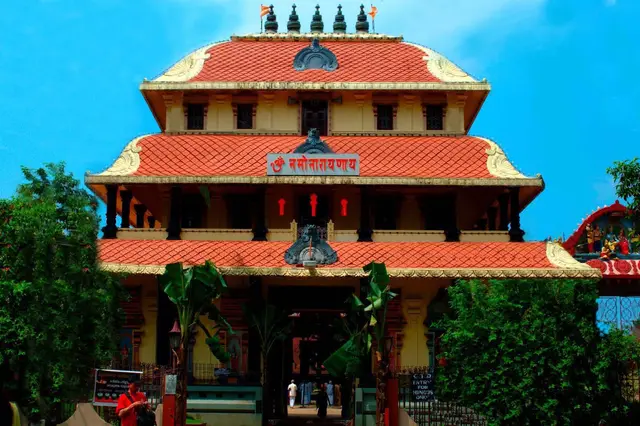
A historic Gowda Saraswat Brahmin temple in Cherlai, Mattancherry, central to Kochi’s Konkani community.
1.5 km · 18 min walk · straight line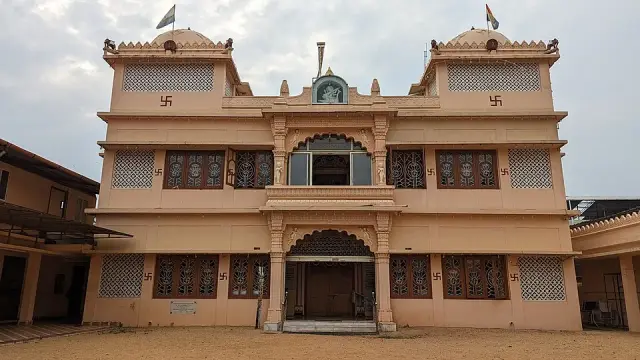
An ornate Jain temple in Mattancherry’s Gujarati quarter, raised in 1904 by Hirubai in memory of her husband Jivraj Dhanji and dedicated to Dharmanatha, the fifteenth Tirthankara — known for its white marble work and the daily midday feeding of the pigeons outside.
1.5 km · 19 min walk · straight lineA working colonial-era community open-air laundry in Fort Kochi, still used by traditional washermen families.
2.4 km · 28 min walkWalking and driving times are real routed distances, except the few marked “straight line”, which are direct-line estimates and will read short. Fare figures are estimates from Kerala’s notified auto/taxi tariff and exclude waiting and night charges. Routing: © openrouteservice.org by HeiGIT | Map data © OpenStreetMap contributors
Nearby toilets, pharmacies, ATMs, seating and vets are community-mapped and may be incomplete or out of date. Map data © OpenStreetMap contributors | Walking times © openrouteservice.org by HeiGIT
No. Vasco da Gama died in Kochi in 1524 and was originally buried inside this church, but his remains were taken back to Portugal after about fourteen years, around 1538–1539, and reinterred in Lisbon. The original burial spot inside the church is still marked by a gravestone.
It is very widely described as the oldest European-built church in India, dating from the early 1500s. That specific framing — European-built — is important, and the claim is best treated as the commonly repeated tradition rather than an undisputed fact.
It is an active Church of South India (CSI) church today, having passed through Portuguese Roman Catholic, Dutch Protestant and British Anglican custodianship over the centuries.
No, and the name is far newer than the building. The dedication to St Francis dates from 1795, when the British took Kochi and the church passed into Anglican use. The first wooden church of 1503 is generally recorded as dedicated to St Bartholomew, and the stone rebuilding of around 1516 is widely given as Santo Antonio. When Vasco da Gama was buried here in 1524, the church would not be called St Francis for another two hundred and seventy years.
Because the Dutch found a use for it. On taking Kochi in 1663 they demolished very nearly every church in the town, but kept this one, reconditioned it and made it the government church of the settlement. Its survival was an administrative decision by a Protestant regime that needed one serviceable building — not reverence for its age, which nobody was invoking at the time.
They are punkahs — large horizontal cloth fans on wooden frames that were swung by ropes, historically pulled by attendants outside, to cool the congregation before electric fans existed. Several survive above the seating.
Entry is generally free, though a donation box is usually available. As it is an active church, visitors are asked to be respectful, especially during services.
Most visitors spend around 20–30 minutes inside. It sits within the compact Fort Kochi heritage area, so it is easily combined on foot with the Chinese fishing nets, the beach promenade and the old colonial streets.
Morning or late afternoon for quieter visits and better light.
Entry: Usually free; a donation box is typically available for those who wish to contribute.. Timings: Generally open to visitors through the day, roughly morning to evening, with Sunday given over to worship services when tourist access may be limited.
Base yourself in Fort Kochi or a nearby town in Ernakulam, then confirm the last-mile route locally before leaving. Check mass/prayer timings if visiting for worship; otherwise visit outside service rush. If the visit depends on forest, temple, boat, ferry, weather or seasonal access, check the official/local rule on the day before travel.
30 minutes to 1.5 hours.
Nearby you can pair Fort Kochi (190 m), David Hall Art Gallery (190 m), Chinese Fishing Nets (330 m), Fort Kochi Beach (340 m).
Expect crowds on feast days and Sundays. Use marked parking and official entry points.
Written about St. Francis Church itself — its history, its legends and the arguments about them.
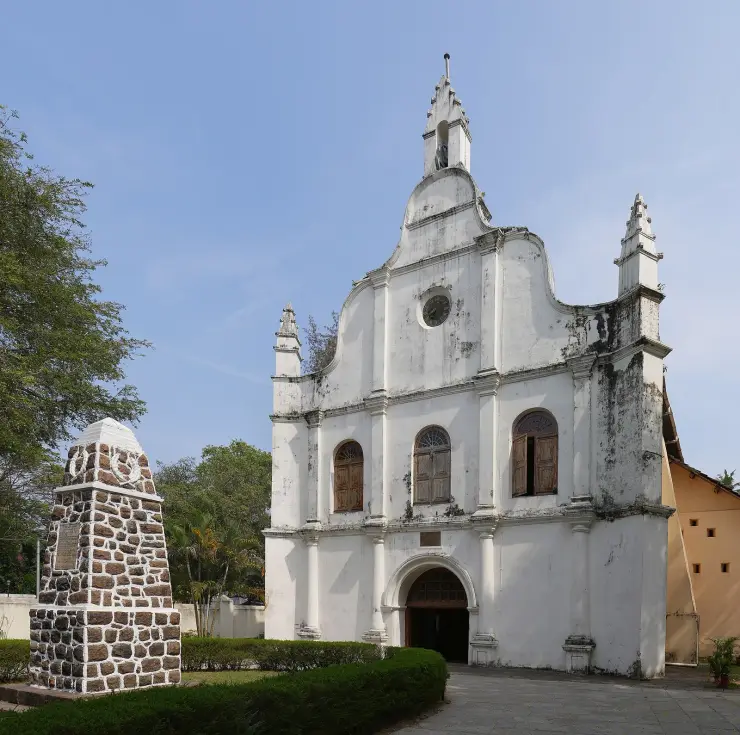
St. Francis Church sits in Fort Kochi, so these cover the streets, buildings and surroundings around it.
Written about Fort Kochi as a whole rather than about St. Francis Church — its history, its streets, and how to spend a day in it.
Route-level itineraries and practical guides for the rest of Kerala.
Photographs: Ranjith Siji (CC BY-SA 4.0), Ingo Mehling (CC BY-SA 4.0), Drajay1976 (CC BY-SA 3.0). Wikimedia Commons.