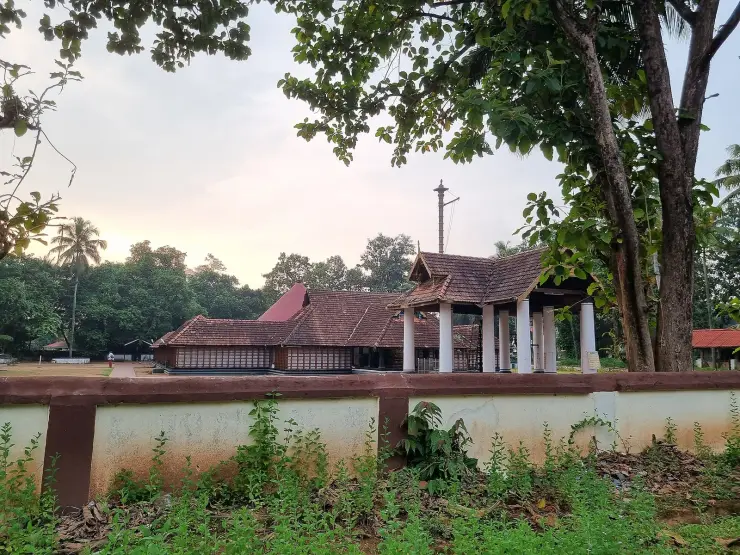
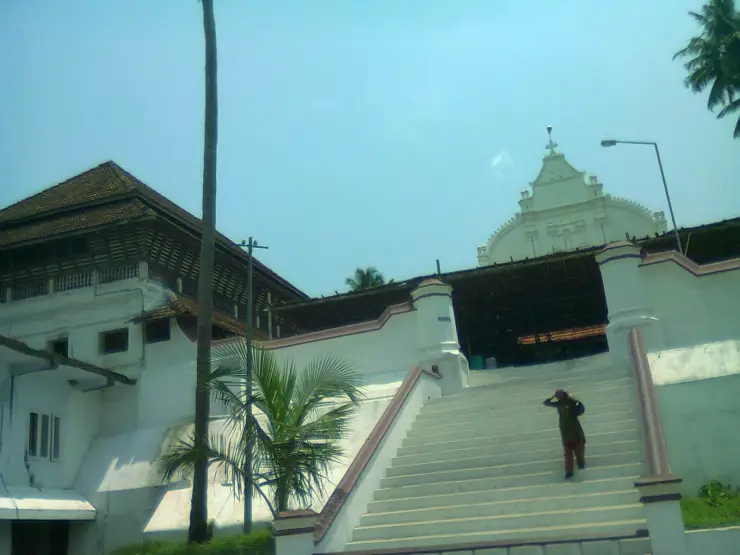
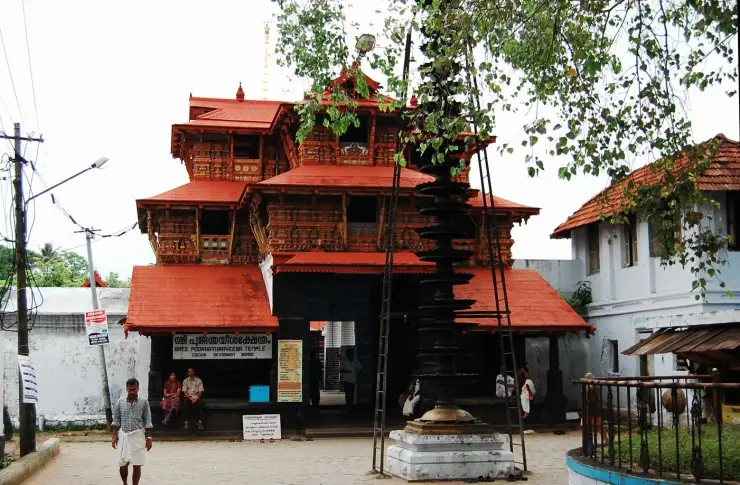
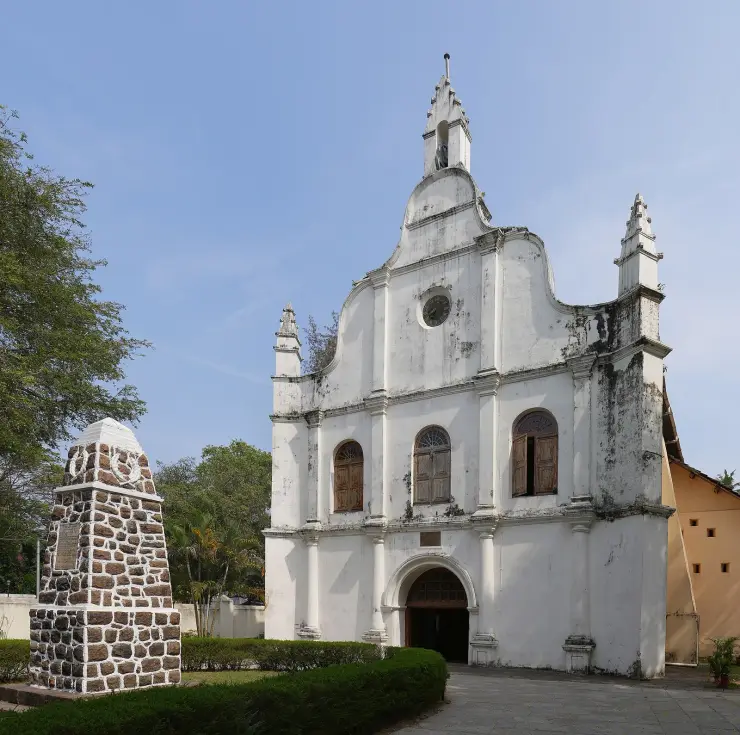
Indicative entry fees and opening hours for the ticketed and timed places in Ernakulam. These change — always confirm with the official operator before you go.
PlaceEntry feeTimingsBest time
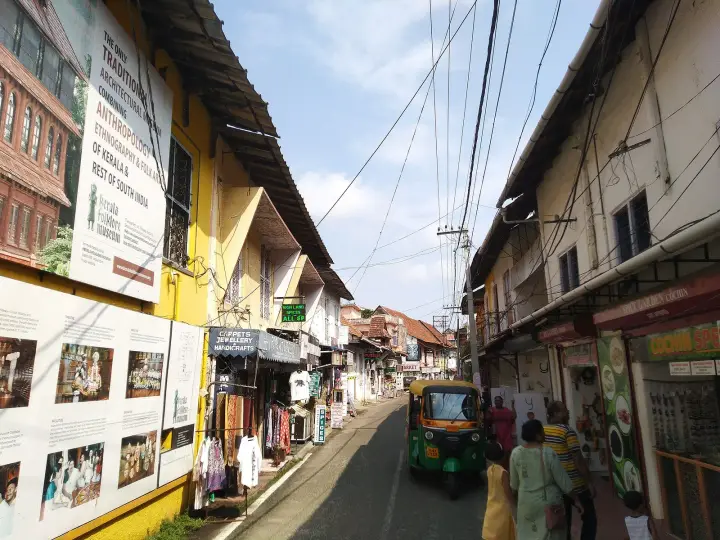
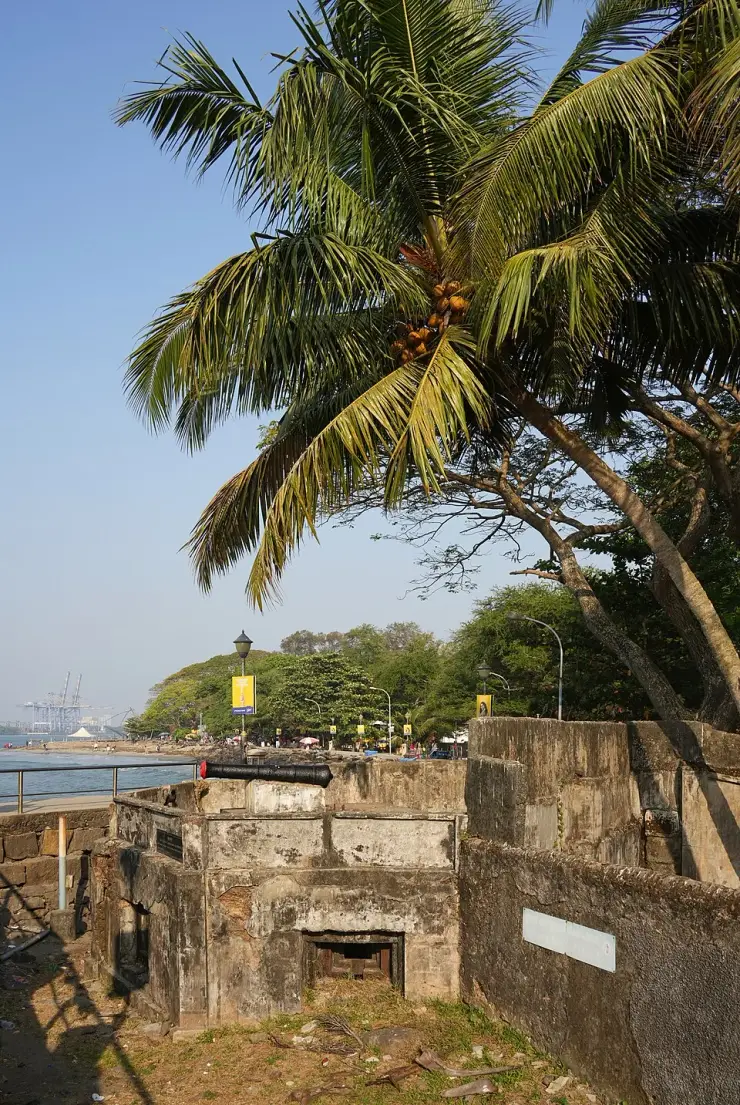
Fort Kochi Wandering Fort Kochi, its waterfront and the Mattancherry streets is free. The ticketed sights are cheap and cash-based — the Mattancherry (Dutch) Palace and the Paradesi Synagogue charge a few rupees each — and harbour or backwater boat rides are priced per trip; Kochi-Muziris Biennale venues sell a separate pass in edition years.Fort Kochi is a public neighbourhood open around the clock, best in daylight and at sunset; the Chinese fishing nets are worked from dawn and again in the late afternoon, and shops, cafés and galleries generally keep mid-morning to evening hours, each on its own clock.October to March is the comfortable window — cooler, drier walking weather. April and May turn hot and humid, and June to September brings the south-west monsoon in hard bursts off the harbour. In any season the day’s best hours are early morning and the golden hour before sunset; a Biennale edition (the next opens December 2027) is its own reason to come, and its own crowds.
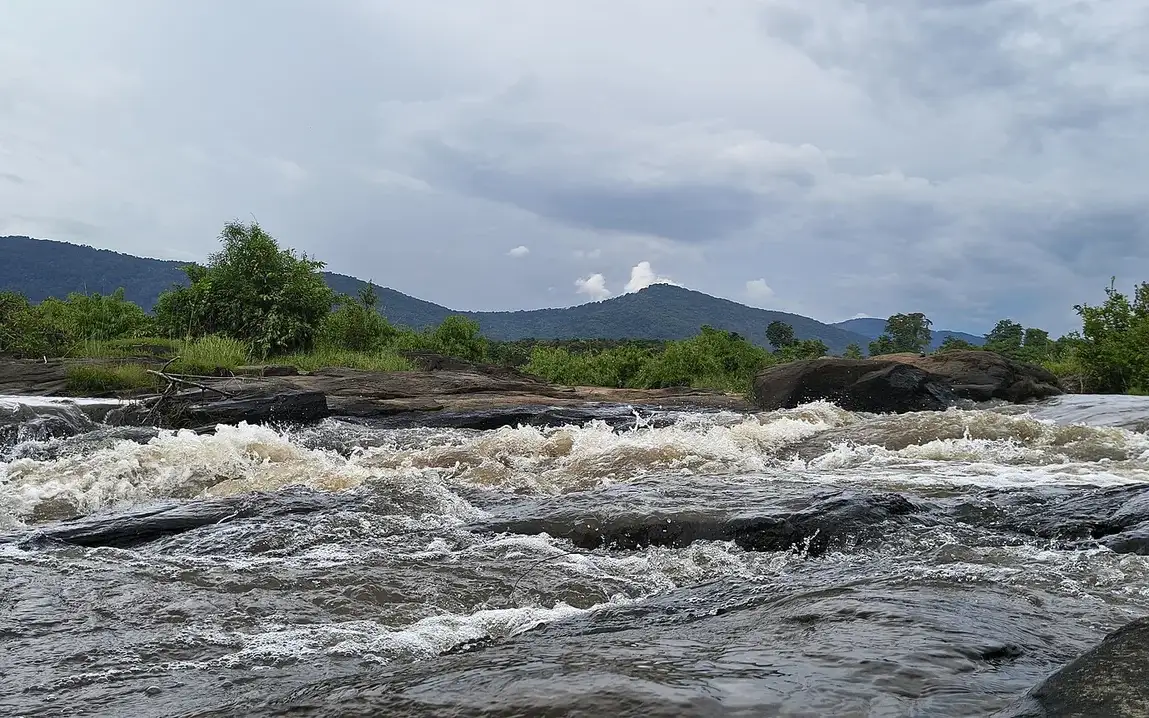
Paniyeli Poru A Kerala Forest Department pass is required — commonly cited at ₹10–20 per adult, less for children. Rates change; buy at the counter.Roughly 8:00am–5:00pm (sources differ on the exact window and on the last entry time). The gate shuts well before dark.Mid-November to May, when the water is lower. The site is normally closed through the monsoon (roughly June to October) on safety grounds — check before travelling. Note that low water is not the same as safe water: the worst recorded incident here happened in low-water conditions.
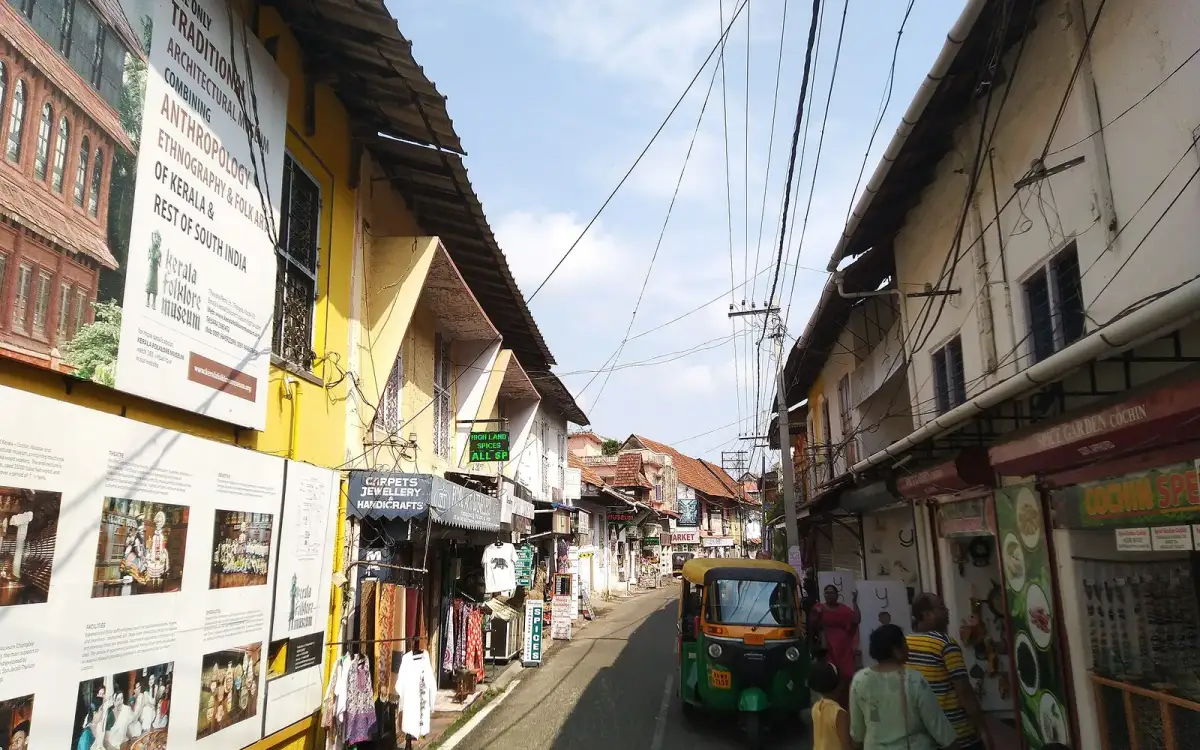
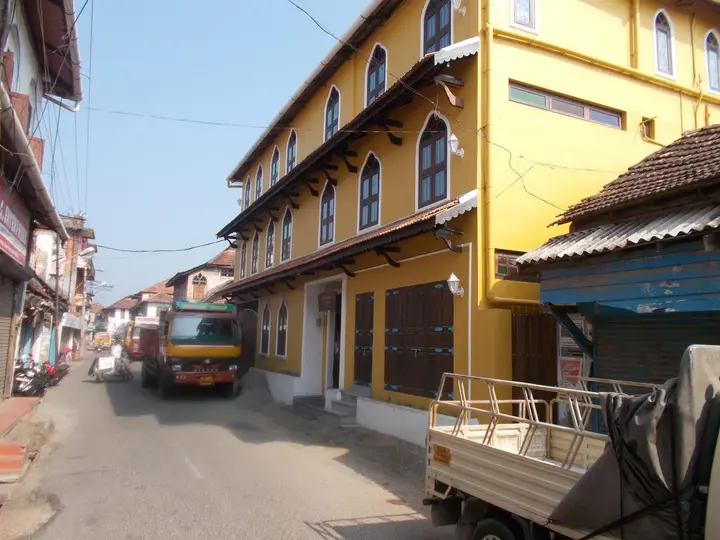
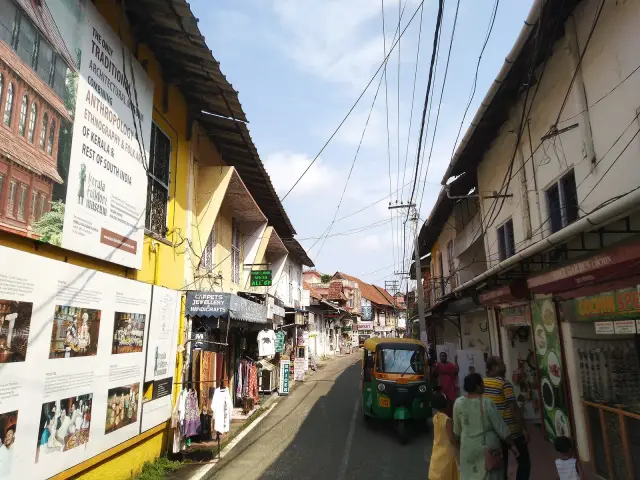
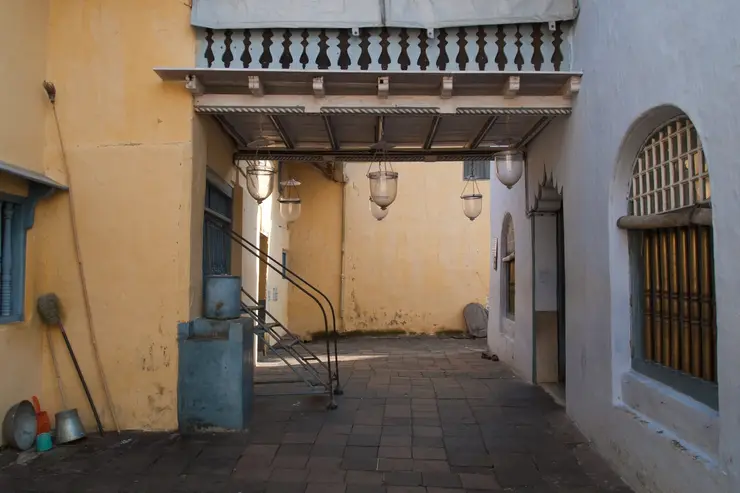
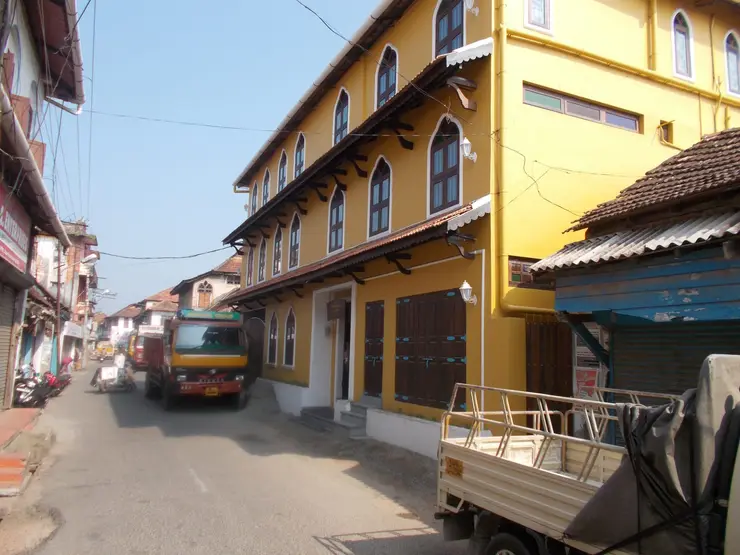
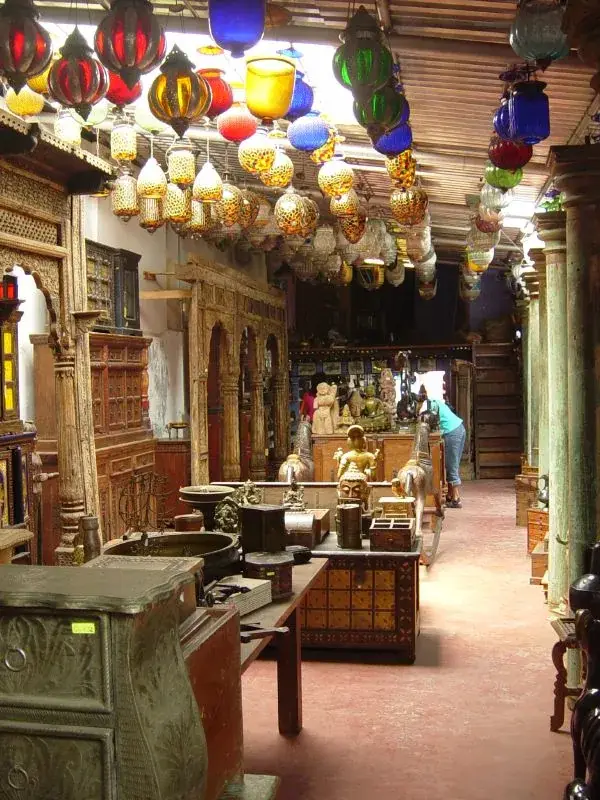
Mattancherry & Jew Town FreeFree to walk. The street itself costs nothing; the synagogue at its southern end charges its own small ticket and keeps its own closing days, and the shops are shops.Shops generally open mid-morning and trade to early evening. The street is effectively closed on Saturday, the Jewish sabbath, and many dealers also shut on Sunday — a Saturday visit is the classic wasted trip here.November to February. The street is roofed by buildings rather than trees and gets close and hot from March; the December–January Biennale years bring both the best atmosphere and the worst crowds.
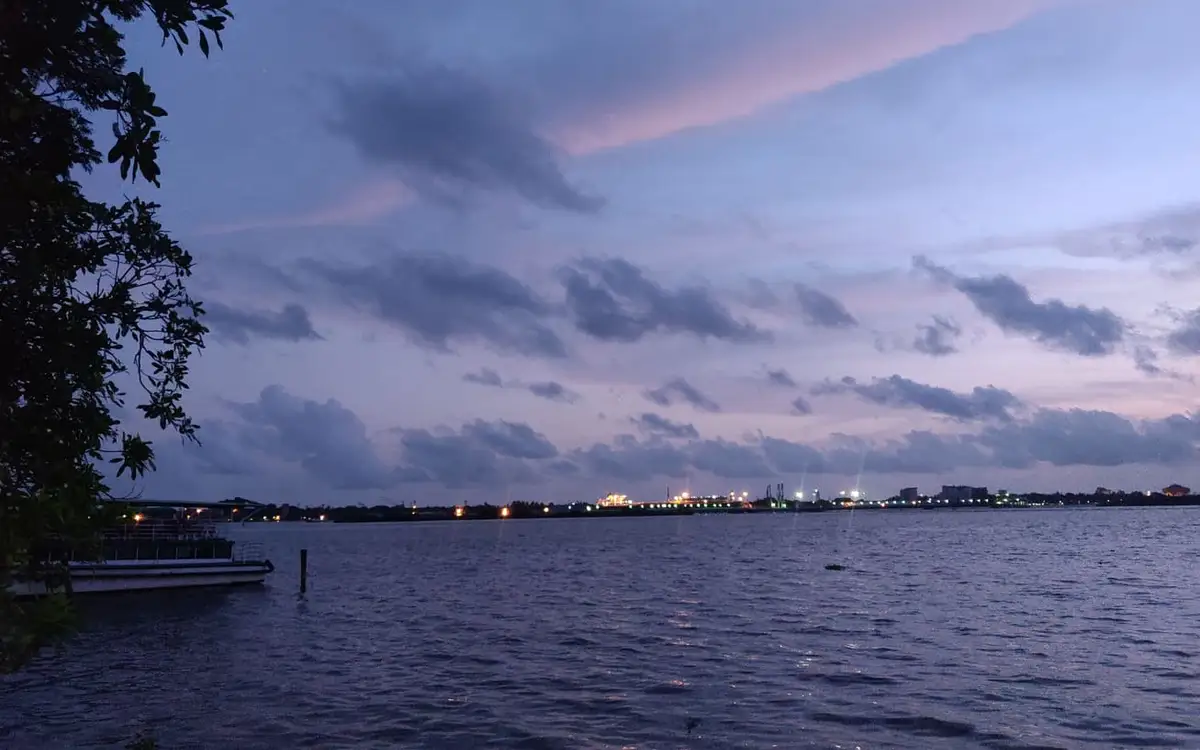
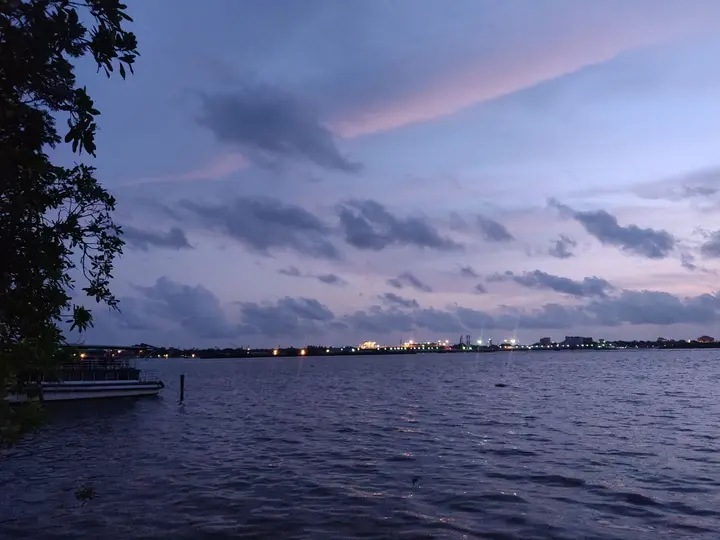
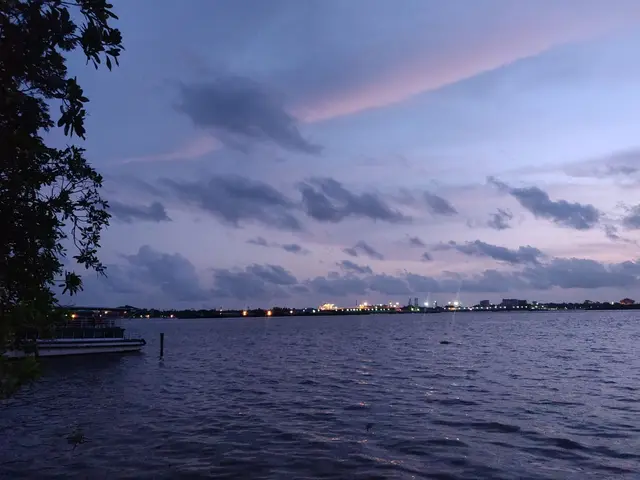
Marine Drive Free to enter — no ticket for the promenade; boat rides, ferries and parking are charged separatelyOpen public promenade accessible through the day; evenings are the liveliest, and it stays busy well into the nightLate afternoon to evening for the sunset and cooler air; October to February offers the driest, most comfortable weather
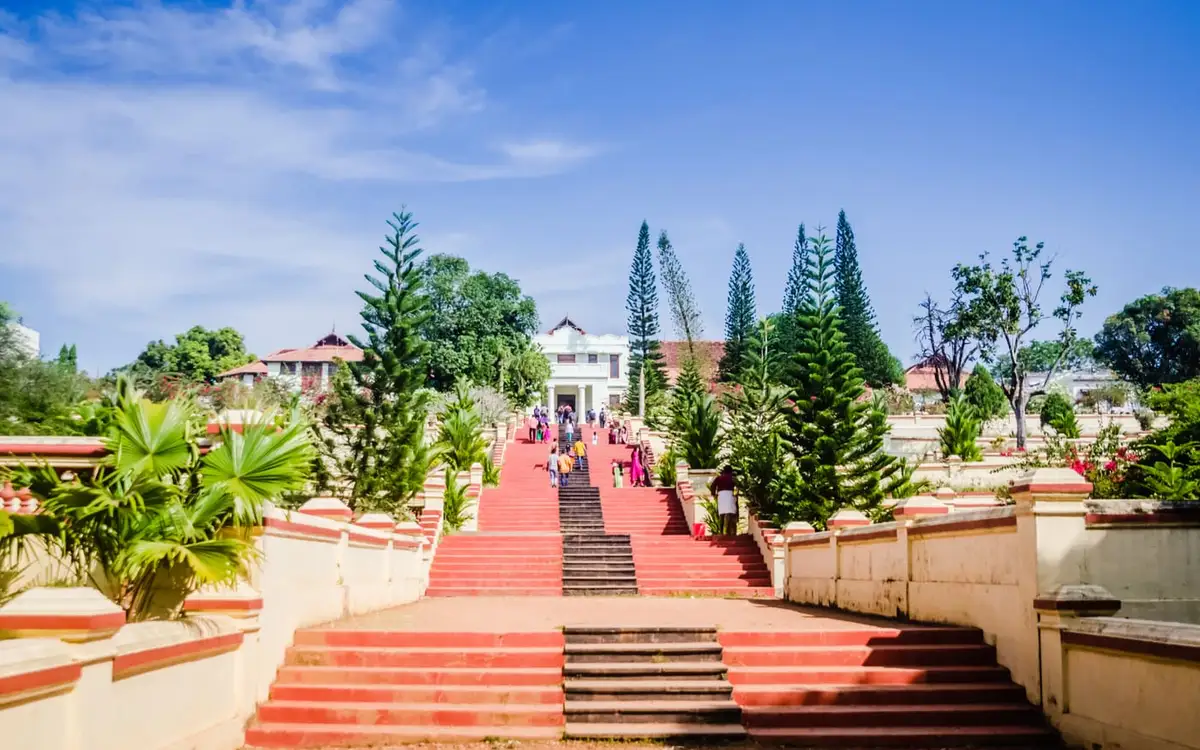
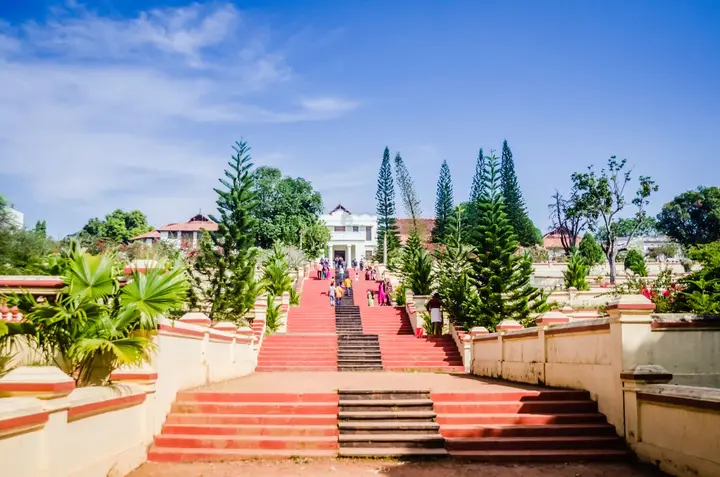
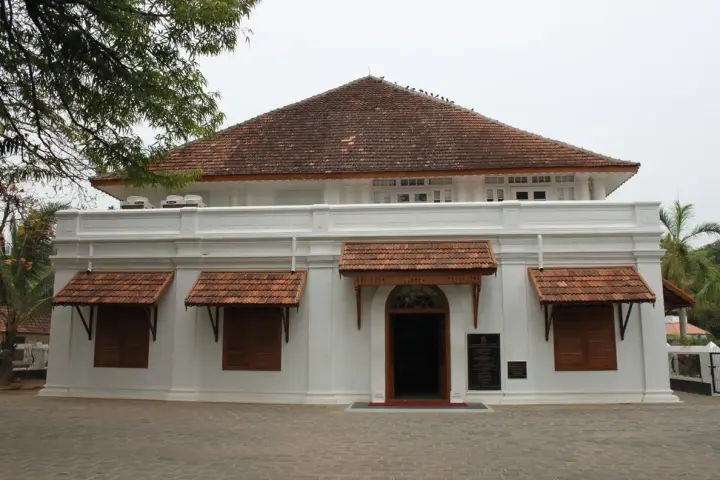
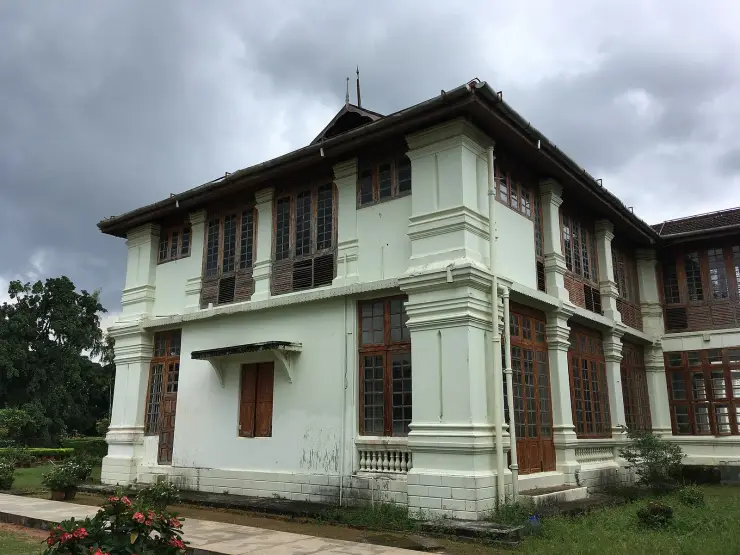
Hill Palace, Tripunithura Indicative — confirm locally: around ₹30–35 for adults and about ₹10 for children, with a separate camera charge (roughly ₹20–60 for still cameras and more for video). Fees are revised from time to time.Typically open around 9:00 am to 4:30–5:00 pm, often with a midday break (roughly 9:00 am–12:30/1:00 pm and 2:00–4:30/5:00 pm), with last tickets sold before closing; closed on Mondays and national holidays.October to February, when the weather is cooler and drier, is most pleasant for combining indoor galleries with the outdoor gardens; mornings are best to avoid the afternoon heat.
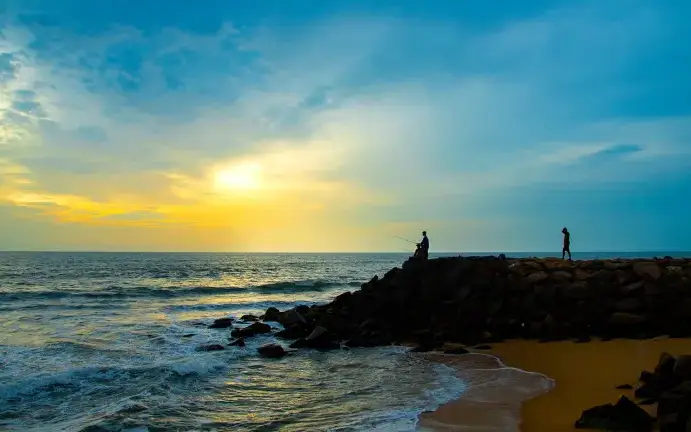
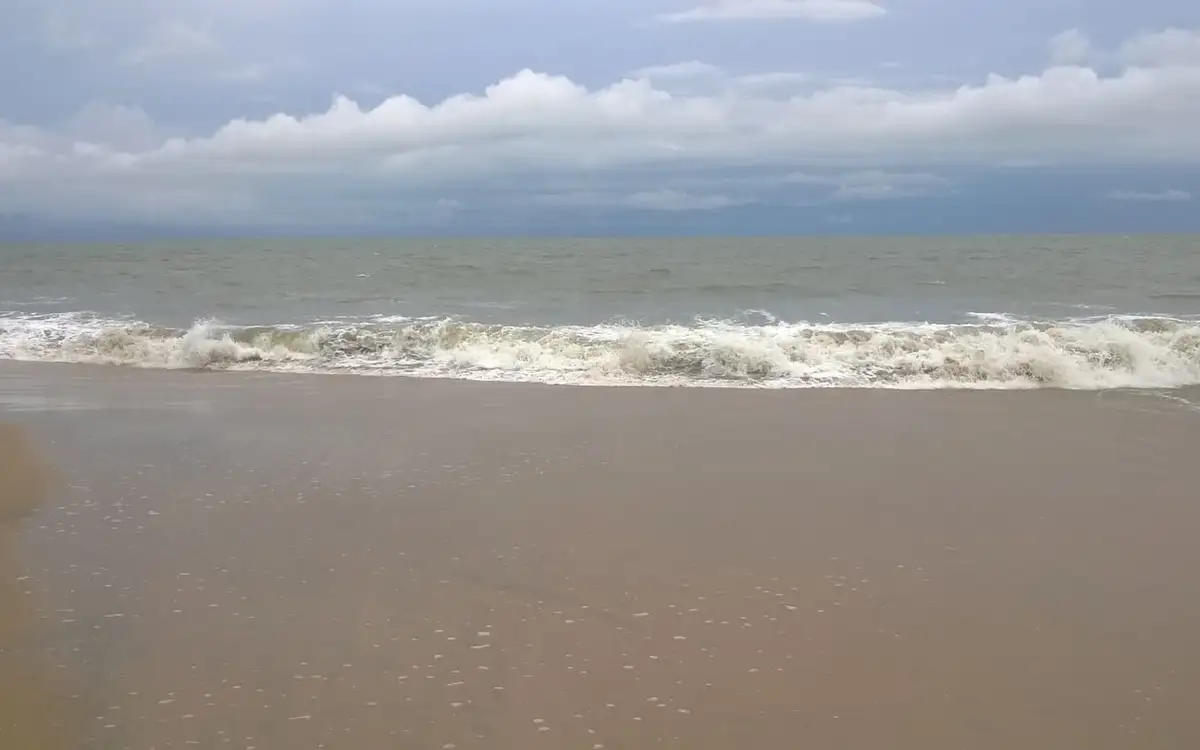
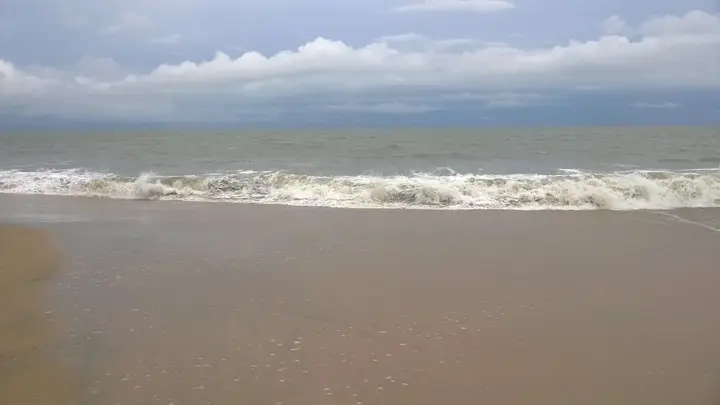
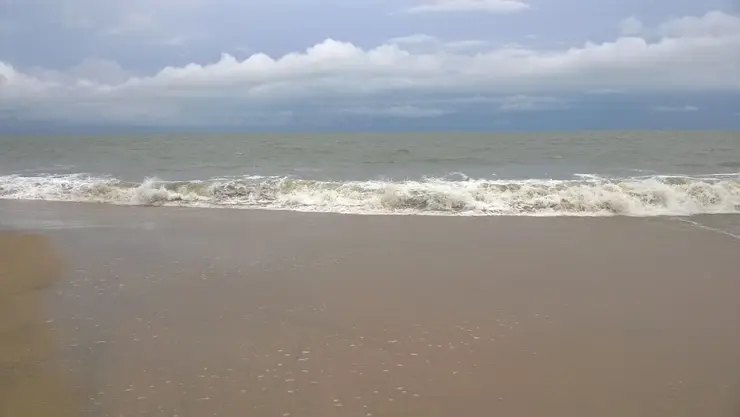
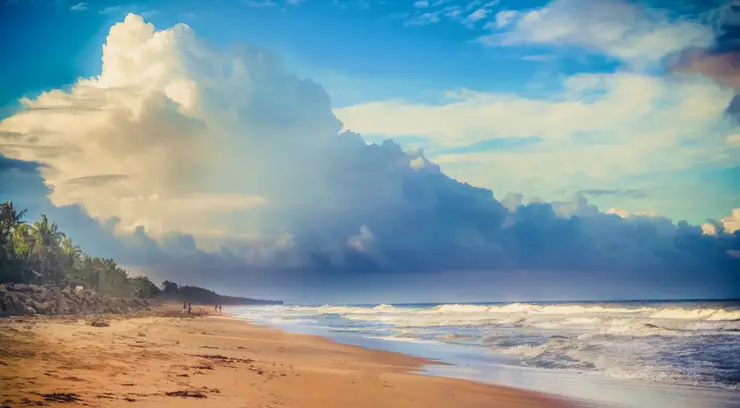
Cherai Beach Free to enter; nominal charges may apply for parking or specific activitiesOpen beach, accessible through the day; sunrise and sunset are the highlightsNovember to February for cool, clear weather; early morning for dolphins and quiet, late afternoon for the sunset
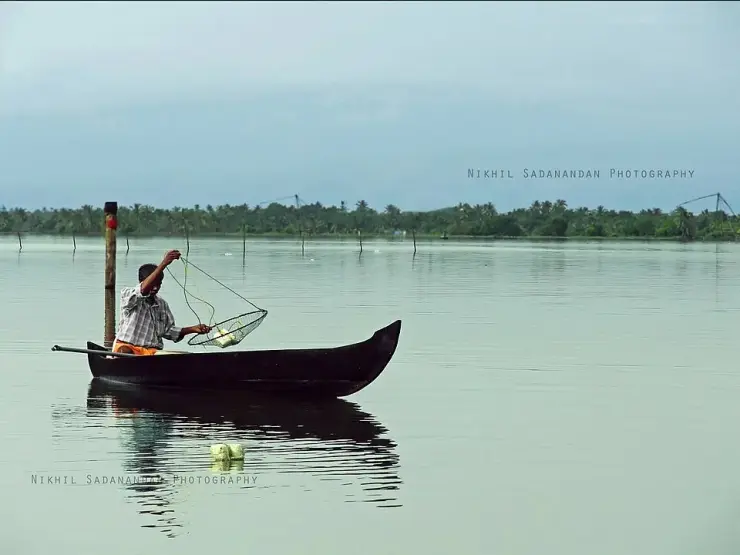
Kumbalangi FreeFree. Kumbalangi is a working panchayat, not a ticketed attraction — there is no gate and no entry counter. What you pay for is somebody's time: a guided village walk, a canoe with a boatman, a meal in a family kitchen. Those are agreed household by household and are not published rates, so settle the price before you start, not after.Kumbalangi keeps working hours rather than visiting hours. Nets are lifted and canoes go out around first light; the middle of the day is hot and quiet; the second working spell and the best light run from about four o'clock to sunset. Nothing closes, but there is nothing staged to arrive for either.November to February is the comfortable season. March to May is hot but is also the bioluminescence window. June to September brings the south-west monsoon: the creeks run high and brown, canoe trips get cancelled, and the pokkali fields are at their most photogenic and least accessible.
Thattekkad Bird Sanctuary Around ₹40 (Indian adult) / ₹35 (child) / ₹180 (foreigner). Guided birding trails around ₹500 per person.6:00am–6:00pm daily; arrive before 4:00pm. Guided Salim Ali Trail sessions from ~7:00am.—
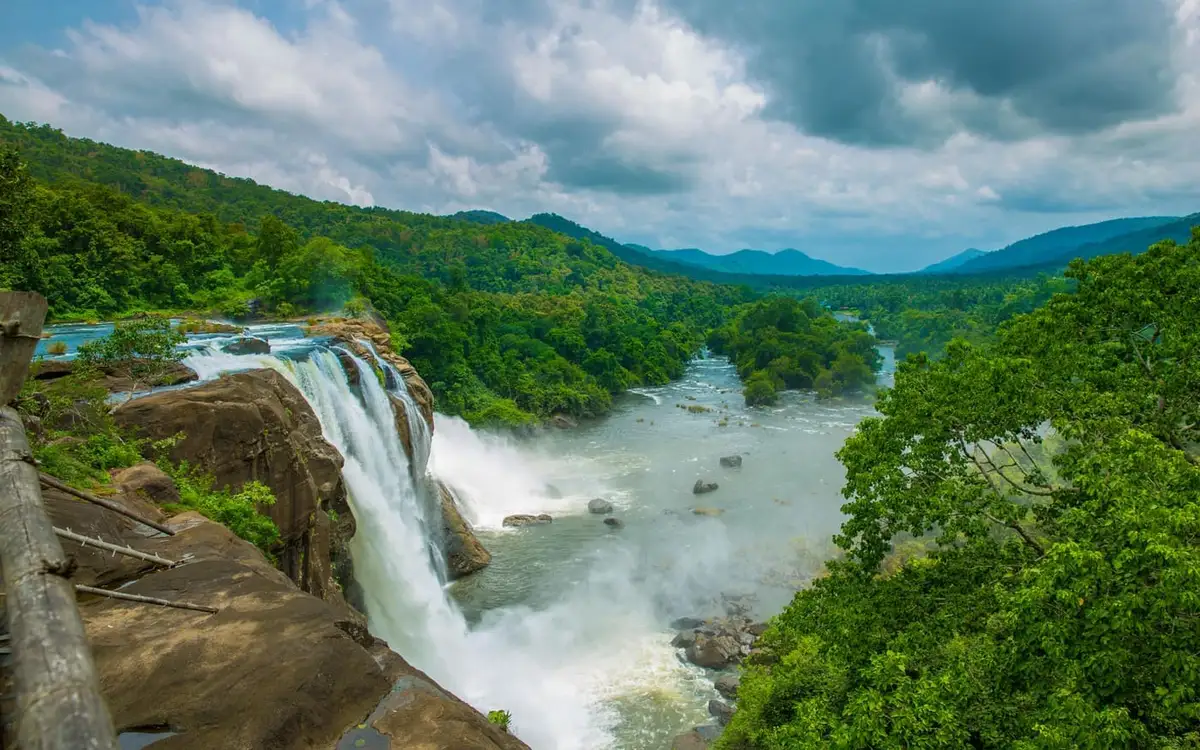
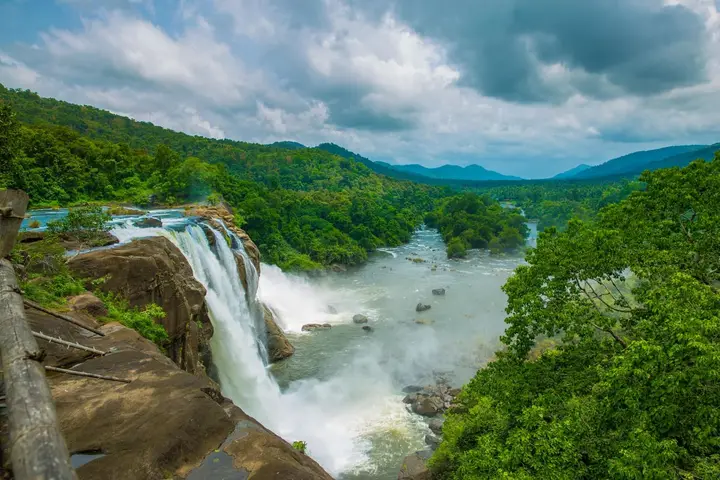
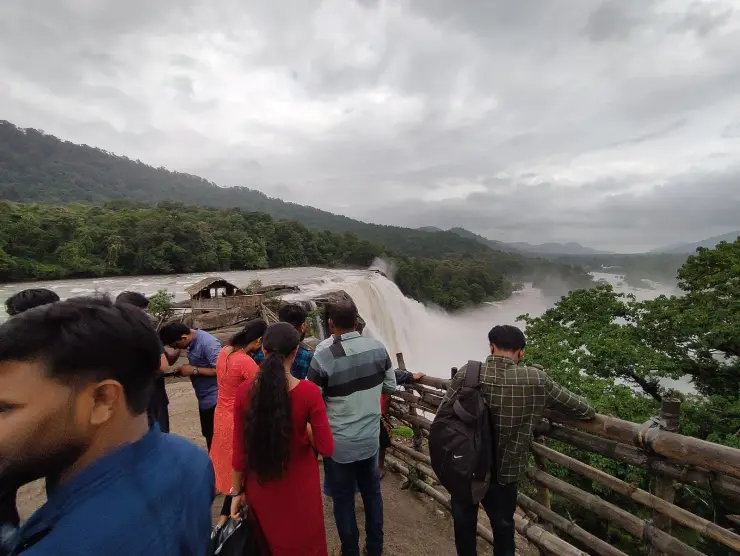
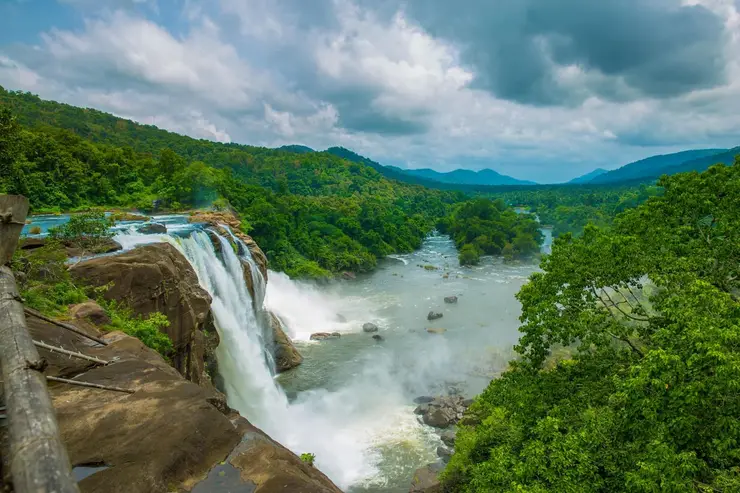
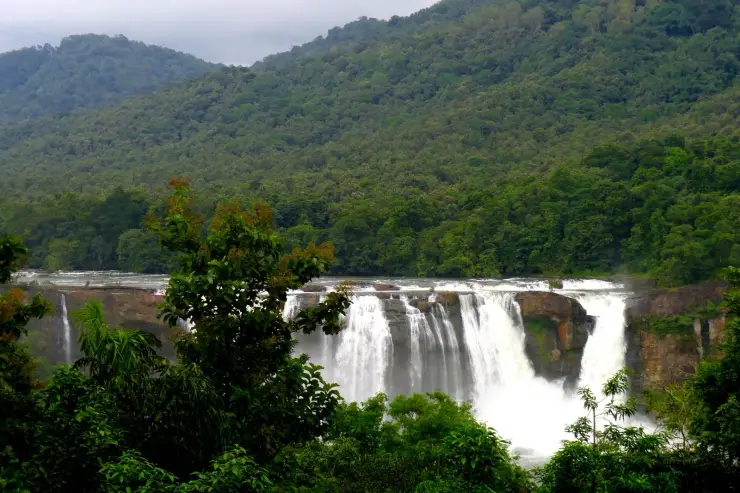
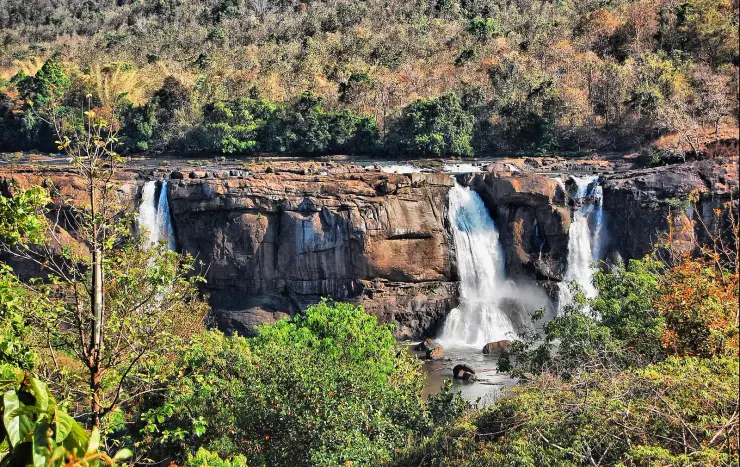
Athirappilly Falls Around ₹50 (Indian) / ₹200–250 (foreigner); children reduced. One ticket covers Athirappilly + Vazhachal the same day. Parking & camera extra.Around 8:00am–5:30pm daily (Forest Department; weather-dependent)—
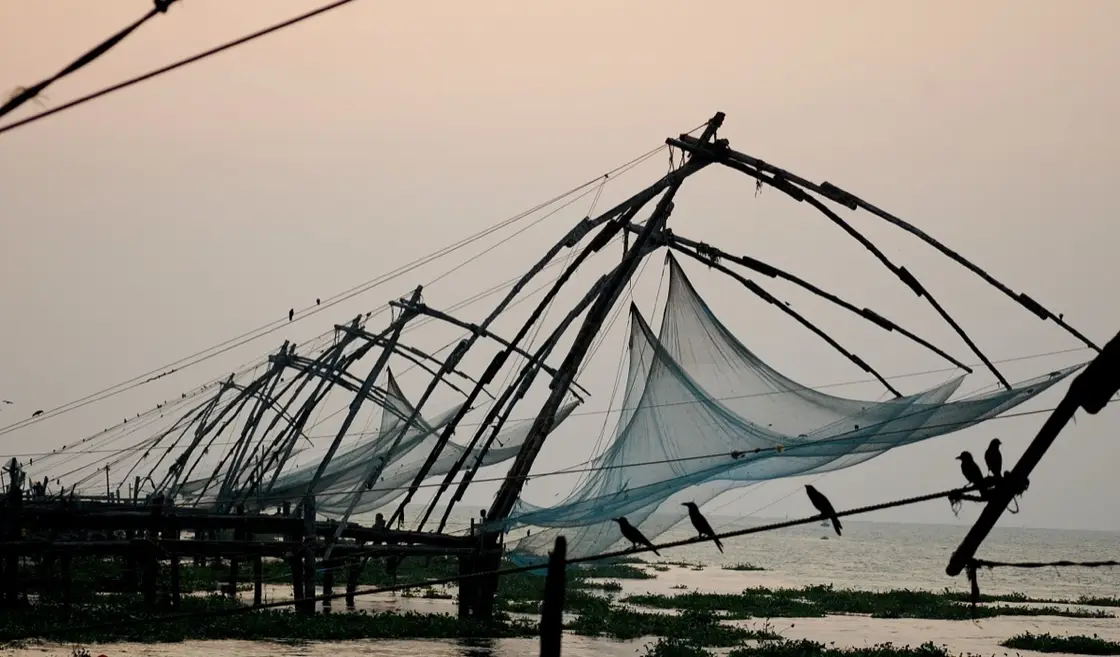
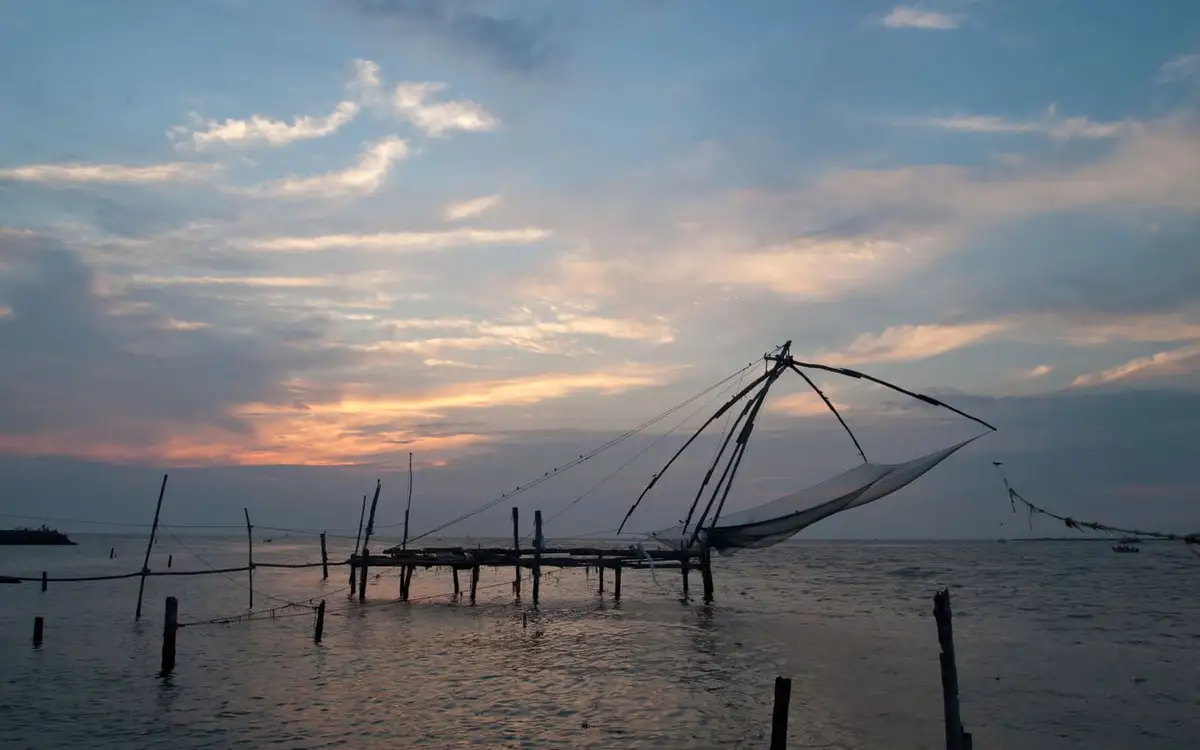
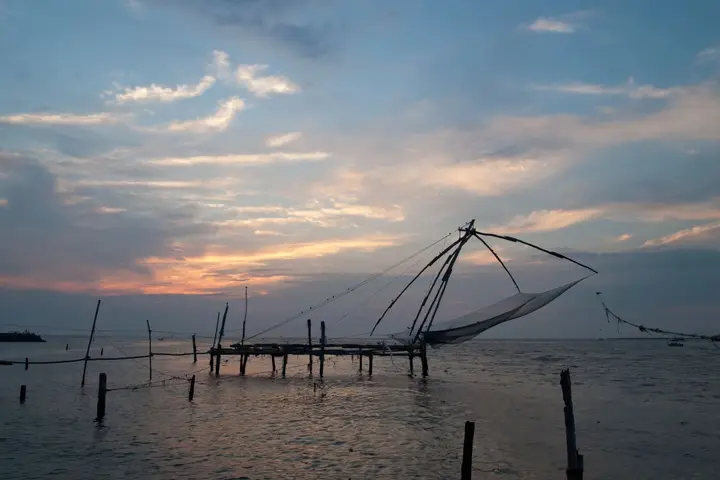
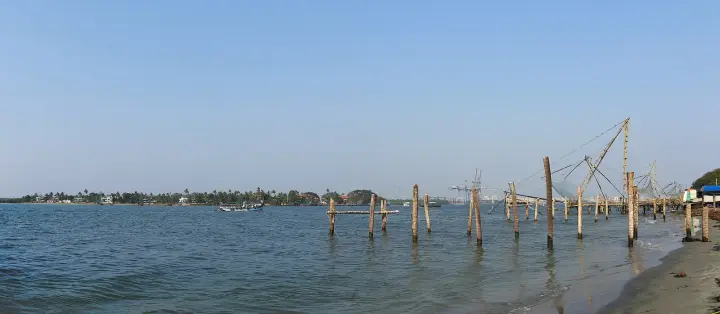
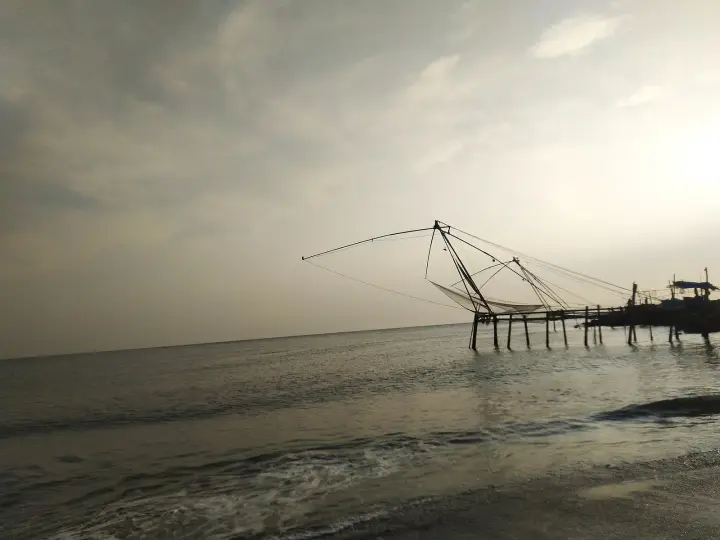
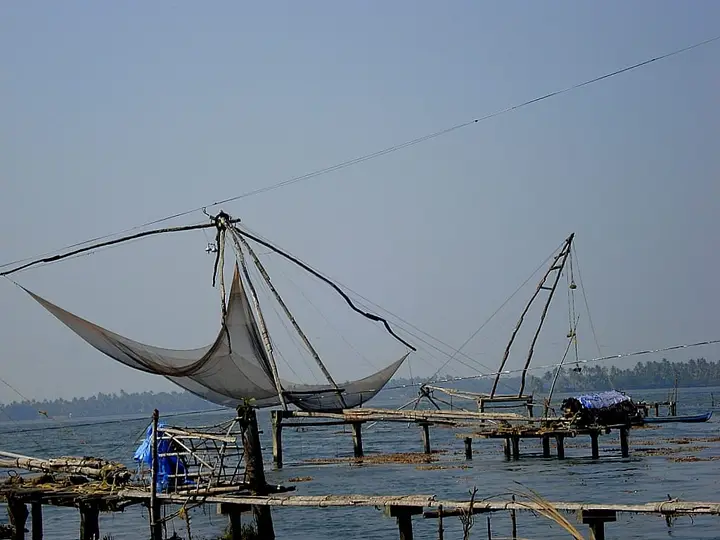
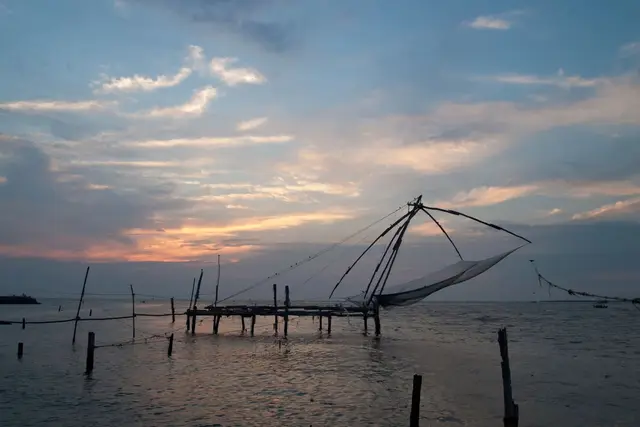
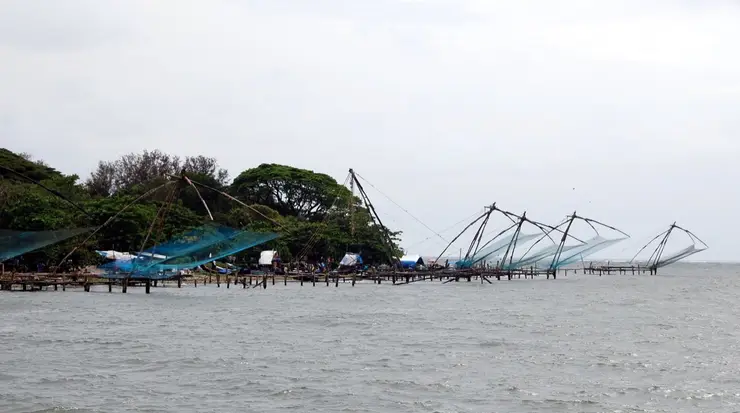
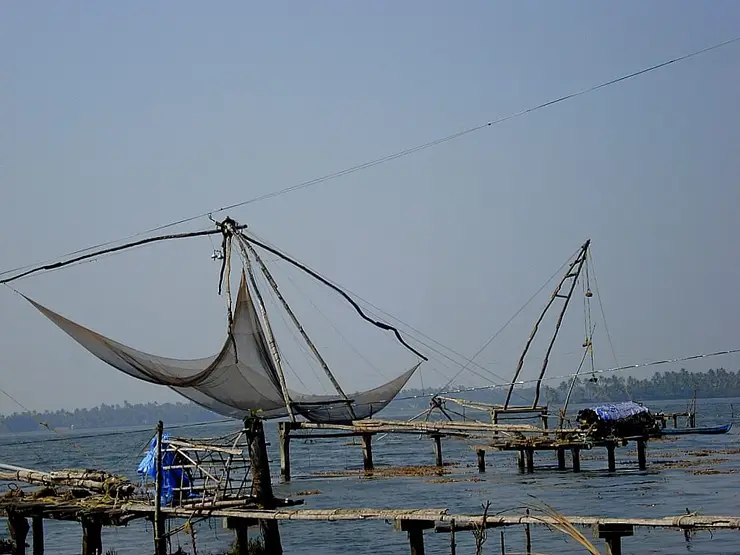
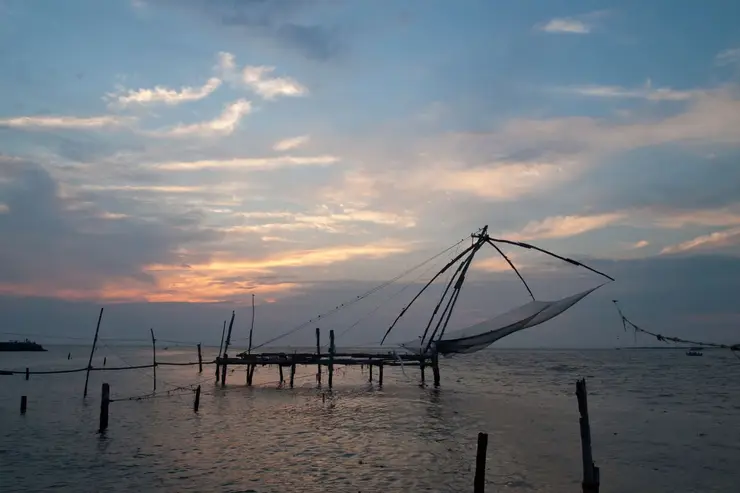
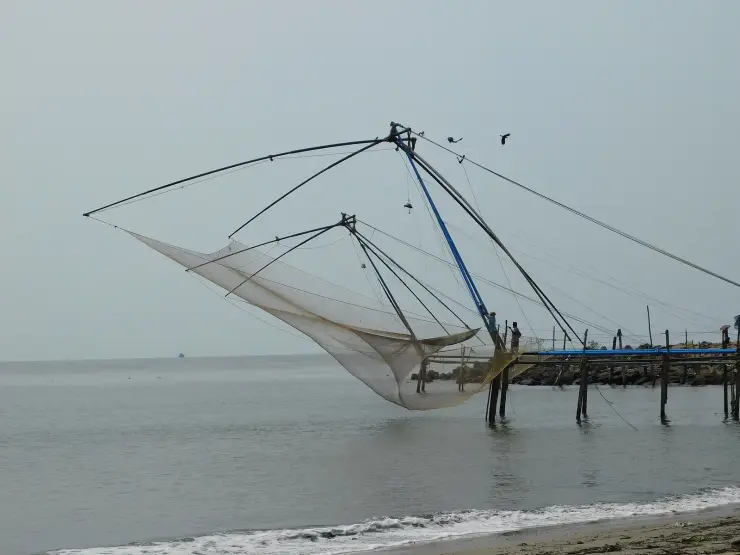
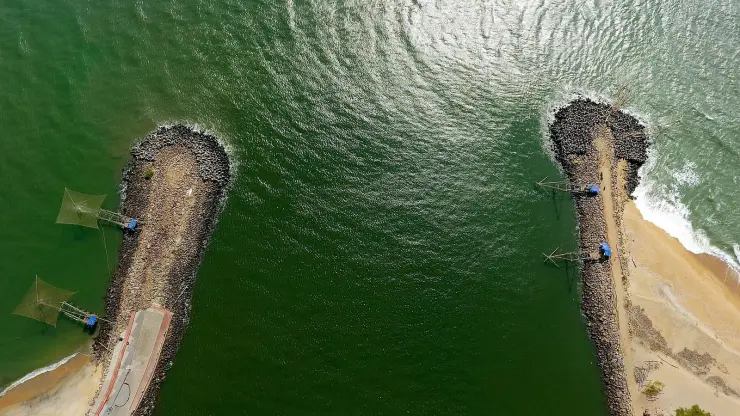
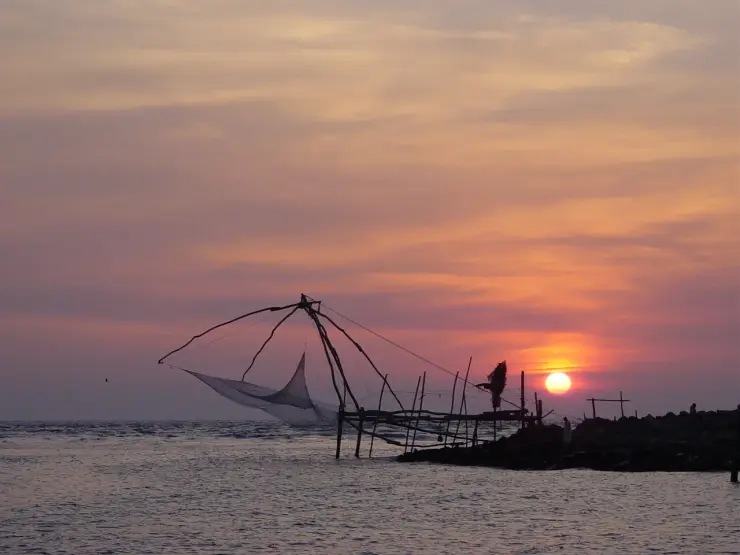
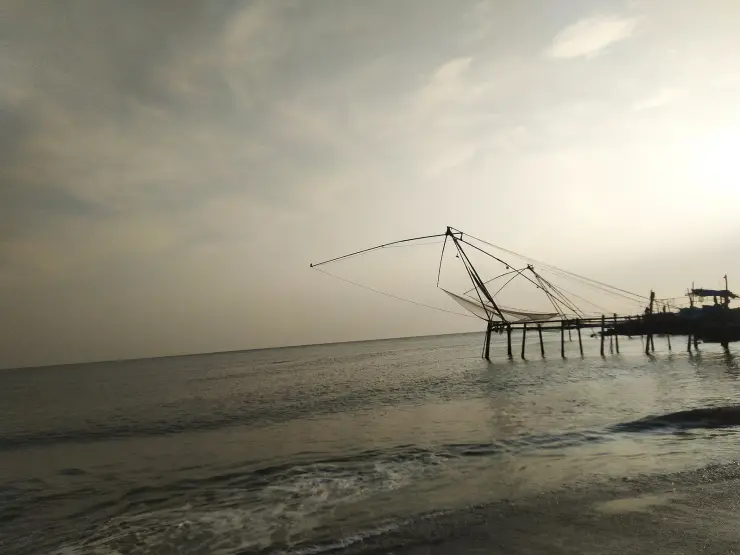
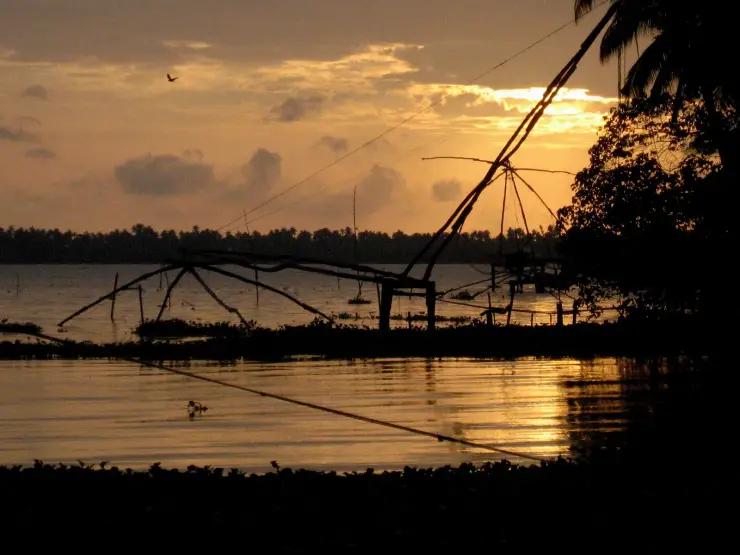
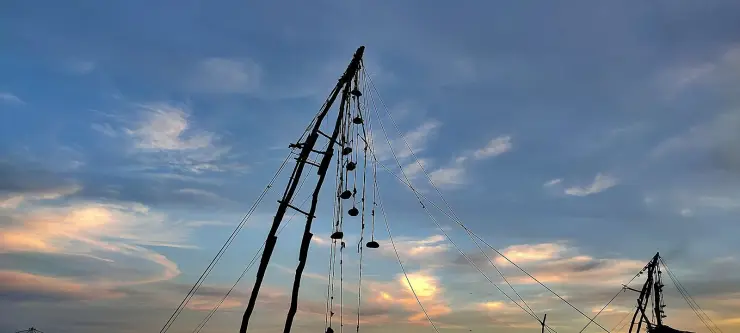
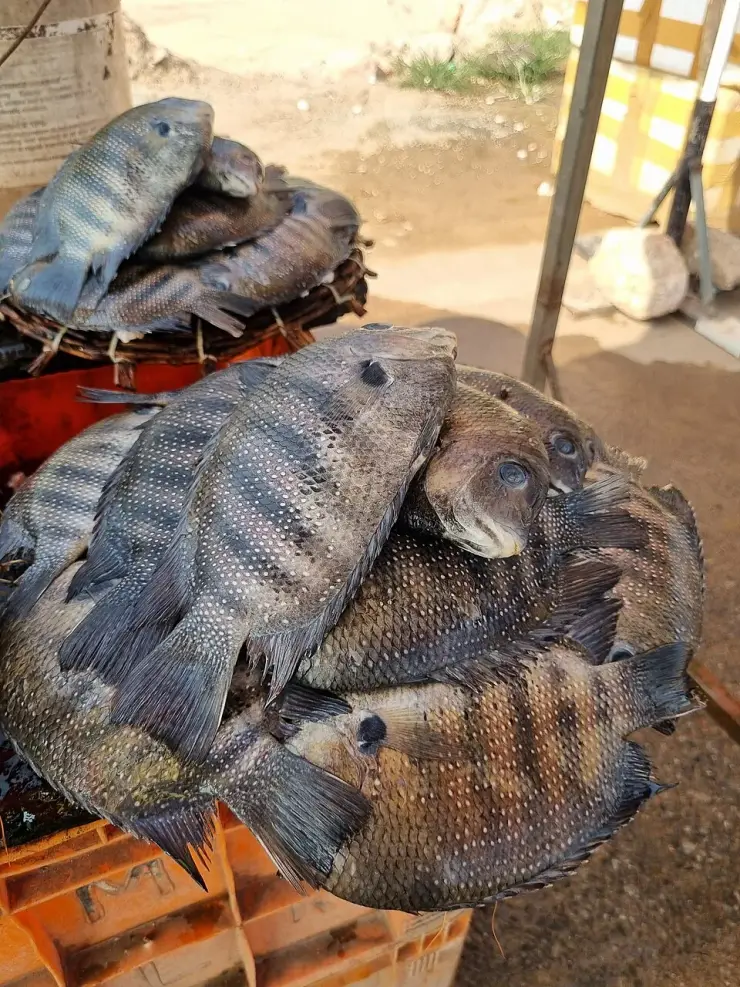
Chinese Fishing Nets Free to view from the promenade. Crews may ask for a small tip to watch them work or to photograph them closely; agree the amount beforehand. Do not go up onto a platform, whatever is offered: on 21 November 2025 one collapsed under a tour group at Vasco da Gama Square, dropping seven people into about 15 feet of water, and Fort Kochi police barred operators from allowing it — the operator and owner were charged. Of the nets that remain, reporting at the time put only three in fully restored condition. Fish at the adjacent stalls is sold by weight with a separate cooking charge; agree both the per-kilo rate and the cooking charge before you hand anything over.Open-air waterfront, accessible at any time; the nets are typically worked from around sunrise through the day and again toward evening, with activity varying by tide. Sunset is the most rewarding window.October to March offers the pleasantest, driest weather and the clearest sunsets; the June–September monsoon brings rough seas and rain but a dramatic, moody atmosphere. Late afternoon to dusk is the best hour on any day.
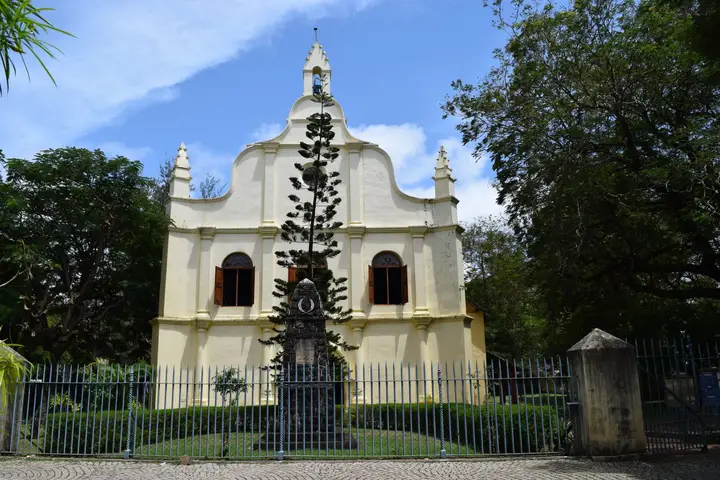
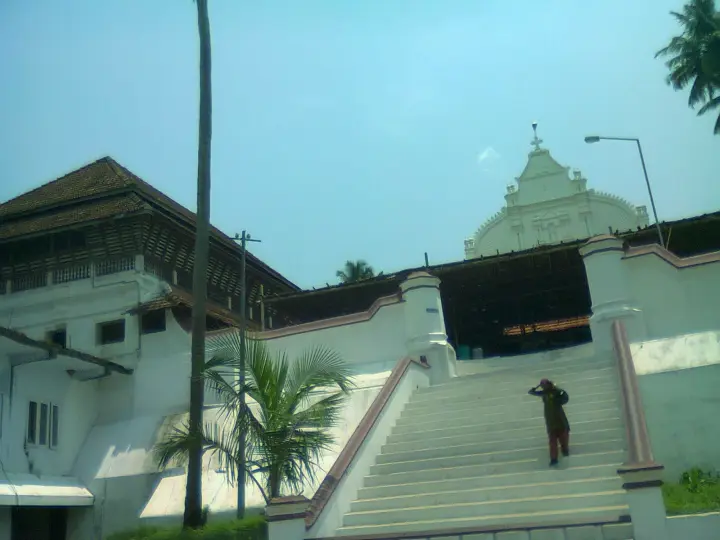
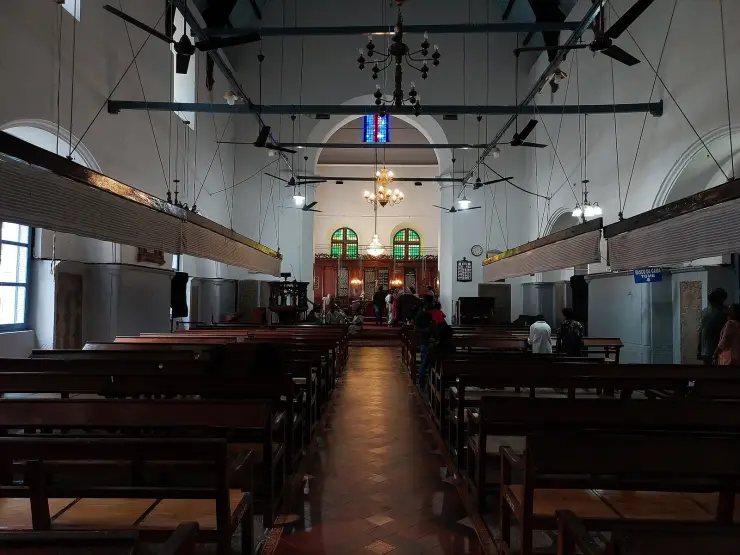
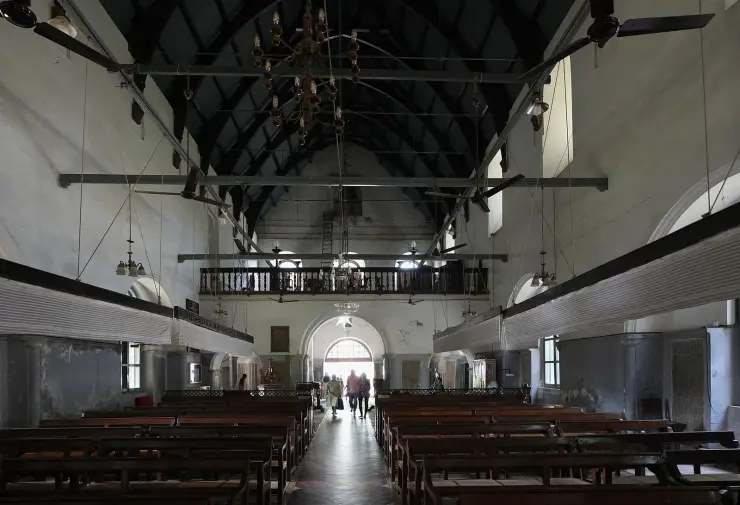
St. Francis Church Usually free; a donation box is typically available for those who wish to contribute.Generally open to visitors through the day, roughly morning to evening, with Sunday given over to worship services when tourist access may be limited.October to March is the pleasant, drier season in Kochi and the best time to explore Fort Kochi on foot; mornings are cooler and quieter for a visit.
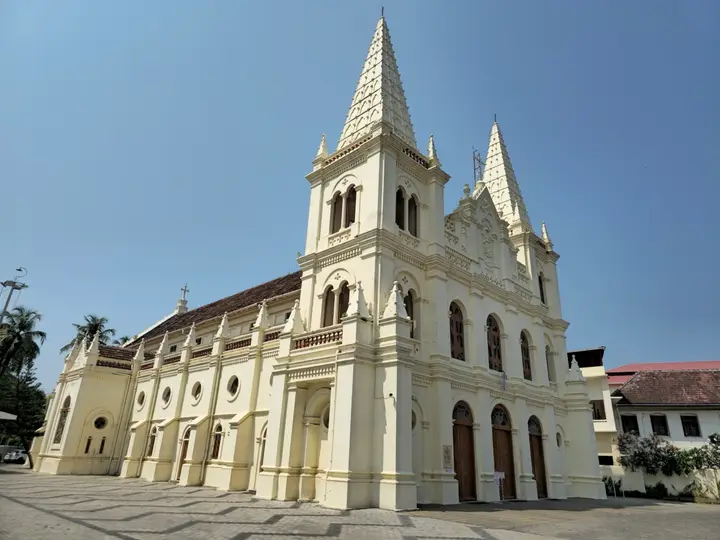
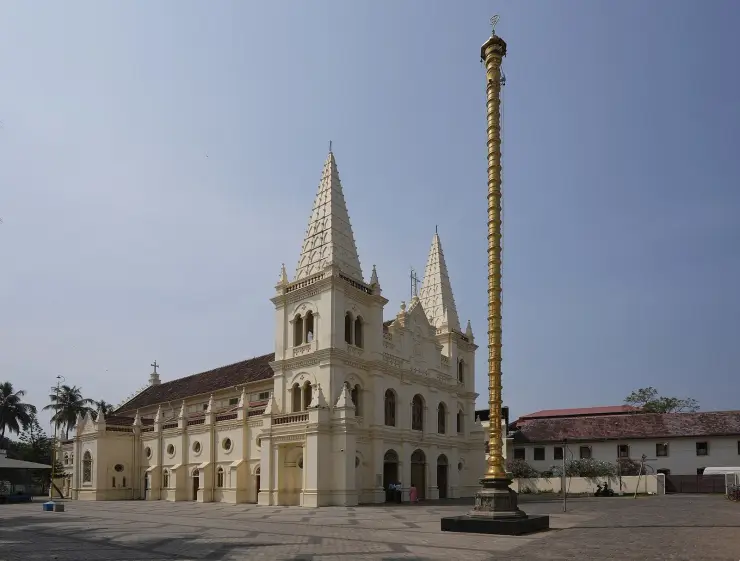
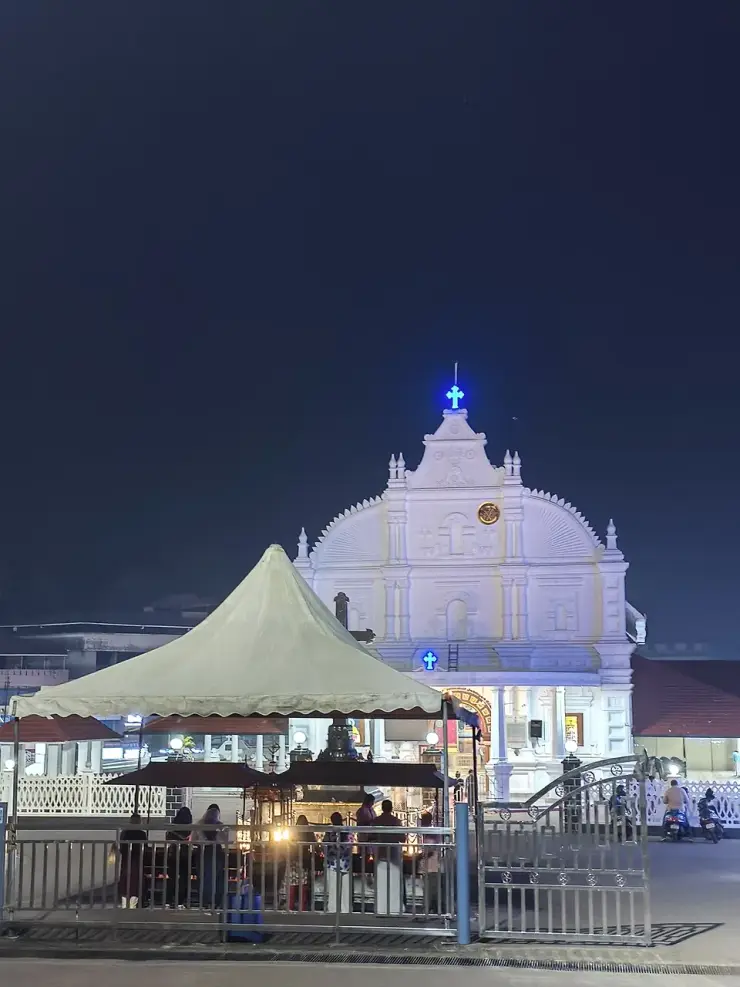
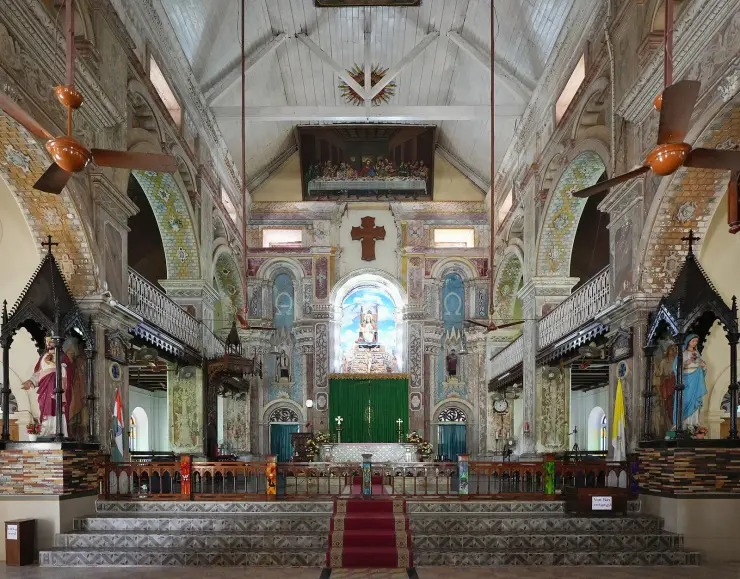
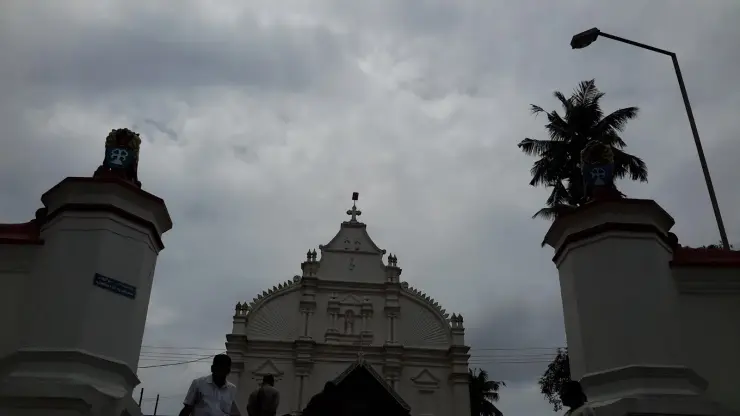
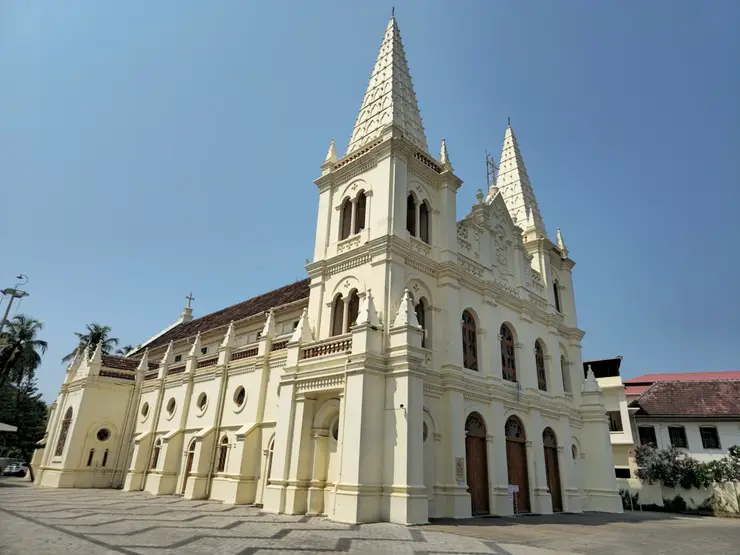
Santa Cruz Cathedral Basilica Free — it is a place of worship; no entry ticket. A donation box is provided for voluntary contributions towards the church’s upkeep.Generally open to visitors daily, roughly early morning to evening (commonly cited as around 9.00 am–1.00 pm and 3.00 pm–5.00 pm for sightseeing, with the church open longer for prayer). Timings and Mass schedules vary by day and season.October to March offers the most pleasant, dry weather for exploring Fort Kochi on foot. Early morning and late afternoon give the softest light on the pastel façade and the fewest crowds. Christmas, Holy Week and Easter are especially atmospheric but busy.
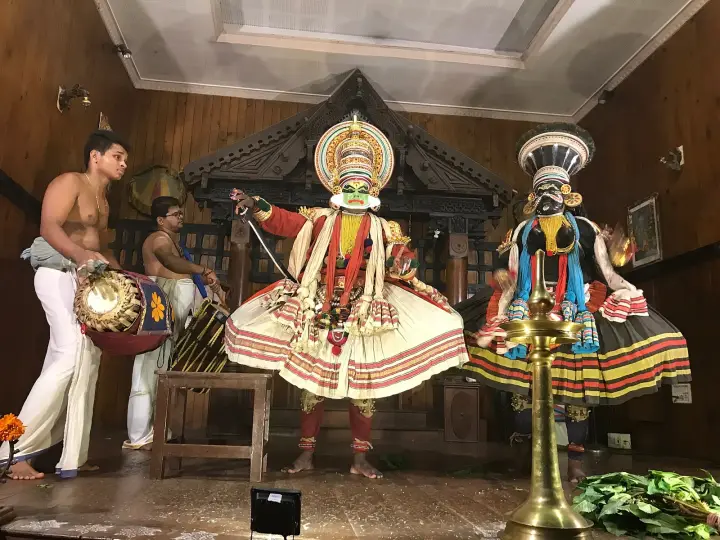
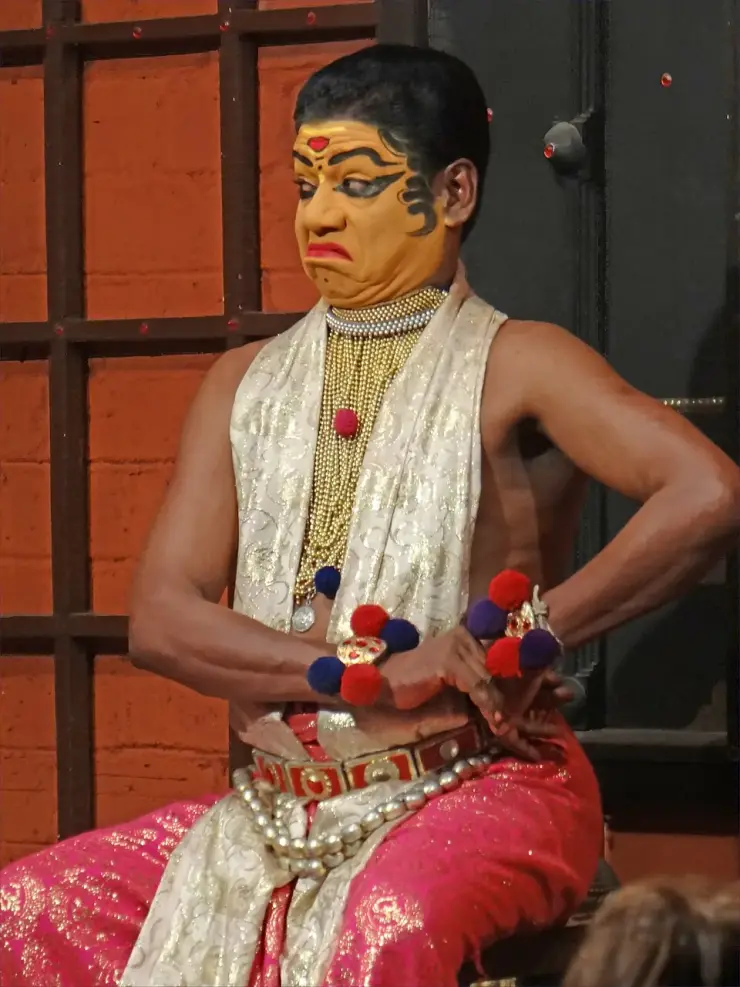
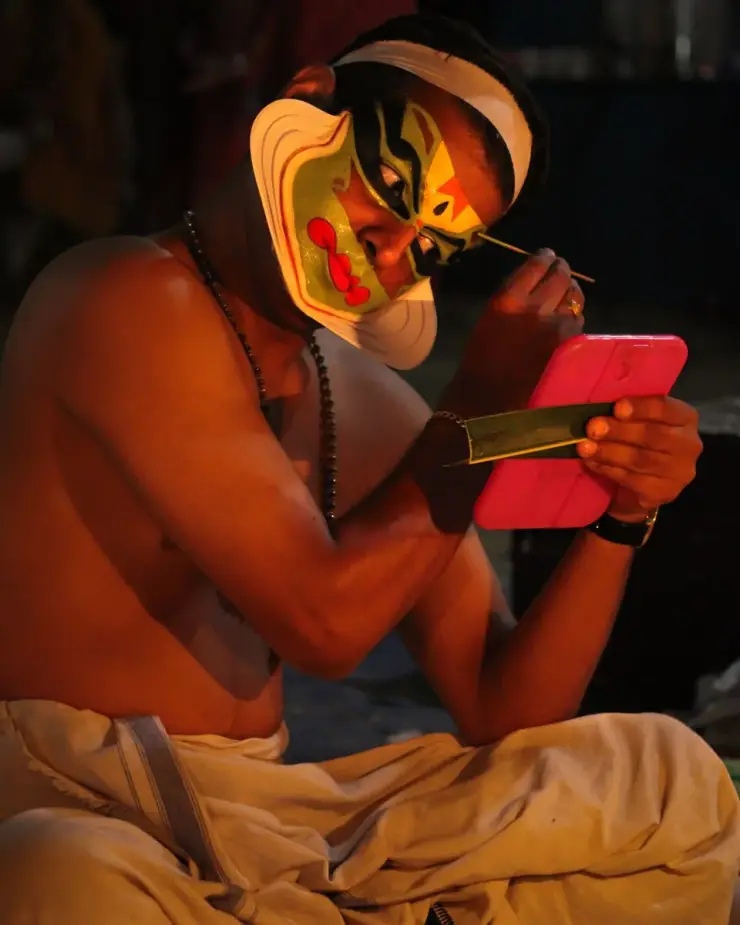
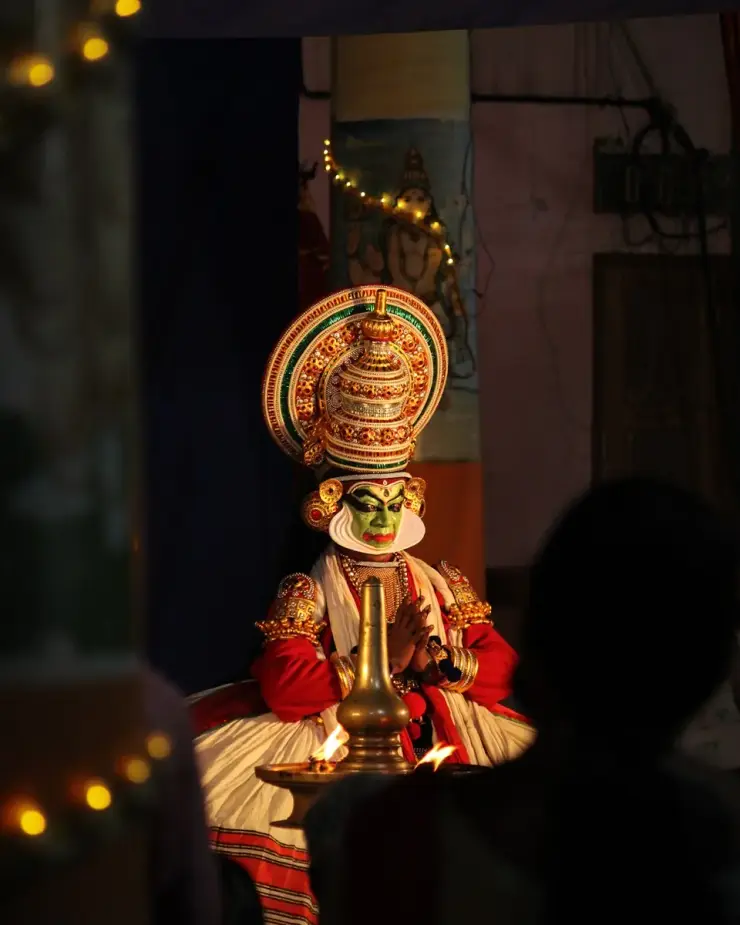
Kerala Kathakali Centre Ticketed show, around ₹250–500 per personEvening Kathakali performance around 6:00pm; make-up from about 5:00pm—
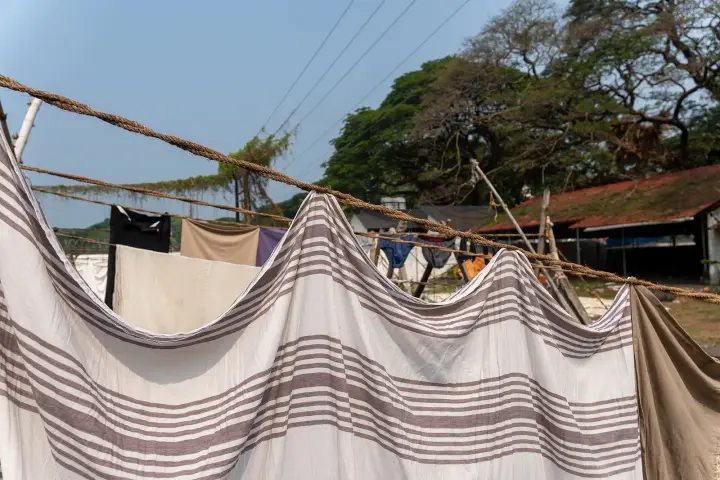
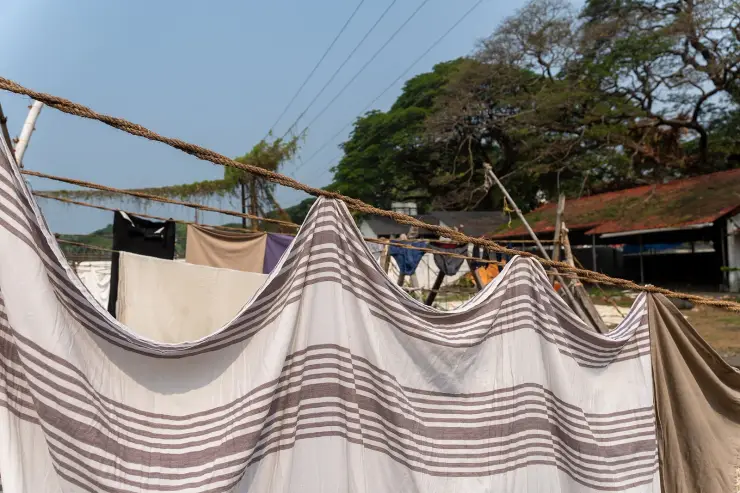
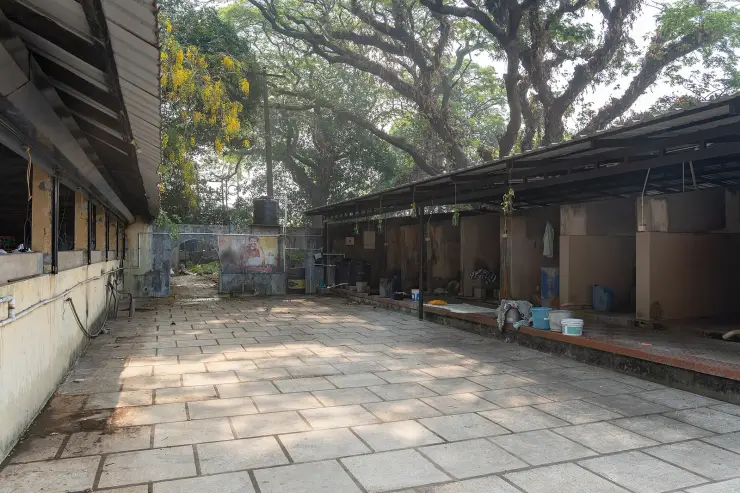
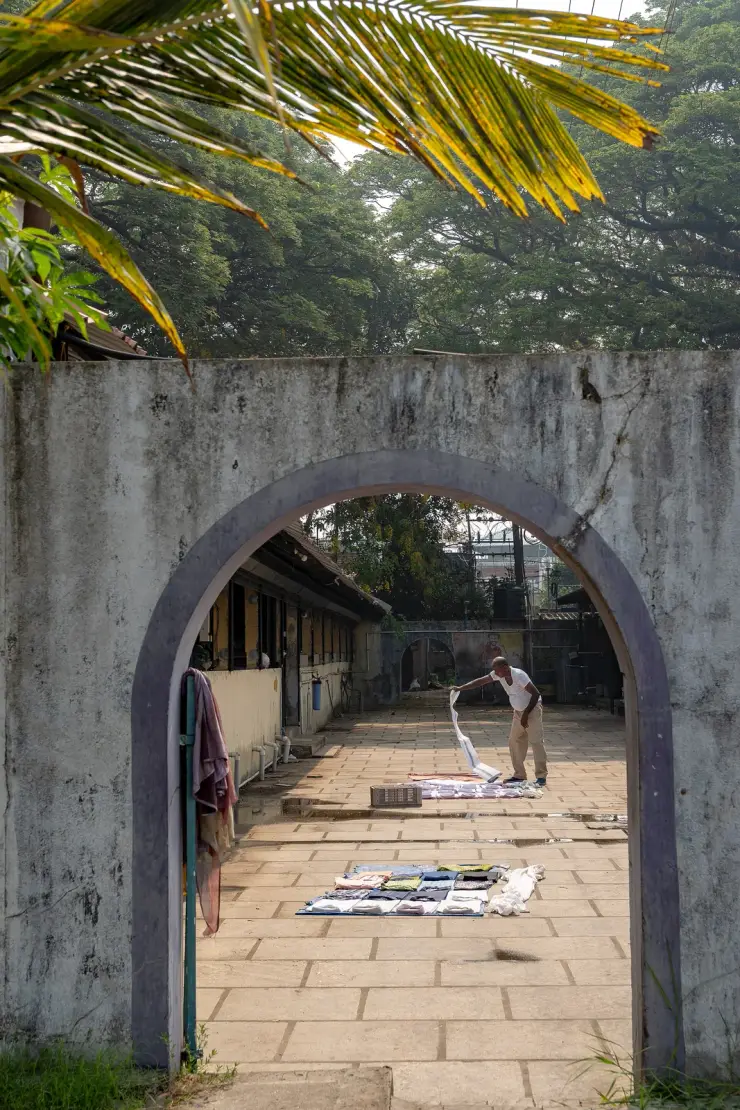
Dhobi Khana FreeThere is no ticket. This is a working community laundry, and the customary courtesy is a small tip to whoever shows you round — agree nothing in advance and give what the time was worth.Working hours, not visiting hours: the washing is done early, and the middle of the morning is when the place is busiest and most worth seeing. There is no published timetable and no closing time posted.October to March for the weather. Mid-morning on any dry day is when the lines are full; the June–September monsoon is the hardest season for the trade and the quietest for visitors.
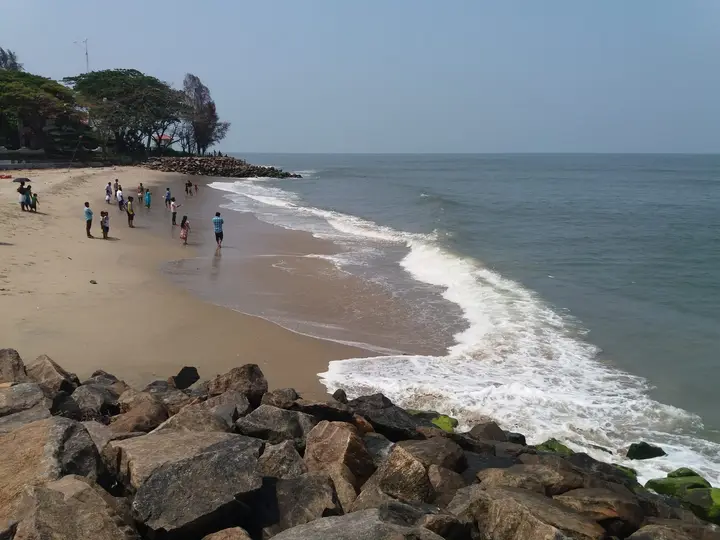
Fort Kochi Beach Free to walk the seafront. The fishermen working the Chinese fishing nets may ask for a tip to watch them haul a net, which is a normal courtesy. Do not go up onto a net platform: on 21 November 2025 a platform at Vasco da Gama Square gave way and dropped seven visitors into about 15 feet of water, and Fort Kochi police then barred operators from taking tourists onto them, charging the operator and the owner. Watch from the promenade instead.Open seafront accessible through the day; late afternoon to sunset is the main draw, when the nets are worked and the light is at its best.Best from around October to March, when the weather is cooler and drier; visit in the late afternoon for sunset. The Kochi-Muziris Biennale transforms the quarter, but it runs only every second year and is not on for most of the year: the sixth edition closed on 31 March 2026, and the seventh is announced to open in December 2027, curated by Kader Attia — the first foreign curator in its history. If you are coming for the art, check the dates before you book; outside an edition the warehouse venues are closed. The Cochin Carnival runs from around mid-December to New Year's Day, ending with the burning of the Papanji (as announced August 2026 — confirm dates locally).
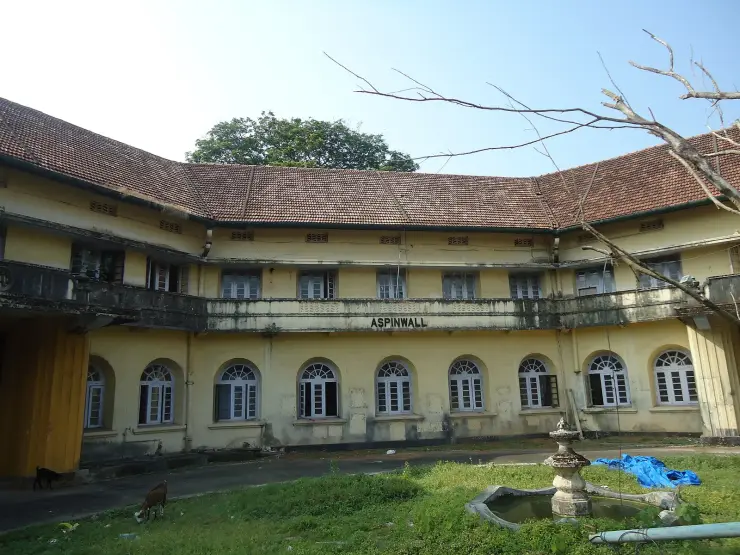
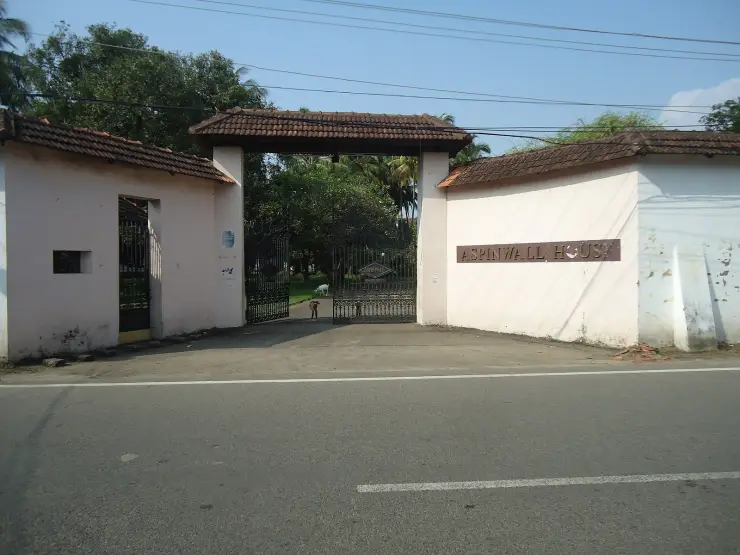
Aspinwall House FreeThere is no general admission to Aspinwall House. The compound is privately owned and is opened to the public chiefly as a Kochi-Muziris Biennale venue, on the Biennale's own ticket; outside those periods and outside the areas put to public use, it is not a walk-in attraction.Opening depends entirely on what is running. During a Biennale edition the venue keeps the festival's published hours; between editions there is no standing public timetable, and visitors regularly arrive to find the gates shut. Check the Kochi Biennale Foundation's current listings before planning a visit.The Biennale has historically run across the cooler December-to-April window, which is also the best weather for Fort Kochi generally. The June–September monsoon is atmospheric on this waterfront but the compound is least likely to be open.
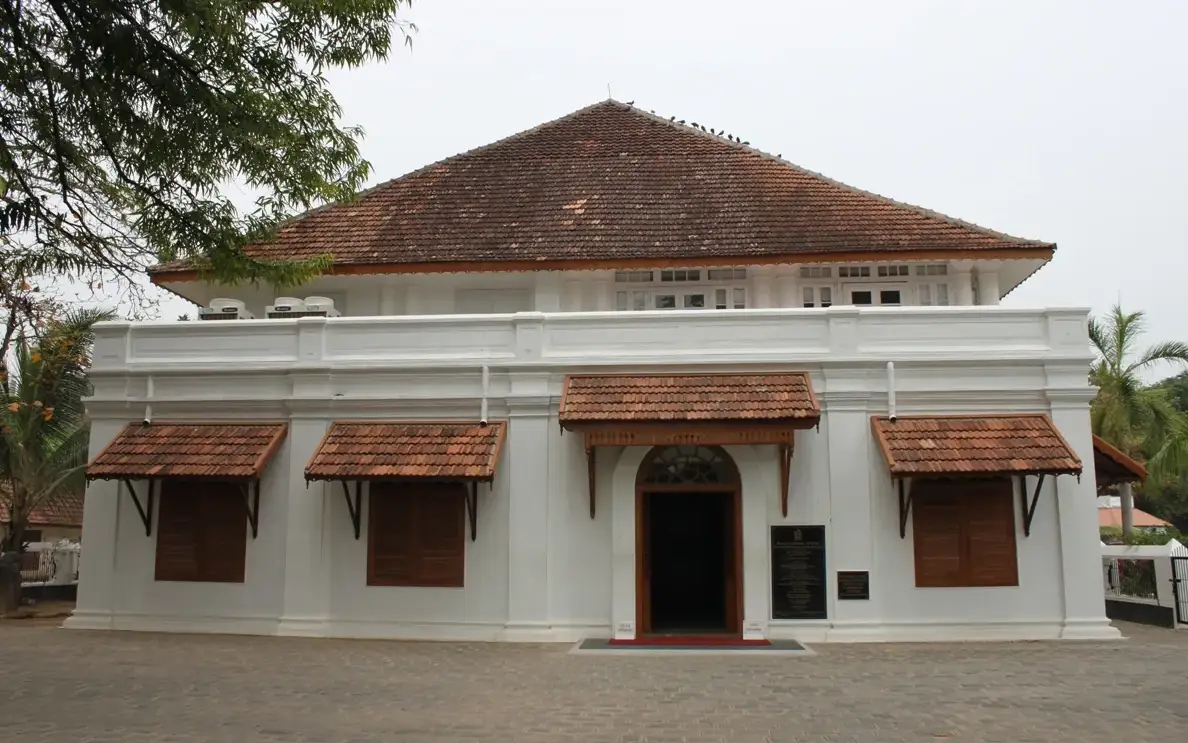
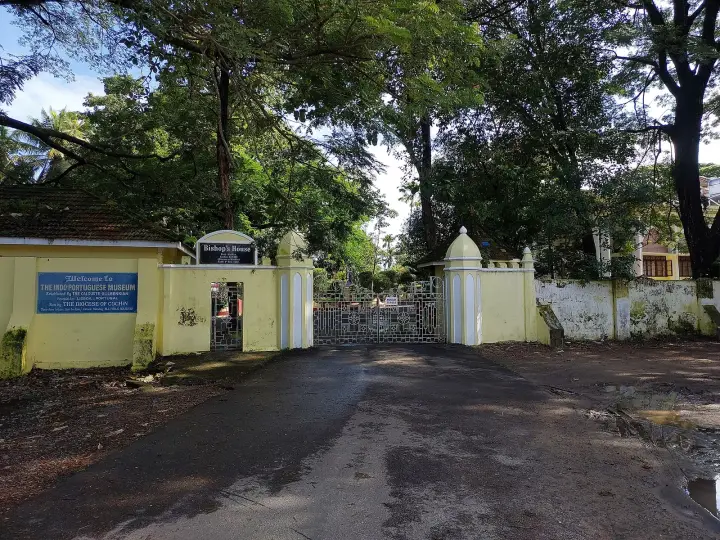
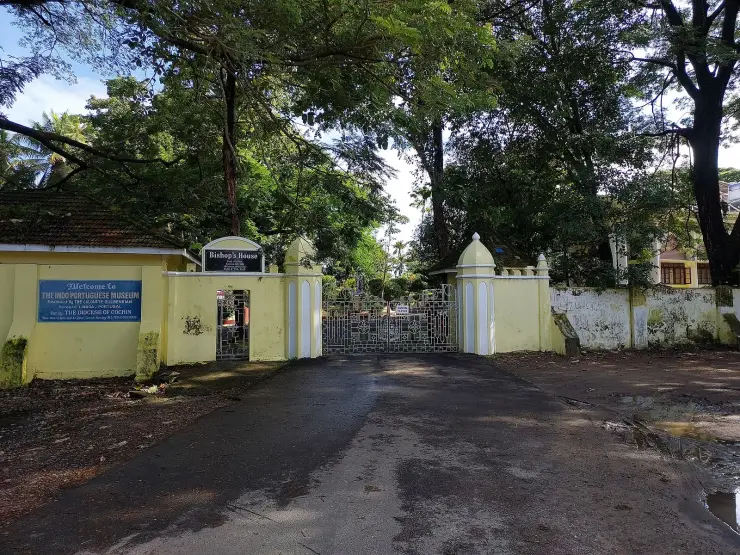
Indo-Portuguese Museum A small entry ticket, usually a few rupees more for foreign visitors than for Indian visitors, with an extra charge commonly applying for cameras; free entry is sometimes offered on a fixed day of the month.Generally open Tuesday to Sunday, closed on Mondays and often on public holidays; typically mid-morning to late afternoon, sometimes with a short midday break.The cooler, drier months from roughly October to March are the most comfortable for exploring Fort Kochi on foot; mornings are quietest, and the garden setting is pleasant year-round outside the heaviest monsoon downpours of June to September.
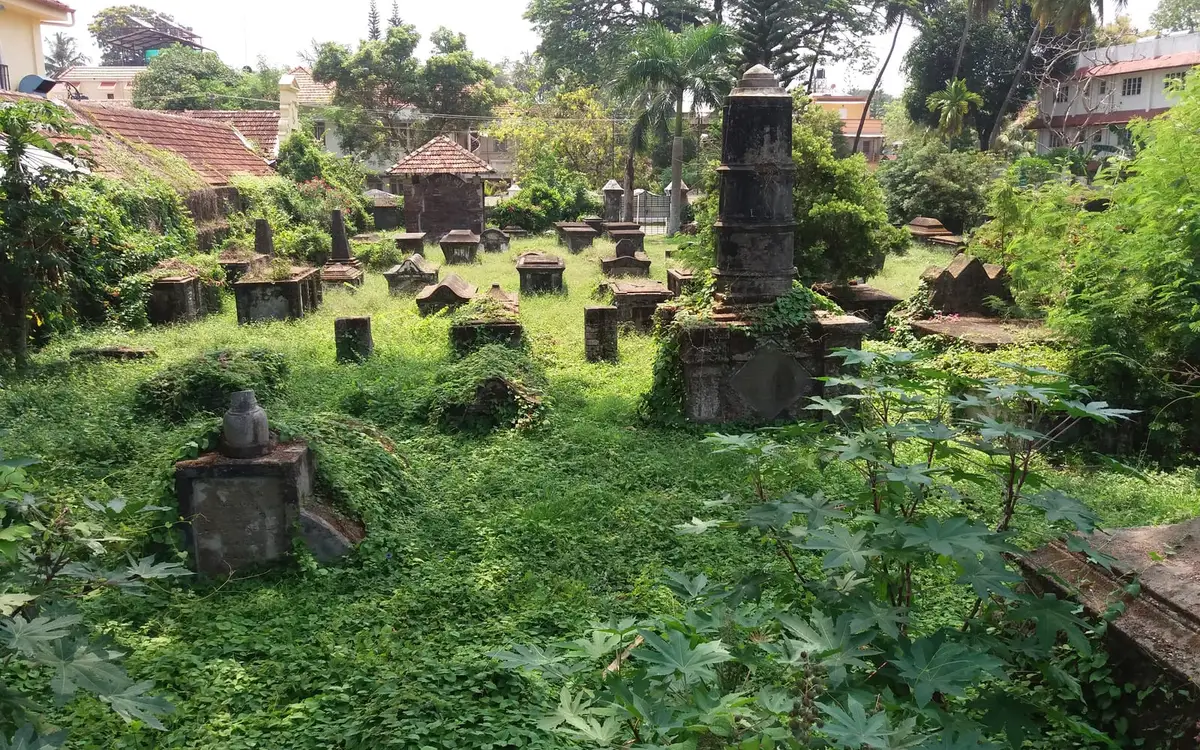
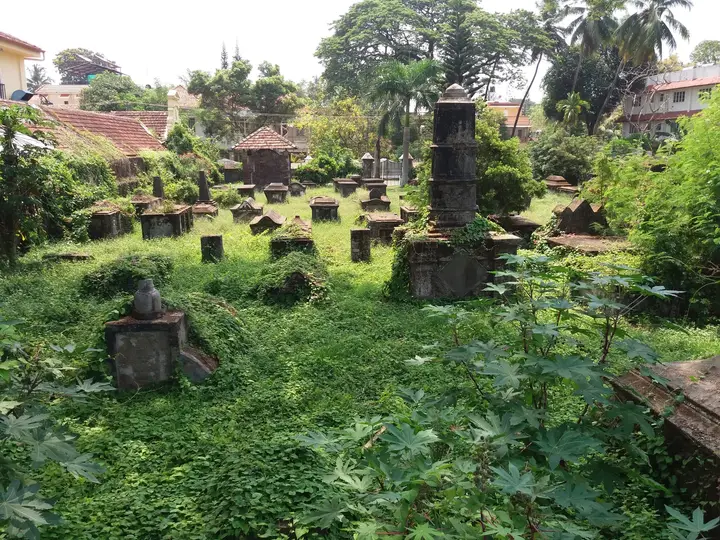
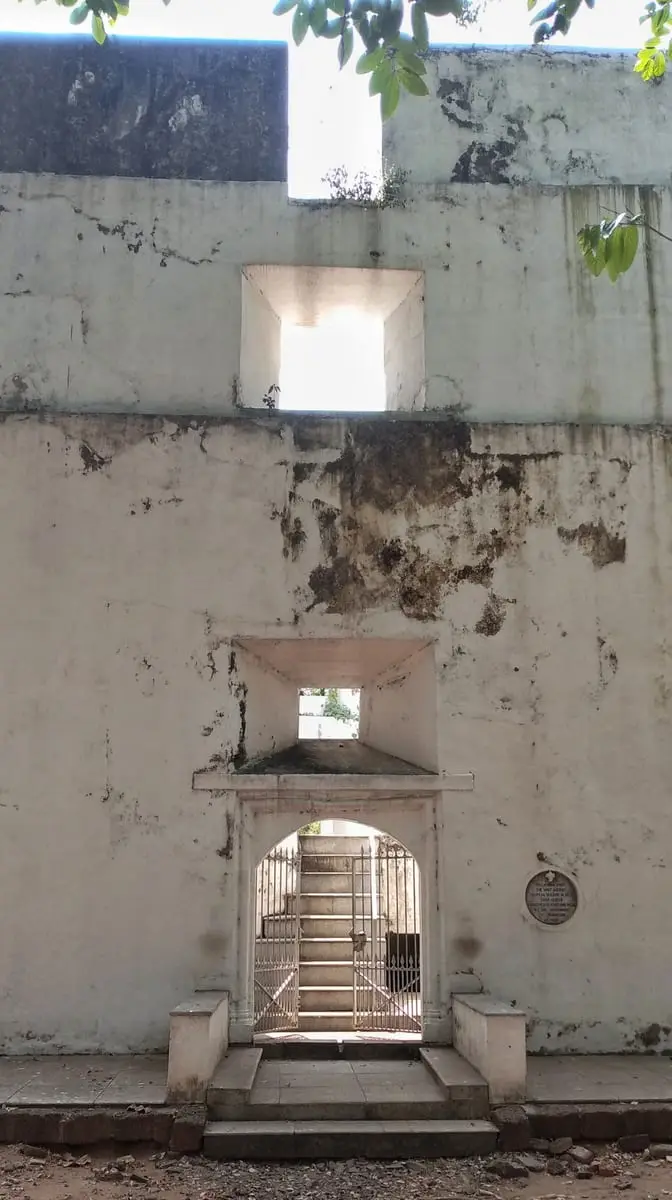
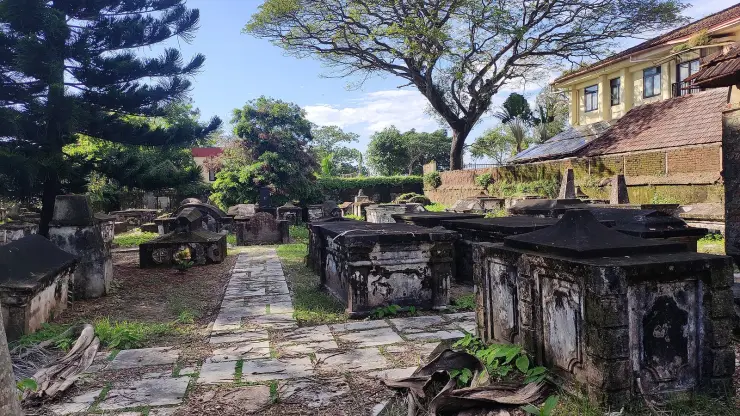
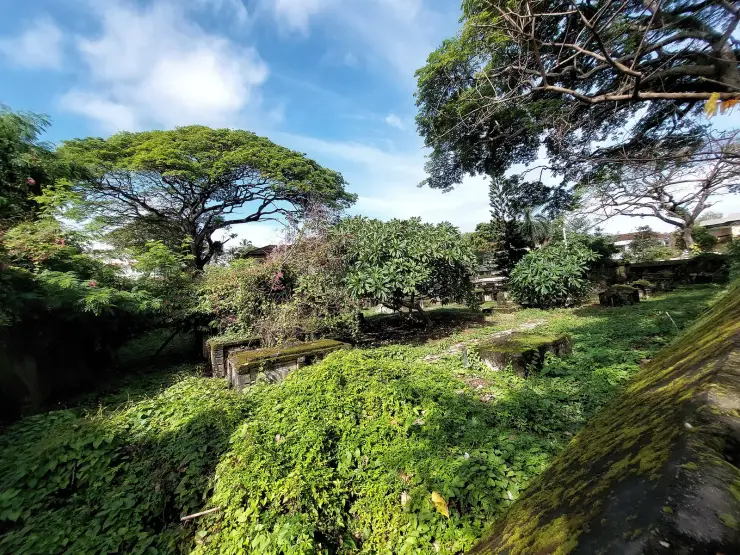
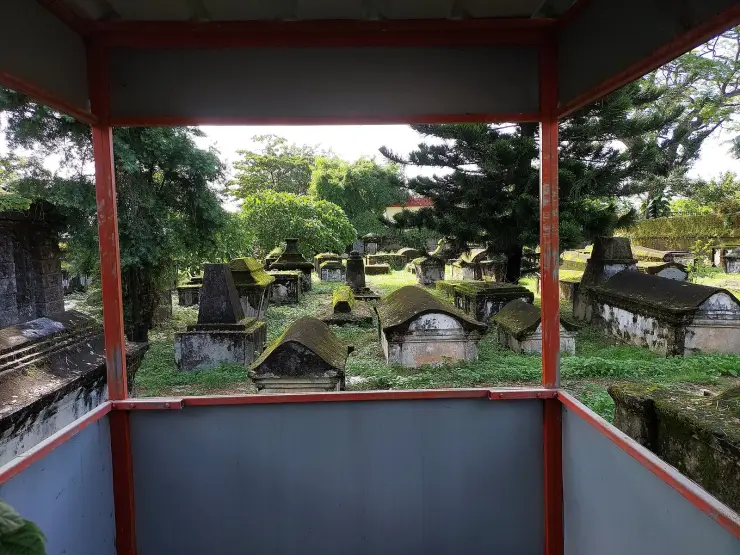
Dutch Cemetery FreeNo ticket is charged. The practical barrier is not money but access: the cemetery is enclosed and normally kept locked, and entry is granted case by case rather than as a matter of course.There are no published visiting hours. The ground is managed by the Church of South India and is generally closed to casual visitors; the usual route in is a request made in advance at the nearby St Francis CSI Church, which also holds the burial records. Many visitors see only the walls and the dated gateway from the road.October to March is the driest and most comfortable season for walking the quarter. Early morning gives the best light on the laterite and the least heat; the June–September monsoon leaves the ground soft and the stones dark and slippery.
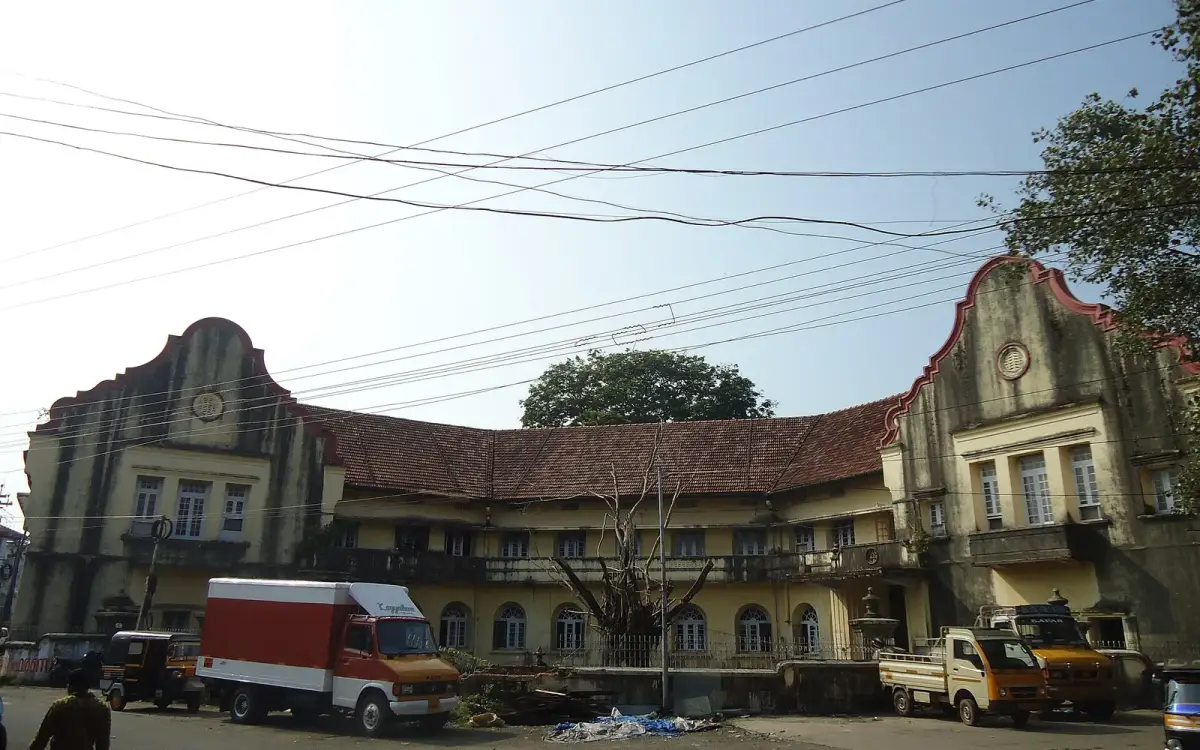
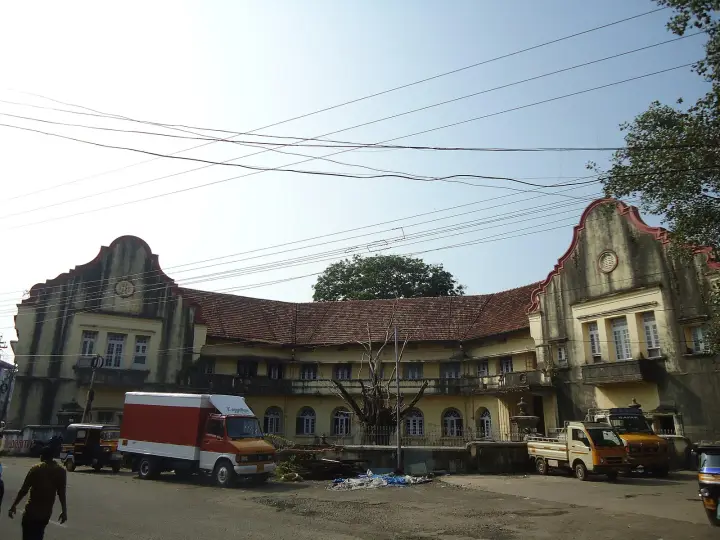
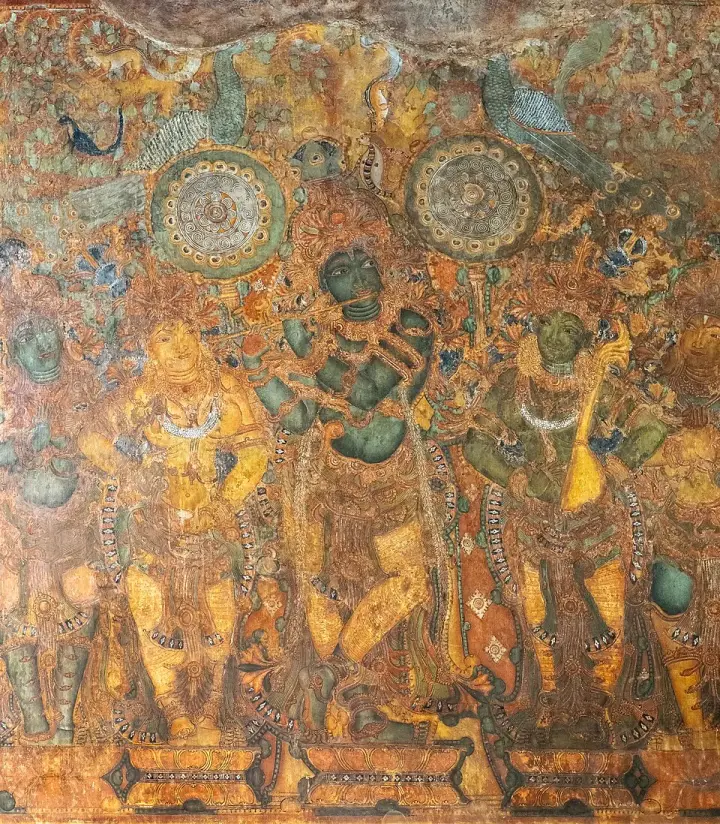
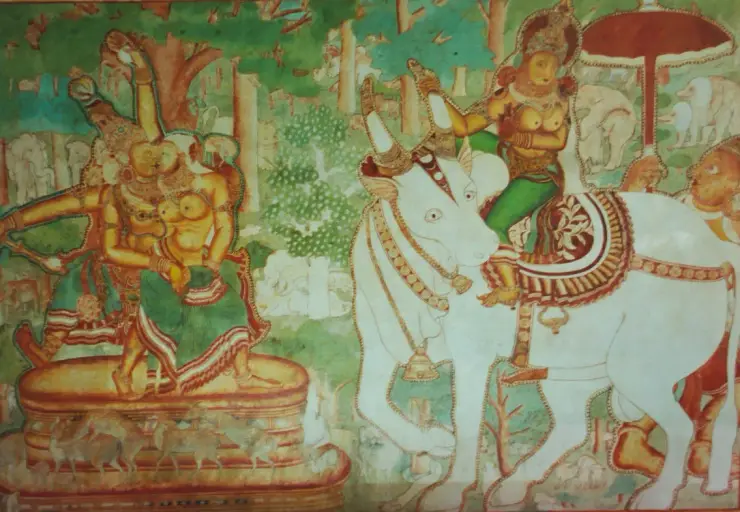
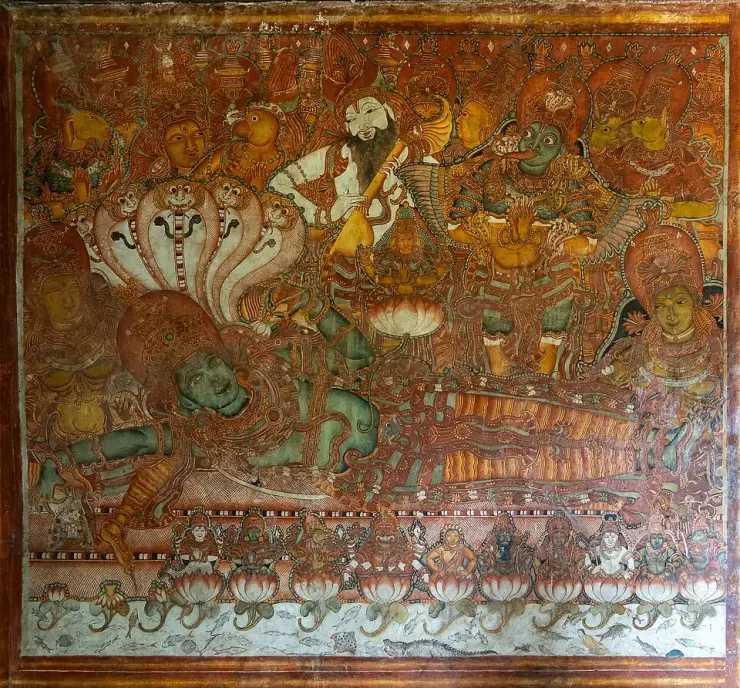
Dutch Palace ₹5 per adult (Archaeological Survey of India rate); children up to 15 free. Rates for foreign nationals are not officially published — check at the counter.Generally open daily except Fridays and certain national holidays, roughly 10am to 5pm.The cooler, drier months from around October to February are the most comfortable for visiting Kochi; mornings are pleasant and less crowded.
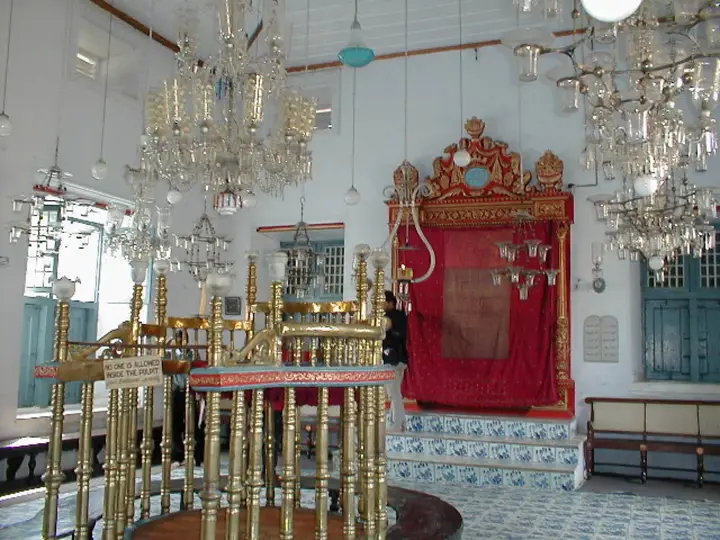
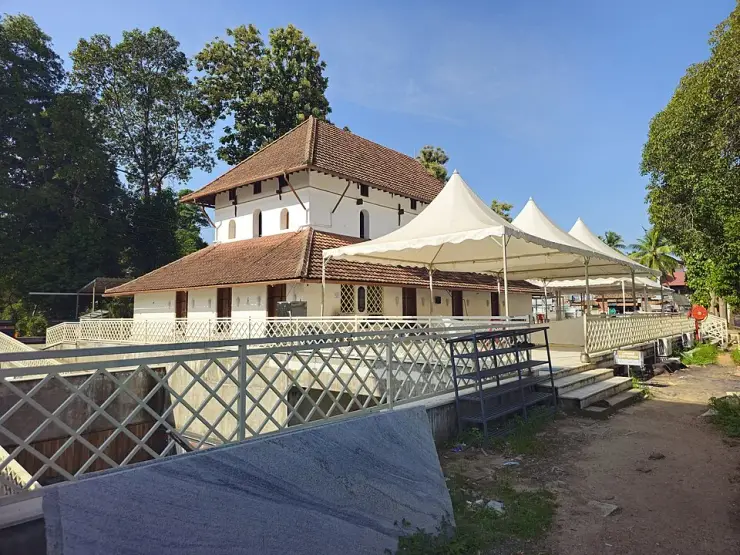
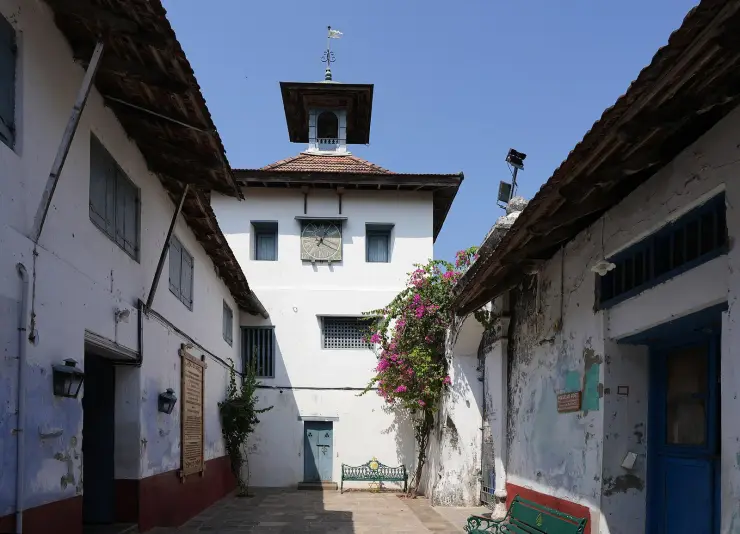
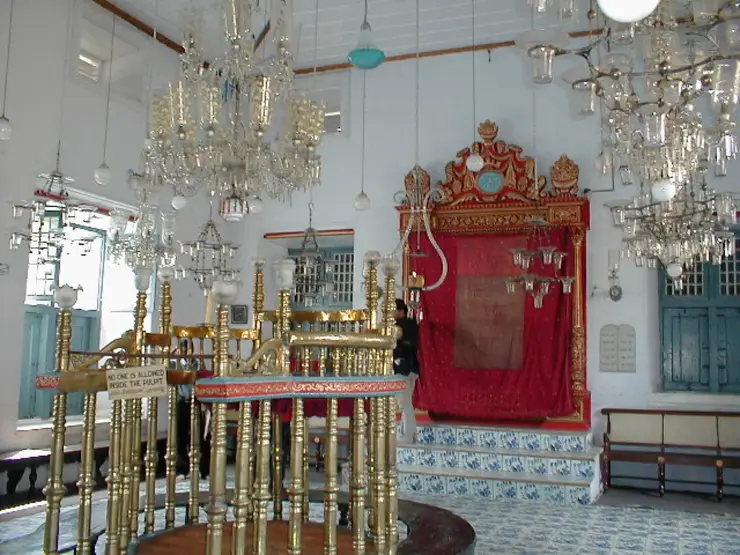
Mattancherry Paradesi Synagogue A small entry ticket of around ₹5–₹10 per person is commonly quoted, though some sources report no charge.Generally open Sunday to Thursday, roughly 10 a.m.–12 noon and 3 p.m.–5 p.m.; closed for the midday break and often opening only in the morning on some days.October to March, when Kerala’s weather is cooler and drier, is the most comfortable season; mornings are best to beat the heat and the crowds in Jew Town. Avoid the peak of the monsoon (June–September) if you dislike heavy rain.
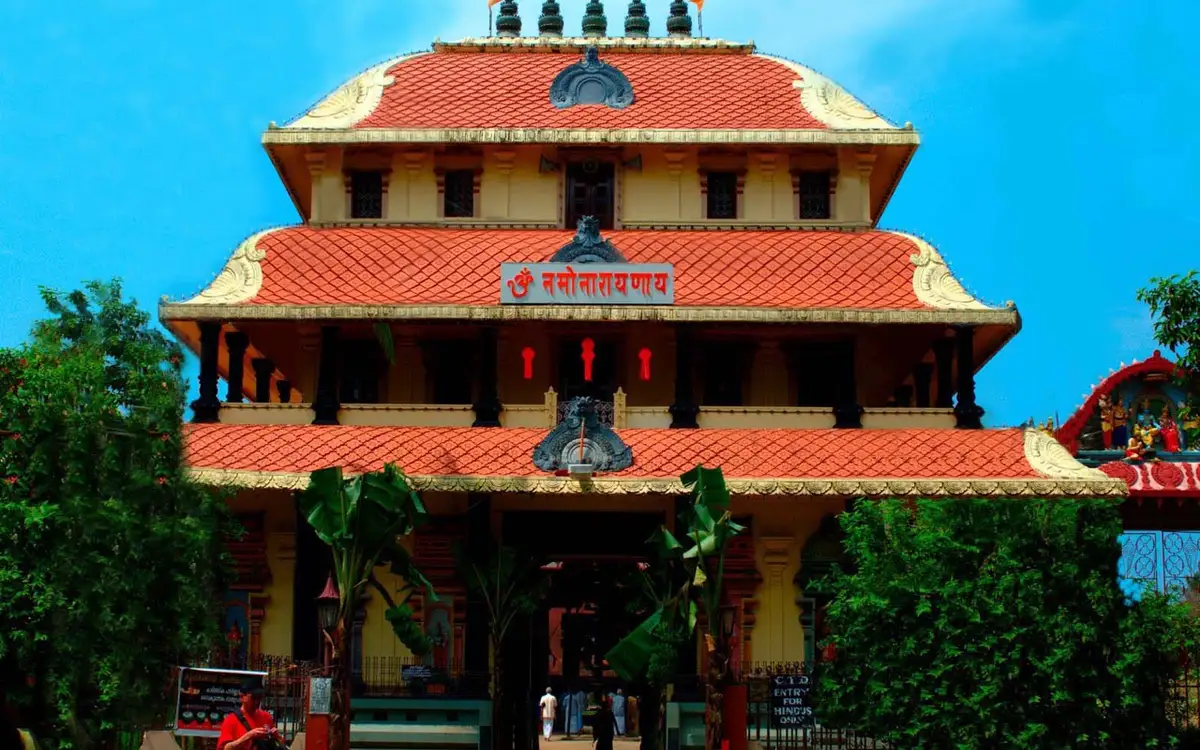
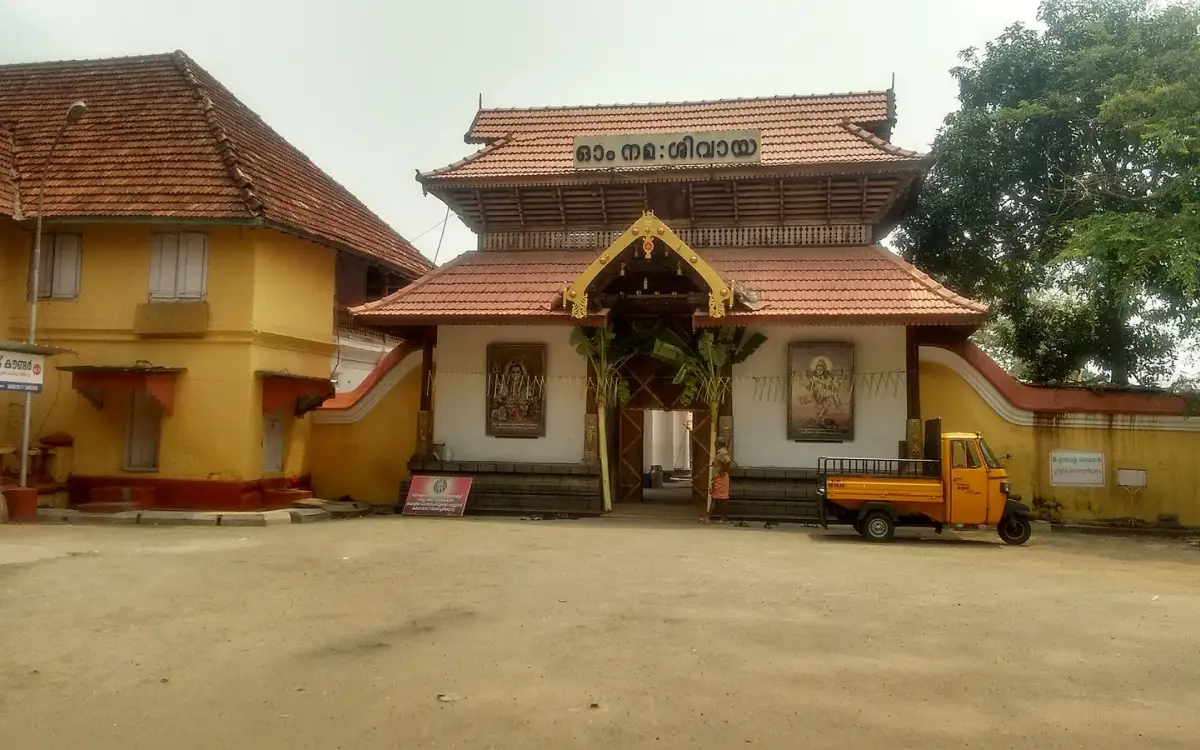
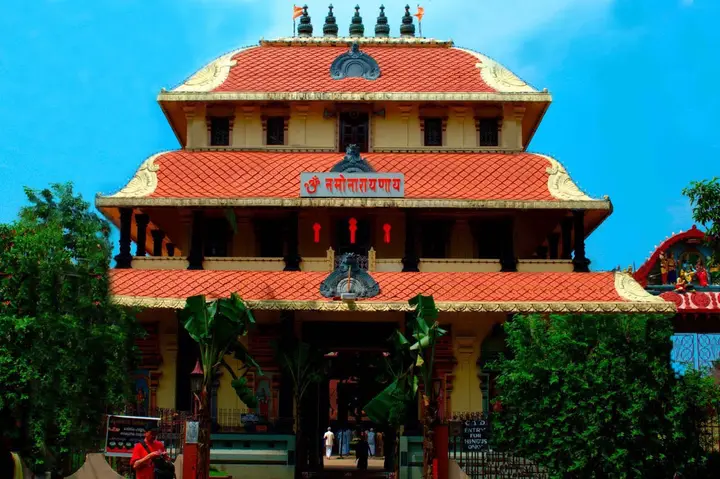
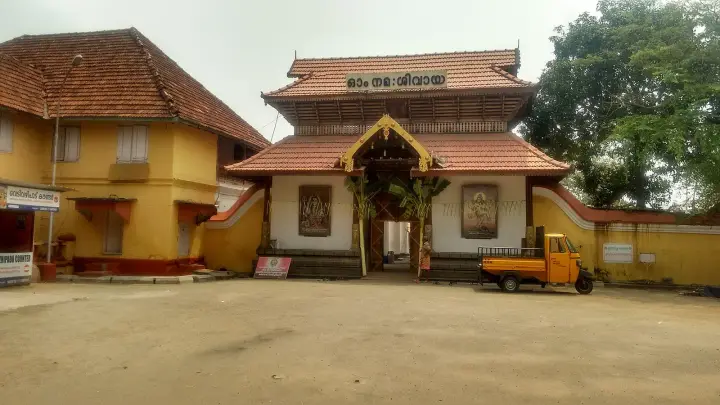
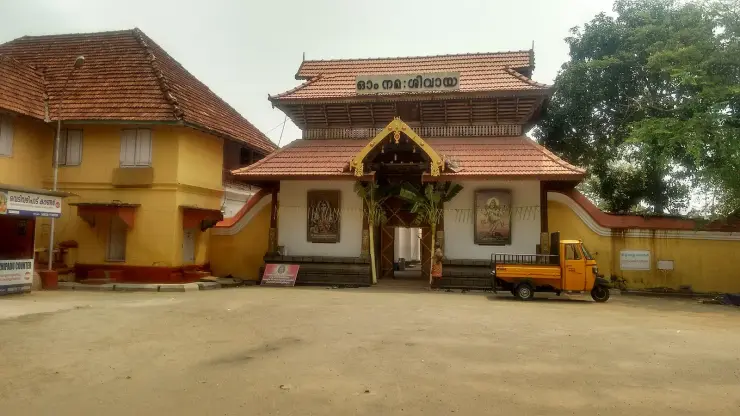
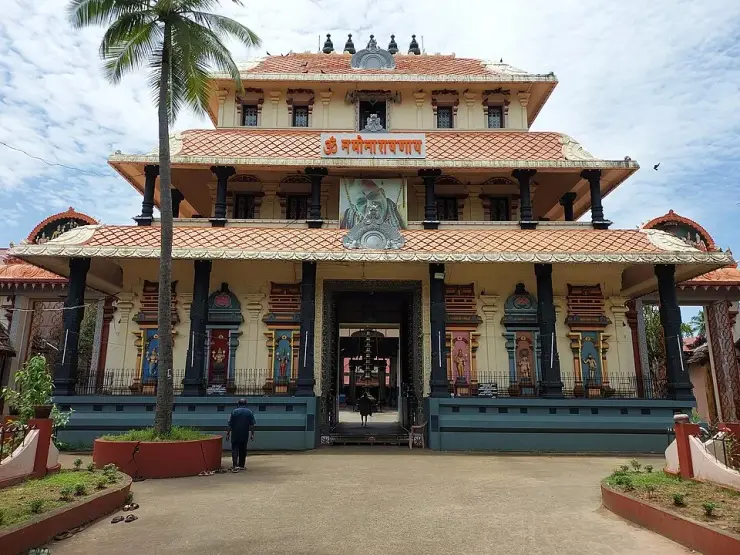
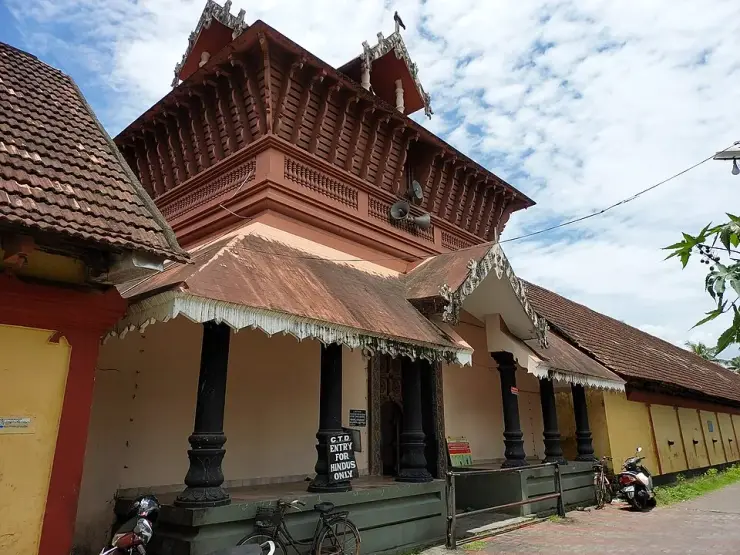
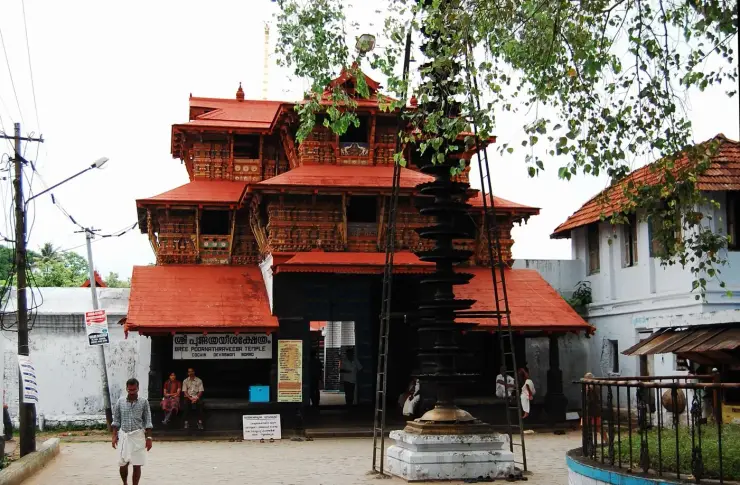
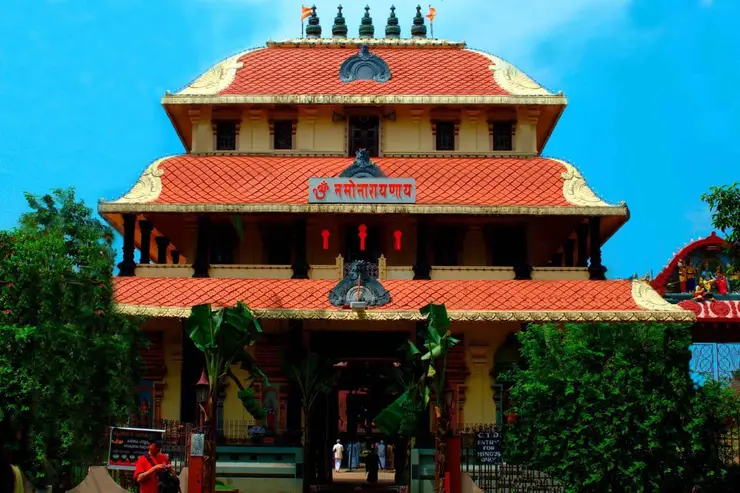
Cochin Thirumala Devaswom FreeFree. There is no entry ticket. Specific poojas, offerings and vazhipadu are paid for at the temple counter.Commonly given as roughly 5:30 a.m.–1:00 p.m. and 6:00 p.m.–9:15 p.m.; festival days differ considerably.October to March is the most comfortable season in Kochi. Early morning is the best time here, both for the ritual timings and because Mattancherry’s traffic and heat build sharply after about ten.
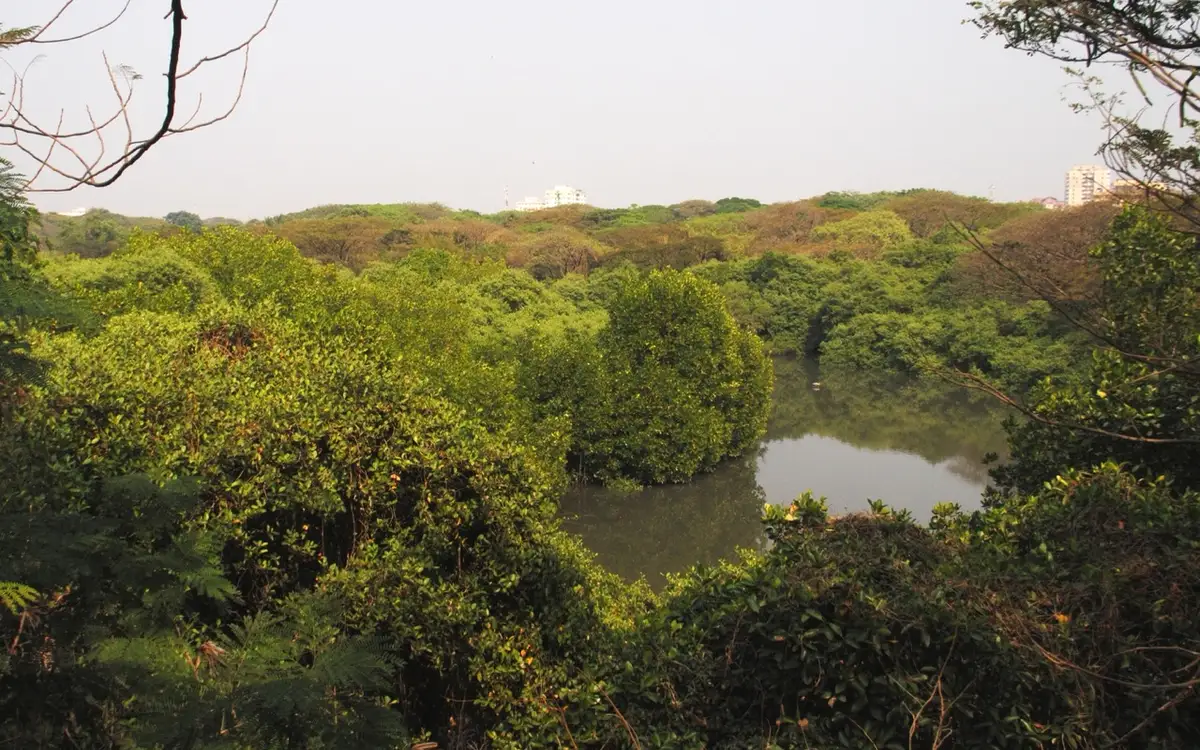
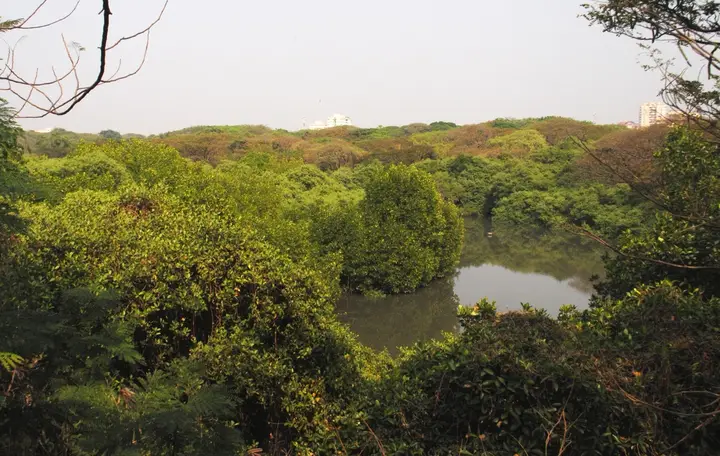
Mangalavanam Bird Sanctuary Nominal or free; some sources note entry has been free with donations welcome. Fees and permit rules are set by the Forest Department and can change.Access is regulated by the Kerala Forest Department, whose own booking system lists the sightseeing slot as 10:00 am to 5:00 pm. Entry is free for children under 13. Numbers are limited and a visit may need prior permission, so contact the Forest Department before going.Early morning for bird activity year-round; the migratory season, roughly mid-January to early March, is the richest window. Avoid heavy monsoon weather.
Durbar Hall Art Centre FreeFree. It is a public gallery run by the Kerala Lalithakala Akademi and the exhibitions are not ticketed.Around 11:00am to 7:00pm while an exhibition is running. It is exhibition-led rather than a permanent museum, so between shows the gallery may be shut or being hung — check what is on before travelling.November to February for comfort walking between city stops. The gallery itself is indoors and unaffected by season; what matters is the exhibition calendar, which is busiest around the Kochi-Muziris Biennale.
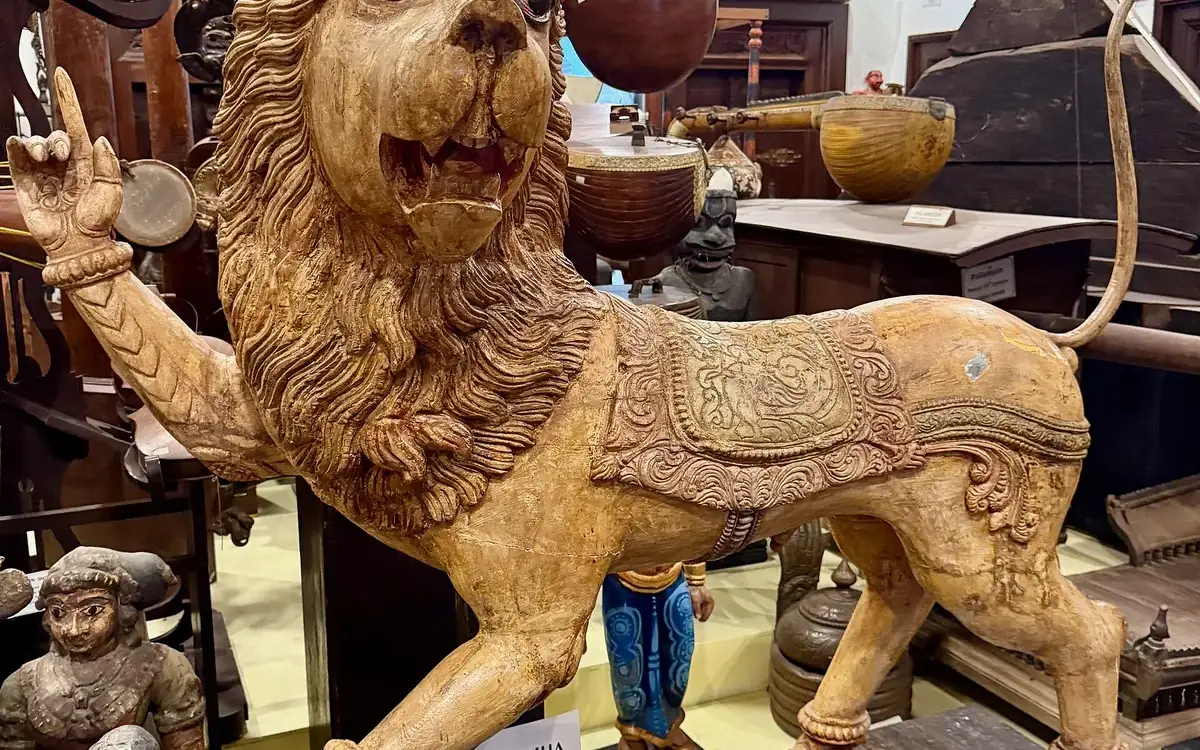
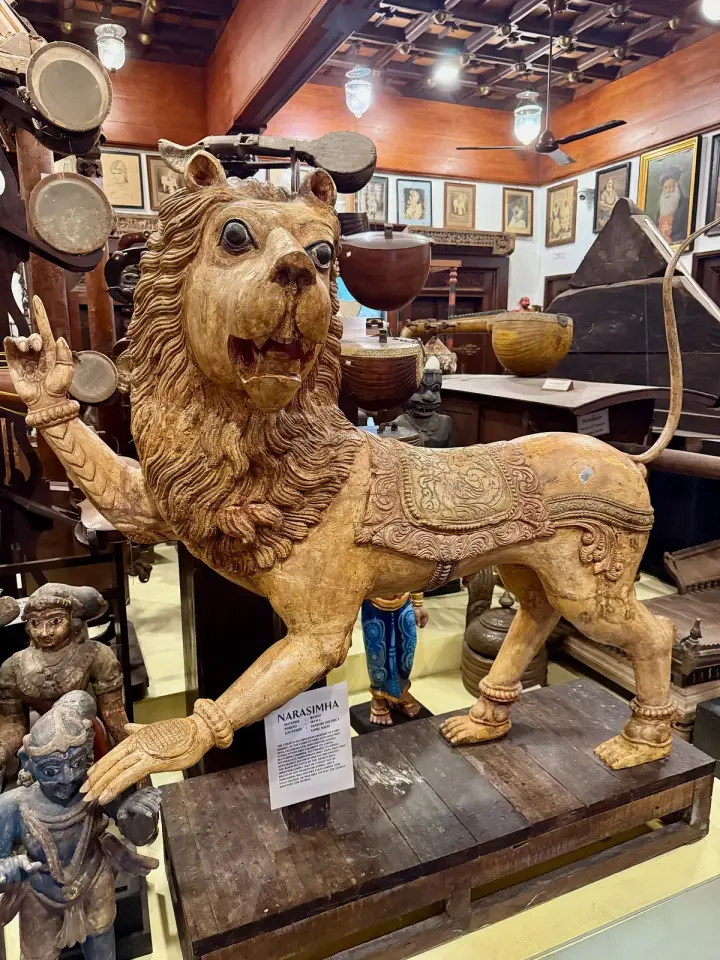
Kerala Folklore Museum ₹100 (Indian) / ₹200 (foreigner); camera ₹100Around 9:30am–7:00pm, open daily—
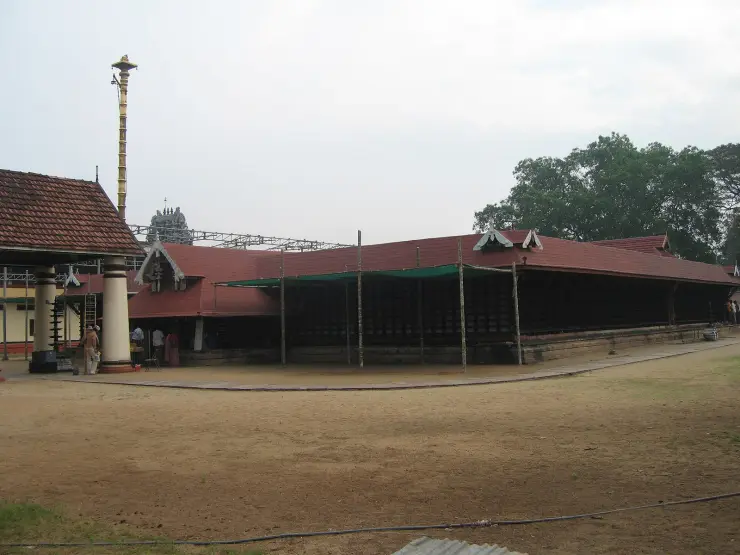
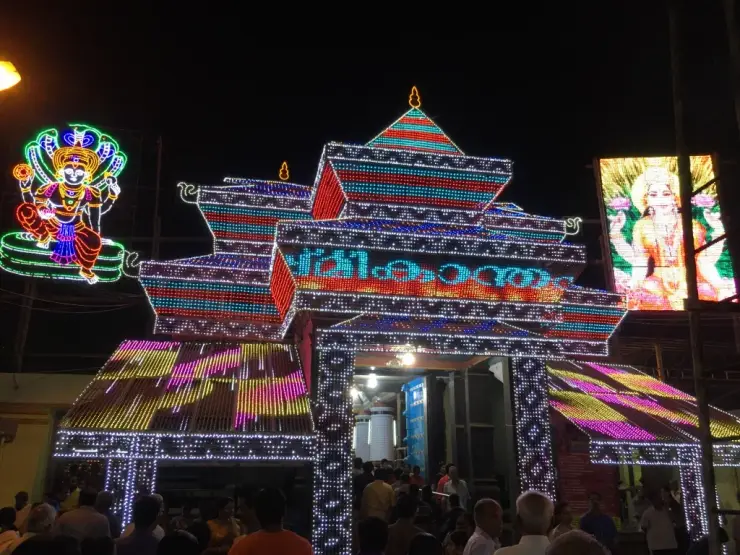
Ernakulathappan Temple Free — there is no entry fee to enter and worship; specific poojas, offerings and vazhipadu are charged separately at the temple counter.Typically open early morning and again in the evening, following the Kerala temple pattern — roughly around 4.00 am to about 11.00 am and again from around 5.00 pm to about 8.00 pm, with the main poojas through the morning.The marquee time to visit is the eight-day Ernakulathappan Utsavam in Makaram, usually January to February, when the temple is at its most spectacular. More generally, the cooler, drier months from October to March are the pleasantest for exploring Kochi; early mornings and evenings are the calmest times for a peaceful darshan.
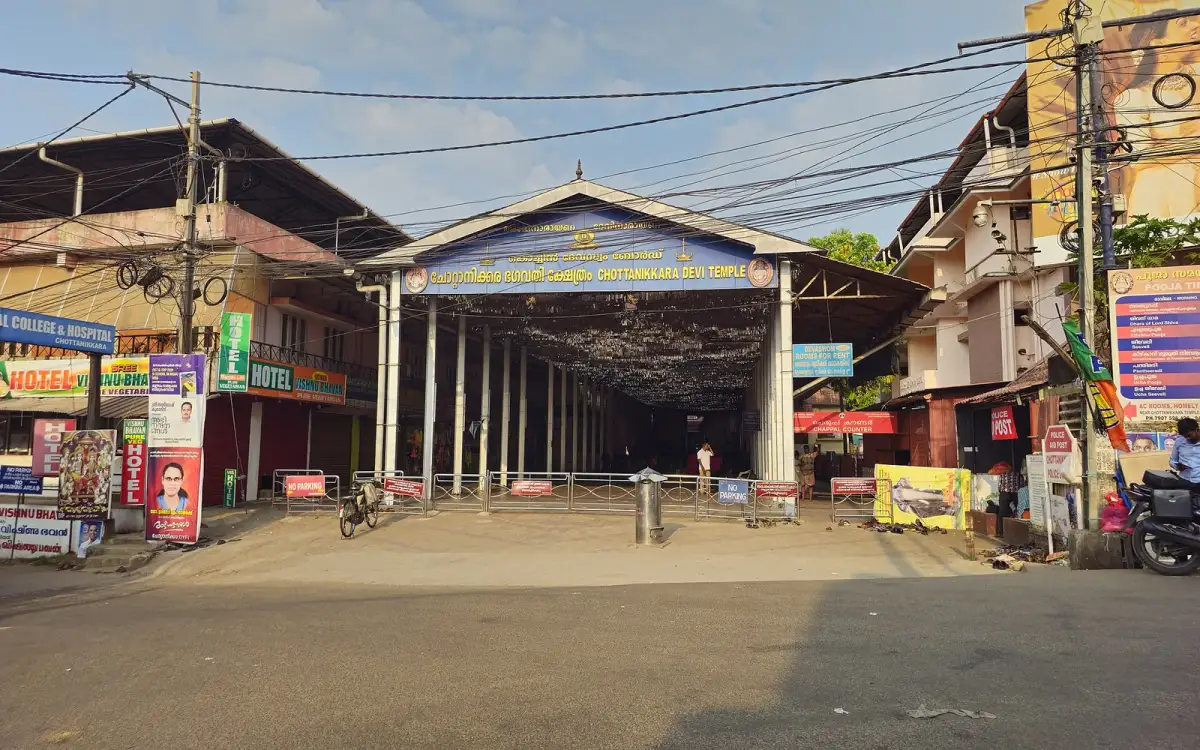
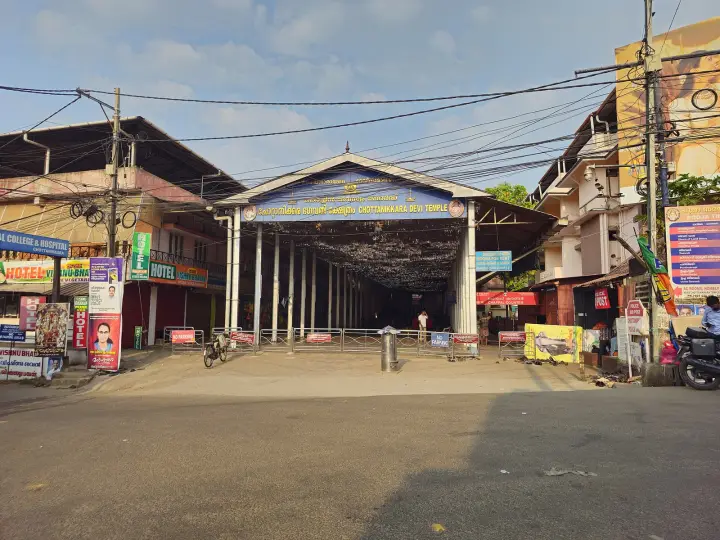
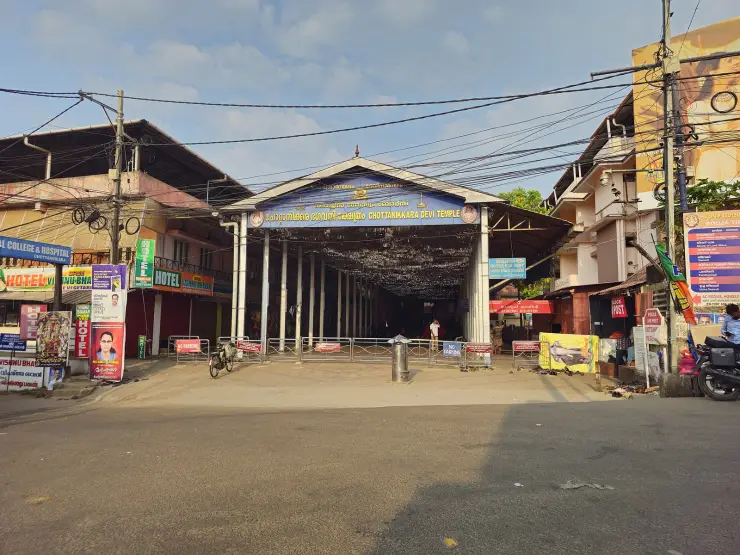
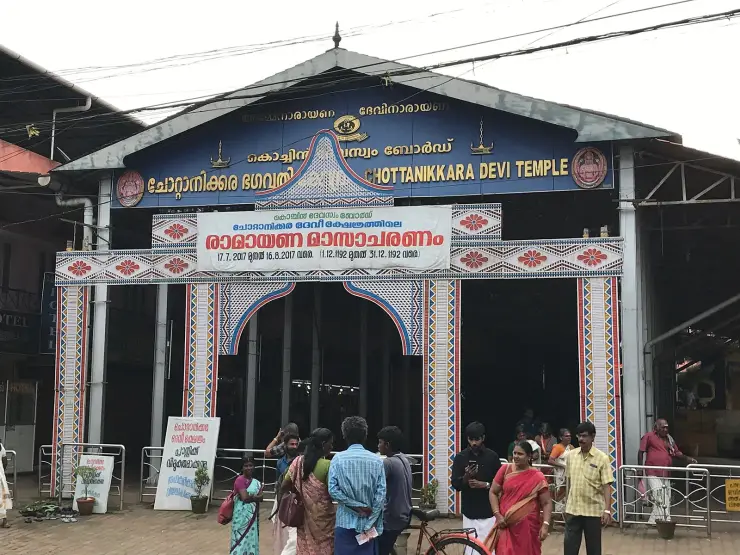
Chottanikkara Temple No entry fee; general darshan is free. Specific poojas, offerings (vazhipadu) and vows carry their own charges paid at the temple counters.Broadly, morning darshan around 4:00 am–12:00 noon and evening darshan around 4:00 pm–8:45 pm, with the Guruthi Pooja at the lower Keezhkkavu shrine afterwards (around 8:45–9:30 pm). Timings shift with the season and festival calendar.The cooler, drier months of roughly September to February are the most comfortable for a visit, with December–February especially pleasant. Time it to the Makam Thozhal (February–March) for the grandest atmosphere, but expect very heavy crowds then.
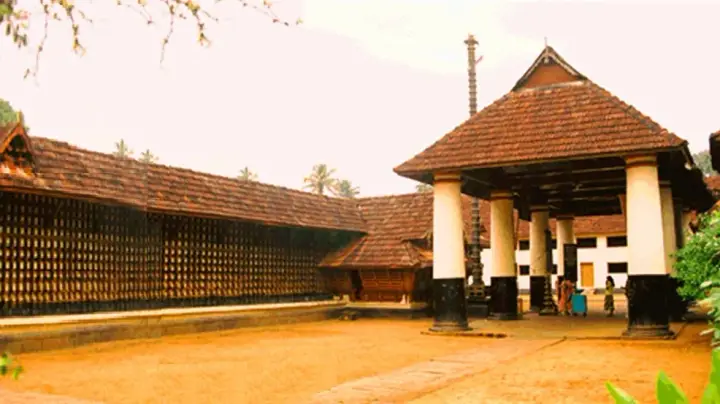
Thrikkakara Vamana Temple Darshan is generally free; specific offerings, poojas or vazhipadu are ticketed at the temple counter.Typically open for morning and evening darshan, commonly around the early morning until roughly late morning, and again in the evening, with the sanctum closed midday.The Onam season in Chingam (August–September) is the most spectacular time to visit for the ten-day festival and feast, though the cooler, drier months of roughly October to February are more comfortable for a quiet darshan.
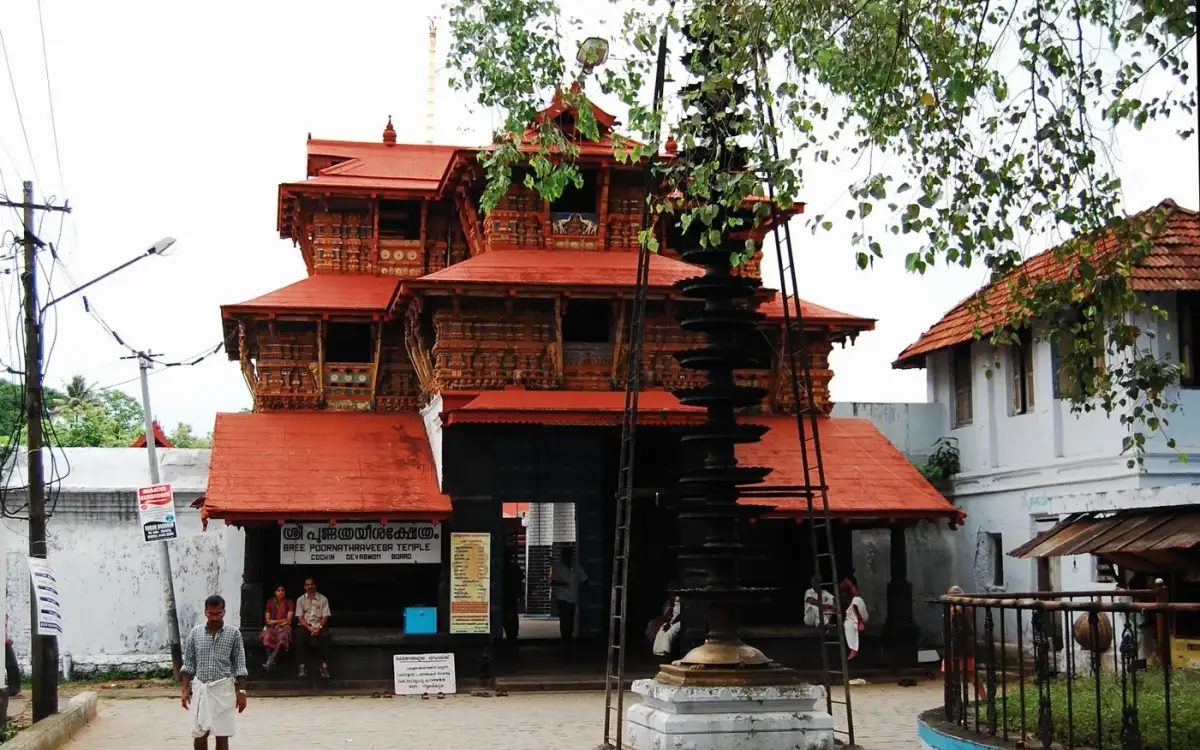
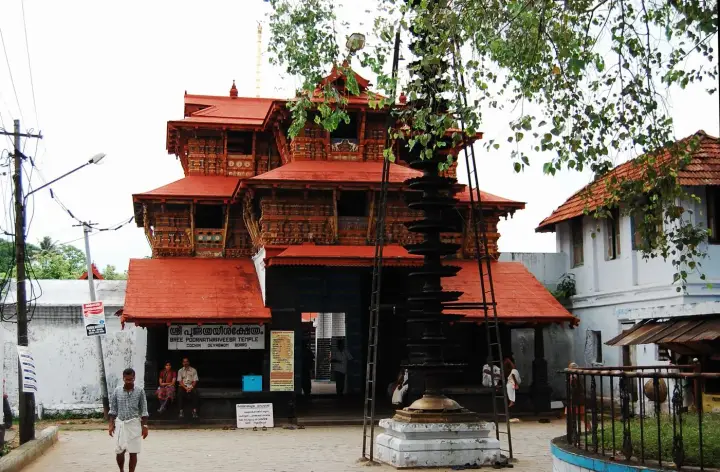
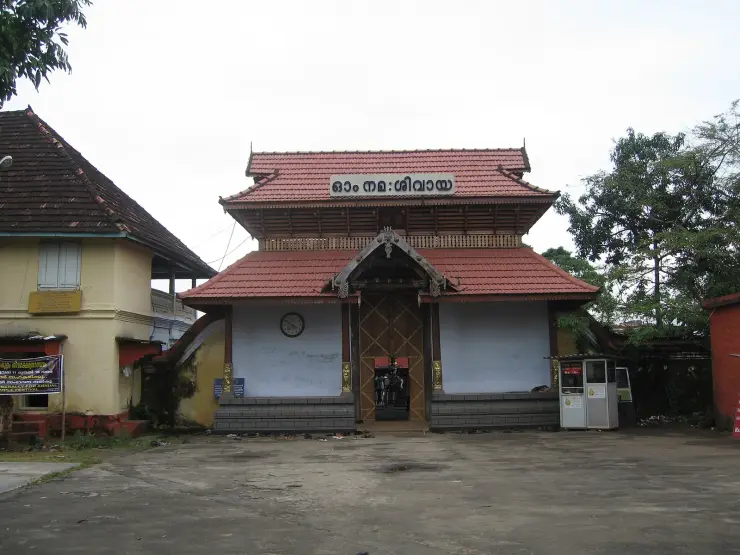
Sree Poornathrayeesa Temple Darshan is generally free; specific poojas, offerings (vazhipadu) and vahana or special sevas usually carry set charges, and some events may have separate arrangements.Kerala temples of this kind typically open for early-morning darshan and again in the evening, with a midday closure — commonly something like the early hours until late morning, then reopening in the evening until around night pooja.The cooler, drier months of roughly November to February are the most comfortable for visiting, and coincide with the great Vrischikotsavam in Vrischikam (Nov–Dec). Early morning and evening pooja times are the most atmospheric.
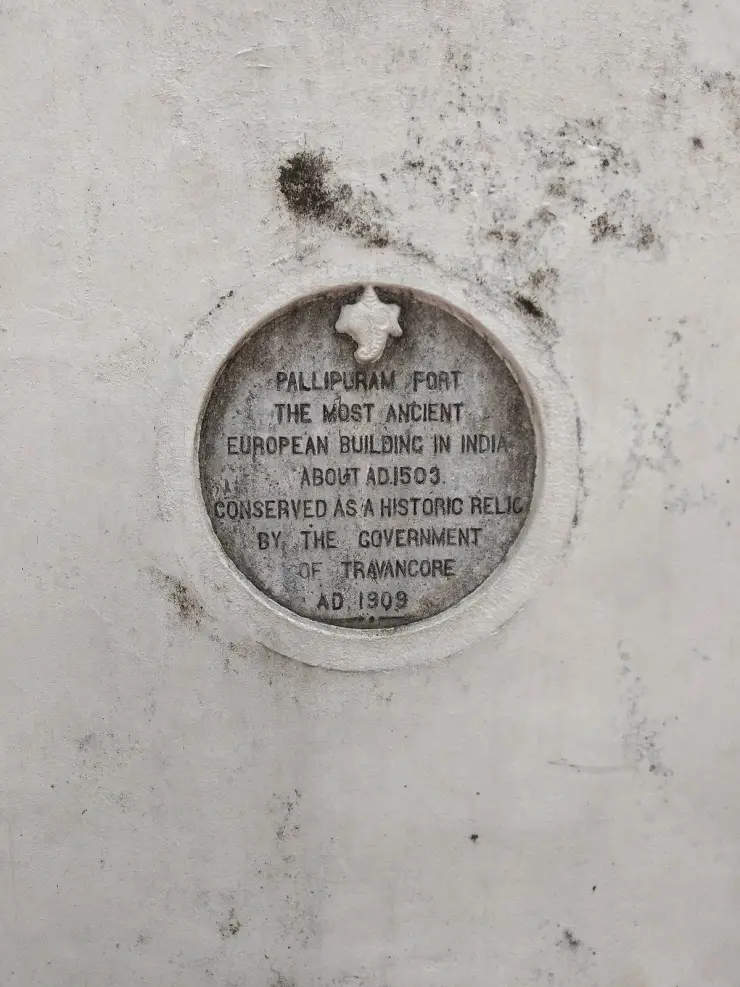
Pallipuram Fort FreeFree — there is no entry ticket, no camera charge and no guide fee.Around 9:30am to 5:00pm, closed on Mondays. It is a caretaker-run monument rather than a staffed site, so hours can slip in practice.November to February is the most comfortable. Late afternoon pairs well with a Cherai Beach sunset a few kilometres south.
Munambam Beach Free to enter; you may pay only small sums for parking, a ferry ride or refreshments.The beach is open and accessible through the day and there is no gate; sunrise to sunset is the practical window. The adjacent fishing harbour and fish market are busiest very early in the morning when the catch is landed and auctioned, and again as boats return — exact landing and auction times shift with the fishing and the tide.Roughly October to March for the driest, most comfortable weather. Early morning is best for the fish auction and harbour bustle; late afternoon for sunsets, sea breeze and kite-flying. Avoid the peak monsoon months when the sea is rough and the river-mouth dangerous.
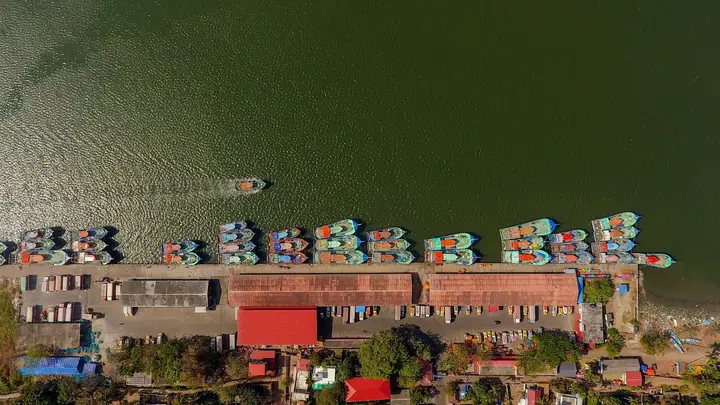
Munambam harbour FreeFree. It is a working fishing harbour, not an attraction — no ticket, no gate, no guide. Buying fish at the auction is a wholesale transaction in lots, not a retail counter; the retail stalls are separate.The harbour runs on landings, not opening hours. The auction at the mini-harbour starts around 4 a.m. and the quay is at its most intense in the two or three hours after that; cash settles at the office by early afternoon. By the middle of the day it is quiet. If you come at eleven you will see boats and no work.October to March. Note the trawl ban: mechanised trawling is prohibited off Kerala for roughly 52 days in June and July, so the harbour is largely idle then and the fleet is tied up. The day the ban lifts, usually at the start of August, is the single most dramatic morning of the year here.
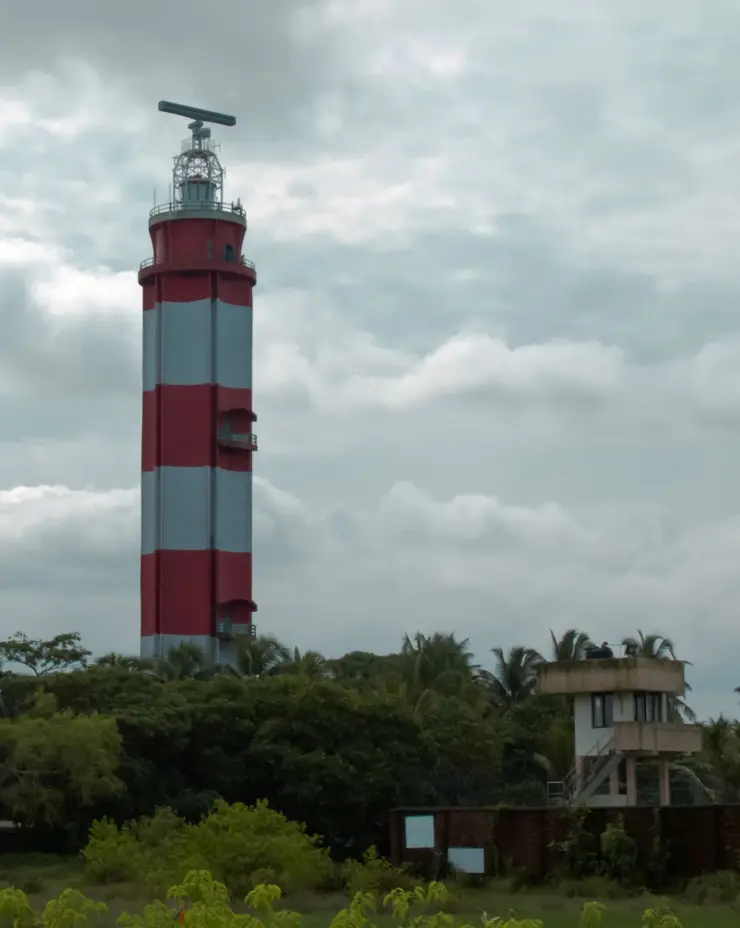
Puthuvype Beach No charge to enter the beach. The lighthouse gallery has a small fee of about ₹10–20 per person with an extra small charge for cameras, cash only.The beach is open through the day and there is no gate; late afternoon to sunset is the pleasantest window. The lighthouse gallery keeps separate hours — reported as roughly 10am–1pm and 2pm–6pm, usually closed Mondays.October to March offers the driest, most comfortable weather; the June–September monsoon brings rain and rougher seas. Any day, the best hours are late afternoon into sunset.
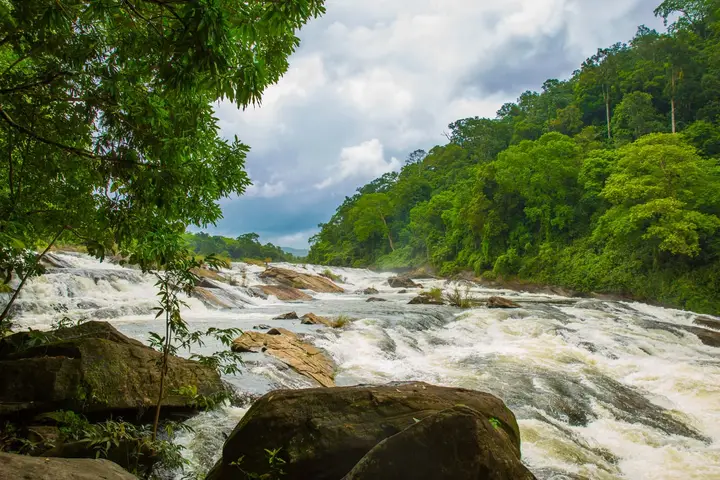
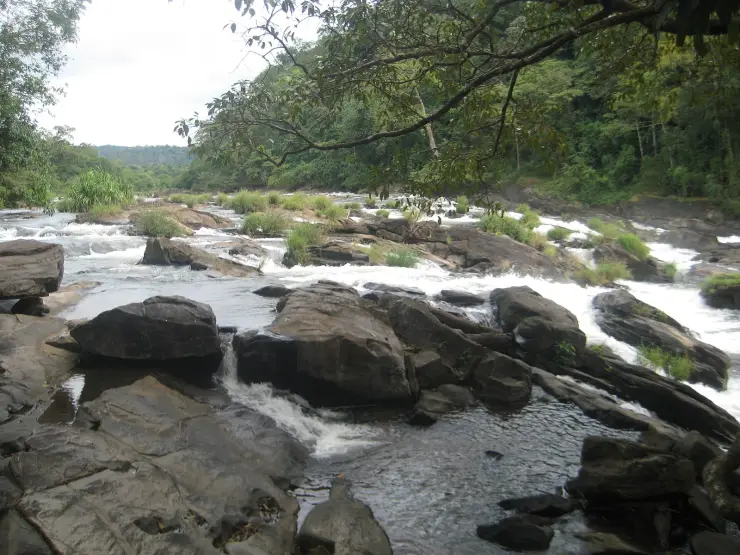
Vazhachal Falls A modest entry ticket typically applies, usually as part of the combined Athirappilly–Vazhachal pass, with separate charges commonly levied for cameras and parking; amounts vary over time.Generally open through daytime hours, with access controlled by the Kerala Forest Department under the shared Athirappilly–Vazhachal entry system; exact opening and closing times can change seasonally.Monsoon and immediately after (broadly June to September, into the following months) for the most powerful flow; the post-monsoon and winter months (roughly October to February) for greener, calmer and more comfortable visiting. Mornings are best for birdwatching and smaller crowds.
Bhoothathankettu Dam Around ₹20 per person (+ vehicle charge); boating charged per hourAround 8:00am–5:00pm—
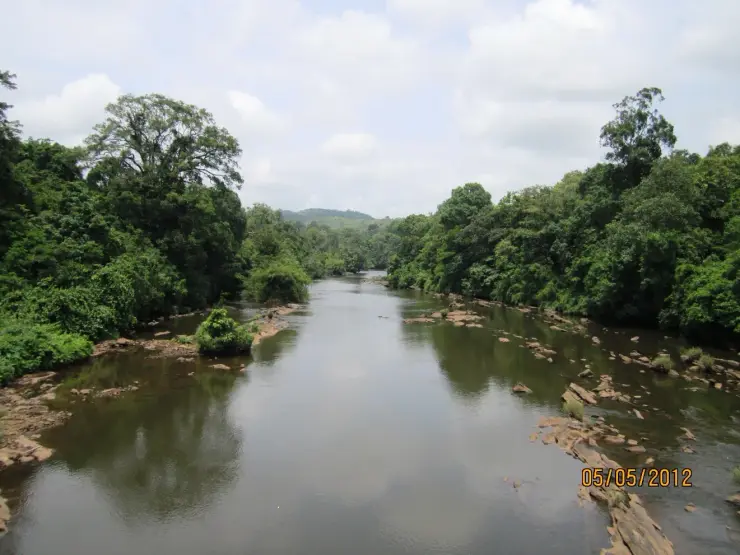
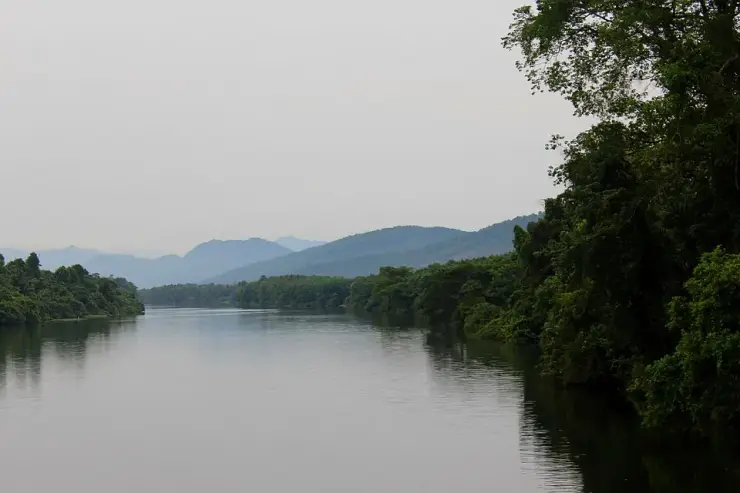
Periyar river FreeFree — the Kalady riverside and its ghats are open accessOpen access; the ghats are busiest early morning and at duskNovember to February for comfort. The river runs high and fast through the monsoon (June to September).
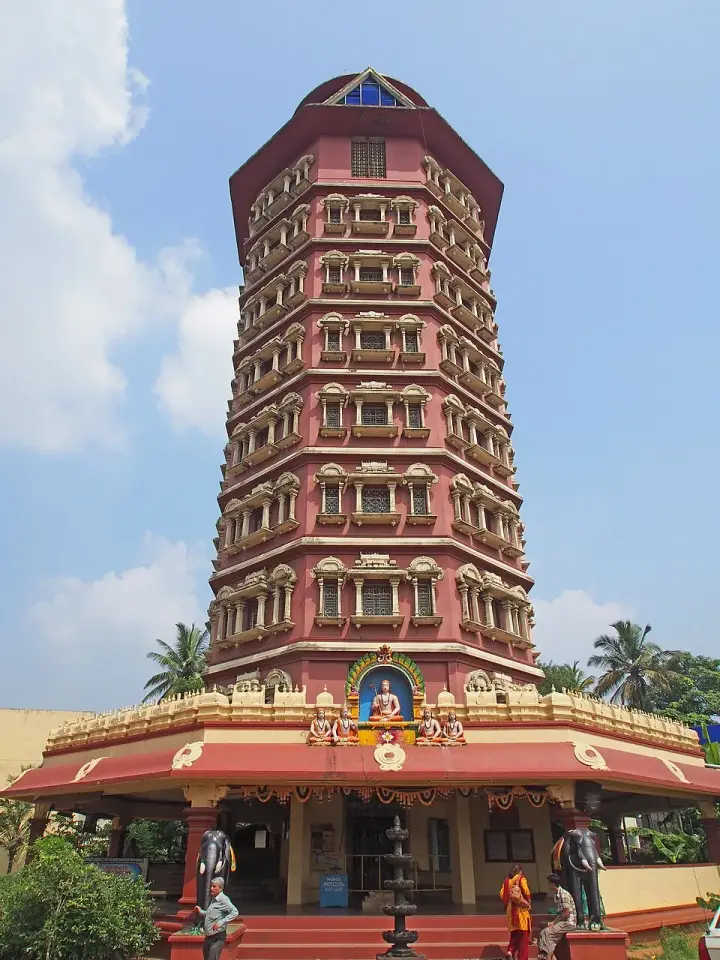
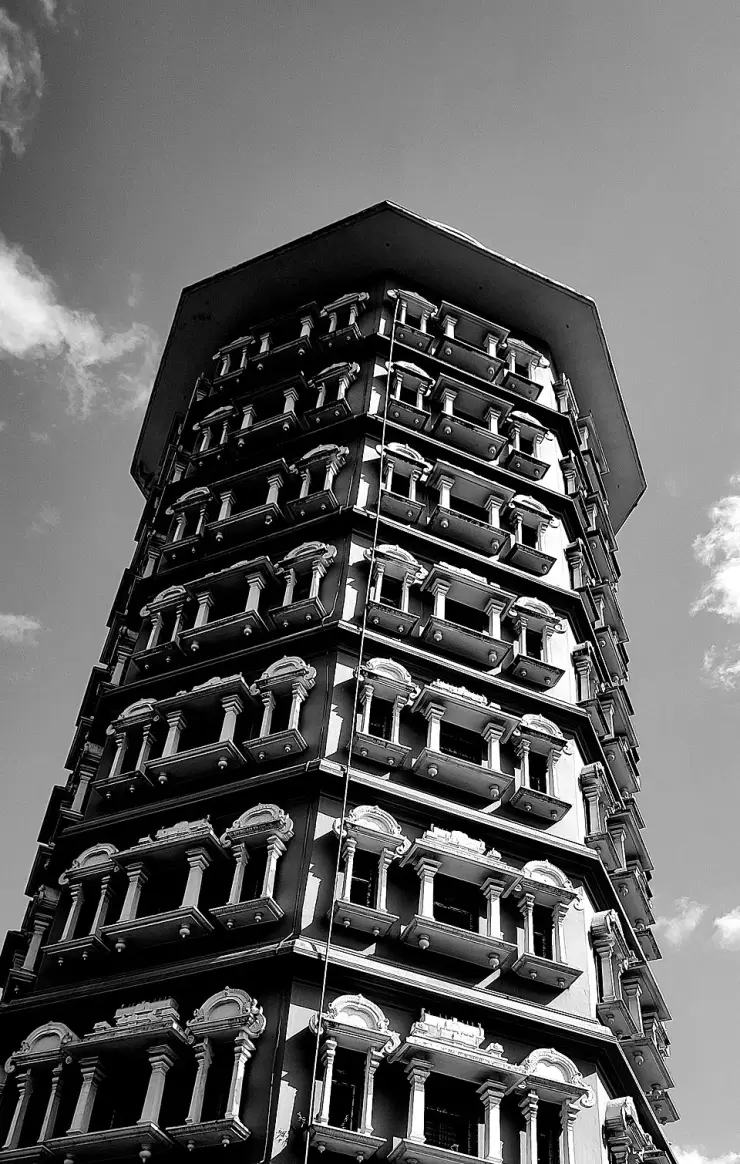
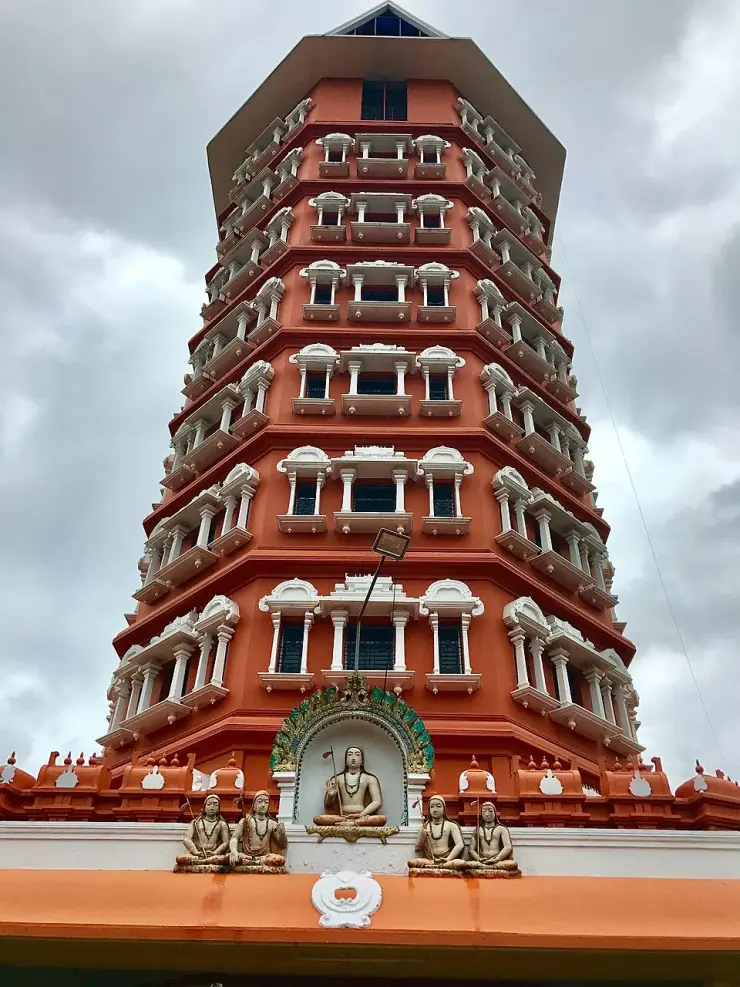
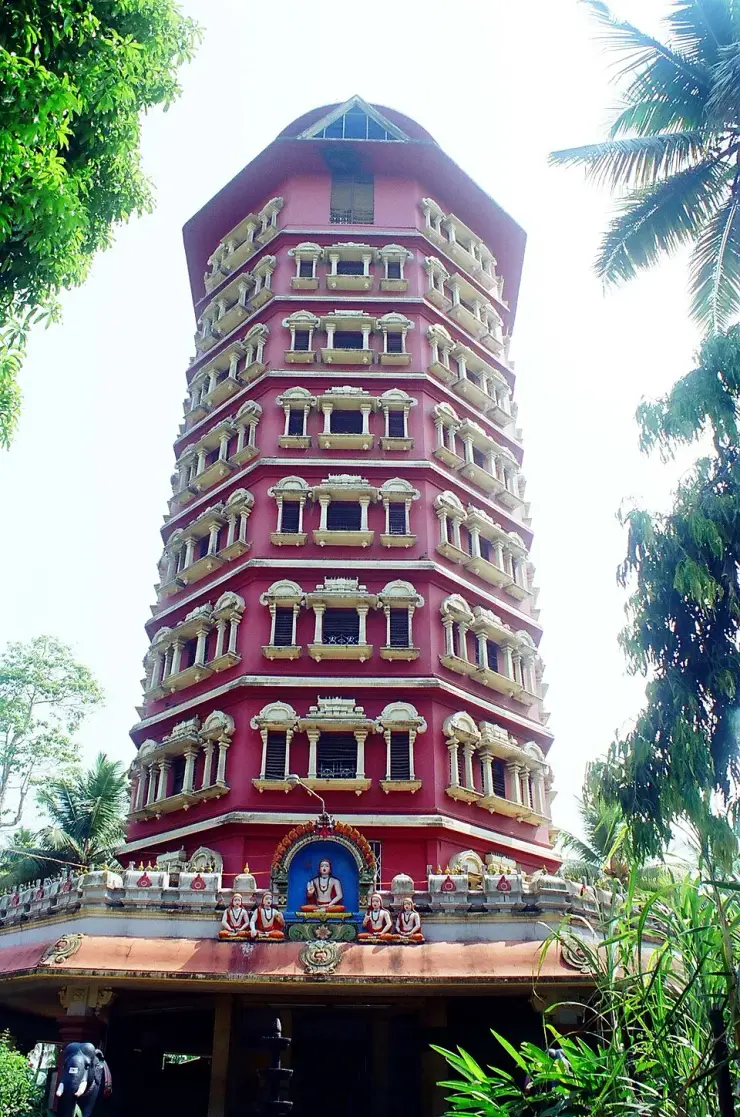
Adi Shankara Keerthi Sthambha Mandapam A nominal ticket of around ₹5 per person to climb the tower. The Janma Bhoomi Kshetram birthplace complex nearby is free.Commonly given as roughly 7:00am–7:00pm, though other listings split the day into about 5:00am–1:00pm and 4:00–8:00pm. The two versions circulate side by side and we have not been able to reconcile them, so allow for a midday closure rather than counting on one. The Janma Bhoomi Kshetram is usually about 6:00am–12:00pm and 4:00–8:00pm.November to February. Climb it early: eight storeys of enclosed concrete stair is genuinely hot work from mid-morning, and the river view is clearest in the first hours of the day.
Malayattoor Church Free entry, as is usual for a place of worship; donations are welcomed and any charges are typically only for optional parking or services.The foot-of-hill church and the hilltop shrine are generally open through daylight hours, with the hill path best climbed in the cooler early morning; specific timings for services and the hilltop can vary and are busiest in the Lent–Easter season.The cooler, drier months from roughly November to February are most comfortable for the climb; the Lent and Easter season (March–April) is spiritually the peak time but extremely crowded. Avoid the heaviest monsoon (June–September) when the path can be slippery.
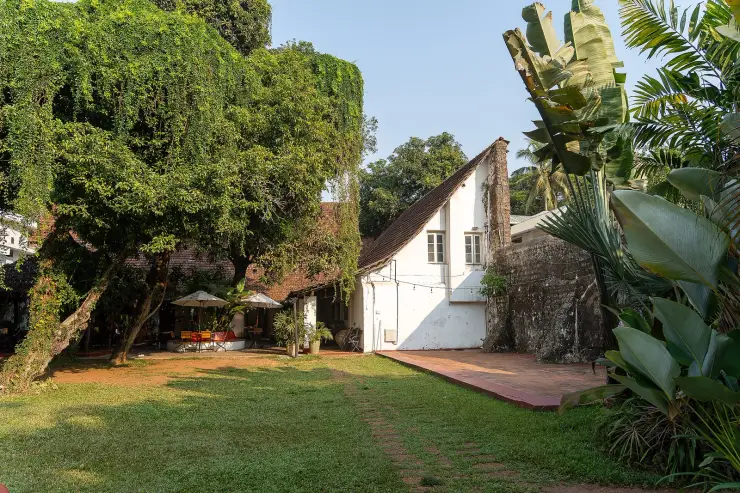
David Hall Art Gallery FreeEntry to the gallery is generally free; the café operates on normal café pricing. Exhibitions occasionally set their own terms.Typically open through the day into the evening, with the café the reason most people stay; hours shift with the current exhibition and are not reliably published. It is a gallery in a private heritage bungalow, not a museum with fixed public hours.October to March for the pleasantest weather. The garden café is at its best in the late afternoon; the monsoon months make the verandah unexpectedly good, since the building was designed for exactly that rain.
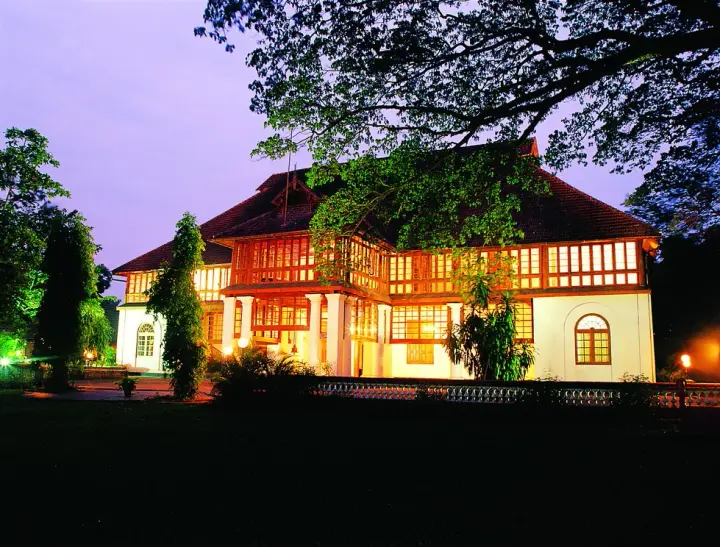
Bolgatty Palace There is no formal monument entry ticket; the palace is a hotel. Reaching the island by public ferry costs only a few rupees per person, while grounds access, dining, golf and rooms are on a hotel/pay basis.As a working heritage hotel the grounds are broadly accessible to visitors during daylight hours, but there are no fixed sightseeing hours and palace-interior/golf access is largely reserved for hotel guests; the connecting ferry from the High Court jetty typically runs through the day into the evening.October to March, when Kochi’s weather is cooler and drier, is the most pleasant time to visit; mornings and late afternoons give the best light over the water and harbour. The monsoon (June–September) brings heavy rain to the backwaters.
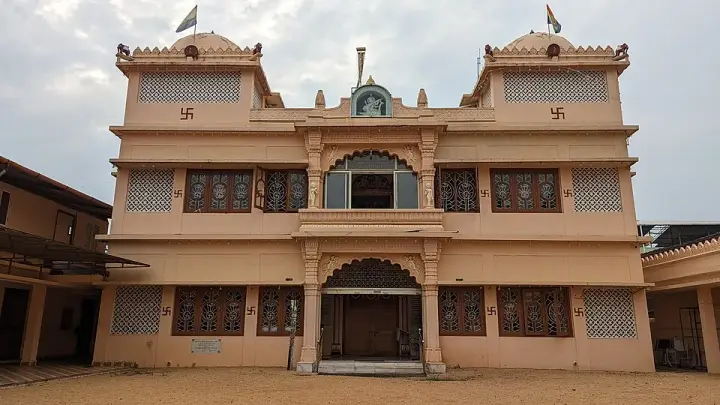
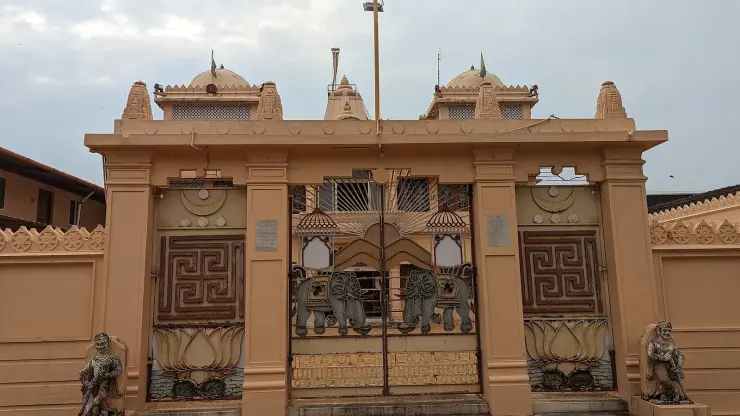
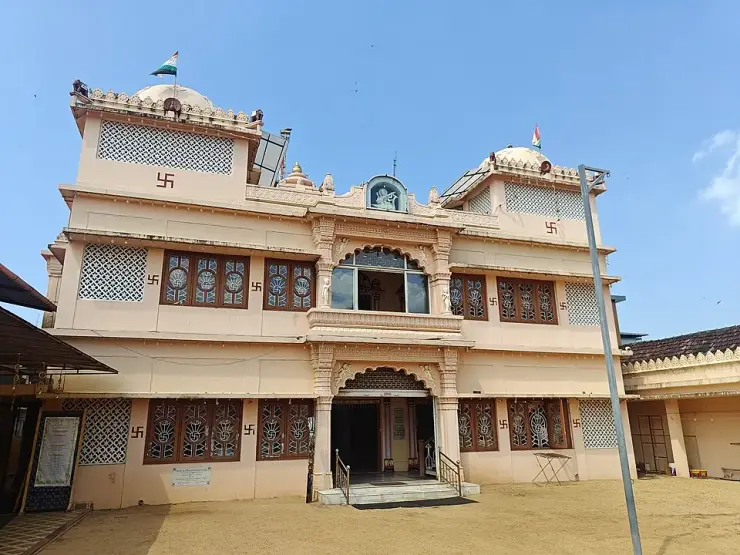
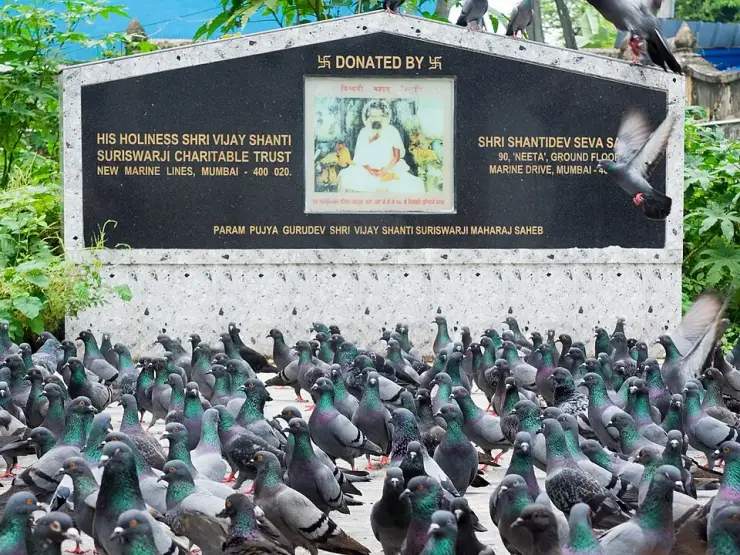
Dharmanath Jain Temple FreeFree. No entry ticket.Reported hours conflict and we have not been able to reconcile them: some listings give a long daily opening of roughly 5:30am to 7:30pm, others say general visitor access is limited to about 11:00am–12:30pm around the midday rituals. Both circulate widely. Plan around the noon feeding, which every account agrees on, and treat everything else as unconfirmed.November to February for comfort in Mattancherry generally. For this temple the time of day matters far more than the season.
Kadamattom Church FreeFree, as at any parish church. Donations and offerings are made at the counters inside.Open through daylight hours for visitors, with services in the morning and evening; access to the altar area is restricted during and around services. Times change around the feast and Lent.November to February for the drive. The Makaram feast in January–February is the big occasion and brings very large crowds — an extraordinary day to be here and a difficult one to visit quietly.
Thrikkariyoor Temple FreeFree. Darshan carries no ticket; offerings and vazhipadu are booked at the counter and priced per item.The standard Kerala pattern — an early-morning opening for nirmalyam and the morning poojas, a long midday closure, and an evening reopening until the night pooja. Festival days change everything.November to February for comfortable travel east of Kochi. The eight-day annual festival, in the Malayalam month of Meenam (March–April), is when the temple is at its fullest.
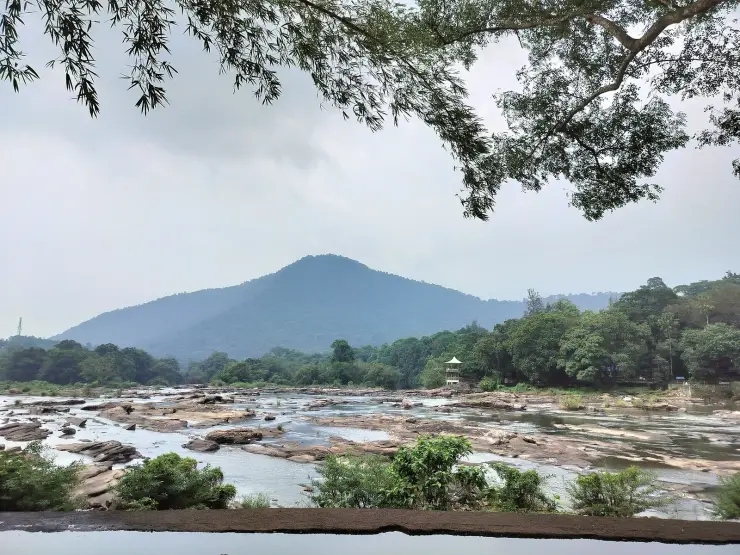
Ezhattumugham Nominal park charge, commonly cited at around ₹10 per person, with roughly ₹20 parking and about ₹100 for a camera; riverbank access is generally free.The Prakriti Gramam eco-park generally operates daytime hours (roughly morning to evening), while the open riverbank stretches are accessible through the day; exact park timings vary seasonally.September to February is best — post-monsoon low, clear water lets you walk the boulders and islets, with pleasant weather December to February. The river is fullest and most dramatic during/just after the monsoon (around June to August), but wading and bathing are unsafe then.
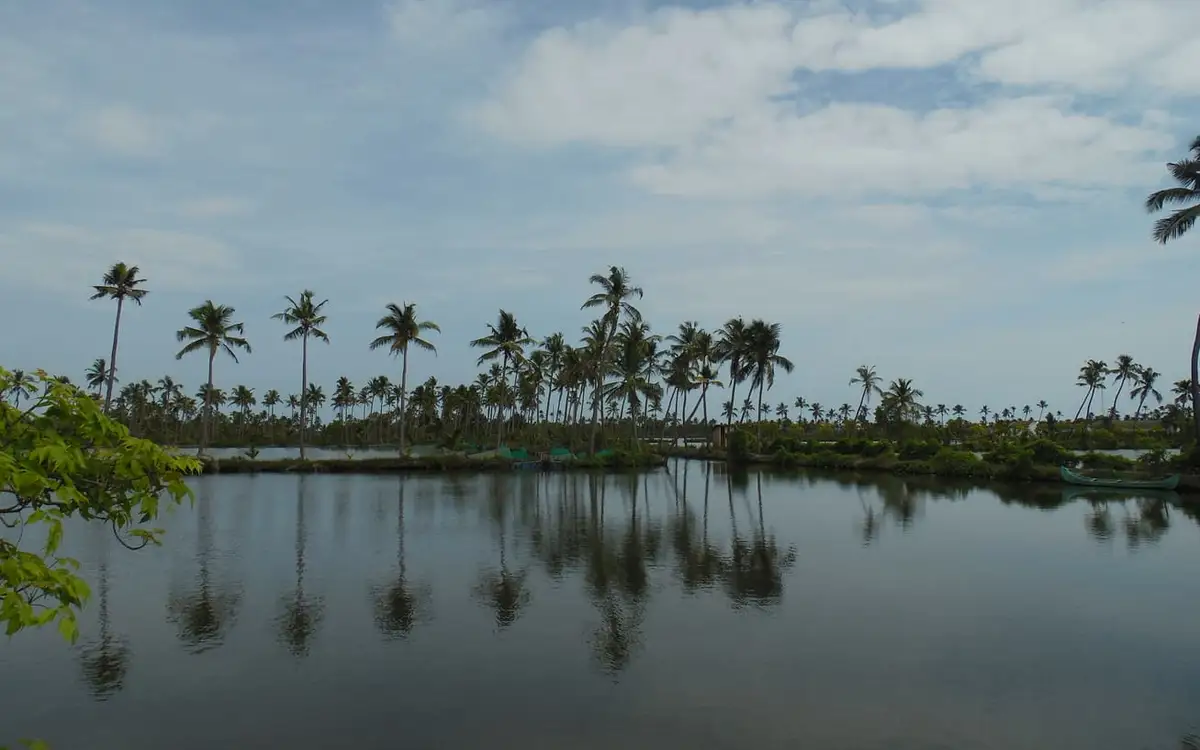
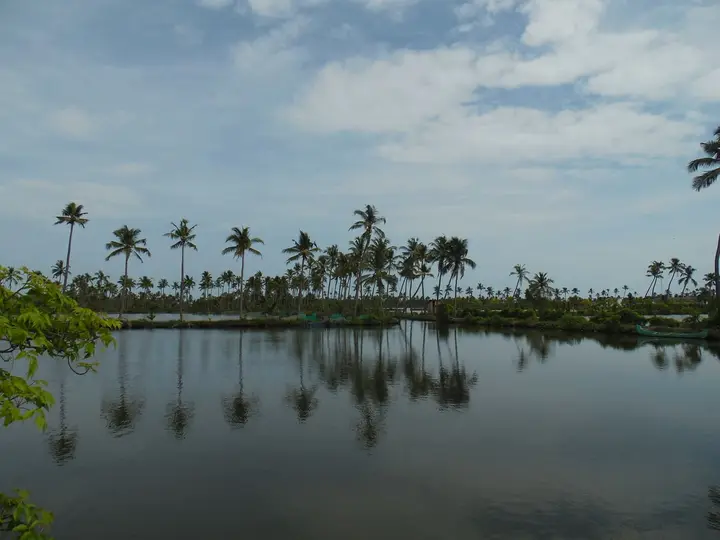
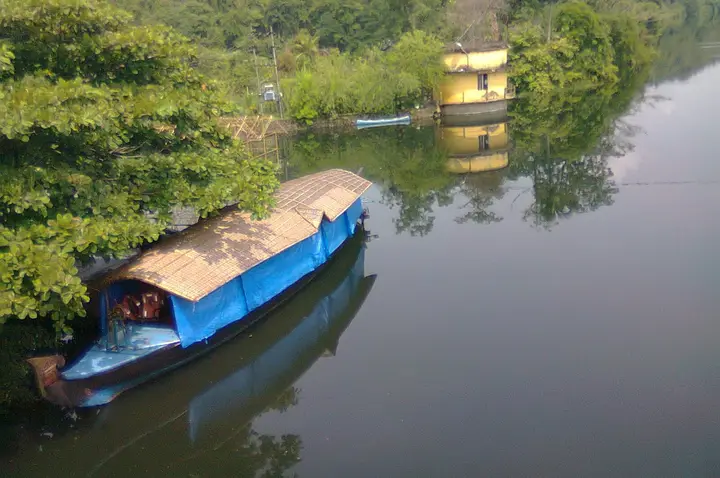
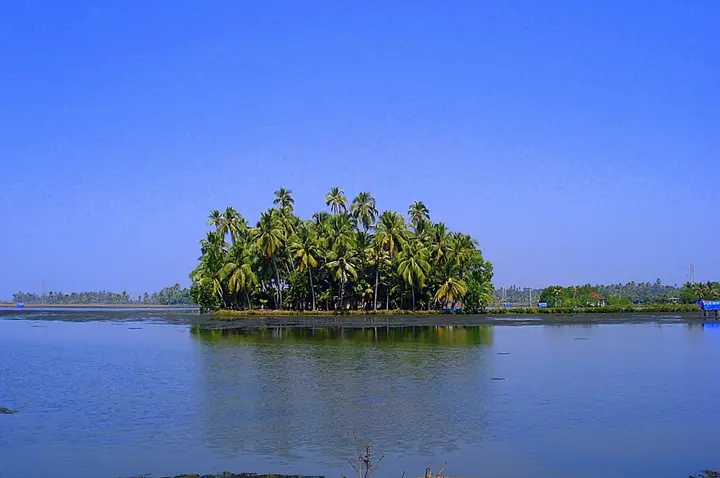
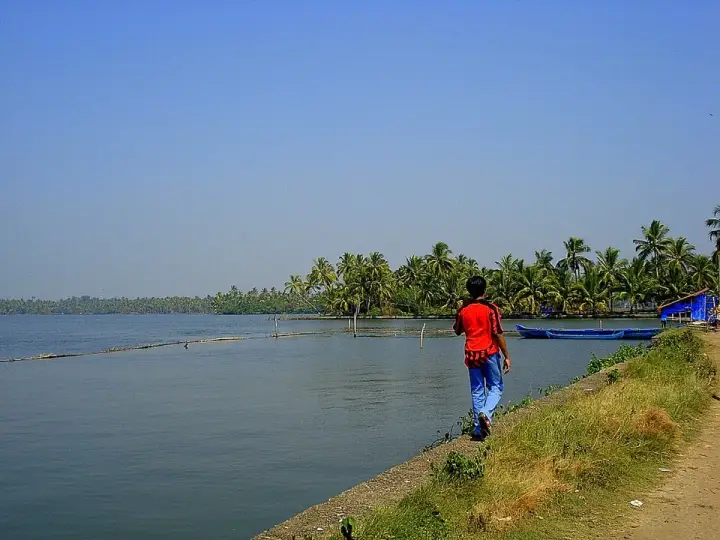
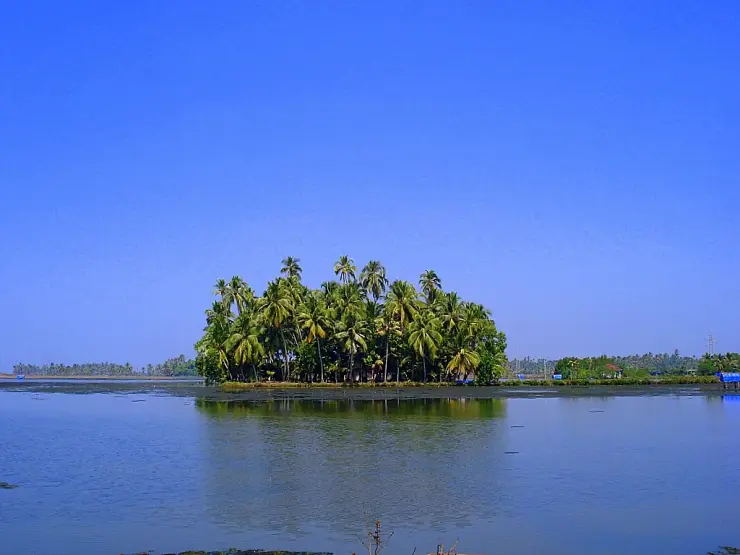
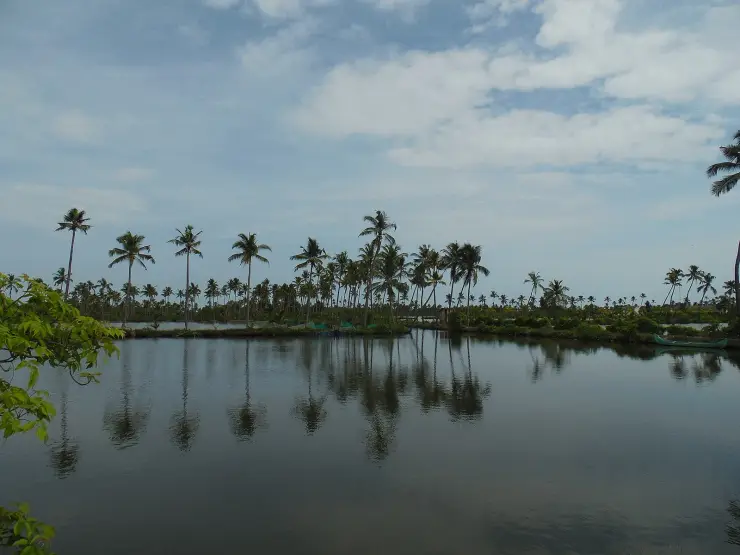
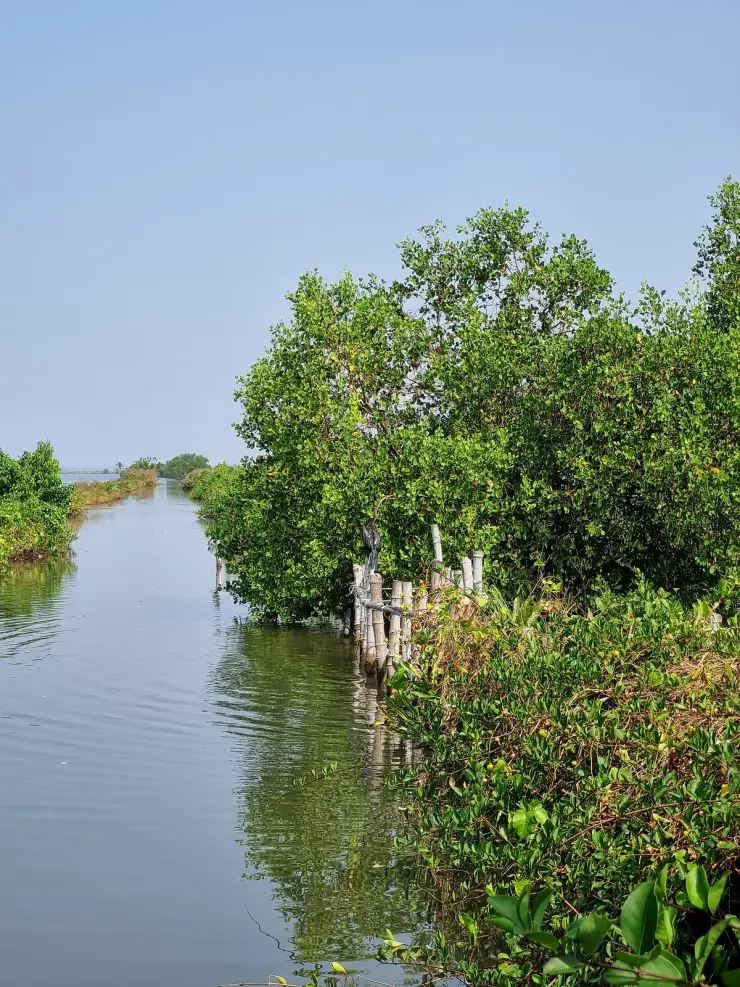
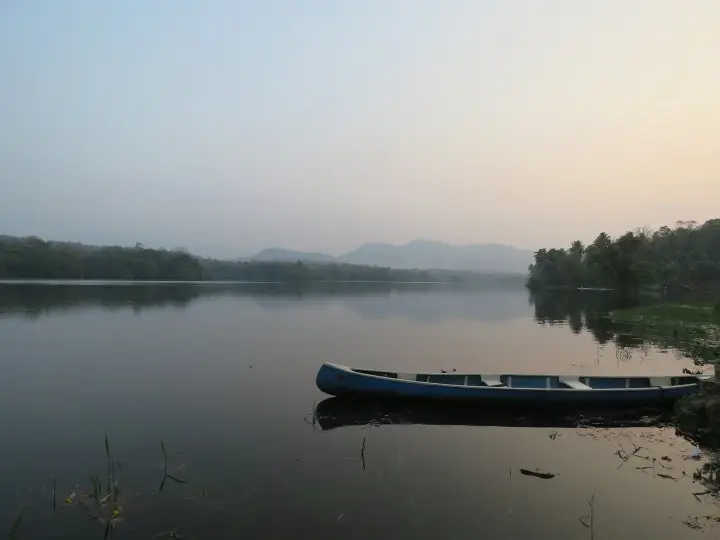
Kumbalangi backwaters FreeFree to look at. A canoe or country boat with a boatman is charged by the hour and set by the operator or your homestay rather than by any authority, so agree it in advance. Do not expect the Alappuzha houseboat tariff to apply here; these are small boats and a different trade.Tidal rather than timetabled. The water is glass-flat and mirror-still around first light, chops up through the middle of the day, and settles again from about four o'clock. Boatmen work around the tide, so the time you are offered is the time the water is right.November to February for calm water and comfortable air. March to May is hot, and is when the kavaru bioluminescence appears on dark nights. Through the June–September monsoon the creeks run high and fast and small-boat trips are frequently cancelled — treat any monsoon booking as provisional.
Chinese nets FreeFree to watch from the bank. Some net crews will let a visitor help work the beam for a tip — that is a private arrangement with the men on the platform, not a ticket, and there is no fixed rate.Worked around the tide and the light, chiefly at first light and again from late afternoon to dusk. There is no schedule; if the tide is wrong the nets sit idle all day.November to February for dry evenings and clean light. The nets work year-round, but monsoon squalls between June and September make the platforms genuinely dangerous and crews often stand down.
Village walks FreePriced by the host, not by a tariff. A guided walk is arranged through a homestay, the panchayat's tourism hosts or a local guide, and the rate depends on the length of the route, the number of working stops included and the size of the group. Agree it before you set out. There is no ticket to walk the public lanes on your own.Early morning and late afternoon. The working demonstrations that make a guided walk worth taking — toddy tapping, coir twisting, net work — happen when the people who do them are working, which is not the middle of the day.November to February. The lanes are shadeless in stretches and March to May is punishing by mid-morning; the June–September monsoon turns the field bunds to slick mud and shortens most routes.
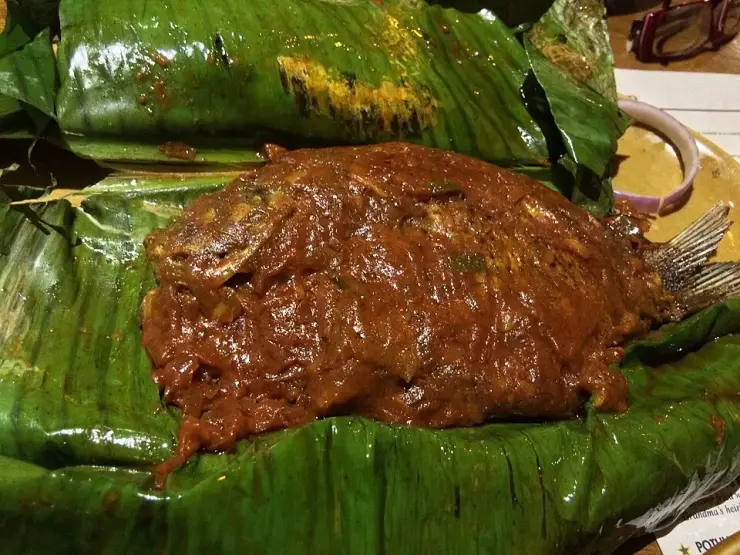
Seafood homestays FreeNot a place you enter — a place you book. Room and meal rates are set by each household, vary sharply between a simple room and a waterfront cottage, and are seasonal. We do not publish rates for individual properties and we take no commission.Meals run to a family kitchen's rhythm, not a restaurant's: breakfast early, lunch around midday, dinner soon after dark. Kitchens buy for the guests they expect, so a late unannounced arrival can genuinely mean no dinner.November to February is peak and books out around Christmas, New Year and Onam. March to May is hot but is the bioluminescence season. June to September is cheap, green and wet, and boat trips are unreliable.
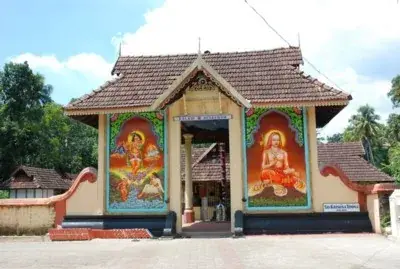
Karthyayani Devi Temple FreeFree. Darshan carries no ticket; offerings and vazhipadu are booked and paid at the counter.Early-morning and evening pooja hours with a long midday closure, on the standard Kerala pattern. This is a village temple rather than a pilgrimage-circuit one, so hours are set locally and are not widely published.November to February for comfortable travel. The annual festival concludes on Uthram nakshatra in the Malayalam month of Meenam (March–April) with the arattu procession, which is when the temple is at its liveliest.
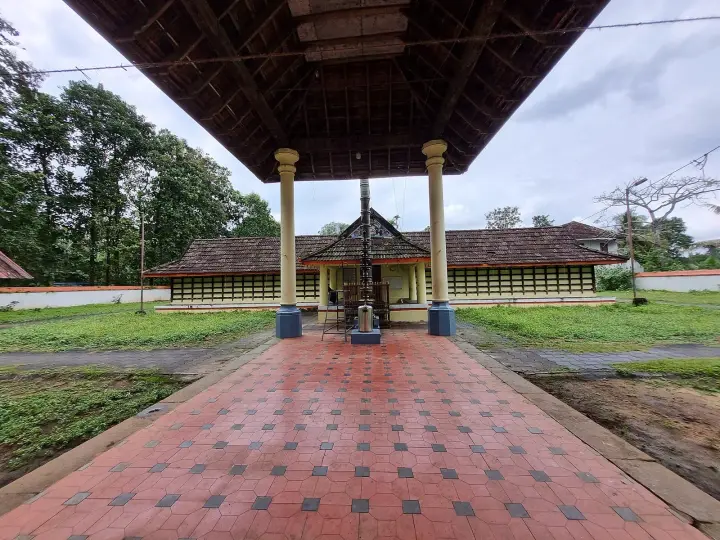
Sree Krishna Temple FreeFree. Darshan at a Kerala temple of this kind carries no ticket; the charges are for offerings and vazhipadu booked at the counter, and those are per item.The usual Kerala pattern of an early-morning opening, a long midday closure and an evening reopening until night pooja. Kalady runs on pilgrim traffic and festival days shift everything, so treat any published time as approximate.November to February for comfort. Shankara Jayanthi, in the Malayalam month of Vaisakha (April–May), is the big observance here and brings the crowds and the atmosphere in equal measure.
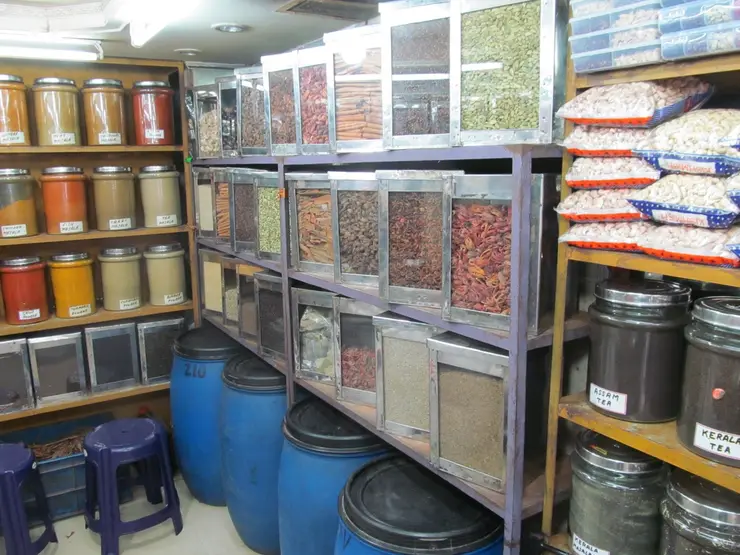
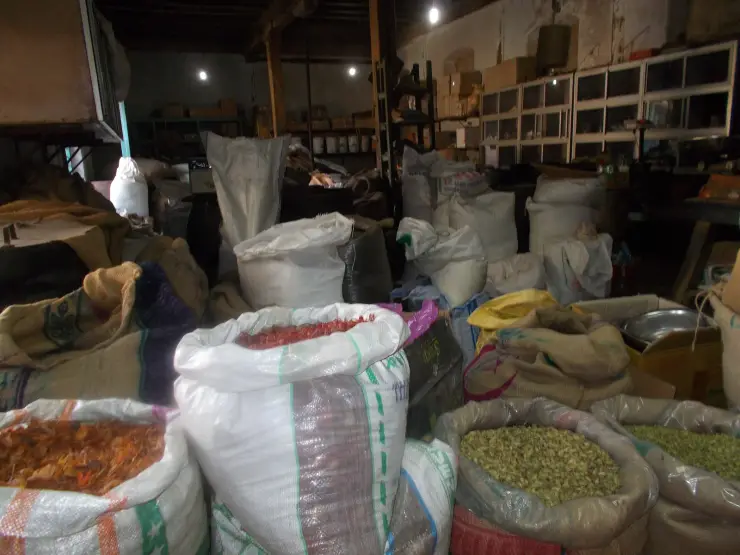
Spice markets FreeFree. This is a commercial street, not an attraction — there is no ticket and no visitor entrance. Godowns are private businesses; you see them from the road unless someone invites you in.Trading hours, roughly morning to late afternoon on weekdays, quieter on Saturday and largely shut on Sunday. The loading and unloading — which is the thing worth seeing — happens early. Arrive after four and you will get a street of closed shutters.November to February for walkable weather. Mornings all year — the street is airless by midday and the trade has largely stopped by late afternoon.
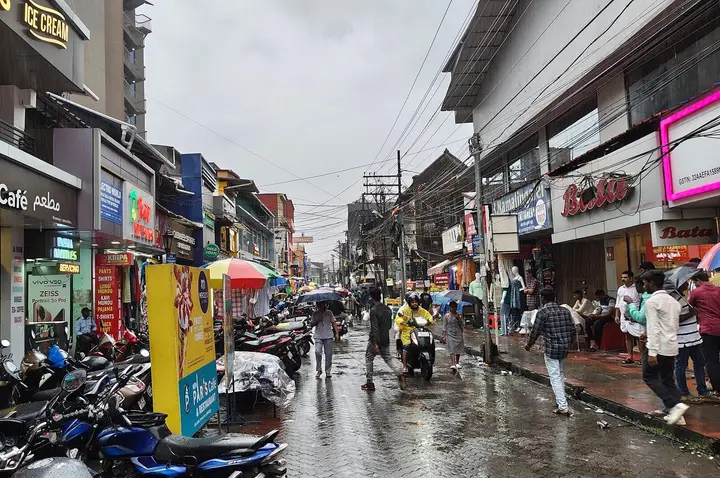
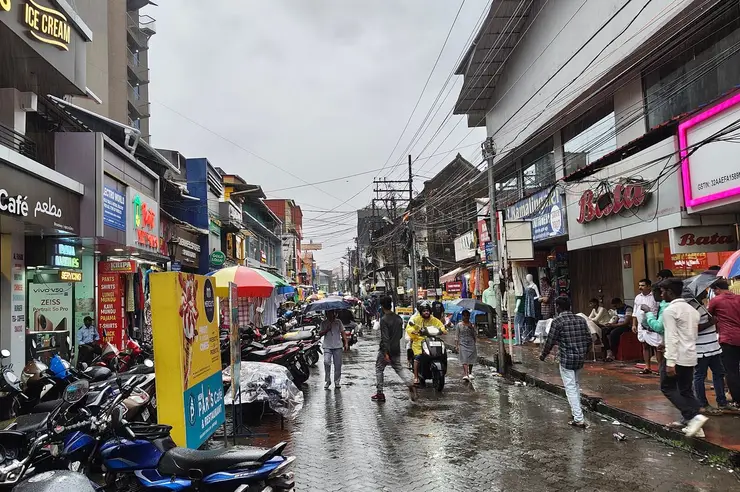
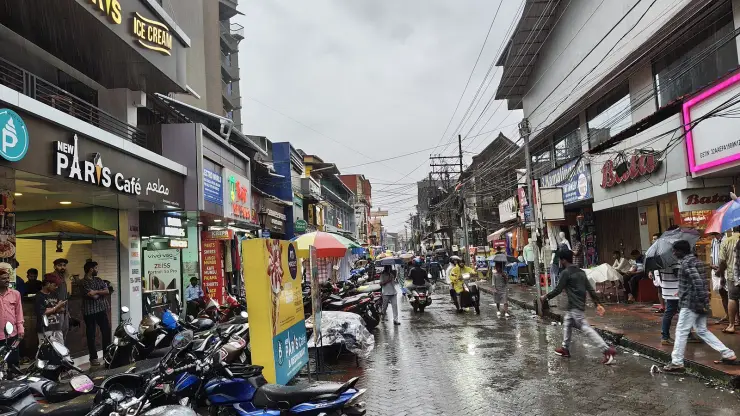
Broadway Market FreeFree. It is a public shopping street.Shops generally open around ten in the morning and trade until eight or nine at night, with many closed on Sunday. The street is busiest in the evening, which is also when it is most fun and least comfortable.November to February for walkable evenings. Onam (August–September) and the weeks before Christmas are when the street is at its most alive and most packed — worth seeing, hard to shop in.
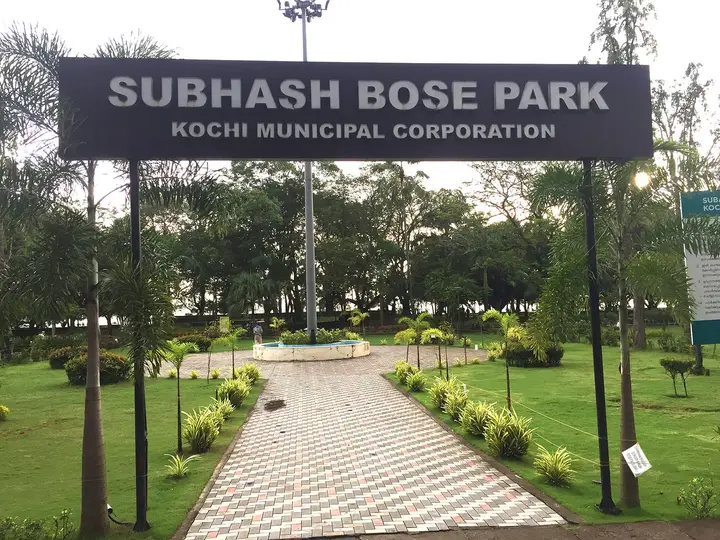
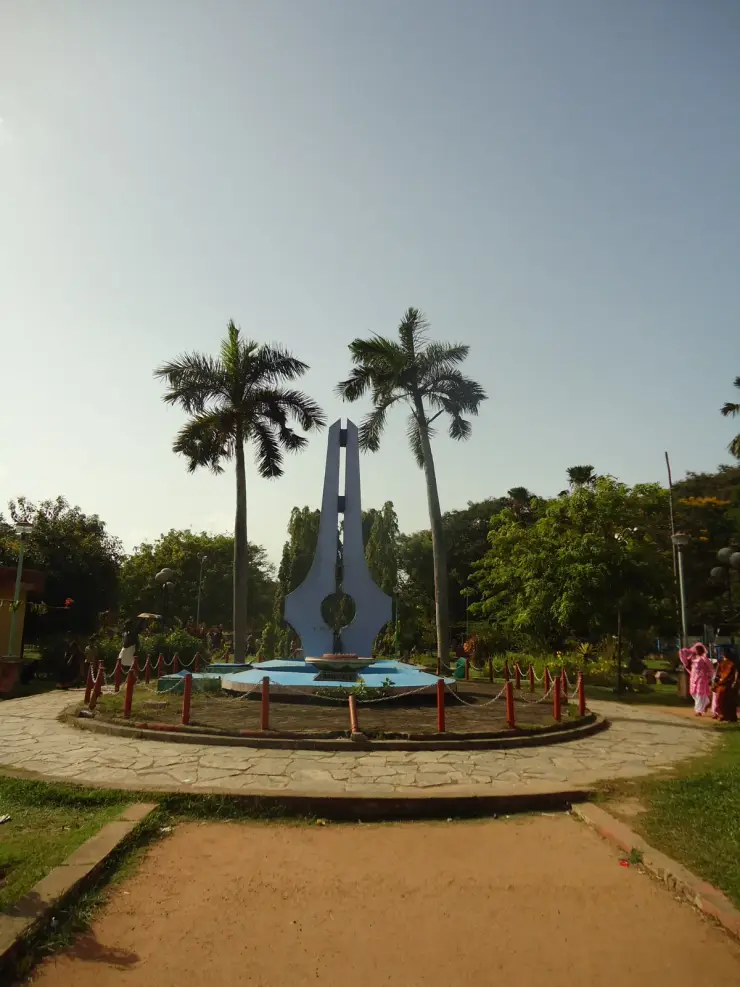
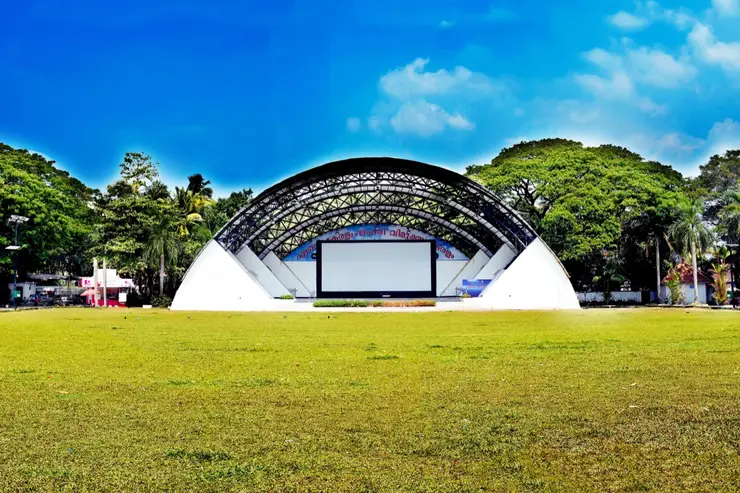
Subhash Park FreeFree. Entry to the park costs nothing; the children's park attractions alongside it charge small separate amounts for rides.Reported as roughly 3:00pm to 9:00pm on weekdays and from about 10:00am at weekends, which fits a park that fills up in the evening. Timings are set by the corporation and change; treat these as indicative and confirm locally.November to February. Late afternoon into the evening all year — the park is shadeless in patches and unpleasant in the middle of a Kochi day.