What to expect
Highlights
- Temple visit at Cochin Thirumala Devaswom
- Kerala temple architecture and rituals
- Local food, shops and pilgrim services nearby
A historic Gowda Saraswat Brahmin temple in Cherlai, Mattancherry, central to Kochi’s Konkani community.
Check entry arrangements. Ask temple staff about visitor entry, dress requirements and access to the inner shrine before you travel, especially if you are visiting as a non-Hindu.
Dress respectfully and follow the institution’s admission and photography rules.
Kochi’s Konkani community are refugees, and this is their temple. The Gowda Saraswat Brahmins came down the coast from Goa in the sixteenth century to get away from the Portuguese Inquisition and its forced conversions, settled in Cochin under the Raja’s protection, and consecrated Sree Venkateshwara here in 1599. Sixty-three years later the Portuguese caught up with them and burned it. What stands at Gosripuram today was rebuilt the following year, under the Dutch.
It is the centre of Konkani Kochi rather than a monument to it. Cochin Thirumala Devaswom is the largest and most important socio-religious institution of the Gowda Saraswat Brahmins in Kerala, and the community around Cherlai and Gosripuram — still Konkani-speaking after four and a half centuries in a Malayalam city — organises much of its life around it.
The presiding deity is Sree Venkateshwara, the same form worshipped at Tirumala in Andhra Pradesh, which is where the name comes from: Thirumala, and by extension Gosripuram, its own quarter. For a community that had lost its temples in Goa, re-founding worship of a major deity in a new city was the act that made the new place home.
Ritual practice here is Konkani rather than Kerala-standard, and that is the most interesting thing about visiting. The language you hear, the calendar of festivals and the conduct of worship all descend from the community’s Goan and wider Saraswat tradition, kept deliberately distinct inside a state with a very strong temple culture of its own. It is not a Kerala temple that happens to have Konkani devotees; it is a Konkani temple that happens to be in Kerala.
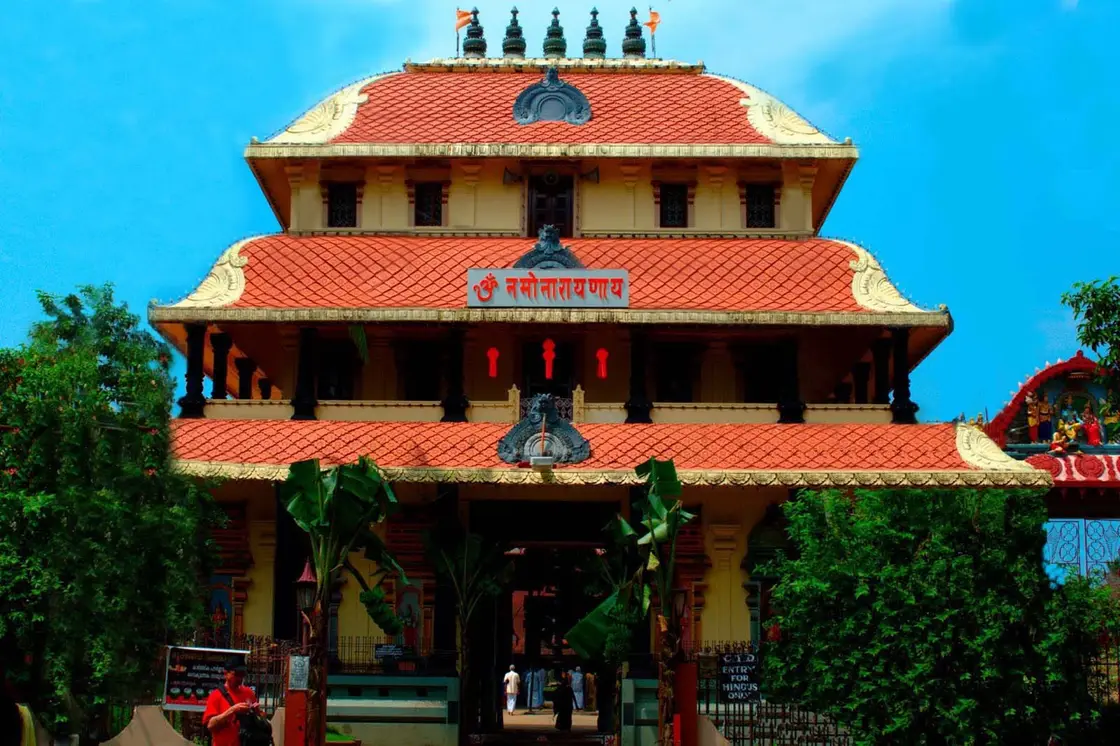
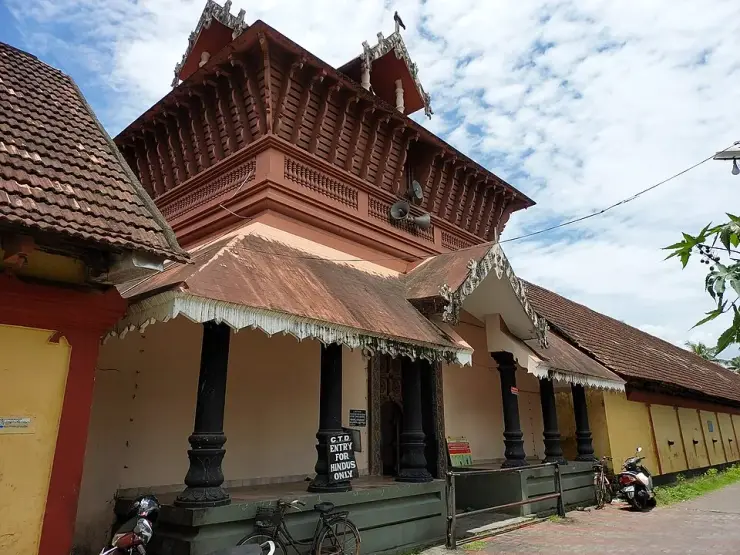
The compound around the shrine is worth looking at properly rather than glancing past. There are four upakovils — subsidiary shrines — to Mahalakshmi, Hanuman, Garuda and Vigneshwara, a tank, and a bronze bell of genuinely startling proportions, about four feet across and six feet tall, which is among the largest of its kind in Kerala. The gopuram and the compound walls are the visible edge of an agraharam: the community did not merely build a shrine here, it laid out the streets of Cherlai and Gosripuram around it and lived in concentric rings from the deity outwards.
As with most active Hindu temples in Kerala, entry to the inner areas is generally restricted to Hindus, there is a dress code, and photography inside is not welcome. Worship goes on here daily; this is not a heritage site with a ticket office.
It is also worth knowing where you are standing. Mattancherry within a few hundred metres holds this shrine, the Paradesi Synagogue, the Dutch Palace, a Jain temple and the spice warehouses — five communities who arrived from five directions and did business with each other. The density is the point of the quarter.
The Gowda Saraswat Brahmins carry one of the great migration myths of the Indian west coast, and it explains why a community that has lived in Kerala for four and a half centuries still describes itself as being from somewhere else. The tradition, set down in the Sahyadri Khanda of the Skanda Purana, holds that their ancestors were Saraswat Brahmins of the ancient Gauda country, living on the banks of the river Saraswati; that when the Saraswati failed and dried into the sand they were scattered south; and that Parashurama, the axe-bearing avatar of Vishnu who had reclaimed the whole Konkan coast from the sea by hurling his weapon out over the water, settled them on the new land he had made. It is a founding story about people who belong to a river that no longer exists, placed on a coast that had to be pulled out of the ocean before they could stand on it. For a community that has now been displaced twice more since — from Goa, and then repeatedly from Cochin — it has proved a remarkably durable self-description.
The historical founding dates, by contrast, are genuinely unsettled and you will see several. Some accounts put the Gowda Saraswat migration to Kochi at 1560, others at 1568, and the move is variously tied to Portuguese persecution in Goa and to the collapse of the Vijayanagara Empire after Talikota in 1565 — which had been the community's political shelter. These are not really competing stories so much as a compressed one: a community lost its protector and gained a persecutor within a few years, and left. But the specific year is not something we can settle, so we publish the range rather than choosing the tidiest date.
There is a harder thing under the founding story, and the sources state it plainly rather than hinting at it. The Konkanis built their own because they were refused entry to the existing ones. The local Brahmins regarded the incoming Saraswats as their inferiors and shut them out — of temples, and of the priestly functions that were the migrants' entire vocation. Gosripuram is often told as a story of the Raja's hospitality, and that part is true; it is less often told that the hospitality of the state was not matched by the hospitality of the altar, and that this place exists because of the refusal.
That is worth carrying a few hundred metres up the road. The Paradesi Synagogue, a short walk from here, ran an internal hierarchy that kept the older Malabari Jews out of full membership and the Meshuchrarim out of the building altogether. Two sheltered communities, two exclusions, one quarter. Mattancherry's reputation for tolerance is real and it is also partial, and the honest version is more interesting than the brochure.
The consecration dates are firmer than the migration date, and there are three of them. The first pratishtha is attributed to Swami Sudhindra Tirtha of the Kumbakonam Math in 1599, performed in the lunar month of Chaithra on the full-moon day with the moon in conjunction with the Chitra star. A second was conducted in 1719 by Swami Devendra Tirtha and Swami Madhavendra Tirtha of Sri Kashi Math, and a third in 1881 by Swami Bhuvanendra Tirtha and Swami Varadendra Tirtha. Three consecrations in three centuries is the record of a shrine that kept being emptied.
Its own miracle story is small, domestic and unusually pointed, and it is the reason the deity here carries a second name. At the first ritual bath the crown was to be decorated with gold coins offered by the community, and the wealthy households gave generously — but the arrangement would not complete. One space remained. A poor Brahmin came forward with the single coin he had, and it filled the gap exactly. Venkateswara at Gosripuram is accordingly called Daridra Narayan, the god of the poor. It is a story a rich merchant community chose to keep telling about itself, which is a more interesting decision than the miracle.
The Gowda Saraswat Brahmins reached Cochin from Goa in the mid-sixteenth century — sources give 1560 or 1568 — fleeing the Portuguese policy of forced conversion, in the same decades that the Vijayanagara Empire fell apart after Talikota in 1565. The Raja of Cochin gave them shelter and trading rights, as he did for other incoming merchant communities.
The idol itself travelled with them. Tradition and its own record hold that Swami Vijayendra Tirtha of the Kumbakonam Math carried the image of Venkatachalapathy down from Goa during the migration — the community moved its god before it moved its houses.
In 1599 the community consecrated the shrine at Gosripuram, the first pratishtha performed by Swami Sudhindra Tirtha. They settled around it in agraharam fashion, in the streets of Cherlai, because the established temples of Cochin would not admit them.
On 2 March 1662 it was destroyed. The Konkanis had backed the Dutch against the Portuguese in the struggle for Cochin; when the Portuguese retaliated, the community’s houses, markets and this shrine were plundered and burned, and the Konkanis had to flee Cochin for Udayamperur, where they remained roughly ten months. It was during that exile that the community took the pledge that would eventually give Cochin and Travancore sixteen Tirumala Devaswoms. The Dutch defeated the Portuguese on 6 January 1663 and it was reconstructed with their assistance.
It was emptied again in the next century. On 12 October 1791 it was plundered under Sakthan Thampuran, and the Konkanis fled once more, this time to Alappuzha, taking the deity with them. The idol did not come back to Cochin until 7 February 1853, in the reign of Kerala Varma IV — a gap of sixty-one years in which the community's central institution existed in another town. That absence, and not the 1662 fire, is the longest interruption in its history, and it is the one almost nobody mentions.
That sequence is worth holding next to the Paradesi Synagogue a few streets away, which the Portuguese also burned in 1662 and which was also rebuilt under the Dutch. Two communities who had come to Cochin as refugees, from opposite ends of the map, lost their houses of worship in the same reprisal and rebuilt them in the same change of regime. Mattancherry’s reputation for tolerance is real, but it was not uninterrupted, and 1662 is the year the interruption is written down.
Since then the Devaswom has functioned continuously as the community’s central institution, and Kochi’s Konkani population has retained its language and its distinct ritual tradition into the present.
Because it is the anchor of a community that has kept its language and its liturgy for four and a half centuries in a city that speaks something else.
Because the 1662 story ties it directly to the synagogue nearby — the clearest surviving evidence that Mattancherry’s famous pluralism had a violent interruption, and who did the interrupting.
Because Konkani ritual practice, and the Venkateshwara tradition carried down from Tirumala, are genuinely different from the Kerala temple norm around it.
Because it completes the Mattancherry walk. Palace, synagogue, this shrine, a Jain temple and a spice street inside a few hundred metres is the whole argument for the quarter.
And because it is in use rather than on display — you are visiting something in use.
Road km to Ernakulam; ghat roads and traffic vary — allow extra.
Morning or early evening is usually best; festival days can be powerful but crowded.
Live forecast loads in your browser.
Sun and moon are calculated for this location and shown in IST. Photography windows are the hour around sunrise and sunset; the sunset bearing is degrees clockwise from true north. Moon phase is accurate to about half a day.
Browse listed stays, food, activities, sights, shops and rentals around Cochin Thirumala Devaswom. Check each listing’s locality and contact the business directly for current arrangements.
Synagogue in Mattancherry, Ernakulam, Kerala, India.
Museum in Mattancherry, Ernakulam, Kerala, India. Wheelchair access.
Visitor information in Mattancherry, Ernakulam, Kerala, India. Mattancherry, Kochi, Kerala.
Palace in Mattancherry, Ernakulam, Kerala, India.
Attraction in Mattancherry, Ernakulam, Kerala, India.
Museum restaurant in Jew Town/Mattancherry, paired with the Ginger House heritage-hotel complex.
Official DTPC Ernakulam contact for Mattancherry, Jew Town, Fort Kochi and Kochi heritage-route checks.
Visitor information in Mattancherry, Ernakulam, Kerala, India. Jew Town Road, Mattancherry, Kochi, Kerala 682002 · Paradesi.
Kerala Tourism source for Jew Town at Mattancherry, useful for heritage walks, antique-shop context and synagogue-area planning.
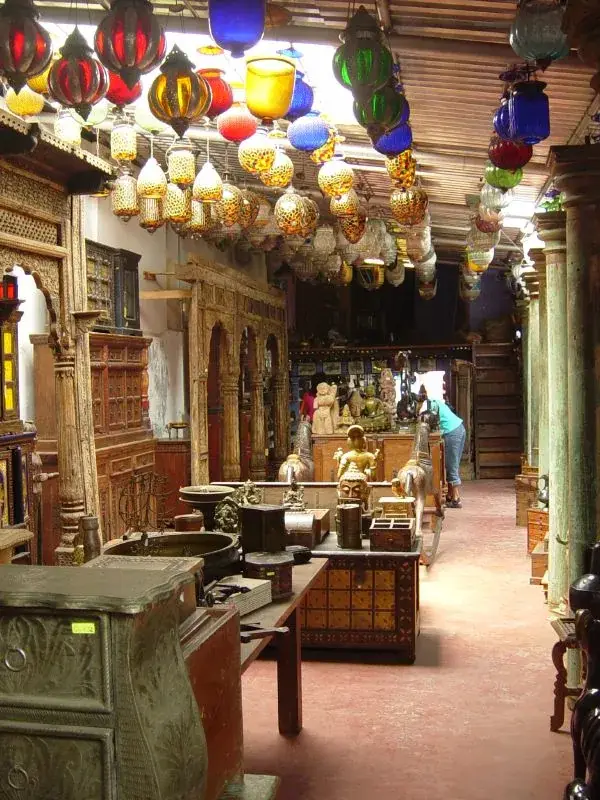
A heritage hotel in the Ginger House Building on Jew Town Road, Mattancherry, with antique furnishings central to its identity. Compare the specific room photographs and ask about steps and access through the property. Use confirmed direct contact for availability while the website and current room inventory are checked.
Daffodils Spice Court is a hotel on AB Salem Road in Jew Town, Mattancherry, an area known for spice and antique shops and colonial-era buildings. The operator identifies nearby landmarks including the Paradesi Synagogue, Mattancherry Palace Museum, Pazhayannur Royal Temple, Jain temples and mosques.
Sea Hut Homestay is on Moolumkuzhi Beach Road in Kochi, at the Mattancherry address recorded by Kerala Tourism. The operator describes a six-bedroom homestay with a sea view and double-bed accommodation. The setting gives it a coastal focus for travellers considering a smaller stay in this part of Kochi.
An older operator-submitted listing described The Waterfront Granary as a converted waterfront granary on Bazar Road, Mattancherry, with 16 air-conditioned rooms. Listed room features included temperature controls, tea-and-coffee makers, wardrobes and en-suite bathrooms.
Xandari Harbour is presented by the operator as a boutique, harbour-side hotel in Mattancherry, Kochi. The listing records an on-site restaurant and parking, plus air conditioning and televisions. The brand describes its food approach as homegrown, organic and farm-to-table.
Book with the place itself. India’s cyber-crime coordination centre warned in April 2025 that convincing copies of hotel and pilgrimage booking sites are being pushed through sponsored search and social ads, taking payment for rooms the property never hears about. Use the contact and source details on each profile to confirm the exact business and booking channel. A directory entry or map pin alone does not establish an operator’s identity or current availability. Roampedia takes no commission and does not collect booking payments. If a booking page reached you through an ad, check the address bar against the property’s own site before you pay. Fraud can be reported on cybercrime.gov.in or on 1930.
Browse food, accommodation and activities across Mattancherry. Check each address and journey before adding it to your day; these selections are not all beside Cochin Thirumala Devaswom.
5 more places around Mattancherry. Open a guide to plan the visit and onward journey.
1.2 km · 14 min walk
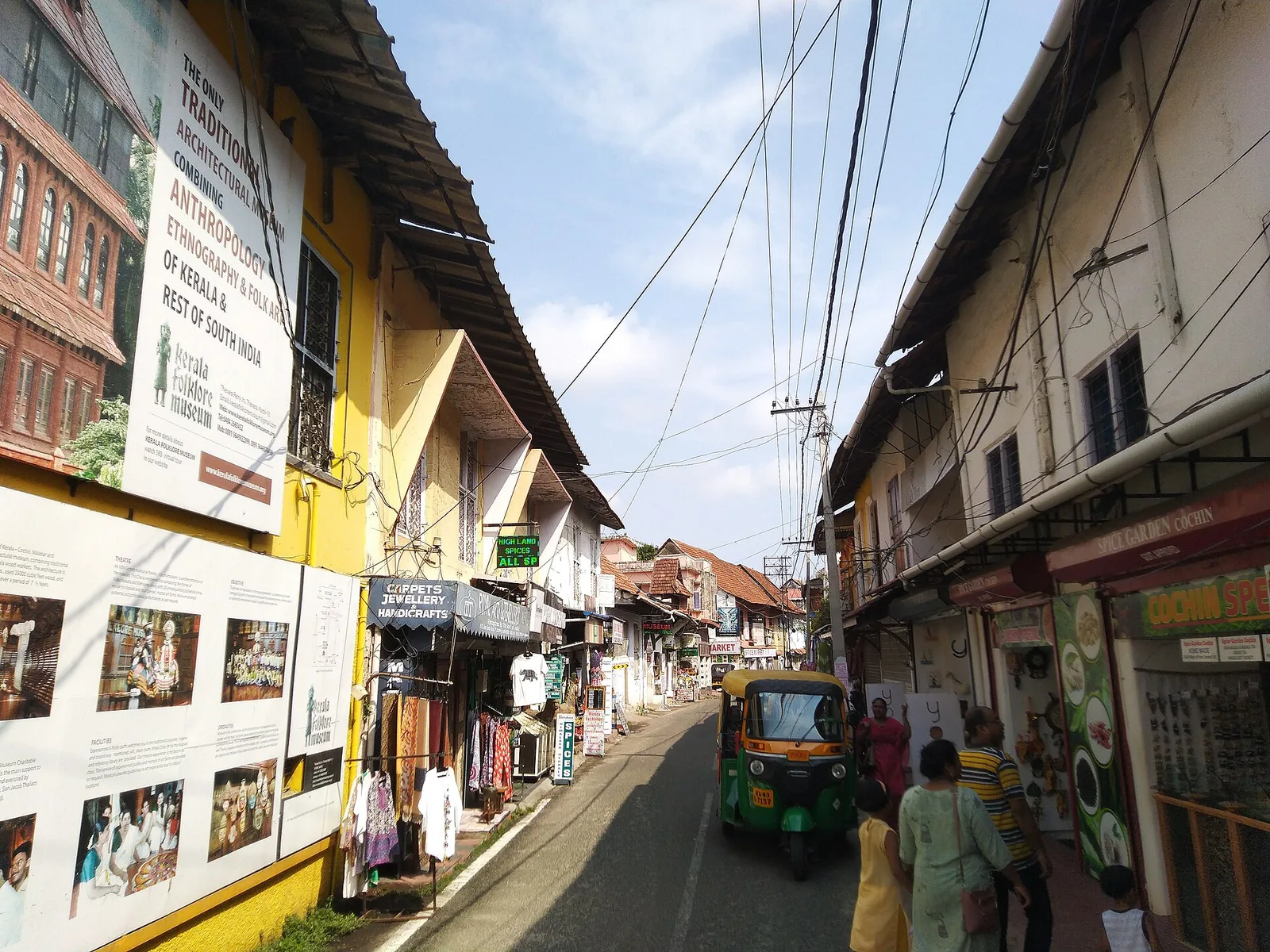
Spice warehouses, antiques, Mattancherry Palace and Paradesi Synagogue.
1.2 km · 14 min walk
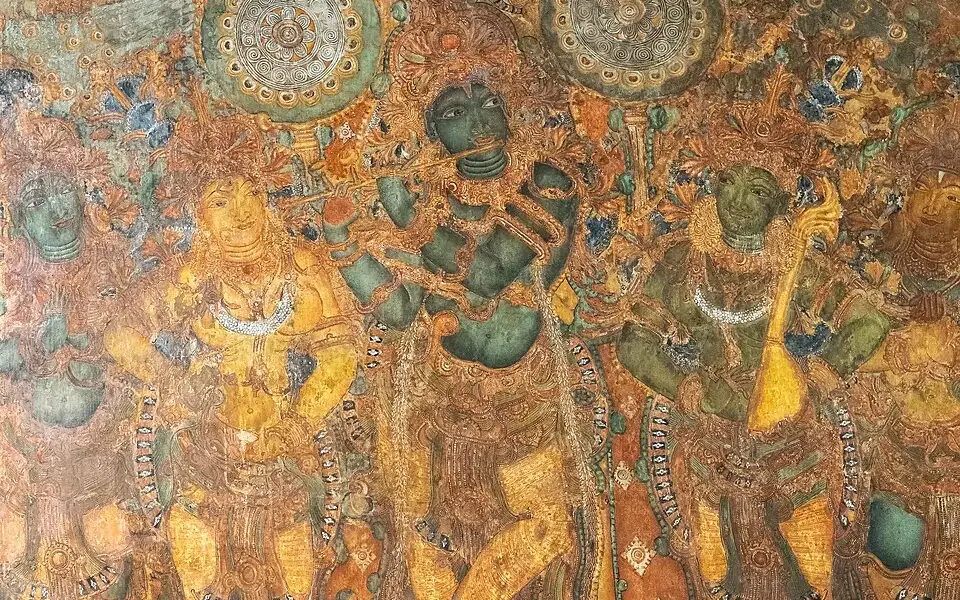
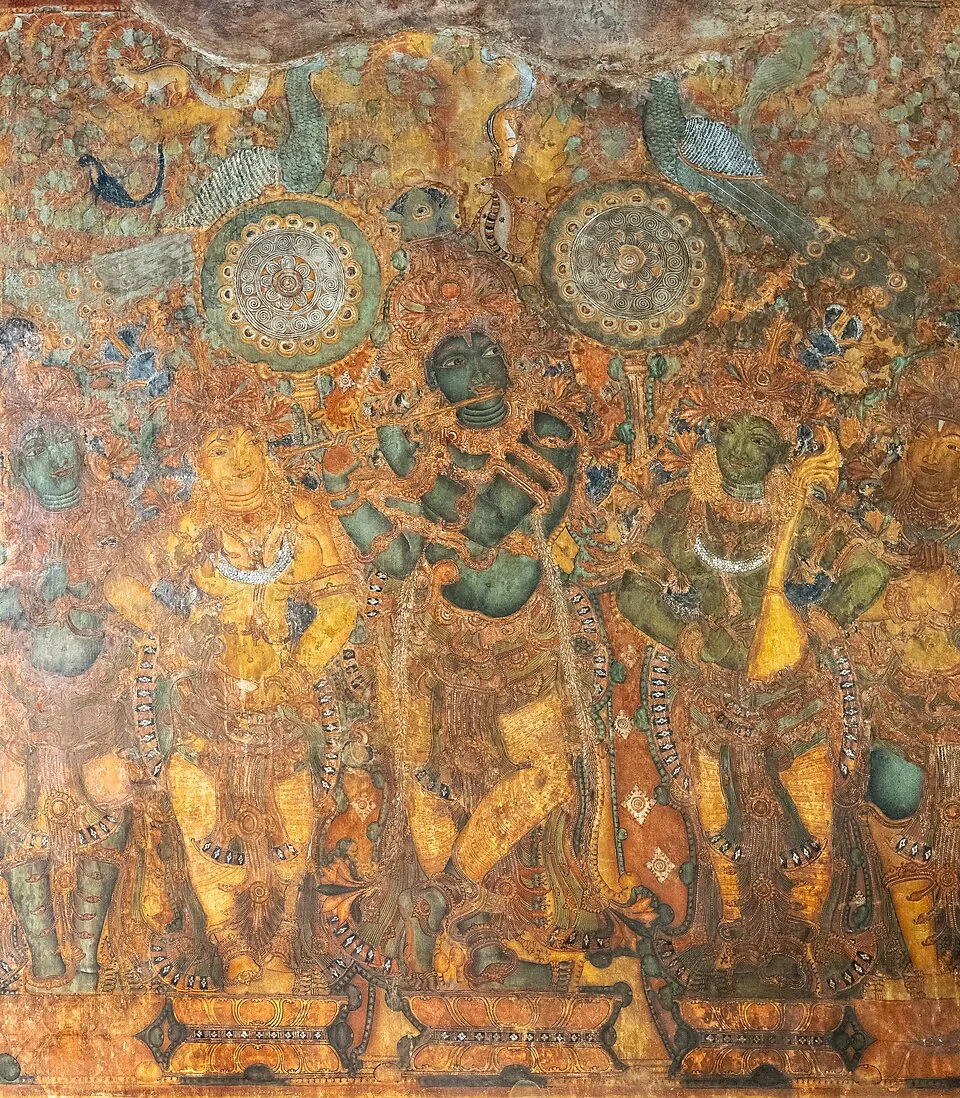
The Mattancherry Palace, known as the Dutch Palace, with celebrated Kerala mural paintings from the Ramayana and royal portraits.
1.4 km · 16 min walk
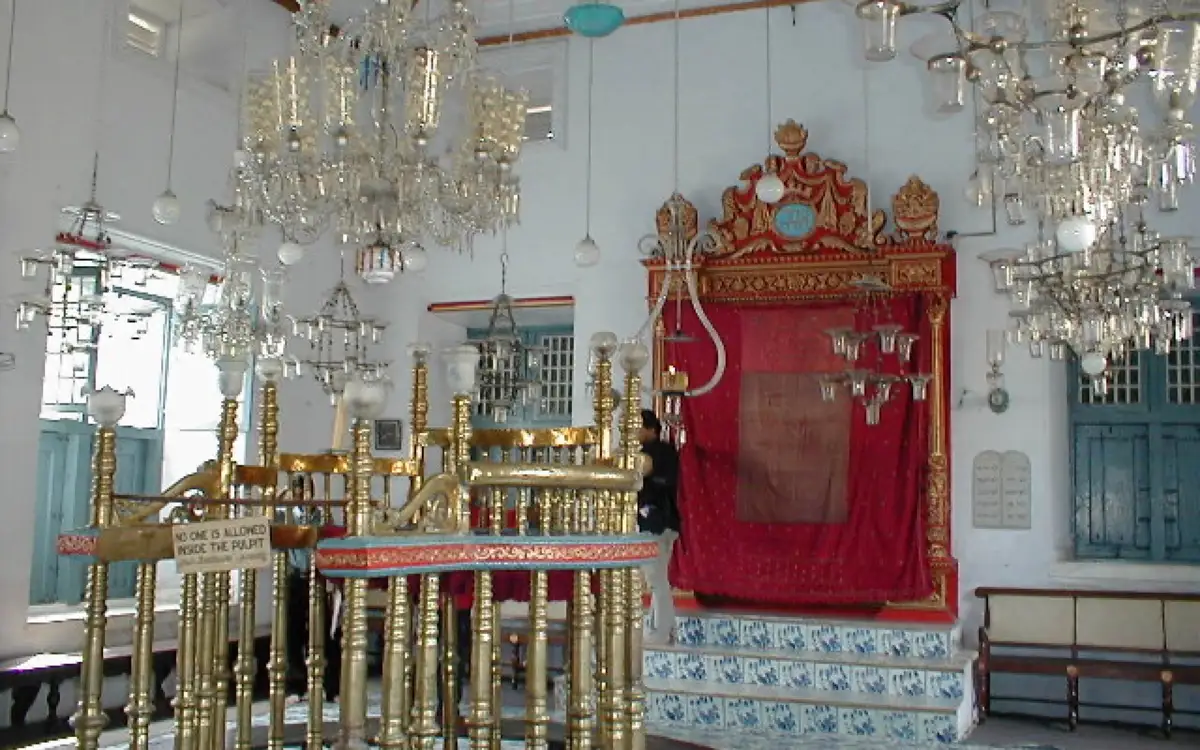
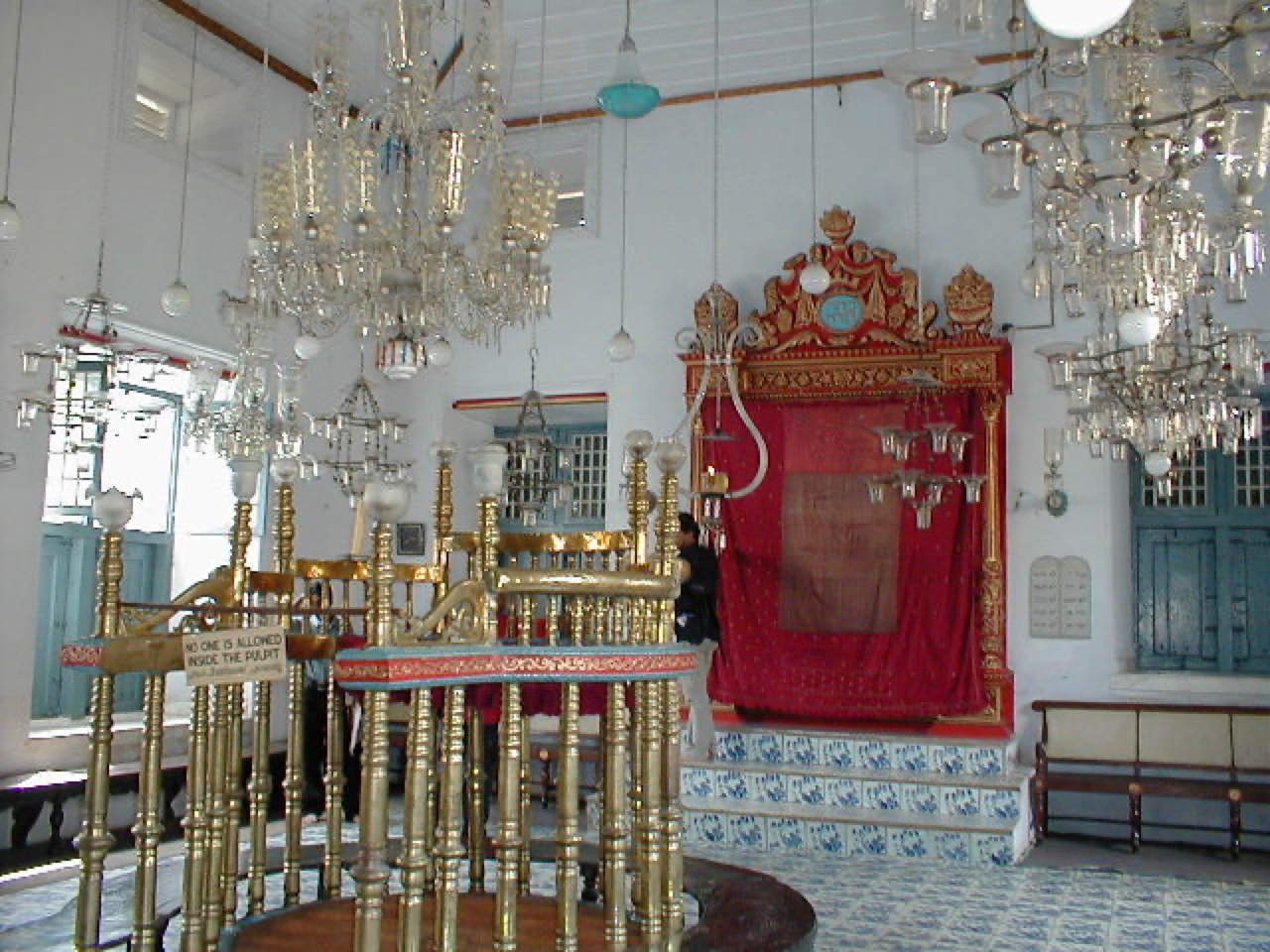
The oldest active synagogue in the Commonwealth (1568), in Jew Town, Mattancherry, with hand-painted Chinese floor tiles.
1.0 km · 11 min walk
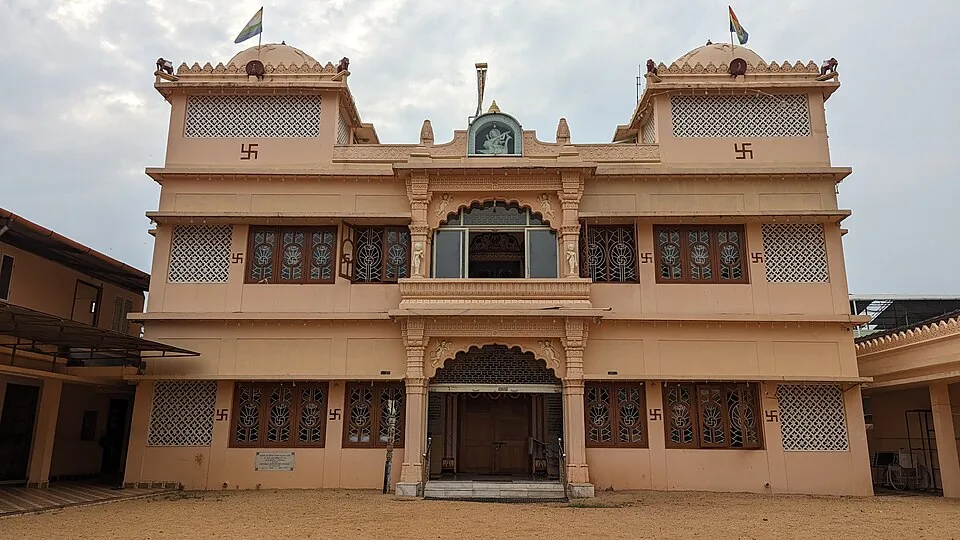
An ornate Jain temple in Mattancherry’s Gujarati quarter, raised in 1904 by Hirubai in memory of her husband Jivraj Dhanji and dedicated to Dharmanatha, the fifteenth Tirthankara — known for its white marble work and the daily midday feeding of the pigeons outside.
1.5 km · 18 min walk
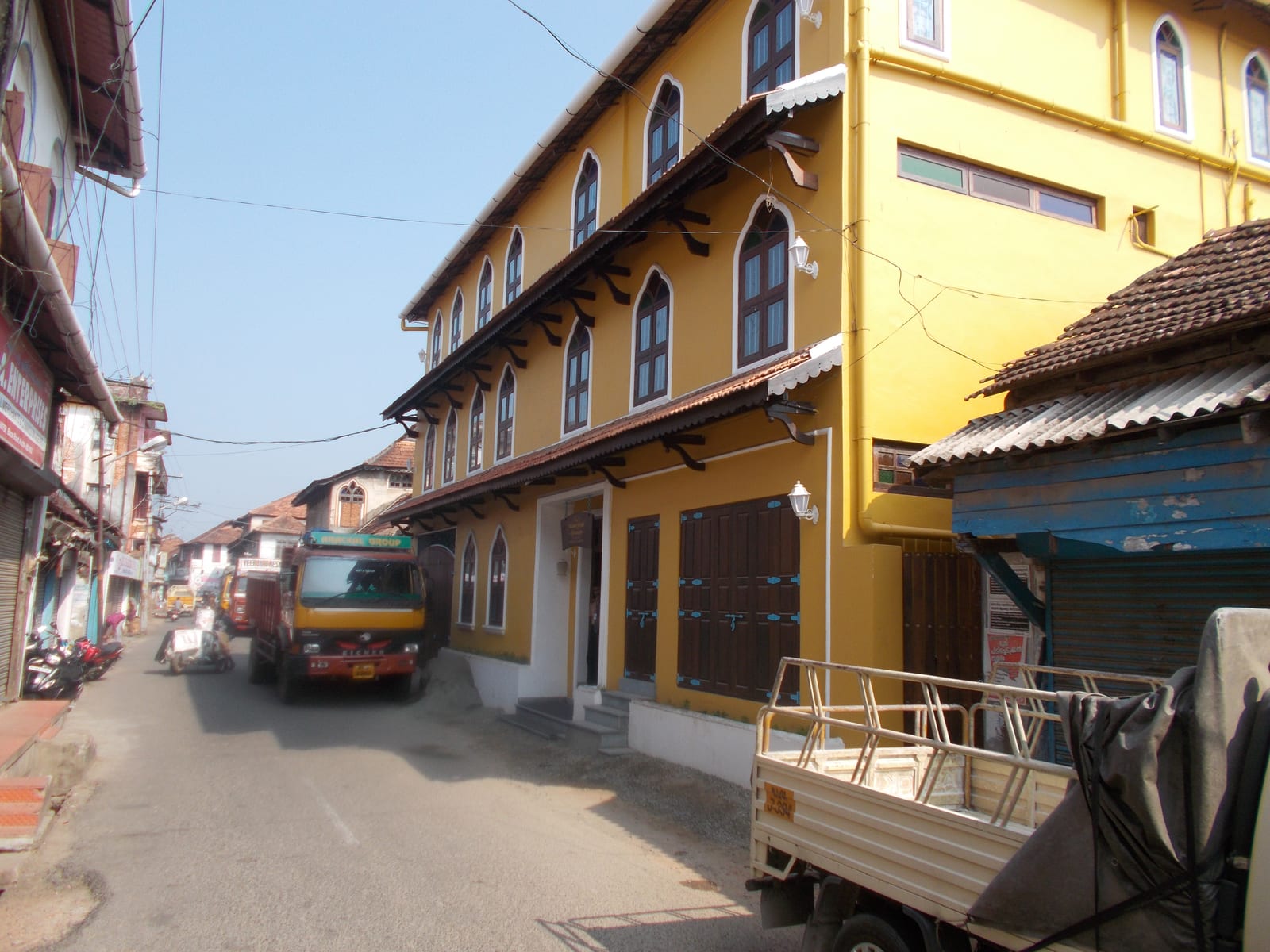
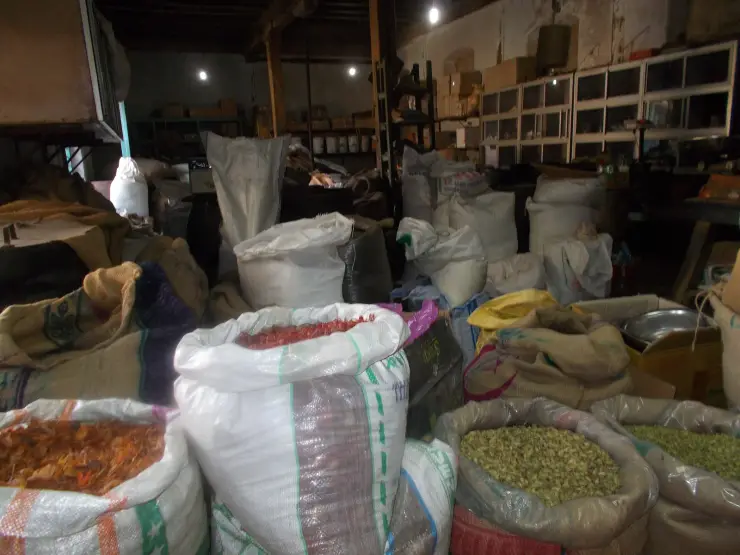
The working spice quarter along Mattancherry’s Bazaar Road — godowns where pepper, ginger, turmeric and cardamom are still graded, sacked and weighed, and where the smell reaches the street before the signage does.
Roampedia is commission-free — own or know a stay, eatery, guide or shop near Cochin Thirumala Devaswom? Submit public business details for review.
Add a nearby businessEntry: Free. There is no entry ticket. Specific poojas, offerings and vazhipadu are paid for at the temple counter.
Dress code: Traditional, modest dress is expected and footwear is removed before entering. As at most active Kerala temples men are commonly expected to remove upper garments in the inner areas; confirm at the door rather than assuming.
Festivals: The eight-day Aarat or Maholsavam commemorates the first consecration of 1599, and Ratholsavam — the chariot festival — is the community’s largest annual event. Dates follow the Konkani ritual calendar and move each year.
Photography: Photography inside is not welcome and should be treated as prohibited. The gopuram and the surrounding streets can be photographed.
If you are travelling by bus or ferry, check the return service with the operator before setting out. Leave time to reach the stop or jetty after your visit.
Ask at the jetty or stand for the time of the last service back, not the next one. If you miss it, an auto or app cab is the fallback — agree the fare before you get in.
If you need step-free access, contact the site before travelling. Ask about a level entrance, steps along the route, the nearest drop-off point, seating and accessible toilets.
Charge cap and free-transaction limits: Reserve Bank of India, ATM FAQ updated 4 July 2025; checked 4 October 2026.
These services are listed within about 1.2 km of Cochin Thirumala Devaswom. Walking distances follow mapped routes; access and opening hours can change. Other services may be closer but are not included here.
Published emergency and visitor-assistance contacts. For an immediate emergency, call 112. Shared Kerala contact sources checked 4 October 2026; publication does not establish a tested live response.
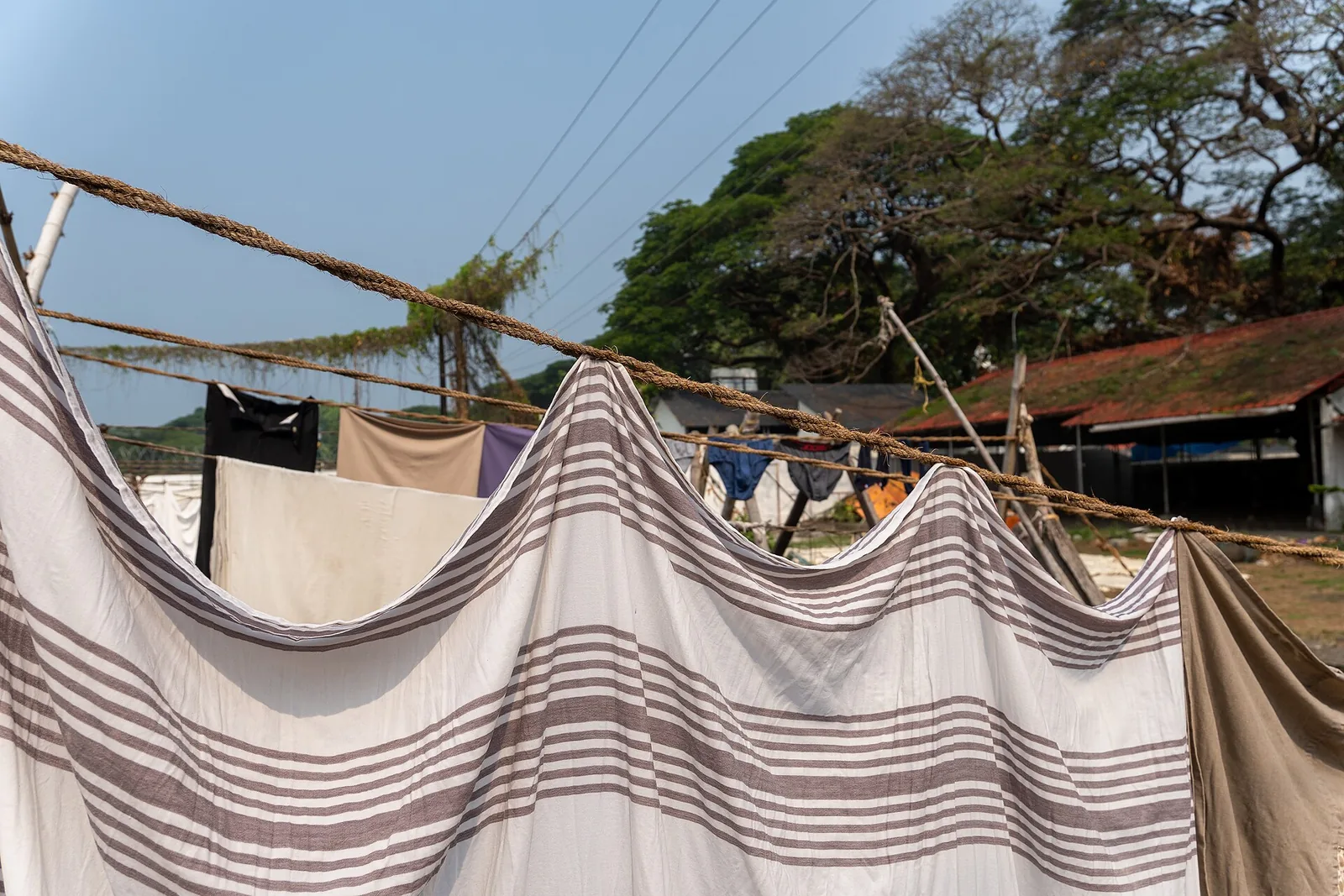
A working colonial-era community open-air laundry in Fort Kochi, still used by traditional washermen families.
850 m · straight lineAn ornate Jain temple in Mattancherry’s Gujarati quarter, raised in 1904 by Hirubai in memory of her husband Jivraj Dhanji and dedicated to Dharmanatha, the fifteenth Tirthankara — known for its white marble work and the daily midday feeding of the pigeons outside.
1.0 km · 11 min walkSpice warehouses, antiques, Mattancherry Palace and Paradesi Synagogue.
1.2 km · 14 min walk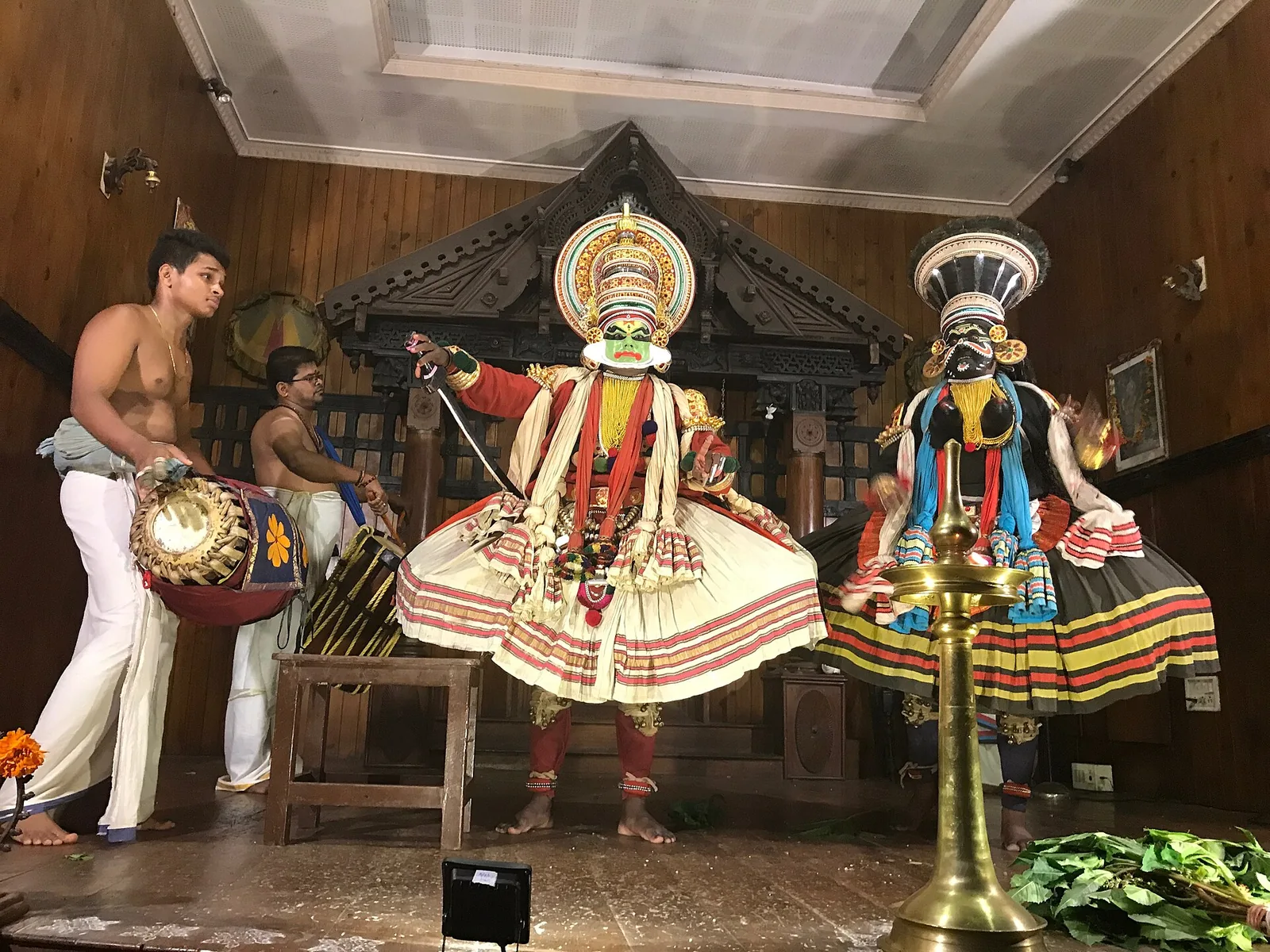
Evening Kathakali and Kerala classical-art performances in Fort Kochi, with make-up shown before the show.
1.2 km · straight lineThe Mattancherry Palace, known as the Dutch Palace, with celebrated Kerala mural paintings from the Ramayana and royal portraits.
1.2 km · 14 min walk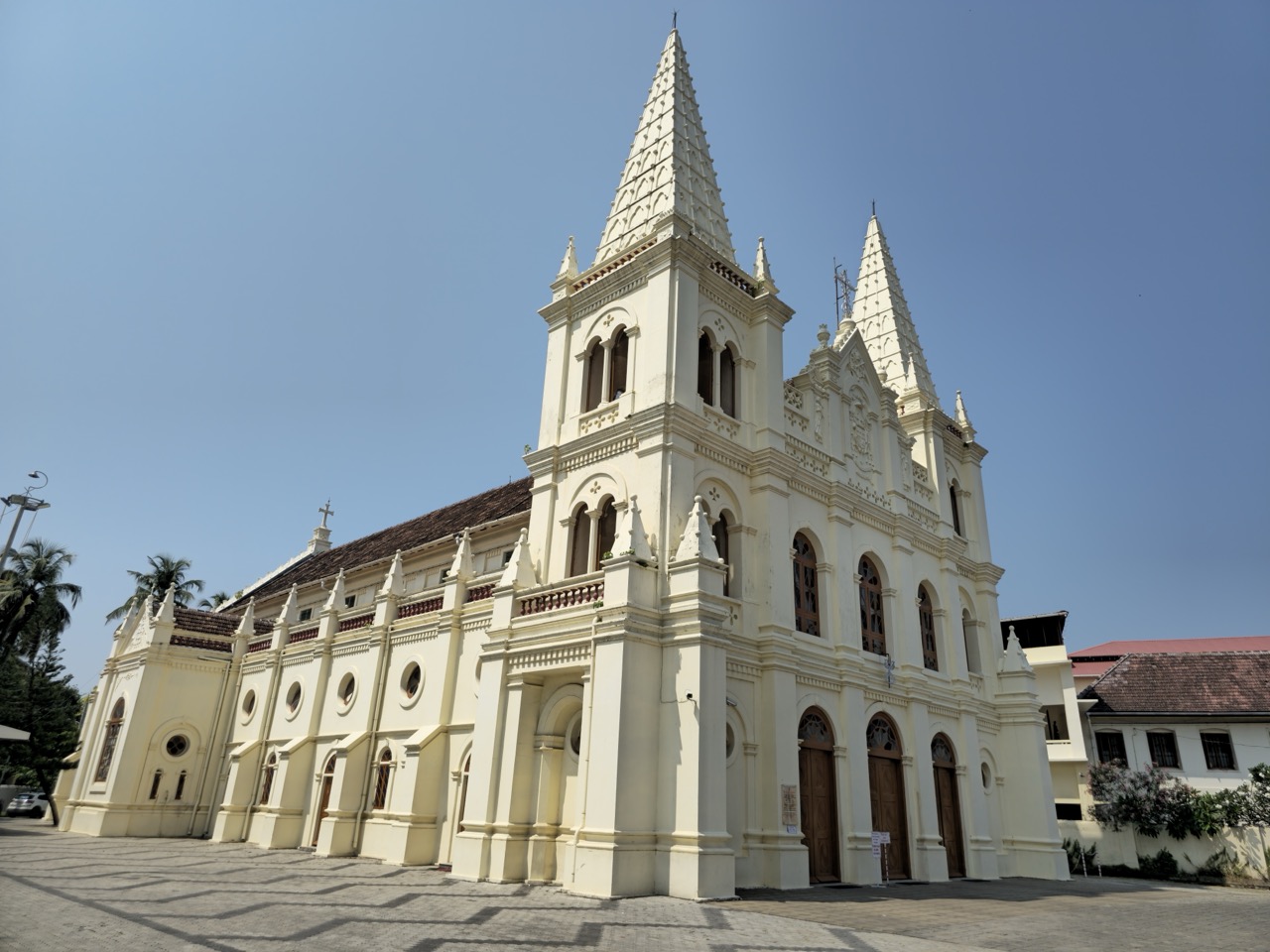
One of the finest churches in Kerala, with a richly painted interior, beside the Kerala Kathakali Centre in Fort Kochi.
1.3 km · straight line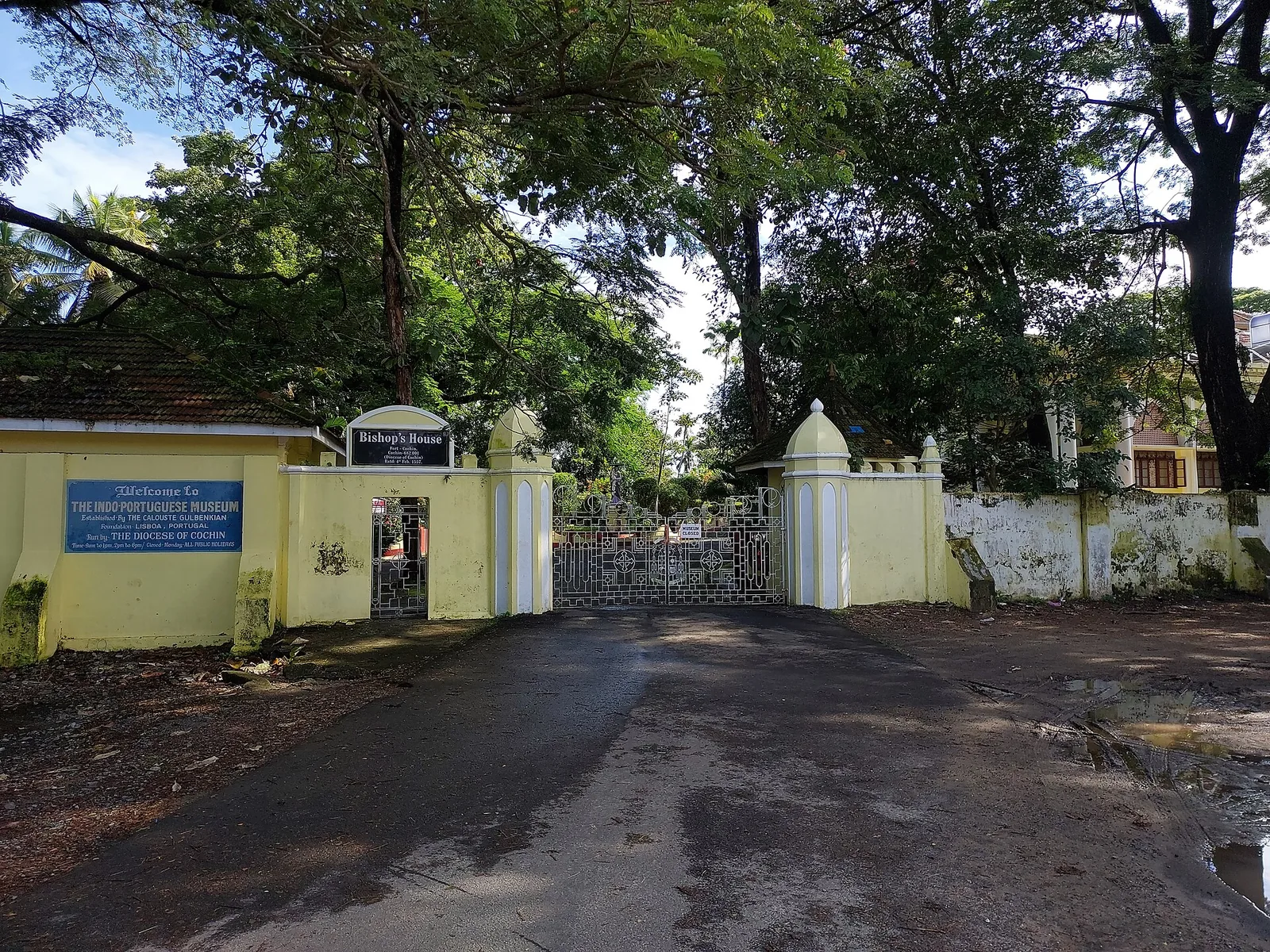
Museum of Kerala’s Indo-Portuguese Catholic heritage in the Bishop’s House garden, Fort Kochi.
1.3 km · straight lineThe oldest active synagogue in the Commonwealth (1568), in Jew Town, Mattancherry, with hand-painted Chinese floor tiles.
1.4 km · 16 min walk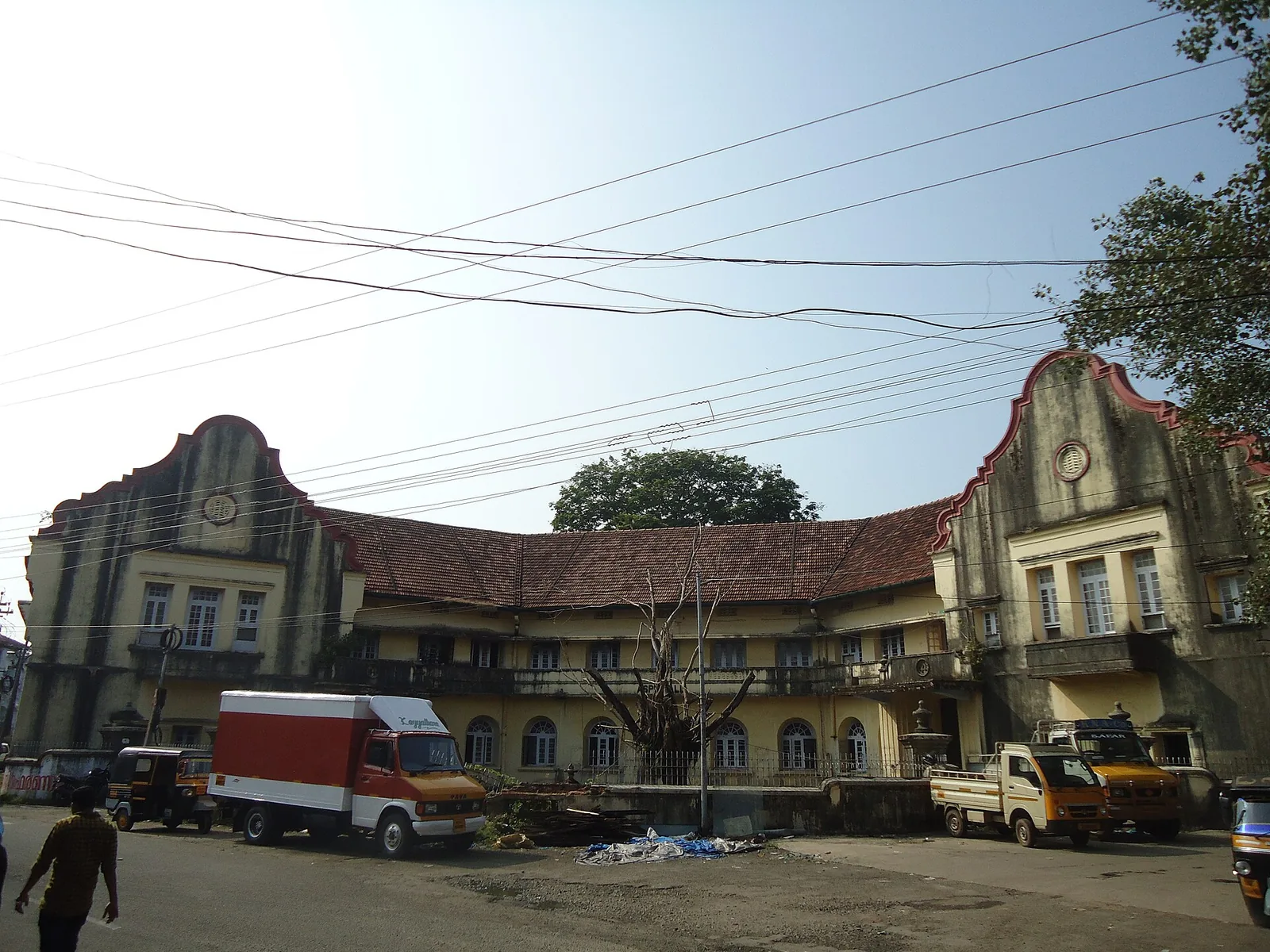
A large 19th-century waterfront trading compound in Fort Kochi, the principal venue of the Kochi-Muziris Biennale.
1.4 km · straight line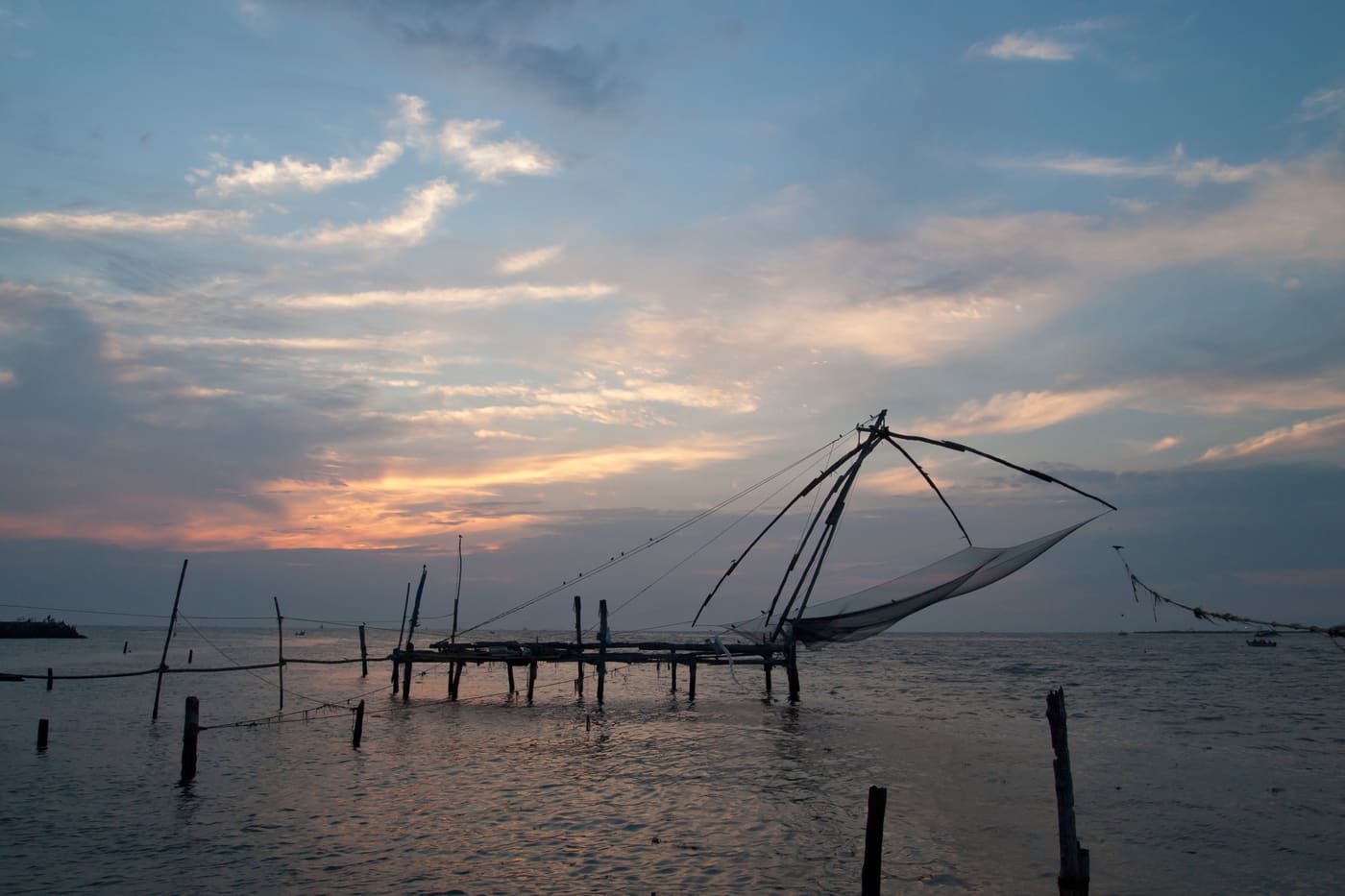
Kerala’s most walkable heritage quarter, with Chinese fishing nets, colonial churches, art cafes and Mattancherry nearby.
1.4 km · straight line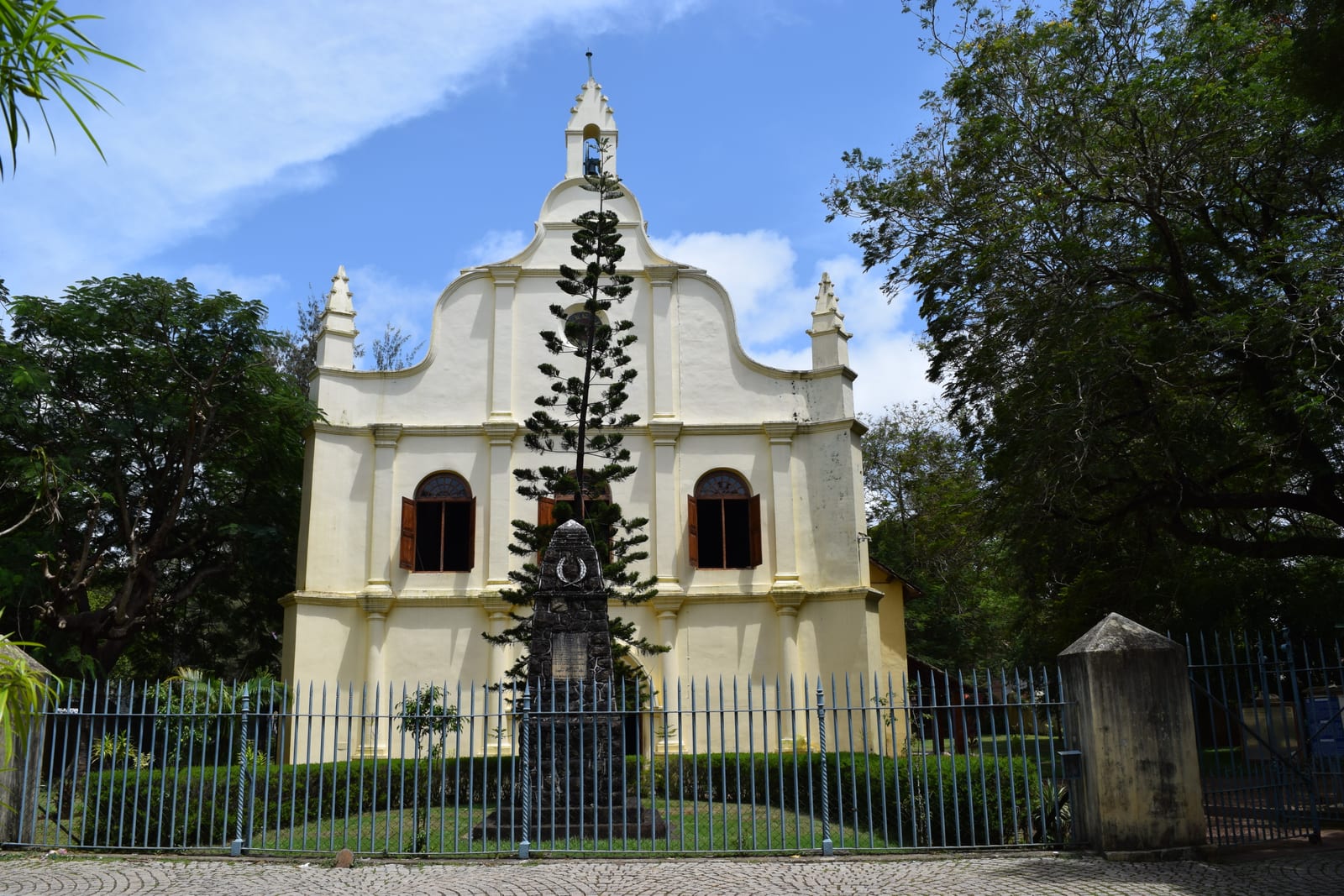
Believed to be the oldest European church in India (1503); Vasco da Gama was buried here before his remains were moved to Lisbon.
1.5 km · straight lineThe working spice quarter along Mattancherry’s Bazaar Road — godowns where pepper, ginger, turmeric and cardamom are still graded, sacked and weighed, and where the smell reaches the street before the signage does.
1.5 km · 18 min walkRoad and walking figures are route estimates, with travel times dependent on access, traffic and conditions. Figures marked “straight line” show direct separation and do not describe a road or walking route. Fare estimates use Kerala’s 26 April 2022 auto/taxi notification and exclude waiting, night and applicable one-way surcharges. Confirm the current meter or operator quote before travelling. Routing: © openrouteservice.org by HeiGIT | Map data © OpenStreetMap contributors
Nearby toilets, pharmacies, ATMs, seating and vets are community-mapped and may be incomplete or out of date. Map data © OpenStreetMap contributors | Walking times © openrouteservice.org by HeiGIT
As at most active Hindu temples in Kerala, entry to the inner areas is generally restricted to Hindus. The surrounding precinct and the Gosripuram quarter can be walked by anyone. Check on the day and follow what staff tell you.
A Konkani-speaking community who migrated to Kochi from Goa in the mid-1500s to escape the Portuguese Inquisition and its forced conversions. They settled under the protection of the Raja of Cochin and have kept Konkani and their own ritual tradition ever since. This temple is their principal institution in Kerala.
The presiding deity is Sree Venkateshwara — the same form worshipped at Tirumala in Andhra Pradesh — so it and its quarter, Gosripuram, carry the name of that older centre. Re-founding this worship in a new city was how a displaced community made Cochin home.
The first consecration was in 1599, attributed to Swami Sudhindra Tirtha of the Kumbakonam Math. The building you see is not continuous from then: the Portuguese destroyed it on 2 March 1662 and it was reconstructed in 1663 under the Dutch, and there were two further consecrations, in 1719 and 1881.
The Konkani community had supported the Dutch against the Portuguese in the contest for Cochin. In reprisal, on 2 March 1662, the Portuguese plundered and burned their houses, markets and this shrine, and the community fled to Udayamperur for around ten months. The Dutch took the city on 6 January 1663 and it was rebuilt with their help — the same change of regime that restored the Paradesi Synagogue nearby, also burned in 1662.
Because they were not allowed into them. The established Brahmins of Cochin treated the incoming Saraswats as socially inferior and denied them entry, which for a community whose livelihood was temple priesthood was a serious exclusion as well as an insult. The Raja gave them land and trading rights; the temples did not give them a door. Gosripuram was the answer to that.
On 12 October 1791 it was plundered under Sakthan Thampuran and the community fled to Alappuzha with the idol. It was not returned to Cochin until 7 February 1853, under Kerala Varma IV. For sixty-one years the principal deity of Kerala's Gowda Saraswats was in another town — a longer interruption than the famous Portuguese burning of 1662, and much less often told.
Four upakovils — subsidiary shrines to Mahalakshmi, Hanuman, Garuda and Vigneshwara — the tank, the gopuram, and a bronze bell of about four feet in diameter and six feet in height, one of the largest in the state. The surrounding streets of Cherlai and Gosripuram were laid out around it as an agraharam and are part of the visit.
No — as a Hindu temple there is no entry charge. Specific poojas, offerings and vazhipadu are paid for at the temple counter.
Modest, traditional dress is expected, footwear is removed before entering, and photography inside is not welcome. Treat it as a place of worship in daily use rather than a sightseeing stop.
Morning or early evening is usually best; festival days can be powerful but crowded.
Entry: Free. There is no entry ticket. Specific poojas, offerings and vazhipadu are paid for at the temple counter. Timings: Commonly given as roughly 5:30 a.m.–1:00 p.m. and 6:00 p.m.–9:15 p.m.; festival days differ considerably.
Base yourself in Mattancherry or a nearby town in Ernakulam, then confirm the last-mile route locally before leaving. Check temple entry customs, dress rules and festival crowd conditions before arrival. If the visit depends on forest, temple, boat, ferry, weather or seasonal access, check the official/local rule on the day before travel.
45 minutes to 2 hours, longer during festival or queue periods.
Nearby you can pair Dhobi Khana (850 m, approximate straight-line separation), Dharmanath Jain Temple (1.0 km, route estimate), Mattancherry & Jew Town (1.2 km, route estimate), Kerala Kathakali Centre (1.2 km, approximate straight-line separation).
Use official counters for offerings/tickets where applicable. Keep footwear and valuables secure in crowded areas.
Written about Cochin Thirumala Devaswom itself — its history, its legends and the arguments about them.
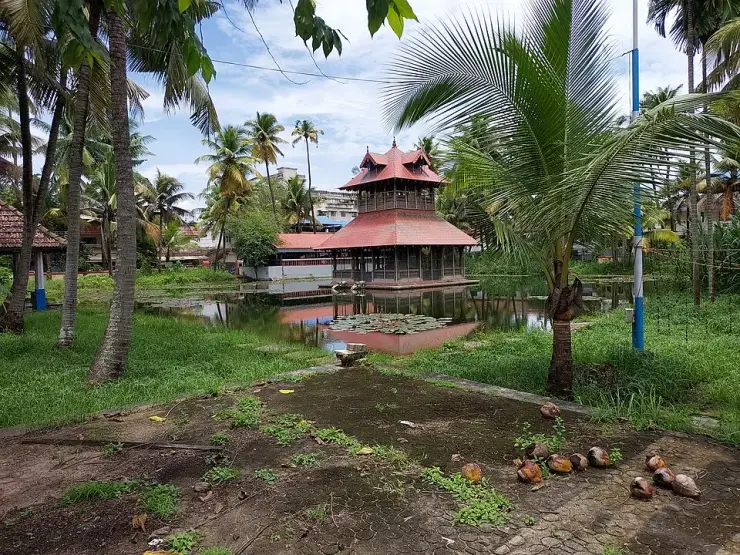
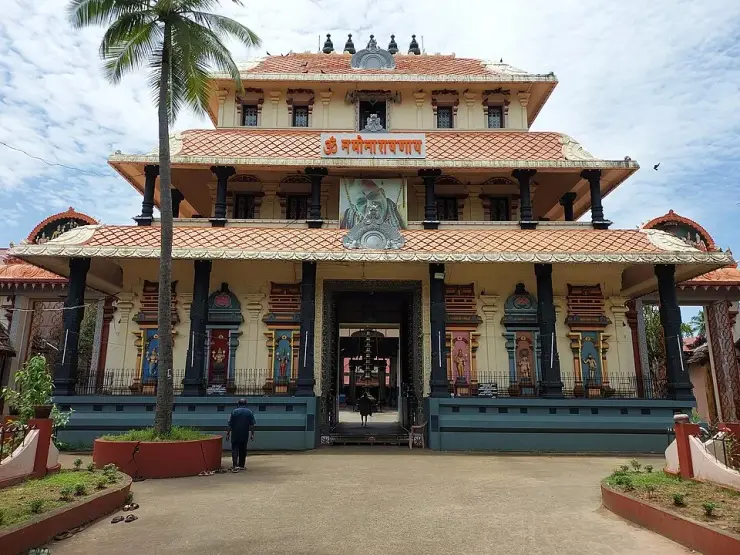
These guides explore Mattancherry and the surrounding area. Choose a visit that fits your interests, allowing separately for travel between stops.
Route-level itineraries and practical guides for the rest of Kerala.