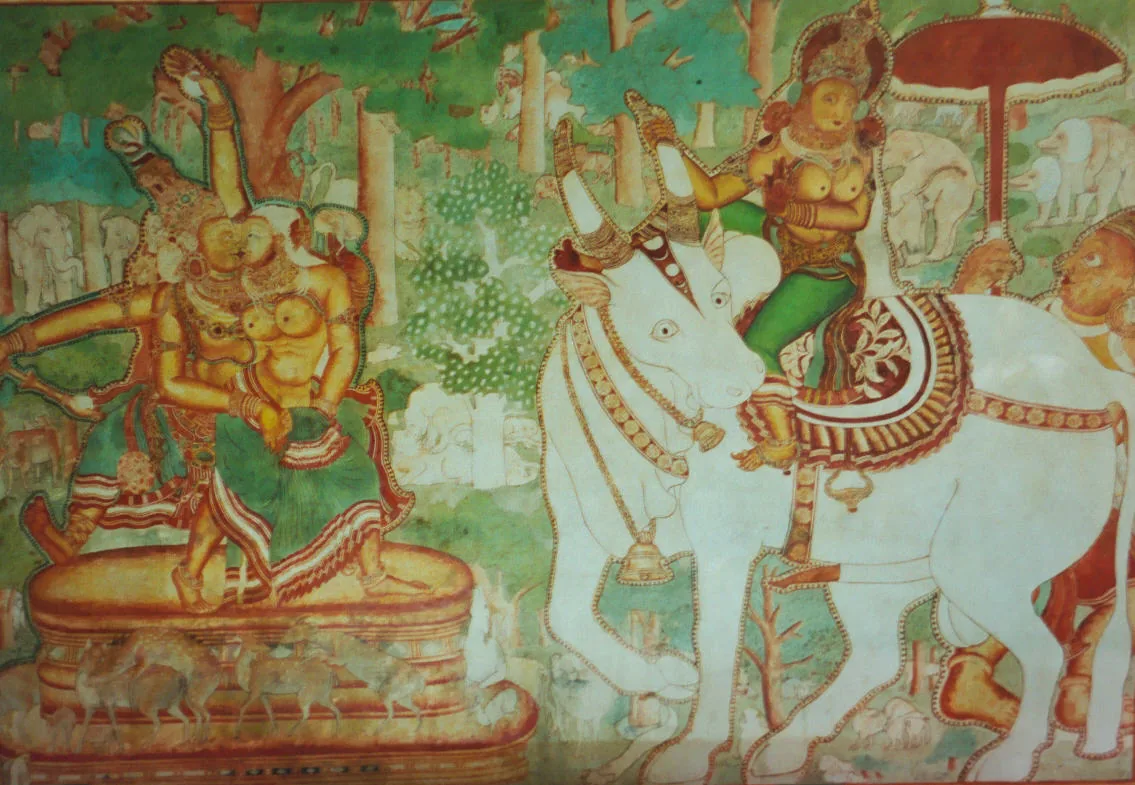
The building most travellers know as the Dutch Palace was neither built by the Dutch nor, really, a palace of state — and its finest treasure is hidden in a bedroom. This is Mattancherry Palace, and its story begins with an act of vandalism and a very expensive apology.
A palace built to say sorry
In 1555 the Portuguese, then the dominant European power on this coast, built this house and presented it as a gift to Veera Kerala Varma, the Raja of Kochi. It was, by tradition, a compensatory offering — an apology in stone for having plundered a nearby temple. So the palace was, from its very first day, an object of guilt and diplomacy: a European power buying back the goodwill of a Malayali king with a mansion.
Why it wears a Dutch name
The name is an accident of empire. When the Dutch displaced the Portuguese and took Kochi in 1663, they carried out major repairs and renovations on the building — extensive enough that the palace became popularly known ever after as the Dutch Palace, though not a stone of its origin was Dutch. It is a small, telling irony: a Portuguese peace-gift, remembered by the name of the empire that came next.
The Ramayana on a bedroom wall
And then there are the murals — the reason to come. In the royal bedchamber, across roughly a hundred square metres of wall, an anonymous master painted the entire story of the Ramayana, scene flowing into scene in the deep reds, ochres and forest-greens of the Kerala mural tradition. Rama and Sita, the golden deer, the abduction, the war at Lanka — all of it unfolds around a room where a king once slept, believed painted in the seventeenth and eighteenth centuries, with further chambers carrying scenes of Krishna. They are counted among the finest murals in all of India, and they are astonishingly intact.
The hall of kings
Upstairs is the Coronation Hall, where the Rajas of Kochi were once ceremonially installed, and where their portraits — a line of turbaned, moustached kings stretching back over the generations — gaze down from the walls, alongside palanquins, weapons, robes and regalia of the old court. To walk from the mythological blaze of the bedchamber murals to the sober royal portraits is to travel from the world of the gods to the world of the men who ruled in their name.
A quiet giant in a busy quarter
The palace sits in Mattancherry, the wonderful jumble of a neighbourhood that also holds the Paradesi Synagogue, the spice warehouses and Jew Town’s antique shops. From the outside it is modest, even plain — a nalukettu-style building around a courtyard, with a small temple in front. That plainness is the point: nothing warns you that behind these ordinary walls lies one of India’s great painted rooms.
Visiting the Dutch Palace
The palace is a ticketed museum in Mattancherry, an easy walk from the synagogue and the spice streets, and pairs naturally with Fort Kochi across the way. Photography inside the mural rooms is usually restricted, so come ready to simply look. Details are on the Dutch Palace place page; more of the district is on the Ernakulam hub.
Frequently asked questions
Why is Mattancherry Palace called the Dutch Palace?
It was actually built by the Portuguese in 1555 and given to the Raja of Kochi. It earned the name “Dutch Palace” because the Dutch, after taking Kochi in 1663, carried out major renovations to the building.
What are the Mattancherry Palace murals?
They are a celebrated cycle of Kerala murals inside the palace. The royal bedchamber carries the entire Ramayana across about 100 square metres of wall, with other chambers depicting Krishna legends. Believed painted in the 17th–18th centuries, they are among the finest murals in India.
Why was the palace built?
Tradition holds the Portuguese built and gifted it to Raja Veera Kerala Varma of Kochi around 1555 as a compensatory offering after plundering a nearby temple.
Where is the Dutch Palace?
It is in Mattancherry, Kochi (Ernakulam district), near the Paradesi Synagogue and the spice-market streets, across the water from Fort Kochi.