What to expect
Highlights
- The bronze bell, about four feet across and six feet high (Kerala Tourism).
- The Nagara-style sanctum with a copper-plated roof and a gold finial.
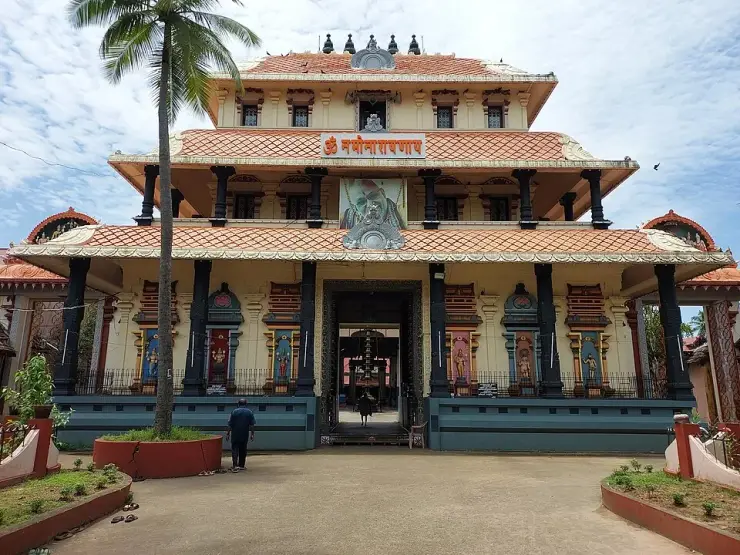
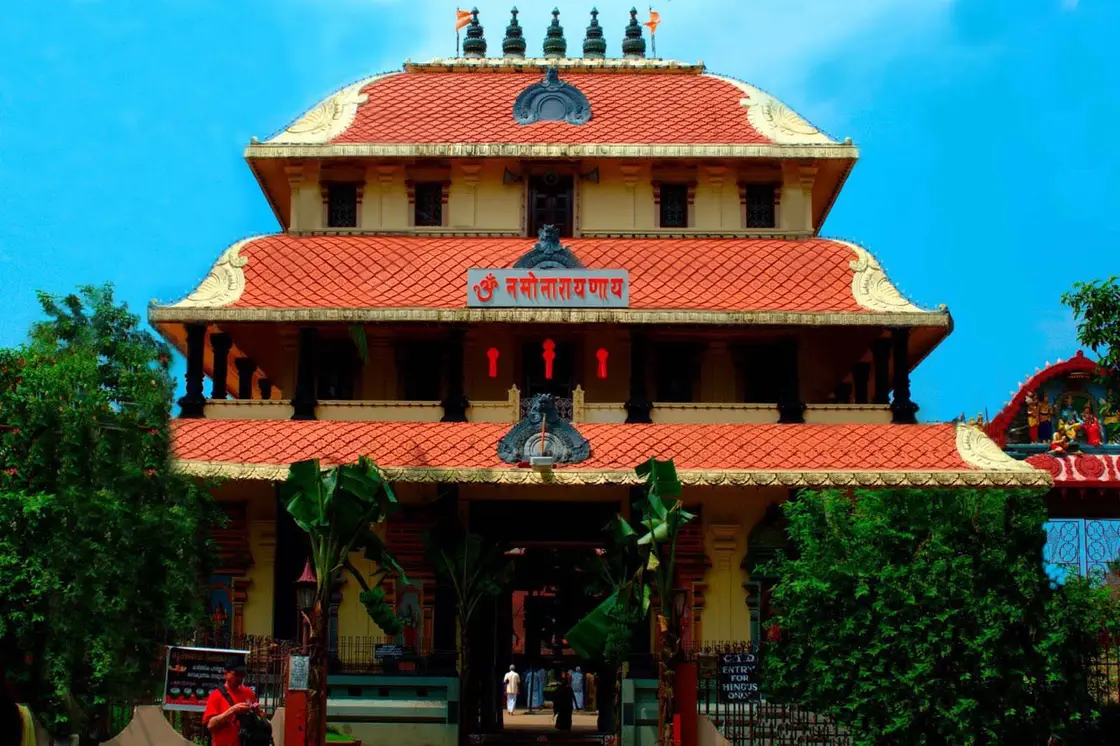
- The two-storey northern gopuram with its copper roof, in a pagoda style.
Cochin Thirumala Devaswom is the main temple of the Gowda Saraswat Brahmin community in Mattancherry, Kochi. The temple is also known as Gosripuram. Its own website calls it the biggest and most important socio-religious institution of the community in Kerala. The presiding deity is Venkatachalapathy, a form of Vishnu, called Sri Venkateswara by the temple.
Entry rules. Temple staff set the rules on visitor entry, dress and access to the inner shrine, and these matter most for non-Hindu visitors.
Dress respectfully and follow the institution’s admission and photography rules.
This is a living temple, not a museum. Most of the households around it belong to the same community, says Kerala Tourism. Come quietly, look at the great bronze bell and the courtyard shrines, and treat the daily worship with respect. The temple sits in the same old quarter as the Dutch Palace and Jew Town.
A temple built in 1599 to house an idol carried from Goa, burned, rebuilt, emptied and restored, and still the heart of Kochi's Konkani community.
The story begins with a journey down the coast. Kerala Tourism says the Gowda Saraswat Brahmins left Goa for Kochi in 1568. That was the time the Vijayanagara Empire fell and the Portuguese pressed people to become Christians. During the journey, Swami Vijayendra Teertha brought the idol of Venkatachalapathy to Kochi.
In 1599 the community built a temple to house the idol. The temple website says Swami Sudhindra Theertha performed the first installation that year. The community still remembers this day with a six-day Araat festival. The temple website says the festival was started to mark the installation and is still held.
The temple did not stay safe for long. Kerala Tourism says the Portuguese destroyed it in 1662. It was rebuilt in 1663, during the time of the Dutch. In 1719 the idol disappeared and was later found on a beach. It was kept for a while at the Dutch Governor's house and then returned to the temple.
Trouble came again in 1791. Kerala Tourism says the temple was plundered once more that year. The idol was taken to Alappuzha and kept there for many years. It came back to the temple in 1853. Each return of the idol is part of how the community tells its own history.
Today the temple is the centre of community life. The temple website says it is always busy, with daily, weekly, monthly and yearly functions. Families take part in special sevas, or offerings of service. The listed offerings include Brahmolsavam, Kalyanolsavam, Swarna Garuda Vahana Pooja, Unjal Seva and Nivedyam.
Before you leave, stand in the yard and take in the whole compound. Kerala Tourism notes statues of the Vijayanagara king and of Swami Vijayendra Theertha. There is also a temple tank. Together they tell the story of the journey from Goa in stone and water.
The sanctum is built in the Nagara style, the temple website says. It has a copper-plated roof and a gold sikha, or finial. The main idol of Sri Venkateswara stands with his consorts Sreedevi and Bhoodevi. Festival images of the god and of Lakshmi are also installed. Salagrama stones rest on the lowest tier.
Worship follows the Agama Sastra and the Padma Samhita, the temple website says. The god is also called Gosripurusha Thirumala Devar. The temple owns a gold Garuda, a gold palanquin and a gold swing, which are used in its rituals.
Kerala Tourism lists five other shrines in the temple. They are for Hanuman, Garuda, Brindavan, Lord Ganapathy and Goddess Mahalakshmi. The temple website adds a large Siva lingam called Udyaneswara, northeast of the lake mandapam. A Navagraha shrine stands at its southwest corner.
The bell is the sight most visitors remember. Kerala Tourism says it is about four feet in diameter and six feet tall. In earlier centuries its sound carried far beyond the temple. The temple website says it hangs from a massive wooden frame. That frame rests on four granite pillars, each cut from a single rock.
Kerala Tourism says the main festivals at the temple fall in November and April. The six-day Araat festival marks the first installation of the idol in 1599. The temple website lists Brahmolsavam and Kalyanolsavam among its larger offerings.
The temple website tells an old story about the idol. It says the image once belonged to the Vijayanagara ruler Saluva Narasimha Raya in 1472. The temple describes it as swayambhu, an image that appeared on its own and was not made by hand. After a fire, a priest hid the idol in a well. Swami Vijayendra Theertha of the Kumbakonam Math later found it there.
A second story explains another name of the god. At the first installation, the community offered gold coins to decorate the crown. The temple website says the rich gave freely, but one space stayed empty. A poor Brahmin offered his single coin, and it filled the gap. So the Lord here is also called Daridra Narayan, the god of the poor.
1568: the Gowda Saraswat Brahmins moved from Goa to Kochi with the idol (Kerala Tourism).
1599: the temple was built, and Swami Sudhindra Theertha performed the first installation.
1662 and 1663: the Portuguese destroyed the temple, and it was rebuilt under the Dutch.
1791 and 1853: after another raid the idol went to Alappuzha, and it returned in 1853.
See one of the biggest temple bells in the country, hung on granite pillars.
Learn how a community from Goa built a lasting home in Kochi.
Look at wood carvings of stories from the Ramayana and the Mahabharata.
Notice the large idols of Hanuman and Garuda, each over six feet tall.
Walk the streets around the temple, where most households belong to the community.
Add a quiet temple stop to a heritage walk through Mattancherry.
Road km to Ernakulam; ghat roads and traffic vary — allow extra.
November to February for cooler walking weather; mornings are quieter in the lanes of Mattancherry.
Live forecast loads in your browser.
Sunset is in about 2 hours.
Sun and moon are calculated for this location and shown in IST. Photography windows are the hour around sunrise and sunset; the sunset bearing is degrees clockwise from true north. Moon phase is accurate to about half a day.
Listed stays, food, activities, sights, shops and rentals around Cochin Thirumala Devaswom, each with its locality and direct contact details.
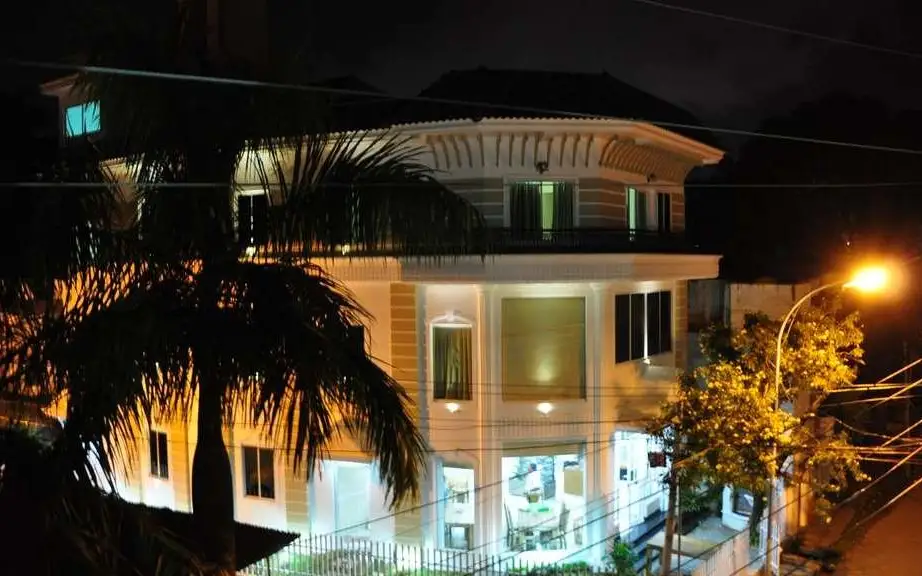
Diamond-grade approved homestay on Kempri Road in Manthra, Mattancherry, a short ride from Jew Town and Mattancherry Palace.
A Silver House approved family homestay in Palliparambil House, near Beach Road in Mattancherry.
Five-room art-filled boutique hotel by The Postcard on Synagogue Lane in Jew Town, Mattancherry.
Nine-room boutique hotel on AB Salem Road in Jew Town, Mattancherry, close to the Paradesi Synagogue and Mattancherry Palace.
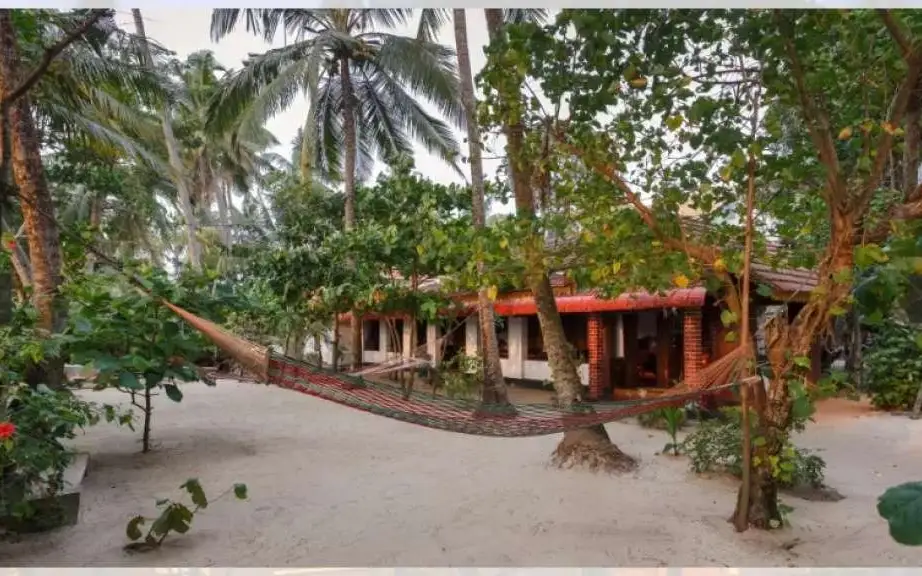
A beachside family homestay on Moolumkuzhi Beach Road with sea views, south of Fort Kochi.
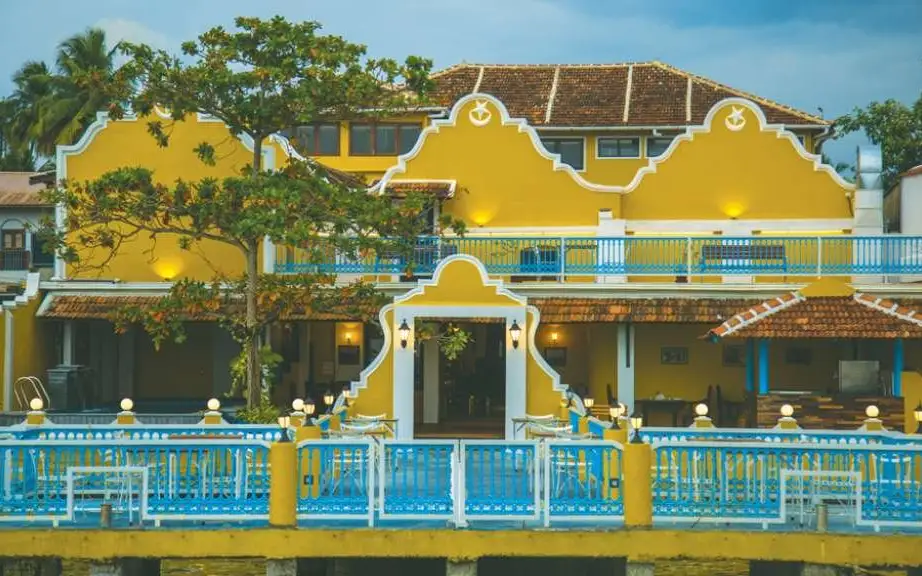
Sixteen-room harbourside hotel on Bazar Road, Mattancherry, with a pool, museum, library and restaurant, about 1 km from Mattancherry Palace.
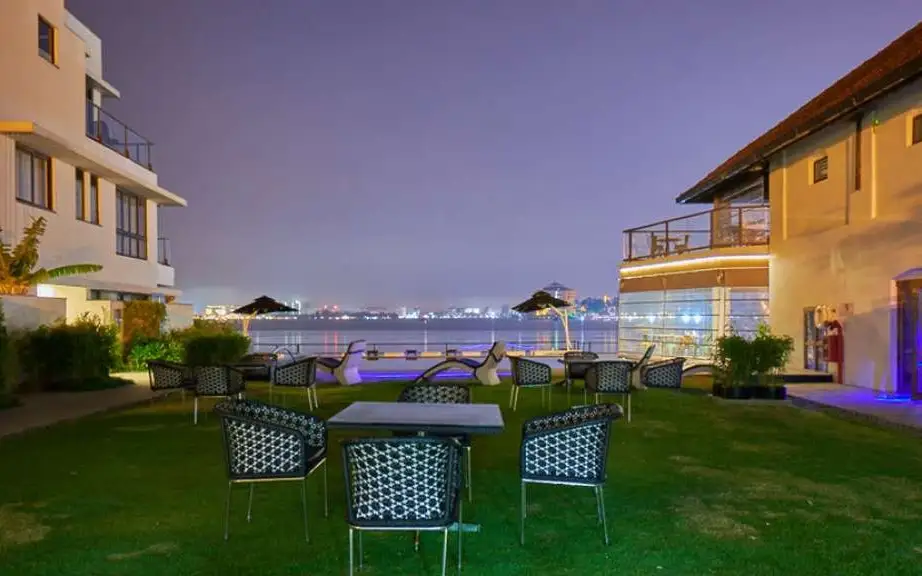
A boutique waterfront hotel on Bazaar Road, Mattancherry, with farm-to-table food, a pool and a spa.
Book with the place itself. India’s cyber-crime coordination centre warned in April 2025 that convincing copies of hotel and pilgrimage booking sites are being pushed through sponsored search and social ads, taking payment for rooms the property never hears about. Each profile carries the business’s own contact details and its source. Roampedia takes no commission and does not collect booking payments. Booking pages reached through ads sometimes imitate a property’s own site. Fraud can be reported on cybercrime.gov.in or on 1930.
Browse food, accommodation and activities across Mattancherry. These selections are not all beside Cochin Thirumala Devaswom.
5 more places around Mattancherry. Open a guide to plan the visit and onward journey.
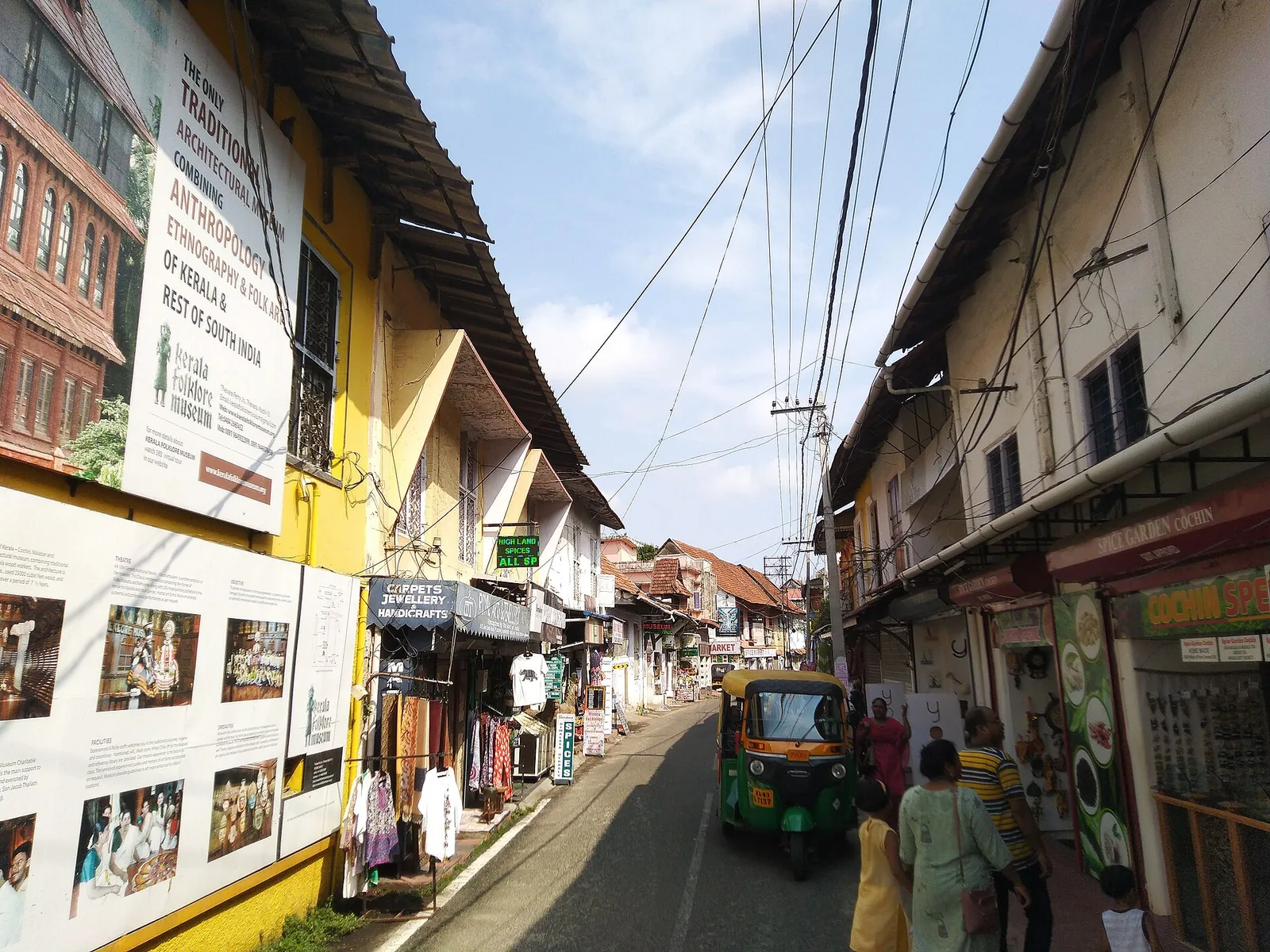
1.2 km · 14 min walk
Spice warehouses, antiques, Mattancherry Palace and Paradesi Synagogue.
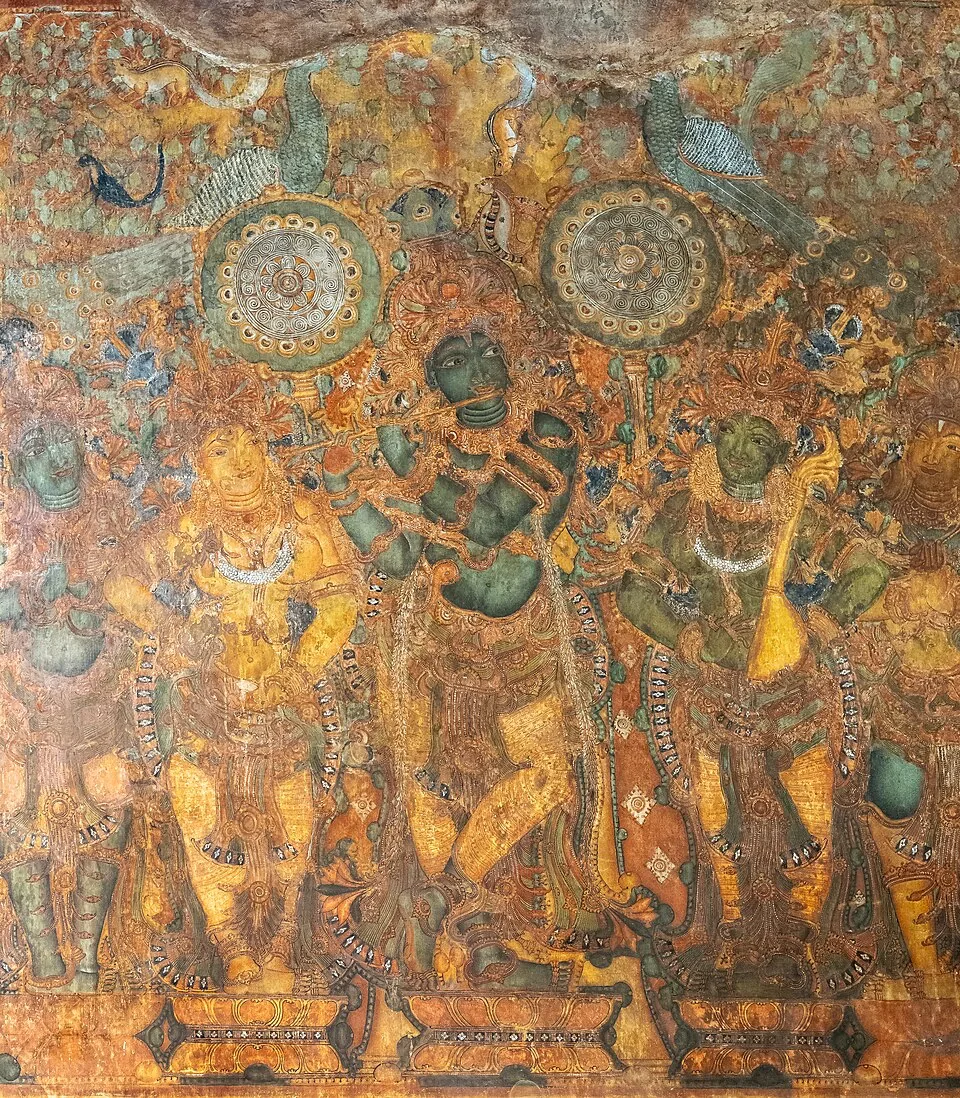
1.2 km · 14 min walk
The Mattancherry Palace, known as the Dutch Palace, with celebrated Kerala mural paintings from the Ramayana and royal portraits.
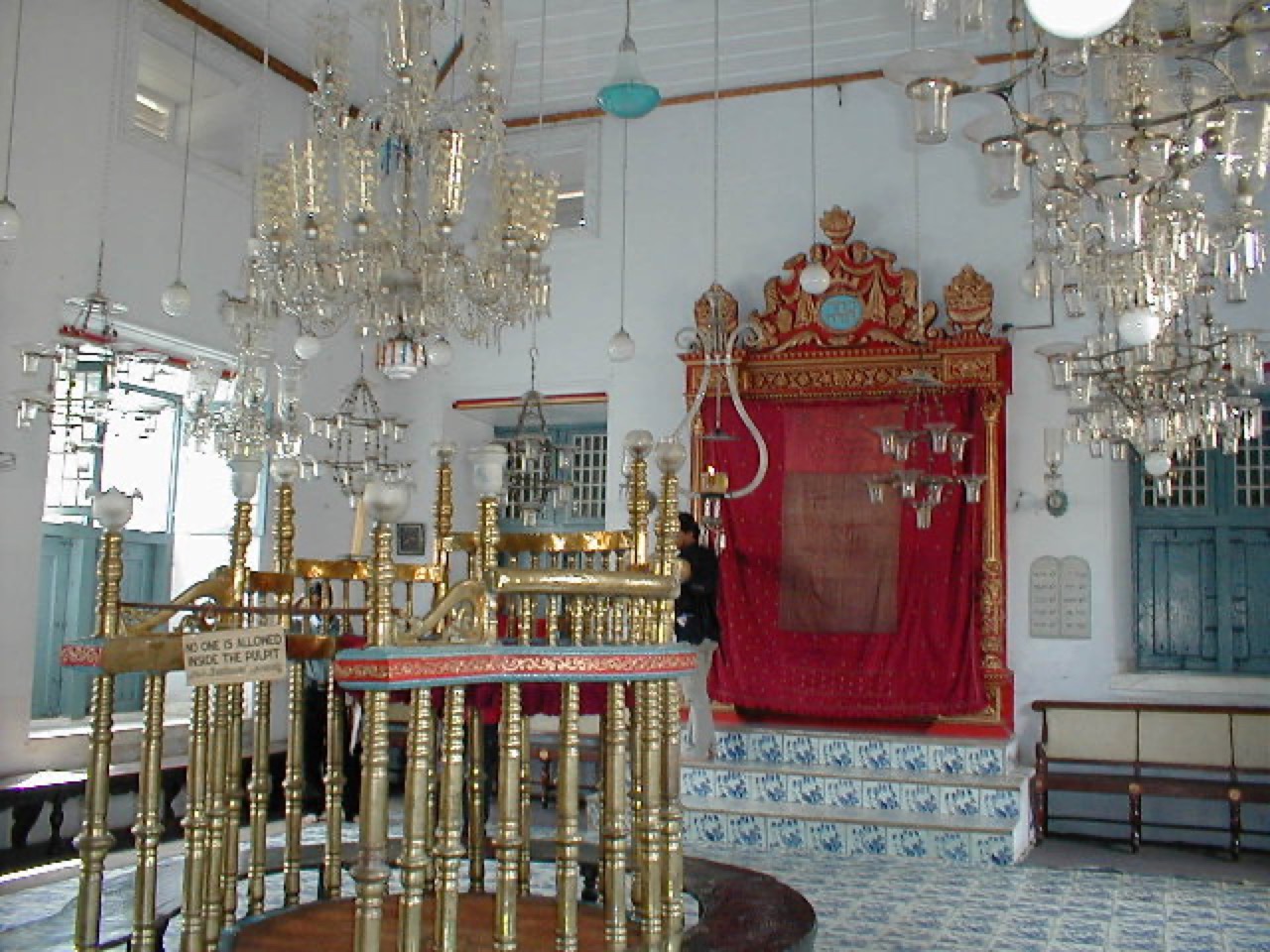
1.4 km · 16 min walk
The oldest active synagogue in the Commonwealth (1568), in Jew Town, Mattancherry, with hand-painted Chinese floor tiles.
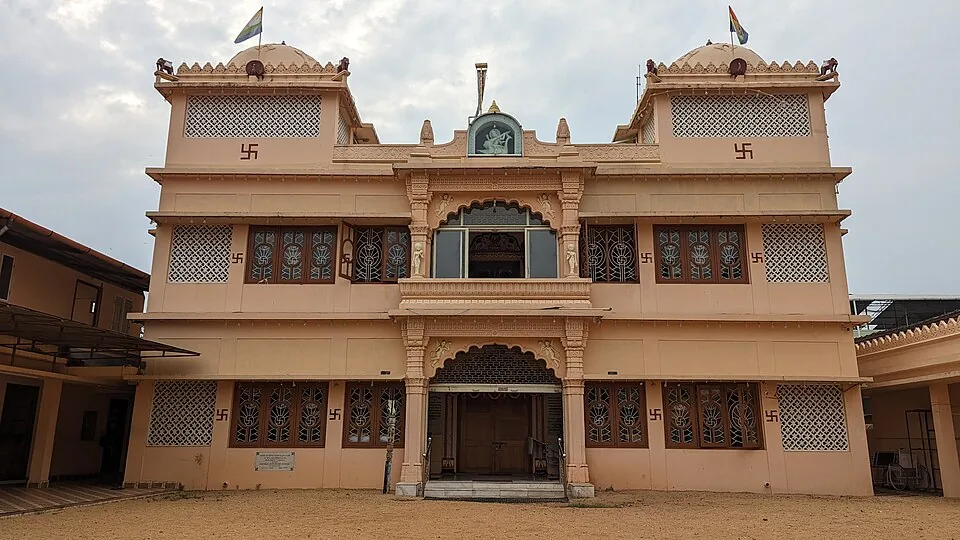
1.0 km · 11 min walk
An ornate Jain temple in Mattancherry’s Gujarati quarter, raised in 1904 by Hirubai in memory of her husband Jivraj Dhanji and dedicated to Dharmanatha, the fifteenth Tirthankara — known for its white marble work and the daily midday feeding of the pigeons outside.
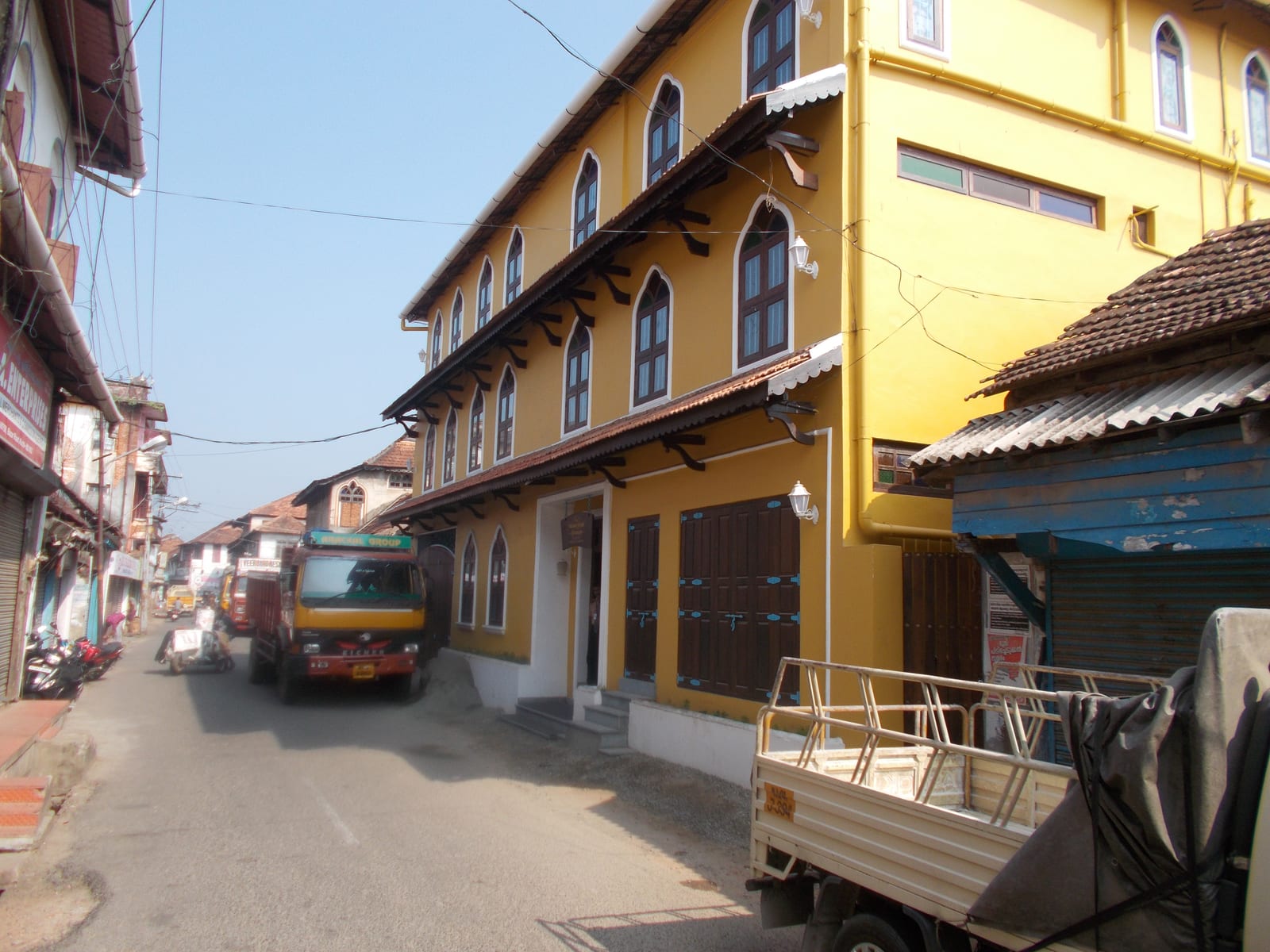
1.5 km · 18 min walk
The working spice quarter along Mattancherry’s Bazaar Road — godowns where pepper, ginger, turmeric and cardamom are still graded, sacked and weighed, and where the smell reaches the street before the signage does.
Roampedia is commission-free — own or know a stay, eatery, guide or shop near Cochin Thirumala Devaswom? Submit public business details for review.
Add a nearby businessEntry: Free. There is no entry ticket. Specific poojas, offerings and vazhipadu are paid for at the temple counter.
Dress code: Traditional, modest dress is expected and footwear is removed before entering. As at most active Kerala temples, men remove upper garments in the inner areas.
Festivals: The eight-day Aarat or Maholsavam commemorates the first consecration of 1599, and Ratholsavam — the chariot festival — is the community’s largest annual event. Dates follow the Konkani ritual calendar and move each year.
Photography: Photography inside is not welcome and should be treated as prohibited. The gopuram and the surrounding streets can be photographed.
Bus and ferry return services run to fixed times, so leave time to reach the stop or jetty after your visit.
The last service back from the jetty or stand sets the end of the day, not the next one. After it has gone, an auto or app cab is the way back.
Roampedia has not assessed step-free access at this site. Its staff can describe the entrance, steps along the route, the nearest drop-off point, seating and accessible toilets.
Charge cap and free-transaction limits: Reserve Bank of India, ATM FAQ updated 4 July 2025; checked 4 October 2026.
These services are listed within about 1.2 km of Cochin Thirumala Devaswom. Walking distances follow mapped routes.
Published emergency and visitor-assistance contacts. For an immediate emergency, call 112. Shared Kerala contact sources checked 4 October 2026; publication does not establish a tested live response.
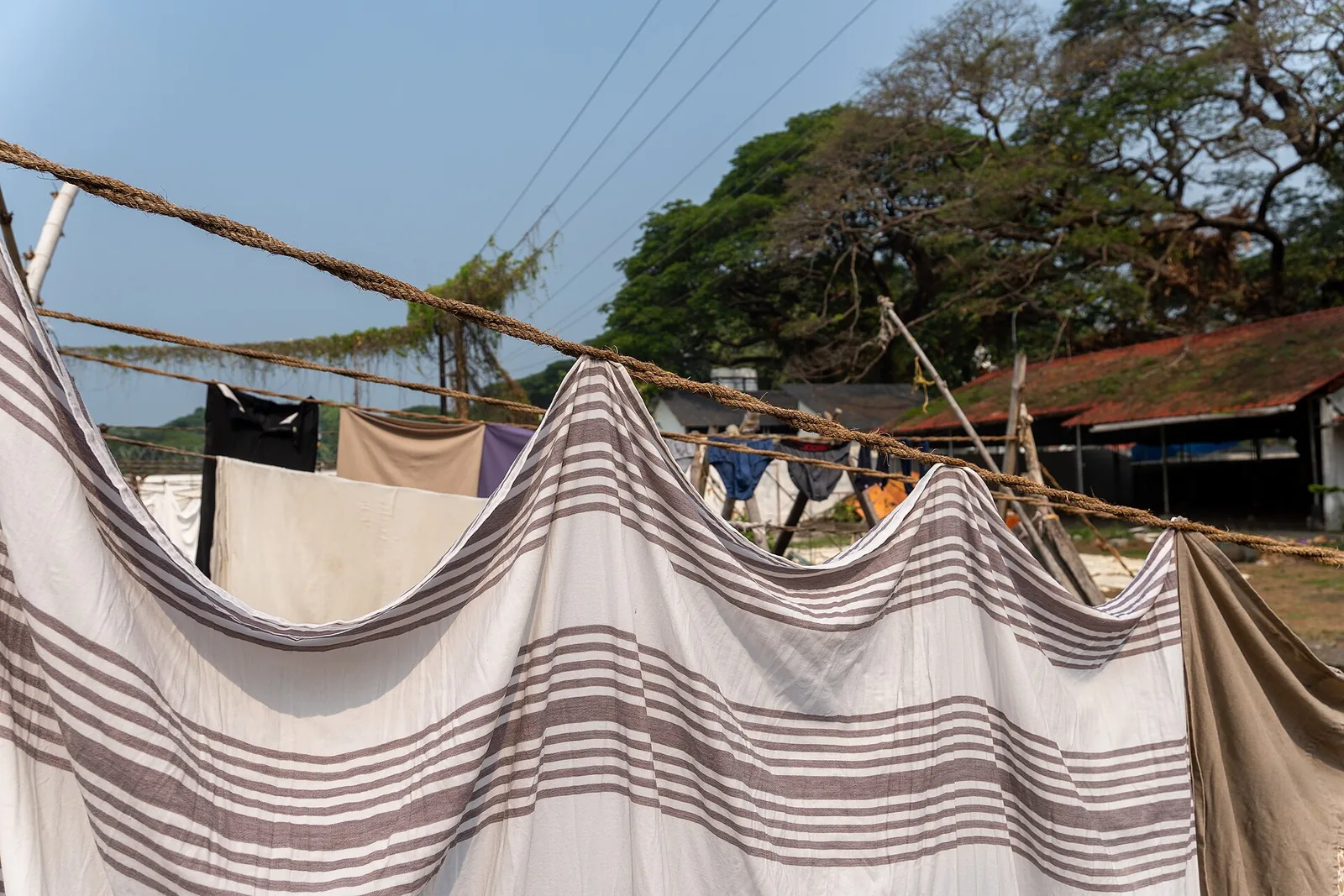
A working colonial-era community open-air laundry in Fort Kochi, still used by traditional washermen families.
850 m · straight lineAn ornate Jain temple in Mattancherry’s Gujarati quarter, raised in 1904 by Hirubai in memory of her husband Jivraj Dhanji and dedicated to Dharmanatha, the fifteenth Tirthankara — known for its white marble work and the daily midday feeding of the pigeons outside.
1.0 km · 11 min walkSpice warehouses, antiques, Mattancherry Palace and Paradesi Synagogue.
1.2 km · 14 min walk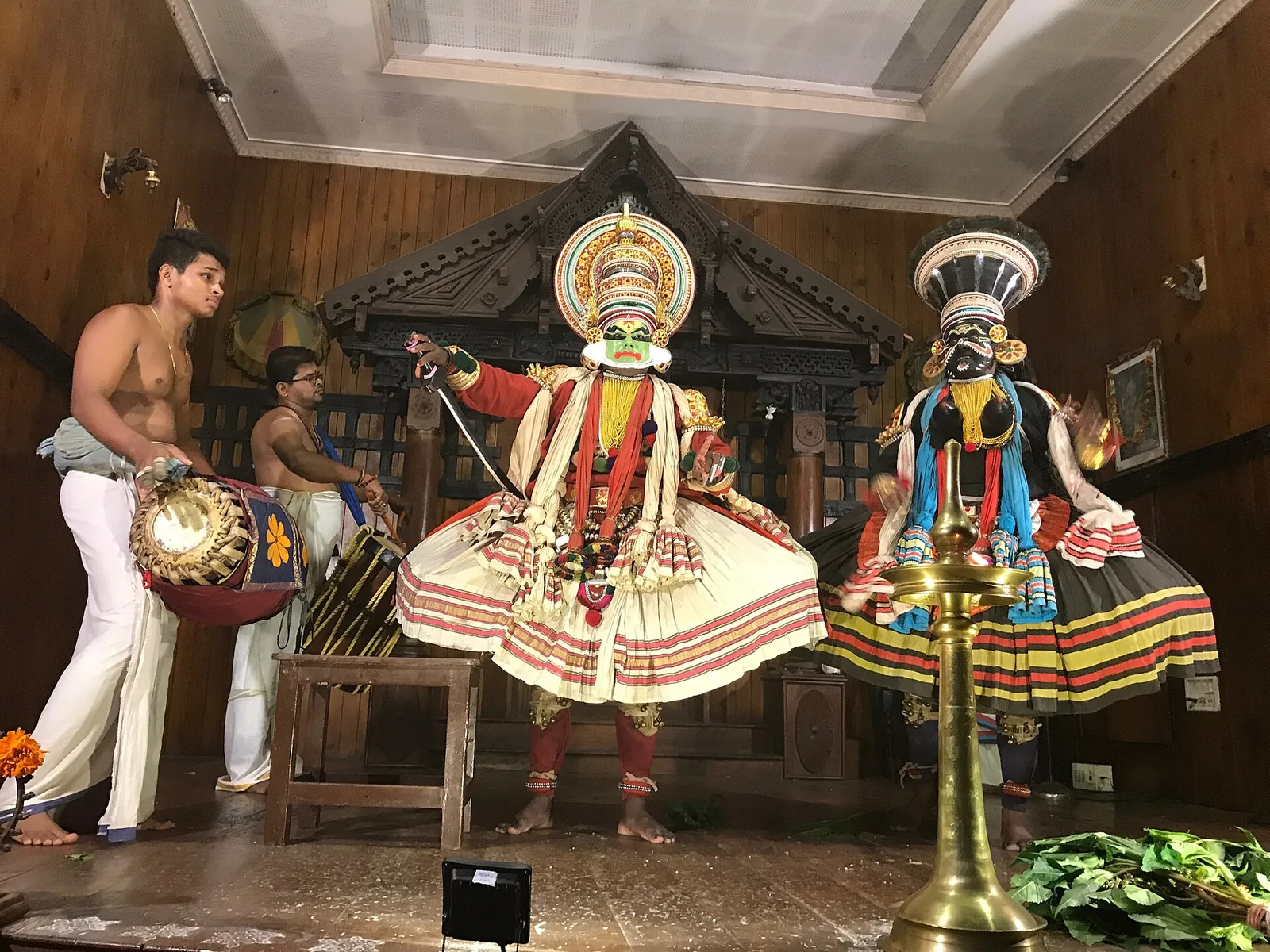
Evening Kathakali and Kerala classical-art performances in Fort Kochi, with make-up shown before the show.
1.2 km · straight lineThe Mattancherry Palace, known as the Dutch Palace, with celebrated Kerala mural paintings from the Ramayana and royal portraits.
1.2 km · 14 min walk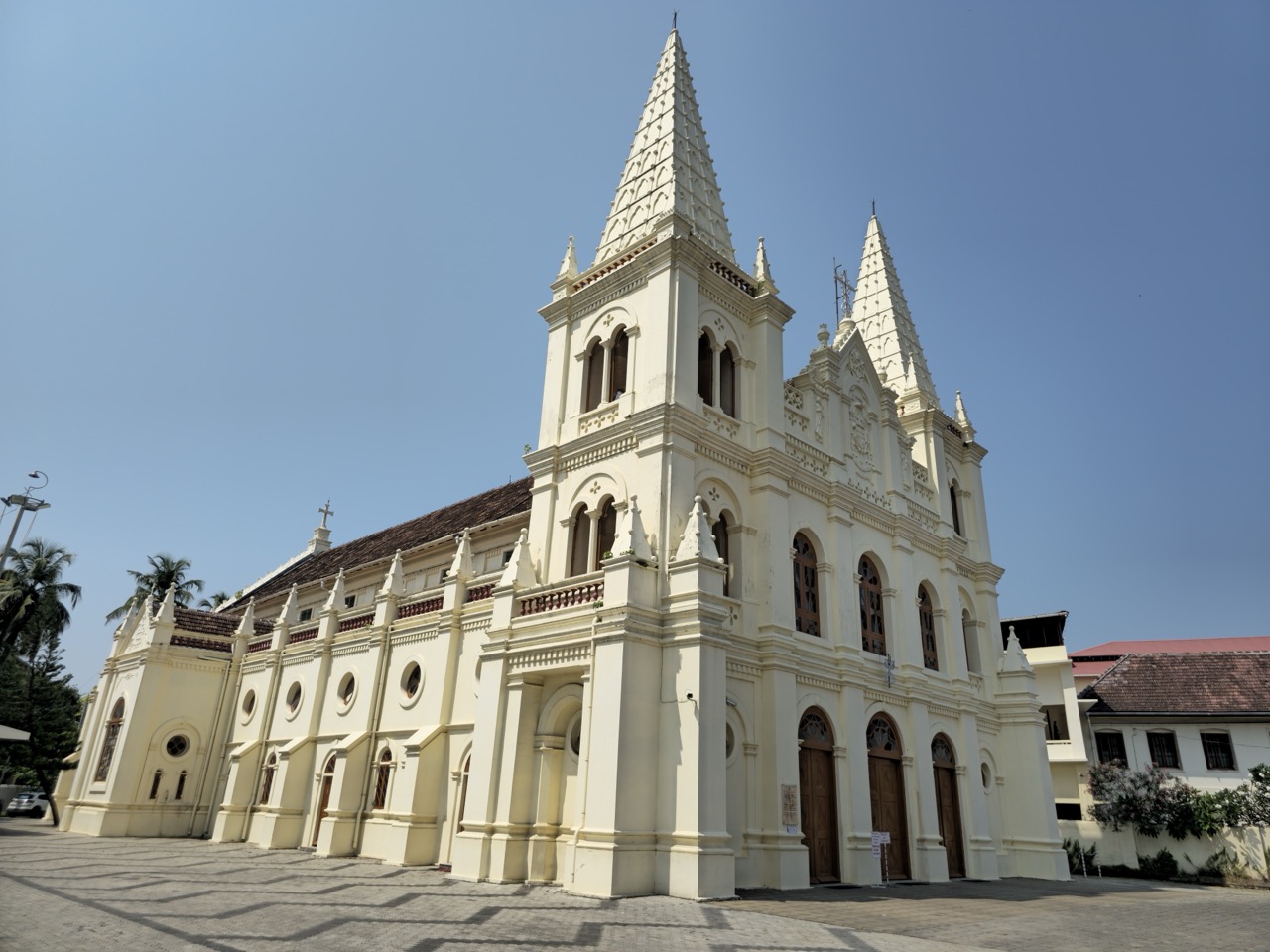
One of the finest churches in Kerala, with a richly painted interior, beside the Kerala Kathakali Centre in Fort Kochi.
1.3 km · straight line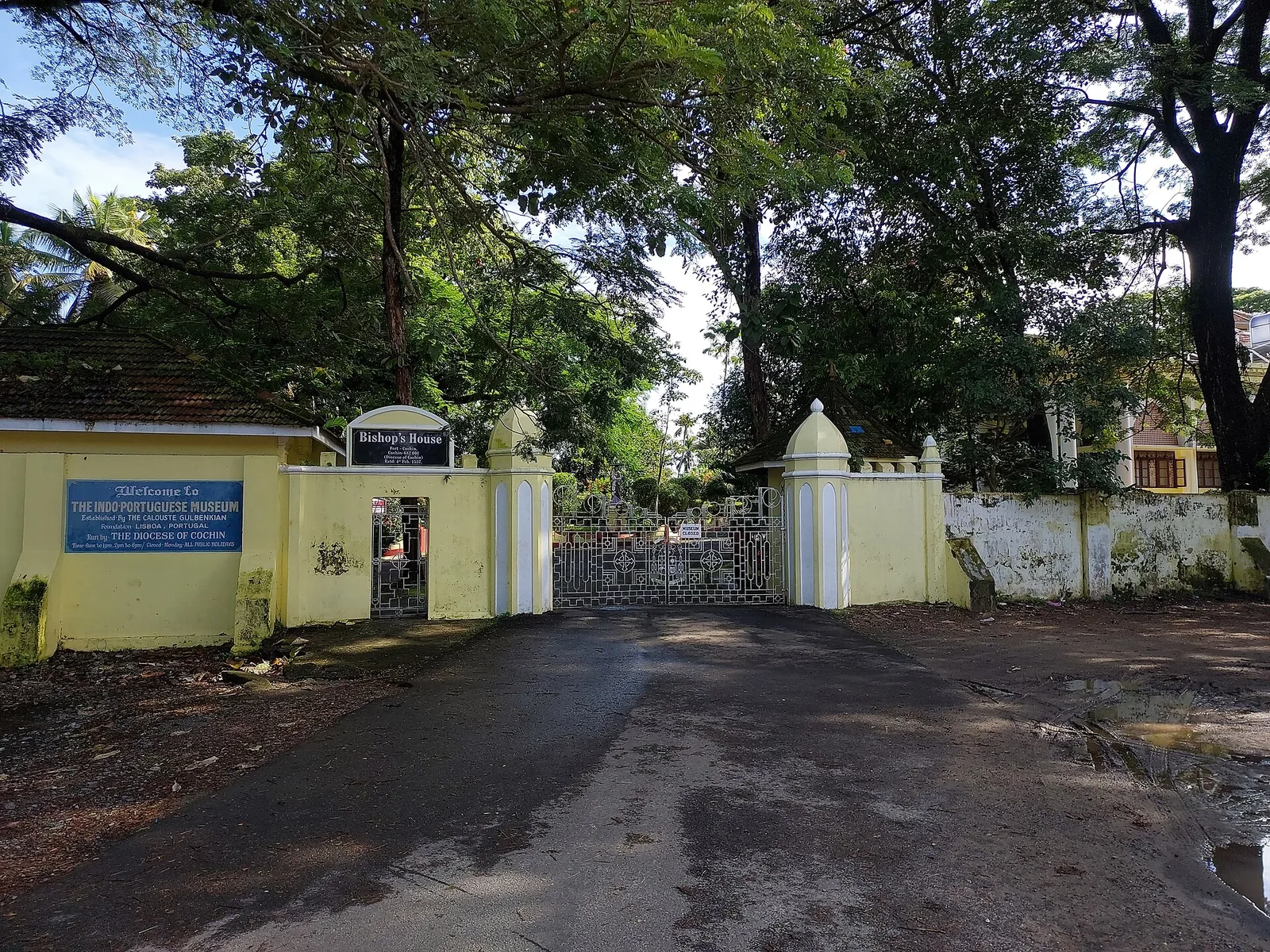
Museum of Kerala’s Indo-Portuguese Catholic heritage in the Bishop’s House garden, Fort Kochi.
1.3 km · straight lineThe oldest active synagogue in the Commonwealth (1568), in Jew Town, Mattancherry, with hand-painted Chinese floor tiles.
1.4 km · 16 min walk
A large 19th-century waterfront trading compound in Fort Kochi, the principal venue of the Kochi-Muziris Biennale.
1.4 km · straight line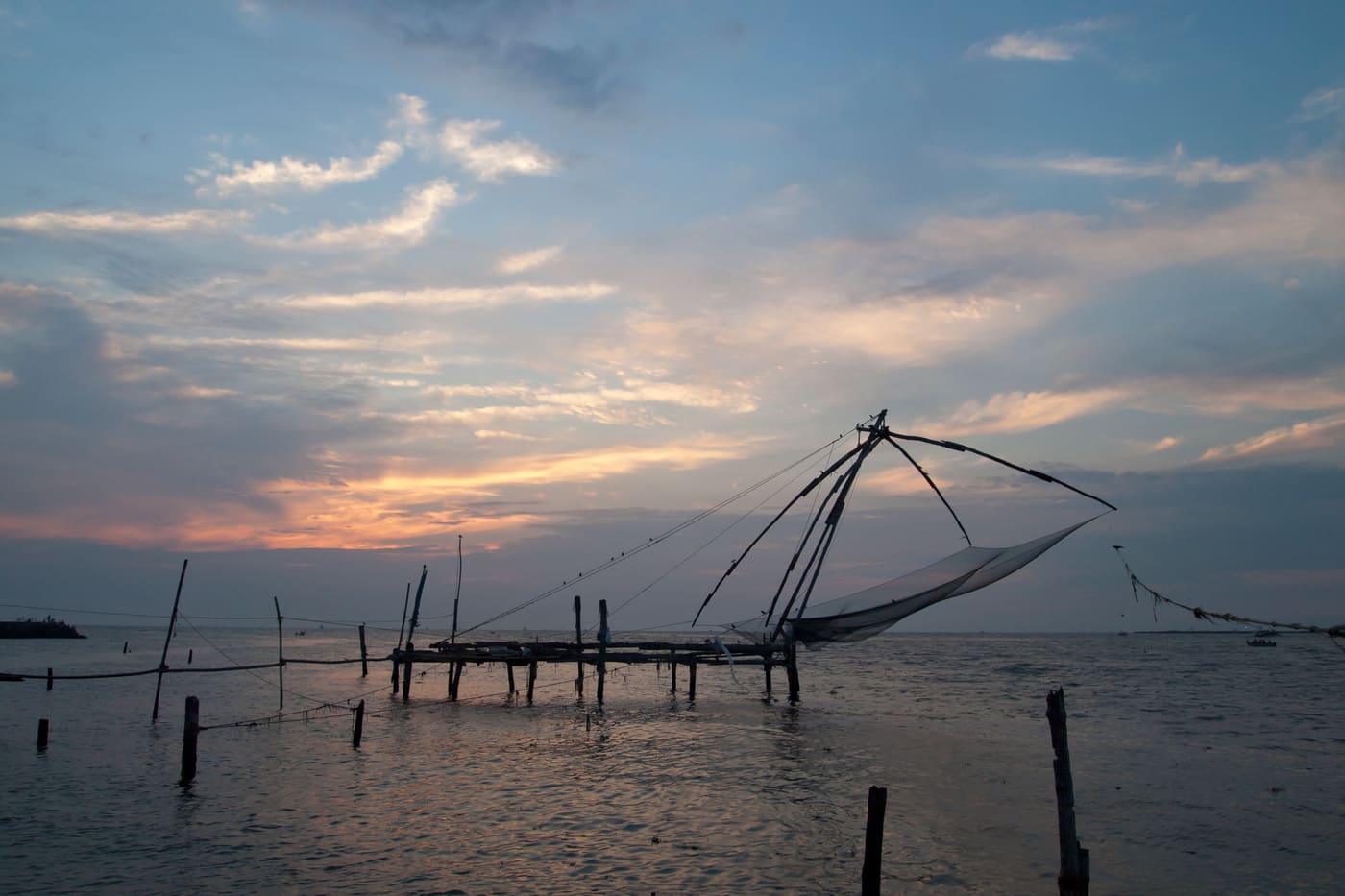
Kerala’s most walkable heritage quarter, with Chinese fishing nets, colonial churches, art cafes and Mattancherry nearby.
1.4 km · straight line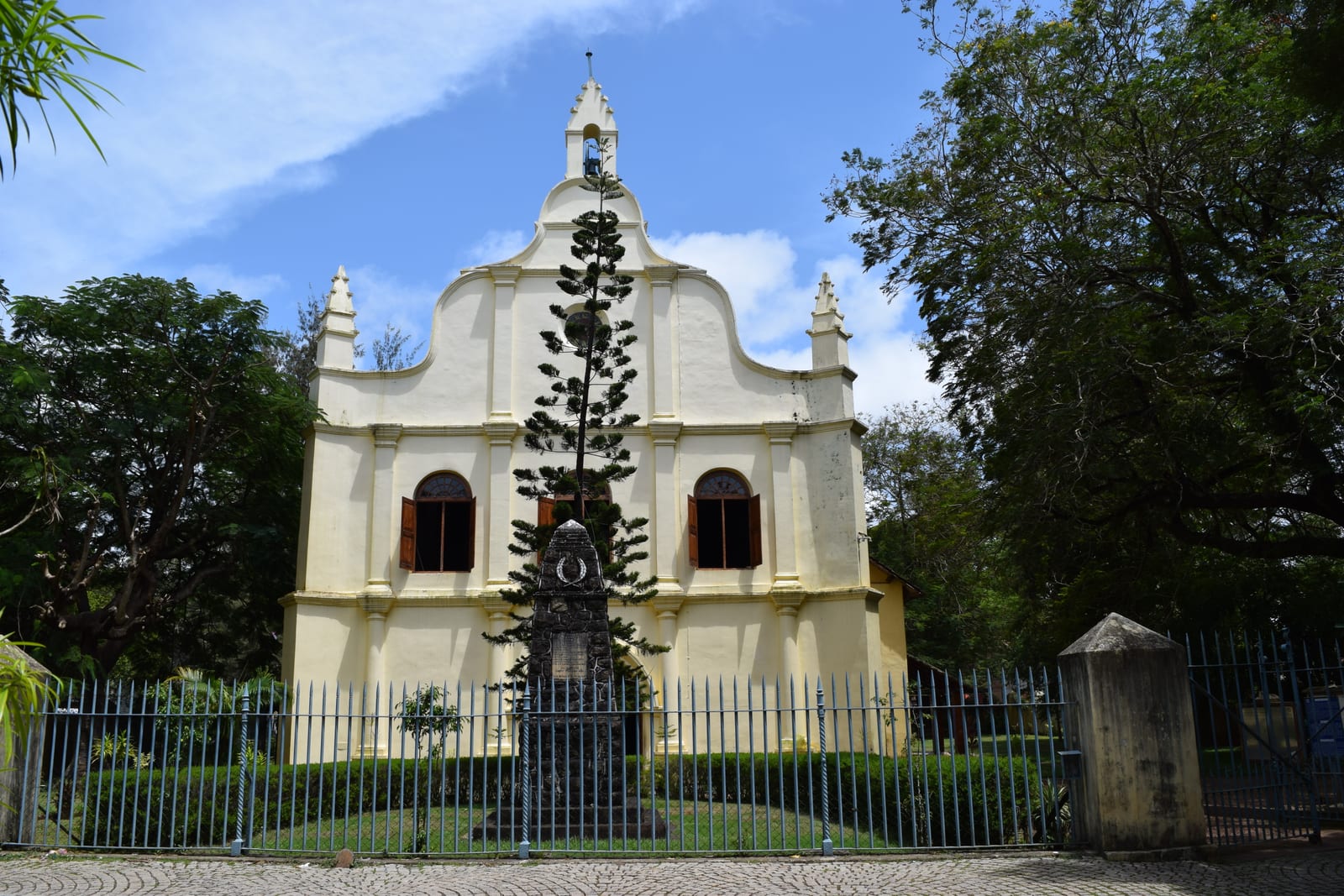
Believed to be the oldest European church in India (1503); Vasco da Gama was buried here before his remains were moved to Lisbon.
1.5 km · straight lineThe working spice quarter along Mattancherry’s Bazaar Road — godowns where pepper, ginger, turmeric and cardamom are still graded, sacked and weighed, and where the smell reaches the street before the signage does.
1.5 km · 18 min walkRoad and walking figures are route estimates, with travel times dependent on access, traffic and conditions. Figures marked “straight line” show direct separation and do not describe a road or walking route. Fare estimates use Kerala’s 26 April 2022 auto/taxi notification and exclude waiting, night and applicable one-way surcharges. Routing: © openrouteservice.org by HeiGIT | Map data © OpenStreetMap contributors
Nearby toilets, pharmacies, ATMs, seating and vets come from OpenStreetMap community mapping. Map data © OpenStreetMap contributors | Walking times © openrouteservice.org by HeiGIT
The Gowda Saraswat Brahmin community built it in 1599. They came to Kochi from Goa in 1568, says Kerala Tourism.
Venkatachalapathy, called Sri Venkateswara by the temple. He stands with his consorts Sreedevi and Bhoodevi.
Gosripuram is the temple's other name and the name of its quarter in Mattancherry. The god is also called Gosripurusha Thirumala Devar.
Kerala Tourism says it is about four feet in diameter and six feet tall. It hangs on four granite pillars.
The Portuguese destroyed it. It was rebuilt in 1663, during the time of the Dutch.
Kerala Tourism says the main festivals fall in November and April. The six-day Araat marks the 1599 installation.
November to February for cooler walking weather; mornings are quieter in the lanes of Mattancherry.
Entry: Free. There is no entry ticket. Specific poojas, offerings and vazhipadu are paid for at the temple counter. Timings: Commonly given as roughly 5:30 a.m.–1:00 p.m. and 6:00 p.m.–9:15 p.m.; festival days differ considerably.
From Fort Kochi, take an auto-rickshaw into Mattancherry; drivers know the area as Gosripuram. From Ernakulam, take the Kochi Water Metro or a state ferry to Mattancherry, then walk. Pair it with the spice markets and the Dharmanath Jain Temple on one walk.
Thirty to forty-five minutes for the bell, the yard and the outer shrines.
Nearby you can pair Dhobi Khana (850 m, approximate straight-line separation), Dharmanath Jain Temple (1.0 km, route estimate), Mattancherry & Jew Town (1.2 km, route estimate), Kerala Kathakali Centre (1.2 km, approximate straight-line separation).
The lanes of Mattancherry are narrow, so watch for autos and scooters. Carry water and a hat, as the walk between sights is in open sun. Keep bags closed in crowded lanes, especially on festival days.
Written about Cochin Thirumala Devaswom itself — its history, its legends and the arguments about them.
These guides explore Mattancherry and the surrounding area. Choose a visit that fits your interests, allowing separately for travel between stops.
Route-level itineraries and practical guides for the rest of Kerala.