What to expect
Highlights
- Temple visit at Sree Poornathrayeesa Temple
- Kerala temple architecture and rituals
- Local food, shops and pilgrim services nearby
One of the great Vishnu temples of Kerala, at Tripunithura, known for its Vrischikotsavam festival.
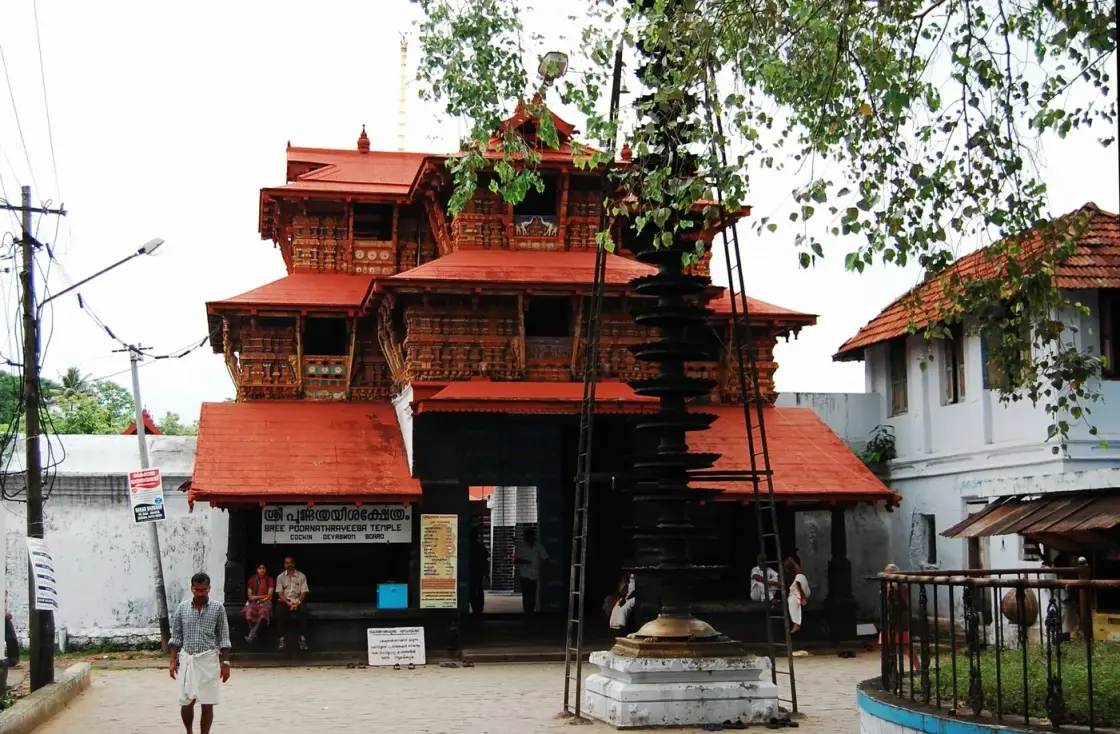
Inner sanctum restricted to Hindus.Entry to the inner sanctum is restricted to Hindus.
Checked 4 August 2026 against source 1source 2. Check the institution’s current rules and visiting session before travelling.
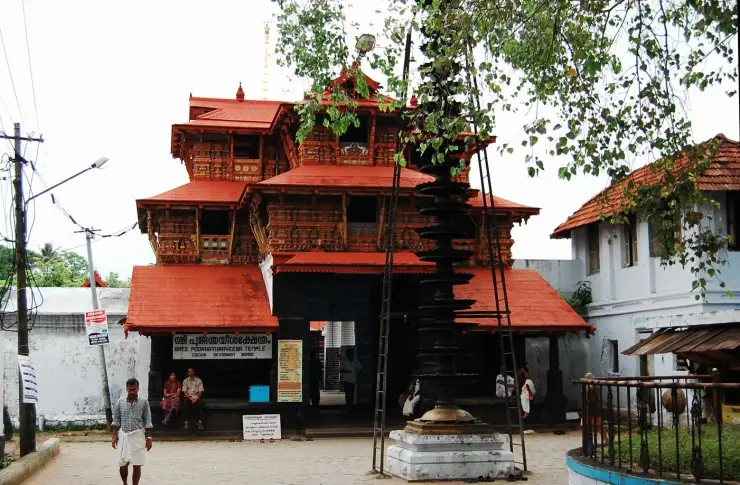
At Tripunithura, the old seat of the Cochin royal house on the south-eastern edge of Ernakulam, stands Sree Poornathrayeesa Temple — the family shrine of the Kochi Maharajas and, by tradition, the foremost of the eight great temples of the erstwhile Kingdom of Cochin. Its presiding deity, Poornathrayeesa, is Vishnu in a rare seated posture upon the serpent Ananta, worshipped as Santhana Gopala, the granter of children. The temple is best known beyond Kerala for its Vrischikotsavam, one of the state’s grandest temple festivals, when scores of caparisoned elephants and thundering percussion fill the sand courtyard for eight nights.
Poornathrayeesa is a name that devotees like to unpack syllable by syllable — ‘poorna’ meaning complete or full, ‘traya’ the three (often read as the three Vedas — Rig, Yajur and Sama), and ‘isa’ the lord. Together the name is taken to mean the lord of complete knowledge, or the master of the three Vedas. This is Vishnu approached not as a distant cosmic figure but as the intimate deity of a royal town, a presence woven into the daily and dynastic life of Tripunithura for centuries.
What makes the deity unusual is the posture. Across most Vishnu temples the lord stands, or reclines upon Ananta as Anantasayana. Here he is worshipped seated upon the coils of the serpent Ananta — a form devotees associate with Santhana Gopala Murthy, the Vishnu who restores and protects children. It is this association that has, for generations, drawn childless couples to Tripunithura to pray for offspring, and that gives the temple its tender, domestic character alongside its royal grandeur.
The sanctum itself carries a story in its very shape. Tradition holds that the srikovil was conceived in the form of a chariot (ratha), commemorating the legend of Krishna and Arjuna riding out to recover a Brahmin’s lost sons — the Santhanagopalam episode from which the deity’s child-granting reputation flows. Another oft-noted peculiarity is the shrine of Ganapati, said to face south rather than the customary east or west, a small orientation quirk that pilgrims and guides love to point out.
For the Cochin royal family, this was not simply a temple they patronised — it was their household and state deity, the guardian of the capital. When you walk the broad complex today, with its long entrance corridor, spacious courtyards and the towering western gopuram, you are moving through a landscape shaped by that royal devotion, where the rhythms of temple ritual and the fortunes of a kingdom were once tightly entwined.
The temple sits at the heart of Tripunithura, a town that still wears its heritage openly — the old Hill Palace, the traditions of Kathakali and classical music, the streets that fill during festival season. The shrine anchors this cultural quarter, and much of Tripunithura’s calendar, especially in the Malayalam month of Vrischikam, still orbits around the temple’s festival timetable.
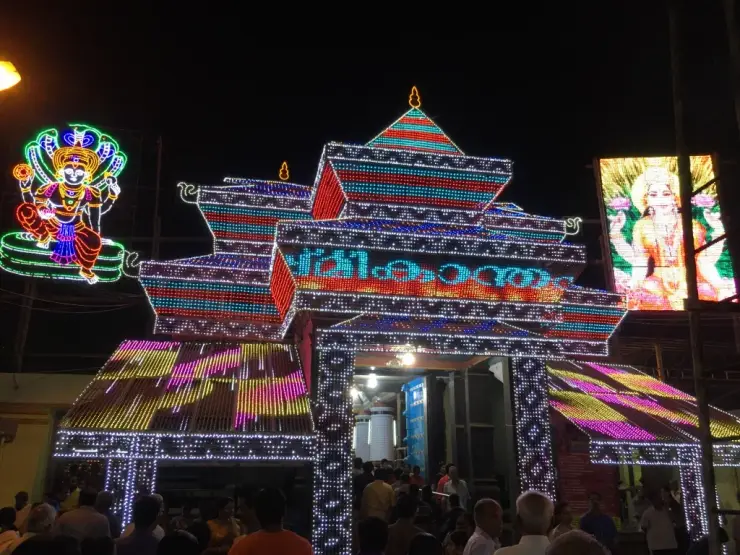
For a visitor, Poornathrayeesa offers two quite different experiences depending on when you come. On an ordinary morning it is a calm, dignified Kerala mahakshetram, all lamplight, wet granite and the murmur of prayer. During Vrischikotsavam it transforms into a blaze of colour and sound — a reminder that this is at once a place of quiet child-blessing devotion and one of Kerala’s great festival stages.
The legend most closely bound to this temple is the Santhanagopalam story, told here as sacred tradition rather than documented fact. In it, a devout Brahmin of Dwaraka watches child after child die at birth, until he has lost several sons in succession. Grief-stricken, he carries his complaint to the very court of Krishna, blaming the failure of dharma and kingship for his sorrow.
As the tale goes, Arjuna, moved and stung by the Brahmin’s despair, vows on his own bow to save the next child — pledging to enter the fire if he fails. When that child too vanishes at the moment of birth, Arjuna’s worldly powers prove useless, and it falls to Krishna himself. Krishna and Arjuna are said to journey beyond the edges of the created world to the abode of Vishnu, where the lord reveals that he had drawn the children to himself simply out of a wish to behold his devotees. The lost sons are restored, and the Brahmin’s house made whole again.
Devotees connect this episode to Poornathrayeesa through the idol said to have been given to Arjuna and to the chariot-shaped sanctum that recalls the divine journey — and it is from this legend that the deity’s enduring reputation as Santhana Gopala, protector and giver of children, is drawn. As with all such temple lore, it is offered as devotional narrative and belief, not as historical record.
There is a second thing worth knowing, and it is not a legend at all — it is a fact that surprises people who assume a temple this old is old all the way through. A fire in 1920 destroyed the wooden sanctum. What went up in its place was concrete, and the sreekovil at the centre of one of the state's most traditional festivals is therefore an early-twentieth-century structure. Two refinements we owe you, though. It is not raw concrete: the rebuilt sanctum is concrete faced with copper, wood and granite, so what a visitor sees is the traditional material palette over a modern core. And the widely repeated claim that this was the first concrete temple in Kerala is uncited wherever we have looked, including in the reference sources that repeat it. It may well be true. Nobody appears to have shown that it is.
The other claim attached to this place should be handled as a claim, and there is a specific reason. Poornathrayeesa is universally described as the first, or foremost, of the eight great royal temples of the Kochi kingdom, and it was the state deity of the kingdom — that much is standard and uncontroversial. What is odd is that we cannot find the other seven named anywhere. Not in the reference works, not in the temple literature, not in the accounts that confidently rank this one first. A hierarchy is being asserted whose membership is unpublished. Read “first of the eight” as the way the Cochin court ranked its own establishments, remembered as a phrase after the list behind it was lost — which is a more interesting thing than a league table anyway.
What did survive is stranger and better: a kinship network between deities. Poornathrayeesa is held to be the elder brother of the goddess at the Eroor Pishari Kovil, and during festivals the deities of Perumthrikovil, a Shiva temple, and of Eroor come here for joint processions and shared ritual. So the temples of the old kingdom were not simply ranked. They were related, they visited one another, and the relationships had a direction and an etiquette. That is the actual social structure of a princely state's sacred landscape, and it is more legible in the festival calendar than in any list.
Sree Poornathrayeesa Temple is inseparable from the history of the Kingdom of Cochin. Poornathrayeesa was revered as the state deity of Cochin and the tutelary deity of Tripunithura, and the shrine is traditionally counted as the first, or foremost, among the eight great royal temples of the erstwhile Cochin state. The Kochi royal family were its principal patrons, and the temple’s fortunes rose with theirs across the centuries (broad tradition — precise dating is uncertain).
The temple’s most dramatic modern chapter is the great fire. In 1920, an accidental blaze is said to have destroyed almost the entire structure — including the original wooden sanctum — sparing, remarkably, only the western gopuram. That surviving gopuram, an ancient and much-loved landmark, is wrapped in its own aura, with popular belief holding its age and endurance to be something of a mystery.
Reconstruction followed swiftly. In 1921 the temple was rebuilt under the celebrated architect Eachara Warrier, and the new sanctum is widely described as among the earliest concrete temple structures in Kerala — an unusual claim to modernity for so traditional a shrine. The royal family were again the chief contributors to this rebuilding, reaffirming the bond between dynasty and deity.
The temple’s ritual life has long centred on its festivals, above all the eight-day Vrischikotsavam held in the Malayalam month of Vrischikam (roughly November–December — dates shift each year with the Malayalam calendar, so confirm locally). Poornathrayeesa is fondly said to love elephants, and the festival is famous for the great number of caparisoned tuskers that take part over its course, accompanied by panchavadyam and pandi melam, temple percussion ensembles, and the ceremonial Vilakku illuminations, before culminating in the Arattu procession.
In recent years the festival has also drawn attention on the question of elephant welfare, with Kerala’s courts weighing safety norms for temple processions — a reminder that these ancient traditions now unfold within a modern regulatory frame. Through all of it, the temple remains a living centre of worship and a proud emblem of Tripunithura’s royal and cultural heritage.
To stand before one of Kerala’s great mahakshetrams — the family temple of the Cochin royal house and, by tradition, the first of the old kingdom’s eight great temples, dense with history and royal association.
To see a genuinely rare form of Vishnu: Poornathrayeesa seated upon the serpent Ananta and worshipped as Santhana Gopala, the giver and protector of children, in a chariot-shaped sanctum unlike most Vishnu shrines.
For Vrischikotsavam, if your visit falls in Vrischikam (Nov–Dec) — an eight-night spectacle of caparisoned elephants, panchavadyam and pandi melam percussion and lamp-lit processions that ranks among Kerala’s most celebrated temple festivals (dates vary — confirm locally).
For the architecture: the towering, ancient western gopuram that survived the 1920 fire, the broad courtyards and corridors, and a rebuilt sanctum tied to the famous architect Eachara Warrier.
To experience Tripunithura’s heritage quarter as a whole — pairing the temple with the nearby Hill Palace and the town’s living traditions of Kathakali and classical music.
For a quieter, devotional visit on an ordinary morning, when the lamplit shrine offers one of the calmer, more atmospheric temple experiences near Kochi.
Road km to Ernakulam; ghat roads and traffic vary — allow extra.
Morning or early evening is usually best; festival days can be powerful but crowded.
Live forecast loads in your browser.
Sun and moon are calculated for this location and shown in IST. Photography windows are the hour around sunrise and sunset; the sunset bearing is degrees clockwise from true north. Moon phase is accurate to about half a day.
These are official or public-sector eco offerings that match this place, town or forest destination. Confirm availability, permits, tariffs and reporting times with the official operator before travel.
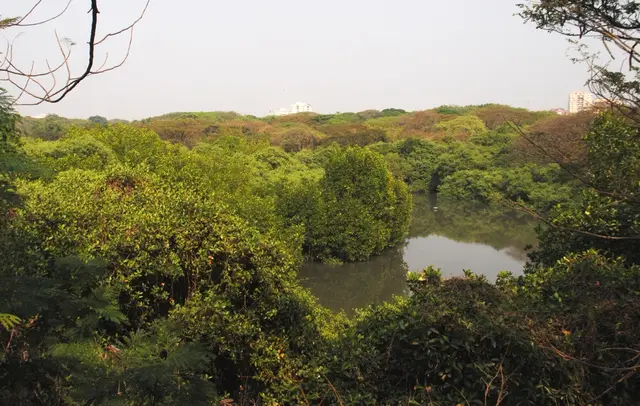
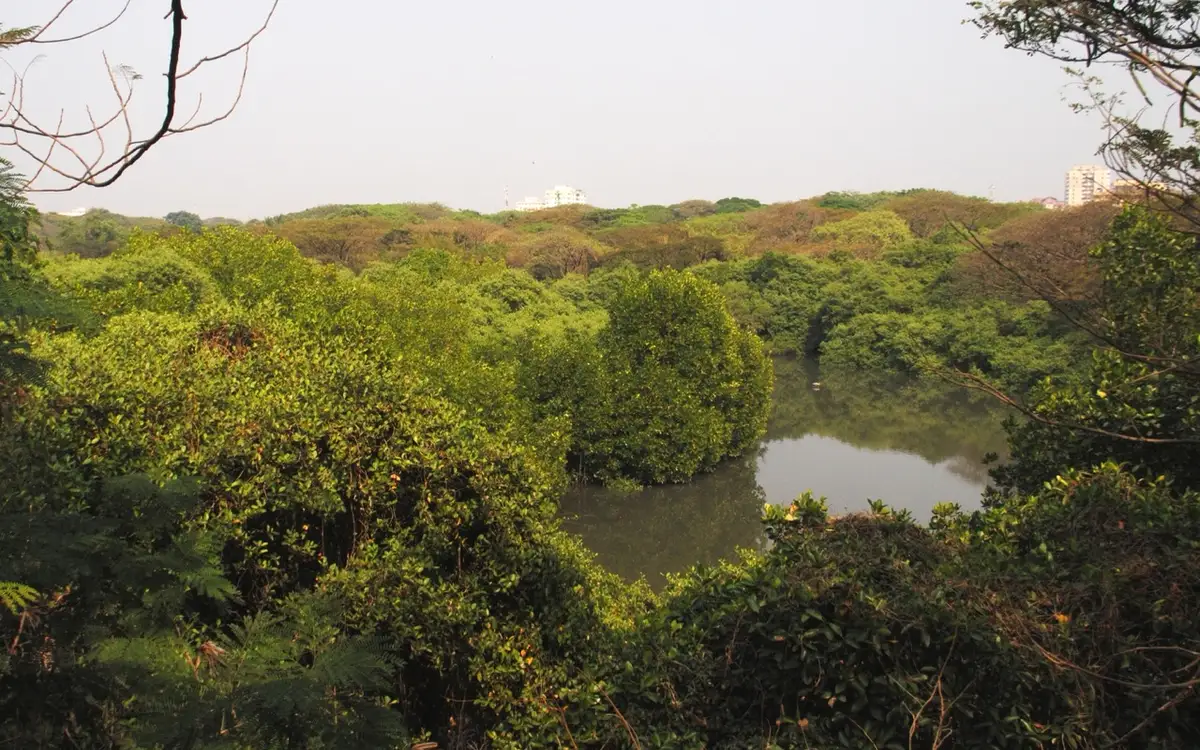
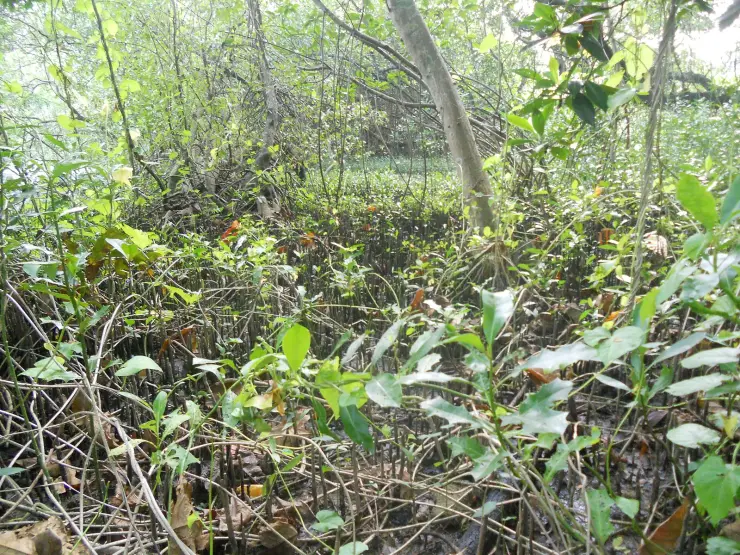
Urban bird sanctuary and mangrove pocket in central Kochi, useful as a short nature stop.
Official source →Browse listed stays, food, activities, sights, shops and rentals around Sree Poornathrayeesa Temple. Check each listing’s locality and contact the business directly for current arrangements.
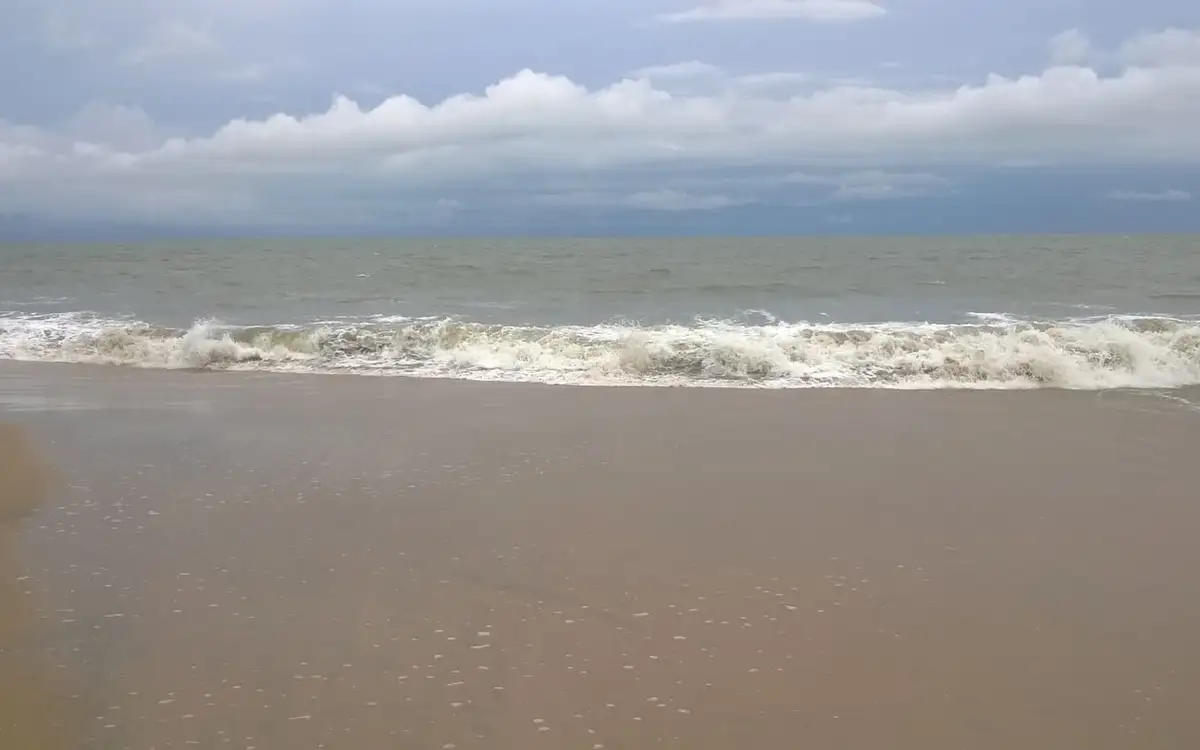
Popular beach on the northern side of Vypin Island, Greater Kochi. Beach, vypin, greater kochi.
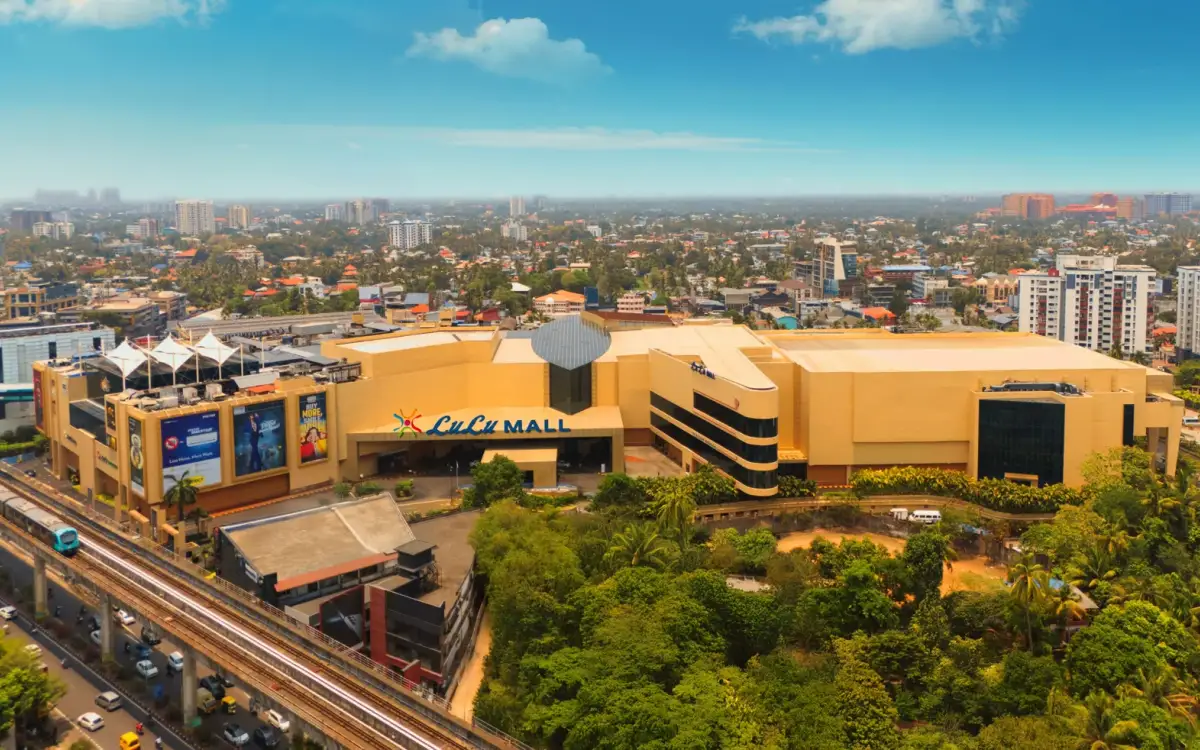
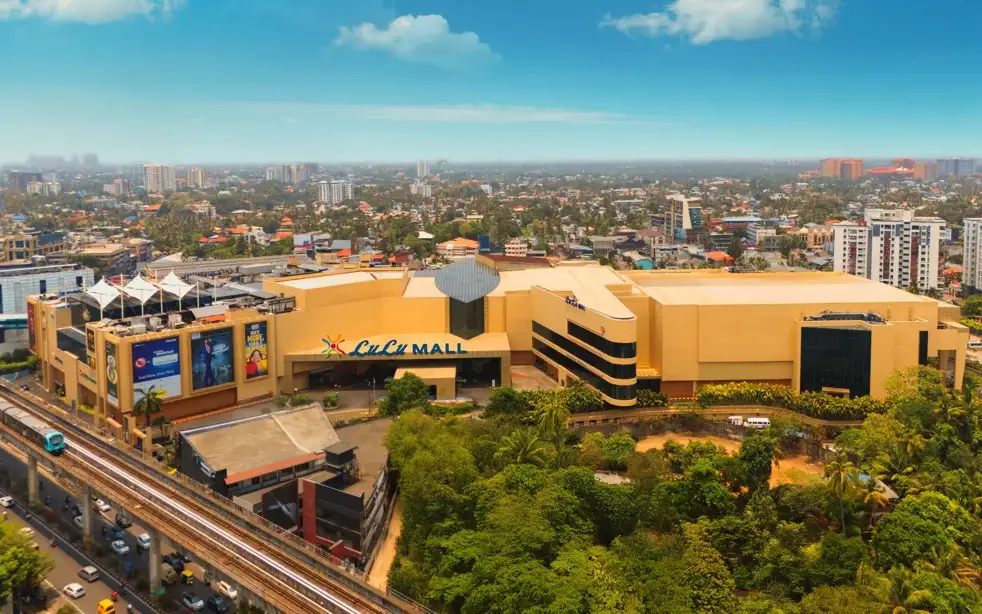
Mall on Old NH 47, Edappally Junction, Nethaji Nagar, Edappally in Ernakulam. WiFi, Wheelchair access.
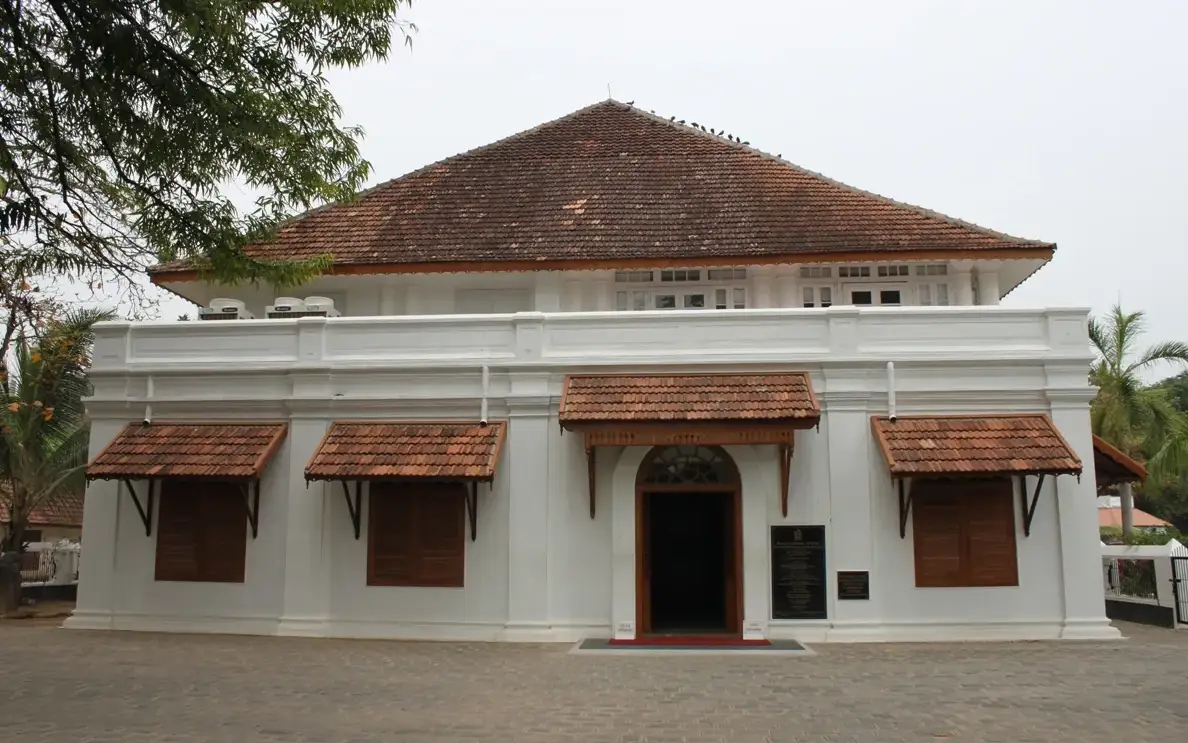
Art gallery in Kochi City Centre, Ernakulam, Kerala, India.
Attraction in Kochi City Centre, Ernakulam, Kerala, India.
Palace in Kochi City Centre, Ernakulam, Kerala, India.
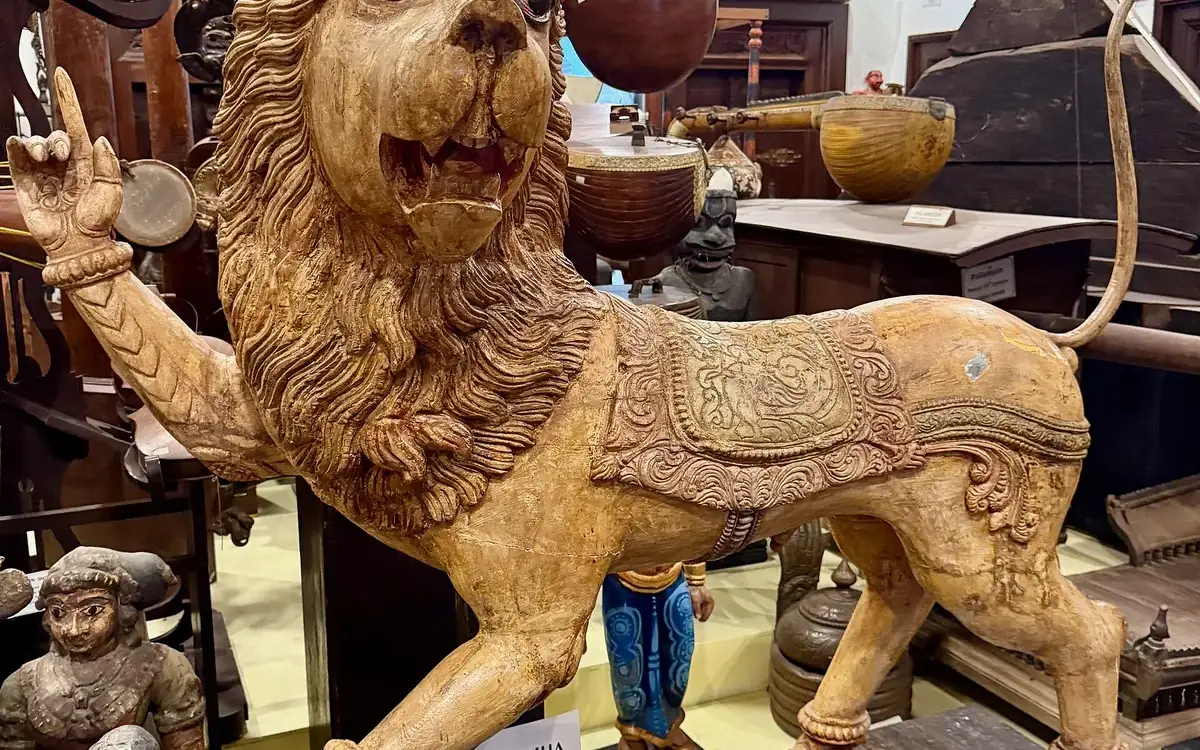
Private museum of Kerala folk art and heritage at Thevara, Greater Kochi. Museum, folk art, thevara.
City-centre church record; exact identity and visitor location need confirmation.
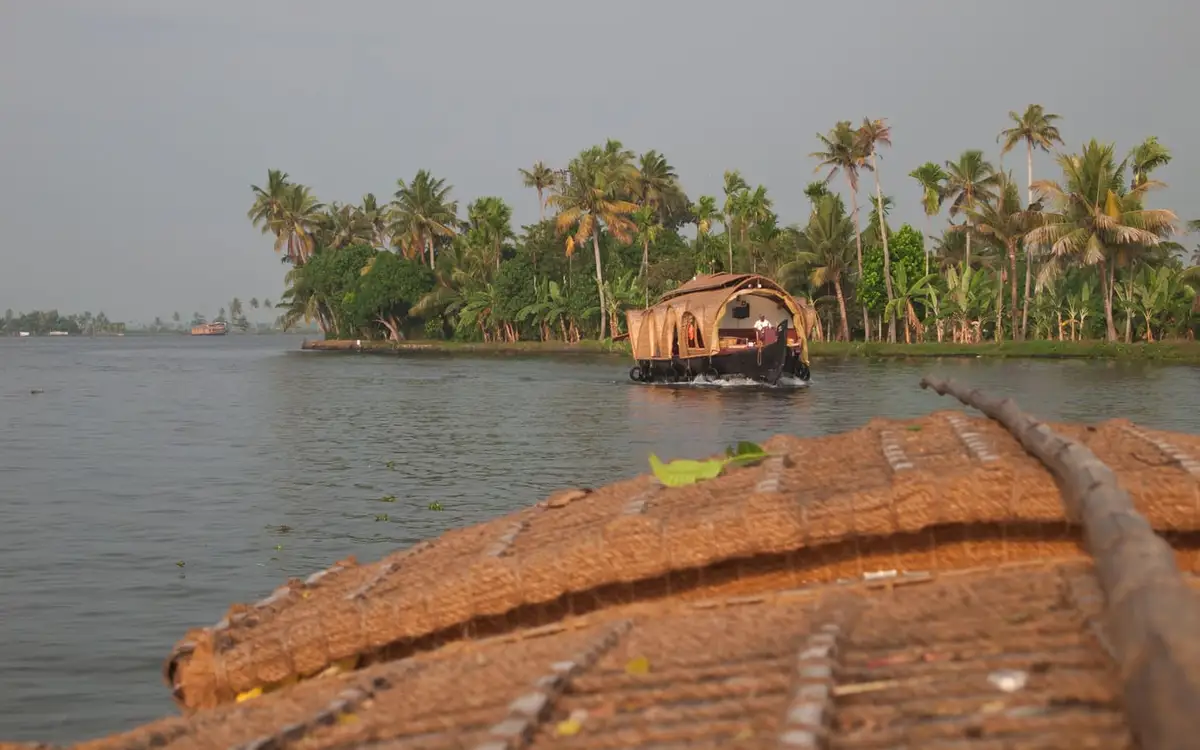
Vembanad is a backwater lake across several Kerala districts. Choose the actual boarding point and an agreed boat route when planning an outing; a lake map pin does not identify a departure jetty.
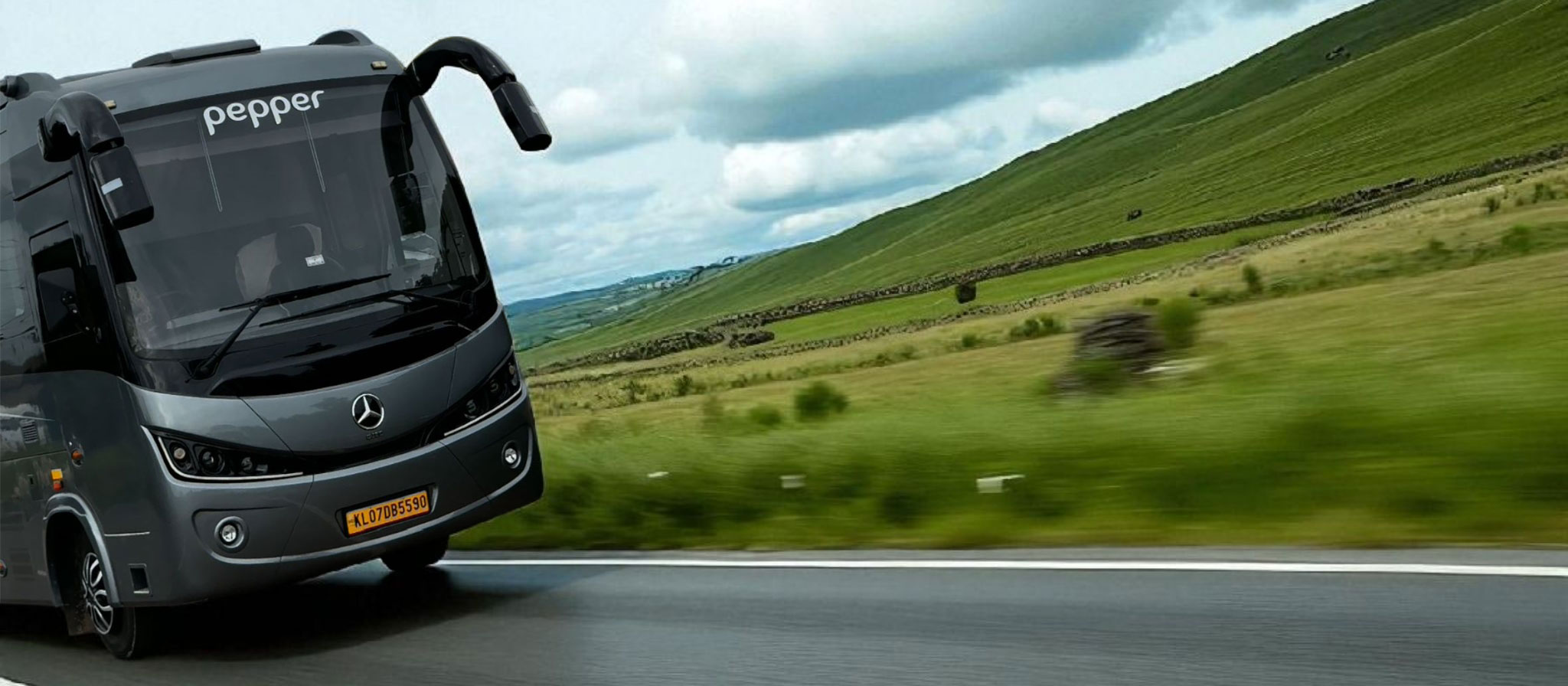
Pepper Kerala Holidays is a Kochi-based tourist transport operator running its own fleet of cars, tempo travellers and coaches for Kerala tour packages and airport transfers. Its office is at Kadavanthra with a garage near Cochin airport, booking direct without commission.
BCabs is an independent Kochi taxi operator running its own fleet of cars, SUVs and vans for airport transfers and outstation trips across Kerala. Registered as BTransport Solutions with a Palarivattom office, it offers 24/7 pickups with direct booking rather than middleman commission.
LuLu Mall Kochi’s published overview describes a multi-cuisine food court alongside separate restaurants and cafés. Treat the food court as a choice of outlets inside the Edappally mall, rather than a single restaurant with one shared menu or reservation desk.
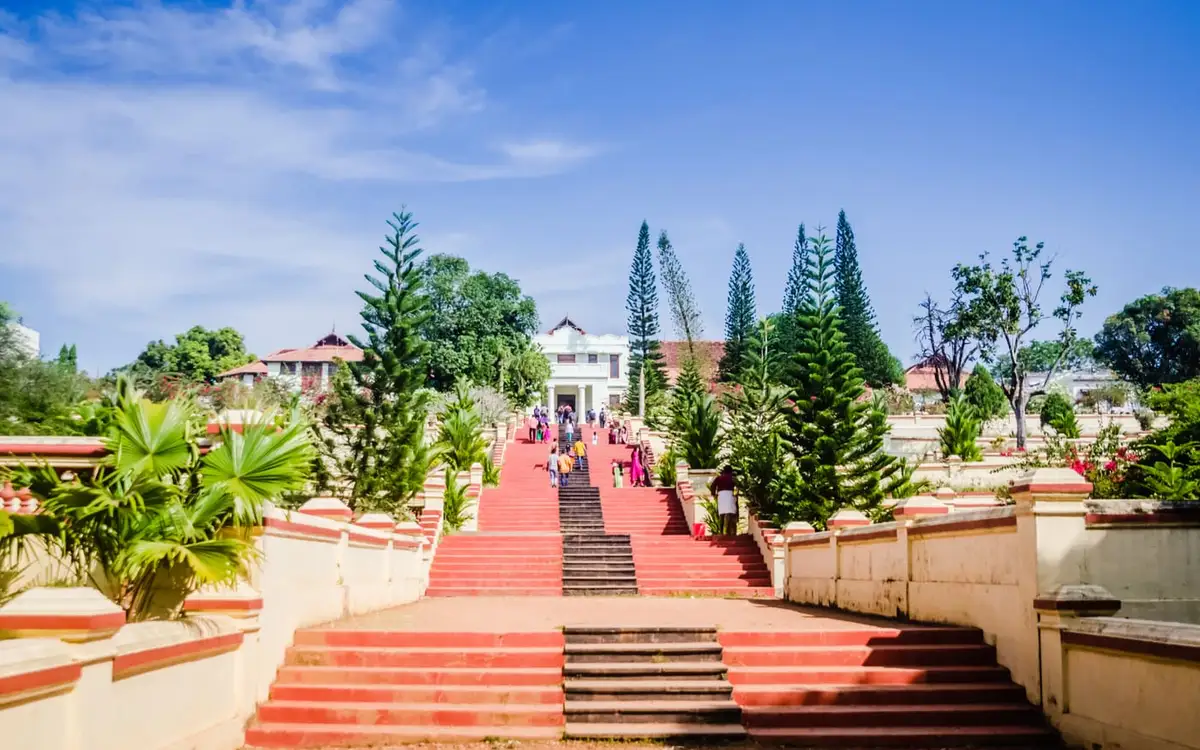
Kerala Tourism-listed heritage museum campus at Thripunithura near Ernakulam. Museum entry fee; confirm current rates direct · Thripunithura, Museum, Heritage.
Edappally mall with official helpdesk contact and visitor services. Free entry; pay per shop, cinema or activity · Edappally, Shopping, Family stop.
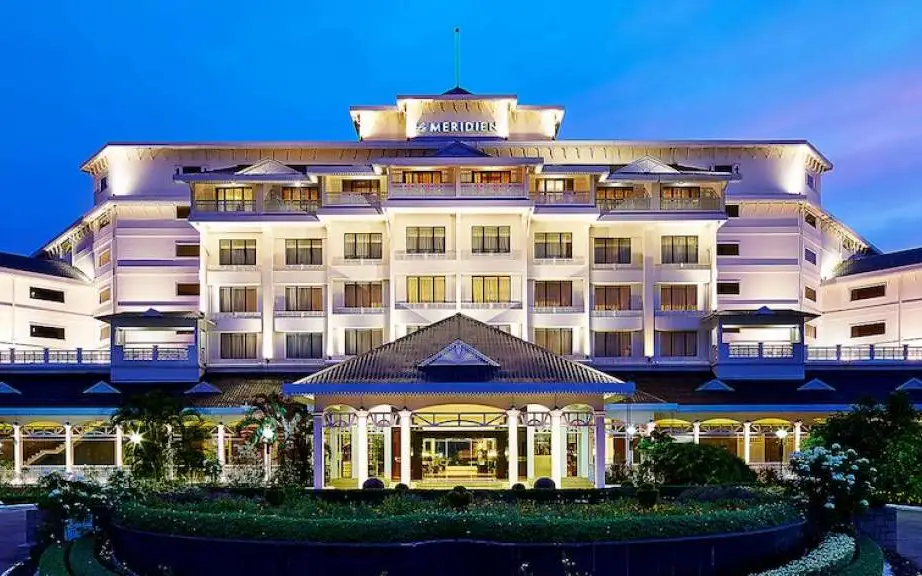
Marriott hotel in Maradu with rooms, restaurants, spa and event facilities. 5-star luxury hotel · Maradu, Ernakulam city, Marriott.
Grand Hyatt Kochi Bolgatty is a waterfront hotel on Bolgatty Island, separate from KTDC’s Bolgatty Palace. Hyatt distinguishes king and twin rooms, Backwater View choices, Club Access categories and named suites and villas. Choose the bed, view and access category before comparing a quote.
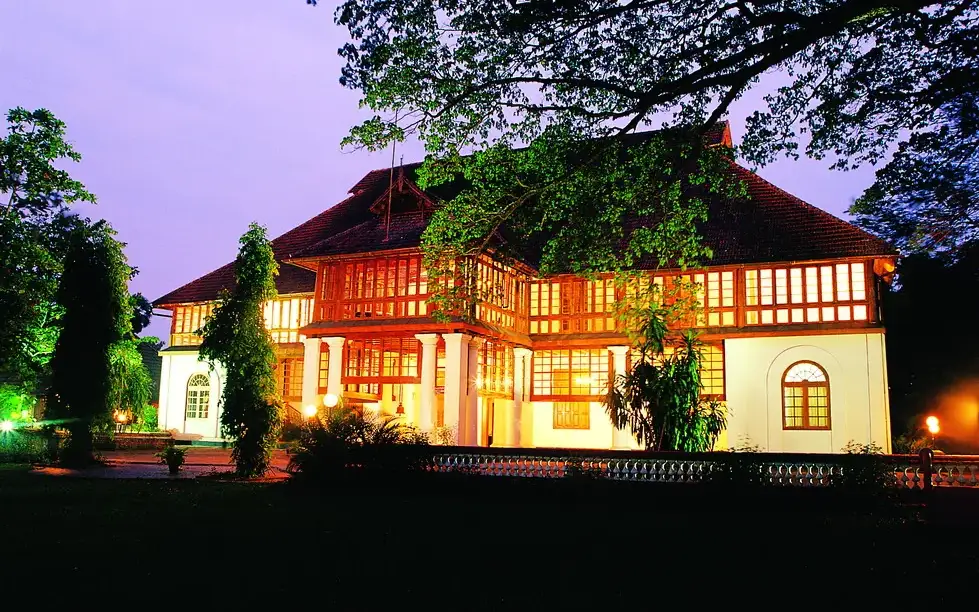
Archaeological museum and former royal palace at Tripunithura, Greater Kochi. Museum, heritage, tripunithura.
Hotel in Kochi City Centre, Ernakulam, Kerala, India. AC, Wheelchair access.
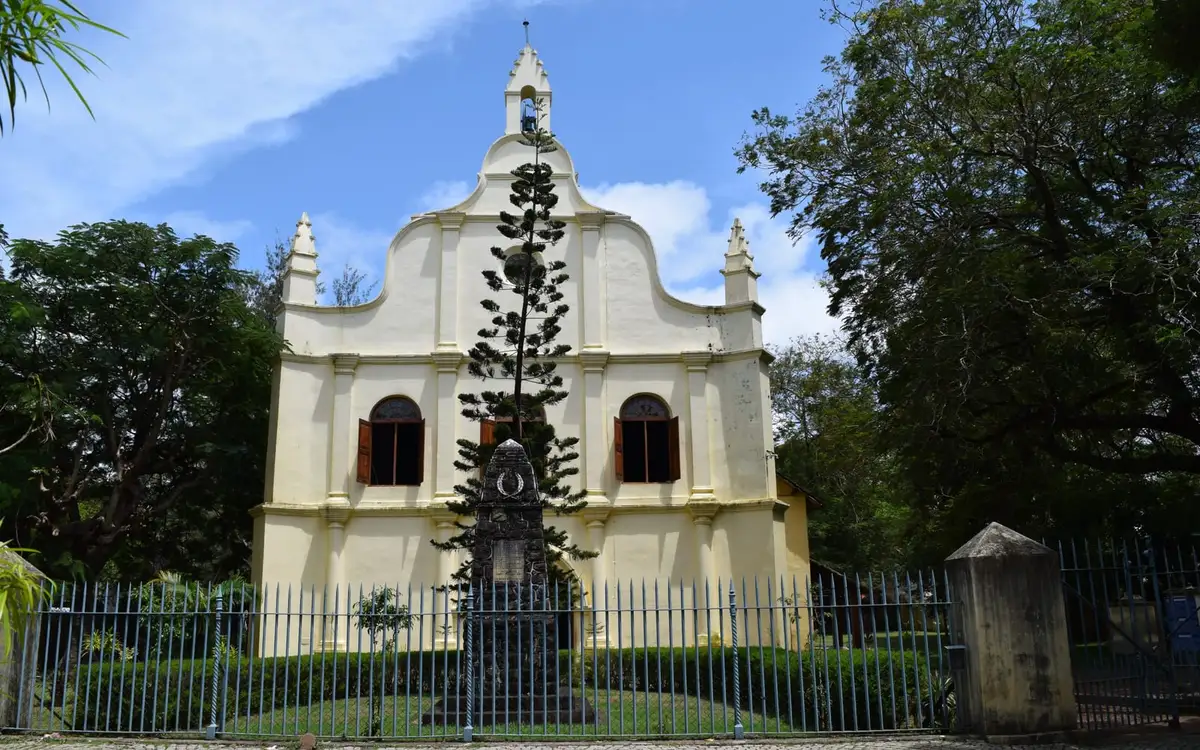
Church in Kochi City Centre, Ernakulam, Kerala, India.
Church in Kochi City Centre, Ernakulam, Kerala, India.
See in Kochi City Centre, Ernakulam, Kerala, India. Wheelchair access.
Synagogue in Kochi City Centre, Ernakulam, Kerala, India.
Church in Kochi City Centre, Ernakulam, Kerala, India.
Church in Kochi City Centre, Ernakulam, Kerala, India. Wheelchair access.
Mosque in Kochi City Centre, Ernakulam, Kerala, India.
Book with the place itself. India’s cyber-crime coordination centre warned in April 2025 that convincing copies of hotel and pilgrimage booking sites are being pushed through sponsored search and social ads, taking payment for rooms the property never hears about. Use the contact and source details on each profile to confirm the exact business and booking channel. A directory entry or map pin alone does not establish an operator’s identity or current availability. Roampedia takes no commission and does not collect booking payments. If a booking page reached you through an ad, check the address bar against the property’s own site before you pay. Fraud can be reported on cybercrime.gov.in or on 1930.
Find food, accommodation and activities across Kochi City. Browse the guides for places to eat, stay and explore along your route.
12 more places around Kochi City. Open a guide to plan the visit and onward journey.
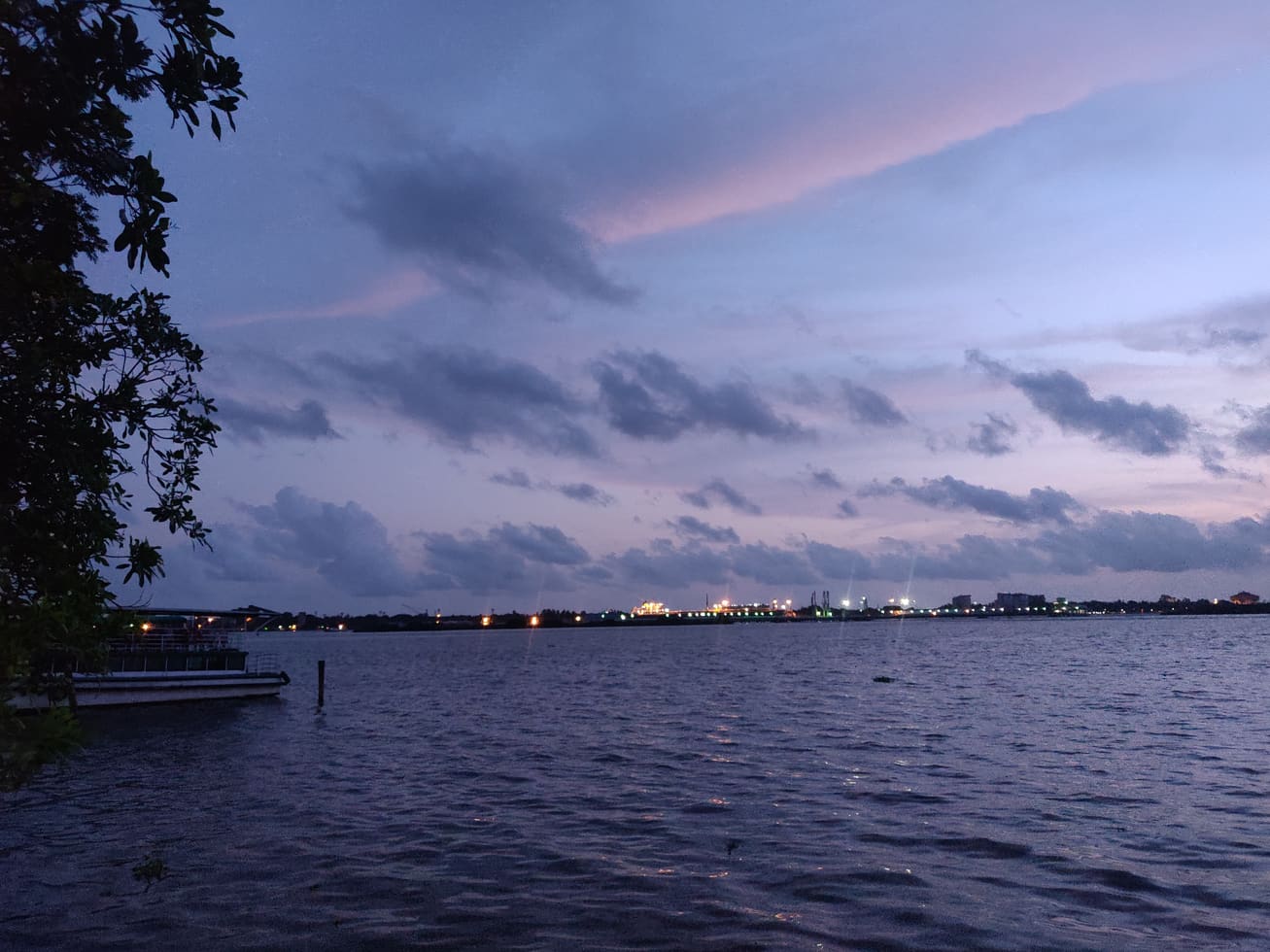
10.8 km · 18 min drive
Waterfront promenade in mainland Kochi, good for evening walks and ferries.
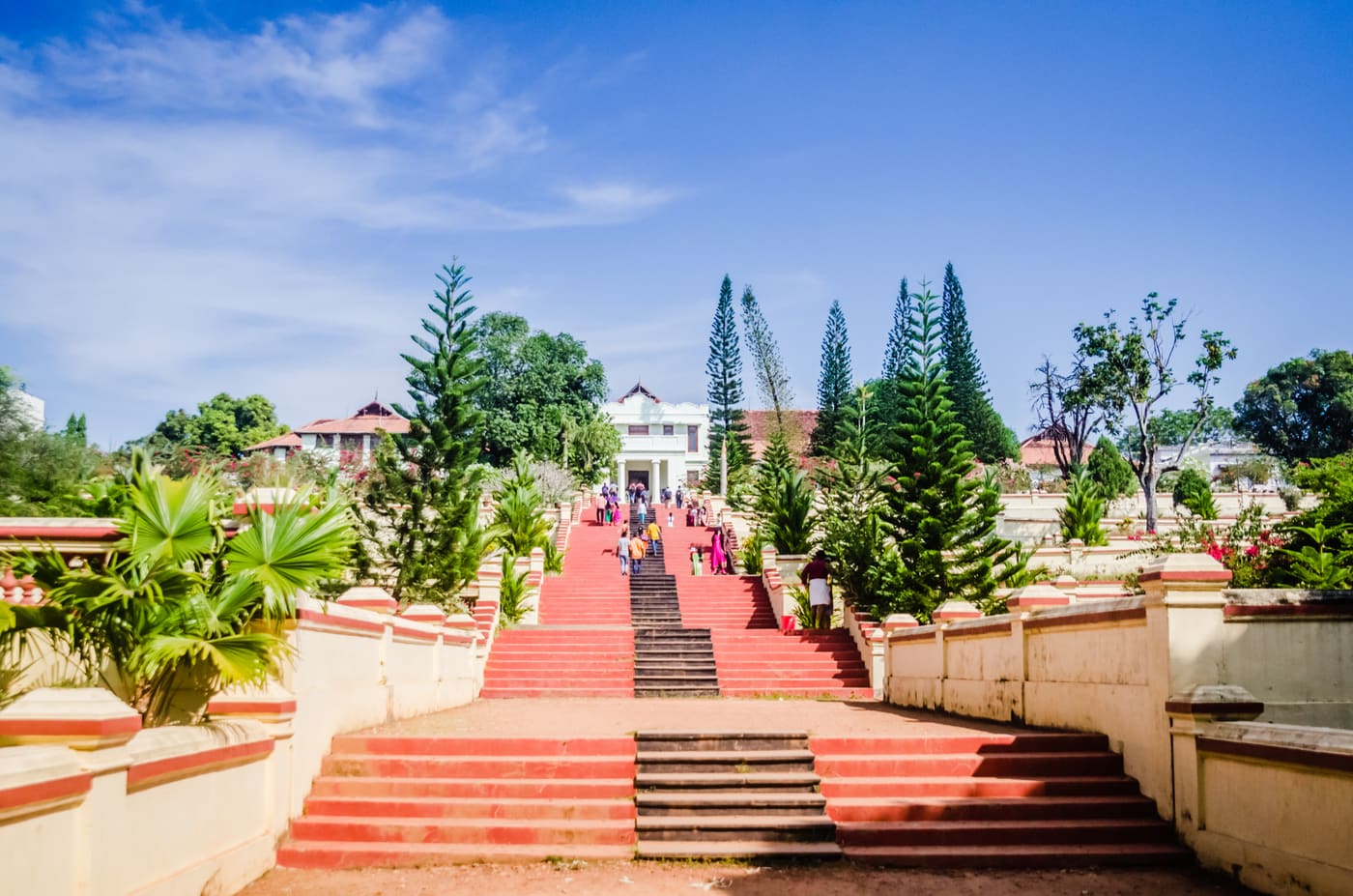
3.1 km · 6 min drive
Large royal palace museum complex east of Kochi city.
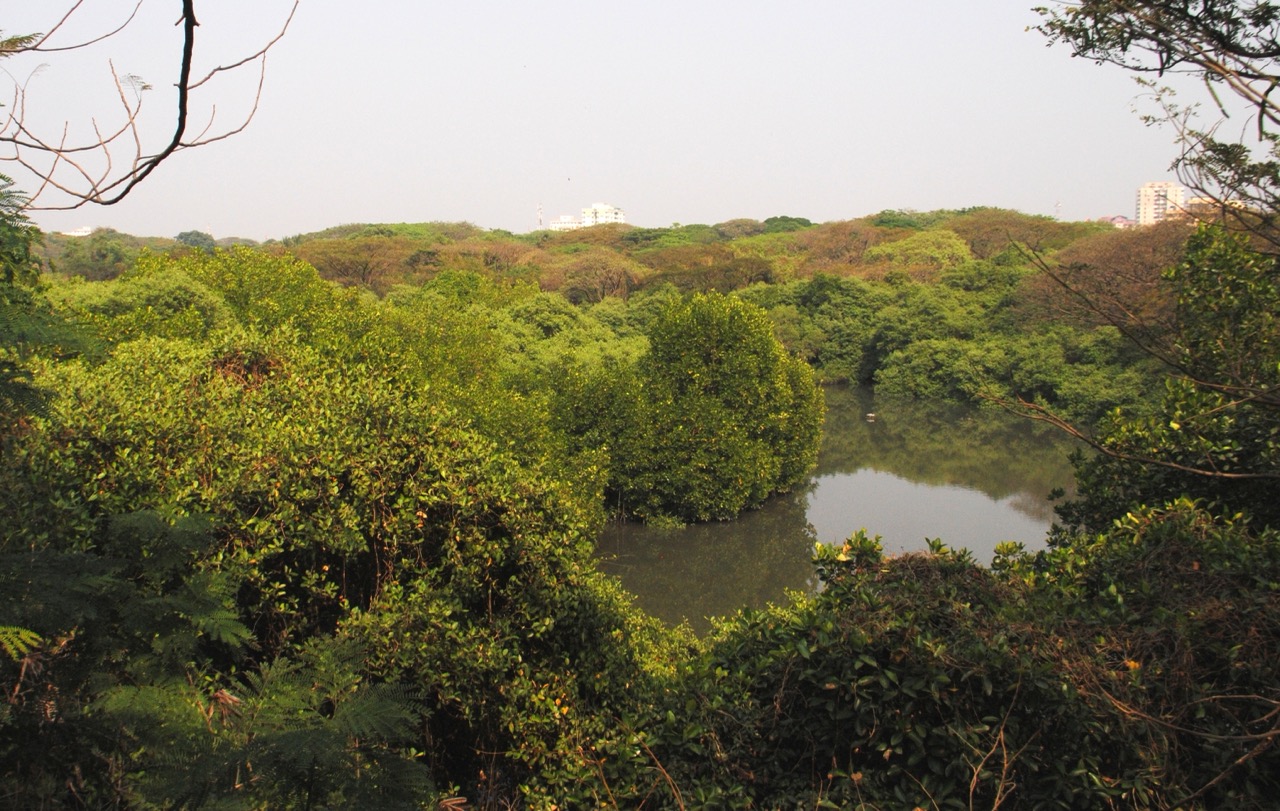
12.1 km · 20 min drive
A small mangrove “green lung” behind the High Court in Ernakulam, a nesting site for migratory and resident birds.
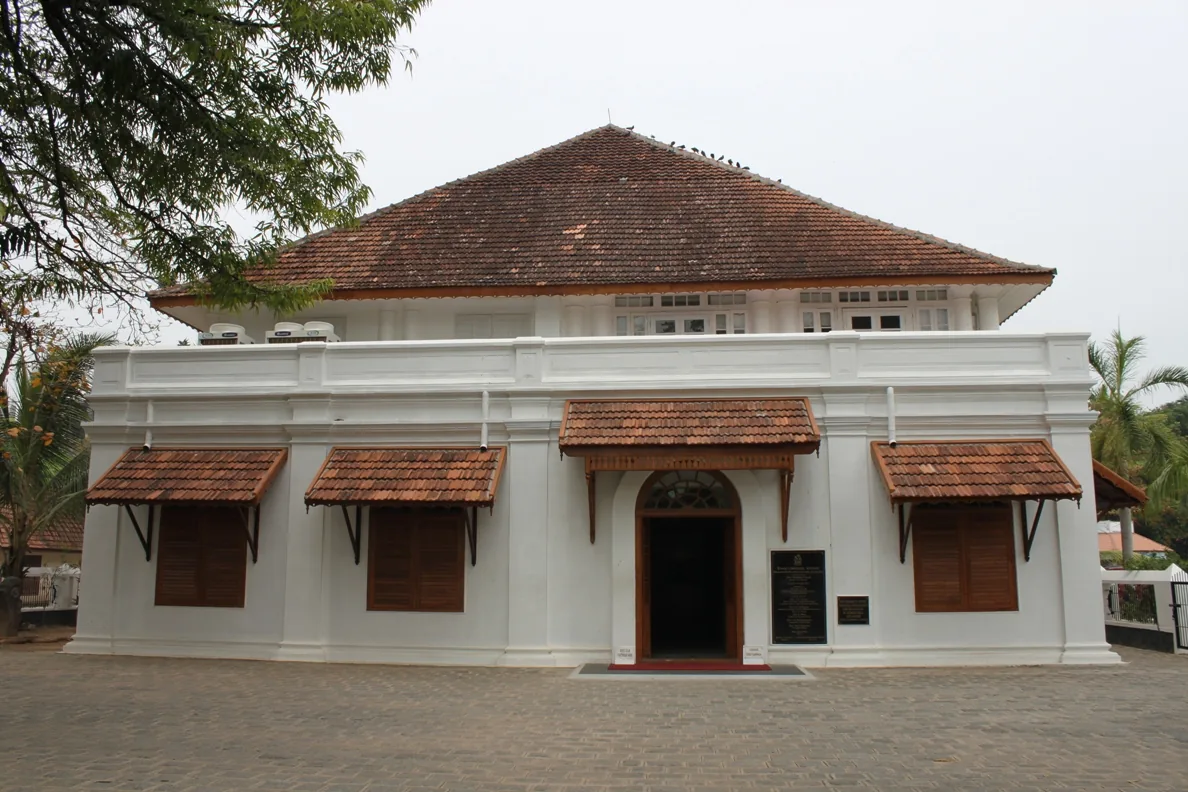
9.2 km · 15 min drive
A heritage hall in Ernakulam run as a contemporary art gallery by the Kerala Lalithakala Akademi.
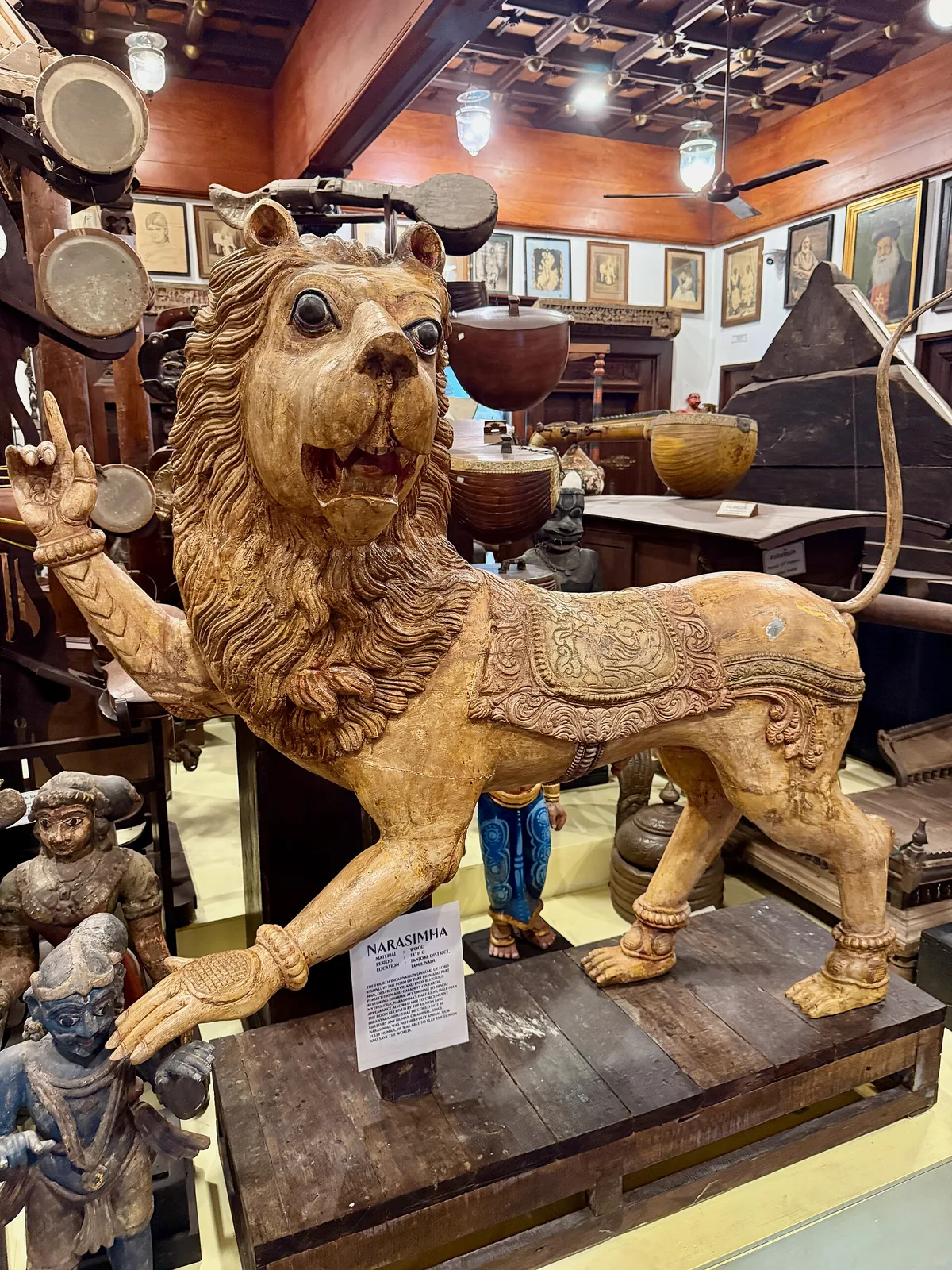
5.6 km · 8 min drive
A privately built museum at Thevara with thousands of Kerala folk and ritual artefacts across Malabar, Kochi and Travancore styles.
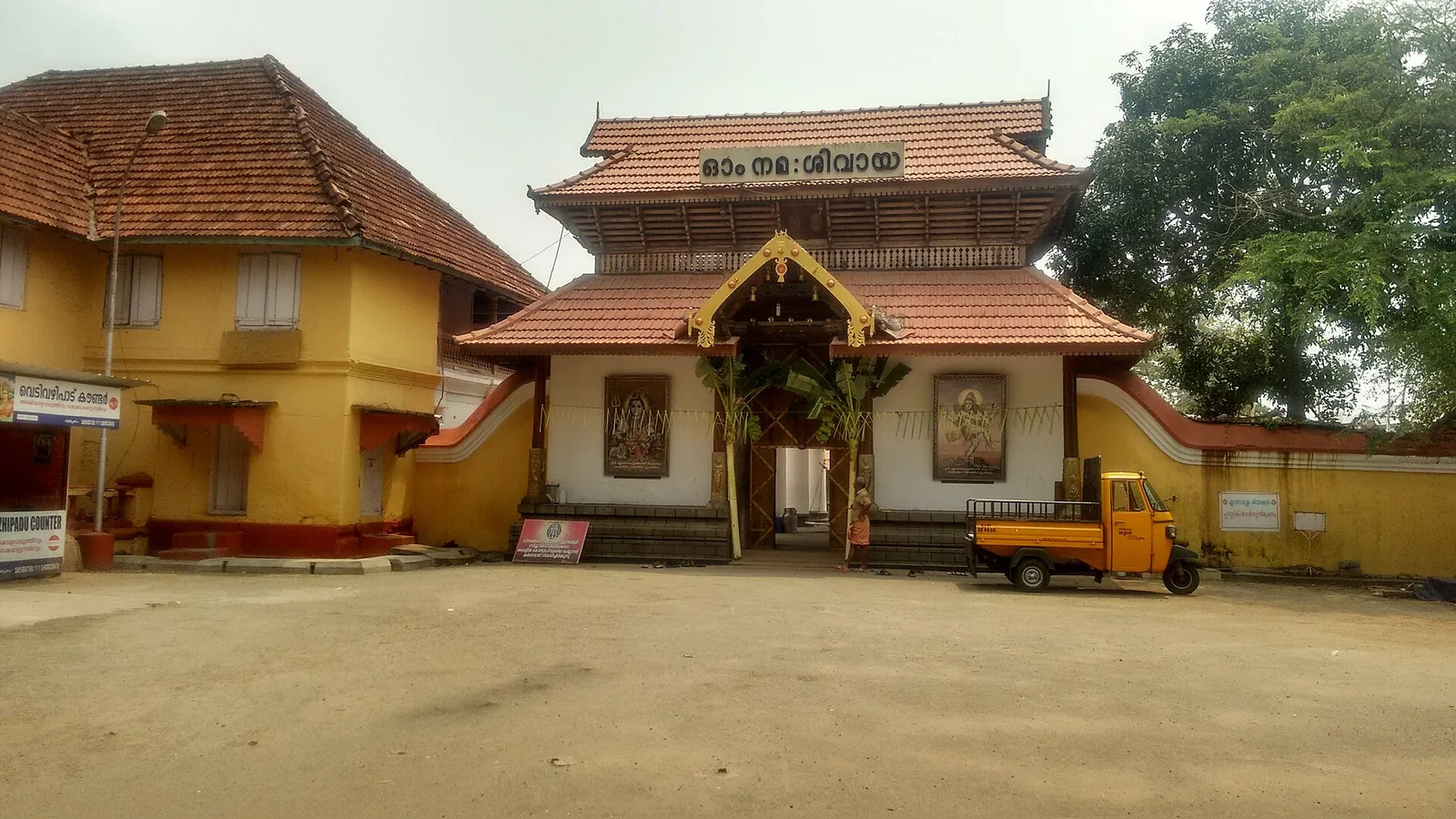
9.4 km · 15 min drive
The Ernakulam Shiva temple on Durbar Hall Road, the city’s principal temple and home to the eight-day Ernakulathappan festival.
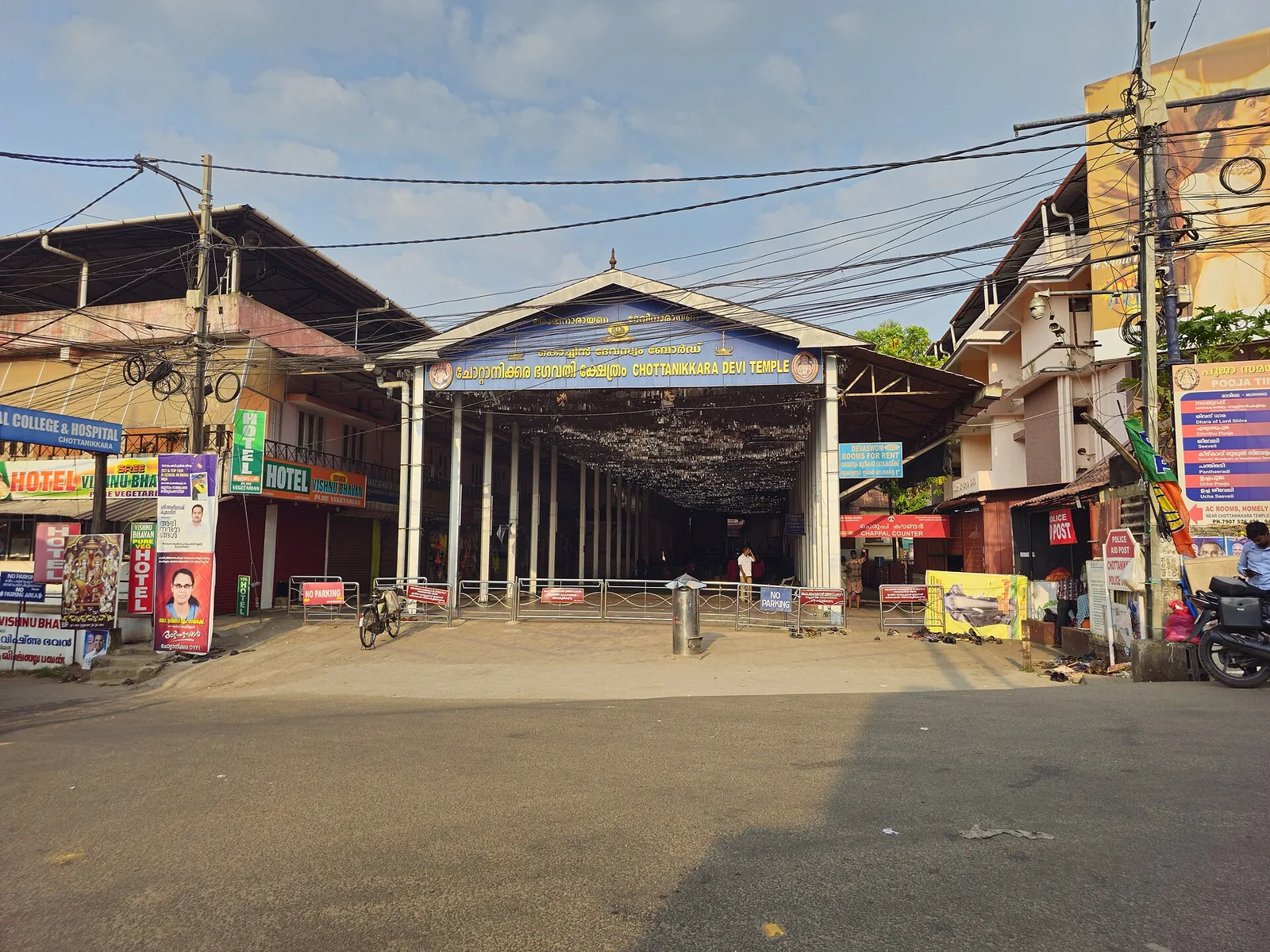
7.4 km · 11 min drive
A major Bhagavathy (Devi) temple south-east of Kochi, famous for the dawn Nirmalya Darshanam and its Makam Thozhal festival.
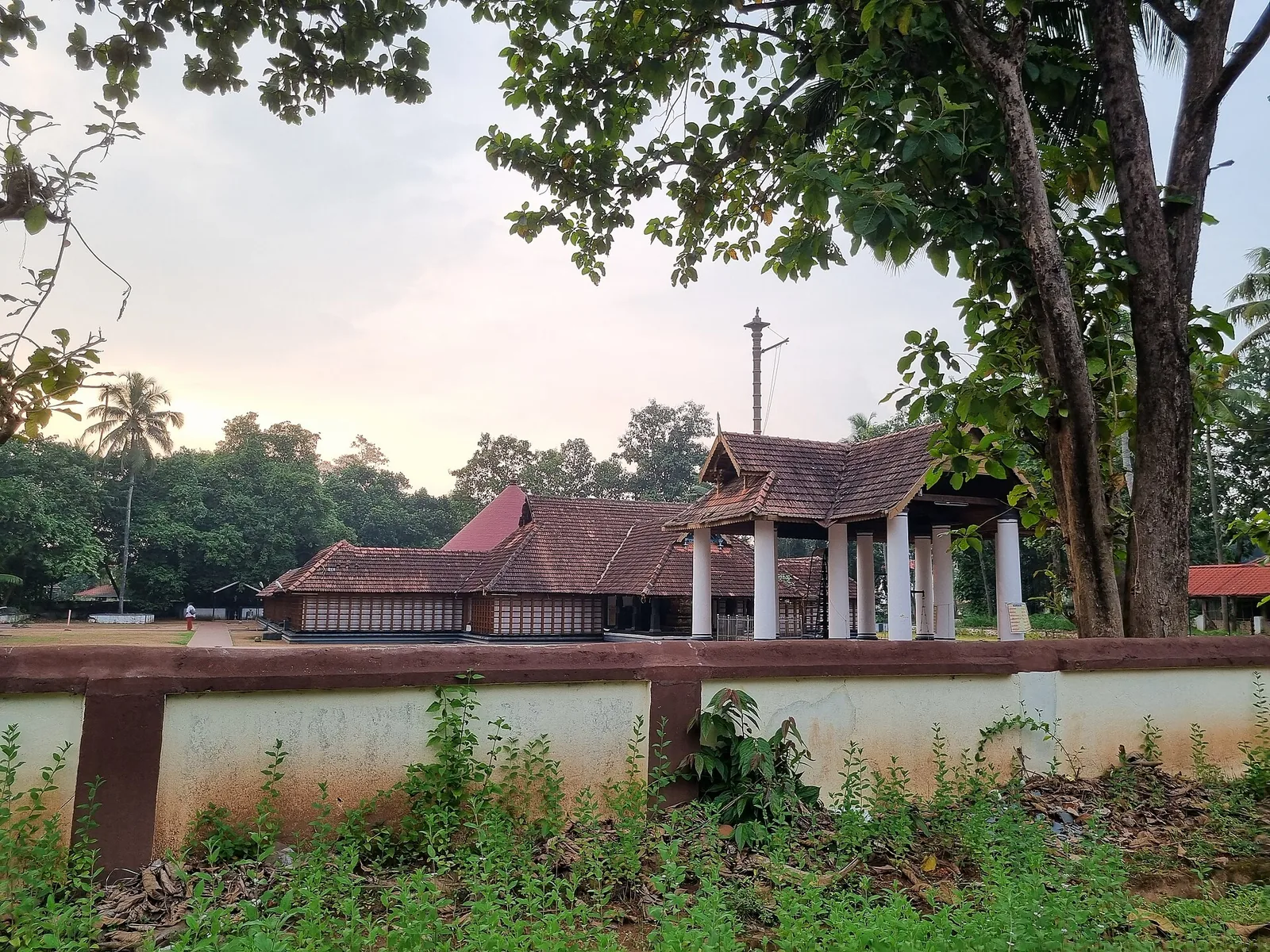
The only major temple to Vamana in Kerala, at Thrikkakara near Kakkanad — traditionally regarded as the origin place of the Onam festival.
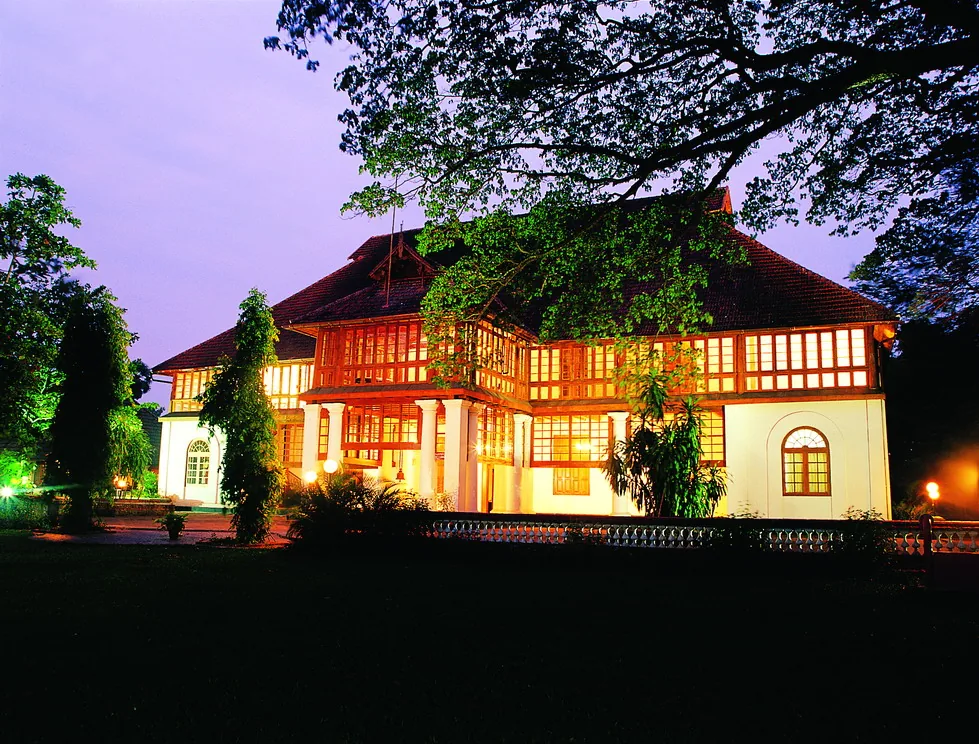
A 1744 Dutch palace on Bolgatty Island, one of the oldest existing Dutch palaces outside the Netherlands, set in island gardens (now a KTDC heritage hotel).
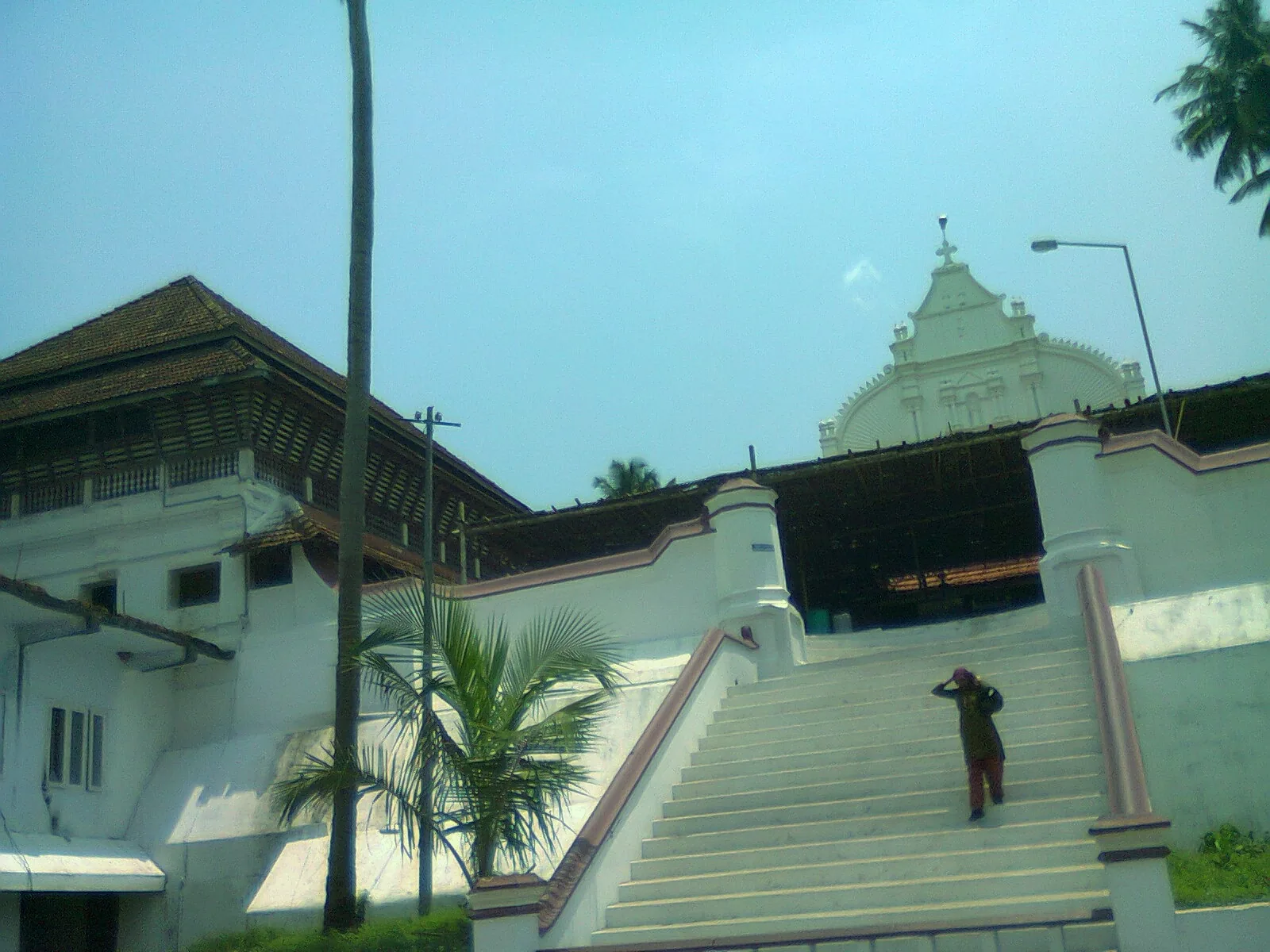
An ancient Orthodox church east of Kochi linked to the legend of the sorcerer-priest Kadamattathu Kathanar, drawing large crowds at its annual feast.
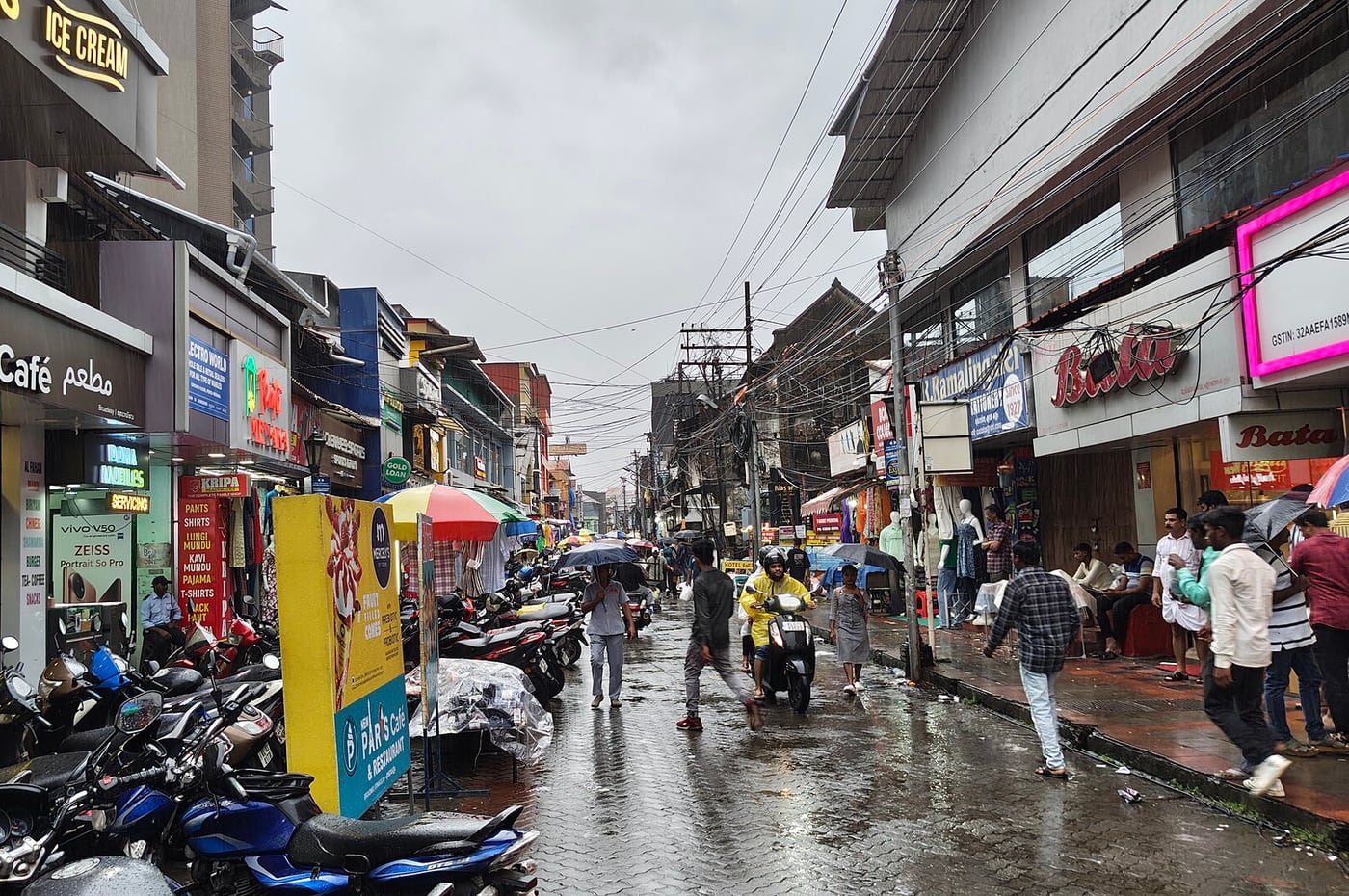
11.1 km · 18 min drive
Mainland Kochi’s old shopping street, a pedestrianised run of textile, provision, spice and gold shops between MG Road and the boat jetty — the city’s everyday market rather than a heritage set piece.
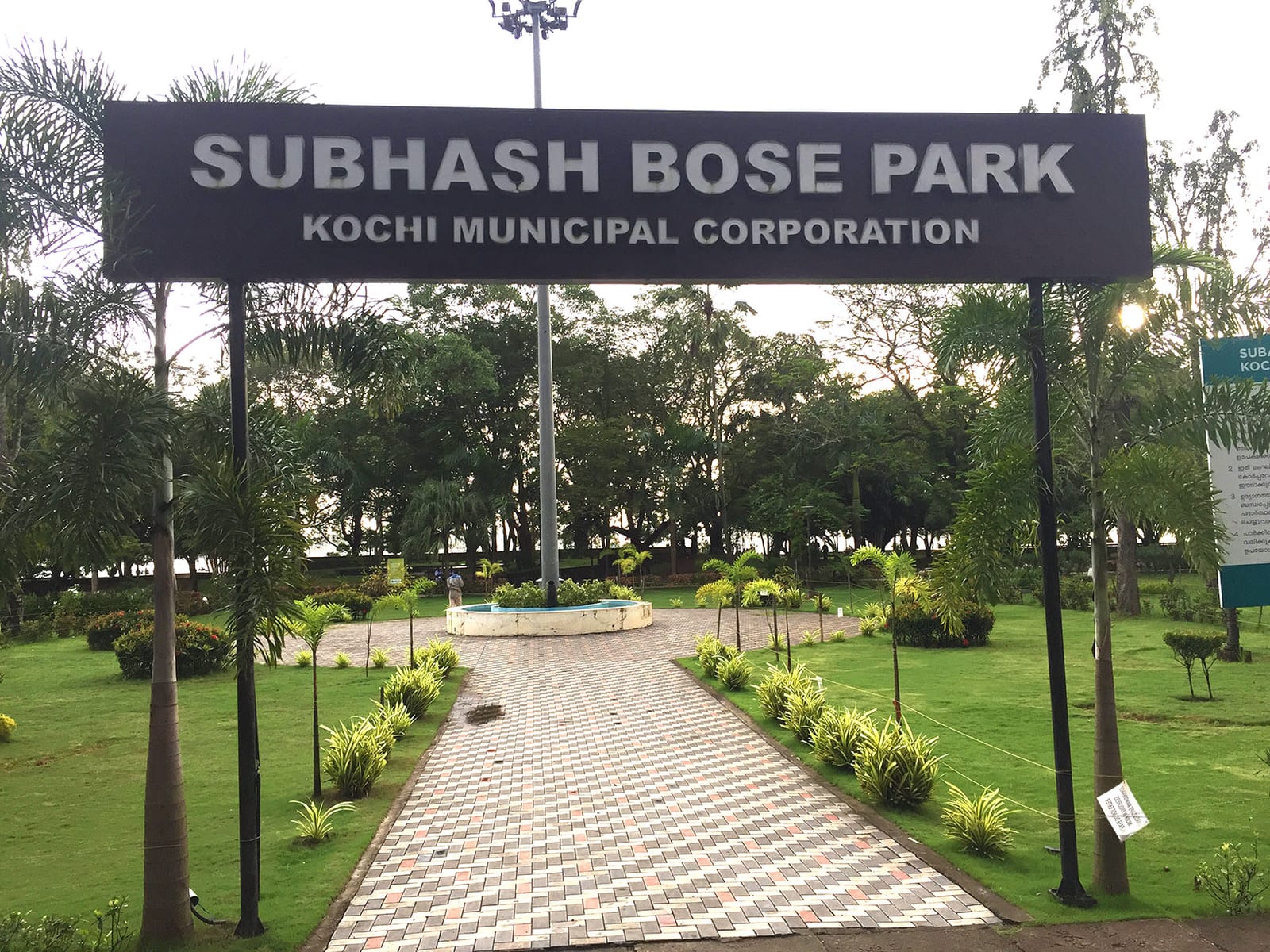
9.9 km · 16 min drive
The waterfront park beside Ernakulam Boat Jetty, at the southern end of the Marine Drive walkway — a short, shaded green break between the ferries, the market streets and the backwater.
Roampedia is commission-free — own or know a stay, eatery, guide or shop near Sree Poornathrayeesa Temple? Submit public business details for review.
Add a nearby businessEntry: Darshan is generally free; specific poojas, offerings (vazhipadu) and vahana or special sevas usually carry set charges, and some events may have separate arrangements.
Dress code: A traditional dress code usually applies, as at many Kerala temples — commonly a mundu or dhoti for men (often with the upper body bare in the inner areas) and a saree or set-mundu or other modest, non-Western attire for women. Norms vary, so check current requirements before you go.
Festivals: The headline event is the eight-day Vrischikotsavam in Vrischikam (roughly November–December), renowned for its many caparisoned elephants, panchavadyam and pandi melam, Vilakku illuminations and the concluding Arattu procession. Other observances and utsavams also fall through the year. All festival dates follow the Malayalam calendar and shift annually.
Photography: Photography is often restricted, particularly inside the sanctum and inner areas, and rules may tighten during festivals; look for signage and ask temple staff before taking pictures.
If you are travelling by bus or ferry, check the return service with the operator before setting out. Leave time to reach the stop or jetty after your visit.
Ask at the bus stand for the time of the last service back, not the next one. If you miss it, an auto or app cab is the fallback — agree the fare before you get in.
If you need step-free access, contact the site before travelling. Ask about a level entrance, steps along the route, the nearest drop-off point, seating and accessible toilets.
Charge cap and free-transaction limits: Reserve Bank of India, ATM FAQ updated 4 July 2025; checked 4 October 2026.
These services are listed within about 1.2 km of Sree Poornathrayeesa Temple. Walking distances follow mapped routes; access and opening hours can change. Other services may be closer but are not included here.
Published emergency and visitor-assistance contacts. For an immediate emergency, call 112. Shared Kerala contact sources checked 4 October 2026; publication does not establish a tested live response.
Large royal palace museum complex east of Kochi city.
3.1 km · 6 min driveA privately built museum at Thevara with thousands of Kerala folk and ritual artefacts across Malabar, Kochi and Travancore styles.
5.6 km · 8 min driveA major Bhagavathy (Devi) temple south-east of Kochi, famous for the dawn Nirmalya Darshanam and its Makam Thozhal festival.
7.4 km · 11 min drive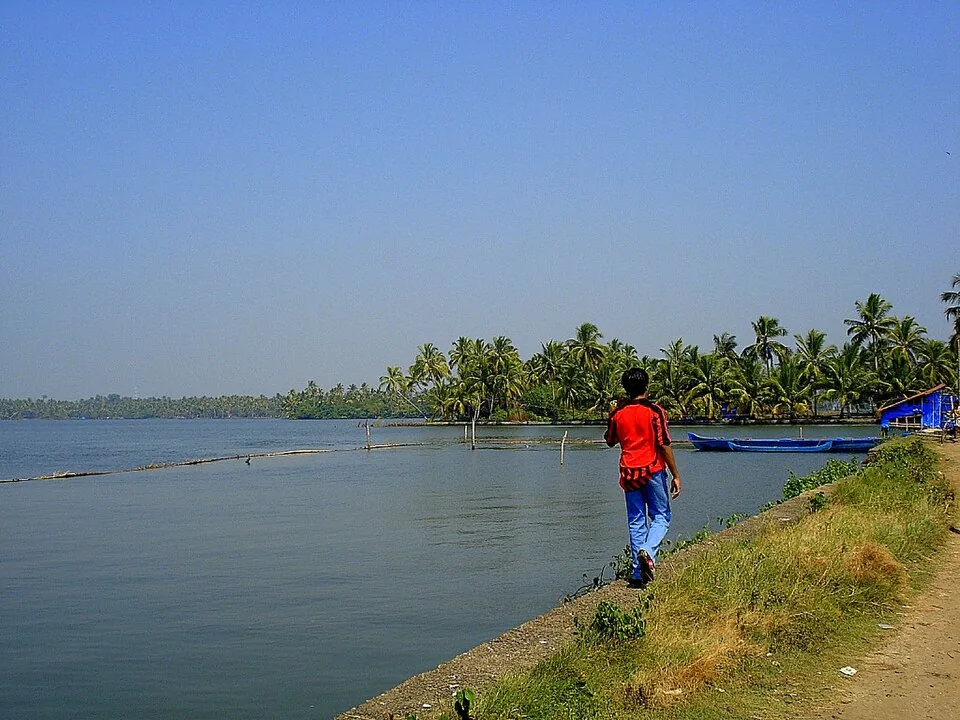
The North Kumbalangi homestay belt, where the draw is eating karimeen, clam and crab cooked in a family kitchen from that morning’s catch — the food is the reason to stay, not an amenity attached to the room.
8.7 km · straight line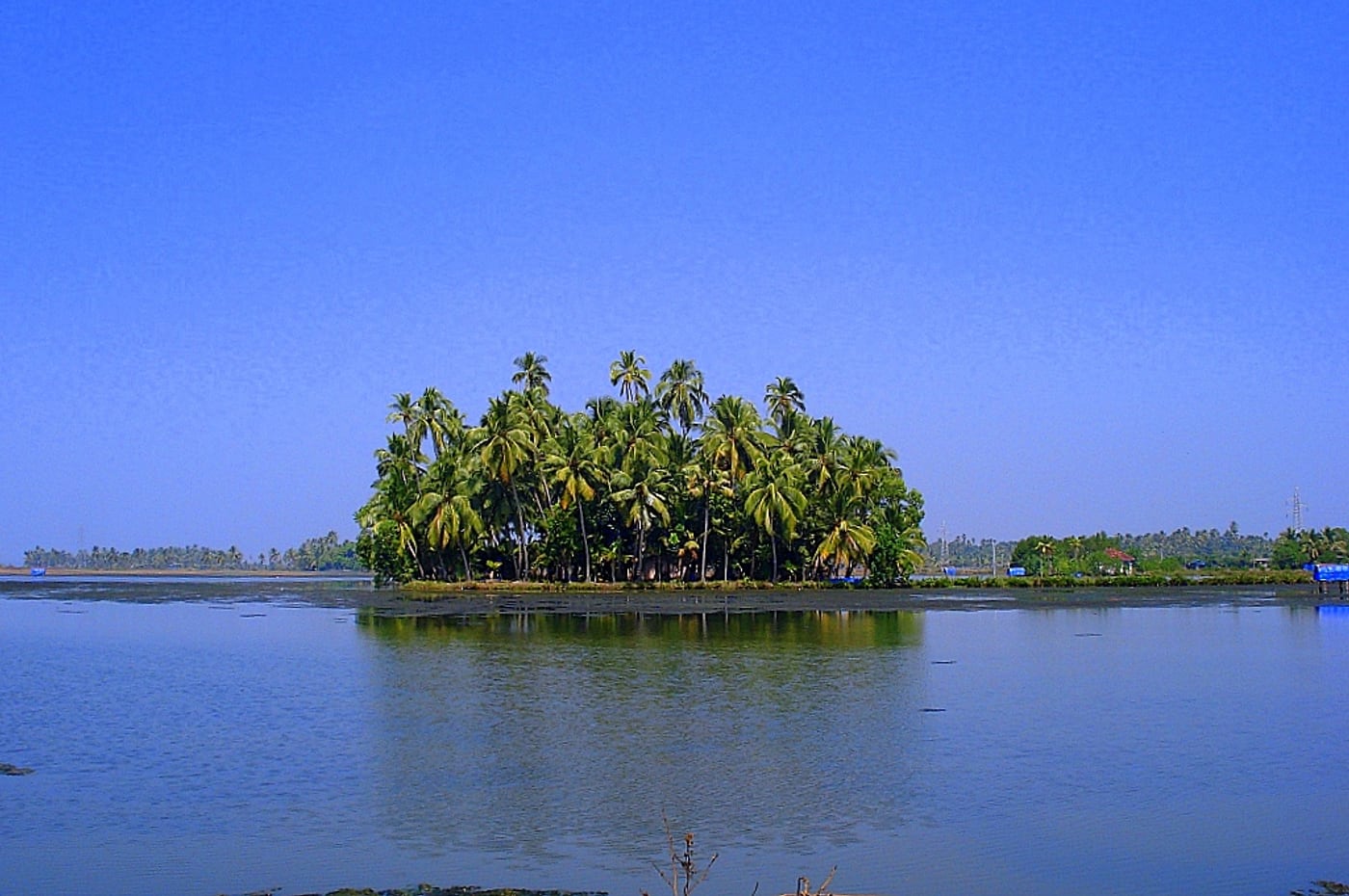
Guided walking routes through Kumbalangi’s lanes and working yards — coir twisting, toddy tapping, clam-shell collecting, prawn-filtration ponds and crab farms — run by the village’s own hosts rather than by an outside operator.
8.8 km · straight line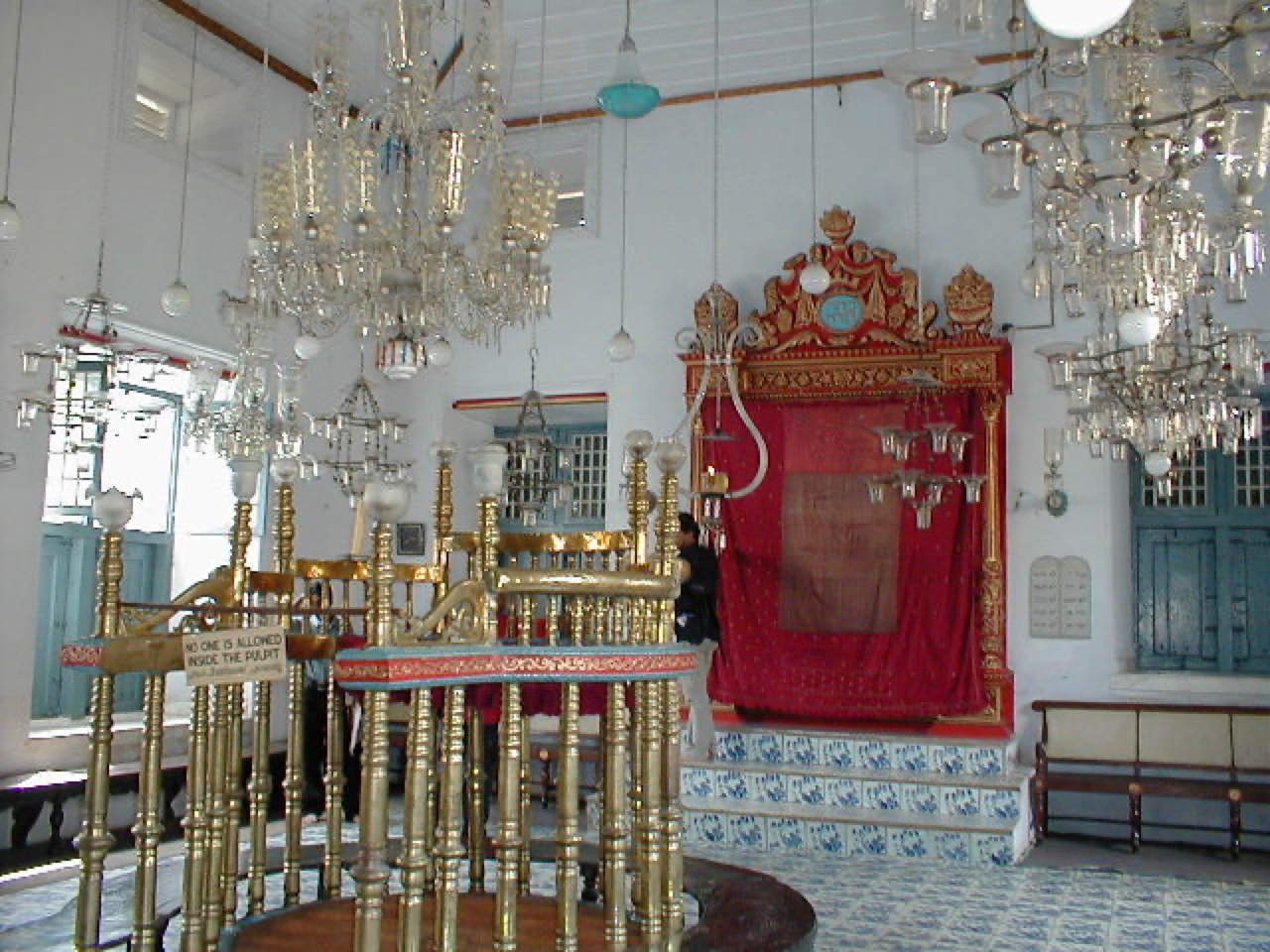
The oldest active synagogue in the Commonwealth (1568), in Jew Town, Mattancherry, with hand-painted Chinese floor tiles.
9.2 km · straight lineA heritage hall in Ernakulam run as a contemporary art gallery by the Kerala Lalithakala Akademi.
9.2 km · 15 min driveThe Ernakulam Shiva temple on Durbar Hall Road, the city’s principal temple and home to the eight-day Ernakulathappan festival.
9.4 km · 15 min driveThe waterfront park beside Ernakulam Boat Jetty, at the southern end of the Marine Drive walkway — a short, shaded green break between the ferries, the market streets and the backwater.
9.9 km · 16 min driveWaterfront promenade in mainland Kochi, good for evening walks and ferries.
10.8 km · 18 min driveMainland Kochi’s old shopping street, a pedestrianised run of textile, provision, spice and gold shops between MG Road and the boat jetty — the city’s everyday market rather than a heritage set piece.
11.1 km · 18 min driveA small mangrove “green lung” behind the High Court in Ernakulam, a nesting site for migratory and resident birds.
12.1 km · 20 min driveRoad and walking figures are route estimates, with travel times dependent on access, traffic and conditions. Figures marked “straight line” show direct separation and do not describe a road or walking route. Fare estimates use Kerala’s 26 April 2022 auto/taxi notification and exclude waiting, night and applicable one-way surcharges. Confirm the current meter or operator quote before travelling. Routing: © openrouteservice.org by HeiGIT | Map data © OpenStreetMap contributors
Nearby toilets, pharmacies, ATMs, seating and vets are community-mapped and may be incomplete or out of date. Map data © OpenStreetMap contributors | Walking times © openrouteservice.org by HeiGIT
The presiding deity is Vishnu worshipped as Poornathrayeesa, in a rare seated posture upon the serpent Ananta and revered as Santhana Gopala Murthy — the granter and protector of children. He was traditionally the state deity of the old Kingdom of Cochin and the family deity of the Kochi royal house.
Vrischikotsavam is the temple’s grand annual festival, held over about eight days in the Malayalam month of Vrischikam (roughly November–December — dates shift yearly, so confirm locally). It is famous for large numbers of caparisoned elephants, panchavadyam and pandi melam percussion, Vilakku illuminations and the concluding Arattu, and ranks among Kerala’s most celebrated temple festivals.
Because the deity is worshipped as Santhana Gopala, associated with the Santhanagopalam legend in which Krishna and Arjuna recover a Brahmin’s lost sons. For generations, childless couples have come to Poornathrayeesa to pray for offspring — a tradition, offered as belief rather than guarantee.
By popular account, a fire in 1920 destroyed almost the entire temple, including the original wooden sanctum, sparing only the ancient western gopuram. It was rebuilt in 1921, with the design generally attributed to the architect Eachara Warrier. The new sanctum is concrete faced with copper, wood and granite — so the traditional materials are the surface and the structure underneath is modern. The often-repeated claim that this was the first concrete temple in Kerala appears to be uncited even in the standard reference sources; it may be true, but we have not seen it demonstrated.
This is a good question with no available answer, which is itself worth knowing. Poornathrayeesa is universally described as the first or foremost of the Kochi kingdom's eight royal temples, and it was the state deity of the kingdom. But we cannot find the remaining seven named in any source, including the standard references that assert the ranking. The phrase has outlived the list it belonged to.
Yes, and this is the more revealing structure. Poornathrayeesa is held to be the elder brother of the goddess at the Eroor Pishari Kovil, and during the festival the deities of Perumthrikovil, a Shiva temple, and of Eroor come to Tripunithura for joint processions and shared ritual. The temples of the old kingdom were bound to one another by kinship and visiting obligations, not merely by rank — which tells you more about how a princely state's religious landscape actually worked than any ordering does.
More than forty over the course of the eight days, with something like fifteen present on a typical day. The fourth day is the one people travel for: the deity is carried in jewelled golden accoutrements on a tusker surrounded by fourteen more. Note that elephant participation in Kerala temple festivals now operates under court-supervised welfare and safety norms, and arrangements can change from year to year.
As with many traditional Kerala temples, entry to the inner shrine areas may be restricted to Hindus, and a traditional dress code usually applies. Customs can change, so it is best to check the current rules at the temple or with local sources before visiting.
The temple is at Tripunithura, roughly 10 km south-east of Ernakulam/Kochi city. It is well connected by road and served by Tripunithura and Ernakulam railway stations, with Kochi (Nedumbassery) international airport the nearest airport.
Morning or early evening is usually best; festival days can be powerful but crowded.
Entry: Darshan is generally free; specific poojas, offerings (vazhipadu) and vahana or special sevas usually carry set charges, and some events may have separate arrangements. Timings: Kerala temples of this kind typically open for early-morning darshan and again in the evening, with a midday closure — commonly something like the early hours until late morning, then reopening in the evening until around night pooja.
Base yourself in Kochi City or a nearby town in Ernakulam, then confirm the last-mile route locally before leaving. Check temple entry customs, dress rules and festival crowd conditions before arrival. If the visit depends on forest, temple, boat, ferry, weather or seasonal access, check the official/local rule on the day before travel.
45 minutes to 2 hours, longer during festival or queue periods.
Nearby you can pair Hill Palace, Tripunithura (3.1 km, route estimate), Kerala Folklore Museum (5.6 km, route estimate), Chottanikkara Temple (7.4 km, route estimate), Seafood homestays (8.7 km, approximate straight-line separation).
Use official counters for offerings/tickets where applicable. Keep footwear and valuables secure in crowded areas.
Written about Sree Poornathrayeesa Temple itself — its history, its legends and the arguments about them.
These guides explore Kochi City and the surrounding area. Choose a visit that fits your interests, allowing separately for travel between stops.
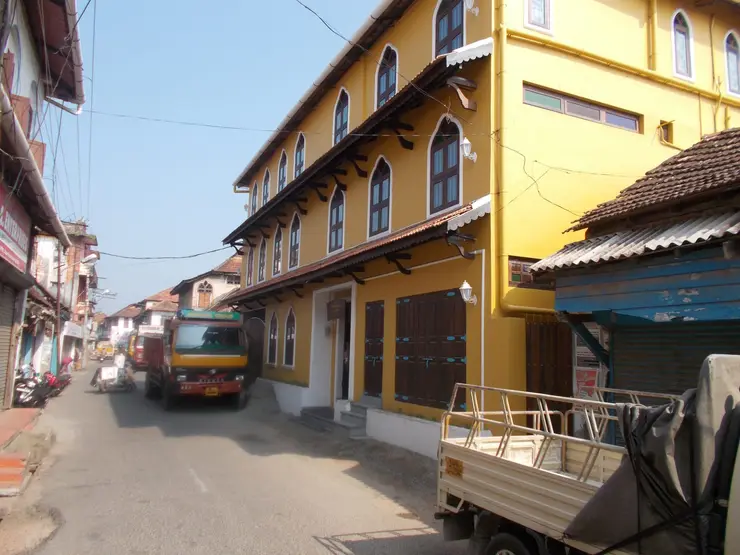
Route-level itineraries and practical guides for the rest of Kerala.
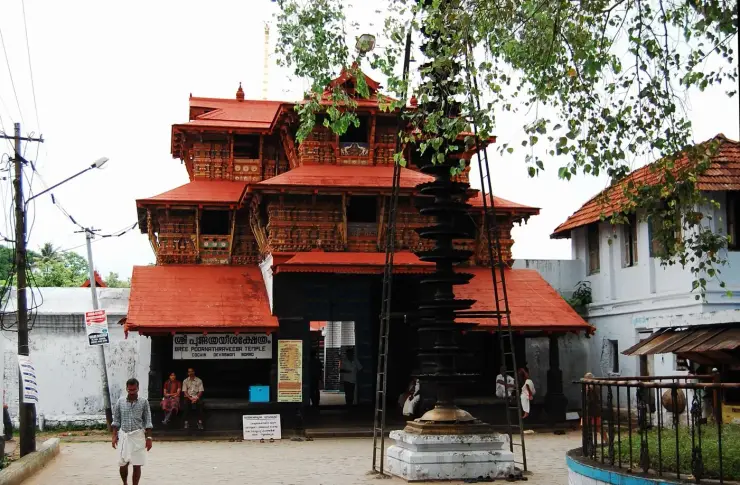
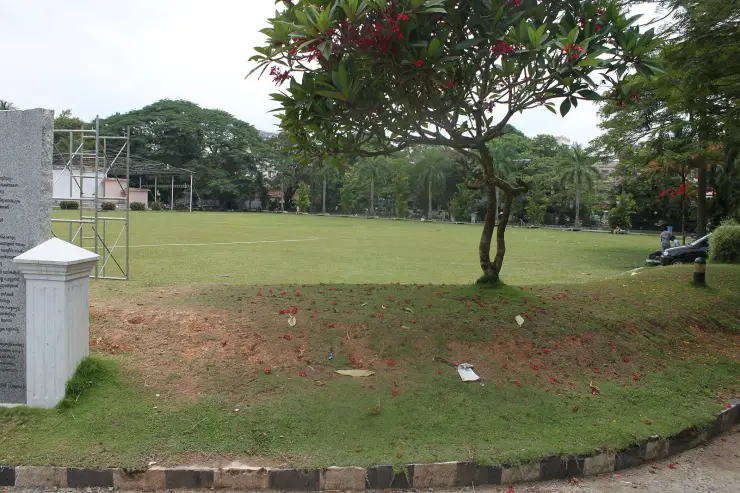
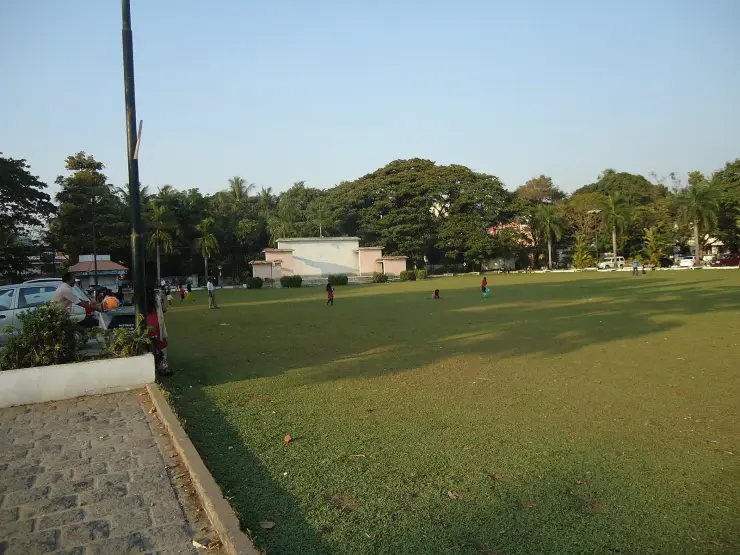
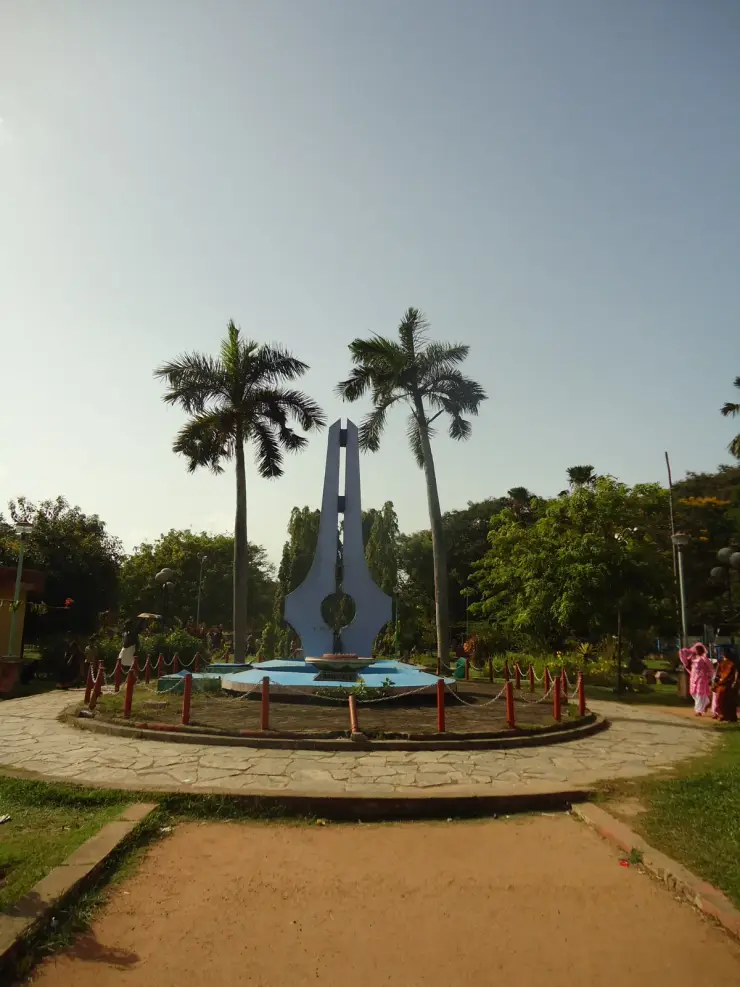
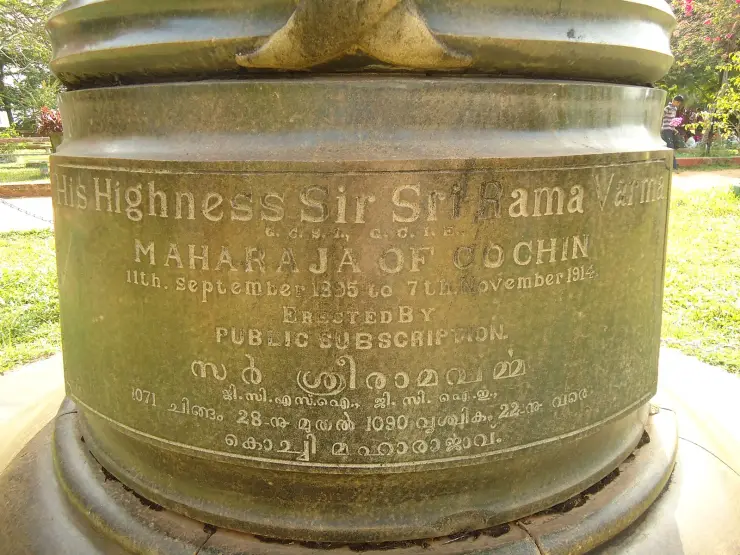
Photographs: Challiyan at ml.wikipedia. (CC BY-SA 2.5), Ashok.tcr (CC BY-SA 4.0), Nocturnal08 (CC BY-SA 4.0), Augustus Binu (CC BY-SA 3.0). Wikimedia Commons.