What to expect
Highlights
- Temple visit at Ernakulathappan Temple
- Kerala temple architecture and rituals
- Local food, shops and pilgrim services nearby
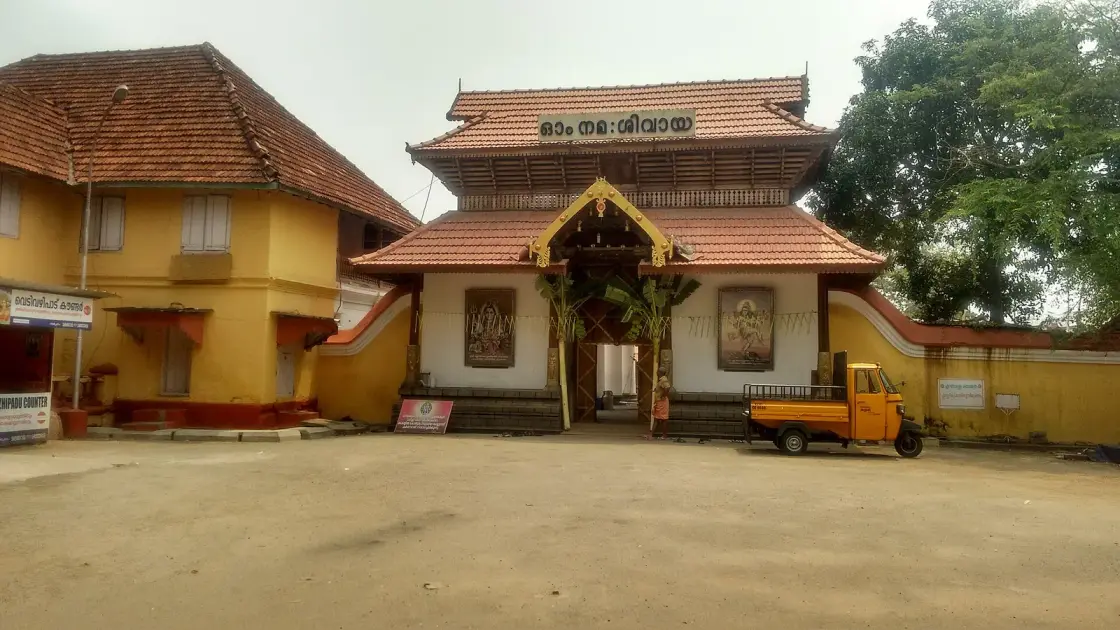
The Ernakulam Shiva temple on Durbar Hall Road, the city’s principal temple and home to the eight-day Ernakulathappan festival.
Check entry arrangements. Ask temple staff about visitor entry, dress requirements and access to the inner shrine before you travel, especially if you are visiting as a non-Hindu.
Dress respectfully and follow the institution’s admission and photography rules.
In the very heart of Kochi’s mainland, where Shanmugham Road meets the shimmer of the backwaters, stands the Ernakulathappan Temple — the presiding Shiva shrine of Ernakulam and, by tradition, the very reason the city bears its name. Its west-facing sanctum looks out across the water, and once a year the whole city seems to gather at its gates for the thunder of the Ernakulathappan Utsavam.
The Ernakulathappan Temple is the principal temple of Ernakulam city, the mainland half of Kochi, and it is dedicated to Shiva worshipped here as Ernakulathappan — literally the Lord of Ernakulam. For generations of Kochiites the deity is not a distant god but the guardian and patron of the town itself, the presence around whom the modern city grew. To be from Ernakulam is, in a quiet cultural sense, to be a child of Ernakulathappan.
The temple occupies one of the most central and recognisable spots in the city, on the eastern shore of the backwaters close to the Durbar Hall Ground, Shanmugham Road and Marine Drive. The sanctum is unusual in that the deity faces west, gazing out over the water towards the Arabian Sea — a west-facing Shiva of a kind considered especially auspicious in Kerala temple tradition. Around the shrine lies a large temple pond, a survivor of the older, watery landscape from which the city rose.
Locally the deity is understood in the benevolent Gaurishankara form — Shiva together with Parvati — and worship here follows the classic Kerala pattern of oil lamps, floral offerings and the rhythms of the daily poojas. Despite sitting amid traffic, shopping streets and government offices, the compound holds on to an unhurried temple calm, and devotees drift in through the day between errands for a quick darshan of Ernakulathappan.
The temple is one of the historic royal temples associated with the erstwhile Kingdom of Cochin, and today it is managed by the Cochin Devaswom Board, the state body that administers many of the region’s major Hindu temples. Its fortunes have long been braided together with the story of the city itself — as Ernakulam grew from a temple town on the water into the commercial and cultural capital of central Kerala, the shrine at its centre grew with it.
What lifts the temple from a beloved neighbourhood shrine to a genuine landmark is its festival. The eight-day Ernakulathappan Utsavam, held in the Malayalam month of Makaram (roughly January to February), is among the biggest temple festivals in the city — a spectacle of caparisoned elephants, panchavadya and melam, temple percussion, fireworks and huge crowds, culminating in the arattu procession that carries the deity down to the backwaters for a ceremonial bath.
For the visitor, Ernakulathappan Temple offers something rare: a living, working Shiva temple that is genuinely woven into the fabric of a busy Indian city rather than set apart from it. You can pair a few minutes of darshan with a stroll along Marine Drive, a look at the Durbar Hall Ground and the surrounding heritage buildings, and a feel for how the old sacred core still anchors the everyday life of Ernakulam.
Tradition holds that the city’s very name is a memory of a legend told at this temple. In ancient days, it is said, the place was known as Rishinagakulam — the pond (kulam) of the serpent-sage (rishi-naga) — and it is from this, worn smooth over centuries of speech, that the name Ernakulam is believed to have descended, with the Lord himself once called Rishinagakulathappan.
The legend runs like this: a devotee — remembered in some tellings as Devala — was cursed and made to carry the body of a serpent. Crawling in his suffering through the forest that then covered this shore, he is said to have found a Shiva lingam sunk and hidden in the mud, and there, half-snake, he settled into a deep penance for release from the curse. Villagers who glimpsed the strange serpent-bodied ascetic are said to have called him Rishi Nagam, the saint-serpent.
Moved by his devotion, Shiva and Parvati are believed to have appeared before him in their true form and bid him bathe in the pond beside the lingam. As legend has it, the moment he immersed himself in the water he was freed of the curse and restored — and the spot, sanctified by that miracle, became Rishinagakulam, the pond of the serpent-sage, from which both the temple and the city are said to take their name.
A second strand of tradition offers a gentler etymology, deriving Ernakulam from Erayanarkulam — where Erayanar is a name of Shiva and kulam a pond or tank — so that the word itself would mean the pond of the Lord, a nod to the sacred water beside the shrine. There is a detail in that one worth pausing on: Erayanar is a Tamil address for Shiva, used in Chennai rather than in Kerala, which would make the name of Kerala's commercial capital a Tamil import carried up the coast.
But there are four rival derivations in play, not two, and it is worth having all of them because the disagreement is the honest position. Alongside the serpent-sage and the Tamil Erayanar sit two flatly unromantic candidates. Komattil Achutha Menon derived the name from erangiyal, a kind of mud — which, on a shore that was swamp within living memory of the temple's rebuilding, is not a silly suggestion. And a fourth reading gives Eere Naal Kulam, the pond that always has water, describing the tank beside the shrine in the plainest possible terms. Note what happens across the four: two of them are miracles and two of them are descriptions of wet ground. Place-names, in our experience, are usually the second kind, and the sacred etymology is usually the one that arrives later to explain a name nobody could parse any more. We would not tell you the serpent-sage is wrong. We would tell you that a pond that never dries out is exactly the sort of thing a settlement gets named after.
One more thing the temple's own literature says and almost no visitor account repeats: the shrine has a Mahabharata layer underneath the Shaiva one. Within the compound stands a Kirathamoorthy shrine — Shiva in the form of the Kirata, the tribal hunter who fought Arjuna during his penance in the forest — and the lingam there is held to be the one Arjuna himself worshipped, older than the presiding deity in the main sanctum. So the temple's own tradition contains the claim that its most important image is not its oldest. That is an unusual thing for a temple to say about itself, and it is not on any of the signage we have seen. These are traditional accounts rather than documented history, and we tell them as such.
The temple’s recorded history is bound up with the Kingdom of Cochin, which held sway over this coast for centuries. Ernakulathappan is counted among the royal temples patronised by the Cochin royal house, and as the ruling family shifted the centre of its activity towards the Ernakulam side of the backwaters, the shrine at the heart of the town gained corresponding importance.
The temple as seen today owes much to a major reconstruction in the mid-nineteenth century, and the dates are firmer than most accounts suggest. The Cochin Diwan — chief minister — Sri Edakkunni Sankara Warrier found the temple dilapidated and began rebuilding it in 1842; the new complex was opened for worship in 1846, raised in traditional Kerala style with two gopura mandapams, the entrance-tower pavilions. It is to that same patronage that the shrine owes its formal elevation to the rank of a royal temple of the Kochi kingdom. So the building a visitor walks into is essentially a Victorian-era reconstruction of a much older foundation, which is worth knowing before reading great antiquity into the fabric itself.
Through this period the temple functioned as a royal temple of the Cochin state, its rituals, festival and upkeep supported by the crown. Its position beside the Durbar Hall — the seat of Cochin ceremonial life in the city — underlines how closely the shrine sat to the machinery of the old kingdom.
After Indian independence and the accession of Kochi to India in 1949, administration of the temple passed from royal hands to a public body. The Ernakulathappan Temple is managed by the Cochin Devaswom Board, the statutory board that today oversees the temple’s worship, its landmark annual festival and its finances.
The compound is not architecturally uniform, and that is a piece of Kochi's history rather than an accident. Alongside the Kerala-style main shrine and the subsidiary shrines to Ganesha, Parvati, Ayyappa and Nagaraja, the enclosure holds a Murugan temple built in the Tamil manner and a Hanuman temple in the Kannada manner, with a banyan reckoned at around two hundred years old standing near the latter. A port city drew in traders and workers from the Tamil and Kannada country, they wanted their own gods in their own idiom, and the presiding temple of the town made room for them inside its own walls. Very few visitors notice, because nothing labels it.
Across all this change the temple has remained the ritual anchor of the city, even as Ernakulam transformed around it into the bustling commercial capital of central Kerala. Marine Drive was reclaimed from the backwaters, high-rises and shops crowded the old lanes, yet the west-facing Shiva by the water endured as the town’s presiding presence — the constant at the centre of a city that never stopped growing.
It is the presiding temple of Ernakulam — the shrine that, by tradition, gives the whole city its name and identity, making it the single most meaningful stop for anyone wanting to understand the soul of mainland Kochi.
The atmosphere of a genuinely urban temple: a serene, working Shiva shrine with an unusual west-facing sanctum and a large old pond, tucked right into the heart of a busy modern city rather than hidden away in the countryside.
The Ernakulathappan Utsavam — if your visit falls in Makaram (January to February), you can witness one of the biggest temple festivals in the city, with caparisoned elephants, panchavadya, melam, fireworks and the arattu procession to the backwaters.
Its unbeatable central location: the temple sits beside the Durbar Hall Ground and within an easy walk of Marine Drive, the backwater boat jetties, Shanmugham Road and the city’s shopping and dining heart, so it slots naturally into a day of exploring Ernakulam.
The layered legend of the serpent-sage and the pond of Rishinagakulam — a story that ties the temple to the origin of the city’s very name and rewards visitors who like their sightseeing steeped in myth and meaning.
A quiet moment of devotion and calm in the middle of the city — a place to light a lamp, walk the pradakshina and feel the older, sacred rhythm still beating beneath the traffic and commerce of modern Kochi.
Road km to Ernakulam; ghat roads and traffic vary — allow extra.
Morning or early evening is usually best; festival days can be powerful but crowded.
Live forecast loads in your browser.
Sun and moon are calculated for this location and shown in IST. Photography windows are the hour around sunrise and sunset; the sunset bearing is degrees clockwise from true north. Moon phase is accurate to about half a day.
These are official or public-sector eco offerings that match this place, town or forest destination. Confirm availability, permits, tariffs and reporting times with the official operator before travel.
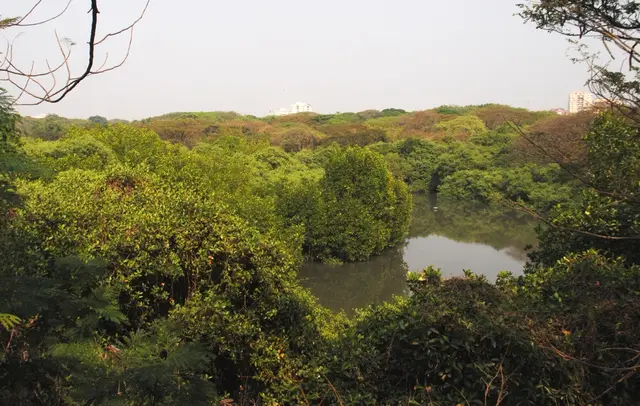
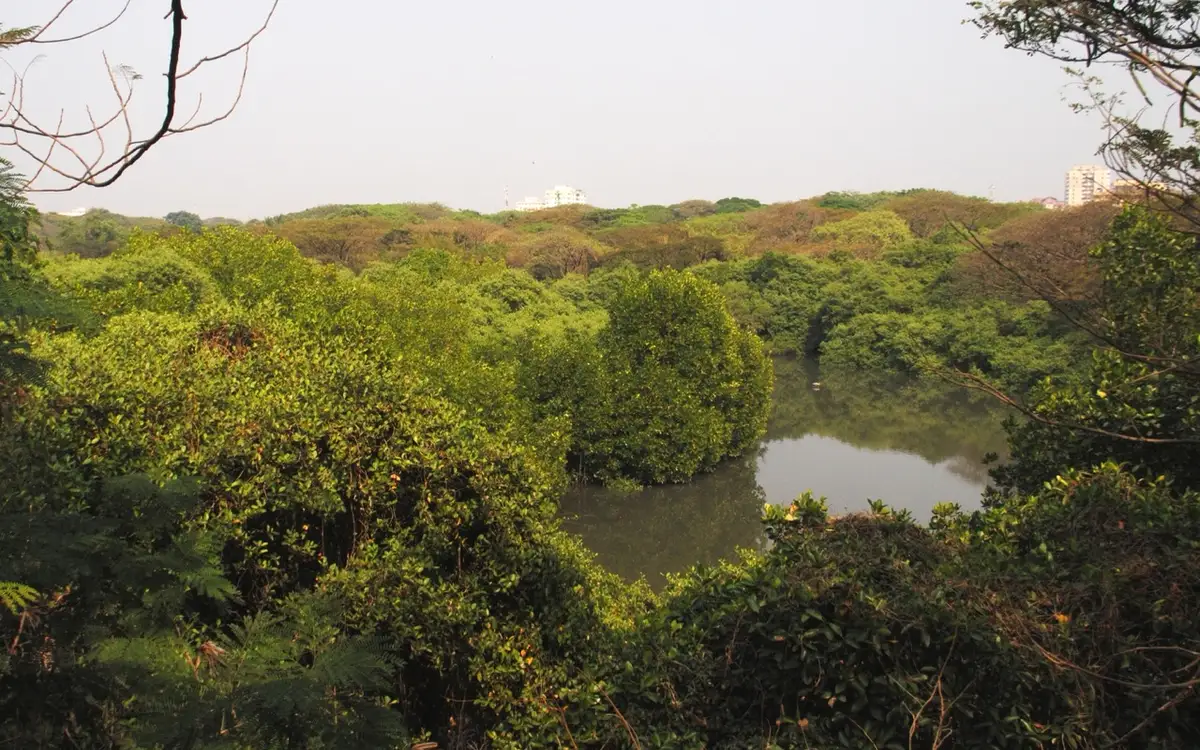
Urban bird sanctuary and mangrove pocket in central Kochi, useful as a short nature stop.
Official source →Browse listed stays, food, activities, sights, shops and rentals around Ernakulathappan Temple. Check each listing’s locality and contact the business directly for current arrangements.
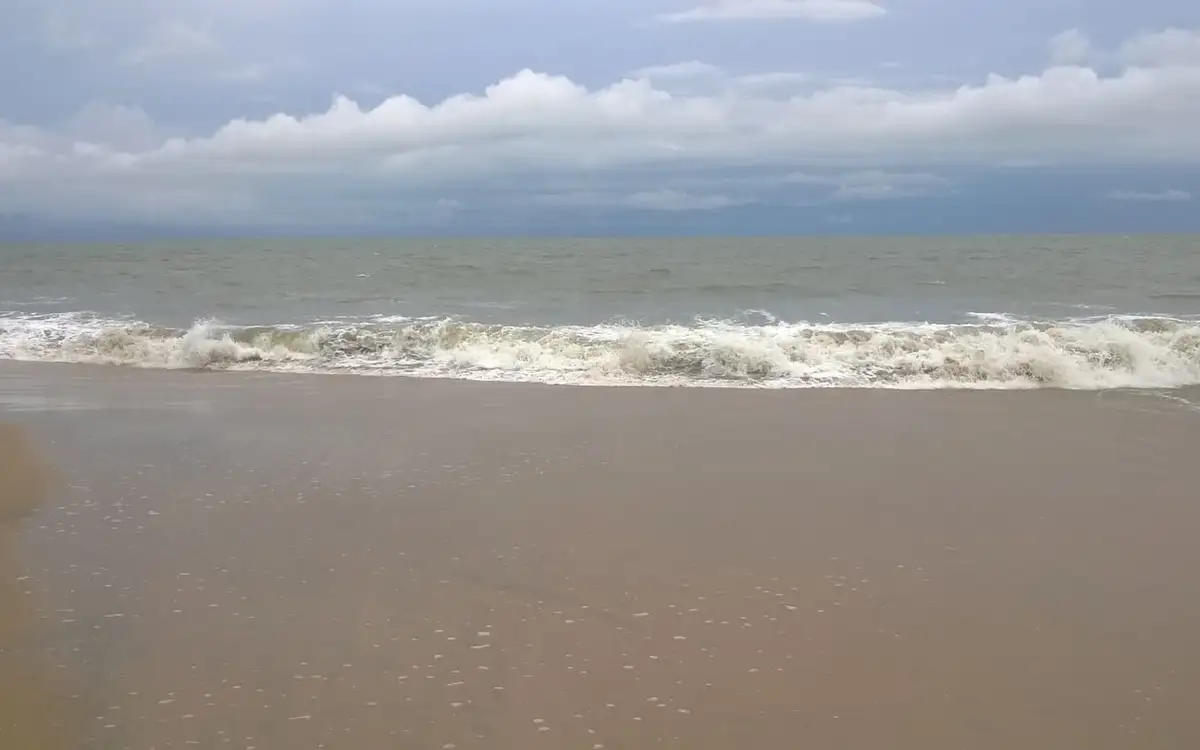
Popular beach on the northern side of Vypin Island, Greater Kochi. Beach, vypin, greater kochi.
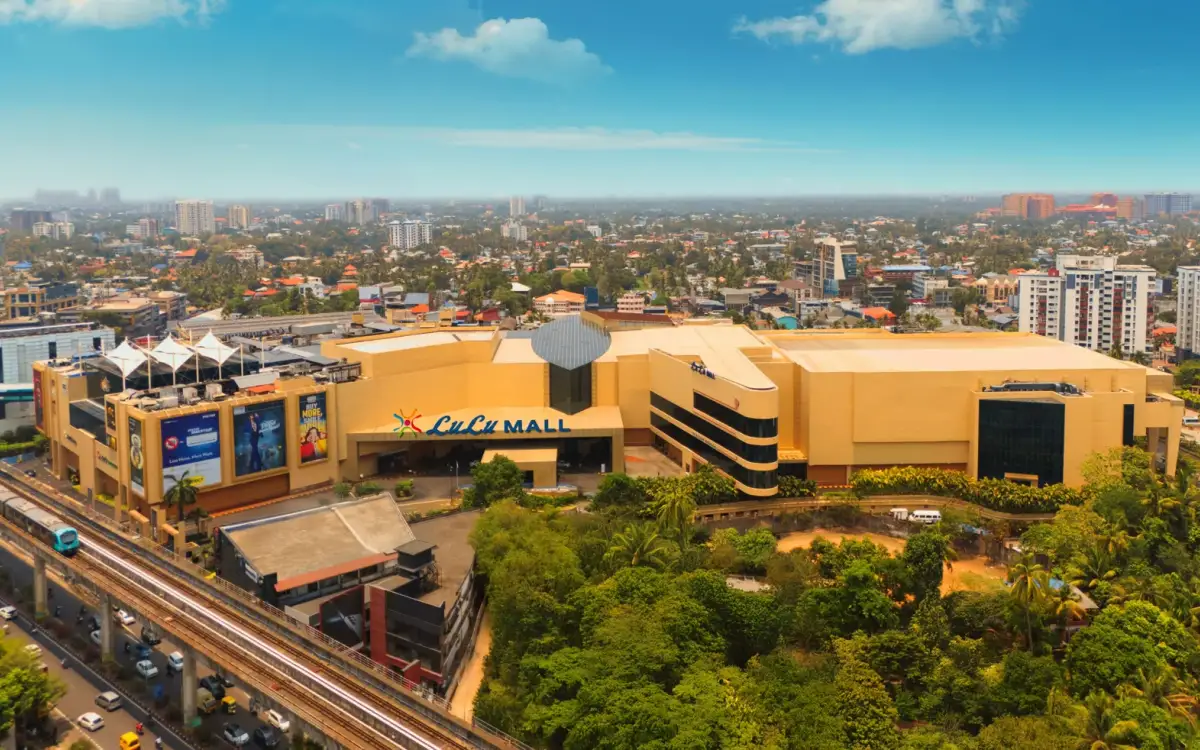
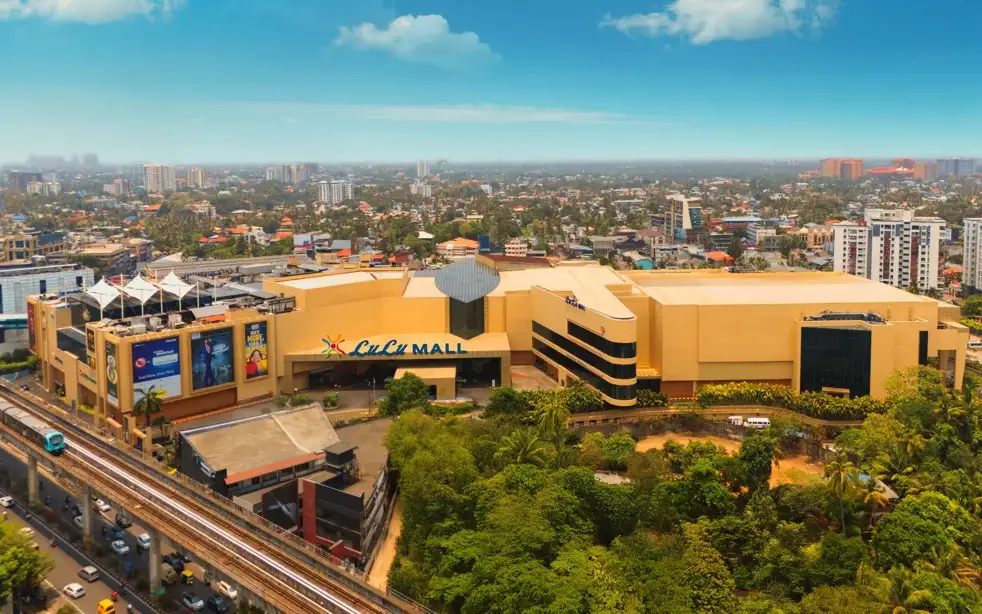
Mall on Old NH 47, Edappally Junction, Nethaji Nagar, Edappally in Ernakulam. WiFi, Wheelchair access.
Art gallery in Kochi City Centre, Ernakulam, Kerala, India.
Attraction in Kochi City Centre, Ernakulam, Kerala, India.
Palace in Kochi City Centre, Ernakulam, Kerala, India.
Private museum of Kerala folk art and heritage at Thevara, Greater Kochi. Museum, folk art, thevara.
City-centre church record; exact identity and visitor location need confirmation.
Vembanad is a backwater lake across several Kerala districts. Choose the actual boarding point and an agreed boat route when planning an outing; a lake map pin does not identify a departure jetty.
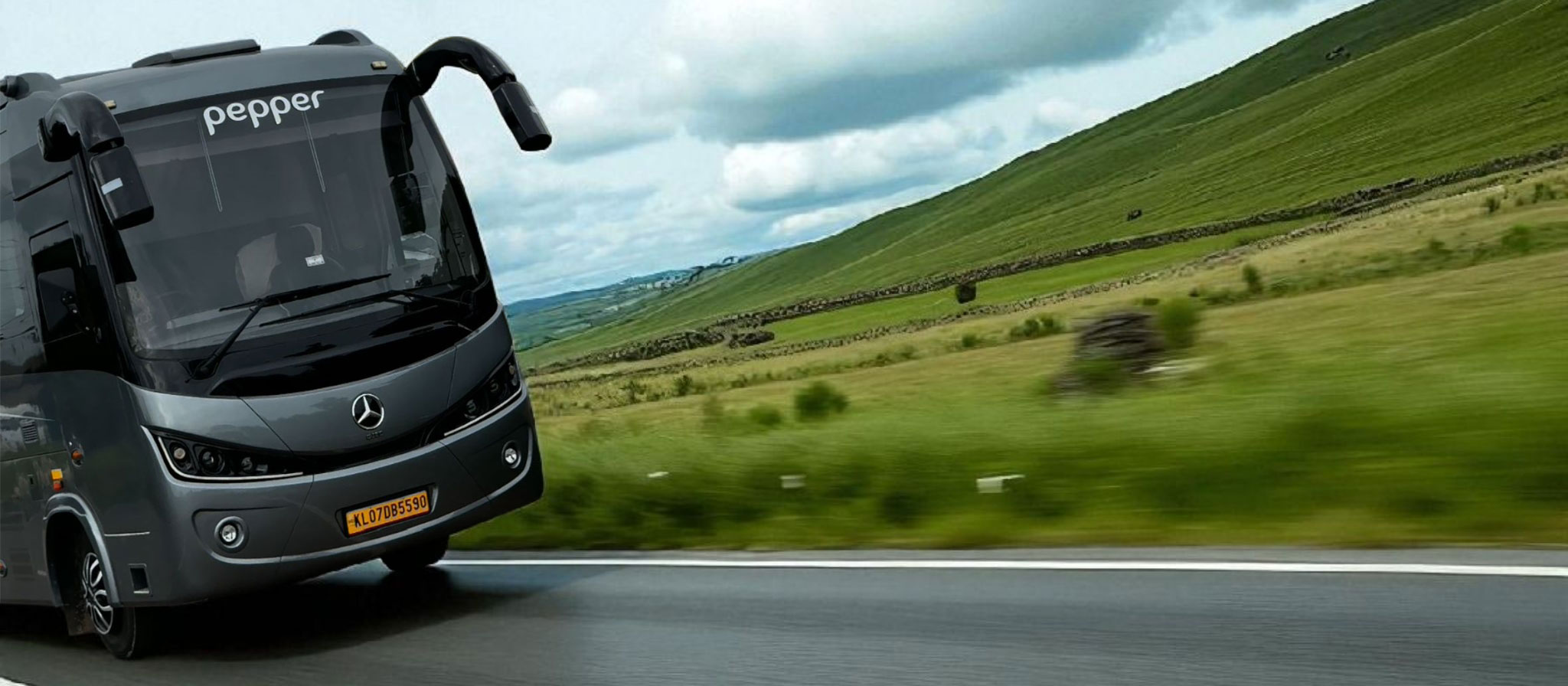
Pepper Kerala Holidays is a Kochi-based tourist transport operator running its own fleet of cars, tempo travellers and coaches for Kerala tour packages and airport transfers. Its office is at Kadavanthra with a garage near Cochin airport, booking direct without commission.
BCabs is an independent Kochi taxi operator running its own fleet of cars, SUVs and vans for airport transfers and outstation trips across Kerala. Registered as BTransport Solutions with a Palarivattom office, it offers 24/7 pickups with direct booking rather than middleman commission.
LuLu Mall Kochi’s published overview describes a multi-cuisine food court alongside separate restaurants and cafés. Treat the food court as a choice of outlets inside the Edappally mall, rather than a single restaurant with one shared menu or reservation desk.
Kerala Tourism-listed heritage museum campus at Thripunithura near Ernakulam. Museum entry fee; confirm current rates direct · Thripunithura, Museum, Heritage.
Edappally mall with official helpdesk contact and visitor services. Free entry; pay per shop, cinema or activity · Edappally, Shopping, Family stop.
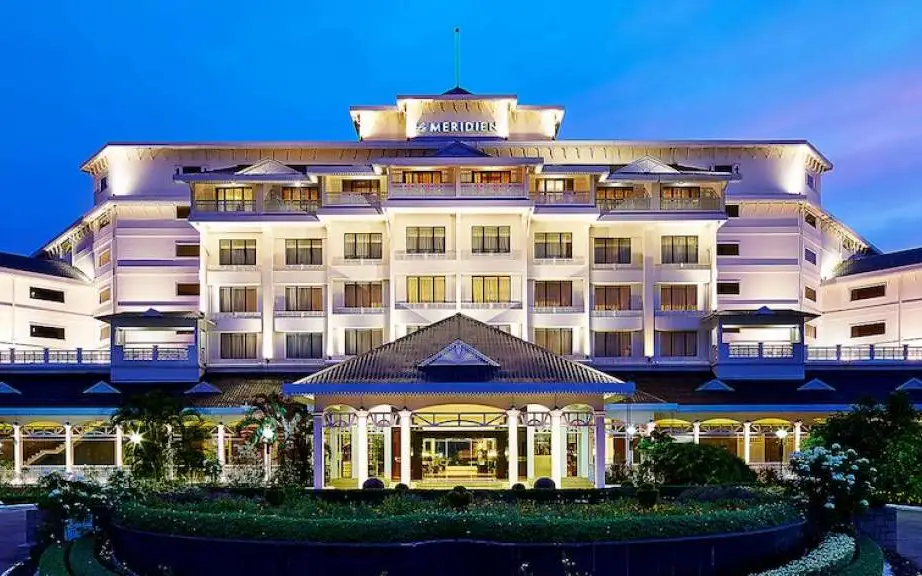
Marriott hotel in Maradu with rooms, restaurants, spa and event facilities. 5-star luxury hotel · Maradu, Ernakulam city, Marriott.
Grand Hyatt Kochi Bolgatty is a waterfront hotel on Bolgatty Island, separate from KTDC’s Bolgatty Palace. Hyatt distinguishes king and twin rooms, Backwater View choices, Club Access categories and named suites and villas. Choose the bed, view and access category before comparing a quote.
Archaeological museum and former royal palace at Tripunithura, Greater Kochi. Museum, heritage, tripunithura.
Hotel in Kochi City Centre, Ernakulam, Kerala, India. AC, Wheelchair access.
Church in Kochi City Centre, Ernakulam, Kerala, India.
Church in Kochi City Centre, Ernakulam, Kerala, India.
See in Kochi City Centre, Ernakulam, Kerala, India. Wheelchair access.
Synagogue in Kochi City Centre, Ernakulam, Kerala, India.
Church in Kochi City Centre, Ernakulam, Kerala, India.
Church in Kochi City Centre, Ernakulam, Kerala, India. Wheelchair access.
Mosque in Kochi City Centre, Ernakulam, Kerala, India.
Book with the place itself. India’s cyber-crime coordination centre warned in April 2025 that convincing copies of hotel and pilgrimage booking sites are being pushed through sponsored search and social ads, taking payment for rooms the property never hears about. Use the contact and source details on each profile to confirm the exact business and booking channel. A directory entry or map pin alone does not establish an operator’s identity or current availability. Roampedia takes no commission and does not collect booking payments. If a booking page reached you through an ad, check the address bar against the property’s own site before you pay. Fraud can be reported on cybercrime.gov.in or on 1930.
Find food, accommodation and activities across Kochi City. Browse the guides for places to eat, stay and explore along your route.
Walking routes start at Ernakulathappan Temple. Check the route and access before setting out, especially where a road, gate or waterway separates the stops.
12 more places around Kochi City. Open a guide to plan the visit and onward journey.
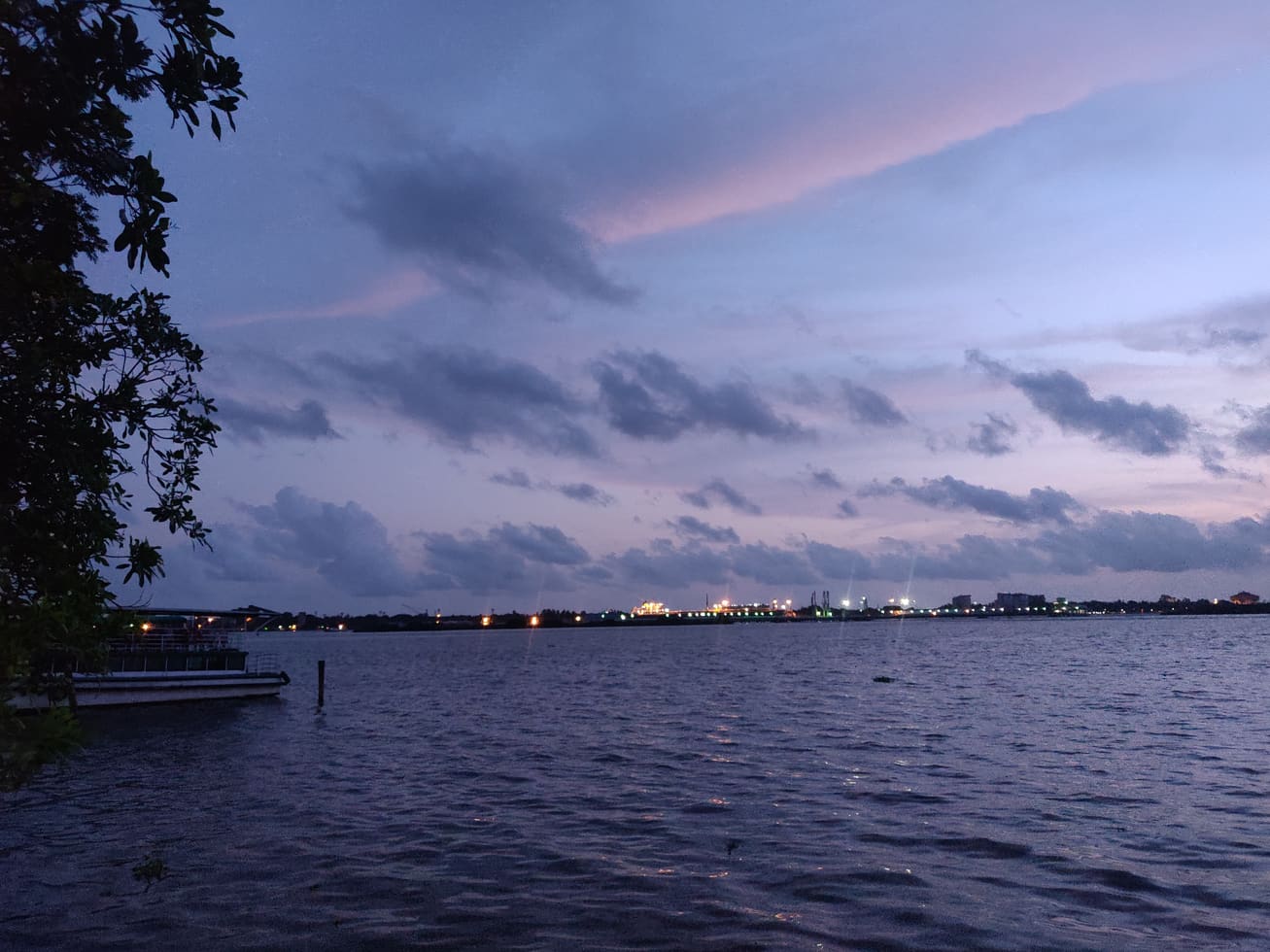
1.4 km · 17 min walk
Waterfront promenade in mainland Kochi, good for evening walks and ferries.
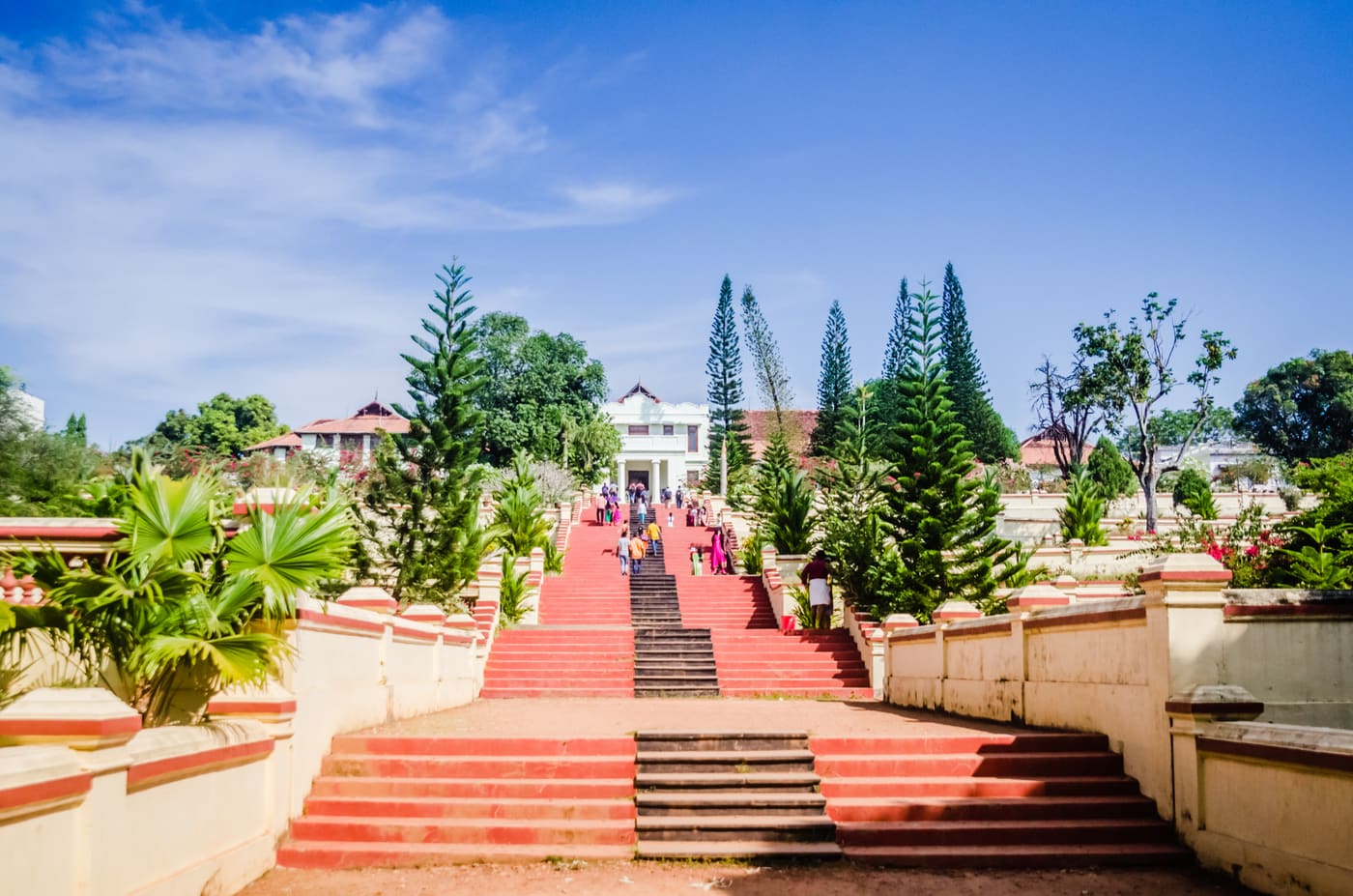
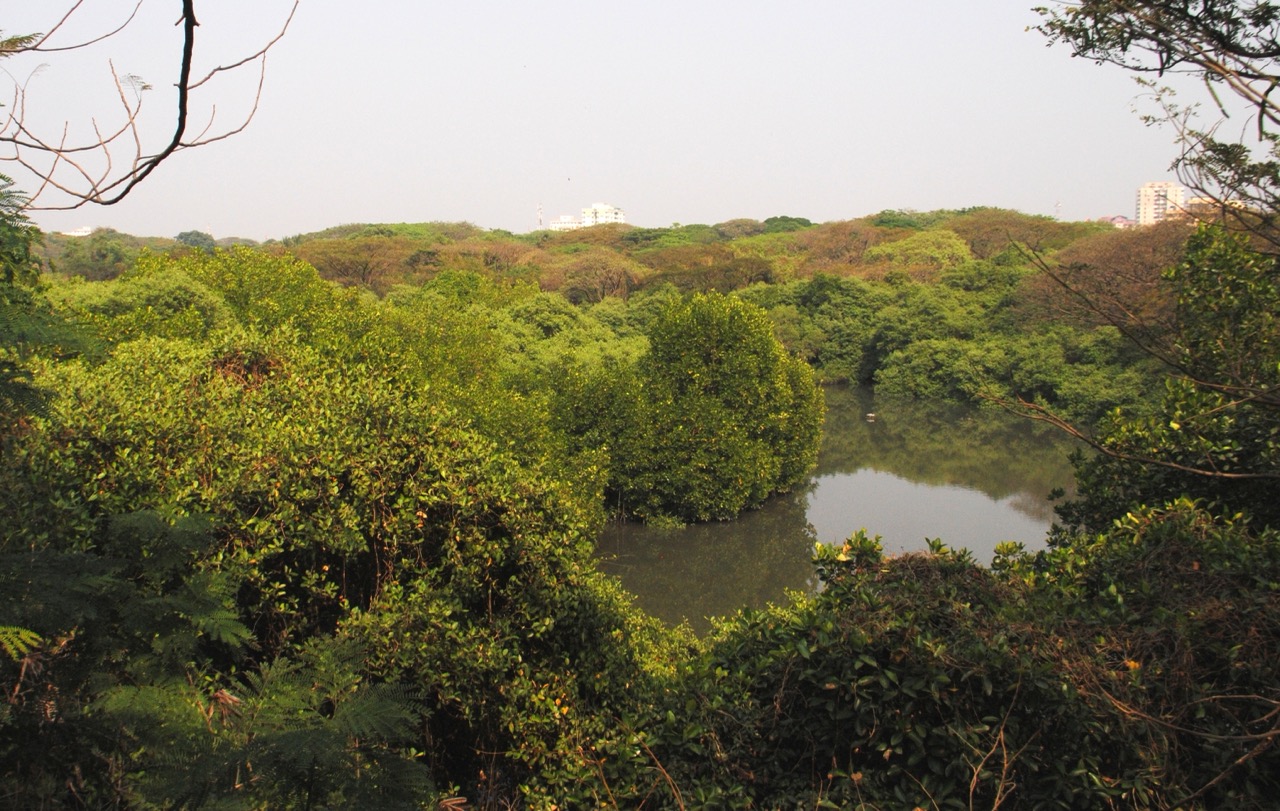
3.1 km · 6 min drive
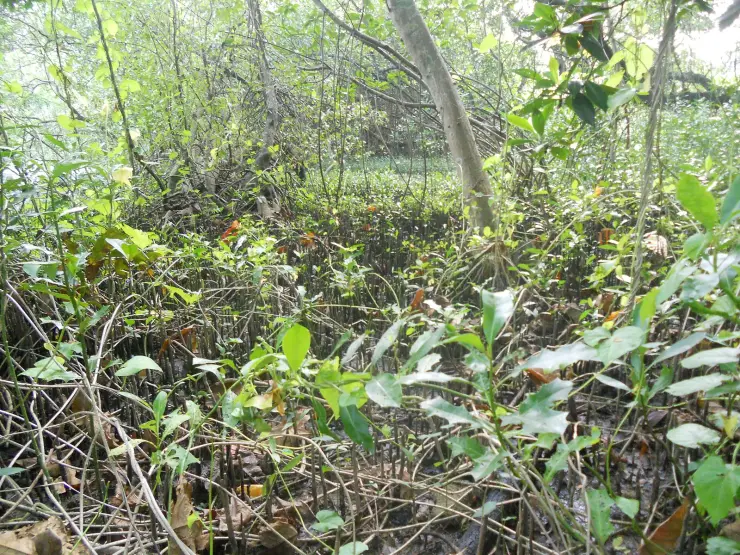
A small mangrove “green lung” behind the High Court in Ernakulam, a nesting site for migratory and resident birds.
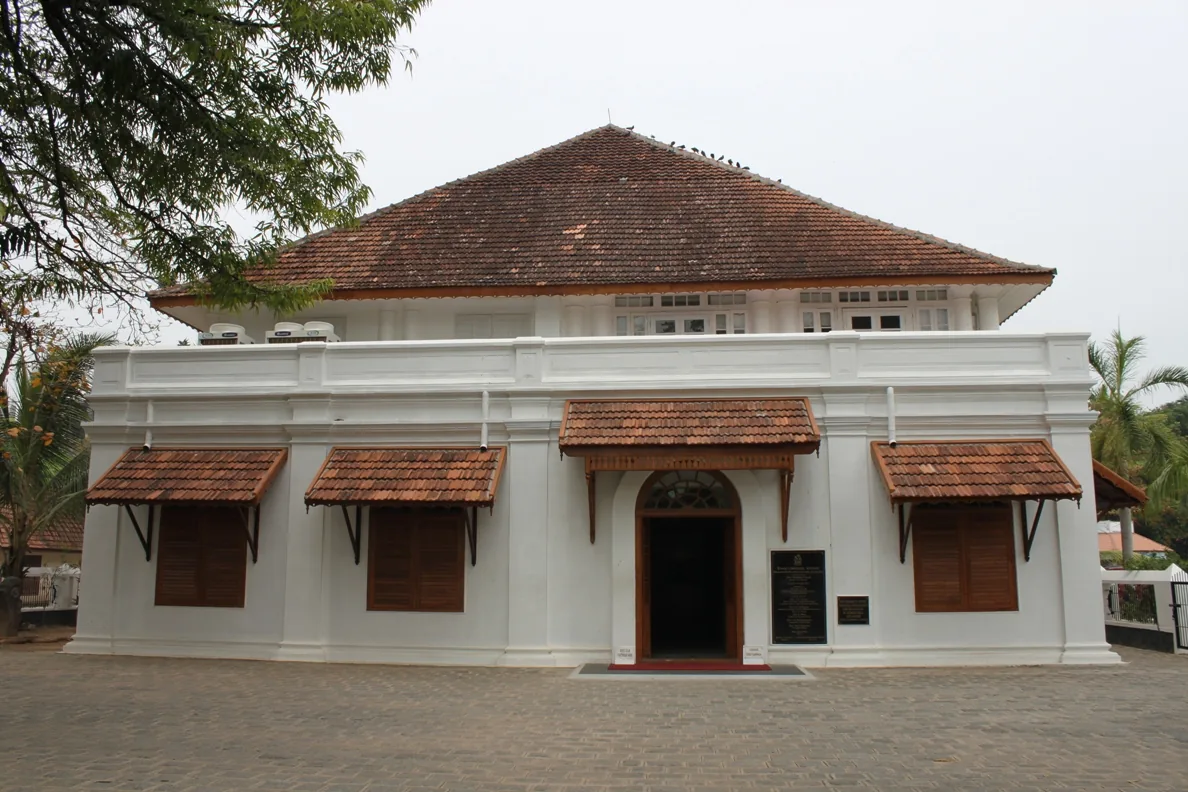
500 m · 6 min walk
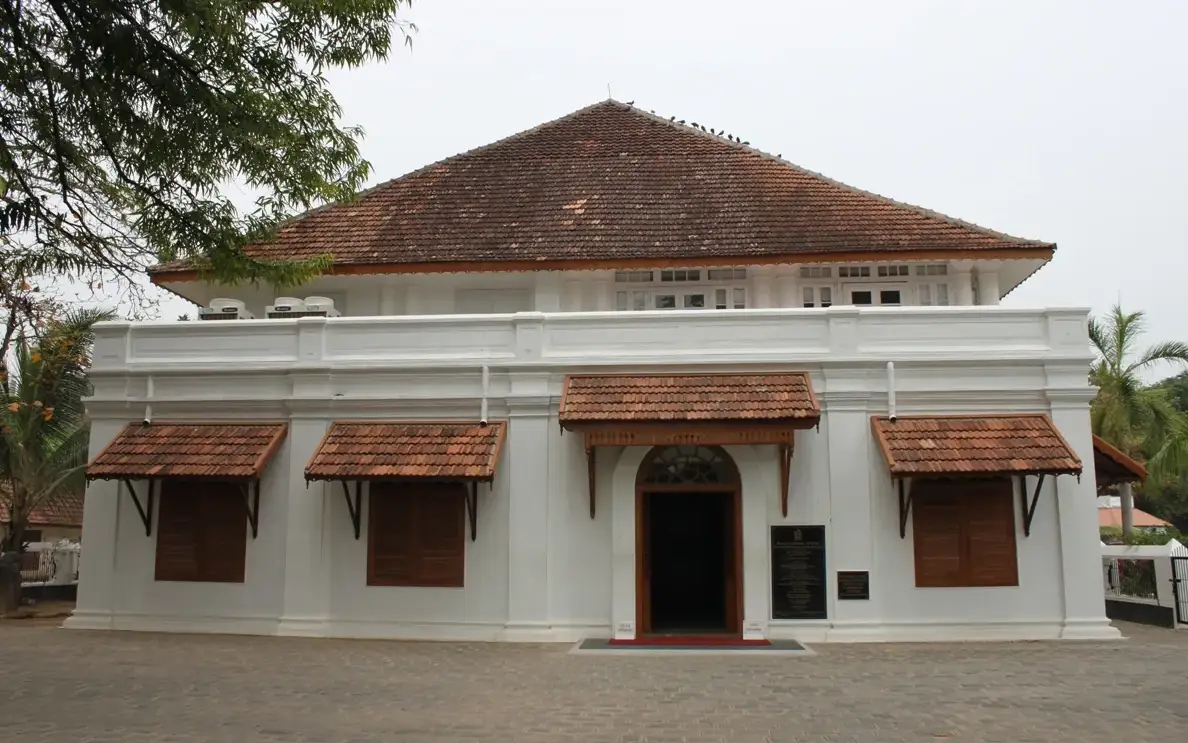
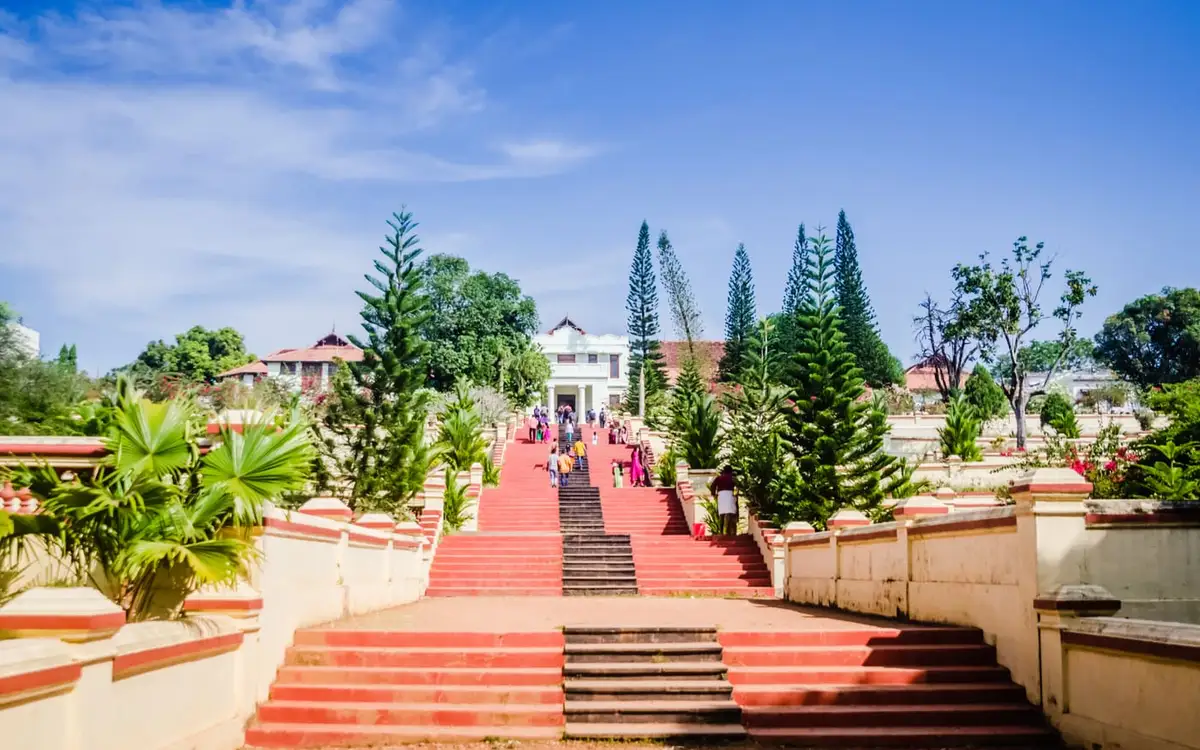
A heritage hall in Ernakulam run as a contemporary art gallery by the Kerala Lalithakala Akademi.
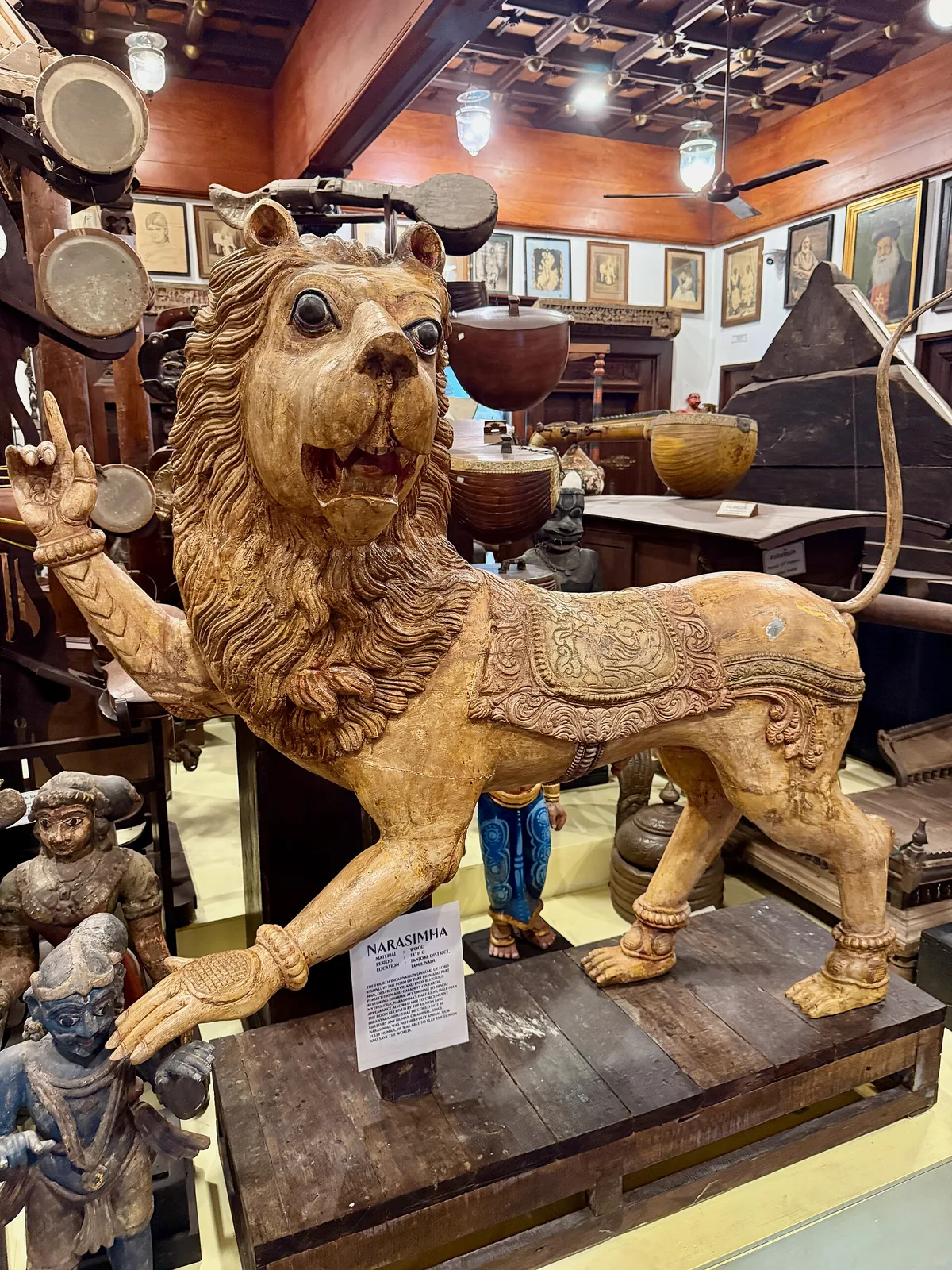
A privately built museum at Thevara with thousands of Kerala folk and ritual artefacts across Malabar, Kochi and Travancore styles.
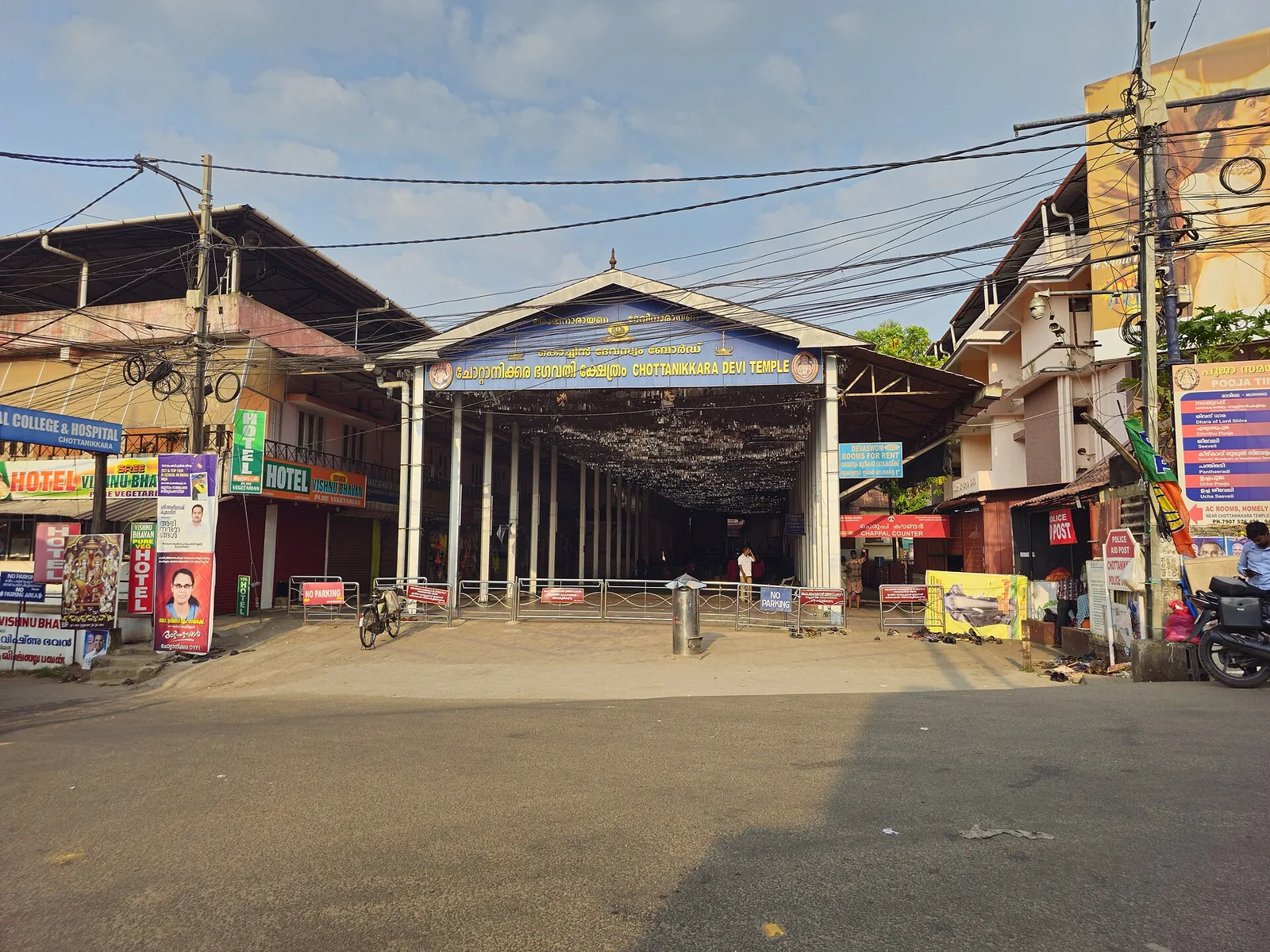
A major Bhagavathy (Devi) temple south-east of Kochi, famous for the dawn Nirmalya Darshanam and its Makam Thozhal festival.
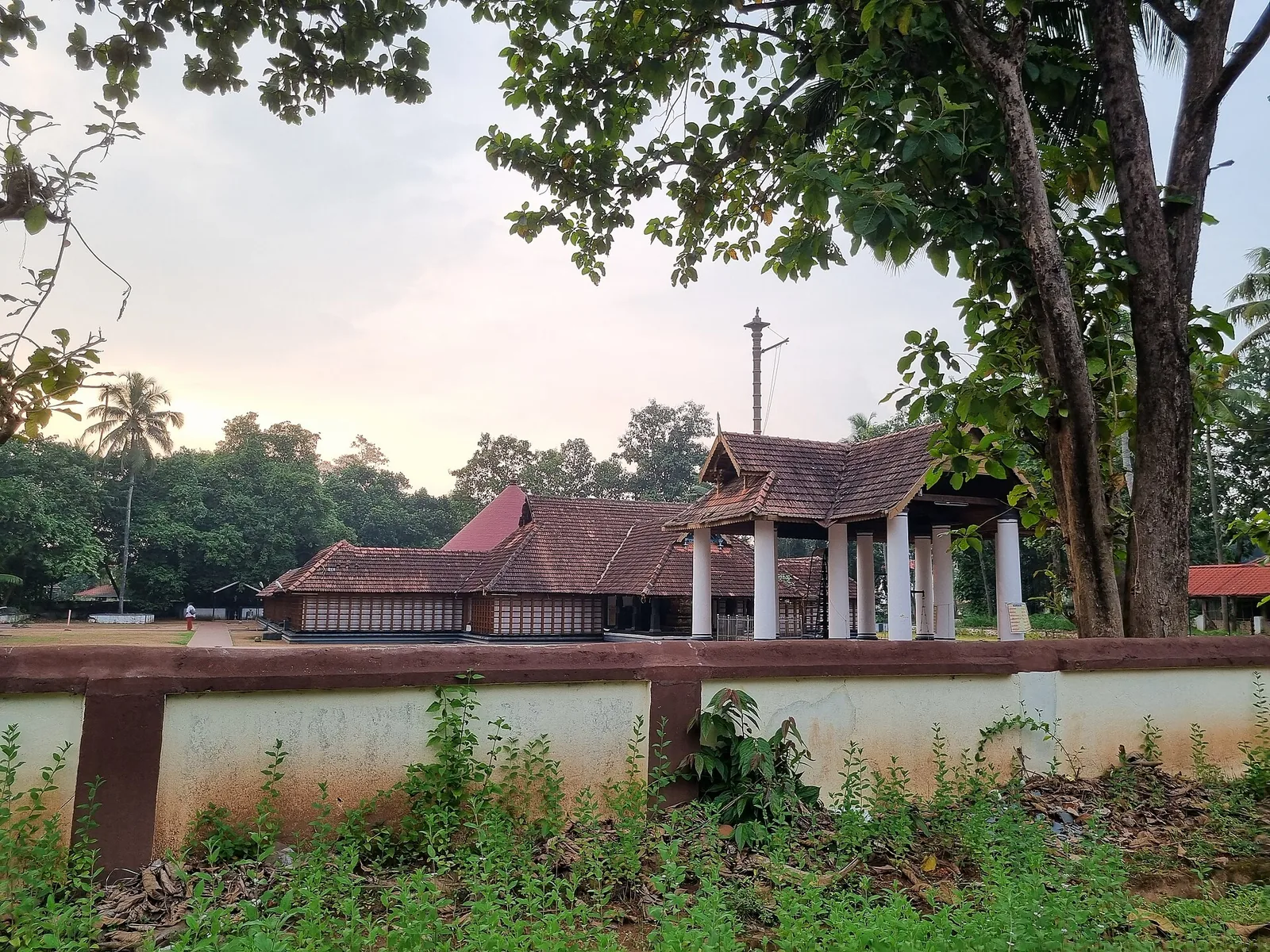
The only major temple to Vamana in Kerala, at Thrikkakara near Kakkanad — traditionally regarded as the origin place of the Onam festival.
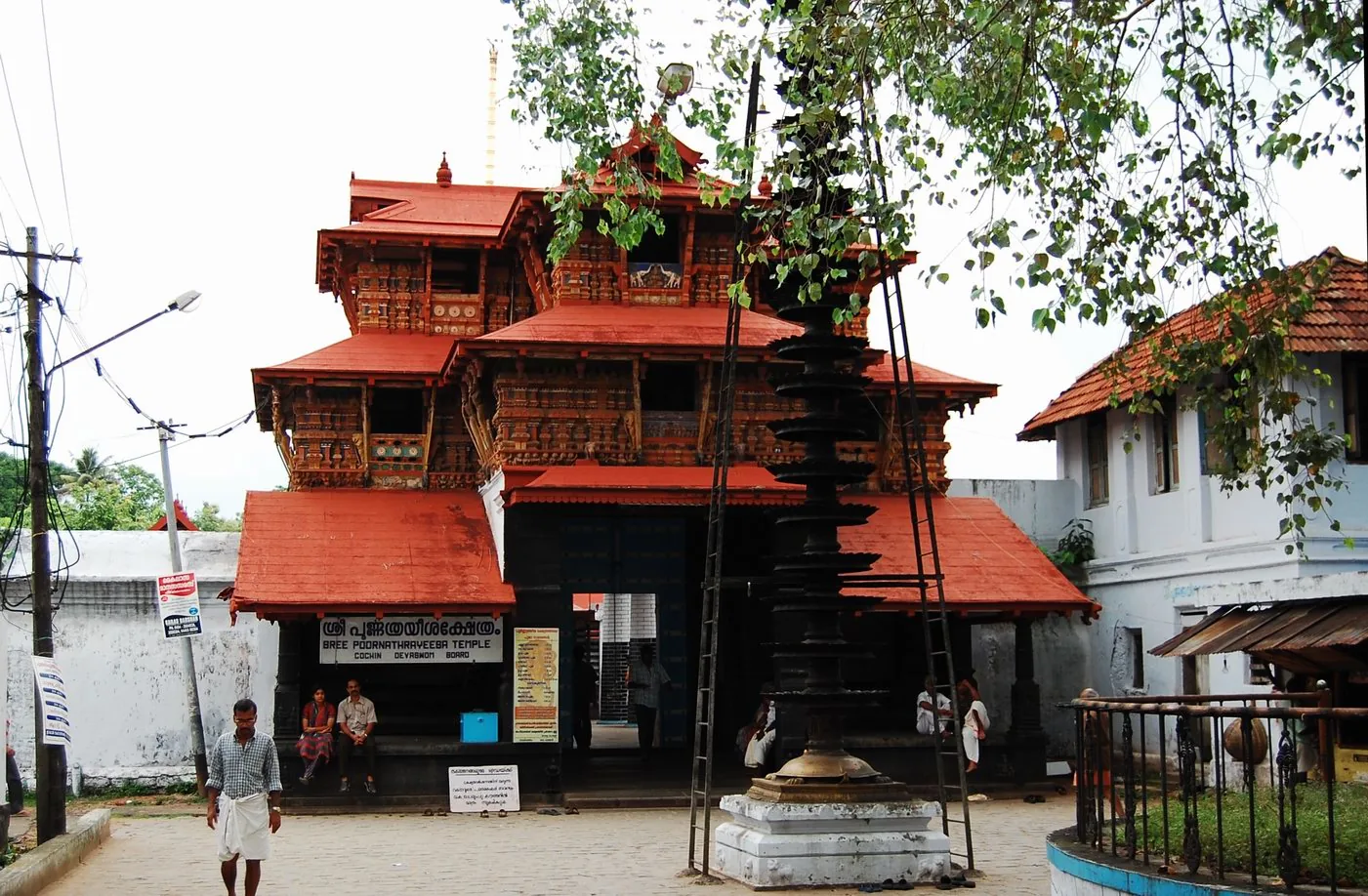
One of the great Vishnu temples of Kerala, at Tripunithura, known for its Vrischikotsavam festival.
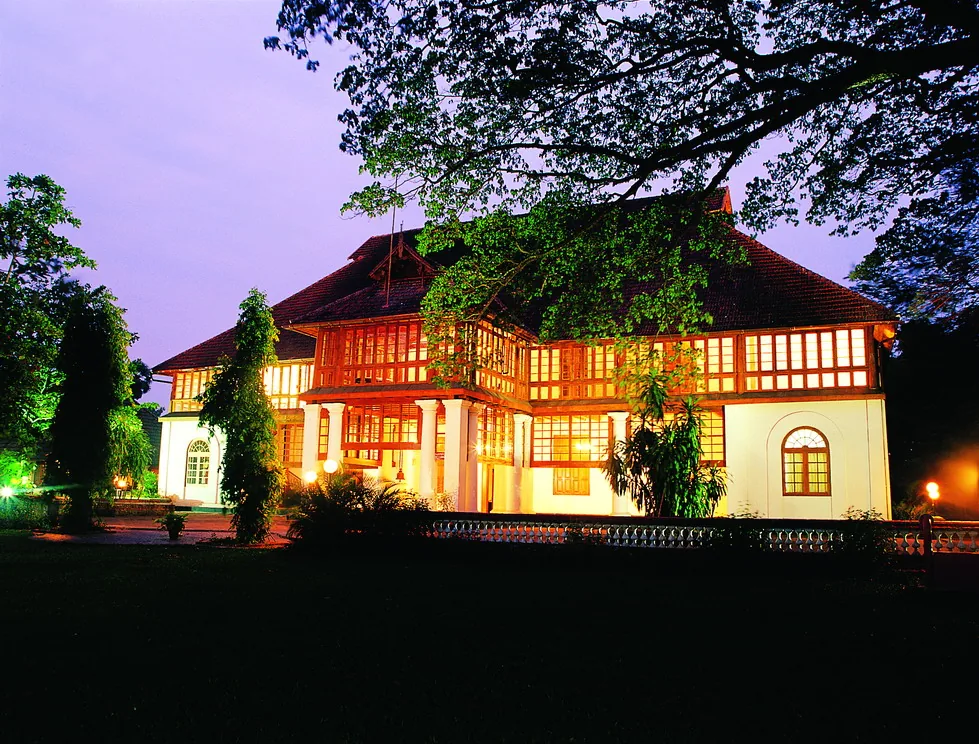
4.6 km · 9 min drive
A 1744 Dutch palace on Bolgatty Island, one of the oldest existing Dutch palaces outside the Netherlands, set in island gardens (now a KTDC heritage hotel).
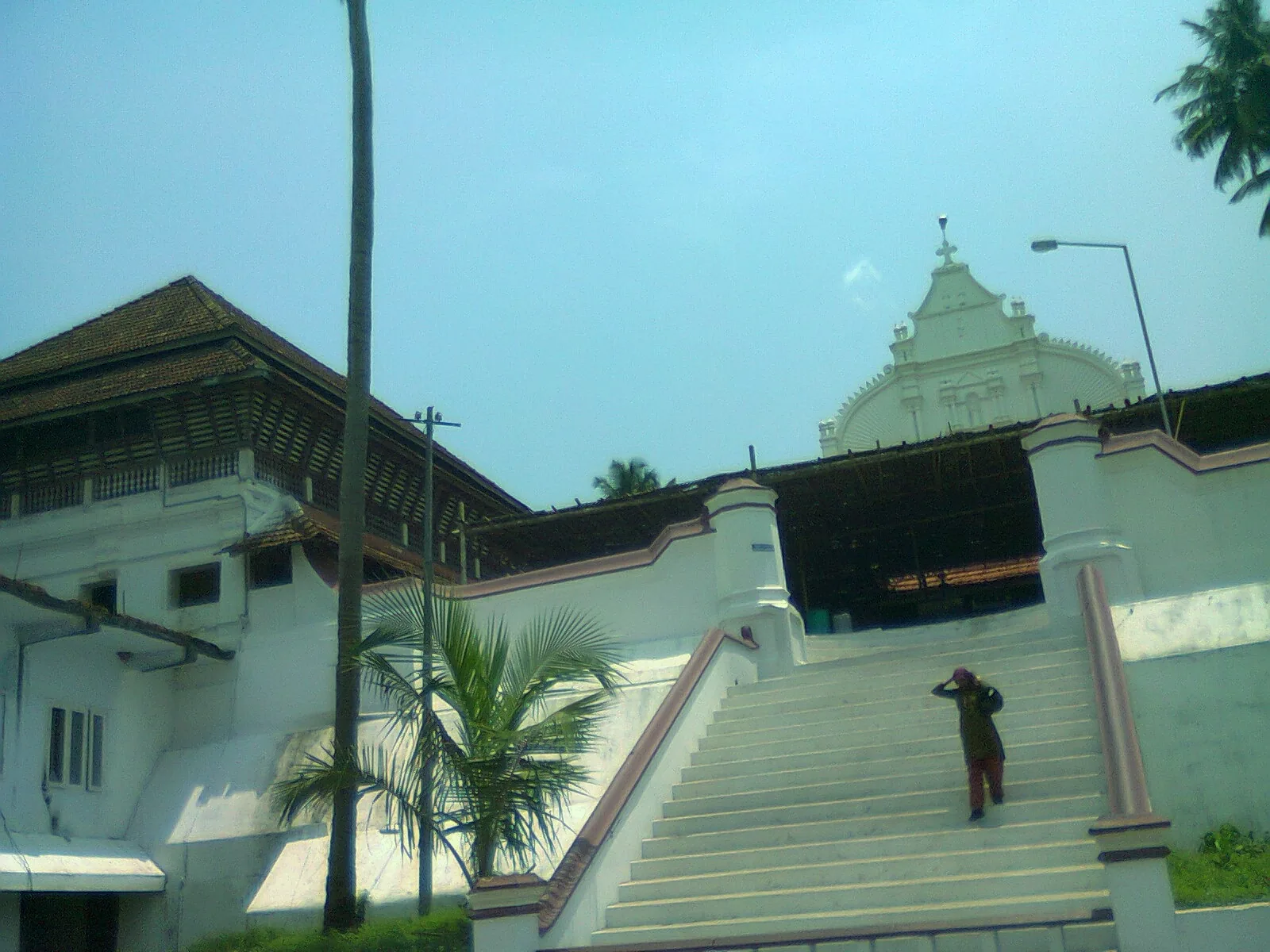
An ancient Orthodox church east of Kochi linked to the legend of the sorcerer-priest Kadamattathu Kathanar, drawing large crowds at its annual feast.
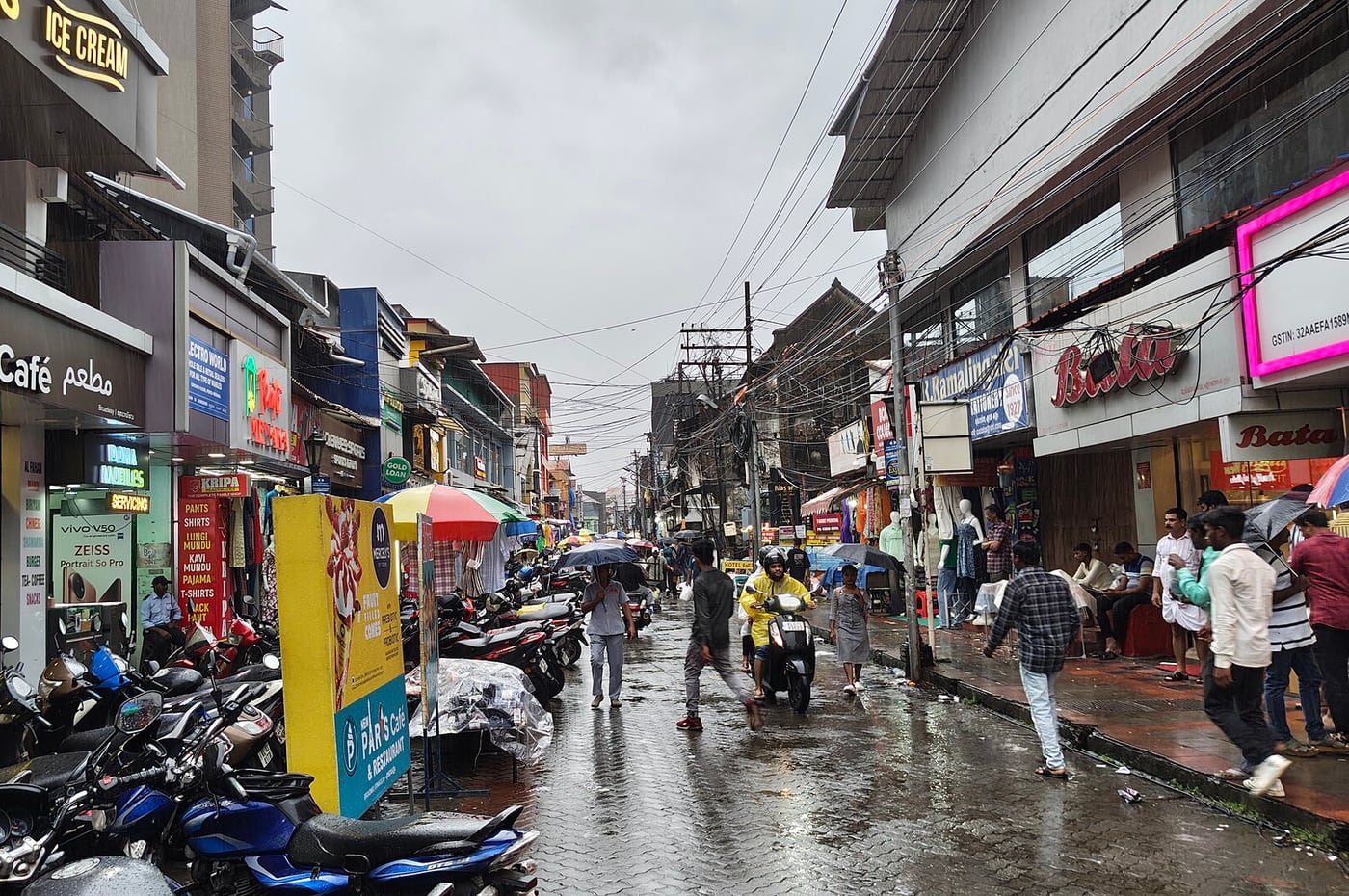
1.6 km · 19 min walk
Mainland Kochi’s old shopping street, a pedestrianised run of textile, provision, spice and gold shops between MG Road and the boat jetty — the city’s everyday market rather than a heritage set piece.
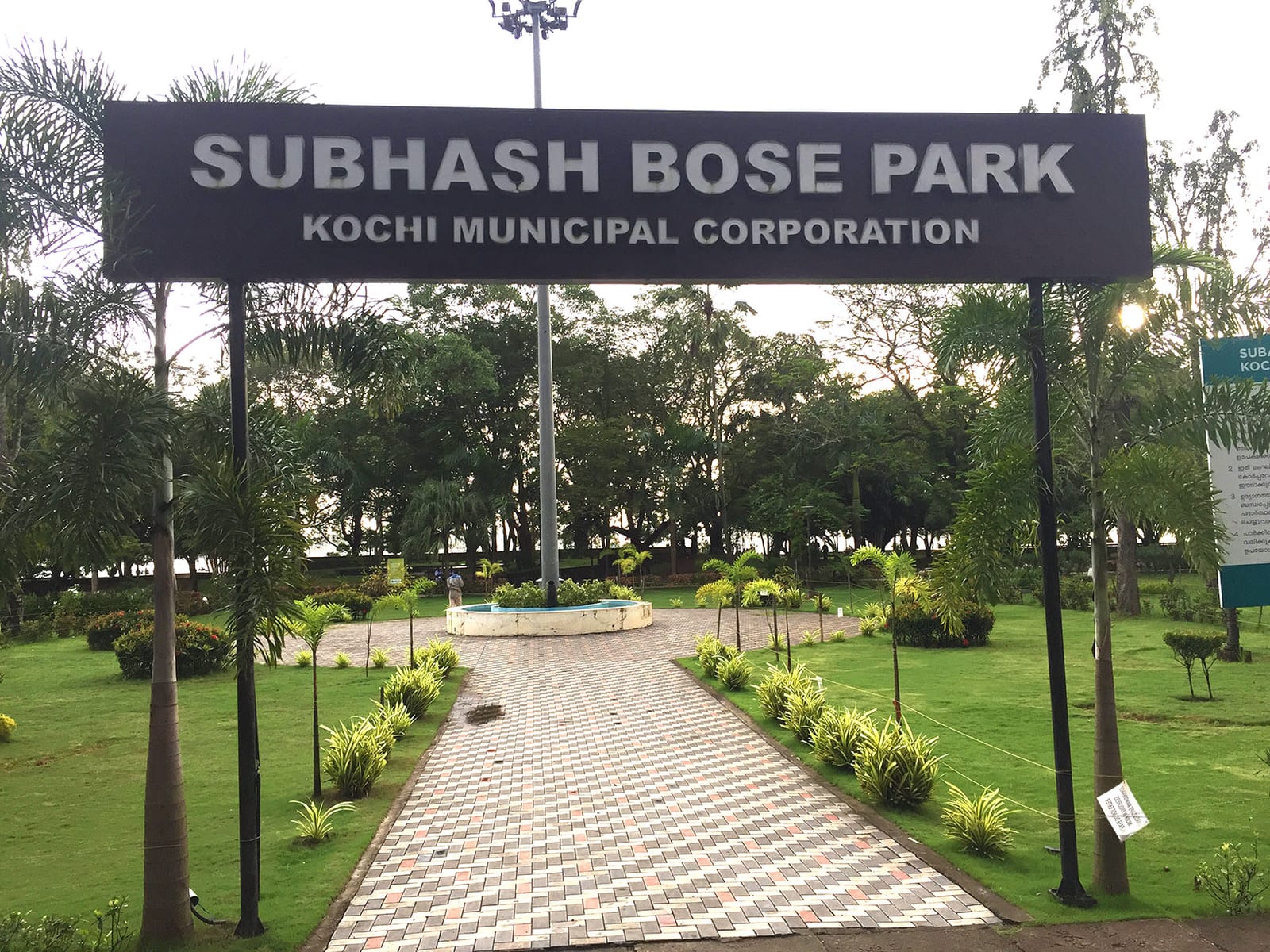
770 m · 9 min walk
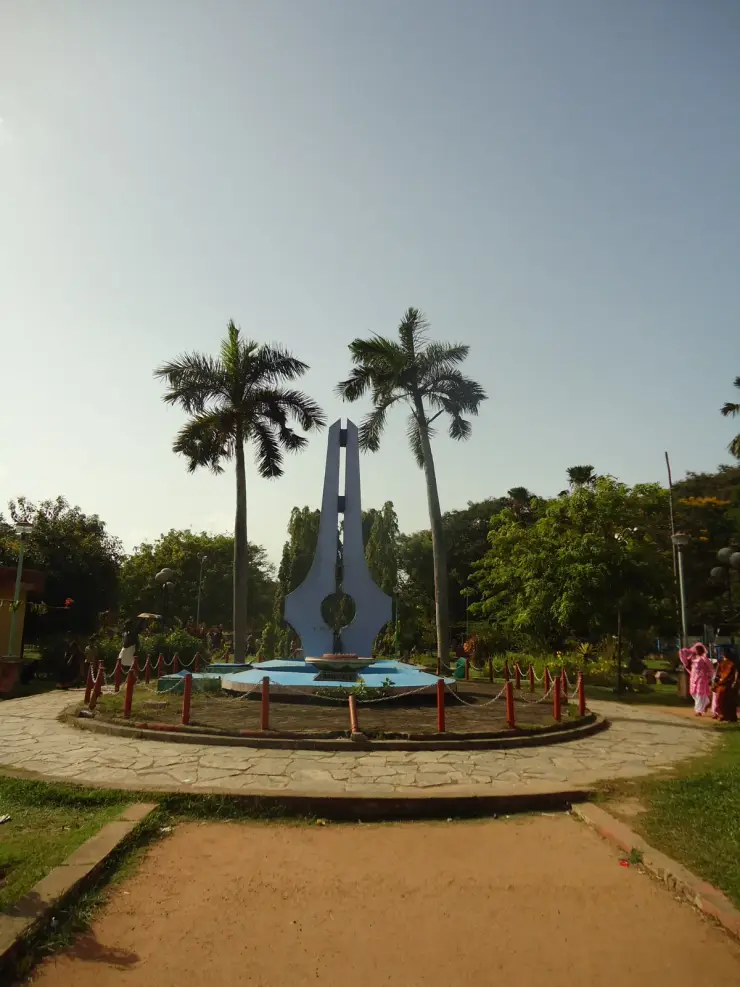
The waterfront park beside Ernakulam Boat Jetty, at the southern end of the Marine Drive walkway — a short, shaded green break between the ferries, the market streets and the backwater.
Roampedia is commission-free — own or know a stay, eatery, guide or shop near Ernakulathappan Temple? Submit public business details for review.
Add a nearby businessEntry: Free — there is no entry fee to enter and worship; specific poojas, offerings and vazhipadu are charged separately at the temple counter.
Dress code: Traditional Kerala temple dress code applies. Men are customarily expected to remove their shirt or upper cloth and wear a mundu or dhoti; women should dress modestly in a saree, salwar kameez or long skirt and top. Avoid shorts and revealing clothing, and footwear is removed before entering.
Festivals: The headline festival is the Ernakulathappan Utsavam — an eight-day celebration in Makaram (usually January to February), opening with the kodiyettam (flag hoisting) and building through daily sheeveli processions with tuskers and panchavadya to the pakalpooram on the penultimate day and the concluding arattu procession to the backwaters, with melam and fireworks throughout. Sivarathri (the great night of Shiva, February to March) is also observed with special significance. All dates shift with the Malayalam calendar.
Photography: Photography of the temple exterior, pond and festival processions is generally fine and the utsavam is wonderfully photogenic; photography inside the sanctum and of the rituals may be restricted, so ask and respect any signs or instructions from temple staff.
If you are travelling by bus or ferry, check the return service with the operator before setting out. Leave time to reach the stop or jetty after your visit.
Ask at the bus stand for the time of the last service back, not the next one. If you miss it, an auto or app cab is the fallback — agree the fare before you get in.
If you need step-free access, contact the site before travelling. Ask about a level entrance, steps along the route, the nearest drop-off point, seating and accessible toilets.
Charge cap and free-transaction limits: Reserve Bank of India, ATM FAQ updated 4 July 2025; checked 4 October 2026.
These services are listed within about 1.2 km of Ernakulathappan Temple. Walking distances follow mapped routes; access and opening hours can change. Other services may be closer but are not included here.
Published emergency and visitor-assistance contacts. For an immediate emergency, call 112. Shared Kerala contact sources checked 4 October 2026; publication does not establish a tested live response.
A heritage hall in Ernakulam run as a contemporary art gallery by the Kerala Lalithakala Akademi.
500 m · 6 min walkThe waterfront park beside Ernakulam Boat Jetty, at the southern end of the Marine Drive walkway — a short, shaded green break between the ferries, the market streets and the backwater.
770 m · 9 min walkWaterfront promenade in mainland Kochi, good for evening walks and ferries.
1.4 km · 17 min walkMainland Kochi’s old shopping street, a pedestrianised run of textile, provision, spice and gold shops between MG Road and the boat jetty — the city’s everyday market rather than a heritage set piece.
1.6 km · 19 min walk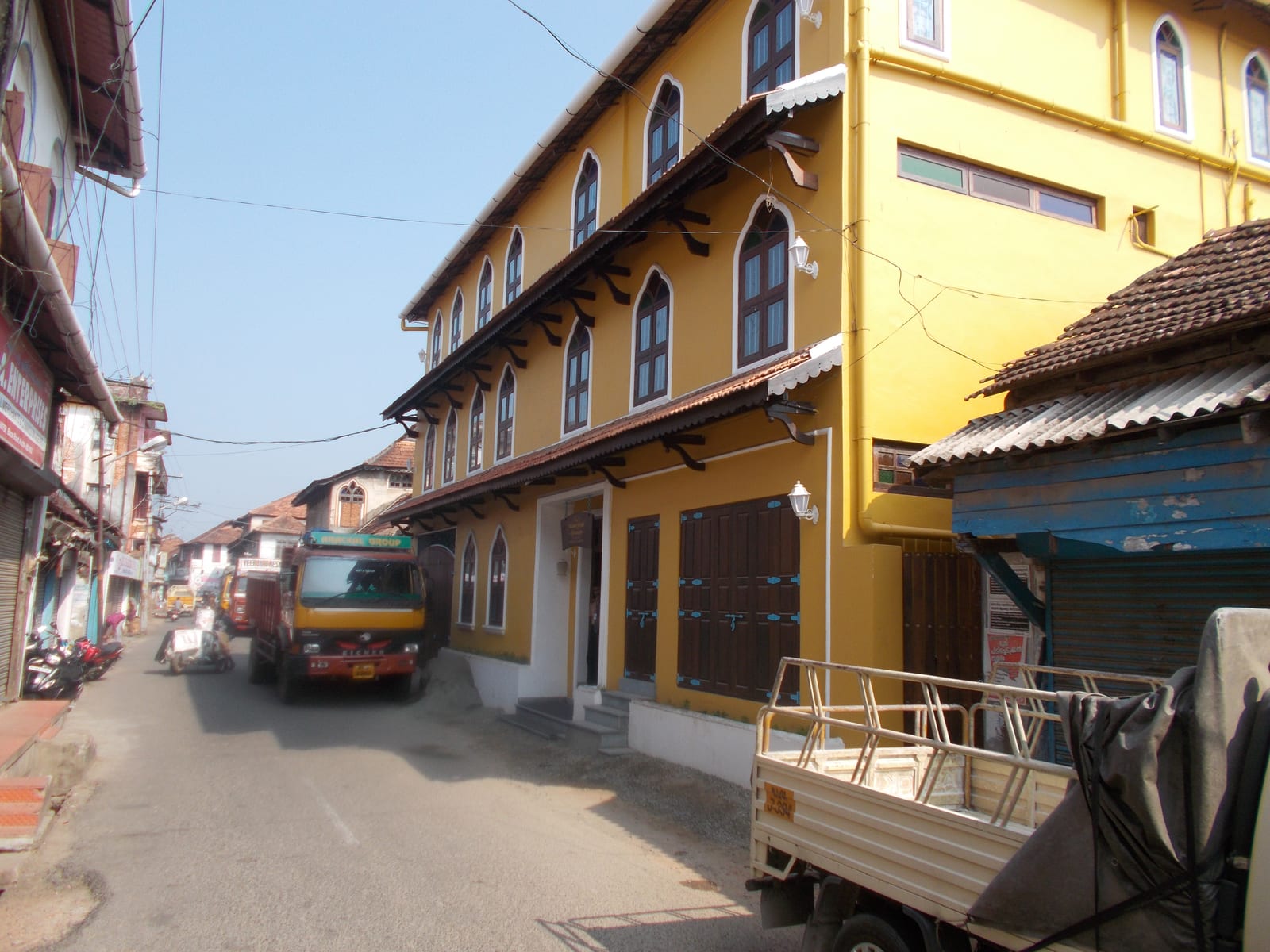
The working spice quarter along Mattancherry’s Bazaar Road — godowns where pepper, ginger, turmeric and cardamom are still graded, sacked and weighed, and where the smell reaches the street before the signage does.
2.9 km · straight line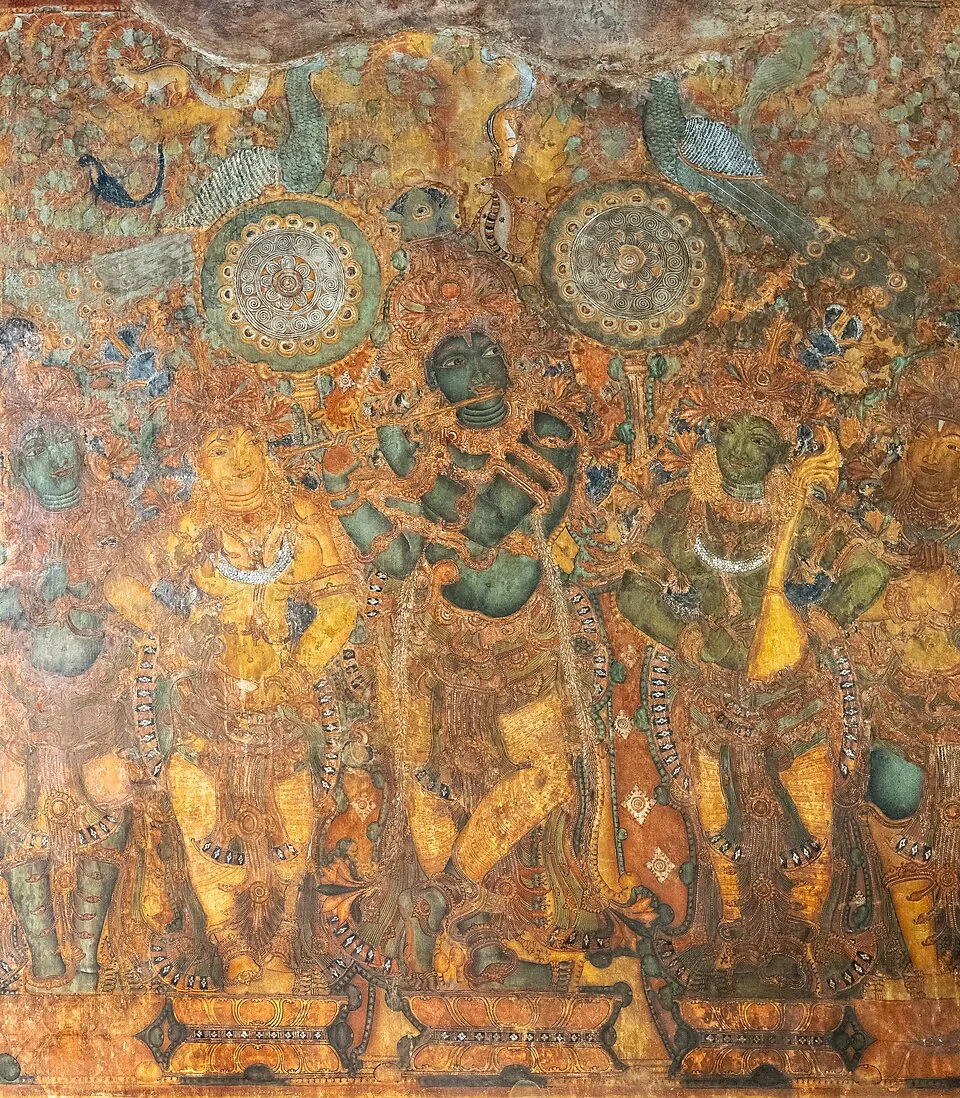
The Mattancherry Palace, known as the Dutch Palace, with celebrated Kerala mural paintings from the Ramayana and royal portraits.
3.0 km · straight line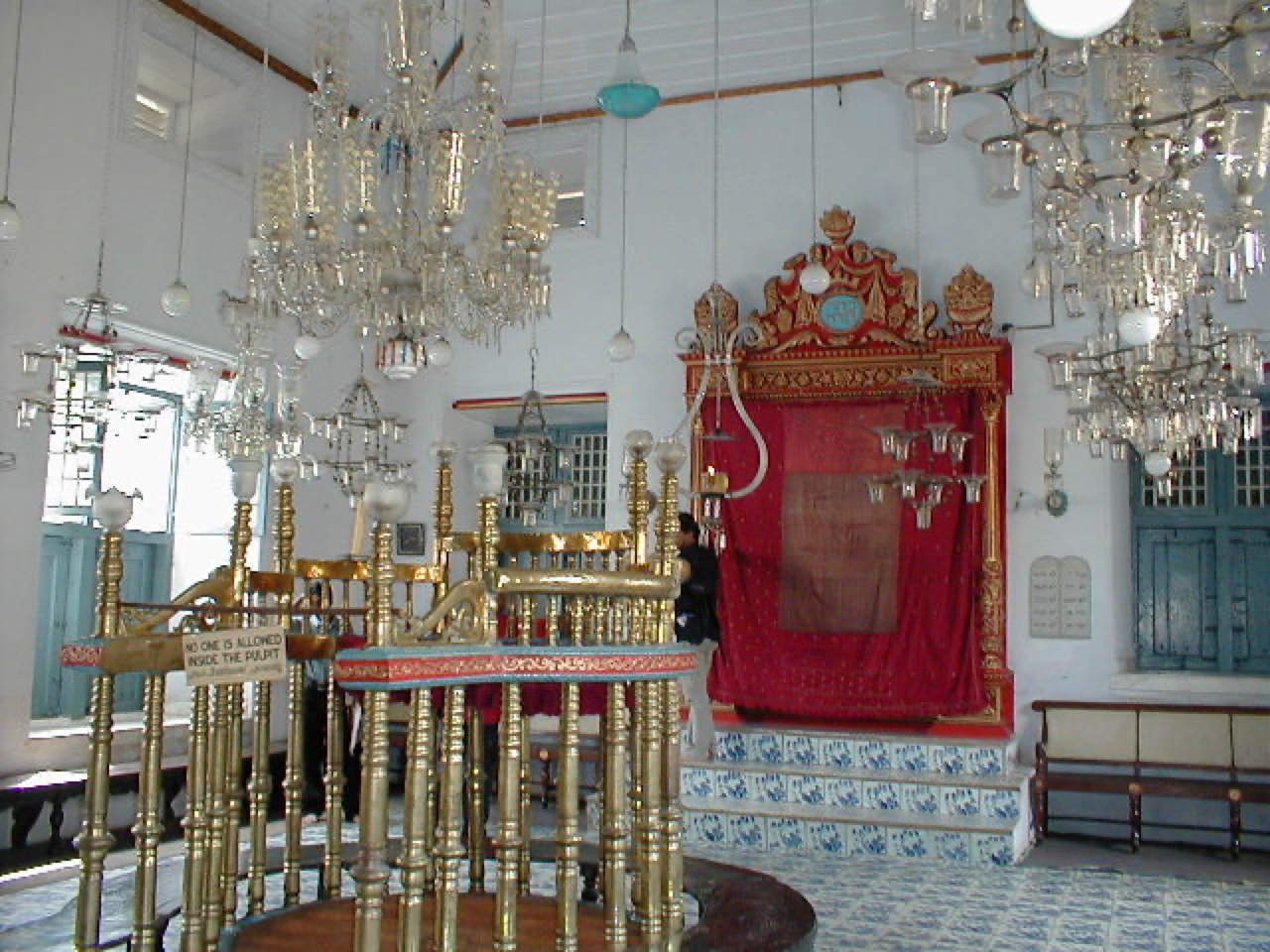
The oldest active synagogue in the Commonwealth (1568), in Jew Town, Mattancherry, with hand-painted Chinese floor tiles.
3.0 km · straight line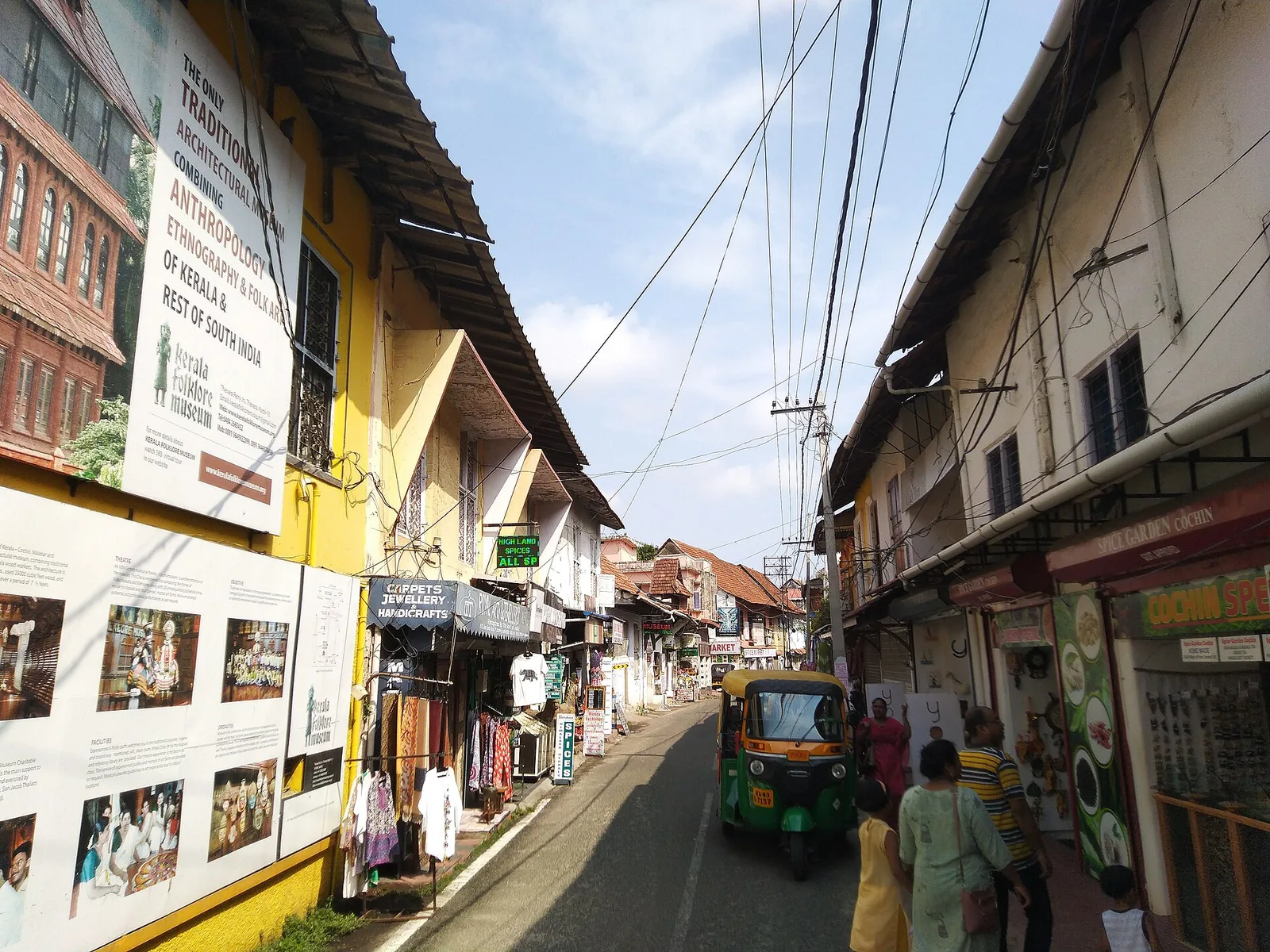
Spice warehouses, antiques, Mattancherry Palace and Paradesi Synagogue.
3.0 km · straight lineA small mangrove “green lung” behind the High Court in Ernakulam, a nesting site for migratory and resident birds.
3.1 km · 6 min drive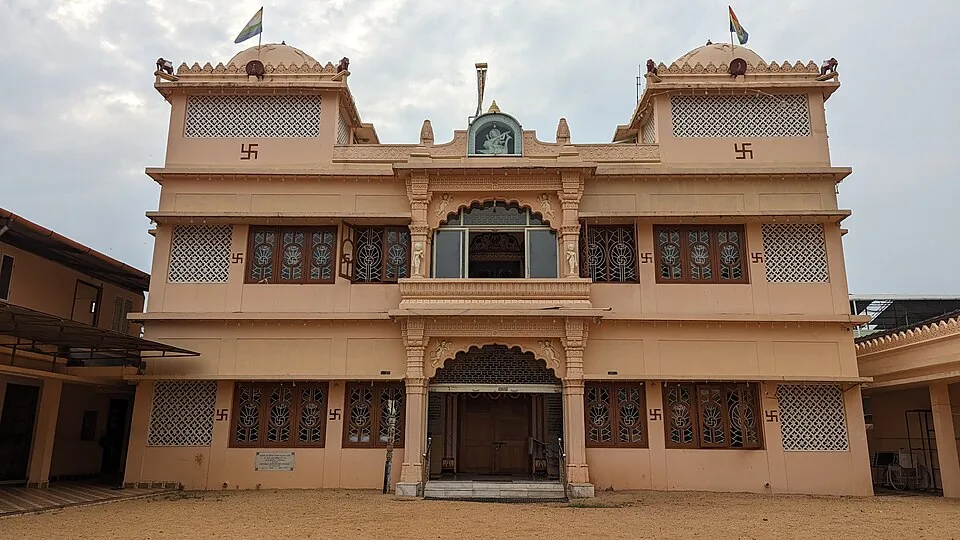
An ornate Jain temple in Mattancherry’s Gujarati quarter, raised in 1904 by Hirubai in memory of her husband Jivraj Dhanji and dedicated to Dharmanatha, the fifteenth Tirthankara — known for its white marble work and the daily midday feeding of the pigeons outside.
3.3 km · straight line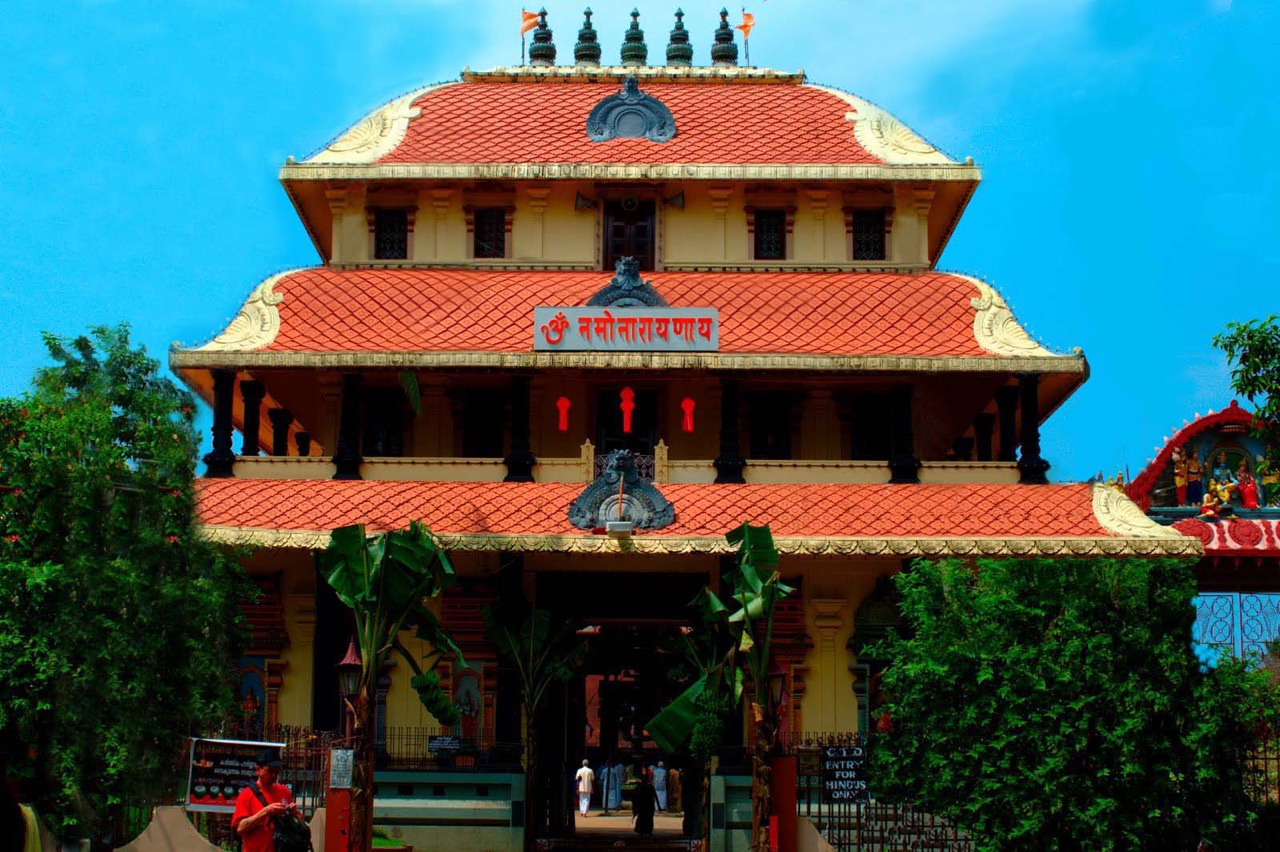
A historic Gowda Saraswat Brahmin temple in Cherlai, Mattancherry, central to Kochi’s Konkani community.
3.9 km · straight lineA 1744 Dutch palace on Bolgatty Island, one of the oldest existing Dutch palaces outside the Netherlands, set in island gardens (now a KTDC heritage hotel).
4.6 km · 9 min driveRoad and walking figures are route estimates, with travel times dependent on access, traffic and conditions. Figures marked “straight line” show direct separation and do not describe a road or walking route. Fare estimates use Kerala’s 26 April 2022 auto/taxi notification and exclude waiting, night and applicable one-way surcharges. Confirm the current meter or operator quote before travelling. Routing: © openrouteservice.org by HeiGIT | Map data © OpenStreetMap contributors
Nearby toilets, pharmacies, ATMs, seating and vets are community-mapped and may be incomplete or out of date. Map data © OpenStreetMap contributors | Walking times © openrouteservice.org by HeiGIT
The temple is dedicated to Shiva, worshipped here as Ernakulathappan — the Lord of Ernakulam — in the benevolent Gaurishankara form alongside Parvati. Unusually, the deity faces west, looking out over the backwaters towards the Arabian Sea.
By tradition, yes. Local legend holds that the area was once called Rishinagakulam — the pond of the serpent-sage — from which the name Ernakulam is believed to have evolved; another tradition derives it from Erayanarkulam, the pond of the Lord (Shiva). These are traditional name-origin stories rather than settled history, but they are central to the temple’s identity.
It is the temple’s grand eight-day annual festival, held in the Malayalam month of Makaram, usually falling in January or February. It is one of the biggest temple festivals in the city, with caparisoned elephants, panchavadya and melam, fireworks and the concluding arattu procession to the backwaters.
The Ernakulathappan Temple is administered by the Cochin Devaswom Board, the statutory body that oversees many major Hindu temples in the region. It was historically a royal temple of the erstwhile Kingdom of Cochin.
There is no entry fee to visit and pray; the temple is free to enter. As with most traditional Kerala Hindu temples, entry to the inner shrine is customarily for Hindus, and a traditional dress code applies. It is best to check current practice at the temple.
A subsidiary shrine to Shiva in his Kirata form — the tribal hunter who fought Arjuna during his forest penance in the Mahabharata. By the temple's own tradition the lingam there is the one Arjuna worshipped, which would make it older than the presiding deity in the main sanctum. It is a striking claim for a temple to make about itself and it is not signposted, so you will have to ask. Treat it as tradition rather than documented history, as with the name legends.
Yes, and the mix is the interesting part. Besides the subsidiary shrines to Ganesha, Parvati, Ayyappa and Nagaraja, the enclosure holds a Murugan temple built in the Tamil style and a Hanuman temple in the Kannada style, with a banyan of around two hundred years standing near the latter. Kochi was a port that drew Tamil and Kannada communities, and the city's principal temple accommodated their idioms inside its own walls rather than making them build elsewhere.
Younger than the foundation. The temple was found dilapidated and rebuilt by the Cochin Diwan Edakkunni Sankara Warrier from 1842, reopening for worship in 1846, with two gopura mandapams added in traditional Kerala style — the same patronage that raised it to the status of a royal temple of the Kochi kingdom. So the fabric you see is a mid-nineteenth-century reconstruction, whatever the age of the site and the deity beneath it.
It stands in the very heart of Ernakulam, on the eastern shore of the backwaters beside the Durbar Hall Ground, close to Shanmugham Road and within walking distance of Marine Drive and the city’s main shopping area — one of the most central landmarks in mainland Kochi.
Morning or early evening is usually best; festival days can be powerful but crowded.
Entry: Free — there is no entry fee to enter and worship; specific poojas, offerings and vazhipadu are charged separately at the temple counter. Timings: Typically open early morning and again in the evening, following the Kerala temple pattern — roughly around 4.00 am to about 11.00 am and again from around 5.00 pm to about 8.00 pm, with the main poojas through the morning.
Base yourself in Kochi City or a nearby town in Ernakulam, then confirm the last-mile route locally before leaving. Check temple entry customs, dress rules and festival crowd conditions before arrival. If the visit depends on forest, temple, boat, ferry, weather or seasonal access, check the official/local rule on the day before travel.
45 minutes to 2 hours, longer during festival or queue periods.
Nearby you can pair Durbar Hall Art Centre (500 m, route estimate), Subhash Park (770 m, route estimate), Marine Drive (1.4 km, route estimate), Broadway Market (1.6 km, route estimate).
Use official counters for offerings/tickets where applicable. Keep footwear and valuables secure in crowded areas.
Written about Ernakulathappan Temple itself — its history, its legends and the arguments about them.
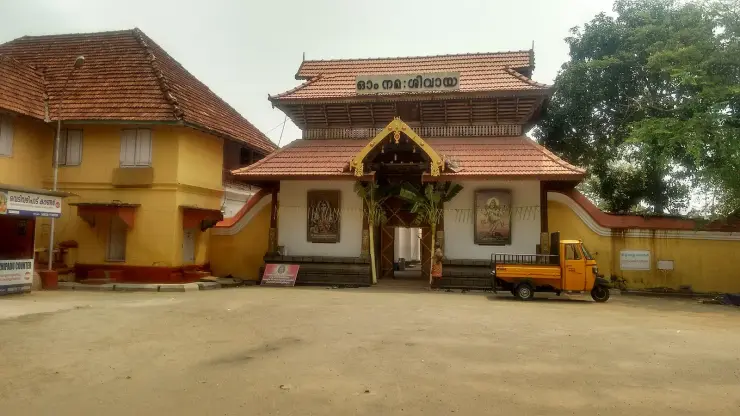
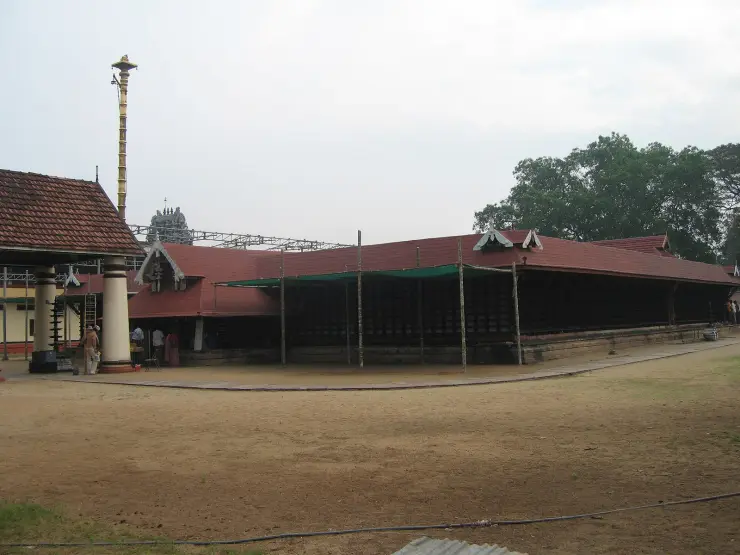
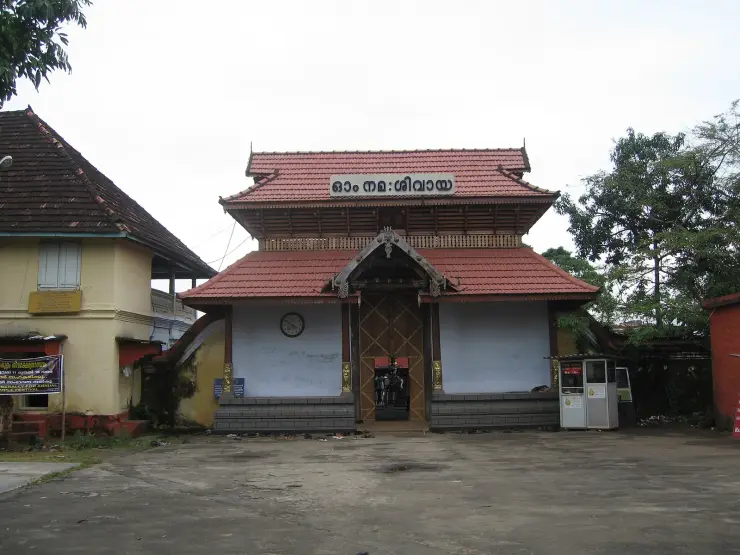
These guides explore Kochi City and the surrounding area. Choose a visit that fits your interests, allowing separately for travel between stops.
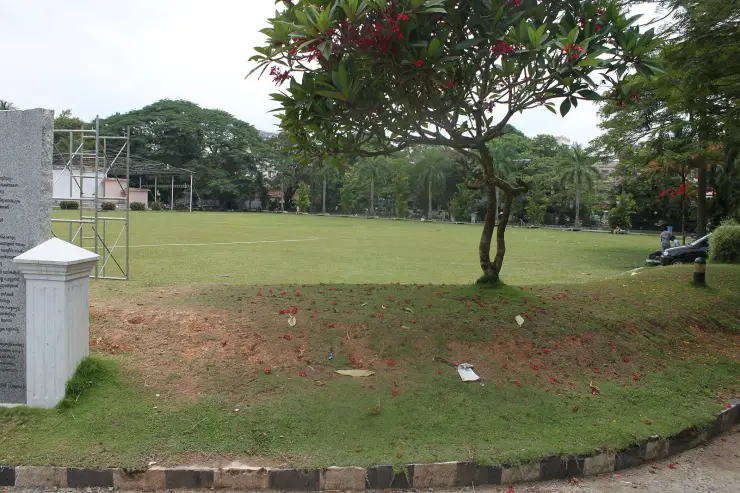
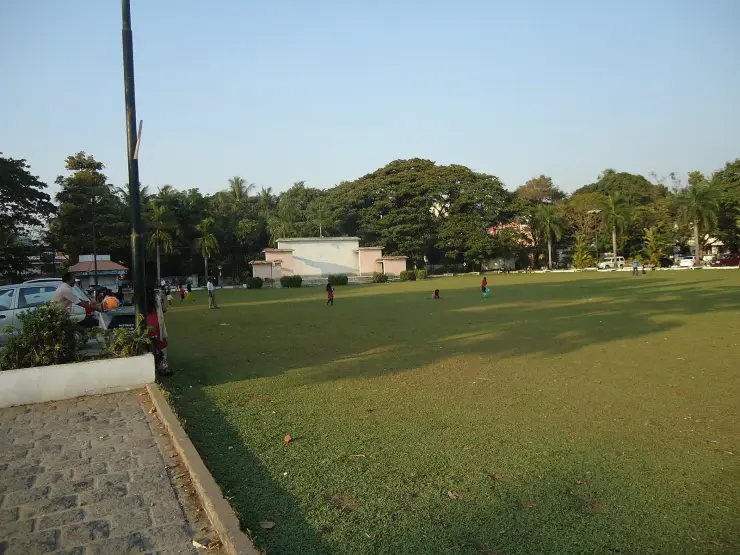
Route-level itineraries and practical guides for the rest of Kerala.
Photographs: N. Vivekananthamoorthy (CC BY-SA 4.0), Dileep Kumar (CC BY-SA 3.0), Ssriram mt (CC BY-SA 4.0), Akhilraj0724 (CC BY-SA 4.0), Augustus Binu (CC BY-SA 3.0). Wikimedia Commons.