What to expect
Highlights
- Temple visit at Chottanikkara Temple
- Kerala temple architecture and rituals
- Local food, shops and pilgrim services nearby
A major Bhagavathy (Devi) temple south-east of Kochi, famous for the dawn Nirmalya Darshanam and its Makam Thozhal festival.
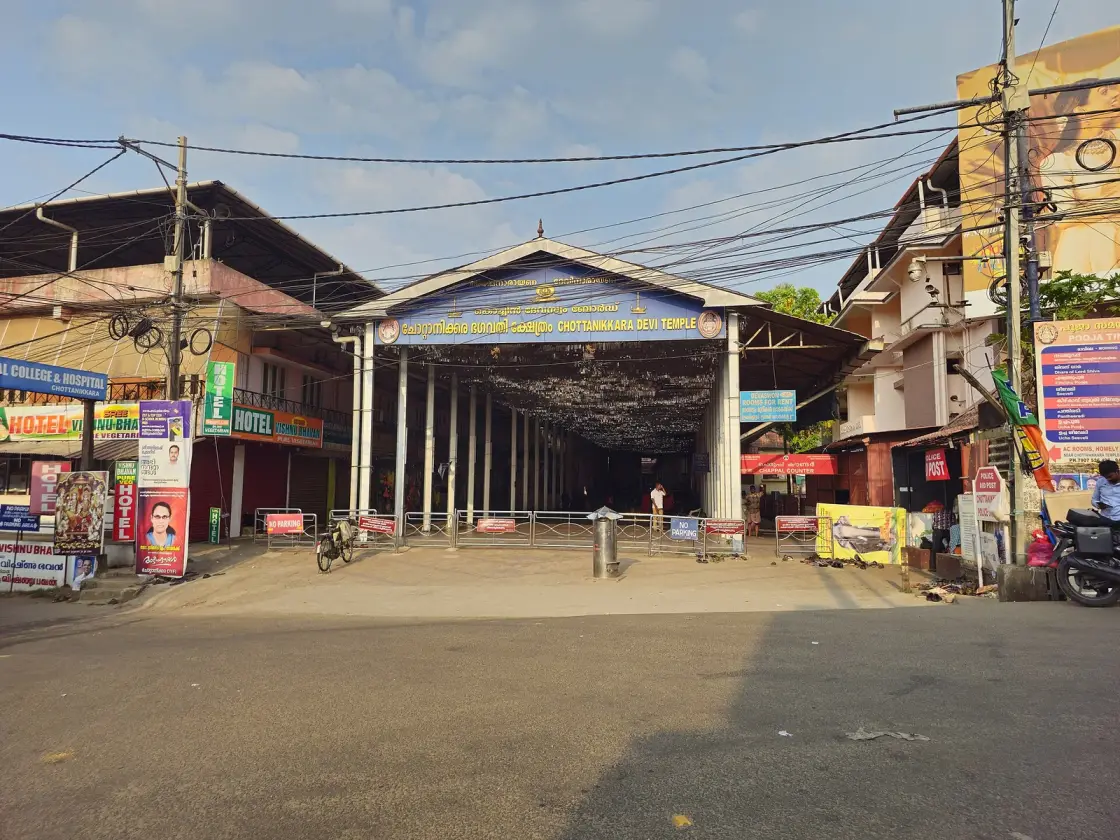
Inner sanctum restricted to Hindus.Access to the inner sanctum is restricted to Hindus by custom.
Checked 4 August 2026 against source 1source 2. Check the institution’s current rules and visiting session before travelling.
On a green rise about 20 km southeast of Kochi stands one of Kerala’s most beloved and most emotionally charged shrines — the Sree Chottanikkara Bhagavathy Temple, where the Divine Mother is worshipped as Rajarajeswari and adored across the day as Saraswati, Lakshmi and Durga. For generations, families have journeyed here not only for darshan but for solace, carrying loved ones in mental distress to sit through the hushed, lamp-lit Guruthi Pooja at the lower Keezhkkavu shrine — a tradition held in deep faith rather than as medicine.
Chottanikkara is really two temples on one hillside, and understanding that layout is the key to the whole pilgrimage. At the top stands the Melkkavu, the upper shrine, where the goddess presides as Rajarajeswari — the sovereign Mother, the Adiparashakti. Below it, reached by a short walk down, is the Keezhkkavu, the lower shrine, where she is worshipped in her fierce Bhadrakali form. Pilgrims traditionally begin above with the serene Mother and descend to the intense lower shrine, and it is this movement — from grace to ferocity and back to peace — that gives a visit here its particular emotional arc.
What makes the Melkkavu unforgettable is that the goddess is dressed and adored in three distinct forms as the day turns. In the morning she is Saraswati, robed in white, the giver of learning and clarity of mind. At noon she becomes Lakshmi, draped in crimson, the bestower of abundance. By evening she is Durga, clothed in deep blue, the protector who vanquishes darkness. Sharing the same pedestal is an idol of Mahavishnu, so the deity is invoked together as Lakshmi-Narayana — which is why the great refrain heard everywhere on the hill couples the Mother with Narayana.
The central image is a laterite formation revered as swayambhu — self-manifested rather than carved by human hands — and this belief lies at the heart of the temple’s antiquity and awe. Devotees do not think of it as a sculpture but as the Mother herself, risen from the earth. The four-armed form is understood to hold the discus and conch and to offer the gestures of boon-giving and fearlessness, uniting the tenderness of a mother with the authority of a queen.
The prayer that echoes through Chottanikkara is the chant “Amme Narayana, Devi Narayana, Lakshmi Narayana, Bhadre Narayana.” You will hear it murmured in the queues, sung during processions and repeated by pilgrims as they climb between the two shrines. It binds together the many faces of the deity — Mother, Goddess, Lakshmi and Bhadrakali — with Narayana, and for many families the act of chanting it steadily is itself the heart of the vow they have come to keep.
Chottanikkara is best known far beyond Kerala for its association with the healing of those in mental distress and of afflictions people describe as “possession.” Families bring troubled relatives to stay near the temple for days or weeks, joining the daily rhythm of worship and above all the evening Guruthi Pooja at the Keezhkkavu shrine. This is a matter of religious faith and long tradition, not a medical treatment — and it is best approached with respect for the devotees who place their hope in it, and without judgement of the private sorrows that bring people here.
A visit rewards those who slow down. Arrive early for the calmer Saraswati darshan, walk the two-tier layout unhurriedly, sit for a while in the shade of the old trees near the lower shrine, and — if you can stay — witness the Guruthi Pooja as the lamps are lit at dusk. Whatever one’s own beliefs, the atmosphere of collective devotion, the scent of oil lamps and incense, and the sound of that four-part chant leave a lasting impression.
The founding legend of Chottanikkara is genuinely one of Kerala’s most poignant. As it is told, the hillside was once dense forest where a tribal chieftain named Kannappan lived with his motherless young daughter, whom he cherished above all. A fervent worshipper of Kali, Kannappan was in the habit of offering an animal sacrifice, and one day he brought home a beautiful calf meant for the altar.
His daughter, however, grew so attached to the gentle calf that she begged her father to spare it, and he relented and left it in her care. By the next morning, the story goes, both the girl and the calf had died — and in their place was found a single radiant stone. In the telling, the calf and child were no ordinary beings but a manifestation of the divine couple, Vishnu and Lakshmi, and the grief-struck Kannappan was set upon the path of devotion. Some accounts hold that he was later reborn as the revered saint Vilwamangalam Swamiyar.
The stone lay unnoticed for generations until, as the legend continues, a woman clearing the overgrown land struck it with her sickle to sharpen the blade — and blood is said to have flowed from the rock. Word spread, priests and a diviner were summoned, and they perceived the living presence of the Goddess together with Vishnu in the self-revealed stone. This is remembered as the swayambhu origin of the shrine, and it is why the Mother here is felt to have emerged from the very soil of Chottanikkara.
Vilwamangalam Swamiyar, the saint-devotee woven through so many Kerala temple legends, is closely linked to Chottanikkara’s consecration and to the vision of the Goddess revealing herself in her full radiance on the Makam star — the belief that gives the temple’s great annual Makam Thozhal its meaning. These stories are cherished as sacred legend and living faith; they are recounted here in that spirit, as the tradition tells them.
The name itself is disputed, and the two readings pull in opposite directions. One derives Chottanikkara from Malayalam roots meaning something like the small forest, which fits the founding legend's wooded hillside exactly. The other holds that Chottanikkara is a worn-down form of Jyotiannakkara, Sanskritised as Jyotikara — she who gives light, the one who enlightens. A place-name that means a clearing in the woods and a place-name that means the illuminatrix are not the same kind of claim, and the second is obviously the one a temple would prefer. We would not bet on either. The stone at the centre of it has a name too, and it is worth knowing: the Rudraksha Shila, the rudraksha rock.
The temple's reputation for relieving mental affliction is usually handled in one of two ways — reported as miracle, or dismissed as superstition — and it is worth knowing that it has also simply been studied. Researchers have worked here with patients and with the families who bring them, publishing qualitative accounts of what the practice consists of and why people come. What those accounts describe is not a single motivation. Many of those who come understand the condition as possession rather than illness, and so regard the temple as the appropriate remedy rather than something alongside medicine. Others, the same research records, had sought medical treatment first and turned to temple healing afterwards, for reasons including cost, difficulty with medication, and improvement too slight to sustain their confidence. Researchers have also looked at the practice from the other direction, asking which elements of it function the way psychotherapy does — the structure of the days, the company of others in the same position, the sustained attention.
We set it out that way because the usual travel-writing line — an ancient temple where the mentally ill are cured, mysterious to modern science — is a way of not looking. What is on that hillside is families in real distress, doing what they believe will help. We are not qualified to judge whether it does, and it is not our place to; anyone facing serious mental-health difficulty should also be under proper professional care. What we can say is how to behave. You are among people in the middle of the worst period of their lives. Watch quietly if at all, photograph nobody, and do not treat the Guruthi as a spectacle laid on for visitors.
A separate, humbler tradition surrounds the pala tree beside the Keezhkkavu shrine, its trunk studded with iron nails. Devotees seeking release from afflictions of the mind are said to drive a nail into the tree — some pressing it in with their foreheads — as a symbolic act of leaving their torment behind. It is a raw and moving folk practice, held in earnest faith by those who perform it.
Chottanikkara is an ancient shrine, with its origins commonly placed around the early medieval period — many accounts trace worship here back roughly a thousand years, to about the 10th century CE, though as with many temples of great antiquity the precise dating rests on tradition rather than firm record. What is beyond doubt is that it has been a major centre of Devi worship in central Kerala for many centuries.
The temple is famously associated with revered figures of the Hindu tradition. Adi Shankara is remembered in local belief as having worshipped the Goddess here, and Saraswati is said to have promised to remain present each morning to bless devotees — a legend that underlies the temple’s morning Saraswati darshan and its reputation as a place that clears and steadies the mind.
Architecturally, Chottanikkara follows classic Kerala temple idiom and is defined by its two-tier arrangement: the Melkkavu (upper shrine) of the benign Rajarajeswari, and the Keezhkkavu (lower shrine) of the fierce Bhadrakali. Along with the principal deities, subsidiary shrines to Shiva, Ganapathi, Subramanya, Sastha and others are venerated, in the layered manner typical of the region’s great temples.
Today the temple is administered by the Cochin Devaswom Board, the statutory body that manages hundreds of temples across the former Cochin region, and Chottanikkara is counted among the most significant shrines under its care. The Board oversees the daily poojas, the calendar of festivals and the substantial pilgrim traffic the temple draws throughout the year.
Over time Chottanikkara’s renown as a place of refuge for those suffering mental affliction has grown into a defining part of its identity, drawing pilgrims from across Kerala and far beyond. That reputation — bound up with the Keezhkkavu Bhadrakali, the daily Guruthi Pooja and the pala tree — has made the temple both a spiritual landmark and a subject of anthropological interest, always best understood within the framework of the devotees’ own faith.
Witness a rare living tradition of the Goddess worshipped in three forms across a single day — Saraswati in white by morning, Lakshmi in crimson at noon and Durga in blue by evening — as the sovereign Mother Rajarajeswari.
Experience the temple’s striking two-tier layout, walking from the serene upper Melkkavu shrine down to the intense Keezhkkavu shrine of the fierce Bhadrakali, an emotional and architectural journey unique to Chottanikkara.
Observe, respectfully, the evening Guruthi Pooja at the lower shrine — a solemn, lamp-lit ritual at the heart of the temple’s celebrated tradition of comforting those in mental distress, approached here as faith and devotion rather than medicine.
Absorb one of Kerala’s deepest legends on the very ground where it is set — the story of Kannappan and his daughter, the swayambhu stone, and the saint Vilwamangalam Swamiyar — and hear the four-part chant “Amme Narayana” that pilgrims carry between the shrines.
Time a visit to the great annual Makam Thozhal, when enormous crowds gather for darshan on the Makam star in the month of Kumbham (February–March), regarded as an especially auspicious day to seek the Mother’s blessing.
Feel the quiet power of collective devotion in a classic Kerala temple setting of oil lamps, laterite and old trees — a place that moves visitors of every background, whether they come for prayer, for a vow, or simply to understand a remarkable centre of faith near Kochi.
Road km to Ernakulam; ghat roads and traffic vary — allow extra.
Morning or early evening is usually best; festival days can be powerful but crowded.
Live forecast loads in your browser.
Sun and moon are calculated for this location and shown in IST. Photography windows are the hour around sunrise and sunset; the sunset bearing is degrees clockwise from true north. Moon phase is accurate to about half a day.
These are official or public-sector eco offerings that match this place, town or forest destination. Confirm availability, permits, tariffs and reporting times with the official operator before travel.
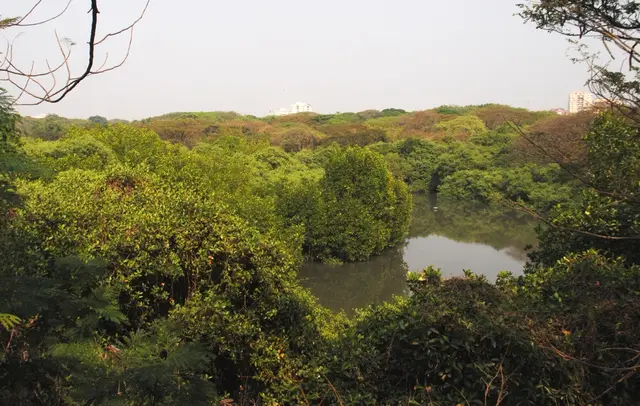
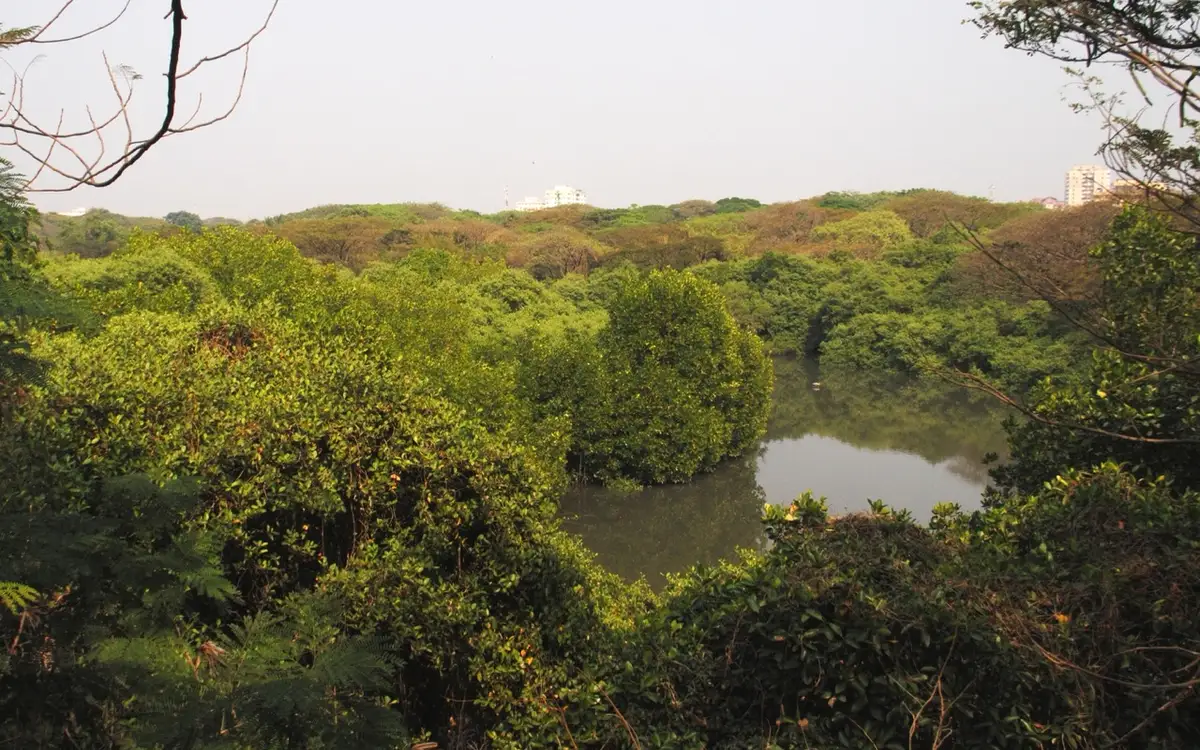
Urban bird sanctuary and mangrove pocket in central Kochi, useful as a short nature stop.
Official source →Browse listed stays, food, activities, sights, shops and rentals around Chottanikkara Temple. Check each listing’s locality and contact the business directly for current arrangements.
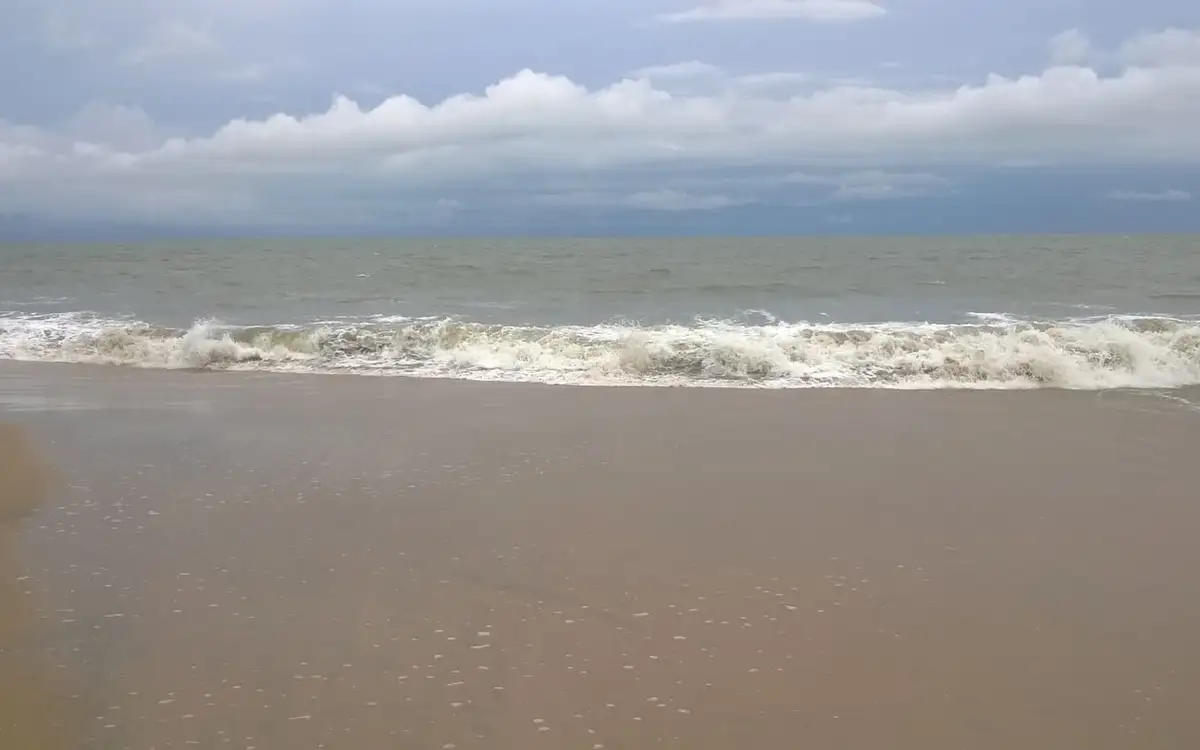
Popular beach on the northern side of Vypin Island, Greater Kochi. Beach, vypin, greater kochi.
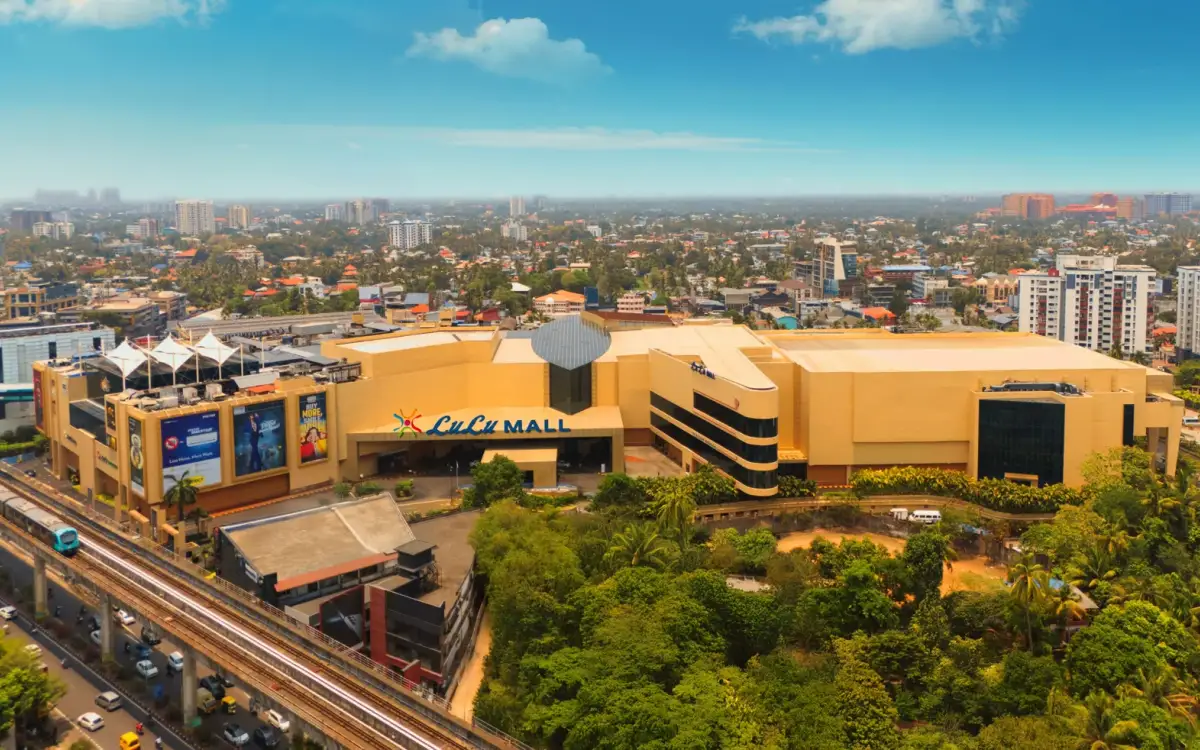
Mall on Old NH 47, Edappally Junction, Nethaji Nagar, Edappally in Ernakulam. WiFi, Wheelchair access.
Art gallery in Kochi City Centre, Ernakulam, Kerala, India.
Attraction in Kochi City Centre, Ernakulam, Kerala, India.
Palace in Kochi City Centre, Ernakulam, Kerala, India.
Private museum of Kerala folk art and heritage at Thevara, Greater Kochi. Museum, folk art, thevara.
City-centre church record; exact identity and visitor location need confirmation.
Vembanad is a backwater lake across several Kerala districts. Choose the actual boarding point and an agreed boat route when planning an outing; a lake map pin does not identify a departure jetty.
Pepper Kerala Holidays is a Kochi-based tourist transport operator running its own fleet of cars, tempo travellers and coaches for Kerala tour packages and airport transfers. Its office is at Kadavanthra with a garage near Cochin airport, booking direct without commission.
BCabs is an independent Kochi taxi operator running its own fleet of cars, SUVs and vans for airport transfers and outstation trips across Kerala. Registered as BTransport Solutions with a Palarivattom office, it offers 24/7 pickups with direct booking rather than middleman commission.
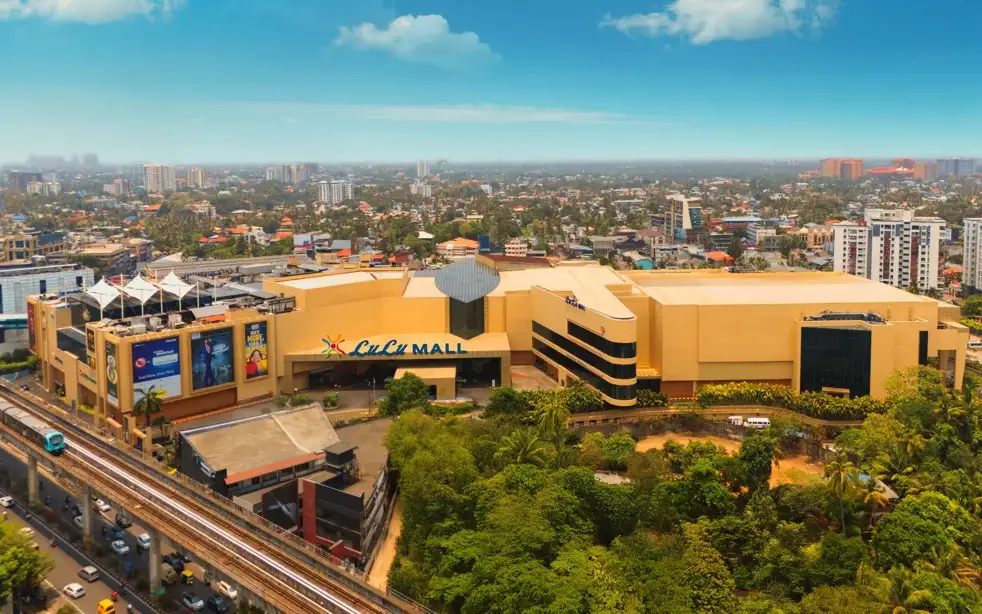
LuLu Mall Kochi’s published overview describes a multi-cuisine food court alongside separate restaurants and cafés. Treat the food court as a choice of outlets inside the Edappally mall, rather than a single restaurant with one shared menu or reservation desk.
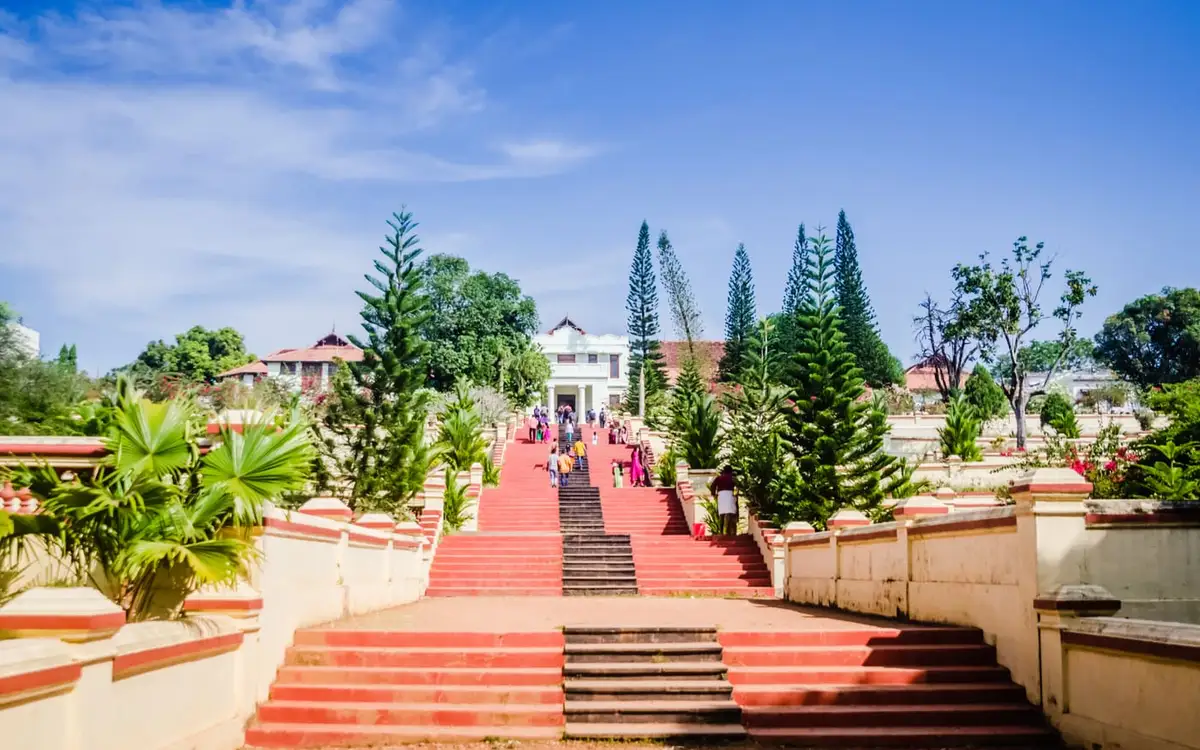
Kerala Tourism-listed heritage museum campus at Thripunithura near Ernakulam. Museum entry fee; confirm current rates direct · Thripunithura, Museum, Heritage.
Edappally mall with official helpdesk contact and visitor services. Free entry; pay per shop, cinema or activity · Edappally, Shopping, Family stop.
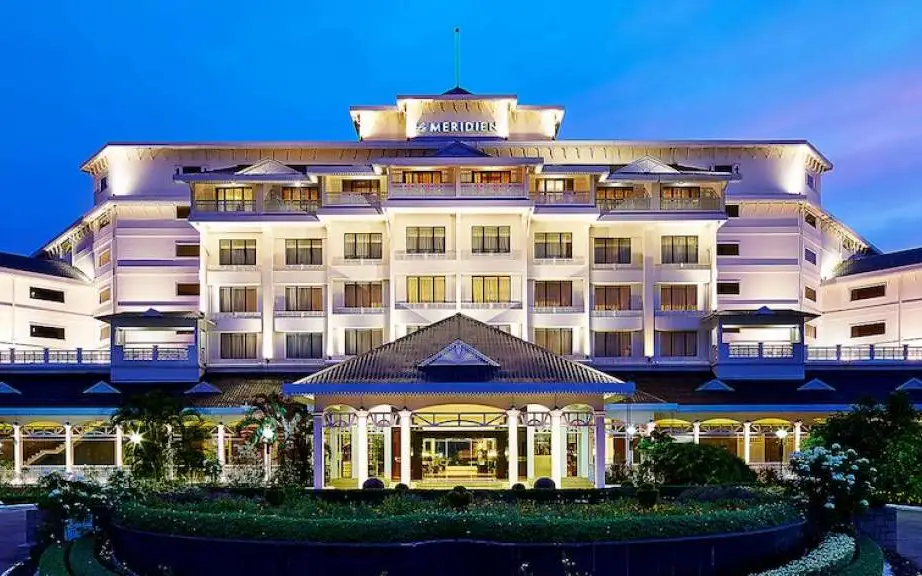
Marriott hotel in Maradu with rooms, restaurants, spa and event facilities. 5-star luxury hotel · Maradu, Ernakulam city, Marriott.
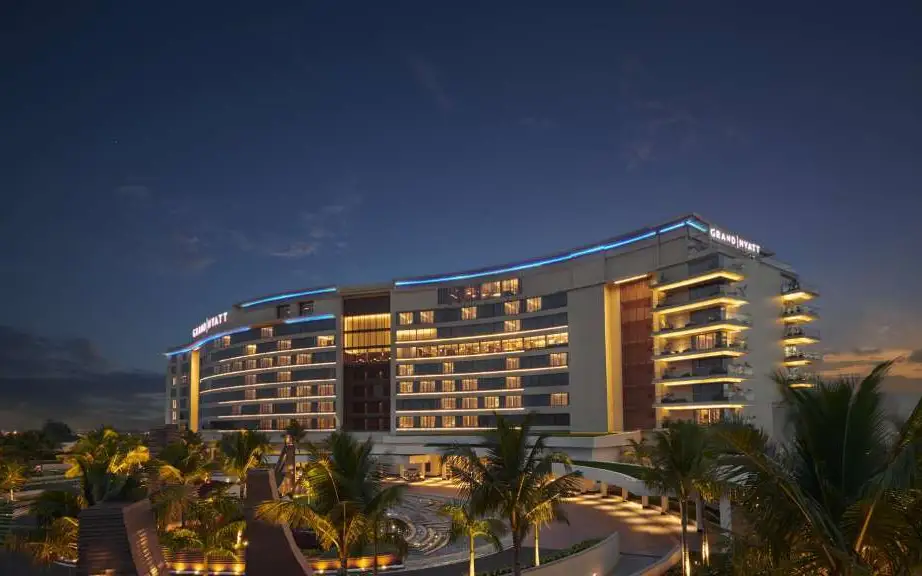
Grand Hyatt Kochi Bolgatty is a waterfront hotel on Bolgatty Island, separate from KTDC’s Bolgatty Palace. Hyatt distinguishes king and twin rooms, Backwater View choices, Club Access categories and named suites and villas. Choose the bed, view and access category before comparing a quote.
Archaeological museum and former royal palace at Tripunithura, Greater Kochi. Museum, heritage, tripunithura.
Hotel in Kochi City Centre, Ernakulam, Kerala, India. AC, Wheelchair access.
Church in Kochi City Centre, Ernakulam, Kerala, India.
Church in Kochi City Centre, Ernakulam, Kerala, India.
See in Kochi City Centre, Ernakulam, Kerala, India. Wheelchair access.
Synagogue in Kochi City Centre, Ernakulam, Kerala, India.
Church in Kochi City Centre, Ernakulam, Kerala, India.
Church in Kochi City Centre, Ernakulam, Kerala, India. Wheelchair access.
Mosque in Kochi City Centre, Ernakulam, Kerala, India.
Book with the place itself. India’s cyber-crime coordination centre warned in April 2025 that convincing copies of hotel and pilgrimage booking sites are being pushed through sponsored search and social ads, taking payment for rooms the property never hears about. Use the contact and source details on each profile to confirm the exact business and booking channel. A directory entry or map pin alone does not establish an operator’s identity or current availability. Roampedia takes no commission and does not collect booking payments. If a booking page reached you through an ad, check the address bar against the property’s own site before you pay. Fraud can be reported on cybercrime.gov.in or on 1930.
Find food, accommodation and activities across Kochi City. Browse the guides for places to eat, stay and explore along your route.
12 more places around Kochi City. Open a guide to plan the visit and onward journey.
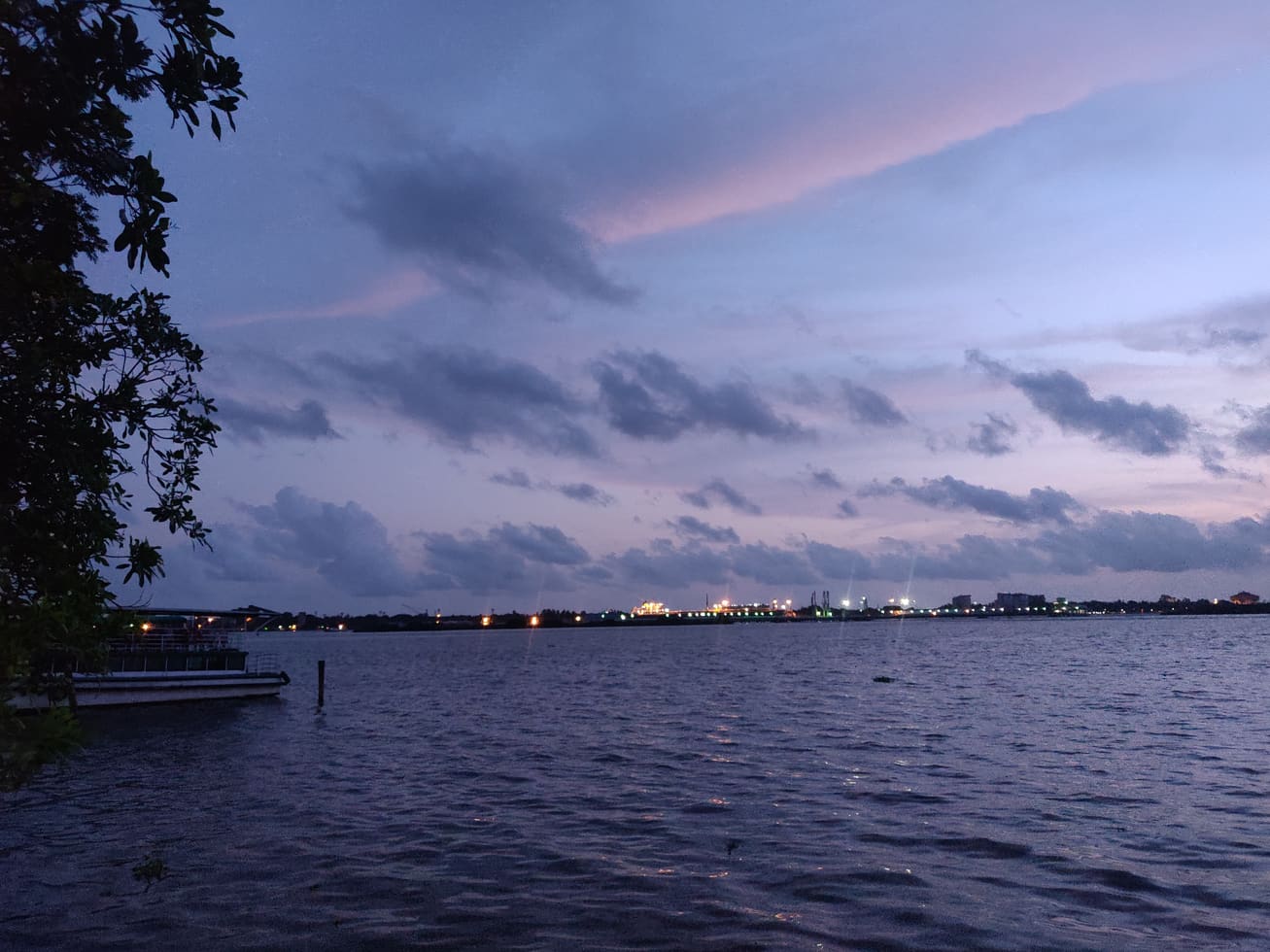
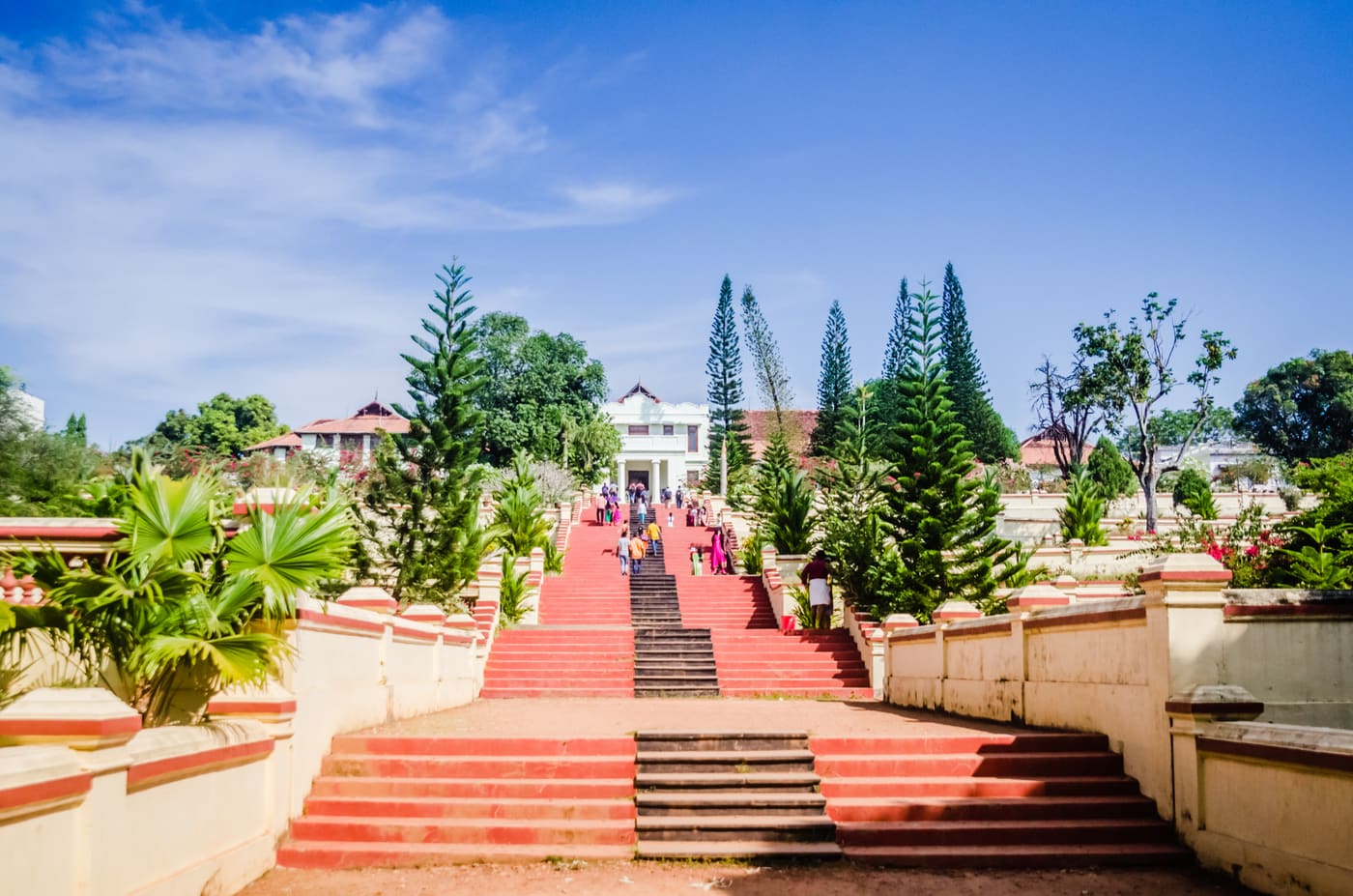
4.7 km · 5 min drive
Large royal palace museum complex east of Kochi city.
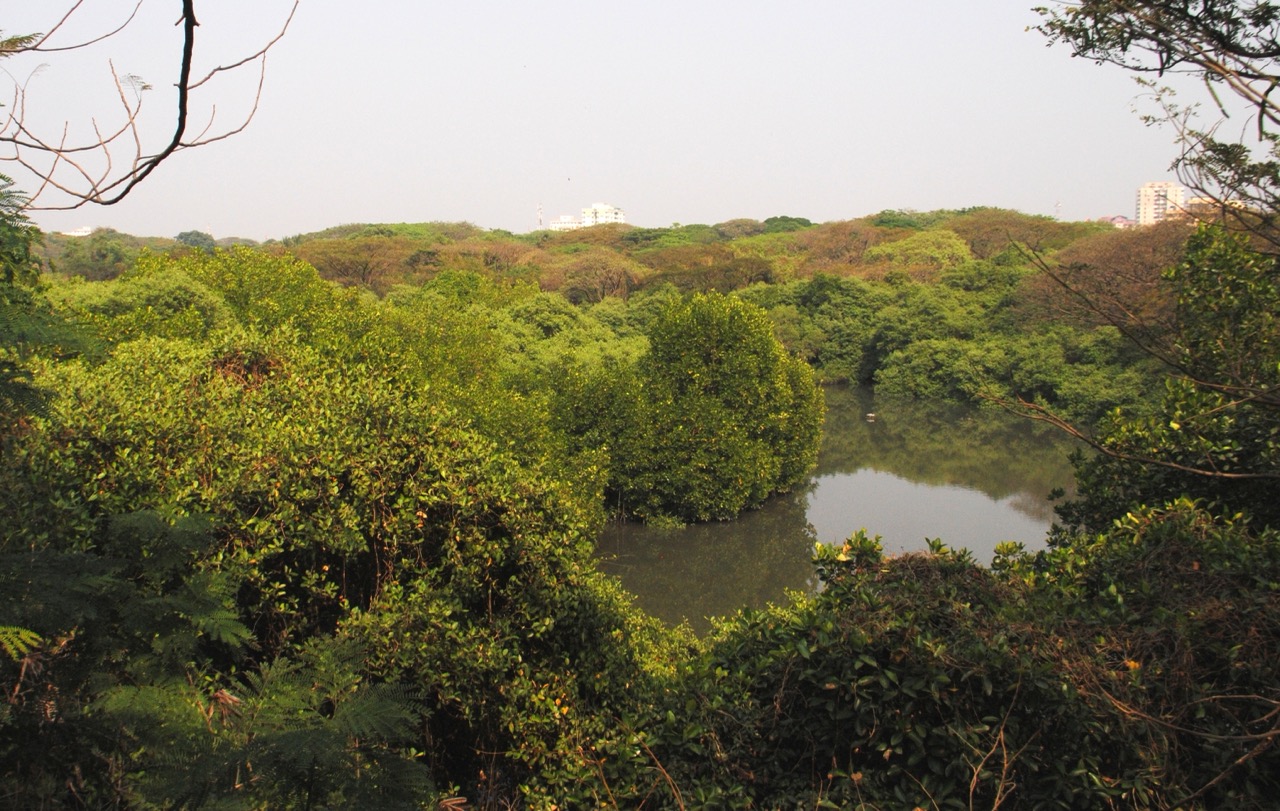
A small mangrove “green lung” behind the High Court in Ernakulam, a nesting site for migratory and resident birds.
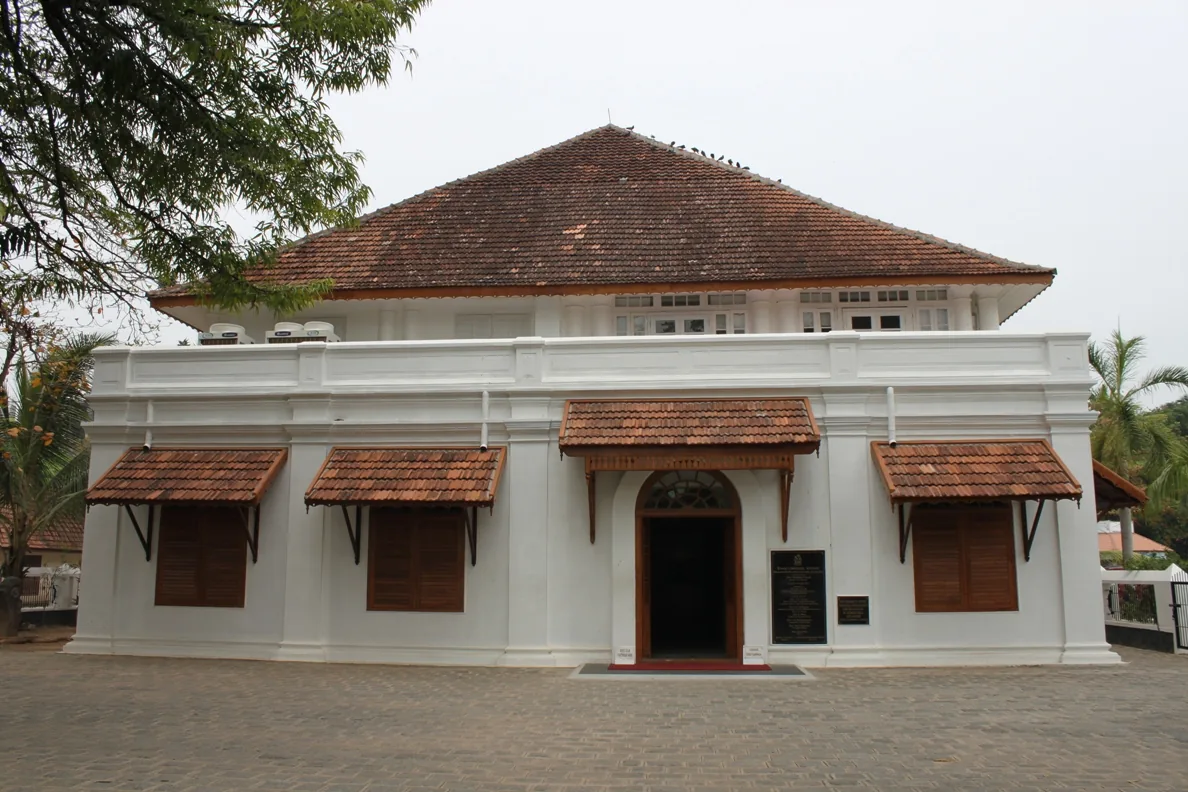
15.8 km · 22 min drive
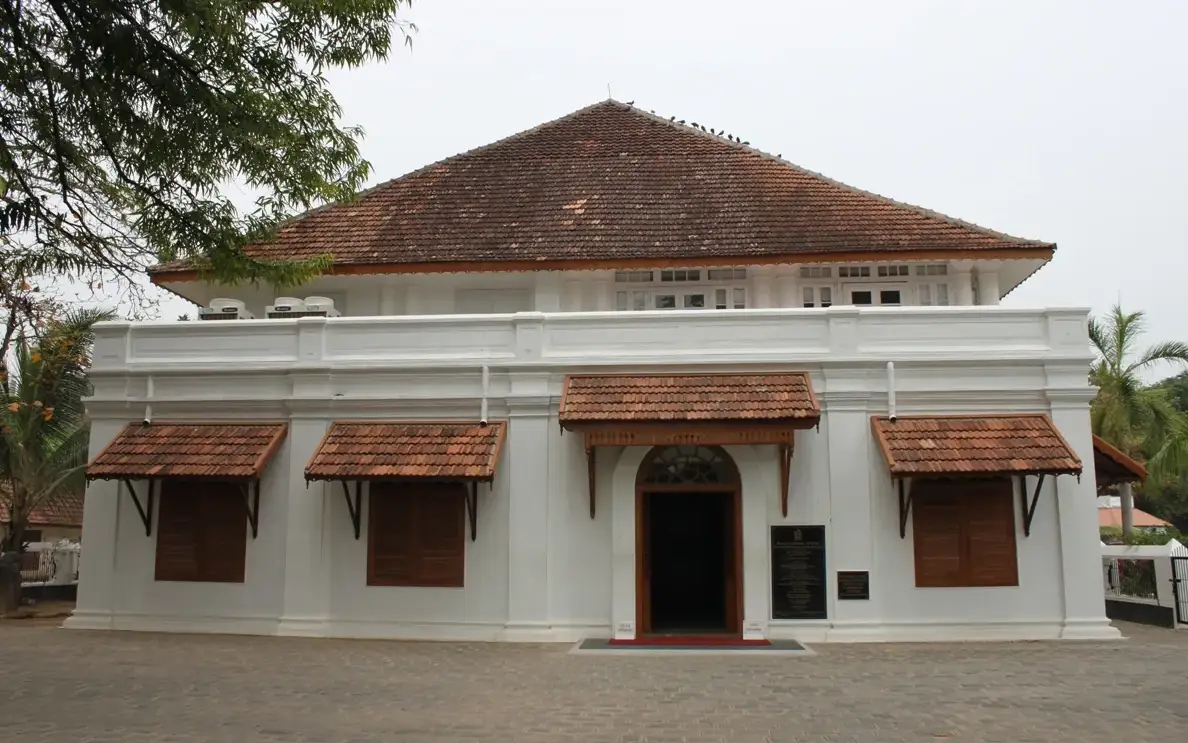
A heritage hall in Ernakulam run as a contemporary art gallery by the Kerala Lalithakala Akademi.
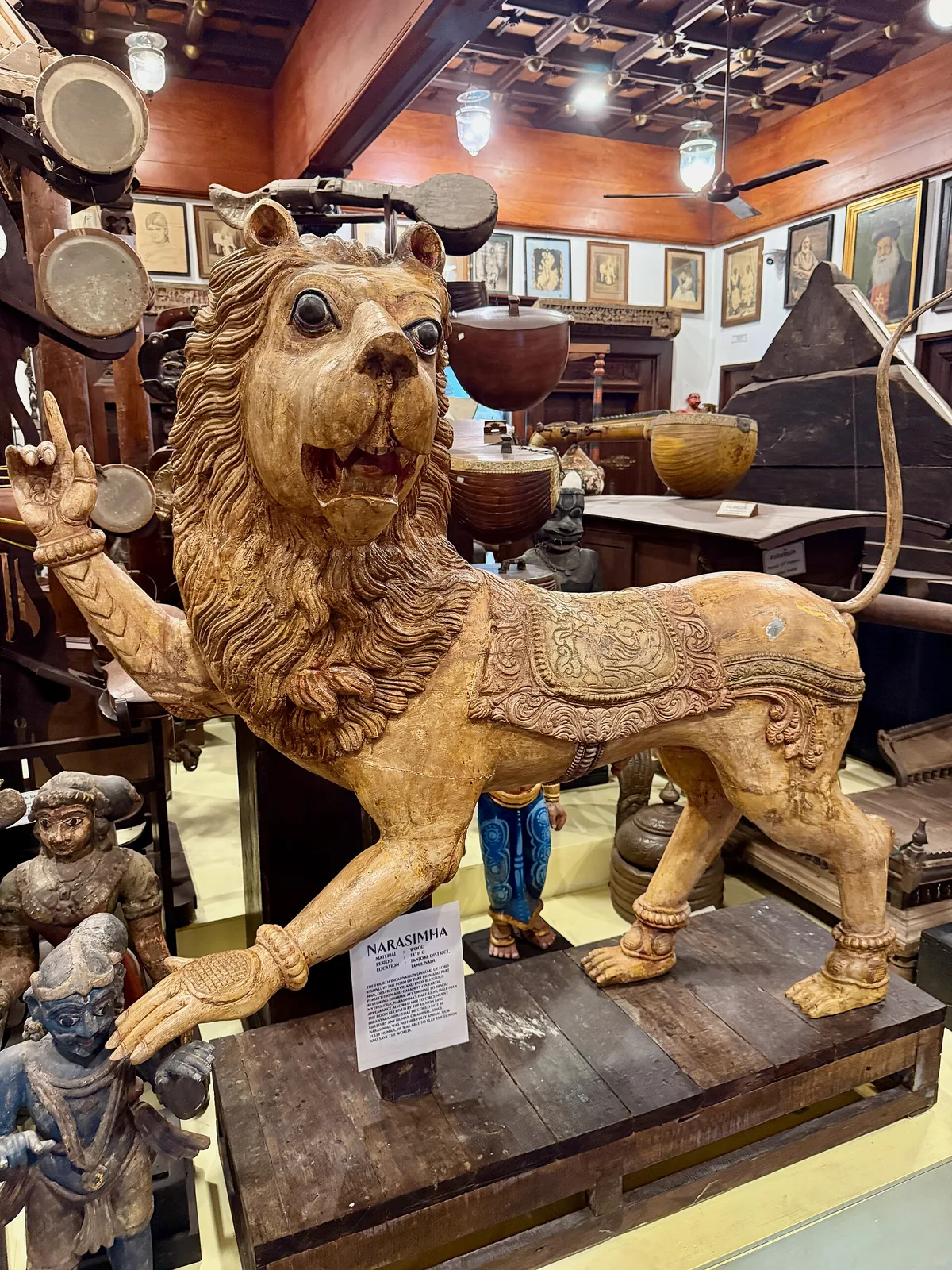
12.8 km · 16 min drive
A privately built museum at Thevara with thousands of Kerala folk and ritual artefacts across Malabar, Kochi and Travancore styles.
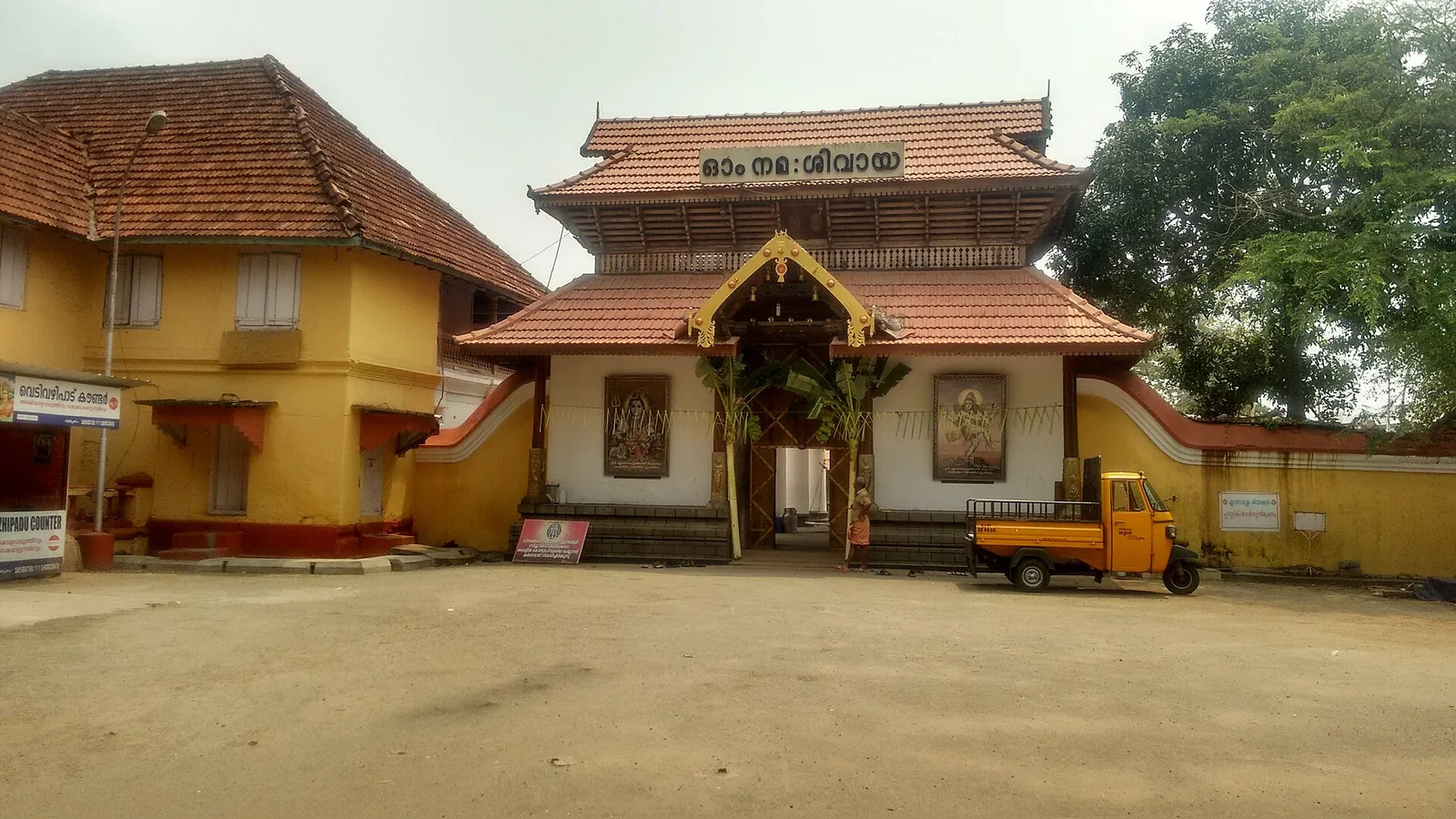
16.0 km · 22 min drive
The Ernakulam Shiva temple on Durbar Hall Road, the city’s principal temple and home to the eight-day Ernakulathappan festival.
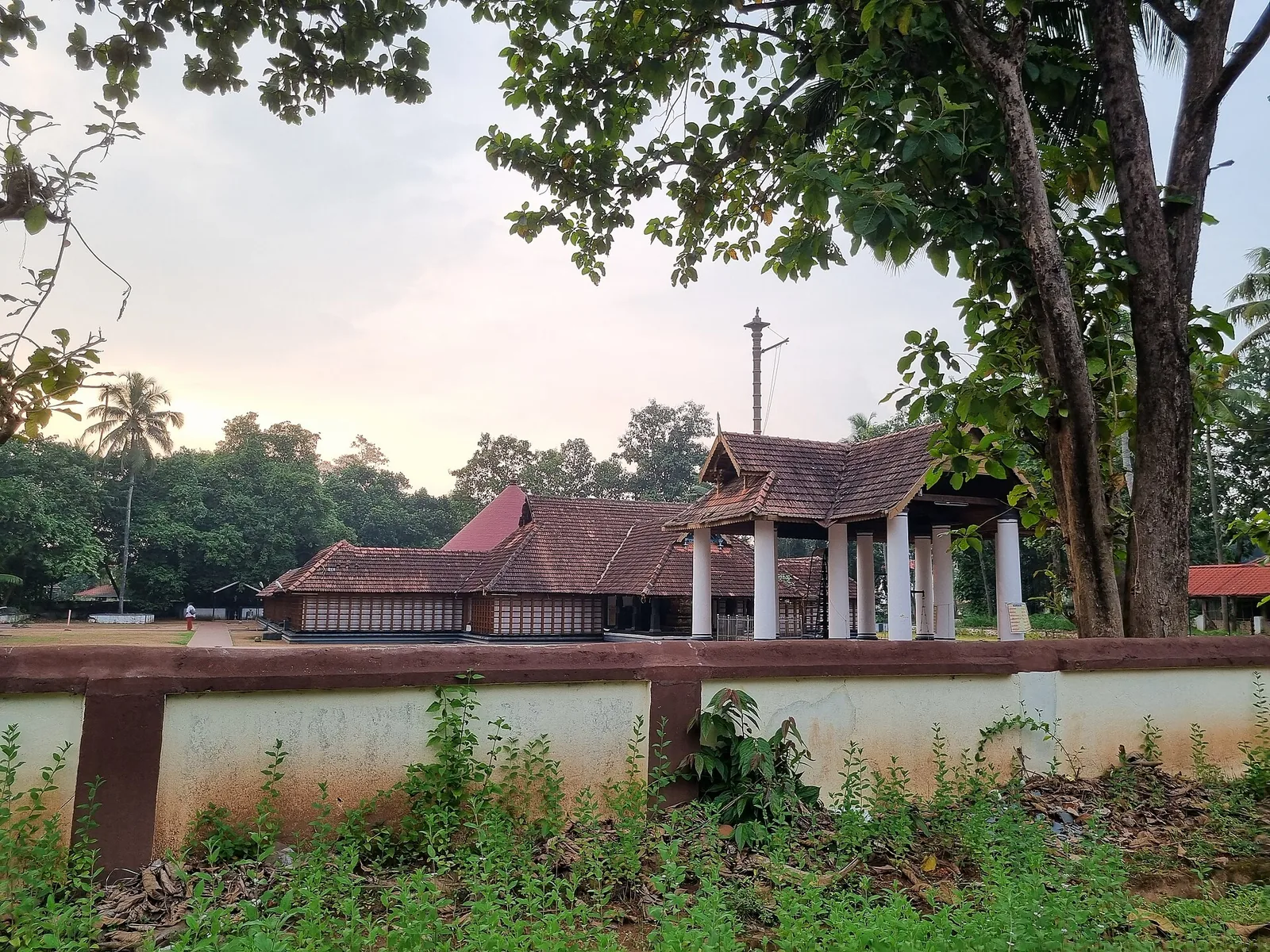
16.0 km · 18 min drive
The only major temple to Vamana in Kerala, at Thrikkakara near Kakkanad — traditionally regarded as the origin place of the Onam festival.
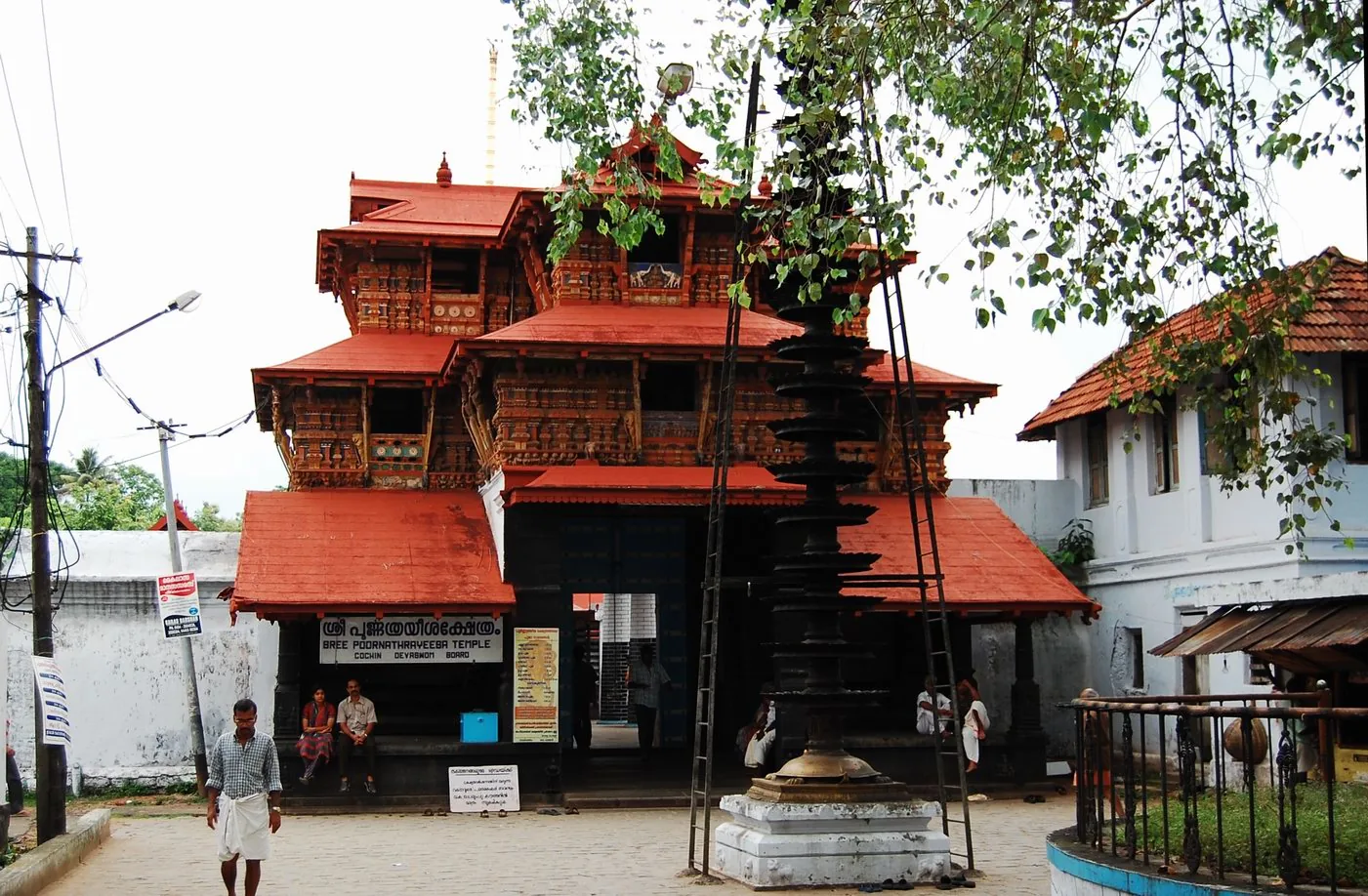
7.9 km · 11 min drive
One of the great Vishnu temples of Kerala, at Tripunithura, known for its Vrischikotsavam festival.
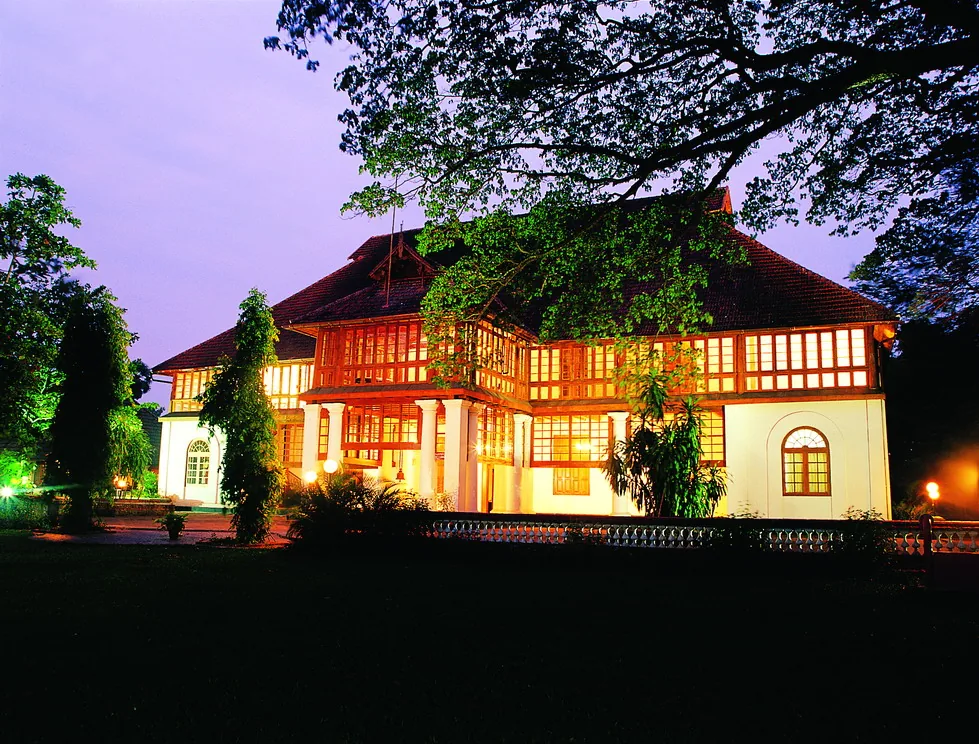
A 1744 Dutch palace on Bolgatty Island, one of the oldest existing Dutch palaces outside the Netherlands, set in island gardens (now a KTDC heritage hotel).
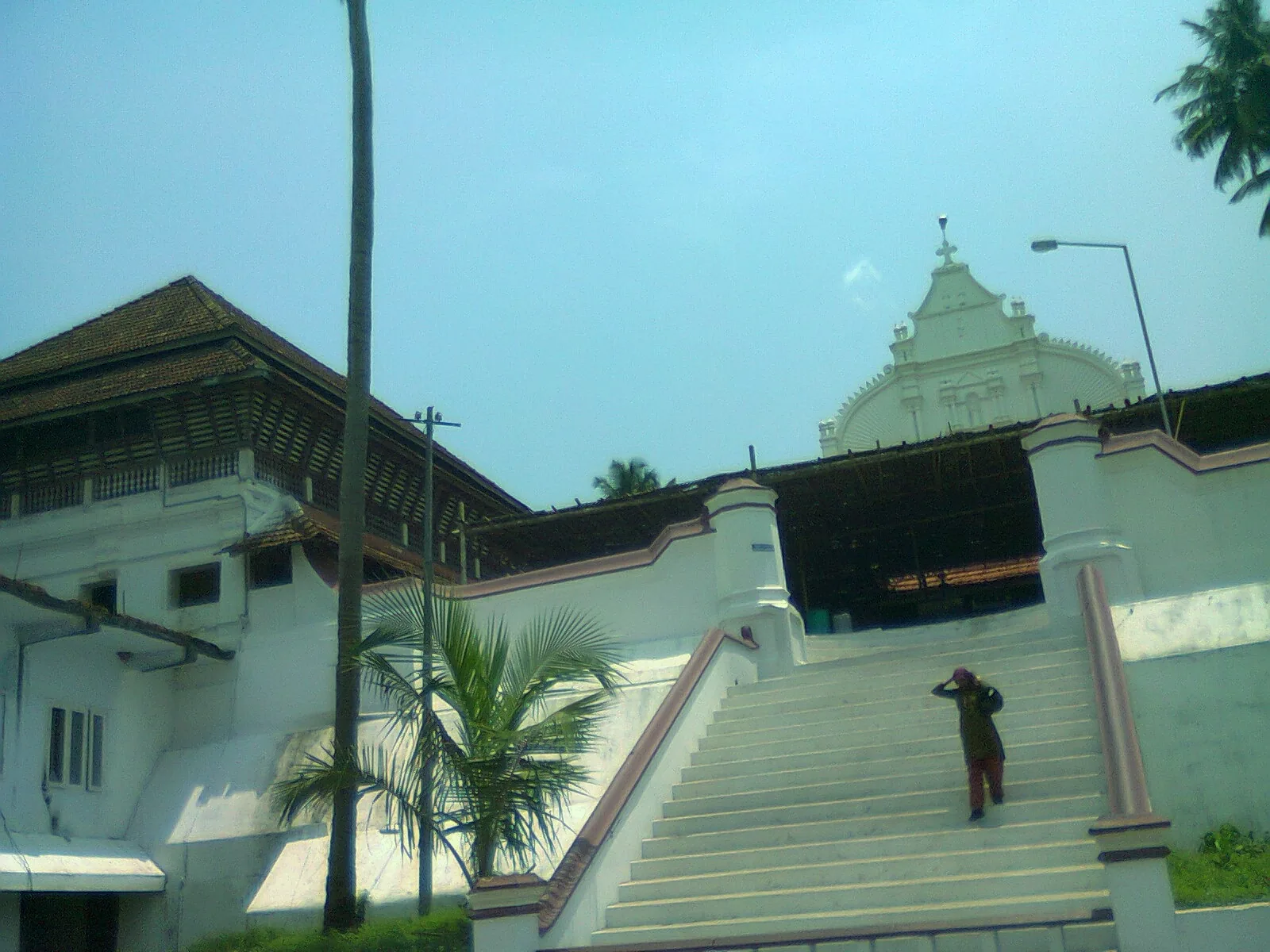
17.6 km · 16 min drive
An ancient Orthodox church east of Kochi linked to the legend of the sorcerer-priest Kadamattathu Kathanar, drawing large crowds at its annual feast.
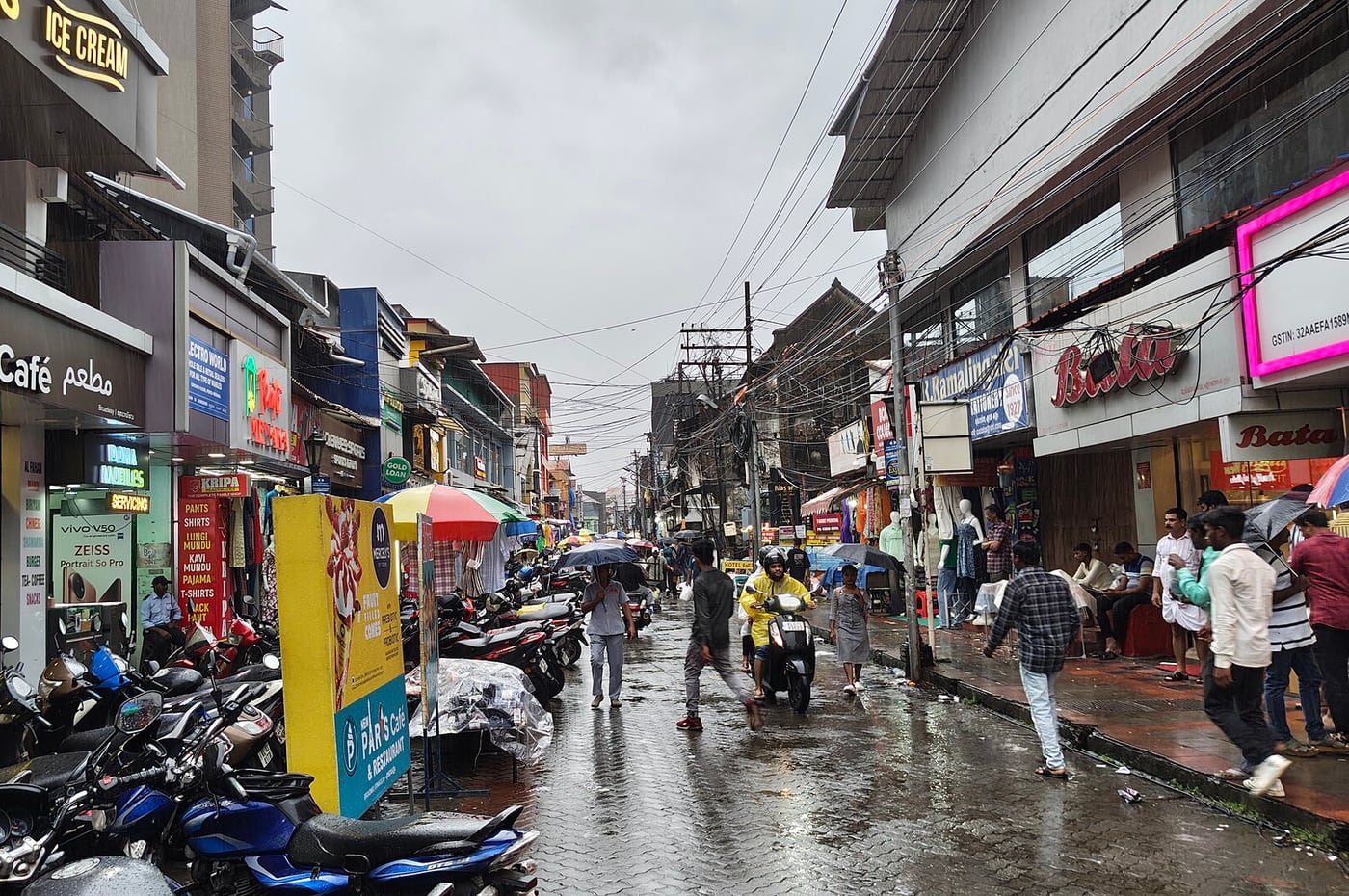
Mainland Kochi’s old shopping street, a pedestrianised run of textile, provision, spice and gold shops between MG Road and the boat jetty — the city’s everyday market rather than a heritage set piece.
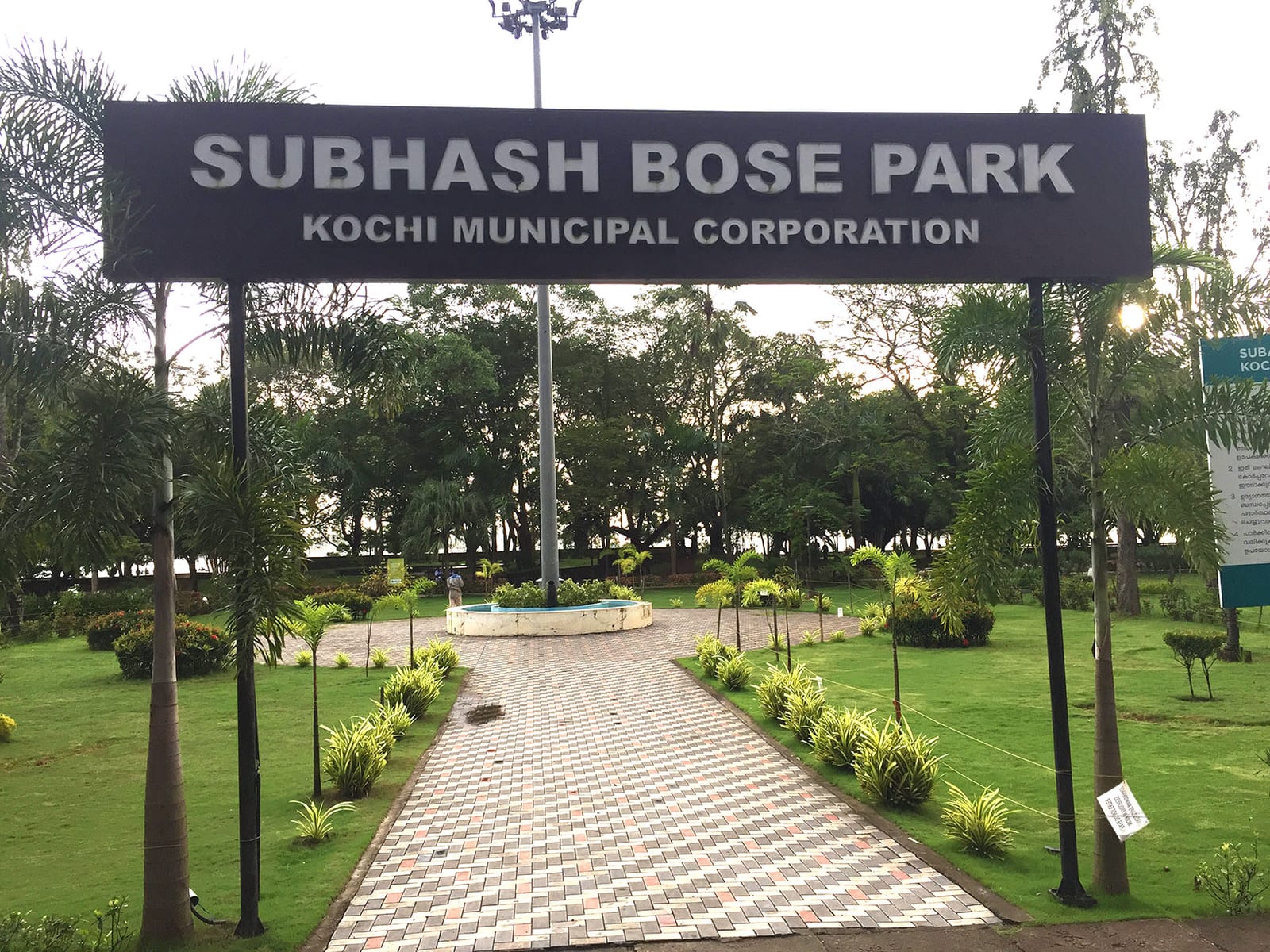
16.5 km · 23 min drive
The waterfront park beside Ernakulam Boat Jetty, at the southern end of the Marine Drive walkway — a short, shaded green break between the ferries, the market streets and the backwater.
Roampedia is commission-free — own or know a stay, eatery, guide or shop near Chottanikkara Temple? Submit public business details for review.
Add a nearby businessEntry: No entry fee; general darshan is free. Specific poojas, offerings (vazhipadu) and vows carry their own charges paid at the temple counters.
Dress code: Traditional attire required. Men usually wear a mundu/dhoti and remove the shirt before the inner shrines (angavastram may be allowed); women wear a saree, set-mundu, churidar or salwar. Avoid jeans, shorts, sleeveless and revealing clothing.
Festivals: Makam Thozhal on the Makam star in Kumbham (February–March) is the great annual observance; other important occasions include Navaratri (September–October), Thrikkarthika and Deepavali, alongside the daily rhythm of poojas and the nightly Guruthi Pooja.
Photography: Photography is generally restricted inside the temple, especially near the sanctums and during rituals; follow the posted rules and staff instructions.
If you are travelling by bus or ferry, check the return service with the operator before setting out. Leave time to reach the stop or jetty after your visit.
Ask at the bus stand for the time of the last service back, not the next one. If you miss it, an auto or app cab is the fallback — agree the fare before you get in.
If you need step-free access, contact the site before travelling. Ask about a level entrance, steps along the route, the nearest drop-off point, seating and accessible toilets.
Charge cap and free-transaction limits: Reserve Bank of India, ATM FAQ updated 4 July 2025; checked 4 October 2026.
These services are listed within about 1.2 km of Chottanikkara Temple. Walking distances follow mapped routes; access and opening hours can change. Other services may be closer but are not included here.
Published emergency and visitor-assistance contacts. For an immediate emergency, call 112. Shared Kerala contact sources checked 4 October 2026; publication does not establish a tested live response.
Large royal palace museum complex east of Kochi city.
4.7 km · 5 min driveOne of the great Vishnu temples of Kerala, at Tripunithura, known for its Vrischikotsavam festival.
7.9 km · 11 min drive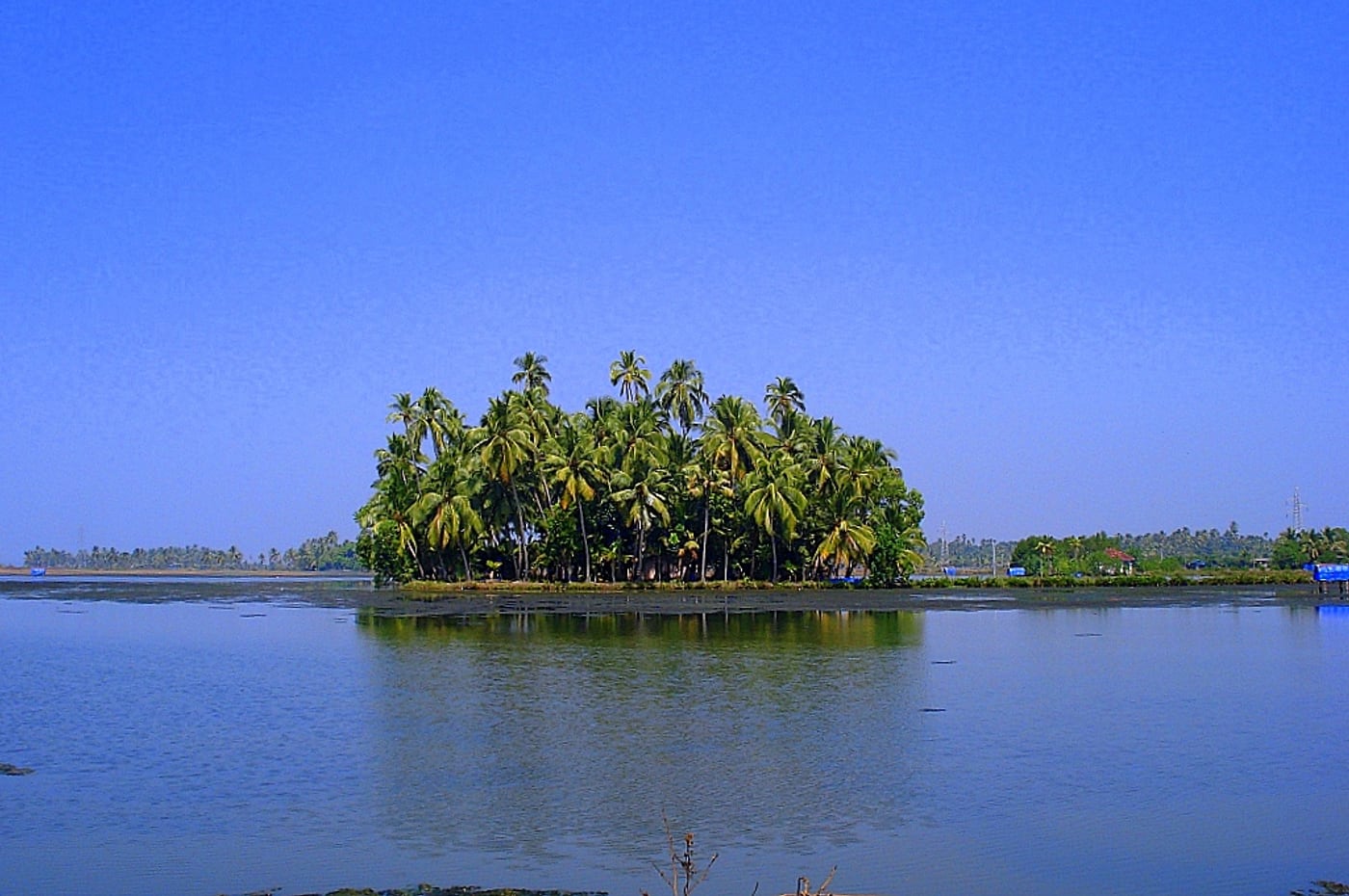
Guided walking routes through Kumbalangi’s lanes and working yards — coir twisting, toddy tapping, clam-shell collecting, prawn-filtration ponds and crab farms — run by the village’s own hosts rather than by an outside operator.
12.6 km · straight line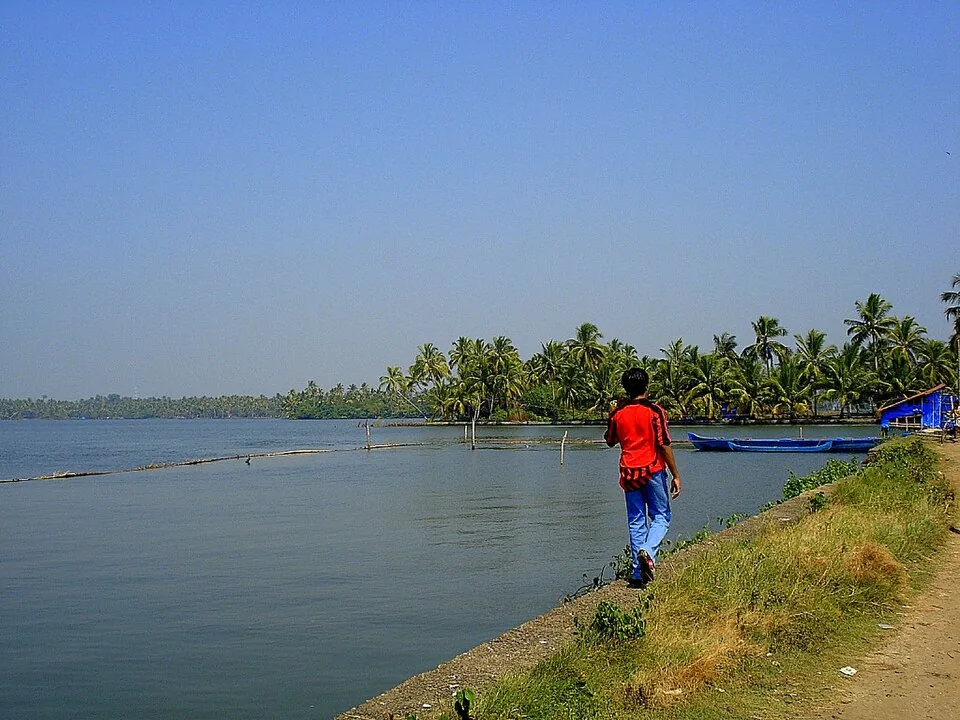
The North Kumbalangi homestay belt, where the draw is eating karimeen, clam and crab cooked in a family kitchen from that morning’s catch — the food is the reason to stay, not an amenity attached to the room.
12.6 km · straight lineA privately built museum at Thevara with thousands of Kerala folk and ritual artefacts across Malabar, Kochi and Travancore styles.
12.8 km · 16 min drive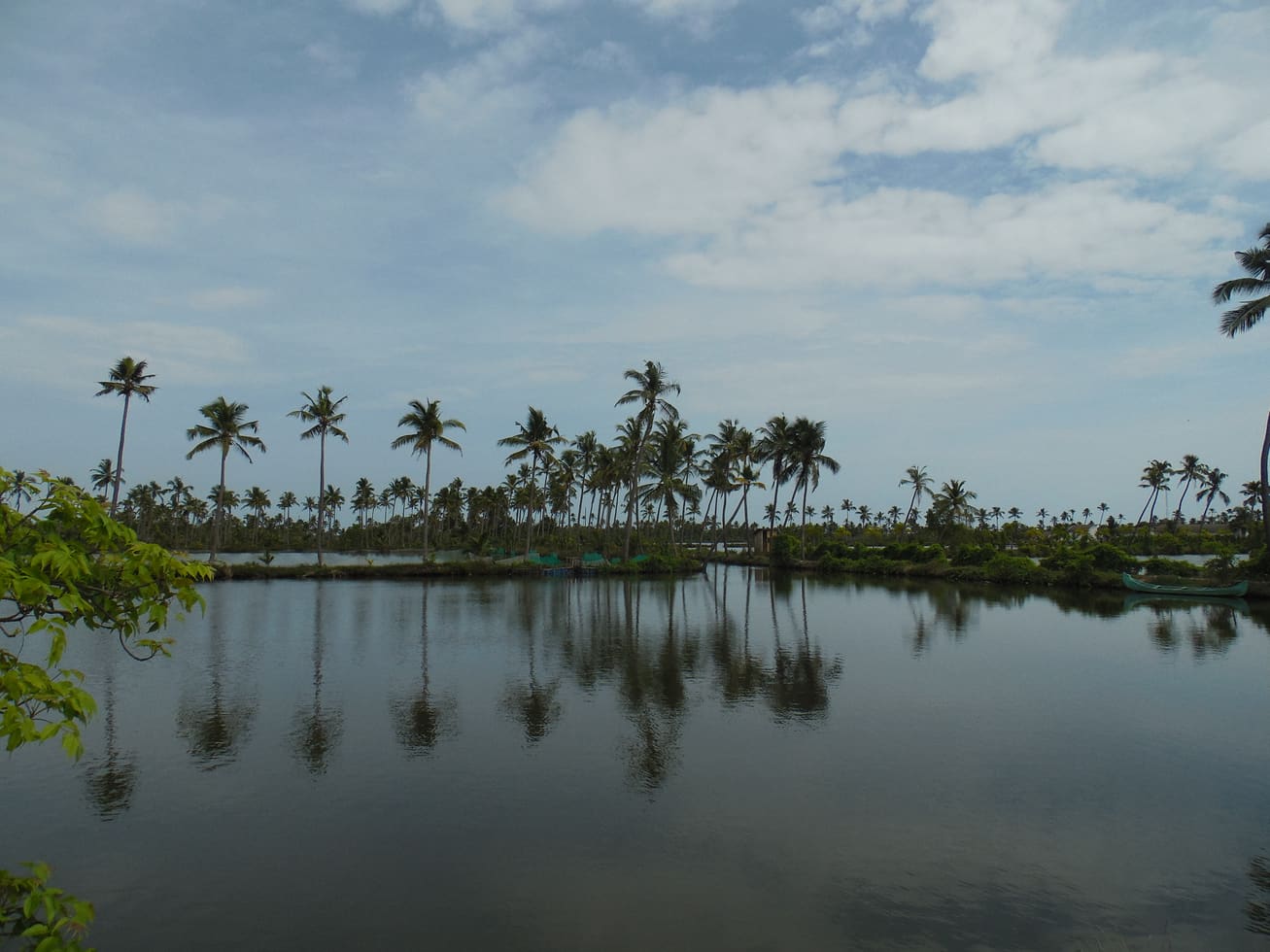
Model tourism village known for backwater life, fishing and village experiences.
13.0 km · straight line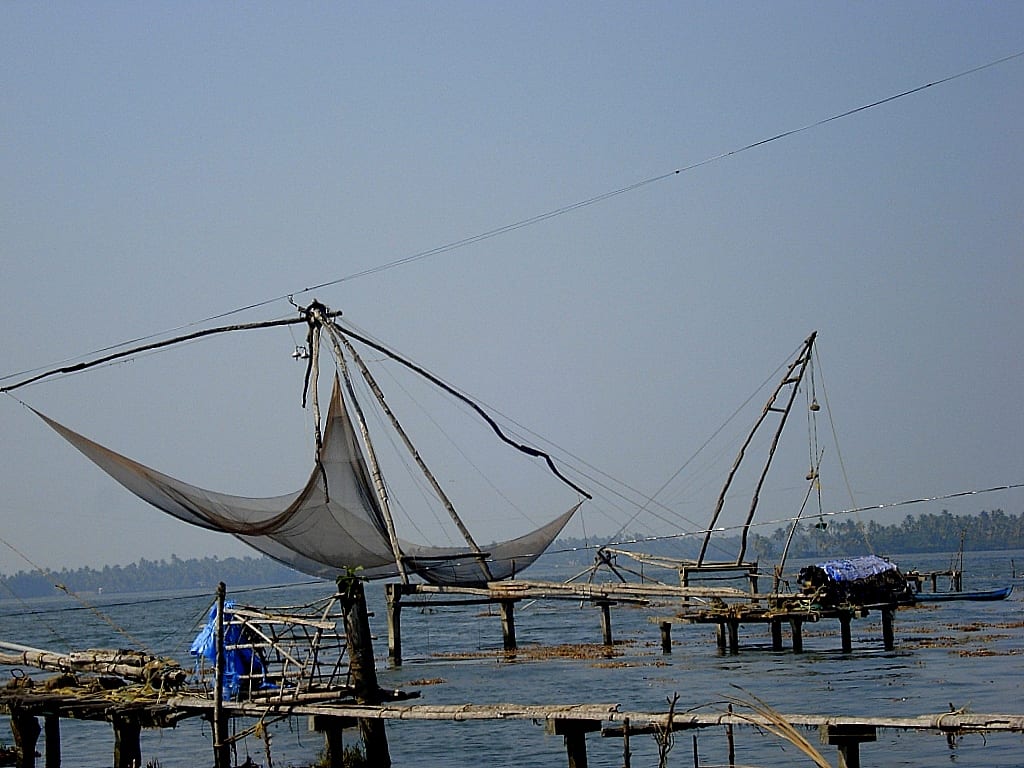
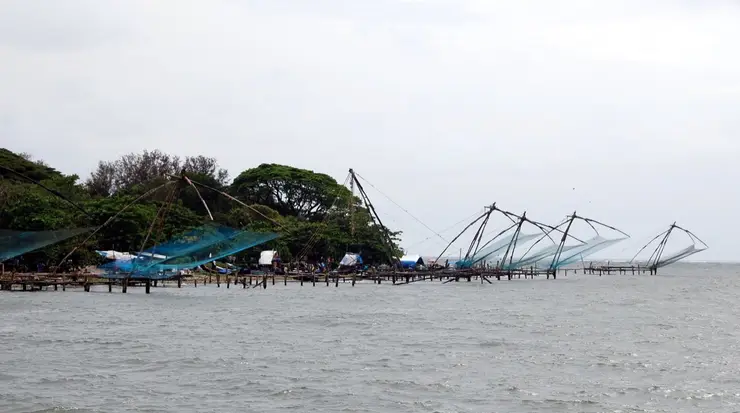
Kumbalangi’s own cantilevered cheena vala, worked on a village creek instead of a tourist seafront — fewer, quieter and still fished for a living, which is the whole difference from the Fort Kochi row.
13.3 km · straight lineA heritage hall in Ernakulam run as a contemporary art gallery by the Kerala Lalithakala Akademi.
15.8 km · 22 min driveThe only major temple to Vamana in Kerala, at Thrikkakara near Kakkanad — traditionally regarded as the origin place of the Onam festival.
16.0 km · 18 min driveThe Ernakulam Shiva temple on Durbar Hall Road, the city’s principal temple and home to the eight-day Ernakulathappan festival.
16.0 km · 22 min driveThe waterfront park beside Ernakulam Boat Jetty, at the southern end of the Marine Drive walkway — a short, shaded green break between the ferries, the market streets and the backwater.
16.5 km · 23 min driveAn ancient Orthodox church east of Kochi linked to the legend of the sorcerer-priest Kadamattathu Kathanar, drawing large crowds at its annual feast.
17.6 km · 16 min driveRoad and walking figures are route estimates, with travel times dependent on access, traffic and conditions. Figures marked “straight line” show direct separation and do not describe a road or walking route. Fare estimates use Kerala’s 26 April 2022 auto/taxi notification and exclude waiting, night and applicable one-way surcharges. Confirm the current meter or operator quote before travelling. Routing: © openrouteservice.org by HeiGIT | Map data © OpenStreetMap contributors
Nearby toilets, pharmacies, ATMs, seating and vets are community-mapped and may be incomplete or out of date. Map data © OpenStreetMap contributors | Walking times © openrouteservice.org by HeiGIT
By long-standing religious tradition, the Goddess here — especially the fierce Keezhkkavu Bhadrakali — is believed to comfort and relieve those suffering mental distress and afflictions described as possession. Families often stay near the temple and take part in the daily evening Guruthi Pooja and related observances. This is a matter of faith and devotion held over many generations; it is not medical treatment, and anyone facing serious mental-health difficulties should also seek qualified professional care.
The Guruthi Pooja is a solemn evening ritual at the lower Keezhkkavu shrine invoking the Goddess in her fierce Kali form, using a symbolic red (guruthi) offering. It is typically performed after the evening worship, around 8:45–9:30 pm. Once mainly a Friday observance, it is now conducted daily. Visitors are asked to observe it with quiet respect.
At the upper Melkkavu shrine the Mother is adored across the day in three aspects — Saraswati (morning, in white), Lakshmi (noon, in crimson) and Durga (evening, in blue) — all as the one sovereign Goddess Rajarajeswari. An idol of Mahavishnu shares her pedestal, which is why she is invoked as Lakshmi-Narayana and pilgrims chant “Amme Narayana, Devi Narayana, Lakshmi Narayana, Bhadre Narayana.”
Makam Thozhal is the temple’s most important annual observance, held on the Makam star (nakshatra) in the Malayalam month of Kumbham, usually falling in February or March. By tradition the Goddess revealed herself in full glory to Vilwamangalam Swamiyar on this star, and darshan on this day is considered highly auspicious — drawing very large crowds, so expect long queues and plan accordingly.
Traditional attire is required: men typically wear a mundu/dhoti and remove their shirt before the inner shrines (an angavastram may be permitted), and women wear a saree, set-mundu, churidar or salwar. Jeans, shorts, sleeveless tops and casual western wear are best avoided. As at many traditional Kerala temples, entry may be reserved for those of the Hindu faith and there is an established etiquette to follow.
As with most active Kerala shrines, photography is generally restricted within the temple, particularly around the sanctums and during rituals, and mobile phones may need to be left aside. Please check the posted rules and follow the instructions of temple staff on the day.
Morning or early evening is usually best; festival days can be powerful but crowded.
Entry: No entry fee; general darshan is free. Specific poojas, offerings (vazhipadu) and vows carry their own charges paid at the temple counters. Timings: Broadly, morning darshan around 4:00 am–12:00 noon and evening darshan around 4:00 pm–8:45 pm, with the Guruthi Pooja at the lower Keezhkkavu shrine afterwards (around 8:45–9:30 pm). Timings shift with the season and festival calendar.
Base yourself in Kochi City or a nearby town in Ernakulam, then confirm the last-mile route locally before leaving. Check temple entry customs, dress rules and festival crowd conditions before arrival. If the visit depends on forest, temple, boat, ferry, weather or seasonal access, check the official/local rule on the day before travel.
45 minutes to 2 hours, longer during festival or queue periods.
Nearby you can pair Hill Palace, Tripunithura (4.7 km, route estimate), Sree Poornathrayeesa Temple (7.9 km, route estimate), Village walks (12.6 km, approximate straight-line separation), Seafood homestays (12.6 km, approximate straight-line separation).
Use official counters for offerings/tickets where applicable. Keep footwear and valuables secure in crowded areas.
Written about Chottanikkara Temple itself — its history, its legends and the arguments about them.
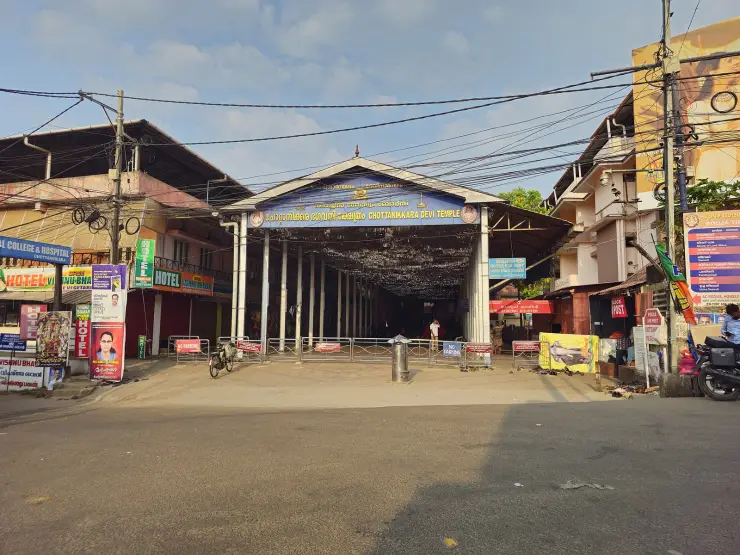
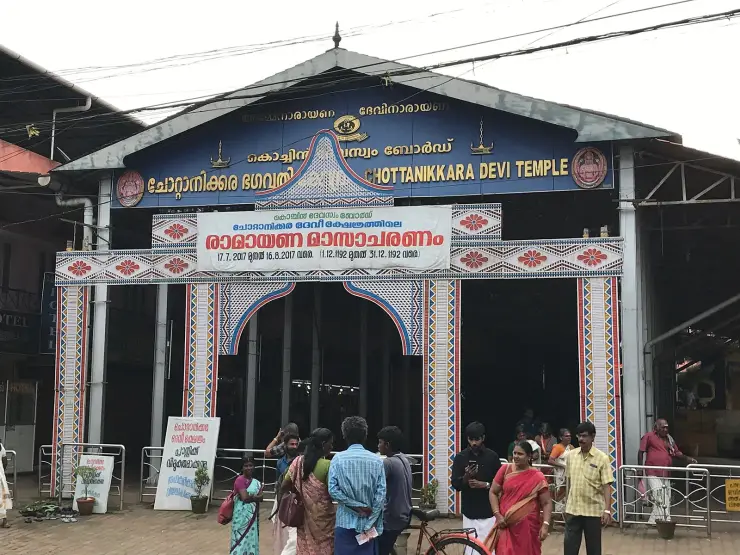
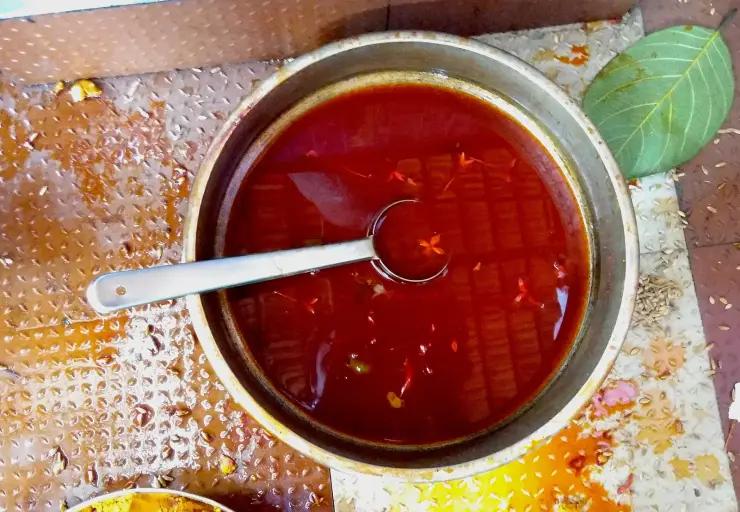
These guides explore Kochi City and the surrounding area. Choose a visit that fits your interests, allowing separately for travel between stops.
Route-level itineraries and practical guides for the rest of Kerala.
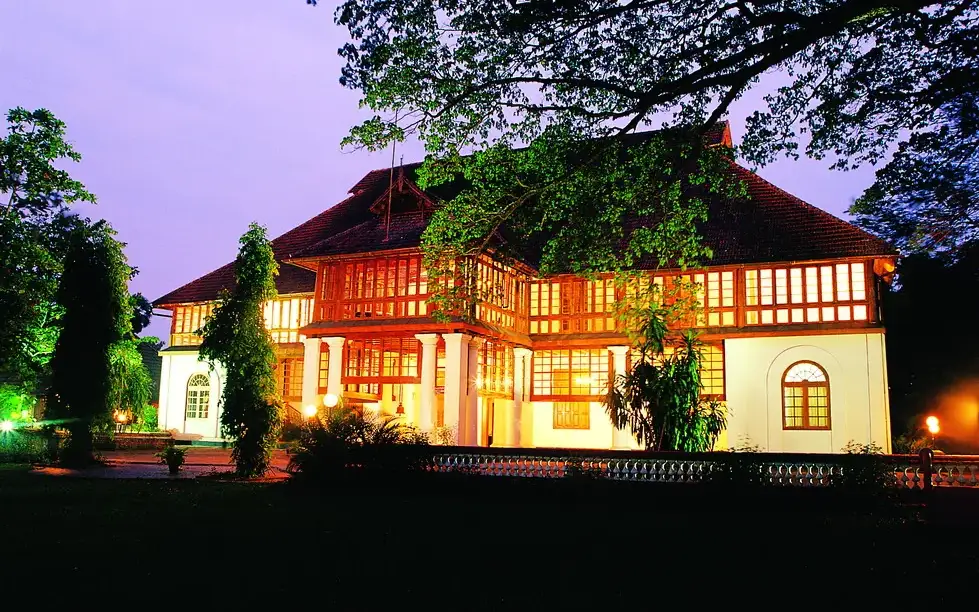
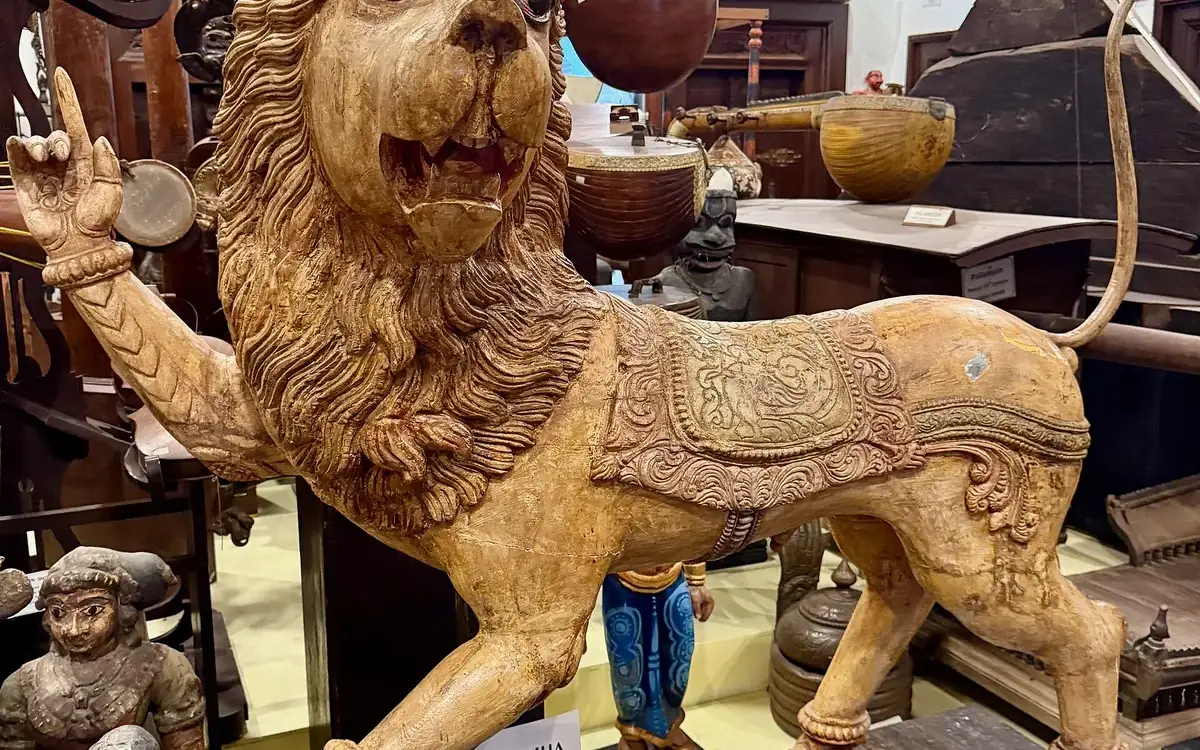
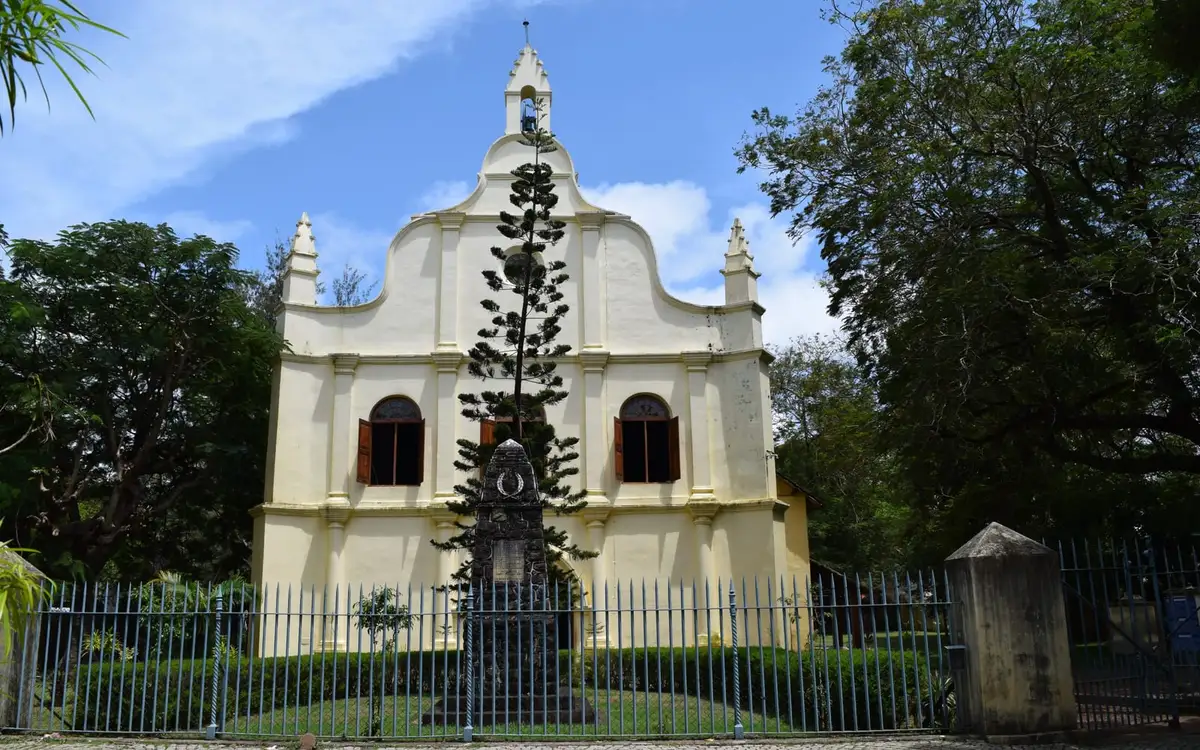
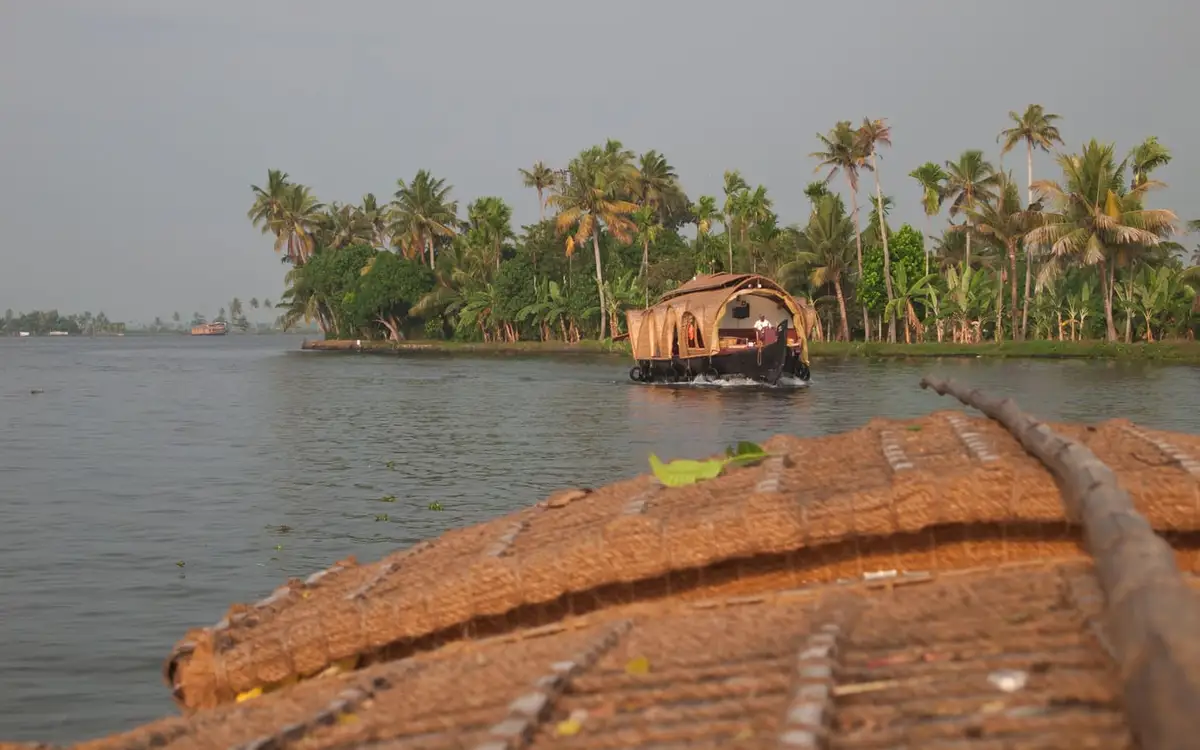
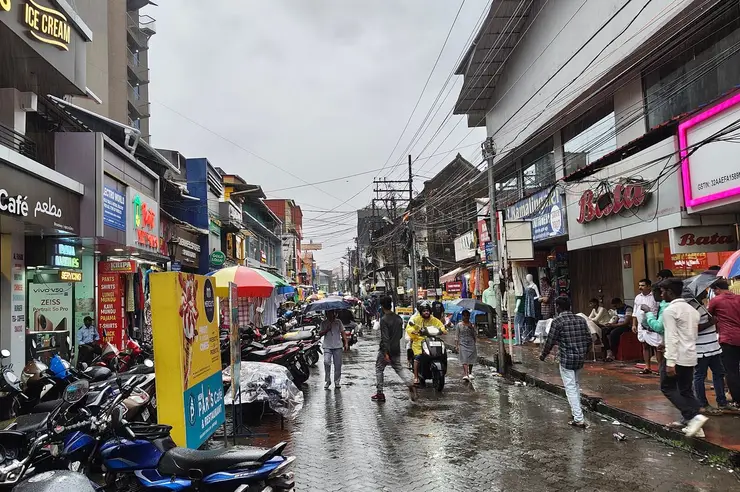
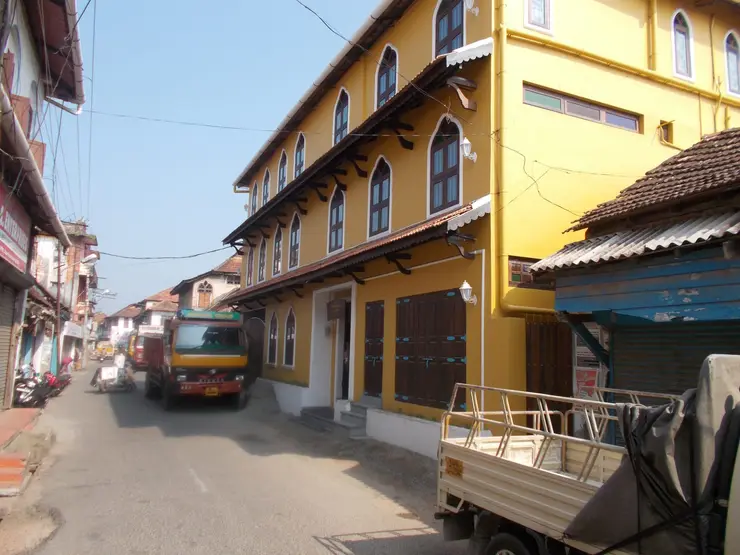
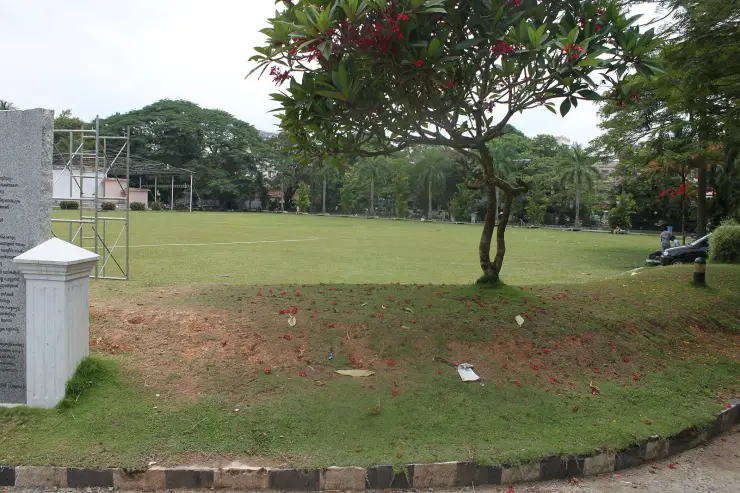
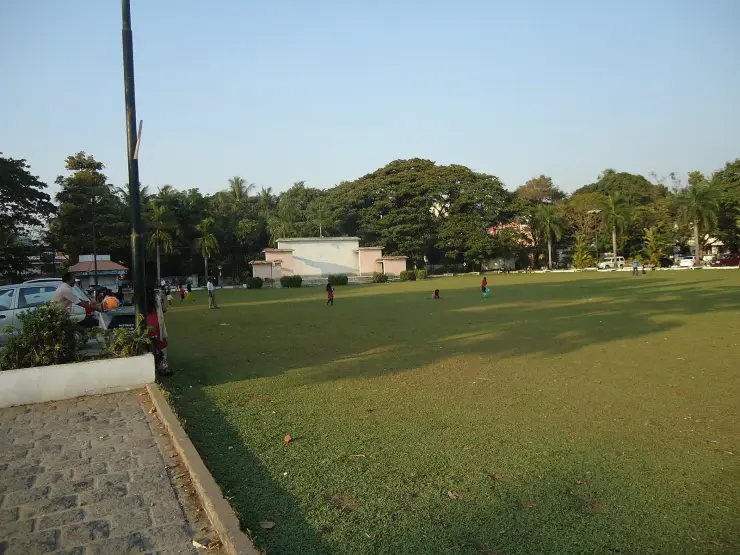
Photographs: Vis M (CC BY-SA 4.0), Vinayaraj (CC BY-SA 4.0), Augustus Binu (CC BY-SA 3.0). Wikimedia Commons.