What to expect
Highlights
- Boat or canoe routes around Periyar river
- Village life, canals and lake/river scenery
- Good fit for homestays and local food stops
Kerala’s longest river, and the reason Kalady stands where it does — the Adi Shankara traditions of the crocodile and of the river changing course both belong to this water. Ghats and quiet riverside walks beside the birthplace complex.
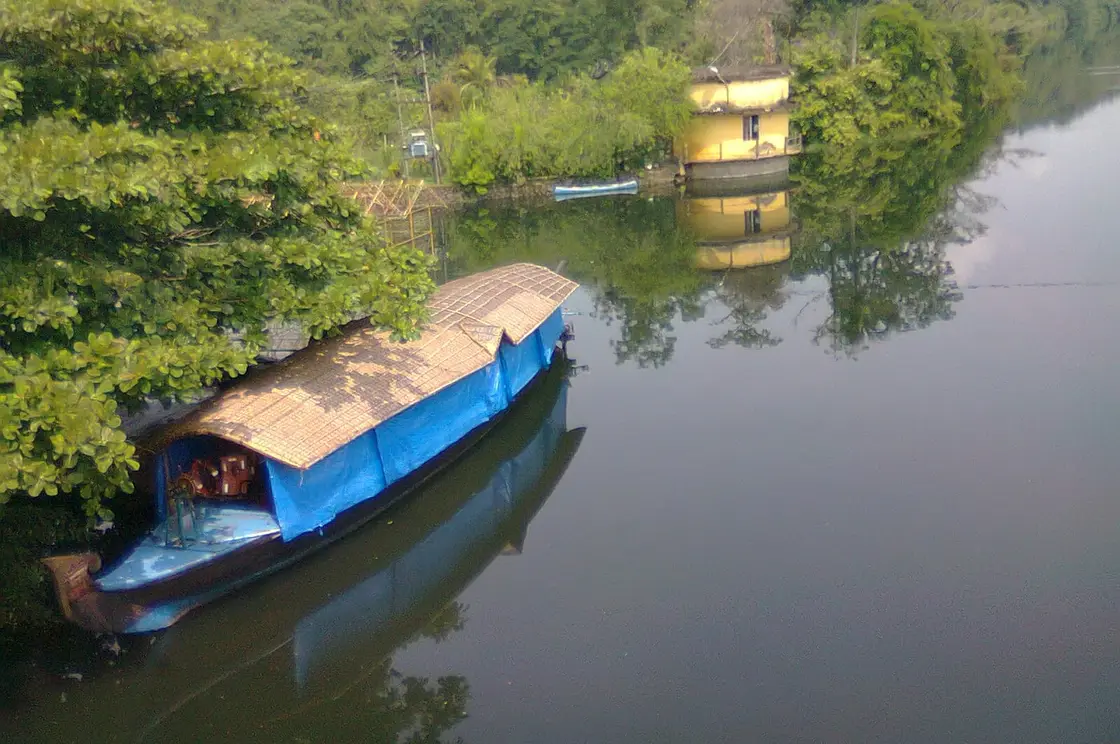
Kerala’s longest river, and at Kalady it is not scenery — it is the reason the town is a pilgrimage place at all. Two of the three stories that made Adi Shankara’s name happened in this water: the crocodile that seized him and won him his mother’s consent to renounce the world, and the river that is said to have changed its course so his ageing mother could reach it. You can stand on the ghats where both are located.
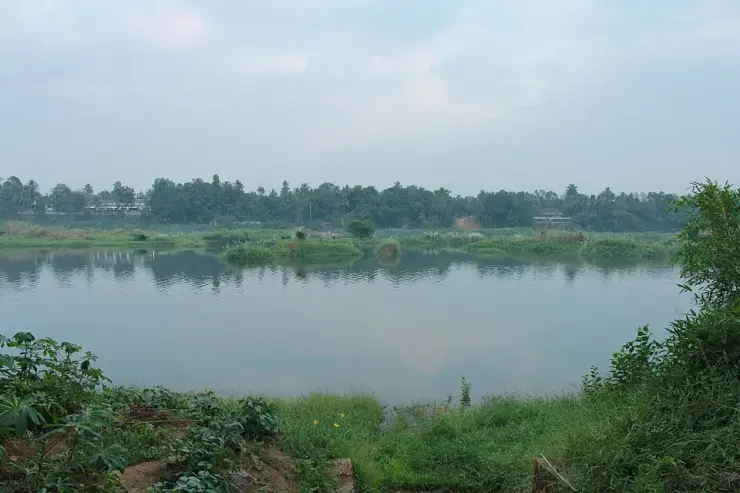
The Periyar runs about 244 kilometres from the high Western Ghats to the sea, and Kalady sits on its bank in eastern Ernakulam, roughly ten kilometres from Cochin International Airport. Here it is a broad, slow, working river with bathing ghats, coconut country on both banks and a steady traffic of local life.
The stretch worth walking is beside the Adi Shankara birthplace complex. There are steps to the water, people bathing and performing rites, and — in the traditional account — the spot associated with the crocodile. It is a short, unspectacular, quietly loaded walk.
This is not a sightseeing attraction with a gate and a ticket. It is open riverside in an active pilgrimage town, and its interest is entirely in what happened here and what people still do here. Treat the ghats as a religious space: dress modestly, ask before photographing people at their rites, and keep back from anyone bathing.
Early morning and dusk are the times to come. The light is better and the ghats are in use, which is the point.
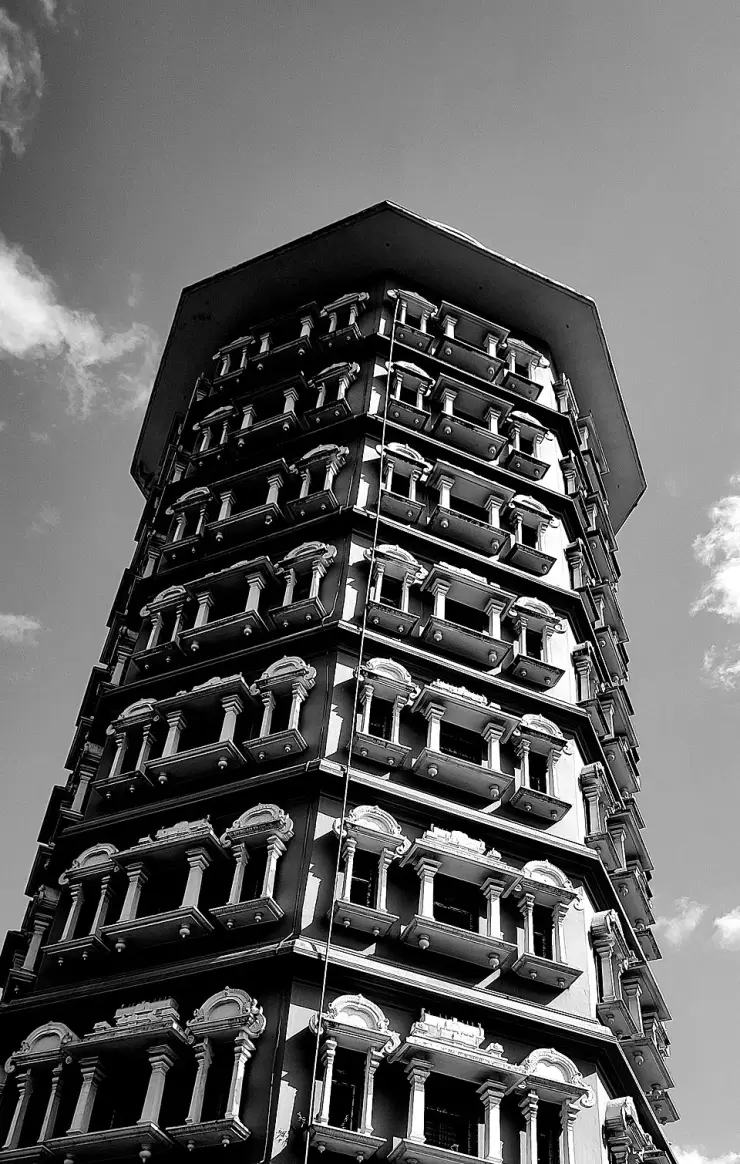
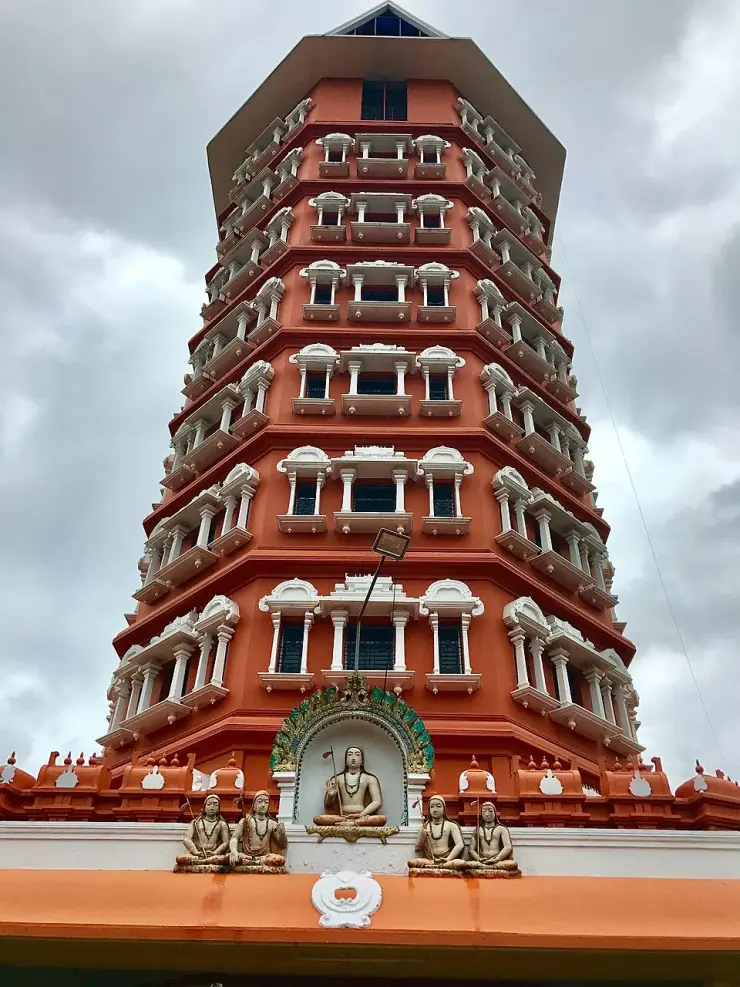
Combine it with the Adi Shankara Keerthi Sthambha Mandapam, the eight-storey memorial tower a short walk away, and the birthplace temple complex — the three together are the whole of Kalady and take a comfortable half-day.
The Periyar is also the river of Bhoothathankettu, Paniyeli Poru, Thattekkad and Athirappilly further east and north. If you follow it upstream you get most of eastern Ernakulam’s landscape in one thread.
The crocodile is the story that changed Indian philosophy, and it happens in this river. The boy Shankara, bathing in the Purna — the older name for the Periyar — was seized by a crocodile. He called to his widowed mother Aryamba on the bank that the creature would not let him go unless she consented, then and there, to let him take sannyasa, which she had long refused. She consented. The crocodile released him. He left home a monk and never lived at Kalady again.
The second story explains the town’s name. Kalady is popularly read as “kal-adi”, footprint. Shankara, so the tradition runs, returned to find his mother too frail to walk to the river to bathe — and caused the Periyar to shift its course to flow past the house, the new channel following the line of his footsteps.
The third completes the pair: that he had promised to return for her funeral rites despite being a renunciant forbidden to perform them, and did, and was ostracised by the local orthodoxy for keeping the promise. A spot associated with the cremation is shown at Kalady.
All three are traditional accounts, told as such. The firm biographical record for Shankara is thin — even his dates are disputed by centuries — and Kalady’s identification as his birthplace rests on tradition maintained by the Shankara monastic institutions rather than on independent evidence.
The Periyar has one more flood story and that one is documented rather than devotional. In 1790, with Tipu Sultan’s army driving into Travancore and pressing towards this river, a small Travancore party went upstream to the dam at Bhoothathankettu and deliberately breached its walls, sending a flash flood down the watercourse the invading force had to cross. Combined with the monsoon, cholera and a British declaration of war, it stopped the advance. So the Periyar is credited with moving to spare an old woman a walk, with nearly killing her son so that he could leave her, and with drowning an eighteenth-century army on purpose. Rivers in Kerala carry a great deal of narrative.
And one much older story is attached to the whole coast rather than to this river alone: the tradition, recorded in the Puranas, that Parashurama raised Kerala out of the sea by hurling his axe across the water, so that all of it — the estuaries, the backwaters, the ground the temples stand on — is land the ocean was made to give back. It is the frame every Kerala water story sits inside.
The uncomfortable modern coda belongs here too, because a river page that only tells legends is not being honest. The Periyar is Kerala’s longest river and the source of much of the state’s hydroelectric power, and downstream of Kalady it runs through one of India’s heavier industrial belts with a long and well-documented pollution record. The stretch at the Kalady ghats is the pretty part. What happens to the same water forty kilometres further on is a different story, and it is one the people who live beside it have been raising for decades.
What is not in doubt is the river. Whatever happened here, it happened on this water.
Two numbers give the scale of what this river does before it reaches the sea. The Mullaperiyar dam near the headwaters sends part of it east through the Ghats into Tamil Nadu, out of the basin entirely; the Idukki complex — Idukki, Cheruthoni, Kulamavu — holds it for hydroelectric power, and the Idamalayar dam does the same on the tributary joining from the north-east. Then, at Bhoothathankettu, a barrage completed in 1964 catches everything those schemes release. The Irrigation Department is specific about the use: water stored there is diverted through a left-bank canal to irrigate 32,800 hectares across six taluks — Kothamangalam, Muvattupuzha, Kunnathunadu, Aluva, Paravoor and Kanayannoor — and the same works supply drinking and industrial water to greater Kochi, feed lift-irrigation schemes and hold back the tidal salt that pushes up the lower river.
That is the honest description of the Periyar today: not a wild river with dams on it, but a managed system with stretches of river left over. The reach at Kalady is one of the pleasant remainders, and it is worth knowing that the water going past the ghats has already been through a diversion into another state, several power stations, and a barrage that waters a third of the district.
The barrage has a cost that is recorded by the Kerala Forest Department rather than by its critics. Impounding the river at Bhoothathankettu in 1964 raised water along the northern bank by roughly six to ten metres and, in the department's own account of the Thattekkad sanctuary, destroyed almost all of the luxuriant riverine forest that had lined the Periyar there — the same low-elevation habitat Salim Ali had called the richest bird habitat in peninsular India in 1933. The sanctuary notified in 1983 protects the inland remnant.
And the river's single most consequential act has nothing to do with engineering. It is dated to 1341, when a catastrophic flood carried an enormous load of silt down to the coast. The silt choked the ancient port at Muziris — Kodungallur — out of business permanently, the river cut itself a new mouth to the sea, and the material deposited along the shore built new land, including the long bar that is now Vypin island. The sheltered water behind that new bar became the harbour that made Kochi. No eyewitness account of the flood survives; the evidence is a dating system, the Puthuvype era or Era of the New Deposit, which counts its years from 1341. One river destroyed one port and created another, and the people who lived through it started a calendar instead of writing it down.
The Periyar is the longest river in Kerala, running roughly 244 km from the Western Ghats to the Arabian Sea, and historically the most important waterway of the old Kochi country — the river that carried the spice trade inland and that Kerala’s modern irrigation and hydro schemes were built on.
At Kalady it is bound up with the Adi Shankara traditions: the crocodile episode that marks his renunciation, the change of course associated with his mother Aryamba, and the funeral-rite episode, all located on this stretch.
Kalady’s modern life as a pilgrimage centre was formalised by the Shankara monastic institutions, which established the Adi Shankara Janma Bhoomi Kshetram at the birthplace and, later, the eight-storey Keerthi Sthambha Mandapam dedicated in 1978.
Upstream the same river carries Bhoothathankettu, whose name comes from the legend of a dam abandoned by demons; Paniyeli Poru; the Salim Ali Bird Sanctuary at Thattekkad, notified in 1983; and, on its Chalakudy tributary system, the Athirappilly falls.
The Periyar today is heavily dammed — the Athirappilly hydroelectric proposal would have been the seventh dam on the Chalakudy alone — which makes the quiet, open stretch at Kalady less ordinary than it looks.
Because the same water carries the whole of eastern Ernakulam on one thread — the barrage at Bhoothathankettu, the rock field at Paniyeli Poru, the Thattekkad sanctuary — and Kalady is the calmest place to stand beside it.
Because the flood of 1341 that is credited with building Vypin and opening Kochi harbour came down this river, which makes an ordinary-looking reach the most consequential water in the district.
Because the crocodile story — the hinge of Adi Shankara’s life — is located in this water, and you can stand where it is said to have happened.
Because the ghats are in active use, so you are looking at a living practice rather than a monument to one.
Because it is a five-minute walk from the Keerthi Sthambham and the birthplace complex, and completes them.
Because it is ten minutes from Cochin International Airport, which makes it the rare sacred river stretch you can genuinely fit around a flight.
And because it is free, open and unhurried, at either end of the day.
Road km to Ernakulam; ghat roads and traffic vary — allow extra.
October to March is best for comfortable boat trips; monsoon is greener but weather can disrupt plans.
Live forecast loads in your browser.
Sun and moon are calculated for this location and shown in IST. Photography windows are the hour around sunrise and sunset; the sunset bearing is degrees clockwise from true north. Moon phase is accurate to about half a day.
Verified hotels, homestays, restaurants, experiences, sights, shops and rentals around Periyar river — commission-free, with direct contact. Filter by what you need.
Kerala's state Sanskrit university, built on the ground where Adi Shankara was born. Sree Sankaracharya University of Sanskrit, Kalady, Ernakulam District, Kerala 683574.
The Sringeri Math's Kalady branch, holding the Sharadamba and Adi Shankara shrines consecrated in 1910.
A nine-storey memorial tower to Adi Shankaracharya at his Kalady birthplace.
Kerala Tourism accredited hotel at Marottichuvadu, the nearest classified stay to Kalady.
Kerala Tourism accredited tourist home at Chandrapura, along the Kalady-Manjapra road.
Worker-cooperative coffee house at Kolenchery Tower, Mattoor, between Kalady and Angamaly.
Multi-cuisine restaurant and bar inside Kadambari Regency at Marottichuvadu, Kalady.
Book with the place itself. India’s cyber-crime coordination centre warned in April 2025 that convincing copies of hotel and pilgrimage booking sites are being pushed through sponsored search and social ads, taking payment for rooms the property never hears about. Every listing here links to the business’s own contact details and its own Google or Bing profile — we take no commission and sit in nobody’s payment path. If a booking page reached you through an ad, check the address bar against the property’s own site before you pay. Fraud can be reported on cybercrime.gov.in or on 1930.
Find food, accommodation and activities across Kalady. Browse the guides for places to eat, stay and explore along your route.
Walking routes start at Periyar river. Check the route and access before setting out, especially where a road, gate or waterway separates the stops.
6 more places around Kalady. Open a guide to plan the visit and onward journey.
A family boating and waterside recreation centre on the Kadambrayar near Kakkanad; boat availability, operating hours and water conditions should be checked directly.
A historic mosque and pilgrimage centre near the Vembanad backwater belt, known for the Kodikuthu festival and visited with ordinary mosque etiquette.
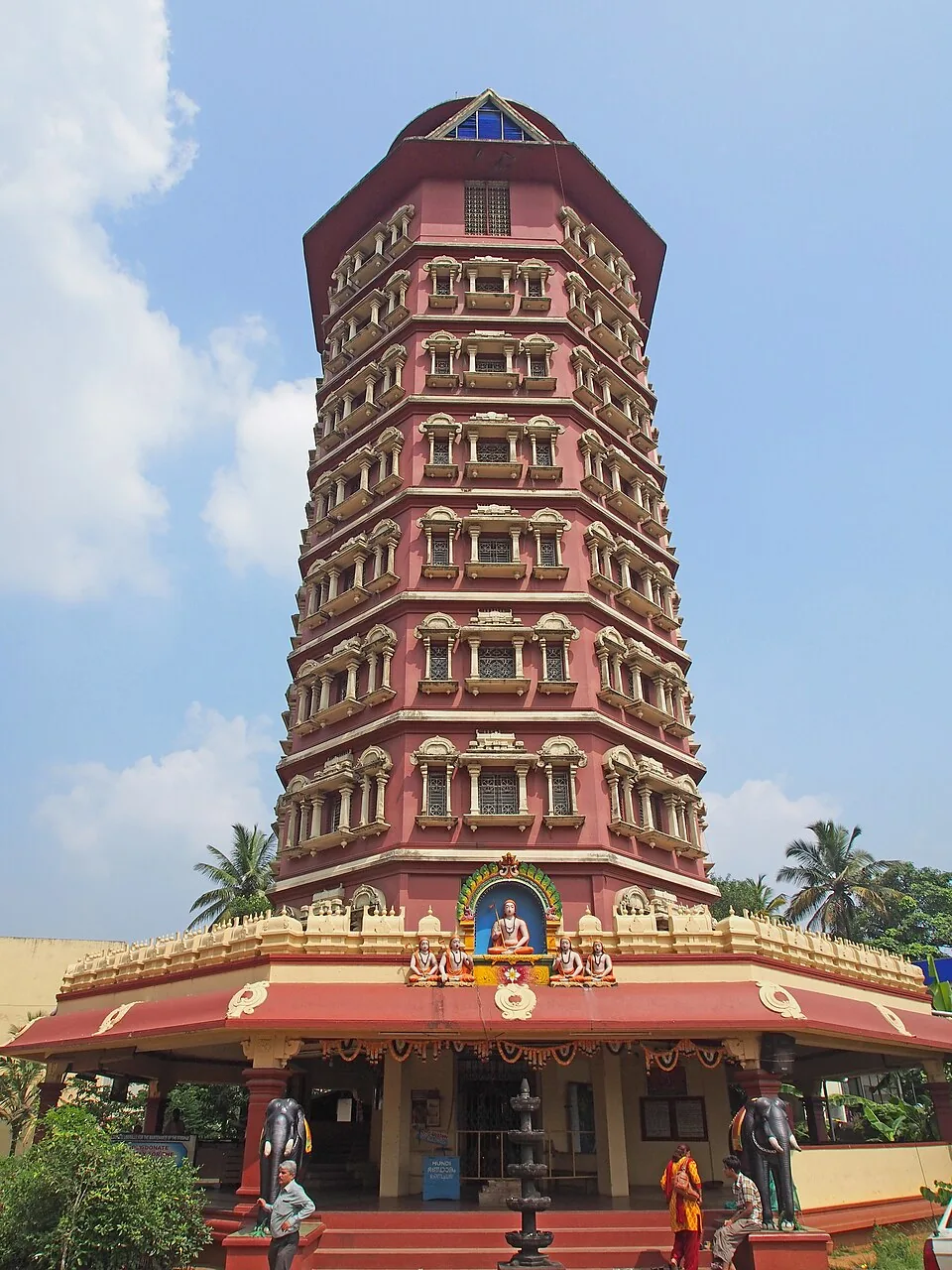
240 m · 3 min walk
An eight-storey octagonal memorial tower to the philosopher Adi Shankaracharya at his birthplace, Kalady, on the Periyar river, dedicated in 1978 and run by the Kanchi Kamakoti Peetham.
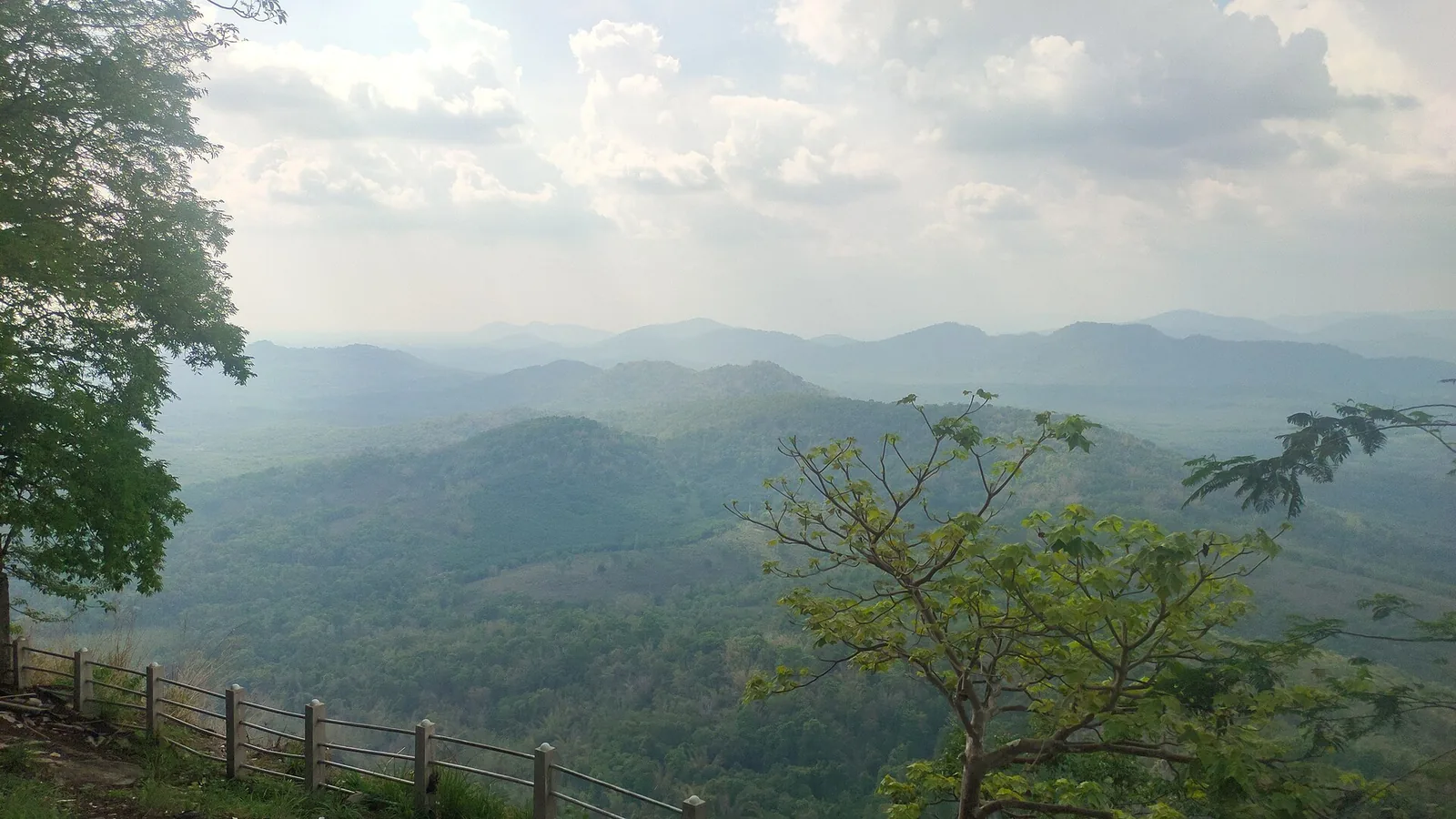
9.0 km · 10 min drive
The St Thomas hilltop pilgrimage church near Kalady, a major Christian pilgrimage site drawing large Malayattoor Perunnal crowds.
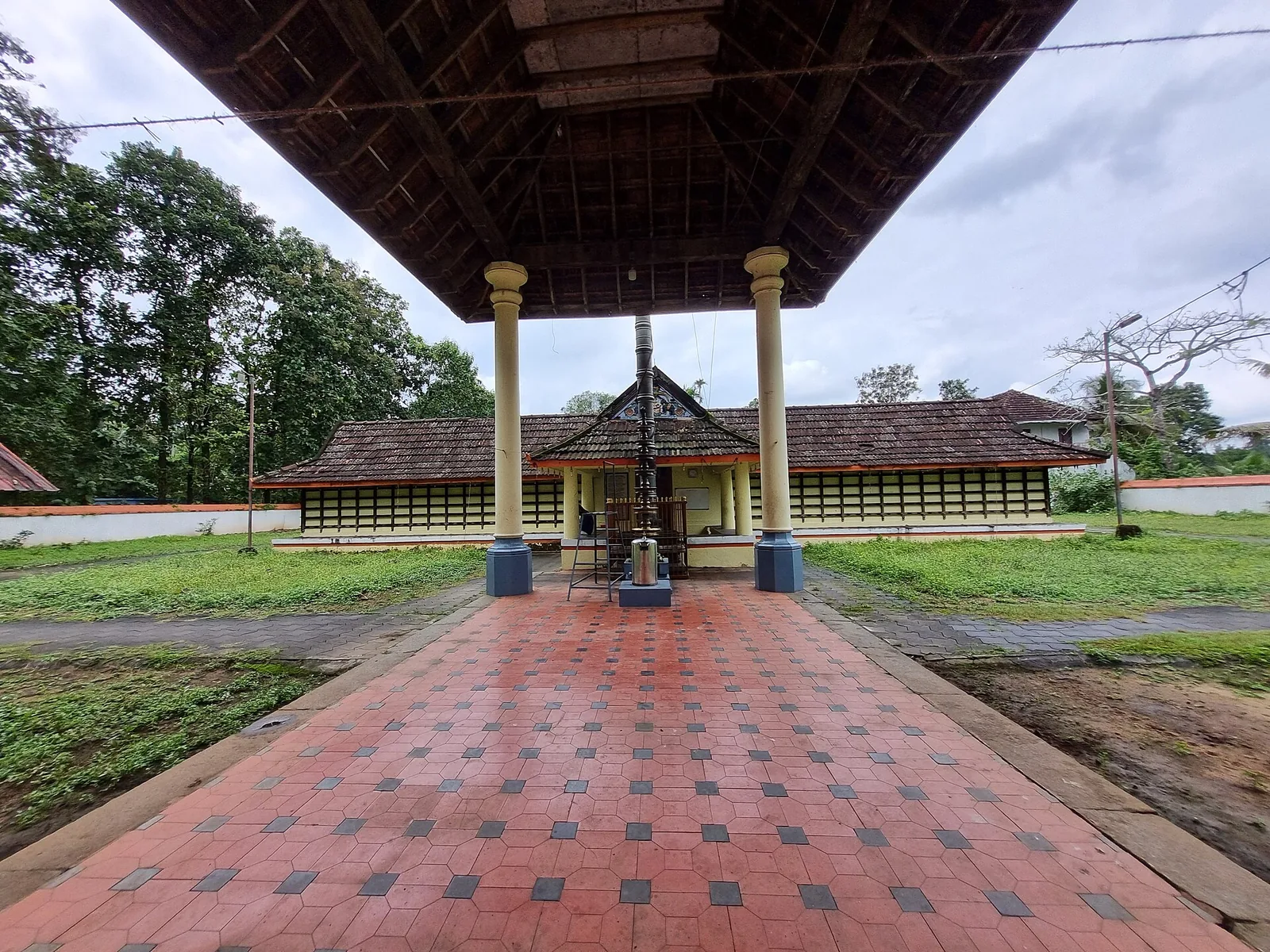
2.6 km · 4 min drive
The Manickamangalam Devi temple north of Kalady, remembered as the shrine where Adi Shankara’s father Sivaguru served — the family connection, rather than the building, is why pilgrims come.
1.5 km · 18 min walk
Adi Shankara’s family temple at Kalady, west of the Sringeri Math birthplace complex — the shrine at the centre of the story that gave the village its name.
Roampedia is commission-free — own or know a stay, eatery, guide or shop near Periyar river? List it and it appears here once verified.
Add a nearby businessEntry: Free — the Kalady riverside and its ghats are open access
The Periyar runs past Kalady town, alongside the Adi Shankara birthplace complex. Kalady is about 10 km from Cochin International Airport and an easy day trip from Kochi.
If you are travelling by bus or ferry, check the return service with the operator before setting out. Leave time to reach the stop or jetty after your visit.
Ask at the bus stand for the time of the last service back, not the next one. If you miss it, an auto or app cab is the fallback — agree the fare before you get in.
If you need step-free access, contact the site before travelling. Ask about a level entrance, steps along the route, the nearest drop-off point, seating and accessible toilets.
Charge cap and free-transaction limits: Reserve Bank of India, in force since 1 May 2025.
These services are listed within about 1.2 km of Periyar river. Walking distances follow mapped routes; access and opening hours can change. Other services may be closer but are not included here.
Emergency numbers are verified against official government and state tourism sources. 112 works anywhere in India.
An eight-storey octagonal memorial tower to the philosopher Adi Shankaracharya at his birthplace, Kalady, on the Periyar river, dedicated in 1978 and run by the Kanchi Kamakoti Peetham.
240 m · 3 min walkAdi Shankara’s family temple at Kalady, west of the Sringeri Math birthplace complex — the shrine at the centre of the story that gave the village its name.
1.5 km · 18 min walkThe Manickamangalam Devi temple north of Kalady, remembered as the shrine where Adi Shankara’s father Sivaguru served — the family connection, rather than the building, is why pilgrims come.
2.6 km · 4 min driveThe St Thomas hilltop pilgrimage church near Kalady, a major Christian pilgrimage site drawing large Malayattoor Perunnal crowds.
9.0 km · 10 min drive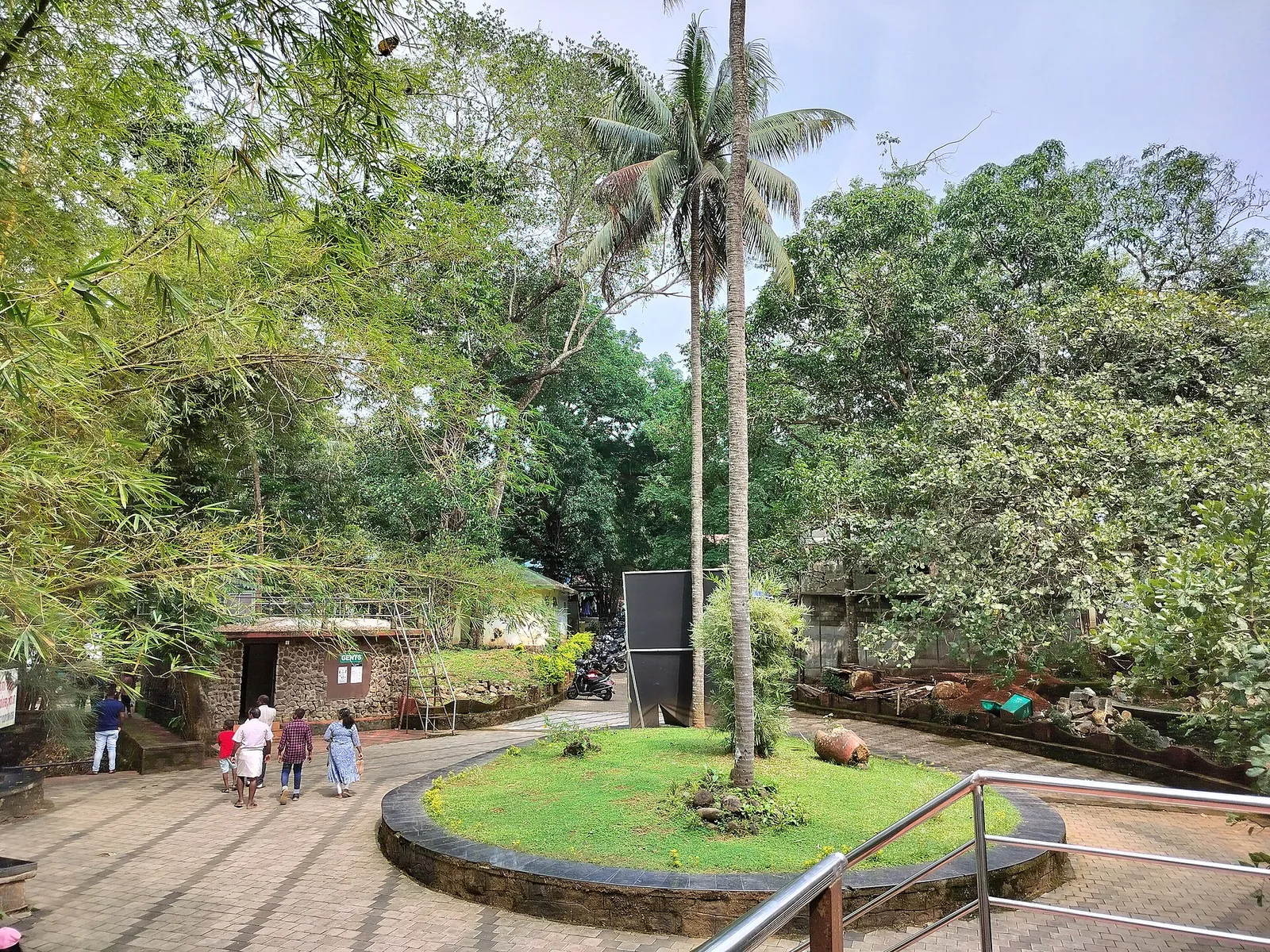
A riverside nature village on the Chalakudy river near Mattoor, with a bamboo forest walk and gentle river bathing spots, on the Athirappilly day-trip side.
13.0 km · ~22 min by cab · straight line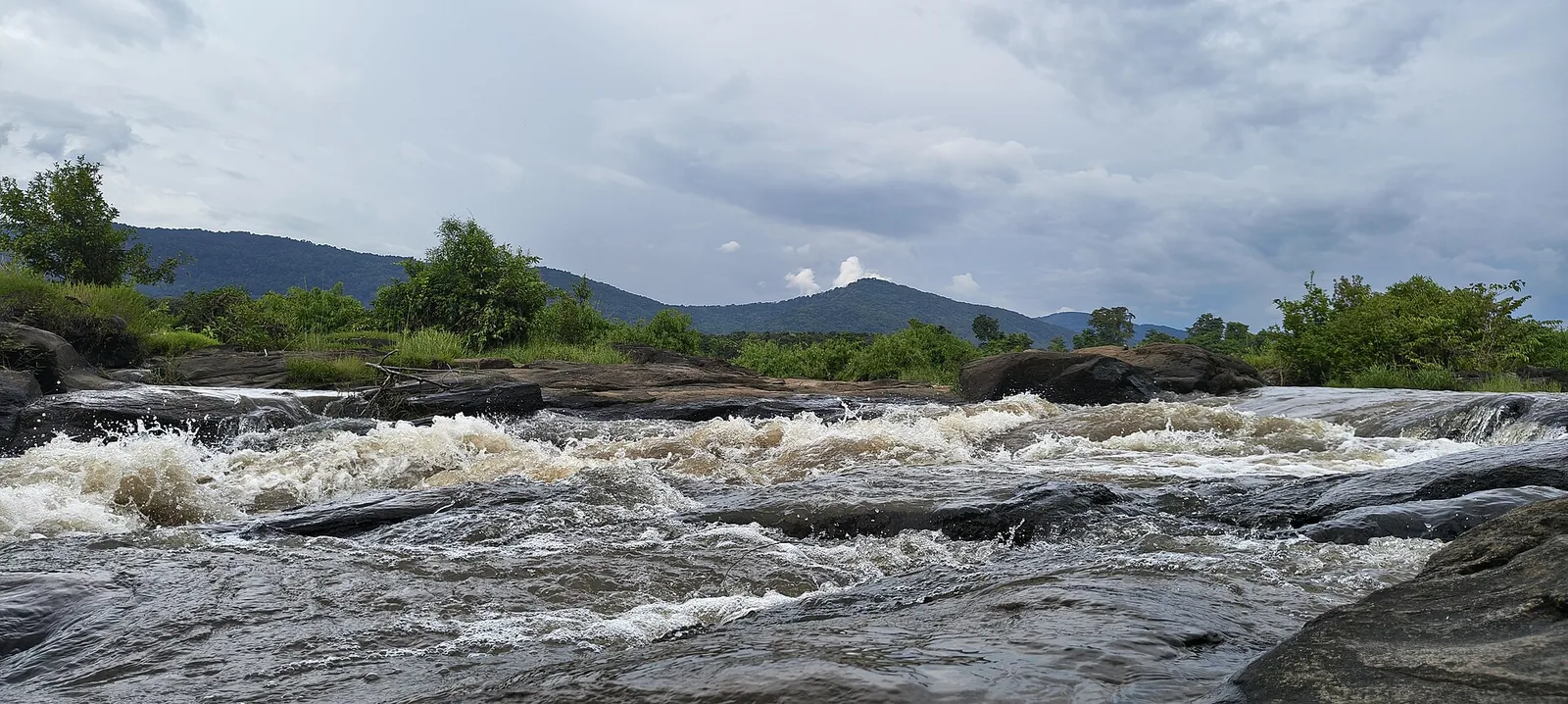
A rocky eco-tourism stretch of rapids and evergreen forest on the Periyar river near Perumbavoor in eastern Ernakulam, with riverside forest trekking along the falls.
17.6 km · ~29 min by cab · straight line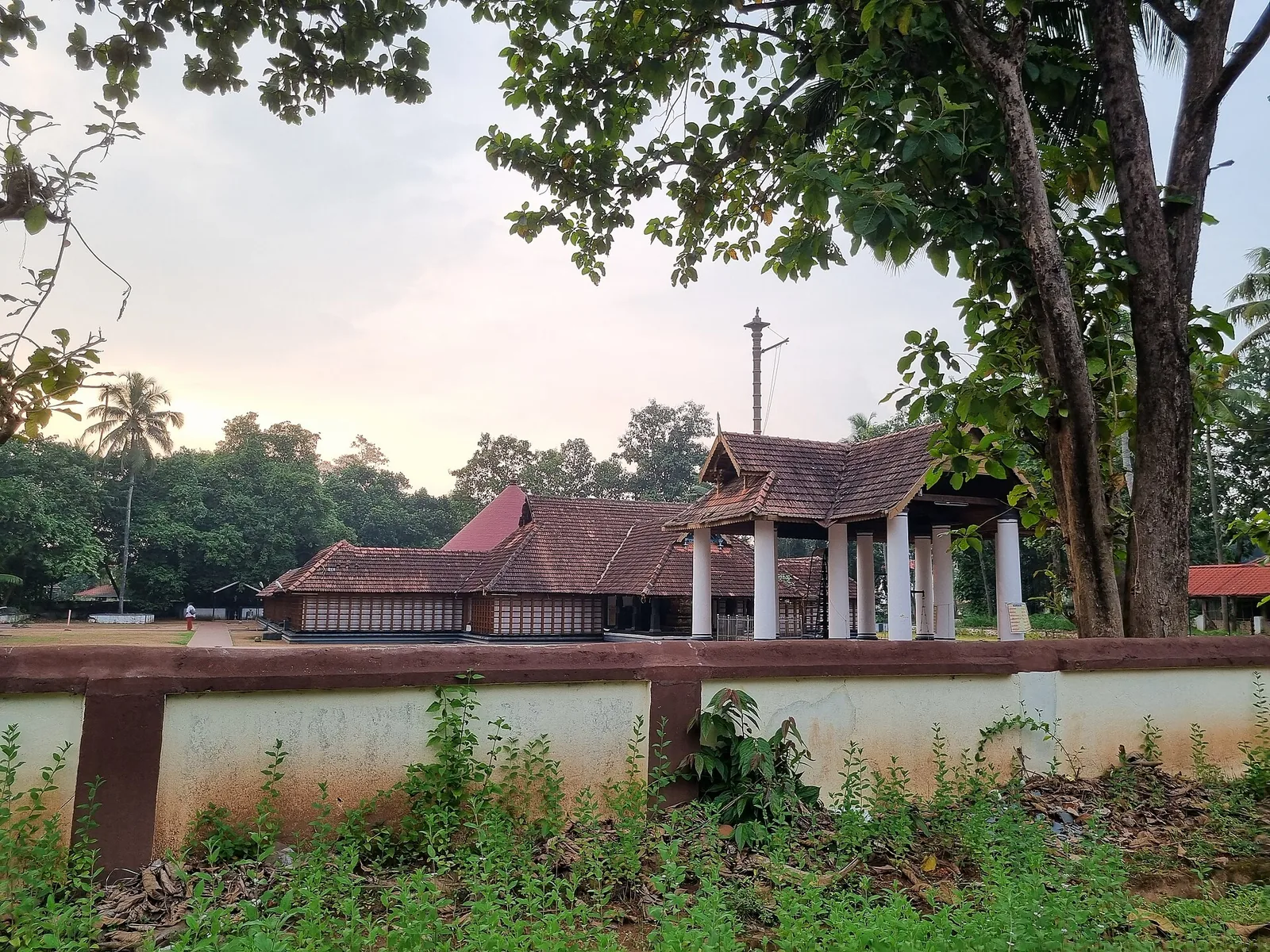
The only major temple to Vamana in Kerala, at Thrikkakara near Kakkanad — traditionally regarded as the origin place of the Onam festival.
18.8 km · ~31 min by cab · straight line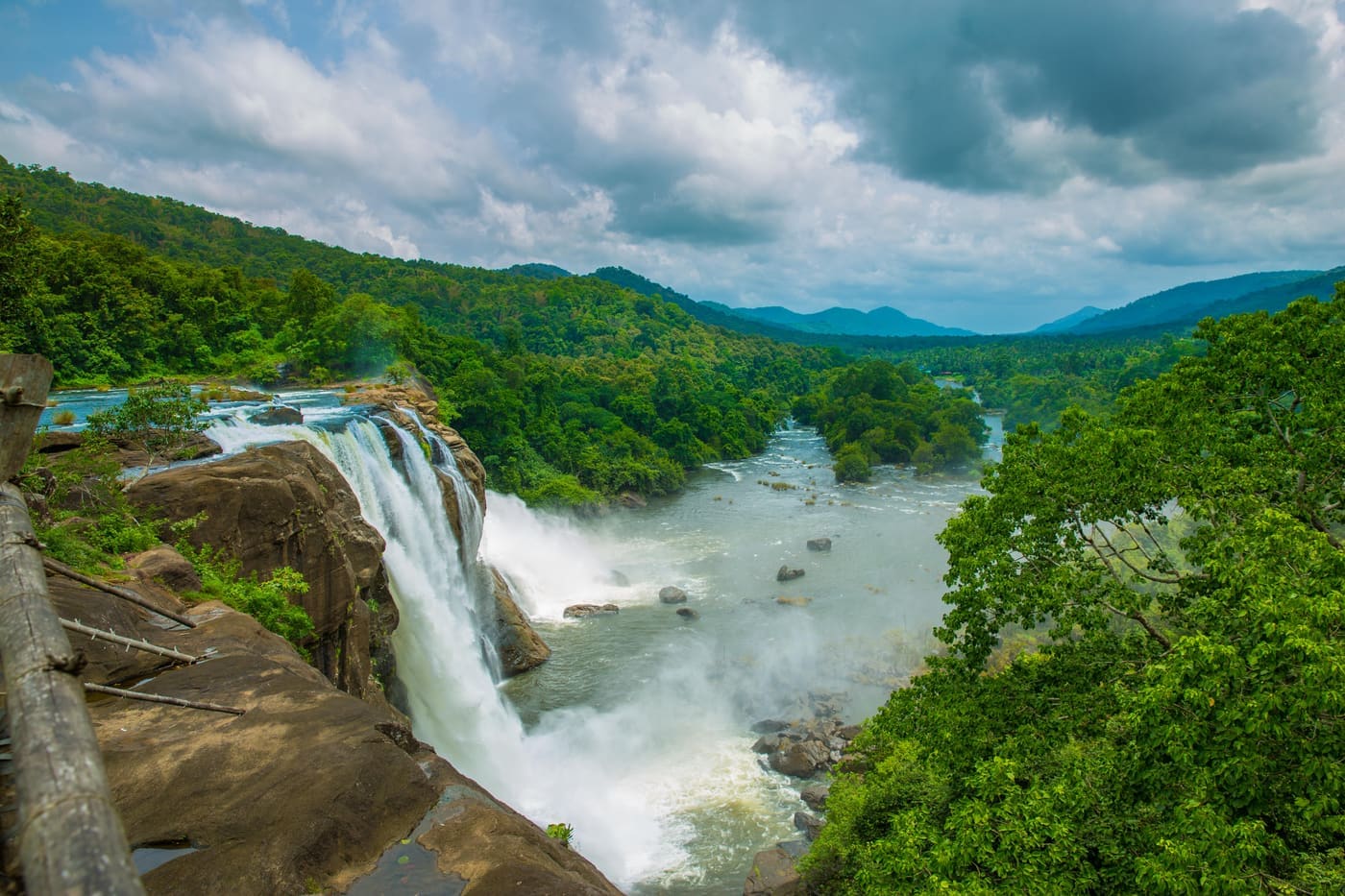
Major waterfall often visited from Kochi, on the Chalakudy river side.
19.5 km · ~33 min by cab · straight line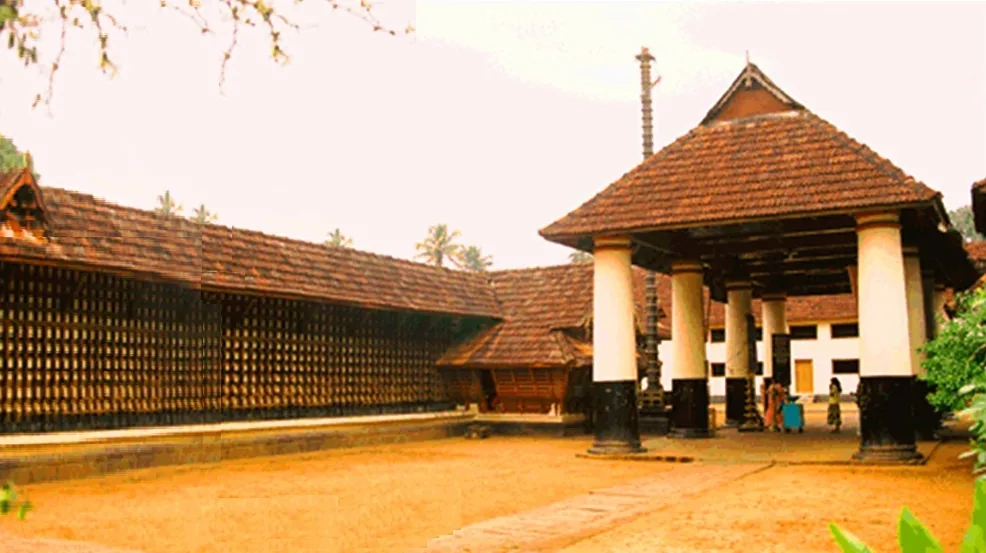
A historic Shiva temple at Kothamangalam near the Thattekkad forests, one of the important ancient temples of the old Kochi region.
21.5 km · ~36 min by cab · straight line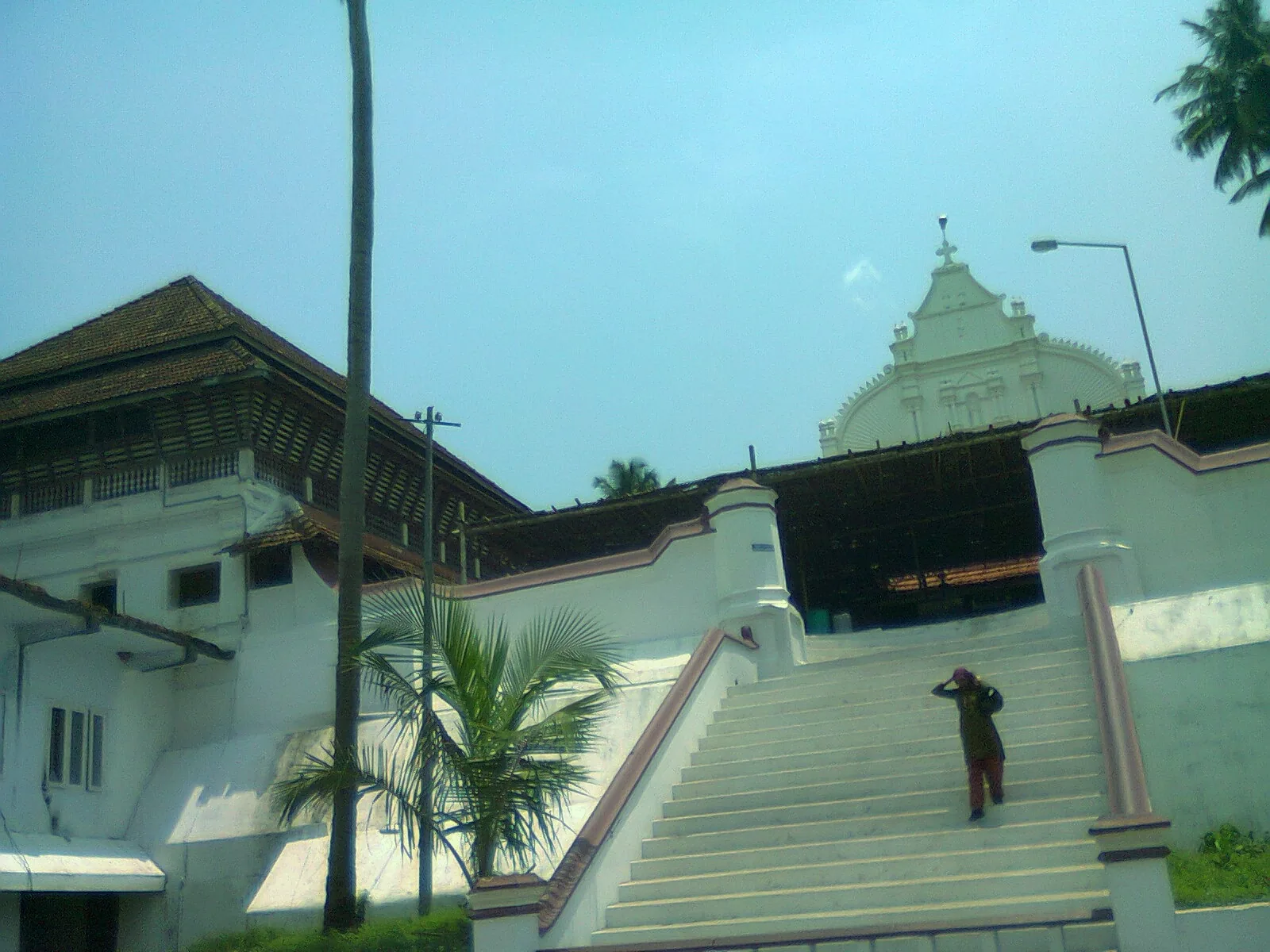
An ancient Orthodox church east of Kochi linked to the legend of the sorcerer-priest Kadamattathu Kathanar, drawing large crowds at its annual feast.
22.4 km · ~37 min by cab · straight line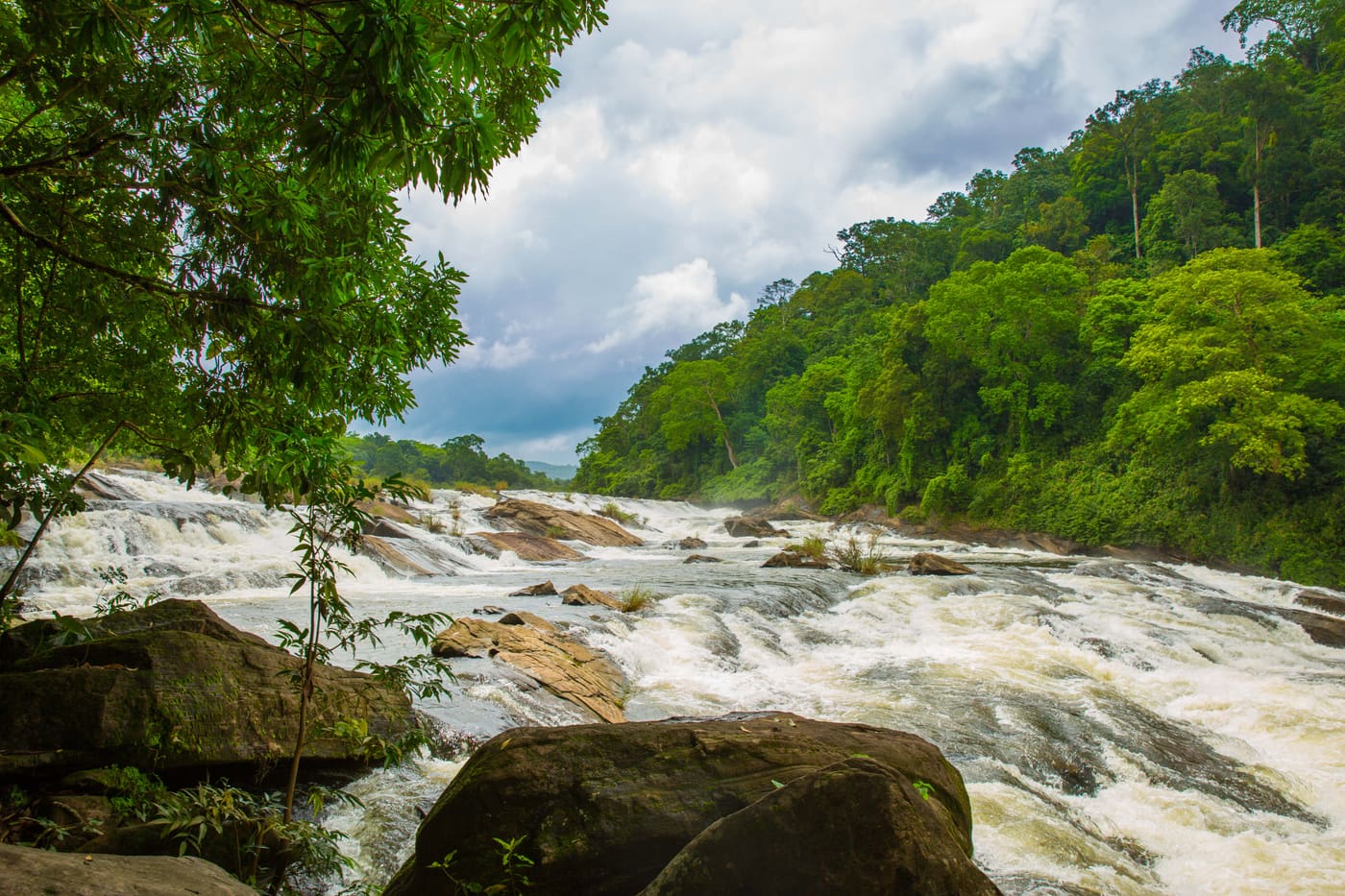
A forest waterfall on the Chalakudy river just above Athirappilly, on the Sholayar forest road — often visited on the same Kochi day trip.
22.6 km · ~38 min by cab · straight line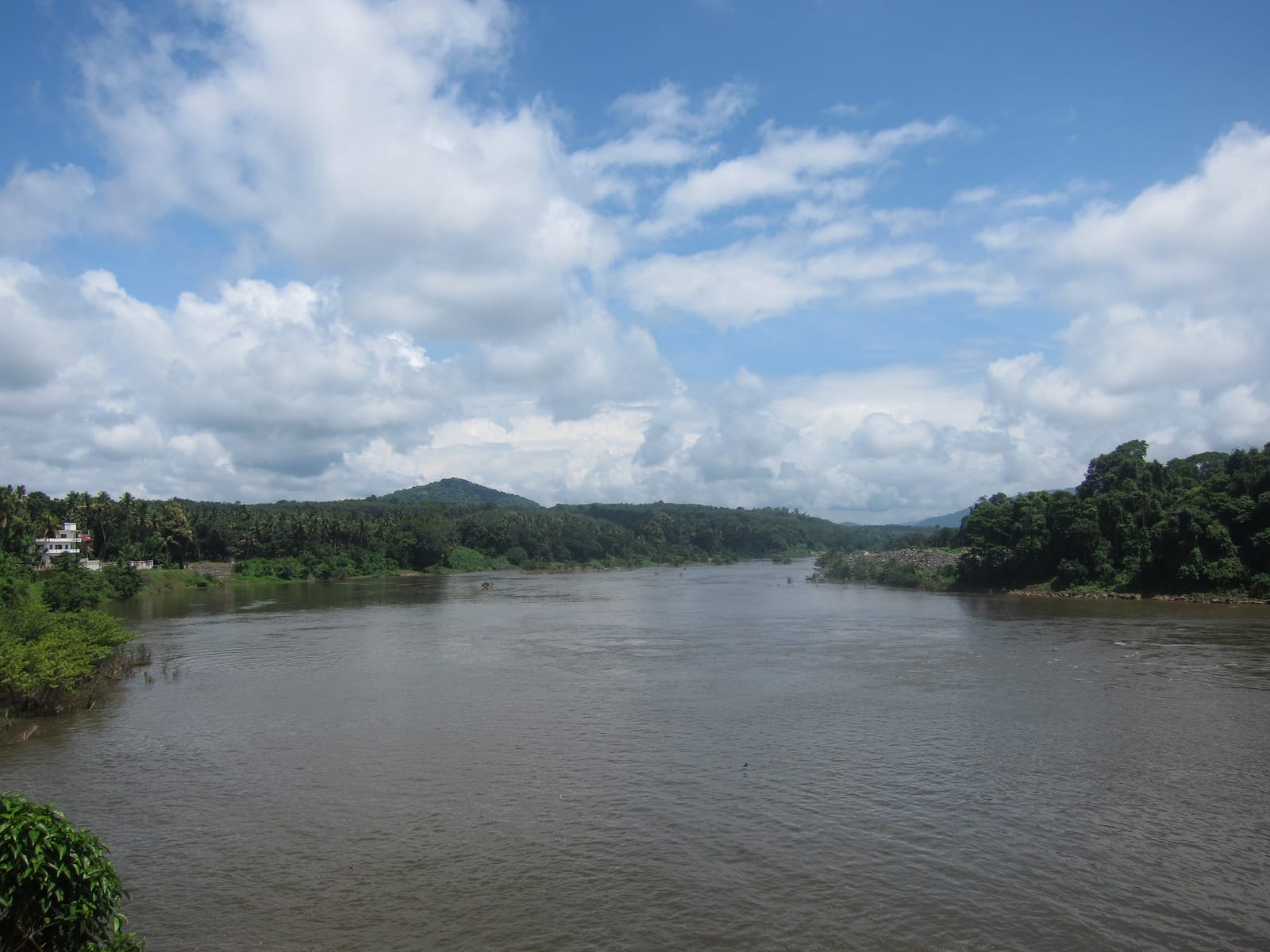
A reservoir and dam at the confluence of the Periyar’s tributaries near Kothamangalam, on the edge of the Thattekkad forests, with forest-and-reservoir trekking around the barrage and a DTPC boat jetty.
25.1 km · ~42 min by cab · straight lineWalking and driving times are real routed distances, except the few marked “straight line”, which are direct-line estimates and will read short. Fare figures are estimates from Kerala’s notified auto/taxi tariff and exclude waiting and night charges. Routing: © openrouteservice.org by HeiGIT | Map data © OpenStreetMap contributors
Nearby toilets, pharmacies, ATMs, seating and vets are community-mapped and may be incomplete or out of date. Map data © OpenStreetMap contributors | Walking times © openrouteservice.org by HeiGIT
The Purna, which is the name used in the traditional accounts of Adi Shankara — the crocodile episode is set in the Purna rather than in anything called the Periyar. Both names refer to the same water, and the older one is the one you will meet in the devotional literature at Kalady.
About 244 km, from the high Western Ghats to the Arabian Sea, and it is Kerala's longest river. Before it reaches Kalady it has already passed the Mullaperiyar diversion — which sends part of it east into Tamil Nadu, out of the basin altogether — the Idukki hydroelectric complex and the Idamalayar dam, and then the barrage at Bhoothathankettu.
The Irrigation Department states that water stored there is diverted through a left-bank canal to irrigate 32,800 hectares across the Kothamangalam, Muvattupuzha, Kunnathunadu, Aluva, Paravoor and Kanayannoor taluks, and that the scheme also supplies drinking and industrial water to greater Kochi, feeds lift-irrigation schemes and helps control tidal salt intrusion in the lower river. The barrage was completed in 1964.
That is the standing tradition and it is dated to 1341. A catastrophic flood carried a great load of silt to the coast, choking the ancient port at Muziris — Kodungallur — permanently; the river cut a new mouth to the sea, and the material deposited built new land including Vypin island. The sheltered water behind that new bar is Kochi harbour. There is no eyewitness account of the flood; the evidence is the Puthuvype era, a dating system counting from 1341.
It is an active bathing ghat rather than a swimming spot, and it is used for rites. Treat it as a religious space: dress modestly, ask before photographing people, and stay where local bathers are. The Periyar is a managed river whose level responds to releases upstream as well as to rain, so it is not a body of water to judge by appearance.
No. The riverside and its ghats are open access and free. Charges at Kalady apply only to specific sites such as the memorial tower.
Tradition holds that the boy Shankara, bathing here, was seized by a crocodile and told his mother Aryamba it would not free him unless she consented to let him become a renunciant. She consented, the crocodile released him, and he left home as a monk. It is told as the turning point of his life.
It is popularly glossed as “kal-adi”, footprint — from the tradition that Shankara made the Periyar change its course so his ageing mother could reach it to bathe, the new channel following his footsteps.
Be careful. The Periyar has real currents and sudden changes of depth, the ghat steps are slippery when wet, there are no lifeguards, and levels rise quickly during the monsoon and when dams upstream release water. Watch children closely.
Dress modestly — this is an active pilgrimage site. Ask before photographing anyone bathing or performing rites, and keep your distance from the rituals themselves.
The Adi Shankara Keerthi Sthambha Mandapam, an eight-storey memorial tower dedicated in 1978 and run by the Kanchi Kamakoti Peetham, and the Adi Shankara Janma Bhoomi Kshetram birthplace complex, run by the Sringeri Sharada Peetham. The three together make a comfortable half-day.
About 244 km, from the Western Ghats to the Arabian Sea. Upstream it passes Bhoothathankettu, Paniyeli Poru and the Thattekkad bird sanctuary — follow it and you get most of eastern Ernakulam in one thread.
October to March is best for comfortable boat trips; monsoon is greener but weather can disrupt plans.
Entry: Free — the Kalady riverside and its ghats are open access. Timings: Open access; the ghats are busiest early morning and at dusk.
Base yourself in Kalady or a nearby town in Ernakulam, then confirm the last-mile route locally before leaving. Plan boat timings first, then arrange road transfer around the departure point. If the visit depends on forest, temple, boat, ferry, weather or seasonal access, check the official/local rule on the day before travel.
2 hours to a full day; overnight if using a houseboat area.
Nearby you can pair Adi Shankara Keerthi Sthambha Mandapam (240 m), Sree Krishna Temple (1.5 km), Karthyayani Devi Temple (2.6 km), Malayattoor Church (9.0 km).
Use operators with life jackets and clear weather judgement. Avoid overloaded boats.
Written about Periyar river itself — its history, its legends and the arguments about them.


These guides explore Kalady and the surrounding area. Choose a visit that fits your interests, allowing separately for travel between stops.


Route-level itineraries and practical guides for the rest of Kerala.
Photographs: Suresh Babunair (CC BY 3.0), Aruna at Malayalam Wikipedia (CC BY-SA 3.0), Ranjithsiji (CC BY-SA 4.0), User:prashanthns (CC BY-SA 3.0), Shijan Kaakkara (CC BY-SA 4.0), CookBooc (CC BY-SA 4.0), Prof Ranga Sai (CC BY-SA 4.0), Timothy A. Gonsalves (CC BY-SA 4.0), Vinayaraj (CC BY-SA 4.0), Geyo John (CC BY-SA 3.0). Wikimedia Commons.