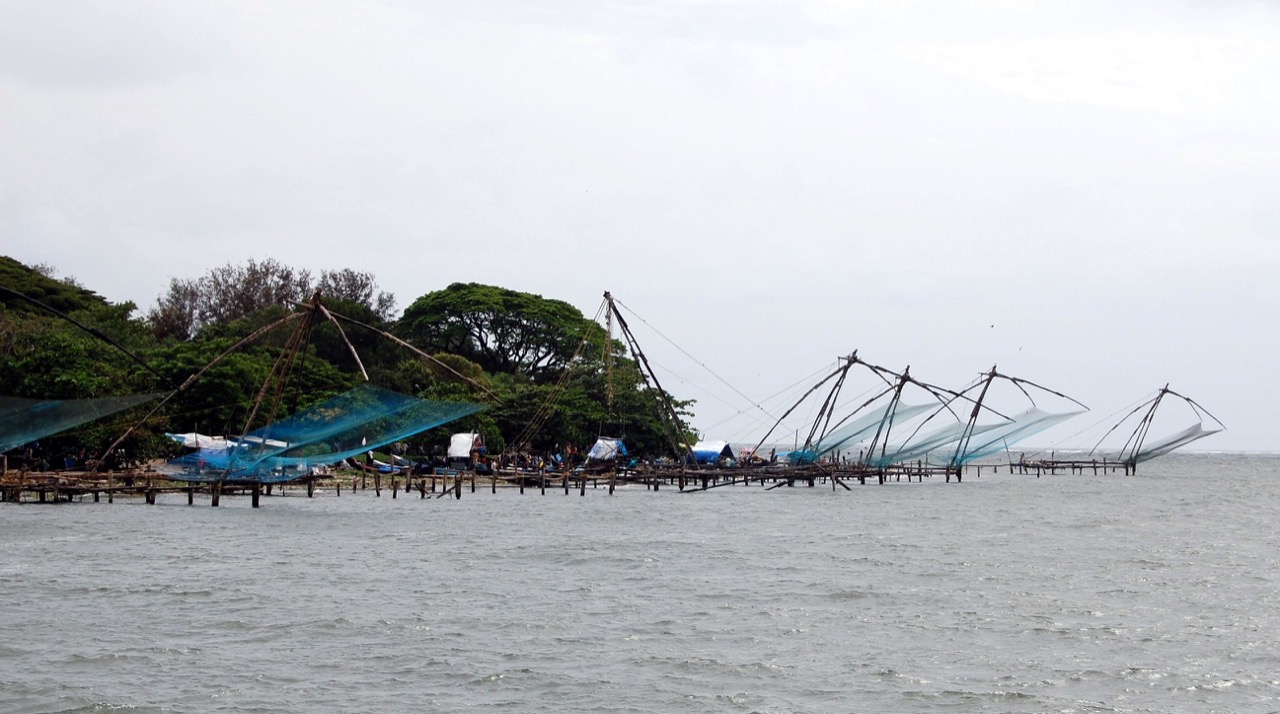
From June to September the southwest monsoon sweeps Kerala, and Kochi gets some of the heaviest rain in India — June and July are the wettest. It is also the cheapest, greenest and quietest time to visit, and locals will tell you the rain is part of the experience, not a write-off. The trick is to plan around it: indoor sights for the downpours, Ayurveda and slow café afternoons, and flexible outdoor plans for the breaks between showers.
- When: June to September; June–July are the wettest, August–September ease off.
- Why go: 40–60% cheaper hotels, few crowds, lush scenery, the traditional Ayurveda season.
- Plan for: sudden heavy showers — keep an indoor backup for any part of the day.
- Pack: a light rain jacket, quick-dry clothes, sandals with grip, a dry bag for electronics.
Take an Ayurveda treatment
The monsoon is considered the best season for Ayurveda: cool, humid air opens the pores and the body is thought to respond best to therapies and oils. It is the one time of year you will find dedicated monsoon (Karkidakam) treatment packages. A massage or treatment at a spot like Ayurville Spa in Fort Kochi is the perfect way to spend a wet afternoon.
Spend the downpours in museums and heritage interiors
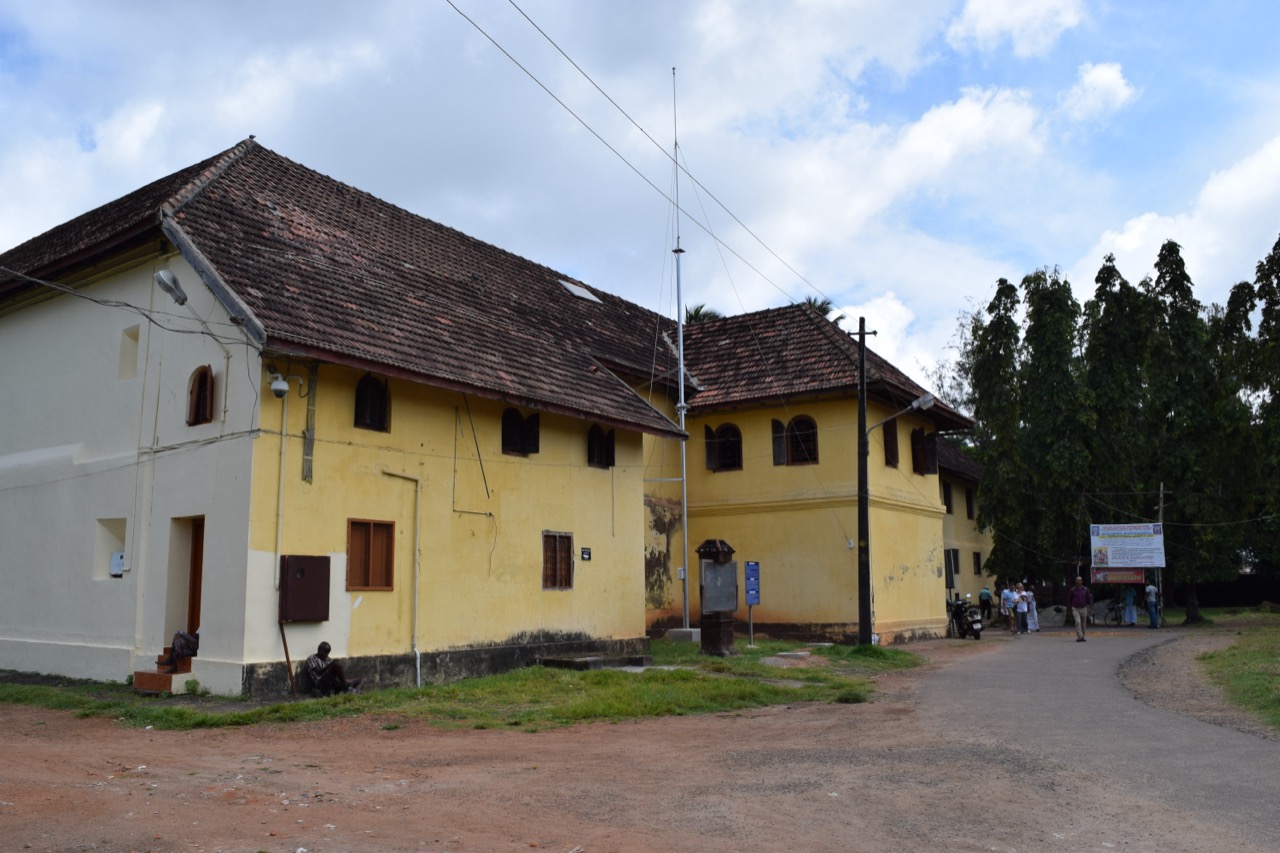
Kochi’s best rain shelters are also its best sights. The murals of Mattancherry (Dutch) Palace, the Paradesi Synagogue and its hand-painted tiles, the Kerala Folklore Museum at Thevara and the Hill Palace Museum at Tripunithura are all happily explored under cover. Time the museums for the heaviest hours and save the walking for the breaks.
Settle into café culture
Few things beat a Fort Kochi café when the rain is hammering the courtyard. Nurse a coffee and a book at an art café like Kashi Art Cafe or Canvas, or order pazham pori (banana fritters) and sulaimani tea — the classic Kerala monsoon snack. Across the water, Ernakulam’s malls and big indoor shopping keep you dry for hours.
Catch a Kathakali show — and the backwaters between showers
Early-evening Kathakali performances are indoors and atmospheric in the rain. For the outdoors, the backwaters are arguably at their most beautiful under monsoon skies — take a covered boat or the Water Metro and watch the water meet the rain. Keep these plans flexible and grab them when the sky clears.
Rainy-day-friendly places
Museum in Fort Kochi.
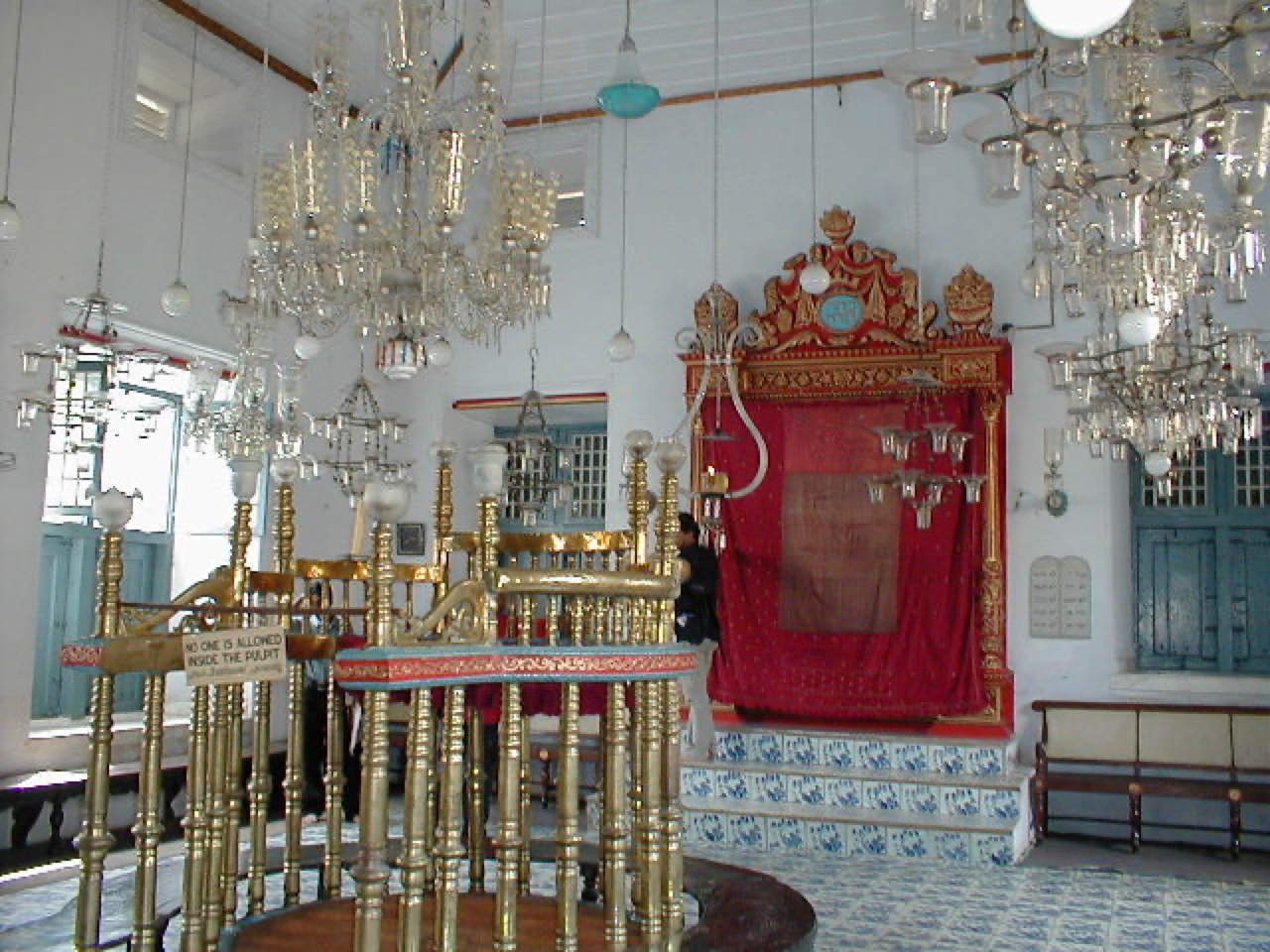
Synagogue on Palace Road in Fort Kochi.
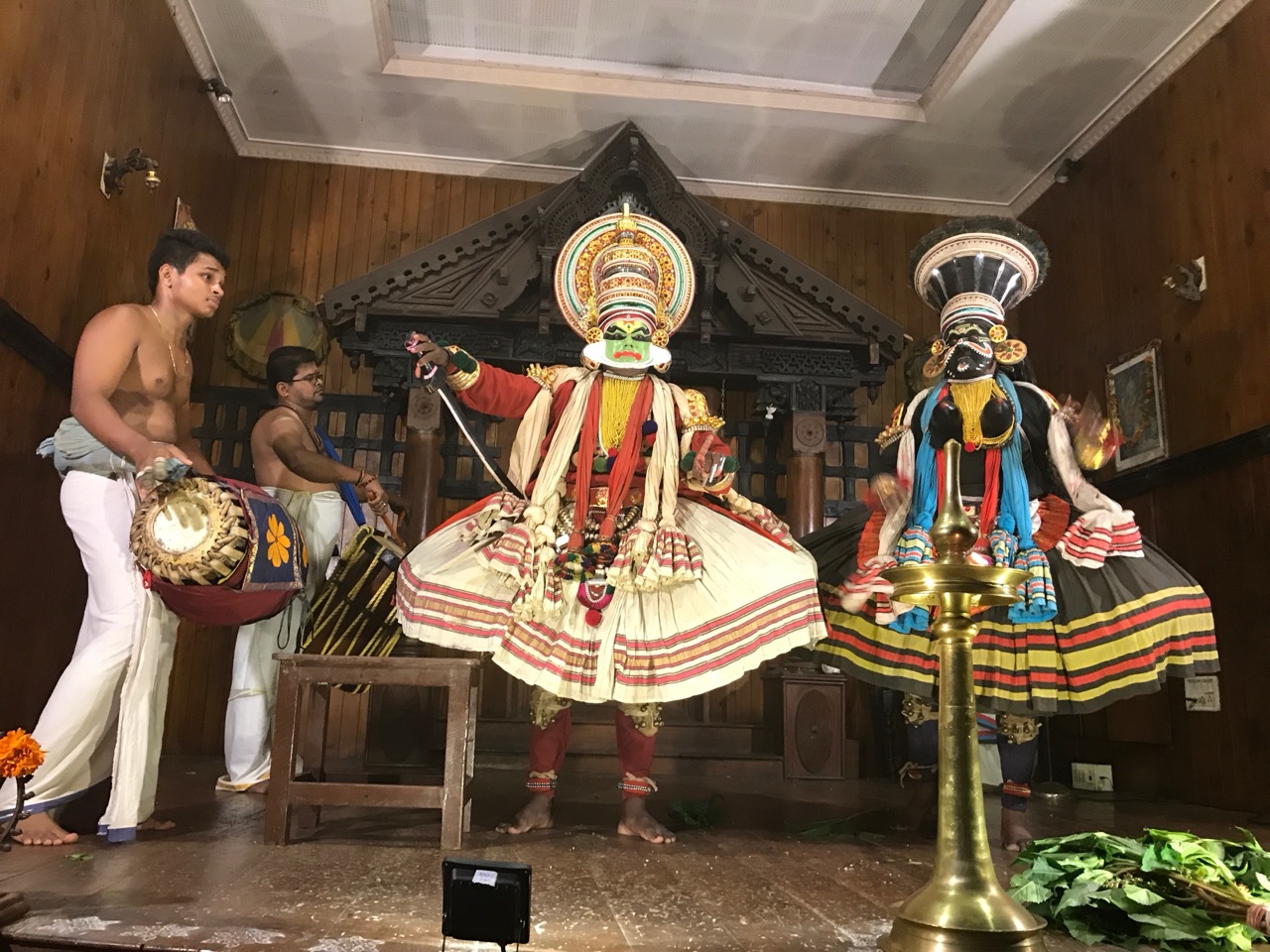
Attraction on KB Jacob Road in Fort Kochi.
Private museum of Kerala folk art and heritage at Thevara, Greater Kochi.
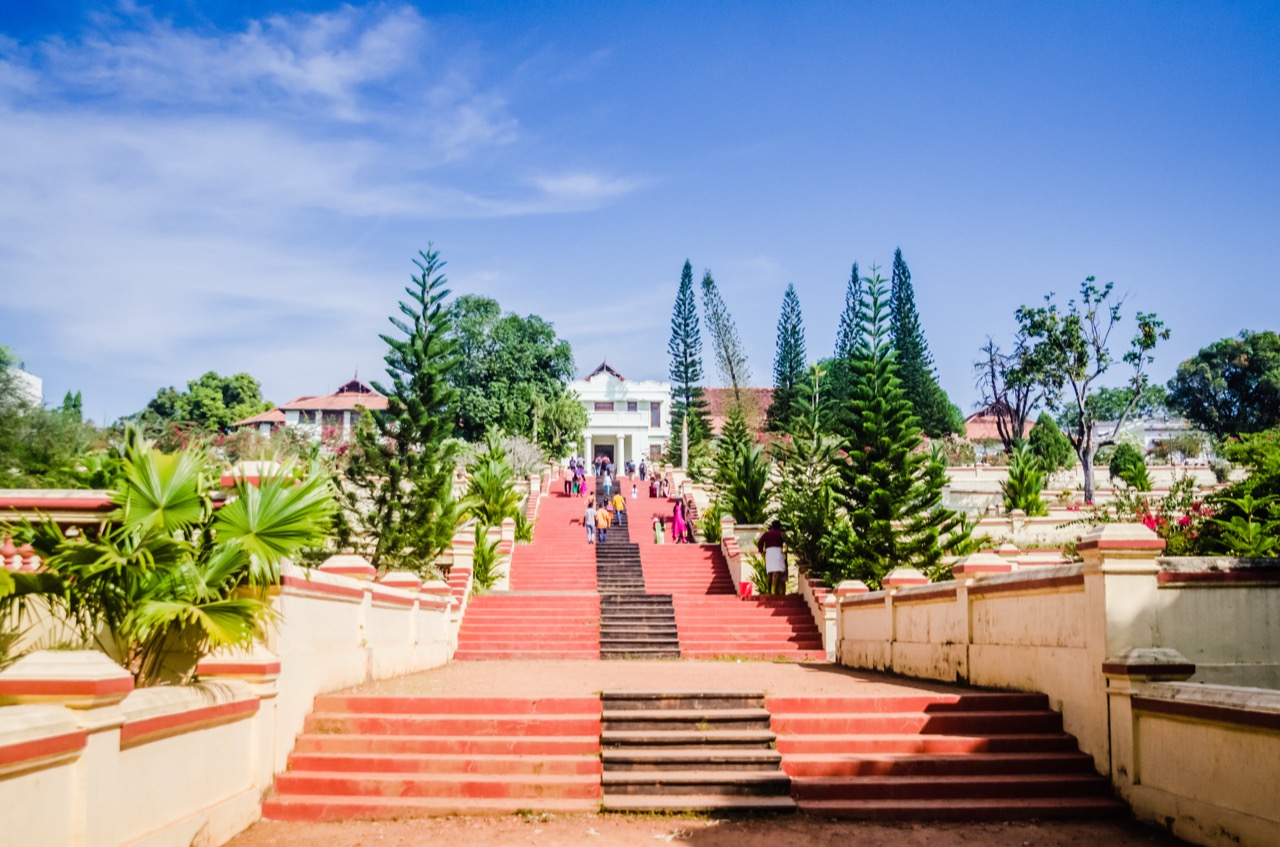
Archaeological museum and former royal palace at Tripunithura, Greater Kochi.
Ayurveda & wellness on Bishop Joseph Kureethara Road in Fort Kochi.
What to pack and watch out for
Bring a light, breathable rain jacket rather than an umbrella you will lose to the wind, quick-dry clothes, and sandals or shoes with grip — old stone steps get slippery. Keep phones and cameras in a dry bag. Check the forecast for heavy-rain warnings, do not wade through flooded streets, and if you head inland to greener spots, be ready for leeches after rain. Otherwise, lean into it: this is Kerala at its most alive.
Frequently asked questions
Is it worth visiting Kochi during the monsoon?
Yes, if you do not mind rain. The June–September monsoon is lush, quiet and the cheapest time to visit, and it is the traditional Ayurveda season. Plan indoor sights for downpours and keep outdoor plans flexible.
What can you do in Kochi when it rains?
Plenty indoors: Ayurveda treatments, museums and palaces (Mattancherry Palace, the Paradesi Synagogue, the Folklore and Hill Palace museums), art cafés, shopping malls, and evening Kathakali shows. Backwater cruises are beautiful between showers.
How heavy is the monsoon in Kochi?
Heavy. Kochi gets around 2,900 mm of rain a year, most of it from June to September, with June and July the wettest. Expect sudden, intense downpours rather than all-day drizzle.
What should I pack for Kochi in the monsoon?
A light rain jacket, quick-dry clothing, sandals or shoes with good grip, and a dry bag for electronics. An umbrella helps for short walks but struggles in the wind.