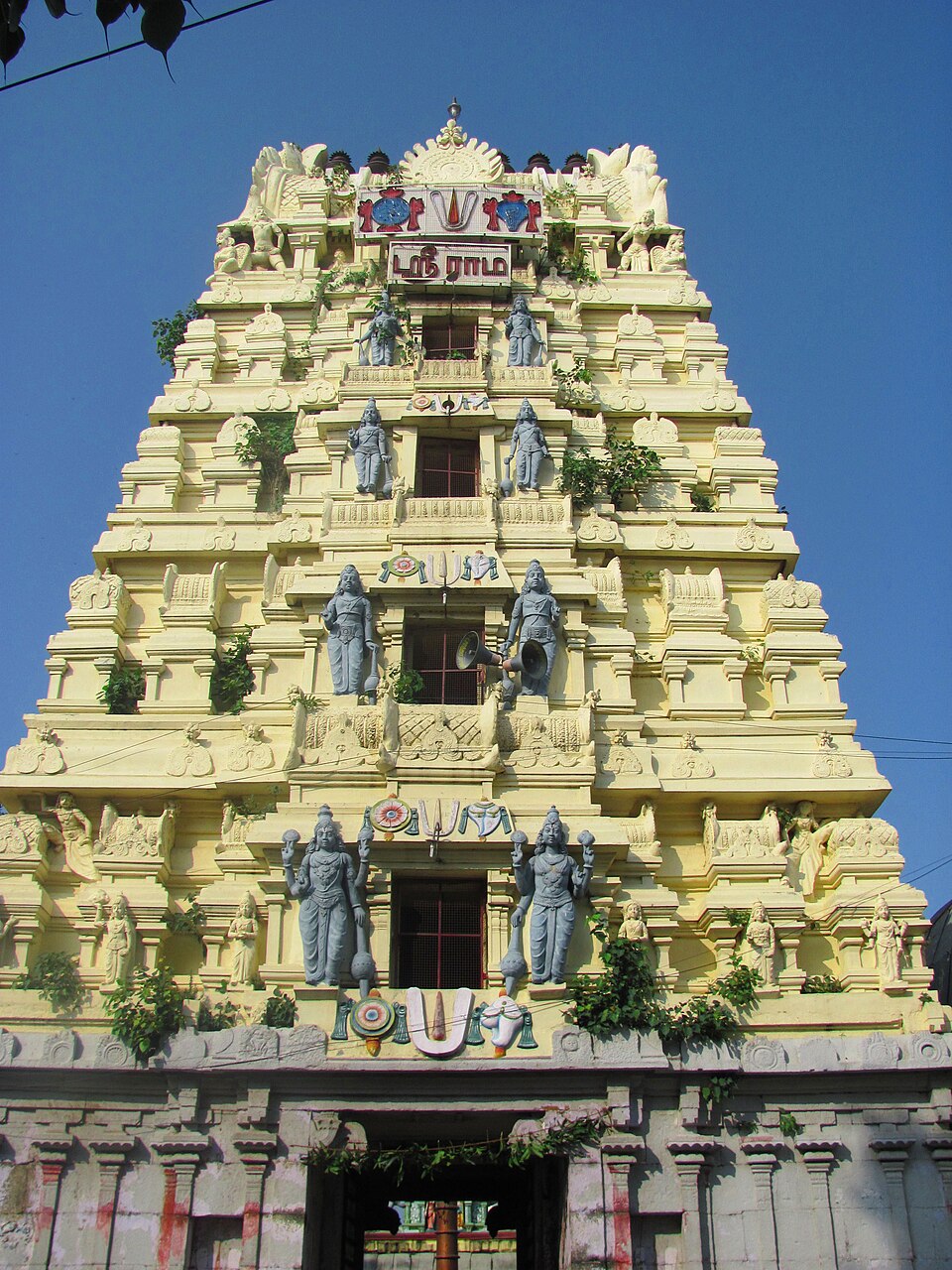
One of Tamil Nadu's most visited Shakti shrines, the Arulmigu Adhiparasakthi Siddhar Peetam rose to prominence after the deity was enshrined in 1977 by Bangaru Adigalar. Devotees of any caste or gender may enter the sanctum and touch the deity, and all wear red. Tradition holds that 21 Siddhars, several of them women, attained Jeeva Samadhi at the site.
The story of Melmaruvathur Adhiparasakthi Temple
For Melmaruvathur Adhiparasakthi Temple, one of Tamil Nadu's most visited Shakti shrines, the Arulmigu Adhiparasakthi Siddhar Peetam rose to prominence after the deity was enshrined in 1977 by Bangaru Adigalar. For Melmaruvathur Adhiparasakthi Temple, devotees of any caste or gender may enter the sanctum and touch the deity, and all wear red. For Melmaruvathur Adhiparasakthi Temple, tradition holds that 21 Siddhars, several of them women, attained Jeeva Samadhi at the site. For Melmaruvathur Adhiparasakthi Temple, this is a living place of worship, so its architecture and history should be read without turning devotional tradition into proven chronology.
A sensible plan for Melmaruvathur Adhiparasakthi Temple begins in Melmaruvathur: settle the return journey, carry water and keep time in reserve for a closed gate or a slower rural road. For Melmaruvathur Adhiparasakthi Temple, do not infer toilets, food, parking or step-free access from the existence of a map pin.
At Melmaruvathur Adhiparasakthi Temple, the most important distinction is between inscription or documented patronage and the traditions through which devotees understand the shrine. For Melmaruvathur Adhiparasakthi Temple, both belong in the story, but a belief, healing claim or foundation legend should remain clearly labelled as tradition.
Do not make Melmaruvathur Adhiparasakthi Temple responsible for an overfilled district itinerary. For Melmaruvathur Adhiparasakthi Temple, one carefully observed visit, followed by a meal or transport break in Melmaruvathur, is more reliable than assuming several rural sites share the same hours and facilities.