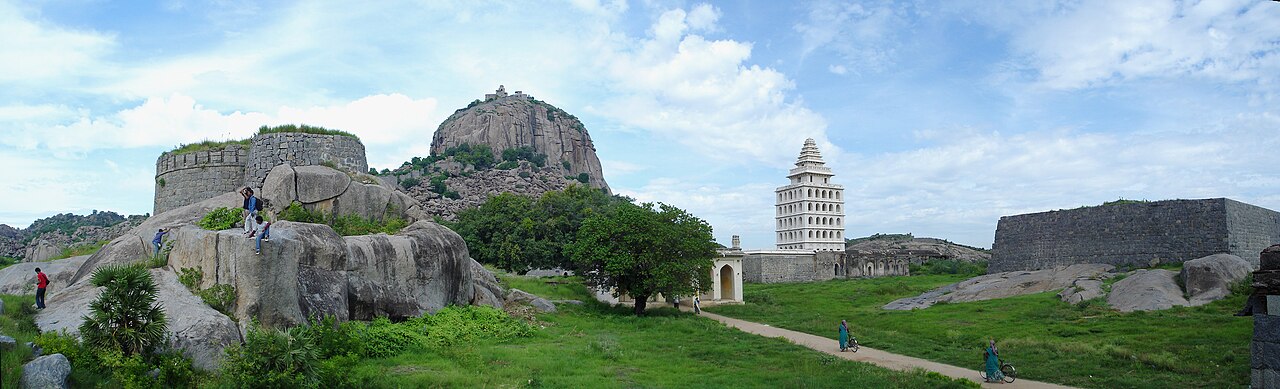
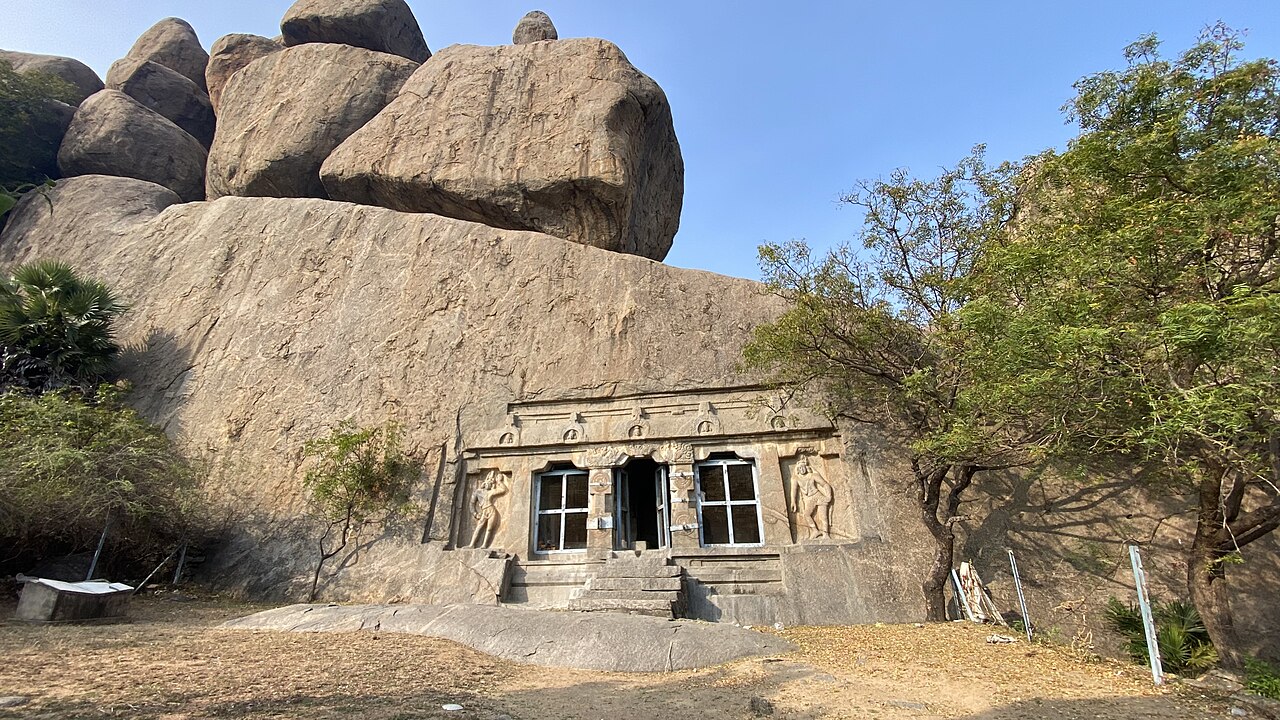
A granite hillock about 2 km north of Gingee with rock caverns and early Jain sculptures, including carvings of the Tirthankaras. Early Tamil-Brahmi and later inscriptions record Jain monks who undertook ritual fasts-unto-death here, notably Chandranandi's 57-day fast in the 5th-6th century. It is one of the important early Jain monastic sites of the district.
The story of Thirunathakunru Jain Caves
For Thirunathakunru Jain Caves, a granite hillock about 2 km north of Gingee with rock caverns and early Jain sculptures, including carvings of the Tirthankaras. For Thirunathakunru Jain Caves, early Tamil-Brahmi and later inscriptions record Jain monks who undertook ritual fasts-unto-death here, notably Chandranandi's 57-day fast in the 5th-6th century. For Thirunathakunru Jain Caves, it is one of the important early Jain monastic sites of the district. For Thirunathakunru Jain Caves, what survives on the ground may be fragmentary, fenced or under conservation, and the absence of a conventional visitor centre does not make restricted ground public.
Plan the last leg from Singavaram before committing to Thirunathakunru Jain Caves. For Thirunathakunru Jain Caves, arriving early enough to ask for directions and understand the visitor boundary is more useful than squeezing the site between distant stops or depending on an unverified closing time.
Use the surviving details at Thirunathakunru Jain Caves as evidence rather than forcing the site to match a dramatic online description. For Thirunathakunru Jain Caves, if the principal feature is inaccessible, an honest exterior visit is preferable to trespass or an invented account of what lies beyond the gate.
Leave enough time after Thirunathakunru Jain Caves for an unhurried return to Singavaram. For Thirunathakunru Jain Caves, seasonal conditions, festival traffic and rural mobile coverage can all extend a short outing, while unsupported assumptions about a café or ticket desk create avoidable problems.