What to expect
Highlights
- See the temple and river as one sacred landscape.
- Ask locally about the current authorised crossing.
- Join worship without crowding the small island precinct.
- Observe the Tungabhadra from stable dry ground.
Gadde Rameshwara is a Shiva temple on Kuruvada Gadde, an island in the Tungabhadra near Kuruva village, south-east of Honnali.
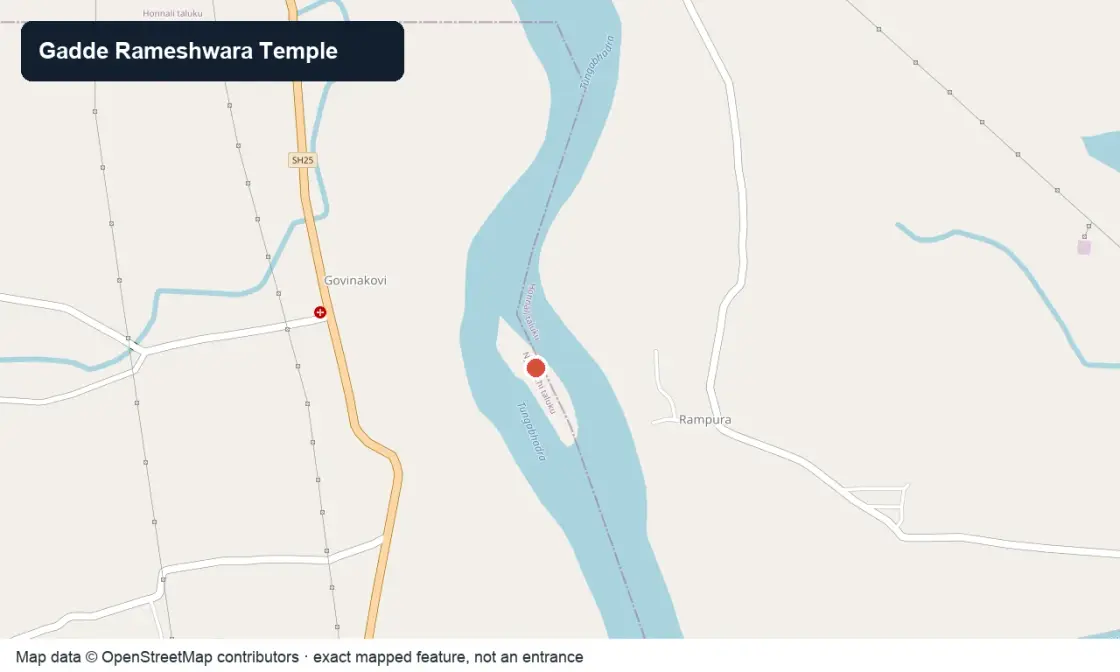
OpenStreetMap view centred on Kuruvada Gadde and its Rameshwara temple; the marker is not a safe crossing point.
Check entry arrangements. Ask temple staff about visitor entry, dress requirements and access to the inner shrine before you travel, especially if you are visiting as a non-Hindu.
Dress respectfully and follow the institution’s admission and photography rules.
The river is part of the destination and the main limit on access. A low-water route remembered from an earlier visit is never proof that crossing is safe today.
Davanagere district administration identifies Kuruvada Gadde as a Tungabhadra island with a Rameshwara temple about ten kilometres south-east of Honnali.
No authoritative architectural date was found for the present shrine, so the page separates the physical temple from the sacred story attached to it.
Gadde Rameshwara is a Shiva temple on Kuruvada Gadde, an island in the Tungabhadra near Kuruva village, south-east of Honnali.
The river is part of the destination and the main limit on access. A low-water route remembered from an earlier visit is never proof that crossing is safe today.
Stop in Kuruva village and ask the temple community whether access is open and how visitors are crossing that day.
Use only an authorised boat, bridge or clearly directed route; never improvise by wading.
Confirm the final return before crossing and abandon the visit if water, weather or local advice is uncertain.
Local Ramayana tradition links Rama and Shiva worship to the island. Treat the association as living sacred memory; it does not establish a construction date or guarantee a particular ritual on the day.
Davanagere district administration identifies Kuruvada Gadde as a Tungabhadra island with a Rameshwara temple about ten kilometres south-east of Honnali.
No authoritative architectural date was found for the present shrine, so the page separates the physical temple from the sacred story attached to it.
See the temple and river as one sacred landscape.
Ask locally about the current authorised crossing.
Join worship without crowding the small island precinct.
Observe the Tungabhadra from stable dry ground.
Dry post-monsoon months, usually November to February, but only after same-day confirmation of river conditions.
Live forecast loads in your browser.
Sun and moon are calculated for this location and shown in IST. Photography windows are the hour around sunrise and sunset; the sunset bearing is degrees clockwise from true north. Moon phase is accurate to about half a day.
Browse local stays, food, activities and useful shops. Confirm current service directly; rural options identify their own locality.
Tungabhadra island Shiva temple reached only when the current authorised crossing is safe.
Dispersed remains associated with old Honnali; use public paths and local guidance.
Book with the place itself. India’s cyber-crime coordination centre warned in April 2025 that convincing copies of hotel and pilgrimage booking sites are being pushed through sponsored search and social ads, taking payment for rooms the property never hears about. Every listing here links to the business’s own contact details and its own Google or Bing profile — we take no commission and sit in nobody’s payment path. If a booking page reached you through an ad, check the address bar against the property’s own site before you pay. Fraud can be reported on cybercrime.gov.in or on 1930.
Choose a local circuit or a separate road outing. Check worship, market and forest access independently; these places do not share one admission or timetable.
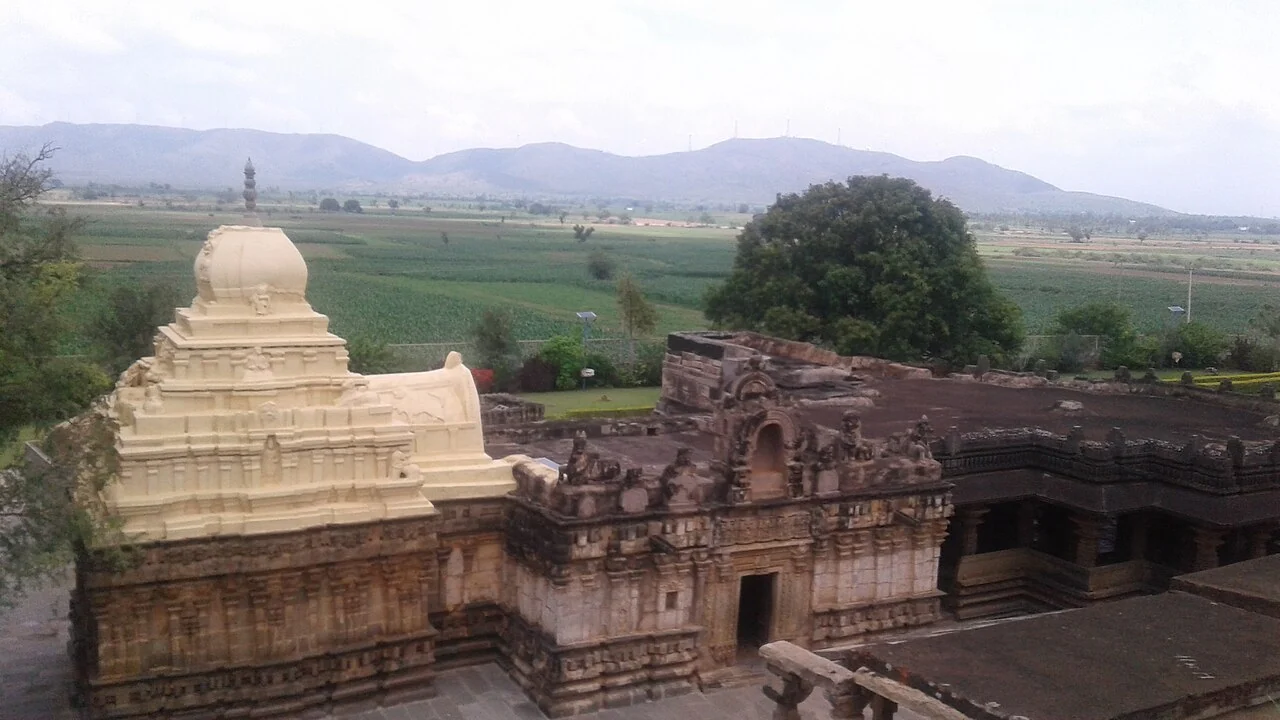
Davanagere temple context; Belagutti is a separate destination.
spring templeThirtharameshwara TempleA separate Honnali-taluka shrine known for its spring and unusual Brahma dedication.
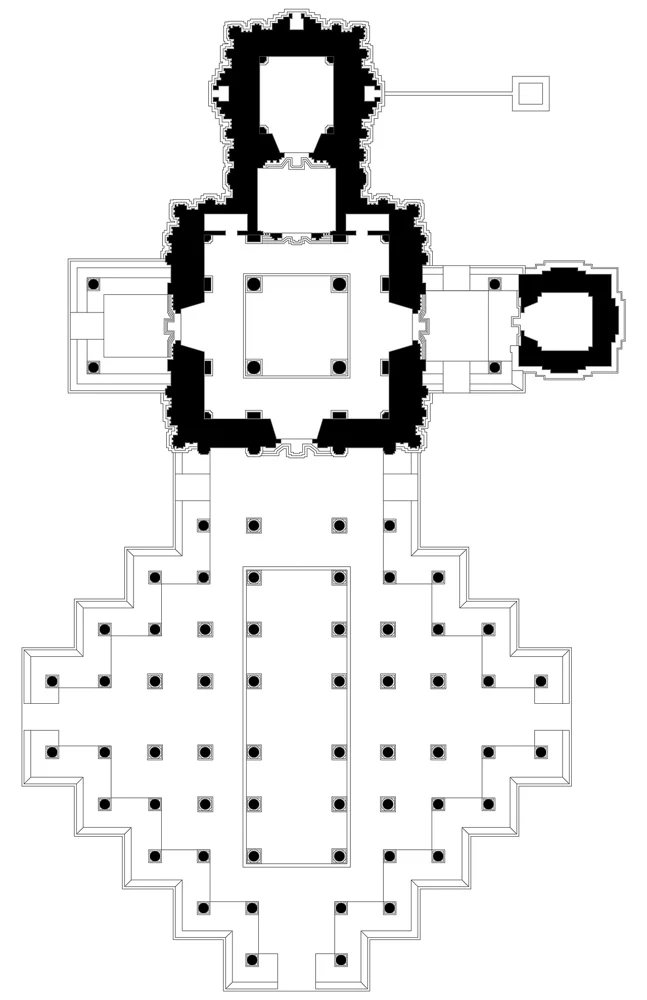
Harihareshwara Temple.
Hoysala templeHarihareshwara TempleHarihara’s major riverbank temple is a separate road trip.
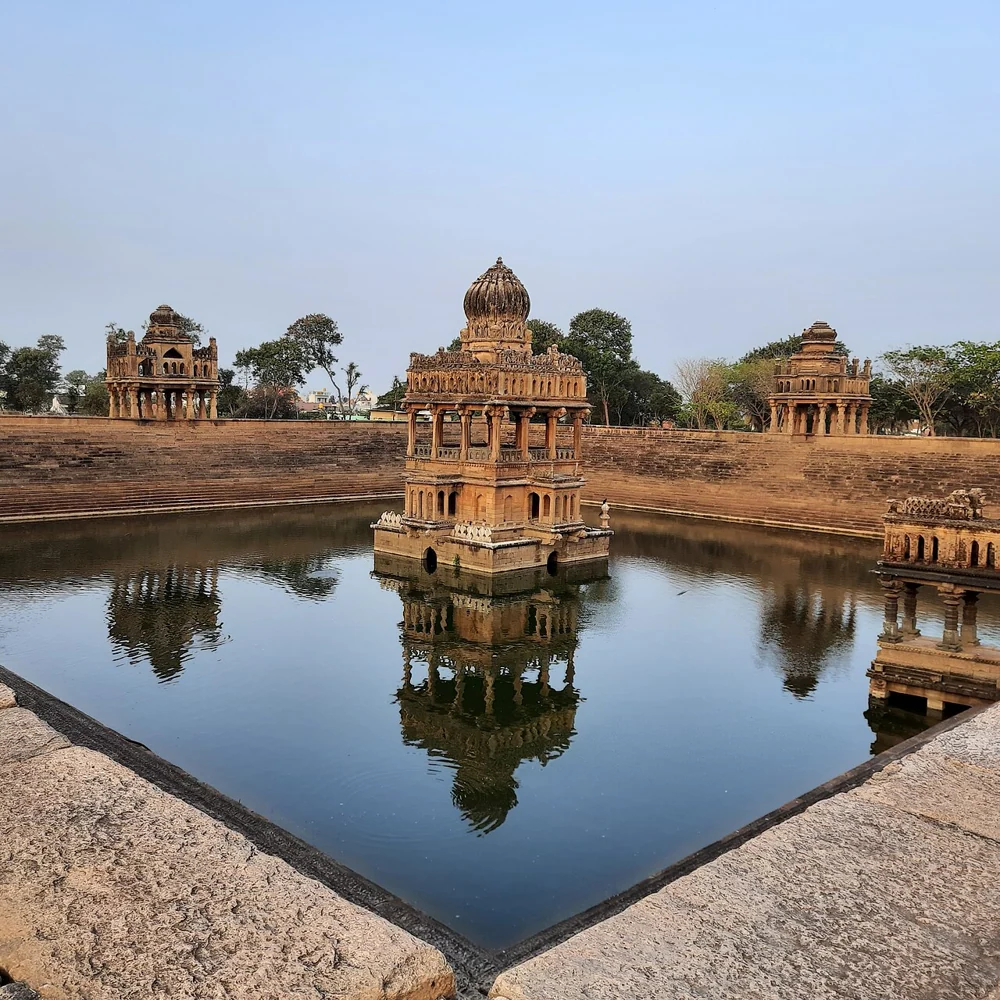
Santhebennur Pushkarini.
historic tankSanthebennur PushkariniA separate Channagiri-side heritage stop.
Davanagere district context for Hodigere.
historic memorialHodigere Shahaji MemorialA separate rural memorial in Davanagere district.
Roampedia is commission-free — own or know a stay, eatery, guide or shop near Gadde Rameshwara Temple, Kuruva? List it and it appears here once verified.
Add a nearby businessEntry: No authoritative temple admission tariff was found. Crossing services, if officially operating, may have a current charge that must be confirmed locally.
Dress code: Dress modestly, remove footwear where directed and keep worship routes clear.
Photography: Ask before photographing worship or a crossing; protect equipment from water and keep both hands free where instructed.
Parking: Leave the vehicle only in a locally directed village space above the river edge.
Stop in Kuruva village and ask the temple community whether access is open and how visitors are crossing that day.
Online taxis: Do not depend on an app pickup at Gadde Rameshwara Temple, Kuruva; arrange the return in advance when leaving the town centre.
If you are travelling by bus or ferry, check the return service with the operator before setting out. Leave time to reach the stop or jetty after your visit.
Ask at the jetty or stand for the time of the last service back, not the next one. If you miss it, an auto or app cab is the fallback — agree the fare before you get in.
Checked 6 September 2026 against source 1source 2source 3. Conditions change and surfaces vary with weather — if step-free access is essential, confirm with the site before you travel.
For toilets, drinking water or a cash machine, ask at the site or a nearby business. No local service locations are available on this page.
Emergency numbers are verified against official government and state tourism sources. 112 works anywhere in India.
Use honnali or the nearest town centre for dependable meals and drinking water; do not assume an unstaffed site has refreshments.
Explore food in Honnali →Choose a busy current town restaurant for idli, dosa or other fresh tiffin before departure.
Plan lunch around the town rather than carrying uncovered food into a shrine, wetland or archaeological site.
Local stops come first, followed by separate district outings. Check each place’s own access and return journey; this is a choice of visits, not a single walking circuit.
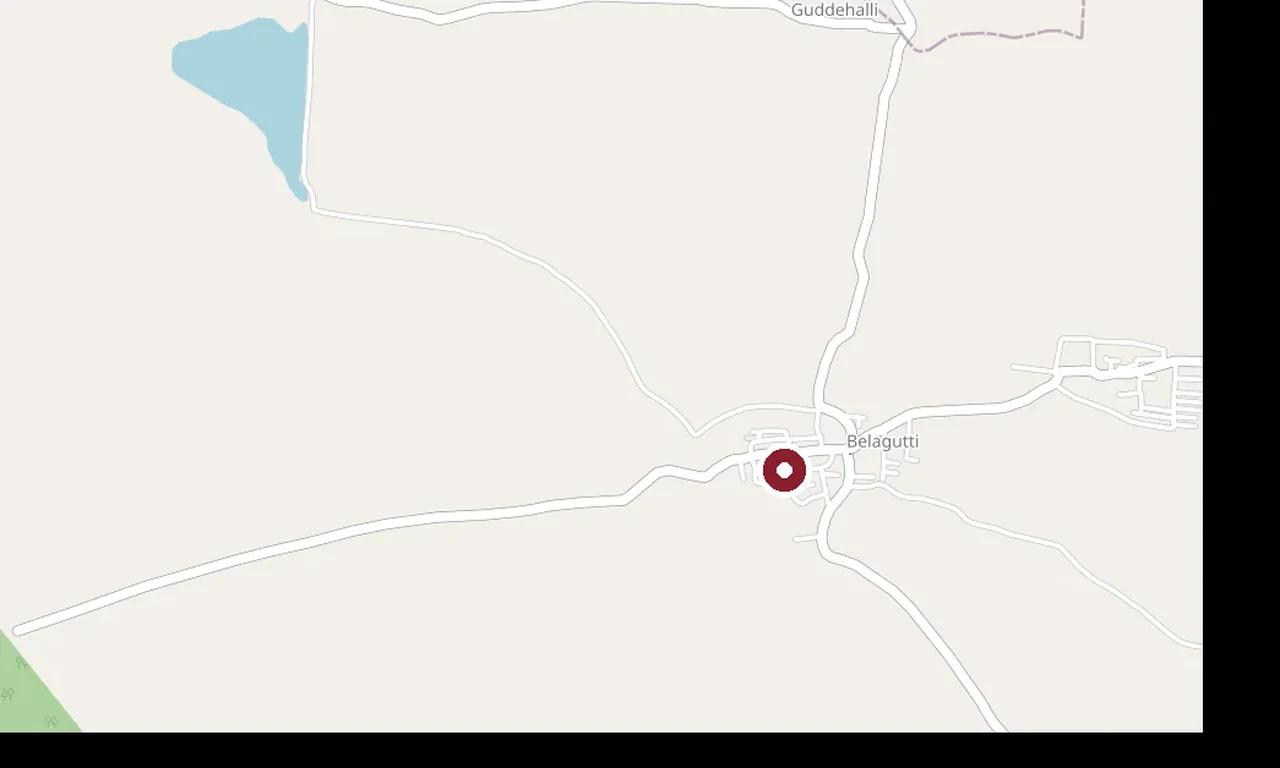
OpenStreetMap view centred on Thirtharameshwara Temple, Belagutti; the marker identifies the mapped subject, not a guaranteed public entrance.
templeThirtharameshwara Temple, BelaguttiA rare temple at Belagutti with a Brahma shrine — an unusual dedication in India — and a perennial holy spring (thirtha), in the Honnali–Nyamati country west of Davanagere.

Shanti Sagara
lakeShanti SagaraAlso called Sulekere, one of the largest irrigation tanks in Asia, built around 1128 CE with a circumference of some 30 km near Channagiri — a vast birdlife-rich lake with a Siddeshwara temple on its embankment.

Channagiri Fort walls following the hill above town.
fortChannagiri FortAn 18th-century hill fort above Channagiri town, associated with the Keladi Nayaka tradition, with ruined ramparts, a hilltop shrine and wide views over the plains.
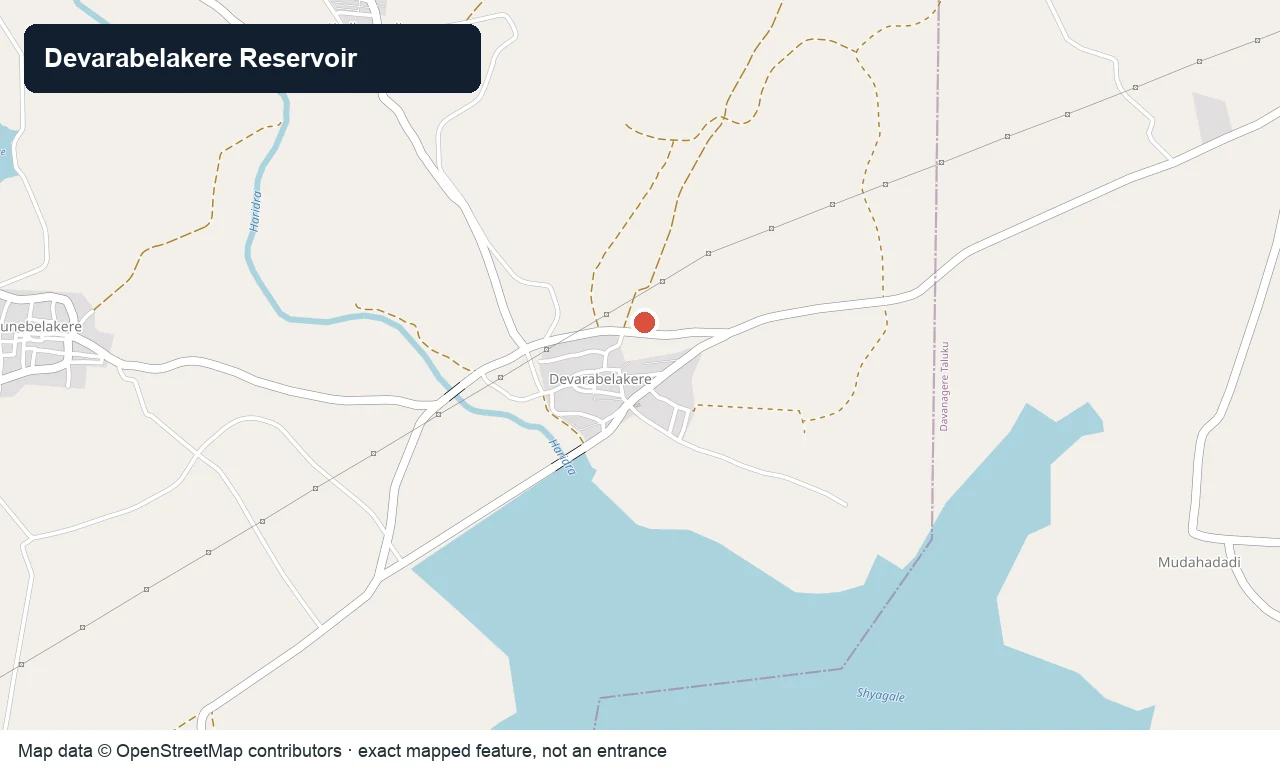
OpenStreetMap view centred on Devarabelakere Reservoir; the marker identifies the waterworks, not public access.
damDevarabelakere ReservoirA balancing reservoir on the Tungabhadra system near Devarabelakere, downstream of the Bhadra dam — a calm waterbody and picnic stop in the Harihar country.

Paddy fields photographed beside Hadadi, showing the working rural landscape around the lake rather than a visitor entrance.
lakeHadadi LakeA lake with a monsoon-season waterfall in the Hadadi hobli south of Davanagere city, a quiet local outing spot after the rains.

Santhebennur Pushkarini
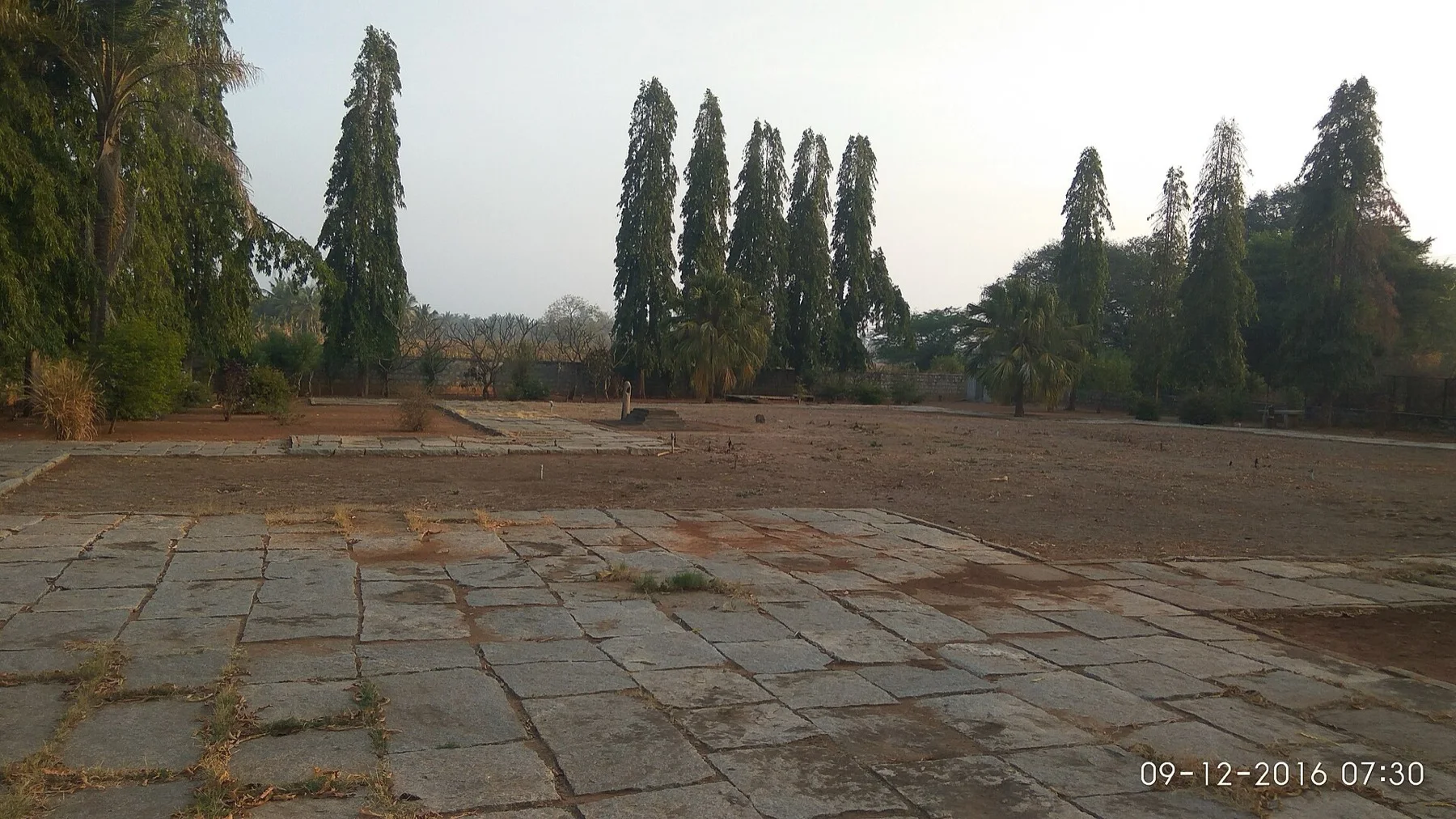
heritageSanthebennur PushkariniAn ornate 16th-century stepped temple tank at Santhebennur, built by the Kenga Hanumantappa Nayaka chieftains, with a pillared pavilion rising from the water and a granite Musafirkhana mosque alongside.
OpenStreetMap view centred on Shahaji Bhonsale Tomb, Hodigere; the marker identifies the mapped subject, not a guaranteed public entrance.
heritageShahaji Bhonsale Tomb, HodigereA memorial (samadhi) at Hodigere to Shahaji Bhonsale, the father of Chhatrapati Shivaji, who died here in a 1664 hunting accident — a quiet historic monument in the Channagiri country.
OpenStreetMap view centred on Kunduvada Kere; the marker identifies the mapped subject, not a guaranteed public entrance.
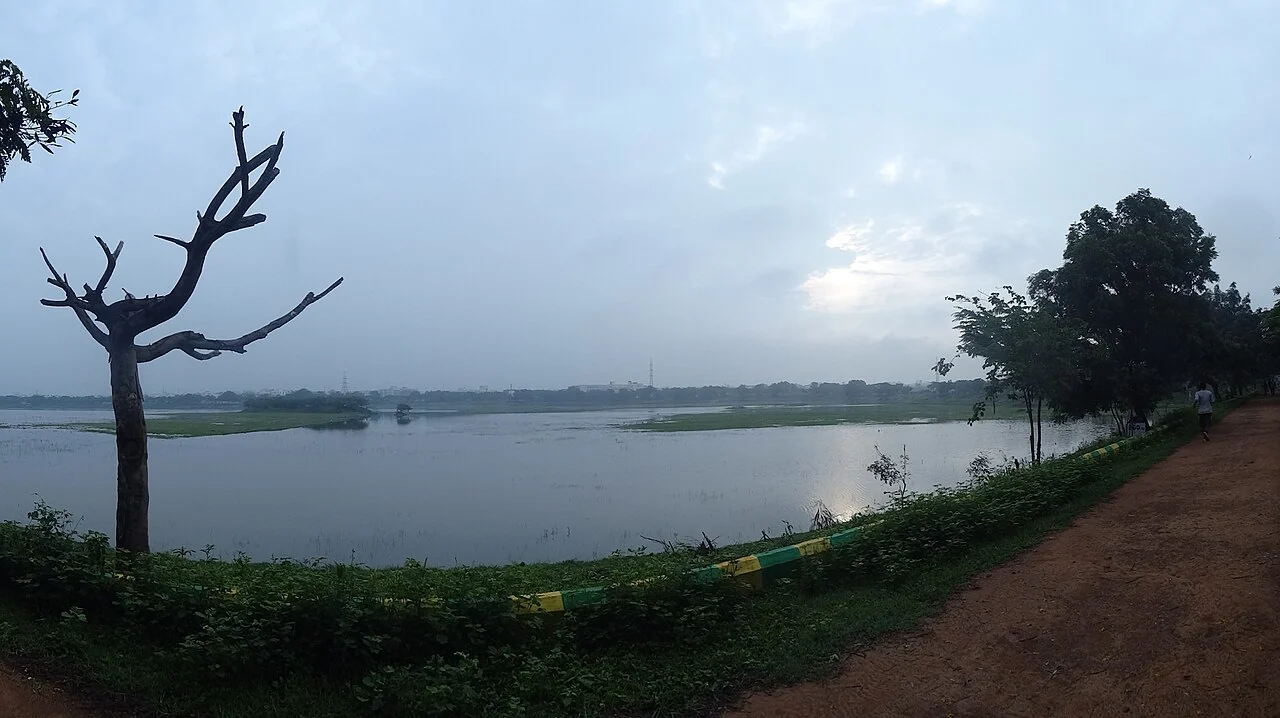
lakeKunduvada KereA large tank on the western edge of Davanagere city, ringed by a walking path and the Glass House horticultural pavilion — the city’s main evening and birding spot.
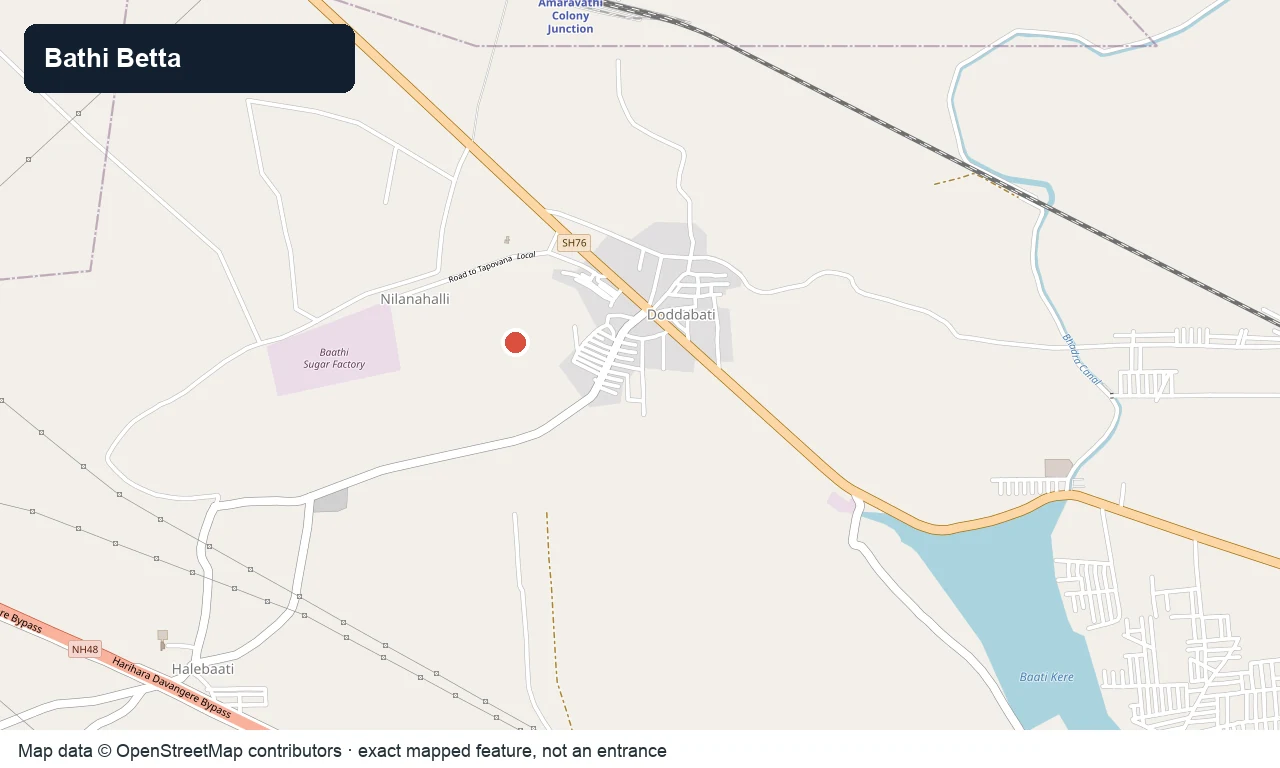
OpenStreetMap view centred on Bathi Betta between Davanagere and Harihara; confirm the trailhead locally.
viewpointBathi BettaA rocky hill about 4 km from Davanagere toward Harihara, with a hillside Revana Siddeshwara (Shiva) shrine and wide views over the city and the surrounding paddy country — a popular sunrise and sunset climb.

Harihareshwara Temple
templeHarihareshwara TempleThe flagship of the district — a 1223 CE Hoysala temple on the Tungabhadra bank at Harihar, about 14 km from Davanagere, dedicated to Harihara (Shiva and Vishnu combined in one form), with fine Hoysala sculpture and an ASI heritage tag.
Nearby toilets, pharmacies, ATMs, seating and vets are community-mapped and may be incomplete or out of date. Map data © OpenStreetMap contributors | Walking times © openrouteservice.org by HeiGIT
The locator identifies the temple precinct. Use the currently open worship entrance and follow any procession diversions.
Gadde Rameshwara is a Shiva temple on Kuruvada Gadde, an island in the Tungabhadra near Kuruva village, south-east of Honnali.
The river is part of the destination and the main limit on access. A low-water route remembered from an earlier visit is never proof that crossing is safe today.
Drive to Kuruva village, not to the waterbody centre, and ask for the current recognised temple reporting point. Regional buses can reach Honnali and nearby villages; a retained local vehicle is strongly preferable for the final road and return.
No reliable daily schedule was found. Daylight, river level and temple practice jointly determine access.
No authoritative temple admission tariff was found. Crossing services, if officially operating, may have a current charge that must be confirmed locally.
The river crossing and island ground are not reliably step-free. Ask whether a seasonal bridge or assisted access exists before travel; do not assume it.
Dry post-monsoon months, usually November to February, but only after same-day confirmation of river conditions.
Entry: No authoritative temple admission tariff was found. Crossing services, if officially operating, may have a current charge that must be confirmed locally. Timings: No reliable daily schedule was found. Daylight, river level and temple practice jointly determine access.
Allow 1.5–3 hours including the crossing and a safe return margin.
Nearby you can pair Thirtharameshwara Temple, Belagutti, Shanti Sagara, Channagiri Fort, Devarabelakere Reservoir.
Do not enter the river during high water, releases, rain or poor visibility. Current can be dangerous even when the surface looks calm. Keep children within reach and do not carry loose luggage on any crossing.
Local stories and practical reading for a visit to Gadde Rameshwara Temple, Kuruva and its surroundings.
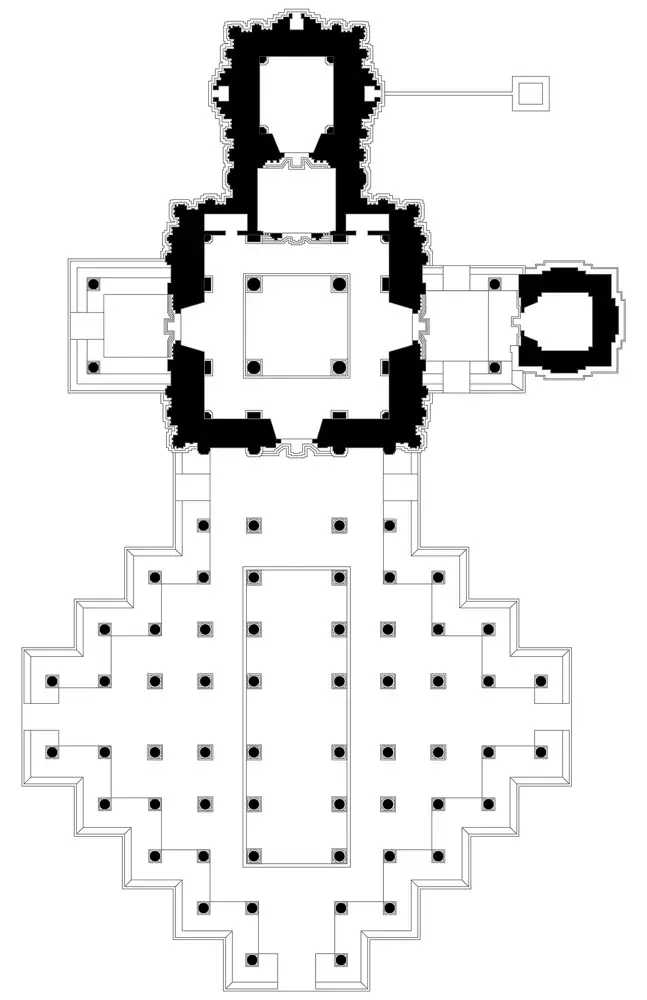
A distinct nearby subject used to explain the local circuit: Harihareswara temple and Hindu monastery, Harihara Karnataka.
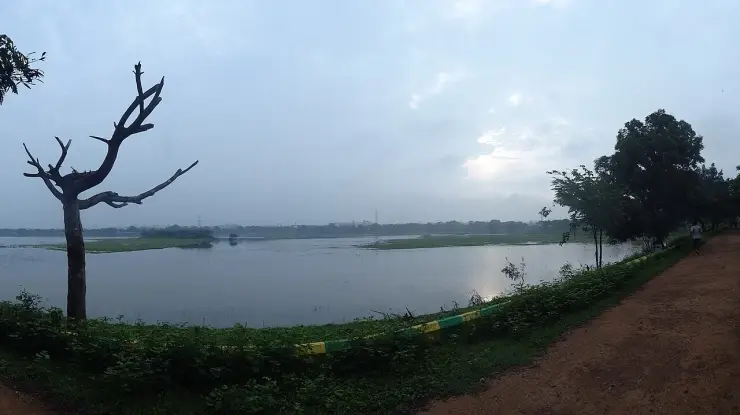
A distinct nearby subject used to explain the local circuit: Kundawada Kere(Lake) Davanagere.
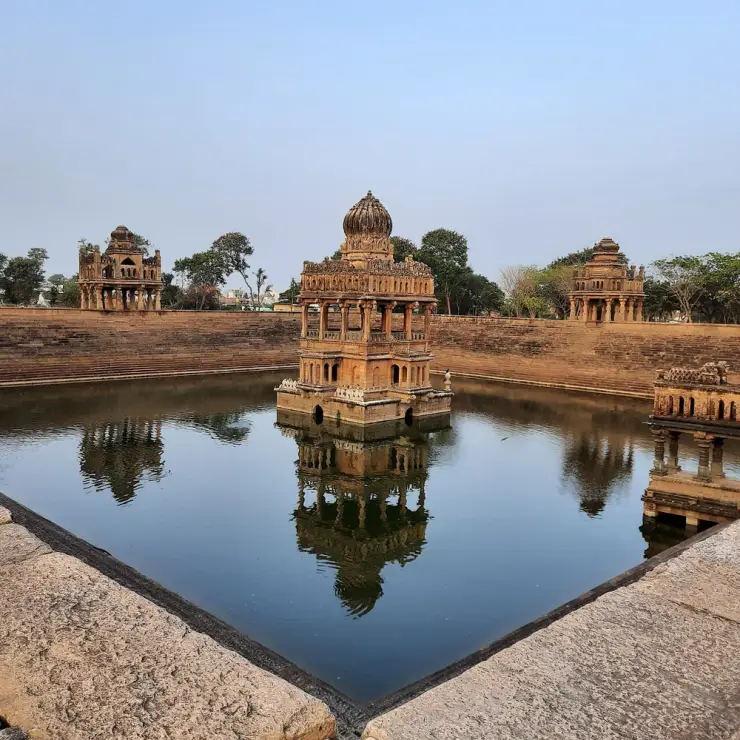
A distinct nearby subject used to explain the local circuit: Santhebennur.
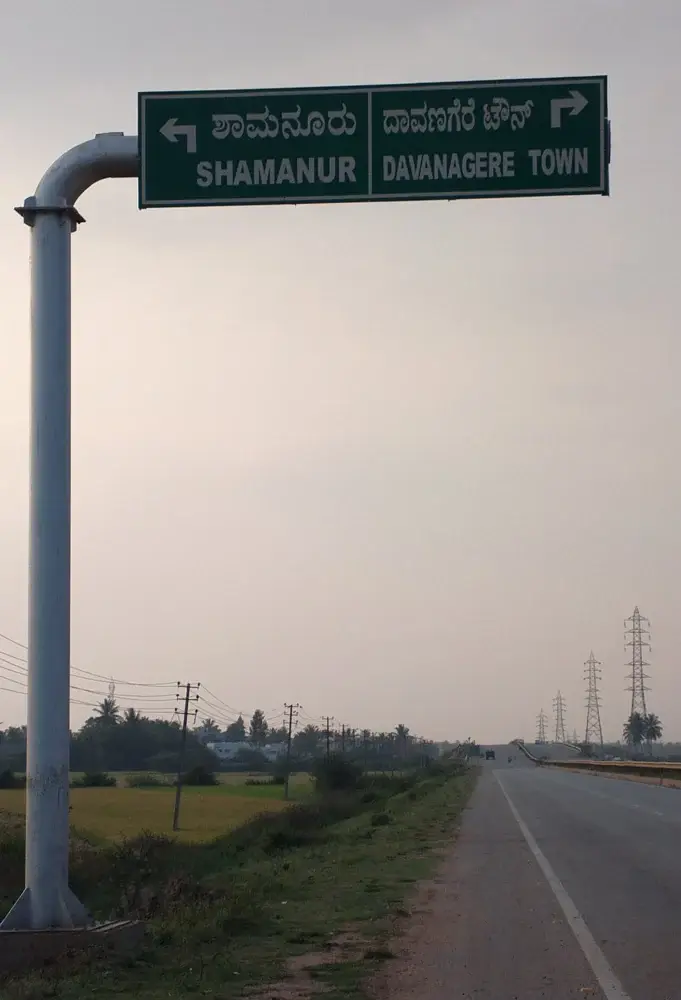
A distinct nearby subject used to explain the local circuit: Shaamanur.
Photographs: OpenStreetMap contributors (ODbL 1.0), Dineshkannambadi, CC BY-SA 4.0, via Wikimedia Commons (CC BY-SA 4.0), Mukherjee Sujata, CC BY-SA 4.0, via Wikimedia Commons (CC BY-SA 4.0), © OpenStreetMap contributors, ODbL (ODbL), Siddarth.P.Raj, CC BY-SA 3.0, via Wikimedia Commons (CC BY-SA 3.0), Nataraj KV (CC BY-SA 4.0), Irrigator (CC BY-SA 3.0), Wikimedia Commons contributor; see source page for licence. Wikimedia Commons.