Mavelikkara’s claim on history is a single day. On 15 August 1753, here, Anizham Thirunal Marthanda Varma of Travancore and the Dutch East India Company signed a treaty of peace and friendship. It is worth being precise about what it did, because it is one of the most frequently misdescribed documents in Kerala’s history — and it is misdescribed almost everywhere.
The terms
What the parties agreed
| Clause | Substance |
|---|---|
| Non-intervention | The Dutch undertook a strict policy of peace and to stay out of disputes involving Travancore |
| Alliances | The Dutch renounced their alliances with the other chiefs and nobles of Malabar |
| Deserters | Provision for the extradition of deserters |
| Shipwreck | Restoration of Dutch goods and people shipwrecked on the Travancore coast |
| War material | The Dutch to supply Travancore with war material annually |
| Pepper | Travancore to sell the Dutch a fixed quantity of pepper at fixed rates |
| Present | An annual present of 5,000 guilders, with the final say on payment left to Batavia |
Clauses versus consequences
Read as a list of clauses, that is a commercial arrangement. Read as a settlement, it is a surrender.
The renunciation of the alliances is the heart of it, because those alliances were the instrument through which the Company had intervened in Kerala politics for a century. A trading power that had spent that century making and breaking Malabar chiefs agreed to stop doing so — and agreed to supply weapons to the state that had beaten it, the same state that had destroyed a Dutch force at Colachel eleven years earlier. It effectively ended Dutch political and commercial dominance on the Kerala coast, and left Marthanda Varma free to go on consolidating without foreign interference.
What it did NOT do
It did not settle Karappuram. That confusion is everywhere, and it is worth naming because we published it ourselves before correcting it. Our own pages once said that Travancore attacked in 1753 in what is remembered as the Purakkad war and annexed Karappuram outright under the Treaty of Mavelikkara. Three separate things in that sentence were wrong.
- The treaty was with the DUTCH, and its subject was the Company’s position in Kerala. It did not concern Karappuram.
- The battle at Purakkad is 1755, not 1753, and was fought against the ZAMORIN — a different opponent and a different war.
- Karappuram, with Alangad, was a tributary territory of Cochin rather than a Travancore conquest of that year. “Attacked and annexed outright” overstates what happened — and the year usually given for the transfer is itself unsettled: 1753, 1755 and 1762 all appear in print, and the Alappuzha district administration gives none at all.
What there is to see
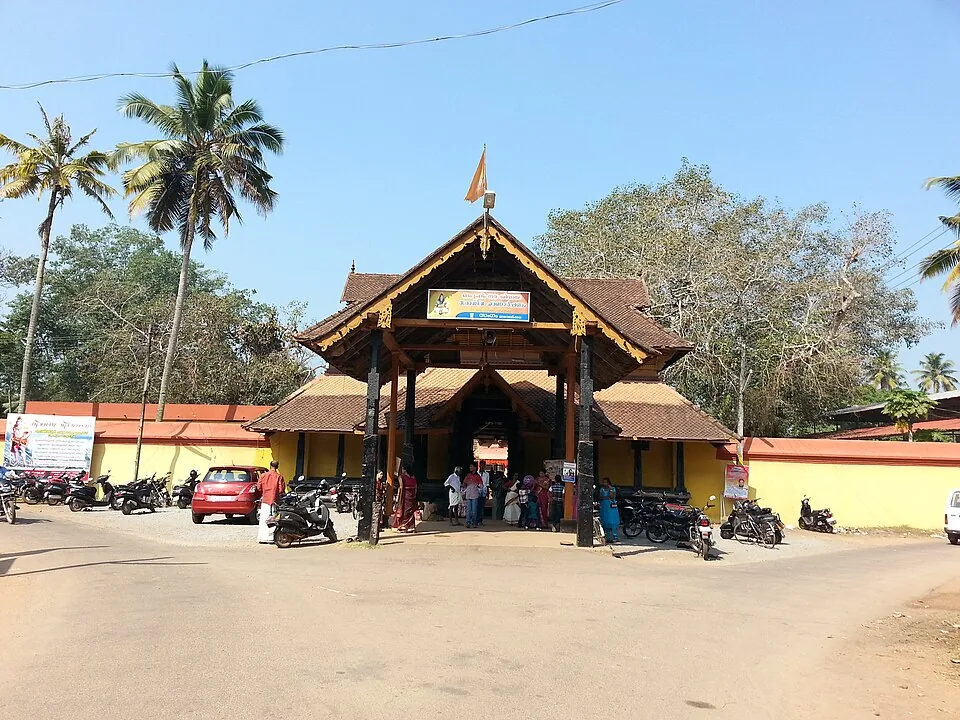
Nothing, which is the honest answer. There is no treaty museum and no marker of the signing that a visitor can easily find. Mavelikkara is a working taluk town of ordinary size carrying an extraordinary quantity of history with almost no interpretation on the ground. If you come expecting the history to be presented to you, you will be disappointed. If you come knowing what happened here, it is one of the more remarkable small towns in Kerala.
Frequently asked questions
What was the Treaty of Mavelikkara?
A treaty of peace and friendship signed at Mavelikkara on 15 August 1753 between Anizham Thirunal Marthanda Varma of Travancore and the Dutch East India Company. It ended Dutch political and commercial dominance on the Kerala coast.
Did the Treaty of Mavelikkara transfer Karappuram to Travancore?
No. It concerned the Dutch alone — non-intervention, the renunciation of Company alliances with other Malabar chiefs, deserters, shipwreck restitution, war material, a pepper quota and an annual present. Karappuram is a separate matter with an unsettled date.
Is there a memorial to the treaty at Mavelikkara?
Not one a visitor can easily find. There is no treaty museum and no accessible marker of the signing.