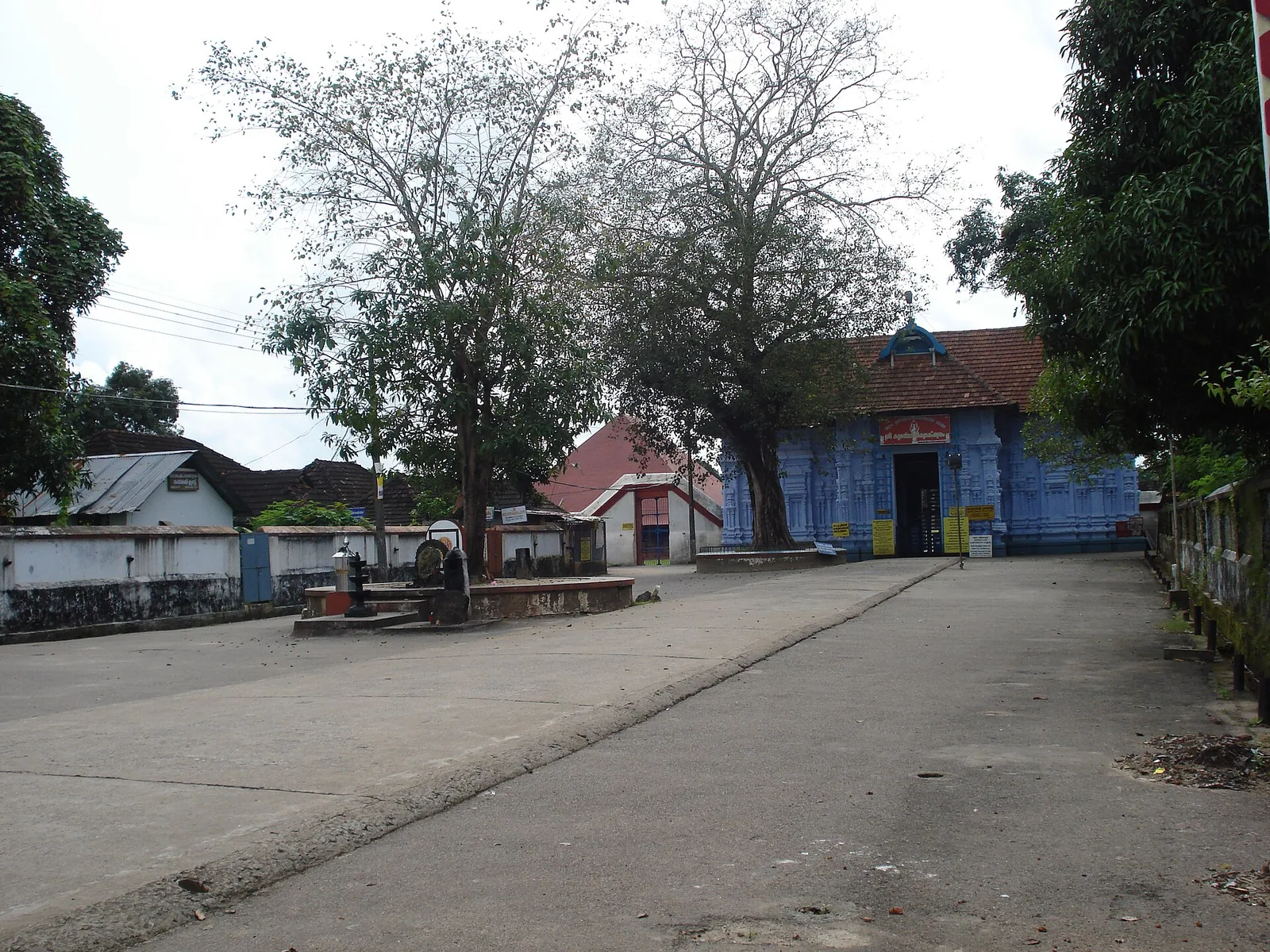
In the Ramayana, when Rama is exiled to the forest, his younger brother Bharata is offered the throne of Ayodhya — and refuses it. Instead he places Rama’s sandals on the throne and rules for fourteen years as a mere regent, waiting for the rightful king to return. It is one of the great acts of loyalty in all of Indian myth, and there is exactly one ancient temple in India built to honour the man who performed it: Koodalmanikyam Temple at Irinjalakuda.
The brother nobody else enshrined
Think of how many thousands of temples across India are dedicated to Rama, to Lakshmana as his companion, to Hanuman. Bharata, the brother who held power without ever wanting it, is almost never given a shrine of his own. Koodalmanikyam is the singular exception — the only ancient temple in the country dedicated to the worship of Bharata (the idol itself represents Vishnu). To stand before it is to honour a very particular virtue: renunciation, and faith kept over long years.
Four brothers, four temples, one day
And Koodalmanikyam is not alone — it is one corner of a beautiful arrangement. Four temples in this part of central Kerala are dedicated, one each, to the four brothers of the Ramayana: Rama at Thriprayar, Bharata here at Irinjalakuda, Lakshmana at Moozhikulam, and Shatrughna at Payammal. Devout pilgrims undertake the nalambalam darshanam — visiting all four brother-temples in a single day, especially in the Malayalam month of Karkidakam — so that the whole royal family of Ayodhya is worshipped between one sunrise and sunset. It is a pilgrimage found nowhere else on earth.
The temple of the confluence
The name Koodalmanikyam carries its own poetry. Koodal means a confluence or coming-together, and the temple’s other name is Sangameshwara, “the lord of the confluence.” The deity is offered garlands of no fewer than a hundred and one lotus flowers, and the temple’s great tank and serene precincts have made it one of the most atmospheric shrines in Thrissur district — dignified, unhurried, and quietly proud of the rare devotion it keeps alive.
A festival of elephants and art
Like the great temples of its region, Koodalmanikyam keeps a grand annual festival, with caparisoned elephants — some in gold ceremonial headdresses, others in silver — panchavadyam drumming and the classical temple arts for which central Kerala is famous. It sits in good company: Irinjalakuda is also home to the Natana Kairali institution and a deep tradition of Koodiyattam, the ancient Sanskrit theatre.
Visiting Koodalmanikyam
The temple is at Irinjalakuda, south of Thrissur town and easy to reach; non-Hindus may not enter the inner temple, as at most Kerala Hindu shrines, but the precincts and tank reward a visit, and the four-brother pilgrimage is a memorable day out for those who can do it. Details are on the Koodalmanikyam place page; more of the district is on the Thrissur hub.
Frequently asked questions
Why is Koodalmanikyam temple unique?
It is the only ancient temple in India dedicated to the worship of Bharata, the brother of Rama who refused the throne of Ayodhya and ruled as regent in his name. The enshrined idol represents Vishnu.
What are the four Ramayana-brother temples in Kerala?
They are Rama at Thriprayar, Bharata at Koodalmanikyam (Irinjalakuda), Lakshmana at Moozhikulam and Shatrughna at Payammal. Pilgrims visit all four in a single day — the nalambalam darshanam — especially in the month of Karkidakam.
What does the name Koodalmanikyam mean?
Koodal means “confluence,” and the temple is also known as Sangameshwara, “the lord of the confluence.” The deity is offered garlands of at least 101 lotus flowers.