Indicative entry fees and opening hours for the ticketed and timed places in Thrissur. These change — always confirm with the official operator before you go.
PlaceEntry feeTimingsBest time
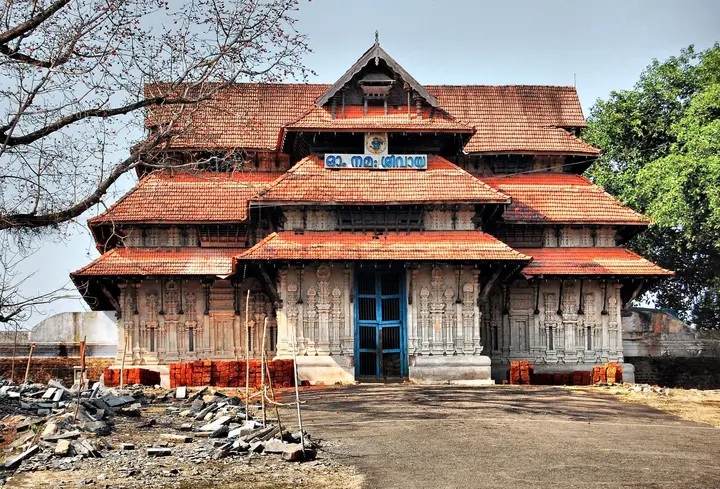
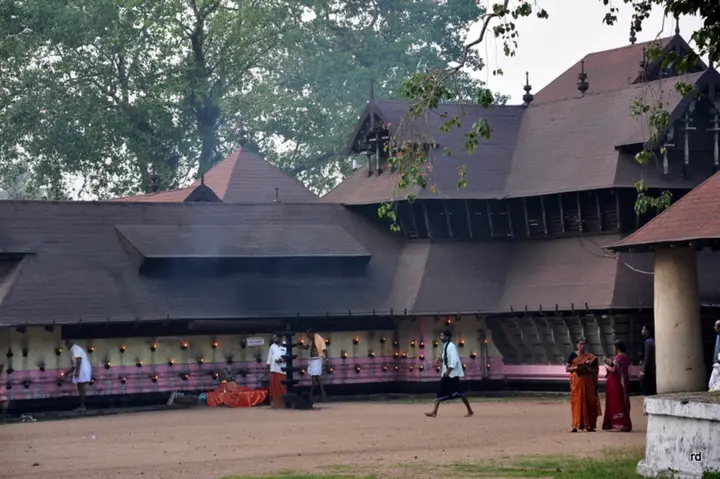
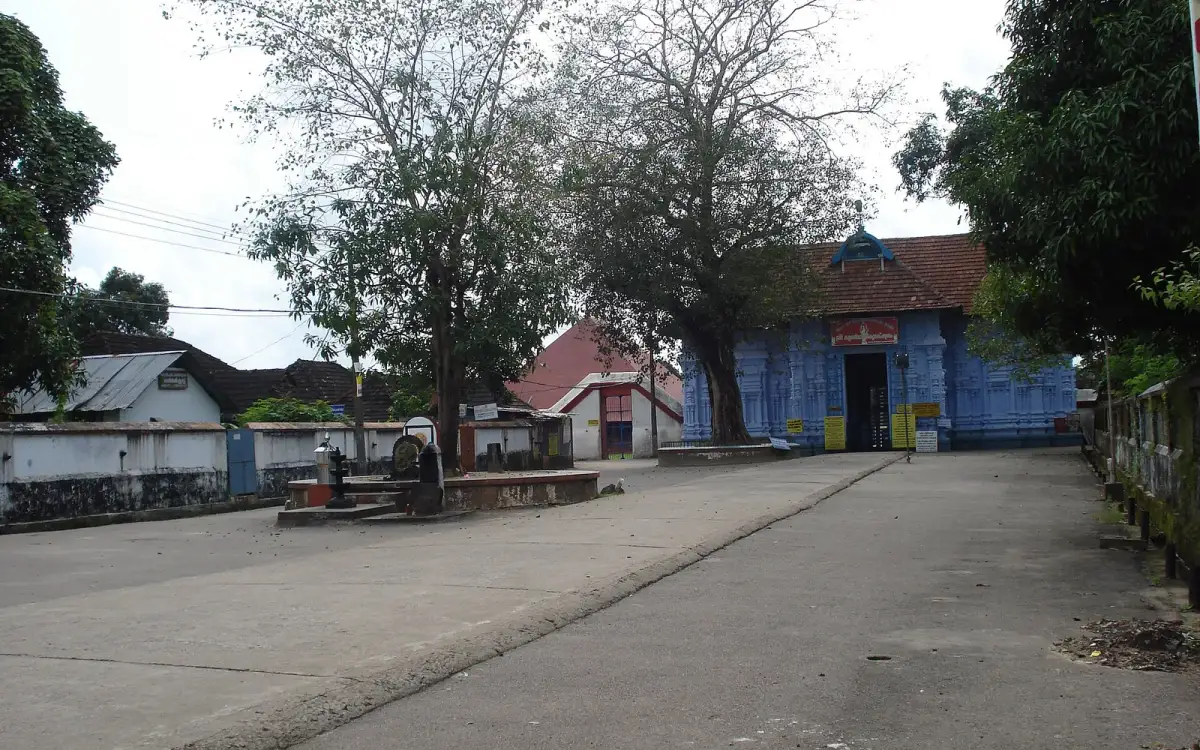
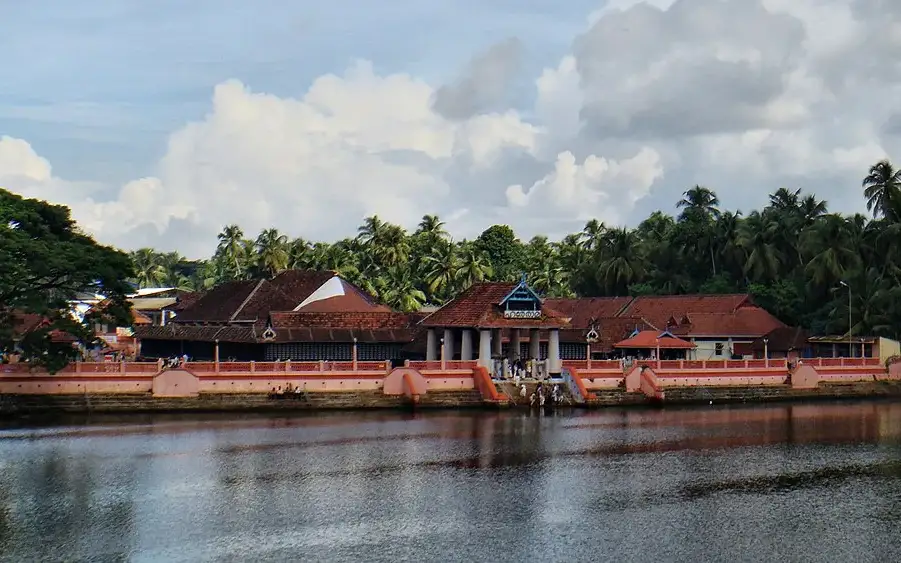
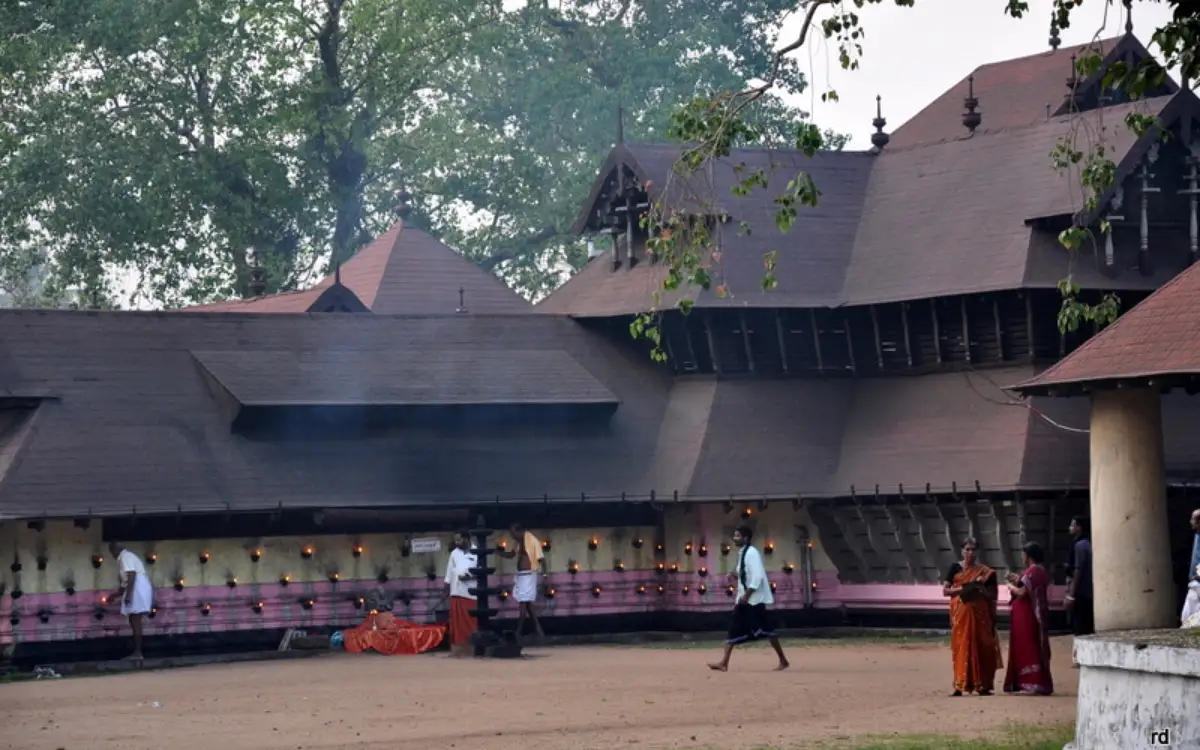
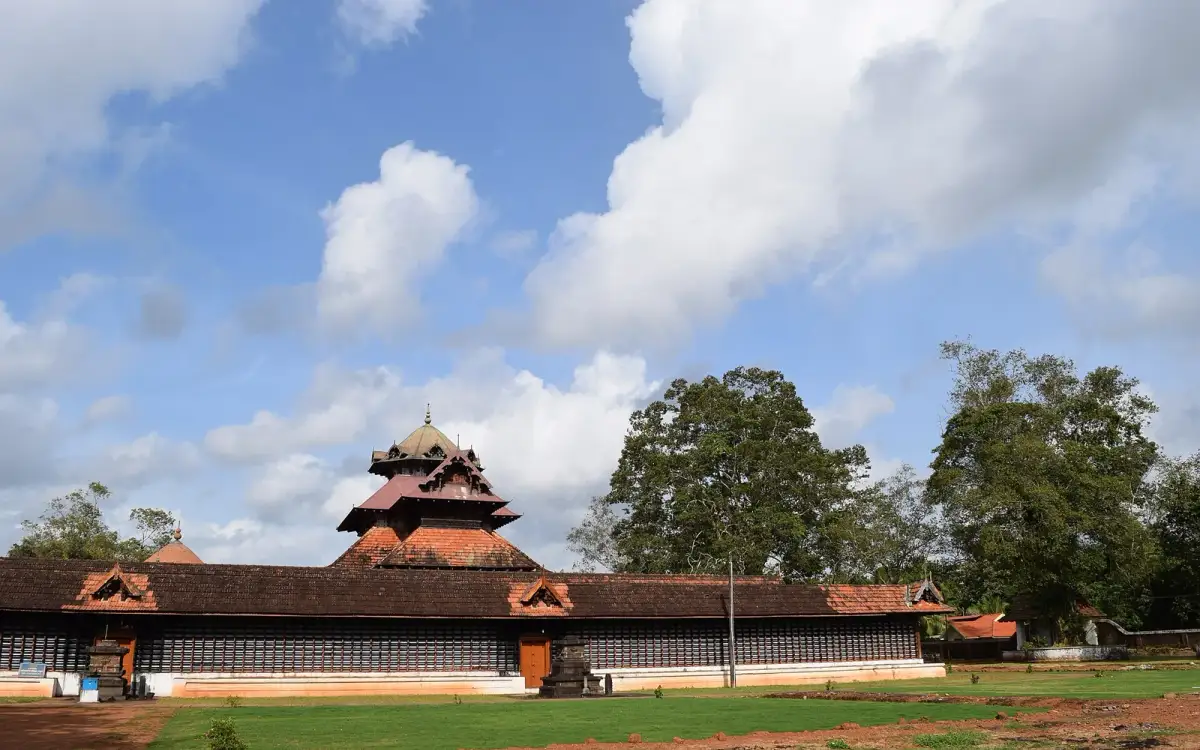
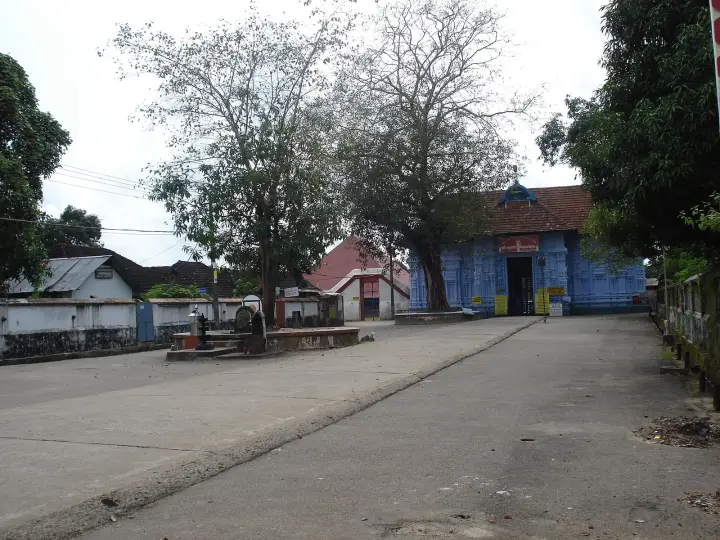
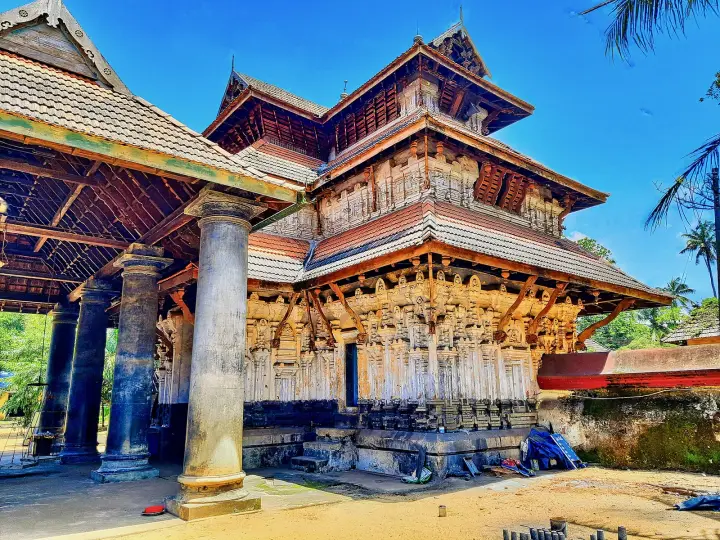
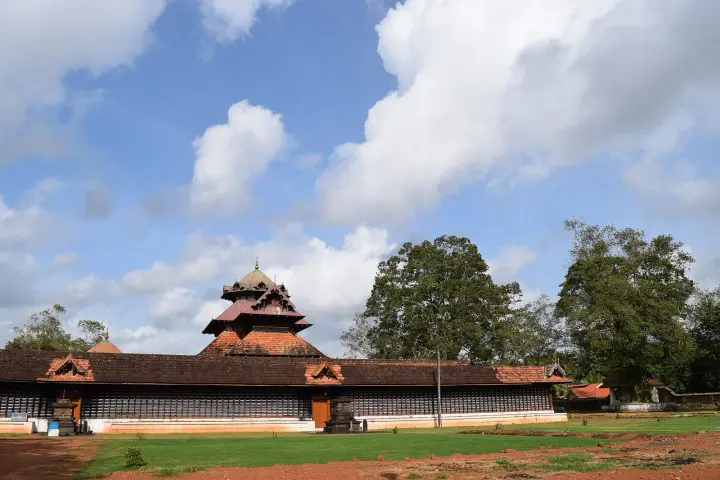
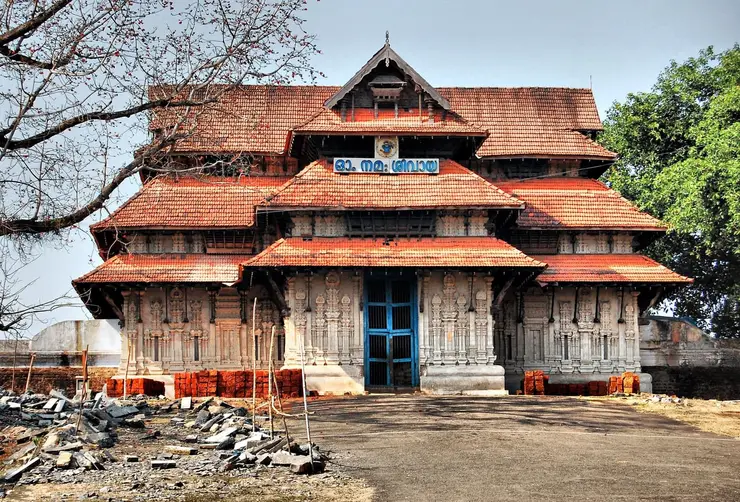
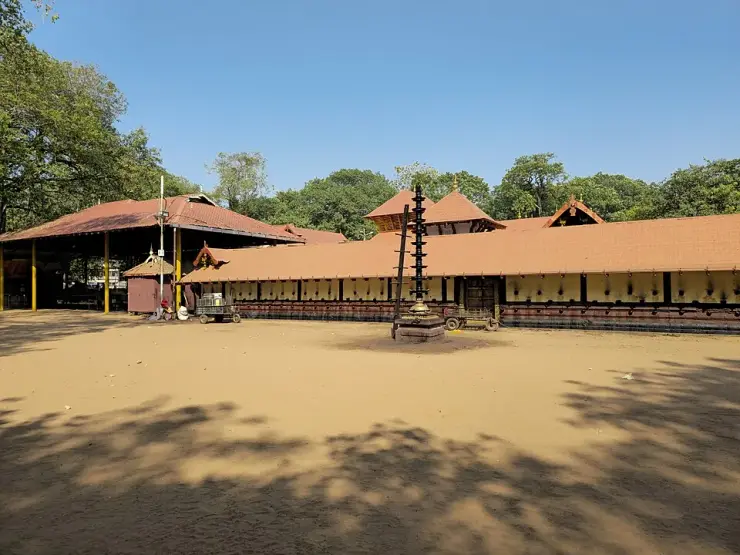
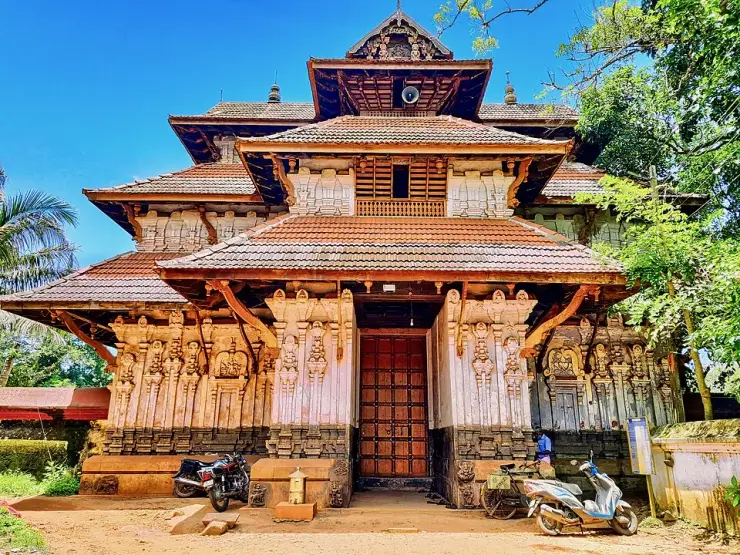
Vadakkunnathan Temple No entry fee for darshan; specific vazhipadu (ritual offerings) are charged separately as per the temple tariff.Typically open early morning around 4:00 am to about 10:30–11:00 am, and again in the evening around 5:00 pm to 8:30 pm, with darshan closed midday.October to March offers the most pleasant weather. Maha Shivaratri is the temple’s own great occasion, while the Thrissur Pooram season (around April–May) brings vast crowds to the surrounding maidan. Early morning and evening are the calmest times for a peaceful darshan.
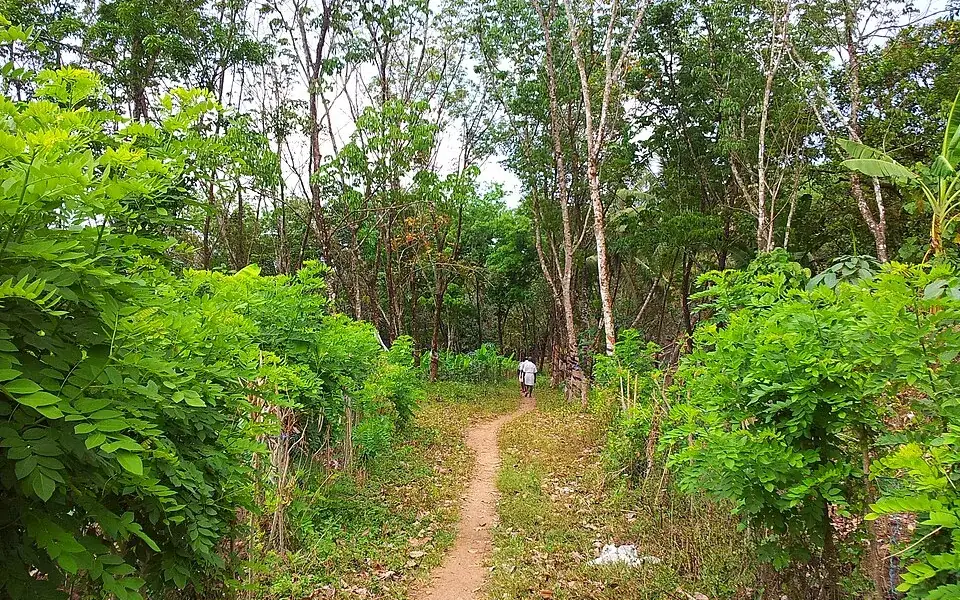
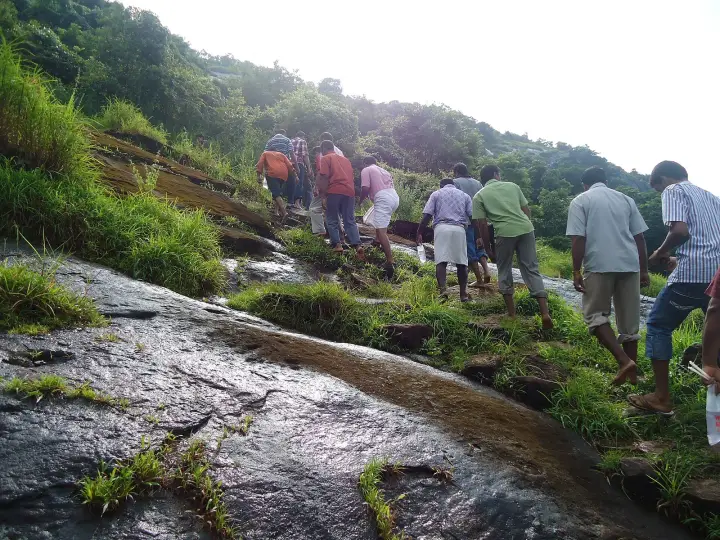
Chimmony trek Official sources conflict by date: Kerala Tourism prints ₹150 per person with a minimum of three, while later Forest Department statistics list ₹200 and then ₹750 for trekking. Confirm the current total directly before payment.Kerala Tourism publishes 08:00–17:00 and says trekking tickets are issued until 14:00. Availability remains subject to climate and forest conditions, so contact the range before travelling and arrive early for a three-hour walk.November to April is the official broad season; November and December are specifically recommended for birdwatchers. Monsoon brings lush forest, slippery ground, leeches and a higher chance of suspension.
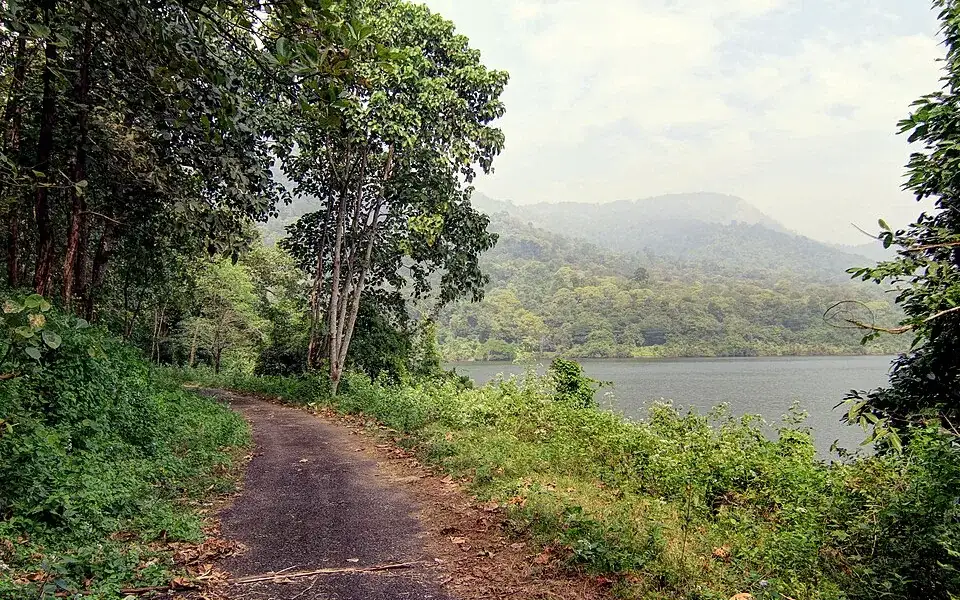
Peechi-Vazhani trek No current official trek tariff is published. A 2010 Forest Department table is historical and must not be treated as today’s price; ask the sanctuary office for the current guide charge, group minimum and payment method.No fixed public departure is currently published. The Forest directory lists office working hours as 10:00–13:15 and 14:00–17:00; these are contact hours, not a promise that trekking starts then.The drier months from roughly October to February usually make long forest walking easier. Rain changes streams, footing and reservoir levels, and fire, wildlife or weather conditions can suspend access in any season.
Nadukani trek Official Nadukani Adventure Trek tariff: ₹1,500 per Indian visitor and ₹3,000 per foreign visitor. The Indian minimum is four travellers, so the published minimum booking is ₹6,000. Confirm before payment because the portal contains conflicting group caps.One published departure at 07:30. The official route is 9 km and occupies most of the day; arrive before the reporting time with ID and confirmation.October to February is the easier season for a hard forest walk. June to September gives high waterfall volume and saturated green but also heavy rain, slippery ground and possible closure.
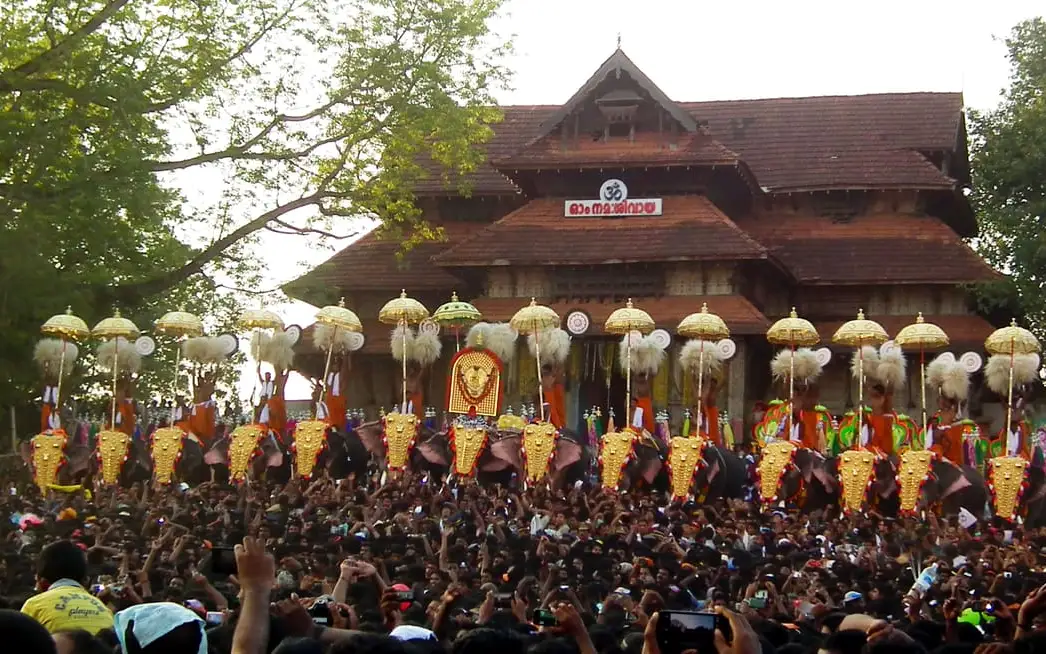
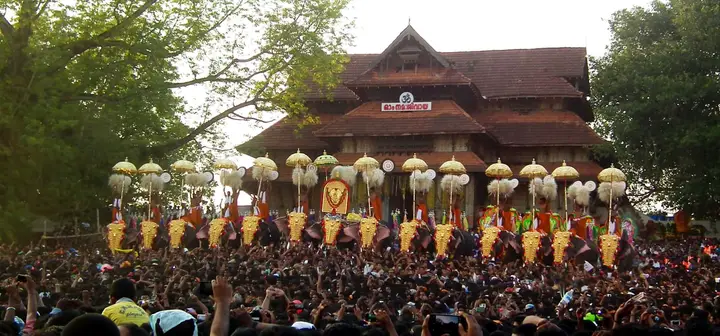
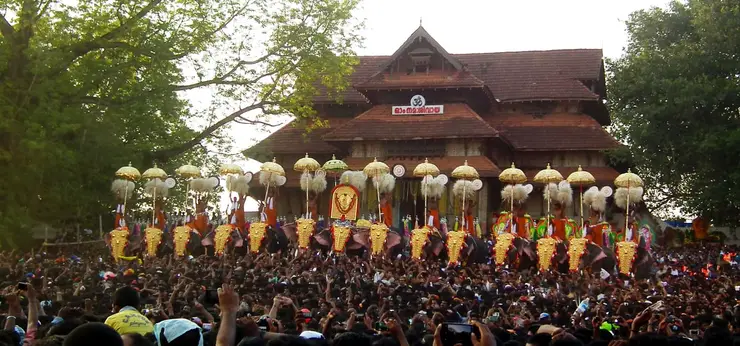
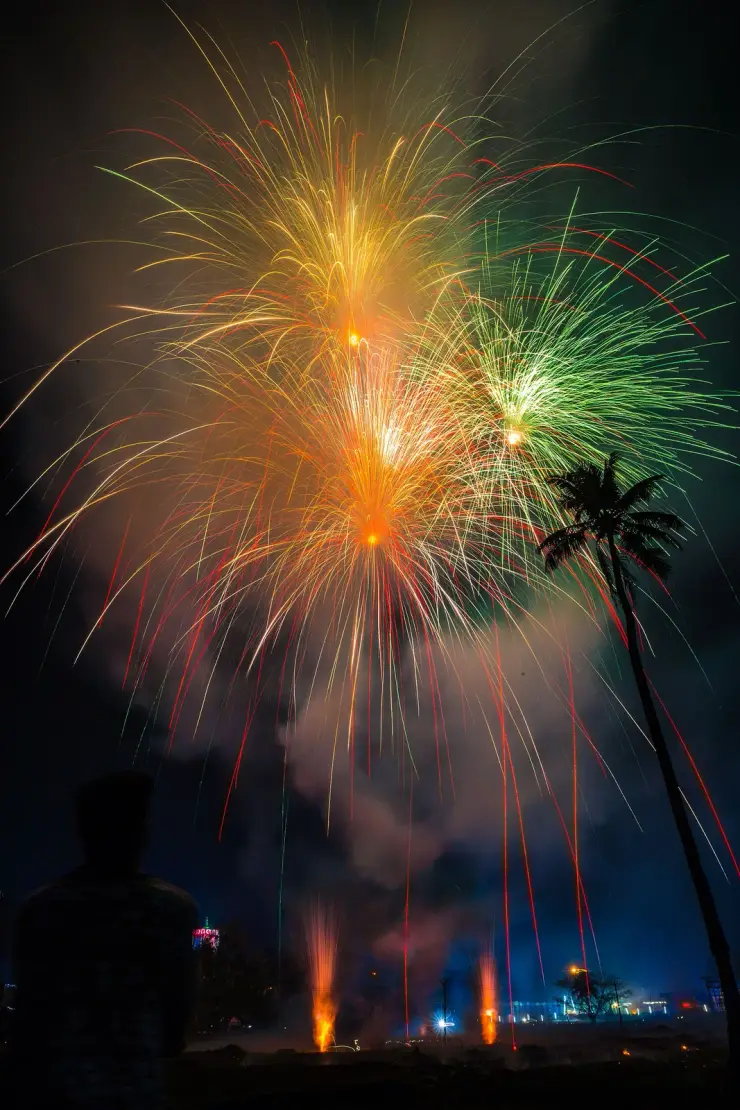
Thrissur Pooram Free to watch in the public areas of the Thekkinkadu Maidan. Paid galleries or reserved seating are sometimes arranged by the Devaswoms or local bodies — availability varies year to year, so check locally in advance.The main Pooram runs roughly 36 hours across the Pooram day and into the next, with events flowing day and night; the peak day falls in Medam (April–May). Individual events (melam, Kudamattam, fireworks) each have their own slots — confirm the exact date and timings for the year you visit.Thrissur Pooram is date-specific: it is held on the Pooram asterism in the Malayalam month of Medam, falling in April or May. The Gregorian date changes every year with the traditional calendar, so always confirm the exact date before booking. Expect very hot, humid weather.
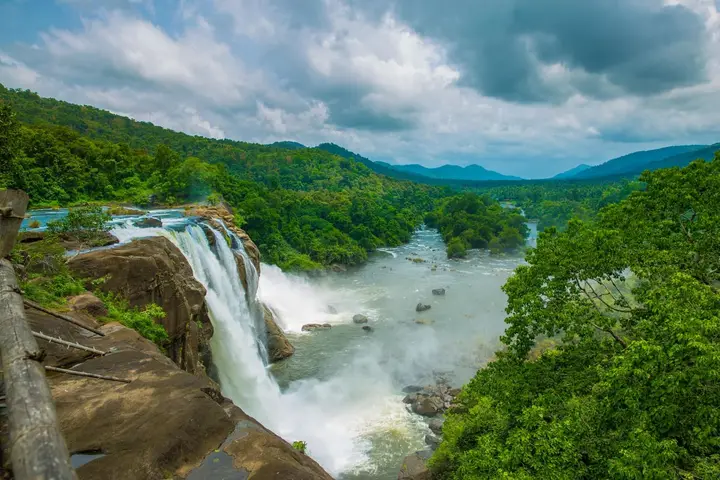
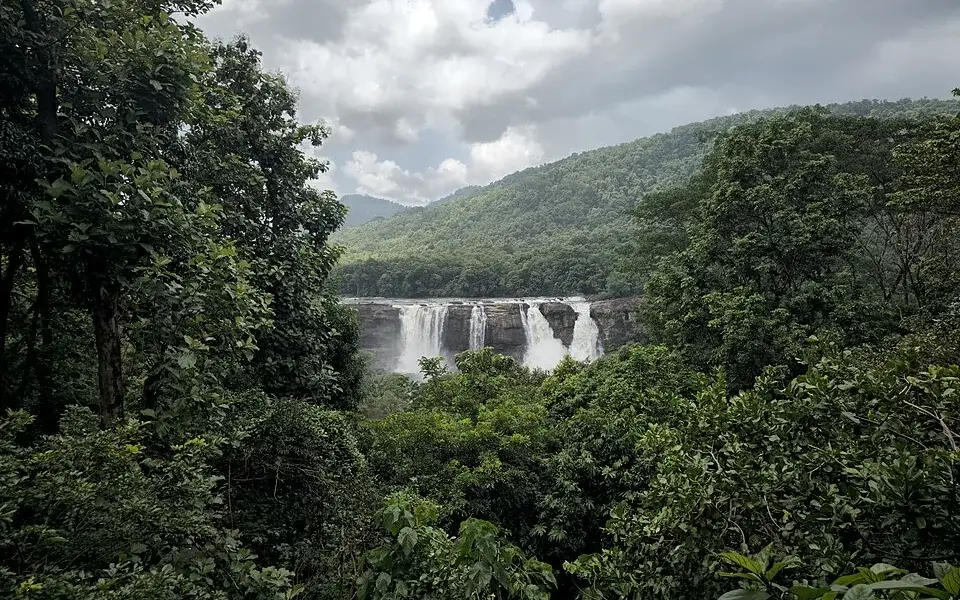
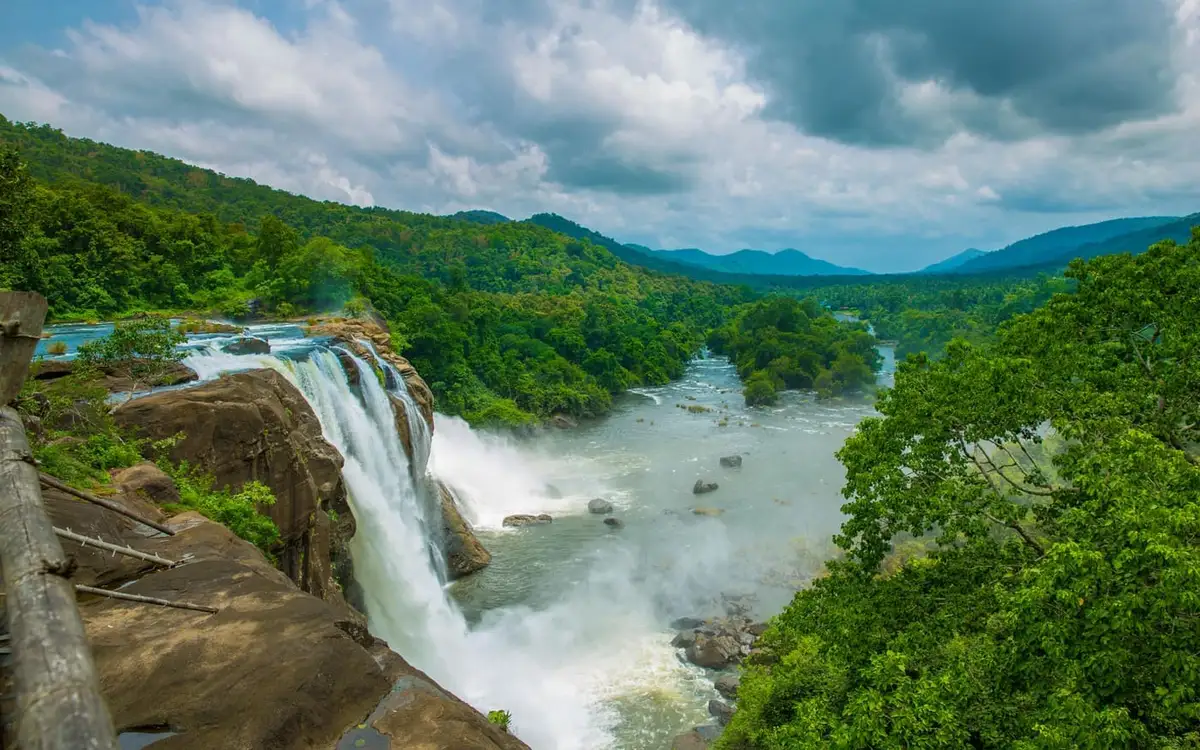
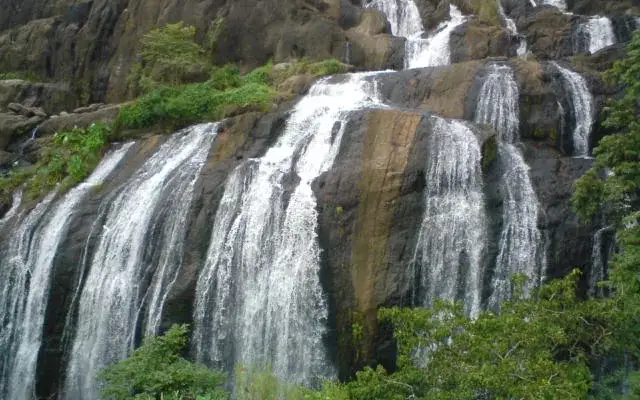
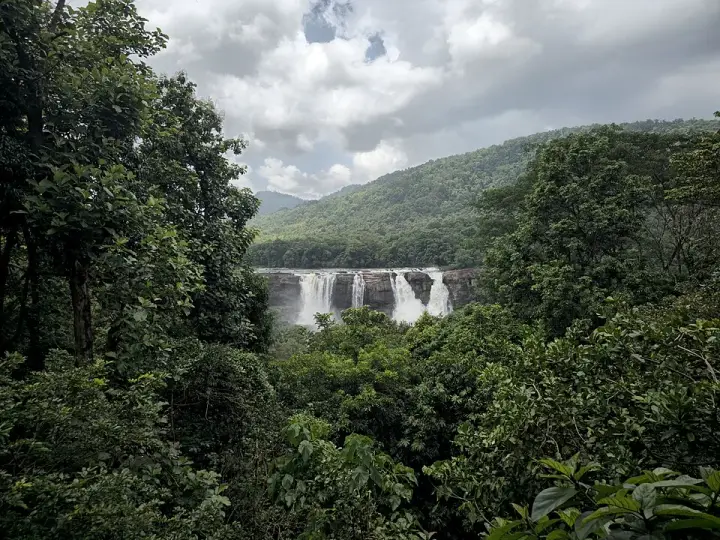
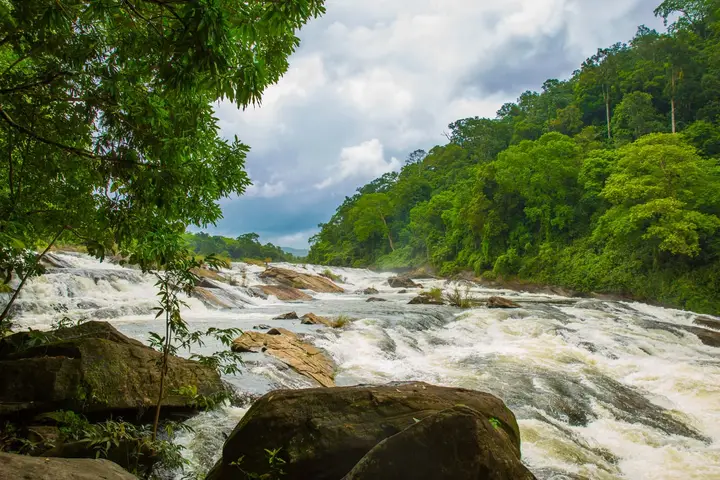
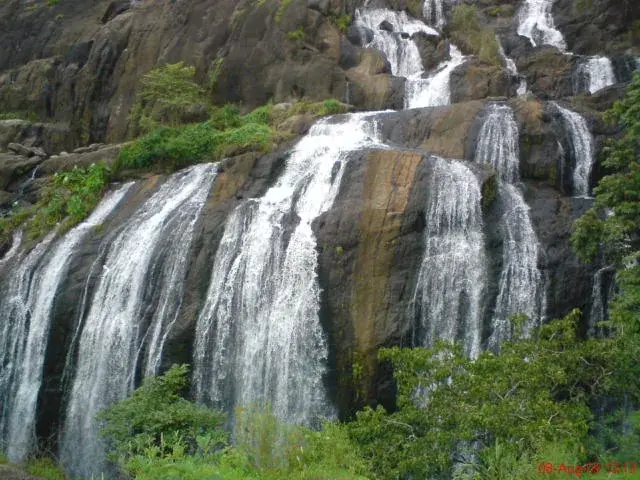
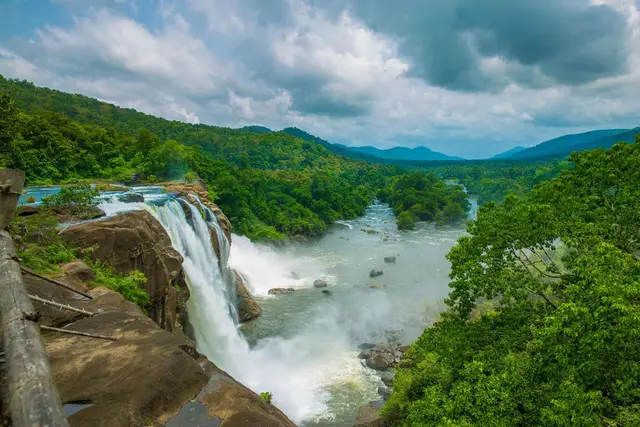
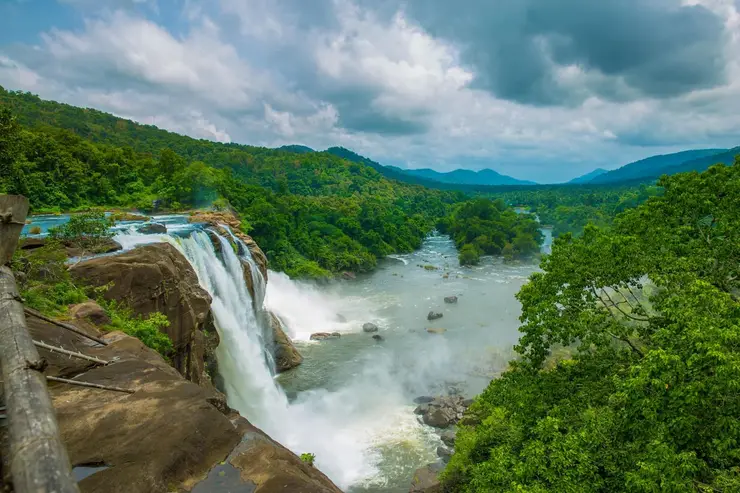
Athirappilly Falls Around ₹50 (Indian) / ₹200–250 (foreigner); children reduced. One ticket covers Athirappilly + Vazhachal the same day. Parking & camera extra.Around 8:00am–5:30pm daily (Forest Department; weather-dependent)—
Vazhachal Falls A modest entry ticket typically applies, usually as part of the combined Athirappilly–Vazhachal pass, with separate charges commonly levied for cameras and parking; amounts vary over time.Generally open through daytime hours, with access controlled by the Kerala Forest Department under the shared Athirappilly–Vazhachal entry system; exact opening and closing times can change seasonally.Monsoon and immediately after (broadly June to September, into the following months) for the most powerful flow; the post-monsoon and winter months (roughly October to February) for greener, calmer and more comfortable visiting. Mornings are best for birdwatching and smaller crowds.
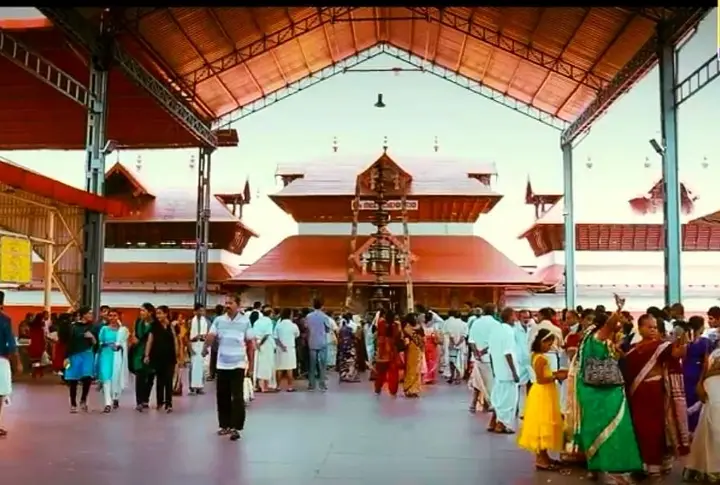
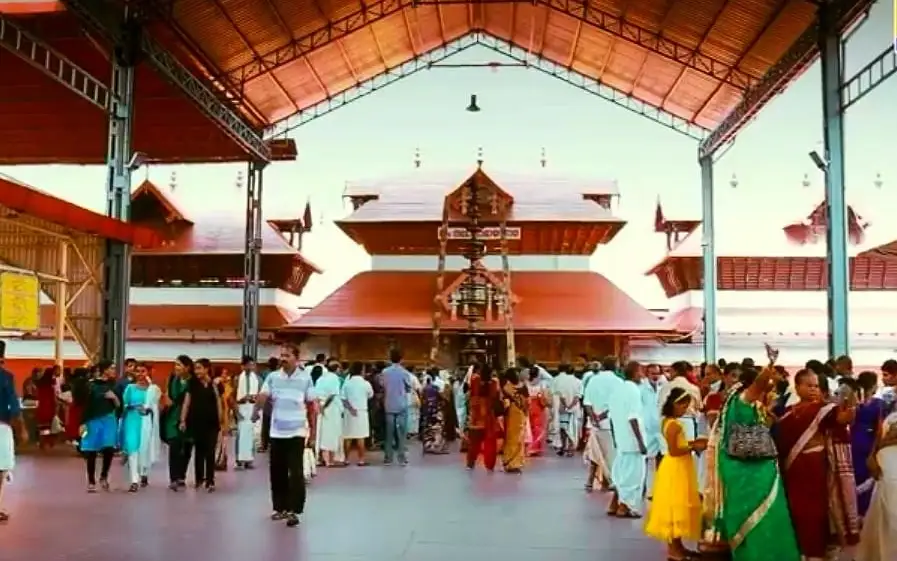
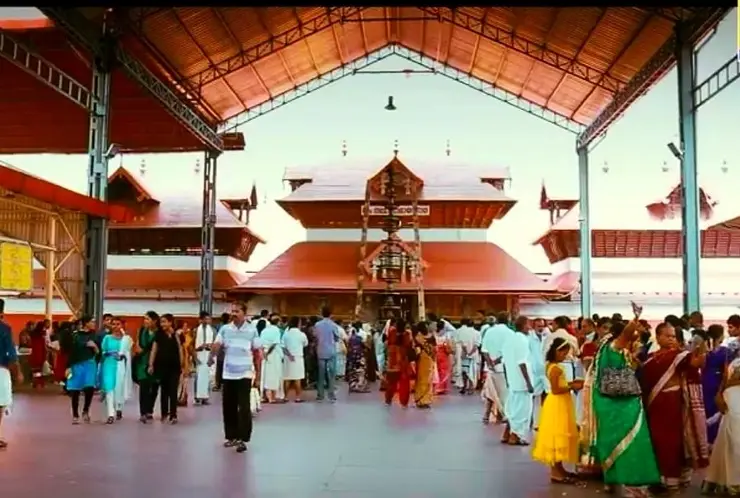
Guruvayur Temple General darshan is free. Faster special or VIP darshan, and rituals such as thulabharam, choroonu (annaprasana) and udayasthamana pooja, are booked and paid for separately through the Devaswom. Fees and the booking system change periodically.The temple generally opens around 3am for nirmalyam and continues through a fixed cycle of poojas until about 9.15pm, with a midday closure (commonly around 1.30pm to 4.30pm). Darshan is admitted in timed slots via the eastern Nada; queues are longest at dawn and on festival days.The cooler, drier months from roughly October to March are the most comfortable for a visit and coincide with major festivals. Guruvayur Ekadasi (Vrischikam, around November to December) and the ten-day Ulsavam (Kumbham, around February to March) draw enormous crowds — spectacular but very busy. Weekday mornings outside festival season are calmer for darshan.
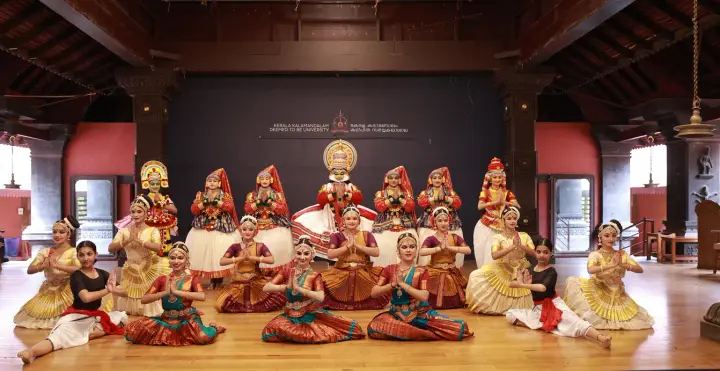
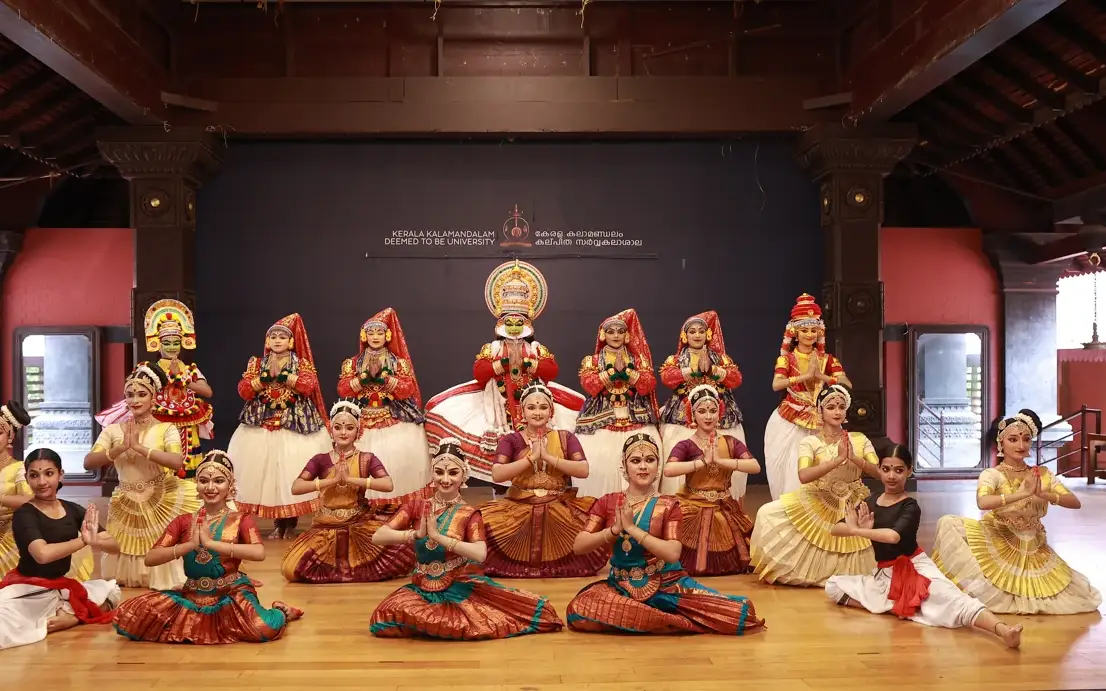
Kerala Kalamandalam The institution publishes ₹30 for Indian visitors, ₹10 for school students and ₹2,000 for A Day with the Masters. These are distinct categories, not a stated Indian-versus-foreign split. Confirm which visit is being booked and its inclusions with the tourism office.Published guided-tour timing: 9:30am–1pm on working days, with arrival by 9:15am. Classes and access follow the academic calendar, including summer, Onam and Christmas breaks; confirm the selected day.Choose an academic working day for a class-focused visit. The institution identifies a summer recess beginning in the third week of March and continuing through April and May, as well as Onam and Christmas breaks. Confirm the actual academic calendar for the year; a campus visit during recess cannot promise the same teaching activity.
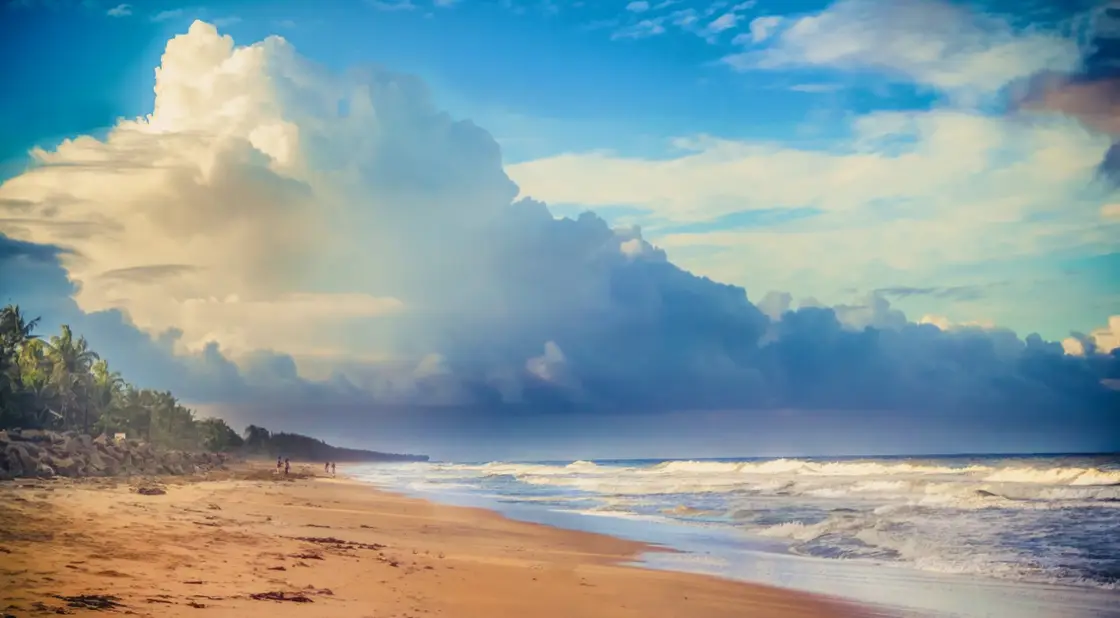
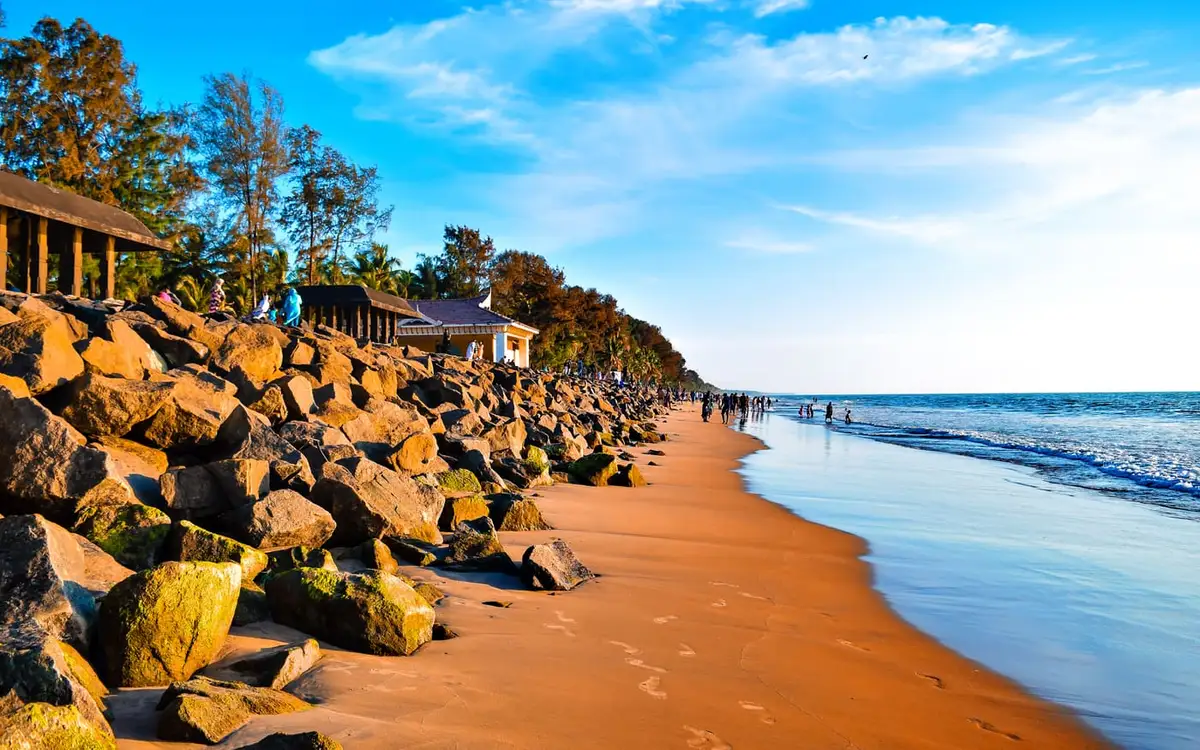
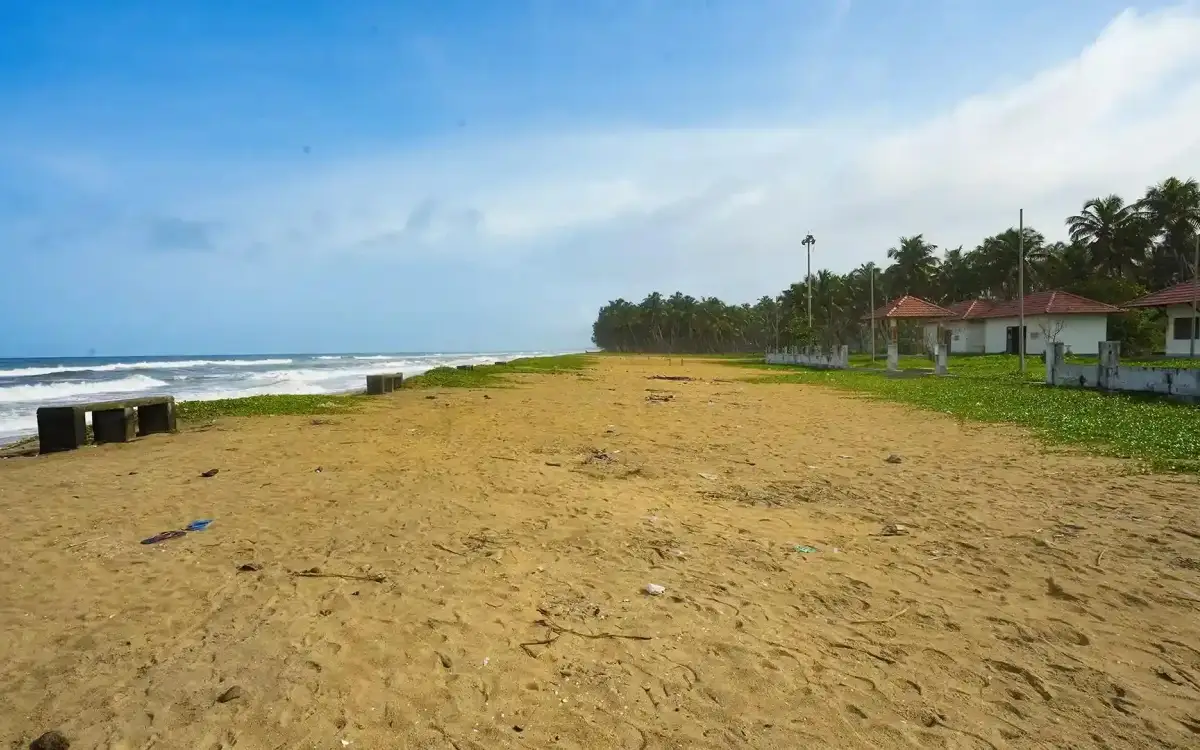
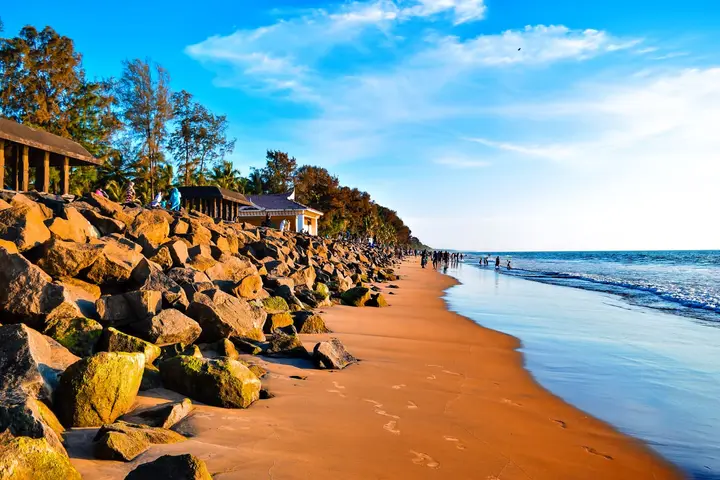
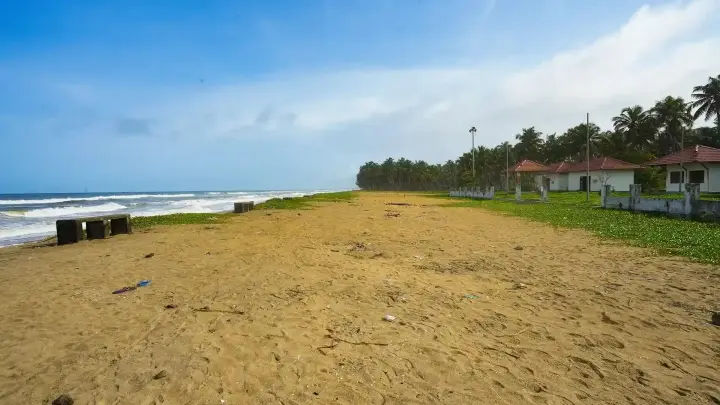
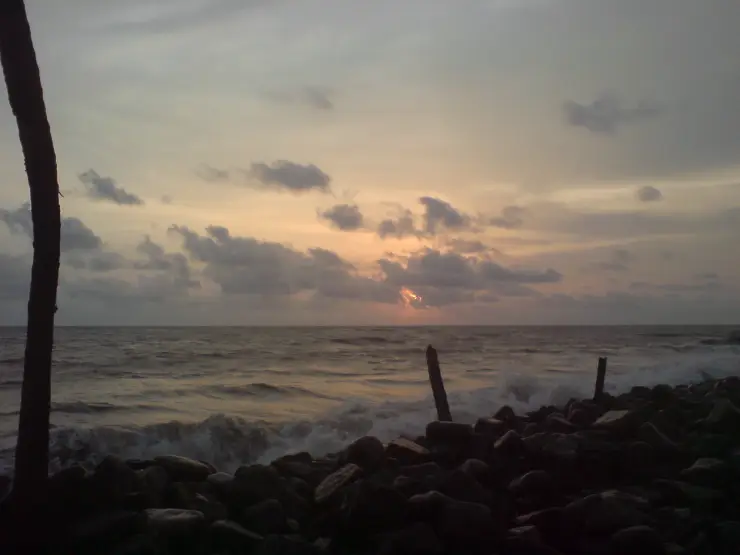
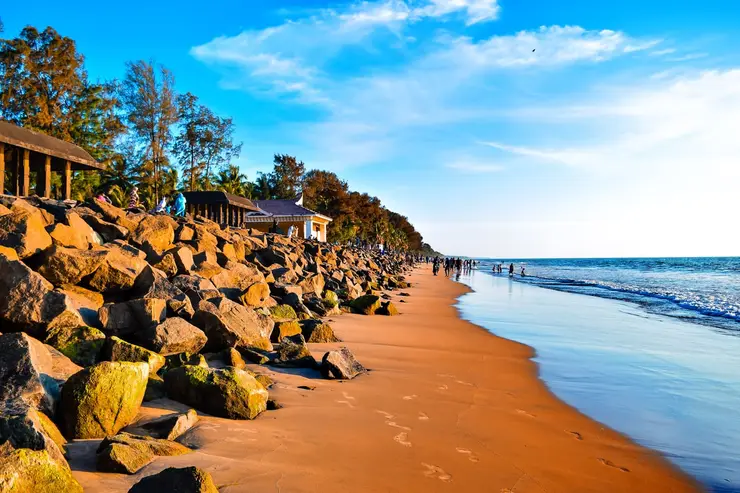
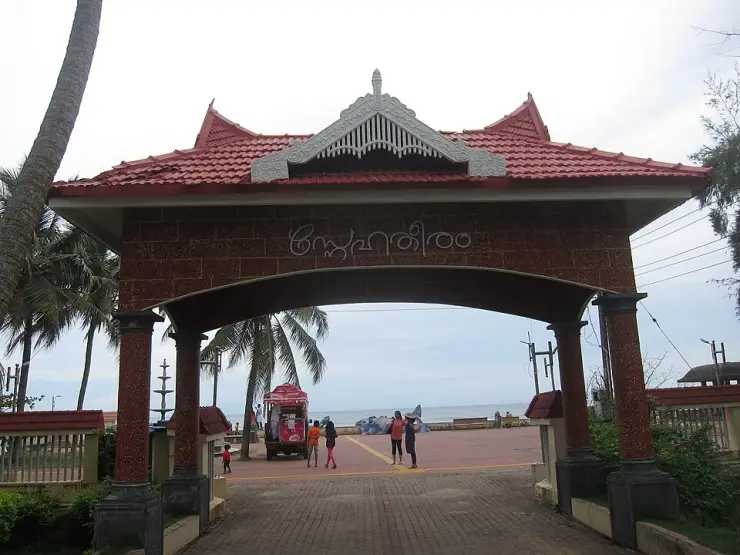
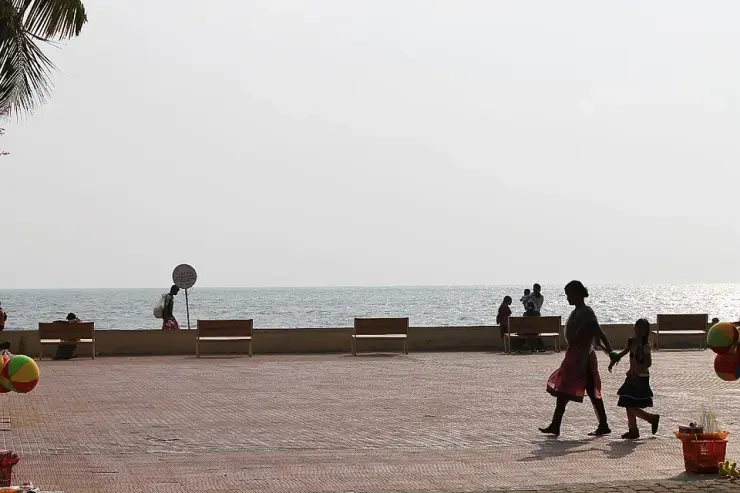
Snehatheeram Beach Beach access is free; the children’s park charges a nominal fee (widely reported around Rs 5 for children and Rs 10 for adults), plus a small charge for parking or facilities.Beach park generally open from morning to evening, roughly 6:00 AM to around 6:00–9:00 PM depending on the season.October to March for cool, dry weather; late afternoon into evening on any day for the sunset.
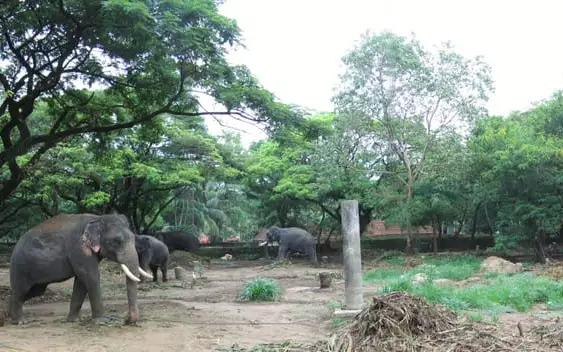
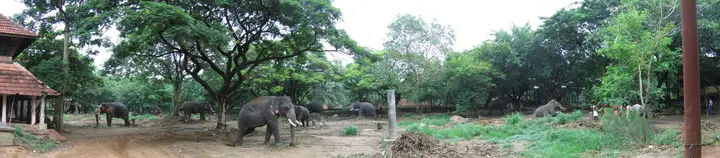
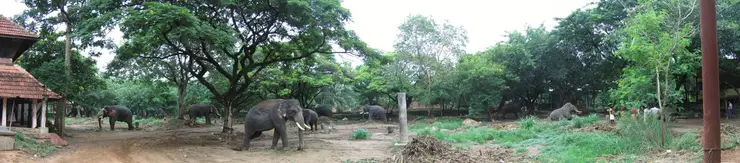
Punnathur Kotta ⚠ No official tariff is published. The Guruvayur Devaswom runs the sanctuary but does not publish a rate, and neither does the district portal or Kerala Tourism. Figures in circulation range from about ₹10 to about ₹20 per adult, with roughly half that for children and a separate camera charge — carry more than any of them and confirm at the counter.Generally open daily; commonly quoted as about 8:00 a.m.–6:00 p.m. (some sources say 9:00 a.m.–5:00 p.m.), with a midday rest period of roughly 12:30–2:30 p.m..Cooler, drier winter months (roughly November–February) are most pleasant; early morning is best for seeing the elephants fed and bathing.
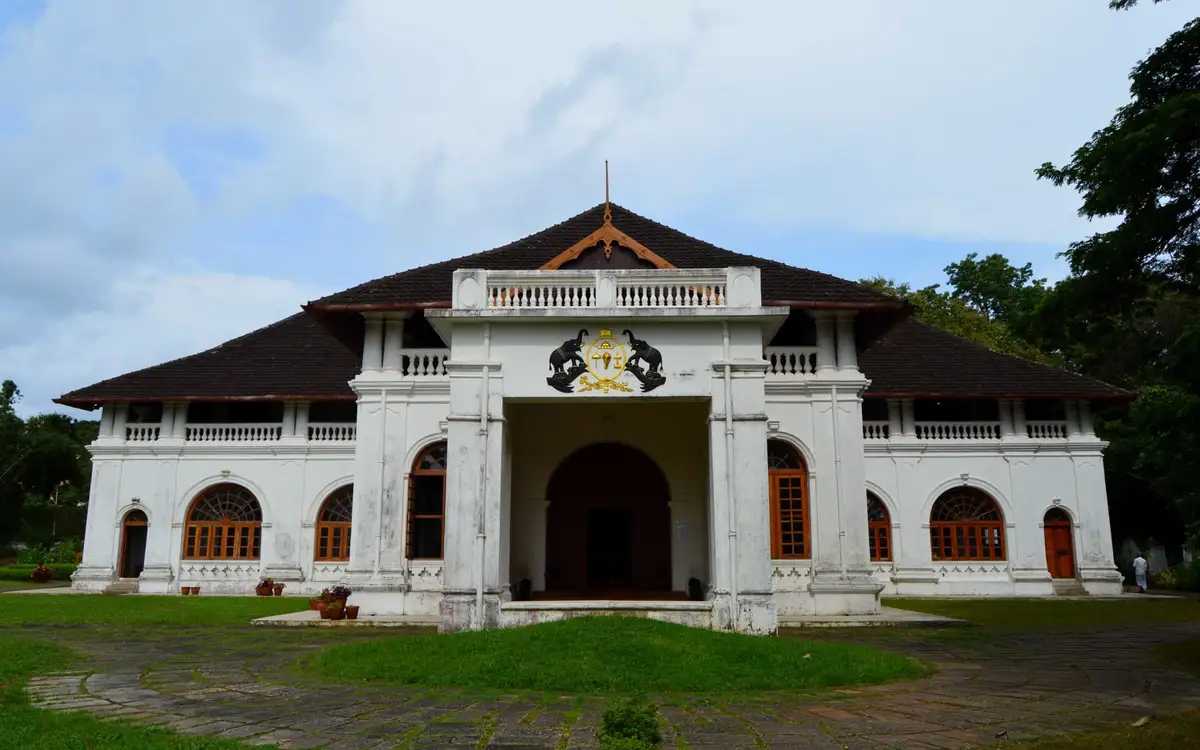
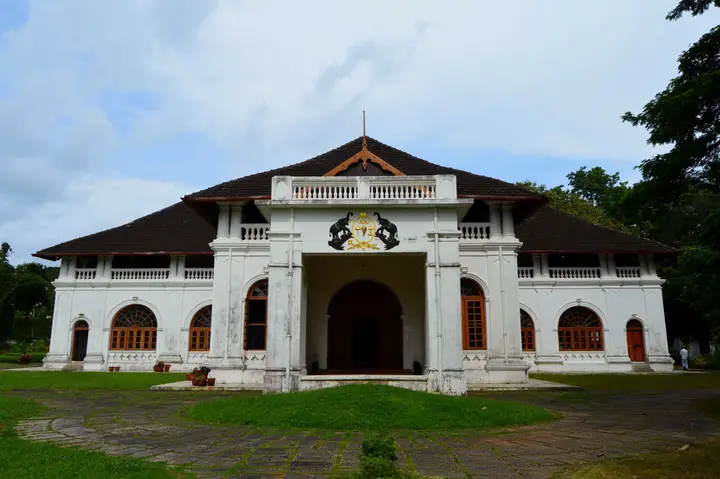
Shakthan Thampuran Palace Nominal ticket, commonly around ₹10 for adults and ₹5 for children, with roughly ₹30 extra for a camera.Tuesday to Sunday, about 9:30 AM to 4:30 PM; closed on Mondays.The cooler, drier months from about October to March are the most comfortable for visiting; avoid the heavy south-west monsoon (roughly June–August). A visit timed with the Thrissur Pooram (April–May) pairs the palace with the festival its founder created.
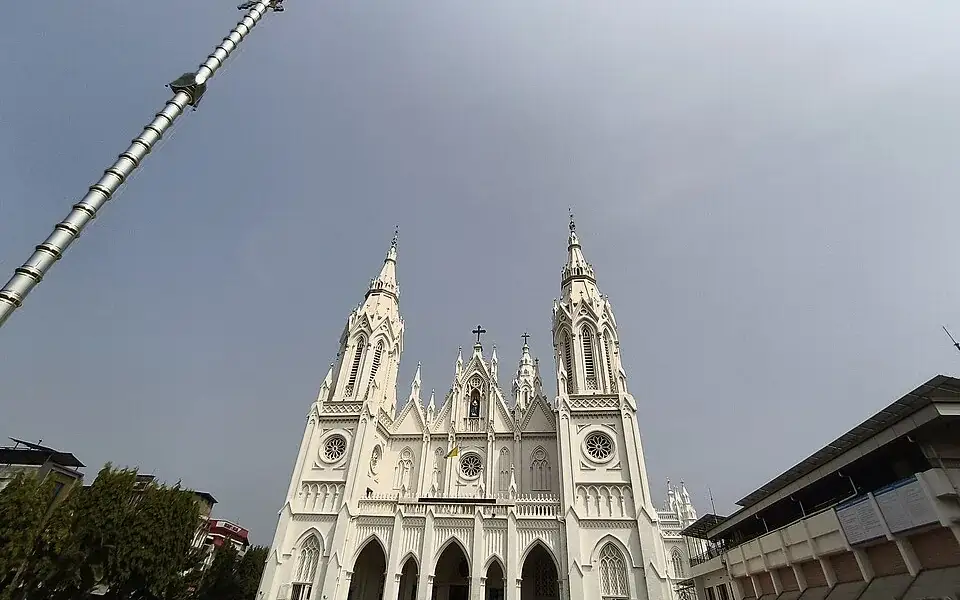
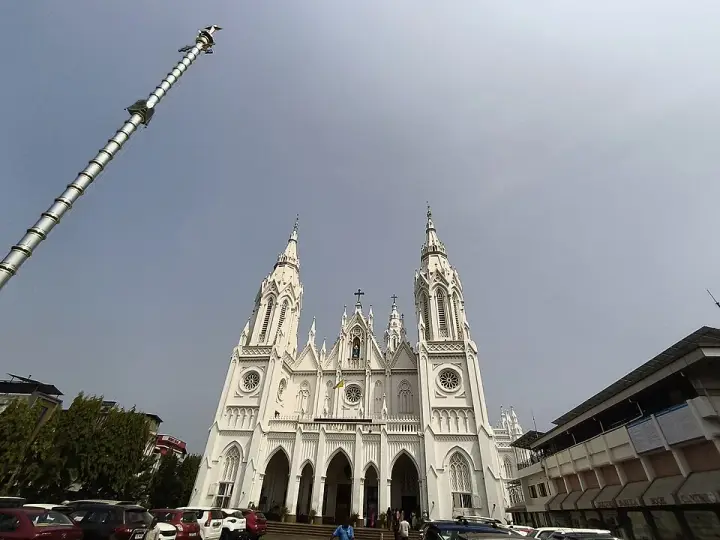
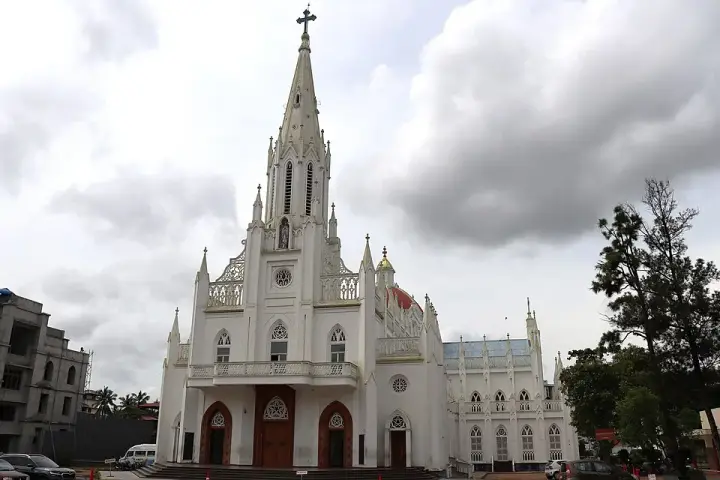
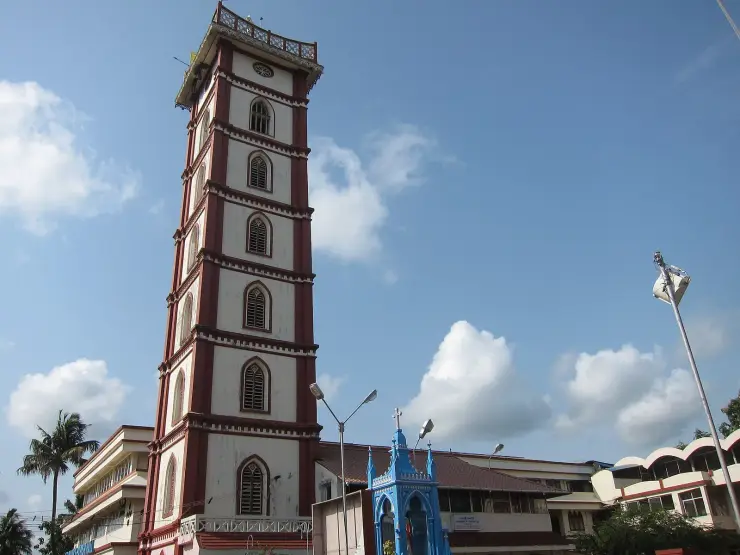
Basilica of Our Lady of Dolours Entry to the church is free. The Bible Tower gallery and museum section is ticketed separately for a small charge.The church is generally open to visitors through the day, roughly 6:00 am to 8:00 pm, around the schedule of Masses. The Bible Tower gallery keeps shorter, separate hours — commonly around 10:00 am to about 6:00 pm on weekdays and a little later on weekends — and may close on Mondays or during services.Pleasant to visit year-round, but the cooler, drier months from roughly October to February are most comfortable for walking the town centre. Mornings and late afternoons are best for light and for climbing the tower. The September feast season is atmospheric but busy.
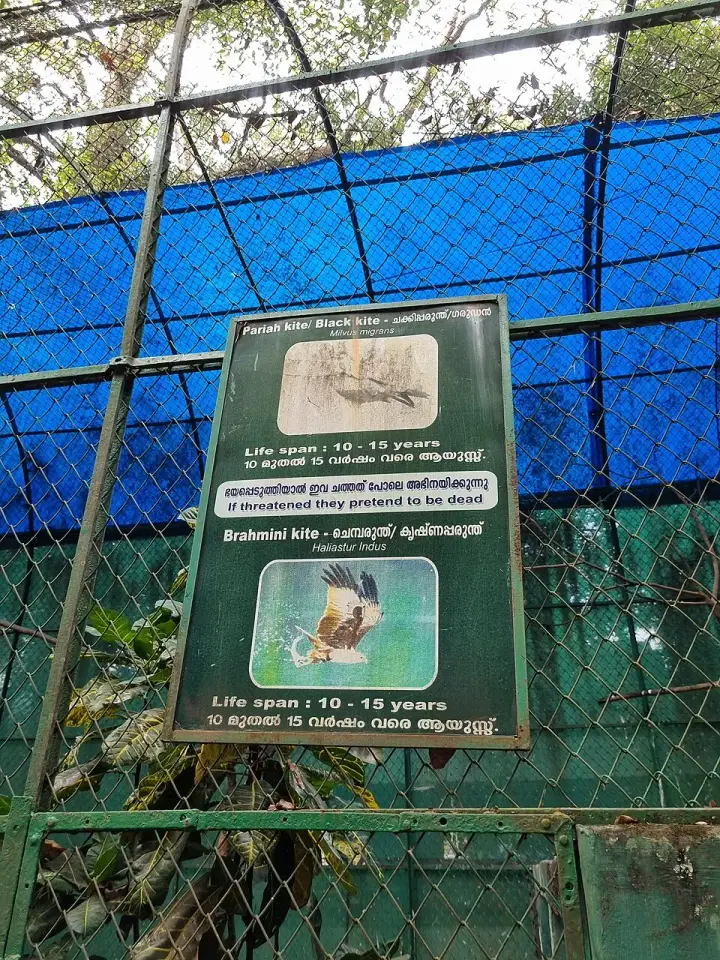
Thrissur Zoo Approx. INR 10-30 depending on section (zoo, museum, art gallery); camera charged separately.About 10:00 AM to 5:15 PM; closed on Mondays.—
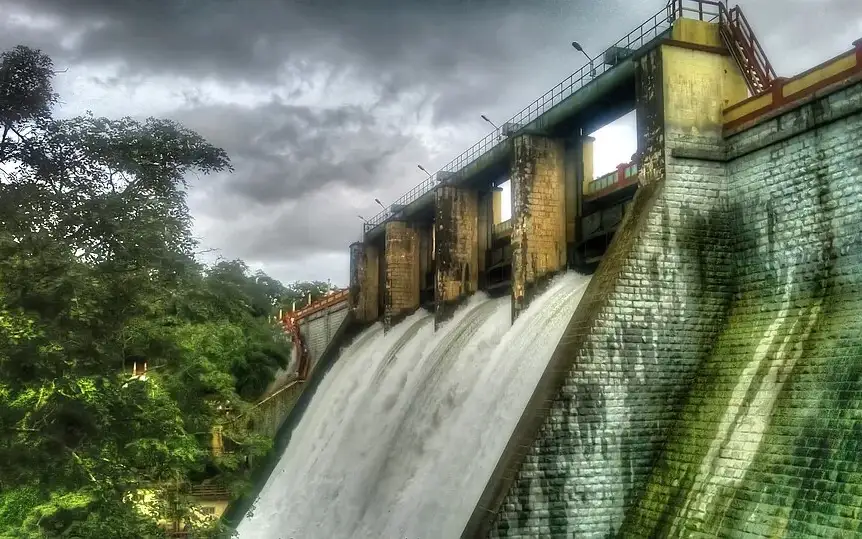
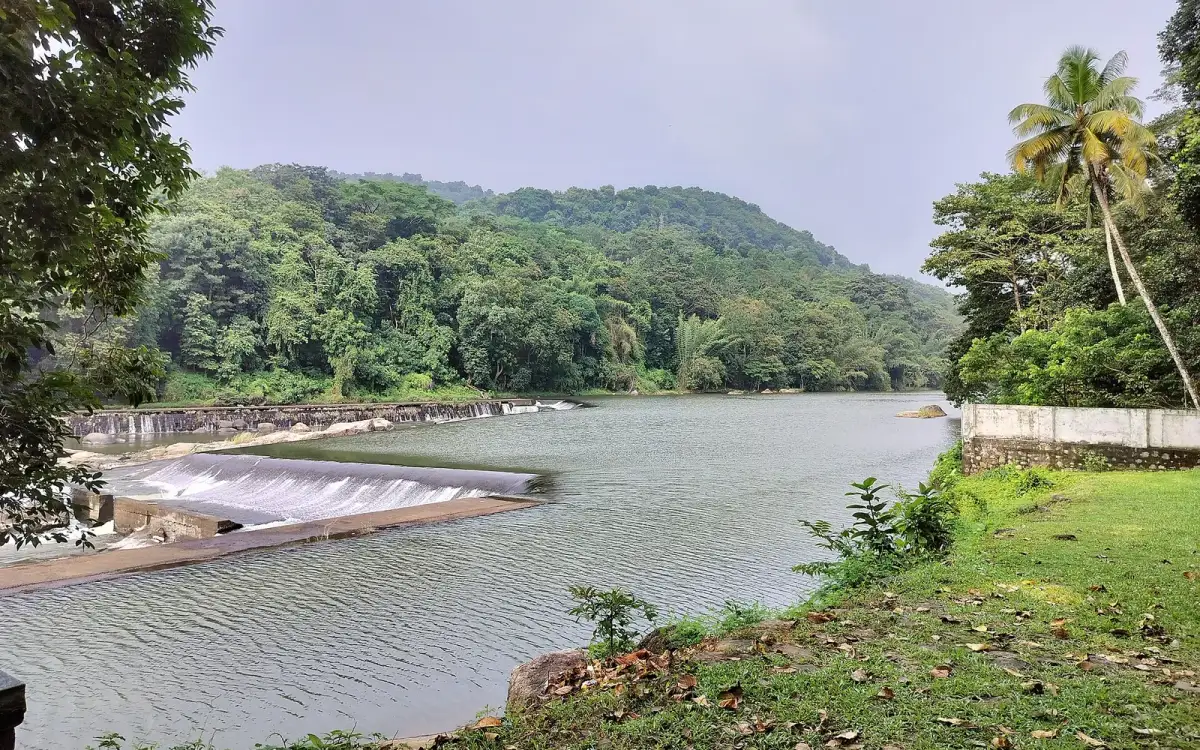
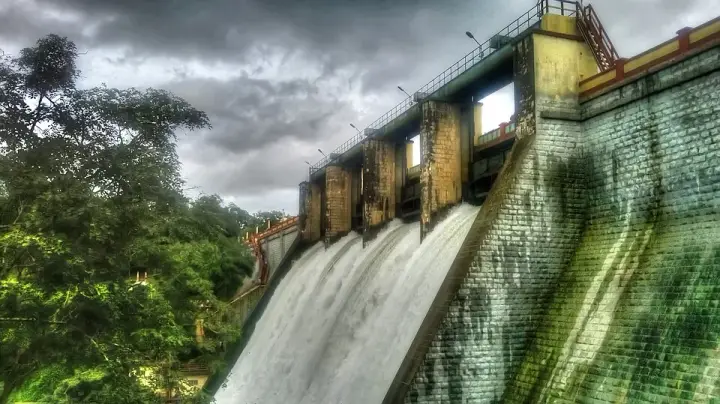
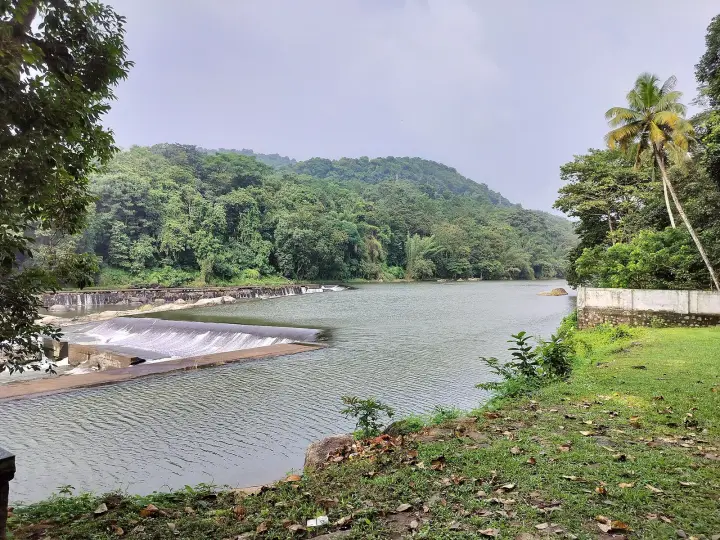
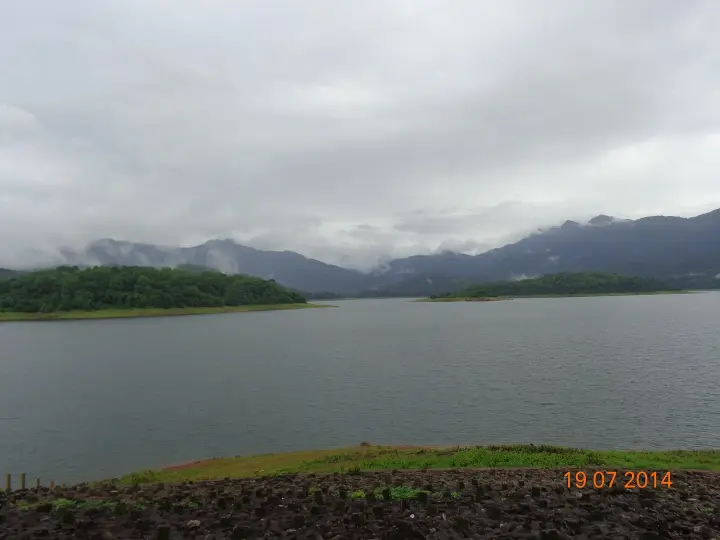
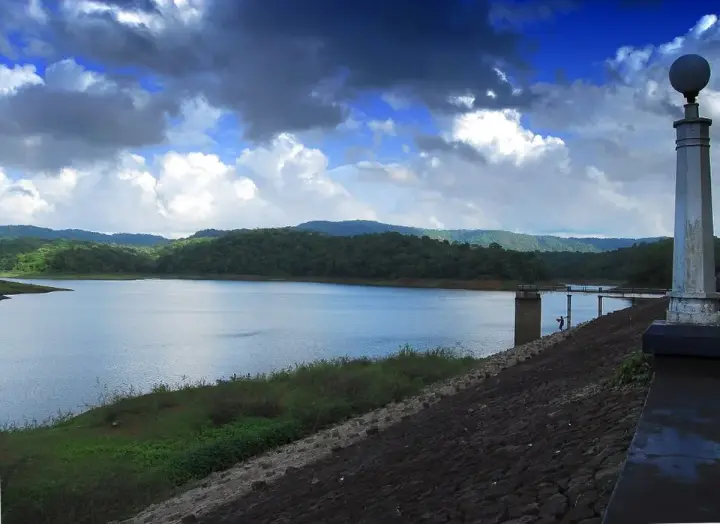
Peechi Dam A modest entry ticket applies — around ₹20 for adults, less for children and higher for foreign visitors — with separate charges for cameras and for boat rides. Rates change periodically, so check at the ticket counter.The dam garden and adjoining wildlife sanctuary are generally open daylight hours, commonly cited as around 10 am to 6 pm. Boating operates within these hours, subject to weather and water conditions.September to February is ideal, after the monsoon has filled the reservoir and while the weather is cool and green. The monsoon itself (June–August) makes the landscape lush and the spillways dramatic but can disrupt boating; peak summer (April–May) is hotter and the water lower.
Vilangan Kunnu A small nominal entry ticket, quoted locally at around ₹10 for adults and ₹5 for children, with separate ride tickets of roughly ₹30–₹100; parking may carry a small extra charge.Commonly listed as open daily from around 7:00 am to 7:00 pm; some sources quote roughly 9:00 am to 5:00 pm, so timings may vary by season and for the rides area.Best from around October to February when the air is cool and dry; within the day, early morning for walks and fresh air, or late afternoon into sunset for the panoramic views and breeze.
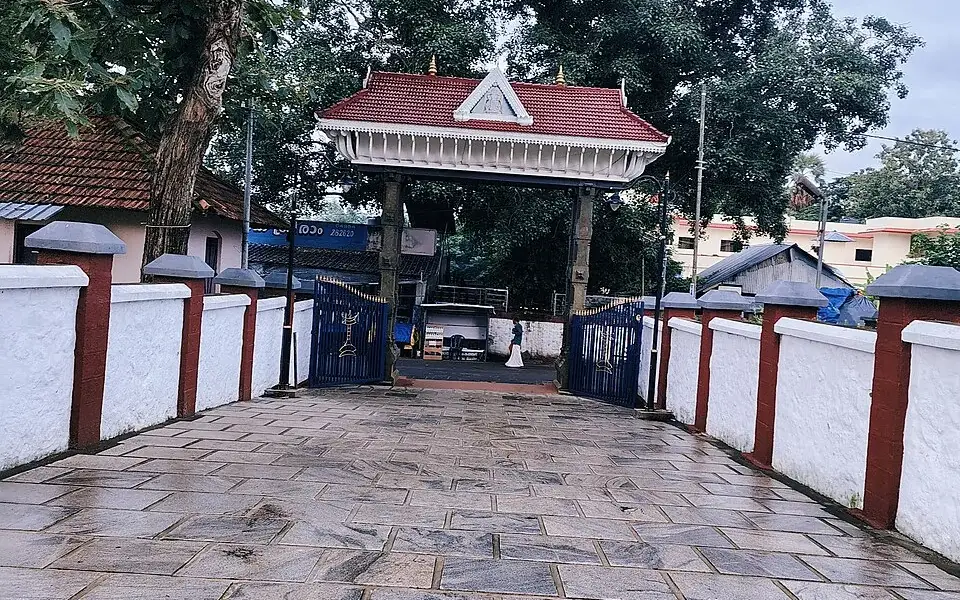
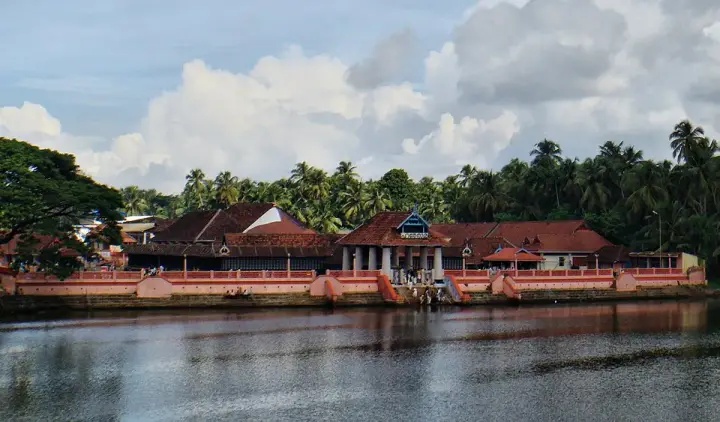
Koodalmanikyam Temple No entry fee for darshan; specific poojas, offerings (vazhipadu) and any camera or special-darshan charges are separate.Typically open in the morning from about 4:00 am to around 11:30 am and in the evening from about 5:00 pm to 8:20 pm, with darshan closed in the afternoon interval.The cooler, drier months from roughly October to February are the most comfortable for visiting. The monsoon month of Karkidakam (about July–August) is spiritually special for the Nalambalam pilgrimage, and the annual festival in Medam (April–May) is the most vibrant but also the busiest and hottest time.
Thriprayar Temple There is no entry fee for darshan; you pay only for specific vazhipadus (offerings) or pujas you choose to book at the temple counter.Darshan is generally offered in the morning from about 4:00 am to around 12:00 noon and again in the evening from about 5:00 pm to 8:00 pm, with the sanctum closed for rituals through the middle of the day; during Karkidakam and other special periods the temple often opens earlier.The cooler, drier months from roughly October to February are the most comfortable for a visit. For atmosphere, time it with the Vrischikam Ekadasi (November–December) or the Meenam Pooram (March–April); the monsoon month of Karkidakam (July–August) is the traditional season for the Nalambalam pilgrimage.
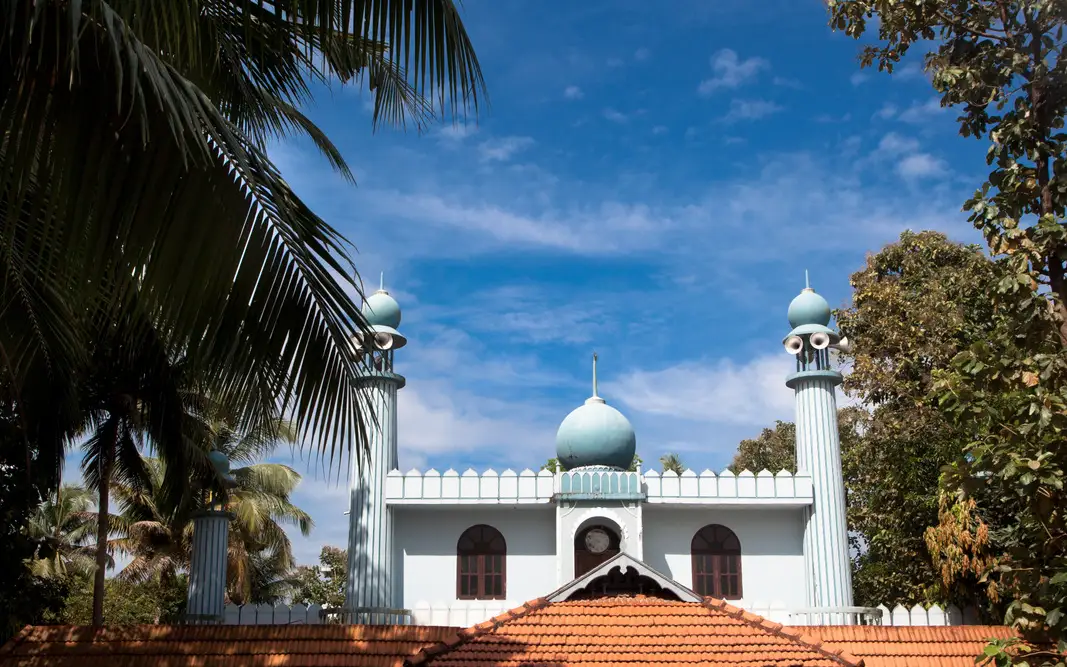
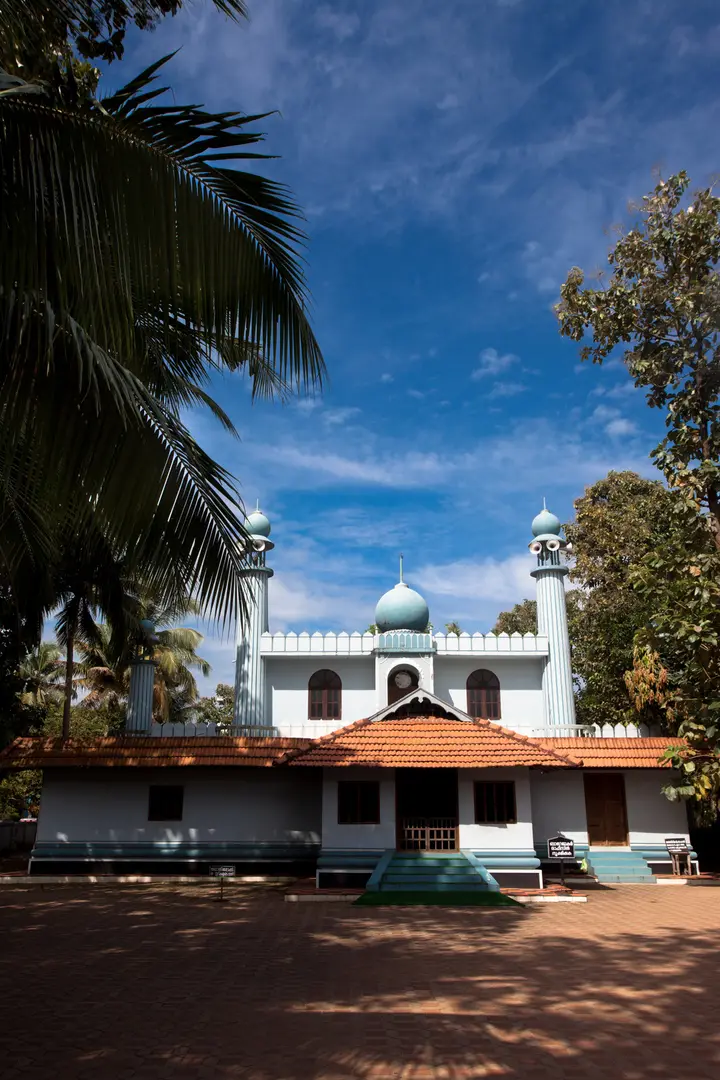
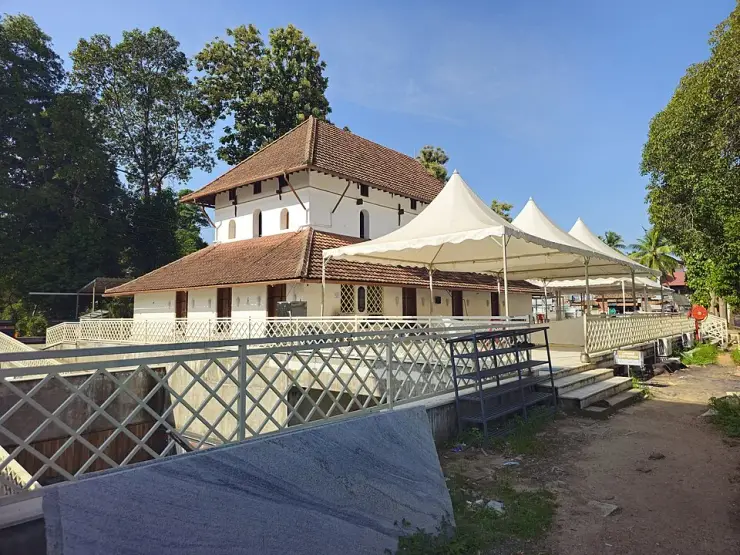
Cheraman Juma Masjid Usually free; donations are welcome and oil is often offered for the lamp.Generally open through the day, indicatively from early morning to evening (some sources cite roughly 5.30 am to 8.30 pm) — but this is a working place of worship, so access and atmosphere revolve around the five daily prayer times; visit between prayers for a quieter, more open experience.November to March, when the coastal weather is cooler and pleasant, is generally the most comfortable time; early morning or late afternoon avoids the midday heat.
Thiruvanchikulam Mahadeva Temple No entry fee — darshan is free; you may wish to carry small change for offerings, lamps or specific poojas.Typically open in the morning from around 4.00–5.00 am to about noon, and again in the evening from around 5.00 pm to 8.00–8.30 pm, with darshan paused during the midday closure.The cooler, drier months from roughly October to February are the most comfortable for visiting this coastal stretch. Early morning and evening pooja times are the most atmospheric, and the temple is at its most vivid during the Kumbham-month annual festival and Maha Shivaratri.
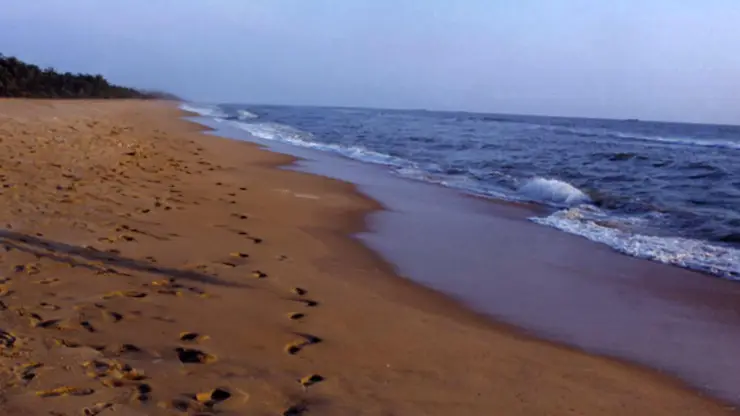
Chavakkad Beach No entry fee reported for the beach itself; parking or any activity stalls may charge small separate amounts.Open daily, roughly 6 am to about 6.30–7 pm; as an open public beach it can be walked at other times, but daylight and sunset hours are safest and most rewarding.October to March, during Kerala’s cooler, drier season, is the most comfortable window. Avoid the heavy June–September south-west monsoon for beach time. Early morning and evening are the pleasantest parts of any day.
Kodungallur Bhagavathy Temple Free for general darshan; specific poojas, vazhipadu offerings and any special-darshan arrangements carry their own charges.Darshan is typically available in the morning from around 5:00 am to 11:30 am and again in the evening from about 5:00 pm to 8:00 pm, with the temple closed to devotees during the midday interval.October to March offers the most pleasant weather for a visit. The marquee occasion is the Kodungallur Bharani around Meena Bharani (usually March-April), when the festival is at its most spectacular but also its most crowded.
Thumboormuzhi Dam FreeFree to view the dam and river; a small charge applies for the butterfly and hanging gardens.Indicative, confirm locally: generally open daytime hours (roughly 9:00 AM to 5:30 PM).—
Marottichal Falls FreeFree (forest waterfall; reached by a short walk).Indicative, confirm locally: daytime access only; avoid after dark and in heavy rain.—
Peruvanam Mahadeva Temple There is generally no entry fee to visit the temple; specific offerings, vazhipadu (ritual offerings) and any pooram-related arrangements carry their own charges.Like most Kerala temples, Peruvanam typically opens early in the morning and again in the evening for darshan, closing during the midday and late-night hours; exact opening and closing times, and pooja timings, vary and should be confirmed locally before visiting.The marquee occasion is the ancient Peruvanam–Arattupuzha Pooram in the Malayalam month of Meenam (roughly March–April). For a quieter visit, the cooler and drier months from about October to March are the most pleasant.
Vilwadrinatha Temple Darshan is generally free, as at most Kerala temples; specific poojas, offerings or vazhipadu are ticketed separately at the temple counter. Confirm current rates on site.Generally open in the early morning and again in the evening, with a long midday break — commonly cited as roughly 4:00 am to around noon and again from about 5:00 pm to 9:00 pm, following the usual Kerala temple pooja schedule. Timings vary seasonally and on festival days, so confirm locally before visiting.The cooler, drier months from roughly October to February are the most comfortable for the hill climb, and coincide with the temple’s biggest occasions — the Punarjani Noozhal on Guruvayur Ekadasi in Vrischikam (around November–December) and the annual utsavam. Expect large crowds around Ekadasi.
Nattika Beach —No authoritative daily gate timetable is published in the checked DTPC destination information. Plan in daylight and obey any local closure or event restriction.—
Our Lady of Lourdes Cathedral FreeFree entry to the cathedral (modest dress; observe church etiquette).Indicative, confirm locally: open daily for prayer; confirm Mass timings at the parish.—
Chettuva Backwaters FreeFree to visit; boat rides and canoe trips are charged by operators.Indicative, confirm locally: daytime, with boating typically in the morning and late afternoon.—
Chimmony Dam A nominal entry ticket and separate charges for boating, guided treks, cameras and any interior permits typically apply, collected by the Forest Department; exact amounts change periodically — confirm current rates locally.Daytime visiting only; the immediate dam and reservoir area is generally open during daylight hours, while any sanctuary-interior access follows Forest Department timings. Exact opening hours vary seasonally and are not fixed — confirm locally before travelling.Roughly October to March (post-monsoon to winter) is the most comfortable and reliable window, with pleasant weather, good reservoir views and more active wildlife near water. The June–September monsoon is lush and dramatic but wet, leech-prone and may bring boating or trekking restrictions. Early morning is best for mist, birds and animal activity.
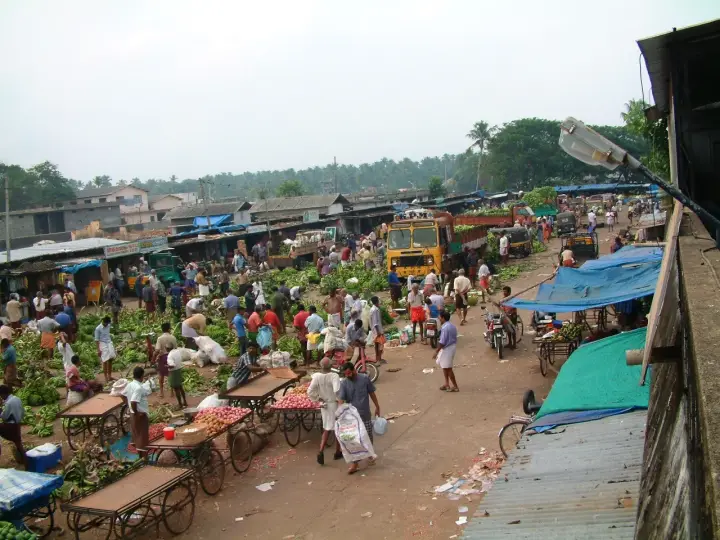
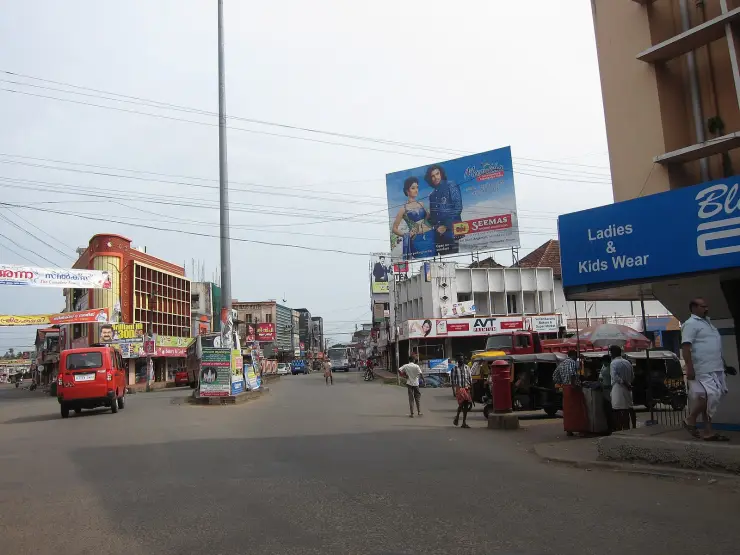
Chalakudy Market FreeNo entry fee — an open municipal market yard.Trading from around 05:00; wholesale activity is effectively over by 09:00 and the yard is quiet by late morning. The traditional weekly market days are Tuesday and Friday.Any month. Volumes are highest after the hill harvests, roughly December to March; the yard is unsurfaced in places and gets muddy in the June–September monsoon.
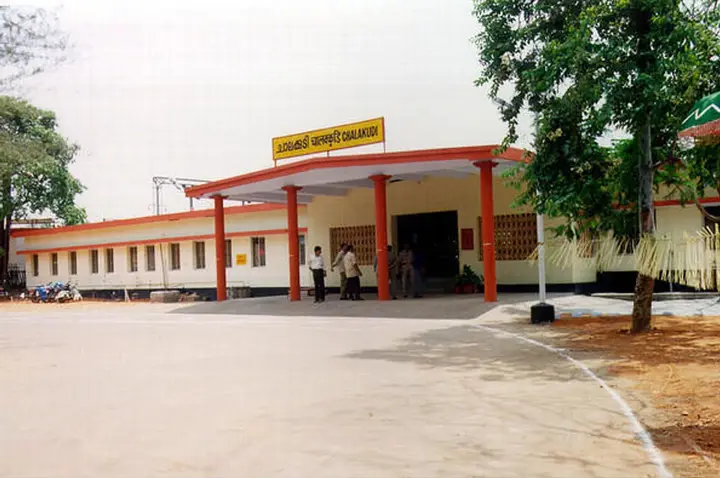
Chalakkudy railway station FreeNo entry fee — it is a working railway station, not a ticketed attraction. Travellers need a valid ticket; non-travellers going beyond the concourse need a platform ticket from the booking counter at the rate the Railway currently sets.A through station on a high-density corridor, staffed and open around the clock; long-distance services call at all hours.Usable year-round. The onward road to Athirappilly is at its most spectacular from June to September and at its most restricted then too, with forest gates and checkposts on SH 21.
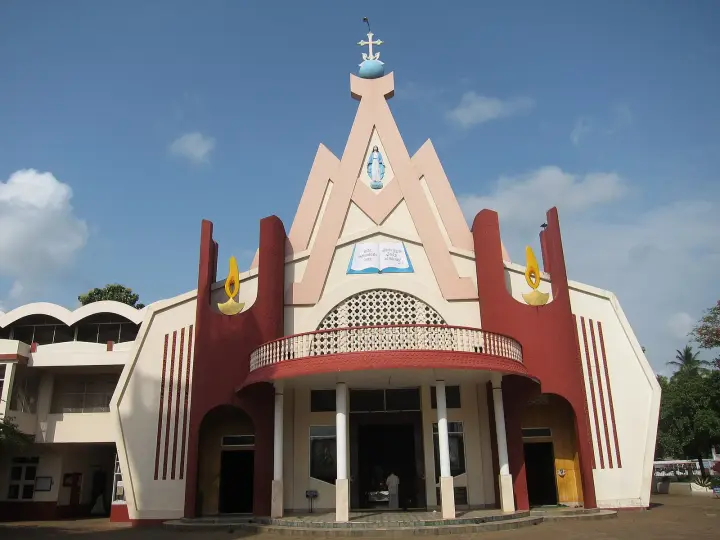
Muringoor Divine Retreat Centre FreeNo admission ticket to the campus. The centre publishes no retreat fee anywhere on its website — accommodation and dining are stated as provided on campus, and an online donation facility exists, but no rate is given. Ask when you register.Residential retreats run Sunday to Friday. The English campus states Sunday 10:00 to Friday 14:00, while its home page says Friday 13:00; the Malayalam campus states Sunday 14:00 to Friday 08:00. Use the time printed on the registration confirmation.Retreats run every week of the year. Lent (February–March), the Passover retreat around Holy Week, Pentecost and the youth retreats in May and July are the heaviest weeks. Arrival and departure days are Sunday and Friday.
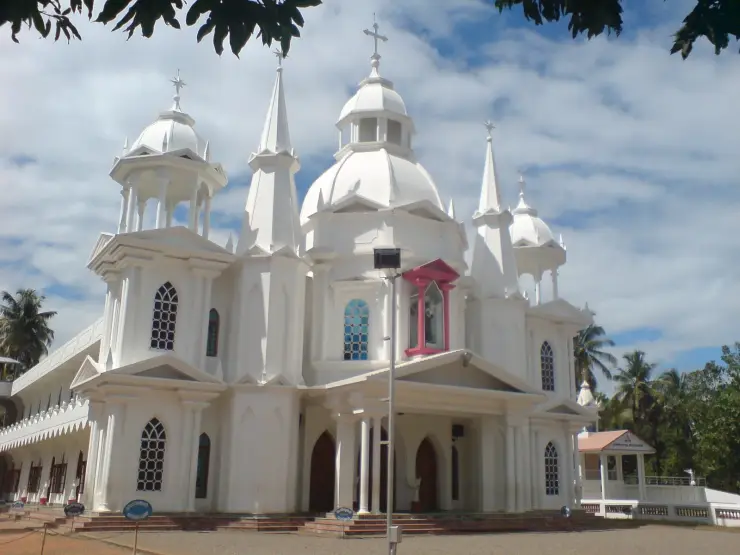
Chalakkudy Forane Church FreeNo ticket. The church, the grotto and the Holy Land are all free to enter; offerings and candle stands are voluntary.The church is open through the day. Mass on Sundays at 6.00, 7.30 and 9.30 am and 5.00 and 7.00 pm; Monday to Saturday at 6.00 and 7.15 am and 5.00 and 7.00 pm. The parish says the Holy Land is open to the public throughout the day and is at its best in the evening once the lights are on. (Parish’s own published times — confirm on 0480 2701614 before making a trip for a particular Mass.)Any time of year. Late January into early February for the ambu perunnal, when the church front is illuminated and the fireworks run; 1–8 September for the Eucharistic procession leading to the titular feast of the Nativity of Our Lady on the 8th; Lent for the evening Way of the Cross out in the Holy Land.
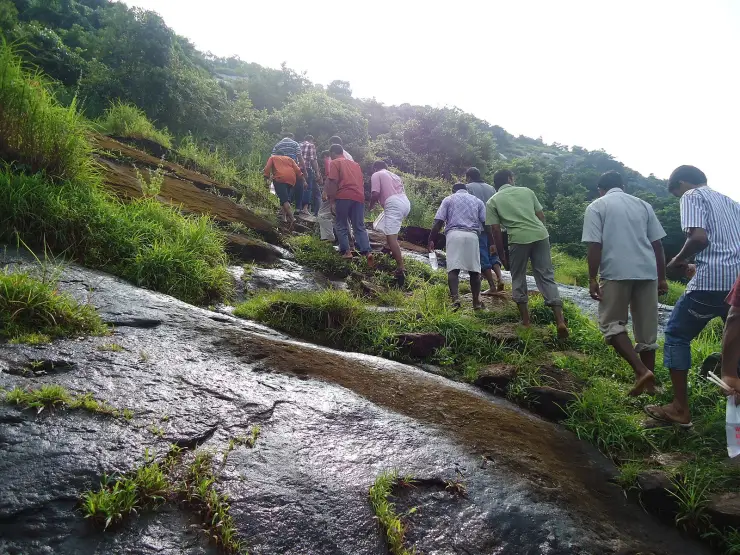
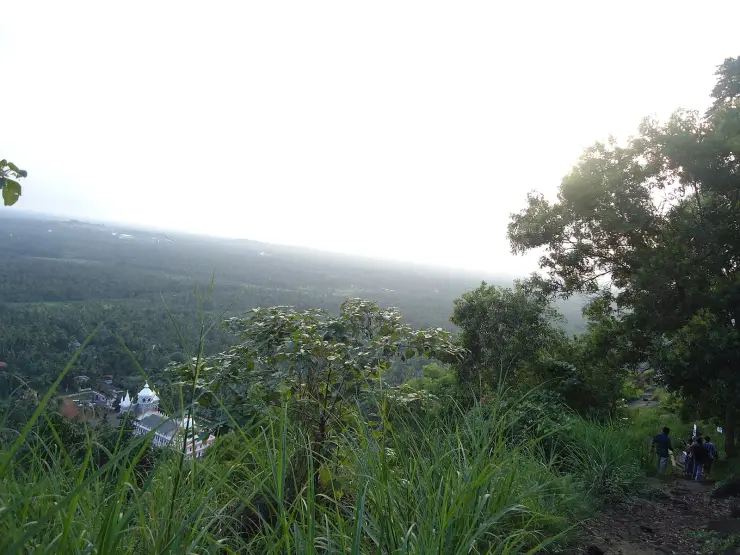
Kanakamala Kurishumudi FreeNo entry fee. It is a working parish church and an open hillside; nothing is ticketed.The hillside and the path are open ground with no gate and no posted hours; most people climb early morning or late afternoon to avoid the heat on the exposed rock. Mass and opening times at the parish church at the foot are not published anywhere we could verify — confirm locally.November to February for the most comfortable climb — dry rock, cooler air, clear views west over the plain. Holy Week, usually in April, is when the hill is at its busiest and at its most atmospheric, and also when it is hottest and most crowded. June to September the sheet rock near the top is genuinely slippery.