What to expect
Highlights
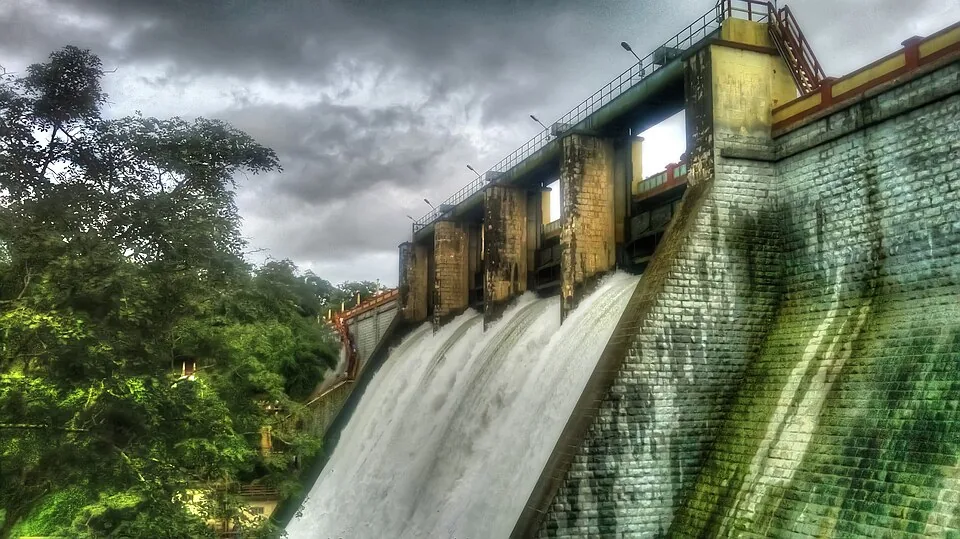
- Reservoir and dam views at Chimmony Dam
- Engineering landmark or garden/viewpoint stop
- Pair with nearby hill, forest or town routes
A reservoir and eco-tourism spot at the edge of the Chimmony Wildlife Sanctuary east of Thrissur, with boating and forest views.
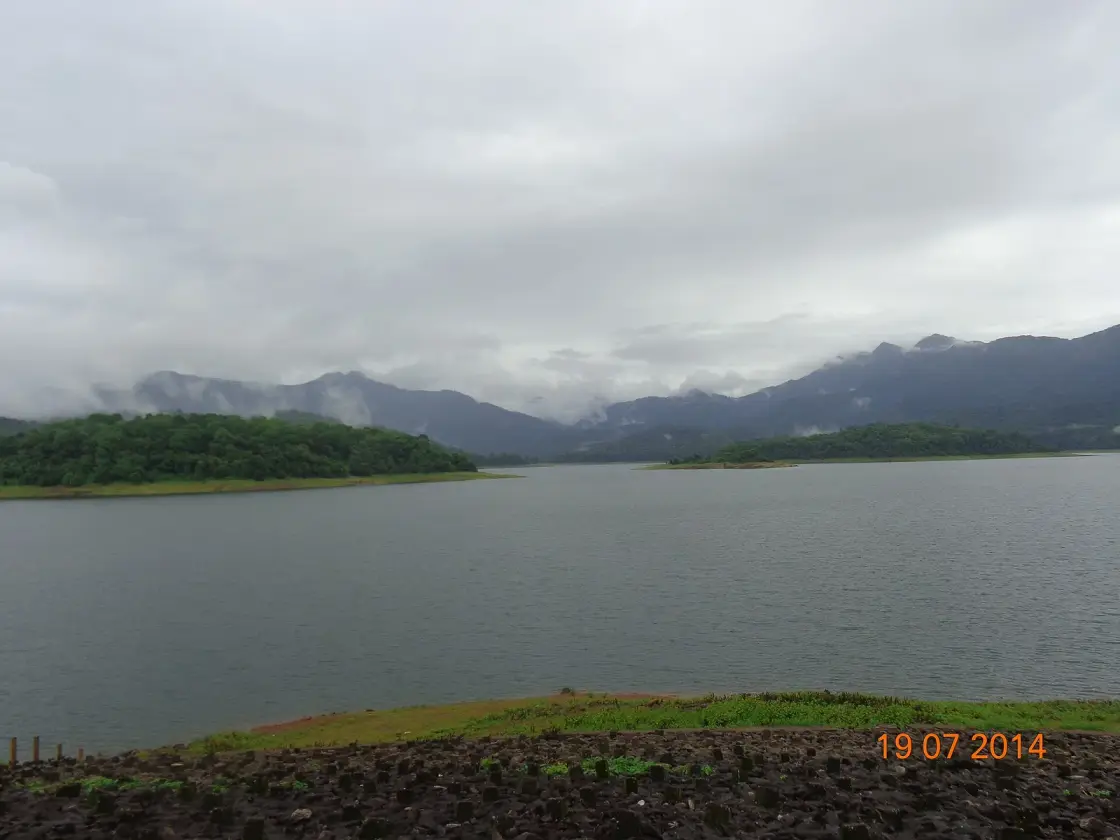
East of Thrissur, where the paddy plains give way to the first green ramparts of the Western Ghats, the Chimmony Dam holds back a long, finger-shaped reservoir ringed entirely by trees. There are no shops, no neon, no crowds jostling for a viewpoint — just an earthen embankment, a sheet of still water reflecting wooded ridges, and the Chimmony Wildlife Sanctuary closing in on every side. It is one of central Kerala’s quieter nature escapes: a working irrigation dam that doubles as the gateway to elephant country.
Chimmony (also written Chimmini) sits in a pocket of the Nelliyampathy hill country, in the taluk east of Thrissur city, reached by a road that threads through Amballur and Echippara before the tarmac narrows and the canopy tightens around it. The reservoir itself is the star on arrival — a broad, quiet expanse of water pooled behind the dam, its arms reaching back into forested valleys so that from the bund you look out over water in the foreground and unbroken green ridgelines behind. On a still morning the whole basin turns to glass, mist lifting off the surface as the first birdsong carries across from the far bank.
The sanctuary that wraps the reservoir covers roughly 85 square kilometres of moist deciduous and evergreen woodland on the western slopes of the Nelliyampathy Hills, part of the great Western Ghats belt that continues eastward into Parambikulam and Peechi-Vazhani. This is not a manicured garden but genuine wilderness, and the wildlife list reflects that: Asian elephants move through the valleys, gaur (the Indian bison) graze the clearings, and sambar, spotted deer, wild boar and langur are all resident. Leopards and, by some reports, tigers use the deeper valleys too, though sightings of the big cats are rare and never to be counted on.
For most visitors the pleasure of Chimmony is not a checklist of animals but the atmosphere of the place — the sense of standing at the frontier between farmed Kerala and wild Kerala. Bird life is abundant and far more reliably seen than mammals: hornbills, kingfishers, drongos, egrets along the water, and raptors circling the ridges are all part of a normal visit for anyone who keeps their eyes up and their voice down. Butterflies drift across the tracks in season, and the reservoir margins draw waterbirds that make even a short walk along the bund rewarding.
Boating on the reservoir is the classic Chimmony experience when it is running — a slow glide out onto the water, green walls rising on both sides, the only sound the dip of the oar or the low hum of the motor (boating availability and timings vary seasonally and with water levels — confirm locally before you plan around it). Gliding across the reservoir is the surest way to feel the scale of the sanctuary, and the best chance of spotting animals that come down to the water’s edge to drink in the cooler hours.
Deeper experiences — forest trekking, birding walks and any entry into the sanctuary interior — are managed by the Kerala Forest Department, and access beyond the immediate dam area needs their permission. Trails run from the base area up into the hills, and there is basic departmental accommodation near the dam for those who arrange it in advance. The trade-off for that little bit of red tape is real: because Chimmony has stayed low-key and lightly commercialised, it still feels like a secret rather than a spectacle.
Come here for a half-day outing from Thrissur and you get the whole arc of a Kerala hill escape in miniature — the drive out through paddy and rubber, the sudden hush under the trees, the wide calm of the reservoir, and the small thrill of knowing that elephants are somewhere out there among the ridges you are looking at. It is a place that rewards slowness, and punishes the impatient with nothing more than a quiet lake and a lot of trees.
Chimmony began not as a tourist attraction but as an irrigation project. The dam was built across the Chimmony river — a hill stream in the Kurumali–Karuvannur system that ultimately feeds the paddy plains of the Thrissur lowlands — to store the monsoon flow and release it through the season for farming. Construction is generally recorded as having begun in the mid-1970s and reaching completion in the mid-1990s, with the reservoir commissioned around 1996.
The completed structure is a composite dam, combining a masonry section of roughly 495 metres with a much longer earthen embankment of around 686 metres. Its primary job is water: rather than cutting new artificial canals, the scheme was designed to feed the region’s existing paddy and Kole wetland fields through a regulator and the established canal network, supplementing the water that keeps central Thrissur’s rice bowl productive.
The dam also carries a small hydroelectric component — a modest turbine installation in the low-megawatt range added to make use of the stored head of water. It was never conceived as a major power project; the electricity is a by-product of a scheme whose real purpose has always been irrigation for the farmers downstream.
The Wildlife Sanctuary that now surrounds the reservoir was constituted in the 1980s, protecting the forested catchment that feeds the dam. This pairing of dam and sanctuary is deliberate and mutually reinforcing: healthy cover upstream keeps the reservoir silt-free and the streams flowing, while the reservoir and its protected buffer give the wildlife a secure, water-rich refuge. The sanctuary forms part of a larger contiguous belt of protected forest, linking towards Peechi-Vazhani to the north and the Parambikulam landscape to the east.
Administration falls under the Kerala Forest Department’s Peechi Wildlife Division, with the field base and sanctuary headquarters at Echippara, some 40 kilometres from Thrissur city. Compared with Kerala’s marquee reserves, Chimmony has been developed only lightly for tourism, which is precisely why regulars value it: it has kept the feel of a working forest rather than a theme park.
A genuinely uncrowded nature escape within easy reach of Thrissur — a reservoir and wildlife sanctuary where you can hear the forest instead of other tourists, ideal for anyone tired of the usual packed viewpoints.
The reservoir setting is quietly spectacular: a long sheet of still water hemmed by forested Western Ghats ridges, at its most beautiful in the early morning when mist rises off the surface and the whole basin turns to a mirror.
Real wildlife country. This is elephant, gaur and deer habitat inside a protected sanctuary, with leopards and possibly tigers in the deeper forest. Even without a big-mammal sighting, the birding along the water and forest edge is consistently rewarding.
Boating on the reservoir, when running, is a memorable, low-key way to experience the sanctuary from the water and get closer to the far shorelines where animals come to drink (availability and timings vary — confirm locally).
For the more adventurous, forest trekking and interior access can be arranged through the Forest Department, turning a day trip into a proper walk into the Ghats — a far wilder outing than the manicured hill stations further afield.
It combines nature with a slice of engineering and rural-development history: a working irrigation dam that still waters Thrissur’s rice fields, wrapped in a forest whose protection keeps the whole system alive — an unusually honest, unglamorous, and satisfying half-day out.
Road km to Thrissur; ghat roads and traffic vary — allow extra.
Post-monsoon and winter for scenery; monsoon access may change.
Live forecast loads in your browser.
Sun and moon are calculated for this location and shown in IST. Photography windows are the hour around sunrise and sunset; the sunset bearing is degrees clockwise from true north. Moon phase is accurate to about half a day.
These are official or public-sector eco offerings that match this place, town or forest destination. Confirm availability, permits, tariffs and reporting times with the official operator before travel.

Peechi reservoir, garden and the sanctuary’s southern public edge; a dam visit rather than proof that a guided forest trail is operating.
Official source →
The Vazhani dam approach, garden and forest threshold from which official tourism material names four local trails and a trek towards Peechi.
Official source →Browse listed stays, food, activities, sights, shops and rentals around Chimmony Dam. Check each listing’s locality and contact the business directly for current arrangements.
The Shiva temple on the wooded hill inside the Swaraj Round — the reason the city is here. An active temple with its own access customs; the circuit outside the wall, across the Thekkinkadu Maidan, is a legitimate visit in itself.
One of the two principal devaswoms of Thrissur Pooram, on the eastern side of the Round — the Paramekkavu side brings its deity before Vadakkunnathan at the festival. A working Bhagavathy temple the rest of the year.
The palace rebuilt in 1795, literally half Dutch and half Kerala in its construction, and the state archaeological museum since 2005. One of the few ticketed sights in a city that mostly is not one.
The old northern tank of the town — its name says exactly that — now a working water body and an evening walkside rather than a ticketed sight.
The basilica off the Round whose Bible Tower stands 260 feet — the tallest church tower in India. An active parish as much as a landmark.
Four-star hotel on Paliyam Road near the North (Vadakke) bus stand in central Thrissur, with air-conditioned rooms, a restaurant and banquet facilities. Its Kerala Tourism provider record classifies it as a four-star property, a convenient upper-tier city base for Thrissur Pooram and business visitors.
Long-running three-star hotel on Marar Road in the heart of Thrissur city, operating since 1984 with air-conditioned deluxe rooms, suites and double rooms. Its Kerala Tourism provider record and own website list a central location near the railway station with a restaurant and event facilities, making it a dependable mid-range city base.
Thrissur taxi provider near the railway station with Guruvayur and Athirappilly route evidence. Thrissur taxi, Railway station, Guruvayur transfer.
Thrissur call-taxi and app cab provider near the railway station. Thrissur taxi, Railway station, App cab.
Round The Global Diner is a Thrissur restaurant on Shornur Road at Peringavu, useful for travellers who want a city dinner stop beyond traditional vegetarian meals. Thrissur food, Peringavu, Restaurant.
Chinese restaurant on Bennette Road with direct contact and timing evidence. Thrissur food, Chinese, Bennette Road.
Sakthan Nagar city hotel with direct contact page and restaurant/spa facilities. Thrissur city, Sakthan Nagar, Hotel.
Joys Palace is a Thrissur city hotel near the transport and cultural core, useful for Pooram-season planning, city stays, dining and events. Thrissur city, Hotel, T.B. Road.
Official temple contact for Thrissur city central Shiva temple and Pooram anchor. Temple rules apply · Thrissur, Vadakkunnathan Temple, Temple.
Official Thrissur tourism contact context for city, Pooram and district trip planning. Thrissur, DTPC, Tourist information.
Café (coffee shop, pizza) on Kottappuram Road in Thrissur City. Coffee Shop, Pizza, AC.
Restaurant (regional) on Ikkanda Warrier Road in Thrissur City.
Restaurant (coffee shop, indian) on Thrissur-Shornur Road in Thrissur City.
Five-star business hotel near the Sakthan bus stand in Thrissur city. It has a multi-cuisine restaurant, spa and pool, on TB Road at Kokkalai.
Hotel near Thrissur Railway Station on T.B. Road, established 1980, with multi-cuisine restaurant and banquet halls.
Heritage hotel at Chembukavu in Thrissur city, established 1936. It offers rooms and an on-site family restaurant.
KTDC government-run budget hotel near the Indoor Stadium in central Thrissur. It has a restaurant and conference rooms.
Convention centre with hotel rooms at Puzhakkal, Thrissur, offering banquet halls, restaurant and business facilities.
Budget business hotel opposite the railway station on Poothole Road, Thrissur. It offers rooms and a multi-cuisine restaurant.
Book with the place itself. India’s cyber-crime coordination centre warned in April 2025 that convincing copies of hotel and pilgrimage booking sites are being pushed through sponsored search and social ads, taking payment for rooms the property never hears about. Use the contact and source details on each profile to confirm the exact business and booking channel. A directory entry or map pin alone does not establish an operator’s identity or current availability. Roampedia takes no commission and does not collect booking payments. If a booking page reached you through an ad, check the address bar against the property’s own site before you pay. Fraud can be reported on cybercrime.gov.in or on 1930.
Find food, accommodation and activities across Thrissur city. Browse the guides for places to eat, stay and explore along your route.
23 more places around Thrissur city. Open a guide to plan the visit and onward journey.
An old temple landscape near Kandanassery with nearby megalithic remains; living worship and archaeological evidence must be described as separate layers.
A narrow pedestrian suspension bridge over the Karuvannur river at Chemmapilly, best visited as a working local crossing rather than a staged thrill attraction.
A longstanding Catholic pilgrimage church at Mapranam associated with the Holy Cross and annual feast observances.
A lesser-known rocky hill destination in Thrissur district where the exact approach, safe stopping point and public access require local confirmation.
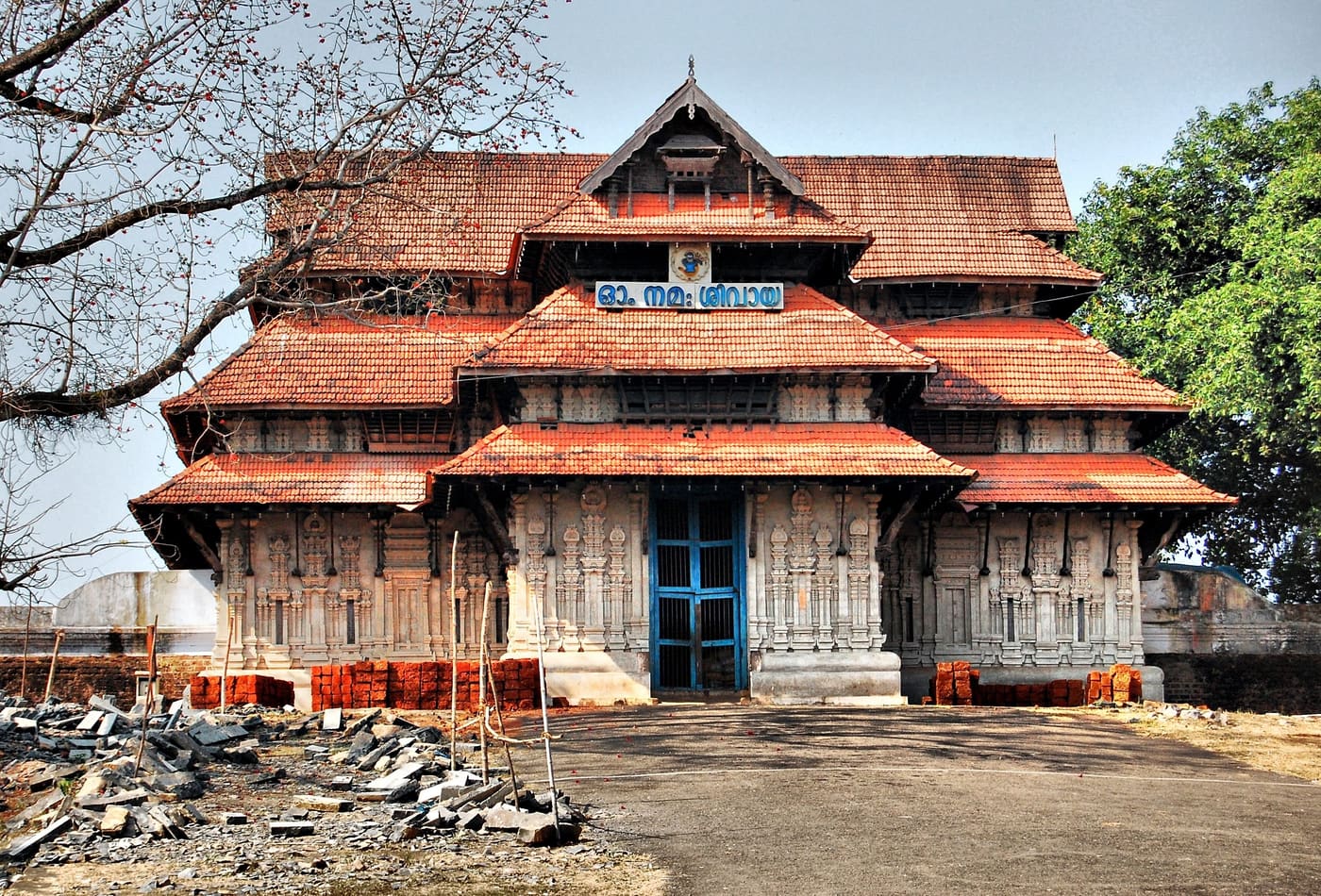
Ancient temple at the centre of Thrissur’s round, associated with Thrissur Pooram.
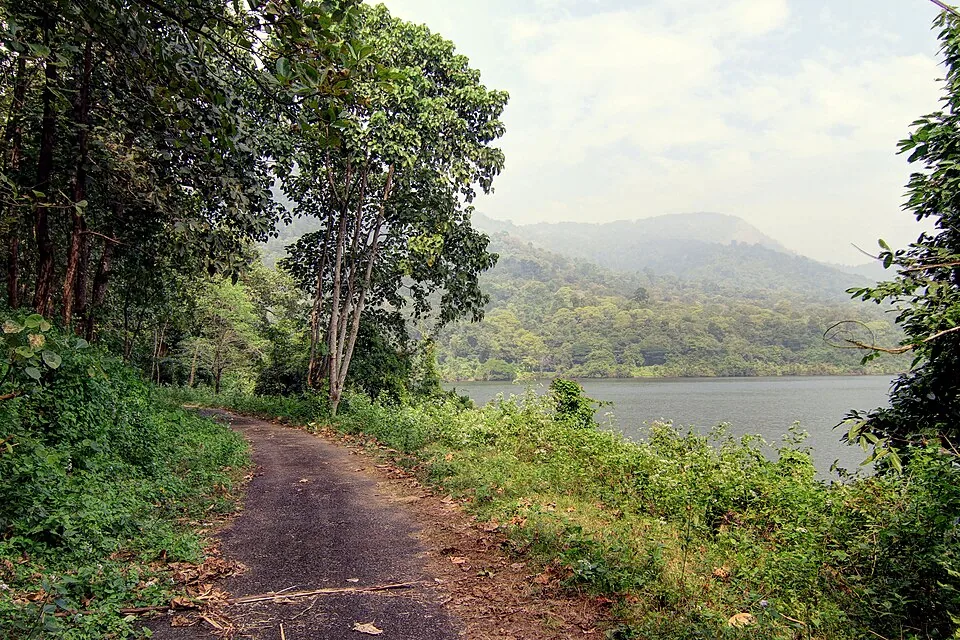
2.0 km · straight line
The official guided 5 km, roughly 3-hour forest route from Virakuthodu, one kilometre beyond the check post, to Choorathala inside Chimmony Wildlife Sanctuary.
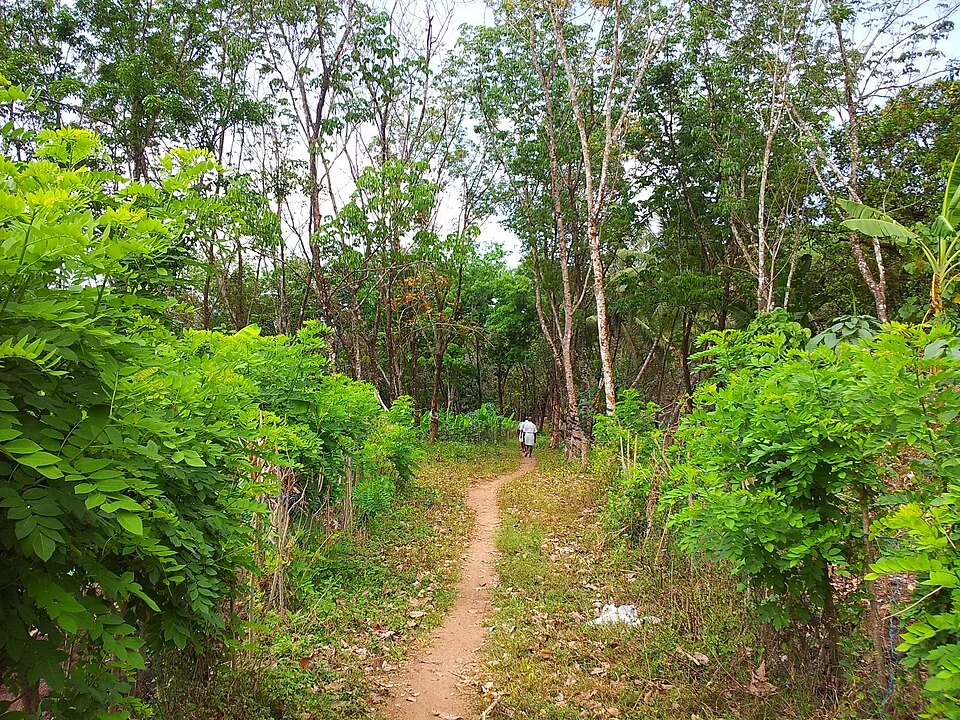
A guided forest crossing described from Vazhani towards Peechi, plus shorter named trails on the Vazhani side. Current operation, meeting point and return transport must be confirmed with the sanctuary office.
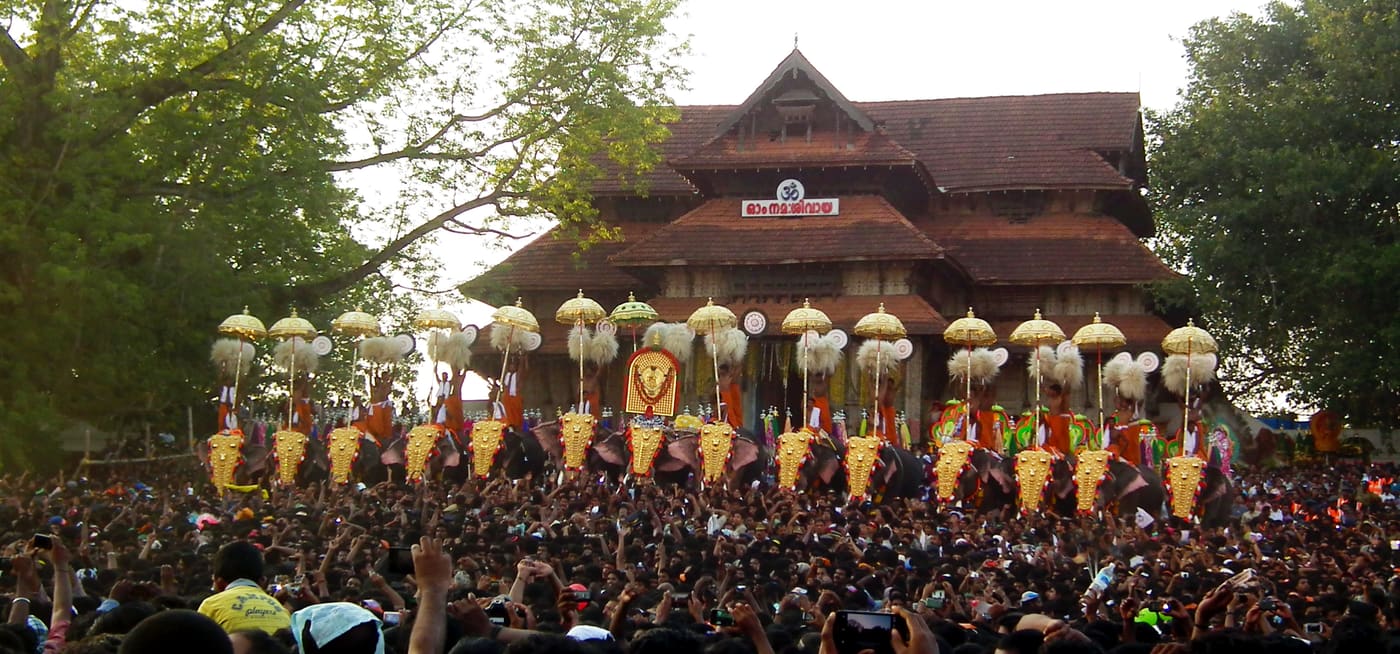
Kerala’s most famous temple festival, held around April/May at the Thekkinkadu ground around Vadakkunnathan.
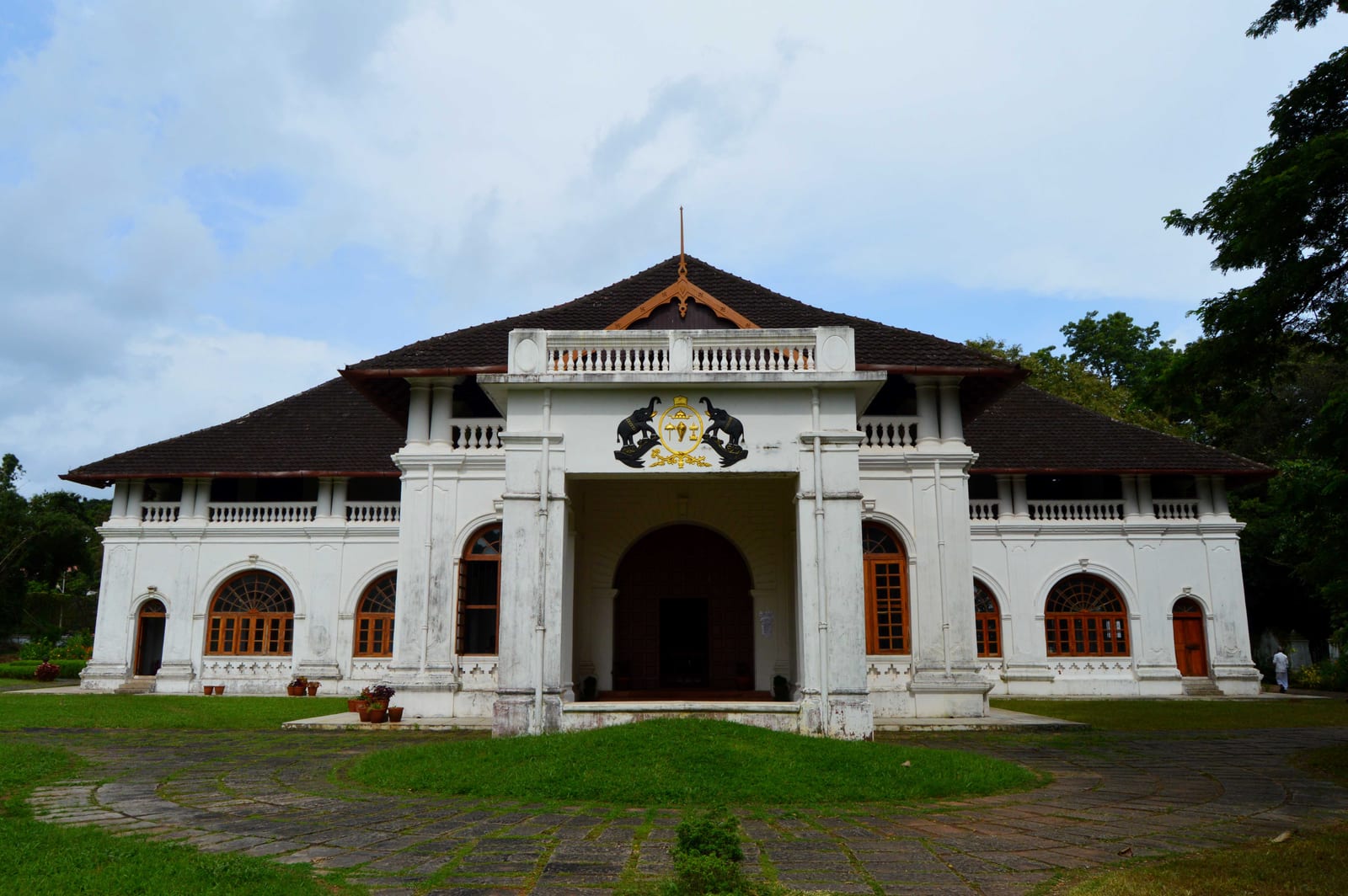
Restored palace and archaeological museum in Thrissur city, built by Raja Rama Varma Sakthan Thampuran.
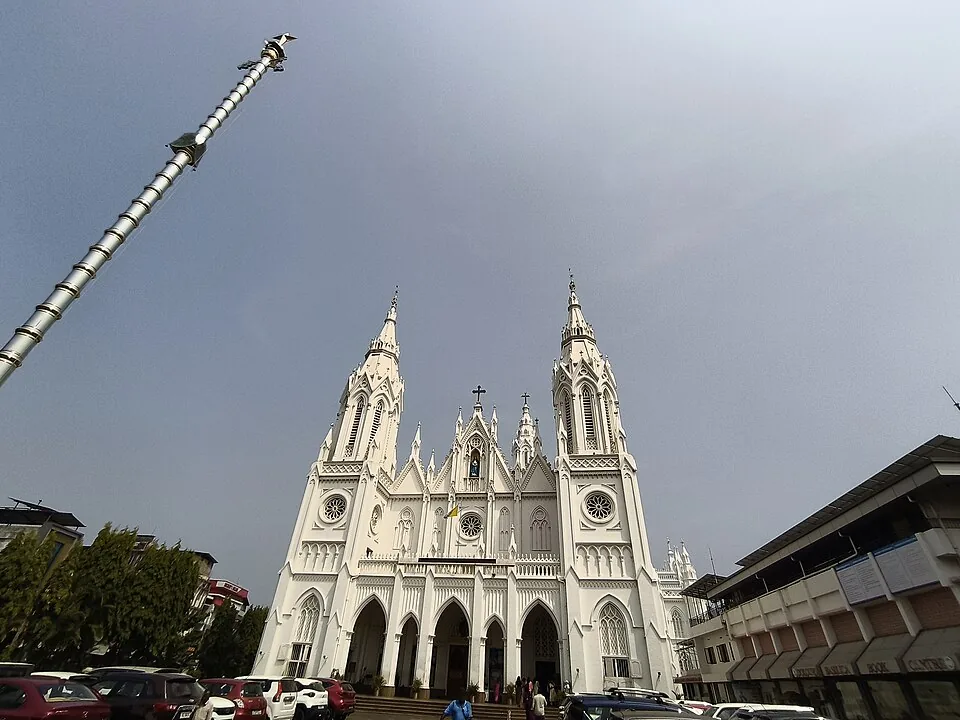
The “Puthan Pally” basilica in Thrissur, known for its Bible Tower — among the tallest church towers in Asia.
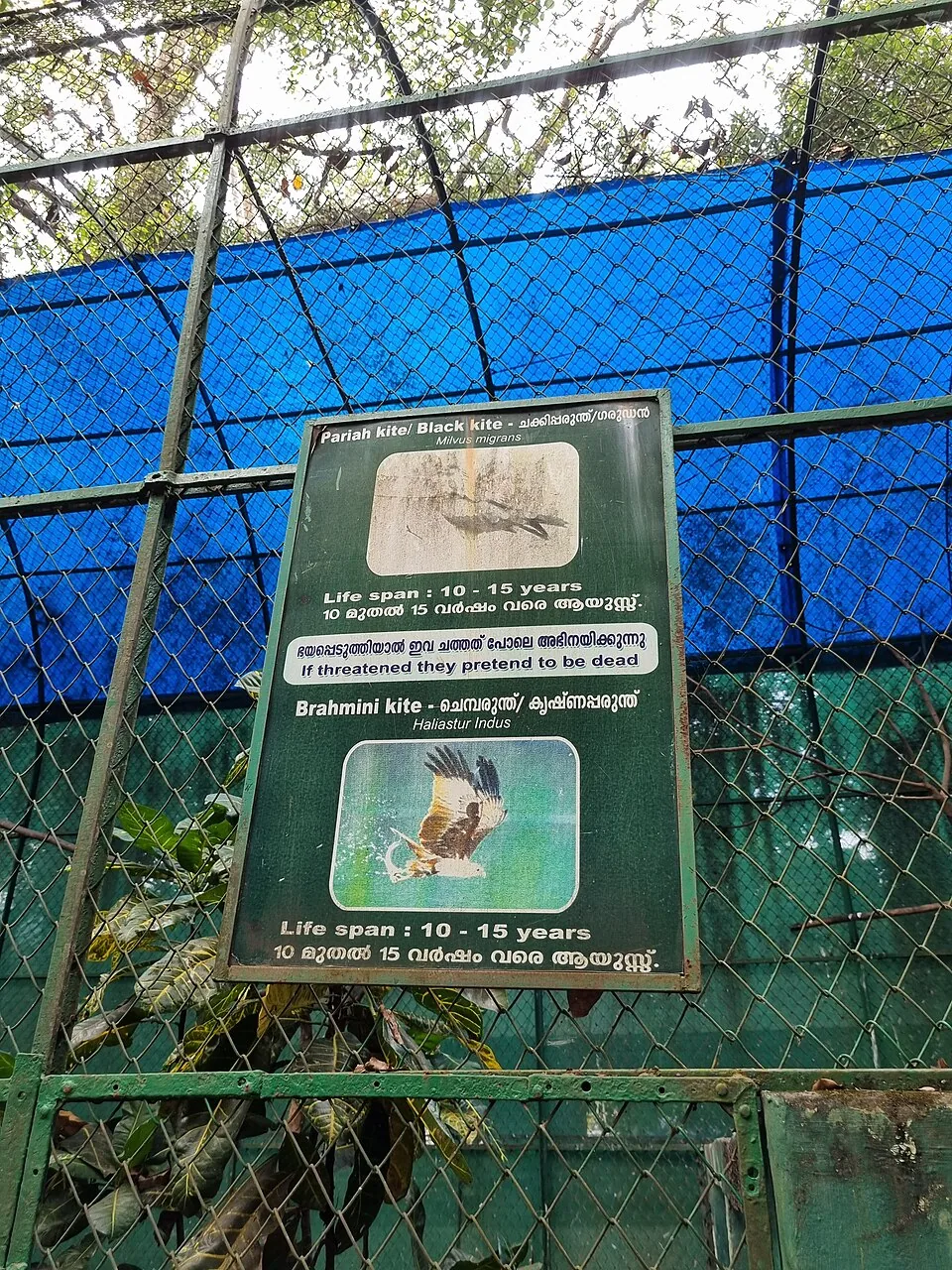
State museum, art gallery and natural-history collection at Chembukkavu; the zoo animals moved to the new zoological park at Puthur, open since February 2026.
14.1 km · straight line
Reservoir and garden at the edge of the Peechi-Vazhani sanctuary, with boating, about 20 km east of Thrissur.
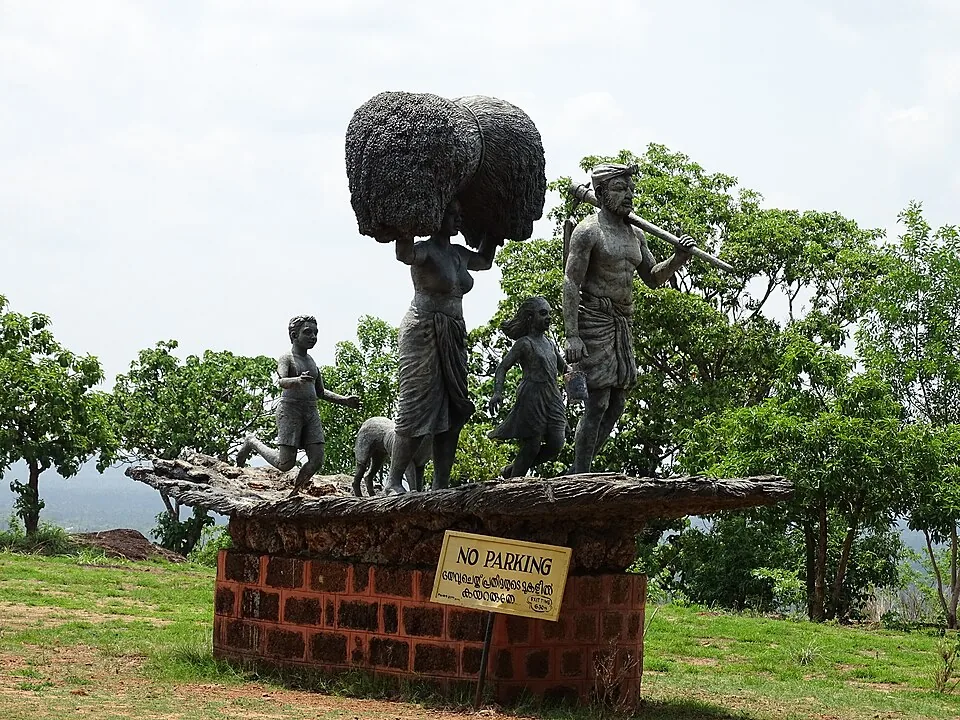
A low hill and park on the edge of Thrissur city, popular for sunset views and morning walks.
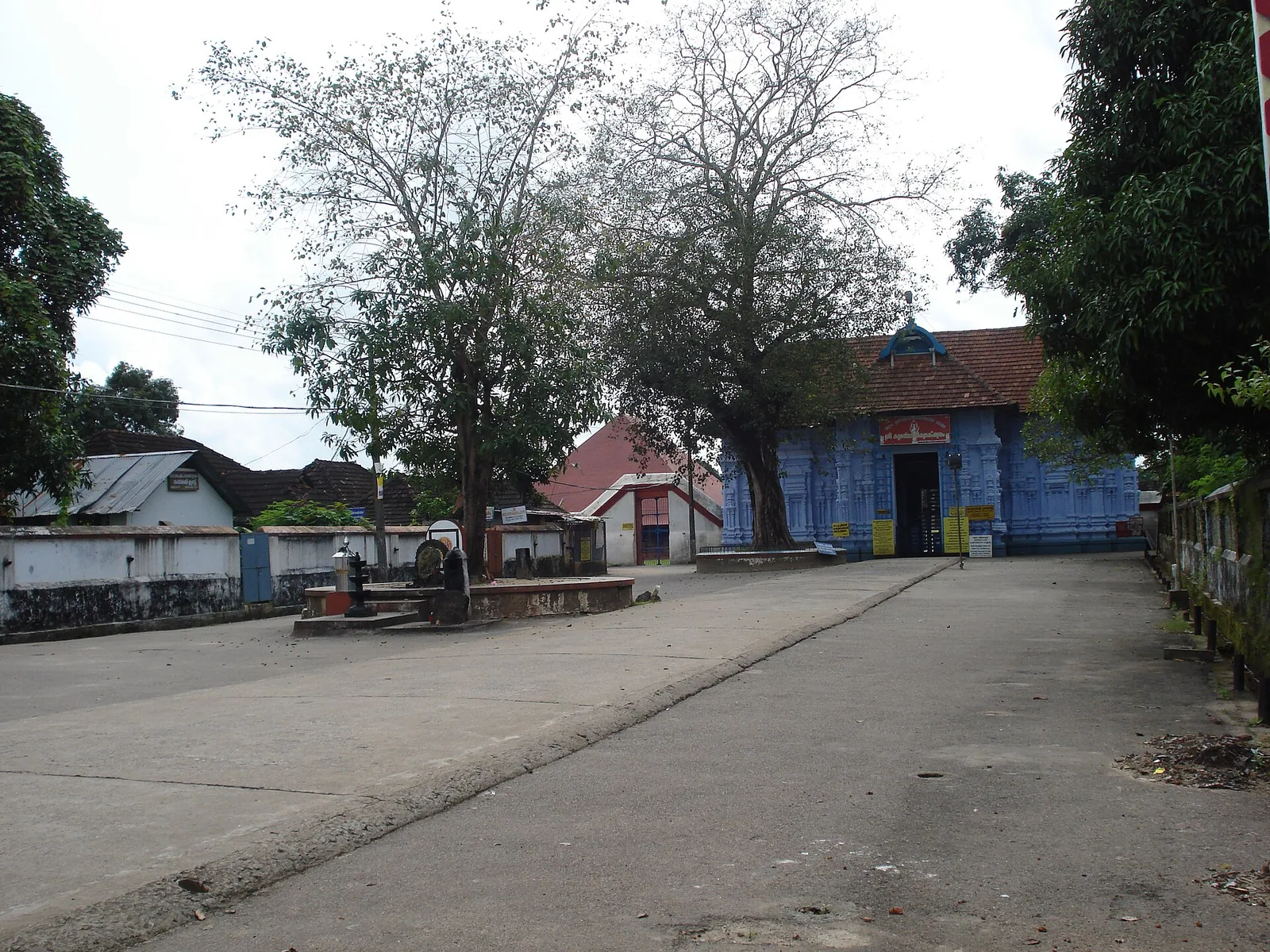
Rare temple at Irinjalakuda dedicated to Bharata, one of the Nalambalam (four-temple) Rama circuit shrines.
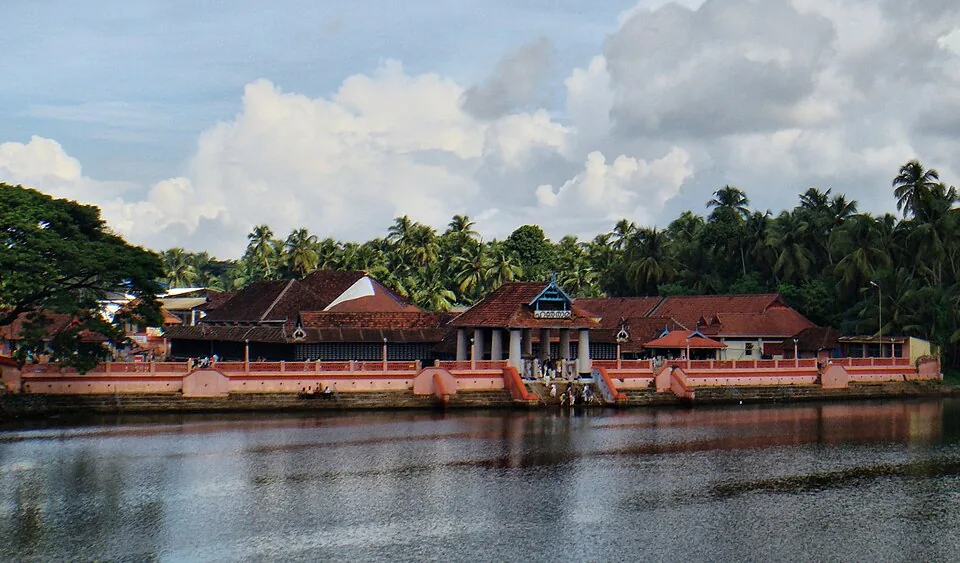
Sree Rama temple on the Theevra river near Triprayar, another of the Nalambalam circuit shrines.
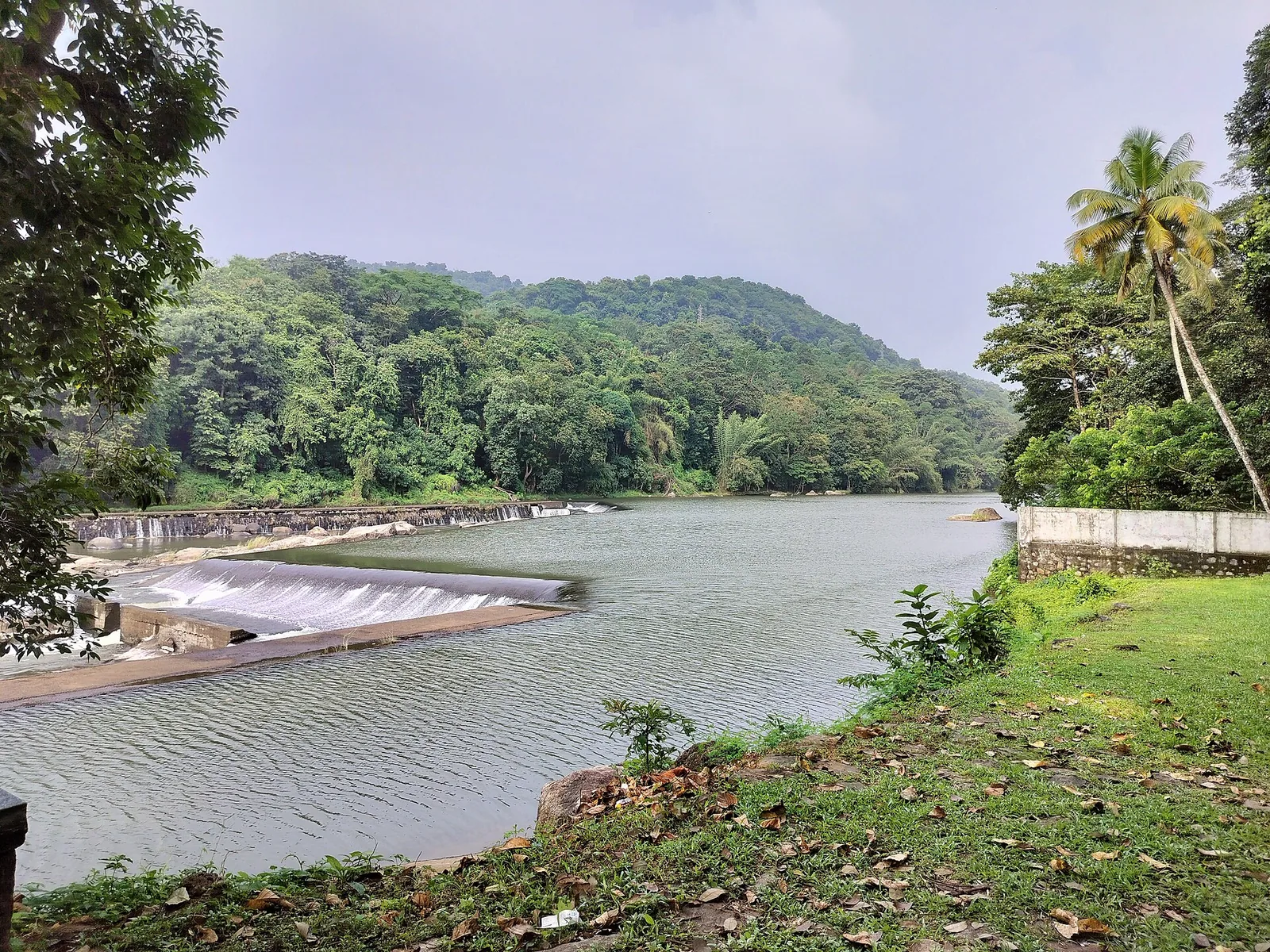
15.8 km · straight line
A check dam, hanging garden and butterfly garden on the Chalakudy river near Athirappilly, a popular picnic and day-trip stop.
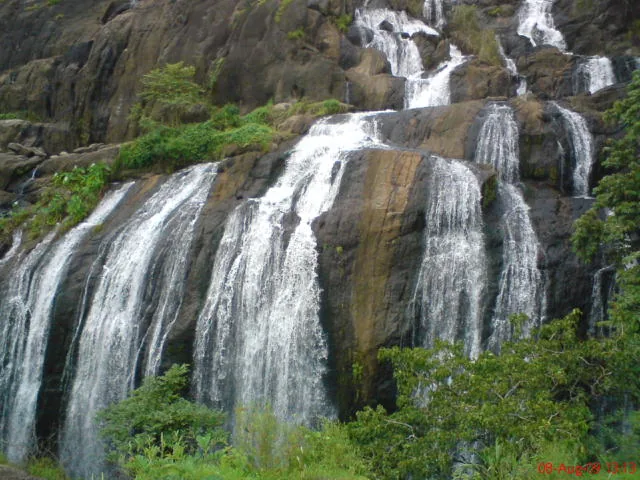
13.2 km · straight line
A forest waterfall and fish sanctuary near Marottichal in the hills east of Thrissur, reached by a short walk.
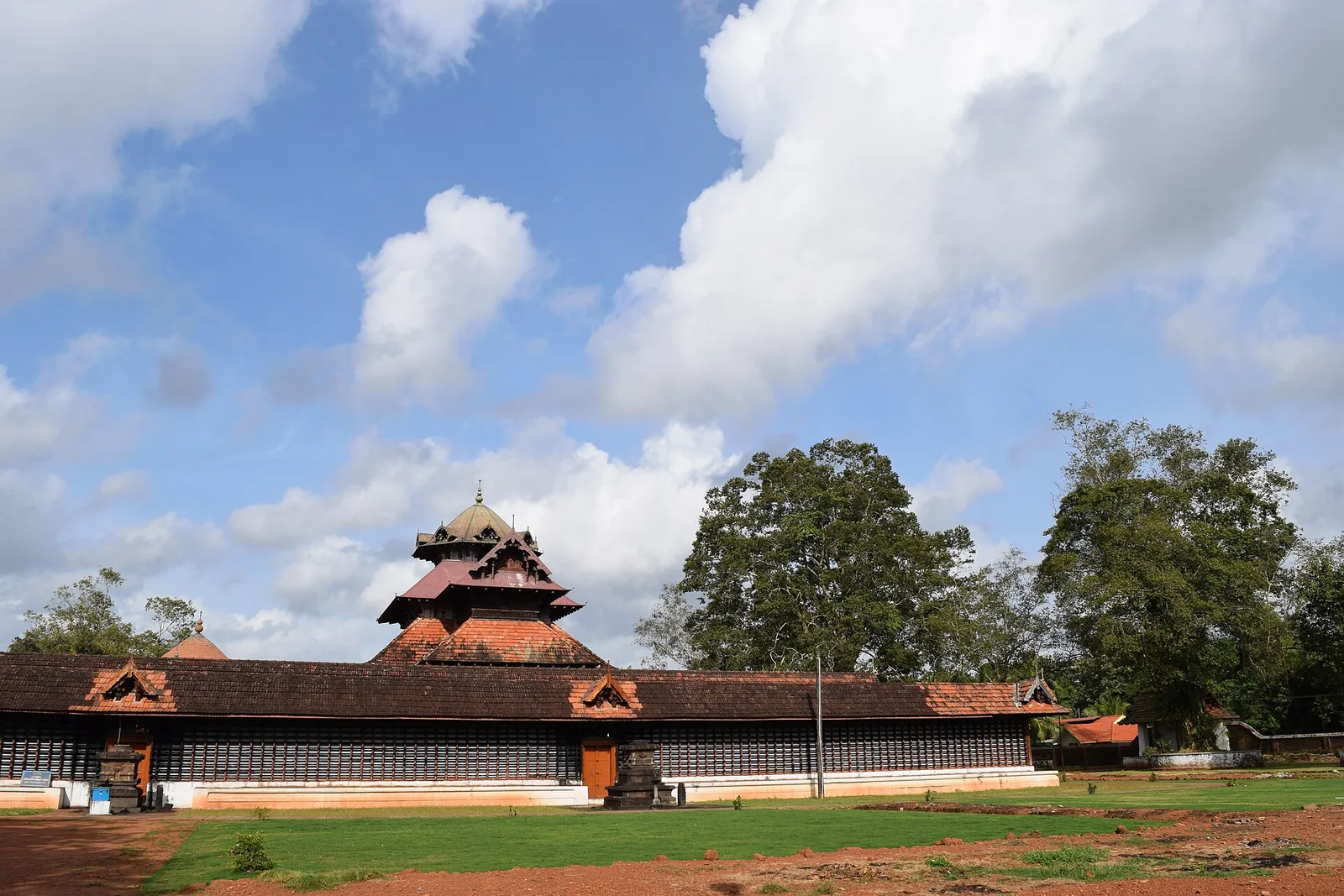
An ancient Shiva temple at Cherpu south of Thrissur, the ritual centre of the historic Peruvanam Pooram.
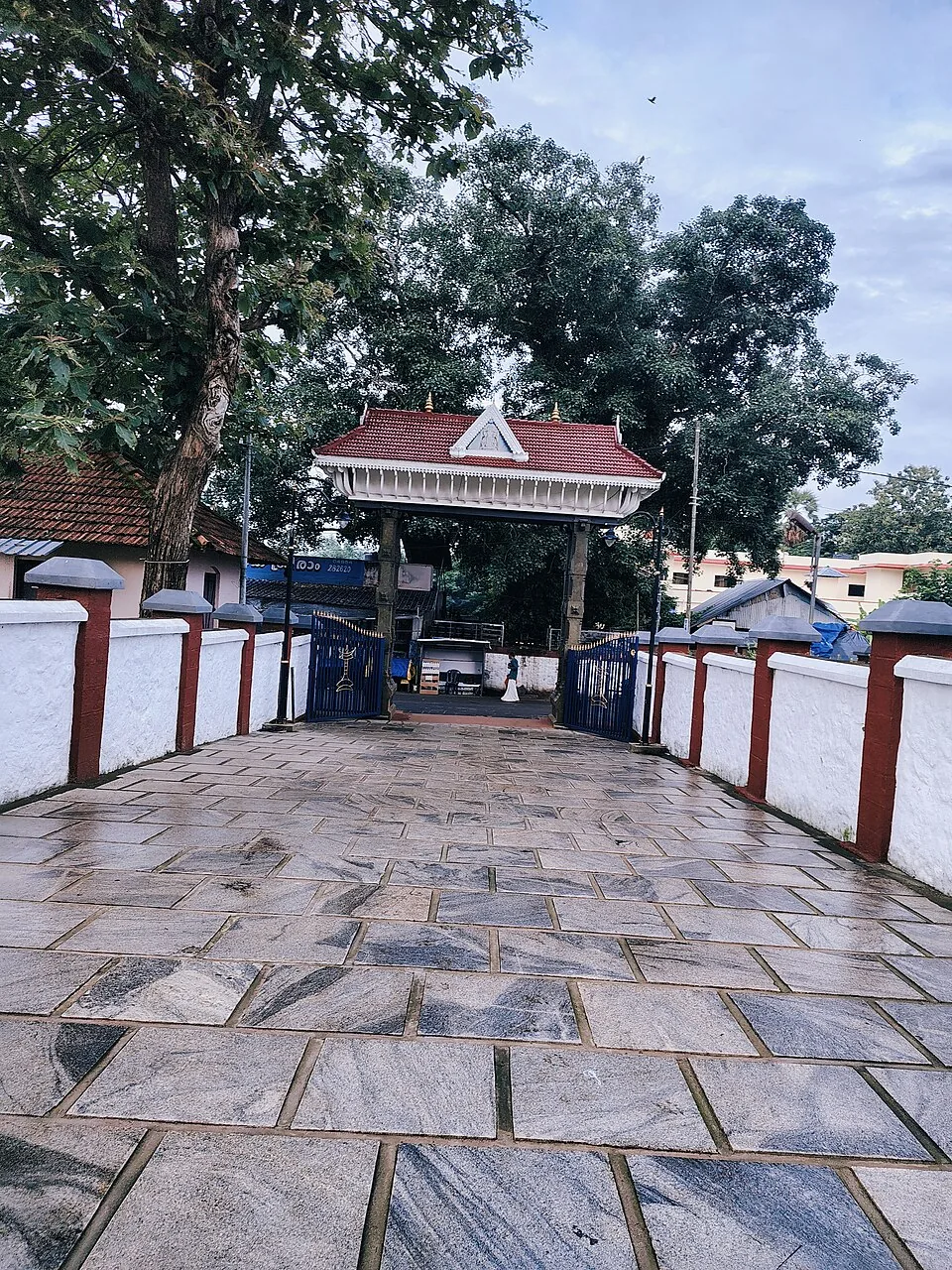
The Sree Rama (Vilwadrinatha) hill temple at Thiruvilwamala on the Nila river, reached by stone steps up the wooded rock.
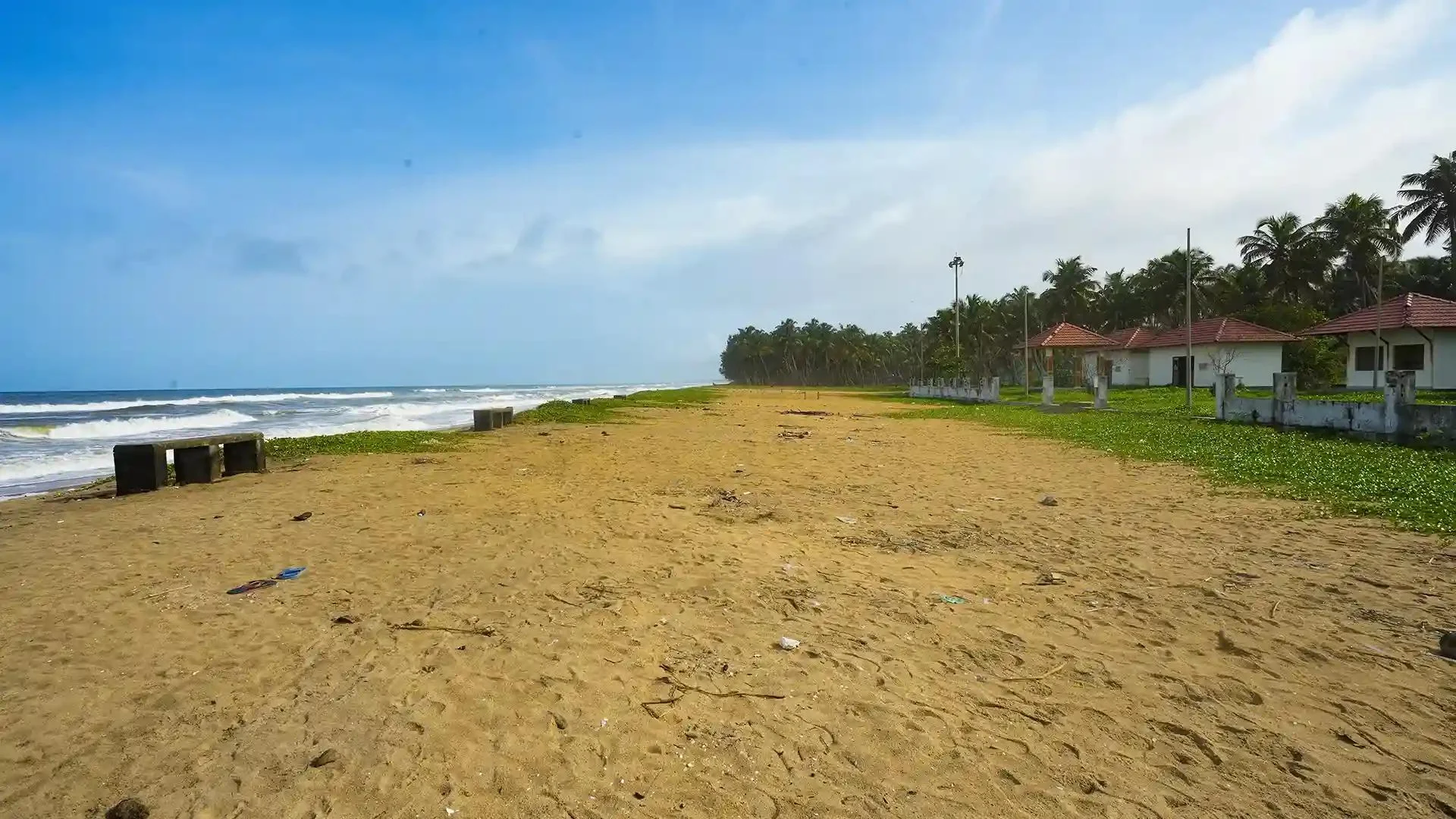
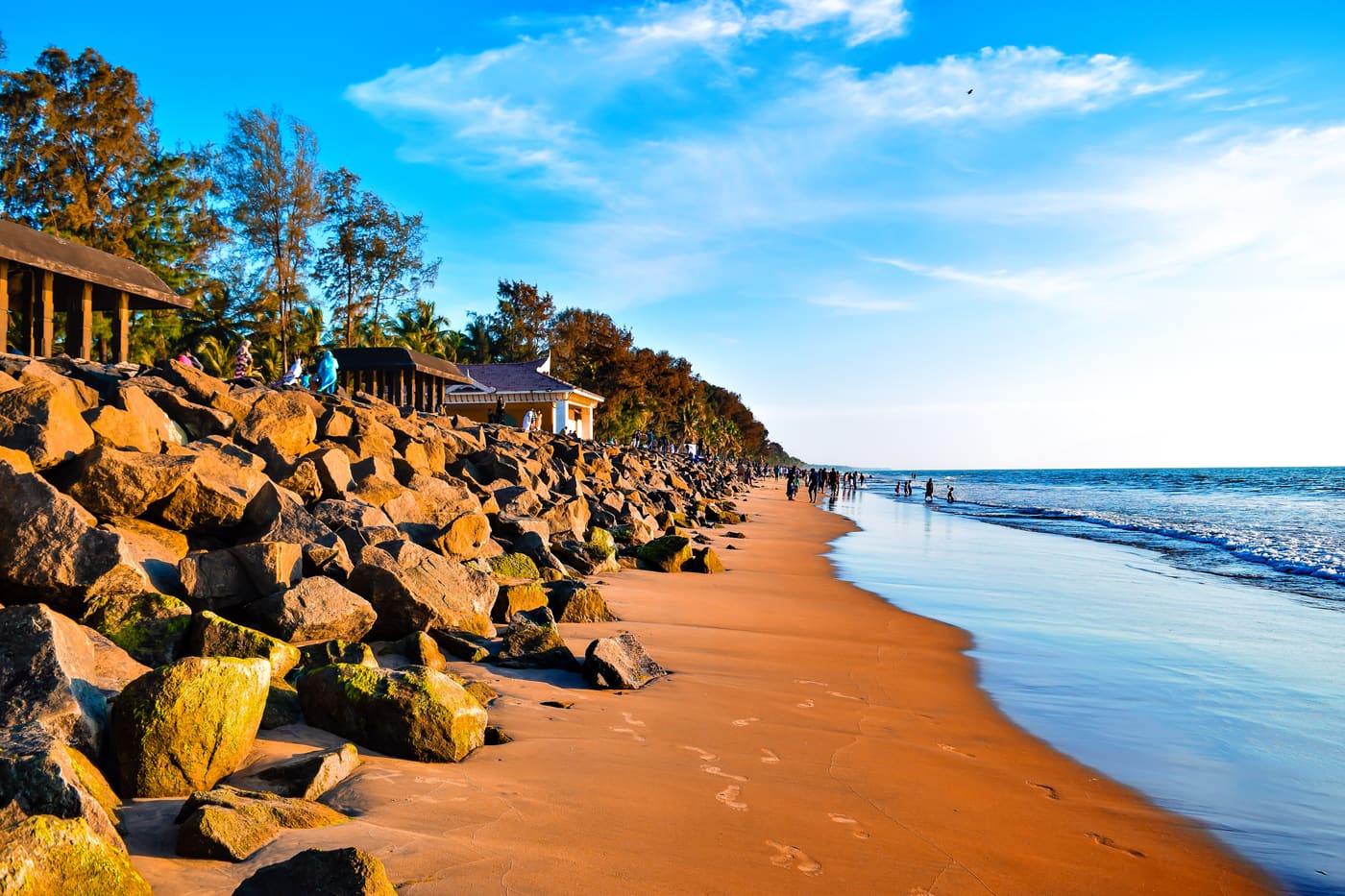
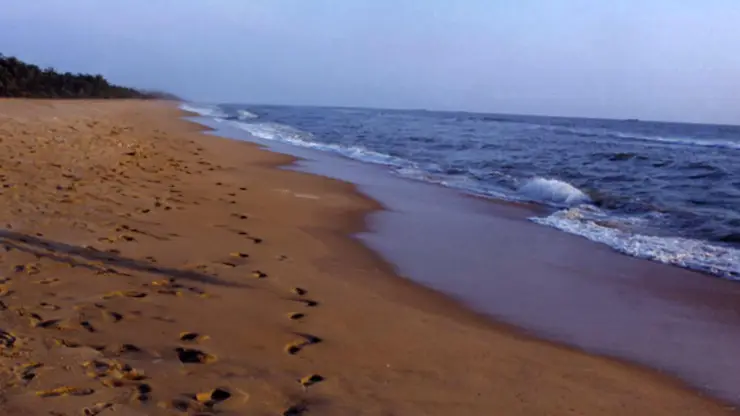
Nattika Beach is the Arabian Sea shore of Nattika in Thrissur district, also identified by Kerala Tourism as Attakuzhi Bandhar Kadapuram. Its long sand frontage, fishing-life connections and association with the Malayalam film Chemmeen give it a character distinct from a resort’s private grounds. Use the named public beach approach for a shore visit, with Nattika and Triprayar providing the wider town plan. The beach, Triprayar Sree Rama Temple and any accommodation property require separate arrival instructions.
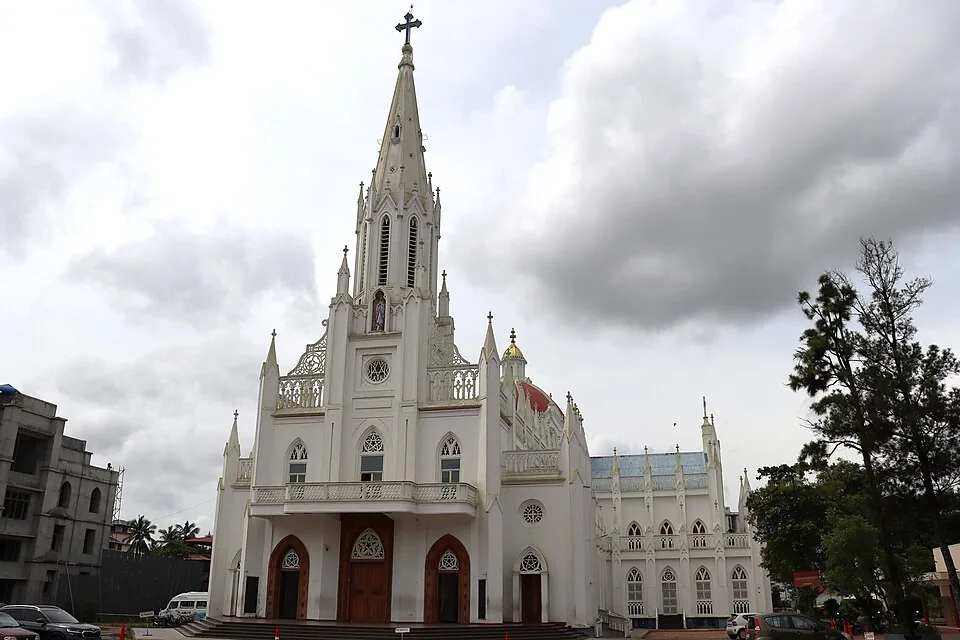
A landmark Syro-Malabar cathedral in Thrissur city known for its Gothic facade and an underground shrine (rock church).
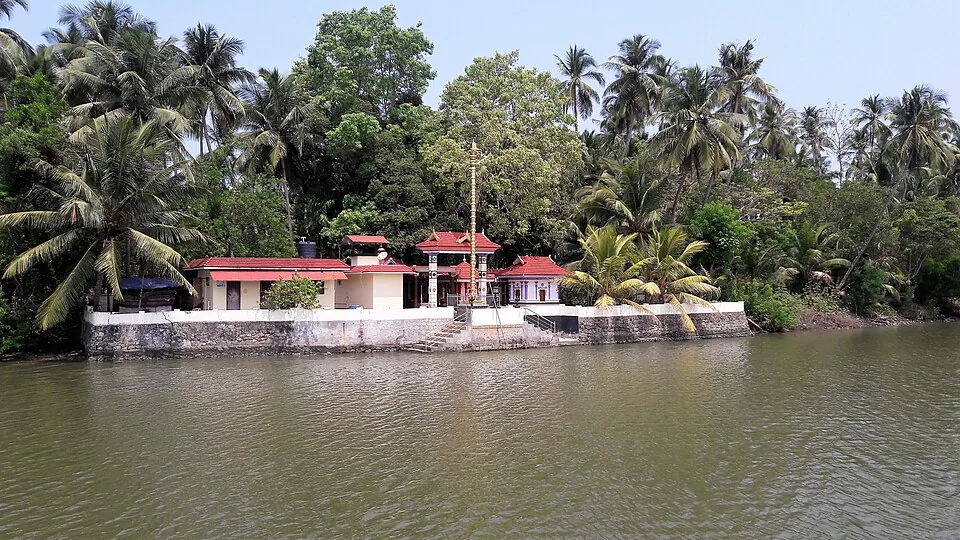
A calm estuarine backwater, mangroves and fishing-harbour belt on the Thrissur coast near Chavakkad, quieter than Alappuzha.
Roampedia is commission-free — own or know a stay, eatery, guide or shop near Chimmony Dam? Submit public business details for review.
Add a nearby businessEntry: A nominal entry ticket and separate charges for boating, guided treks, cameras and any interior permits typically apply, collected by the Forest Department; exact amounts change periodically — confirm current rates locally.
Dress code: No formal dress code; wear comfortable, muted-coloured clothing suited to a forest — full-length trousers, closed walking shoes and a hat. For treks, carry rain protection and, in the wet season, leech socks or salt.
Photography: Cameras and phones are generally allowed; a separate camera or video fee may apply, and drones usually require special permission or are prohibited inside the sanctuary. Keep noise down and never use flash or bait near wildlife — confirm current camera rules with the Forest Department locally.
If you are travelling by bus or ferry, check the return service with the operator before setting out. Leave time to reach the stop or jetty after your visit.
Ask at the bus stand for the time of the last service back, not the next one. If you miss it, an auto or app cab is the fallback — agree the fare before you get in.
If you need step-free access, contact the site before travelling. Ask about a level entrance, steps along the route, the nearest drop-off point, seating and accessible toilets.
Published emergency and visitor-assistance contacts. For an immediate emergency, call 112. Shared Kerala contact sources checked 4 October 2026; publication does not establish a tested live response.
The official guided 5 km, roughly 3-hour forest route from Virakuthodu, one kilometre beyond the check post, to Choorathala inside Chimmony Wildlife Sanctuary.
2.0 km · straight lineA forest waterfall and fish sanctuary near Marottichal in the hills east of Thrissur, reached by a short walk.
13.2 km · straight lineReservoir and garden at the edge of the Peechi-Vazhani sanctuary, with boating, about 20 km east of Thrissur.
14.1 km · straight line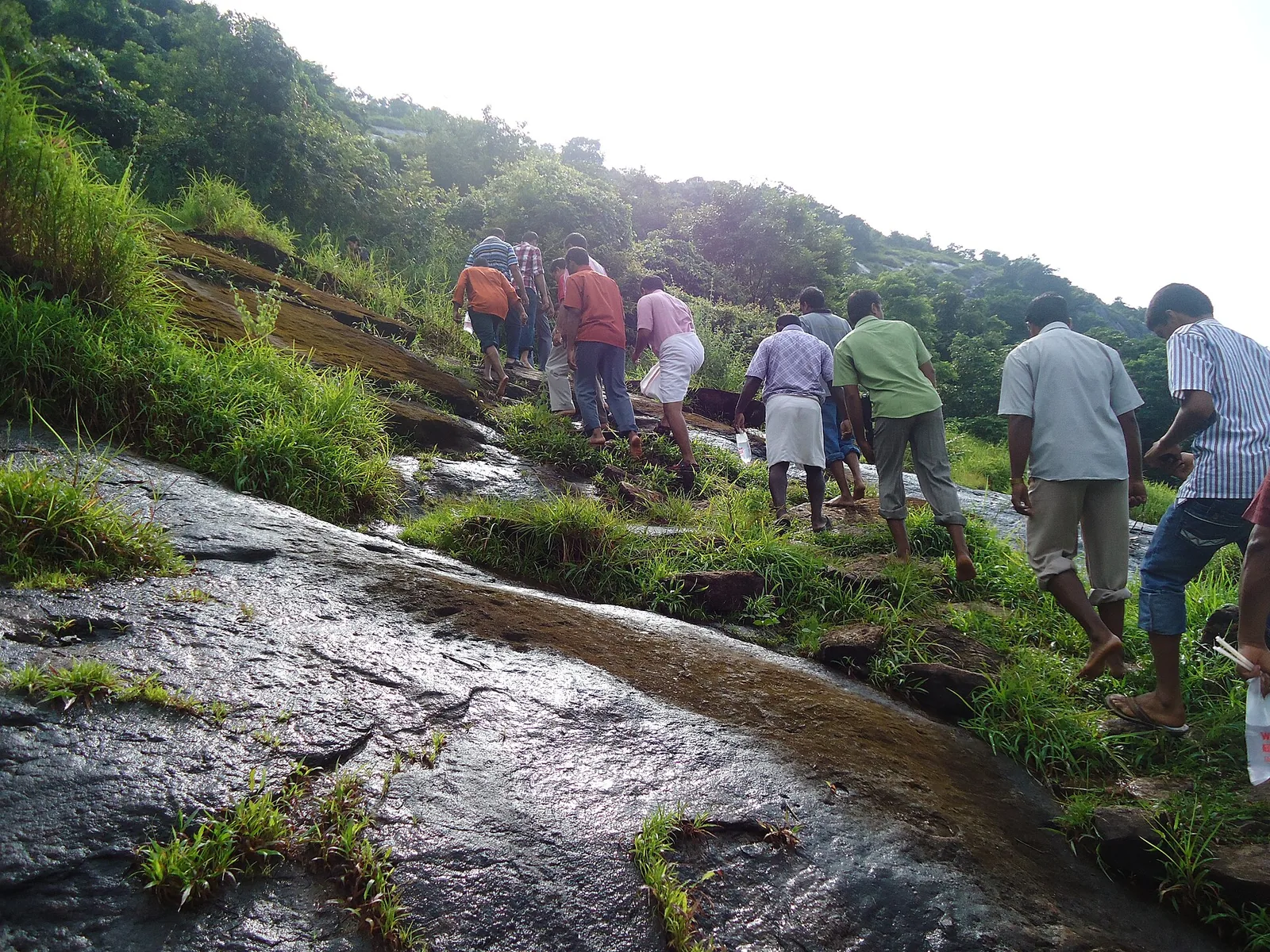
A hill of crosses about 5 km north of Chalakkudy that local devotion ranks with Malayattoor — fourteen crosses up a kilometre of bare sheet rock to a hilltop shrine at about 310 m. The pilgrimage was begun in 1940 by the vicar of Perambra after a dream; April is its busiest month.
15.7 km · straight lineA check dam, hanging garden and butterfly garden on the Chalakudy river near Athirappilly, a popular picnic and day-trip stop.
15.8 km · straight line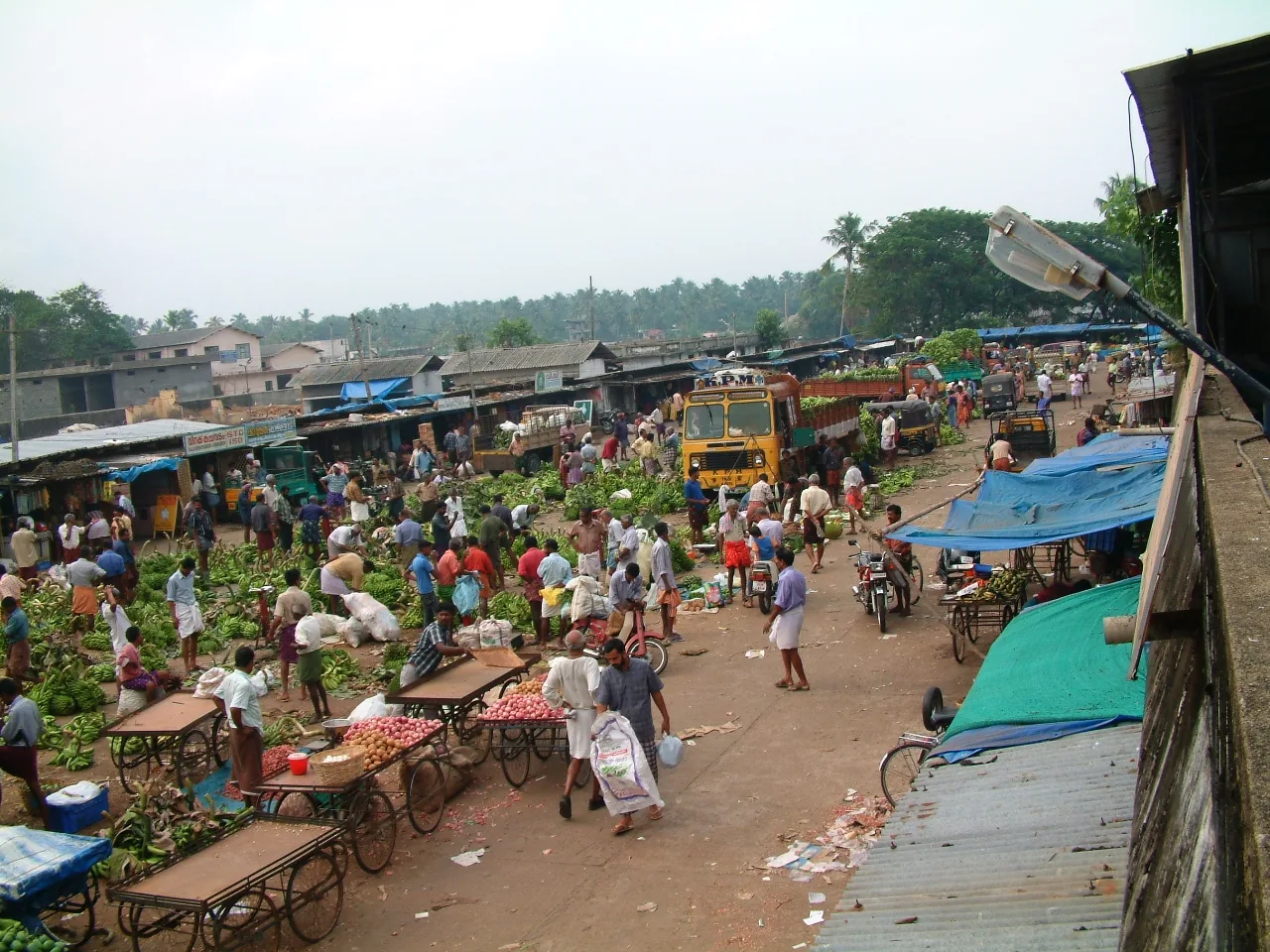
The town’s wholesale produce yard on Market Road, the oldest continuously working institution in Chalakkudy — a Sakthan Thampuran-era pandikasala that still holds its traditional Tuesday and Friday markets and takes hill produce down State Highway 21.
19.8 km · straight line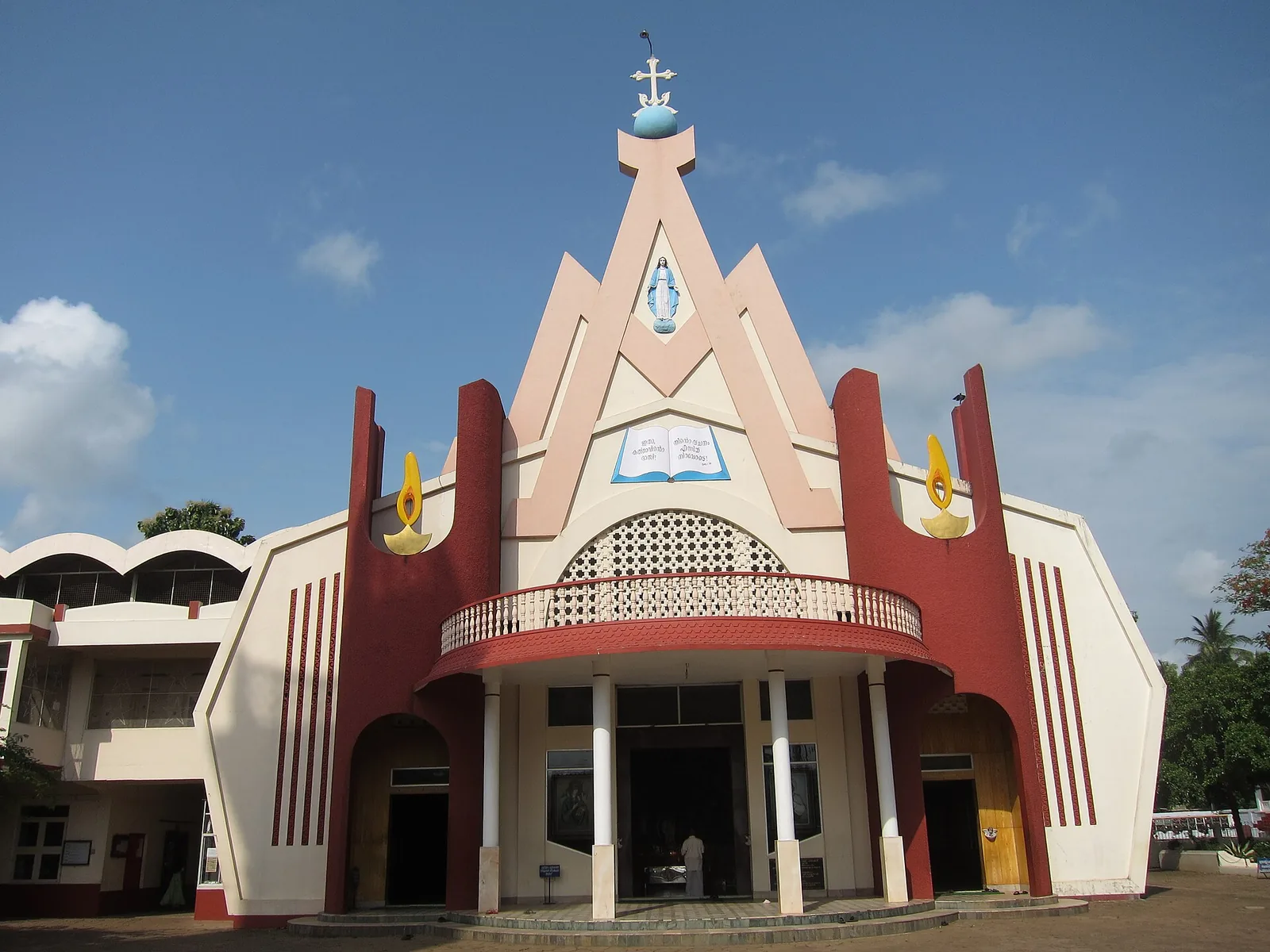
St Mary’s Forane Church on Church Road, the Syro-Malabar forane that governs seventeen daughter parishes across the Chalakkudy countryside and keeps the ambu perunnal, the arrow feast the town observes across community lines. The present building was rebuilt in 1987; the belfry is 1913 and the bell 1887.
20.1 km · straight line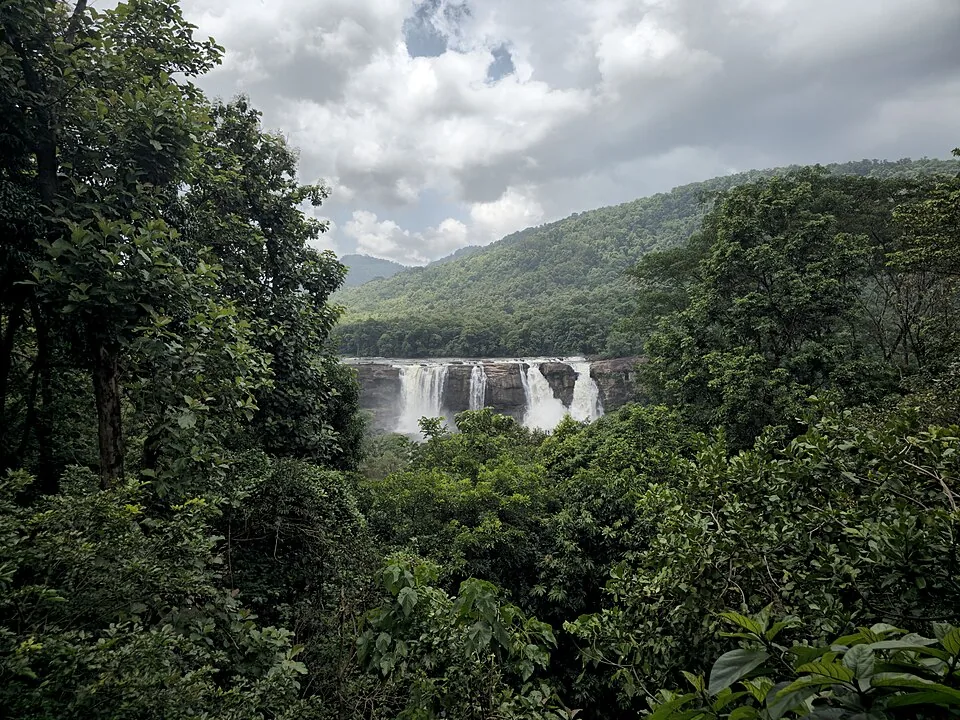
The official hard 9 km guided trek from Athirappilly’s entrance through buffer-zone semi-evergreen forest and the 1976 teak plantation to Nadukani hill, with a distant, opposite-side view of Athirappilly Falls.
20.3 km · straight line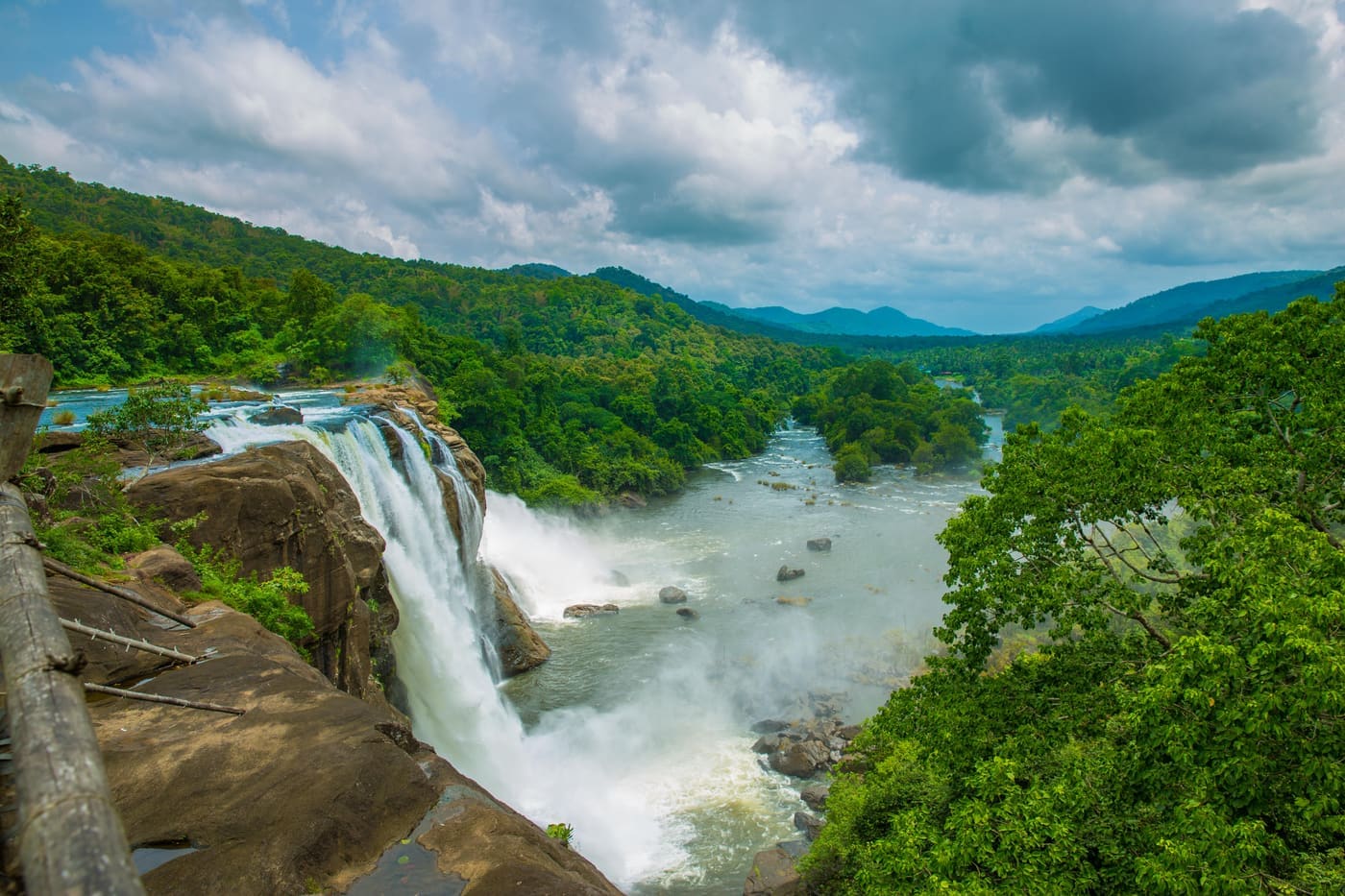
Large waterfall on the Chalakudy river, also reached as a Kochi day trip.
20.9 km · straight line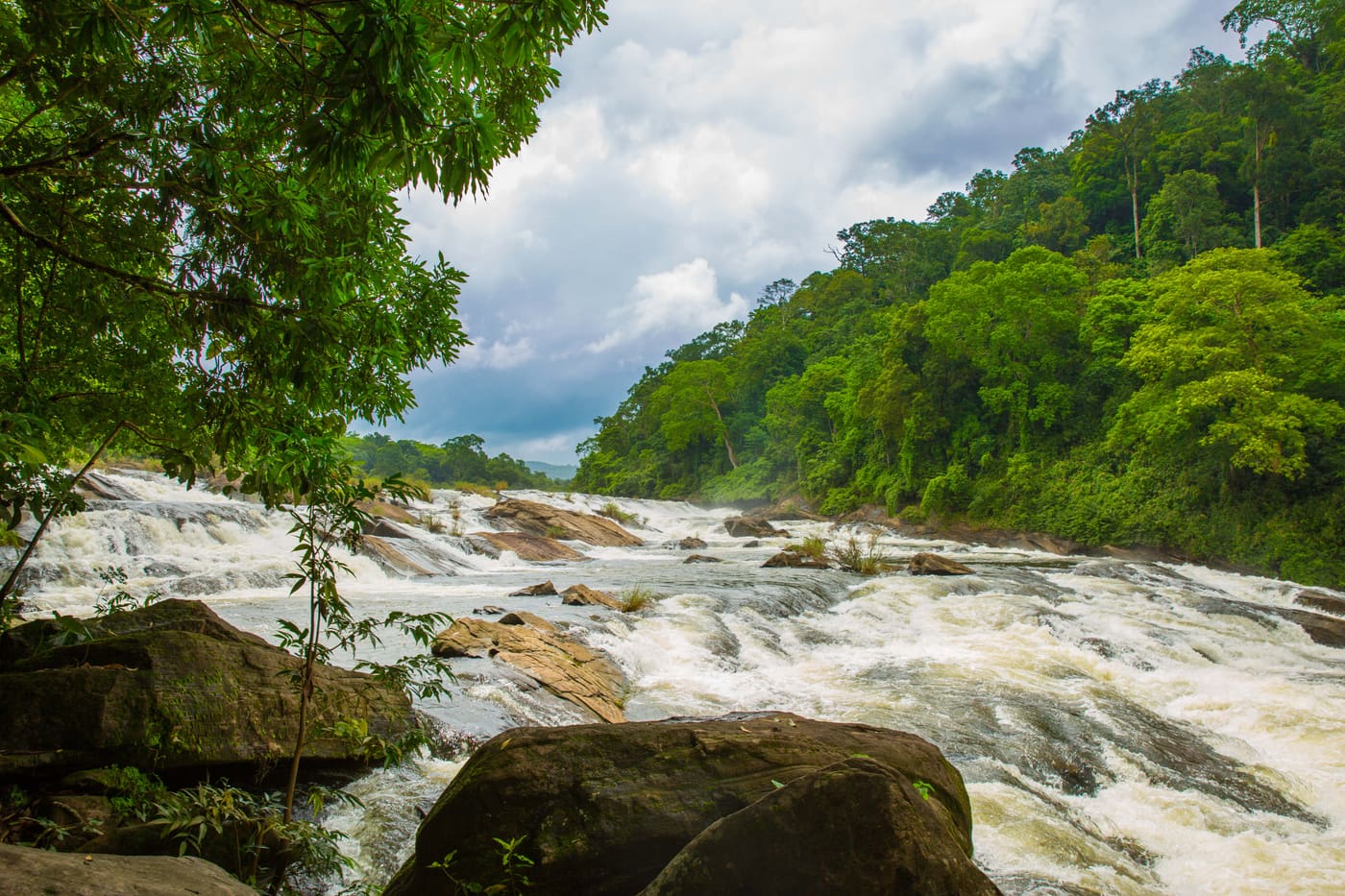
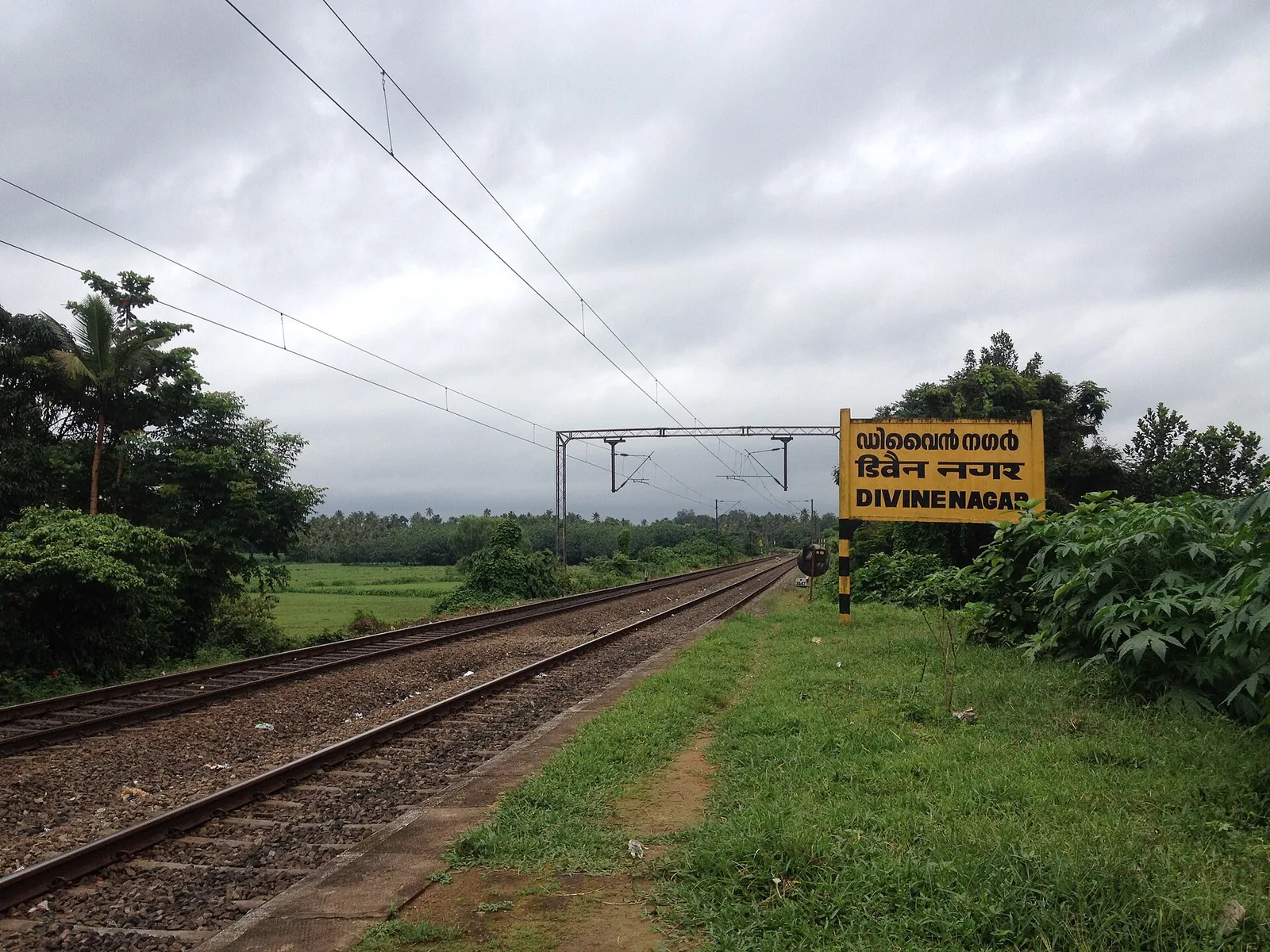
The Vincentian Congregation’s residential retreat centre on NH 544 at Muringoor, which by its own account takes about five thousand people a week for a six-day retreat in seven languages and houses two thousand more in five charitable homes — on volume, the largest organised draw in Chalakkudy taluk after the falls. Indian Railways opened a halt called Divine Nagar for it in 1996.
21.2 km · straight line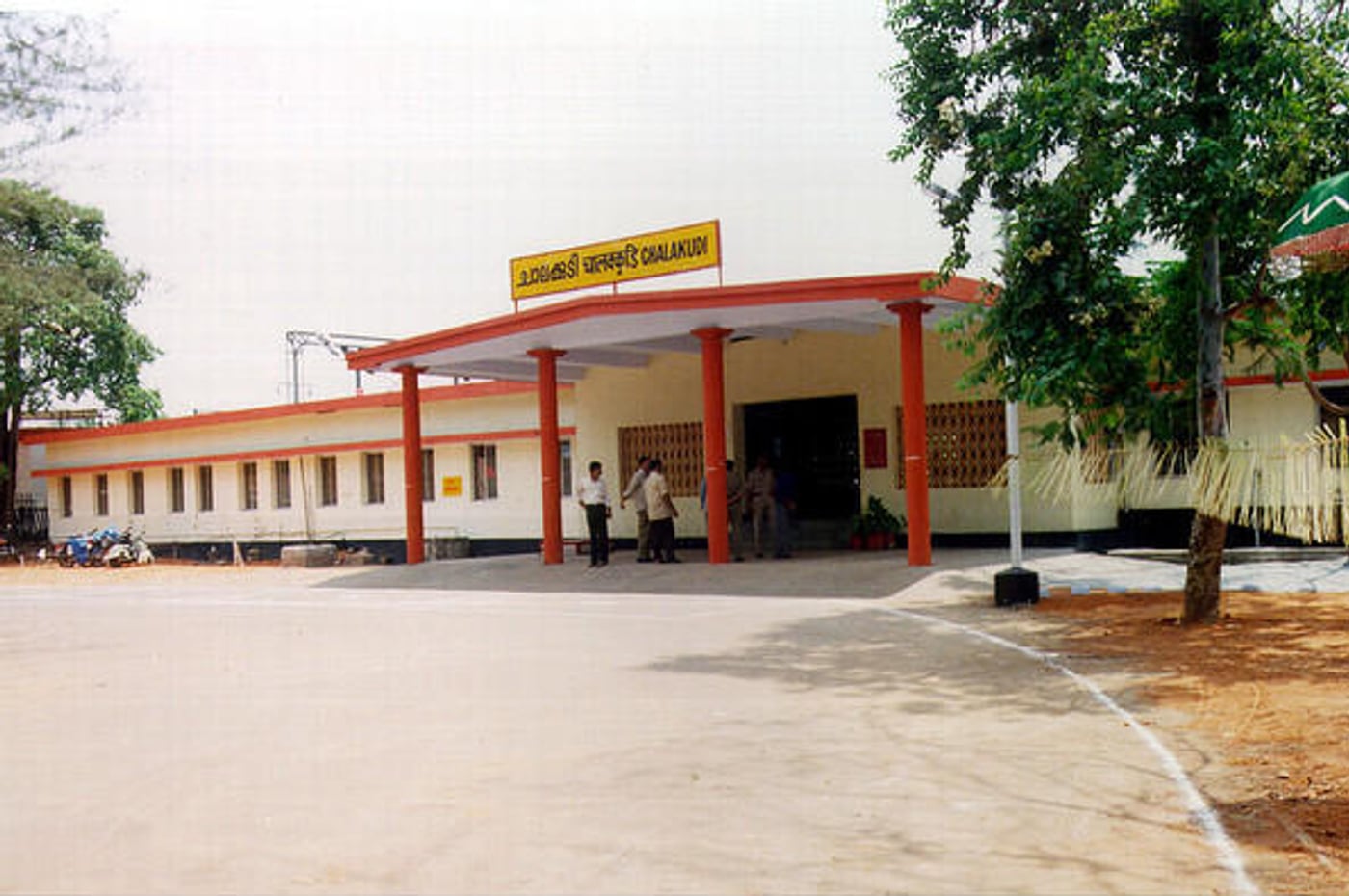
Chalakudi station, code CKI, on the Shoranur–Cochin Harbour section — the railhead the Cochin State Forest Tramway was extended to reach, and the transfer point for Athirappilly. About 1.4 km west of the highway, which catches most visitors out.
21.4 km · straight lineThe immediate dam and reservoir area is generally accessible, but going into the sanctuary interior — for trekking, birding walks or any deeper forest entry — needs Kerala Forest Department permission, arranged through the Wildlife Warden’s office (Peechi Wildlife Division) or the sanctuary base at Echippara. Rules, fees and available routes change with the season and forest conditions, so contact the Forest Department in advance rather than turning up expecting to walk in.
Boating operates according to season, water level and safety conditions and may be suspended during heavy monsoon or low-water periods. Check with the Forest Department or DTPC before planning the trip around a boat ride.
Chimmony is genuine elephant and gaur habitat, and leopards and possibly tigers use the deeper forest, but this is a real wildlife sanctuary, not a safari park — mammal sightings are a matter of luck and are never guaranteed. What you can reliably enjoy is the forest atmosphere and excellent bird life. Come with the right expectations: the reward is the wilderness itself, with any big-animal sighting a bonus.
The cooler, drier months from around October to March are generally the most comfortable, with pleasant weather, clearer forest tracks and good reservoir views; wildlife also tends to be more active near water in the drier season. The monsoon turns the forest lush and dramatic but brings heavy rain, leeches and possible restrictions on boating and trekking. Mornings are best for both birds and mist over the water.
The sanctuary base at Echippara is roughly 40 kilometres east of Thrissur city, reached by road via Amballur and Echippara. There is no direct long-distance transport into the forest, so most visitors drive or hire a vehicle from Thrissur; public buses run to nearer towns, after which you will need a local taxi or auto for the final stretch.
There is basic forest accommodation associated with the sanctuary near the dam (such as an inspection bungalow), but it must be arranged in advance through the Forest Department and cannot be relied on for a walk-in stay. Most visitors treat Chimmony as a day trip from Thrissur, which has the full range of hotels and lodges.
Post-monsoon and winter for scenery; monsoon access may change.
Entry: A nominal entry ticket and separate charges for boating, guided treks, cameras and any interior permits typically apply, collected by the Forest Department; exact amounts change periodically — confirm current rates locally. Timings: Daytime visiting only; the immediate dam and reservoir area is generally open during daylight hours, while any sanctuary-interior access follows Forest Department timings. Exact opening hours vary seasonally and are not fixed — confirm locally before travelling.
Base yourself in Thrissur city or a nearby town in Thrissur, then confirm the last-mile route locally before leaving. Check public access status before travel; dam areas often have security rules and seasonal entry limits. If the visit depends on forest, temple, boat, ferry, weather or seasonal access, check the official/local rule on the day before travel.
1 to 2 hours.
Nearby you can pair Chimmony trek (2.0 km, approximate straight-line separation), Marottichal Falls (13.2 km, approximate straight-line separation), Peechi Dam (14.1 km, approximate straight-line separation), Kanakamala Kurishumudi (15.7 km, approximate straight-line separation).
Do not cross barriers or restricted zones. Follow release-warning and security instructions.
We have not published a story about Chimmony Dam itself yet. These cover Thrissur city and the wider district, with separate journeys between stops.
These guides explore Thrissur city and the surrounding area. Choose a visit that fits your interests, allowing separately for travel between stops.


Route-level itineraries and practical guides for the rest of Kerala.
Photographs: Dvellakat (CC BY-SA 4.0), Gnoeee (CC BY-SA 4.0), Sirajvk at English Wikipedia (CC BY-SA 3.0), Siby Varghese (CC BY-SA 3.0), Arayilpdas (CC BY-SA 3.0). Wikimedia Commons.