What to expect
Highlights
- Temple visit at Peruvanam Mahadeva Temple
- Kerala temple architecture and rituals
- Local food, shops and pilgrim services nearby
An ancient Shiva temple at Cherpu south of Thrissur, the ritual centre of the historic Peruvanam Pooram.
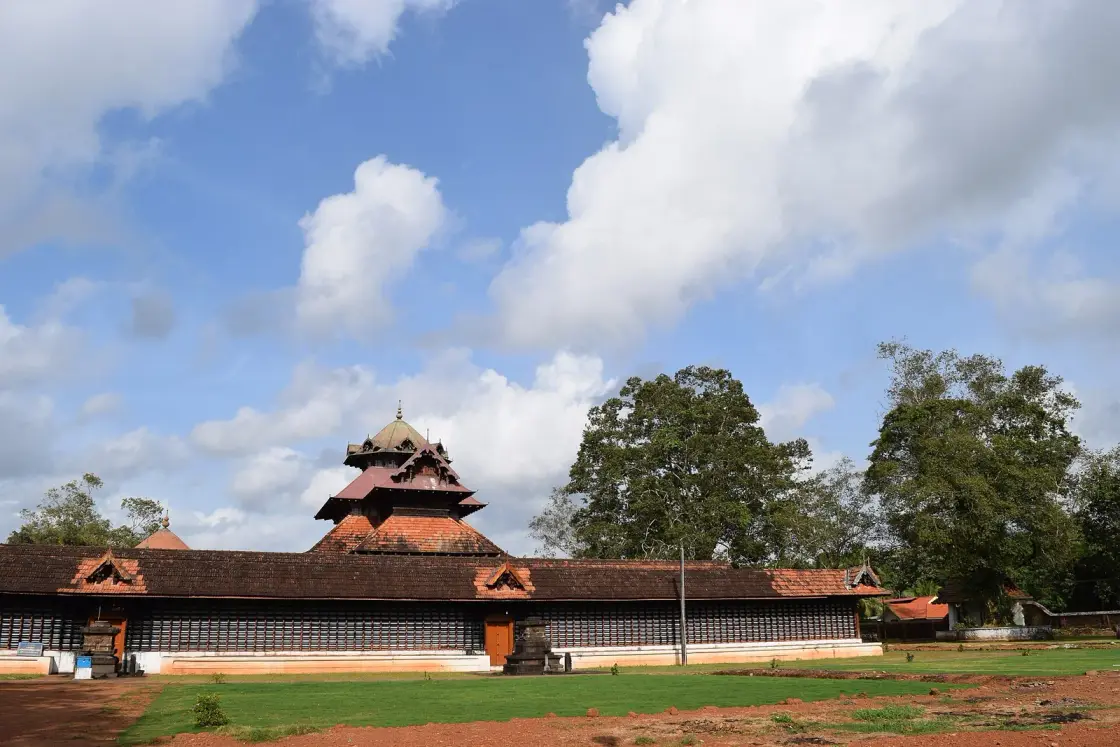
Check entry arrangements. Ask temple staff about visitor entry, dress requirements and access to the inner shrine before you travel, especially if you are visiting as a non-Hindu.
Dress respectfully and follow the institution’s admission and photography rules.
One of the oldest and most revered Shiva temples in Kerala, Peruvanam Mahadeva Temple at Cherpu near Thrissur is famed for its towering square sanctum, its two distinct forms of Shiva, and its role as the ancient heart of the Peruvanam–Arattupuzha Pooram — a festival tradition older than the celebrated Thrissur Pooram.
Set on a broad, wall-girdled compound of some seven acres in the paddy country of Cherpu, a short drive south of Thrissur town, Peruvanam Mahadeva Temple is one of those places where Kerala’s temple culture feels genuinely archaic — not restored antiquity but living antiquity. It is counted among the fabled 108 Shiva temples of Kerala, and by local reckoning its origins reach back well over a thousand years, to the age of the early Chera kingdom and, in devotional tradition, to the very shaping of the land itself.
What sets Peruvanam apart from almost every other Shiva shrine in the region is that it holds not one but two forms of the god. The presiding form is known as Irattayappan — literally the twin lord — because the sanctum enshrines two Shiva lingams together, one larger than the other, an unusual double consecration from which the name derives. Goddess Parvati is worshipped in the same sanctum, behind the lord, so that the shrine is understood as complete in itself.
A short distance away within the same complex rises the second sanctum, that of Madathilappan, and it is this structure that most visitors remember. Its sreekovil is a tall, square, multi-storeyed tower — widely described as among the tallest temple sanctums in South India — reached by a broad flight of steps and fronted by a large pillared hall. Where most Kerala sreekovils are low, circular and shaded, this one soars, giving the temple a silhouette quite unlike its neighbours.
The temple sits at the centre of a ring of older shrines — a Bhadrakali and a Subramanya temple to the west, a Sastha temple to the north, a Vishnu temple to the east and a Durga temple to the south — a layout that hints at how important the Peruvanam precinct once was as a cluster of village shrines, or gramam, bound together in shared ritual. In its great days, a confederation of temples looked to Peruvanam as their ceremonial anchor.
For the traveller, the quiet of an ordinary morning here — the smell of oil lamps, the cool granite underfoot, the tall shadow of Madathilappan’s tower — gives little hint of what the place becomes once a year, when the surrounding villages converge on it in one of the oldest and most stirring percussion festivals in the world. Peruvanam is, above all, the ancestral home of Kerala’s temple-drumming tradition, and the ground on which the panchari melam is said to have first been beaten.
It is also a place of genuine artistic lineage. The village gives its name to Peruvanam Kuttan Marar, the Padma Shri chenda maestro whose family has led the rhythm ensembles of the region for generations — so that to stand in the temple yard is to stand at the source of a musical tradition that echoes through every major pooram in central Kerala.
Tradition frames the temple as belonging to the very origins of Kerala — to the age when, in legend, the sage Parashurama is said to have raised the land from the sea and dotted it with shrines to Shiva, of which Peruvanam is counted among the greatest 108. Such stories are told as sacred lore rather than dated history, and are cherished as much for their meaning as for any claim to fact.
A much-loved local legend explains the second sanctum. It is said that a great Shiva lingam was being carried down from the far Himalayan shrine of Badrinath towards this land, and that on the way it became lodged — caught, in one telling, in the branch of a tree at Peruvanam and refusing to be moved further. Reading this as the lord’s own choice of abode, the devotees are said to have raised the towering Madathilappan sanctum on that very spot. Like all such origin tales, it is offered as legend, a story that gives the tall tower its meaning.
The double form of Irattayappan, too, gathers its own devotional explanations — the twinned lingams understood as an expression of the fullness of the divine presence at Peruvanam, worshipped alongside the goddess. These are matters of faith and folklore rather than record, and are best received in that spirit.
Historically, Peruvanam is remembered as a centre of temple culture from a very early period of Kerala’s past. Its most secure chronological anchor comes not from the building but from its festival: the earliest reference associated with the Peruvanam Pooram is dated to around AD 583, which makes the tradition here one of the oldest continuously remembered temple observances anywhere, older by centuries than the famous Thrissur Pooram that eclipsed it.
The temple flourished under the patronage of the region’s early rulers, in the broad era of Chera and later chieftain power, when Peruvanam served as the ritual head of a wide confederation. As many as 108 temples of the Peruvanam precinct, or sanketham, are traditionally said to have gathered for the joint festival, converging at the Arattupuzha Sastha temple — a scale of assembly that speaks to the extraordinary standing the shrine once held.
The present temple architecture is generally attributed to a later medieval phase of building, with the completed stone structure often placed around the twelfth century, in classic Kerala style — square granite sanctums, a large pillared mandapam and, historically, murals and fine woodwork of the kind for which the region’s temple craftsmen were renowned. The soaring square sreekovil of Madathilappan remains its most distinctive architectural feature.
By roughly five centuries ago the great confederated pooram is said to have faltered, and in the eighteenth century the initiative in the region passed to Thrissur, where Sakthan Thampuran organised the Thrissur Pooram that would become world-famous. Yet Peruvanam and its sister festival at Arattupuzha endured, keeping alive the older, statelier tradition from which the newer spectacle had grown.
In recognition of its antiquity and importance, the temple has been recognised as a protected monument, listed under the Archaeological Survey of India since the early 1980s — a formal acknowledgement of a place that had already been sacred to the surrounding villages for well over a millennium.
To see one of Kerala’s genuinely ancient Shiva temples — a shrine counted among the great 108, with roots reaching back to the early Chera age and a festival tradition documented from the sixth century.
For the rare architecture: two separate sanctums holding two forms of Shiva, including the towering multi-storeyed square sreekovil of Madathilappan, unlike the low circular shrines of most Kerala temples.
For the unusual Irattayappan form — the twin lord, with two Shiva lingams enshrined together and Parvati worshipped alongside — a consecration you will find almost nowhere else.
To stand at the birthplace of the panchari melam and the heartland of Kerala’s chenda-drumming tradition, the home village of Padma Shri percussion maestro Peruvanam Kuttan Marar.
To experience, if your visit falls in the Malayalam month of Meenam, the ancient Peruvanam–Arattupuzha Pooram — a slower, older cousin of the Thrissur Pooram, with caparisoned elephants, deities gathering to honour Irattayappan and all-night processional drumming.
For the atmosphere of an unhurried village temple away from the tourist trail — cool granite, oil lamps and a ring of older shrines — where Kerala’s temple past feels close at hand.
Road km to Thrissur; ghat roads and traffic vary — allow extra.
Morning or early evening is usually best; festival days can be powerful but crowded.
Live forecast loads in your browser.
Sun and moon are calculated for this location and shown in IST. Photography windows are the hour around sunrise and sunset; the sunset bearing is degrees clockwise from true north. Moon phase is accurate to about half a day.
These are official or public-sector eco offerings that match this place, town or forest destination. Confirm availability, permits, tariffs and reporting times with the official operator before travel.

Peechi reservoir, garden and the sanctuary’s southern public edge; a dam visit rather than proof that a guided forest trail is operating.
Official source →
The Vazhani dam approach, garden and forest threshold from which official tourism material names four local trails and a trek towards Peechi.
Official source →Browse listed stays, food, activities, sights, shops and rentals around Peruvanam Mahadeva Temple. Check each listing’s locality and contact the business directly for current arrangements.
The Shiva temple on the wooded hill inside the Swaraj Round — the reason the city is here. An active temple with its own access customs; the circuit outside the wall, across the Thekkinkadu Maidan, is a legitimate visit in itself.
One of the two principal devaswoms of Thrissur Pooram, on the eastern side of the Round — the Paramekkavu side brings its deity before Vadakkunnathan at the festival. A working Bhagavathy temple the rest of the year.
The palace rebuilt in 1795, literally half Dutch and half Kerala in its construction, and the state archaeological museum since 2005. One of the few ticketed sights in a city that mostly is not one.
The old northern tank of the town — its name says exactly that — now a working water body and an evening walkside rather than a ticketed sight.
The basilica off the Round whose Bible Tower stands 260 feet — the tallest church tower in India. An active parish as much as a landmark.
Four-star hotel on Paliyam Road near the North (Vadakke) bus stand in central Thrissur, with air-conditioned rooms, a restaurant and banquet facilities. Its Kerala Tourism provider record classifies it as a four-star property, a convenient upper-tier city base for Thrissur Pooram and business visitors.
Long-running three-star hotel on Marar Road in the heart of Thrissur city, operating since 1984 with air-conditioned deluxe rooms, suites and double rooms. Its Kerala Tourism provider record and own website list a central location near the railway station with a restaurant and event facilities, making it a dependable mid-range city base.
Thrissur taxi provider near the railway station with Guruvayur and Athirappilly route evidence. Thrissur taxi, Railway station, Guruvayur transfer.
Thrissur call-taxi and app cab provider near the railway station. Thrissur taxi, Railway station, App cab.
Round The Global Diner is a Thrissur restaurant on Shornur Road at Peringavu, useful for travellers who want a city dinner stop beyond traditional vegetarian meals. Thrissur food, Peringavu, Restaurant.
Chinese restaurant on Bennette Road with direct contact and timing evidence. Thrissur food, Chinese, Bennette Road.
Sakthan Nagar city hotel with direct contact page and restaurant/spa facilities. Thrissur city, Sakthan Nagar, Hotel.
Joys Palace is a Thrissur city hotel near the transport and cultural core, useful for Pooram-season planning, city stays, dining and events. Thrissur city, Hotel, T.B. Road.
Official temple contact for Thrissur city central Shiva temple and Pooram anchor. Temple rules apply · Thrissur, Vadakkunnathan Temple, Temple.
Official Thrissur tourism contact context for city, Pooram and district trip planning. Thrissur, DTPC, Tourist information.
Café (coffee shop, pizza) on Kottappuram Road in Thrissur City. Coffee Shop, Pizza, AC.
Restaurant (regional) on Ikkanda Warrier Road in Thrissur City.
Restaurant (coffee shop, indian) on Thrissur-Shornur Road in Thrissur City.
Five-star business hotel near the Sakthan bus stand in Thrissur city. It has a multi-cuisine restaurant, spa and pool, on TB Road at Kokkalai.
Hotel near Thrissur Railway Station on T.B. Road, established 1980, with multi-cuisine restaurant and banquet halls.
Heritage hotel at Chembukavu in Thrissur city, established 1936. It offers rooms and an on-site family restaurant.
KTDC government-run budget hotel near the Indoor Stadium in central Thrissur. It has a restaurant and conference rooms.
Convention centre with hotel rooms at Puzhakkal, Thrissur, offering banquet halls, restaurant and business facilities.
Budget business hotel opposite the railway station on Poothole Road, Thrissur. It offers rooms and a multi-cuisine restaurant.
Book with the place itself. India’s cyber-crime coordination centre warned in April 2025 that convincing copies of hotel and pilgrimage booking sites are being pushed through sponsored search and social ads, taking payment for rooms the property never hears about. Use the contact and source details on each profile to confirm the exact business and booking channel. A directory entry or map pin alone does not establish an operator’s identity or current availability. Roampedia takes no commission and does not collect booking payments. If a booking page reached you through an ad, check the address bar against the property’s own site before you pay. Fraud can be reported on cybercrime.gov.in or on 1930.
Find food, accommodation and activities across Thrissur city. Browse the guides for places to eat, stay and explore along your route.
23 more places around Thrissur city. Open a guide to plan the visit and onward journey.
An old temple landscape near Kandanassery with nearby megalithic remains; living worship and archaeological evidence must be described as separate layers.
A narrow pedestrian suspension bridge over the Karuvannur river at Chemmapilly, best visited as a working local crossing rather than a staged thrill attraction.
6.6 km · straight line
A longstanding Catholic pilgrimage church at Mapranam associated with the Holy Cross and annual feast observances.
A lesser-known rocky hill destination in Thrissur district where the exact approach, safe stopping point and public access require local confirmation.
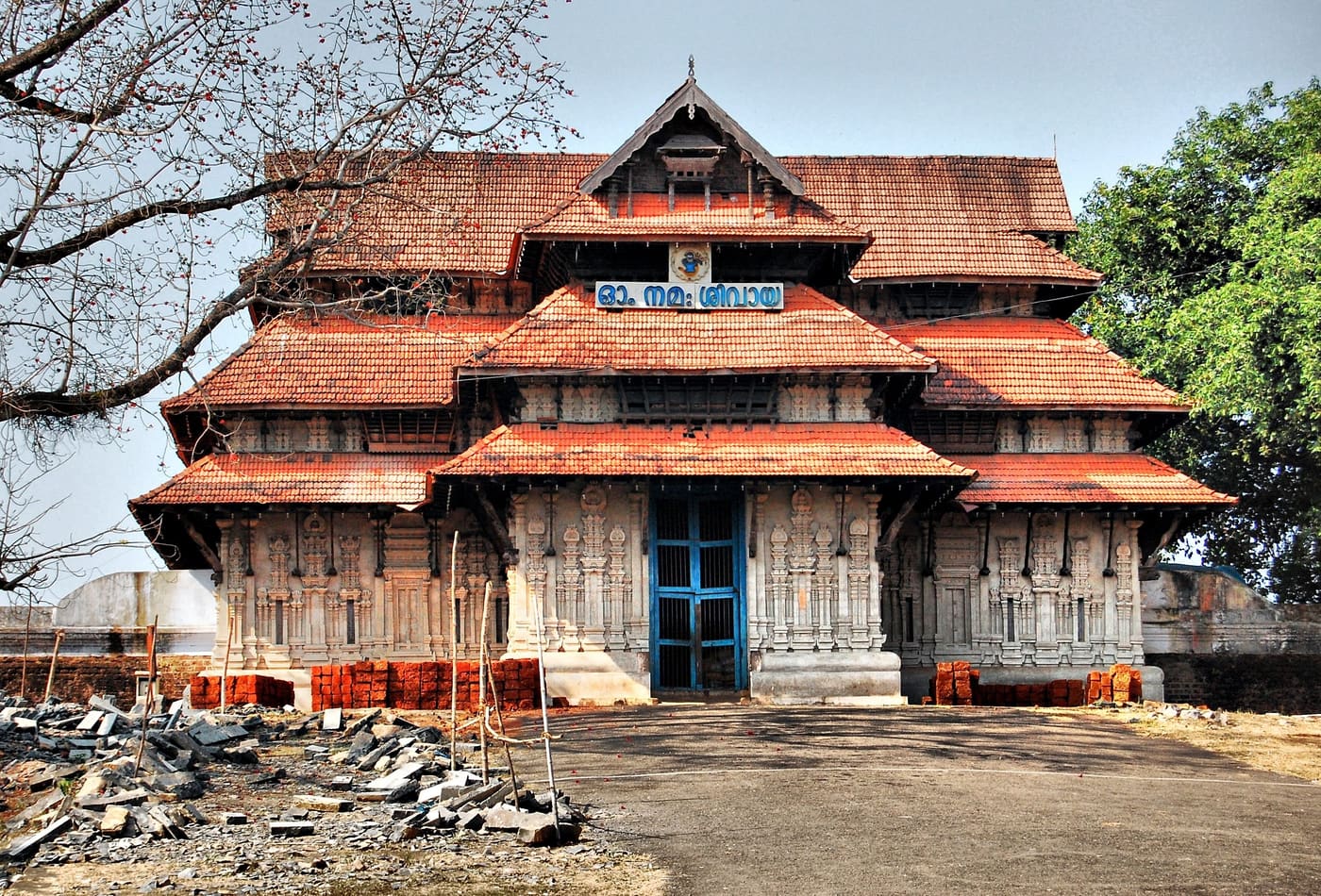
9.7 km · straight line
Ancient temple at the centre of Thrissur’s round, associated with Thrissur Pooram.
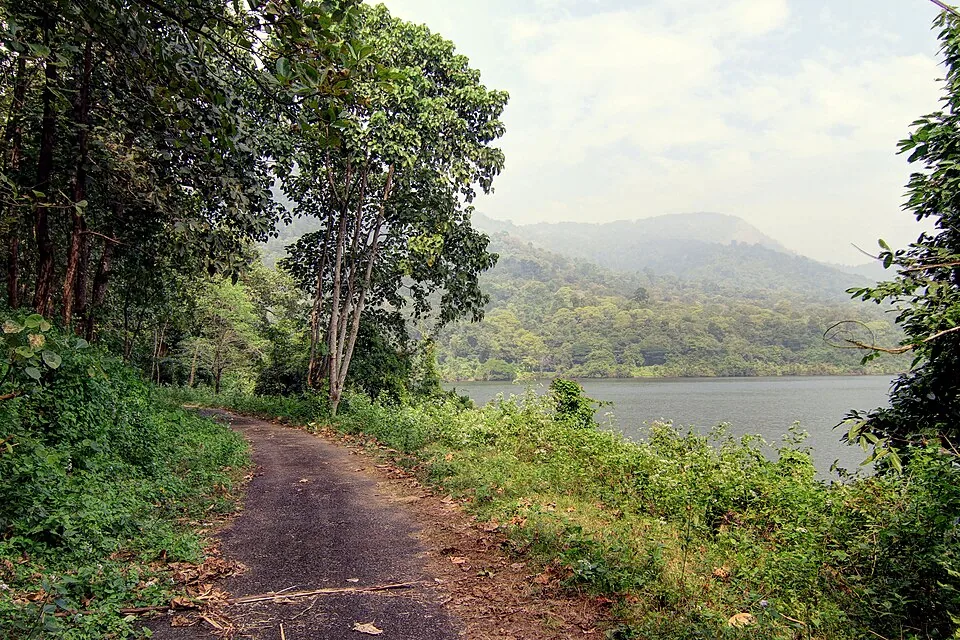
The official guided 5 km, roughly 3-hour forest route from Virakuthodu, one kilometre beyond the check post, to Choorathala inside Chimmony Wildlife Sanctuary.
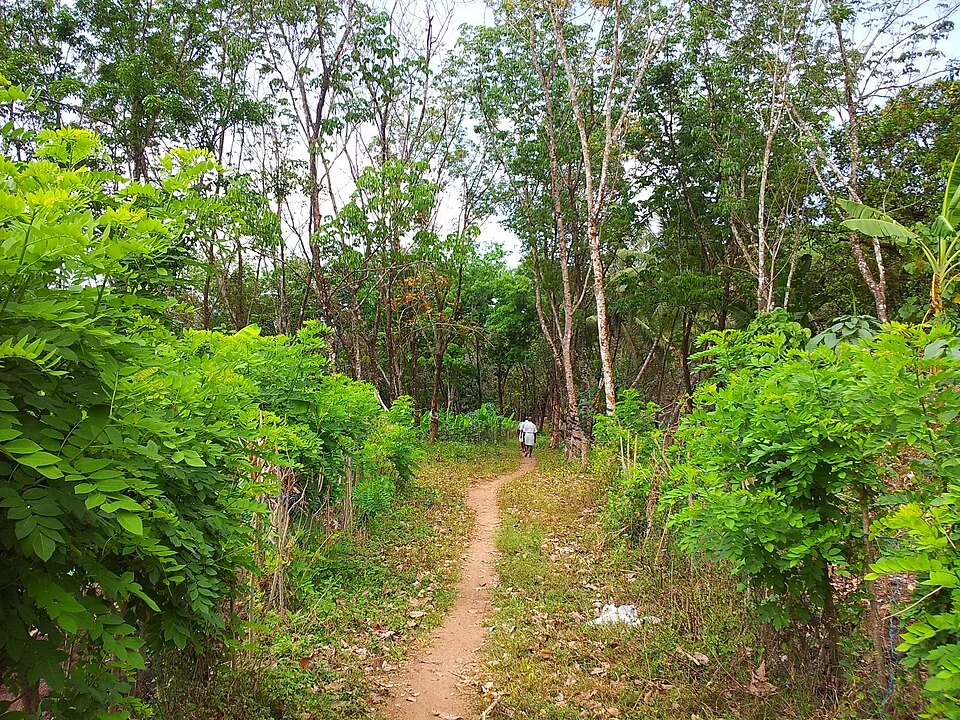
A guided forest crossing described from Vazhani towards Peechi, plus shorter named trails on the Vazhani side. Current operation, meeting point and return transport must be confirmed with the sanctuary office.
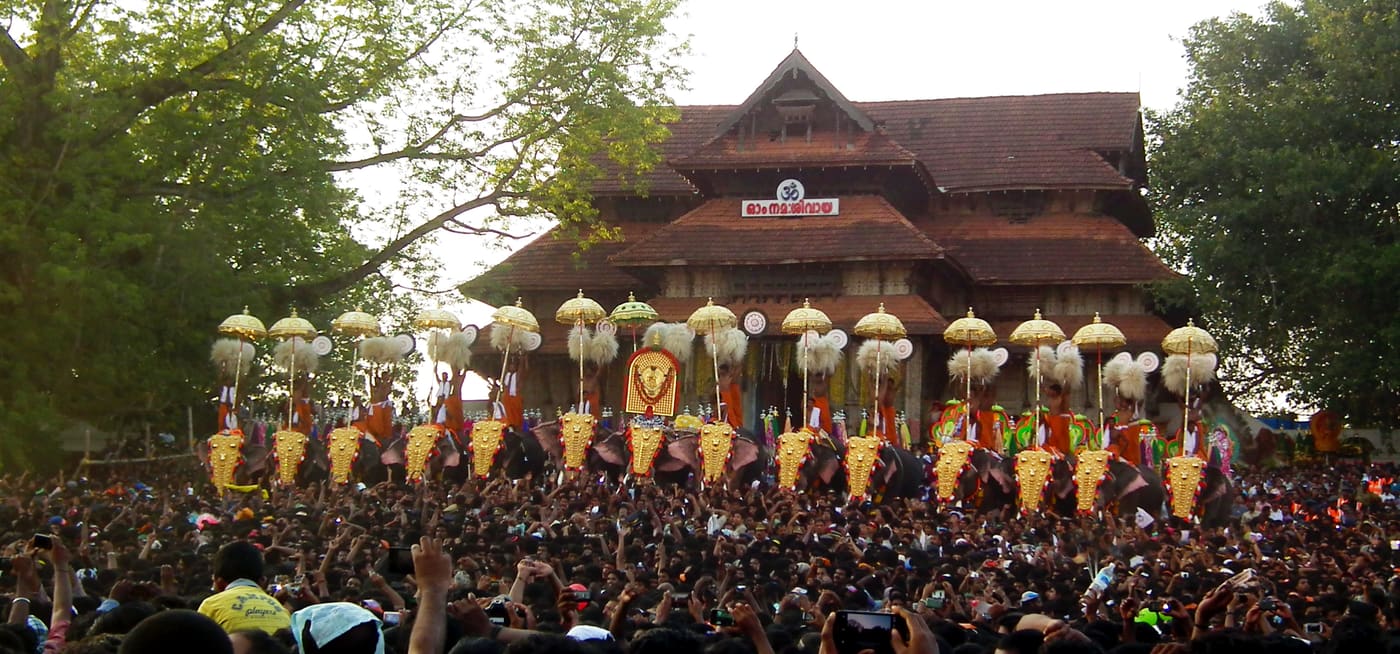
9.7 km · straight line
Kerala’s most famous temple festival, held around April/May at the Thekkinkadu ground around Vadakkunnathan.
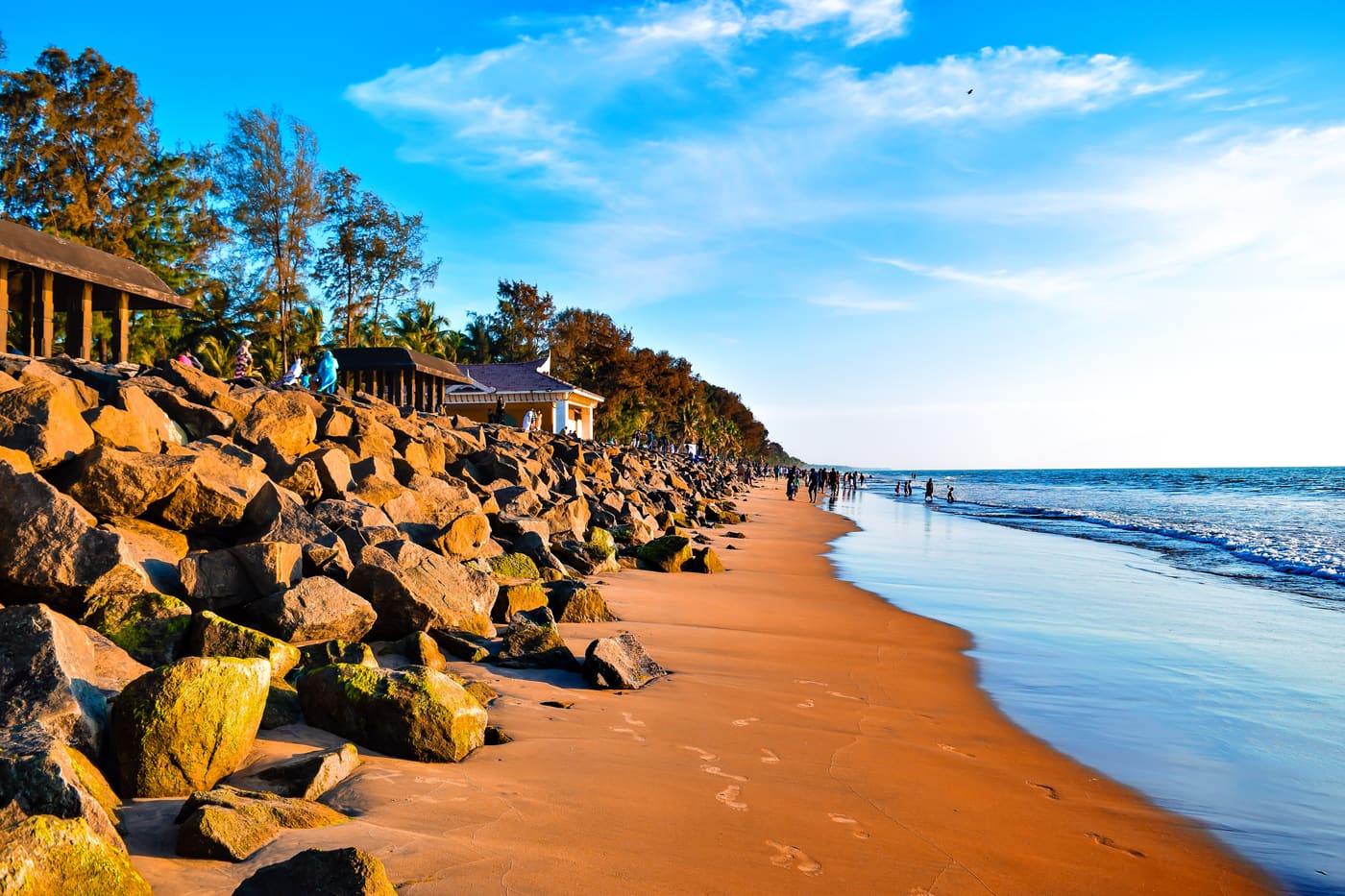
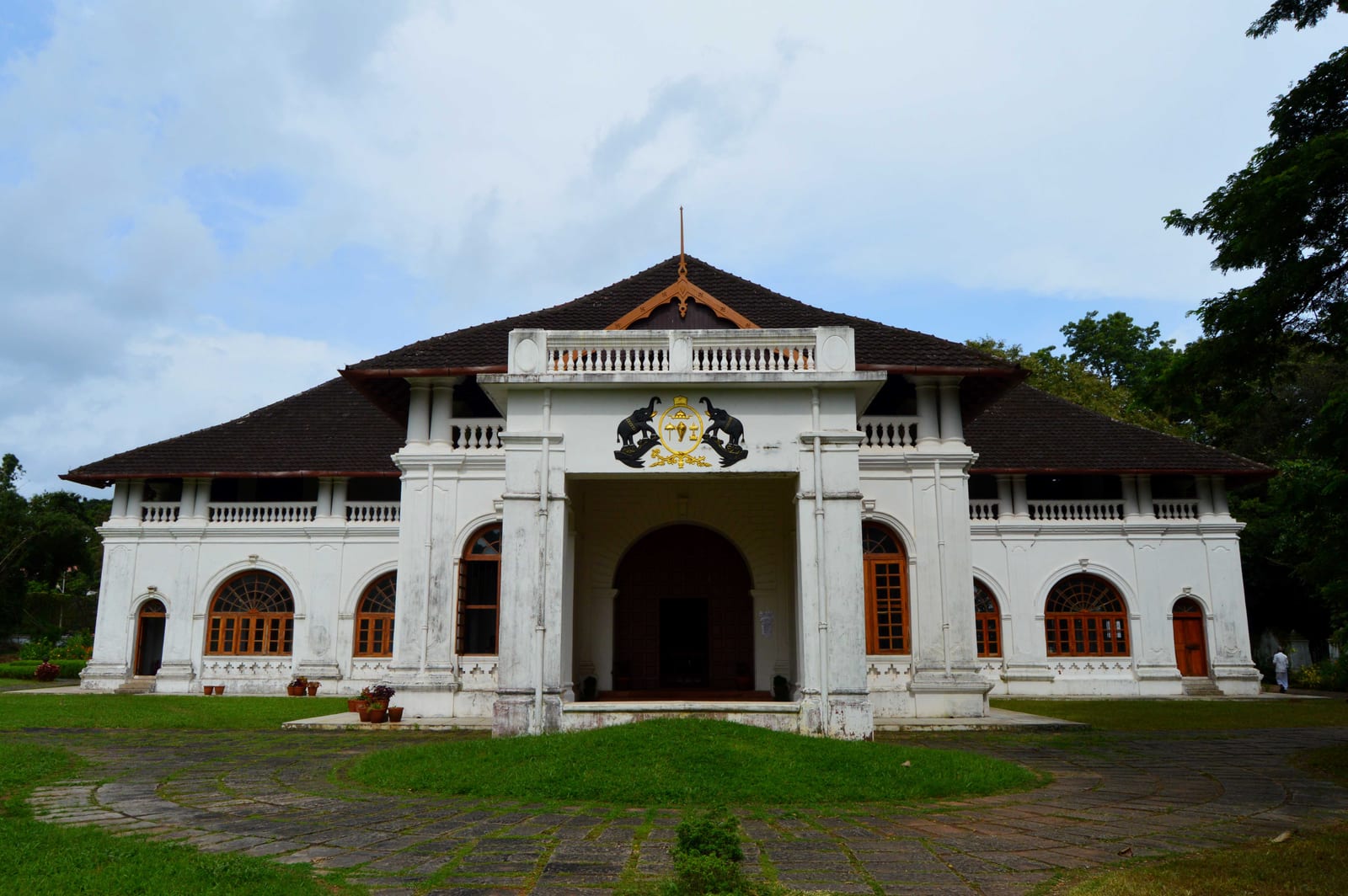
10.5 km · straight line
Restored palace and archaeological museum in Thrissur city, built by Raja Rama Varma Sakthan Thampuran.
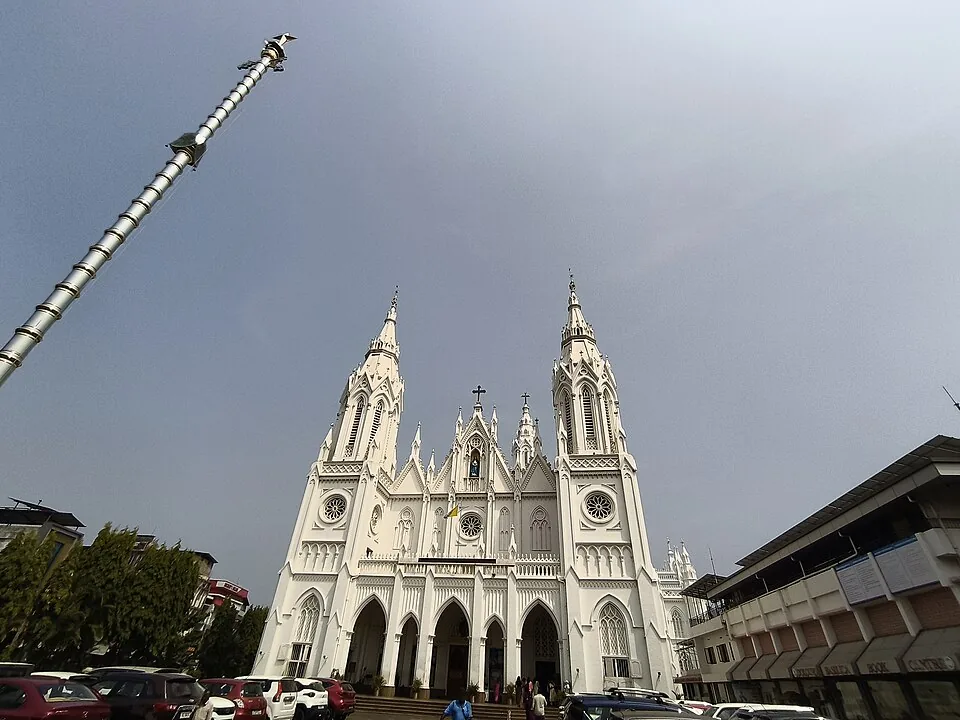
9.3 km · straight line
The “Puthan Pally” basilica in Thrissur, known for its Bible Tower — among the tallest church towers in Asia.
10.4 km · straight line
State museum, art gallery and natural-history collection at Chembukkavu; the zoo animals moved to the new zoological park at Puthur, open since February 2026.
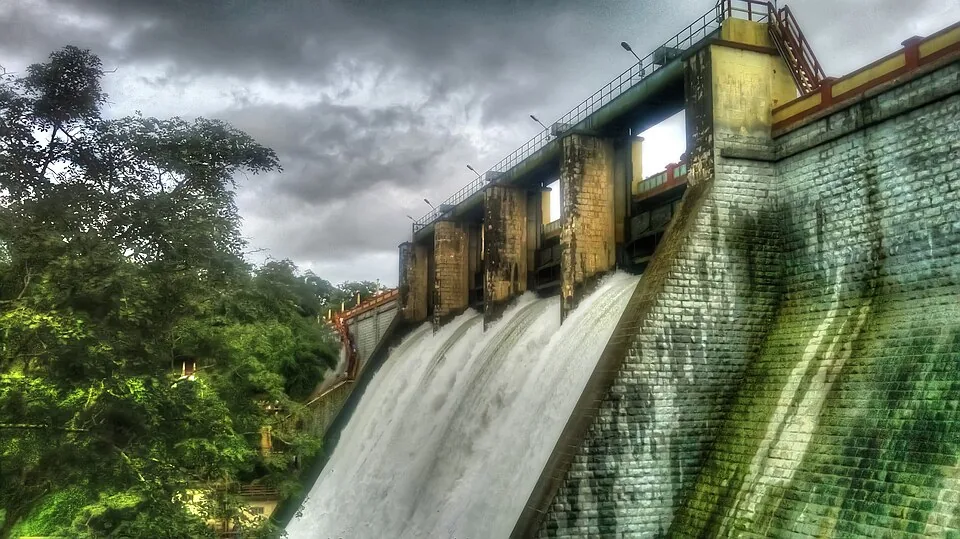
Reservoir and garden at the edge of the Peechi-Vazhani sanctuary, with boating, about 20 km east of Thrissur.
14.2 km · straight line
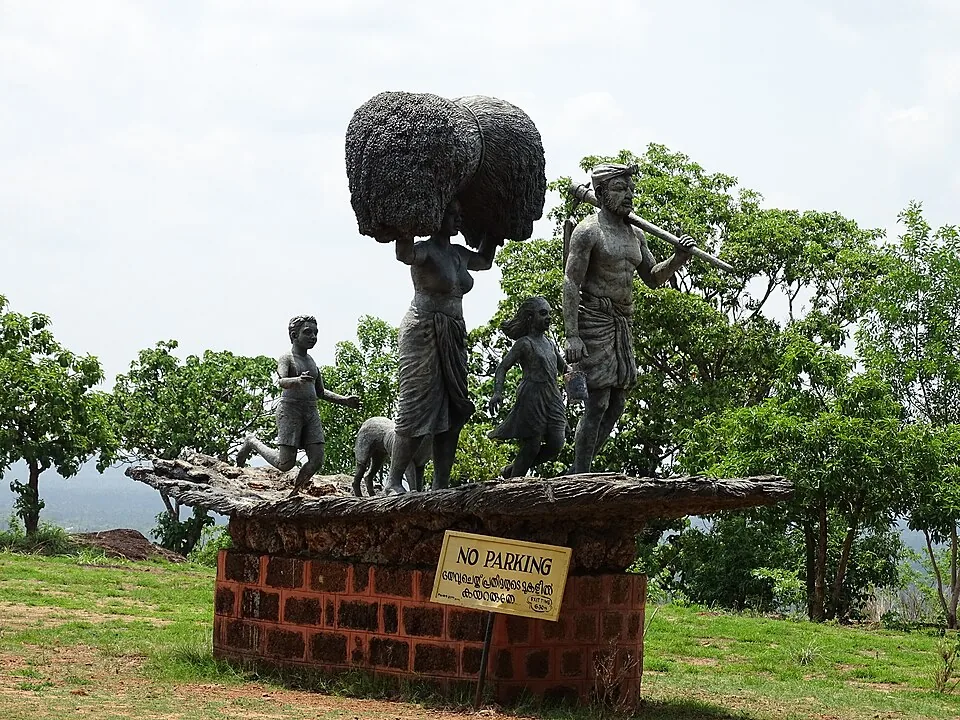
A low hill and park on the edge of Thrissur city, popular for sunset views and morning walks.
10.2 km · straight line
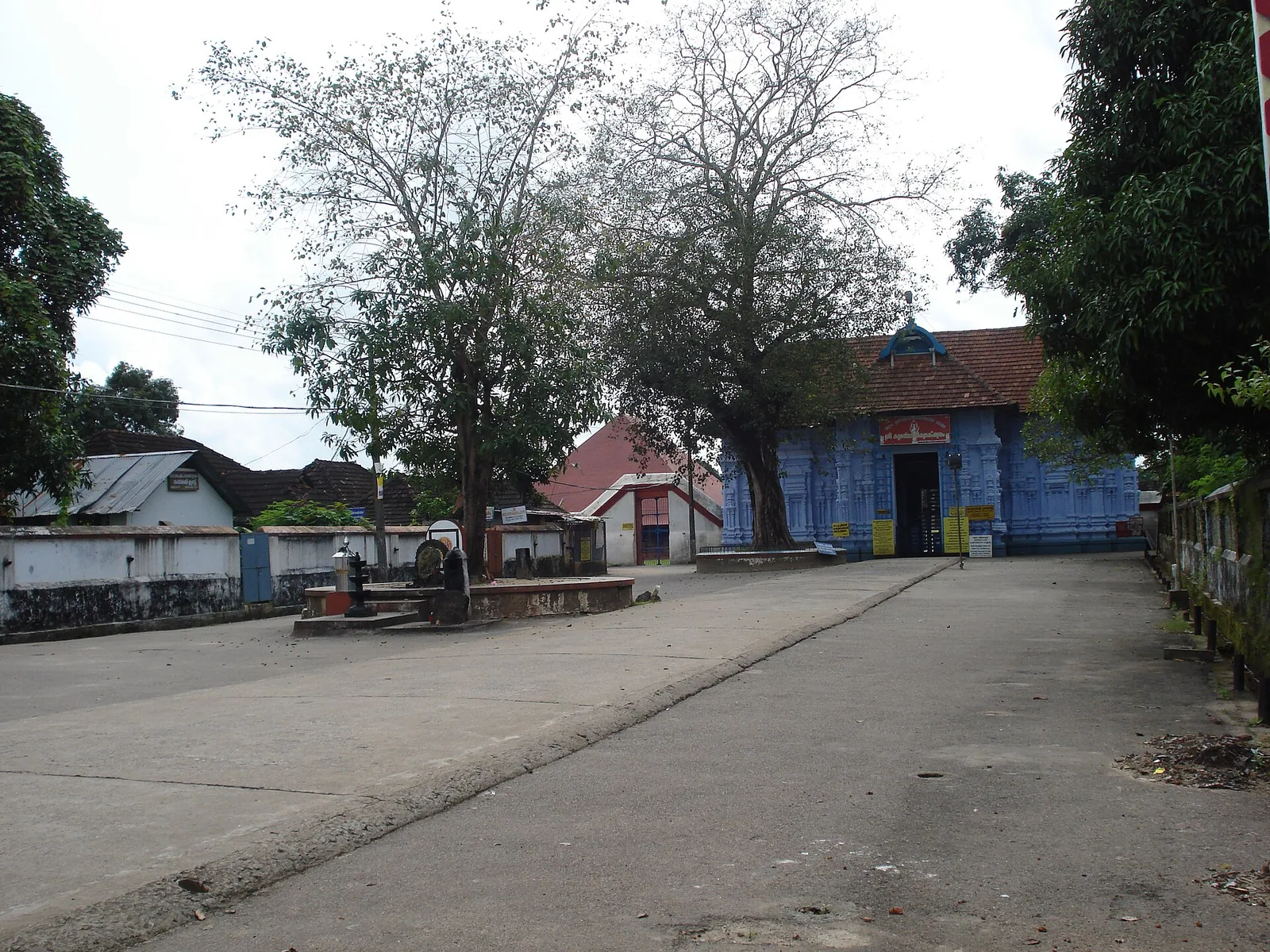
Rare temple at Irinjalakuda dedicated to Bharata, one of the Nalambalam (four-temple) Rama circuit shrines.
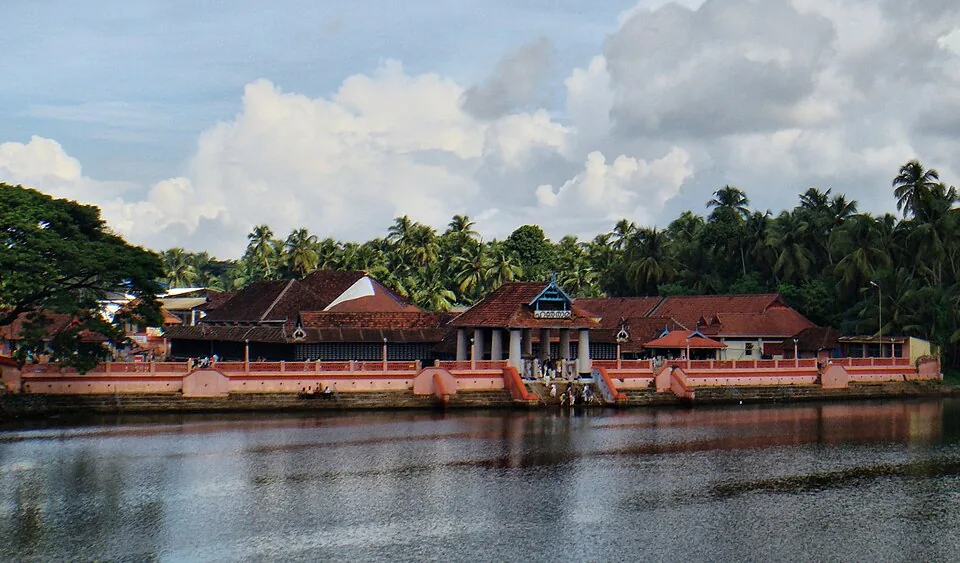
10.9 km · straight line
Sree Rama temple on the Theevra river near Triprayar, another of the Nalambalam circuit shrines.
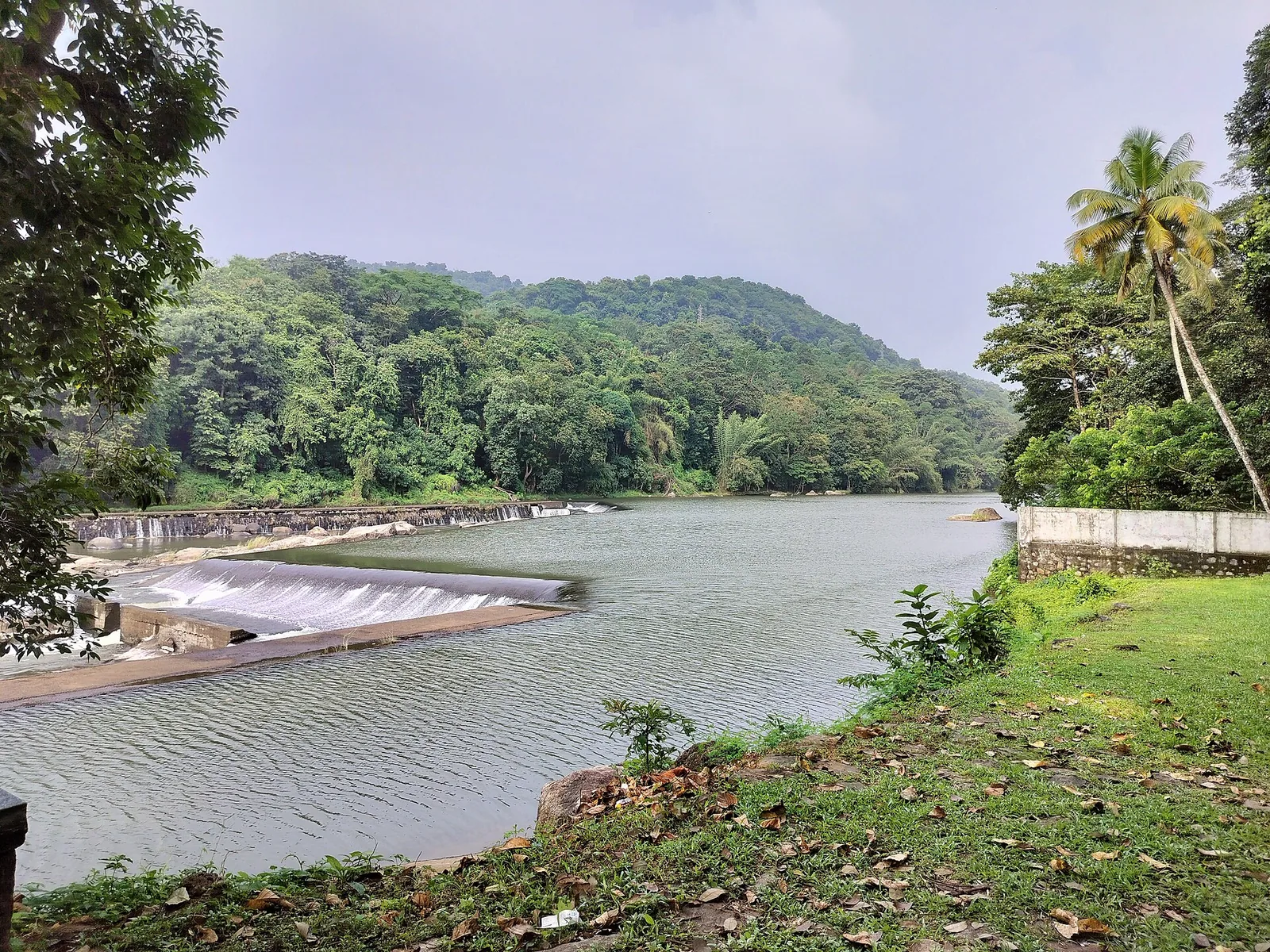
A check dam, hanging garden and butterfly garden on the Chalakudy river near Athirappilly, a popular picnic and day-trip stop.
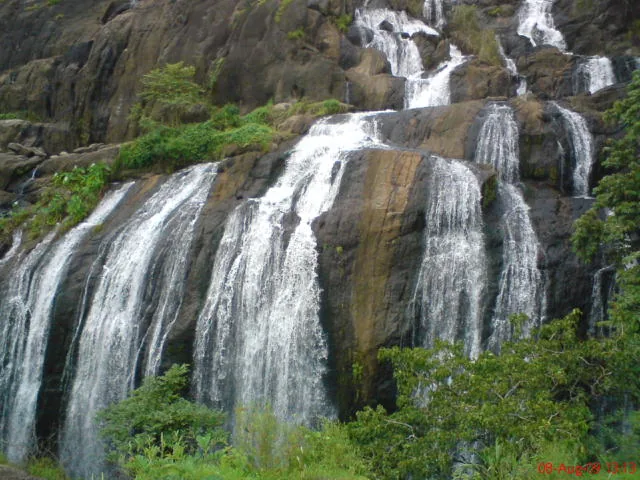
A forest waterfall and fish sanctuary near Marottichal in the hills east of Thrissur, reached by a short walk.
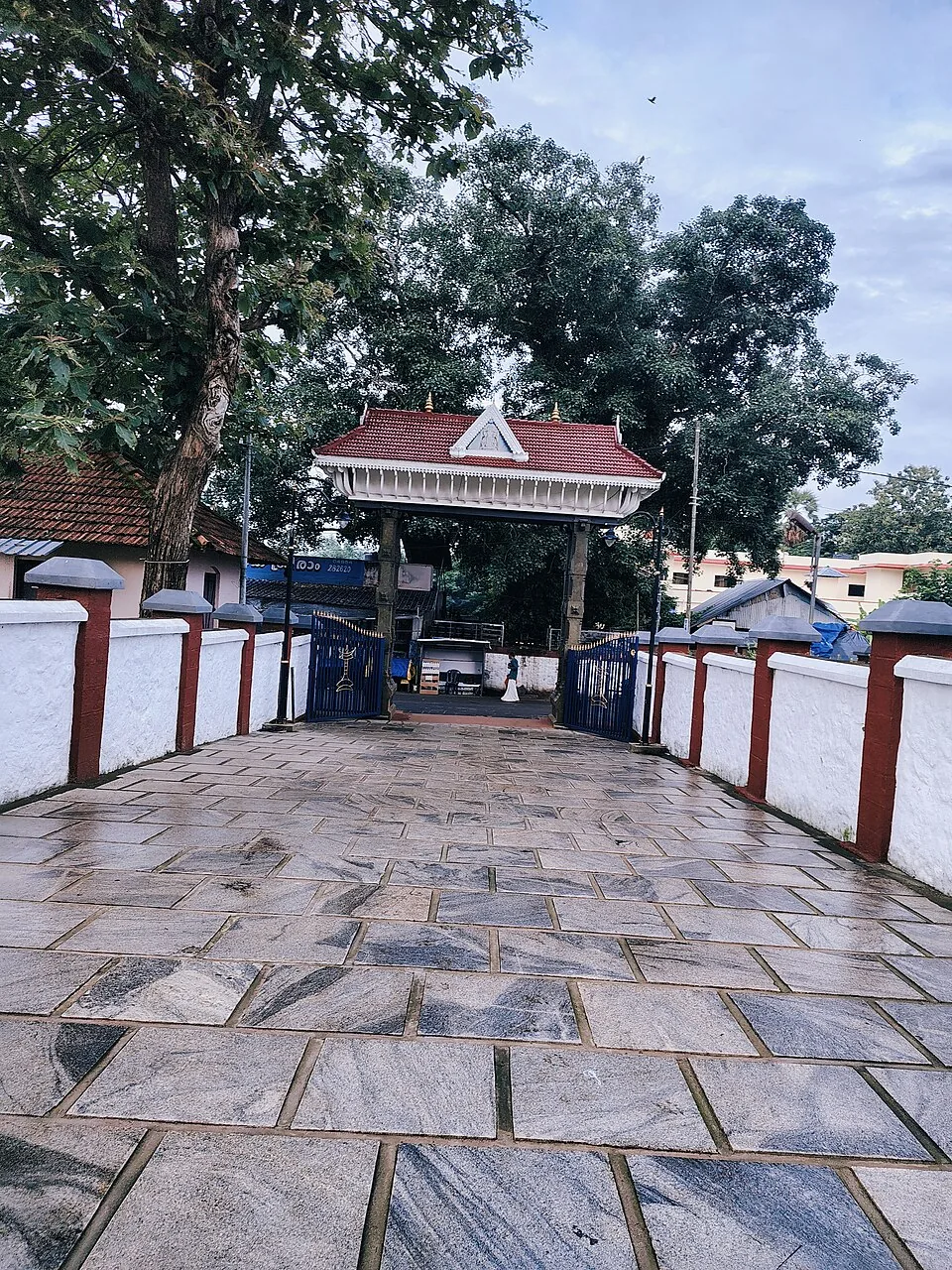
The Sree Rama (Vilwadrinatha) hill temple at Thiruvilwamala on the Nila river, reached by stone steps up the wooded rock.
14.1 km · straight line
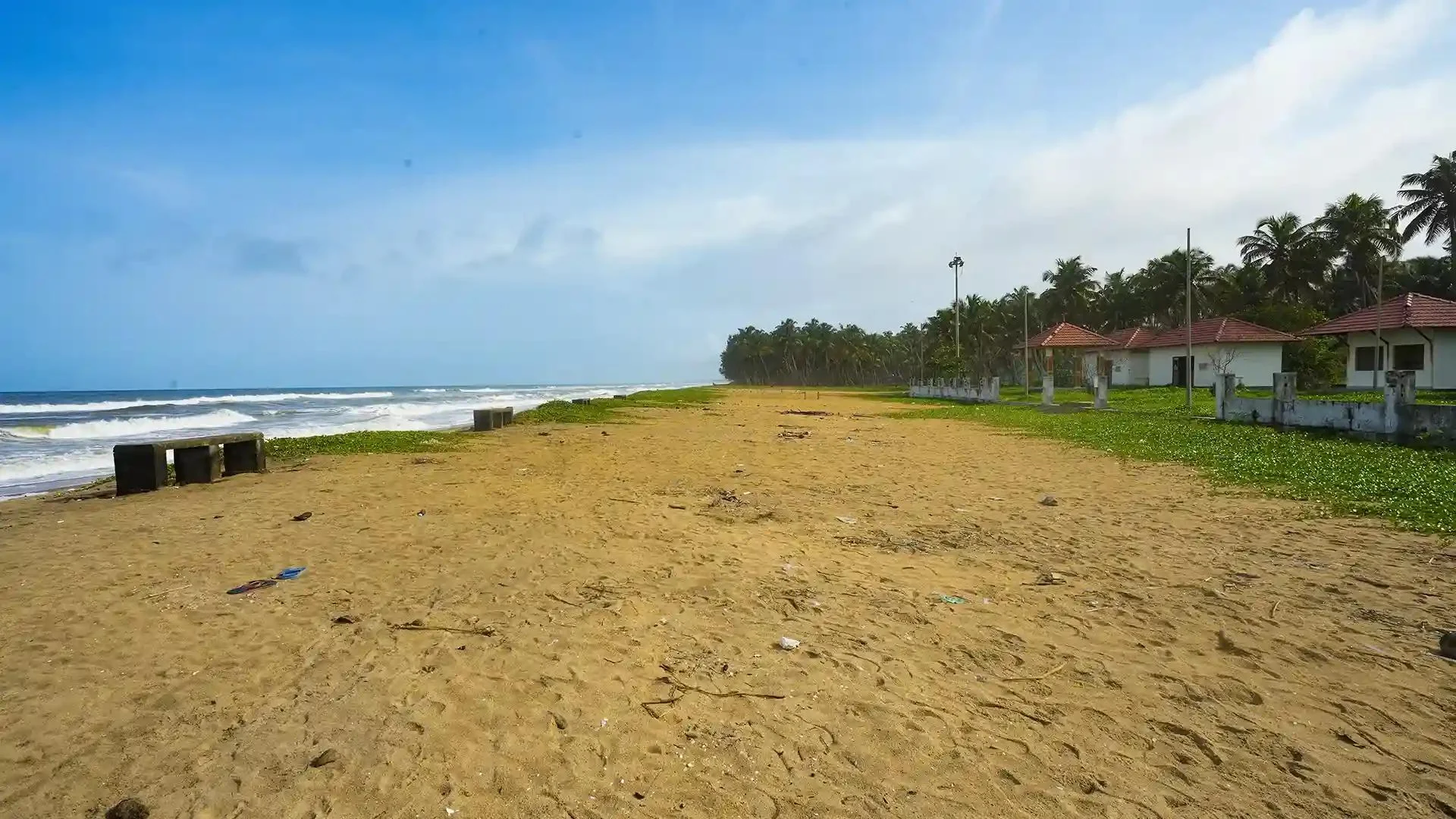
Nattika Beach is the Arabian Sea shore of Nattika in Thrissur district, also identified by Kerala Tourism as Attakuzhi Bandhar Kadapuram. Its long sand frontage, fishing-life connections and association with the Malayalam film Chemmeen give it a character distinct from a resort’s private grounds. Use the named public beach approach for a shore visit, with Nattika and Triprayar providing the wider town plan. The beach, Triprayar Sree Rama Temple and any accommodation property require separate arrival instructions.
9.7 km · straight line
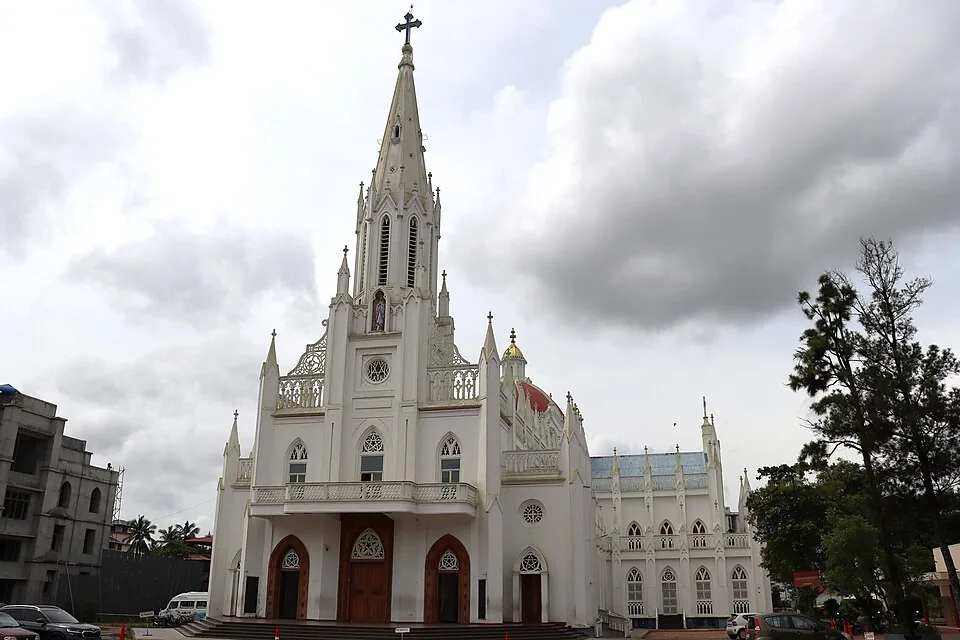
A landmark Syro-Malabar cathedral in Thrissur city known for its Gothic facade and an underground shrine (rock church).
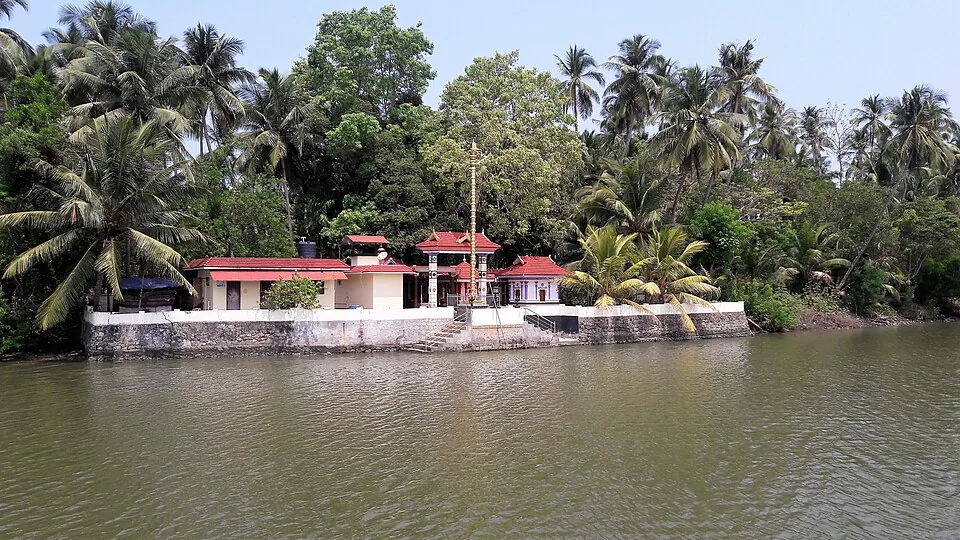
A calm estuarine backwater, mangroves and fishing-harbour belt on the Thrissur coast near Chavakkad, quieter than Alappuzha.
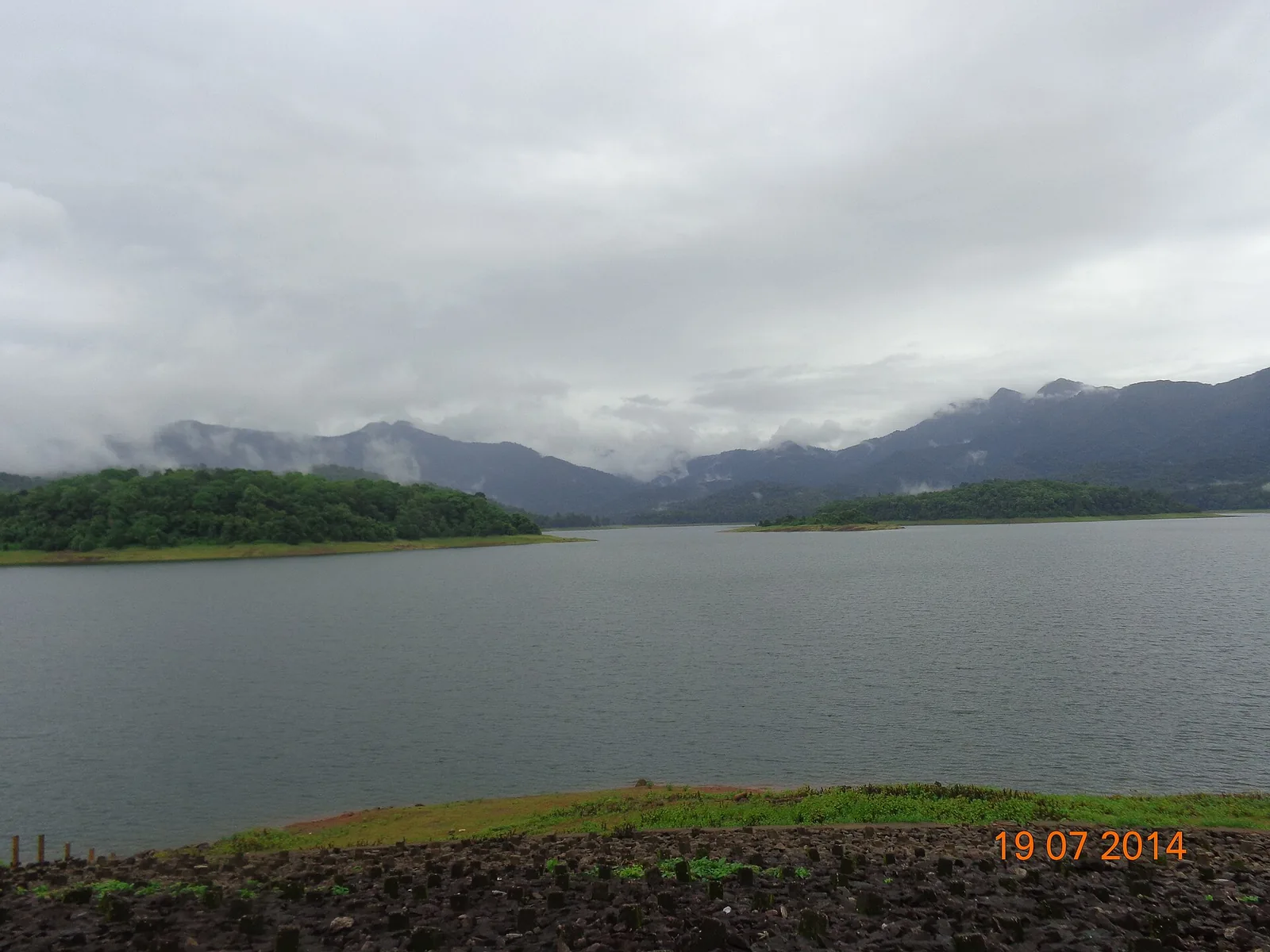
A reservoir and eco-tourism spot at the edge of the Chimmony Wildlife Sanctuary east of Thrissur, with boating and forest views.
Roampedia is commission-free — own or know a stay, eatery, guide or shop near Peruvanam Mahadeva Temple? Submit public business details for review.
Add a nearby businessEntry: There is generally no entry fee to visit the temple; specific offerings, vazhipadu (ritual offerings) and any pooram-related arrangements carry their own charges.
Dress code: The traditional Kerala temple dress code applies: men are customarily expected to remove their shirt and wear a mundu, while women should wear modest, traditional attire (saree, or salwar with dupatta). Entry is generally reserved for Hindus.
Festivals: The temple is the ancestral centre of the Peruvanam Pooram, celebrated in Meenam (roughly March–April) and closely linked with the Arattupuzha Pooram, together forming one of the oldest temple-festival traditions in Kerala. Deities from surrounding temples gather to honour Irattayappan, with caparisoned elephants and the famed panchari and pandi melams.
Photography: Photography is usually restricted, and is generally not permitted inside the sanctums at any time; there is somewhat more latitude to photograph the processions and melams during the pooram. Always ask and follow the temple staff’s instructions before taking pictures.
If you are travelling by bus or ferry, check the return service with the operator before setting out. Leave time to reach the stop or jetty after your visit.
Ask at the bus stand for the time of the last service back, not the next one. If you miss it, an auto or app cab is the fallback — agree the fare before you get in.
If you need step-free access, contact the site before travelling. Ask about a level entrance, steps along the route, the nearest drop-off point, seating and accessible toilets.
Charge cap and free-transaction limits: Reserve Bank of India, ATM FAQ updated 4 July 2025; checked 4 October 2026.
These services are listed within about 1.2 km of Peruvanam Mahadeva Temple. Walking distances follow mapped routes; access and opening hours can change. Other services may be closer but are not included here.
Published emergency and visitor-assistance contacts. For an immediate emergency, call 112. Shared Kerala contact sources checked 4 October 2026; publication does not establish a tested live response.
A longstanding Catholic pilgrimage church at Mapranam associated with the Holy Cross and annual feast observances.
6.6 km · straight lineThe “Puthan Pally” basilica in Thrissur, known for its Bible Tower — among the tallest church towers in Asia.
9.3 km · straight lineA landmark Syro-Malabar cathedral in Thrissur city known for its Gothic facade and an underground shrine (rock church).
9.7 km · straight lineAncient temple at the centre of Thrissur’s round, associated with Thrissur Pooram.
9.7 km · straight lineKerala’s most famous temple festival, held around April/May at the Thekkinkadu ground around Vadakkunnathan.
9.7 km · straight lineRare temple at Irinjalakuda dedicated to Bharata, one of the Nalambalam (four-temple) Rama circuit shrines.
10.2 km · straight lineState museum, art gallery and natural-history collection at Chembukkavu; the zoo animals moved to the new zoological park at Puthur, open since February 2026.
10.4 km · straight lineRestored palace and archaeological museum in Thrissur city, built by Raja Rama Varma Sakthan Thampuran.
10.5 km · straight lineSree Rama temple on the Theevra river near Triprayar, another of the Nalambalam circuit shrines.
10.9 km · straight lineNattika Beach is the Arabian Sea shore of Nattika in Thrissur district, also identified by Kerala Tourism as Attakuzhi Bandhar Kadapuram. Its long sand frontage, fishing-life connections and association with the Malayalam film Chemmeen give it a character distinct from a resort’s private grounds. Use the named public beach approach for a shore visit, with Nattika and Triprayar providing the wider town plan. The beach, Triprayar Sree Rama Temple and any accommodation property require separate arrival instructions.
14.1 km · straight lineA low hill and park on the edge of Thrissur city, popular for sunset views and morning walks.
14.2 km · straight lineNearby toilets, pharmacies, ATMs, seating and vets are community-mapped and may be incomplete or out of date. Map data © OpenStreetMap contributors | Walking times © openrouteservice.org by HeiGIT
It enshrines two distinct forms of Shiva in two separate sanctums — Irattayappan, where two lingams are consecrated together (hence the name, the twin lord), and Madathilappan, housed in a tall, square, multi-storeyed sreekovil said to be among the tallest in South India. Very few Kerala temples have this double form or such a towering sanctum.
Yes, by tradition. Peruvanam’s festival is one of the oldest recorded temple observances in Kerala, with references associated with it dated to around AD 583, whereas the famous Thrissur Pooram was organised much later, in the eighteenth century, under Sakthan Thampuran. Peruvanam and the linked Arattupuzha Pooram represent the older tradition.
Peruvanam is regarded as the cradle of the panchari melam, the classical chenda percussion ensemble, and is the home village of the Marar percussion lineage — including the Padma Shri chenda maestro Peruvanam Kuttan Marar. The temple and its pooram remain central to Kerala’s living melam tradition.
As with most traditional Kerala temples, entry is generally reserved for Hindus, and the customary dress code applies — men typically remove their shirt and wear a mundu, and modest, traditional attire is expected of women. It is best to confirm current practice locally before visiting.
For the festival, aim for the Malayalam month of Meenam (roughly March–April), when the ancient Peruvanam–Arattupuzha Pooram is celebrated. At other times of year, the cooler, drier months from around October to March are the most comfortable for a quiet darshan.
The temple lies at Cherpu, a short drive south of Thrissur — roughly in the region of 10 kilometres, easily reached by road. Thrissur is the nearest major railhead, and Kochi (Cochin) International Airport is the nearest airport.
Entry: There is generally no entry fee to visit the temple; specific offerings, vazhipadu (ritual offerings) and any pooram-related arrangements carry their own charges. Timings: Like most Kerala temples, Peruvanam typically opens early in the morning and again in the evening for darshan, closing during the midday and late-night hours; exact opening and closing times, and pooja timings, vary and should be confirmed locally before visiting.
Base yourself in Thrissur city or a nearby town in Thrissur, then confirm the last-mile route locally before leaving. Check temple entry customs, dress rules and festival crowd conditions before arrival. If the visit depends on forest, temple, boat, ferry, weather or seasonal access, check the official/local rule on the day before travel.
45 minutes to 2 hours, longer during festival or queue periods.
Nearby you can pair Holy Cross Church, Mapranam (6.6 km, approximate straight-line separation), Basilica of Our Lady of Dolours (9.3 km, approximate straight-line separation), Our Lady of Lourdes Cathedral (9.7 km, approximate straight-line separation), Vadakkunnathan Temple (9.7 km, approximate straight-line separation).
Use official counters for offerings/tickets where applicable. Keep footwear and valuables secure in crowded areas.
We have not published a story about Peruvanam Mahadeva Temple itself yet. These cover Thrissur city and the wider district, with separate journeys between stops.
These guides explore Thrissur city and the surrounding area. Choose a visit that fits your interests, allowing separately for travel between stops.


Route-level itineraries and practical guides for the rest of Kerala.
Photographs: Manojk (CC BY-SA 4.0), Ms Sarah Welch (CC0), Siby Varghese (CC BY-SA 3.0), Arayilpdas (CC BY-SA 3.0). Wikimedia Commons.