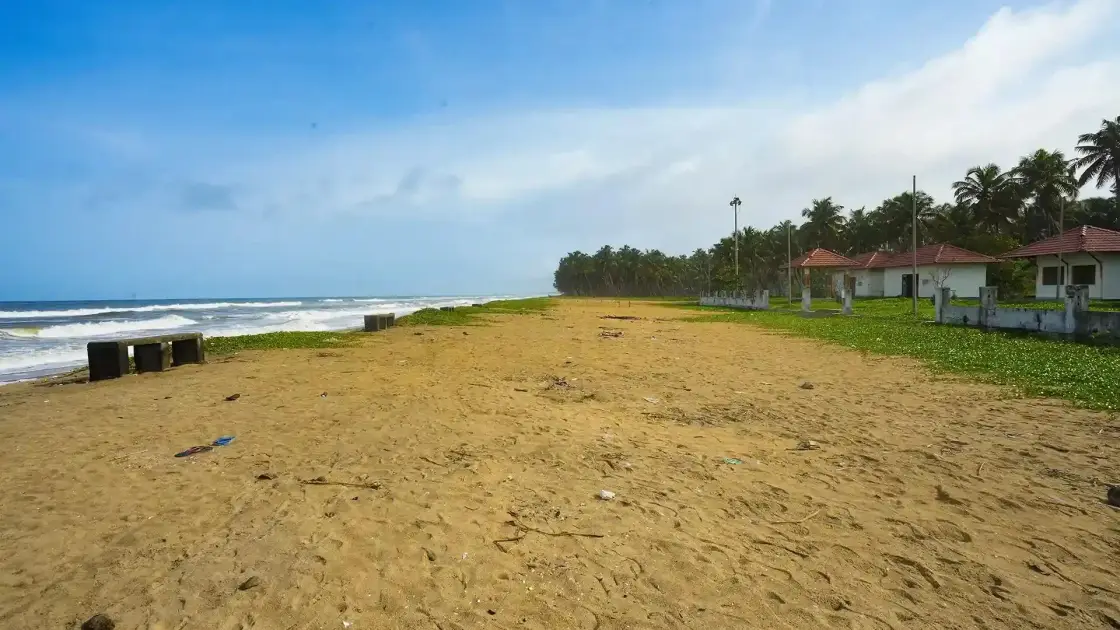
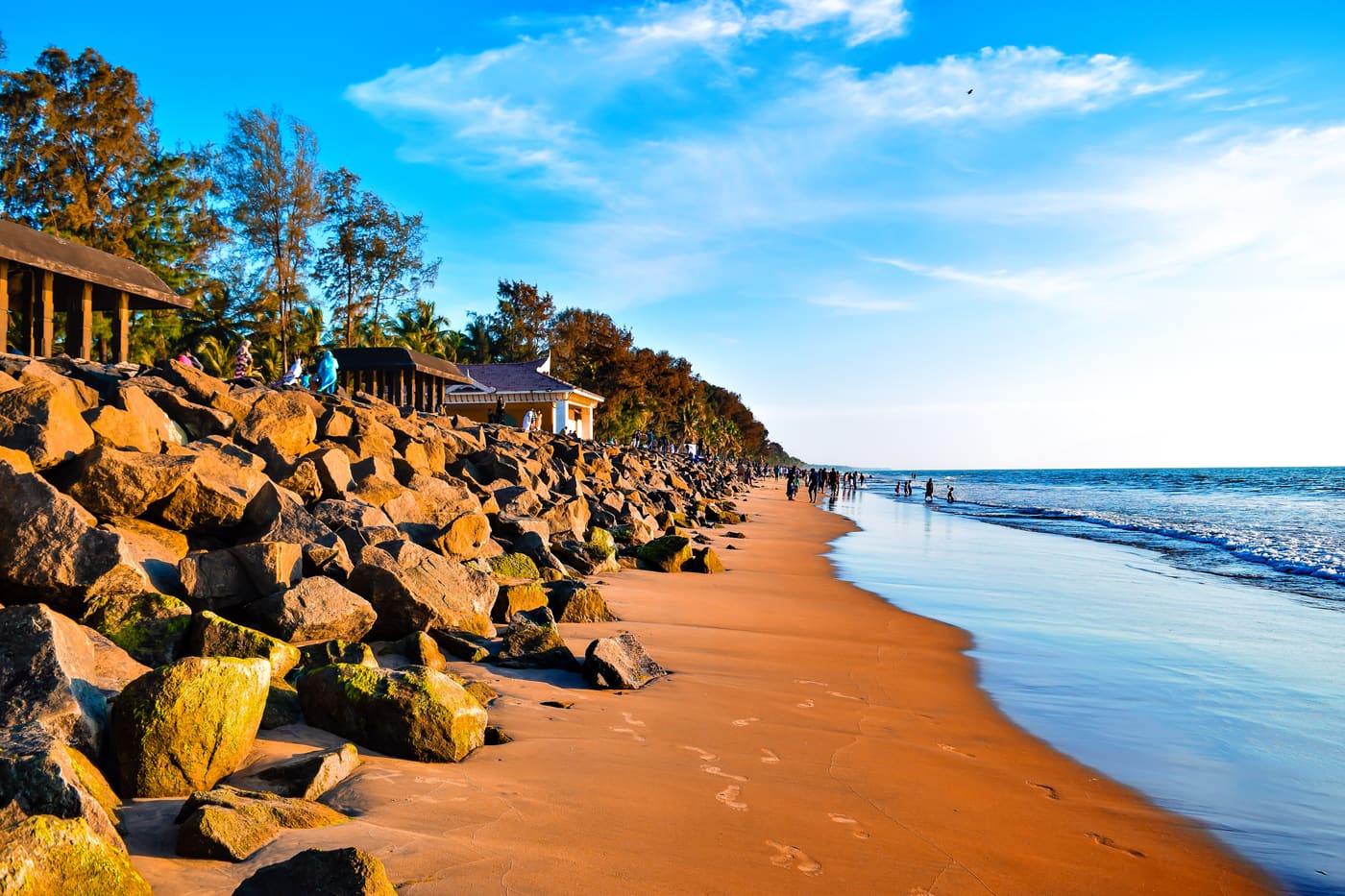
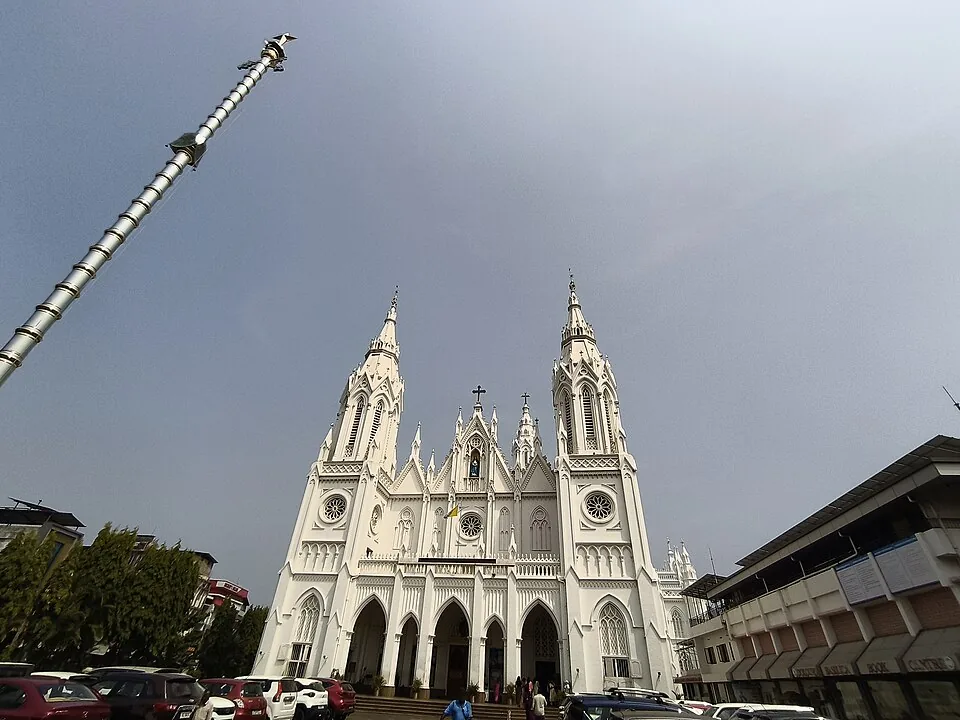
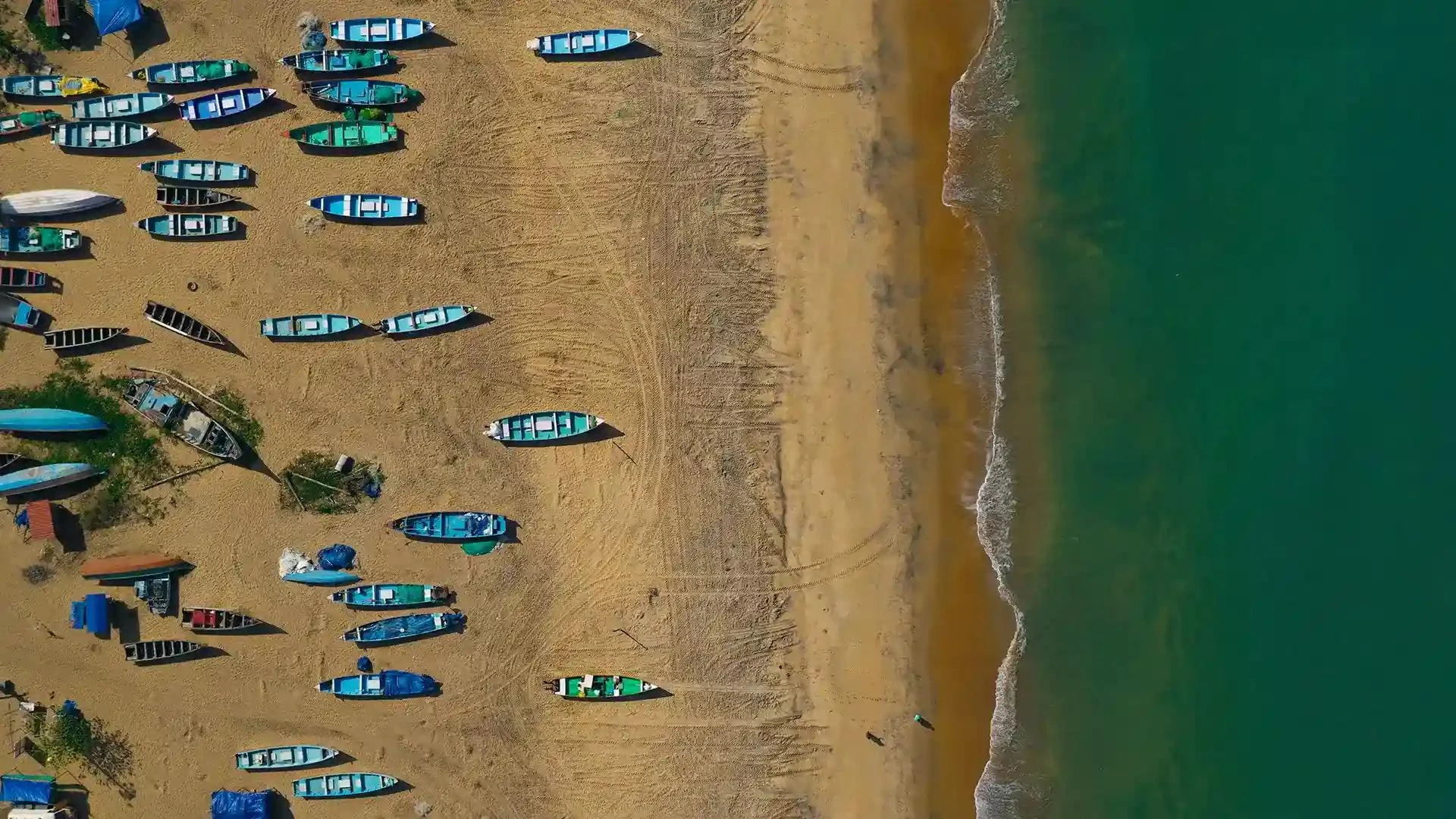
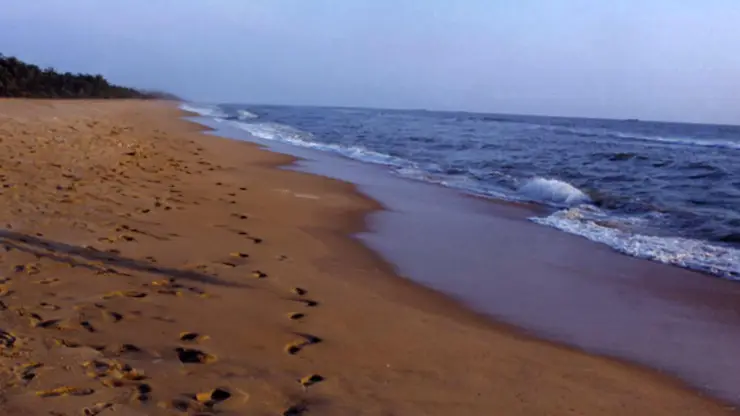
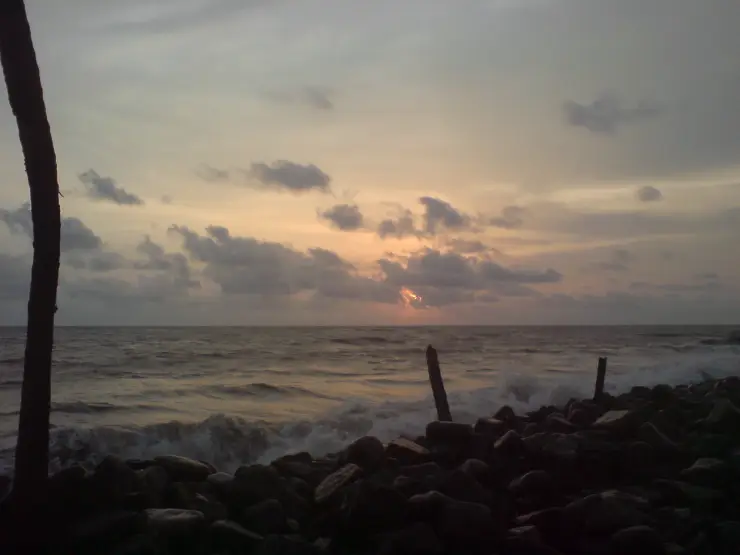
Nattika’s landscape is horizontal: a long sand line, low surf and palms behind the shore. A photograph looking one way can feel almost empty, while a turn inland reveals the houses and access lanes that connect the beach to a working settlement. Those two views belong together.
The story of Nattika Beach
The sand is the starting point, but its width is not a fixed measurement. The usable walking strip changes with wave reach and the condition of the shore. In the official photographs, the beach opens into a long perspective with palms and buildings set back from the water. That view explains the appeal of a simple walk without turning the whole frontage into a guaranteed uninterrupted route.
Names matter on a long coast. Kerala Tourism uses Attakuzhi Bandhar Kadapuram alongside Nattika Beach. A resort address, a local landing stretch and a public approach may all carry Nattika in their descriptions. Agreeing the actual arrival point is more useful than asking only for a generic sea-facing destination.
The beach’s film association is unusually specific. Kerala Tourism identifies it with Chemmeen, the Malayalam film whose coastal setting is central to its story. This makes Nattika a place where a film can inform the visit without requiring a preserved studio set. The sea, sand and fishing-life setting are the meaningful connection; a claim about the exact location of an individual shot needs separate evidence.
Watching a film before visiting can change the questions one brings to the shore. Instead of looking for a commemorative object, a visitor can notice how the open horizon, the settlement edge and the work of fishing shape the setting. That is an interpretive way to approach the landscape, not a claim that the contemporary beach remains identical to the filmed coast.
Kerala Tourism’s video catalogue also identifies net-mending at Nattika. That record places working activity within the beach’s public identity. Nets laid on sand are tools in use, not a decorative arrangement for visitors. If people are working, leave the space they need and ask before making a close photograph of an individual.
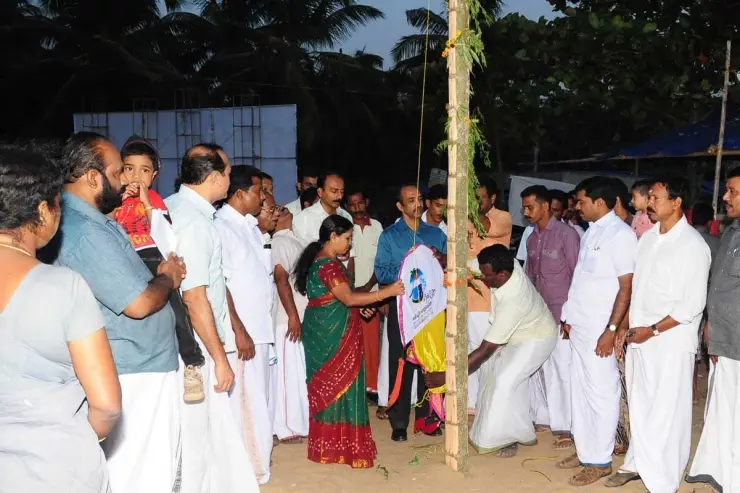
The beach festival adds another public layer. Kerala Tourism’s festival account describes an initiative begun in 2012 with tourism, panchayat and destination-management participation. Its photographs show a flag ceremony and staged cultural performance. This is evidence of a community event with organised activities, rather than a permanent fairground on the beach.
A festival changes how a visitor uses the place. The attention moves from the long shore to an event area, a stage and the people gathering around them. Temporary structures can also change vehicle access and the best return meeting point. Choose the event from its current programme and allow its actual arrangement to determine the visit.
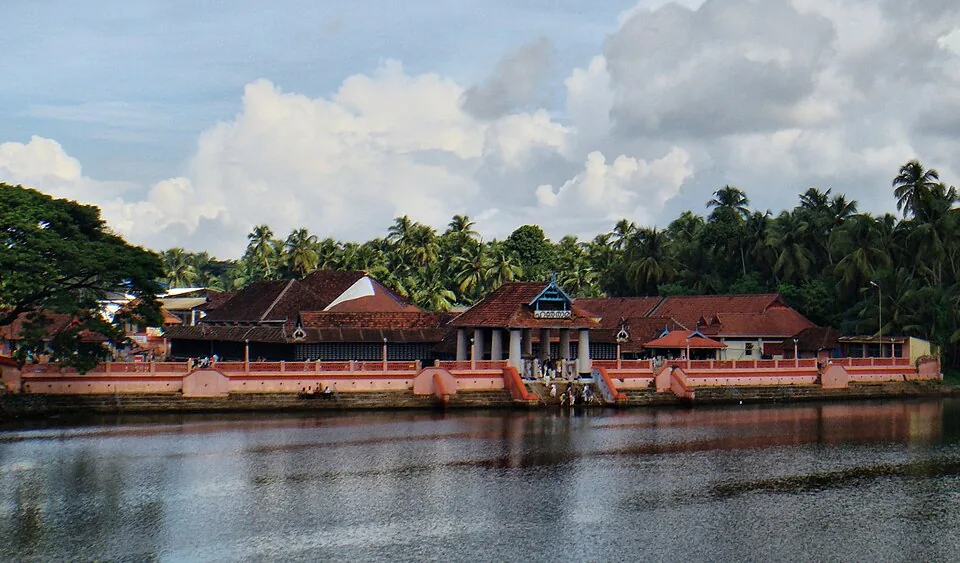
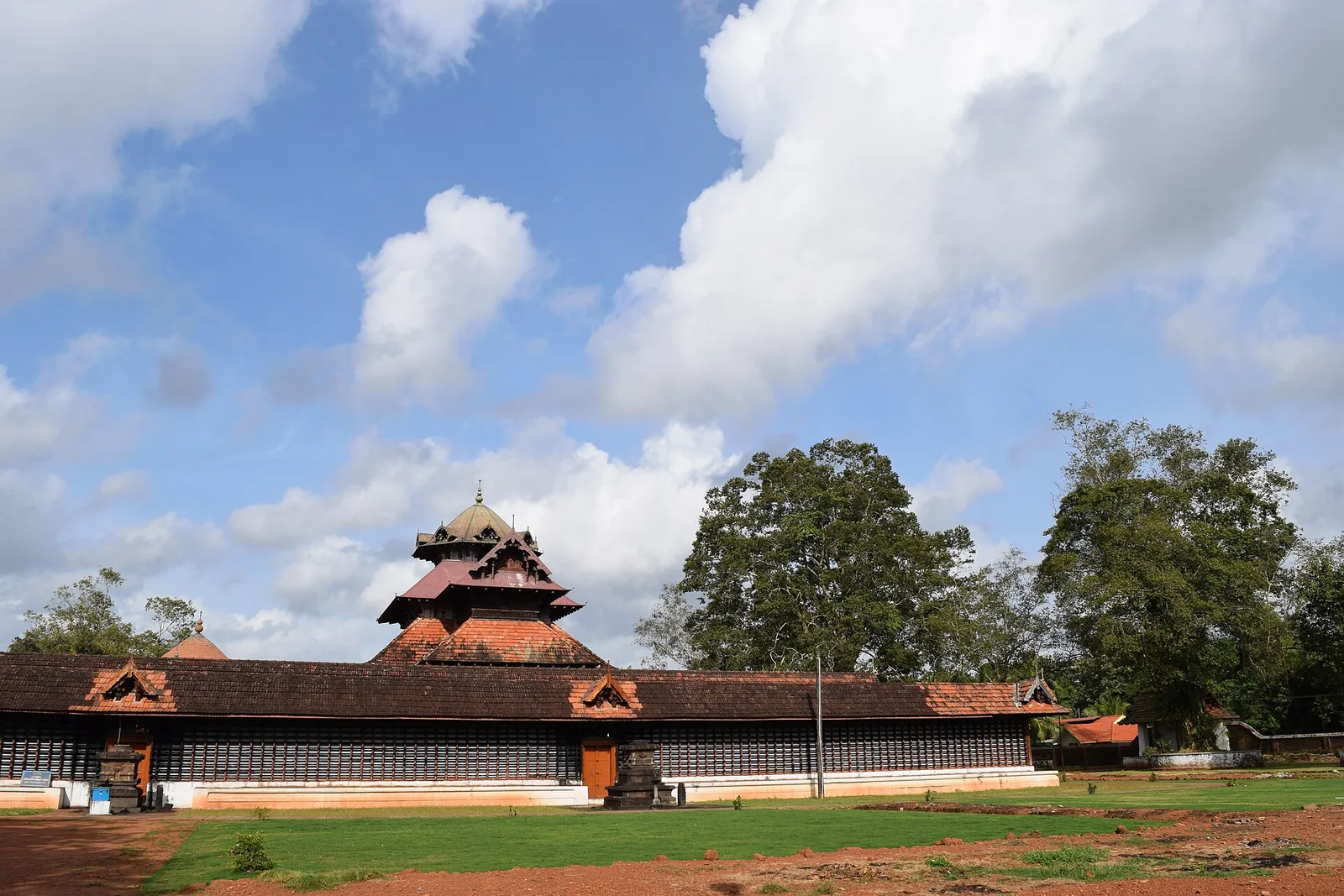
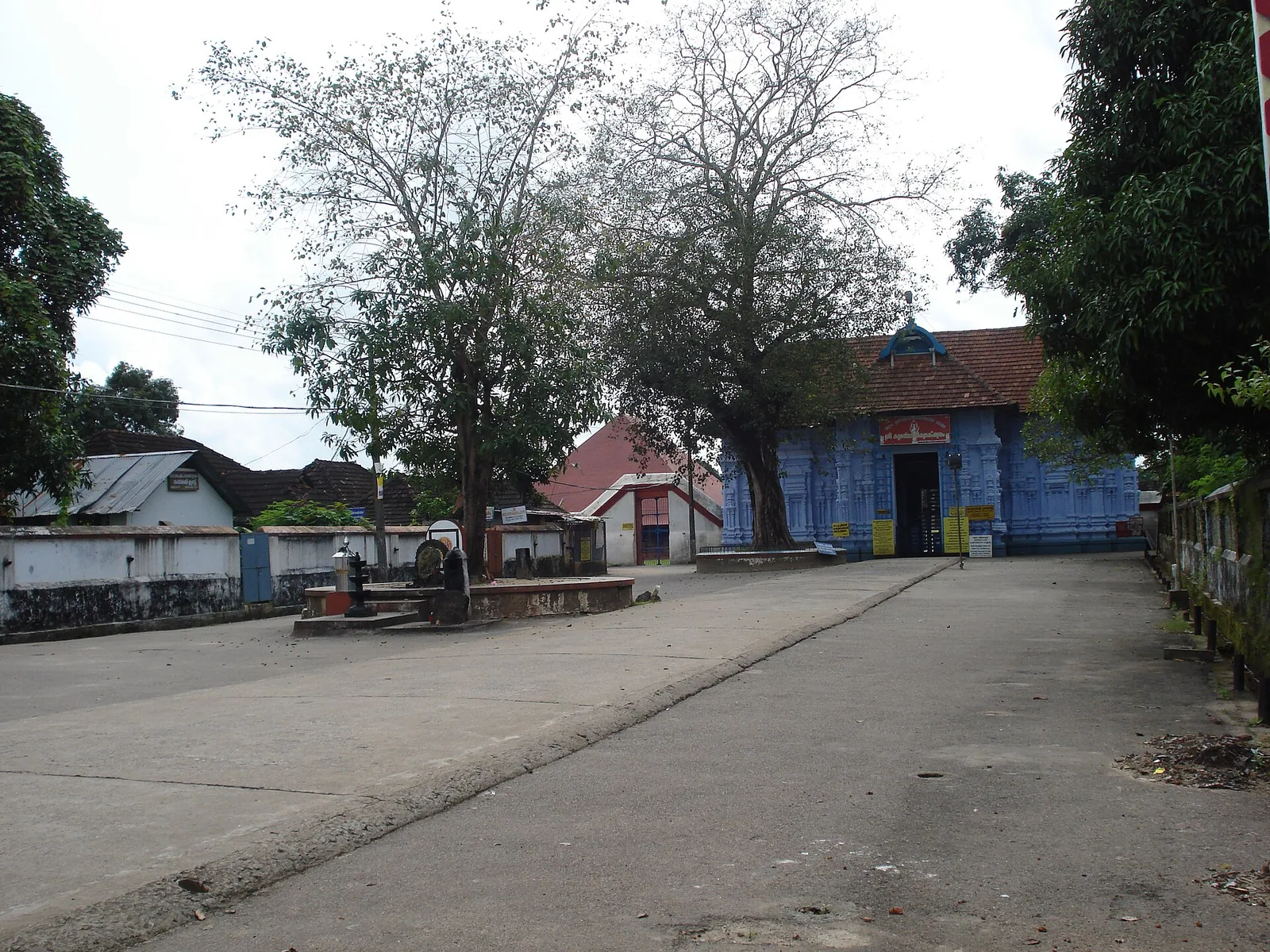
Nattika’s wider setting includes the Beach Yaseen Masjid and the Sree Rama Temple at Triprayar, both named by Kerala Tourism. Their mention is an invitation to understand the inhabited coastal area, not permission to enter worship spaces casually or a suggestion that both stand on the same patch of sand. Each has its own approach and respectful visiting requirements.
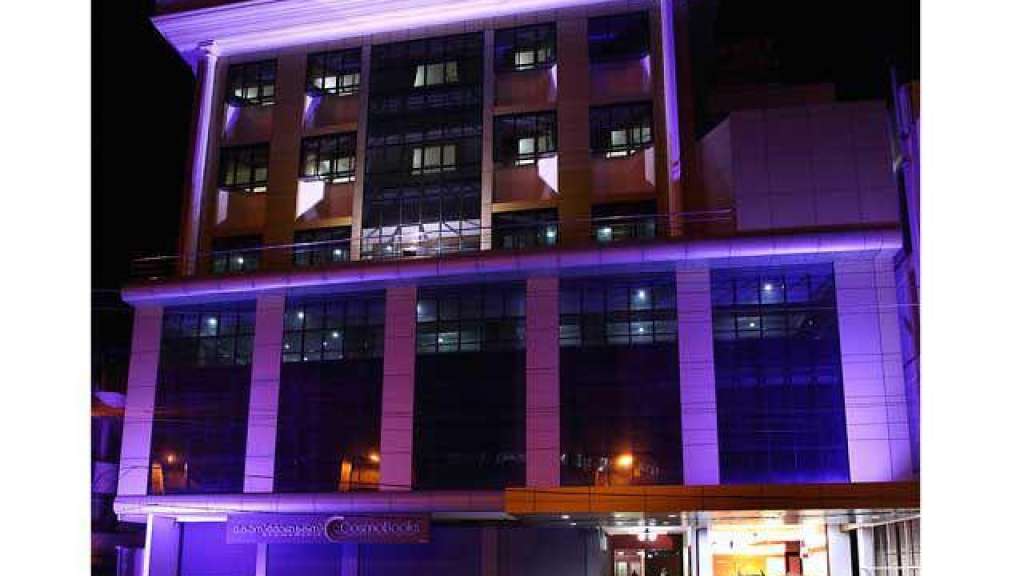
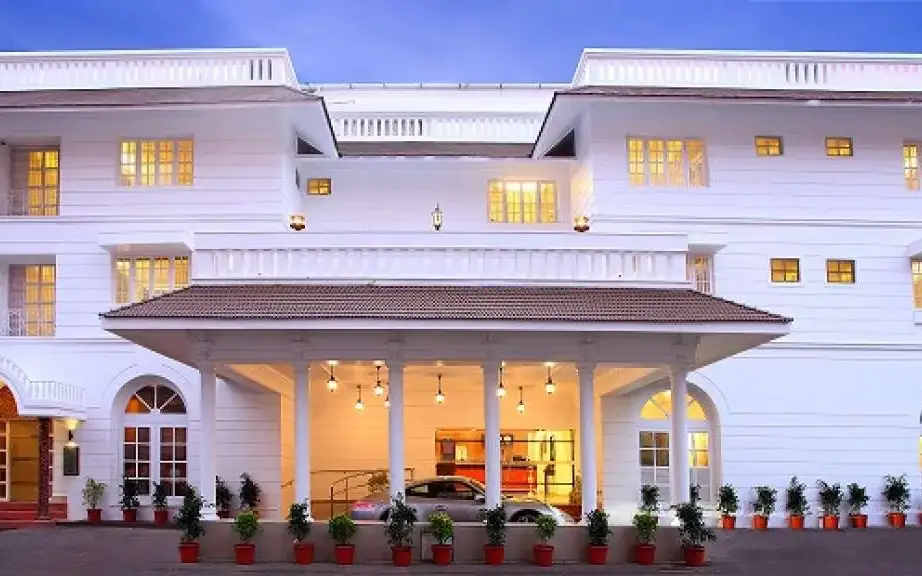
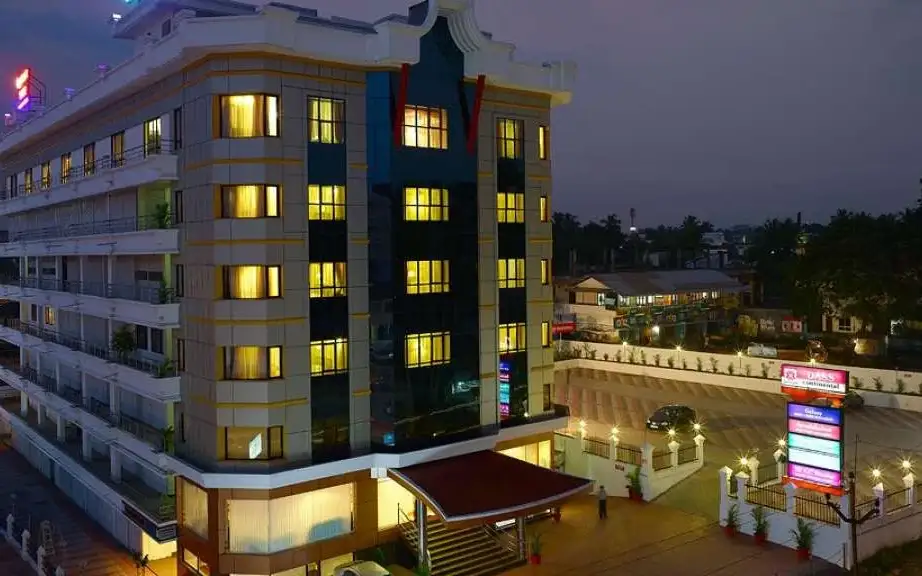
Accommodation along the coast is another separate layer. A property may offer a carefully maintained lawn, meals or a treatment programme overlooking the sea. Those are booked services. A public beach visit should not depend on walking through the property, using its furniture or assuming that its facilities are available to everyone.
A satisfying Nattika visit can therefore be quite focused: a named public approach, a shore walk suited to the sea conditions, and time to notice the meeting of film memory and present-day coastal life. A separate town meal or temple stop can follow, without turning the beach page into a list of distant Thrissur attractions.
Chemmeen was released in 1965, directed by Ramu Kariat from Thakazhi Sivasankara Pillai’s novel. The International Film Festival of Kerala’s record identifies Sheela as Karuthamma, Sathyan as Palani and Madhu as Pareekutty. These names connect the landscape association to a specific work and its characters. Nattika’s film memory is not a general claim that every coastal Malayalam film was made here, nor does it establish a visitor trail through exact surviving camera positions.
The film’s sea-facing world was also shaped through music and cinematography. IFFK credits Salil Chowdhury’s music and Marcus Bartley’s cinematography in its account of the film, which won the National Film Award for Best Feature Film. Remembering that a screen landscape is composed through framing, performance and sound can make a visit more thoughtful. The actual shore has its own present-day activity beyond the familiar images a viewer brings from the film.
The tourism festival archive describes a ten-day January event with both sport and cultural programmes. Football, boat-race activity and Kalaripayattu appear alongside the stage performances in that account. The range of events suggests a community gathering spread across different spaces and purposes. The photographed stage or flag ceremony should therefore be read as one part of a past festival, rather than the entire programme or a permanent attraction that operates every evening.
For an ordinary beach walk, keep working activity and leisure activity separate in the frame. A net spread out behind the shore may need room for repair; boats and equipment may need an unobstructed route. Watching from outside that space gives a better understanding of Nattika’s fishing-life setting than stepping among the gear for a posed photograph. A quiet stretch of sand is a place to pause, while a busy landing or repair area belongs first to the people using it.
The story of Chemmeen gives the sea an active role rather than using it only as scenery. The Directorate of Film Festivals' award catalogue describes a fishing community whose characters understand the sea through Katalamma, the Sea Mother. Karuthamma's relationship with a Muslim trader meets family ambition and social restrictions. These are elements of the film's fictional world. They should not be treated as a description of what every present-day Nattika resident believes or how contemporary fishing families live.
A boat and a net are central to the father's ambition in that synopsis. This gives ordinary working objects a dramatic importance that a beach photograph can easily miss. In the film, obtaining the equipment changes relationships between people as well as their connection to the sea. On an actual visit, boats and nets should first be understood as someone's livelihood. The screen association can deepen attention to them without making a working crew responsible for reenacting a familiar scene.
The award catalogue identifies producer Babu and director Ramu Kariat alongside the President's Gold Medal for best feature film. It places Chemmeen within national cinema history, while Nattika supplies one of the landscape associations recorded by Kerala Tourism. These are complementary ways to approach the beach: through a particular work of art and through the actual shore before the visitor. The film can be watched or read about before travelling, leaving the walk itself free to notice changes in the settlement and coast.
For a film-focused visit, one useful exercise is to compare what a camera includes with what an ordinary walk reveals. A frame may concentrate on the sea and a few figures; turning inland brings houses, work areas and modern movement back into view. Both belong to the experience of Nattika today. There is no need to locate a supposedly unchanged shooting spot to make the connection meaningful. The visit becomes richer when the remembered film and the present working beach are allowed to speak in their own time.