What to expect
Highlights
- Heritage experience at Punnathur Kotta
- Architecture, local stories and old trade/cultural routes
- Good fit for guided walks and nearby cafes/shops
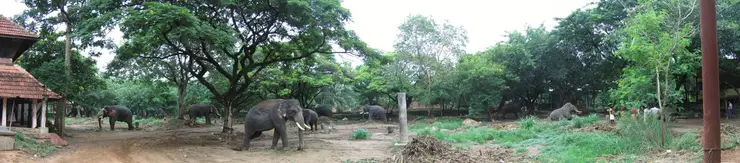
The Guruvayur temple’s elephant sanctuary (Anakkotta) at Punnathur, where the devaswom’s elephants are housed.
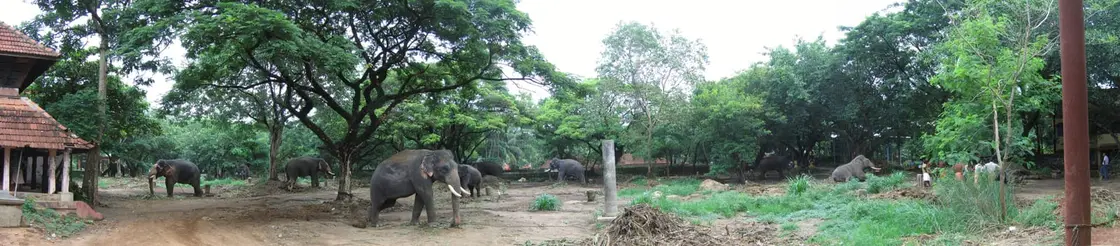
Punnathur Kotta — better known as Anakkotta, the 'elephant fort' — is the leafy compound near Guruvayur where the captive elephants dedicated to Lord Guruvayurappan are kept, trained and cared for. Once the palace of a local ruling family, the walled estate was taken over by the Guruvayur Devaswom in the 1970s and turned into one of India's largest temple-elephant camps, forever linked with the legendary tusker Guruvayur Kesavan.
Set about 2–3 km from the Guruvayur Sree Krishna Temple, in the village of Kottapadi in Thrissur district, Punnathur Kotta does not announce itself the way a great temple does. You turn off the Guruvayur road, pass through a gate, and suddenly the noise of the pilgrim town falls away into a wide green compound shaded by tall trees — and there, tethered in the shade or being led down to bathe, are the elephants. This is Anakkotta, literally the 'elephant fort', home to the tuskers and cows that devotees have offered to Lord Guruvayurappan over the decades.
The elephants here are not wild animals in a reserve; they are working temple elephants, donated by families and institutions as a form of devotion. Each is the property of the Guruvayur Devaswom (the temple trust), and each earns its keep by carrying the deity's image, the thidambu, in processions and by standing in the caparisoned rows that make a Kerala temple festival so unmistakable. Between festivals they live, feed and rest at Punnathur Kotta, which functions as their home, their hospital and their training ground all at once.
A visit is an intimate, slightly overwhelming thing. You walk among dozens of the largest land animals on earth, close enough to hear them rumble and to watch a mahout scrub a flank with a coconut husk. Mornings are the liveliest hours — the elephants are fed enormous bundles of palm fronds and are often taken to bathe, trunks working through the water like great hoses. In the heat of the midday the camp quietens as the animals rest, and it stirs again towards evening.
At the heart of the compound stands the old palace itself, a traditional Kerala naalukettu — a rectangular timber-and-tile mansion built around a central courtyard — said to be roughly four centuries old. Today it serves as a training school for papans, the mahouts and elephant handlers, so the estate keeps alive not only the animals but the human craft of caring for them. A small shrine to Shiva and Bhagavathy sits within the grounds, a reminder that this is, above all, a place of temple service rather than a zoo.
For most visitors, though, the pull of Punnathur Kotta is the sheer presence of the elephants and the aura of one animal in particular: Gajarajan Guruvayur Kesavan, the towering tusker whose devotion to the Lord became the stuff of Kerala legend. His memory saturates the place, and the annual honours paid to his statue at the temple keep his story alive for new generations of pilgrims.
It is worth visiting with clear eyes. These are captive elephants, chained for much of the day and trained for temple work, and the ethics of that tradition are debated in Kerala and beyond. Punnathur Kotta lets you see that world honestly — the grandeur and the devotion, but also the reality of animals living in human service — and to make up your own mind while treating the elephants and their handlers with respect.
The most beloved legend of Punnathur Kotta belongs to Gajarajan Guruvayur Kesavan, remembered as the most devout temple elephant Kerala has known. As the story is told, the Valiya Raja of Nilambur once prayed to Lord Guruvayurappan to protect his family and property from an enemy threat, vowing that if his prayer were answered he would offer one of his elephants to the temple. His wish granted, the raja kept his word, and on 4 January 1922 the young Kesavan was presented to the Lord of Guruvayur.
Over the following decades Kesavan grew into an enormous, gentle and famously disciplined tusker — standing well over three metres — and stories multiplied of an elephant that seemed to understand it belonged to the deity. He was so identified with the Lord's service that in 1973 the Devaswom conferred on him the singular title Gajarajan, 'king among elephants'. It is said he would grow restless and unmanageable if any other elephant was chosen ahead of him to carry the deity in procession, as though jealous of his sacred duty.
The legend reaches its close on 2 December 1976, which fell on Guruvayur Ekadasi, one of the temple's holiest days. As devotees tell it, the aged Kesavan fasted through that auspicious day and then sank down facing the direction of the temple, his trunk raised as if in a final prostration to the Lord he had served for more than fifty years. The Devaswom raised a life-size statue in his honour, and each year on his death anniversary elephants are lined up before it and the leading tusker garlands the image — a folk tribute that treats Kesavan not merely as an animal but as a devotee.
The compound began not as an elephant camp but as a palace. Punnathur Kotta was the seat of the Punnathur royal line — sources name a local ruler, His Highness Anujan Raja — and the surviving naalukettu mansion is reckoned to be around four hundred years old, built in the classic Kerala style of a rectangular house wrapped around an open central courtyard. The 'kotta' (fort) in the name reflects the walled, fortified character of these old chieftains' residences.
The estate's second life began in the 1970s. As devotees increasingly offered elephants to Lord Guruvayurappan, the Guruvayur Devaswom needed land to house and manage a growing herd, and around 1975 it acquired the Punnathur palace grounds for exactly that purpose. The palace of the Punnathur kings was reborn as Anakkotta, the 'elephant fort', and the roughly 11.5-acre compound became the collective home of the temple's elephants.
At its peak the camp is said to have held a very large number of elephants — historical accounts mention figures well into the dozens, at times cited as high as around eighty — making it one of the largest gatherings of captive elephants anywhere in India. The population rises and falls over the years with deaths, new donations and animals being deployed to festivals, so the number present on any given day varies and is best confirmed on the spot.
The old palace building now houses a training school for papans (mahouts), preserving the specialised knowledge of handling, feeding and treating temple elephants. The grounds also include a shrine to Shiva and Bhagavathy, and the annual monsoon month of Karkidakam brings a period of Ayurvedic rejuvenation treatment for the animals — part of the seasonal cycle of care built around the herd.
Presiding over the camp's history is Guruvayur Kesavan, donated in 1922 and honoured with the title Gajarajan in 1973, whose death in 1976 on Guruvayur Ekadasi sealed his legend. His statue at the temple and the yearly tribute paid to it tie the modern elephant camp back to the older tradition of elephants as devotees of Guruvayurappan, and remain the reason many pilgrims make the short trip out to Punnathur Kotta at all.
See temple elephants up close — walk among dozens of the caparisoned tuskers and cows that carry Lord Guruvayurappan in procession, close enough to watch them feed, bathe and rest.
One of India's largest temple-elephant camps — the roughly 11.5-acre Anakkotta compound gathers the Guruvayur Devaswom's herd in one green estate, a scale of elephant-keeping you will not see elsewhere.
Walk in the footsteps of Guruvayur Kesavan — the camp is inseparable from the legend of the Gajarajan, Kerala's most famous and devout temple elephant, whose story is retold across the grounds and at his statue by the temple.
A four-century-old palace — the traditional Kerala naalukettu at the centre of the grounds, once the seat of the Punnathur kings, is a piece of living heritage now used as a mahout training school.
An easy, memorable add-on to a Guruvayur pilgrimage — just a few kilometres from the temple, it makes a natural half-day outing for families and photographers alike.
A window into a living tradition — you see not only the elephants but the papans (mahouts) who care for them, and the daily routines of feeding, bathing and training that keep temple ritual going.
Road km to Thrissur; ghat roads and traffic vary — allow extra.
November to February and early mornings are best for walking; avoid midday heat where possible.
Live forecast loads in your browser.
Sun and moon are calculated for this location and shown in IST. Photography windows are the hour around sunrise and sunset; the sunset bearing is degrees clockwise from true north. Moon phase is accurate to about half a day.
Verified hotels, homestays, restaurants, experiences, sights, shops and rentals around Punnathur Kotta — commission-free, with direct contact. Filter by what you need.
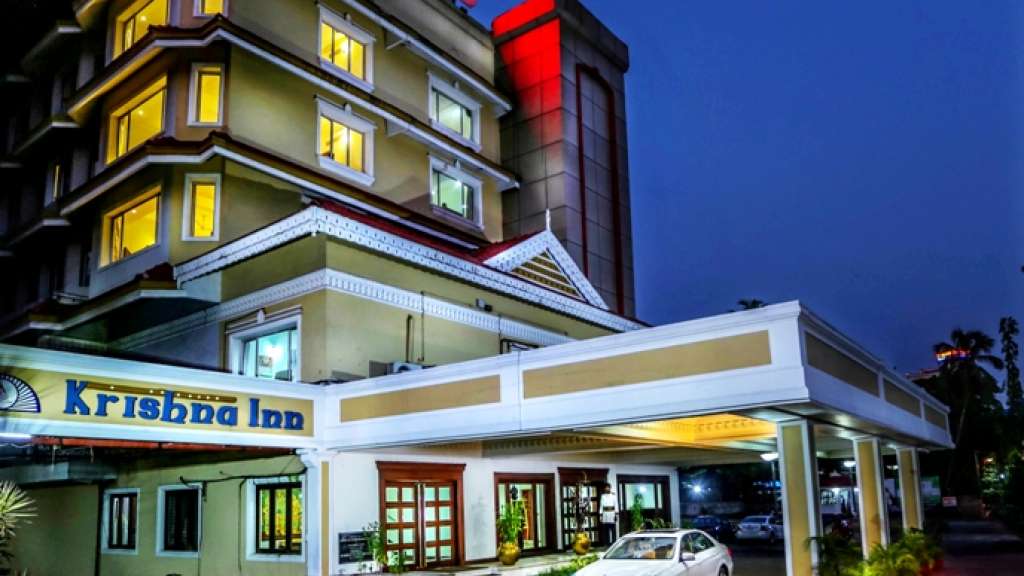
Four-star hotel at East Nada, a short walk from the Guruvayur Sree Krishna Temple, with air-conditioned rooms, a multi-cuisine restaurant and banquet facilities. Its Kerala Tourism provider record classifies it as one of Guruvayur’s larger full-service four-star hotels for temple-town visitors.

Guruvayur branch of the Sreedhareeyam Ayurvedic eye hospital chain at Gandhi Nagar, West Nada, offering classical netra (eye) treatments and panchakarma. It provides physician-led Ayurveda eye care and wellness therapy a short distance from the Sree Krishna Temple.

NABH-accredited classical Ayurveda hospital of the Perumbayil Ashtavaidya family at Paluvai near Guruvayoor, offering residential Ayurvedic treatment and panchakarma. It runs physician-led in-patient programmes rather than day spa or casual massage services.
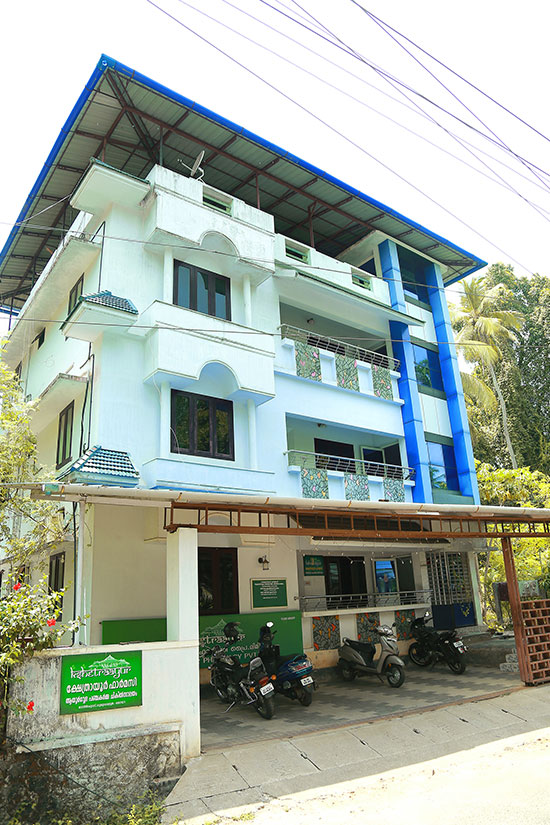
Ayurveda and panchakarma centre in Guruvayur. Mathra Apartments, Mavin Chuvadu, Thaikkad P.O, Guruvayur, Thrissur, Kerala 680104 · Ayurveda treatment centre · Ayurveda, Panchakarma, Wellness.
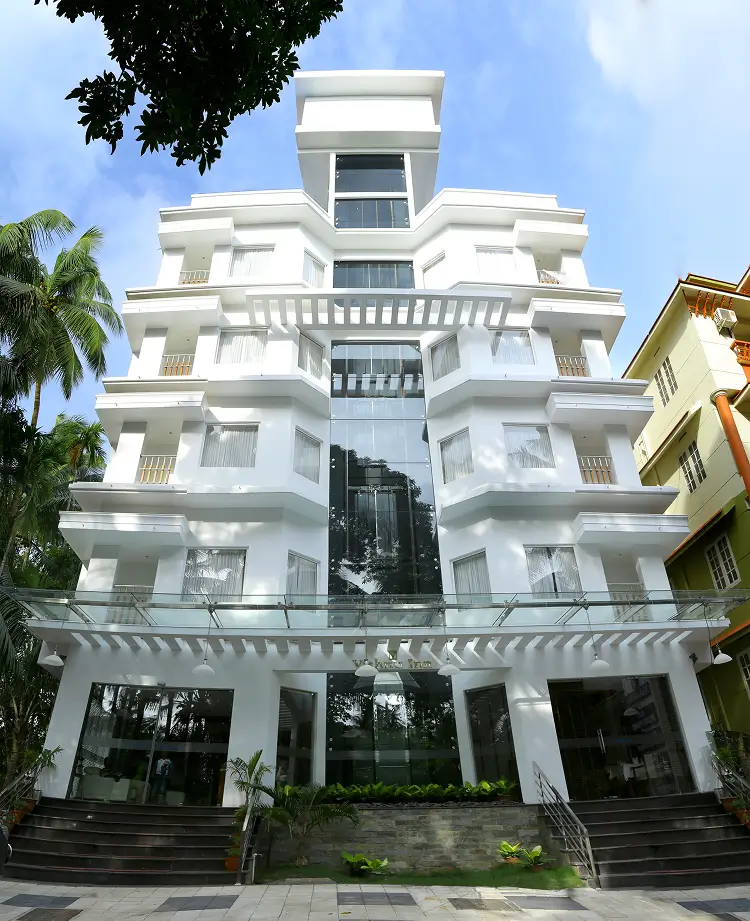
Modern multi-storey business hotel on the Inner Ring Road at East Nada, about 200 metres from the Guruvayur Sree Krishna Temple. Its own website and Kerala Tourism provider record list air-conditioned deluxe and temple-view rooms with a restaurant, positioning it as a comfortable mid-range temple-town stay.
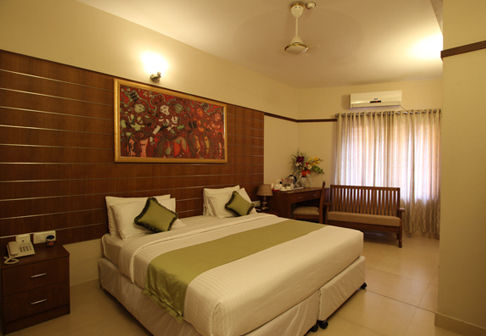
3-Star hotel in Guruvayur. Kerala State Housing Board Road, Sannidhi, Thiruvenkidam, Guruvayur, Thrissur, Kerala 680101 · 3-Star hotel, deluxe rooms · Hotel, 3-Star, Deluxe.
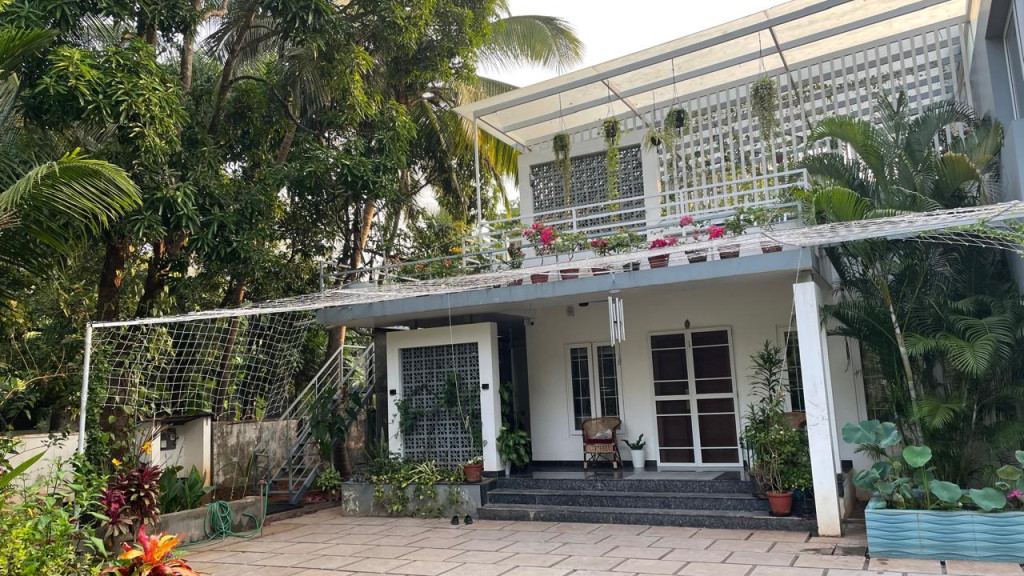
Kerala Tourism-classified homestay at Manathala, Chavakkad, in the Guruvayur temple-and-beach belt, well placed for temple visits and Chavakkad beach.
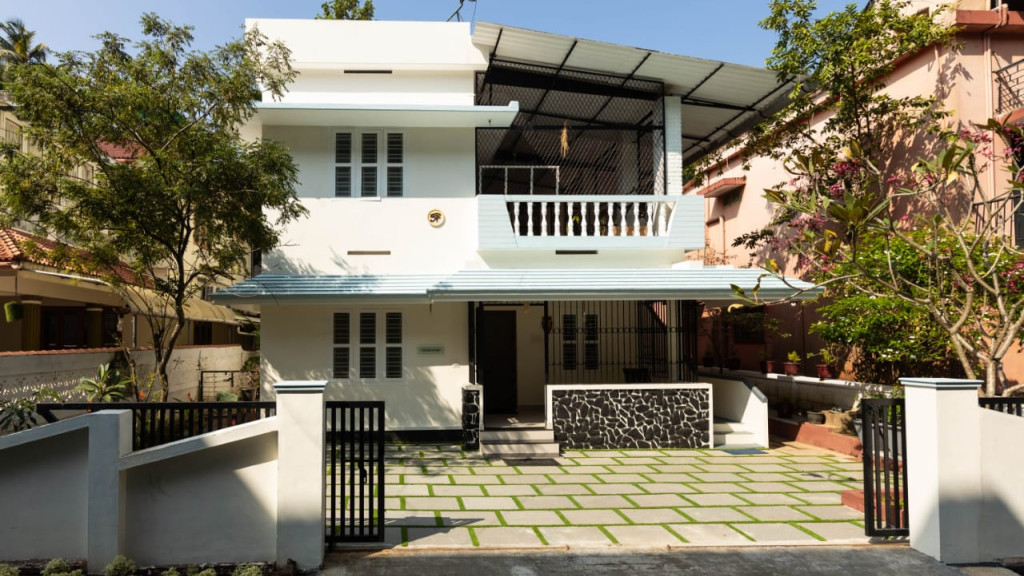
Kerala Tourism Silver Star-classified homestay at Guruvayur, a simple host-led base for temple-town visitors with a direct owner contact.
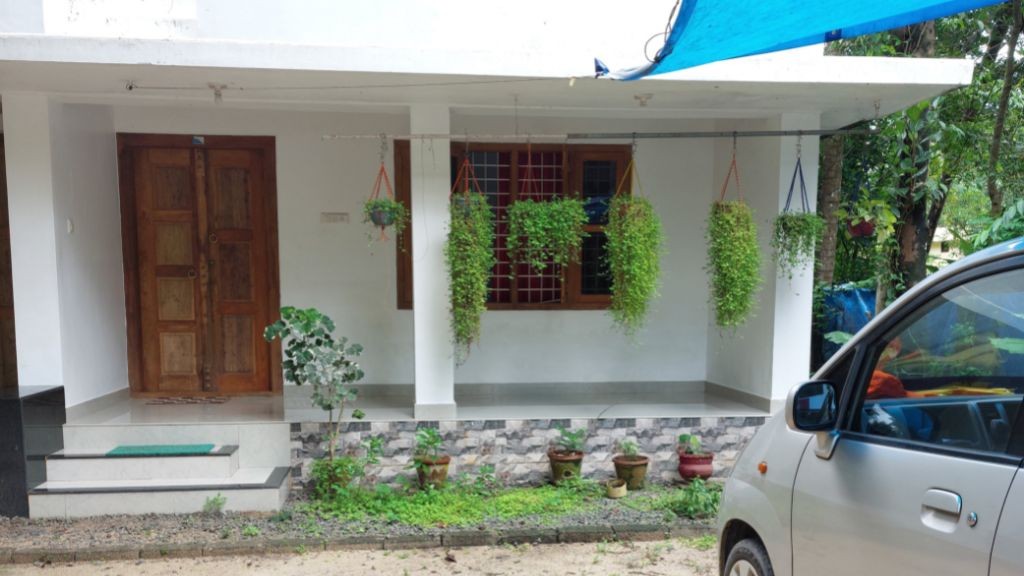
Family-run serviced-apartment homestay at Mammiyoor, about 1.2 km from the Guruvayur Sree Krishna Temple, railway station and bus stand.
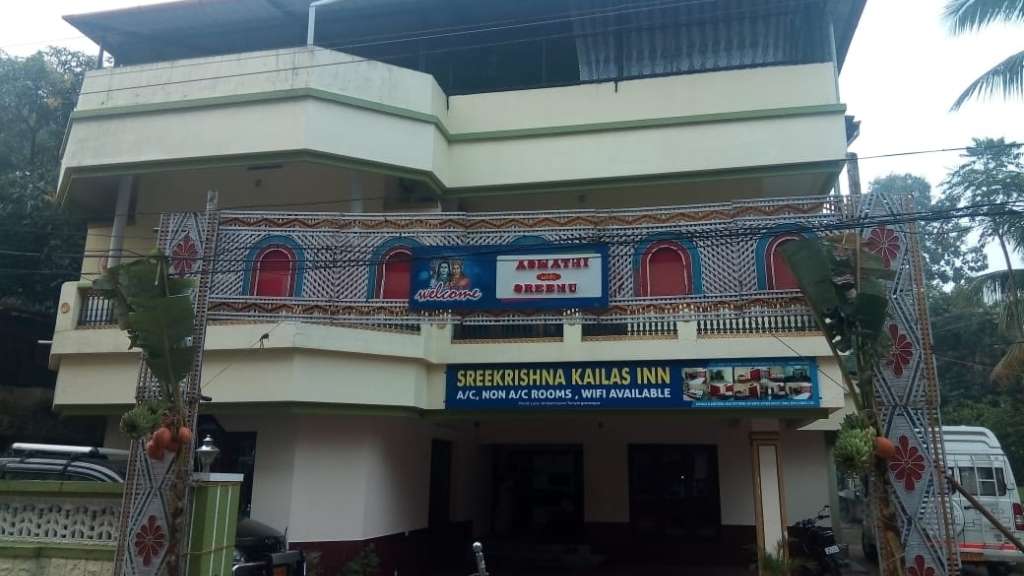
Kerala Tourism-listed Guruvayur hotel for temple visitors needing a town stay. Budget pilgrim hotel · Guruvayur, Mammiyur Temple, Hotel.
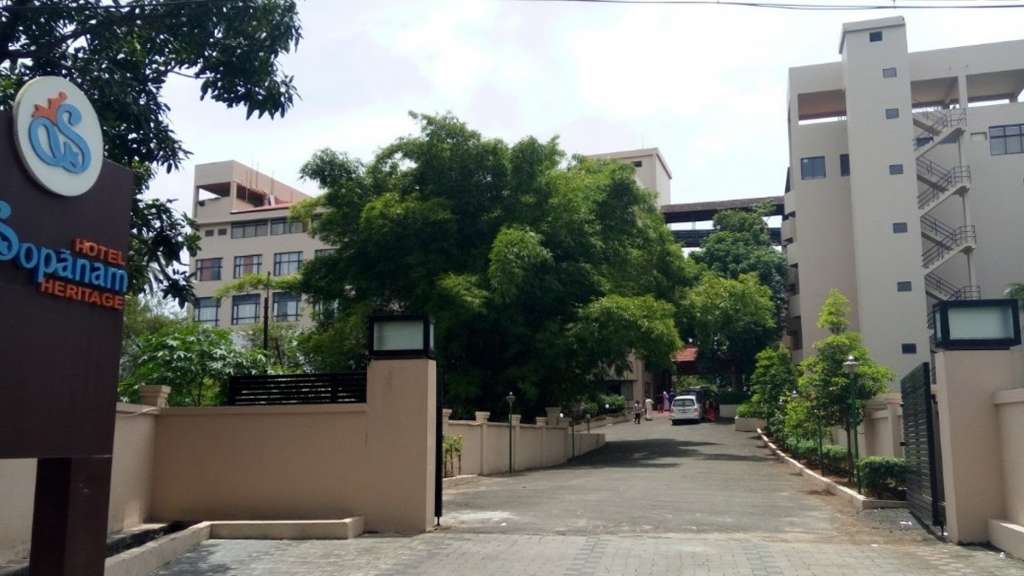
Guruvayur heritage hotel with direct website evidence for temple-town stays. Guruvayur, East Nada, Hotel.
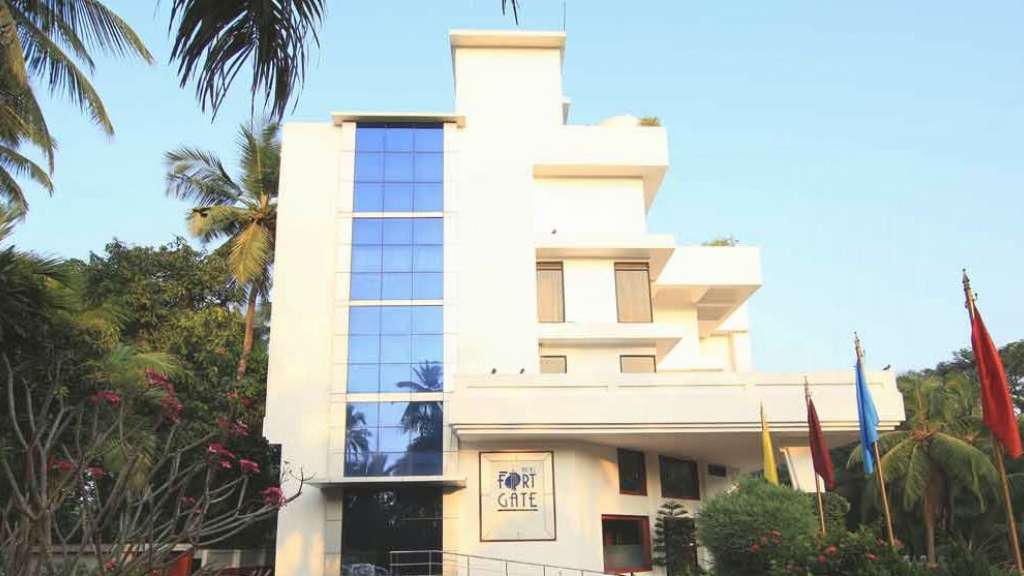
Hotel in Guruvayur. Fort Gate Hotels & Resorts, Kottappady, Guruvayur, Thrissur, Kerala 680505 · Guruvayur, Kottappady, Hotel.
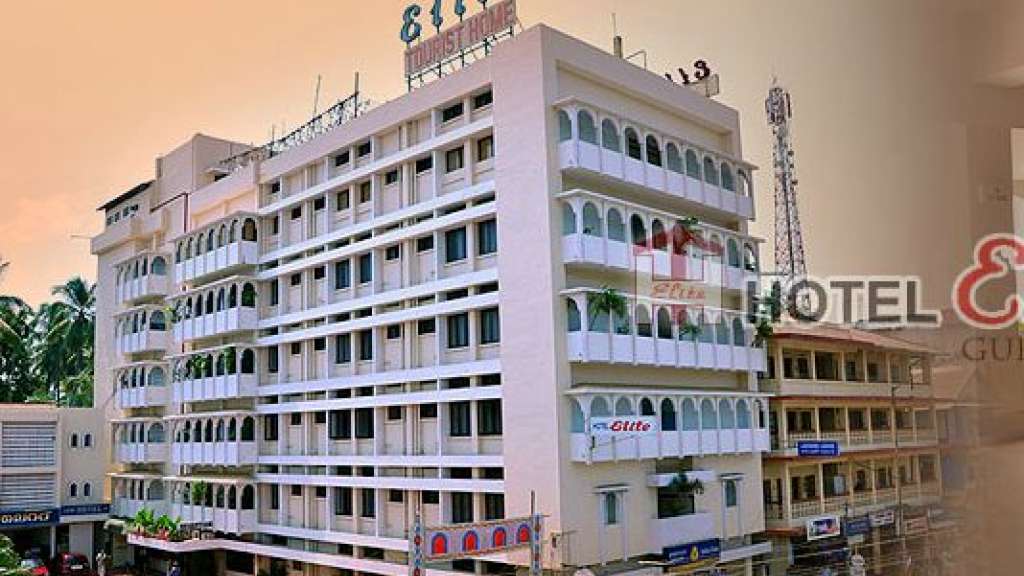
Hotel in Guruvayur. Hotel Elite, East Nada, Guruvayur, Thrissur, Kerala 680101 · Guruvayur, East Nada, Hotel.
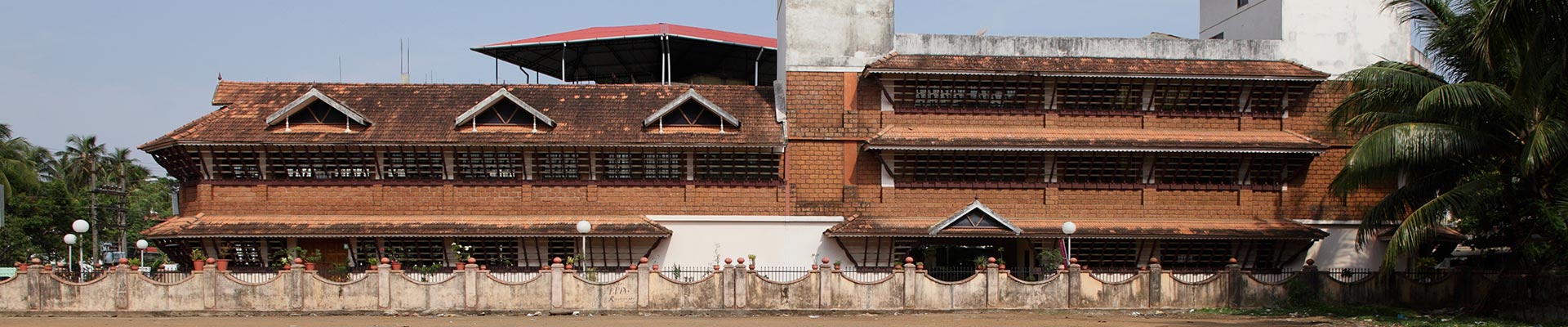
KTDC Tamarind Easy Hotel at East Nada with official contact details. Guruvayur, KTDC Tamarind, East Nada.
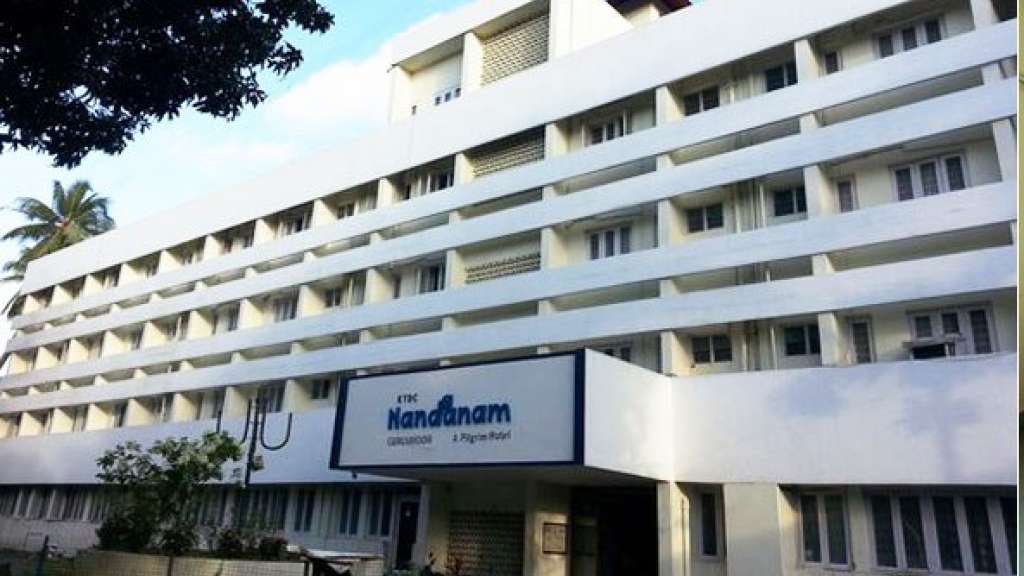
KTDC hotel at East Nada with Kerala Tourism-listed direct contact fields. Budget hotel (KTDC) · Guruvayur, KTDC, East Nada.
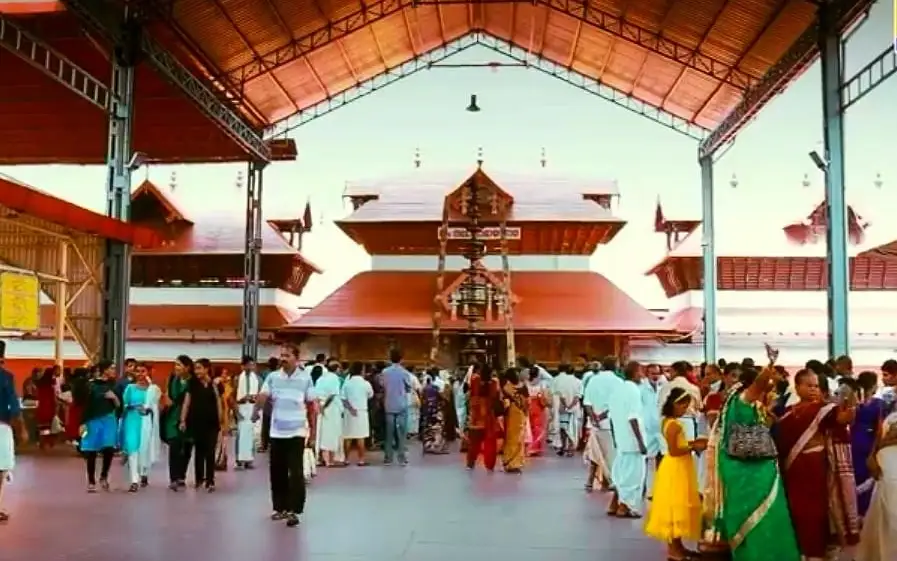
Temple service in Guruvayur. Guruvayur Devaswom, Guruvayur, Thrissur, Kerala 680101 · Official temple-service rules apply · Guruvayur Temple, Devaswom, Pilgrimage.
Taxi service in Guruvayur. Guruvayur taxi, Transport, Pilgrimage transfers.
Kesar by Lilac is a pure vegetarian restaurant in Guruvayur, useful for temple-town meals, hotel guests and family dining near the pilgrimage circuit. Guruvayur food, Vegetarian, Kesar.
Book with the place itself. India’s cyber-crime coordination centre warned in April 2025 that convincing copies of hotel and pilgrimage booking sites are being pushed through sponsored search and social ads, taking payment for rooms the property never hears about. Every listing here links to the business’s own contact details and its own Google or Bing profile — we take no commission and sit in nobody’s payment path. If a booking page reached you through an ad, check the address bar against the property’s own site before you pay. Fraud can be reported on cybercrime.gov.in or on 1930.
Find food, accommodation and activities across Guruvayur. Browse the guides for places to eat, stay and explore along your route.
2 more places around Guruvayur. Open a guide to plan the visit and onward journey.
5.5 km · ~14 min by auto
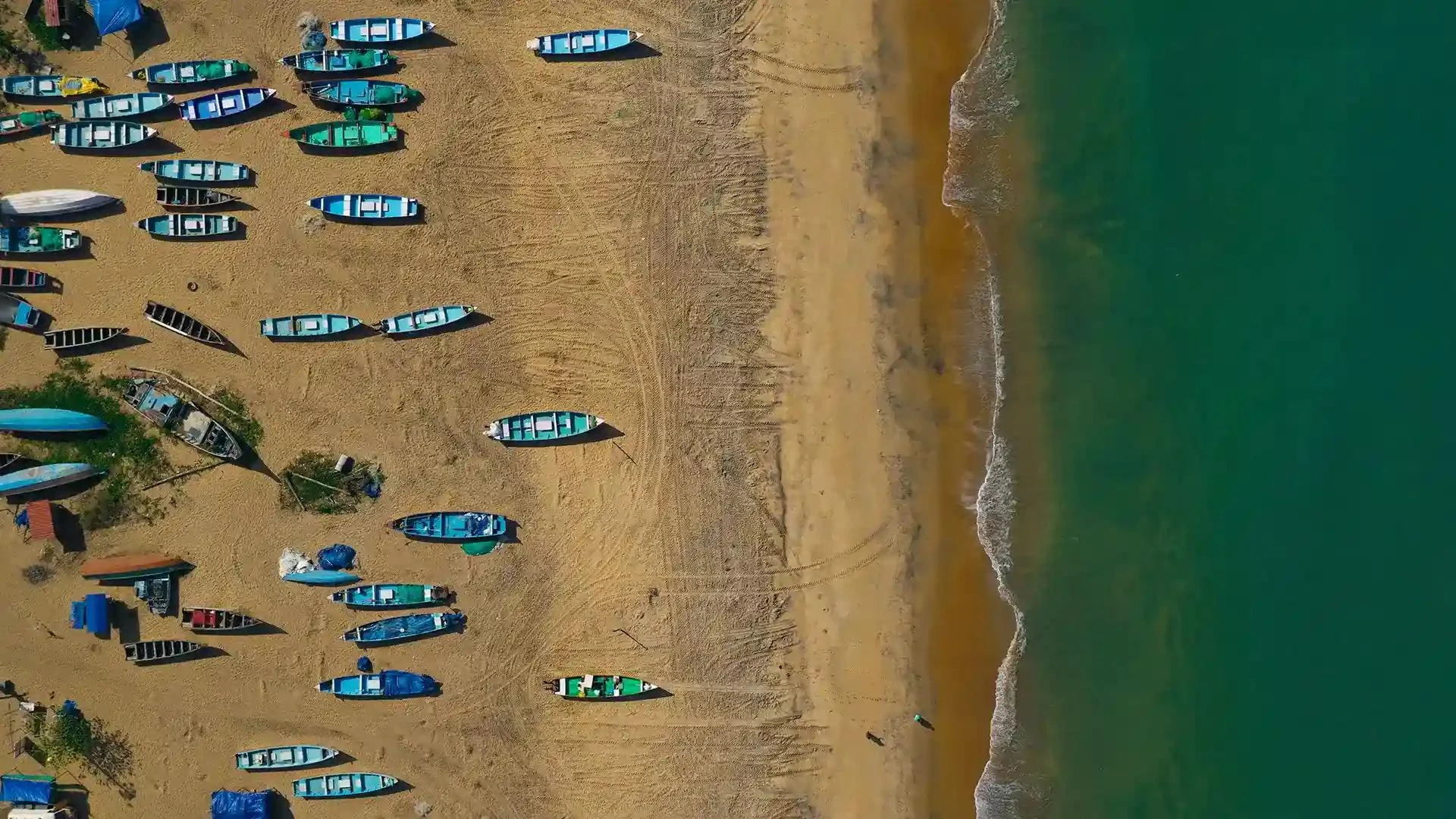
A calm beach near Guruvayur where the backwater meets the sea at the Chavakkad azhimukham.
Roampedia is commission-free — own or know a stay, eatery, guide or shop near Punnathur Kotta? List it and it appears here once verified.
Add a nearby businessEntry: ⚠ No official tariff is published. The Guruvayur Devaswom runs the sanctuary but does not publish a rate, and neither does the district portal or Kerala Tourism. Figures in circulation range from about ₹10 to about ₹20 per adult, with roughly half that for children and a separate camera charge — carry more than any of them and confirm at the counter.
Dress code: No formal dress code, but modest, comfortable clothing and sturdy footwear are sensible for a ground that can be dusty or muddy; carry water and sun protection.
Festivals: The region's ceremonial elephant-feeding festival, Aanayoottu, falls on the first day of the Malayalam month of Karkidakam (around July), most famously at Thrissur's Vadakkumnathan Temple; Gajapooja (elephant worship) and a monsoon-month (Karkidakam) period of Ayurvedic rejuvenation care are part of the tradition around the Guruvayur temple elephants. The death anniversary of Gajarajan Guruvayur Kesavan is also marked, with elephants garlanding his statue by the temple.
Photography: Photography rules have varied — sometimes a small camera charge of about ₹25, sometimes restrictions on cameras inside the compound. Check the current policy at the entrance and never use flash near the elephants.
If you are travelling by bus or ferry, check the return service with the operator before setting out. Leave time to reach the stop or jetty after your visit.
Ask at the bus stand for the time of the last service back, not the next one. If you miss it, an auto or app cab is the fallback — agree the fare before you get in.
If you need step-free access, contact the site before travelling. Ask about a level entrance, steps along the route, the nearest drop-off point, seating and accessible toilets.
Charge cap and free-transaction limits: Reserve Bank of India, in force since 1 May 2025.
These services are listed within about 1.2 km of Punnathur Kotta. Walking distances follow mapped routes; access and opening hours can change. Other services may be closer but are not included here.
Emergency numbers are verified against official government and state tourism sources. 112 works anywhere in India.
Major Krishna pilgrimage town northwest of Thrissur.
2.4 km · 30 min walk · straight lineA calm beach near Guruvayur where the backwater meets the sea at the Chavakkad azhimukham.
5.5 km · ~14 min by auto · straight line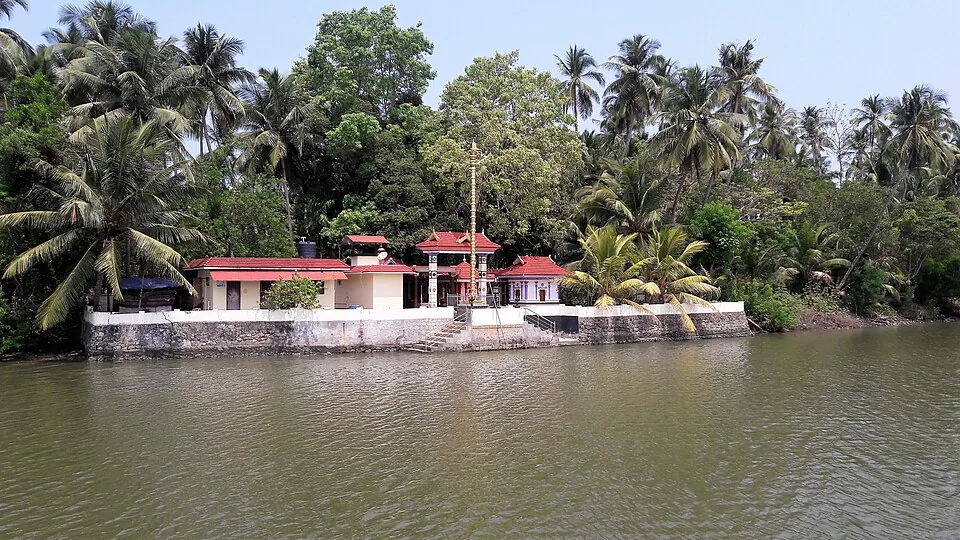
A calm estuarine backwater, mangroves and fishing-harbour belt on the Thrissur coast near Chavakkad, quieter than Alappuzha.
6.3 km · ~16 min by auto · straight line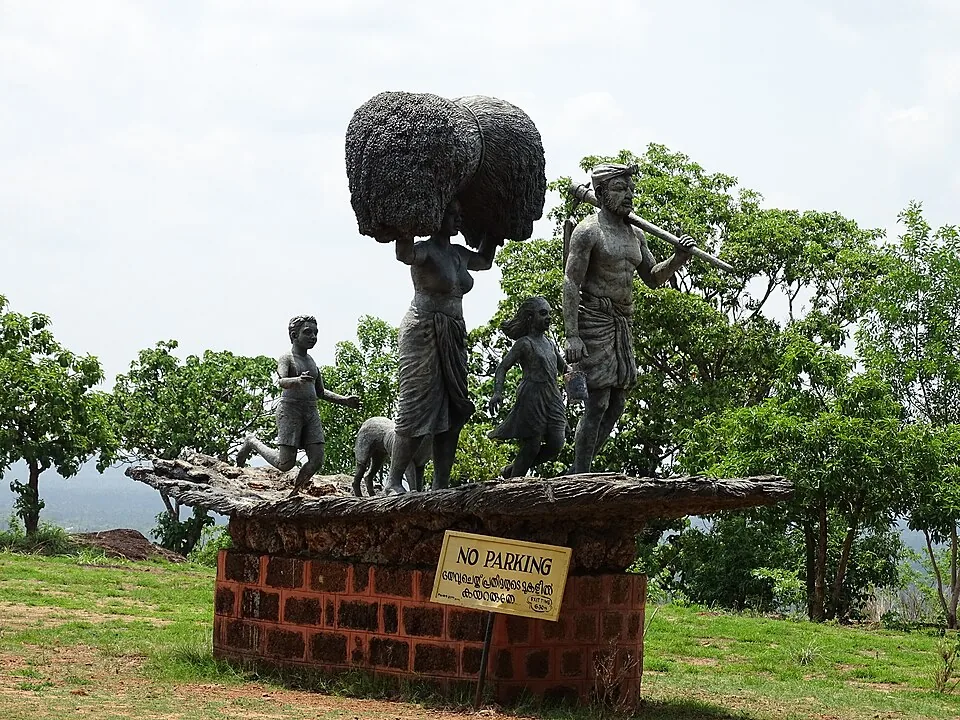
A low hill and park on the edge of Thrissur city, popular for sunset views and morning walks.
16.4 km · ~27 min by cab · straight line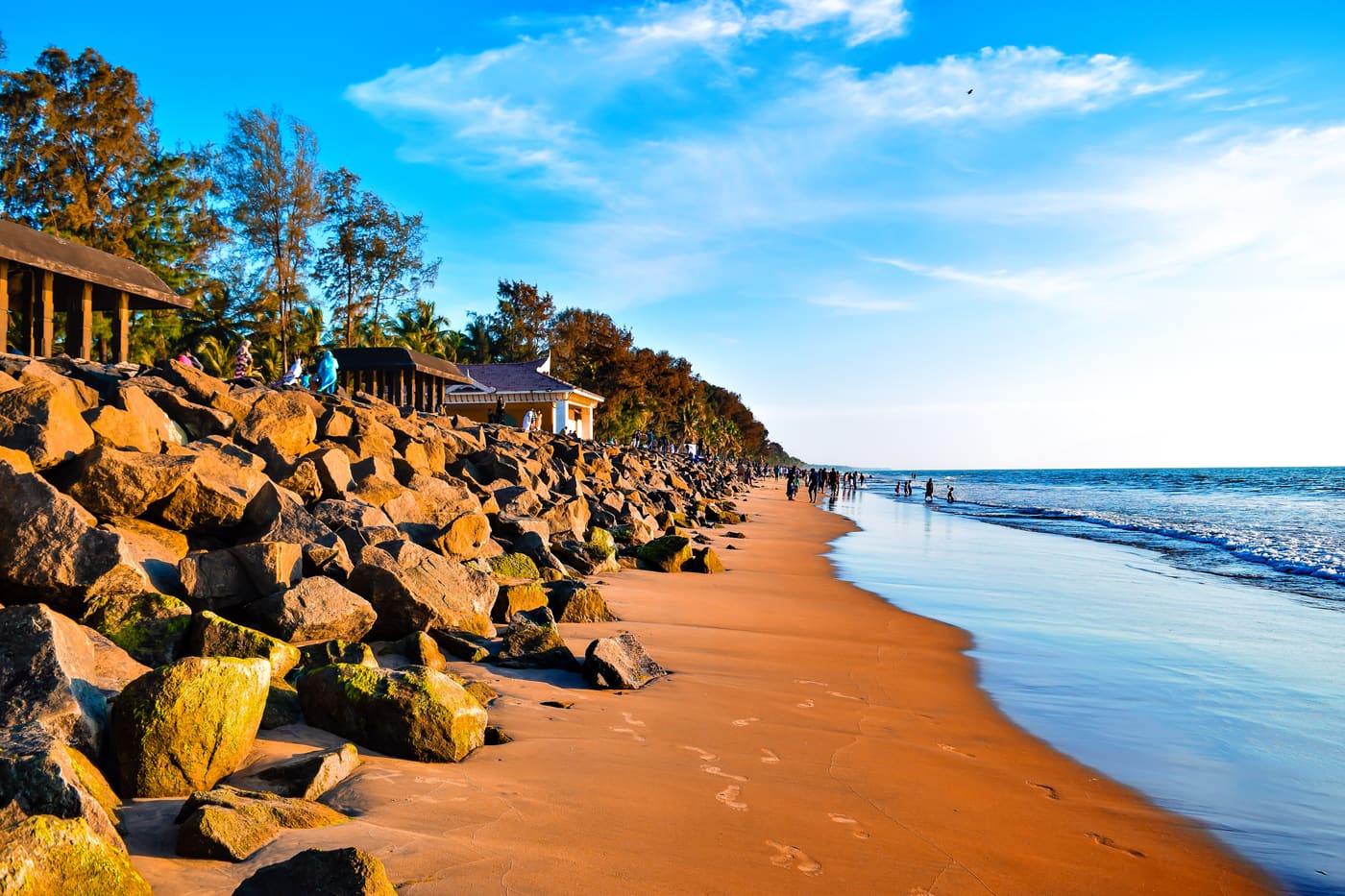
Family-friendly beach south-west of Thrissur city.
21.0 km · ~35 min by cab · straight line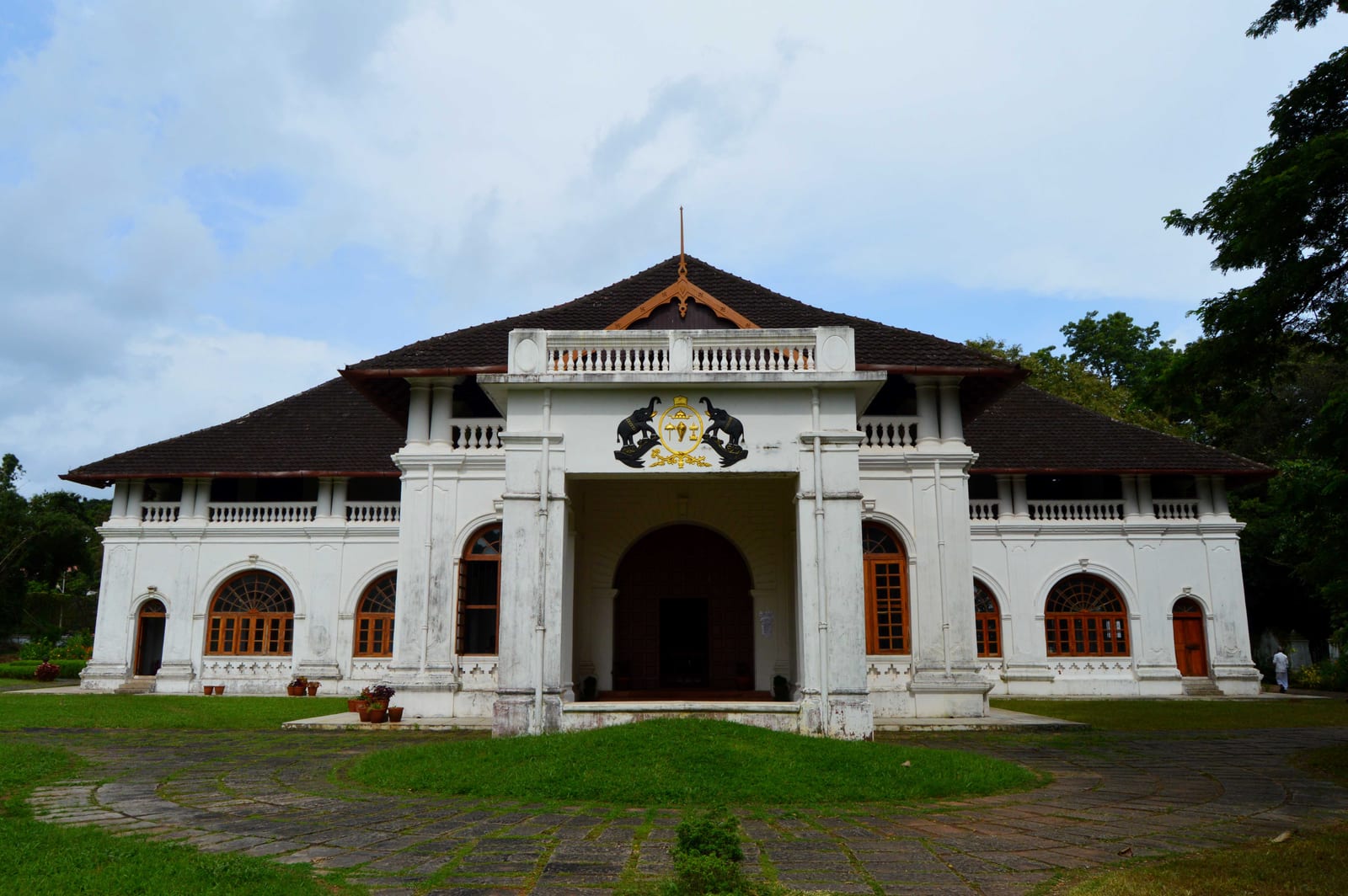
Restored palace and archaeological museum in Thrissur city, built by Raja Rama Varma Sakthan Thampuran.
22.4 km · ~37 min by cab · straight line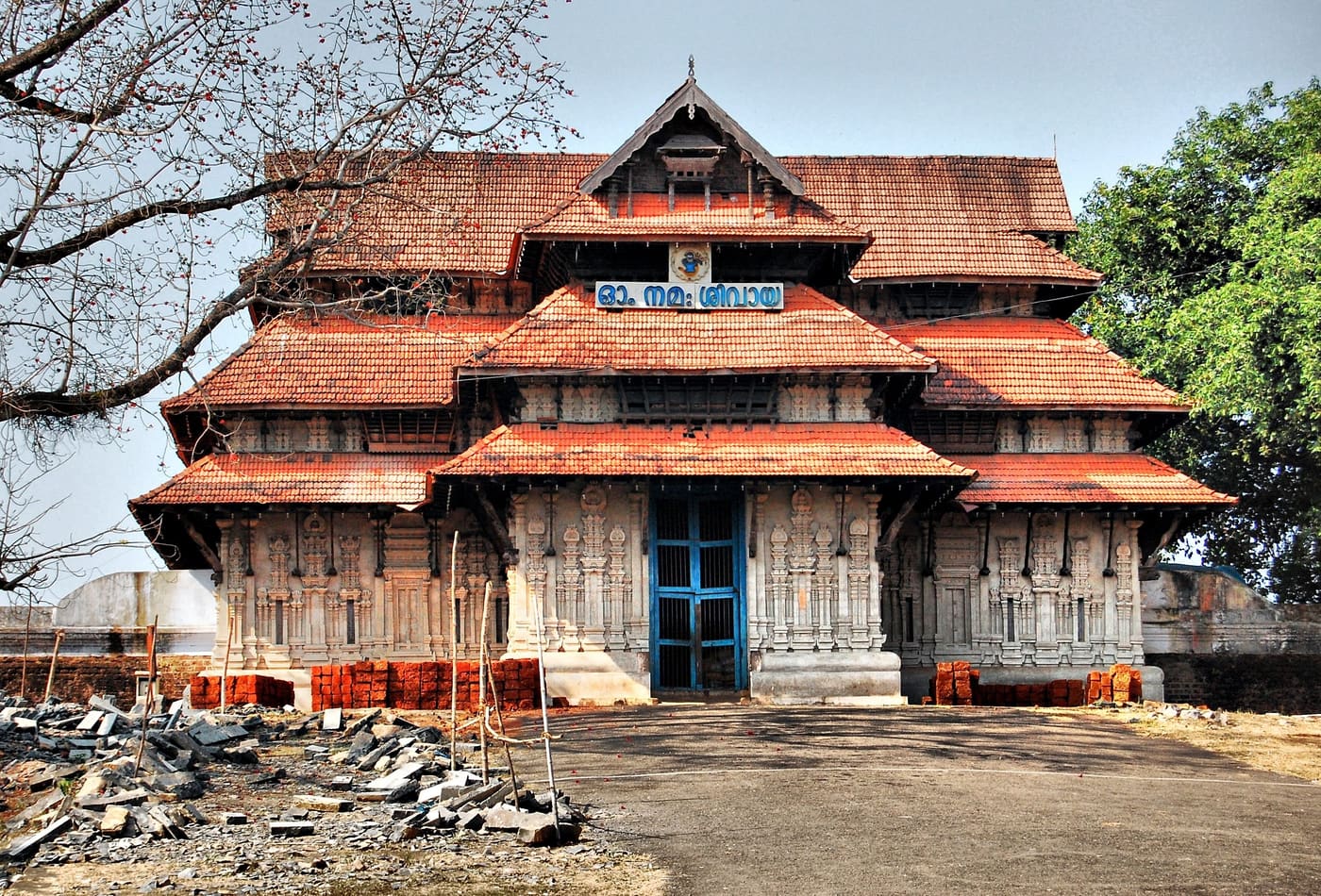
Ancient temple at the centre of Thrissur’s round, associated with Thrissur Pooram.
22.5 km · ~38 min by cab · straight line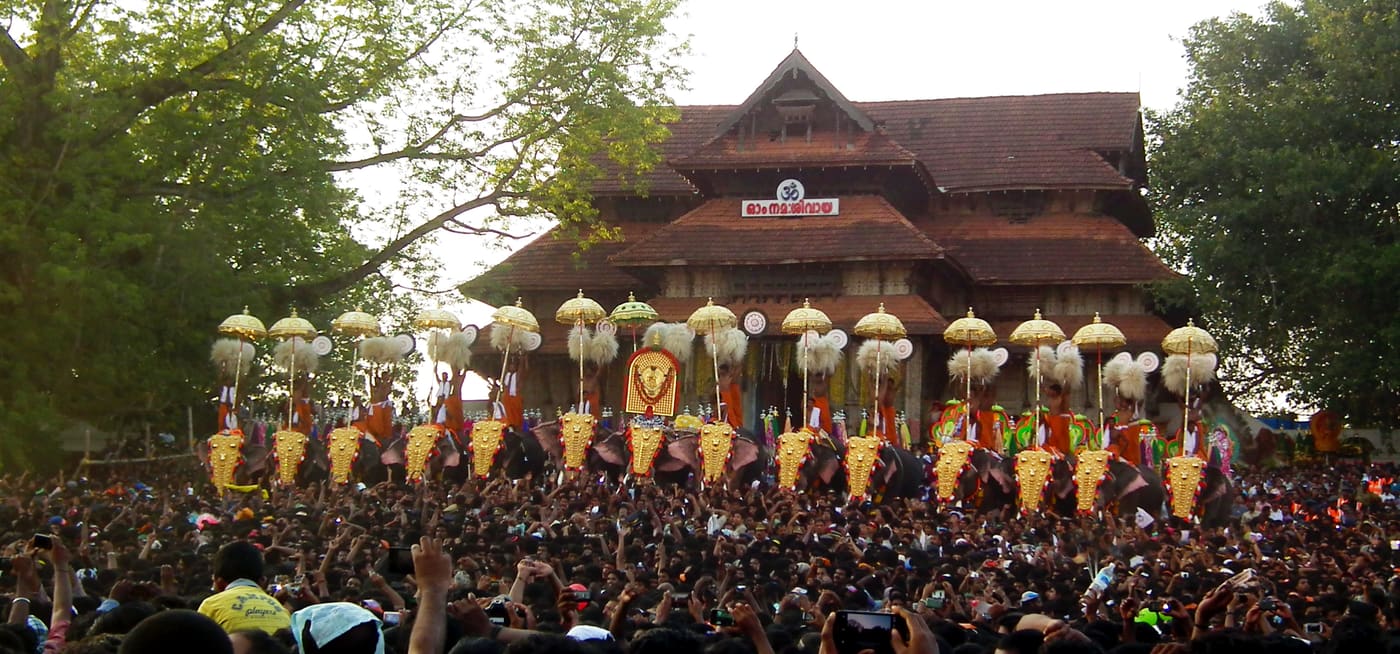
Kerala’s most famous temple festival, held around April/May at the Thekkinkadu ground around Vadakkunnathan.
22.5 km · ~38 min by cab · straight line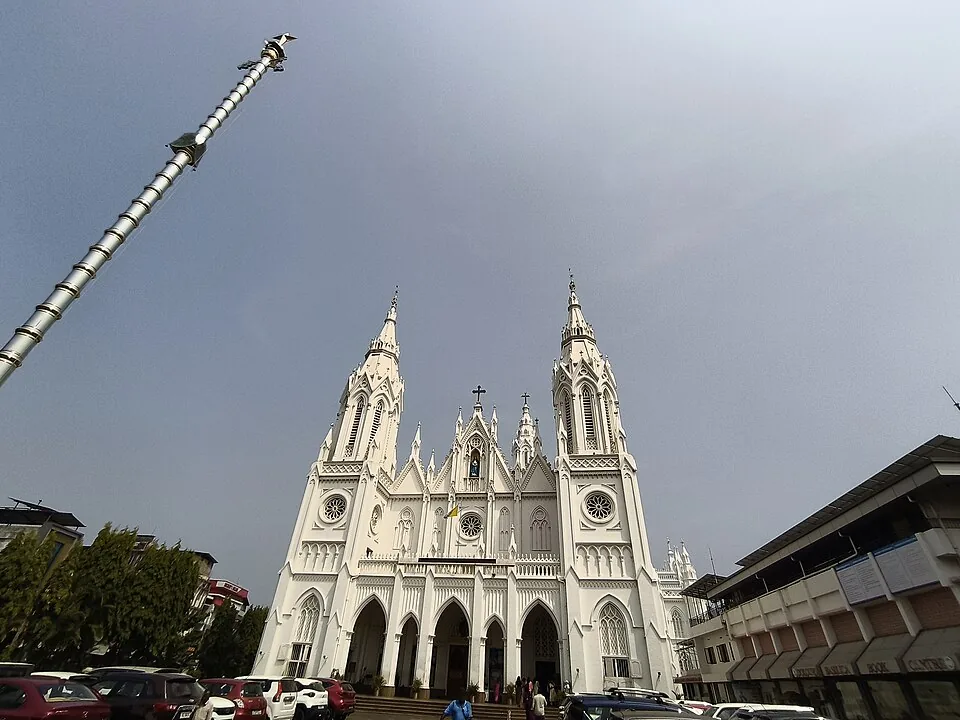
The “Puthan Pally” basilica in Thrissur, known for its Bible Tower — among the tallest church towers in Asia.
23.0 km · ~38 min by cab · straight line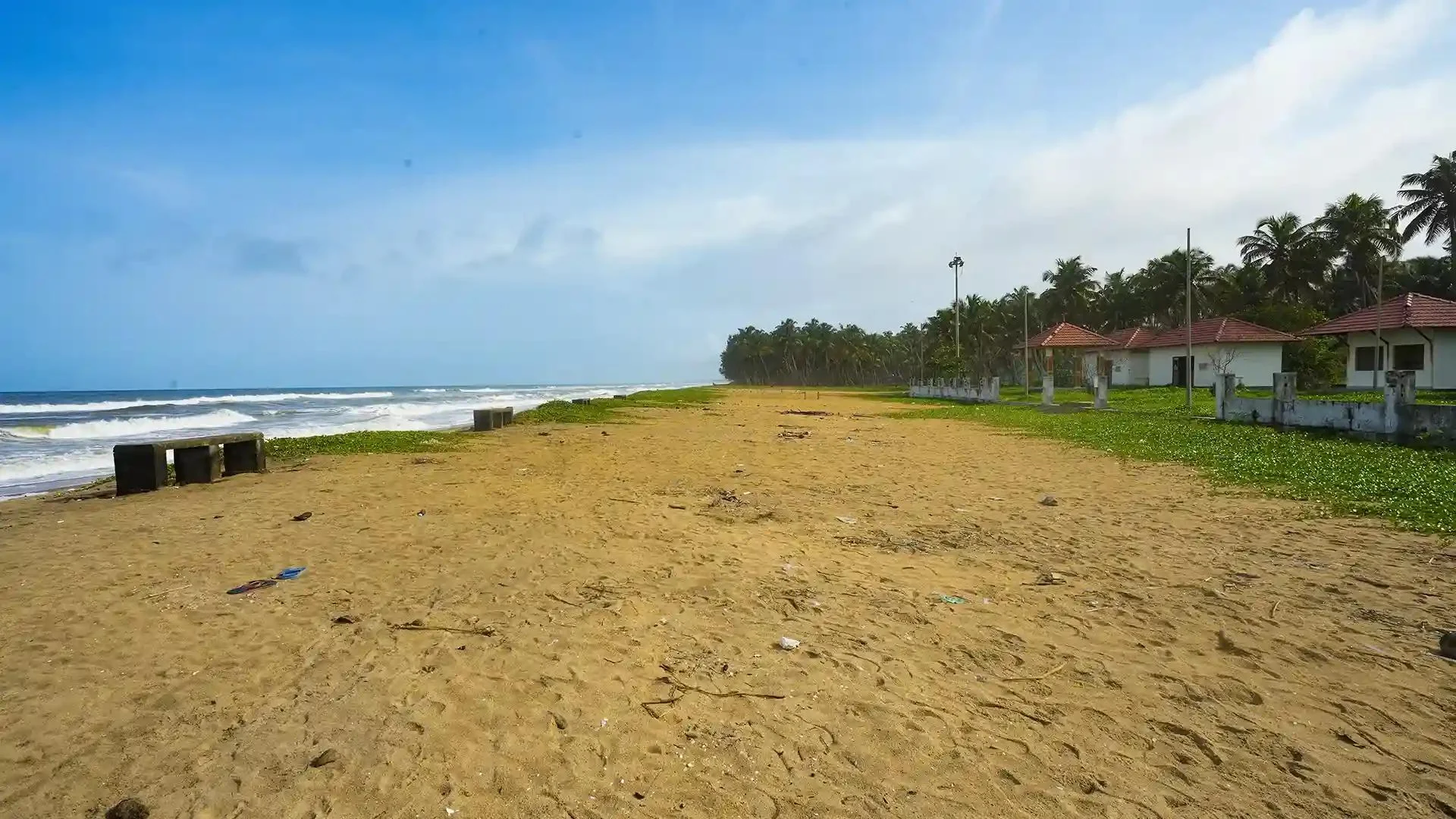
Nattika Beach is the Arabian Sea shore of Nattika in Thrissur district, also identified by Kerala Tourism as Attakuzhi Bandhar Kadapuram. Its long sand frontage, fishing-life connections and association with the Malayalam film Chemmeen give it a character distinct from a resort’s private grounds. Use the named public beach approach for a shore visit, with Nattika and Triprayar providing the wider town plan. The beach, Triprayar Sree Rama Temple and any accommodation property require separate arrival instructions.
23.1 km · ~39 min by cab · straight line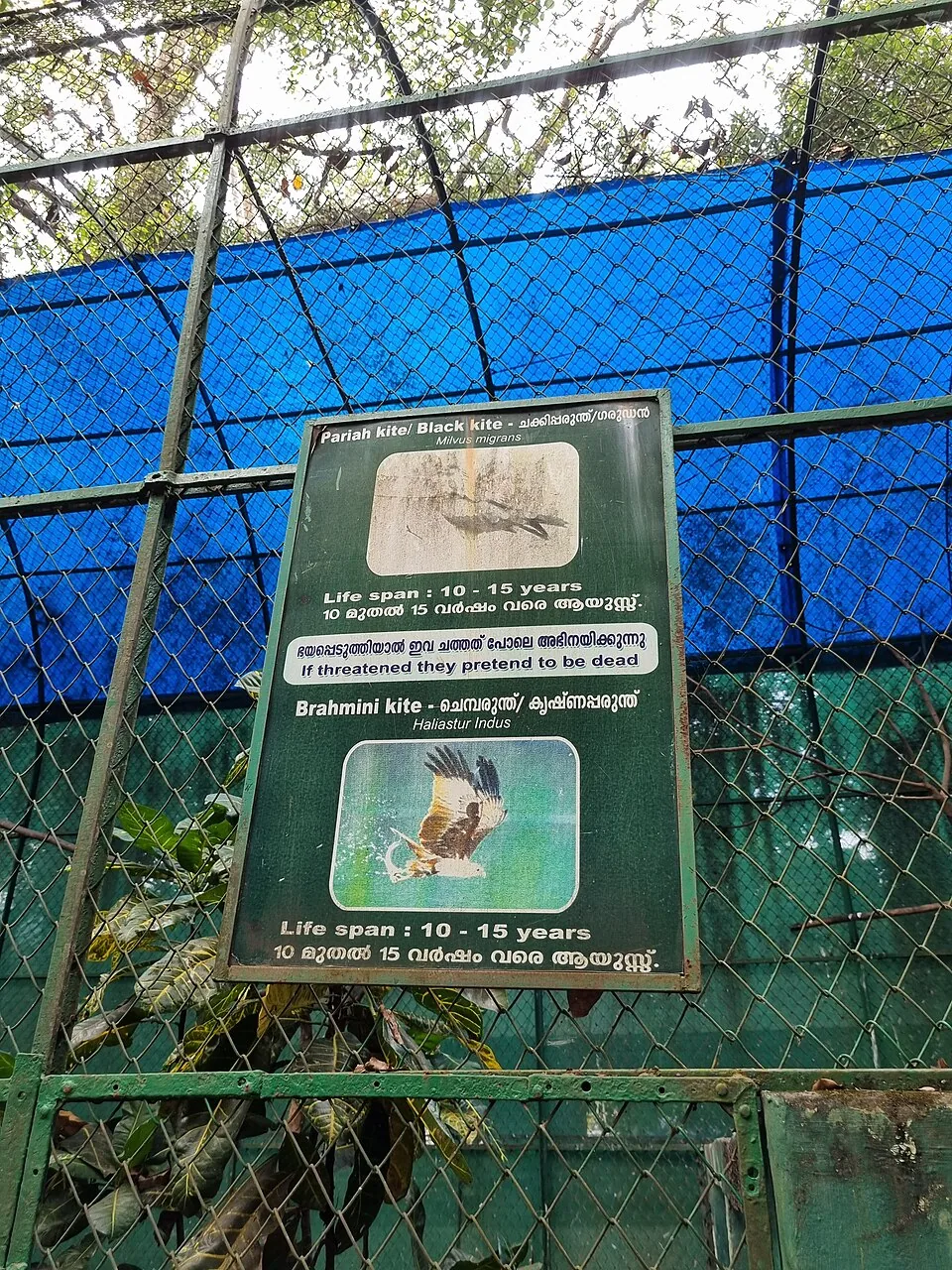
State museum, art gallery and natural-history collection at Chembukkavu; the zoo animals moved to the new zoological park at Puthur, open since February 2026.
23.2 km · ~39 min by cab · straight line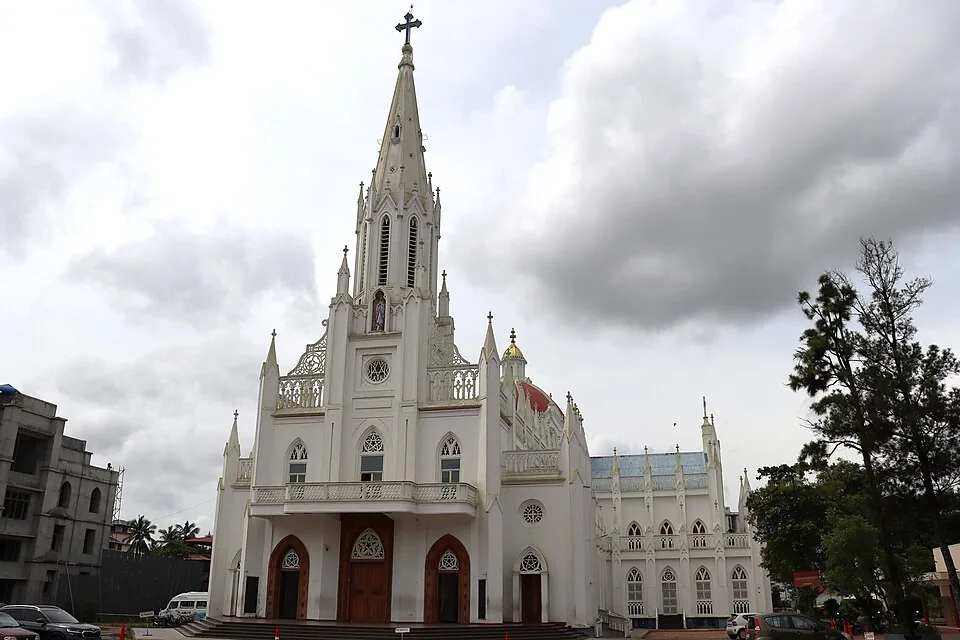
A landmark Syro-Malabar cathedral in Thrissur city known for its Gothic facade and an underground shrine (rock church).
23.9 km · ~40 min by cab · straight lineNearby toilets, pharmacies, ATMs, seating and vets are community-mapped and may be incomplete or out of date. Map data © OpenStreetMap contributors | Walking times © openrouteservice.org by HeiGIT
The elephant camp is generally open every day, with commonly quoted hours of about 8:00 a.m. to 6:00 p.m. (some sources cite 9:00 a.m. to 5:00 p.m.), and a midday lull of roughly 12:30–2:30 p.m. when the elephants rest. Mornings are the best time, when the animals are fed and often taken to bathe.
The entry ticket is modest — commonly around ₹20 per adult and about ₹10 per child. Fees can change, so check the current rate at the ticket counter on arrival.
Photography rules here have varied over time — some visitors report a small extra camera charge of around ₹25, while at other times still-camera use inside the compound has been restricted. Ask at the entrance about the current camera and mobile-photography policy before you start shooting, and never use flash close to the elephants.
The cooler, drier winter months (roughly November to February) are the most comfortable for a visit, and early morning is best for seeing the elephants active, fed and bathing. The wider region also celebrates Aanayoottu, the ceremonial elephant-feeding festival, on the first day of the Malayalam month of Karkidakam (around July) — famously at Thrissur's Vadakkumnathan Temple — while Gajapooja (elephant worship) and Ayurvedic monsoon-month care are part of the tradition around the temple's elephants.
It sits in Kottapadi, about 2–3 km from the Guruvayur temple. Guruvayur has its own railway station a short hop away, and autorickshaws and taxis run out to the camp from the temple town. The nearest airports are Cochin (Kochi) International, roughly 80 km away, and Calicut International at Karipur, roughly 100 km away.
Yes — Punnathur Kotta is a working camp rather than an enclosed zoo, so visitors walk through the grounds among the tethered elephants and can watch them being fed, bathed and cared for by their mahouts. Keep a respectful distance, follow the handlers' instructions, and remember these are large, powerful animals; do not approach or feed them without permission.
November to February and early mornings are best for walking; avoid midday heat where possible.
Entry: ⚠ No official tariff is published. The Guruvayur Devaswom runs the sanctuary but does not publish a rate, and neither does the district portal or Kerala Tourism. Figures in circulation range from about ₹10 to about ₹20 per adult, with roughly half that for children and a separate camera charge — carry more than any of them and confirm at the counter. Timings: Generally open daily; commonly quoted as about 8:00 a.m.–6:00 p.m. (some sources say 9:00 a.m.–5:00 p.m.), with a midday rest period of roughly 12:30–2:30 p.m.
1 to 3 hours.
Nearby you can pair Guruvayur Temple (2.4 km), Chavakkad Beach (5.5 km), Chettuva Backwaters (6.3 km), Vilangan Kunnu (16.4 km).
Watch traffic on narrow heritage streets. Keep valuables close in crowded markets.
Written about Punnathur Kotta itself — its history, its legends and the arguments about them.
Route-level itineraries and practical guides for the rest of Kerala.
Photographs: Vinayaraj (CC BY-SA 3.0), Ranjithsiji (CC BY-SA 3.0), Easwaran Chand (Public domain). Wikimedia Commons.