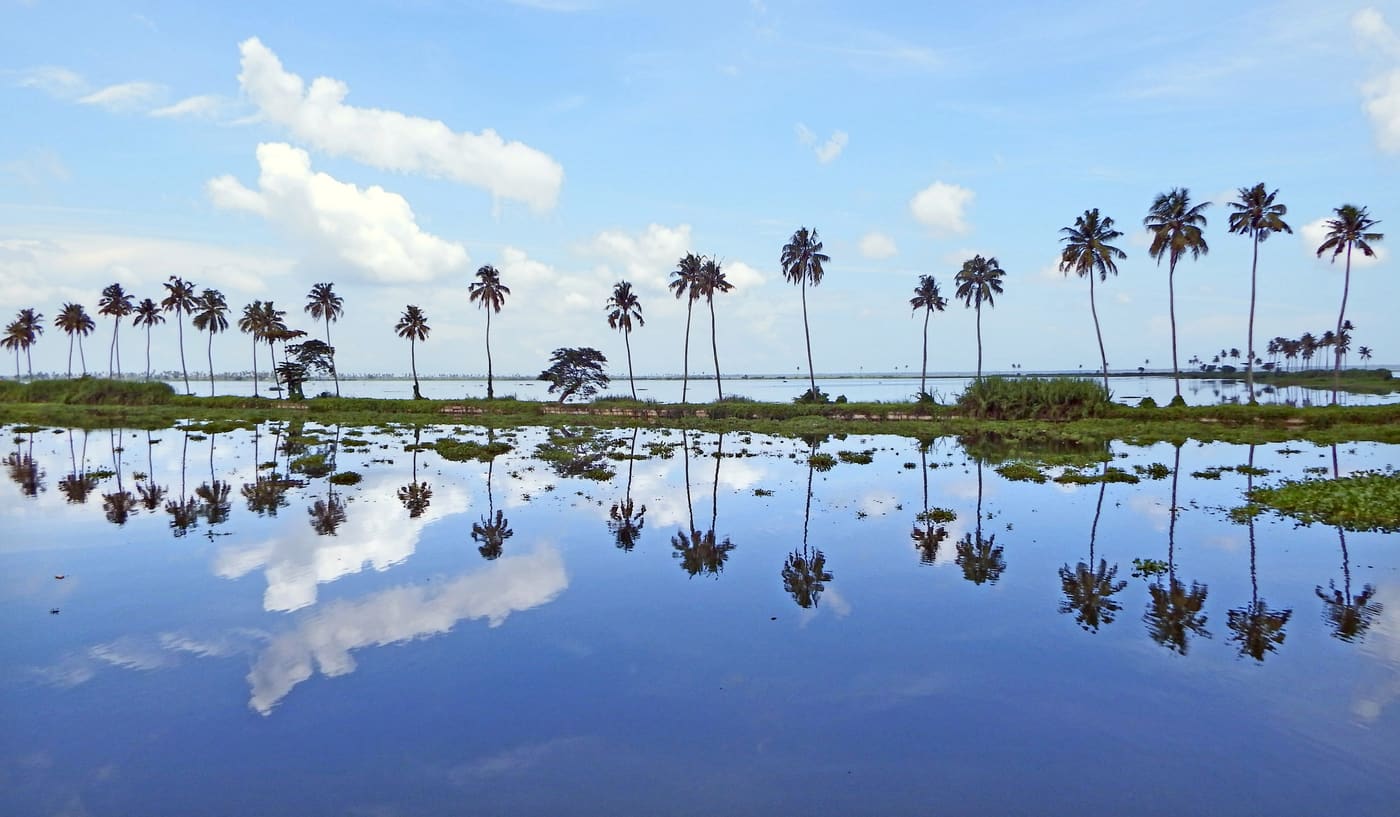
A country boat slides out of a narrow canal in Kumarakom, past green paddy fields, and the first stop on the trip is not a resort but a farmer's yard. This is how the Kumarakom Responsible Tourism day begins, with a cruise through the backwaters of Vembanad Lake and then a morning spent beside the people who live there. Kerala Tourism calls Kumarakom the cradle of Responsible Tourism, and the reason lies in how the village and its visitors were brought together.
By the 2000s Kumarakom was already famous. Tourism here had begun in the 1970s, when the heirs of the Baker family handed their old estate to the Kerala Tourism Development Corporation. Within three decades the village had become a backwater destination known around the world, and in 2005 the Government of Kerala declared it a Special Tourism Zone. Resorts and houseboats filled the lakeshore, but the farmers and fishers behind them took little part in that business.
Kerala set out to change that by following the 2002 Cape Town Declaration on Responsible Tourism. That declaration asks tourism to make better places for people to live in and better places to visit. The state chose four pilot destinations, Kumarakom, Wayanad, Kovalam and Thekkady. Responsible Tourism started in Kumarakom in 2007, and the project was officially inaugurated there in March 2008. Kumarakom then ran more new projects than the others, which is why it became the model.
The model worked because the village itself ran it. The Department of Tourism planned it with the Kumarakom panchayat and with Kudumbasree, the women's self-help network. A destination-level Responsible Tourism committee and an RT cell were formed to work under the panchayat's guidance, and the work was linked with the village's NREGA job schemes. So the people who already managed roads, canals and ration cards also decided how tourism would touch their homes.
Those homes then became suppliers. Kerala Tourism records that all of Kumarakom's roughly 180 Kudumbasree units joined the programme, each with about 30 members. They were joined by 10 farmers' groups of 450 members and homestead farming in 612 homes. About 2,000 families took part. Because the farmers, artisans and labourers now sold their produce and skills to the tourism trade, Kerala Tourism says they earned a better living from it.
What the visitor sees of all this is the village life experience. The Kerala Responsible Tourism package called A Day with Farmers starts with the country boat cruise and then moves through the work of the place. Guests climb coconut trees, watch toddy being tapped, weave coconut leaves and screw pine, cast nets, try bow-and-arrow fishing and make coir from husk. Then the day carries on through a farm visit, a walk along the paddy fields and a cruise down the canals. A second package, Beyond Backwaters, also explores these old trades along with broom making and handicrafts.
A visit by a group of tourists from the United States, reported by Onmanorama, shows how this feels on the ground. At Viruppukaala, a tourism village in Kumarakom, they ground coconut chutney on a traditional grinding stone and drank tender coconut they had plucked. They plaited palm leaves into mats and tried weaving Kerala sarees. Then they tapped toddy and made coir from coconut husk. Each of those tasks was someone's daily work, and that is the point, because the visitors pay the people who do it.
That payment is why the project changed minds in the village. Kerala Tourism says it convinced villagers that tourism could give them a livelihood, and it gave artisans a way to sell straight to travellers at a fair price. The plan also had a green side, with natural farming, waste recycling and care for the lake's wildlife. That matters here, because the Vembanad-Kol wetland around the village is a Ramsar site, and the birds of the Kumarakom Bird Sanctuary depend on it.
The world noticed. Kumarakom won India's National Tourism Award for the best Responsible Tourism project for 2008-09, and won it again for 2015-16. Kerala Tourism also received the UNWTO Ulysses Award for Innovation in Public Policy and Governance for the Kumarakom project, which its newsletter called its biggest international honour. A WTM Highly Commended Award followed in 2017, and PATA gold and grand awards added to the shelf.
Aymanam, the next village along the backwaters, sits a short drive from Kumarakom, and visitors on the village walks often pass through it. Aymanam's own story begins with a famous novel.
For a traveller, the best way to see the village is to give it a day. The farm day starts and ends on the same backwaters as the lakeside resorts. The Kumarakom town guide shows how to fit a village day between a houseboat cruise and a morning with the birds. From here, the next story goes back to the Englishman whose untouched ten acres became the Kumarakom Bird Sanctuary. It then leads on through the rest of Kottayam district.
Frequently asked questions
When did Responsible Tourism start in Kumarakom?
It started in 2007, and the project was officially inaugurated in March 2008.
What do visitors do on the Kumarakom village life experience?
They cruise the canals in a country boat and watch toddy tapping. They also climb coconut trees, cast nets, weave leaves and make coir.
Who earns from it?
Kudumbasree women's groups, farmers' groups, artisans and labourers of the village, about 2,000 families in all.
What awards has it won?
The National Tourism Award for best Responsible Tourism project for 2008-09 and 2015-16, and the UNWTO Ulysses Award for innovation.