Indicative entry fees and opening hours for the ticketed and timed places in Kottayam. These change — always confirm with the official operator before you go.
PlaceEntry feeTimingsBest time
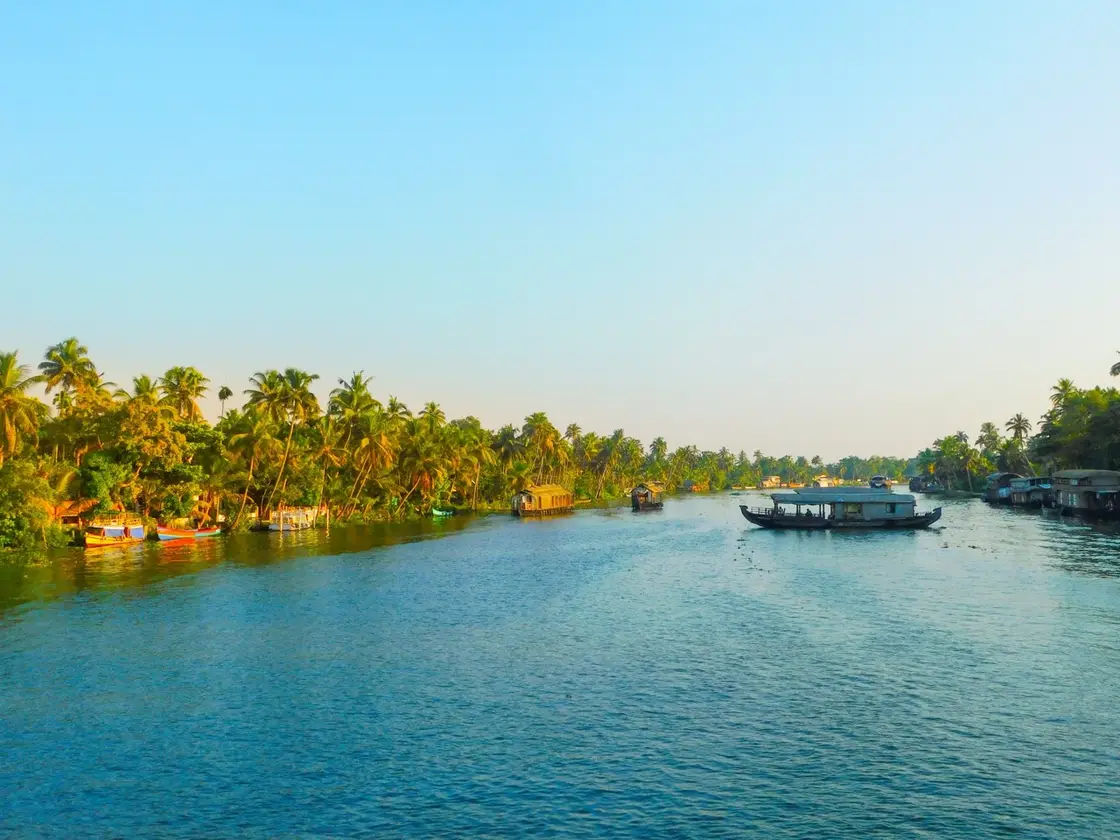
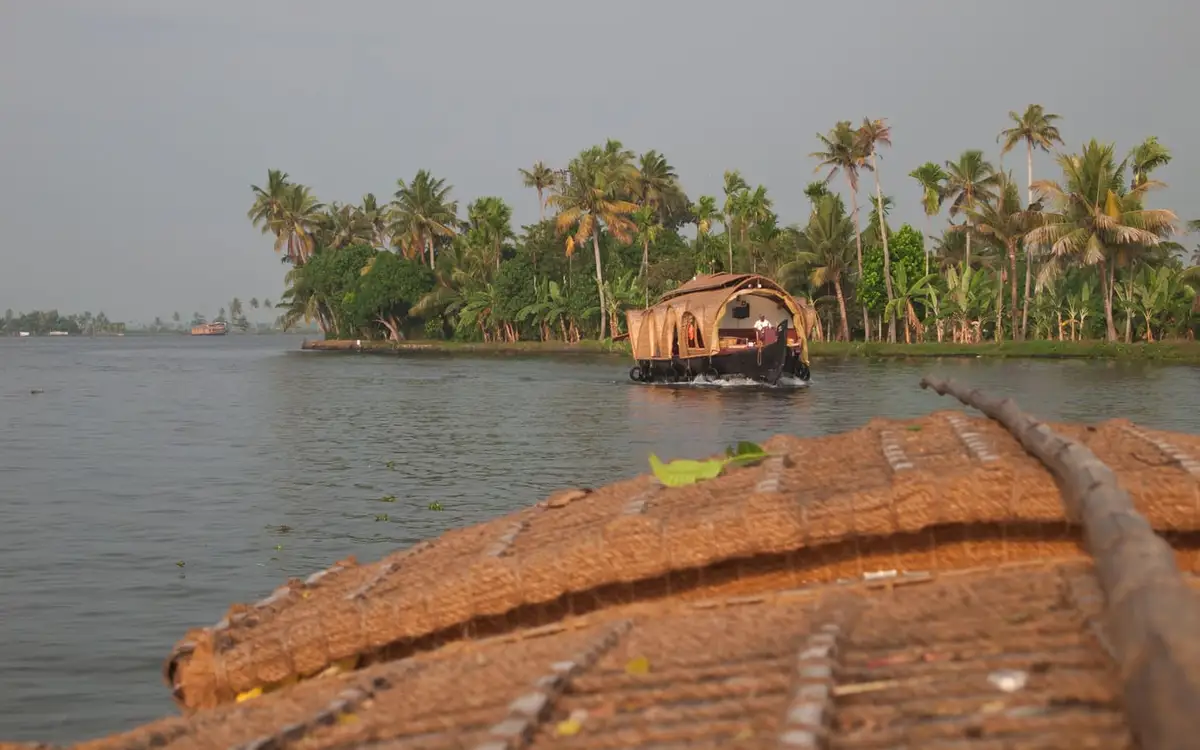
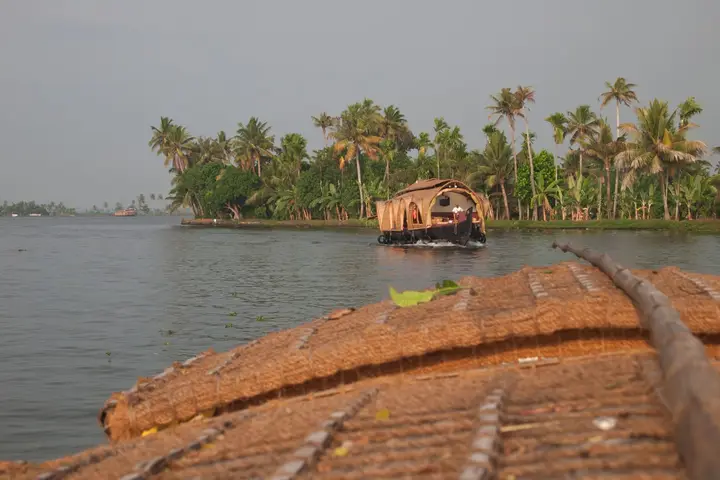
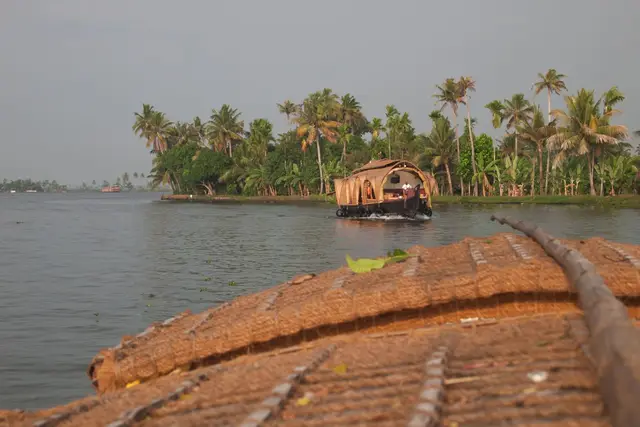
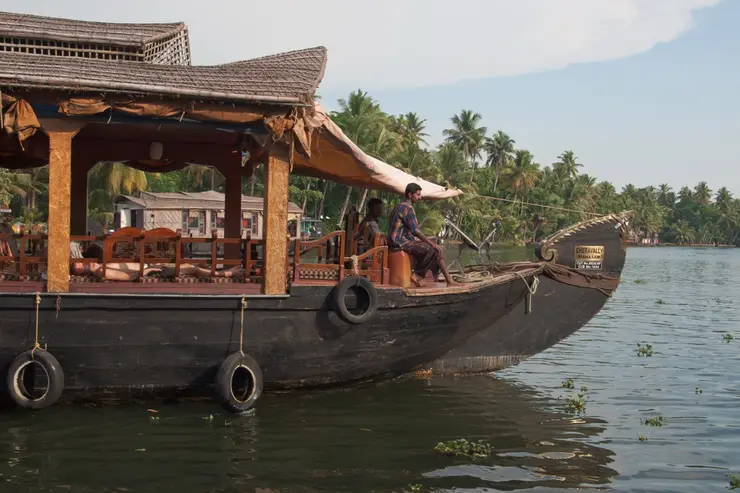
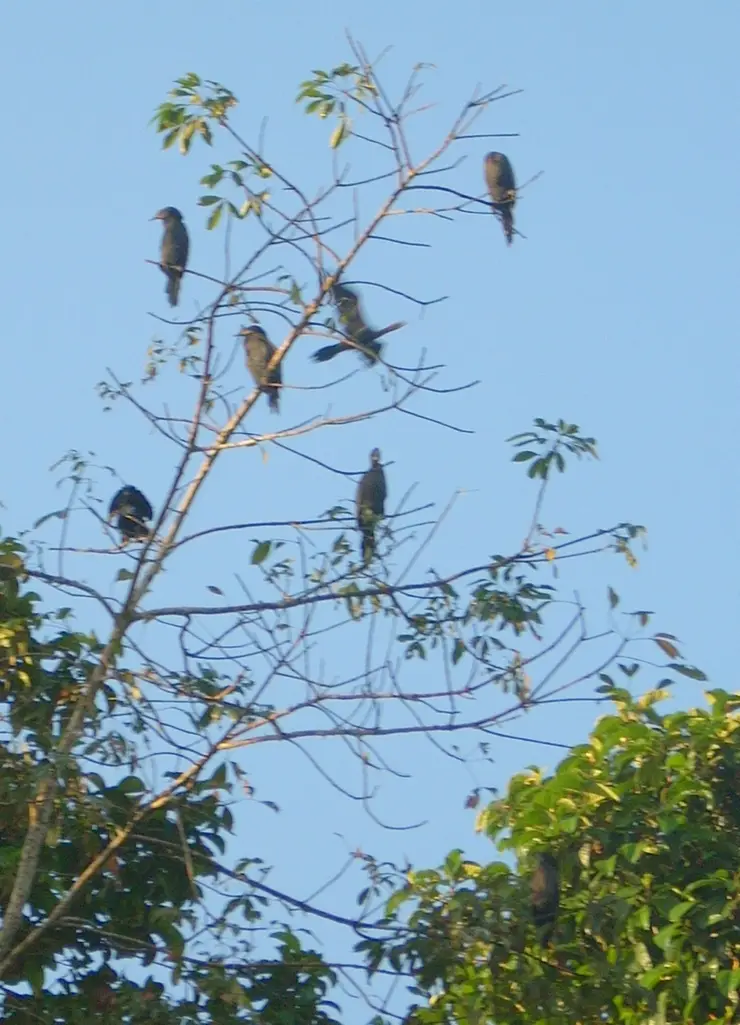
Kumarakom Bird sanctuary entry is commonly around ₹100 for Indian adults, roughly ₹50 for children (5–12) and about ₹250 for foreign nationals, plus separate camera/boat charges. Houseboats are the main cost: day cruises from roughly ₹6,000–₹9,000, and one-bedroom overnight cruises (meals included) from around ₹10,000, rising with more bedrooms and AC.Kumarakom Bird Sanctuary is generally open daily, about 6:00 am to 6:00 pm; early morning (6–8 am) offers the best birdwatching. Day houseboat cruises typically run late morning to evening; overnight houseboats board around midday and moor by evening.Best overall from about September to March, when the weather is dry and pleasant. November to February is peak migratory-bird season; June to August brings lush green scenery and local birds but heavier monsoon rain.
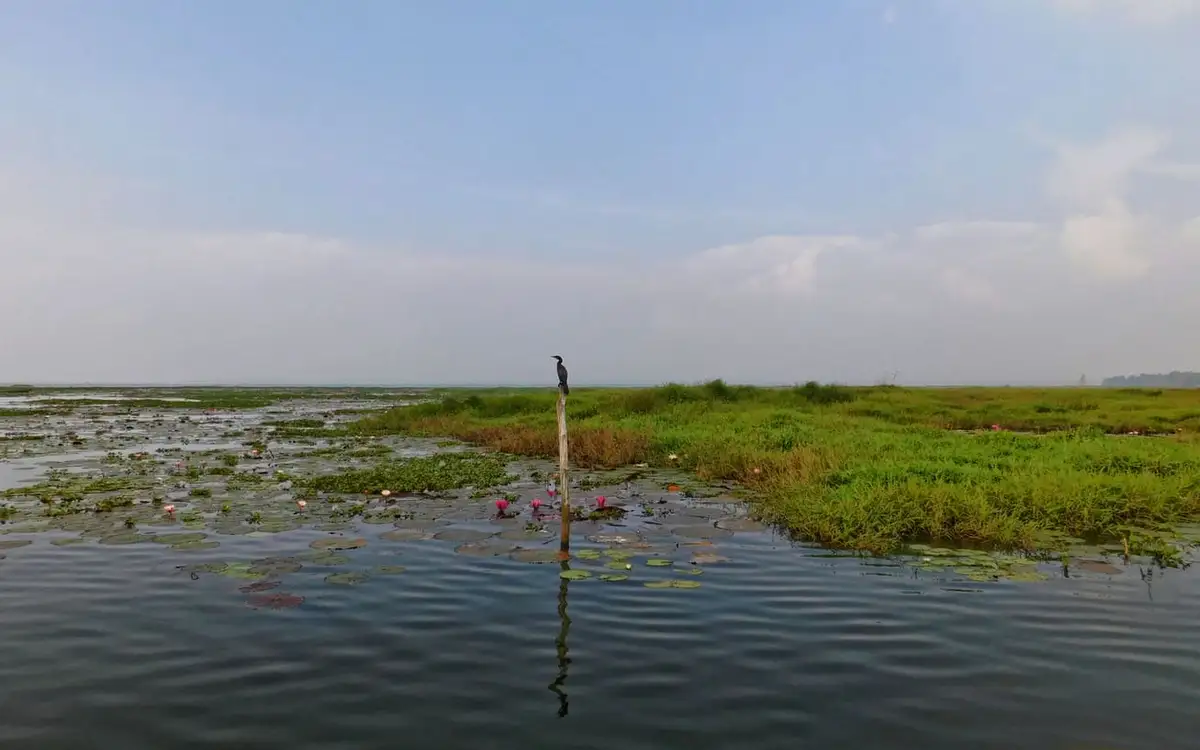
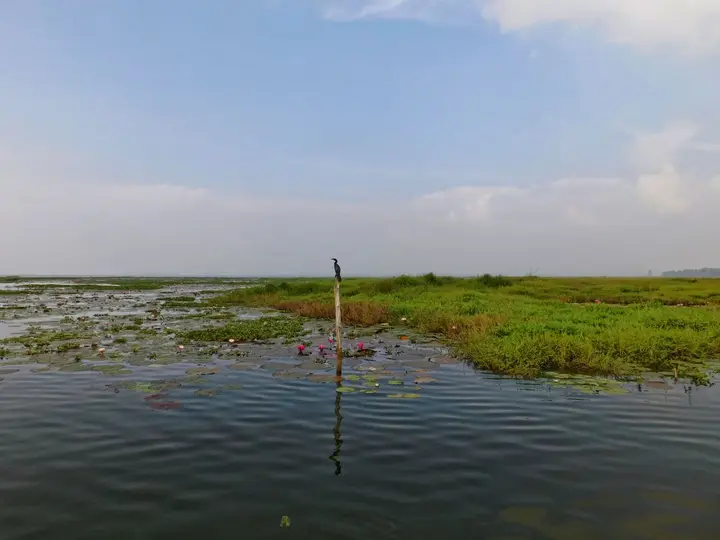
Kumarakom Bird Sanctuary A modest entry ticket applies — sources indicate roughly ₹50–₹100 for Indian visitors (less for children) and a higher rate of around ₹250 for foreign nationals; boat hire and guide charges are separate.Generally open daily through daylight hours, with sources commonly citing around 6.30 am to about 5.30–6.30 pm; the early‑morning hours are by far the best for birdwatching.Migratory birds are best seen in winter, roughly November to February; resident and breeding birds are active around the monsoon and June–August. On any day, the early morning at and just after dawn is the prime window; late afternoon is a quieter second‑best.
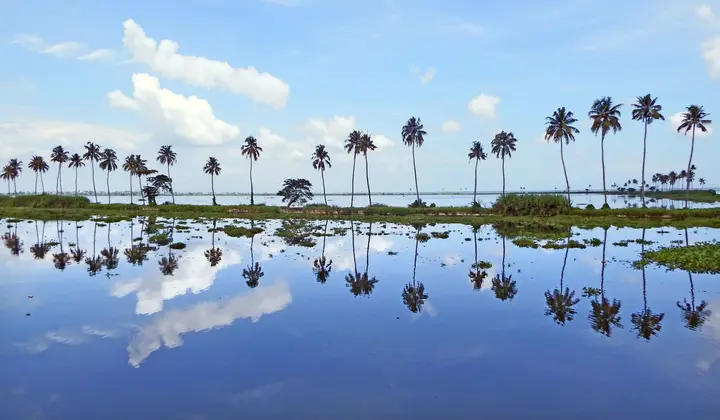
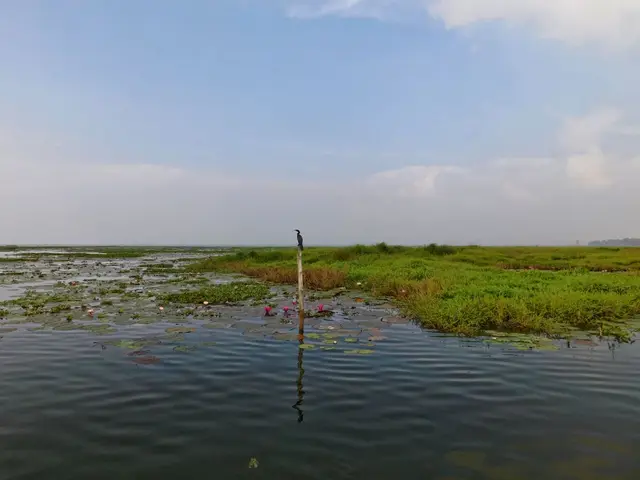
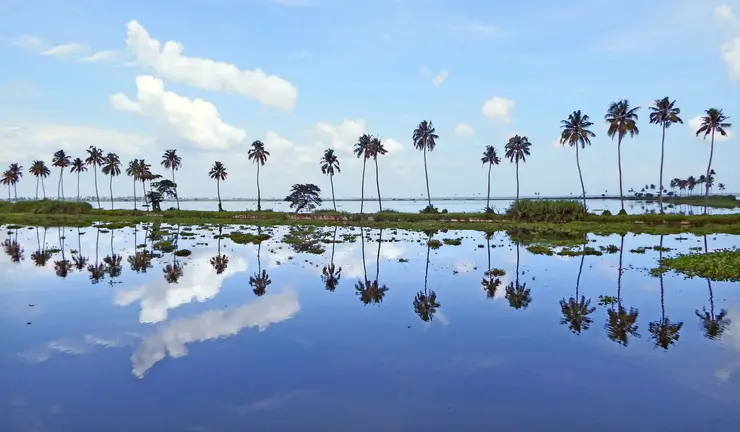
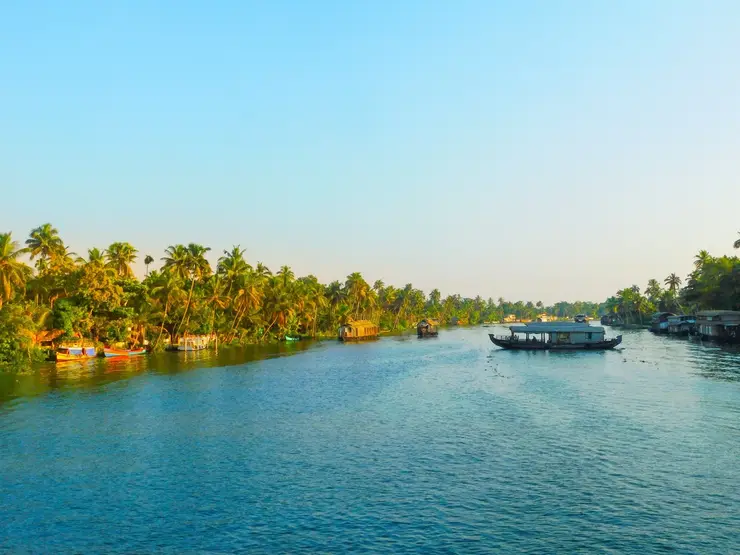
Vembanad Lake There is no charge to view the lake; boat cruises are priced per trip and vary widely by vessel and duration, and the Kumarakom Bird Sanctuary levies a modest entry ticket with a small extra charge for cameras.The lake is open water and can be seen at any hour, but boating is typically arranged in daylight; the adjoining Kumarakom Bird Sanctuary generally opens early morning to evening, and dawn cruises around 6 am are prized for birds and mist.November to February offers the coolest, driest weather and the migratory birds, and is the peak season. June to September brings lush monsoon greenery, fuller backwaters and the snake-boat races, though with rain. March to May is hot and humid but quieter and cheaper.
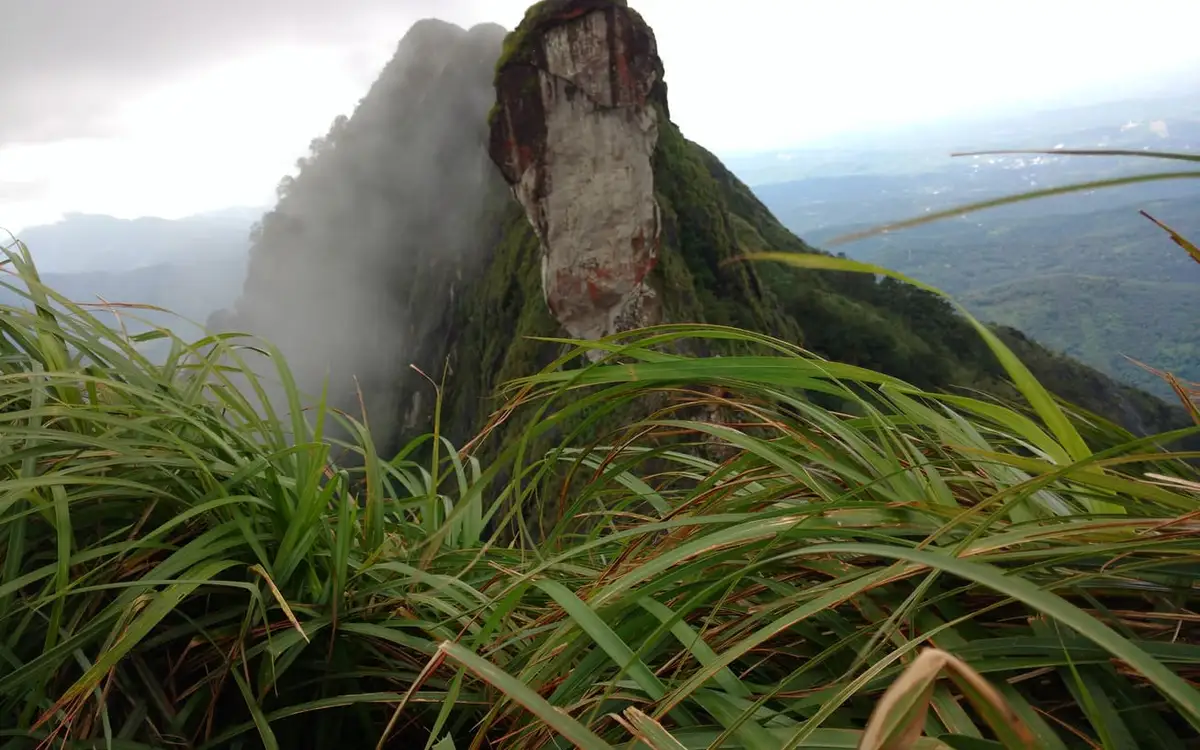
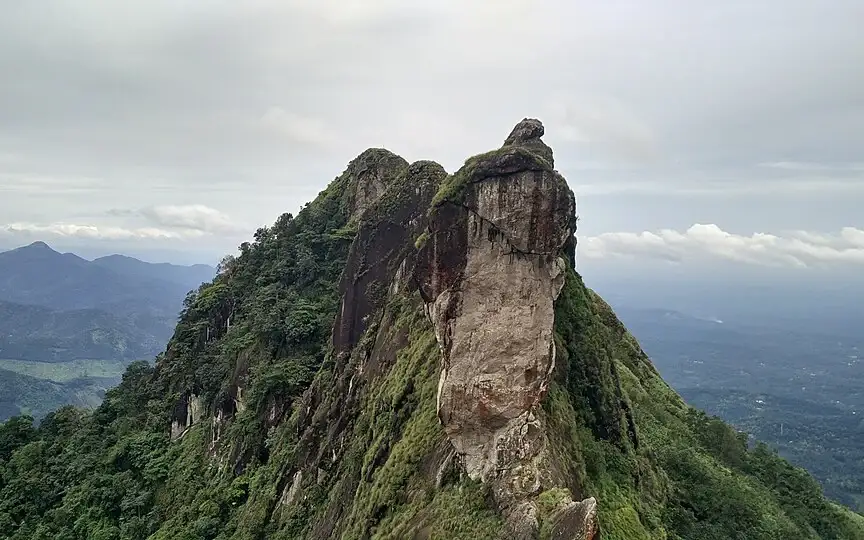
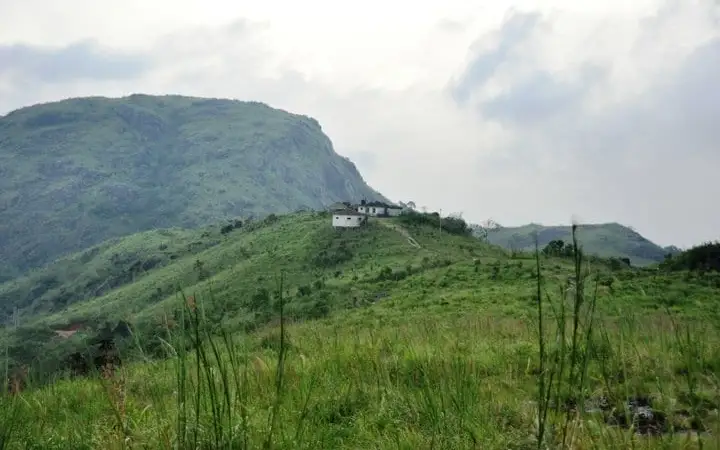
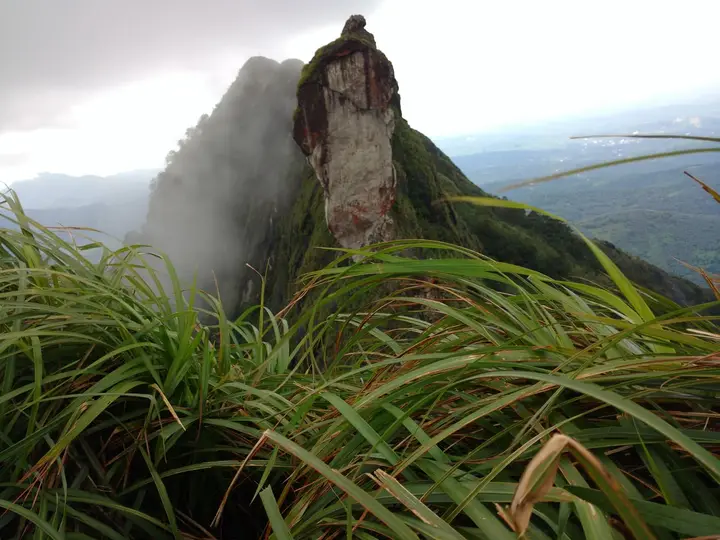
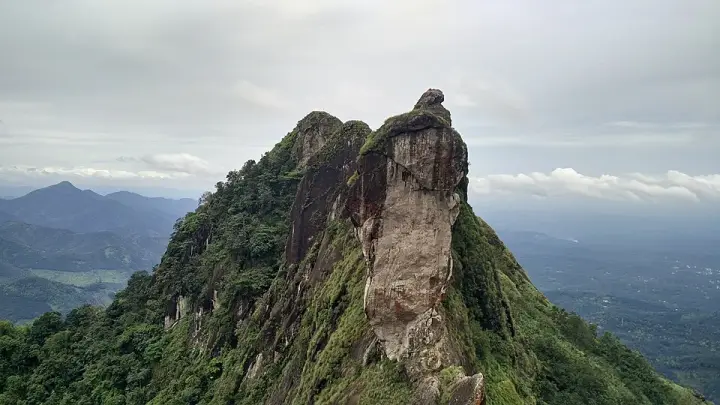
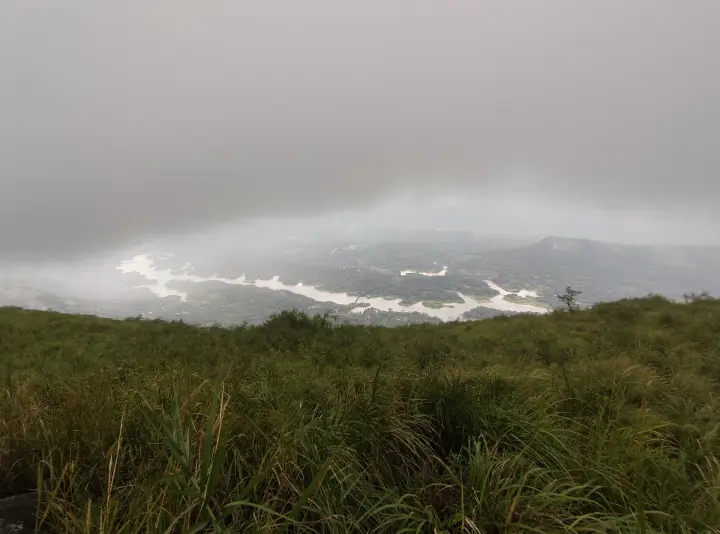
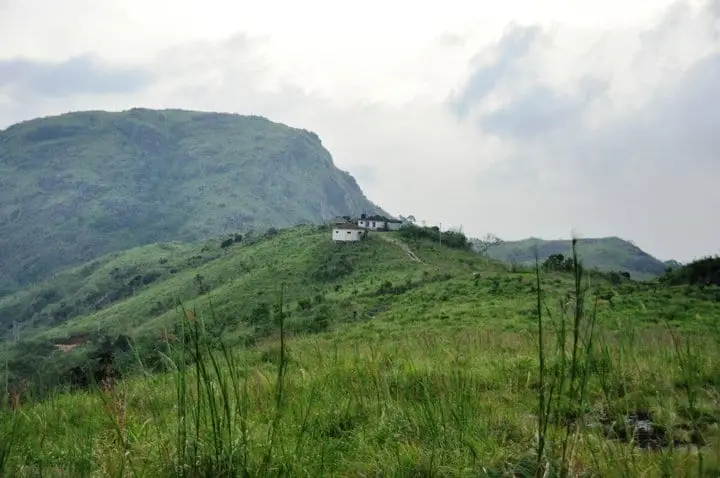
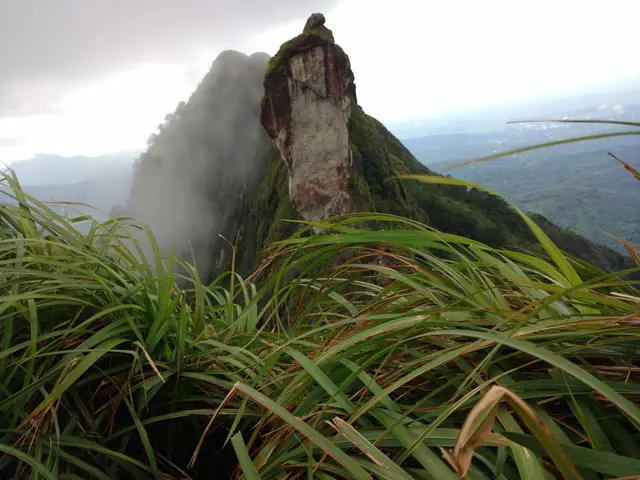
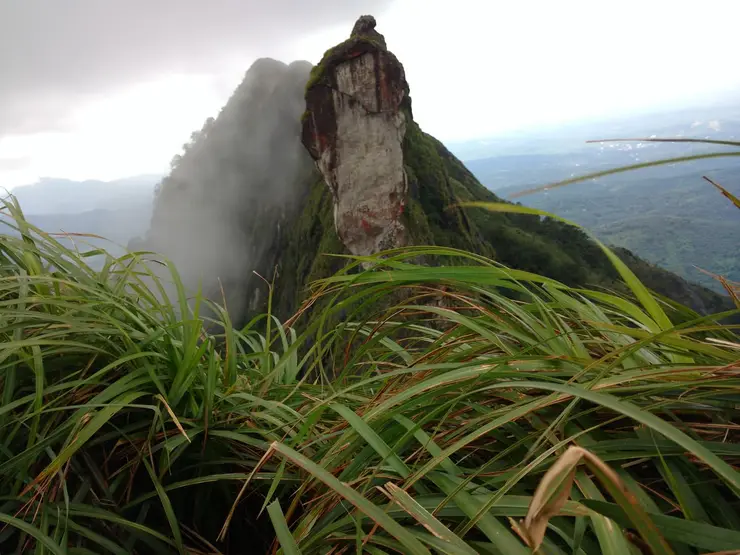
Illikkal Kallu Entry is generally free, though a nominal parking or DTPC checkpoint/jeep charge may apply near the summitOpen during daylight hours, commonly around 6 am to 6 pm; go early for the best light and mistBest from the post-monsoon cool season, roughly September to January, for green hills, mist and clear views; avoid heavy monsoon (June–August) when the rocks turn dangerously slippery
Illikkal Kallu trek DTPC Kottayam publishes ₹30 adult and ₹15 child admission, with offline booking. A jeep service has its own charge and is not included in these published entrance figures.Published ordinary visitor hours: 8am–6pm daily. Weather or site restrictions may shorten access.Choose a daylight period with stable weather and enough visibility to follow the approach. Clear conditions reveal the wider valley; passing mist can isolate the rock dramatically, but heavy cloud and rain can make the walking conditions unsuitable.
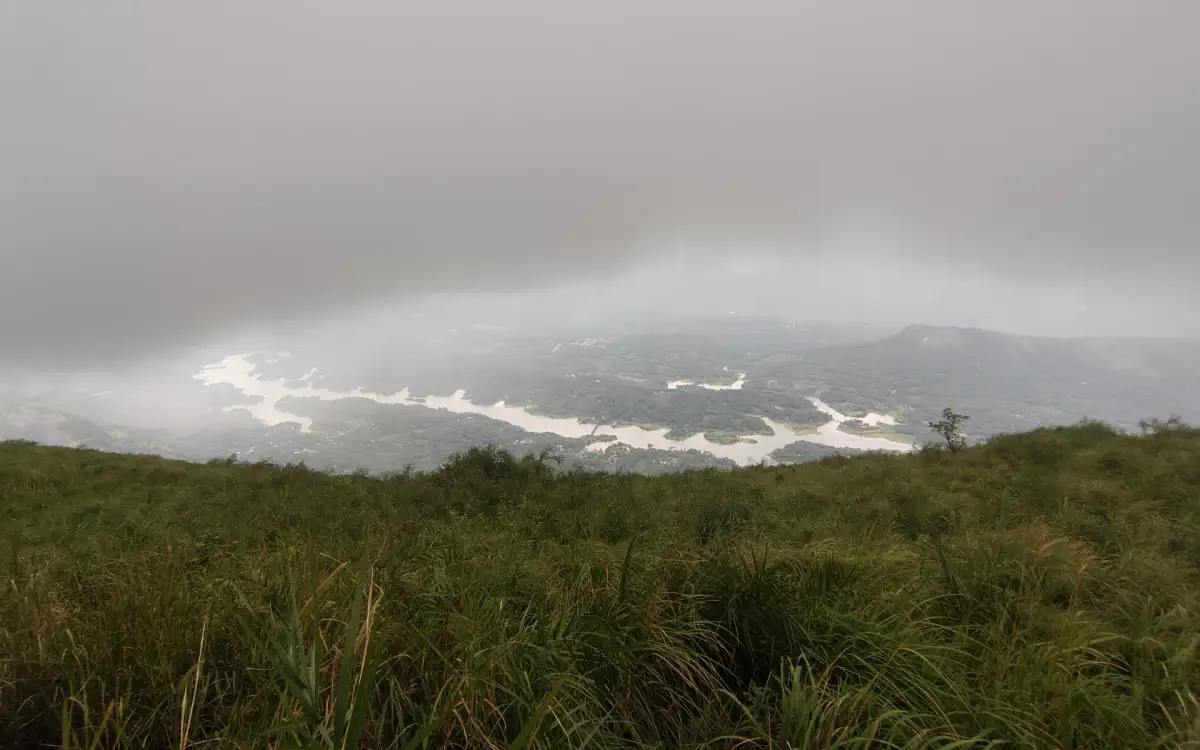
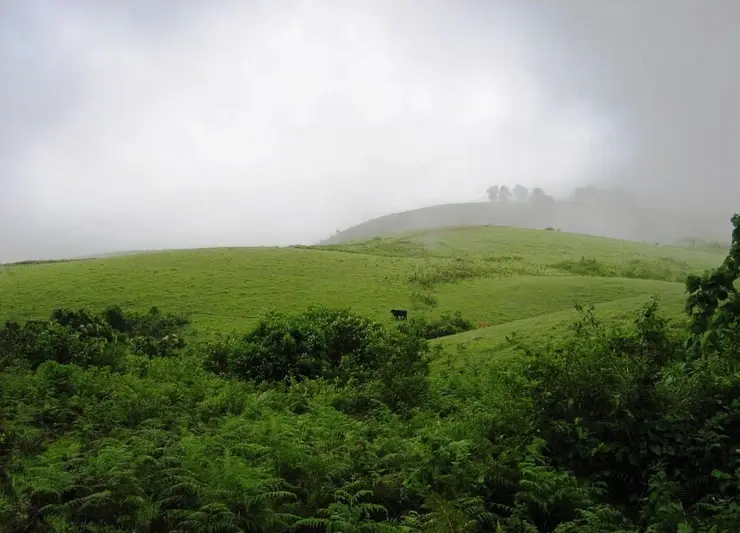
Ilaveezhapoonchira trek DTPC Kottayam’s current listing publishes ₹20 for adults and ₹10 for children, with offline booking. A jeep transfer is a separate arrangement; the admission figures do not establish its fare.Published DTPC visiting hours: 9am–5pm daily. Do not infer pre-dawn or after-hours access from sunrise and sunset descriptions.Choose a daylight visit in workable weather. Rain greens the landscape and changes water in the valley, but thick mist can remove the wider view and wet rock can complicate walking. Do not equate the wettest day with the best trekking conditions.
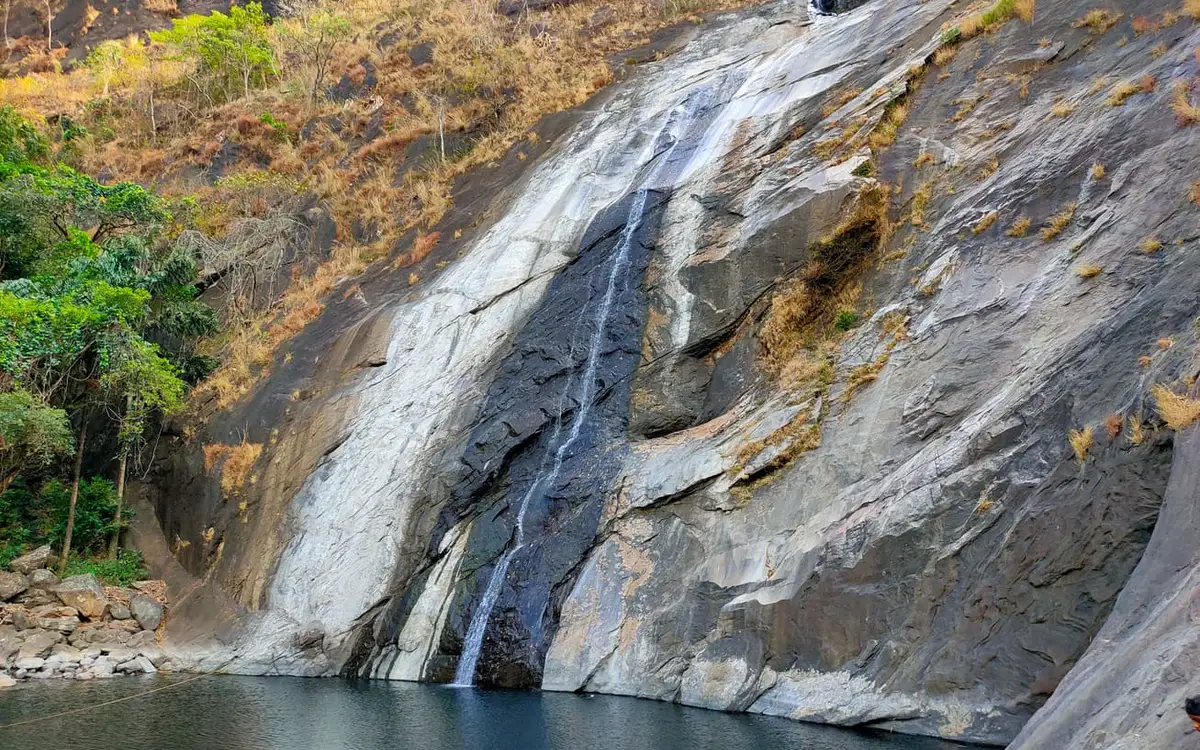
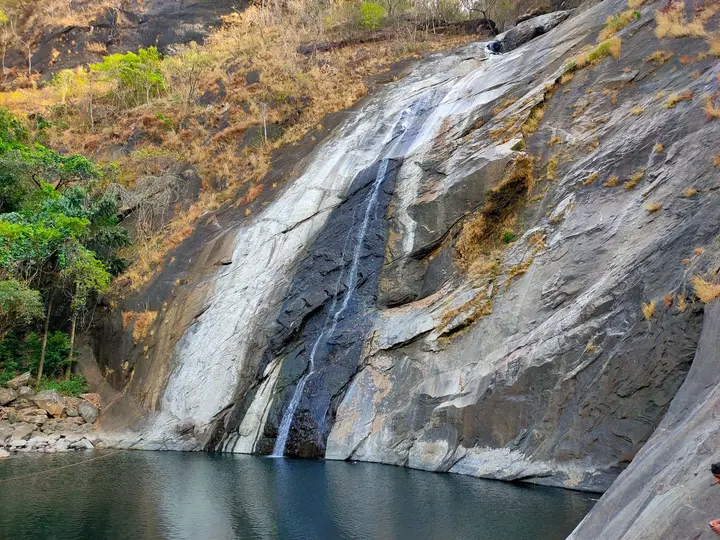
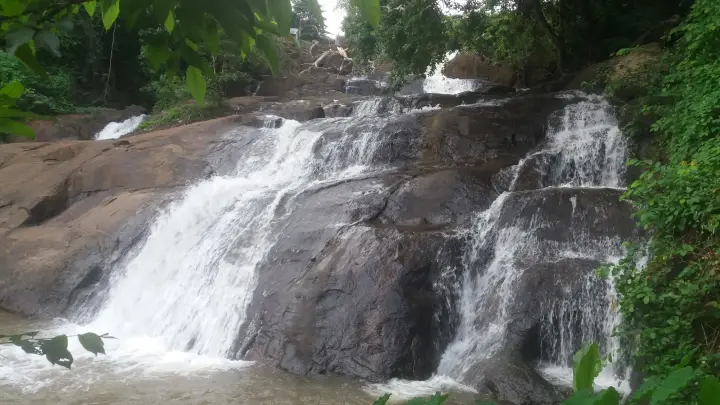
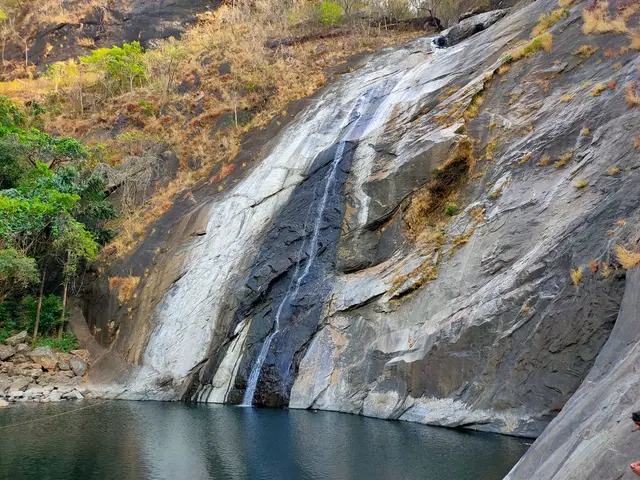
Marmala Waterfalls Generally no formal entry fee to the falls; a small local parking charge may apply, and access crosses private estate land so local permission or conditions can vary.Typically visited during daylight hours, roughly 6:00 AM to 6:00 PM, with locals often advising you arrive and start back well before around 4:00 PM for safety on the slippery return.Best from about September to February, post-monsoon, when flow is strong and the trail is drying; peak monsoon gives maximum water but the most dangerous, slipperiest conditions; flow drops noticeably by late summer (March–May). (Indicative — confirm locally.)
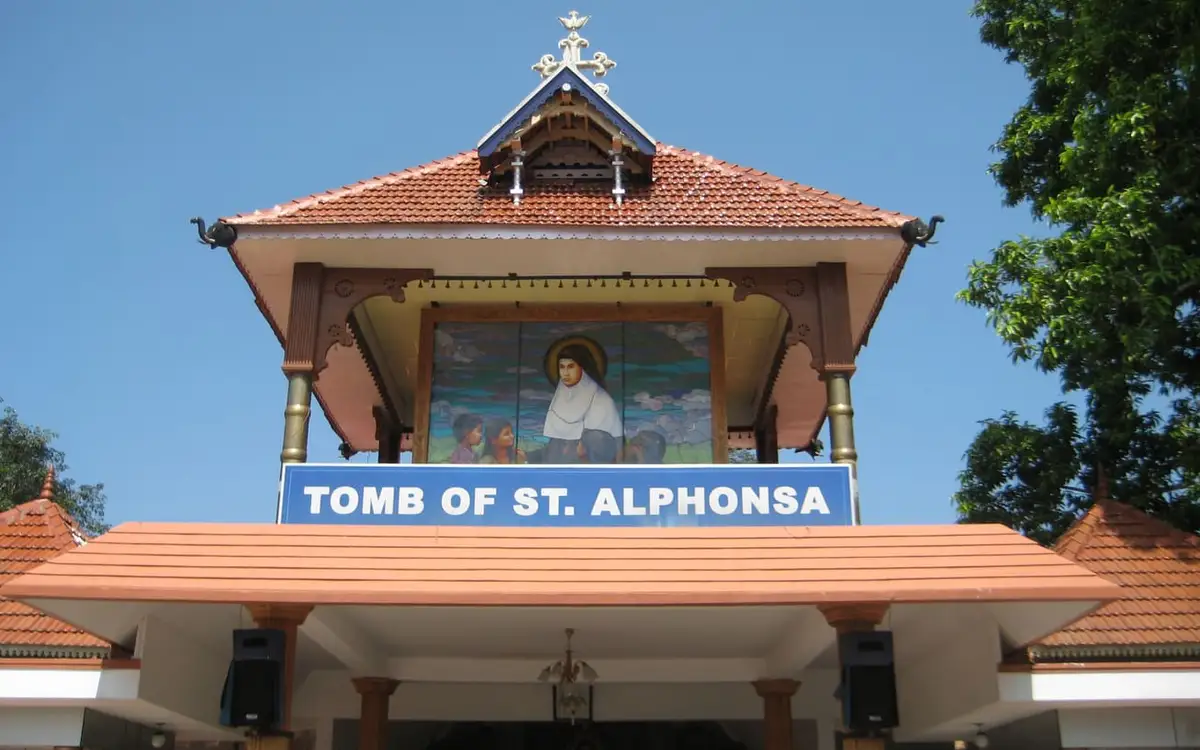
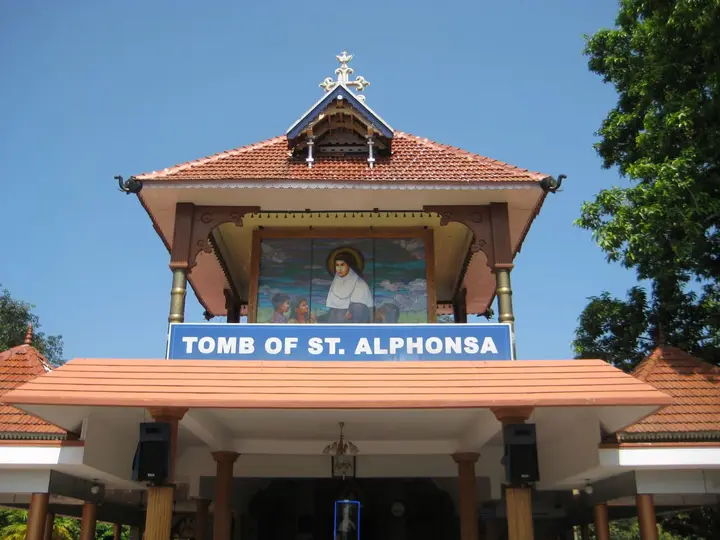
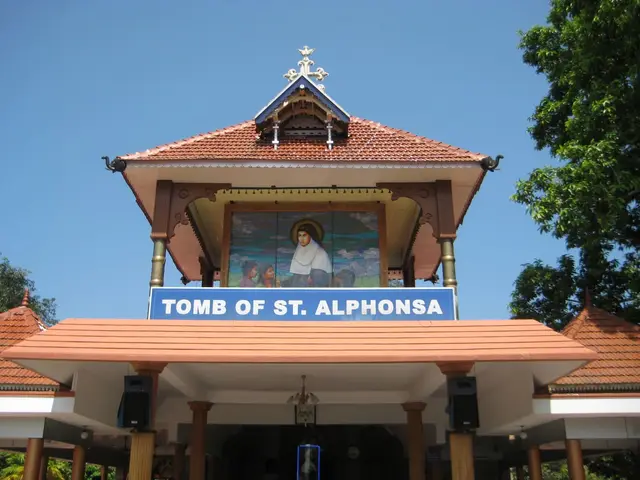
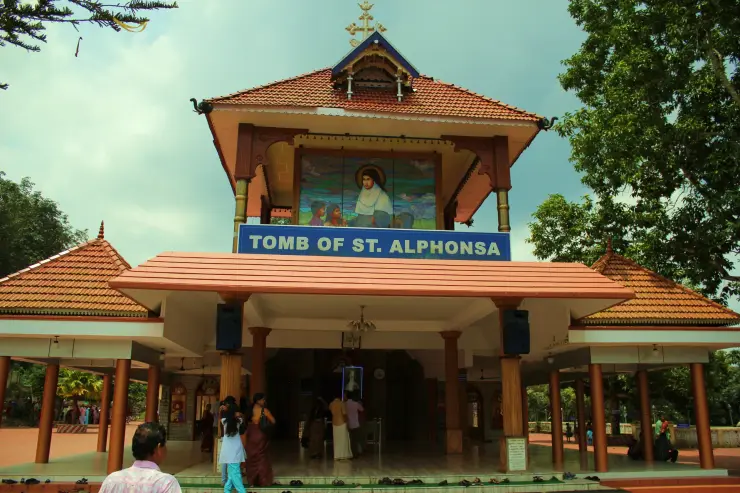
Bharananganam Free. There is no ticket for the church, the tomb or the shrine grounds. The museum asks a small charge or a donation.The church and the tomb are open to pilgrims through the day, and Mass is celebrated several times daily from before six in the morning. We do not print the times: the shrine’s own site, alphonsa.org, now redirects to the diocese’s accounts portal and publishes nothing, and a wrong Mass time is worse than none. The Alphonsa Museum keeps daytime hours, reported as roughly 8:30 am to 4:45 pm. Ring the Eparchy of Palai to confirm before you build a morning around a particular Mass.October to February is the driest and most comfortable stretch. The town is at its fullest around the feast on 28 July — which is also the height of the monsoon, so that visit is a different proposition: thousands of pilgrims, heavy rain and no parking.
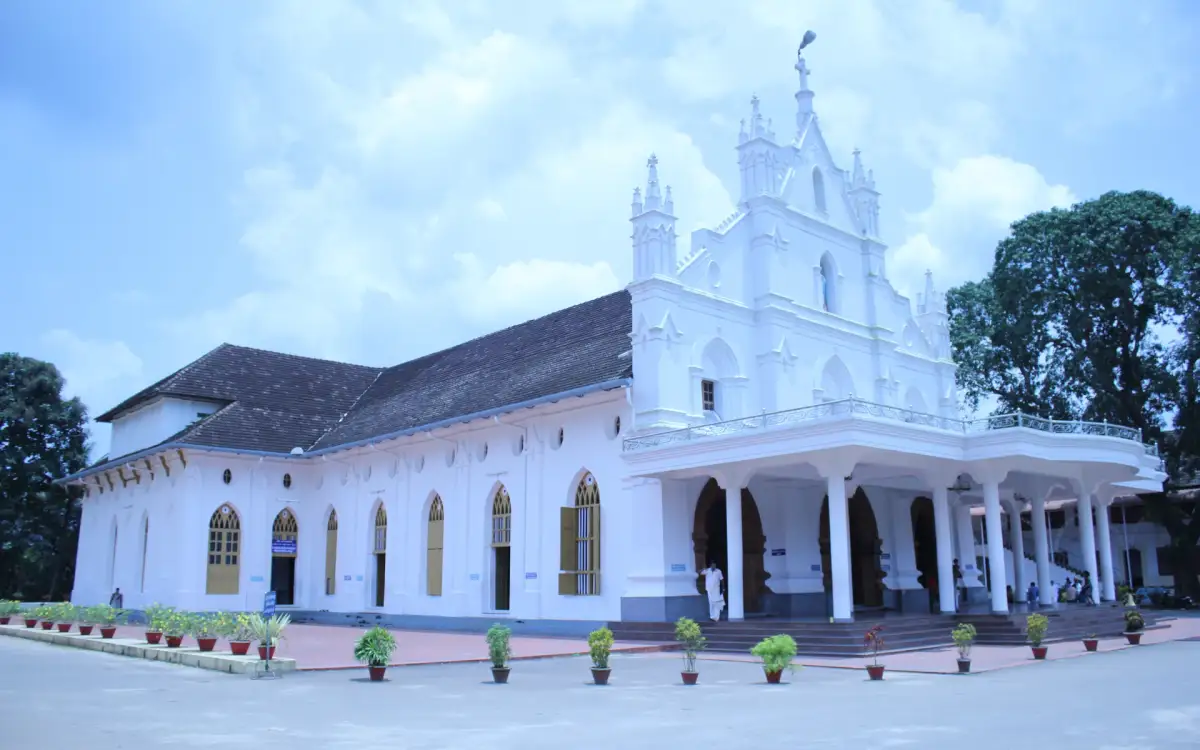
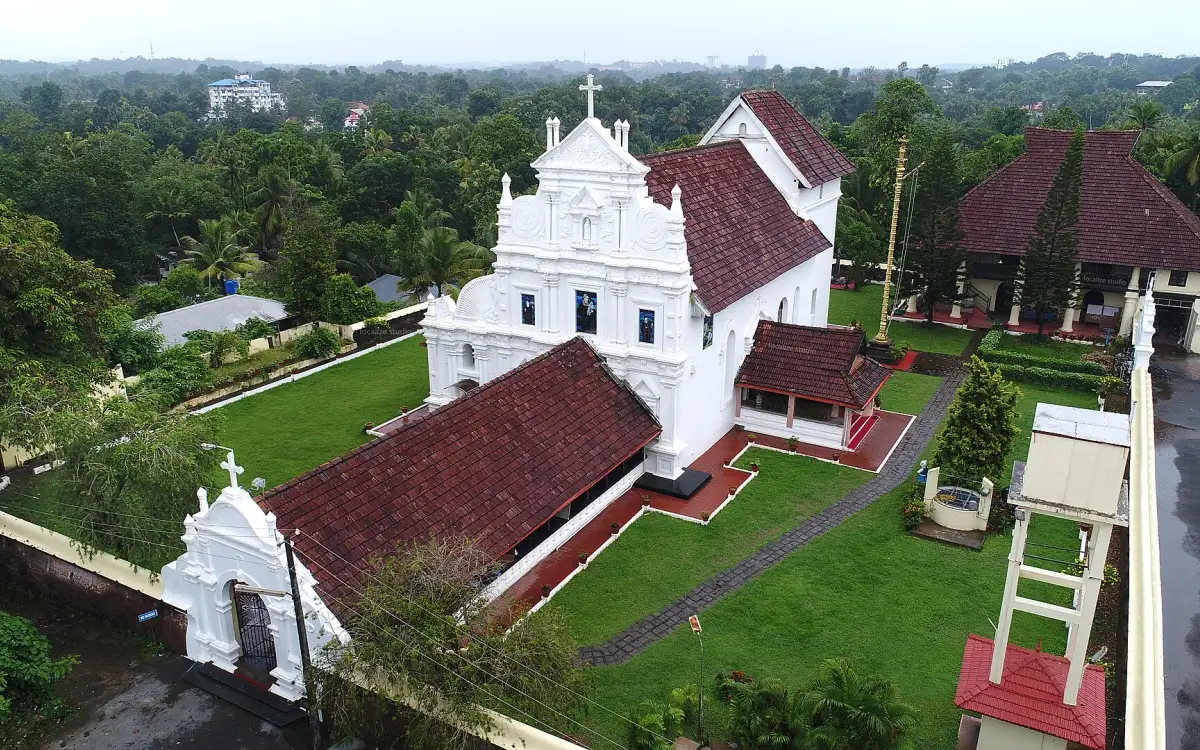
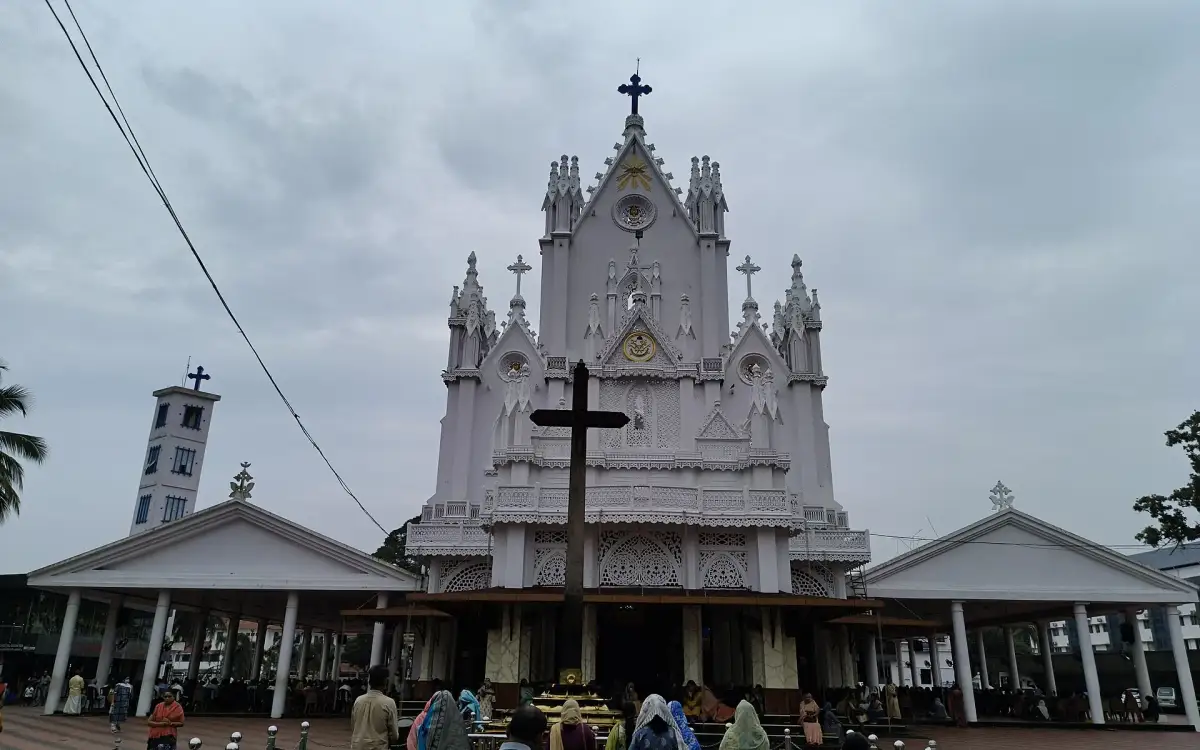
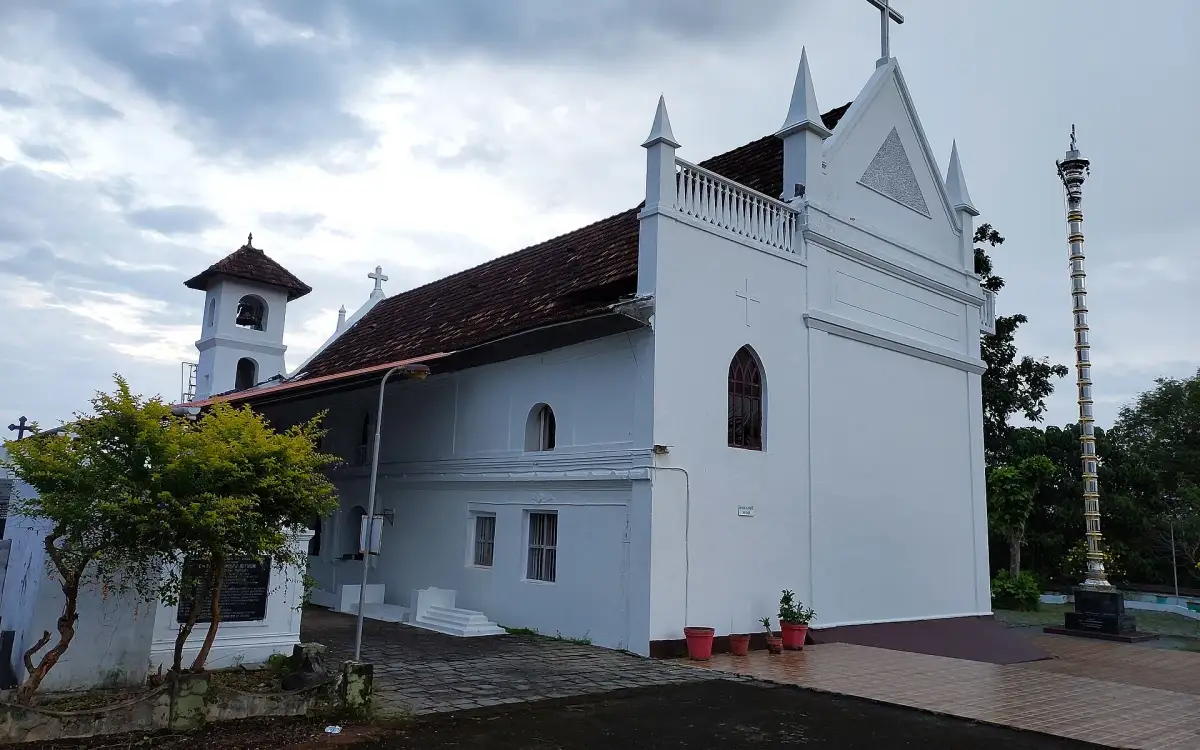
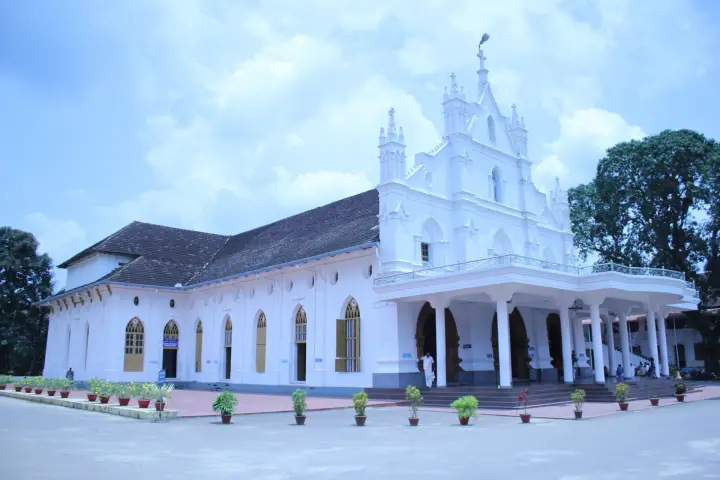
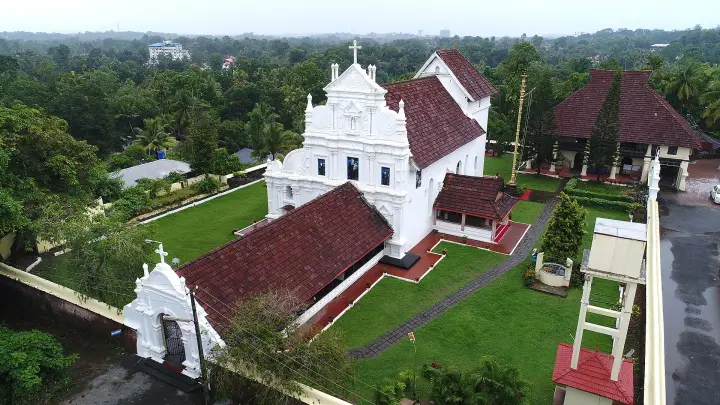
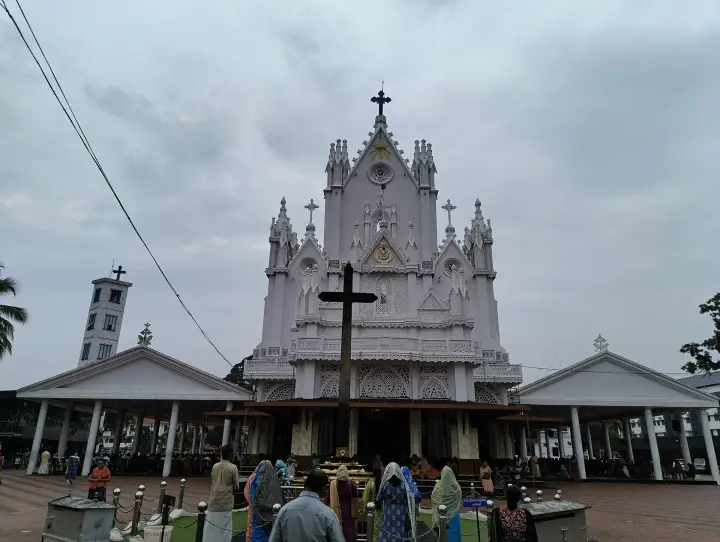
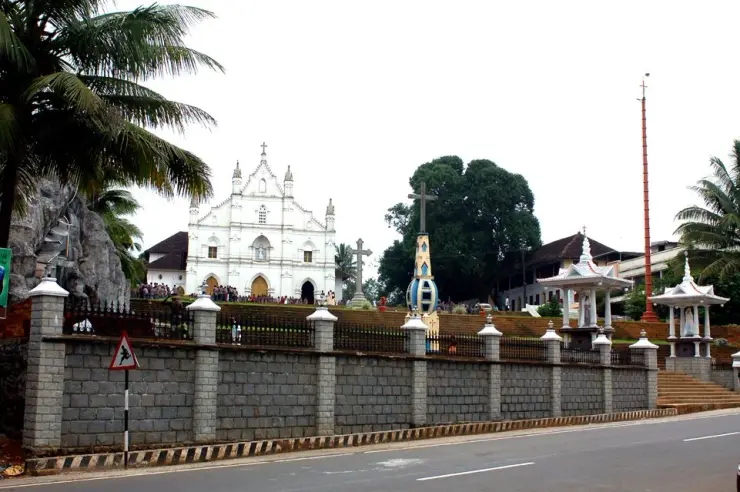
St Marys Forane Church FreeKerala Tourism’s Kottayam destination booklet lists no entry fee for the church; voluntary offerings and separately arranged services are different mattersThe pilgrimage centre’s parish page lists Qurbana at 06:00 and 07:15 on weekdays and Saturdays; Sundays at 05:30, 06:45, 08:15, 09:45 and 17:00. The diocesan table differs for Saturday, so confirm that morning’s service with the parish. These are worship schedules, not all-day sightseeing hoursDry daylight makes the forecourt and architectural approach easier to inspect. Rain affects the exposed stair, while July pilgrimage traffic can change the experience of the entire church–shrine neighbourhood.
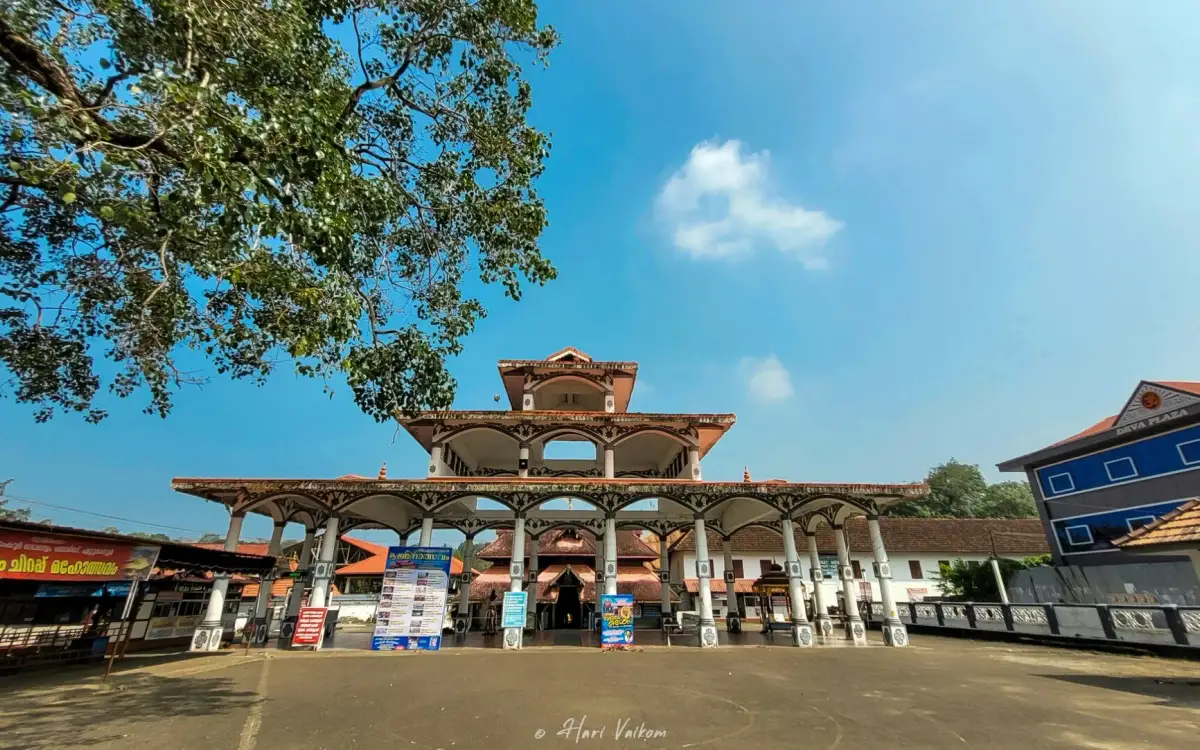
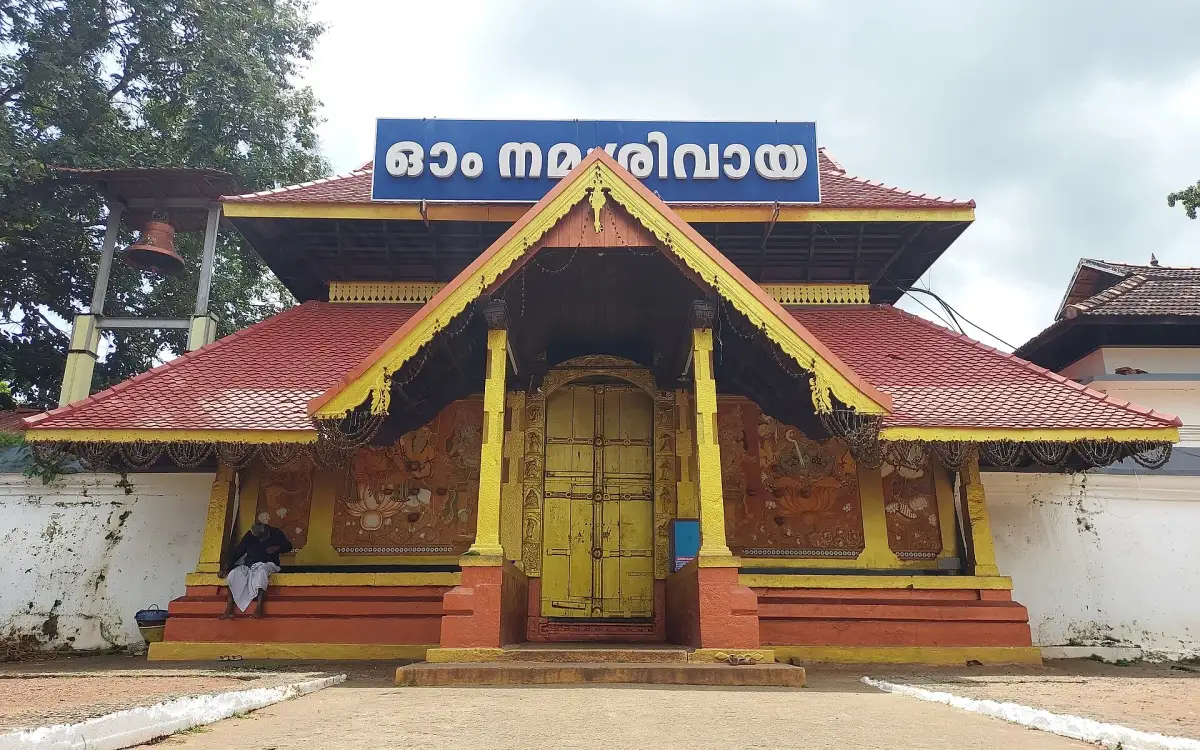
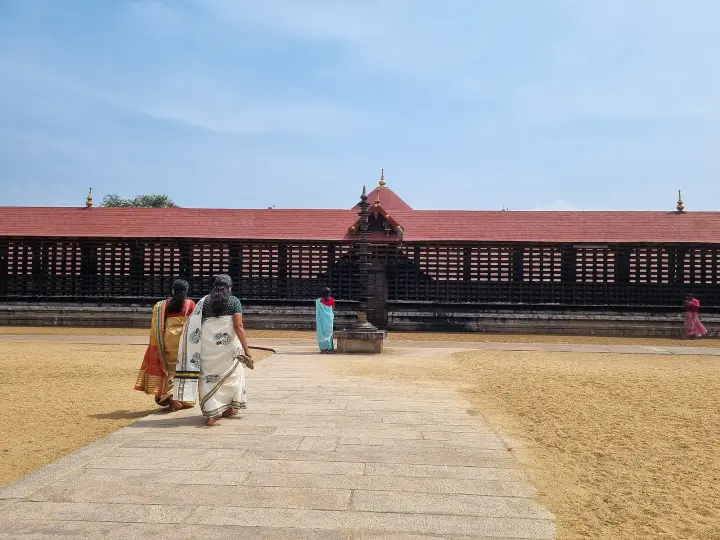
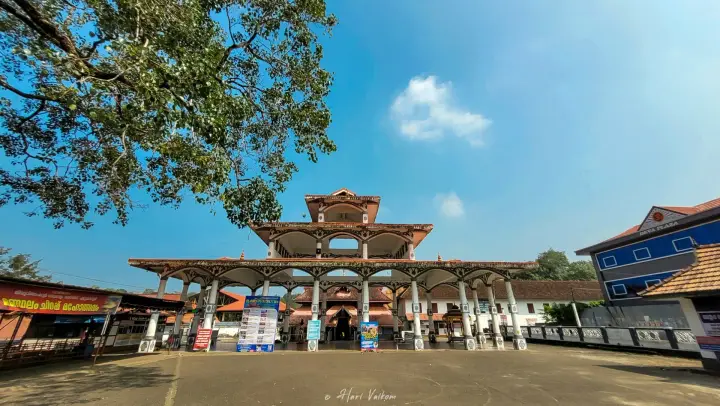
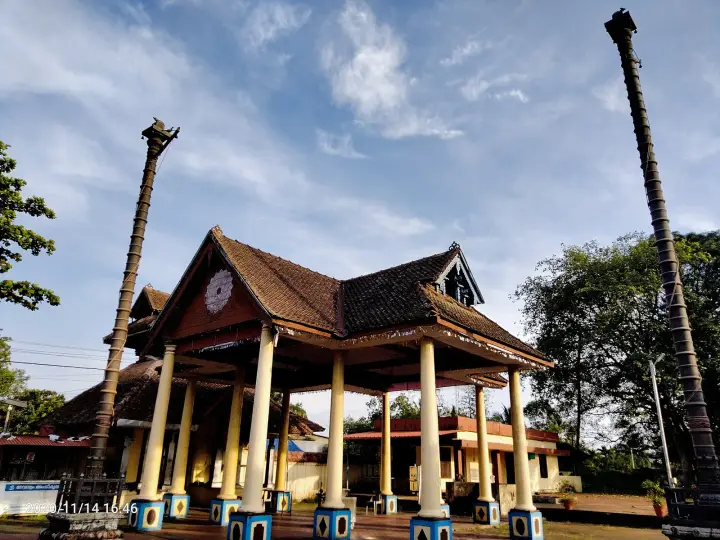
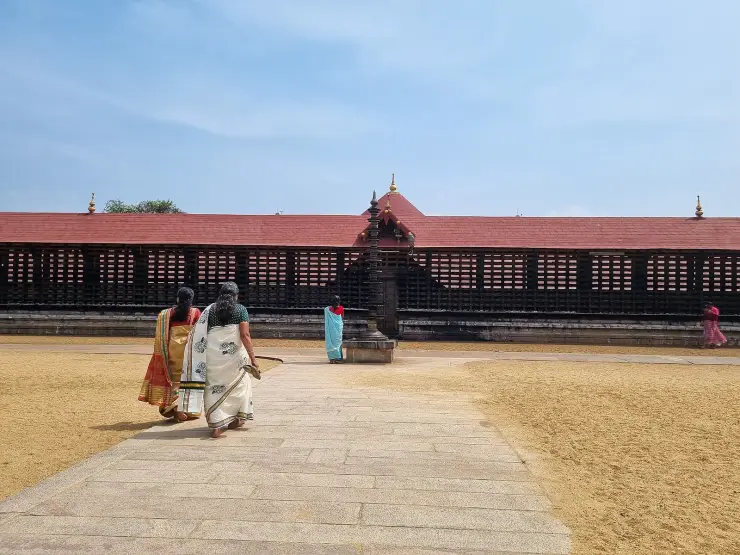
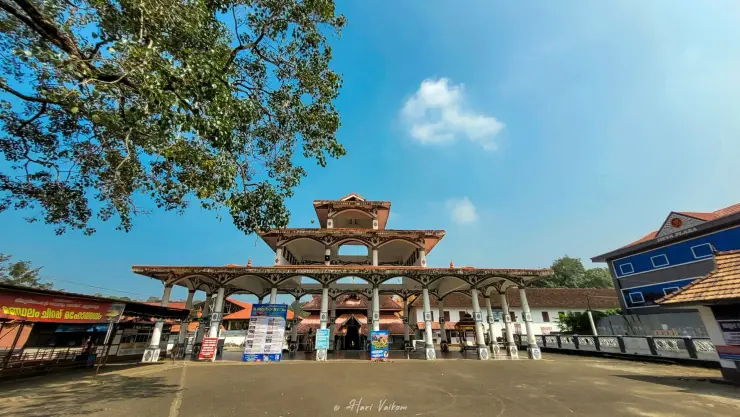
Vaikom Sree Mahadeva Temple Darshan is generally free. Specific sevas, poojas and offerings such as prathal, dhara and vilakku carry fixed charges, and there may be a fee for camera use. Rates are indicative — confirm at the temple office.Typically open in two sessions — roughly 4:00 am to around midday (about 12:00 pm), then again from about 5:00 pm to 8:00 pm; the ucha pooja (noon worship) falls near the end of the morning session. During the Mandala–Vaikom Ashtami season the temple may open earlier, around 3:00 am.November to February offers pleasant weather; the Vaikom Ashtami festival (November–December) is the grandest but most crowded time. Off-festival weeks are quieter for a peaceful darshan.
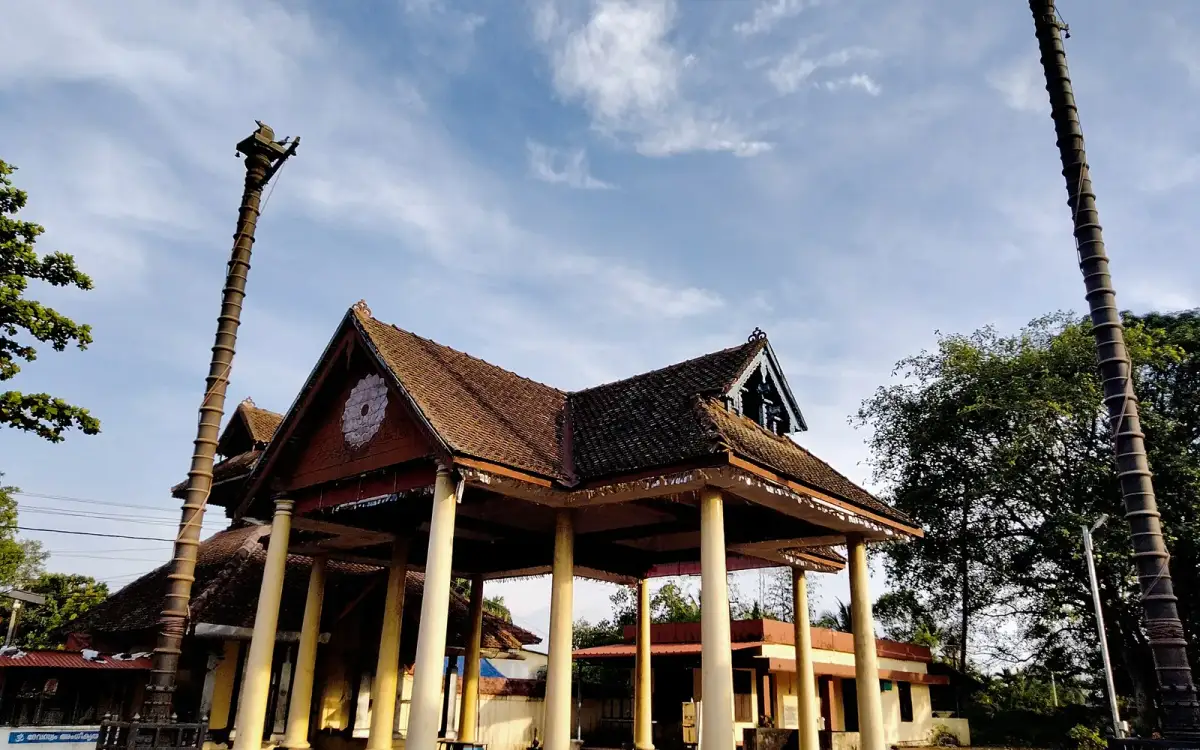
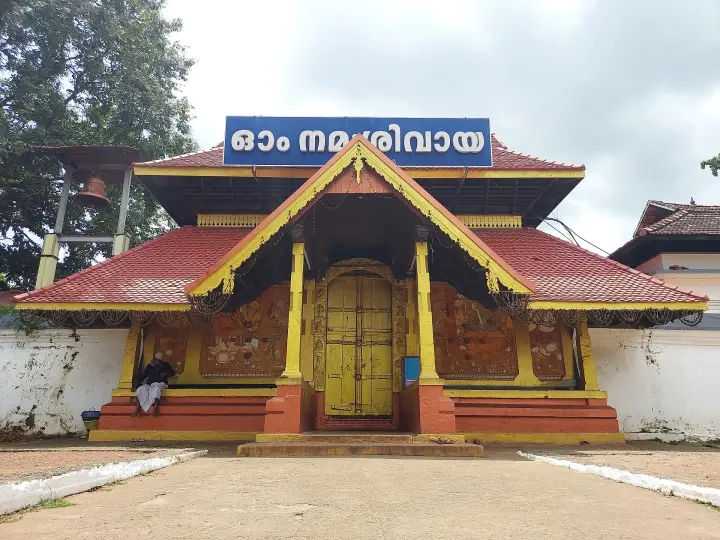
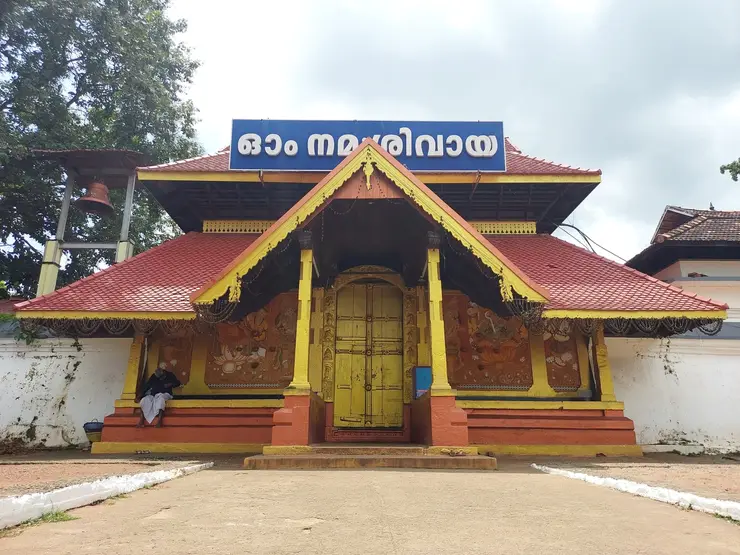
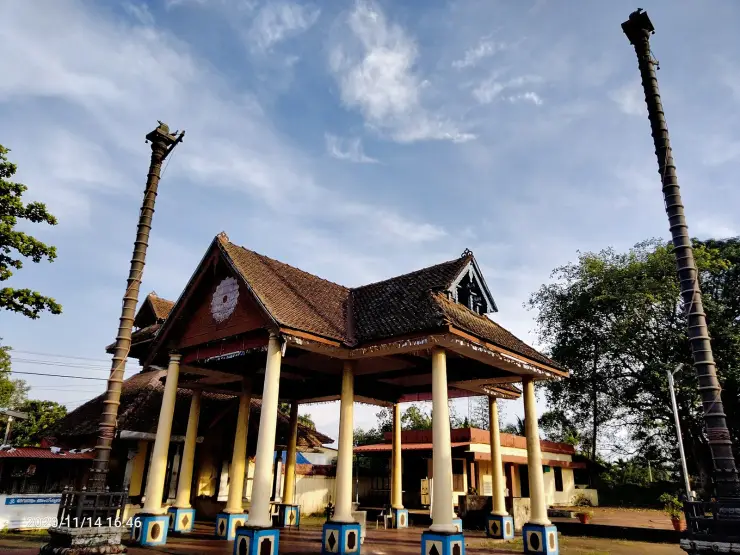
Ettumanoor Mahadeva Temple No entry fee for darshan; special poojas, offerings (vazhipadu) and festival-related tickets are charged separately.Typically open early morning to mid-morning and again in the evening, with reported timings of around 4:00 am to 12 noon and about 5:00 pm to 8:30 pm; poojas follow the Kerala temple schedule.October to March is the pleasant, cooler season; the standout time is the ten-day festival in Kumbham (February–March) when the golden elephants are displayed. Early mornings and evenings are the most atmospheric for darshan.
Thirunakkara Mahadeva Temple Free — there is no entry fee for darshan; specific poojas, offerings and vazhipadu are paid separately at the temple counter.Generally open early morning for darshan, around 4:00 am to about 11:00 am, and again in the evening from about 5:00 pm to 8:00 pm, following the usual Kerala temple pattern of morning and evening pooja sessions.The marquee time to visit is the ten-day Thirunakkara Arattu Utsavam in the Malayalam month of Meenam (around March–April), when the temple and maidan come alive with elephants, percussion and processions. Otherwise the cooler, drier months from roughly October to February are the most pleasant for a calm visit.
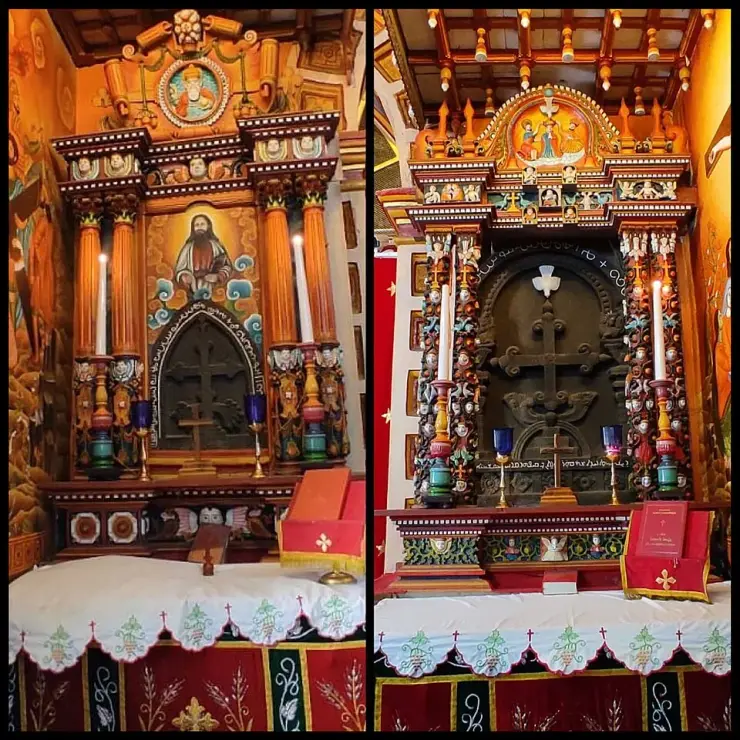
Cheriapally Church Free — Cheriapally is a working church and there is no admission charge; a small donation towards its upkeep and conservation is appreciated.Generally open to visitors through the day, typically from the early morning until evening, with services on Sundays and feast days; quiet mid-morning and afternoon slots are best for viewing the murals without disturbing worship.October to March offers the most comfortable weather for a town walk between the church, the Valiyapally and Kottayam’s centre; the pre-monsoon months (April–May) are hot and humid, and June–September brings heavy south-west monsoon rain. Interiors and murals can be enjoyed year-round.
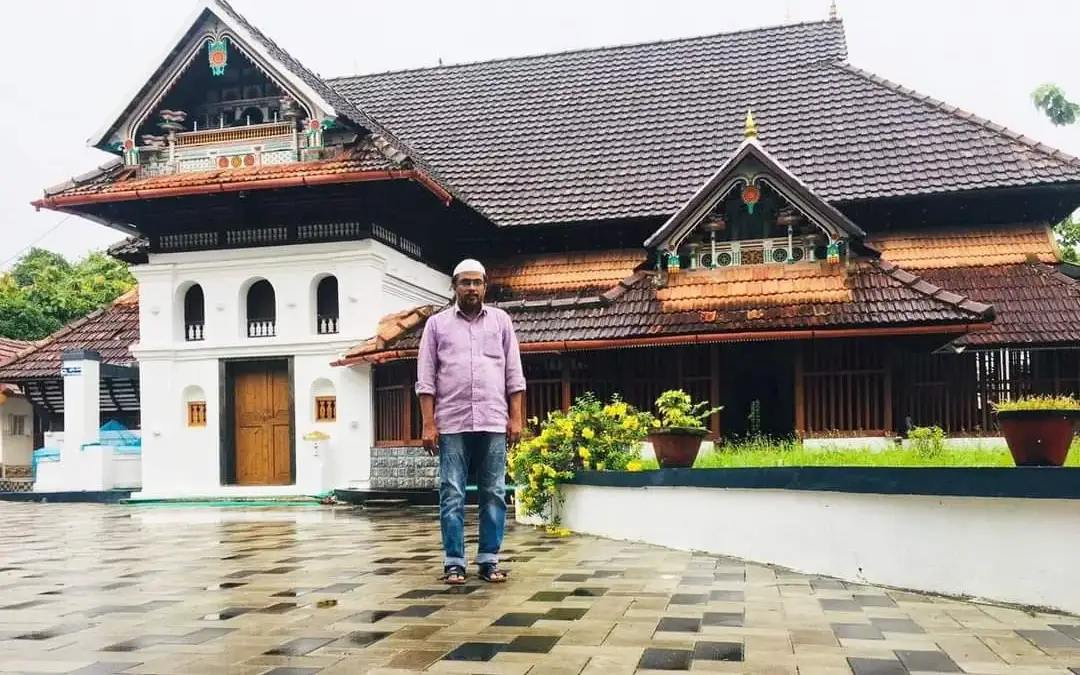
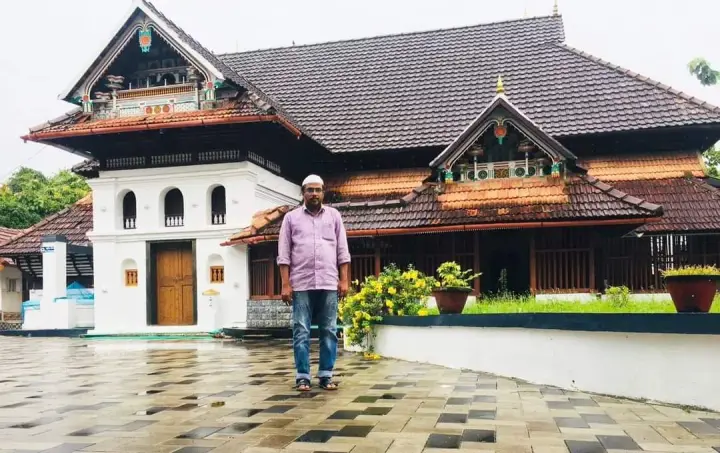
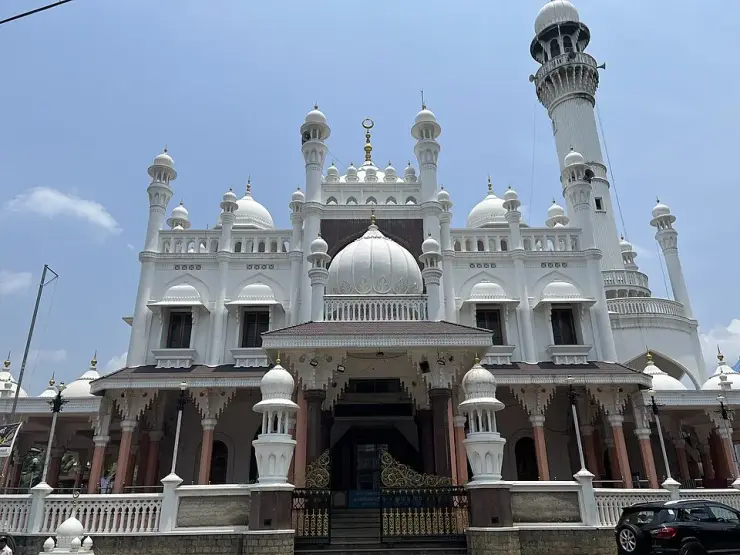
Thazhathangadi Juma Masjid FreeFree entry (modest dress; observe mosque etiquette; visitor access to the old mosque interior may be limited).Indicative, confirm locally: open through the day around prayer times.—
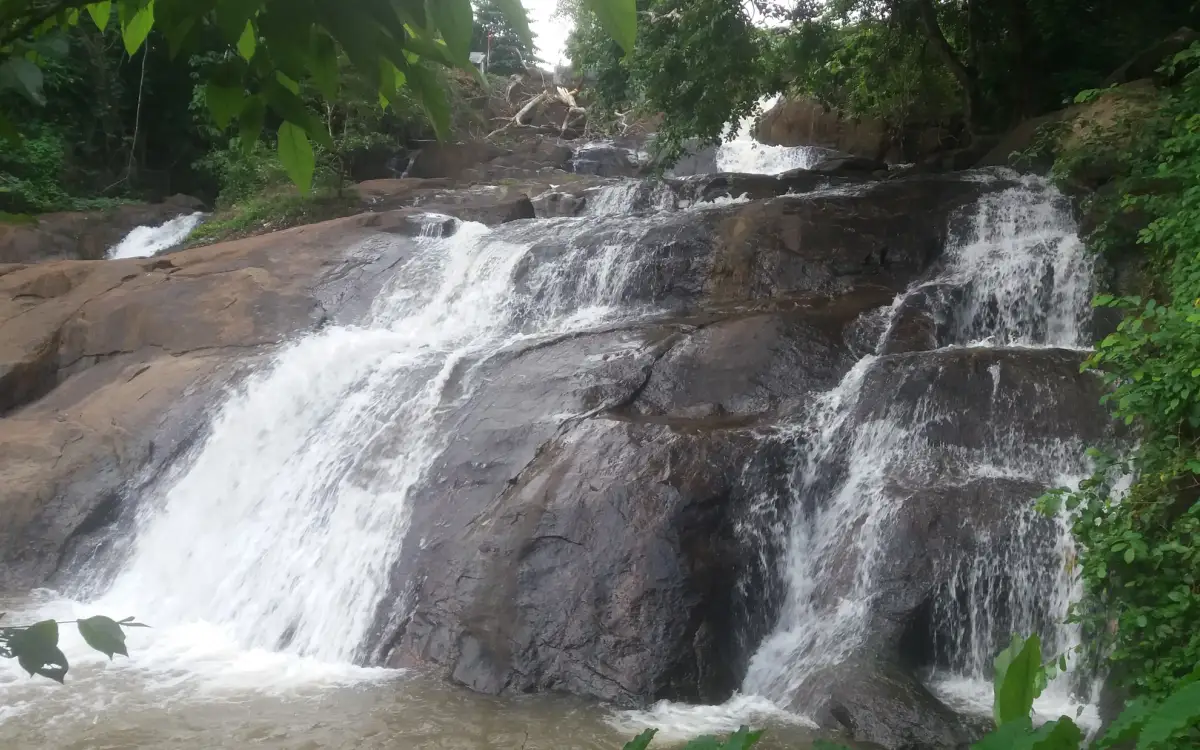
Aruvikkuzhi Waterfall FreeNo entry fee is listed by DTPC Kottayam.DTPC Kottayam lists daily visiting hours of 09:00–18:00; temporary weather restrictions take precedence.—
Ilaveezhapoonchira No formal entry fee is generally charged for the open meadow; any local parking, guide or access charges should be confirmed on the spot.Open highland meadow best visited in daylight; sunrise and sunset are the prime times.South-west monsoon (roughly June–August) for the greenest meadows, mist and the seasonal lake; the cooler post-monsoon and winter months often give the clearest long-range views. Early morning and late afternoon are ideal.
Poonjar Palace A small entry ticket is typically charged, with a nominal extra fee sometimes applied for cameras; amounts are modest and change over time.Generally open through the day, roughly mid-morning to late afternoon (often reported around 9 or 10 am to about 5 pm), but hours can be informal at this family-run heritage site and a lunch-hour closure is possible.October to March, in Kerala's cooler, drier winter months, is the most comfortable time to visit; the surrounding highlands are lush and green just after the monsoon, though June to September rains can make the hill roads wet.
Manarcad Church FreeFree; an active Jacobite Syrian cathedral.Open through the day with services at set times.1–8 September for the Ettu Nombu festival; otherwise pleasant October to February.
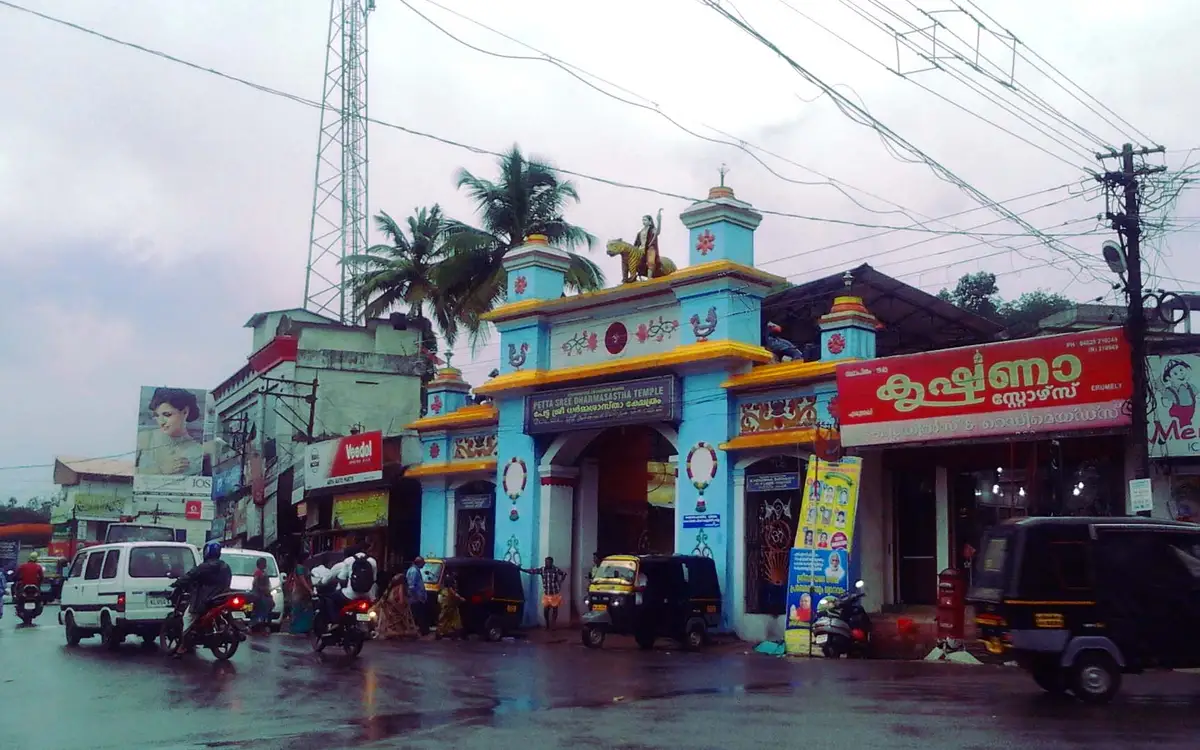
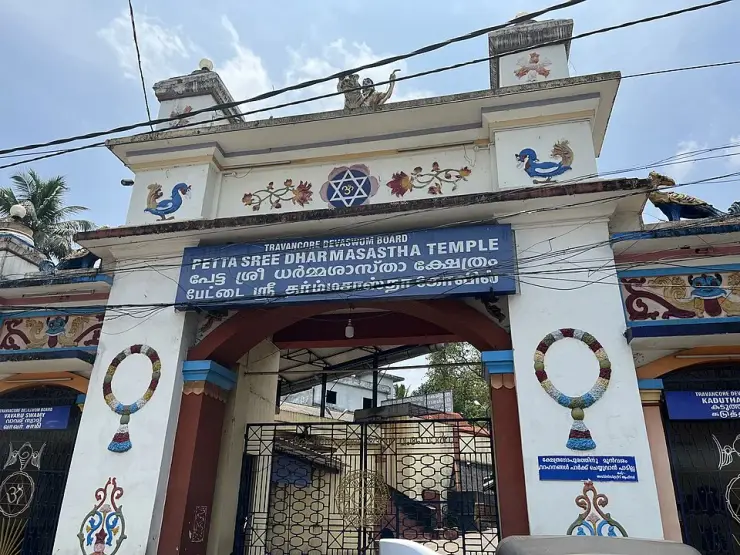
Erumeli No entry fee to worship at the temple or the Vavar mosque.The shrines observe traditional temple hours with morning and evening worship; they are open longest and busiest through the pilgrimage season, when crowds are very heavy.The pilgrimage season, roughly mid-November to mid-January (the Mandala–Makaravilakku period), is the most atmospheric time and when the Petta Thullal is held; outside season the town is far quieter.
Kottayam Valiyapally FreeFree; an active Knanaya church.Open through the day (confirm service times).October to February.
Panachikkadu Temple No entry fee — darshan is free. Specific poojas, offerings and the Vidyarambham ceremony carry their own small charges.Broadly, morning darshan around 5:30 AM to 11:00 AM and evening darshan around 5:00 PM to 7:30 PM, with the sanctum closed in the afternoon as is usual for Kerala temples.Navaratri and Vidyarambham (Vijayadashami), usually falling in September–October, are the marquee time, when students and families throng the temple; dates follow the lunar calendar and shift yearly. October to February is the pleasant cool-season window for a general visit; early mornings are calm and atmospheric year-round.
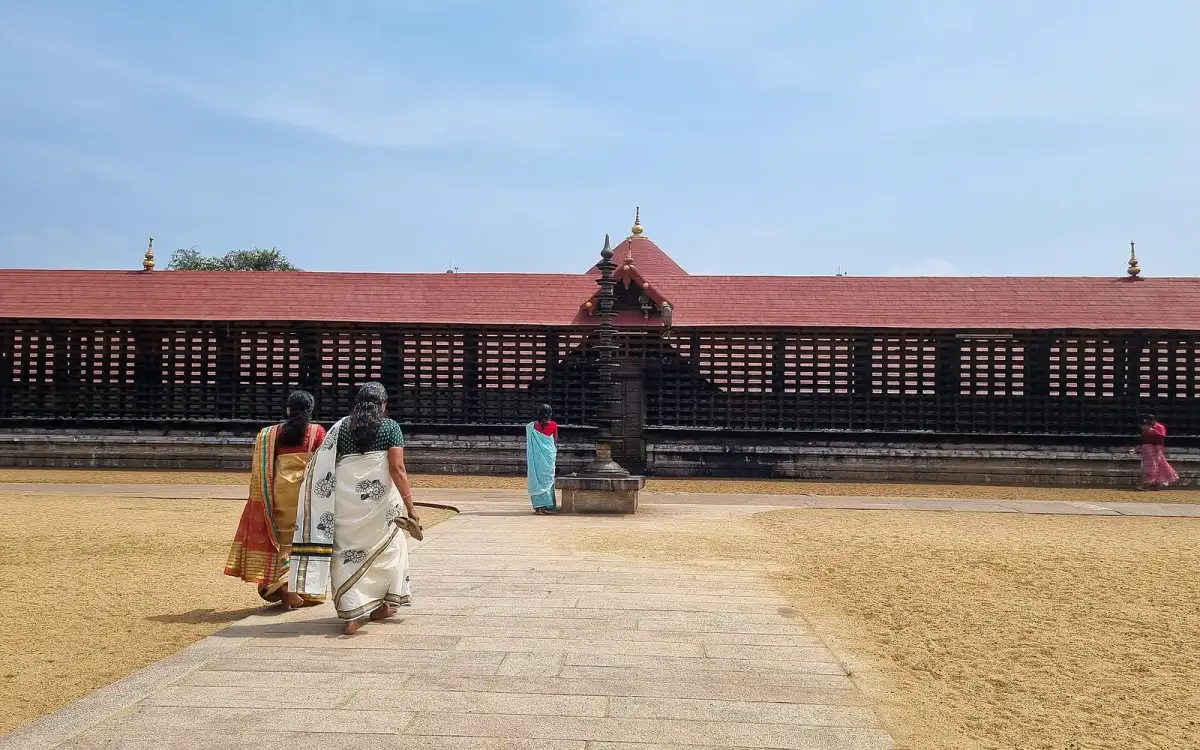
Vazhappally Maha Siva Temple There is generally no charge for darshan at the temple; entry is customarily free. Specific rituals, offerings or vazhipadu are paid for separately at the temple counter, and any such charges are best confirmed on site.Vazhappally typically opens for early-morning and evening darshan, with a midday closure between pujas. Festival days can alter those sessions; use the day’s temple notice rather than assuming continuous opening.The cooler, drier months from roughly October to March are the most comfortable for visiting central Kerala. The annual festival season around Meenam (mid-March to mid-April) is atmospheric but busier; those seeking a quieter darshan may prefer an ordinary weekday morning.